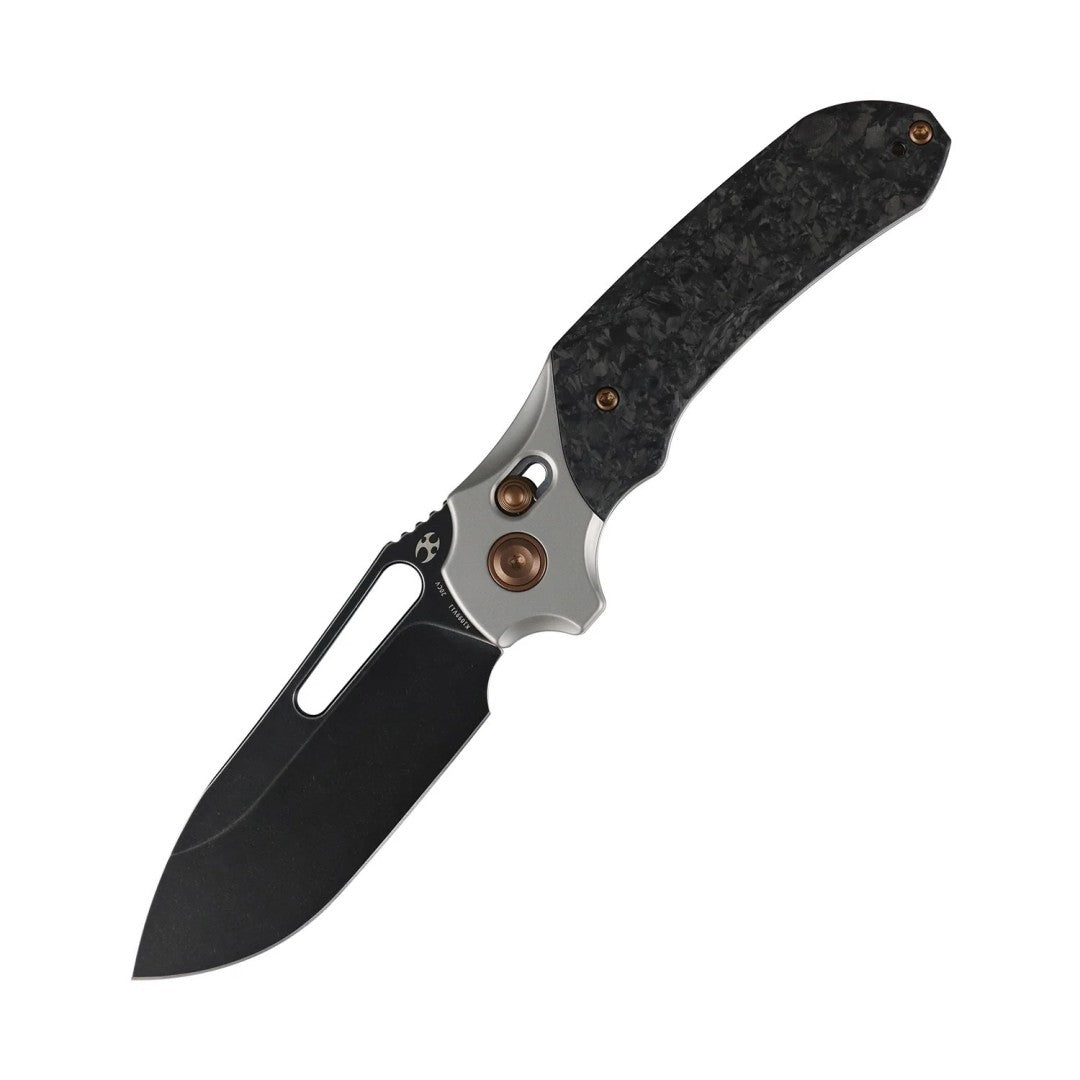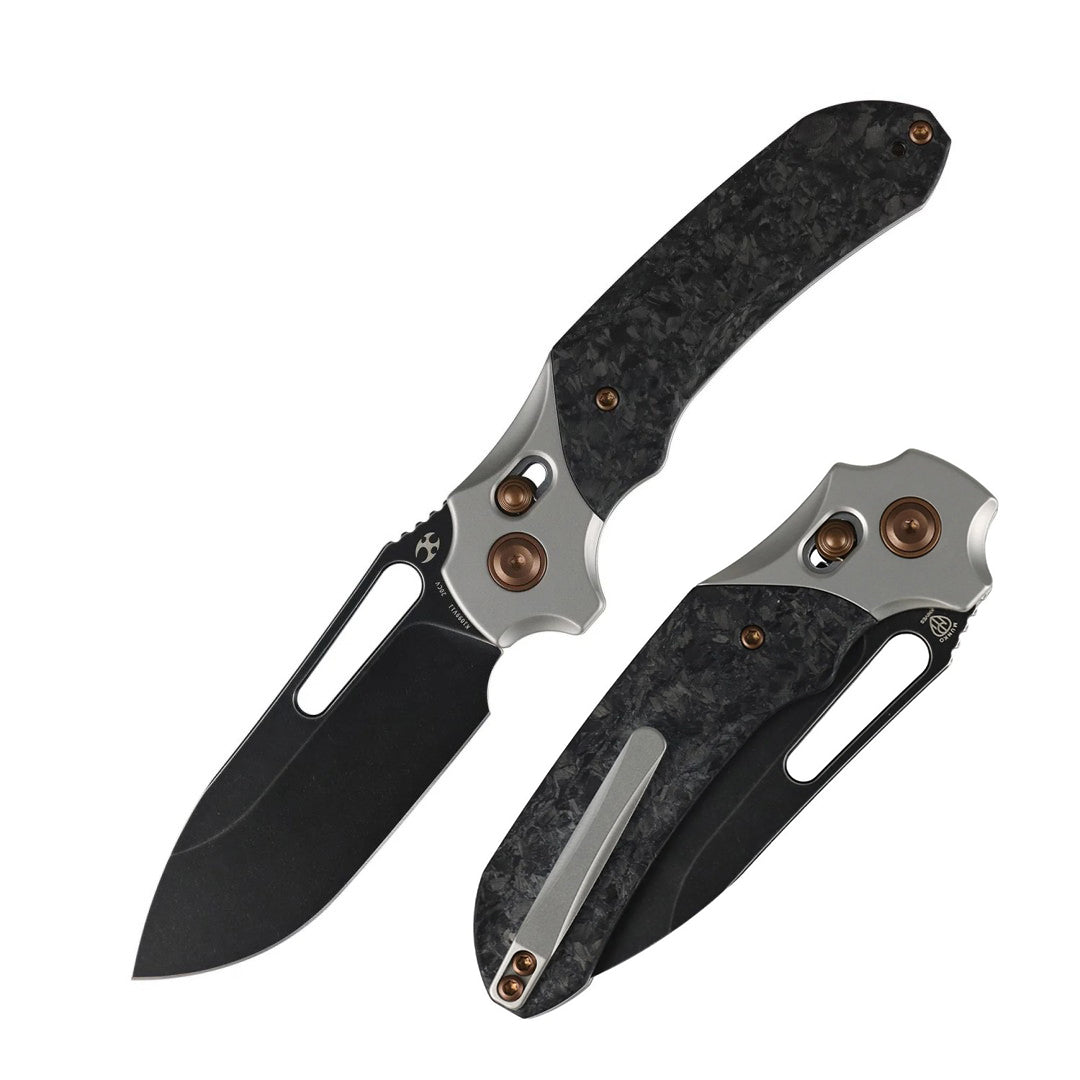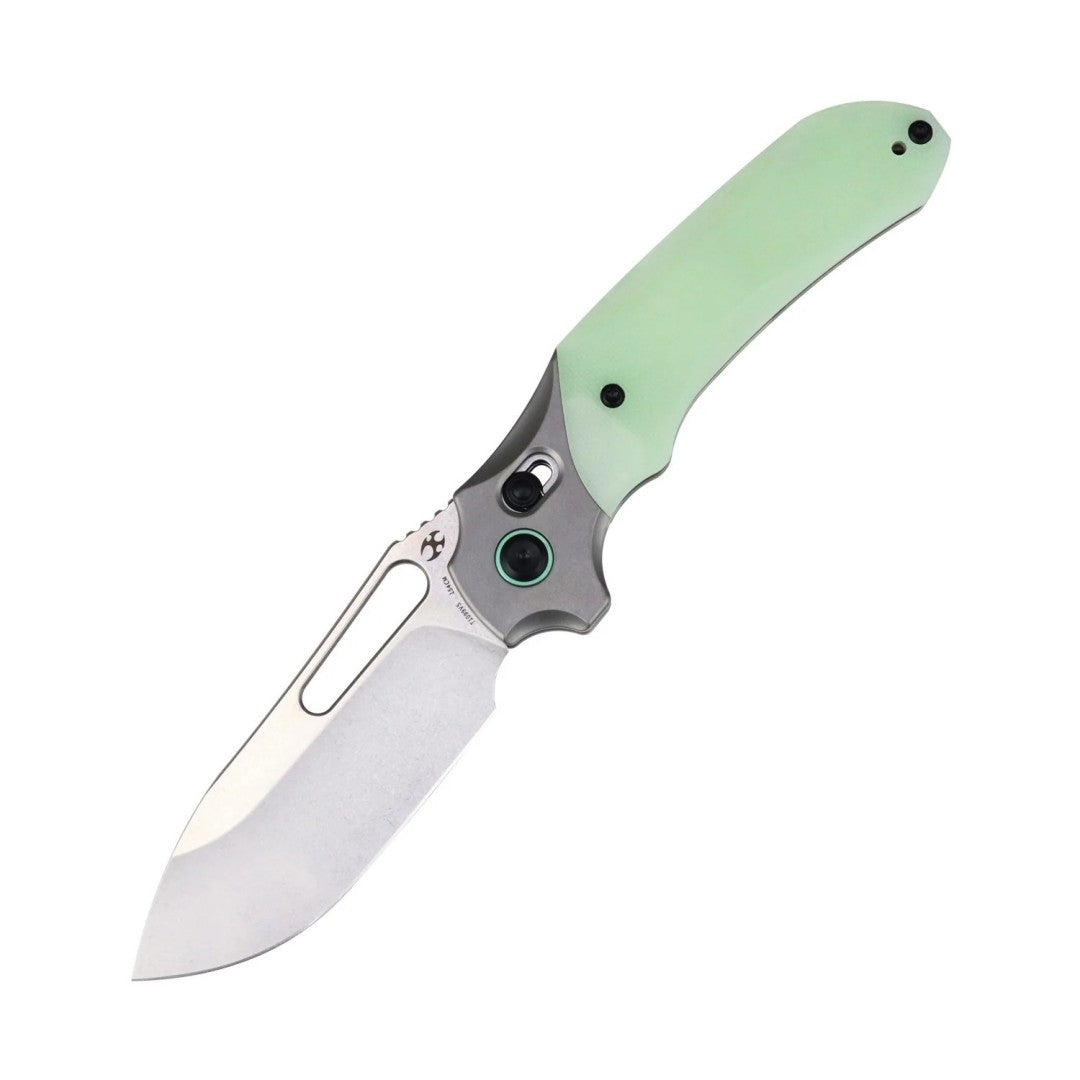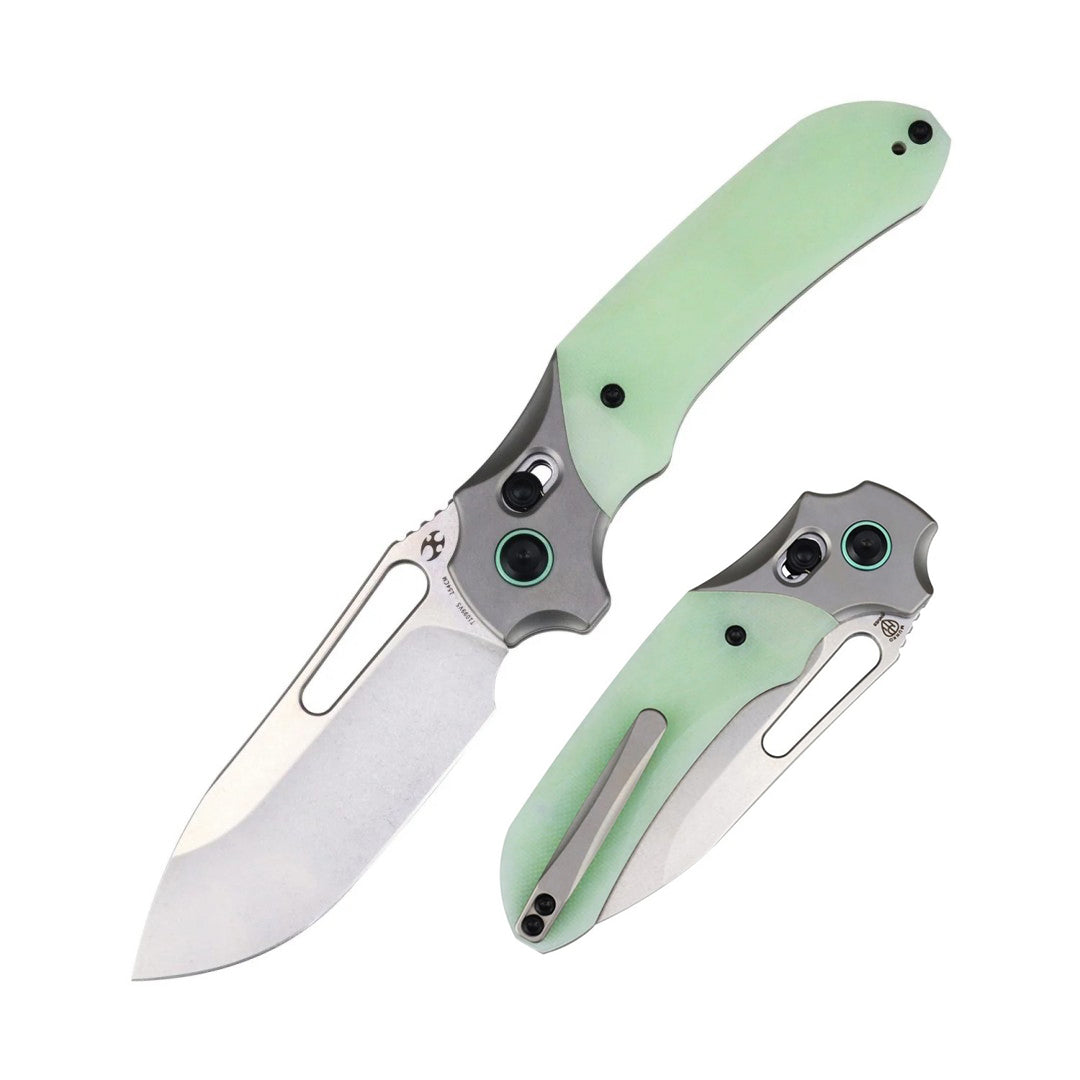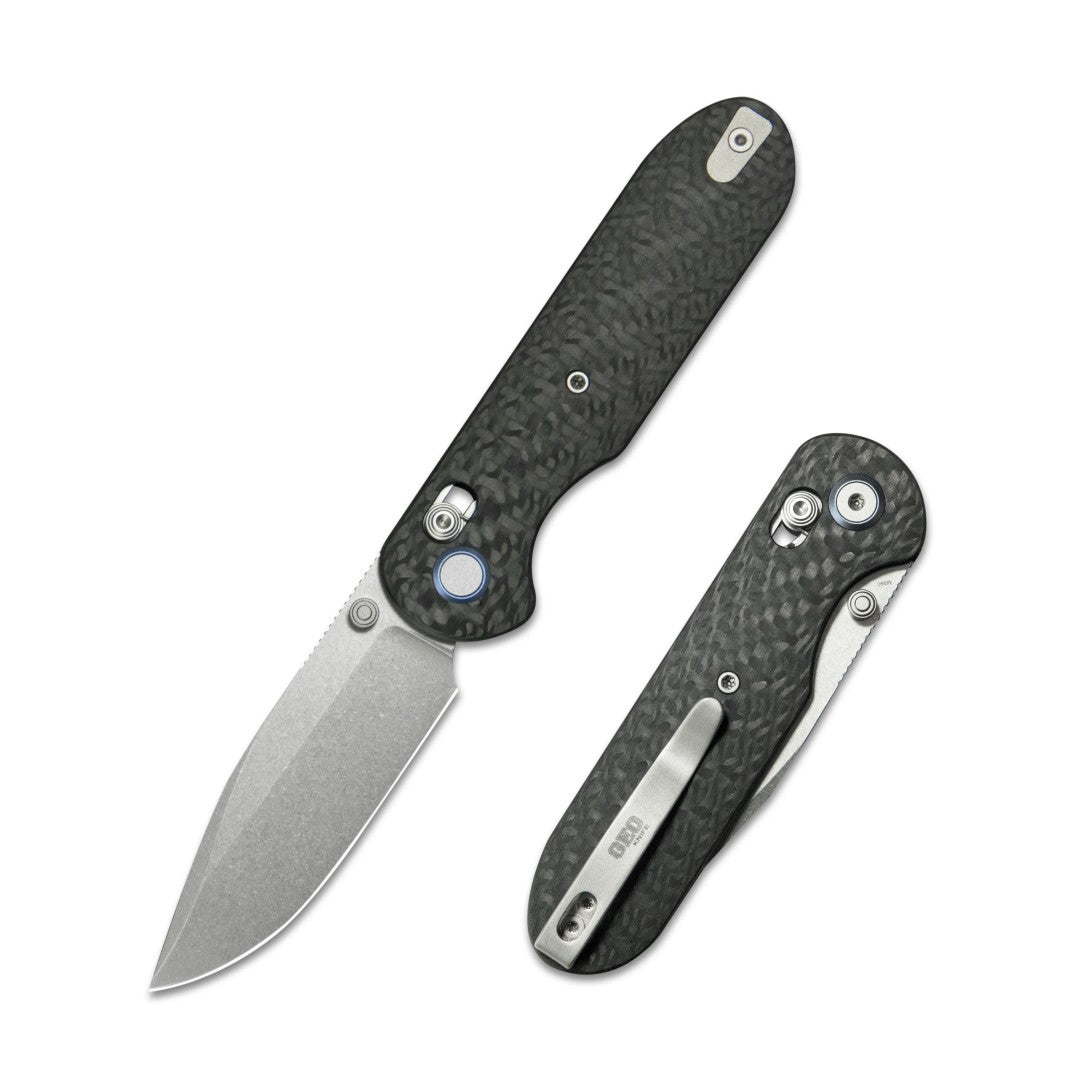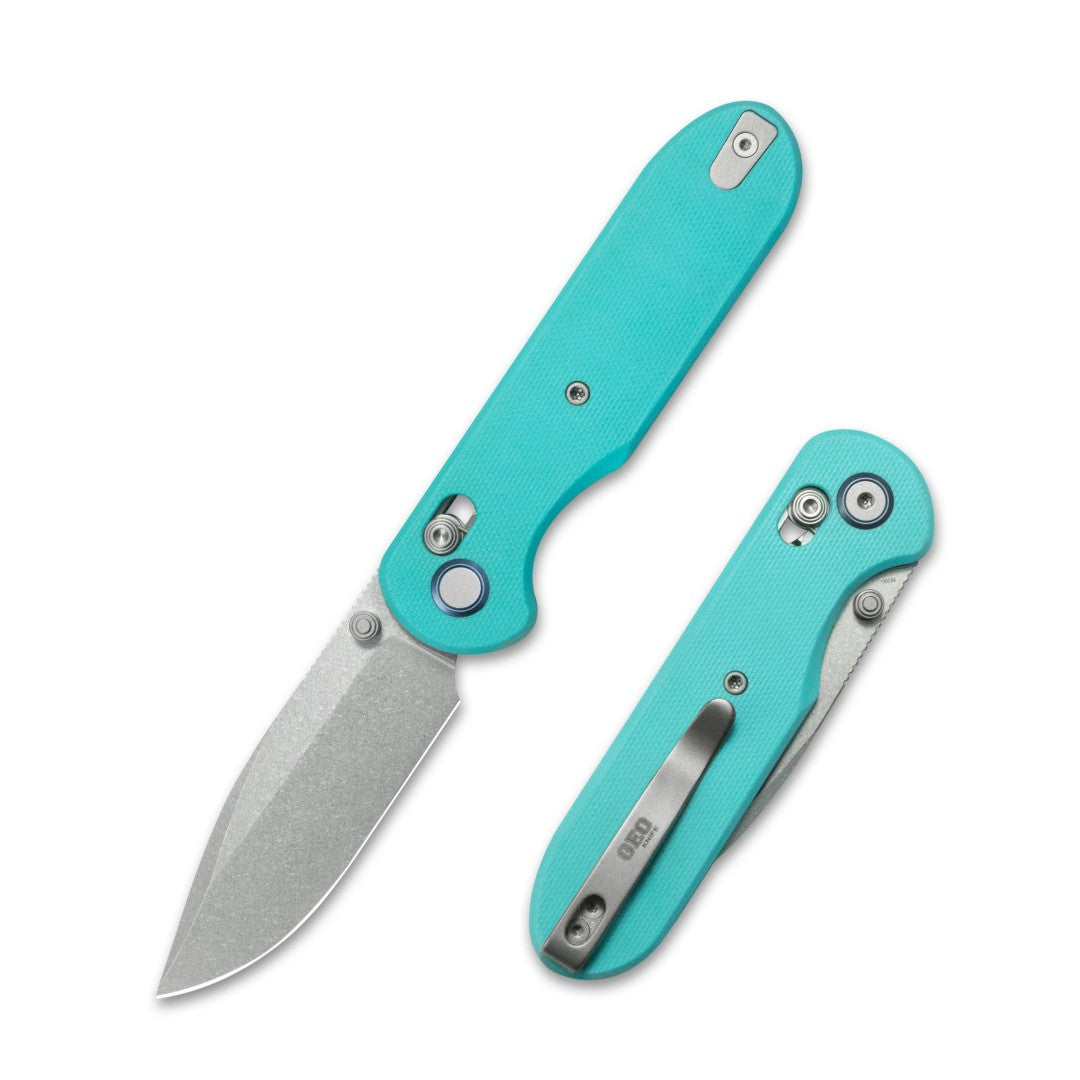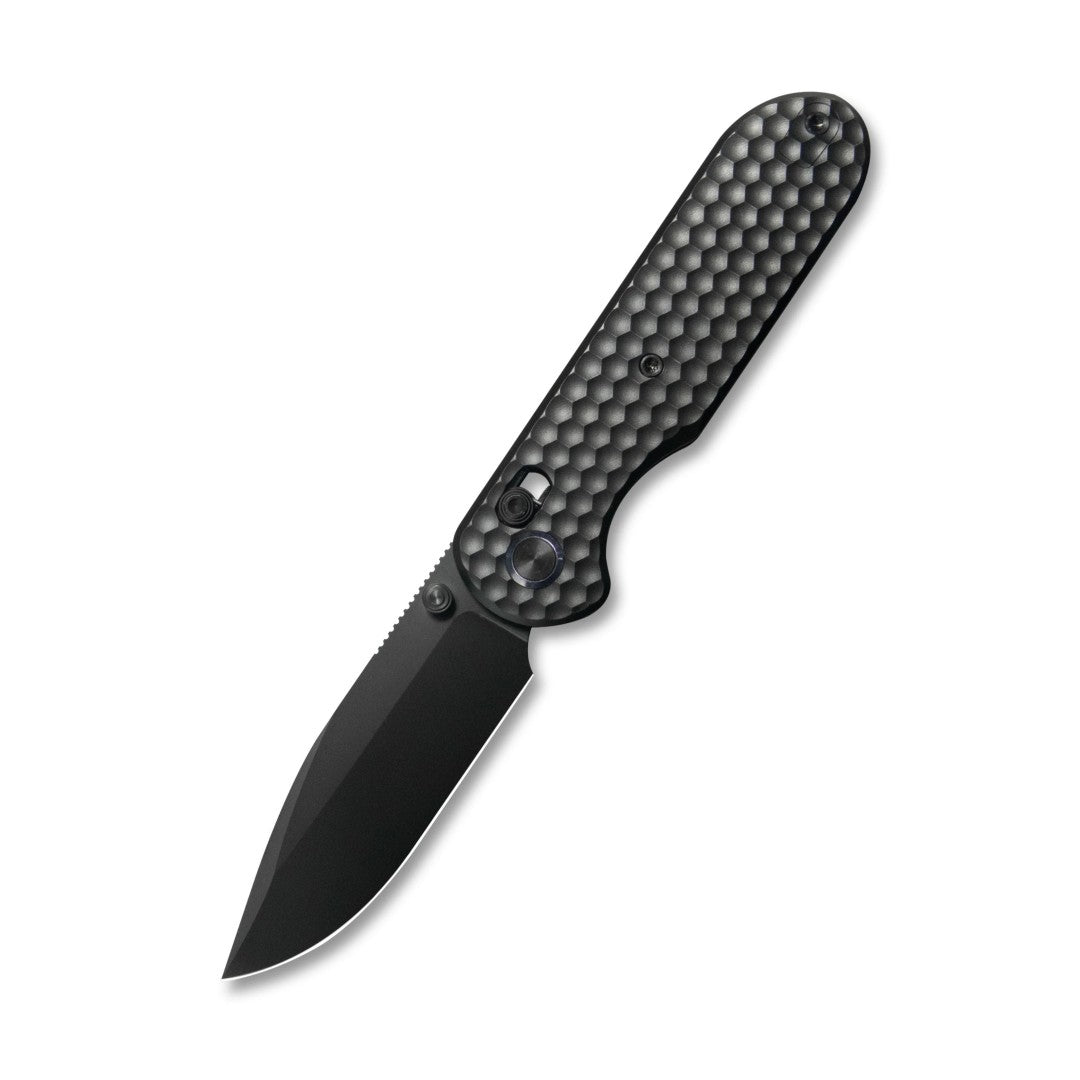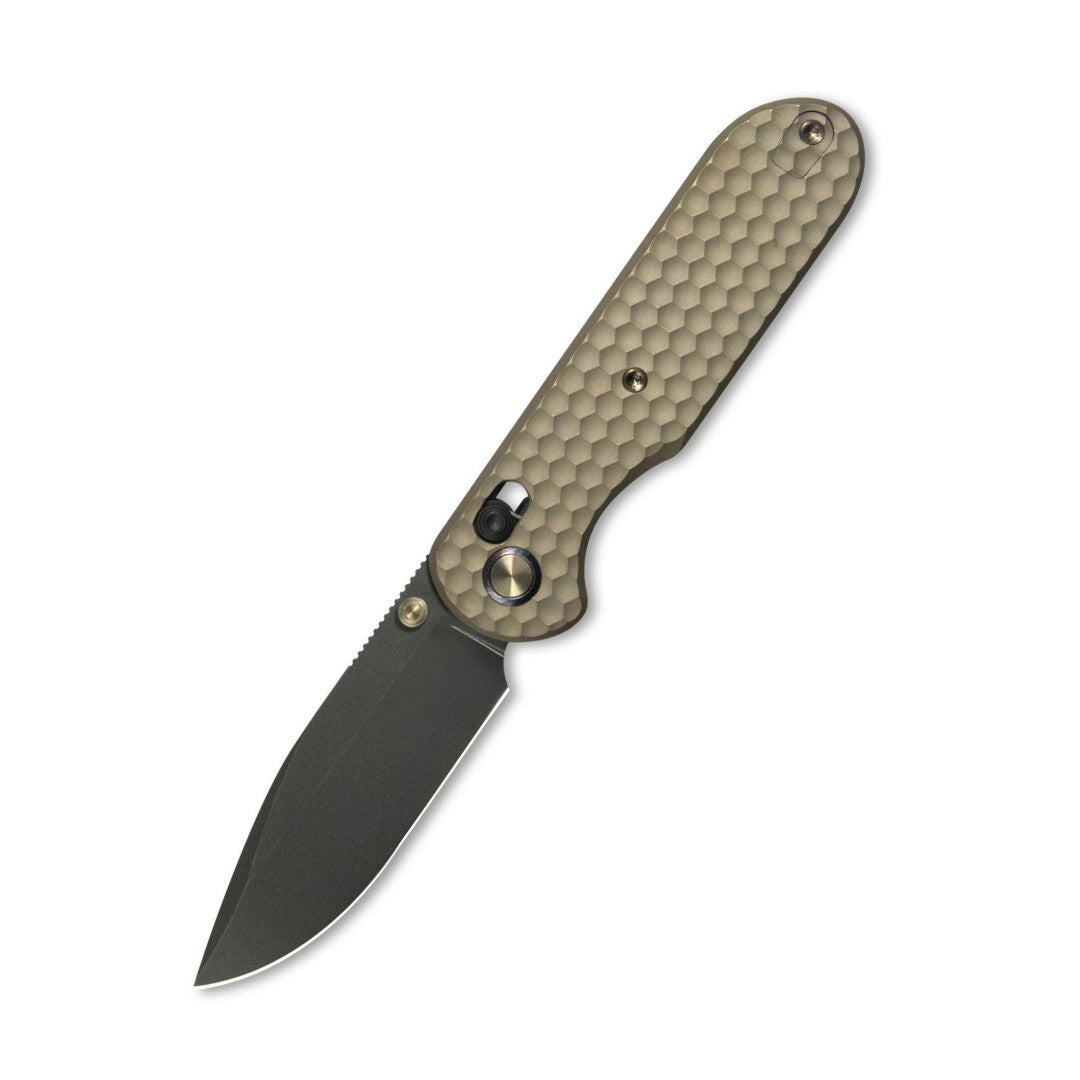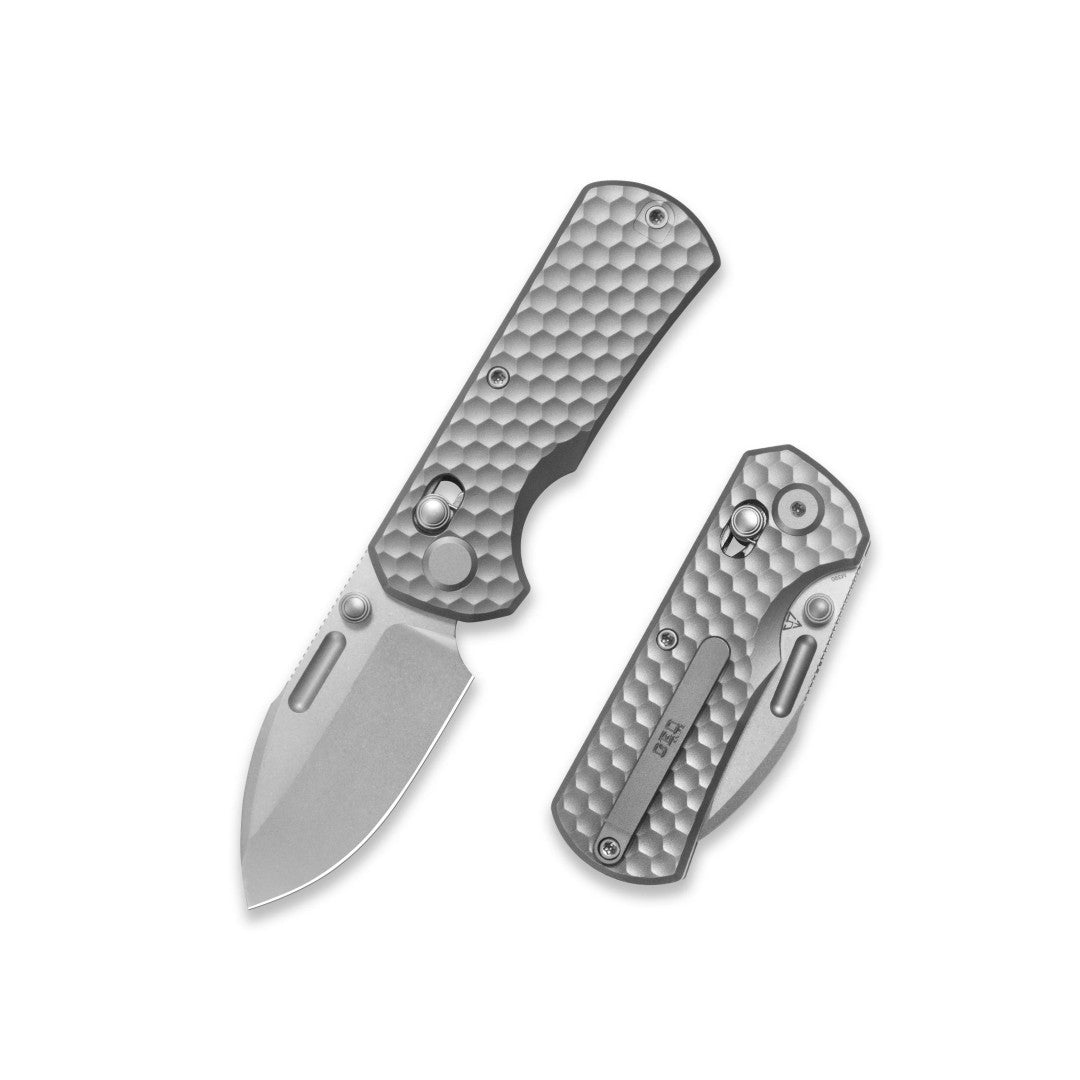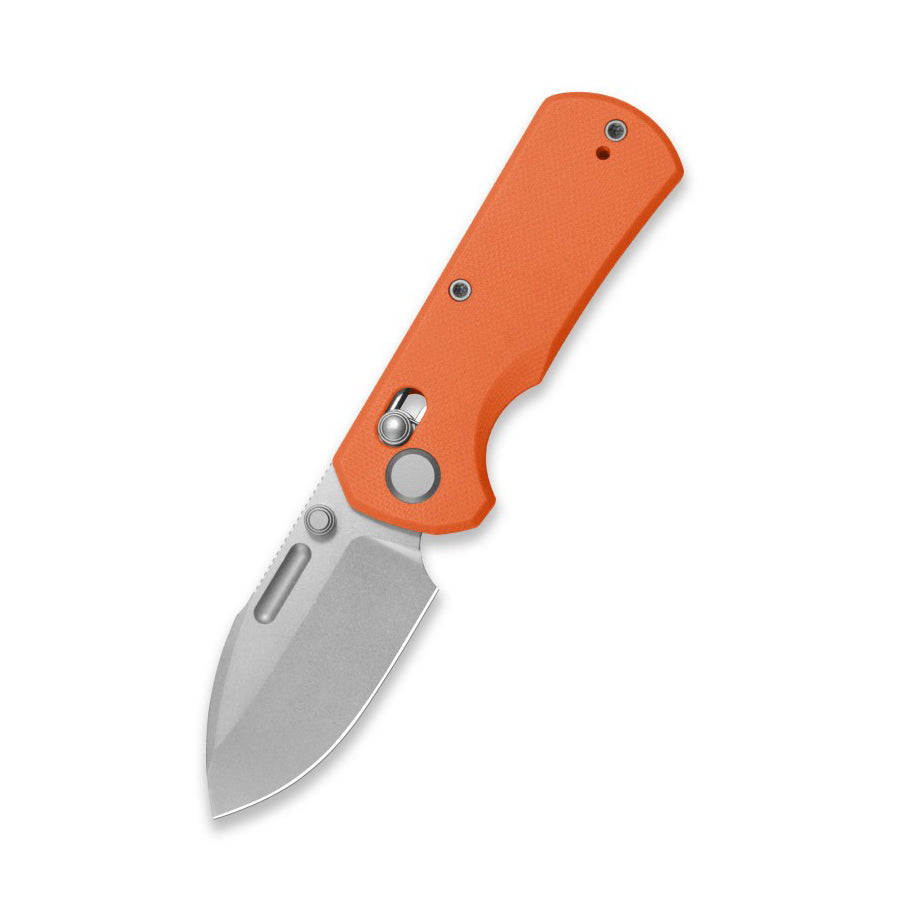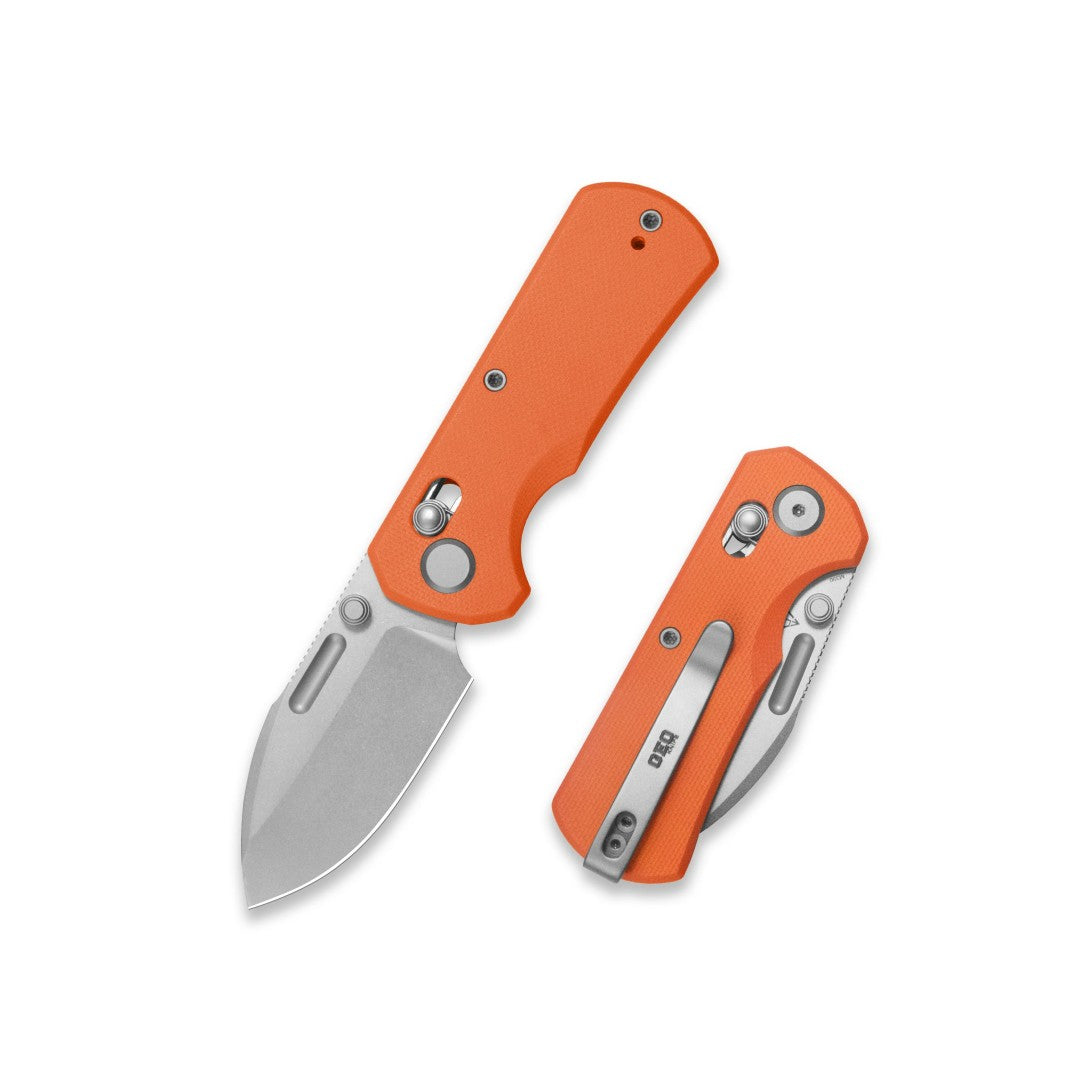

In the world of knives, few materials have earned as much respect and loyalty as 1095 steel. While modern “super steels” like S30V, M390, and CPM-20CV dominate premium knife discussions, 1095 remains a beloved favorite among outdoor enthusiasts, bushcrafters, and traditionalists. Its reputation is built on simplicity, reliability, and a proven track record that spans decades.
But what exactly is 1095 steel? What makes it special? And is it the right choice for your next knife? In this guide, we’ll explore everything you need to know about this iconic carbon steel.
What Is 1095 Steel?
1095 steel is a high-carbon steel widely used in knife making, tools, and springs. The “10” in its designation indicates it is a plain carbon steel (non-stainless), while the “95” refers to its carbon content: approximately 0.95% carbon by weight. This high carbon content is the key to its performance characteristics.
Unlike stainless steels that rely on chromium for corrosion resistance, 1095 is a simple alloy composed primarily of iron and carbon, with only trace amounts of other elements. This simplicity is both its greatest strength and its most notable weakness.
Chemical Composition of 1095 Steel
| Element | Percentage |
|---|---|
| Carbon (C) | 0.90–1.04% |
| Manganese (Mn) | 0.30–0.50% |
| Phosphorus (P) | ≤ 0.04% |
| Sulfur (S) | ≤ 0.05% |
| Silicon (Si) | ≤ 0.10% |
The high carbon content allows 1095 to be heat-treated to a hardness of 58–60 HRC (Rockwell Hardness Scale), making it capable of taking and holding a very sharp edge.
The Key Characteristics of 1095 Steel
Understanding 1095 steel means understanding the trade-offs that come with high-carbon steels. Here’s what you can expect.
Exceptional Edge Retention
With its high carbon content, 1095 can be heat-treated to achieve excellent hardness. This allows it to take a razor-sharp edge and hold it through extended use. Many users describe 1095 as one of the easiest steels to get “scary sharp.”
Outstanding Toughness
1095 is known for its toughness—its ability to absorb shock and resist chipping or cracking under stress. This makes it an ideal choice for fixed-blade knives used in bushcraft, survival, and heavy outdoor tasks like batoning wood or prying.
Ease of Sharpening
Unlike complex stainless steels that require diamond stones and patient technique, 1095 is forgiving and easy to sharpen. A simple whetstone, ceramic rod, or even a smooth river stone can restore a dull edge in the field. This is a critical advantage for users who rely on their knife in remote environments.
Low Corrosion Resistance
This is the trade-off. Because 1095 contains very little chromium (typically less than 0.5%), it is highly susceptible to rust and corrosion. Moisture, sweat, blood, or acidic substances can cause discoloration and pitting if the blade is not properly maintained. For many enthusiasts, this is not a flaw but a feature—the patina that develops over time tells the story of the knife’s use.
1095 Steel vs. Stainless Steels: A Reality Check
When comparing 1095 to stainless steels like 420HC or 440C, the differences come down to priorities.
| Property | 1095 Steel | 420HC Stainless |
|---|---|---|
| Edge Retention | Excellent | Good |
| Toughness | Excellent | Good |
| Corrosion Resistance | Poor | Excellent |
| Ease of Sharpening | Very Easy | Very Easy |
| Typical Hardness | 58–60 HRC | 56–58 HRC |
Choose 1095 if: You prioritize edge retention, toughness, and ease of sharpening, and you don’t mind performing regular maintenance to prevent rust.
Choose Stainless if: You need a blade that can handle moisture, saltwater, or neglect without rusting.
Common Applications of 1095 Steel
1095 steel is not a one-size-fits-all material. It excels in specific roles where its strengths shine and its weaknesses can be managed.
Fixed-Blade Knives
1095 is a favorite for fixed-blade knives, especially in bushcraft, survival, and camping applications. Brands like ESEE, Ka-Bar, and Ontario Knife Company have built legendary reputations using 1095 steel. The ESEE 4, Ka-Bar Becker BK2, and Ontario RAT-3 are all classic examples of 1095 fixed blades beloved by outdoor enthusiasts.
These knives are designed for hard use: splitting wood, carving, prying, and general camp chores. The toughness of 1095 makes it ideal for these demanding tasks.
Traditional Folding Knives
Many traditional slip-joint folders, such as those from Case, GEC (Great Eastern Cutlery), and Boker, use 1095 steel. It offers the sharpness and patina potential that traditional knife collectors appreciate.
Machetes and Large Blades
Because 1095 combines toughness with the ability to take a sharp edge, it is also used in machetes, kukris, and other large blades. Brands like Condor Tool & Knife and Ontario produce machetes in 1095 that can handle heavy vegetation clearing without chipping.
Springs and Tools
Outside of knives, 1095 is used in springs, saw blades, and hand tools—any application where high hardness and wear resistance are required.
The Patina: A Feature, Not a Flaw
One of the most distinctive aspects of owning a 1095 steel knife is the development of a patina. Over time, as the blade is exposed to moisture, acids (like fruit or meat), and the elements, it will naturally darken and develop a gray or blue-gray coloration.
This patina is actually a form of controlled oxidation that acts as a protective layer, reducing the risk of deeper rust. Many knife enthusiasts actively encourage patina formation by forcing it with mustard, vinegar, or acidic foods. For them, a well-worn patina is a mark of character and authenticity.
How to Care for a 1095 Steel Knife
If you choose a 1095 steel knife, proper maintenance is essential. Fortunately, the care routine is straightforward.
Keep It Dry
After each use, wipe the blade dry with a clean cloth. If the knife has been used for cutting food, rinse it with fresh water first, then dry thoroughly. Pay special attention to the pivot area on folding knives and the handle junction on fixed blades.
Apply a Protective Coating
A light coat of mineral oil, camellia oil, or a food-safe blade oil will create a barrier against moisture. For long-term storage, a slightly heavier coating is recommended.
Avoid Leather Sheaths for Storage
Leather sheaths can retain moisture, which can accelerate rust. If you store your knife in a leather sheath for extended periods, consider wrapping the blade in oiled cloth or storing it separately in a dry environment.
Sharpen as Needed
When sharpening 1095, you’ll find it responds quickly to stones. Because it’s easy to sharpen, frequent touch-ups are simple and keep the blade performing at its peak.
Embrace the Patina
Don’t be alarmed when your 1095 blade starts to darken. This is normal and protective. If you prefer a clean look, you can polish the blade with fine steel wool and oil, but many users choose to let the patina develop naturally.
Is 1095 Steel Right for You?
1095 steel is not the best choice for every user or every environment, but for the right person, it is absolutely perfect.
1095 is ideal for:
-
Outdoor enthusiasts and bushcrafters who prioritize toughness and field-sharpenability.
-
Traditional knife collectors who appreciate the character of carbon steel.
-
Users who are willing to perform regular maintenance and enjoy the ritual of caring for their tools.
-
Anyone who needs a knife for heavy-duty tasks where chipping or breaking is a concern.
1095 may not be ideal for:
-
Those who live in coastal or humid environments and prefer minimal maintenance.
-
Users who frequently forget to clean and dry their knives after use.
-
Anyone who needs a knife for prolonged exposure to saltwater or acidic substances without the ability to clean it promptly.
Frequently Asked Questions
Is 1095 steel good for knives?
Yes, 1095 is an excellent knife steel. It offers outstanding edge retention, toughness, and ease of sharpening. Its only significant drawback is low corrosion resistance, which can be managed with proper care.
Does 1095 steel rust easily?
Yes, 1095 is prone to rust if left wet or exposed to moisture. However, with regular cleaning, drying, and oiling, rust can be easily prevented. A natural patina also helps protect the blade.
How does 1095 compare to 420 steel?
1095 is a carbon steel with higher carbon content, offering better edge retention and toughness. 420 is a stainless steel with excellent corrosion resistance but generally lower edge retention. The choice depends on whether you prioritize performance and sharpness (1095) or low maintenance and rust resistance (420).
Can 1095 steel be used for kitchen knives?
Yes, many high-end kitchen knives use 1095 or similar high-carbon steels. However, they require immediate drying after use to prevent rust. For home cooks who appreciate sharpness and don’t mind maintenance, 1095 can be an excellent choice.
What brands are known for 1095 steel knives?
ESEE, Ka-Bar, Ontario Knife Company, Condor, Case, and Great Eastern Cutlery are among the most respected brands using 1095 steel.
Ready to Experience the Legend?
1095 steel represents the heart and soul of traditional knife making. It’s a material that demands a little attention but rewards the user with exceptional performance, a razor-sharp edge, and a blade that develops character over time.
Whether you’re a seasoned outdoorsman or a collector of traditional knives, a 1095 blade is a worthy addition to any collection. Explore our selection of 1095 steel knives from trusted brands below and discover why this classic carbon steel remains a legend.