What is 420 Steel? A Comprehensive Guide to 420 Stainless Steel
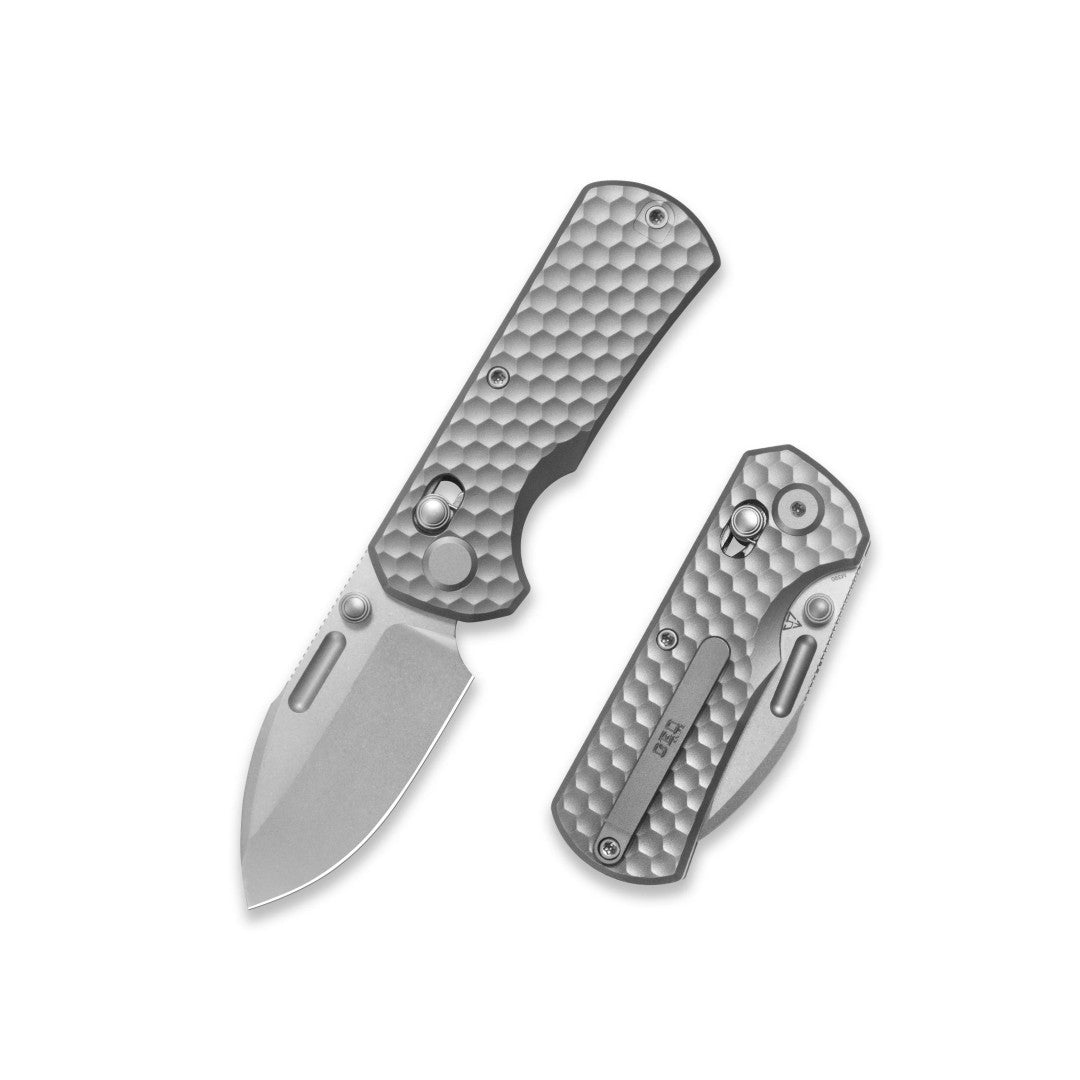
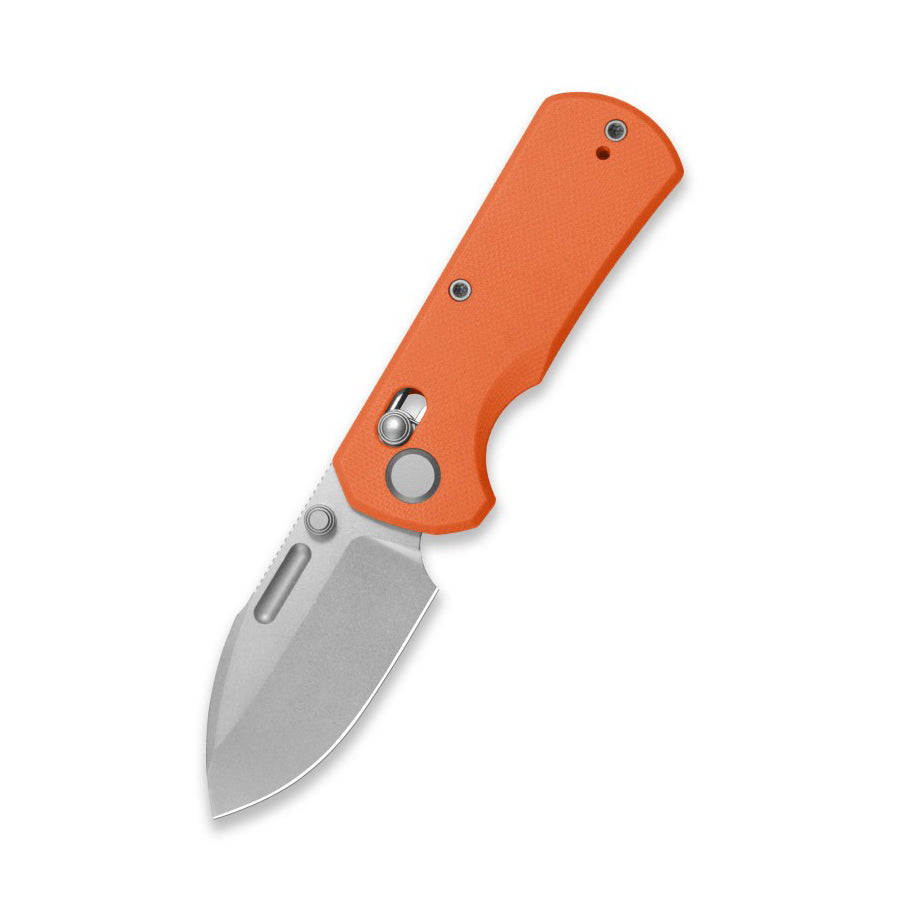
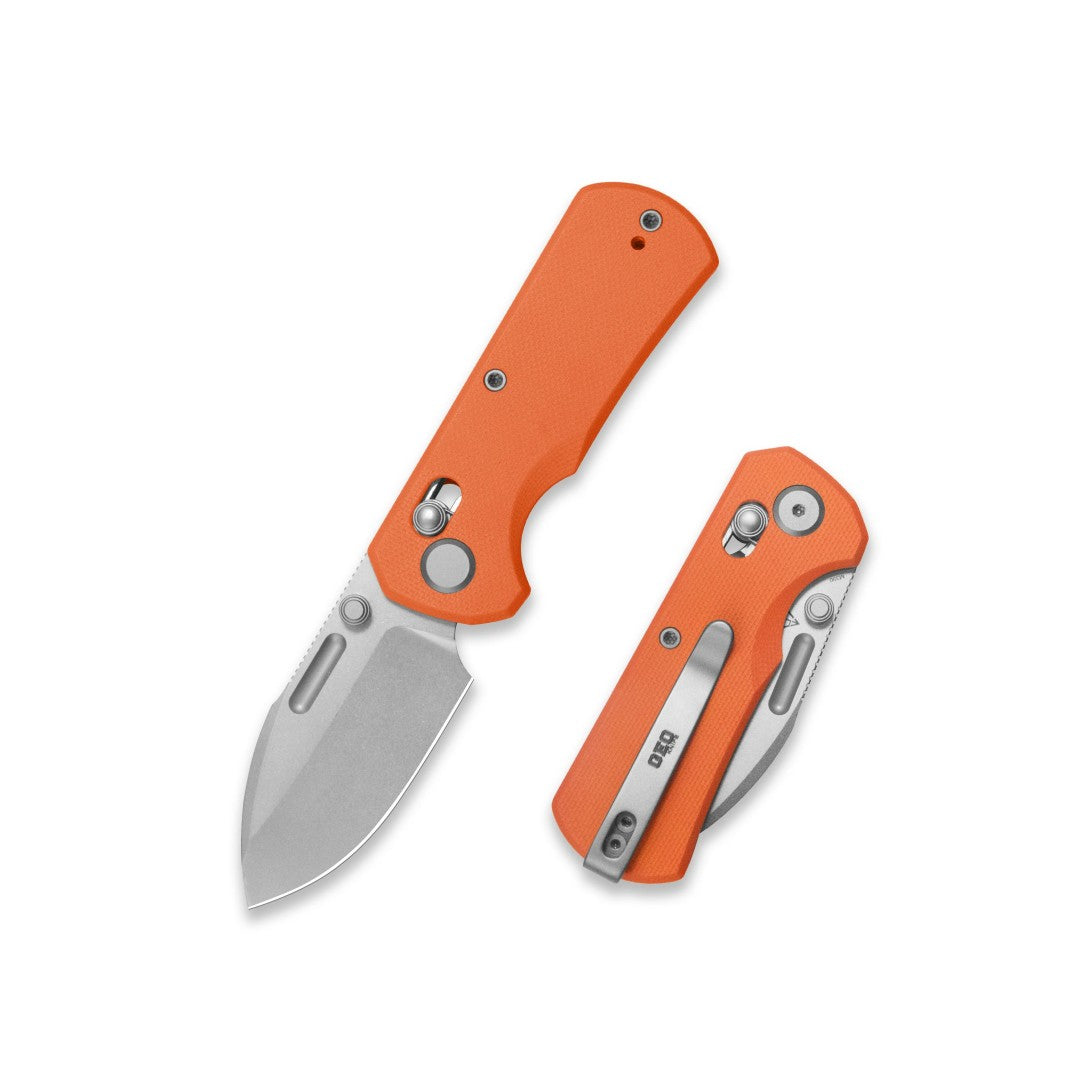
420 steel is a popular type of stainless steel that is commonly used in a variety of applications, including knives, medical instruments, and industrial equipment. In this article, we will dive into the properties, advantages, and disadvantages of 420 steel, how it compares to other types of stainless steel, and its uses in different industries. We’ll also answer some frequently asked questions to help you understand the ins and outs of 420 steel.
What is 420 Steel?
420 steel is a martensitic stainless steel, which means it is known for its high hardness and ability to hold a sharp edge. It contains approximately 12-14% chromium, which makes it resistant to rust and corrosion, while maintaining good strength and durability. This steel is commonly used in applications where corrosion resistance, sharpness, and hardness are key requirements, such as kitchen knives, medical devices, and other cutting tools.
Properties of 420 Steel
Here’s a breakdown of the key properties of 420 steel that make it popular in certain industries:
1. Corrosion Resistance
420 steel contains a moderate amount of chromium (around 13%), which makes it resistant to corrosion. However, it does not have as high a resistance as higher-end stainless steels like 440C or S30V. Still, it offers decent protection in everyday use situations, especially in dry environments.
2. Hardness
420 steel is relatively hard, with a Rockwell hardness rating of 50-55 HRC, depending on the heat treatment. This means it can hold a sharp edge well but may be somewhat brittle when compared to other tougher steels.
3. Toughness
While 420 steel is harder than some steels, its toughness is considered lower. It’s not the best steel for absorbing impacts or handling rough treatment, but it works well for everyday cutting tasks and is particularly suitable for lighter use.
4. Edge Retention
420 steel holds an edge decently, but it doesn’t retain its sharpness as long as high-end steels like VG-10 or CPM-S30V. You may need to sharpen it more frequently, especially if used for demanding tasks.
5. Ease of Sharpening
420 steel is relatively easy to sharpen compared to harder steels, which makes it a great choice for beginner knife users. However, due to its relatively lower edge retention, you will need to sharpen it more often.
6. Wear Resistance
Compared to steels like D2 or 440C, 420 steel’s wear resistance is average. It may lose its edge quicker under heavy usage, but it is adequate for light and medium tasks.
Advantages of 420 Steel
-
Affordable: 420 steel is one of the most affordable stainless steels, making it a budget-friendly option for manufacturers and consumers alike.
-
Corrosion Resistance: The 12-14% chromium content gives it resistance to rust and corrosion, ideal for kitchen and outdoor use.
-
Easy to Maintain: Its moderate hardness makes 420 steel easy to sharpen and maintain.
-
Versatile: It can be used in a wide range of products, from knives and scissors to medical tools and industrial machinery.
-
Decent Performance for Everyday Use: It strikes a good balance between corrosion resistance, ease of sharpening, and strength for general-use knives.
Disadvantages of 420 Steel
-
Lower Edge Retention: 420 steel tends to lose its sharpness more quickly than higher-end steels, which may require more frequent sharpening.
-
Lower Toughness: While it’s hard, it’s also more brittle and can be prone to chipping or cracking if exposed to heavy impacts.
-
Not Ideal for Heavy-Duty Applications: 420 steel isn’t the best choice for tools or knives that require extreme toughness or wear resistance.
-
Limited Performance in Extreme Conditions: It may not perform as well as other steels when exposed to harsh environments or heavy usage.
Where is 420 Steel Used?
420 steel is used in a variety of industries due to its balance of affordability, corrosion resistance, and moderate hardness. Some of its most common applications include:
-
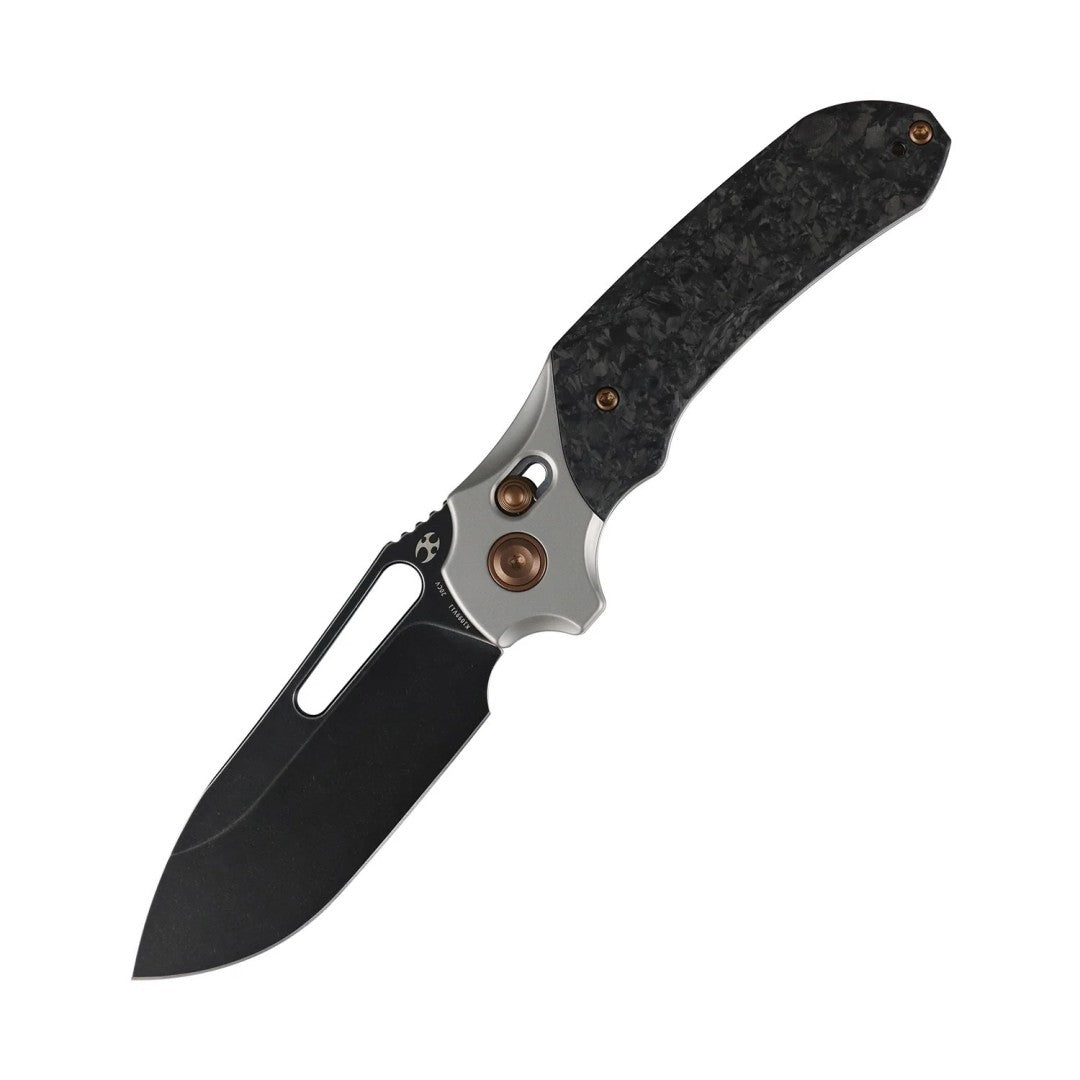
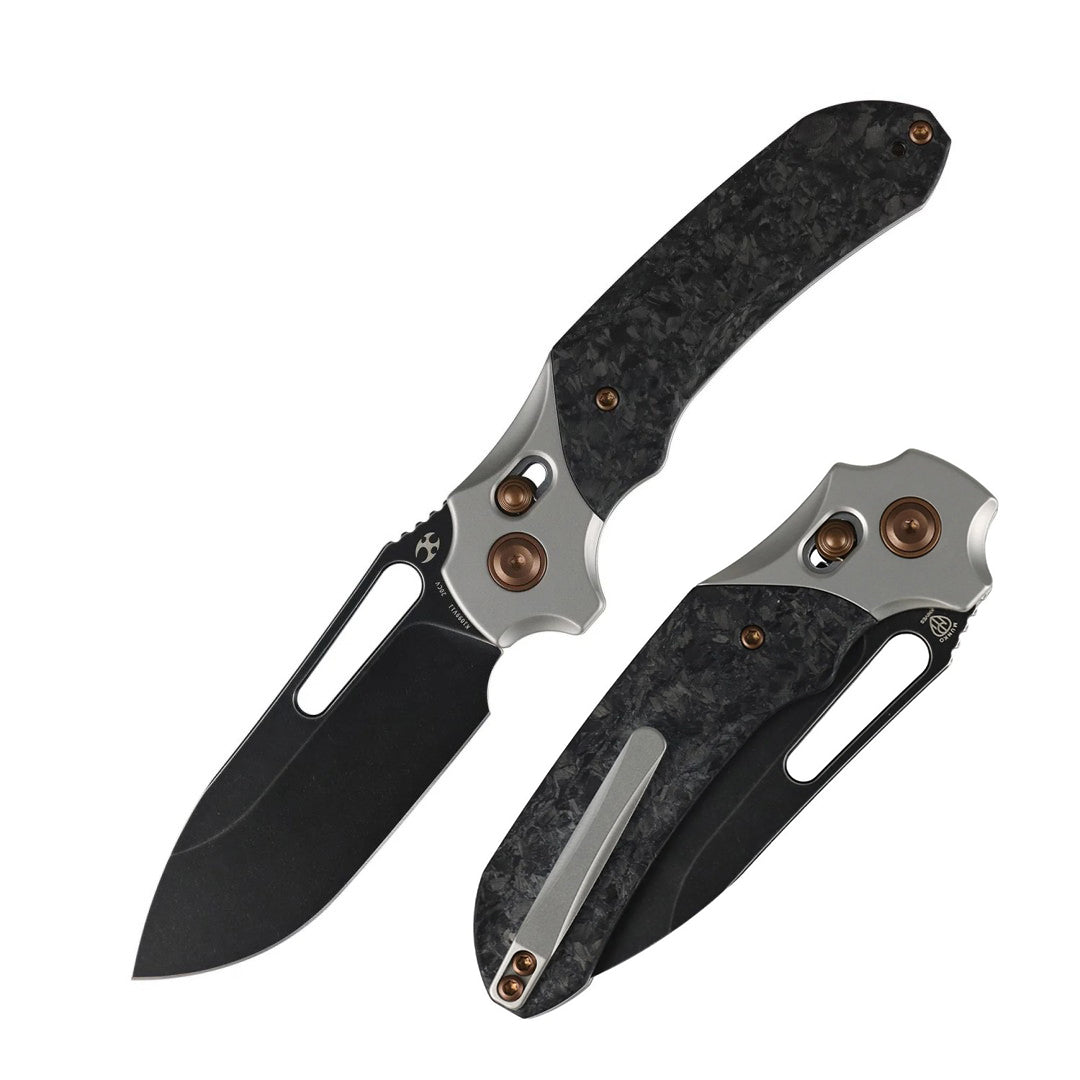
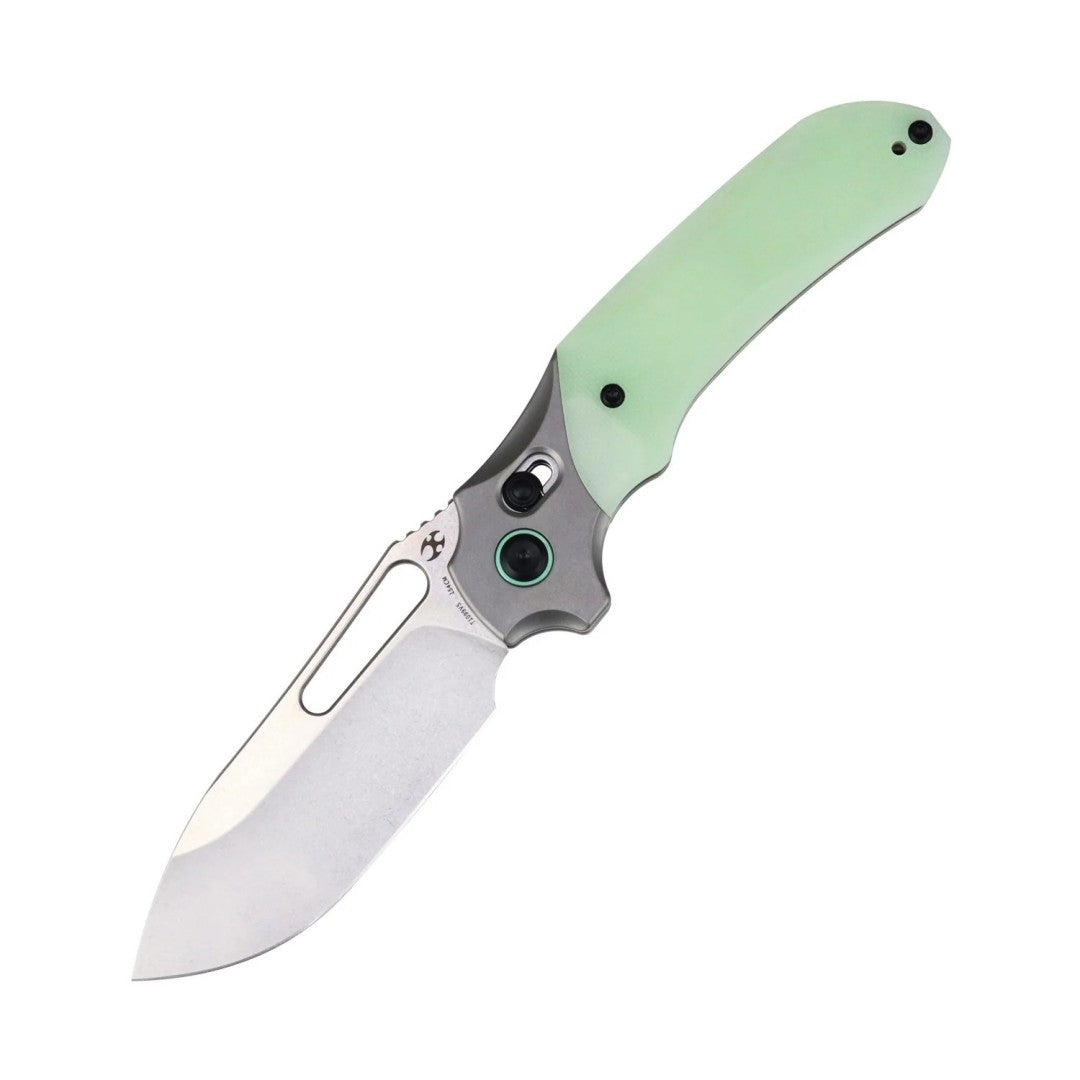
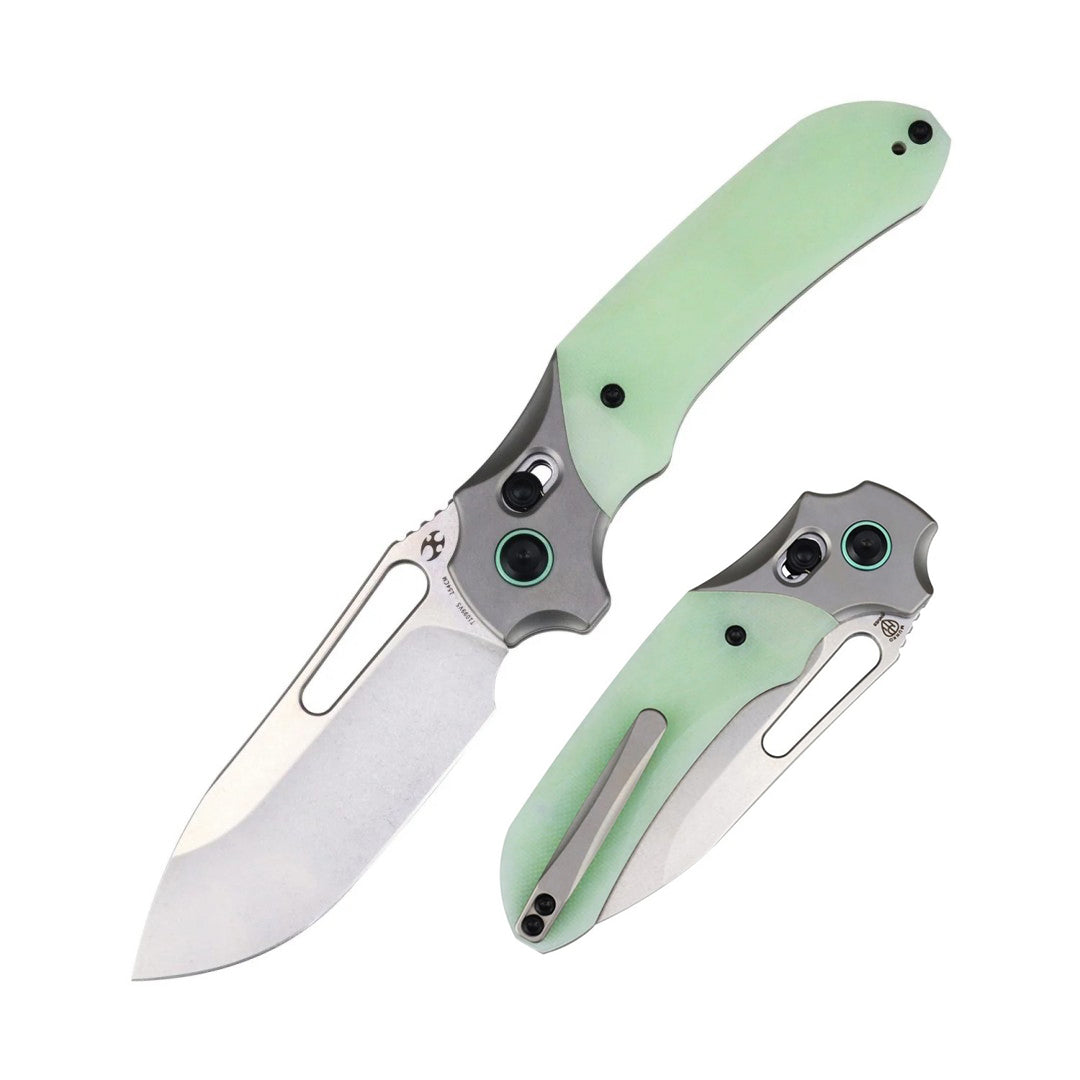
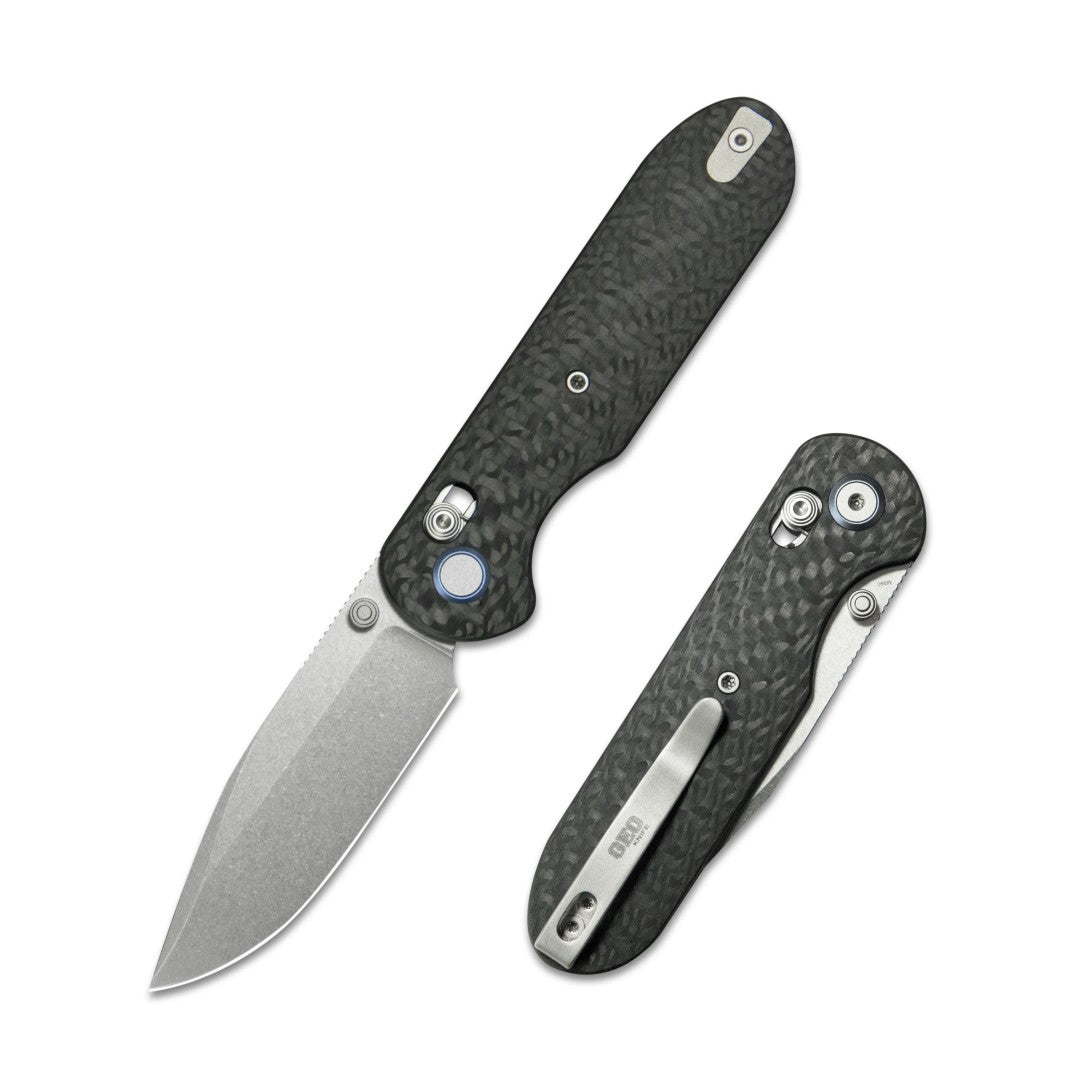
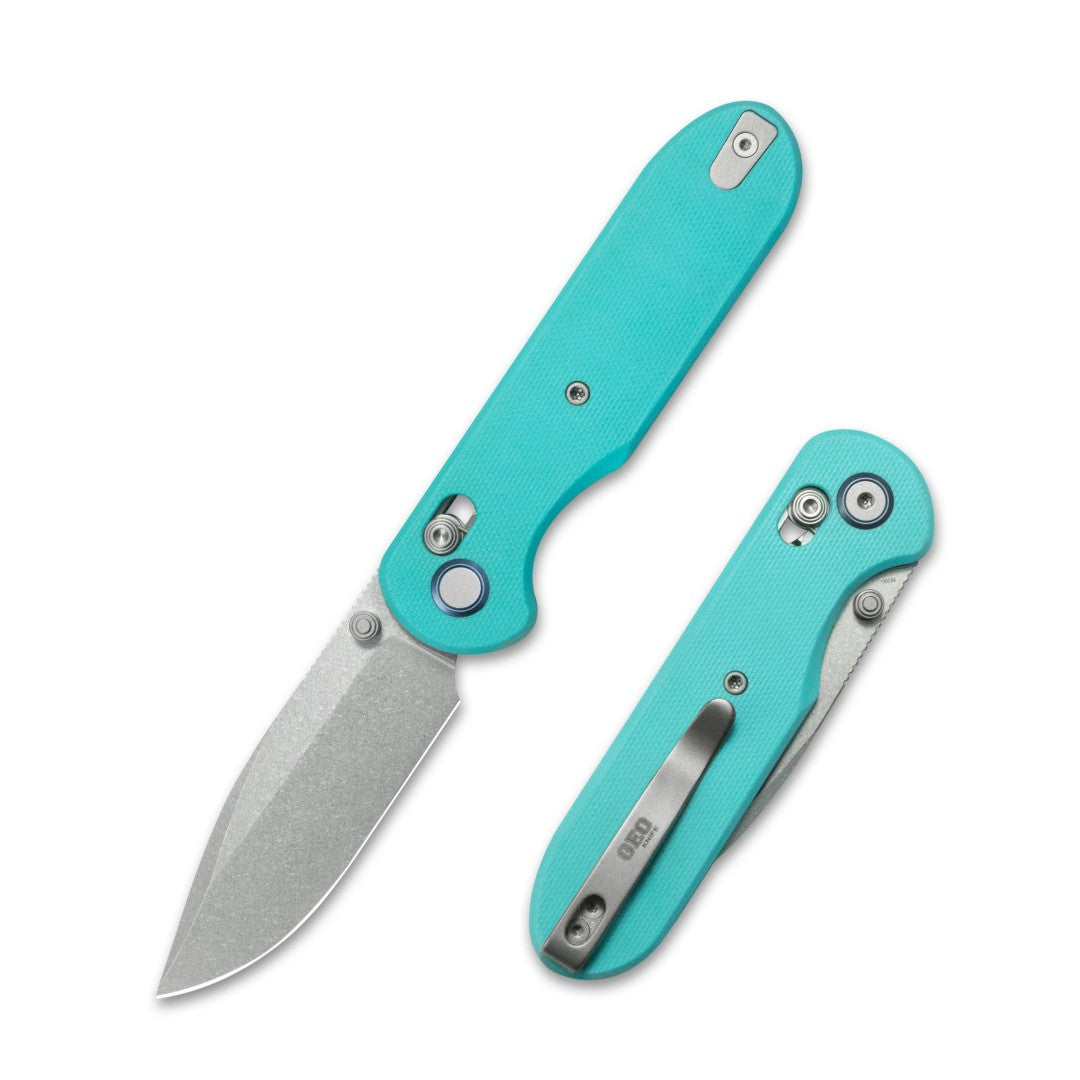
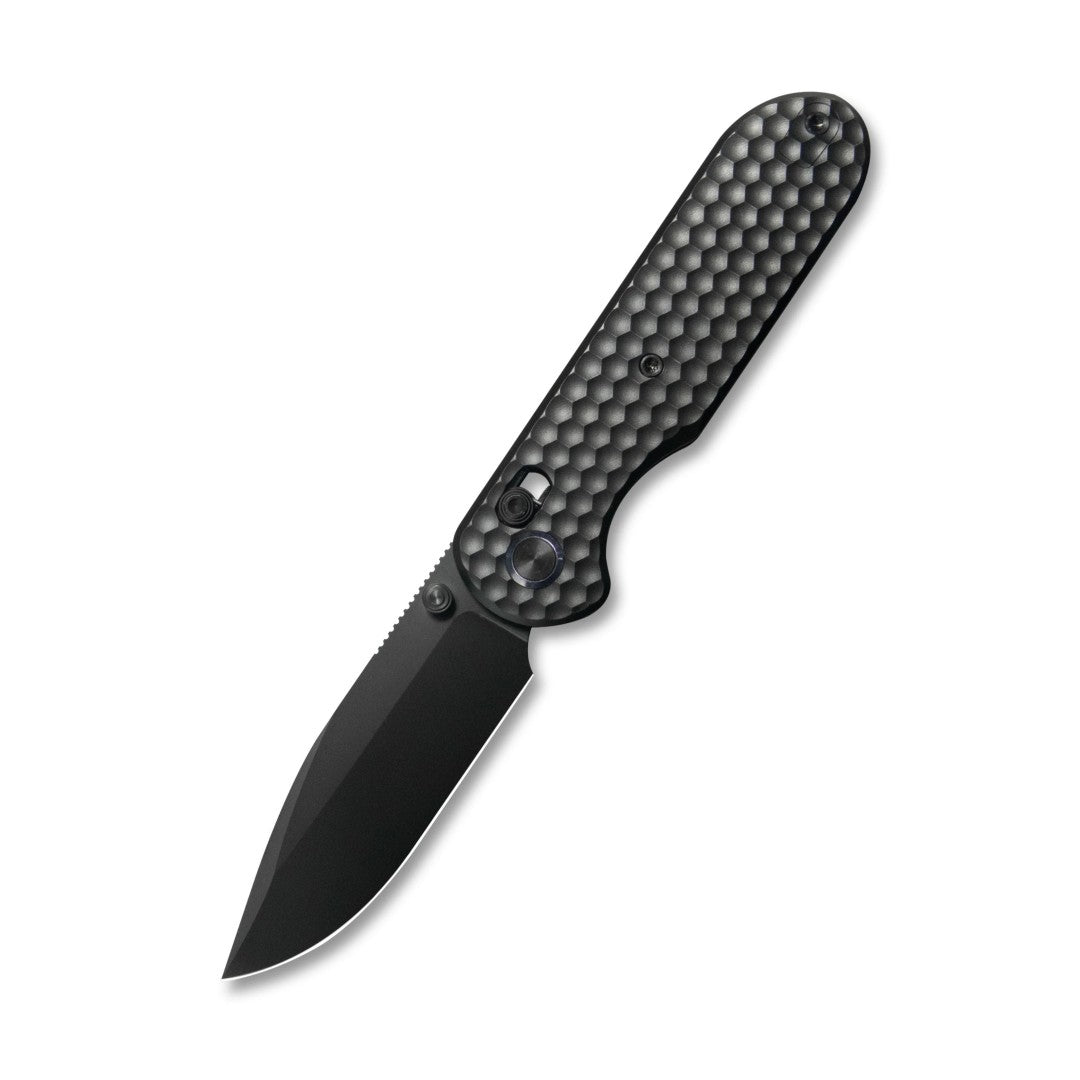
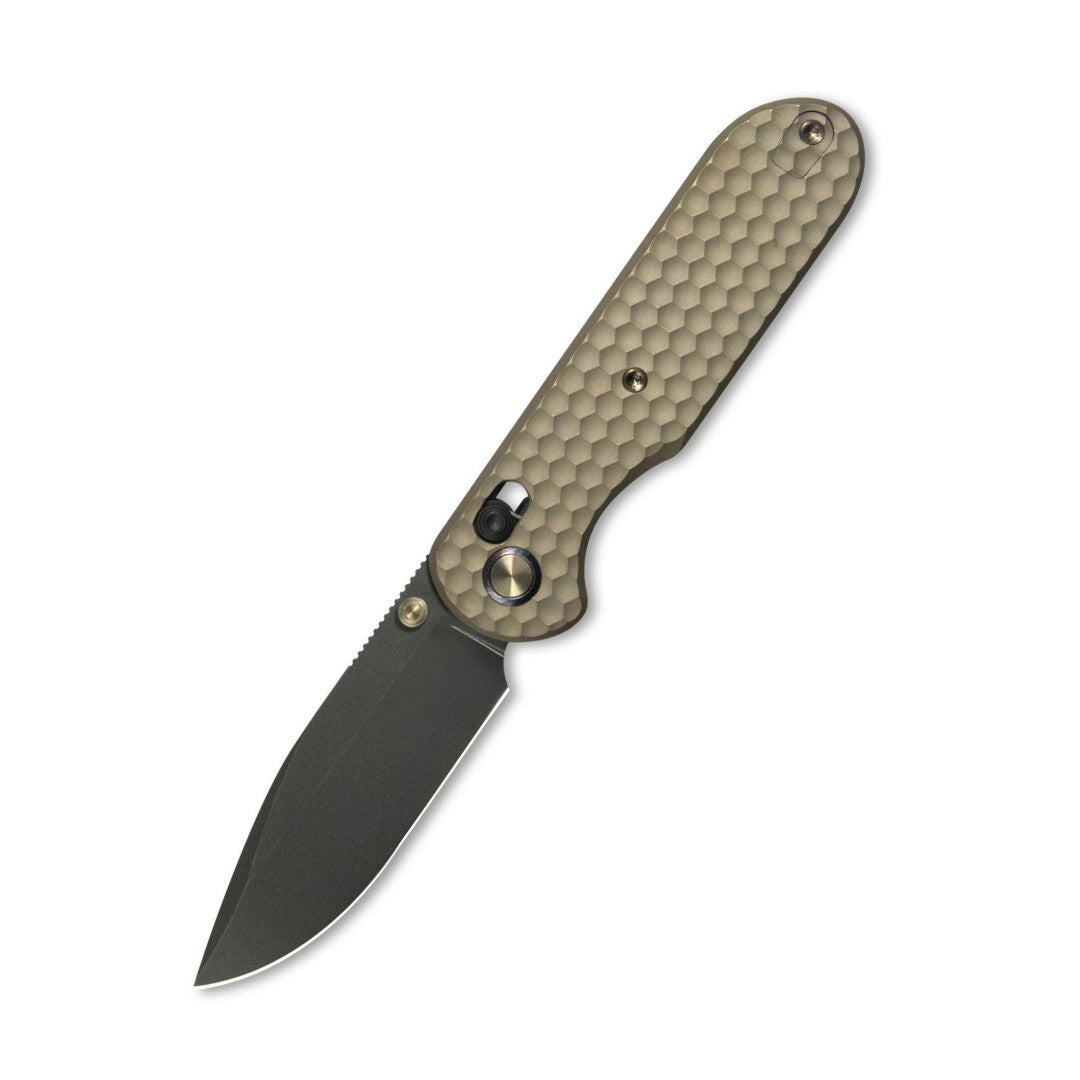
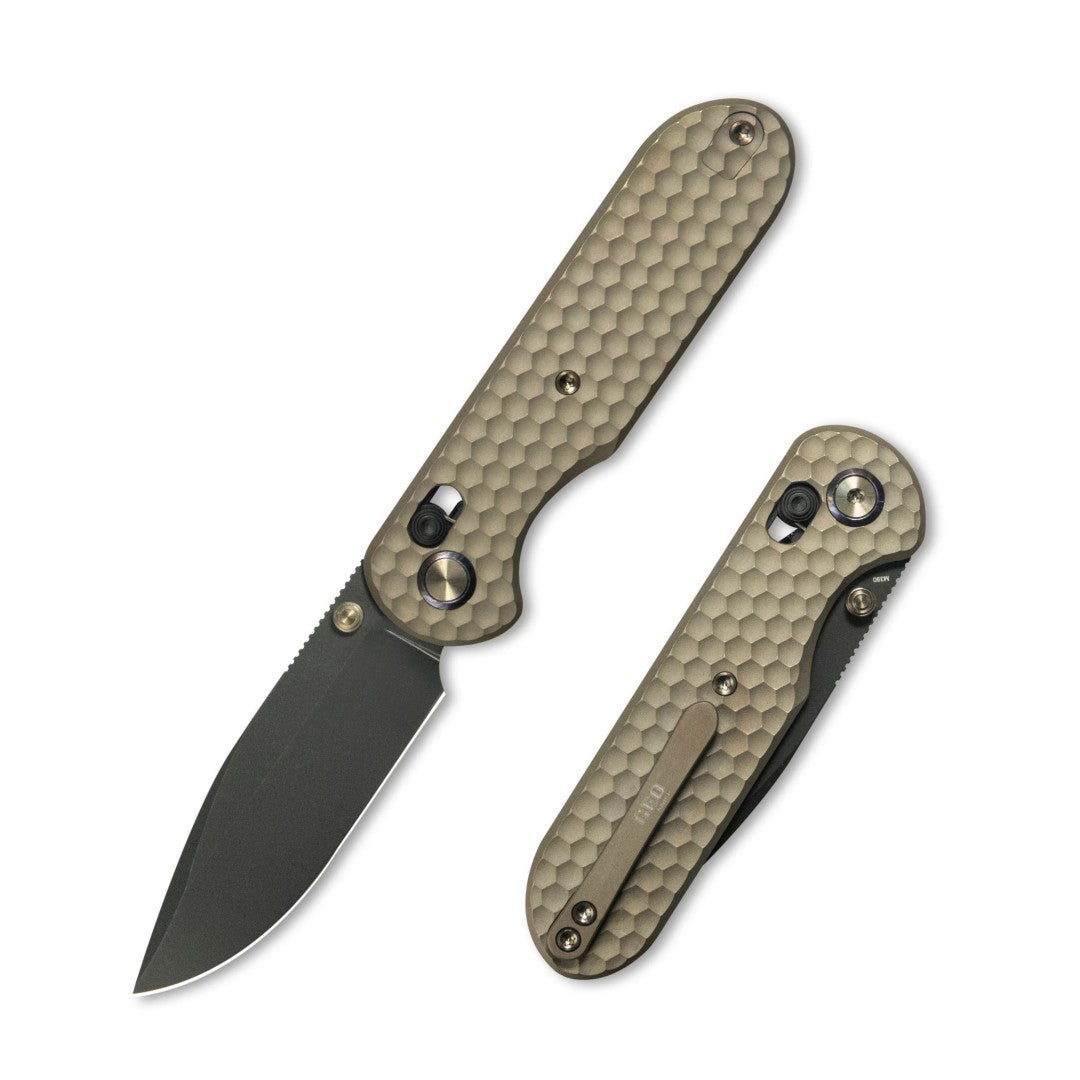
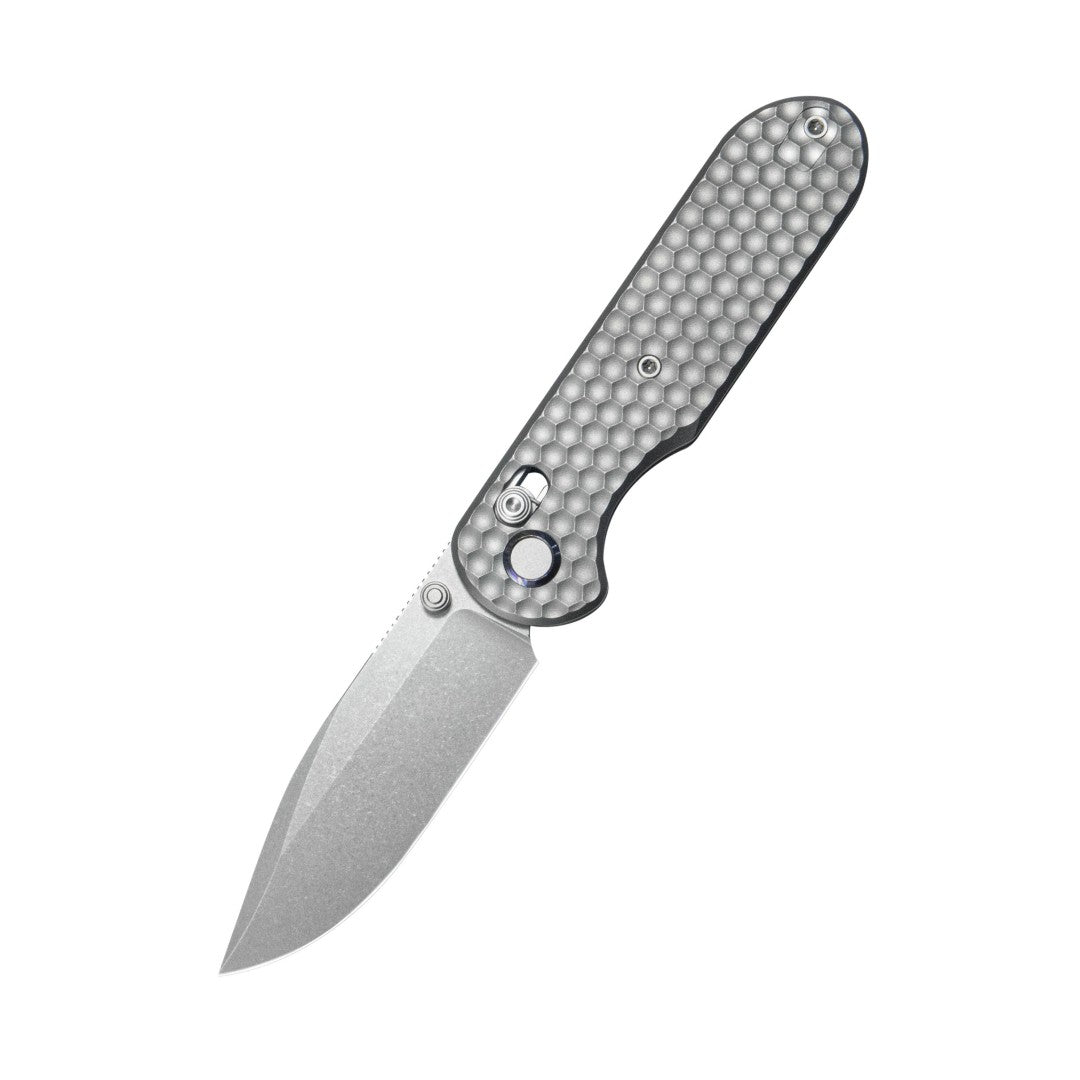
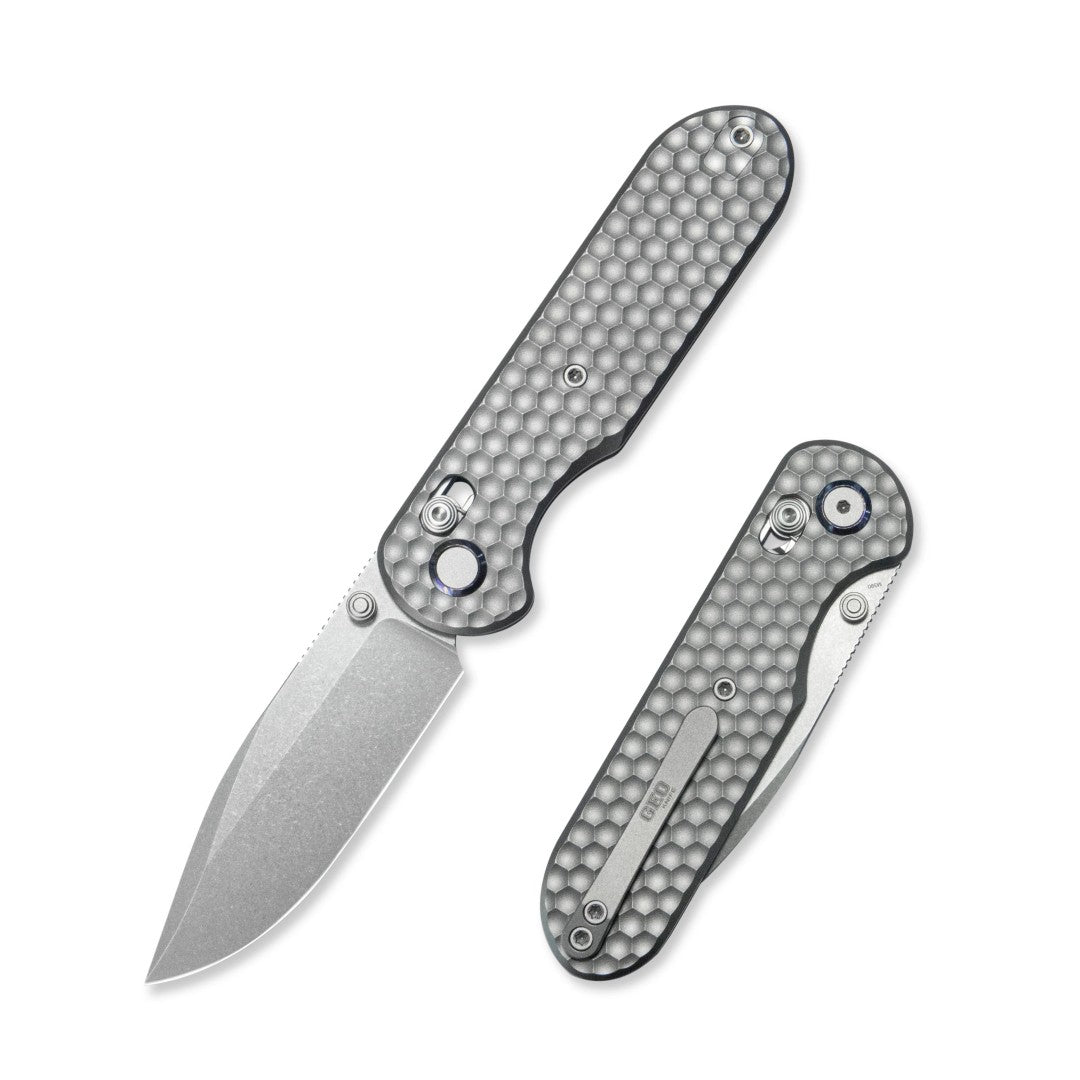
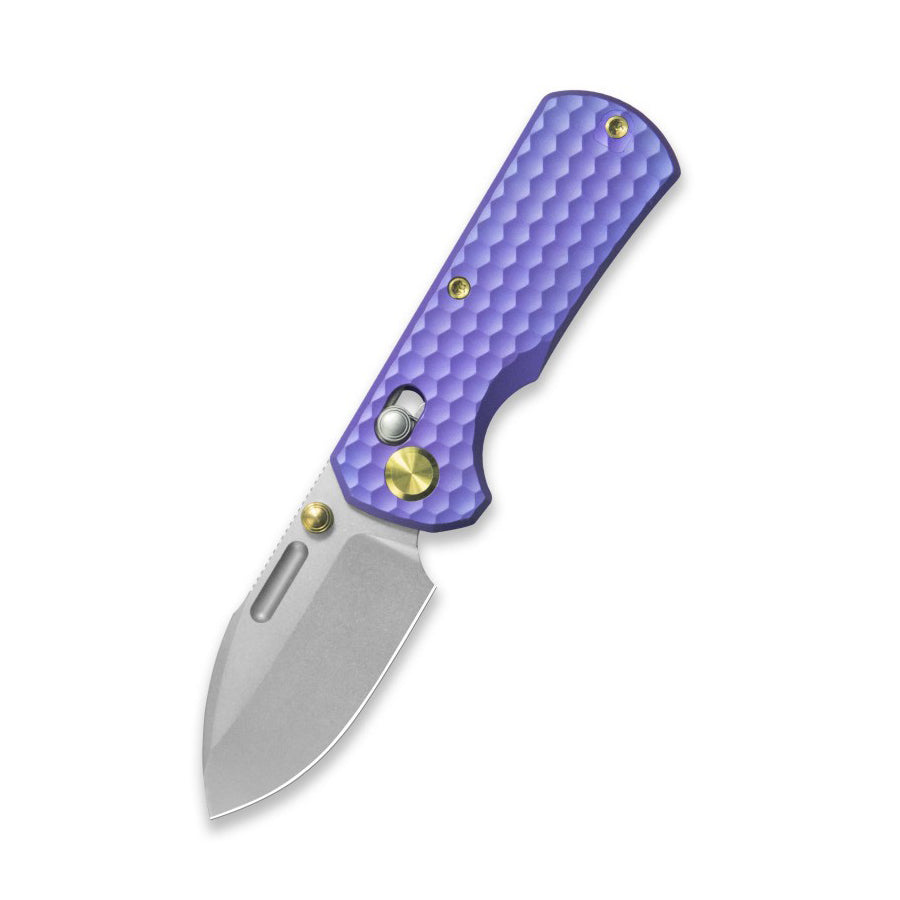
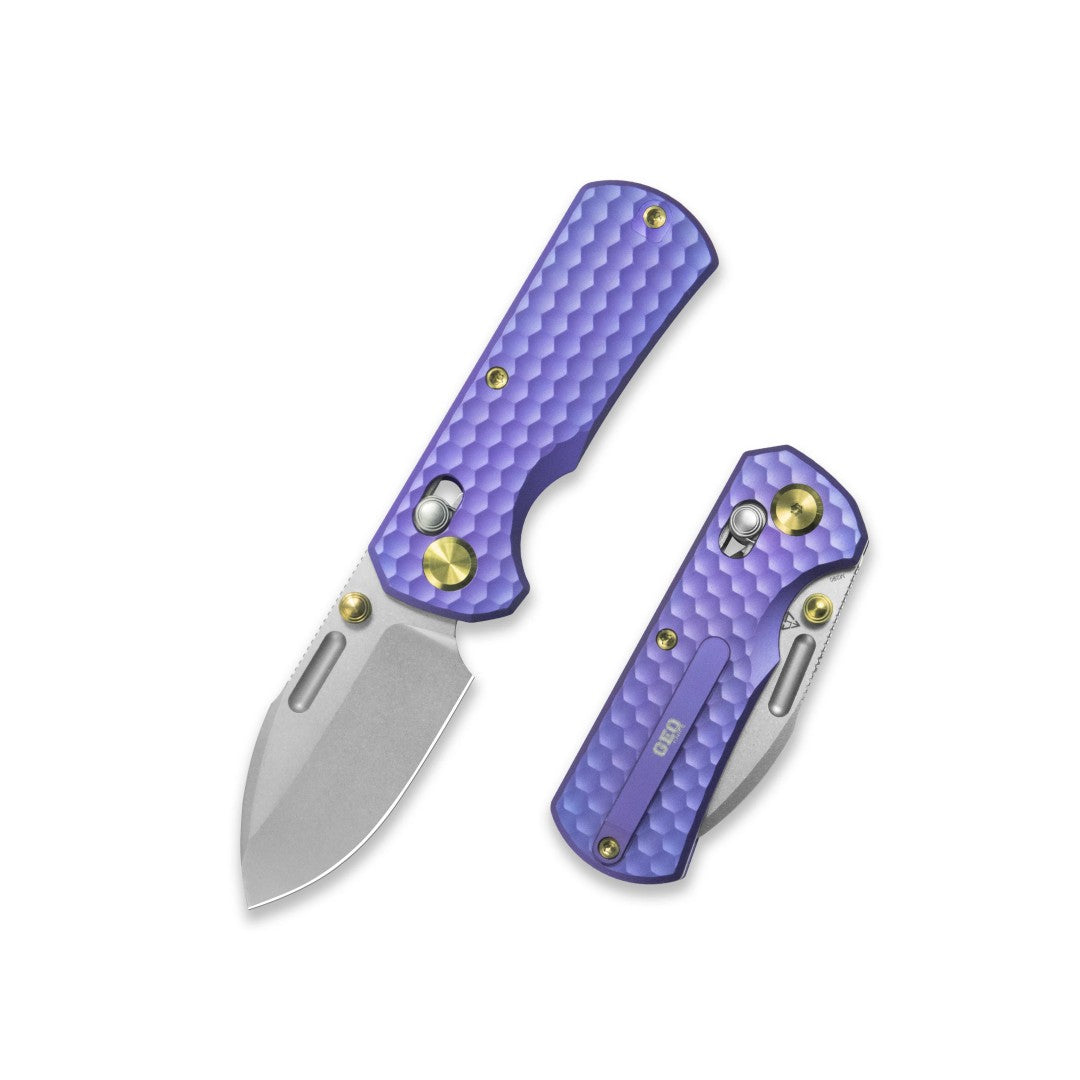
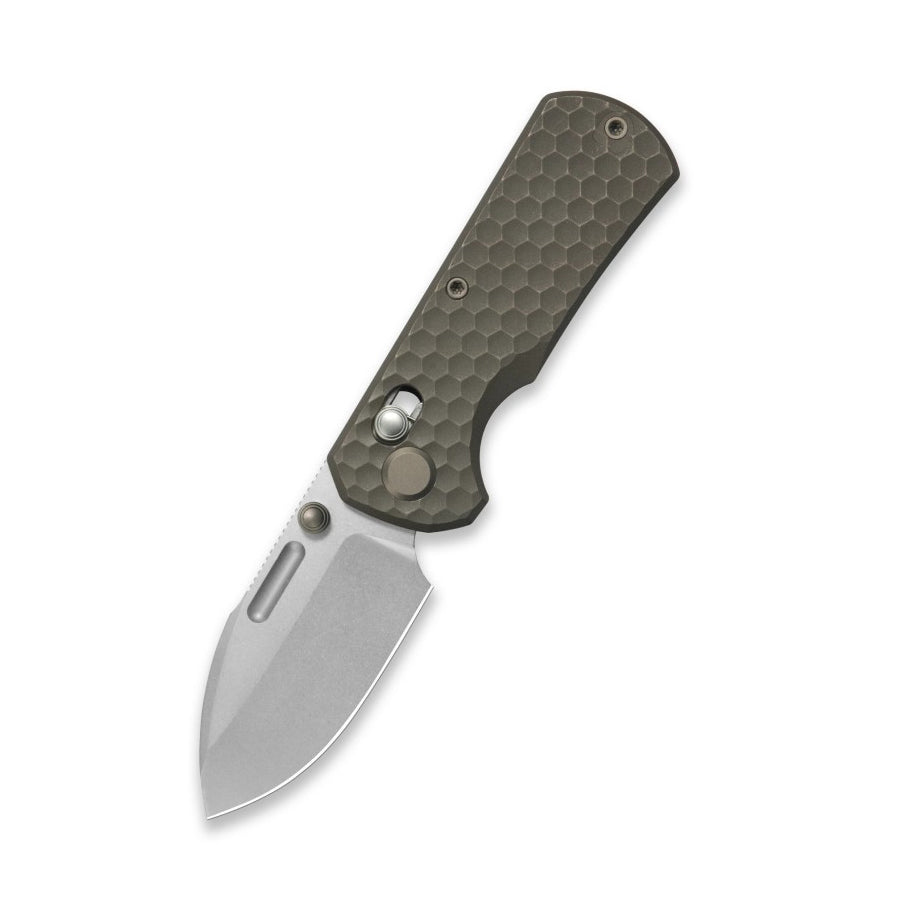
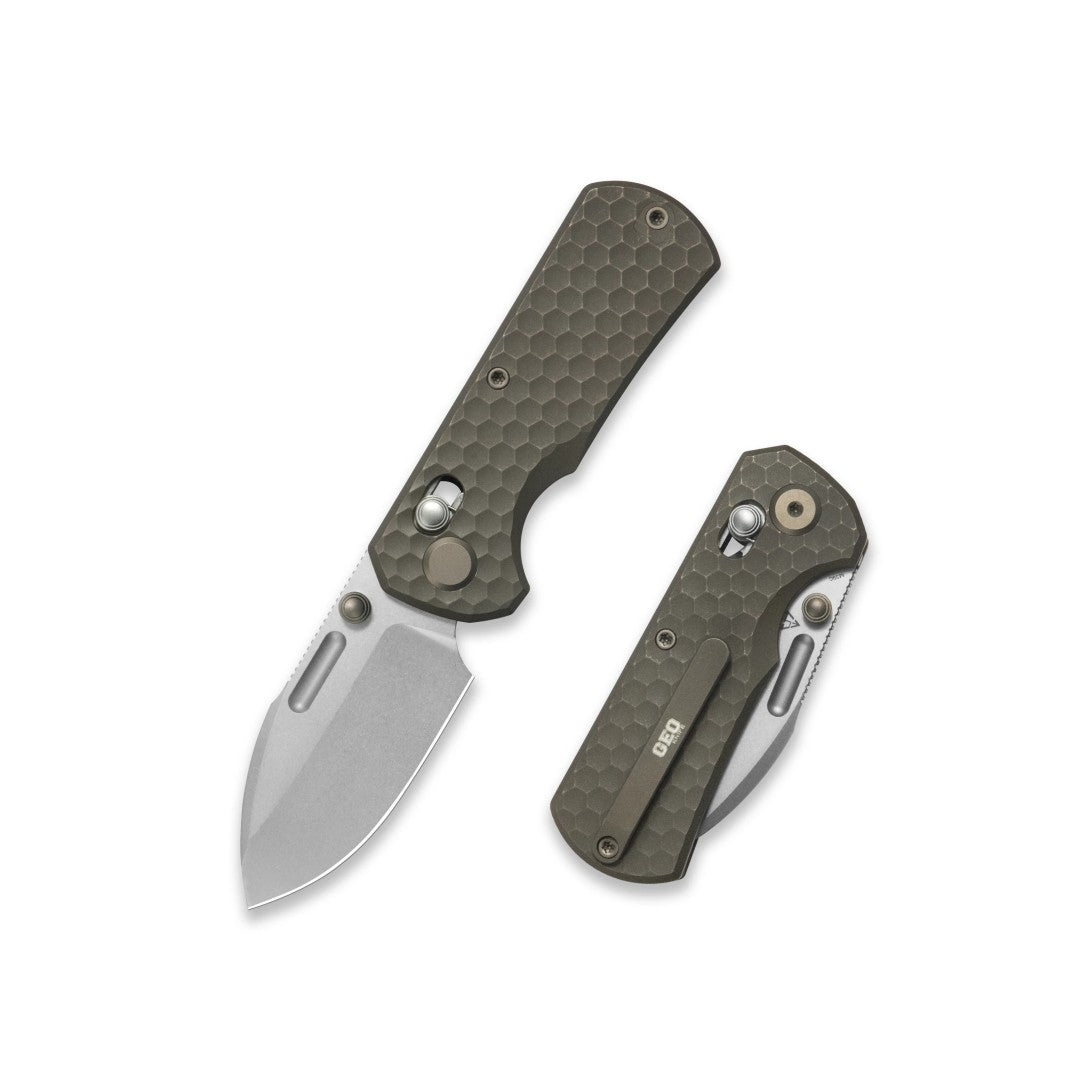
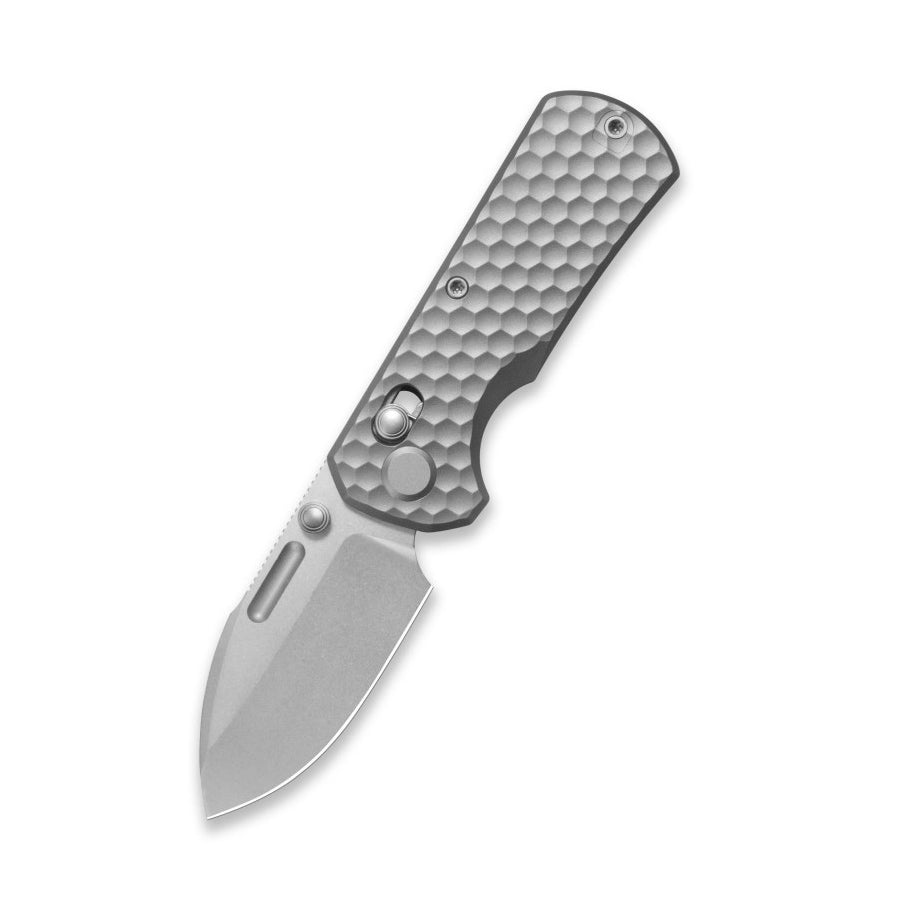
Knives: Entry-level folding and fixed-blade knives, especially for budget-conscious consumers.
-
Cutlery: Kitchen knives, scissors, and other kitchen tools.
-
Medical Devices: Surgical instruments and medical tools, where corrosion resistance is important.
-
Industrial Tools: Small parts and components that require moderate hardness and corrosion resistance.
-
Jewelry: Used in some costume jewelry due to its corrosion resistance and ease of molding.
420 Steel vs. Other Types of Steel
To help you better understand where 420 stands in comparison to other stainless steels, let’s look at how it fares against popular alternatives like 440C and S30V.
| Property | 420 Steel | 440C Steel | S30V Steel |
|---|---|---|---|
| Chromium Content | 12-14% | 16-18% | 14% |
| Hardness (HRC) | 50-55 HRC | 58-60 HRC | 58-61 HRC |
| Corrosion Resistance | Moderate | High | Very High |
| Edge Retention | Decent | Very Good | Excellent |
| Toughness | Moderate | Good | Excellent |
| Ease of Sharpening | Easy | Moderate | Difficult |
As you can see, 440C and S30V are much harder and more resistant to corrosion and wear. However, 420 steel offers a more affordable alternative, especially when you're not looking for the extreme performance of these higher-end steels.
FAQ About 420 Steel
1. Is 420 Steel good for knives?
420 steel is good for budget-friendly knives, especially for light to medium tasks. It is corrosion-resistant and easy to sharpen, but it does not offer the edge retention or toughness of higher-end steels like 440C or S30V.
2. How does 420 steel compare to 440C steel?
440C steel is harder and offers better corrosion resistance, edge retention, and toughness compared to 420 steel. However, 420 steel is more affordable and easier to sharpen.
3. Does 420 steel rust easily?
No, 420 steel has moderate corrosion resistance due to its chromium content. However, it is not as resistant to rust as higher-grade stainless steels like 440C or S30V, so it should be cleaned and dried after use, especially in humid or wet environments.
4. How long does 420 steel hold an edge?
420 steel holds an edge reasonably well for light to moderate use. However, due to its relatively low hardness, the edge will dull faster compared to high-end steels like S30V or M390. Regular sharpening will be necessary for maintaining a sharp edge.
5. Can 420 steel be used for heavy-duty applications?
420 steel is not ideal for heavy-duty applications, as it is more brittle than tougher steels like D2 or 440C. It is better suited for general-purpose tools and knives.
Conclusion
420 steel is a cost-effective option that balances corrosion resistance, ease of sharpening, and moderate hardness. It’s a solid choice for budget knives, kitchen tools, and medical instruments but is not suited for high-performance applications where toughness and edge retention are critical. Understanding its properties and limitations can help you decide whether it’s the right steel for your needs. If you're looking for an affordable, rust-resistant steel for light use, 420 steel is a solid choice.