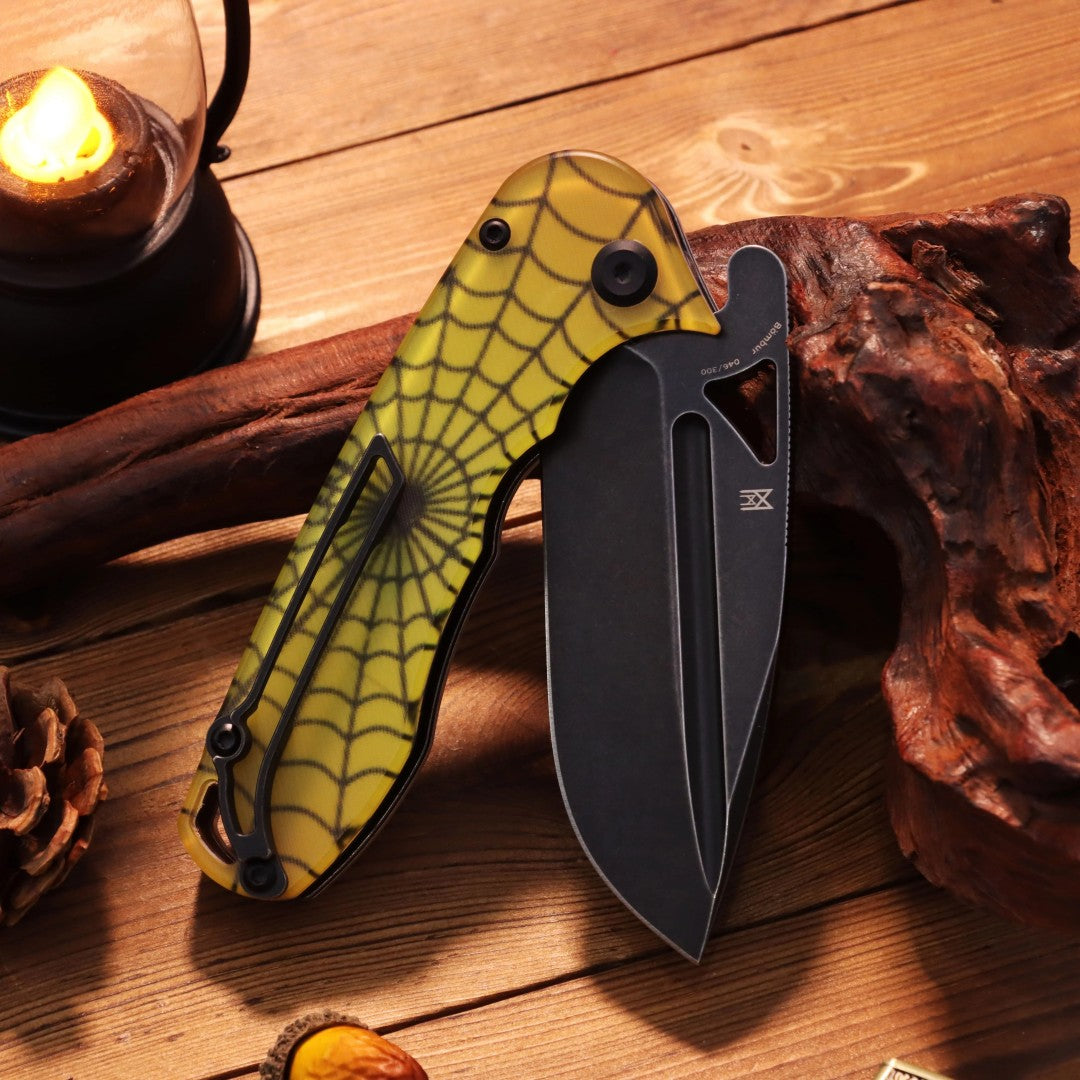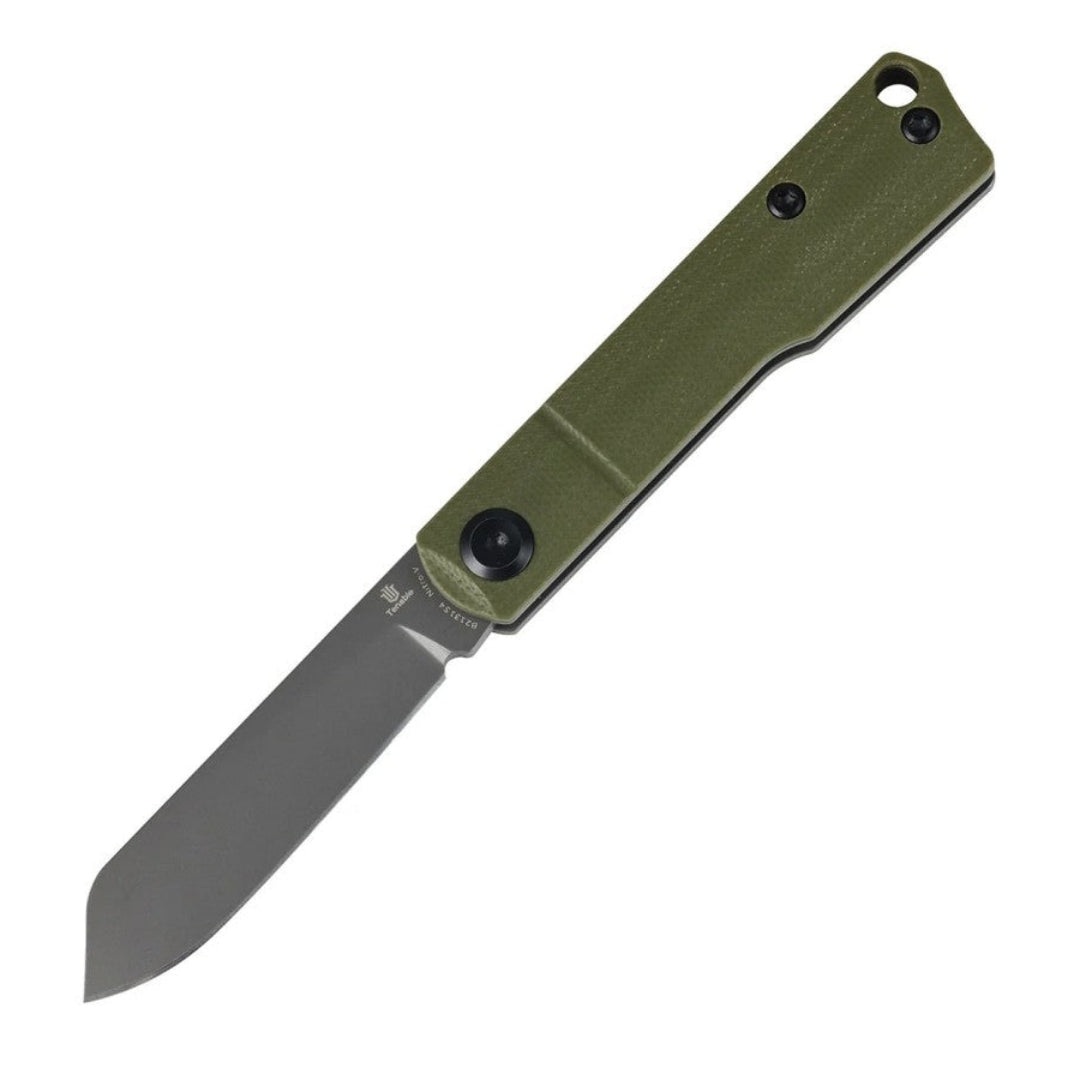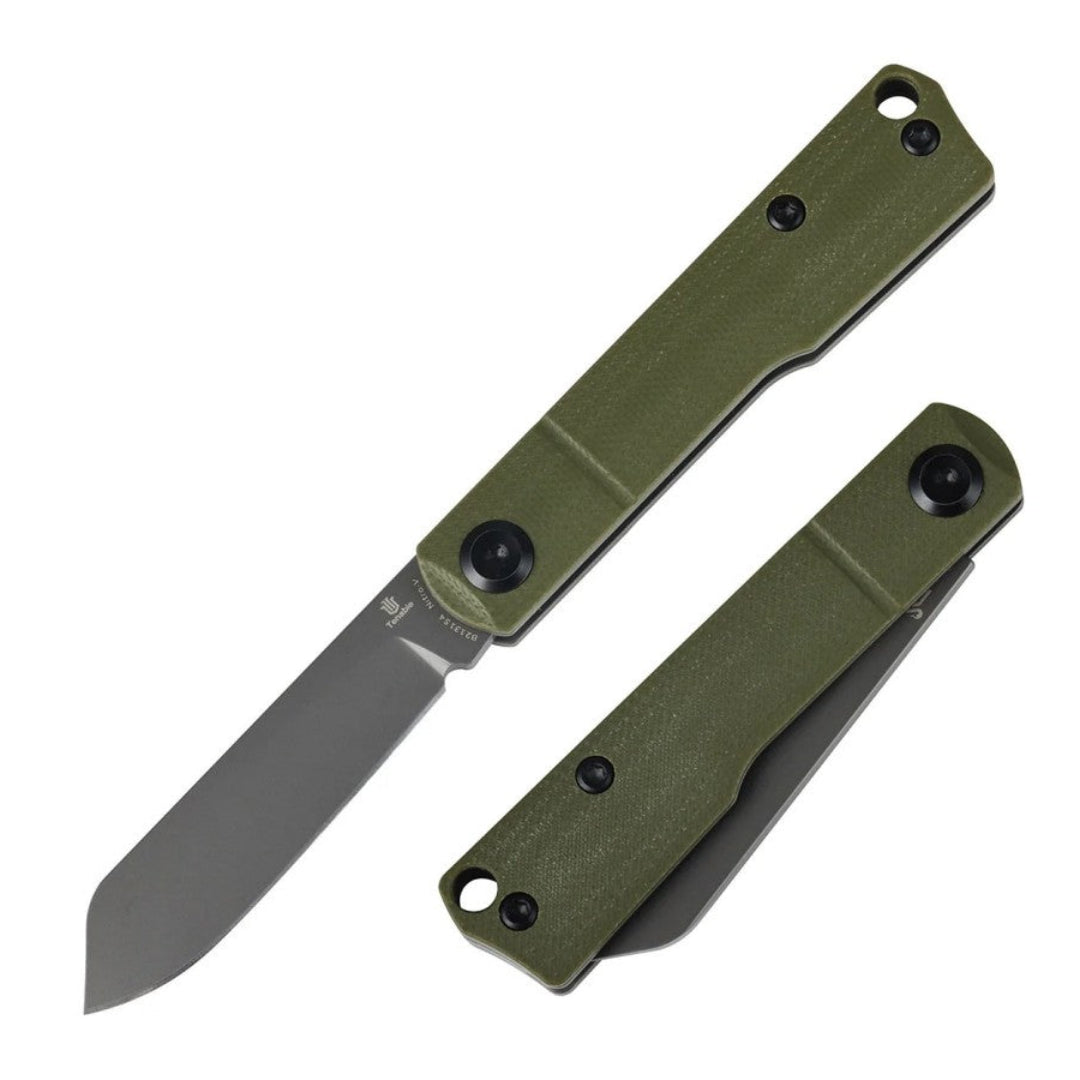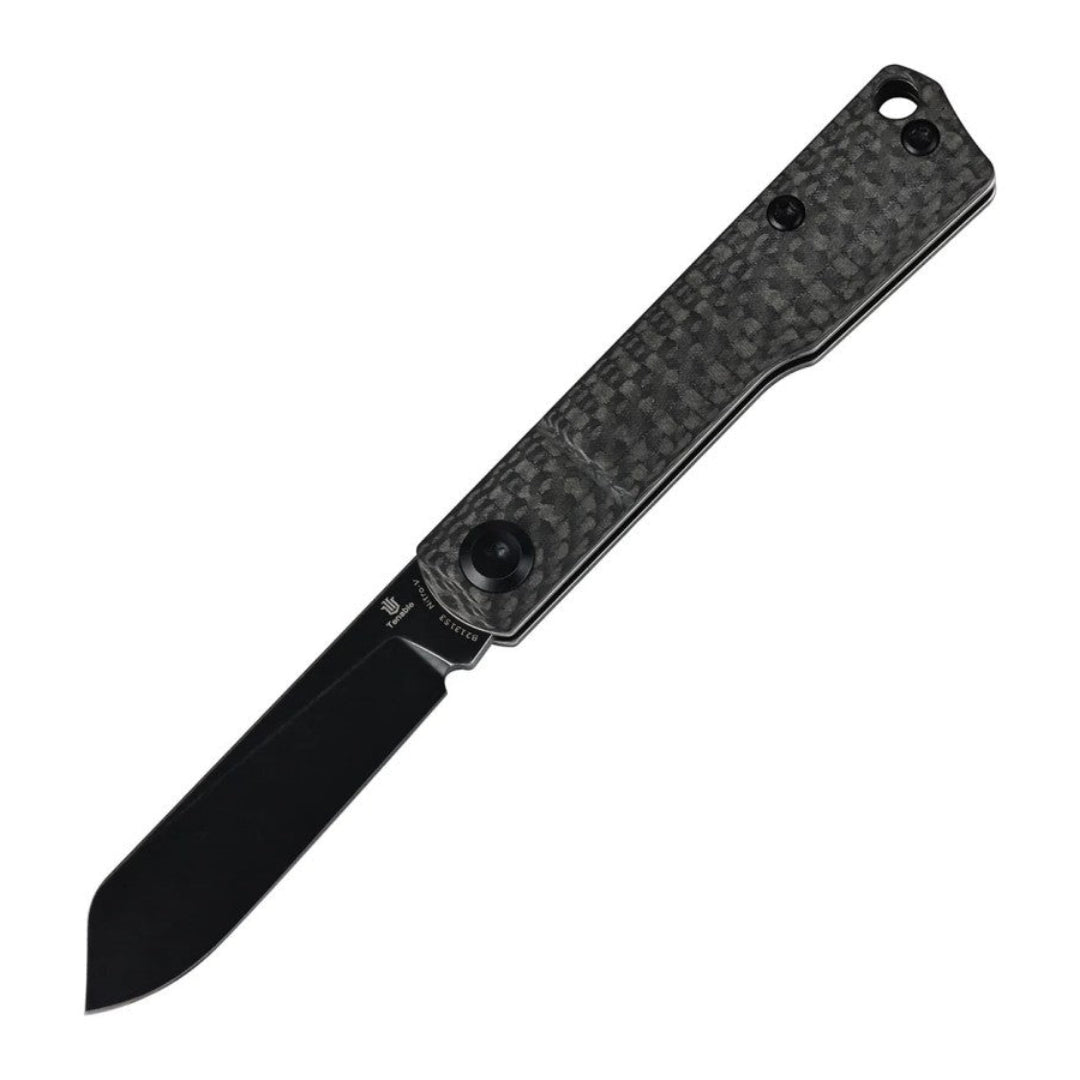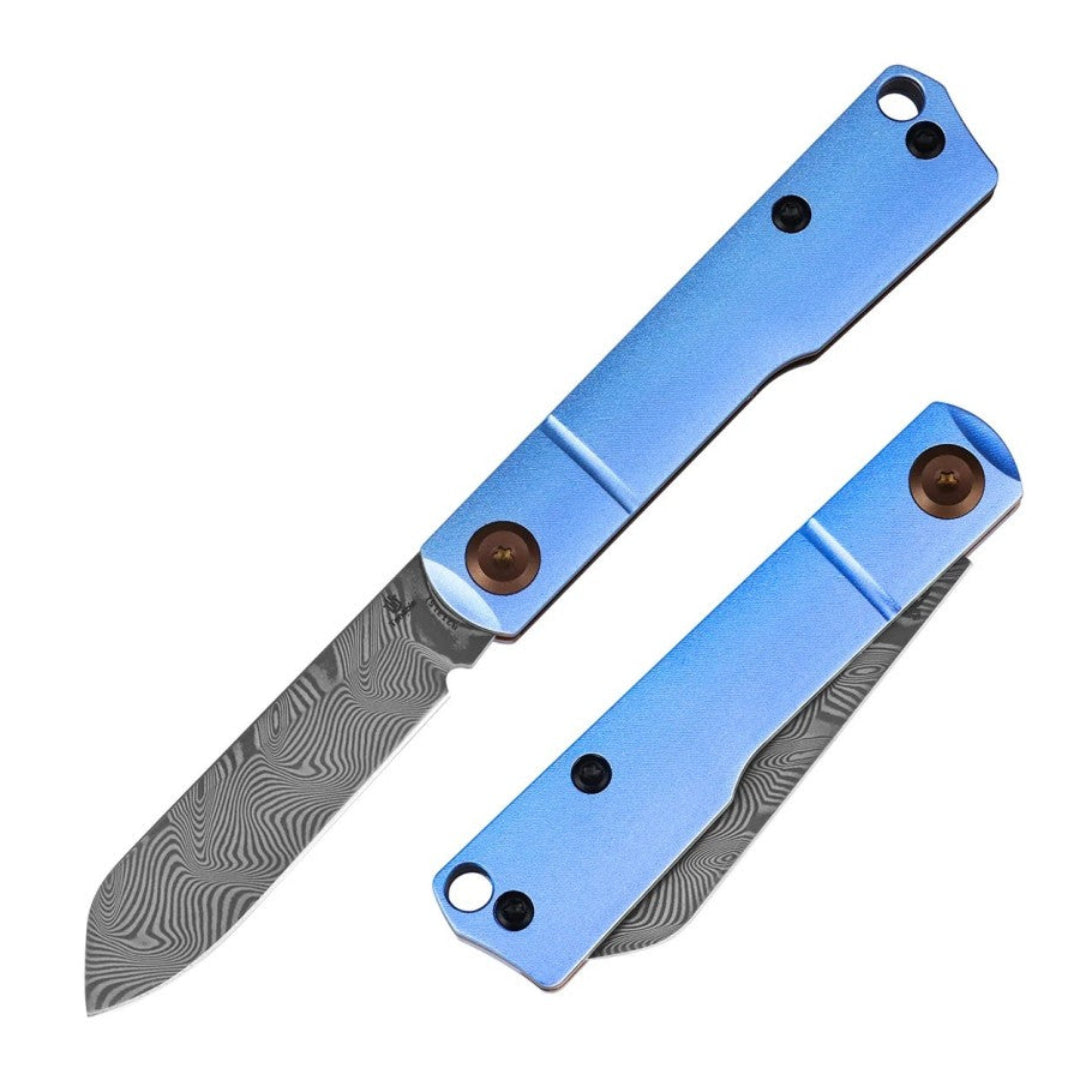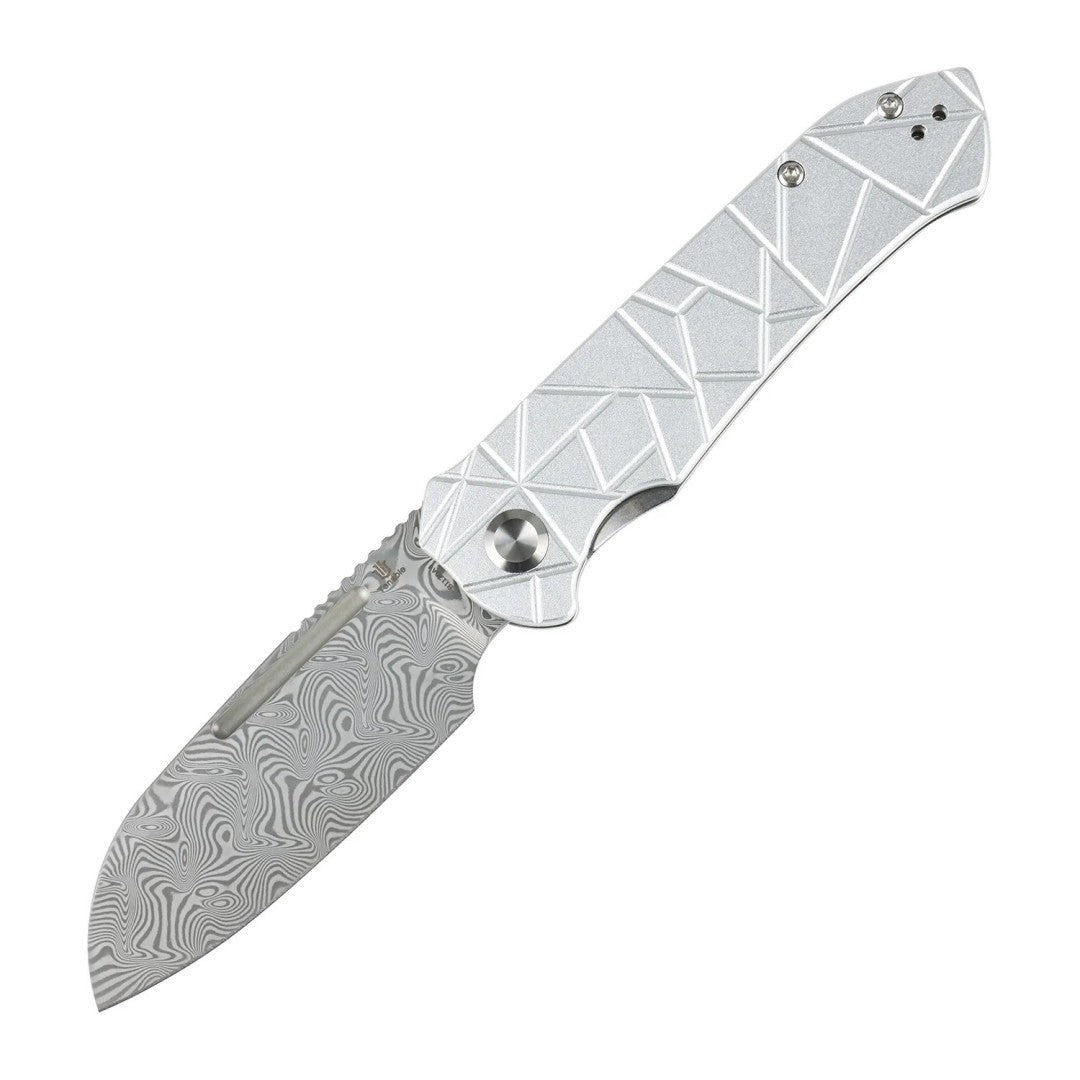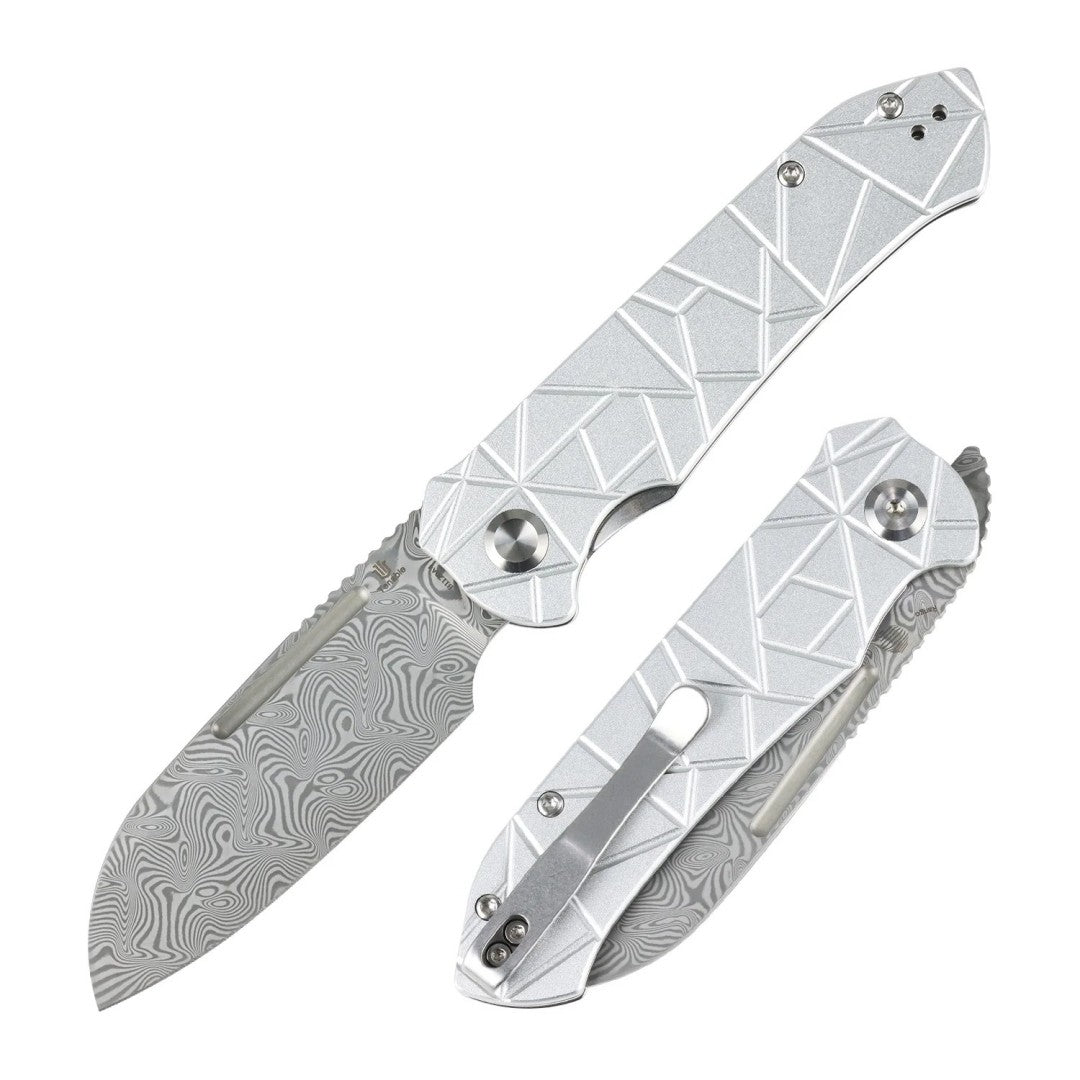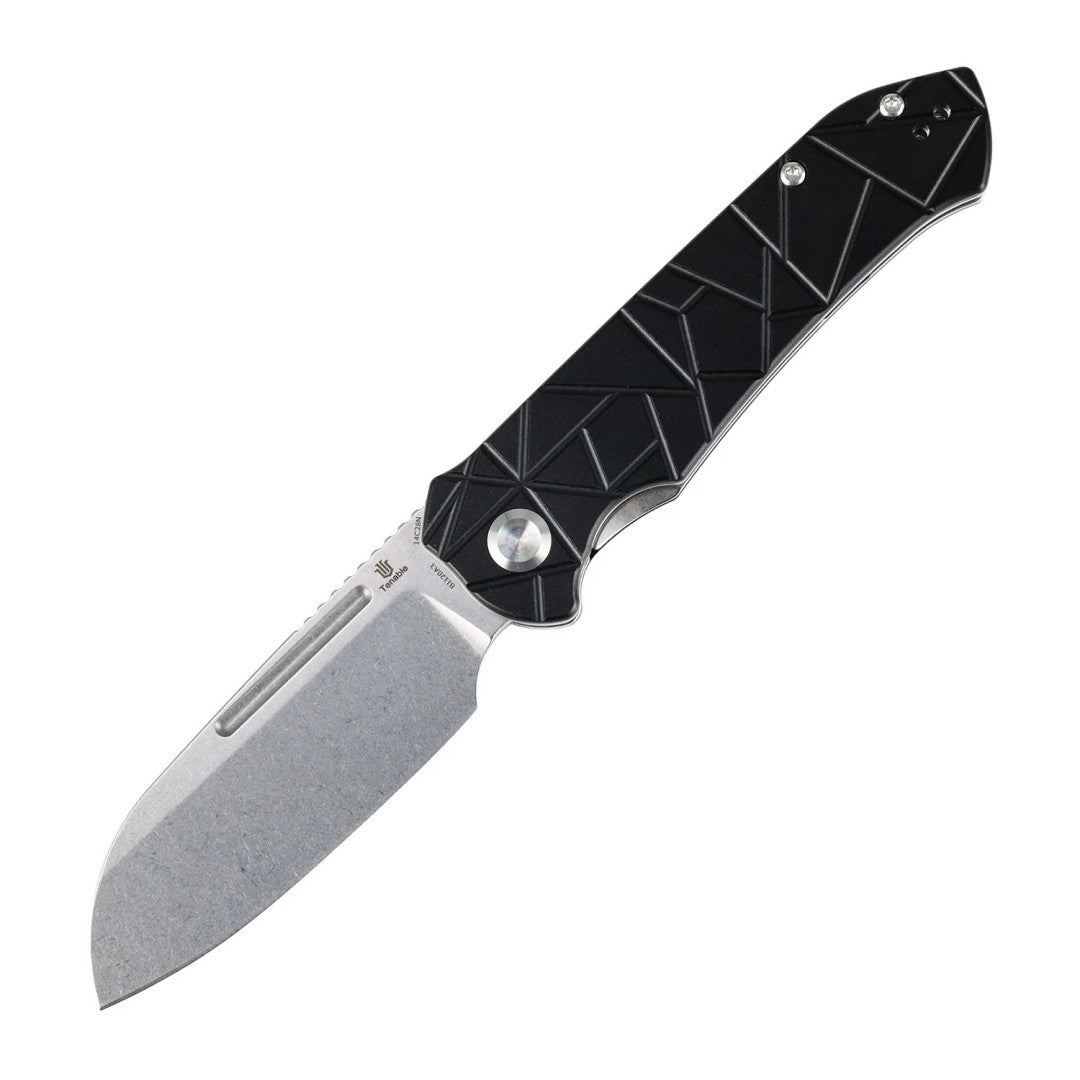

D2 steel is a high-carbon, high-chromium tool steel that has been a cornerstone of knife manufacturing for decades. It occupies a fascinating middle ground in the steel world — not quite a true stainless steel, yet significantly more corrosion-resistant than traditional carbon steels. Often described as a “semi-stainless” steel, D2 has earned its reputation through exceptional wear resistance, impressive edge retention, and an unbeatable price-to-performance ratio.
For knife enthusiasts, D2 represents the sweet spot where affordability meets serious performance. It’s the steel that bridges the gap between entry-level stainless blades and premium super steels — and for many users, it’s all the steel they’ll ever need.
The Origin Story
D2 steel traces its roots back to the early part of the 20th century as part of a group of high-carbon, high-chromium cold-work tool steels developed for industrial tooling applications like stamping dies, punches, and shear blades. These environments demanded materials that could keep cutting or shaping metal day after day without wearing out.
D2’s formula hit the sweet spot for this kind of demanding work, offering high hardness, strong wear resistance, and good dimensional stability when heat-treated. By the 1960s, knifemakers began to see the potential — D2 could hold an edge far longer than many steels traditionally used for knives.
Pioneering makers like Jimmy Lile and Bob Dozier (the latter famously nicknamed “Dr. D2”) became well-known for using D2 extensively in their knives, demonstrating that it could excel in everything from hunting knives to everyday carry folders. Today, D2 is manufactured worldwide under various designations including SKD11 (Japan), 1.2379 (Germany), Hitachi SLD, and Uddeholm Sverker 21 — a testament to its global popularity.
Chemical Composition
D2’s performance begins with its carefully balanced chemistry. The steel contains approximately:
D2 falls into a category sometimes called “semi-stainless.” With nearly 12 percent chromium, it sits just under the 13 percent mark generally used to define true stainless steels. That means it resists corrosion better than simple carbon steels but isn’t immune to rust, especially in damp or acidic environments.
It’s important to understand that while D2 contains significant chromium, much of it is tied up in carbides — a 1.55% carbon content means roughly 7.7% of chromium remains available for corrosion protection, which classifies it as semi-stainless.
Key Properties
Hardness
D2 steel achieves a hardness range of 55–62 HRC when properly heat-treated. However, the real-world range can be broader — some D2 knives measure as low as 54 HRC or as high as 64 HRC, though most fall between 58 and 62 HRC.
Heat treatment offers flexibility in tuning performance. Tempering between 500–550°F produces 58–60 HRC, delivering an optimal balance between wear resistance and toughness. For maximum wear resistance, tempering between 300–350°F yields 62–64 HRC. D2 also retains its hardness up to approximately 425°C (797°F), making it suitable for applications involving friction and heat.
Edge Retention
D2’s edge retention is legendary in the knife community. Independent CATRA (Cutlery Allied Trade Research Association) testing placed D2 24th out of 45 tested knife steels when heat-treated to 59.2 HRC — and it performed better than VG10, 3V, A2, CruForge V, and Super Blue in the same testing.
Comparative testing found D2’s edge about 13% lower than S30V, but it matched VG10, 440C, and even ZDP-189 in edge retention — an impressive result given D2’s significantly lower price point.
This edge retention stems from the large volume of hard chromium carbides distributed throughout D2’s microstructure. In practical terms, a D2 blade can stay sharp through weeks of regular use — cutting cardboard, opening packages, preparing food, and handling light outdoor tasks — before needing any attention.
Toughness
Toughness is D2’s most notable limitation. Knife Steel Nerds reports that D2 scored about 5 ft-lb in Charpy impact testing at just over 60 HRC — which is low compared to steels specifically designed for impact resistance.
The very carbides that give D2 its superb wear resistance can also create failure points under stress. Large chromium carbides (sometimes exceeding 40 microns in size) can act as initiation sites for cracking when blades are subjected to lateral stress or prying motions.
This doesn’t mean D2 is fragile — far from it. For everyday cutting tasks using direct downward or slicing motions, D2’s toughness is more than adequate. However, users should avoid prying, twisting, or subjecting D2 blades to heavy impact.
Corrosion Resistance
D2’s corrosion resistance is a subject of passionate debate in the knife community. The short answer: D2 is not a stainless steel, but it’s significantly more rust-resistant than carbon steels.
With 11–12% chromium in its composition, D2 provides moderate corrosion resistance that’s sufficient for most indoor and outdoor applications — as long as the blade is kept reasonably clean and dry. However, users in very humid environments, coastal areas, or those who regularly expose their knives to moisture should expect to perform basic maintenance: wiping the blade dry after use and occasionally applying a light coat of oil.
Some users report rust spots after brief exposure to moisture, while others use D2 for years without issue. The difference often comes down to climate, usage patterns, and maintenance habits.
Wear Resistance
This is where D2 truly shines. D2 offers excellent abrasion resistance due to its dense network of hard carbides — chromium, vanadium, and molybdenum carbides all contribute to a microstructure that resists abrasive wear exceptionally well.
The practical implication is that D2 blades resist scratches, maintain their edge geometry longer, and stay sharp through abrasive cutting tasks that would dull softer steels quickly. Think cutting rope against a dirty surface, slicing through abrasive materials like cardboard, or prolonged use on fibrous materials.
Sharpening
Here’s the trade-off: D2 is noticeably harder to sharpen than basic stainless steels. The same carbides that deliver outstanding wear resistance also resist the abrasive action of sharpening stones.
Beginners will find D2 challenging to sharpen, requiring more time, patience, and technique than steels like 420HC or 8Cr13MoV. However, experienced sharpeners find D2 manageable with the right abrasives — diamond stones or ceramic rods work much more effectively than traditional aluminum oxide stones.
The good news? Once you’ve sharpened a D2 blade to a keen edge, it stays that way for a long, long time.
D2 vs. Other Knife Steels
D2 vs. CTS-XHP
This is a natural comparison, as CTS-XHP was essentially designed as an improved, stainless version of D2. Both steels share similar carbon content (1.6% for XHP vs. 1.5–1.6% for D2), but CTS-XHP contains roughly 16% chromium compared to D2’s 12%, giving it significantly better corrosion resistance.
The key difference is in manufacturing: CTS-XHP is a powder metallurgy steel with much smaller, more evenly distributed carbides. This results in superior toughness and easier sharpening despite higher hardness. As one user noted, “CTS-XHP takes a very fine edge and holds it just about forever”.
D2 remains more affordable and widely available, but CTS-XHP is objectively a more refined steel — it’s essentially “D2, perfected.”
D2 vs. 440C
Both are high-chromium steels, but they serve different priorities. D2 is a high-carbon, high-chromium cold work tool steel valued for exceptional wear resistance, while 440C is a true martensitic stainless steel preferred for corrosion resistance and mirror polishability.
In head-to-head testing, D2 achieves up to 62 HRC compared to 440C’s 58–60 HRC, and its relative wear resistance is about 25–30% higher. However, 440C offers vastly superior corrosion resistance and is easier to sharpen. Choose D2 for edge retention; choose 440C for corrosion protection.
D2 vs. S35VN
S35VN is a modern powder metallurgy stainless steel developed by Crucible Industries. S35VN knives typically measure 59–61 HRC, while D2 offers a broader range of 58–62 HRC.
S35VN generally holds an edge longer than D2 at equivalent hardness, offers significantly better corrosion resistance, and features a much finer, more uniform carbide structure that enhances toughness. However, S35VN commands a premium price. As one user noted, S35VN “has more wear resistance, more corrosion resistance, more impact toughness, and better carbide distribution” — but D2 remains the value champion.
D2 vs. M390
M390 is often hailed as the pinnacle of blade steel technology — a powder metallurgy “super steel” with approximately 20% chromium and exceptional performance across all metrics.
M390 typically outperforms D2 by 2–3 times in standardized cutting tests, offers true stainless corrosion resistance, and maintains a hardness of 60–62 HRC. But M390 comes at a premium: D2 knives are typically priced between $40 and $100, while M390 knives often start at $150–$200 and go significantly higher.
For most users, D2 offers 80% of the performance at 30% of the price.
Comparison Summary Table
| Steel | Hardness (HRC) | Edge Retention | Corrosion Resistance | Toughness | Ease of Sharpening | Typical Price |
|---|---|---|---|---|---|---|
| D2 | 58–62 | Very High | Moderate (semi-stainless) | Moderate | Moderate–Difficult | $40–100 |
| CTS-XHP | 60–64 | Excellent | Very Good | Good | Moderate–Difficult | $100–150 |
| 440C | 58–60 | Good | Excellent | Fair | Easy | $30–80 |
| S35VN | 59–61 | Excellent | Excellent | Very Good | Moderate | $100–180 |
| M390 | 60–62 | Superior | Superior | Good | Difficult | $150–300+ |
Practical Applications and Popular Knives
D2’s balance of wear resistance, edge retention, and affordability makes it a popular choice across a wide range of knife types.
Hunting Knives
D2 hunting knives excel in field dressing, skinning, and meat processing where prolonged use without sharpening is critical. The steel’s high hardness resists deformation even when contacting bone, and it resists chipping under heavy impact.
Outdoor and Survival Knives
For camping, hiking, and survival scenarios, D2 offers unmatched resilience for demanding tasks like batoning, carving, and shelter building. It handles heavy abuse while maintaining its edge through extended use in the field.
Everyday Carry (EDC) Knives
EDC users who prioritize long-term performance over minimal maintenance love D2. It holds an edge for weeks even with frequent use, resists wear from opening packages and cutting tape, and remains durable enough for occasional heavy tasks.
Tactical and Military Knives
D2 tactical knives are built to endure extreme conditions and repeated hard use, maintaining sharpness during prolonged missions while balancing durability with reasonable resharpening capability.
Popular D2 Knife Models
-
CRKT Bona Fide Field Strip — Slim profile D2 folder
-
Kershaw Cannonball — Bold, burly, and tough work knife with D2 blade
-
Ontario RAT Model 2 — Classic EDC folder available in D2
-
CIVIVI Mini Praxis — Black stonewashed D2 steel, balancing edge retention with corrosion resistance
Advantages and Drawbacks
Advantages
-
Excellent wear resistance — D2 resists abrasive wear better than almost any steel in its price class
-
Superb edge retention — Stays sharp through weeks of regular use
-
Exceptional value — Delivers premium-like performance at an accessible price point
-
Good dimensional stability — Air-hardening process minimizes distortion during heat treatment
-
Widely available — Manufactured globally under numerous brand names
-
Manageable heat treatment — Accessible for custom makers and small manufacturers
Drawbacks
-
Not stainless — Requires regular maintenance to prevent rust
-
Difficult to sharpen — The hardness that delivers edge retention also makes sharpening challenging
-
Limited toughness — Can chip under lateral stress or heavy impact
-
Heavier than some modern alloys — D2 steel blades tend to be heavier than powder metallurgy alternatives
-
Large carbide size — Traditional ingot D2 contains relatively large carbides that can affect edge stability
Is D2 Steel Right for You?
D2 steel has been described as the “working man’s premium steel” — and for good reason. It offers remarkable performance without a hefty price tag, making it the perfect entry point for knife enthusiasts who want to experience serious edge retention without jumping straight to super steel prices.
Choose D2 if you:
-
Value edge retention and wear resistance above all else
-
Are willing to perform basic maintenance (wiping clean, occasional oiling)
-
Want premium performance on a budget
-
Don’t regularly use your knife in wet or saltwater environments
-
Have some sharpening experience or are willing to learn
Look elsewhere if you:
-
Need true stainless corrosion resistance for marine or very humid environments
-
Frequently subject your knife to prying, twisting, or heavy impact
-
Are a complete beginner who struggles with sharpening
-
Demand the absolute highest performance regardless of cost
For the vast majority of knife users — EDC carriers, hunters, outdoor enthusiasts, tradespeople, and everyday users — D2 represents an outstanding choice that delivers far more performance than its price suggests.
As one manufacturer put it: “D2 offers a great balance between value and performance compared to other steels on the market today”. Nearly a century after its invention, that statement still rings true — and D2 remains one of the most beloved knife steels of all time.