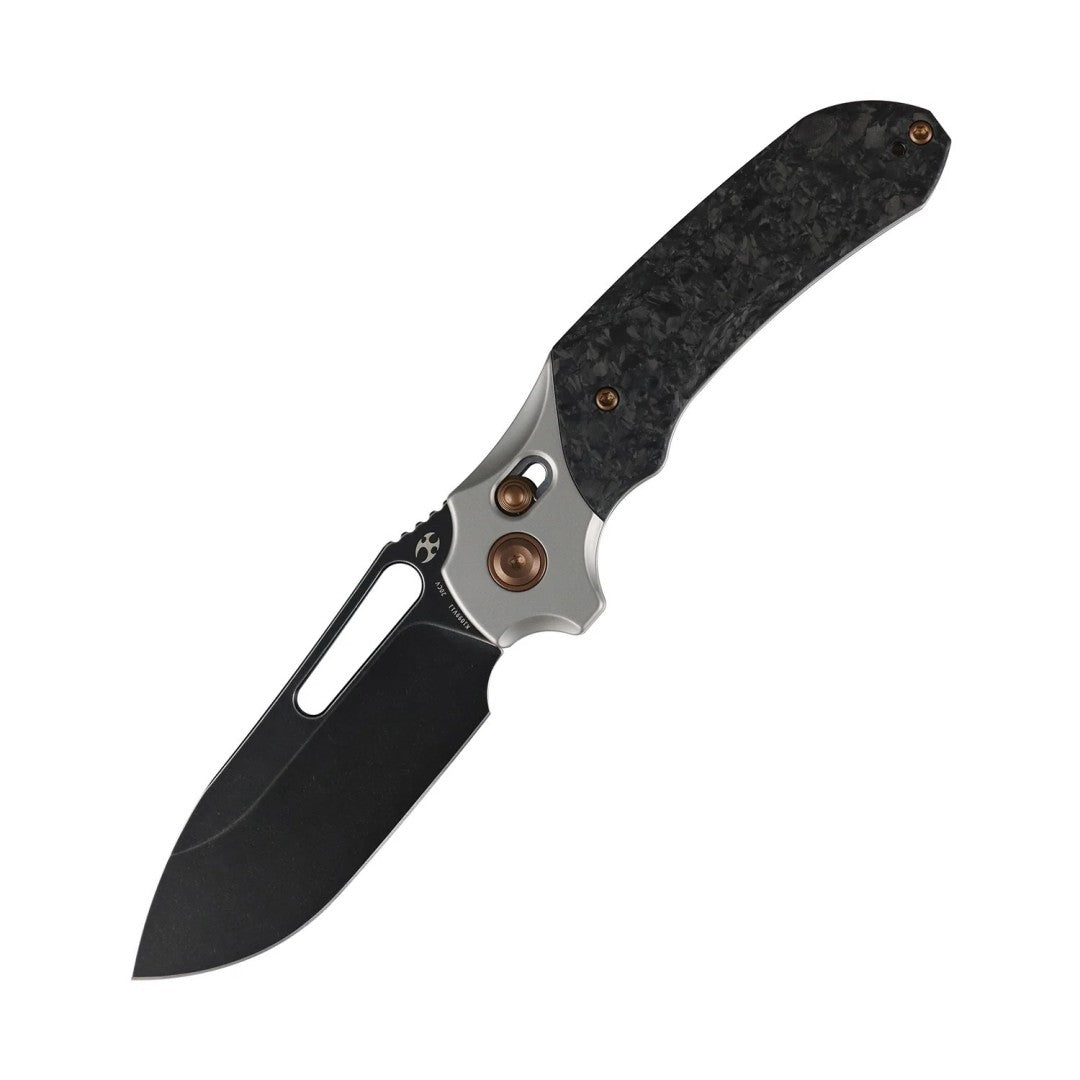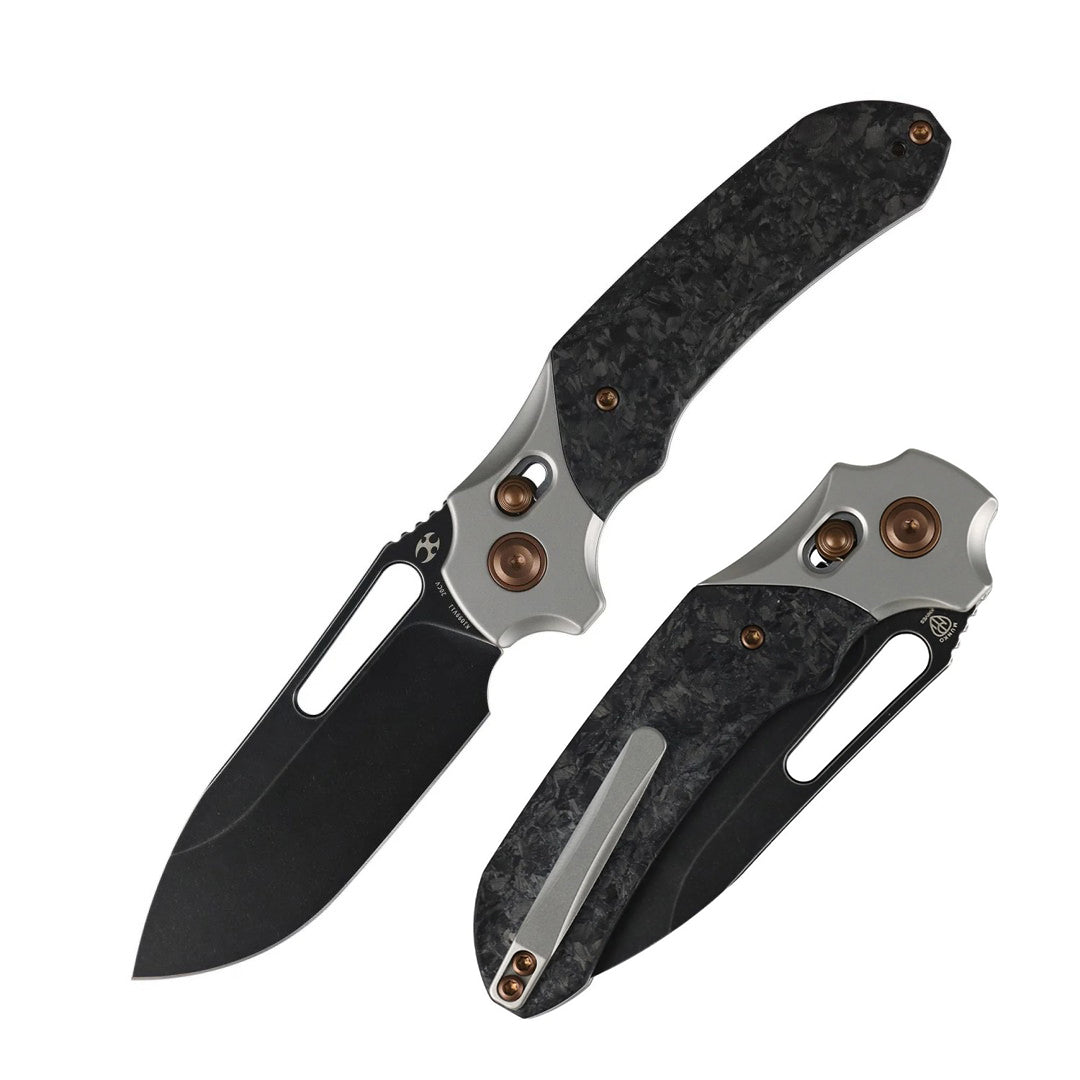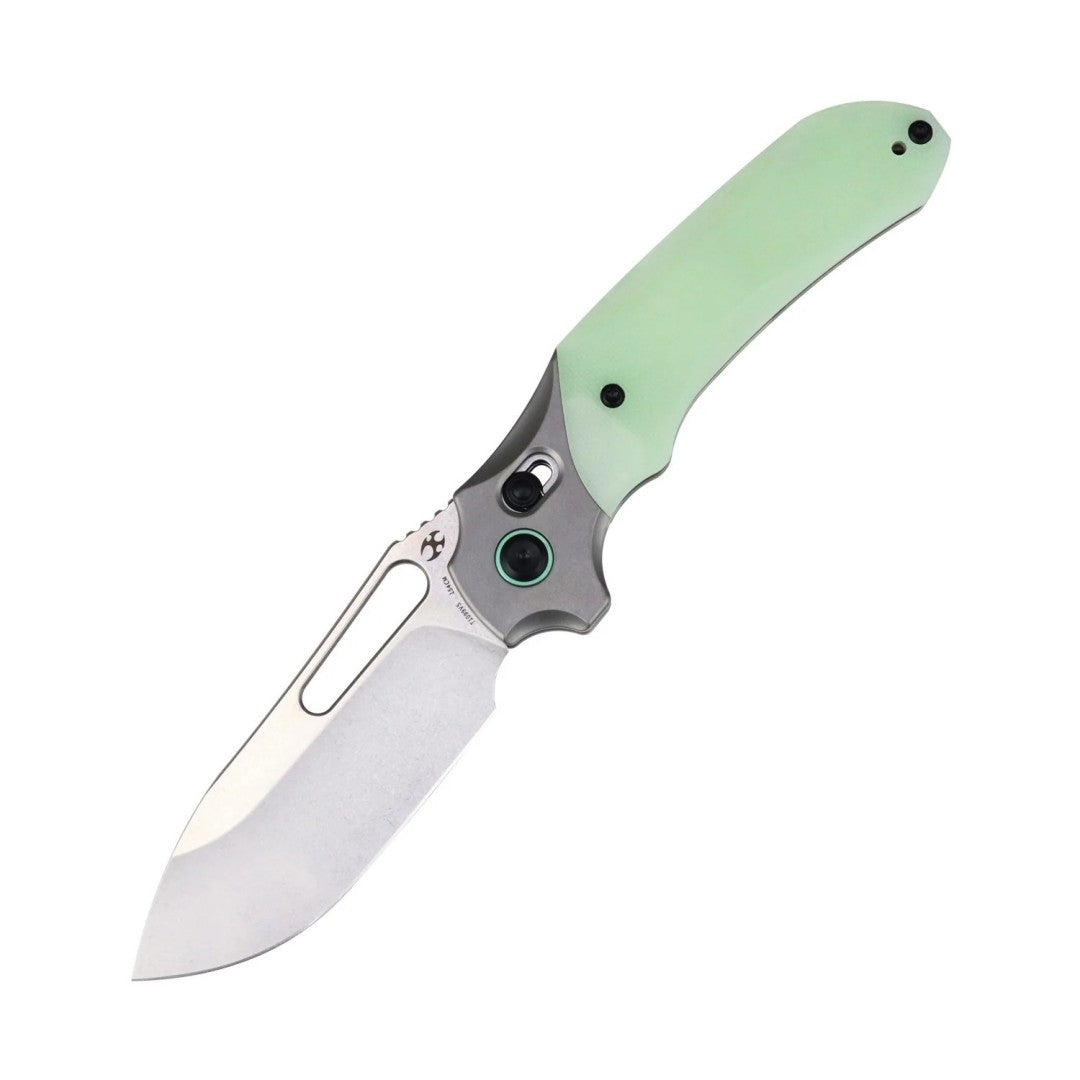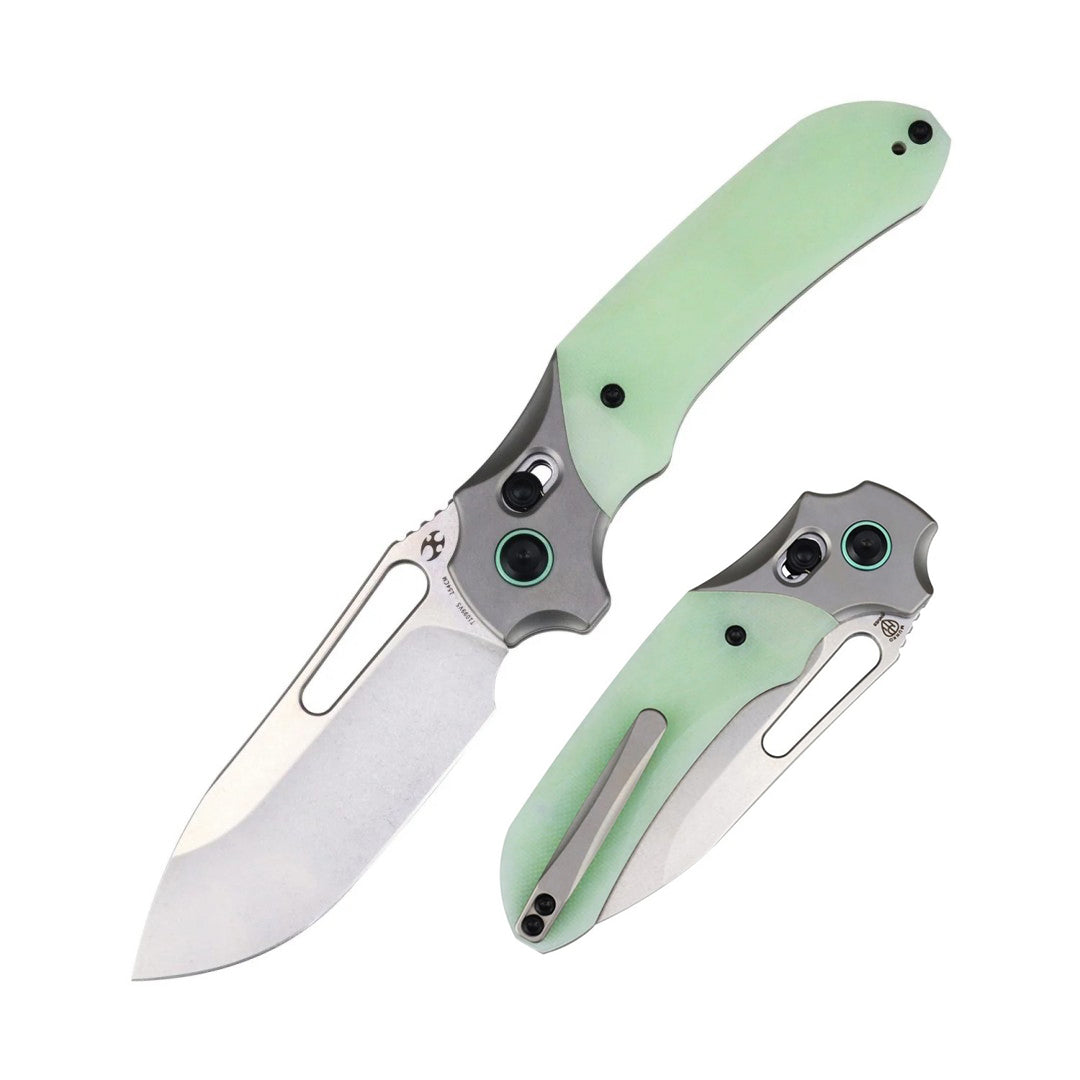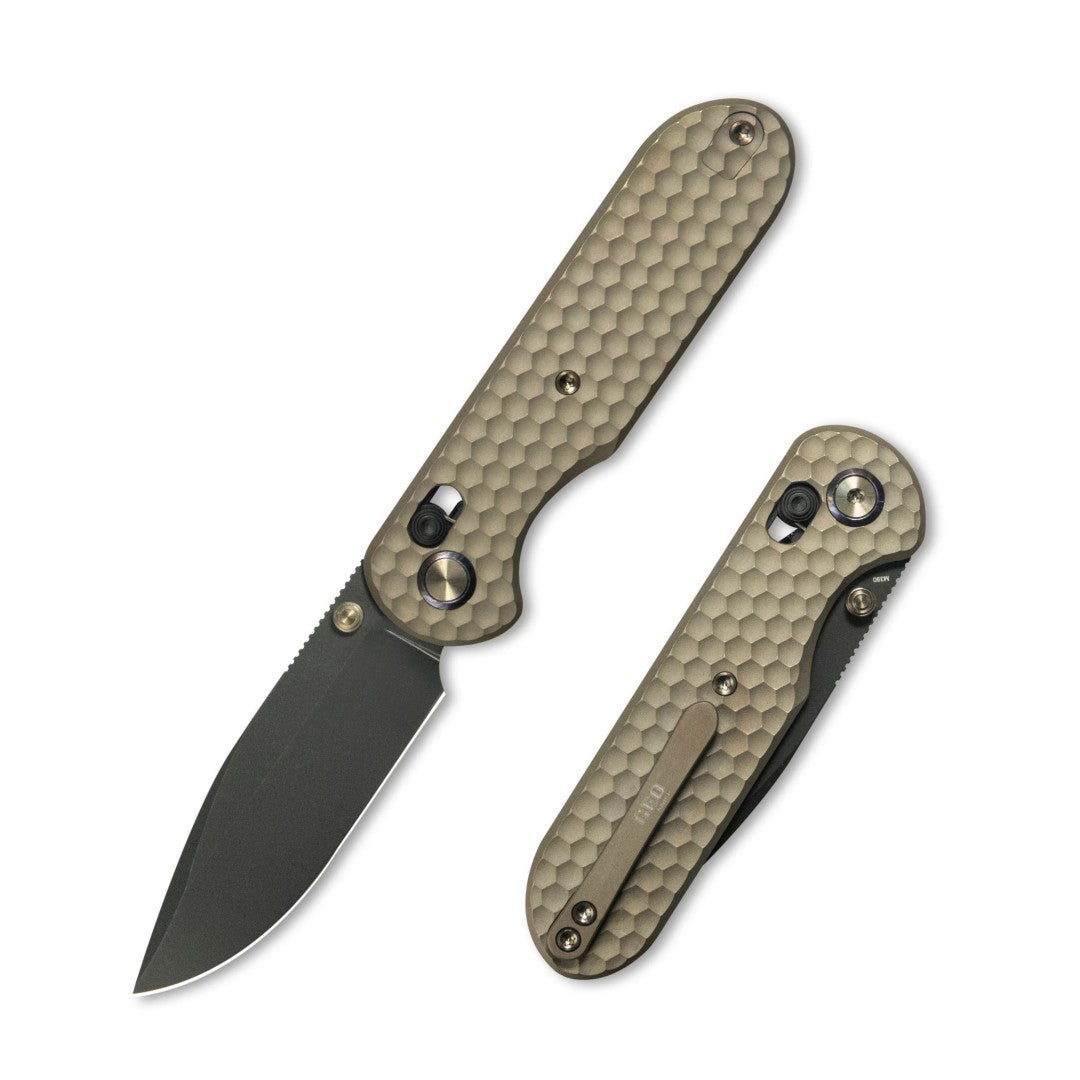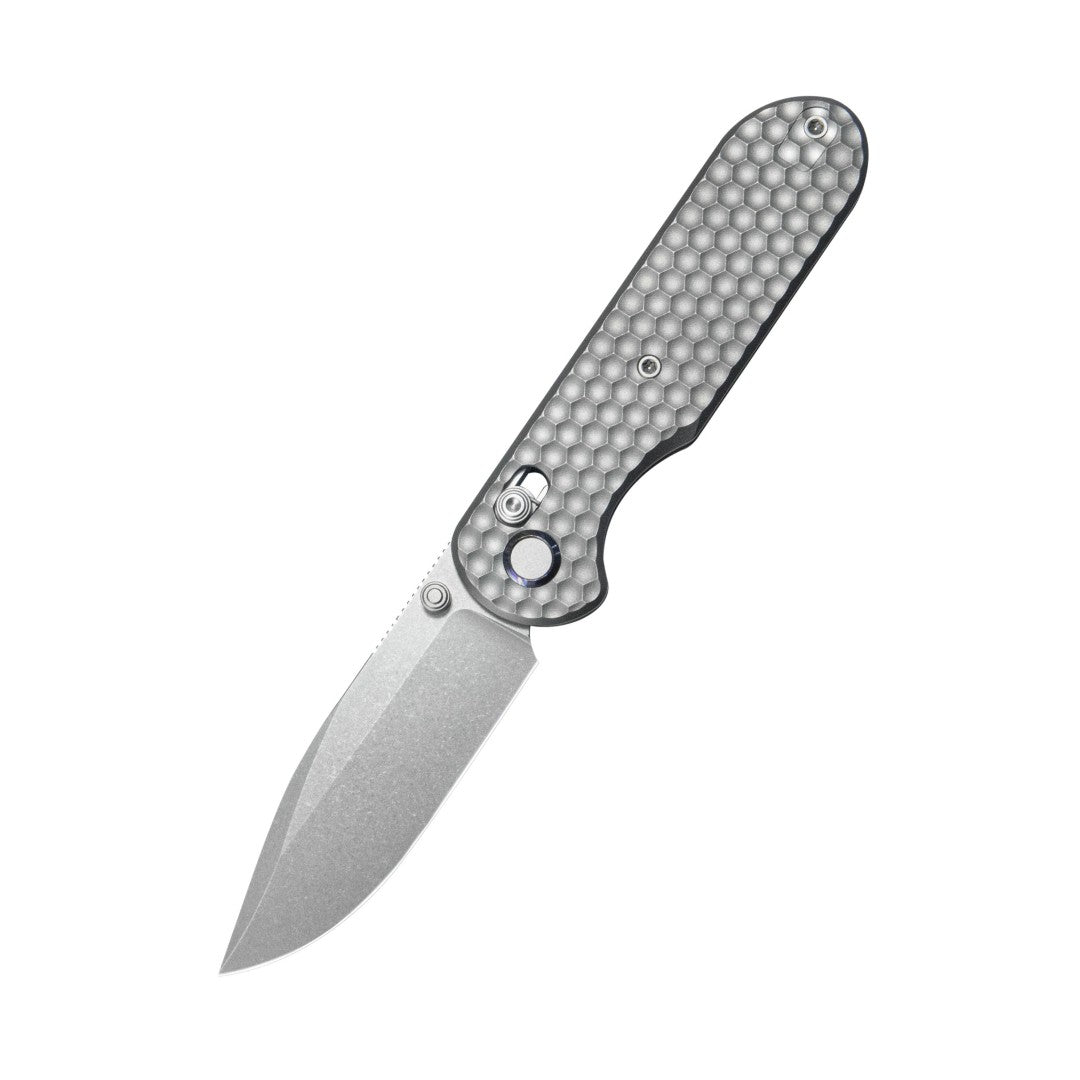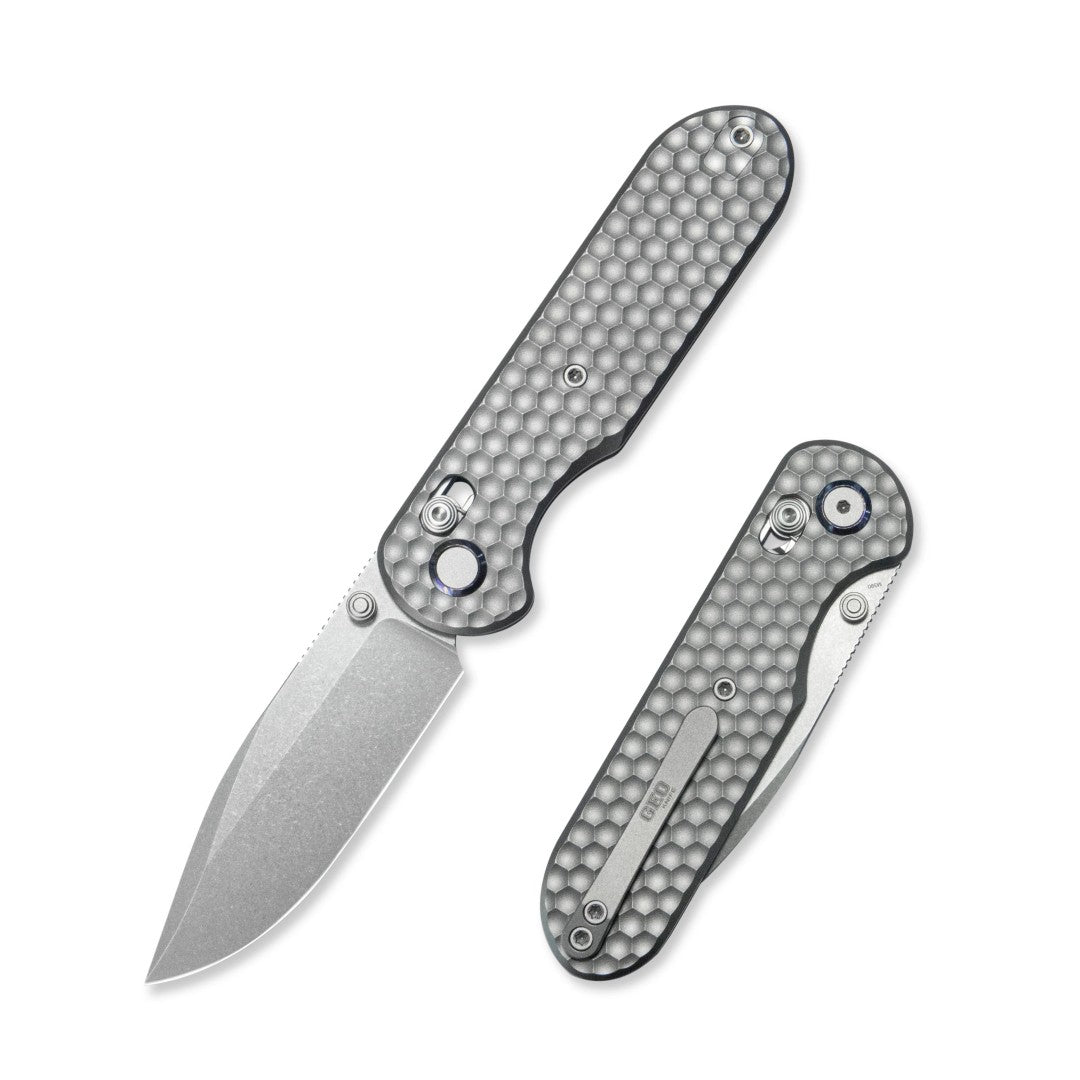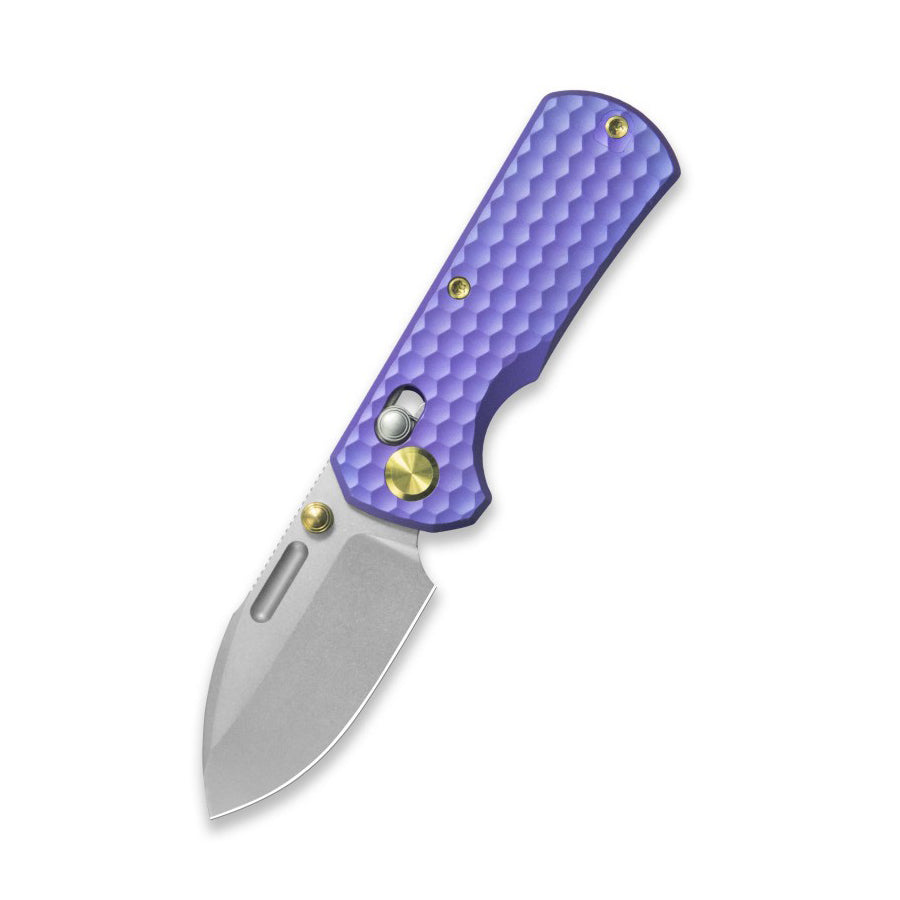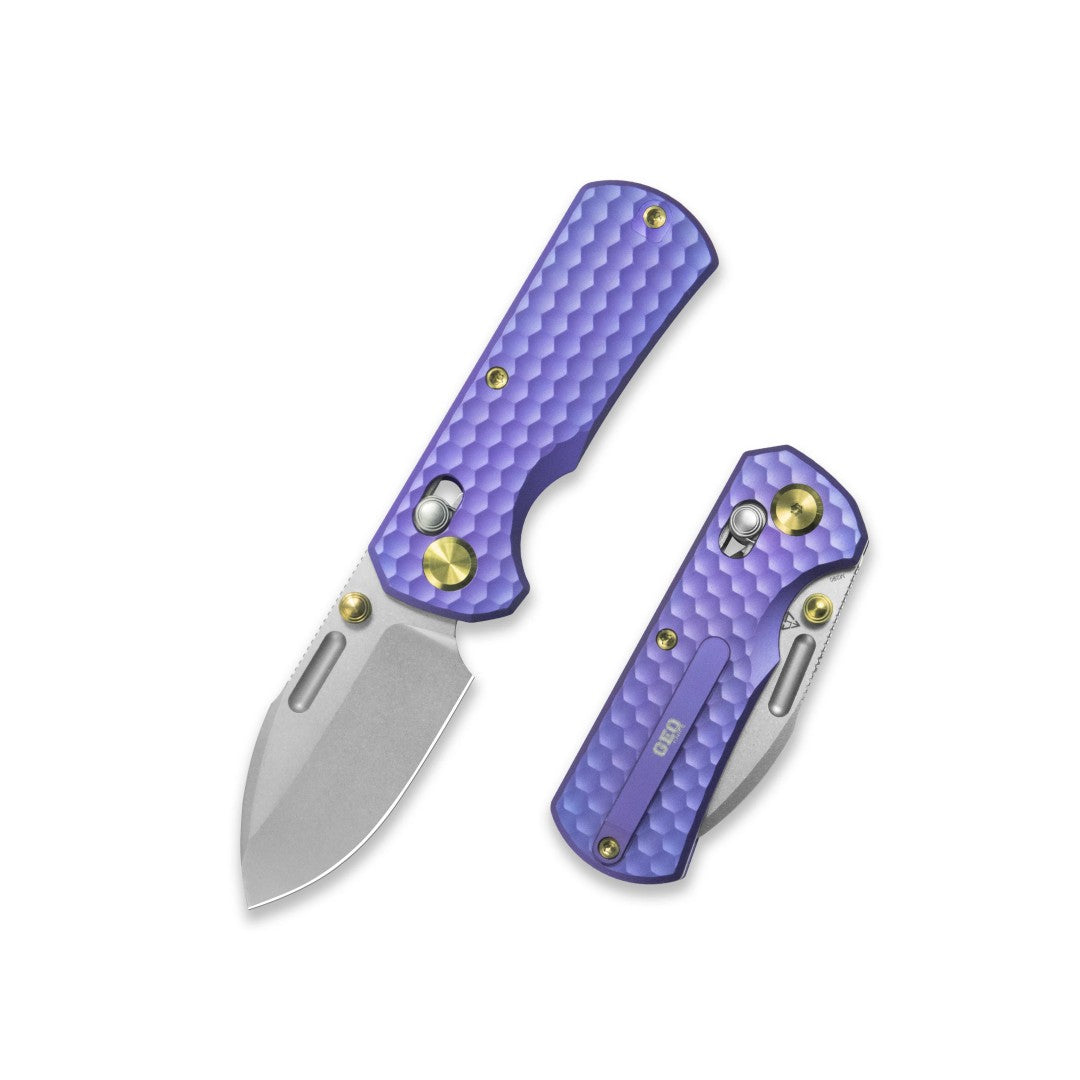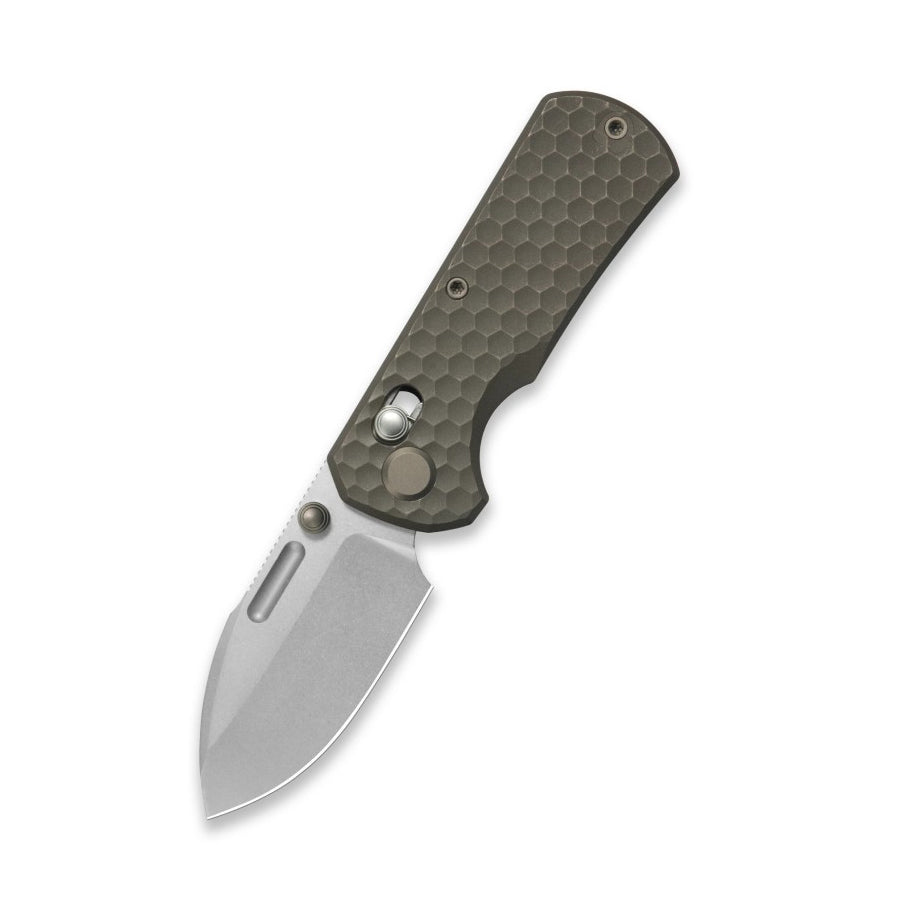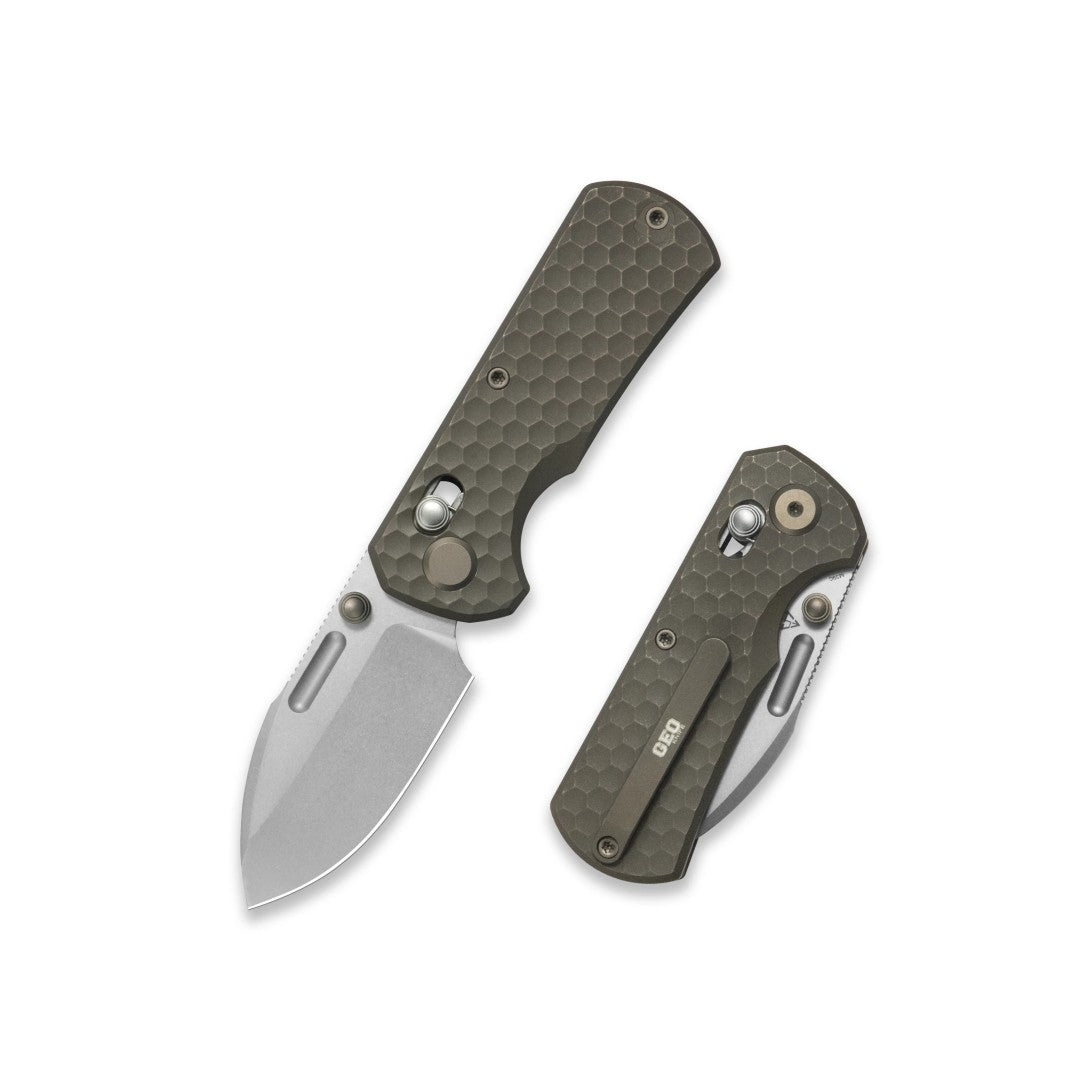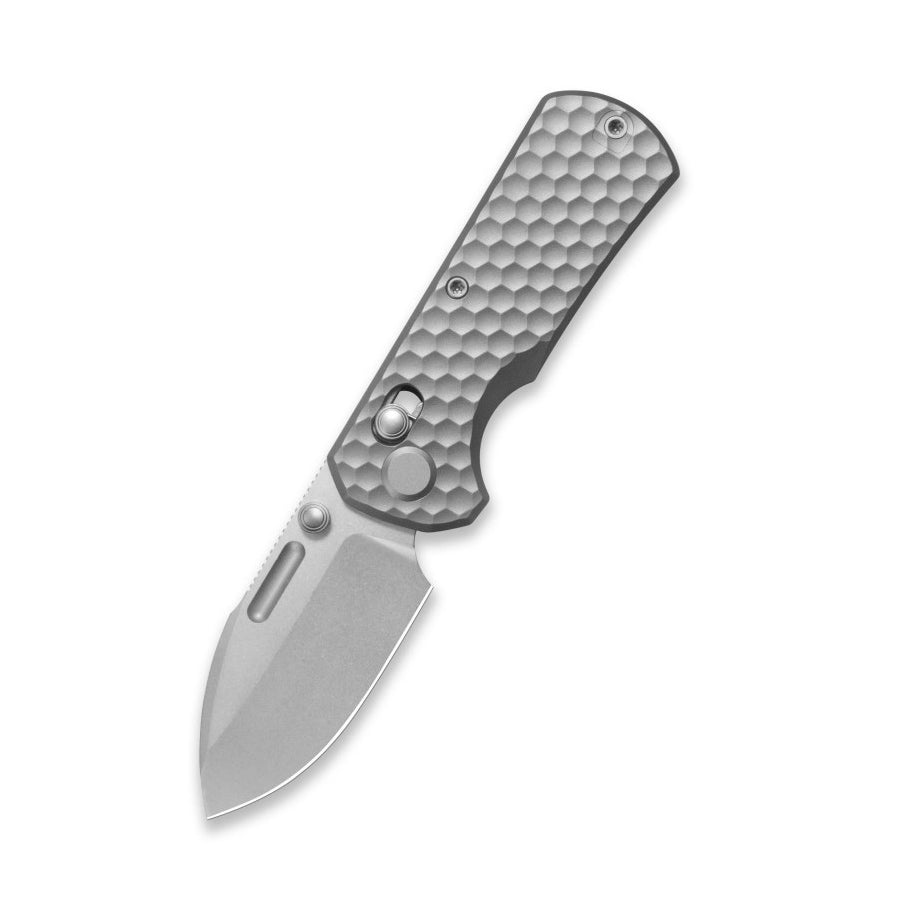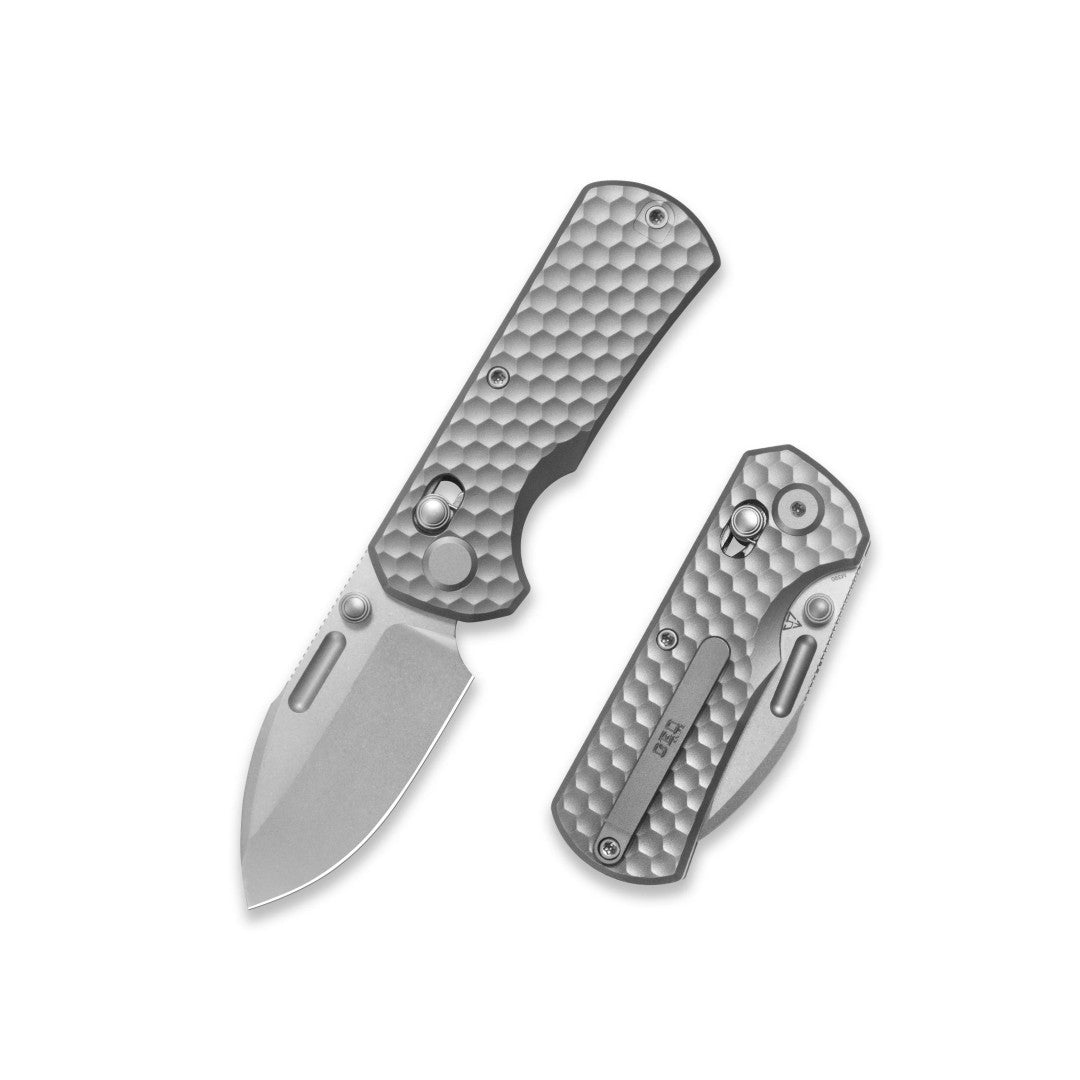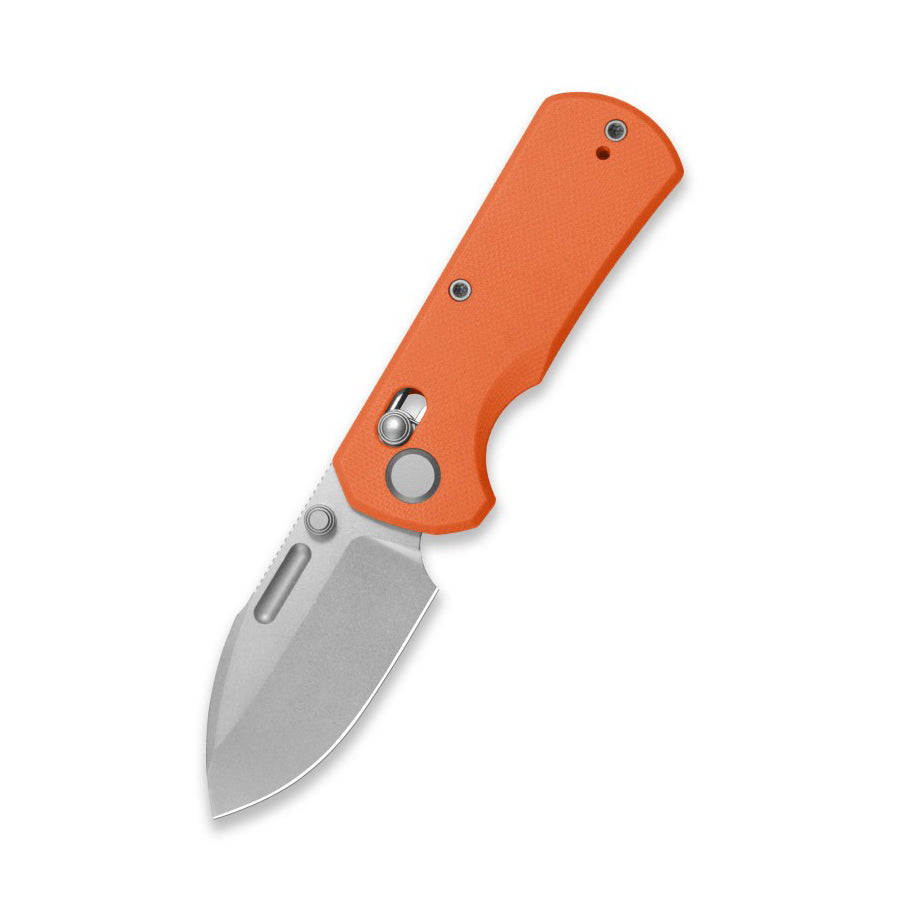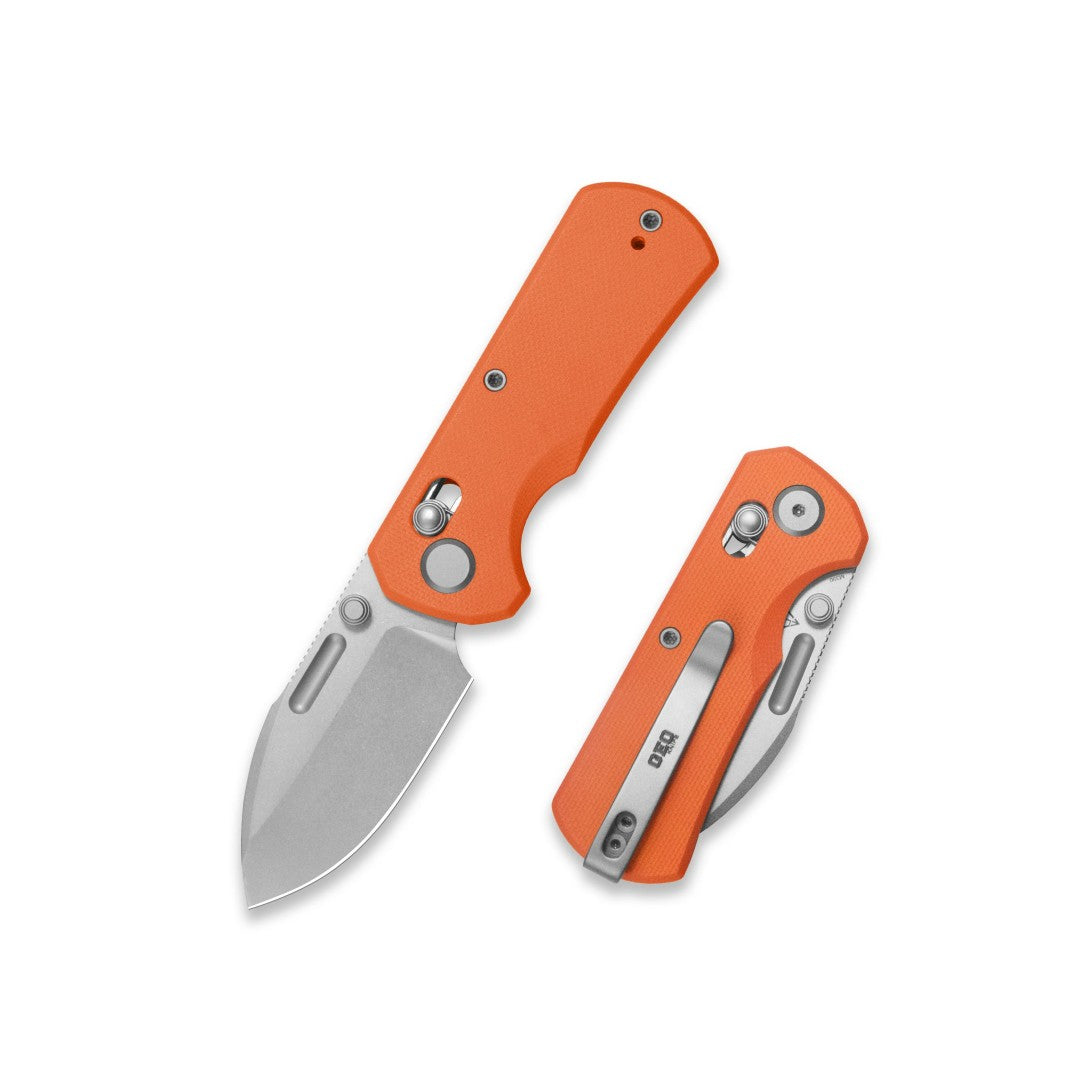
When it comes to premium knife steels, few names carry as much weight as 440C. For decades, this high‑carbon martensitic stainless steel has been a favorite among custom knifemakers, surgical instrument manufacturers, and industrial engineers alike. But what exactly makes 440C so special? Is it the right steel for your next knife, or are newer super steels leaving it behind?
This comprehensive guide will explore everything you need to know about 440C steel—from its chemical composition and heat treatment to its real‑world performance, how it compares to other popular blade steels, and whether it’s the right choice for your needs.
What Is 440C Steel? A Quick Overview
440C steel is a high‑carbon martensitic stainless steel that belongs to the 400 series. It is widely recognized as the hardest of all standard stainless steels, capable of achieving exceptional hardness levels while maintaining good corrosion resistance and wear resistance.
The “440” family consists of three main variants—440A, 440B, and 440C—with 440C having the highest carbon content. This extra carbon is what gives 440C its legendary hardness and edge retention, making it the preferred choice for high‑performance cutting tools, ball bearings, surgical instruments, and premium knife blades.
Under international standards, 440C is also known as 1.4125 (DIN), X105CrMo17 (EN), and UNS S44004 (American).
A Brief History of 440C Steel
The 440 series of stainless steels was developed in the early to mid‑20th century as engineers sought materials that could combine the hardness of tool steels with the corrosion resistance of stainless alloys. 440C quickly emerged as the top performer within the series due to its high carbon content.
Unlike 440A and 440B, which were designed for applications where corrosion resistance was the primary concern, 440C was engineered for situations where maximum hardness and wear resistance were non‑negotiable. It became the go‑to material for ball bearings, valve components, and—most famously—high‑quality knife blades.
In the knife world, 440C gained prominence as one of the first stainless steels widely accepted by custom knifemakers. Before its adoption, many traditional bladesmiths were reluctant to use stainless steel, preferring high‑carbon tool steels for their edge‑holding abilities. 440C changed that perception, offering a stainless option that could genuinely compete with non‑stainless alternatives.
Today, 440C remains a staple in both production and custom knives, used by brands like SOG, Condor, and Browning, among many others.
The Chemical Composition of 440C Steel
Understanding the chemistry of 440C steel is key to understanding its performance. Here’s a detailed breakdown of its primary alloying elements:
| Element | Percentage Range | What It Does |
|---|---|---|
| Carbon (C) | 0.95 – 1.20% | Provides extreme hardness, wear resistance, and edge retention; forms chromium carbides with chromium |
| Chromium (Cr) | 16.00 – 18.00% | Enhances corrosion resistance and participates in carbide formation for additional hardness |
| Manganese (Mn) | ≤ 1.00% | Improves strength, hardenability, and workability |
| Silicon (Si) | ≤ 1.00% | Increases strength and helps deoxidize the steel during production |
| Molybdenum (Mo) | 0.40 – 0.80% | Boosts wear resistance, corrosion resistance, and high‑temperature strength |
| Phosphorus (P) | ≤ 0.04% | Kept low to avoid brittleness |
| Sulfur (S) | ≤ 0.03% | Kept low to maintain toughness and machinability |
| Iron (Fe) | Balance | Base element |
The 0.95–1.20% carbon content is what truly sets 440C apart. To put this in perspective, 440A contains just 0.60–0.75% carbon, while 440B contains 0.75–0.95%. This extra carbon allows 440C to form a dense network of chromium carbides during heat treatment, resulting in exceptional hardness and wear resistance.
Key Properties and Performance
Hardness
After proper heat treatment, 440C achieves a hardness of 58–62 HRC on the Rockwell scale, with some sources reporting up to 60–62 HRC. This makes it the hardest of all standard stainless steels—a title it has held for decades.
Edge Retention
Thanks to its high carbon content and the resulting chromium carbides, 440C offers excellent edge retention. It holds a sharp edge significantly longer than lower‑carbon stainless steels like 440A or 420HC. In fact, some knife steel guides rate 440C’s edge retention as a 4 out of 5, putting it in the same league as many premium steels.
Toughness
While 440C is extremely hard, its toughness is moderate compared to some other blade steels. The same high carbon content that gives it exceptional edge retention also makes it more brittle than lower‑carbon alternatives. In practical terms, a 440C blade can chip if subjected to lateral stress, prying, or impact with hard materials.
Corrosion Resistance
With 16–18% chromium, 440C offers good corrosion resistance, though it is the least corrosion‑resistant of the 440 series. 440A has the best corrosion resistance, followed by 440B, with 440C coming in third.
That said, 440C performs very well in most real‑world conditions. It resists corrosion from air, fresh water, weak acids, and food exposure. However, it is not recommended for prolonged saltwater exposure and should be cleaned and dried after use in marine environments.
Wear Resistance
Wear resistance is where 440C truly excels. The dense network of chromium carbides distributed throughout the steel’s microstructure makes it highly resistant to abrasive wear. This property makes 440C ideal for applications involving continuous cutting, such as industrial blades and high‑use kitchen knives.
Ease of Sharpening
Because of its high hardness, 440C is more difficult to sharpen than softer steels like 440A or 420HC. However, it is still manageable with quality sharpening stones. One knife steel guide rates its ease of sharpening as 6 out of 10—moderately challenging but far from impossible. Diamond stones are recommended for faster, more efficient sharpening.
Magnetic Properties
Unlike austenitic stainless steels (such as 304 or 316), 440C is ferromagnetic, meaning it is magnetic in all conditions. This can be advantageous in certain industrial applications where magnetic response is required.
440C Steel vs. Other Knife Steels
440C vs. 440A and 440B
This is the most fundamental comparison within the 440 family. As carbon content increases from 440A to 440B to 440C, hardness and edge retention improve, while corrosion resistance decreases slightly.
-
440A (0.60–0.75% C): Best corrosion resistance, easiest to sharpen, lowest edge retention
-
440B (0.75–0.95% C): Balanced performer, moderate hardness and corrosion resistance
-
440C (0.95–1.20% C): Highest hardness, best edge retention, hardest to sharpen, lowest corrosion resistance
For knife users who prioritize edge retention and wear resistance above all else, 440C is the clear winner among the 440 series.
440C vs. D2
D2 is a high‑carbon, high‑chromium tool steel often compared to 440C. D2 typically offers superior edge retention and wear resistance compared to 440C, making it a favorite for hard‑use knives. However, D2 is not a true stainless steel—it has lower chromium content (around 10–13%) and is more prone to rust if not properly maintained. 440C offers better corrosion resistance and is easier to sharpen, while D2 stays sharper longer but requires more maintenance.
440C vs. 154CM
154CM is a premium stainless steel developed by Crucible Industries. With less chromium and more molybdenum than 440C, 154CM achieves higher hardness (62–63 HRC) and superior edge retention. However, 440C offers slightly better corrosion resistance and is generally more affordable. Both are excellent blade steels, with 154CM representing a step up in performance and price.
440C vs. VG‑10
VG‑10 is a Japanese stainless steel known for its excellent balance of properties. In performance terms, 440C and VG‑10 are comparable, though VG‑10 is often considered slightly easier to sharpen. Both offer good edge retention and corrosion resistance, making them popular choices in premium kitchen knives and EDC blades.
440C vs. S30V
S30V is a newer powder metallurgy stainless steel from Crucible. It offers superior toughness and edge retention compared to 440C, along with better corrosion resistance. However, 440C is more affordable and remains a solid choice for users who don’t need the absolute latest in blade metallurgy.
What Is 440C Steel Best Used For?
Thanks to its exceptional hardness and wear resistance, 440C steel is incredibly versatile. Common applications include:
-
Premium Knife Blades – Folding knives, fixed blades, hunting knives, and EDC knives
-
Chef’s Knives and Kitchen Cutlery – Resists rust from acidic foods, holds a sharp edge through repeated use
-
Surgical Instruments – Scalpels, scissors, forceps, and dental tools require extremely sharp edges and resistance to sterilization
-
Ball Bearings and Valve Components – High wear resistance and dimensional stability make it ideal for these precision applications
-
Industrial Cutting Tools – Hair clipper blades, razor blades, daggers, and chisels
-
Molds and Dies – The steel’s hardness and wear resistance suit high‑stress tooling applications
-
Fillet Knives – Corrosion resistance and edge retention are critical for fish preparation
Pros and Cons of 440C Steel
Advantages
-
Exceptional hardness – The hardest of all standard stainless steels, up to 62 HRC
-
Excellent edge retention – Holds a sharp edge for extended periods
-
Superior wear resistance – Ideal for abrasive cutting tasks
-
Good corrosion resistance – Performs well in air, fresh water, and mild acids
-
Proven track record – Decades of use in demanding applications
-
Polishes beautifully – Can achieve a smooth, mirror‑like finish
Limitations
-
Moderate toughness – Can chip under lateral stress or impact
-
Harder to sharpen – Requires more effort and quality sharpening stones (diamond recommended)
-
Lower corrosion resistance than 440A – Not ideal for prolonged saltwater exposure
-
Can be brittle at higher hardness – Requires proper heat treatment to balance hardness and toughness
-
Grinding generates heat quickly – Can be challenging for knifemakers to work with
Is 440C Steel Right for You?
440C steel is an excellent choice for anyone who wants a high‑hardness, high‑wear‑resistance stainless steel without venturing into the premium price brackets of powder metallurgy super steels. It delivers exceptional edge retention, good corrosion resistance, and proven reliability in a time‑tested package.
Choose 440C if you:
-
Want a blade that stays sharp through extended cutting sessions
-
Value wear resistance for abrasive cutting tasks
-
Don’t mind spending a little extra time on sharpening
-
Need a stainless steel that can handle kitchen, outdoor, or industrial use
-
Want a premium steel at a reasonable price point
Look elsewhere if you:
-
Need extreme toughness for hard‑use chopping or prying
-
Require the absolute best corrosion resistance for marine environments
-
Prefer a steel that is very easy to sharpen
-
Want the latest powder metallurgy super steel
Heat Treatment of 440C Steel
The performance of any 440C blade depends heavily on proper heat treatment. The typical process involves:
-
Quenching at 1010–1070°C (1850–1958°F) in oil
-
Tempering at 150–370°C (302–698°F) to achieve the desired balance of hardness and toughness
For bearing applications, a deep cooling (cryogenic) treatment is often recommended before tempering to improve hardness, wear resistance, and dimensional stability.
When purchasing a 440C knife, always buy from reputable manufacturers who can ensure proper heat treatment. Poorly heat‑treated 440C can result in a blade that is too brittle or fails to achieve its full hardness potential.
Final Thoughts
440C steel may not be the newest or flashiest blade steel on the market, but it has earned its place as a true classic. For decades, it has delivered exceptional hardness, outstanding wear resistance, and reliable corrosion resistance in applications ranging from surgical scalpels to hunting knives to industrial bearings.
Whether you’re a professional chef, an outdoor enthusiast, or a knife collector building your collection, a blade made from 440C steel is an investment in quality, durability, and proven performance. It may require a bit more care in sharpening than softer steels, but the reward is a blade that stays sharp through countless cuts.
Looking for knives made from 440C steel? Browse our collection to find premium EDC folders, kitchen cutlery, and outdoor tools featuring this legendary blade steel.