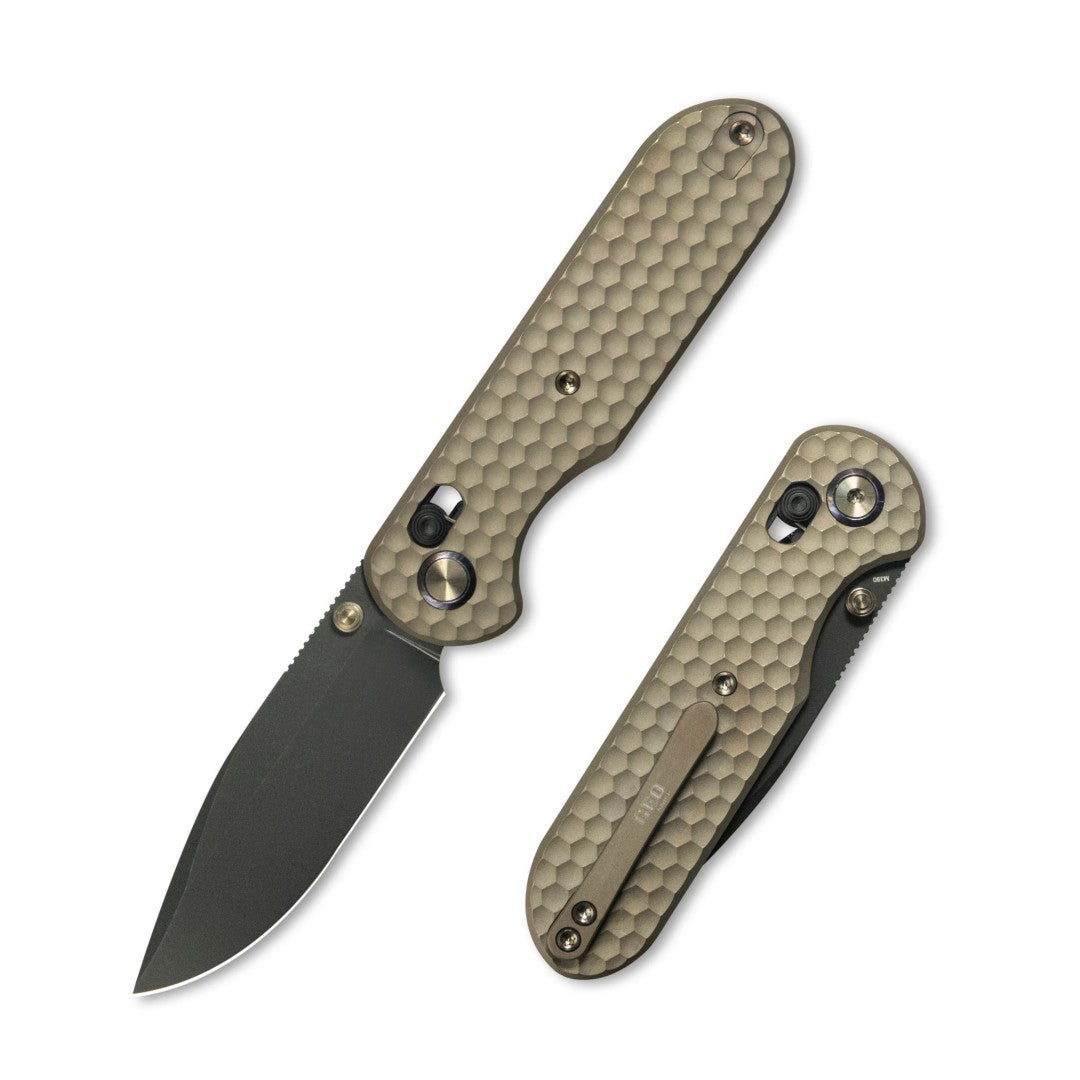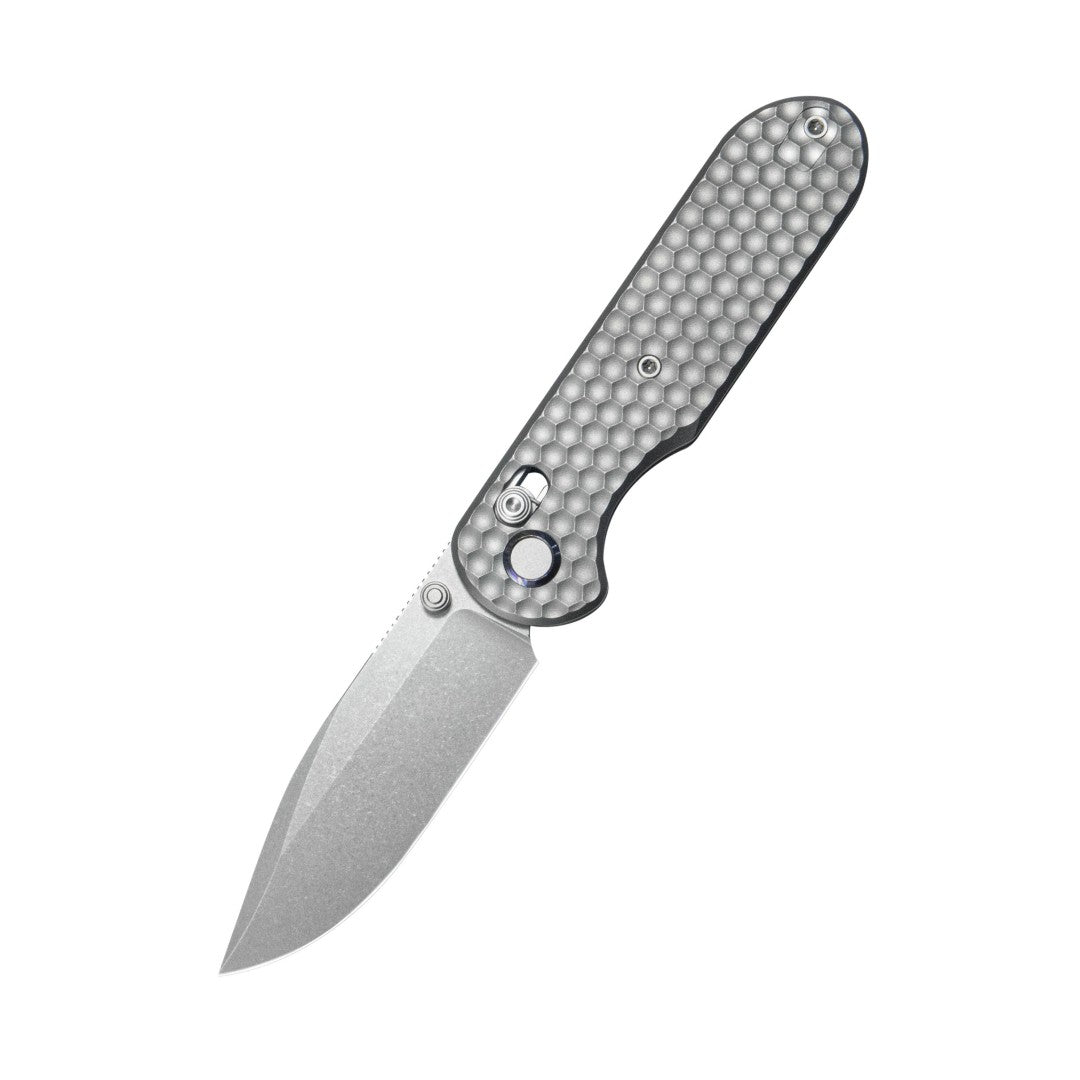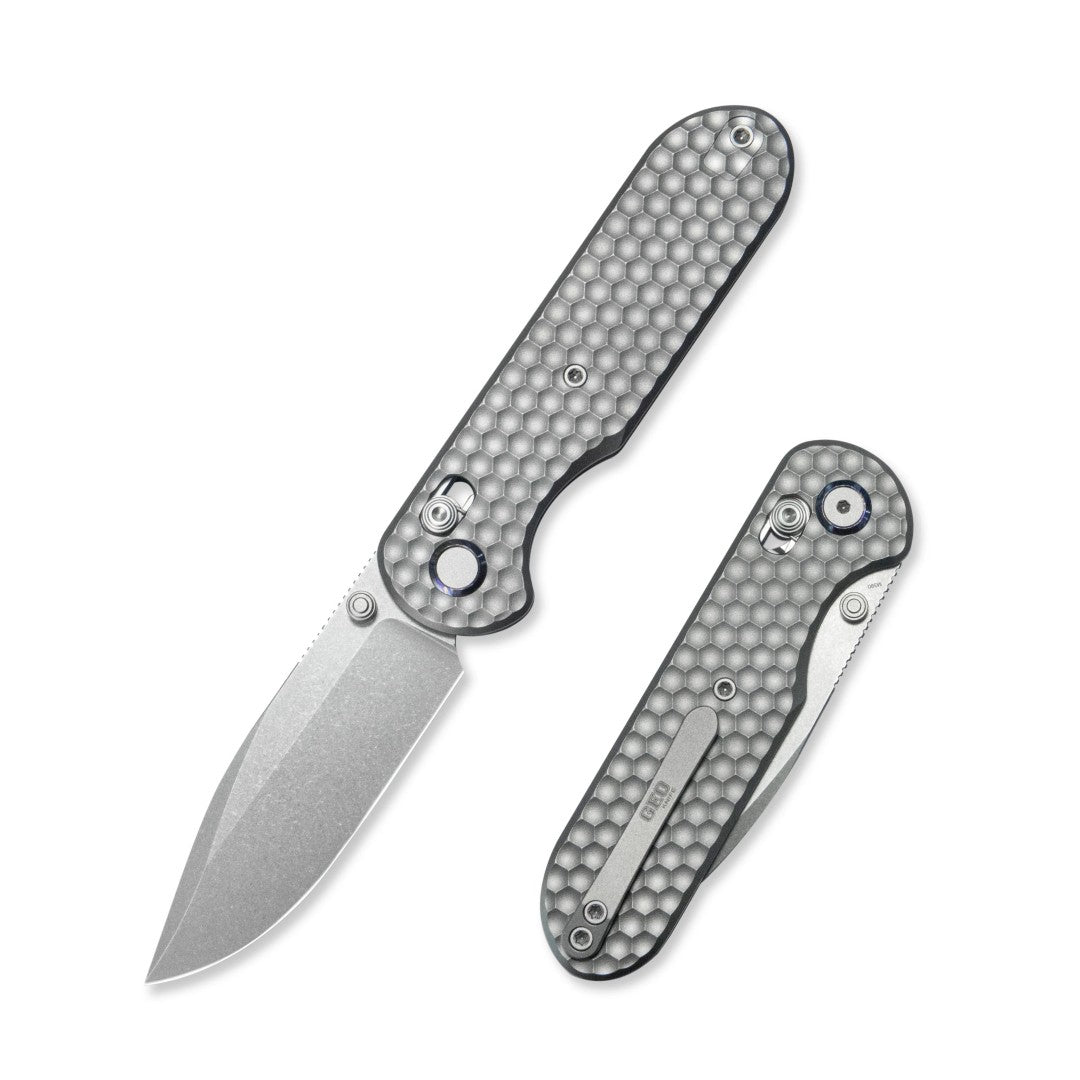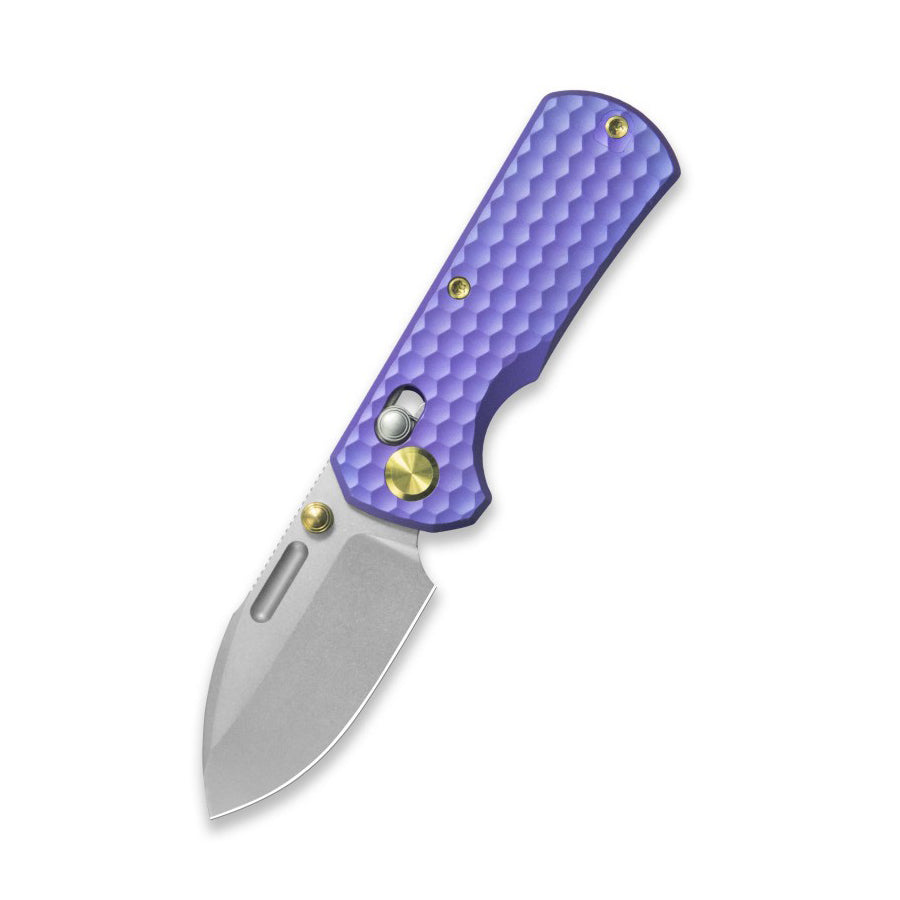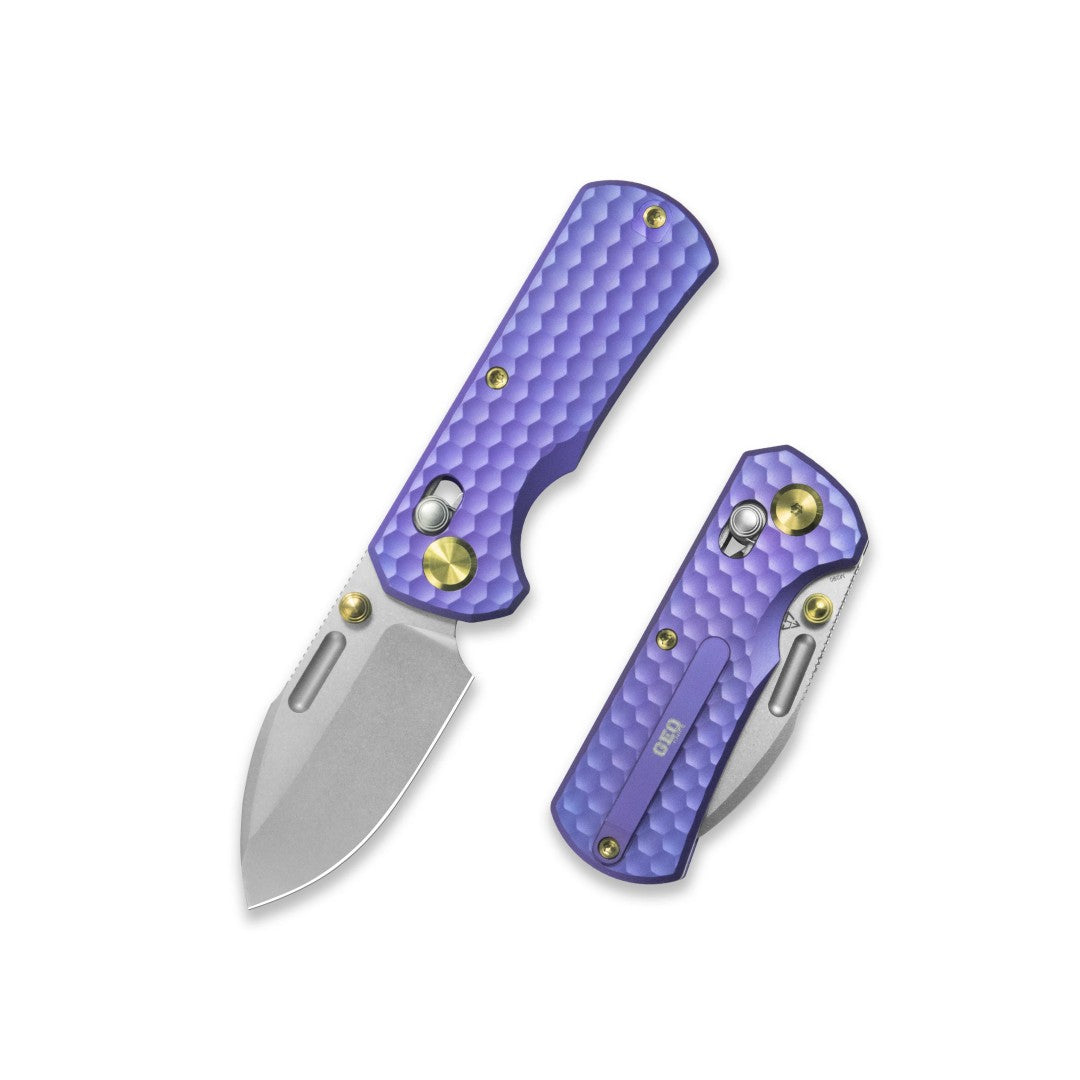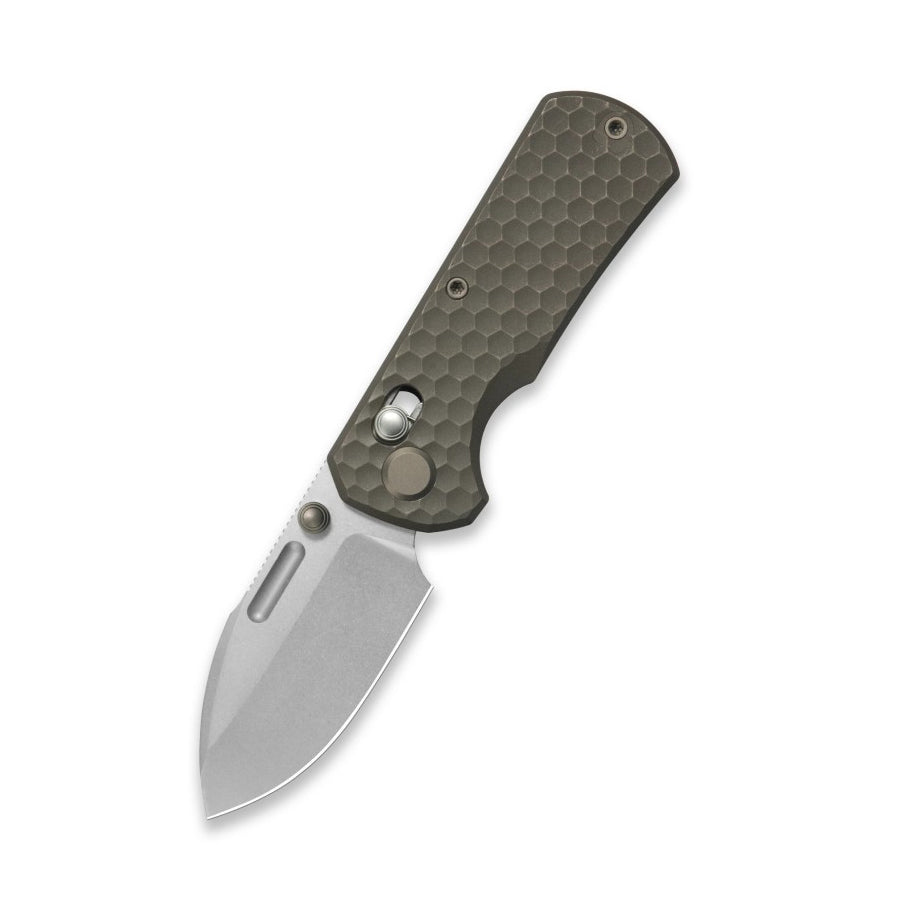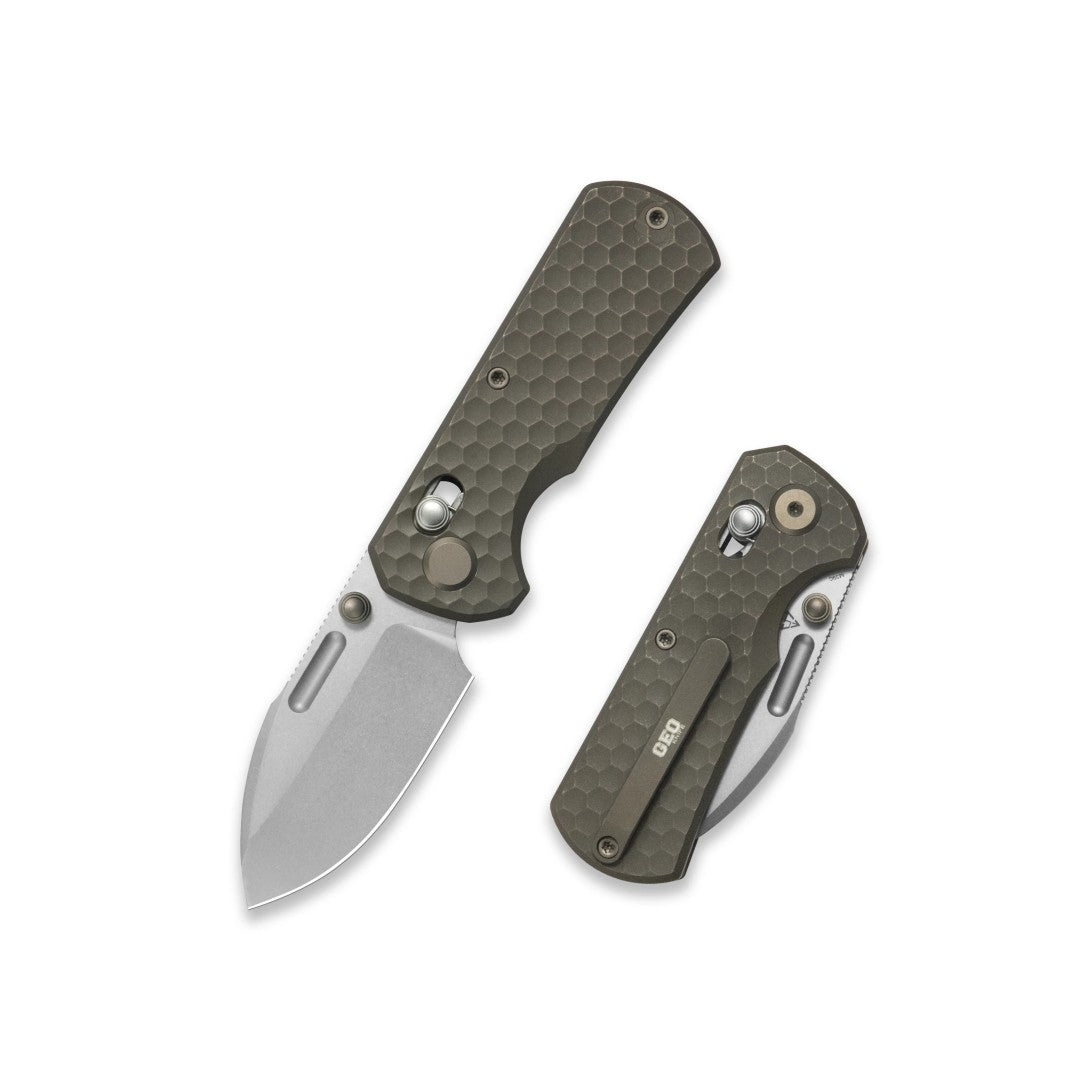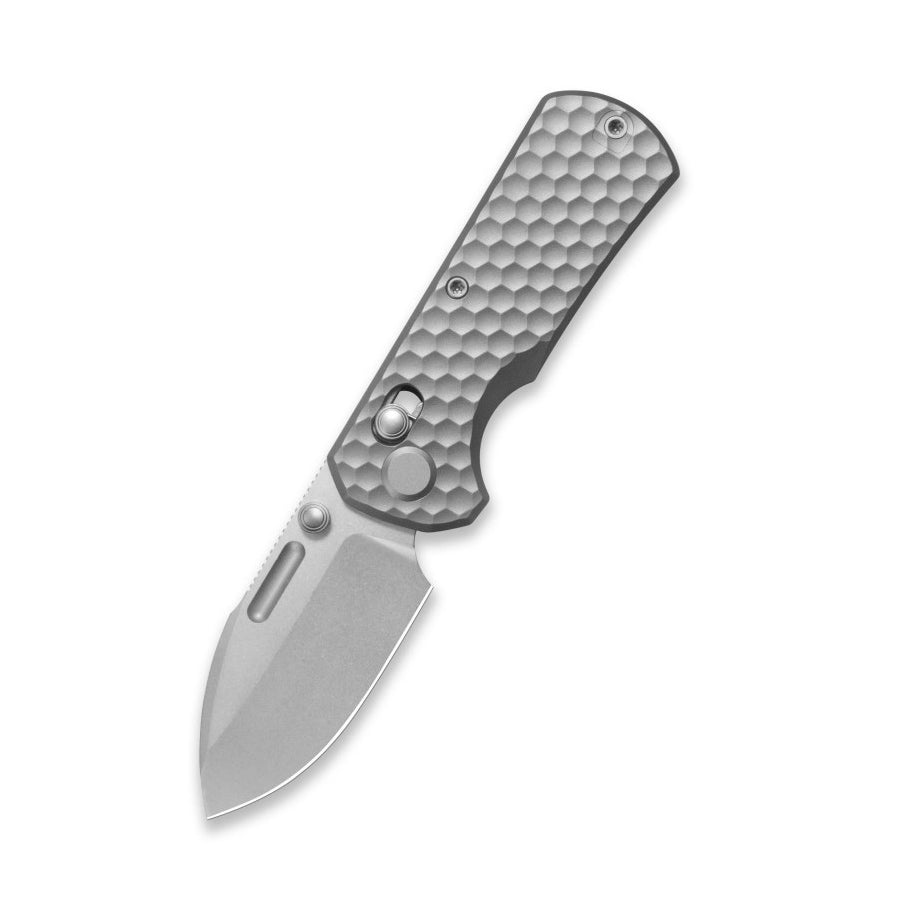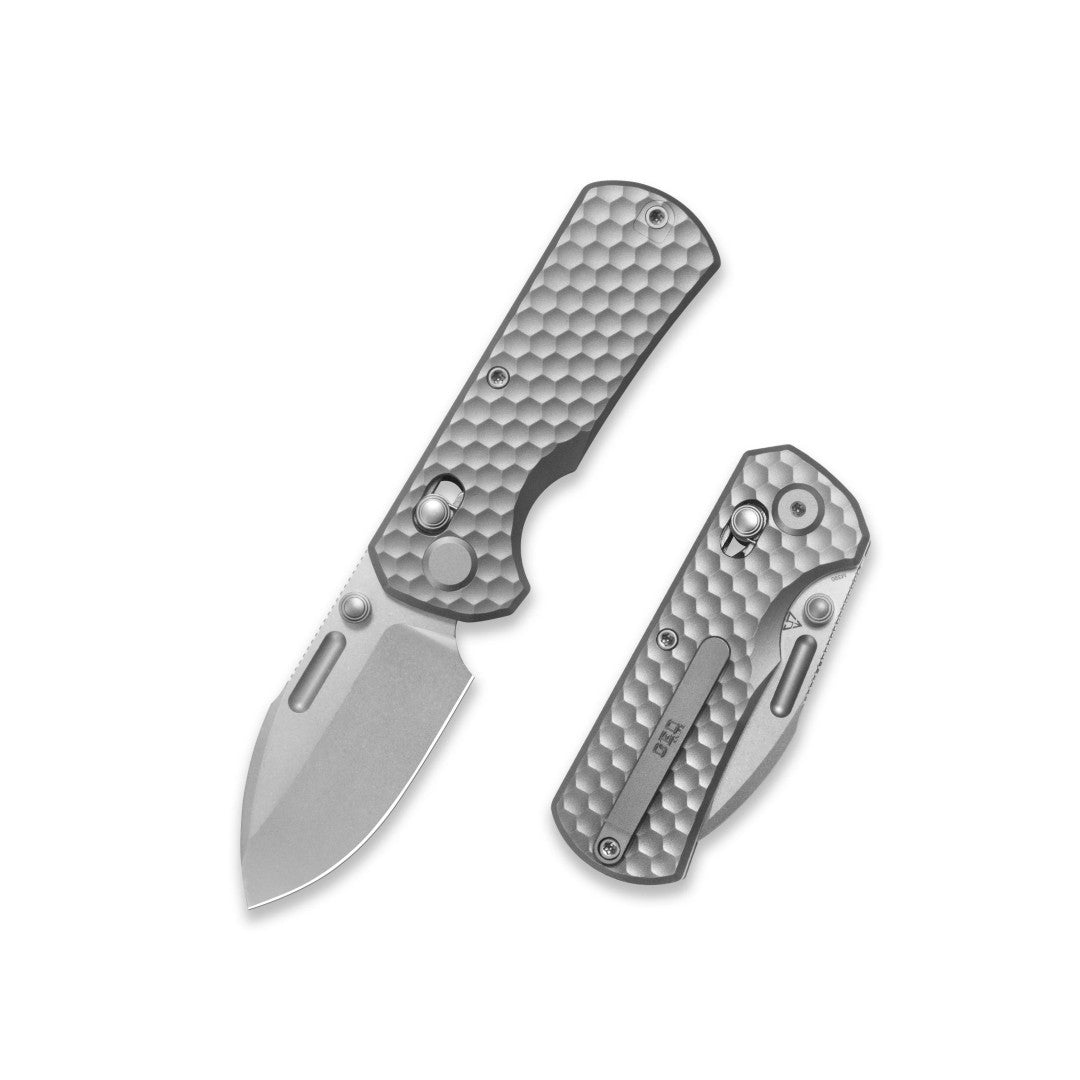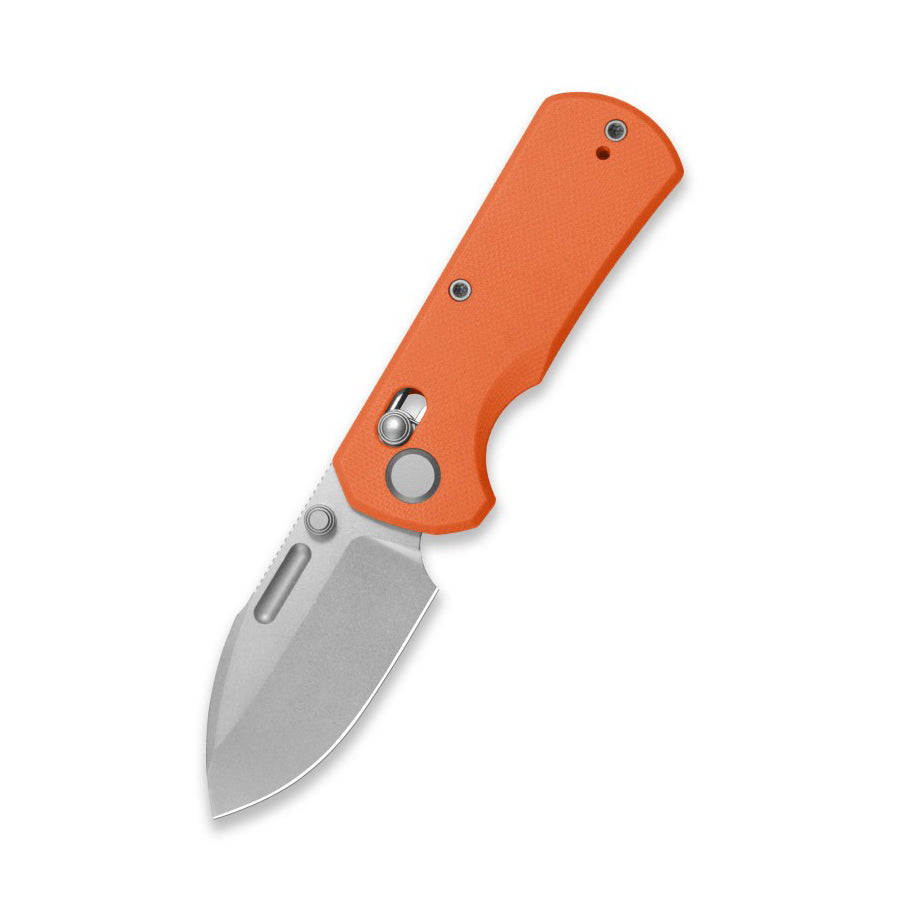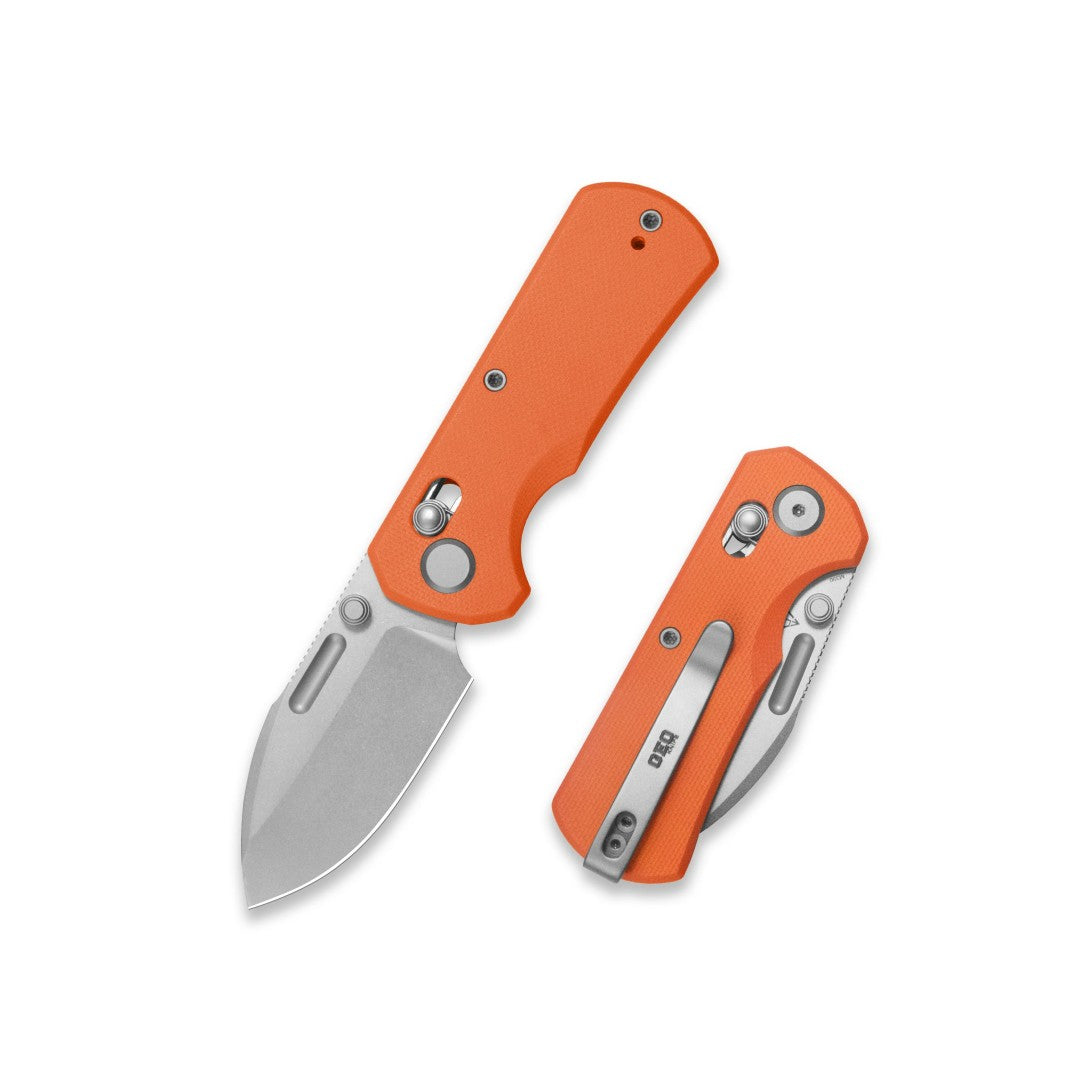
If you’ve ever looked into budget-friendly knives or entry-level cutlery, the chances are high that you’ve encountered 440A steel. It’s one of the most widely used stainless steels in the knife industry, but how does it stack up against other blade materials? Is 440A a good choice for your next knife, or is it just a cheap alternative?
This comprehensive guide will explore everything you need to know about 440A steel—from its chemical composition and performance to its pros and cons, how it compares to other popular knife steels, and whether it’s the right fit for your needs.
440A steel is a high-carbon, martensitic stainless steel that belongs to the 440 series. Known for its excellent balance of hardness, corrosion resistance, and affordability, 440A has become a staple material for a wide range of cutlery and industrial applications.
The “440” family consists of three main variants—440A, 440B, and 440C—each with a different carbon content. Among these, 440A has the lowest carbon content, which gives it unique characteristics: it is the most corrosion-resistant and easiest to sharpen of the three, though it doesn’t achieve the same level of hardness or edge retention as its higher-carbon siblings.
A Brief History of 440A Steel
The development of stainless steel began in the early 20th century, and by the mid-1900s, the 400 series of martensitic stainless steels had been established. 440A was developed alongside 440B and 440C to meet specific industrial needs, offering a lower-carbon option for applications where corrosion resistance and ease of fabrication were more critical than maximum hardness.
While 440C gained fame as the hardest of the 440 series, prized for high-end knives, 440A found its niche in mass-produced cutlery, surgical instruments, and precision tools. Its combination of good wear resistance and excellent corrosion resistance made it an ideal choice for everyday items that needed to stay sharp without breaking the bank.
The Chemical Composition of 440A Steel
Understanding the chemistry of 440A steel is key to understanding its performance. Here’s a breakdown of its primary alloying elements:
| Element | Percentage Range | What It Does |
|---|---|---|
| Carbon (C) | 0.60 – 0.75% | Provides hardness and edge retention |
| Chromium (Cr) | 16.00 – 18.00% | Enhances corrosion resistance and hardenability |
| Manganese (Mn) | ≤ 1.00% | Improves strength and workability |
| Silicon (Si) | ≤ 1.00% | Increases strength and helps deoxidize the steel |
| Molybdenum (Mo) | ≤ 0.75% | Boosts wear resistance and strength at high temperatures |
| Phosphorus (P) | ≤ 0.040% | An impurity, kept low to avoid brittleness |
| Sulfur (S) | ≤ 0.030% | An impurity, kept low for better toughness |
Source: Gnee Steel and Titanium Industries
The 0.60–0.75% carbon content is what defines 440A as a “high-carbon” stainless steel, though it is significantly lower than the 0.95–1.20% found in 440C. The 16–18% chromium is what gives 440A its excellent rust resistance, making it suitable for use in humid or wet environments.
Key Properties and Performance
Hardness
After proper heat treatment, 440A typically achieves a hardness of 54–57 HRC on the Rockwell scale. For comparison, 440C can reach 58–60 HRC, while basic 420 steel sits around 49–53 HRC. This puts 440A in a middle ground—harder than budget stainless steels but softer than premium super steels.
Edge Retention
Because of its moderate carbon content, 440A offers decent edge retention for everyday tasks but will need sharpening more often than higher-end steels like 440C or D2. For light to medium use—such as opening packages, food prep, or general household cutting—the edge holding is perfectly adequate. However, for heavy or prolonged cutting sessions, you’ll likely notice it dulling faster than premium alternatives.
Toughness
One of 440A’s standout advantages is its superior toughness within the 440 series. Its lower carbon content means it is less brittle than 440B or 440C, making it more resistant to chipping or cracking under lateral stress or impact. This makes 440A an excellent choice for knives that might be subjected to twisting or prying motions.
Corrosion Resistance
440A offers the best corrosion resistance of all 440 series steels. The moderate carbon content reduces the precipitation of chromium carbides during heat treatment, leaving more chromium available to form a protective oxide layer. This means a 440A blade can handle moisture, food acids, and humid environments very well. However, it is still not recommended for prolonged exposure to seawater or strong acids and alkalis.
Ease of Sharpening
Because 440A is softer than 440B and 440C, it is significantly easier to sharpen. Home cooks and casual users will find they can restore a sharp edge quickly with basic sharpening tools, without needing diamond stones or specialized equipment.
Machinability
In its annealed (softened) state, 440A is relatively easy to machine, which makes it a favorite for mass-produced knives. Manufacturers can keep production costs low while maintaining acceptable quality.
Pros and Cons of 440A Steel
Advantages
-
Excellent corrosion resistance – The best in the 440 series, ideal for kitchen and outdoor use
-
Good toughness – Less brittle than 440B or 440C, resistant to chipping
-
Easy to sharpen – Restores a sharp edge with minimal effort
-
Affordable and widely available – Budget-friendly without sacrificing quality
-
Decent edge retention for everyday tasks – Sufficient for light to medium use
-
Versatile – Suitable for a wide range of knives and tools
Limitations
-
Lower hardness compared to 440C – Won’t hold an edge as long as premium steels
-
Moderate wear resistance – Not ideal for heavy-duty or professional cutting tasks
-
Requires regular sharpening – More frequent touch-ups than harder steels
-
Performance depends on heat treatment – Poorly heat-treated 440A can underperform
Source: Alibaba and Gnee Steel
440A Steel vs. Other Knife Steels
440A vs. 440C
This is the most common comparison. 440C has a much higher carbon content (0.95–1.20%), giving it superior hardness and edge retention, but it is also more brittle and harder to sharpen. 440A, on the other hand, offers better toughness, easier sharpening, and superior corrosion resistance. For budget-friendly knives that will see light to moderate use, 440A is often the smarter choice.
440A vs. 440B
440B sits in the middle of the 440 series, with carbon content of 0.75–0.95%. It offers better edge retention than 440A but is slightly less corrosion-resistant and more difficult to sharpen. For users who want a bit more performance without jumping to 440C, 440B is a good compromise.
440A vs. 420HC
420HC (high-carbon 420 steel) is another common budget-friendly option. In terms of edge retention, 440A generally has a slight advantage due to its higher carbon and chromium content. However, at the same hardness, 420HC is considered significantly tougher, making it more resistant to chipping under heavy use. For general EDC knives, both are solid choices, but 420HC may be better for hard-use applications.
440A vs. AUS-8
AUS-8 is a Japanese stainless steel often compared to 440A. Both offer similar hardness (57–58 HRC for AUS-8) and good corrosion resistance. AUS-8 is generally considered to have slightly better edge retention and toughness, but 440A is typically more affordable and more widely available in budget knives.
What Is 440A Steel Best Used For?
Thanks to its balanced properties, 440A steel is incredibly versatile. Common applications include:
-
Budget-friendly kitchen knives – Chef’s knives, paring knives, and steak knives where affordability and ease of maintenance are priorities
-
Everyday carry (EDC) folding knives – Good corrosion resistance and easy sharpening make it perfect for pocket knives
-
Outdoor and camping knives – Handles moisture well and resists rust
-
Scissors and shears – Kitchen shears and utility scissors benefit from its balance of hardness and toughness
-
Surgical and medical instruments – High corrosion resistance and ease of sterilization make it a preferred material
-
Bearing components and valve parts – Its wear resistance and hardness suit mechanical applications
-
Textile machine needles – 440A offers 2–3 times the service life of SUS420J2 in general wear environments
Notable brands using 440A include Cutco, Boker, Camillus, Gerber, and Rough Ryder.
Heat Treatment of 440A Steel
The performance of any 440A blade depends heavily on proper heat treatment. The optimal process involves:
-
Quenching at 1010–1050°C (1850–1922°F) in oil
-
Tempering at 180–220°C (356–428°F) , followed by air cooling
This process achieves a hardness of 55–57 HRC with the best balance of wear resistance and toughness. For applications requiring higher toughness (but accepting lower hardness), tempering at 300–350°C (572–662°F) will reduce hardness to 48–52 HRC.
Poorly heat-treated 440A can result in a blade that is too soft, won’t hold an edge, or is overly brittle—so always buy from reputable manufacturers.
Is 440A Steel Right for You?
440A steel is an excellent choice for anyone who wants a reliable, rust-resistant, and easy-to-maintain blade without spending a fortune. It is not the best steel on the market, nor is it intended to be. Instead, it occupies a valuable sweet spot: affordable enough for everyday users, yet capable enough to handle most routine cutting tasks.
Choose 440A if you:
-
Want a budget-friendly knife for light to medium everyday use
-
Value corrosion resistance and easy sharpening over extreme edge retention
-
Need a knife for kitchen prep, camping, or general utility
-
Are new to knife ownership and want a low-maintenance introduction to quality blades
Look elsewhere if you:
-
Need a hard-use knife for heavy, prolonged cutting sessions
-
Want the absolute best edge retention and are willing to pay for it
-
Require extreme toughness for batoning or prying
Final Thoughts
440A steel may not be the flashiest or most prestigious blade material, but it has earned its place as one of the most practical, affordable, and dependable stainless steels on the market. With decades of proven use in everything from kitchen cutlery to surgical instruments, 440A offers an unbeatable combination of corrosion resistance, ease of sharpening, and value.
Whether you’re a home cook looking for a reliable kitchen knife, an outdoor enthusiast needing a rust-resistant companion, or a first-time knife buyer exploring your options, 440A steel delivers solid performance without breaking the bank. It’s a classic for a reason.
Looking for knives made from 440A steel? Browse our collection to find affordable kitchen cutlery, EDC folders, and outdoor tools featuring this dependable blade steel.