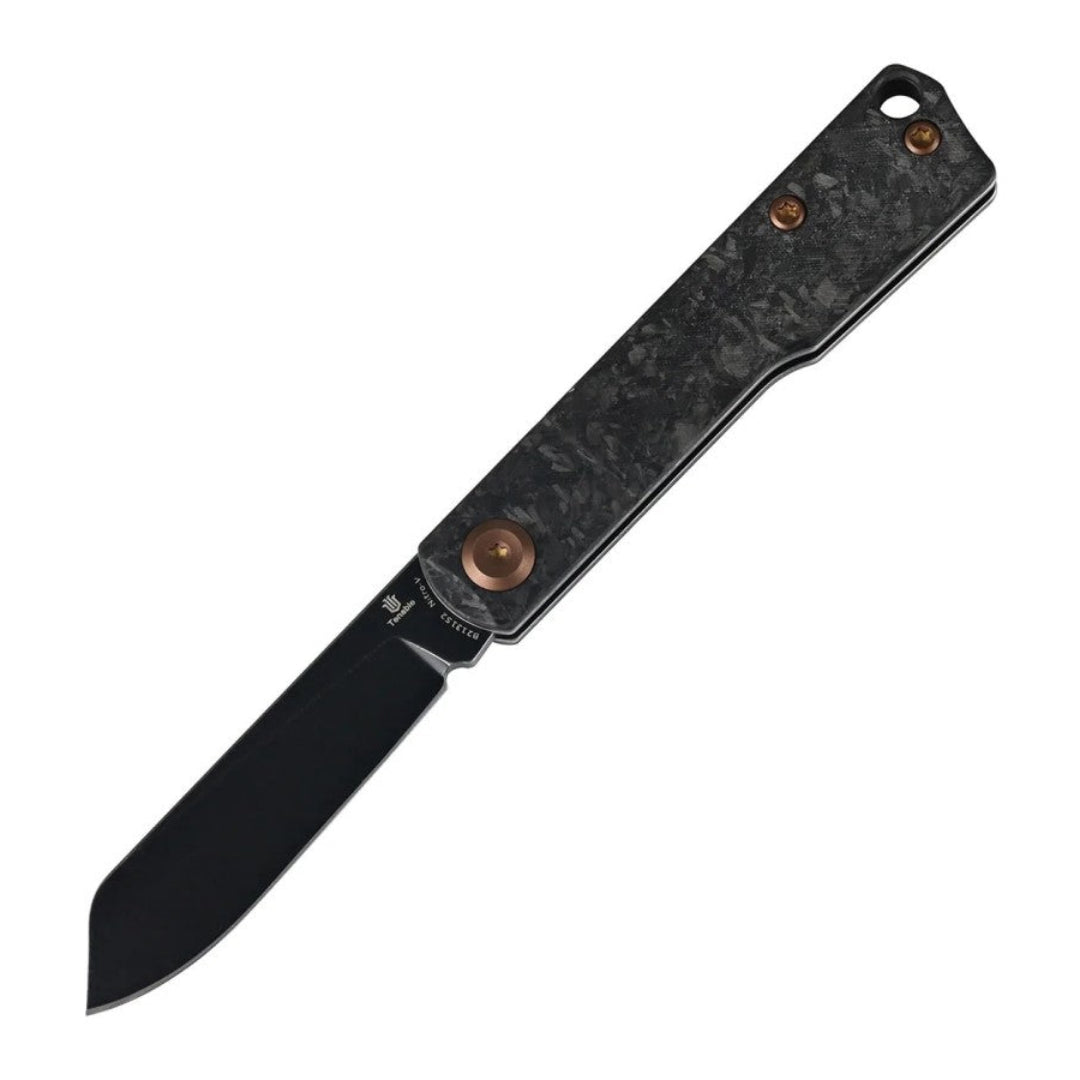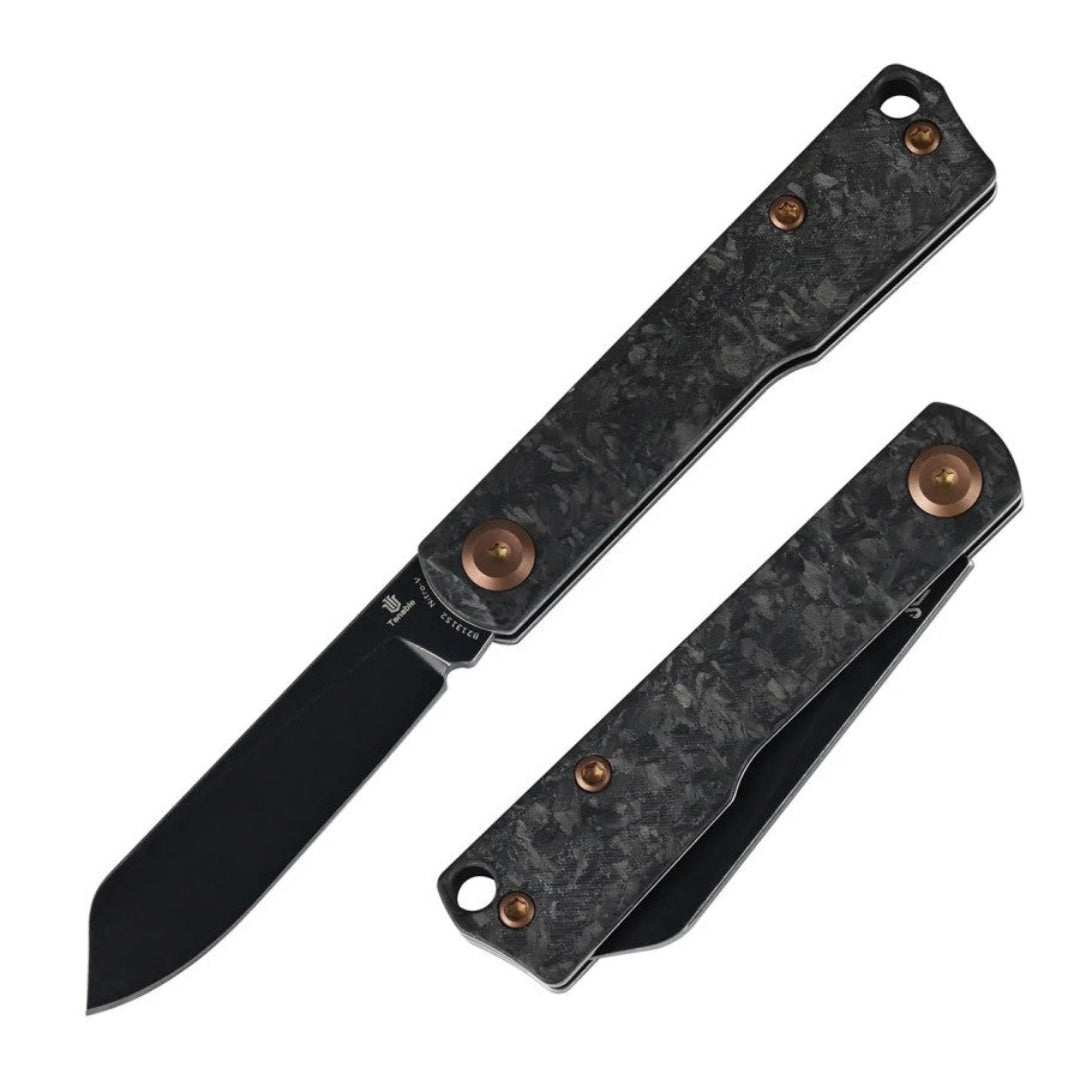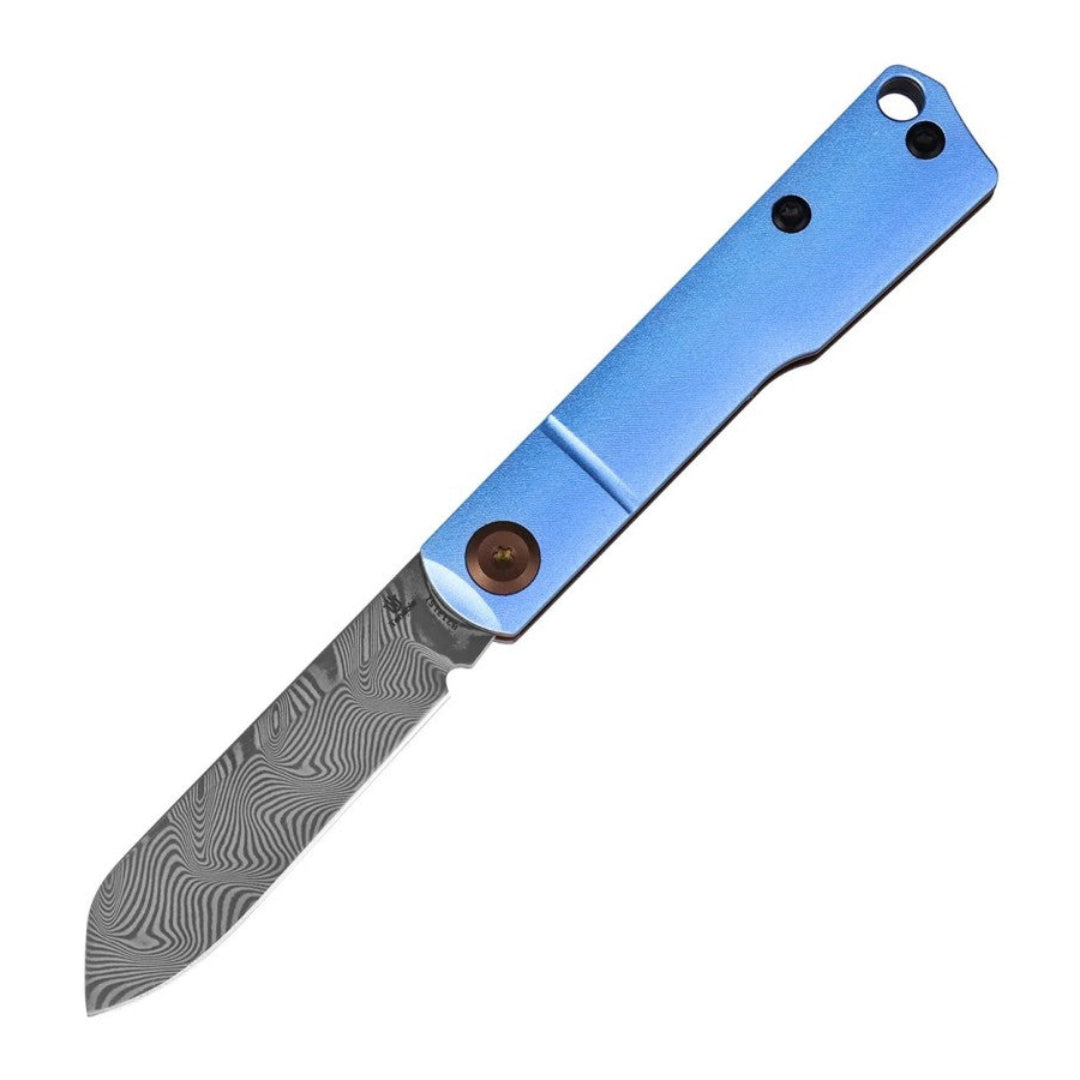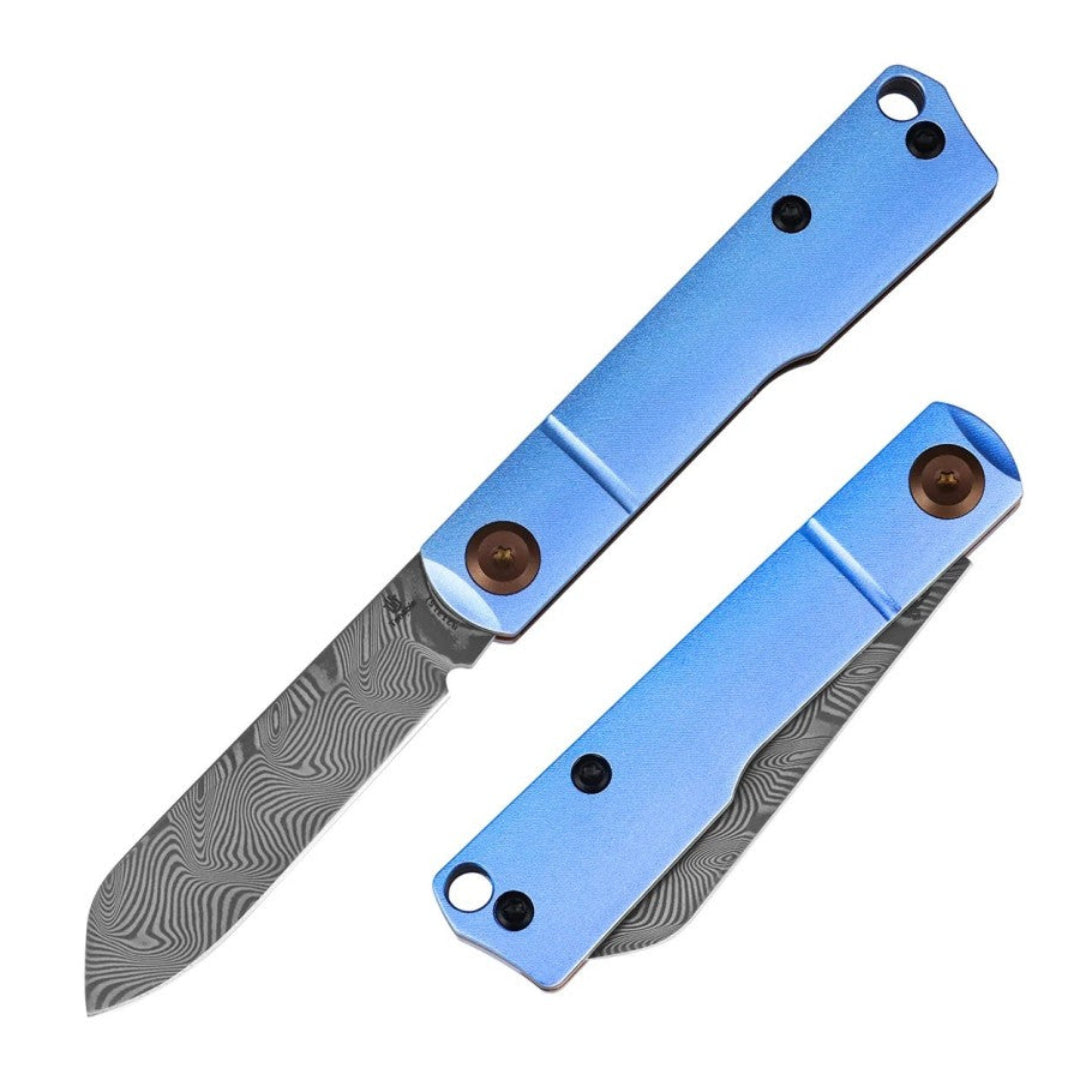
If you thought M390 was impressive, prepare to meet its über-competitive cousin. In the world of knife steels, there are premium options, and then there is Maxamet—a material so hard that it approaches the performance of cemented carbide, the same ultra-hard material used to machine other steels.
In this comprehensive guide, we will explore everything you need to know about Maxamet steel, from its unique chemical composition to real-world performance, and help you decide if this extreme steel is right for your cutting needs.
What Is Maxamet Steel?
Maxamet is a super-high-speed powder tool steel developed by Carpenter Technology Corporation, an American company renowned for its expertise in specialty alloys. Technically, it is classified as Micro-Melt® Maxamet®, produced using Carpenter‘s proprietary powder metallurgy process.
The key thing to understand about Maxamet is where it sits in the material spectrum. Carpenter describes it as possessing properties that are intermediate between conventional high-speed tool steels and cemented carbide—meaning it offers performance that falls somewhere between traditional steel and the incredibly hard materials used to machine other steels.
Originally, Maxamet was developed specifically for industrial applications where conventional tool steels fail too quickly, and cemented carbide is impractical due to cost or toughness concerns. Carpenter created this alloy for the rollers in their own steel mills—an application that demands extreme wear resistance. From there, it found its way into the knife industry, and today, Spyderco is the leading manufacturer that has mastered the challenging production processes required to turn this demanding material into reliable, high-performance blades.
Chemical Composition
Maxamet’s extreme performance begins with its aggressive alloying recipe. Here is the complete breakdown:
| Element | Nominal Percentage | Role |
|---|---|---|
| Carbon (C) | 2.15% | Extreme hardness and carbide formation |
| Tungsten (W) | 13% | High-temperature hardness and wear resistance |
| Vanadium (V) | 6% | Wear resistance, grain refinement |
| Cobalt (Co) | 10% | Red hardness (maintains hardness at elevated temperatures) |
| Chromium (Cr) | 4.75% | Some corrosion resistance (not stainless grade) |
| Manganese (Mn) | 0.30% | Grain refinement, toughness |
| Silicon (Si) | 0.25% | Strength and deoxidation |
| Sulfur (S) | 0.07% | Machinability |
Iron makes up the balance of the alloy.
The standout elements in Maxamet are 13% tungsten and 10% cobalt. Tungsten contributes to extreme wear resistance and maintains strength at high temperatures, while cobalt enhances the steel’s “red hardness”—the ability to stay hard even when hot from friction during heavy cutting. The 6% vanadium content forms hard vanadium carbides that further boost wear resistance.
Together, these elements produce a carbide volume of approximately 22%, which is exceptionally high for a blade steel. This dense carbide structure is what gives Maxamet its legendary edge retention.
Key Performance Properties
Hardness (HRC)
Maxamet is the hardest blade steel currently used in production knives. Depending on the heat treatment, it reaches 67–72 HRC, with most production knives settling around 67–69 HRC. For perspective, compare that to S30V (58–64 HRC) and even M390 (60–62 HRC). This extreme hardness means the steel resists deformation and abrasion at a level that most other blade materials simply cannot match.
Edge Retention
If there is one area where Maxamet dominates, it is edge retention. CATRA edge retention testing shows Maxamet scoring 222 relative to 440C’s baseline of 100. For comparison, S30V scores only 145. In real-world use, this translates to blades that stay sharp for months—some Spyderco Maxamet owners report using their knives for heavy cutting tasks for over a year without needing to sharpen. Maxamet holds a working edge longer than almost any other production steel.
Wear Resistance
With its high tungsten, vanadium, and carbide volume, Maxamet offers extraordinary wear resistance. In applications involving abrasive materials like cardboard, rope, wood, or synthetic fibers, Maxamet blades resist edge degradation far longer than conventional steels. The trade-off, however, is that the same wear resistance makes the steel exceptionally difficult to machine and grind—a challenge that only a handful of manufacturers have successfully overcome.
Toughness
Toughness is Maxamet’s Achilles’ heel. At 67–69 HRC, the steel is prone to chipping under impact or lateral stress. This means you should never use a Maxamet blade for prying, twisting, or any task that involves side loading. The steel is also known to be somewhat brittle, and in extreme cases, blades have been known to snap under excessive force. For pure cutting tasks—slicing, push cuts, and draw cuts—this is rarely an issue. But if you need a do-everything knife that can handle abuse, Maxamet is not the right choice.
Corrosion Resistance
This is another significant limitation. With only 4.75% chromium, Maxamet is not a stainless steel. Unlike M390’s 20% chromium, Maxamet lacks the chromium content needed to form a fully passive protective layer. In practice, this means the blade will develop a patina over time and can rust if not properly maintained. Owners should apply a light coat of oil after use, especially in humid or salty environments. While Maxamet is more corrosion-resistant than simple carbon steels like 1095, it is far less rust-resistant than true stainless options.
Maxamet vs. Other Premium Steels
Maxamet vs. M390
This is one of the most common comparisons, and the differences are dramatic:
| Property | Maxamet | M390 |
|---|---|---|
| Hardness | 67–72 HRC | 60–62 HRC |
| Edge Retention | Extreme (CATRA 222) | Very High (CATRA ~180) |
| Toughness | Low, prone to chipping | Good |
| Corrosion Resistance | Poor (4.75% Cr) | Excellent (20% Cr) |
| Sharpening Difficulty | Extremely difficult | Difficult but manageable |
Choose Maxamet if you demand the absolute maximum edge retention and can accept a fragile blade that requires careful use and maintenance. Choose M390 if you want outstanding edge retention with much better corrosion resistance and toughness.
Maxamet vs. CPM S110V
Both are high-wear steels with excellent edge retention, but Maxamet is generally tougher than S110V while offering comparable wear resistance. S110V is stainless; Maxamet is not. For users who value corrosion resistance, S110V is the better choice; for those who prioritize toughness at extreme hardness, Maxamet wins.
Best Applications for Maxamet Steel
Heavy Cutting / Industrial Use
Maxamet was designed for applications where other steels wear out too quickly. It excels in cutting abrasive materials like cardboard, rope, carpet, insulation, and composites. If your job involves hours of continuous cutting through tough materials, Maxamet’s extreme edge retention will dramatically reduce downtime for sharpening.
Specialized EDC (Everyday Carry)
For knife enthusiasts who rotate through many knives and want one that simply never dulls, Maxamet is a fascinating choice. It is overkill for light daily tasks but offers a unique ownership experience—the blade that seems to hold its edge forever.
Precision Cutting Tools
Beyond knives, Maxamet is used in industrial cutting tools, high-speed machining applications, and any setting where conventional tool steels fail but switching to solid carbide is impractical due to cost or toughness concerns.
How to Care for and Sharpen Maxamet Steel
Maintenance
-
Keep it dry: After use, wipe the blade clean and dry it thoroughly
-
Apply oil: A light coating of mineral oil, 3-in-1 oil, or any rust-preventative oil will protect against corrosion
-
Accept patina: Over time, the blade may develop a dark patina—this is normal and actually provides some corrosion protection
-
Avoid moisture: Do not store Maxamet blades in leather sheaths or humid environments
Sharpening Maxamet
This is where many owners struggle. Maxamet is notoriously challenging to sharpen due to its extreme hardness and wear resistance. Conventional aluminum oxide or ceramic stones will struggle to cut the steel effectively.
The solution is diamond or CBN (cubic boron nitride) stones. Diamond abrasives are hard enough to cut the vanadium and tungsten carbides that give Maxamet its wear resistance. Experienced sharpeners recommend:
-
Starting with coarse diamond stones (320–400 grit) for reprofiling or establishing a new edge
-
Progressing to medium (600–800 grit) and fine (1200 grit)
-
Finishing with diamond-loaded strops (3.5, 1, and 0.5 micron compounds)
-
Maintaining a consistent angle—around 15–20 degrees per side
With diamond stones, Maxamet is not as difficult as its reputation suggests. It raises a burr reasonably quickly, and a hair-whittling edge is achievable.
Pros and Cons Summary
Pros
-
Unmatched edge retention – Outperforms nearly every production knife steel
-
Extreme hardness – 67–72 HRC resists deformation and wear
-
Excellent wear resistance – Ideal for abrasive cutting tasks
-
Good hot hardness – Cobalt content maintains performance under friction
-
Unique ownership experience – A true enthusiast steel
Cons
-
Poor toughness – Prone to chipping; not for hard-use or impact tasks
-
Low corrosion resistance – Not stainless; requires regular oiling
-
Extremely difficult to sharpen – Requires diamond or CBN stones
-
Difficult to manufacture – Only a few companies can work with it
-
Premium pricing – Maxamet knives command top-tier prices
-
Overkill for most users – Average EDC users will never notice the benefit
Which Knives Use Maxamet?
Spyderco is the undisputed leader in bringing Maxamet to the knife market. After mastering the specialized machining, heat-treating, and grinding methods required, Spyderco now offers Maxamet in several popular models, including:
-
Para Military 2 – G-10 handle, Compression Lock™
-
Para 3 – G-10 handle, Compression Lock™
-
Native 5 Lightweight – FRN handle, Back Lock
-
Manix 2 Lightweight – FRCP handle, Ball Bearing Lock™
-
Mule Team 24 – Fixed-blade test platform (discontinued)
Kershaw also attempted a production Maxamet folder (the ZT0888) but found the steel too difficult to grind at 60+ HRC, with warping issues during heat treatment. Custom makers like Reate have also produced limited runs using Maxamet.
Frequently Asked Questions
Is Maxamet steel worth it? For users who genuinely need the absolute maximum edge retention—such as professionals cutting abrasive materials all day—yes. For most knife enthusiasts and everyday users, the trade-offs in toughness and corrosion resistance make other steels like M390 or S30V a better choice.
Does Maxamet rust? Yes. Maxamet is not stainless and will develop patina and potentially rust if left wet or in humid conditions. Regular oiling and drying are essential.
Can you sharpen Maxamet without diamonds? Some users report success with silicon carbide stones, but for reliable, efficient sharpening, diamond or CBN stones are strongly recommended.
Is Maxamet tougher than M390? No. Maxamet is significantly harder but also significantly more brittle. M390 offers much better toughness and is far less prone to chipping.
Final Verdict
Maxamet is not for everyone. It is a specialist steel—a material that prioritizes extreme hardness and edge retention above all other properties. If you prize toughness, corrosion resistance, or ease of sharpening, there are better options.
But for the true steel enthusiast, the professional who cuts abrasive materials day in and day out, or the collector who wants to experience one of the most extreme blade materials ever offered in a production knife, Maxamet delivers a cutting experience that nothing else can match. It stays sharp longer than almost anything on the market—sometimes for a year or more of heavy use—and that singular achievement is what makes it a legend in the knife community.
Choose Maxamet if you want a blade that simply never needs sharpening. Accept that it demands careful use, diligent maintenance, and diamond sharpening stones. In return, you will own one of the hardest, most wear-resistant knife steels ever created.