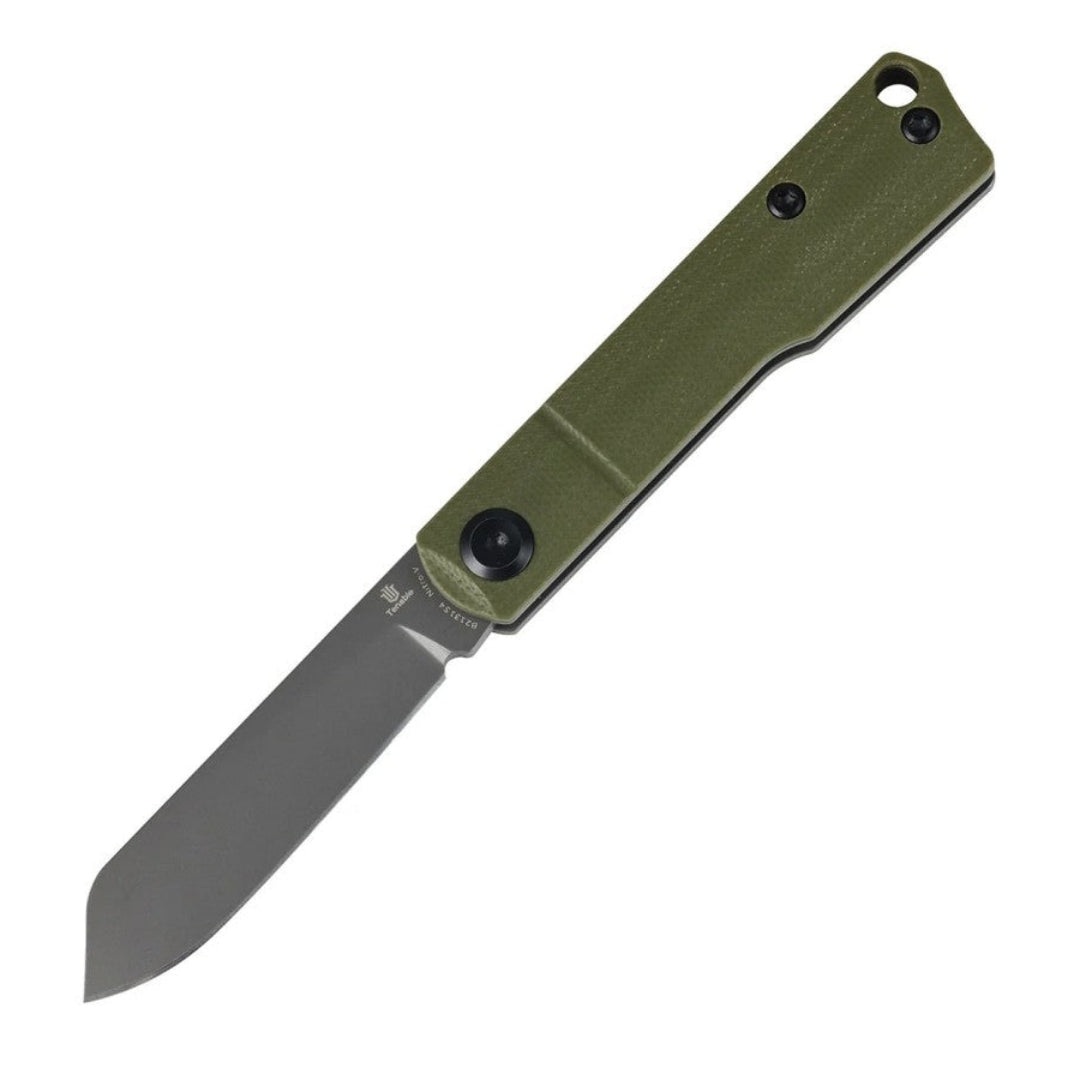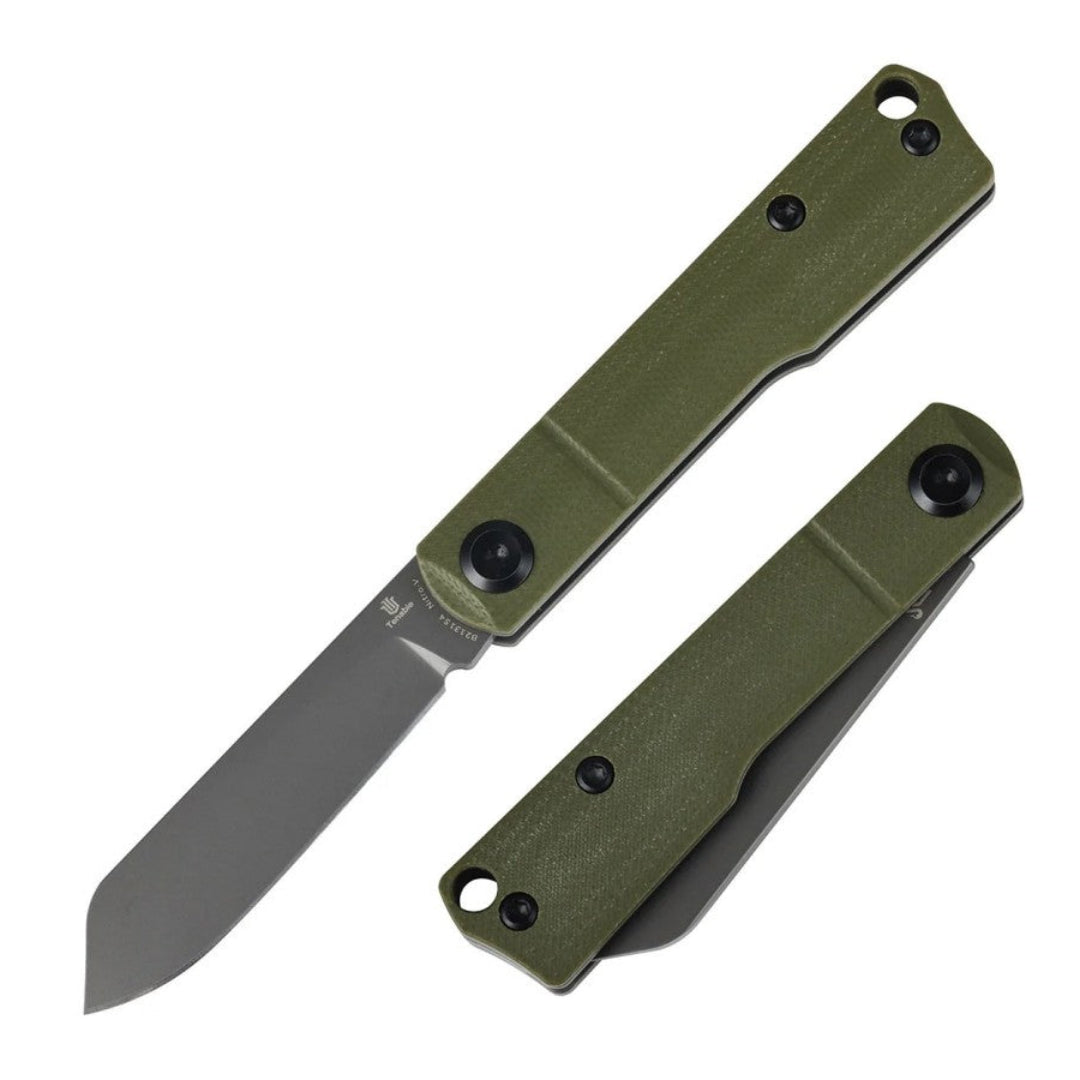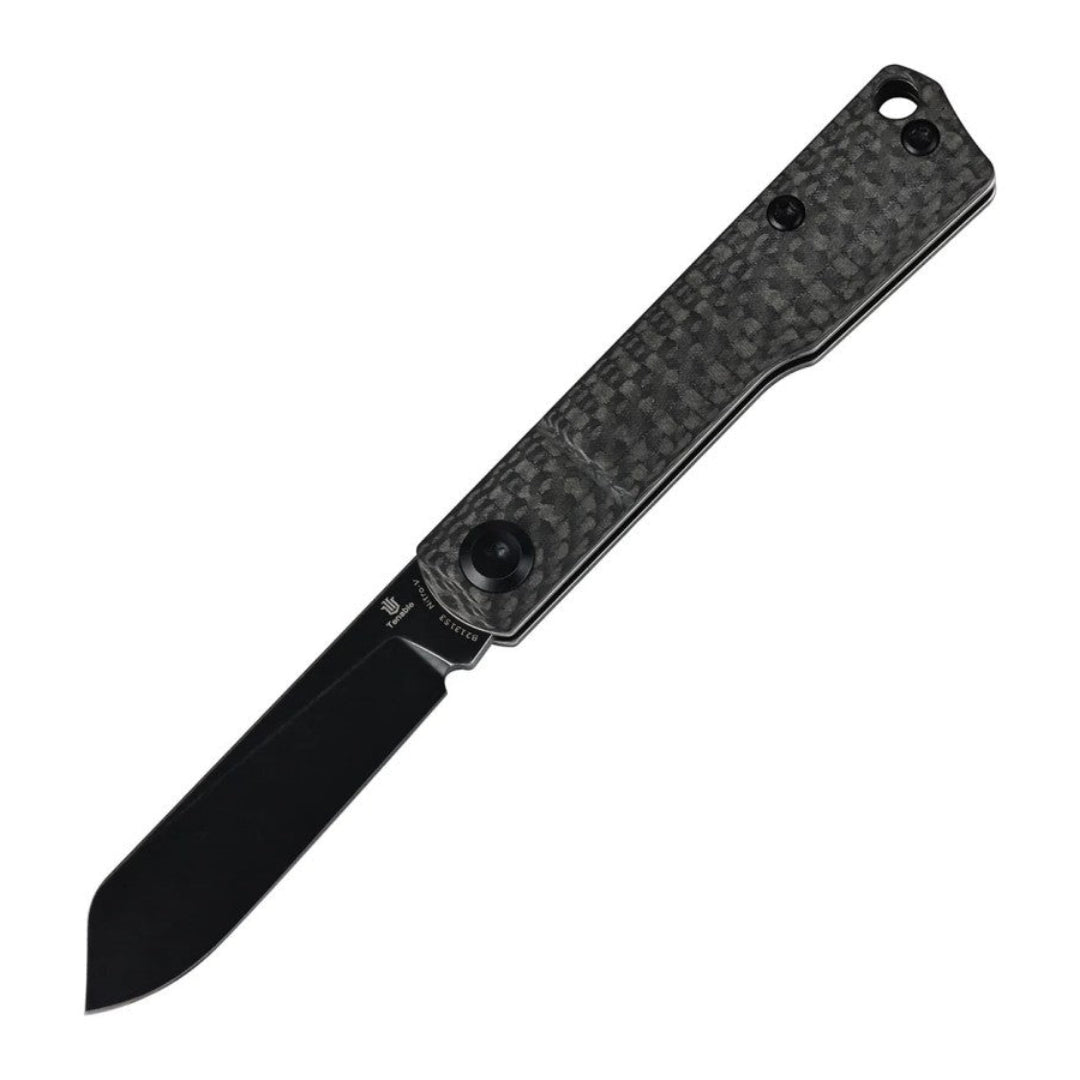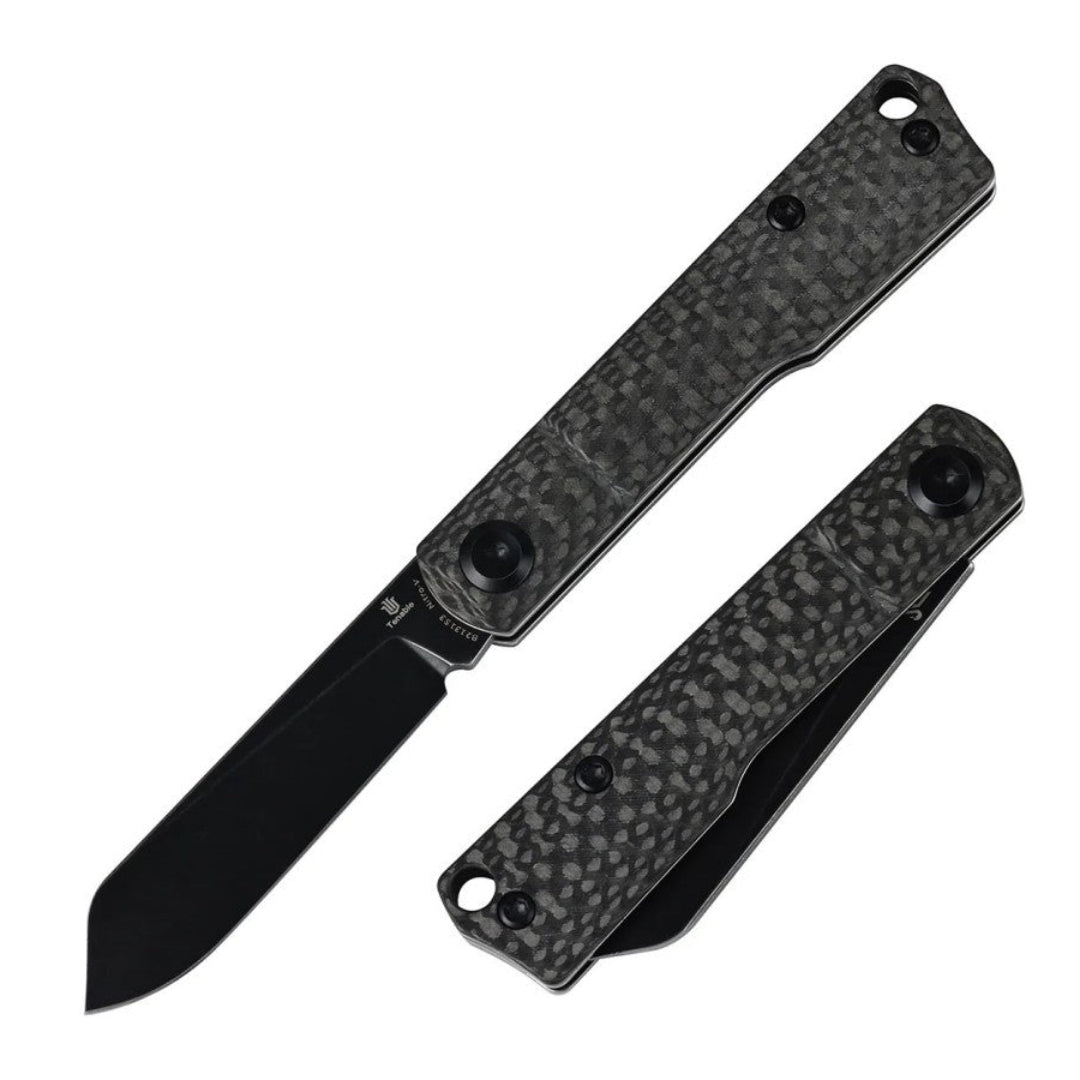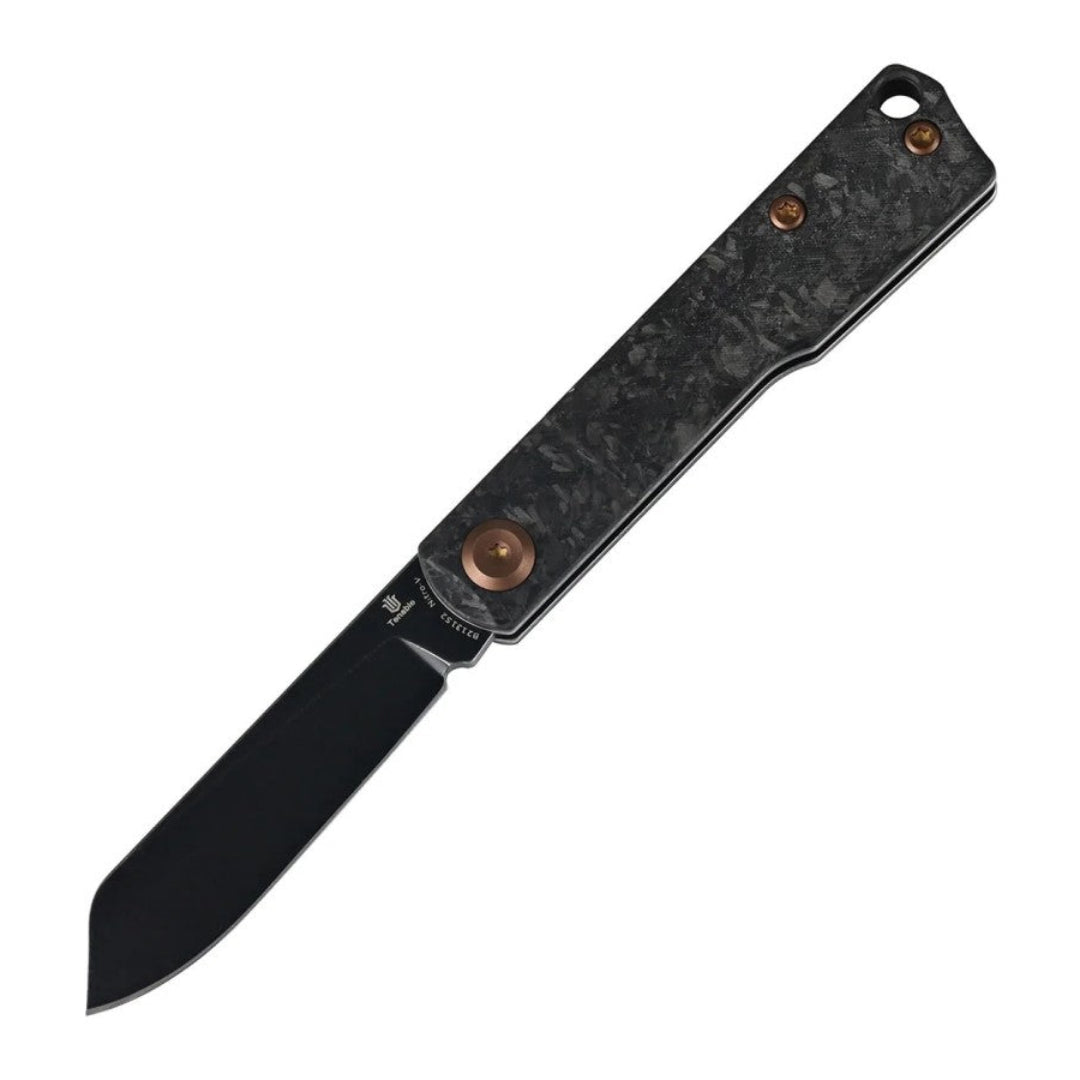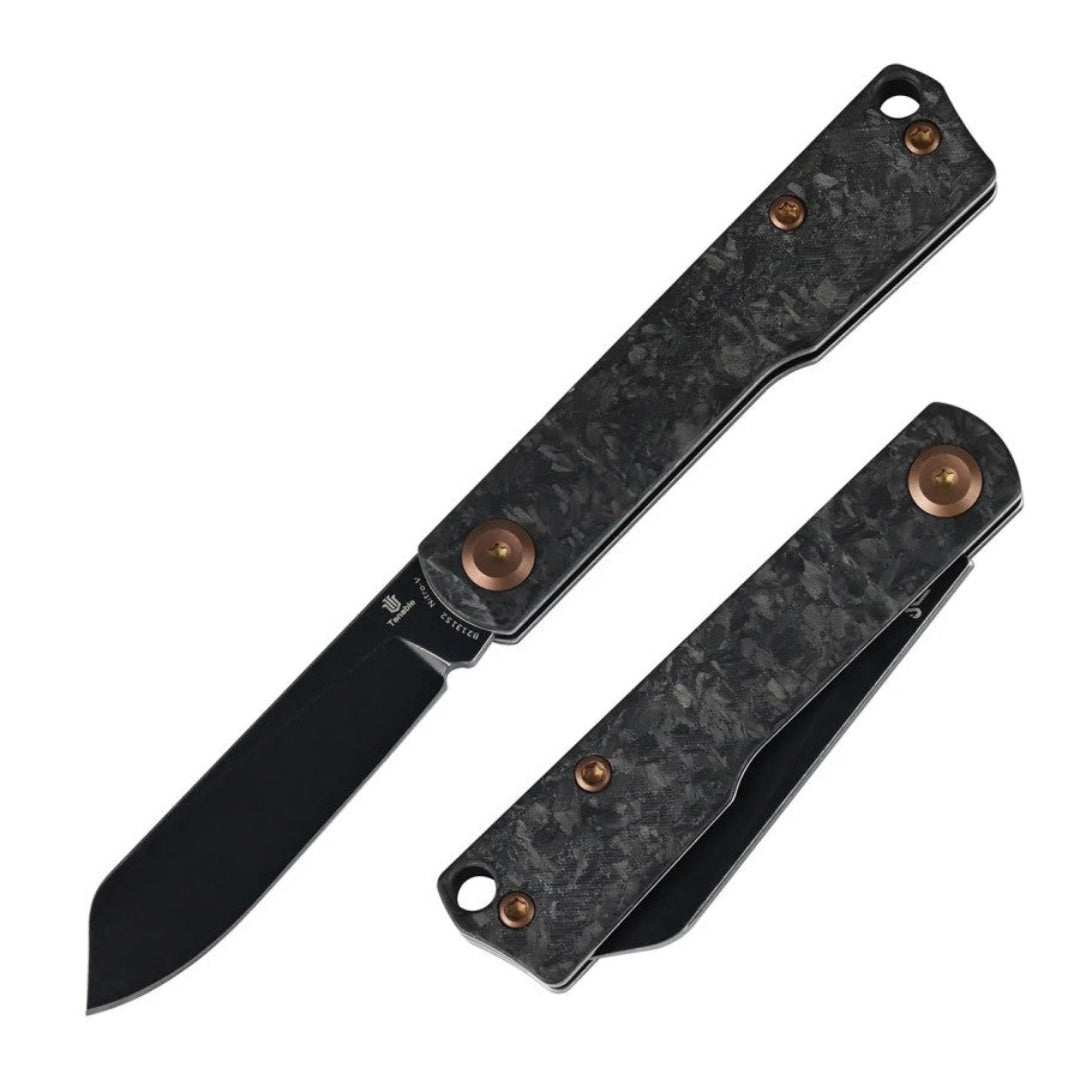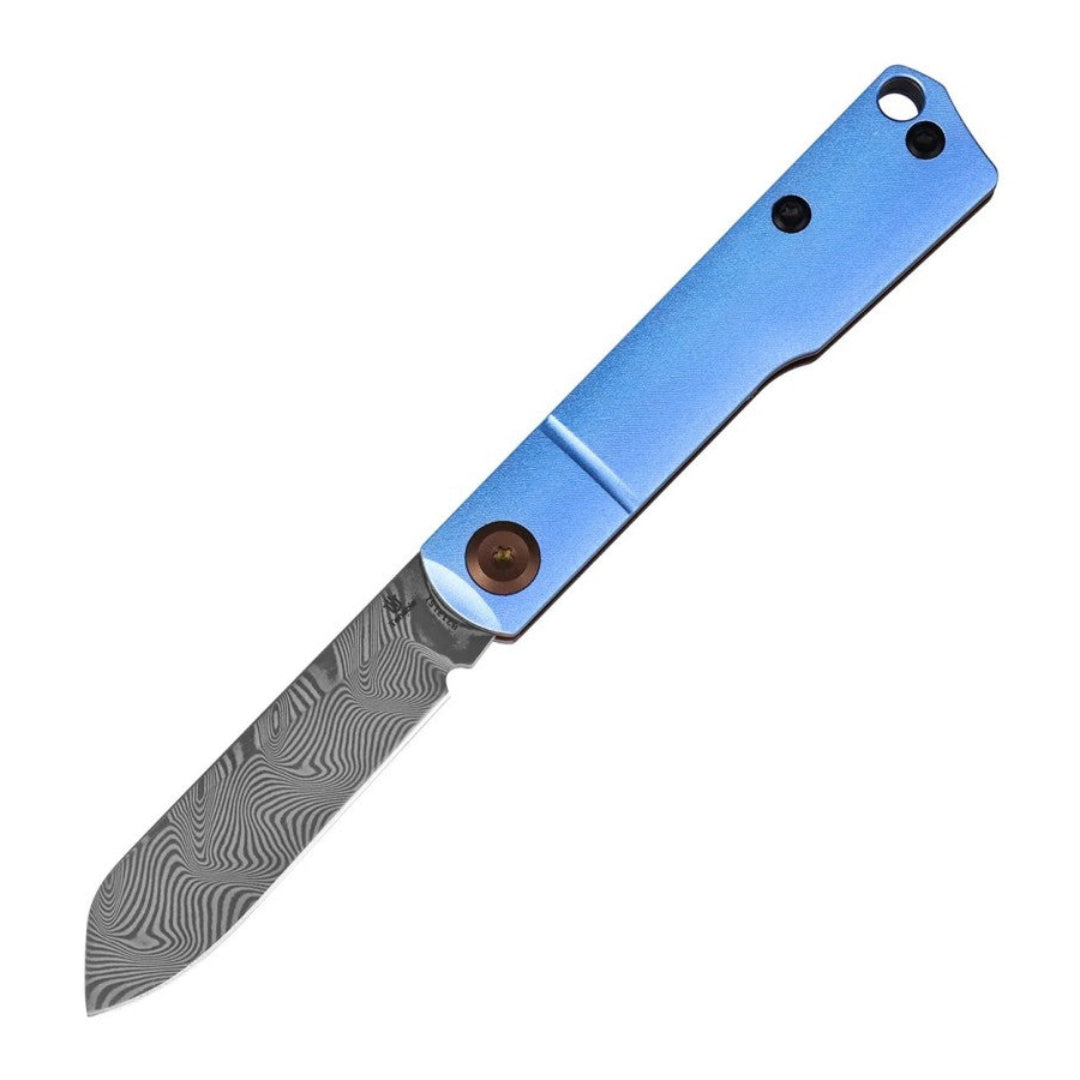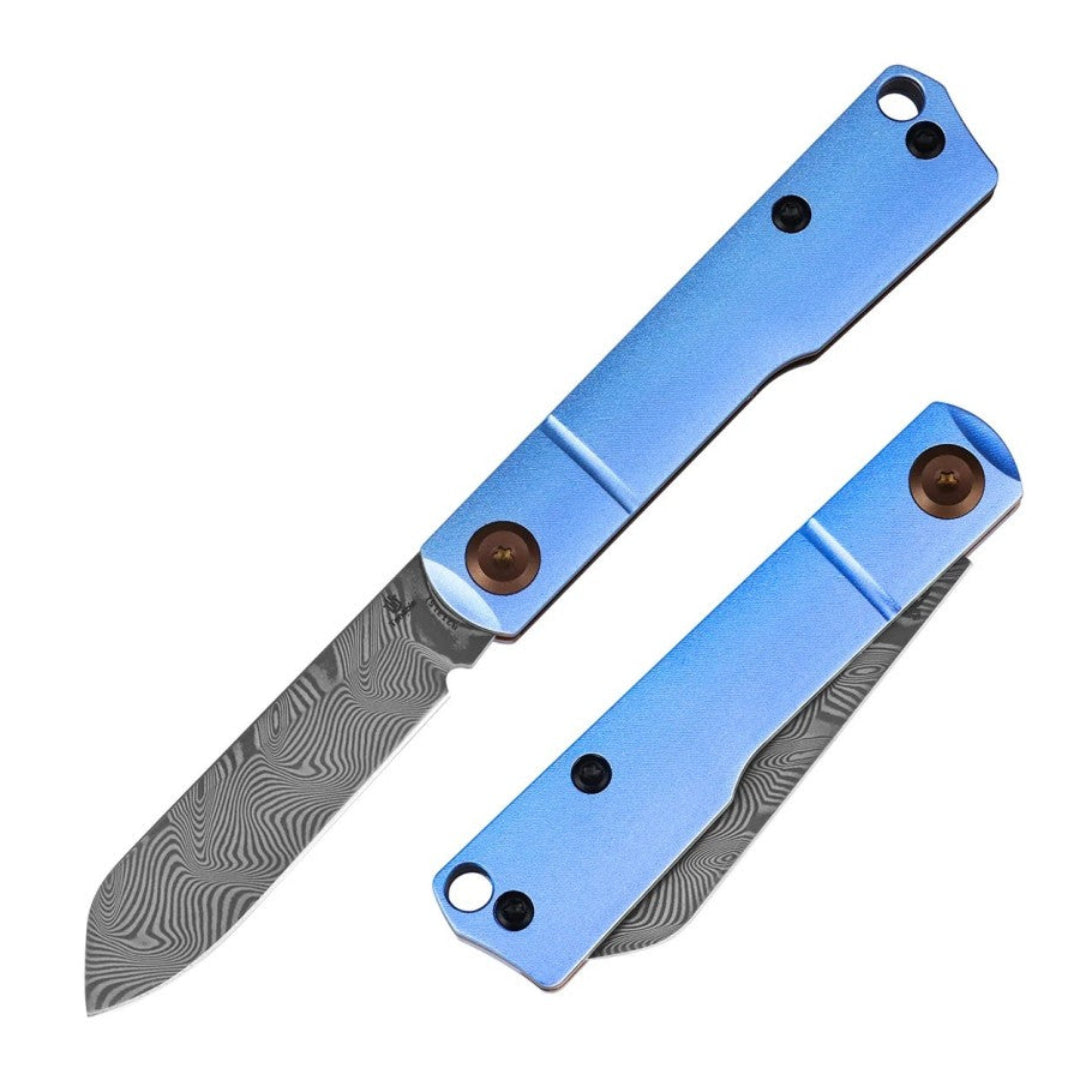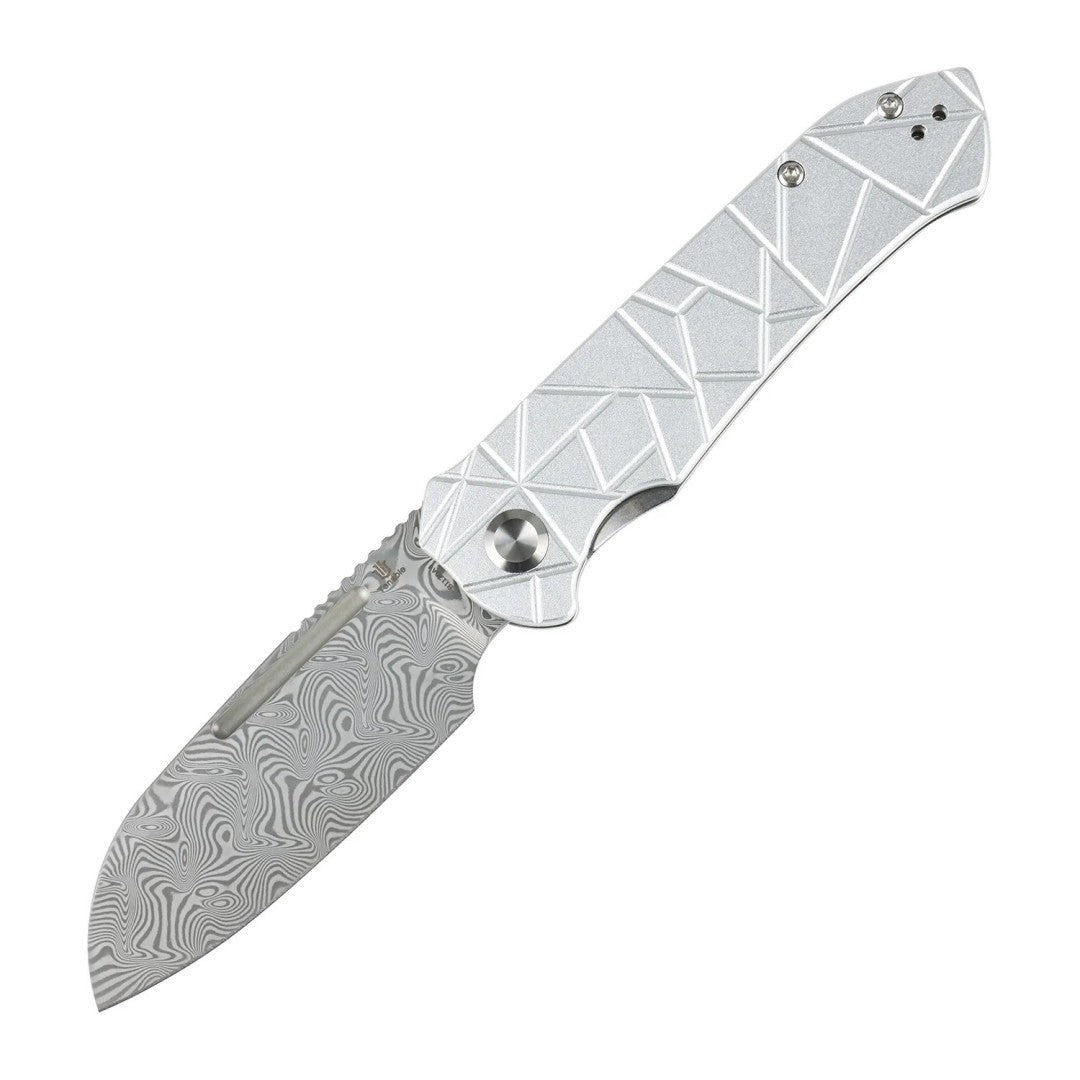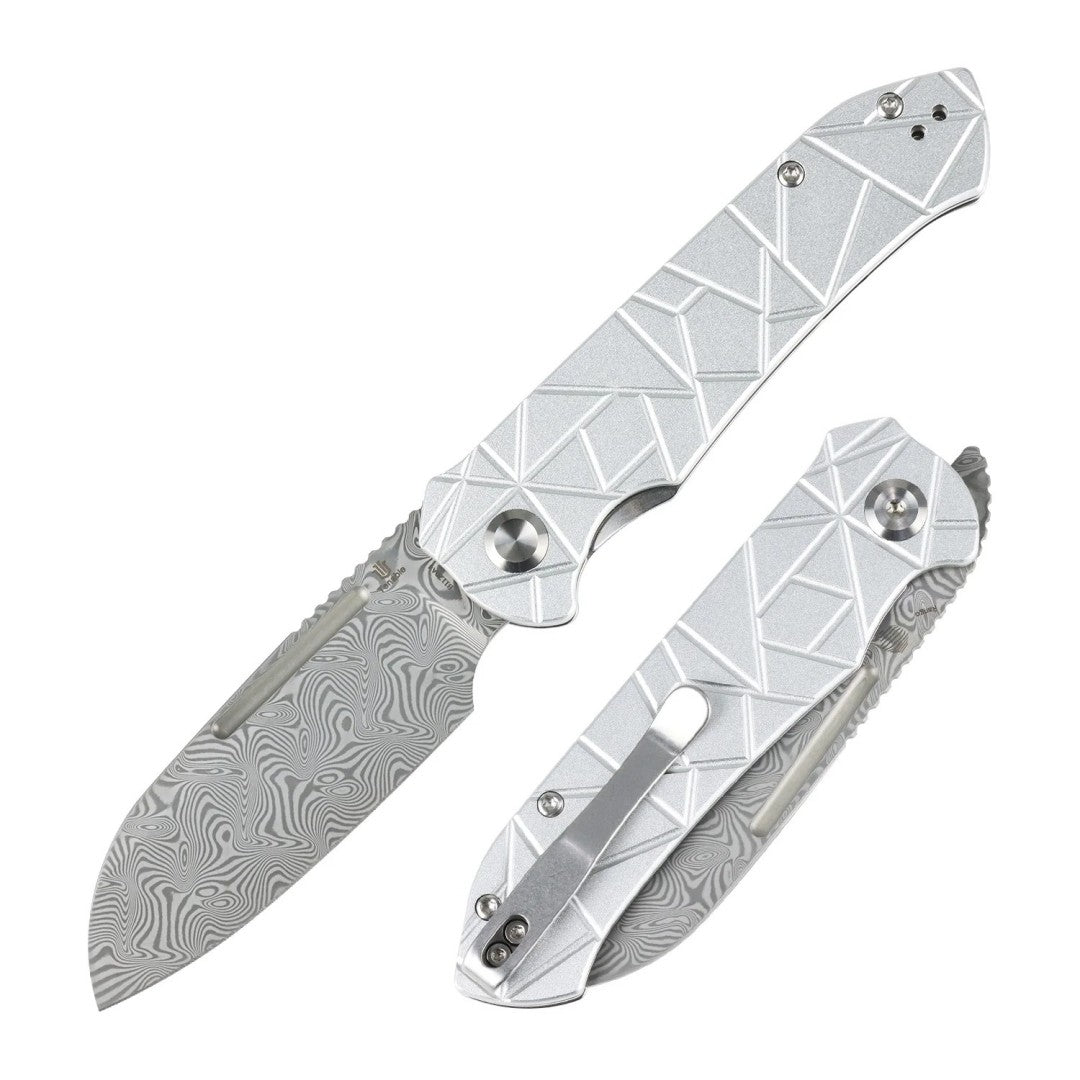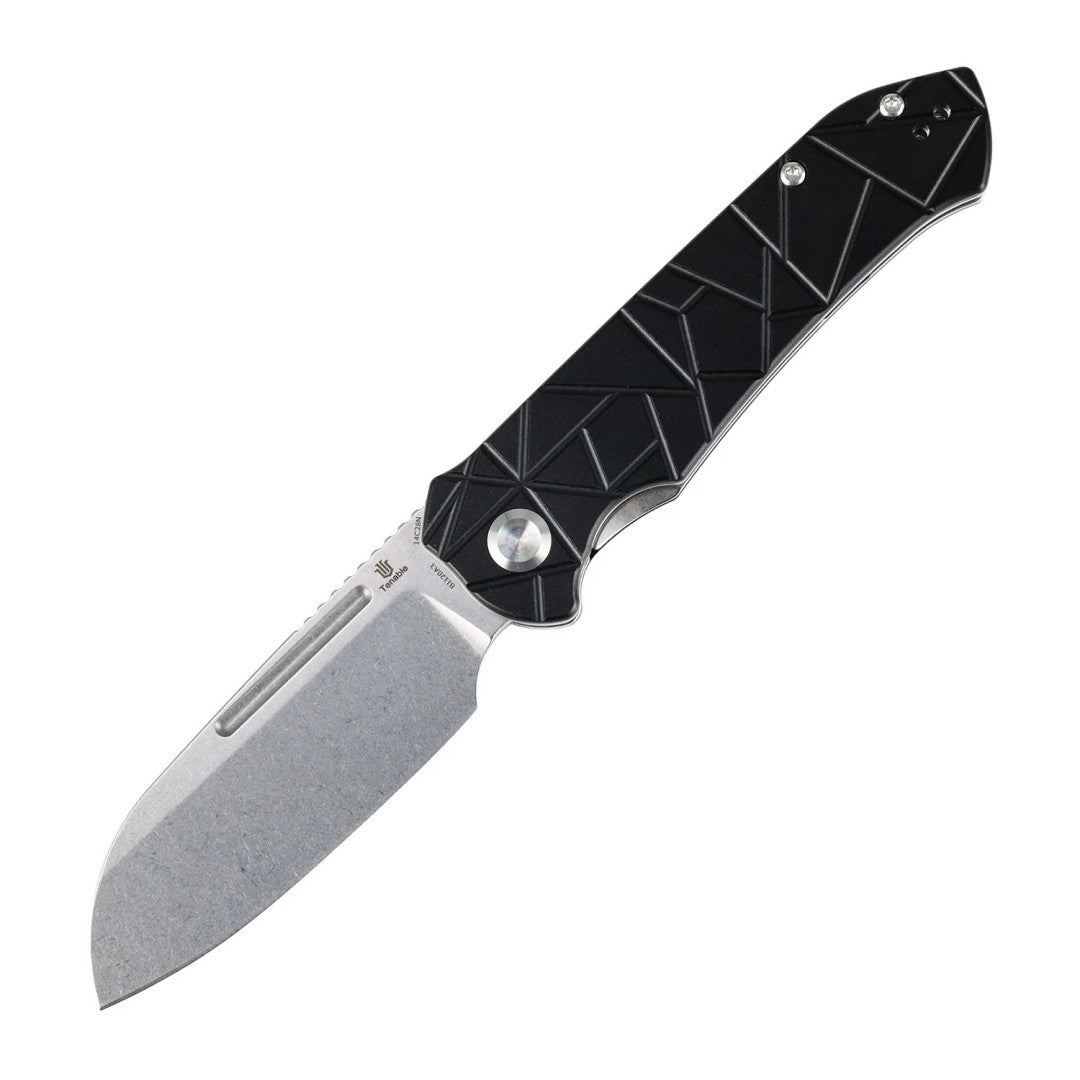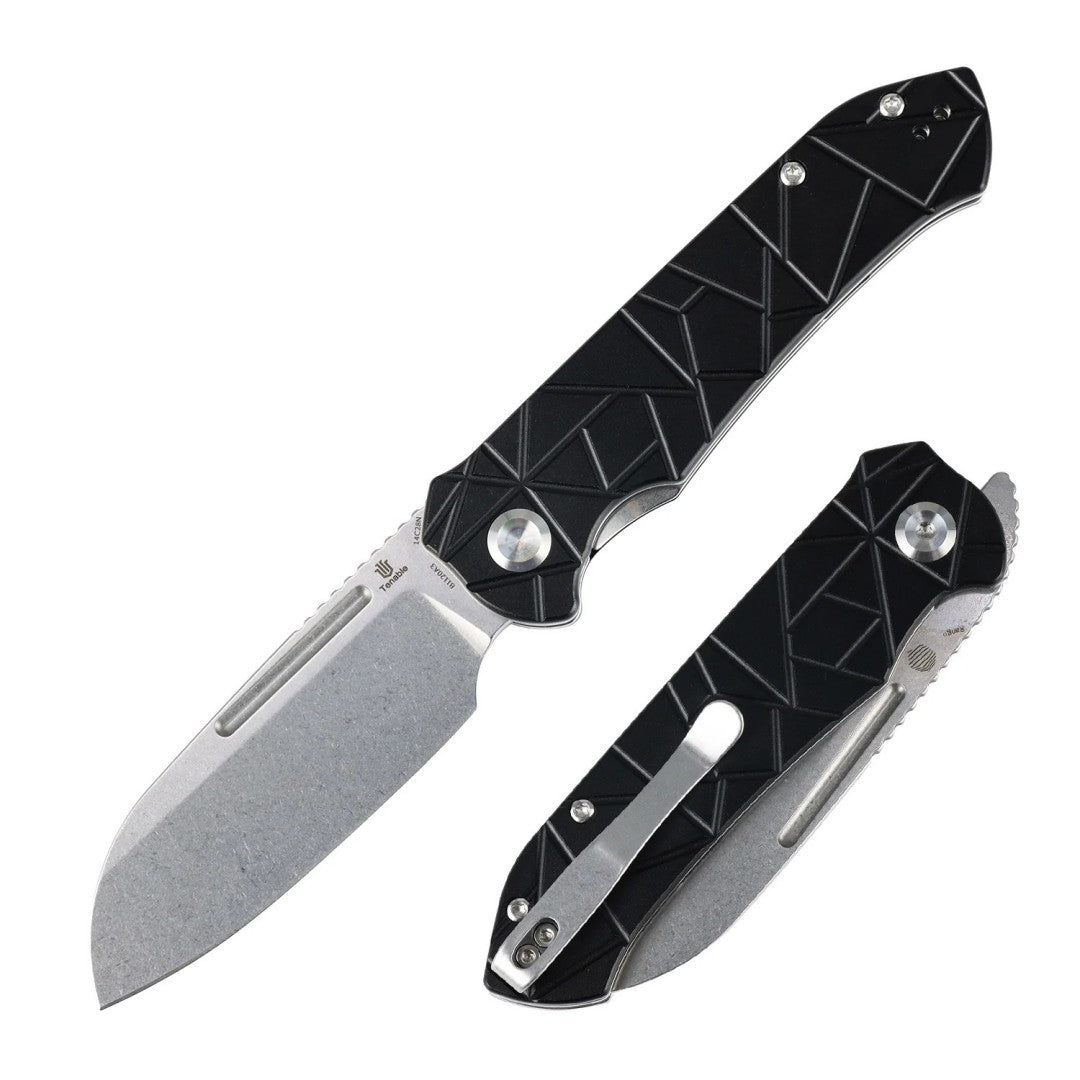
If you spend any time in knife enthusiast circles, you have heard the buzz about M390 steel. Praised as a “super steel,” M390 has earned a reputation as one of the best blade materials money can buy. But what makes this steel so special, and is it worth the premium price tag?
In this comprehensive guide, we will cover everything you need to know about M390 steel—its composition, performance, strengths and weaknesses, how it compares to other popular steels, and which knives benefit most from it.
What Is M390 Steel?
M390 is a premium high-performance stainless steel developed by the Austrian company Böhler-Uddeholm (now part of Böhler Edelstahl). It is produced using third-generation powder metallurgy technology—a specialized manufacturing process that creates a much finer and more uniform microstructure than conventional steelmaking.
Originally, Böhler created M390 for the plastic injection molding industry, where molds must withstand extreme wear while maintaining precise dimensions after shaping countless products. However, knife makers quickly discovered that the same properties that made M390 exceptional for industrial tooling also made it extraordinary for blades.
The result is a martensitic stainless chromium steel that delivers an outstanding combination of wear resistance, edge retention, and corrosion resistance—properties that have made M390 a top choice for high-end knives and precision cutting tools worldwide.
Chemical Composition
M390’s exceptional performance begins with its carefully balanced alloy recipe. Here is the breakdown of its chemical composition:
| Element | Percentage | Role |
|---|---|---|
| Carbon (C) | 1.9% | Hardness and edge retention |
| Chromium (Cr) | 20% | Corrosion resistance and hardness |
| Vanadium (V) | 4% | Wear resistance and grain refinement |
| Molybdenum (Mo) | 1% | Toughness and high-temperature strength |
| Tungsten (W) | 0.6% | Additional wear resistance |
| Silicon (Si) | 0.7% | Strength and deoxidation |
| Manganese (Mn) | 0.3% | Grain refinement and toughness |
The 20% chromium content is what makes M390 a true stainless steel, providing excellent rust and stain resistance. Meanwhile, the 1.9% carbon and 4% vanadium work together to form extremely hard carbide structures—responsible for M390’s legendary edge retention and wear resistance.
The powder metallurgy process allows these alloying elements to distribute evenly throughout the steel, resulting in approximately 22% total carbide volume (about 18% chromium carbides and 2.5% vanadium carbides). This ultra-fine, uniform microstructure gives M390 its superior performance characteristics.
Key Performance Properties
Edge Retention
Edge retention is where M390 truly shines. Böhler-Uddeholm’s own CATRA (Cutting Ability Test Rig) testing showed that M390 cut 959mm of cardstock, compared to just 547mm for 154CM steel. In real-world use, knife owners report M390 blades handling months of tough cardboard, rope, and food preparation with almost no sharpening needed. Some EDC users have carried M390 blades for a full year—through work, travel, and even ocean swims—without worrying about edge loss.
Wear Resistance
Thanks to its high vanadium and tungsten content, M390 offers very high wear resistance. The steel forms extremely hard vanadium carbides that resist abrasion, allowing the blade to maintain its cutting performance even under heavy, repeated use.
Corrosion Resistance
With 20% chromium, M390 offers excellent rust resistance. The steel forms a passive chromium oxide layer on its surface that protects against oxidation. In controlled testing using a 1% saltwater spray every eight hours, M390 outperformed S30V, S35VN, S90V, and SG2 in corrosion resistance. Additionally, M390 is approved for food and beverage contact, making it an excellent choice for kitchen knives.
Hardness (HRC)
Most knife manufacturers heat treat M390 to 61–63 HRC, though Böhler’s specifications indicate the steel can reach 59–66 HRC depending on the heat-treatment protocol. The optimum hardness for working knives is typically 61–63 HRC, where the steel develops all its useful properties with excellent strength and edge retention while remaining relatively easy to sharpen.
Toughness
No steel is perfect, and toughness is M390’s main trade-off. With approximately 22% carbide volume, M390’s toughness measures around 5 foot-pounds at 61 HRC in Charpy impact testing. This means the steel can be prone to micro-chipping under impact or lateral stress—particularly if used for prying or cutting at extremely thin edge angles. For normal cutting tasks, however, most users never encounter toughness issues.
M390 vs. Other Knife Steels
M390 vs. S30V / S35VN
S30V and S35VN are American powder metallurgy stainless steels that offer good edge retention and corrosion resistance with better toughness than M390. S35VN is tougher than M390 due to the addition of niobium, making it less prone to chipping. However, M390 provides significantly better edge retention and wear resistance. CATRA testing confirms M390 retains its edge up to 30% longer than S35VN. For everyday cutting tasks, M390 is the superior choice if edge retention is your priority.
M390 vs. CPM-20CV and CTS-204P
M390, CPM-20CV, and CTS-204P are essentially the same steel. They share nearly identical chemical compositions, manufactured by different companies (Böhler, Crucible Industries, and Carpenter Technology, respectively). While some enthusiasts debate subtle differences in powder metallurgy refinement, in practical use they perform comparably.
Manufacturing Process: The MICROCLEAN Advantage
M390 is produced through Böhler’s MICROCLEAN powder metallurgy process. The steel melt is atomized into fine powder, which is then hot isostatically pressed (HIP) into ingots and hot-formed into steel bars. This method produces an exceptionally homogeneous material with a fine, uniform distribution of carbides—resulting in superior polishability, dimensional stability, and consistent performance. Unlike conventionally produced steels that can have uneven carbide clustering, M390’s microstructure ensures reliable performance from blade to blade.
Best Applications for M390 Steel
Everyday Carry (EDC) Knives
M390’s exceptional edge retention means you can carry your knife for months without worrying about sharpening. Its corrosion resistance stands up to sweat, humidity, and everyday exposure. For EDC users who value a blade that stays sharp through daily cutting tasks, M390 is an ideal choice.
Tactical and Hunting Knives
M390’s wear resistance and edge retention make it perfect for demanding outdoor use—cutting rope, processing game, or field dressing. Major brands like Strider produce tactical and EDC knives featuring M390 steel.
Professional Kitchen Knives
With approval for food contact, M390 resists corrosion from acidic foods like tomatoes and citrus while maintaining razor-sharp edges through heavy prep work. Professional chefs value M390 for its ability to stay sharp longer between sharpenings.
Industrial Cutting Tools
Beyond knives, M390 is used in precision cutting tools, surgical instruments, and plastic injection molding components—applications that demand extreme wear resistance and edge longevity.
How to Care for and Sharpen M390 Steel
Sharpening M390
M390’s hardness and carbide content make it more challenging to sharpen than conventional steels, often requiring advanced techniques and tools. Diamond stones or CBN (cubic boron nitride) sharpeners work best, as standard stones may struggle with the hard vanadium carbides. A 30-degree inclusive edge angle with a 40-degree micro-bevel is recommended for optimal sharpening results. While M390 takes more effort to sharpen initially, the trade-off is that you will sharpen far less frequently.
Maintenance Tips
-
Clean and dry after use: Although M390 has excellent corrosion resistance, basic care prolongs blade life
-
Avoid prying or twisting: M390 excels at cutting but can chip under lateral stress
-
Use a leather strop: Regular stropping maintains the edge between sharpenings
-
Store in a dry environment: While M390 resists rust, prolonged exposure to moisture in any environment is best avoided
Pros and Cons Summary
Pros
-
Superior edge retention – Stays sharp significantly longer than most blade steels
-
Excellent corrosion resistance – Outperforms S30V, S35VN, and S90V in salt spray testing
-
High wear resistance – Vanadium and tungsten carbides resist abrasion
-
Good hardness – 60–63 HRC provides outstanding cutting performance
-
Food-safe certification – Approved for food and beverage contact
Cons
-
Lower toughness – Prone to chipping under impact or lateral stress; not suitable for prying
-
Difficult to sharpen – Requires diamond or CBN stones
-
Premium pricing – M390 knives command higher prices than standard steel options
-
Overkill for light use – Casual users may not benefit from the premium performance
Frequently Asked Questions
Is M390 steel worth the money? For serious knife users who prioritize edge retention and corrosion resistance, yes. M390’s performance justifies its premium price if you rely on your blade daily. For occasional light use, more affordable steels may be sufficient.
Can M390 rust? While M390 offers excellent rust resistance due to its 20% chromium content, no stainless steel is completely rust-proof. Basic care—cleaning and drying after use—will keep your blade in excellent condition.
How do I know if my knife has genuine M390 steel? Purchase from reputable manufacturers and authorized dealers. Genuine M390 is produced by Böhler Edelstahl in Austria and used by trusted knife brands like Spyderco, Benchmade, LionSteel, Microtech, and Zero Tolerance.
Final Verdict
M390 steel has earned its “super steel” reputation for good reason. Its exceptional edge retention, wear resistance, and corrosion resistance make it a top-tier choice for anyone who demands the best from their blade. While it requires a higher investment and more careful sharpening, the performance benefits are undeniable.
For EDC enthusiasts, outdoor adventurers, professional chefs, and knife collectors, M390 delivers cutting performance that outperforms the competition—cut after cut, day after day. Whether you are looking for your next everyday carry knife or a professional-grade kitchen blade, M390 is a choice you can trust.