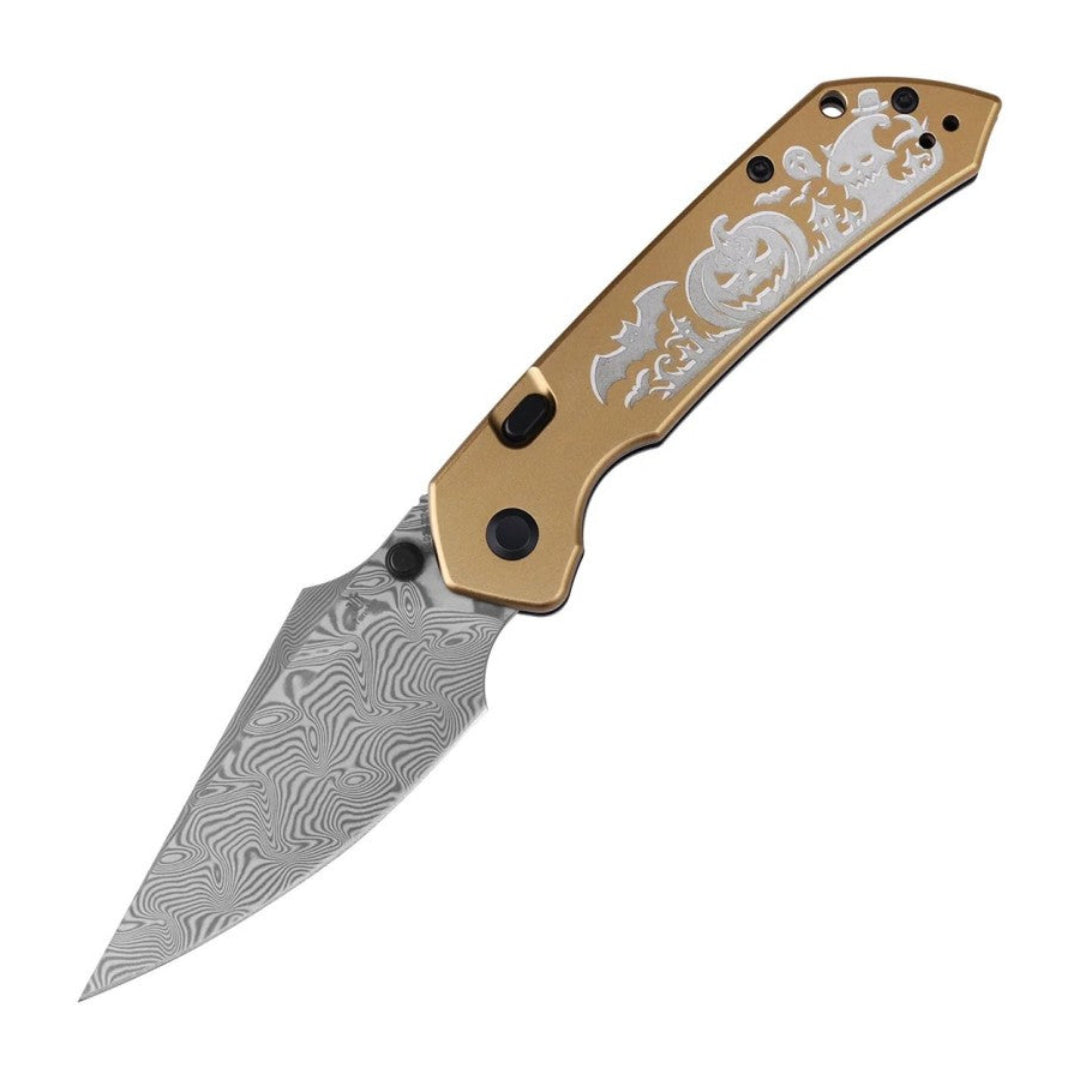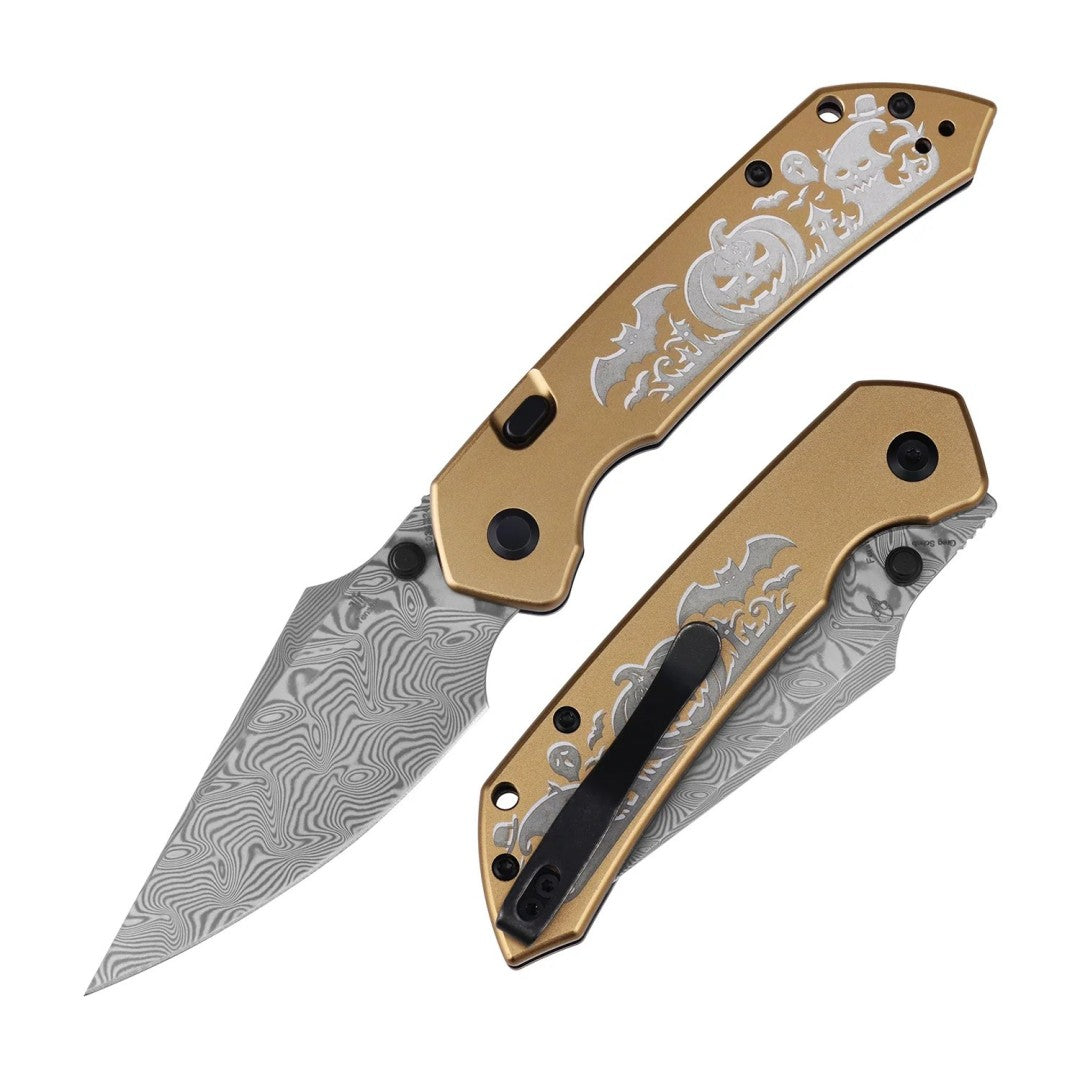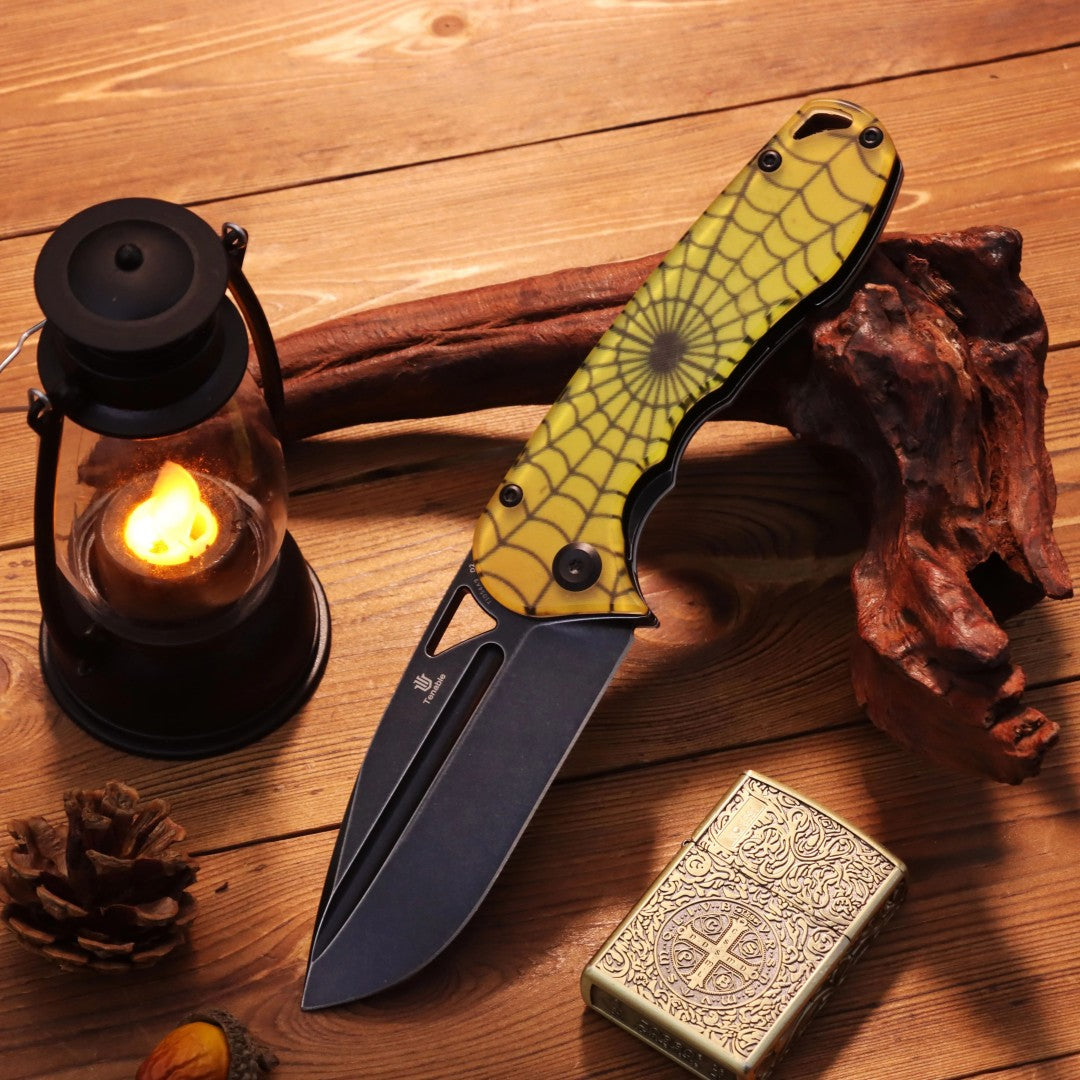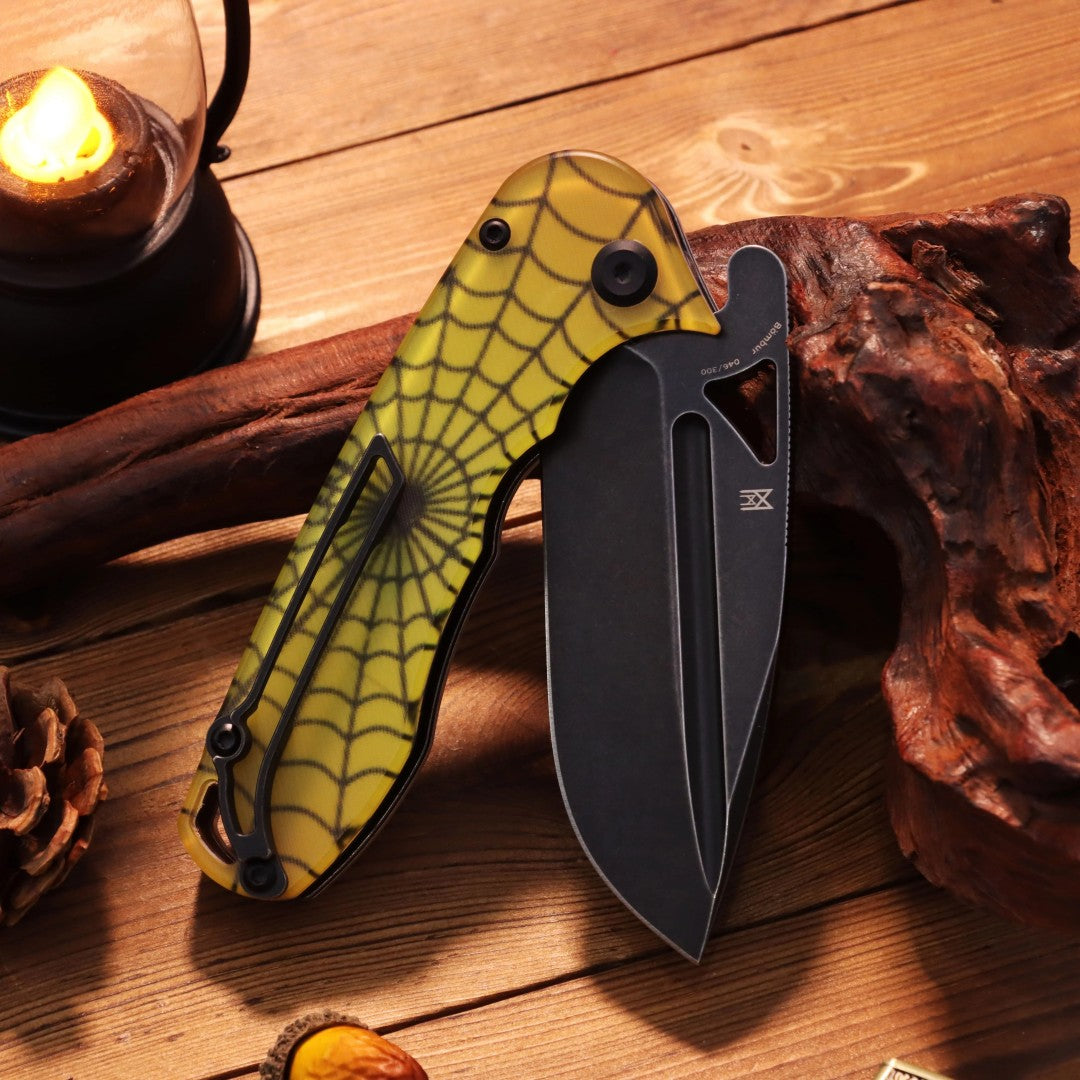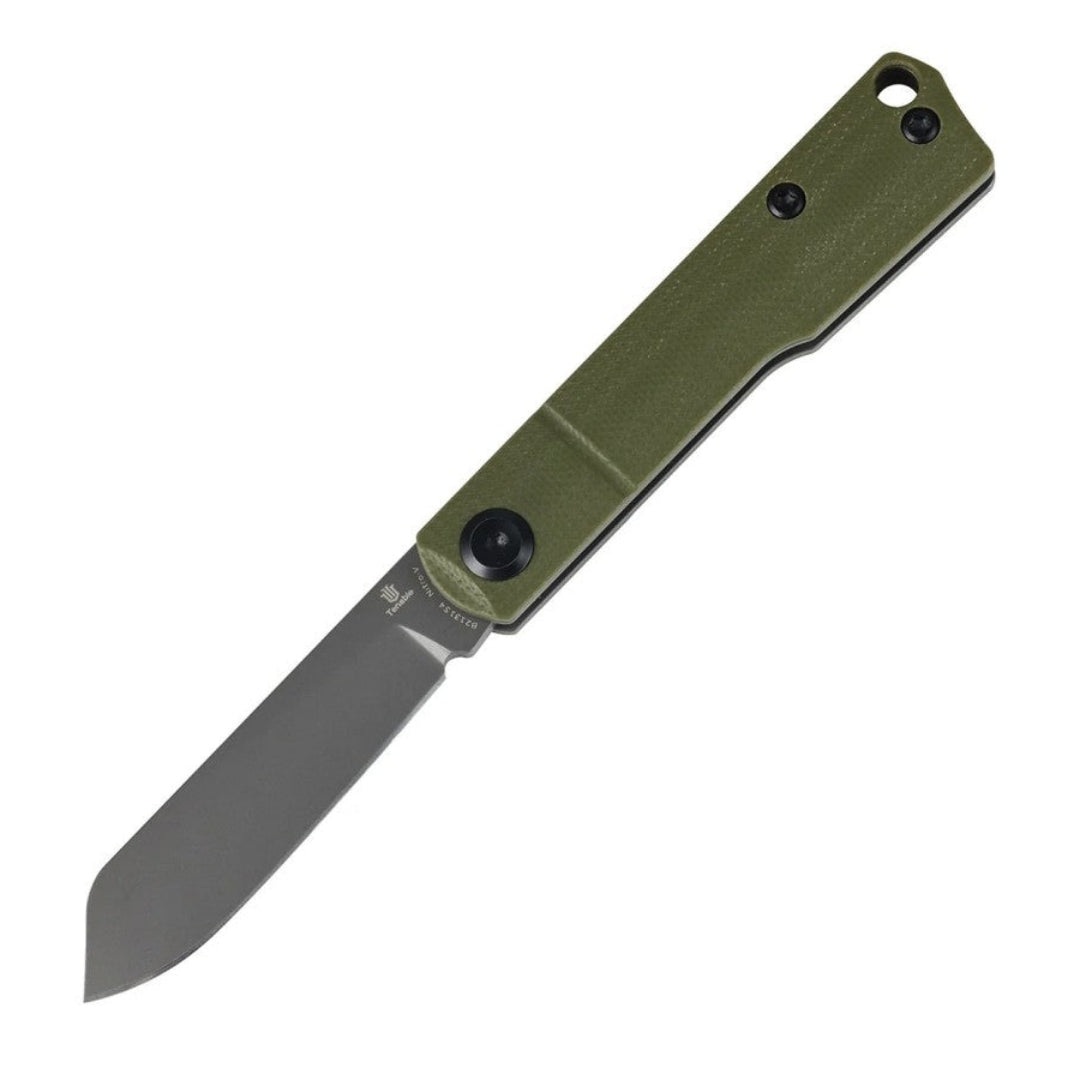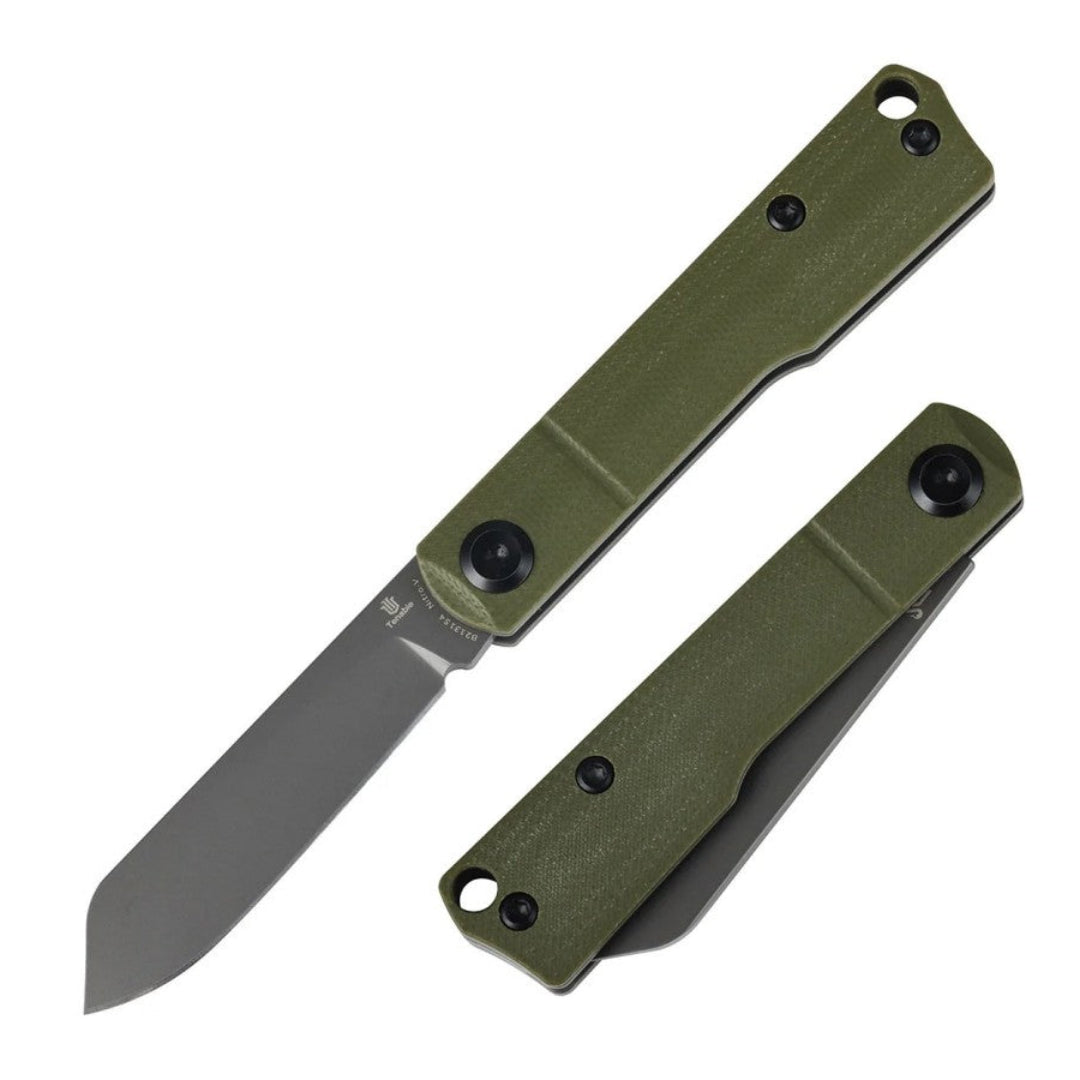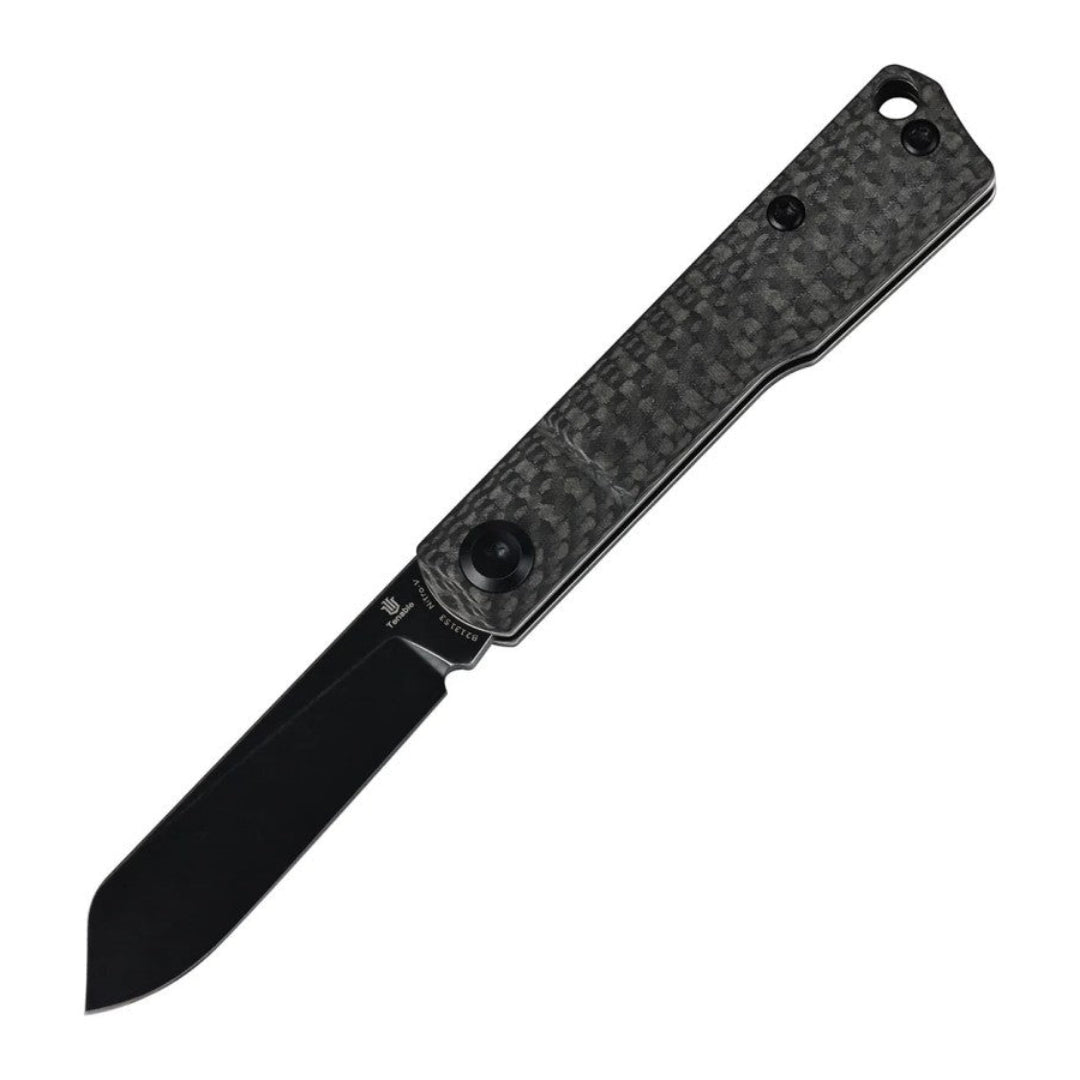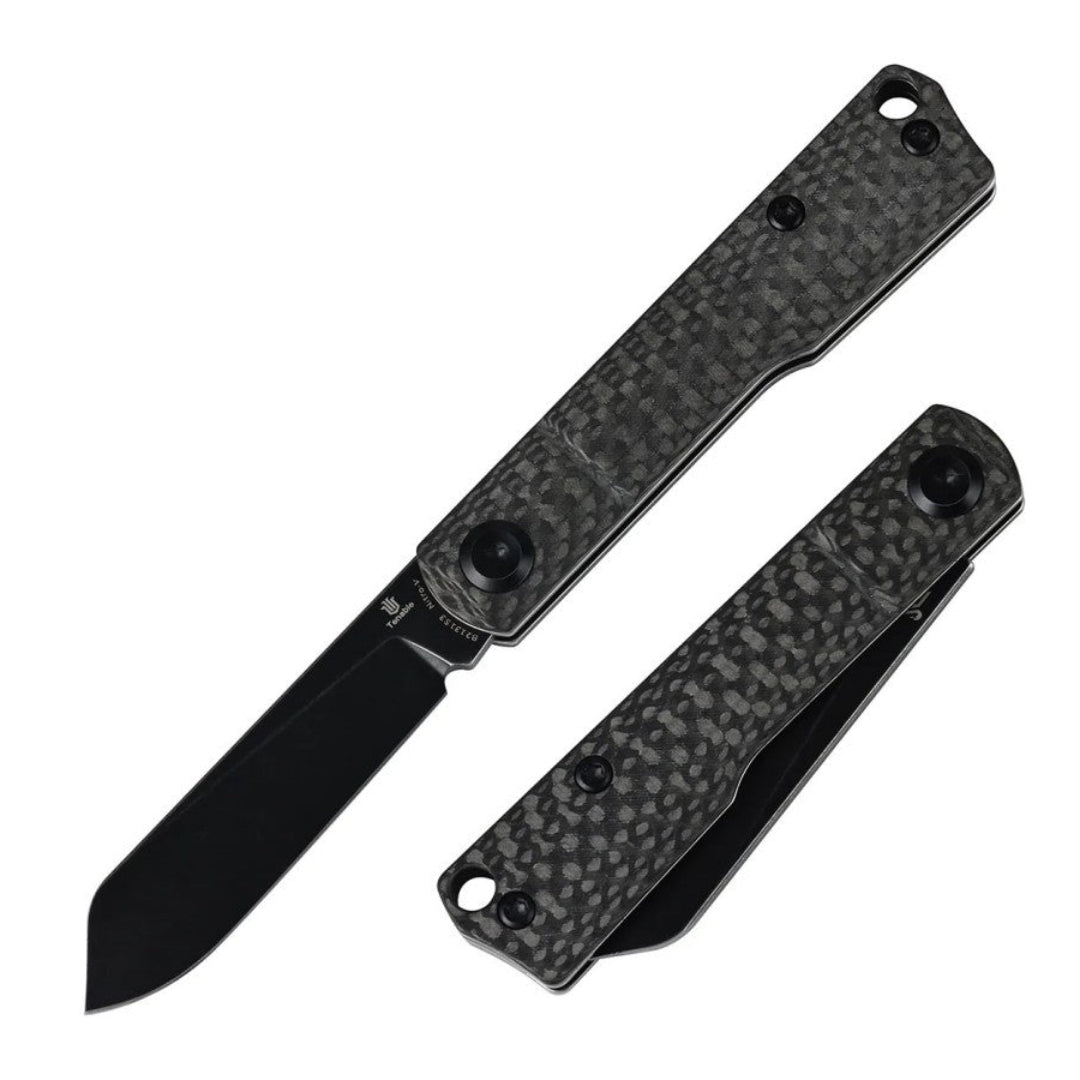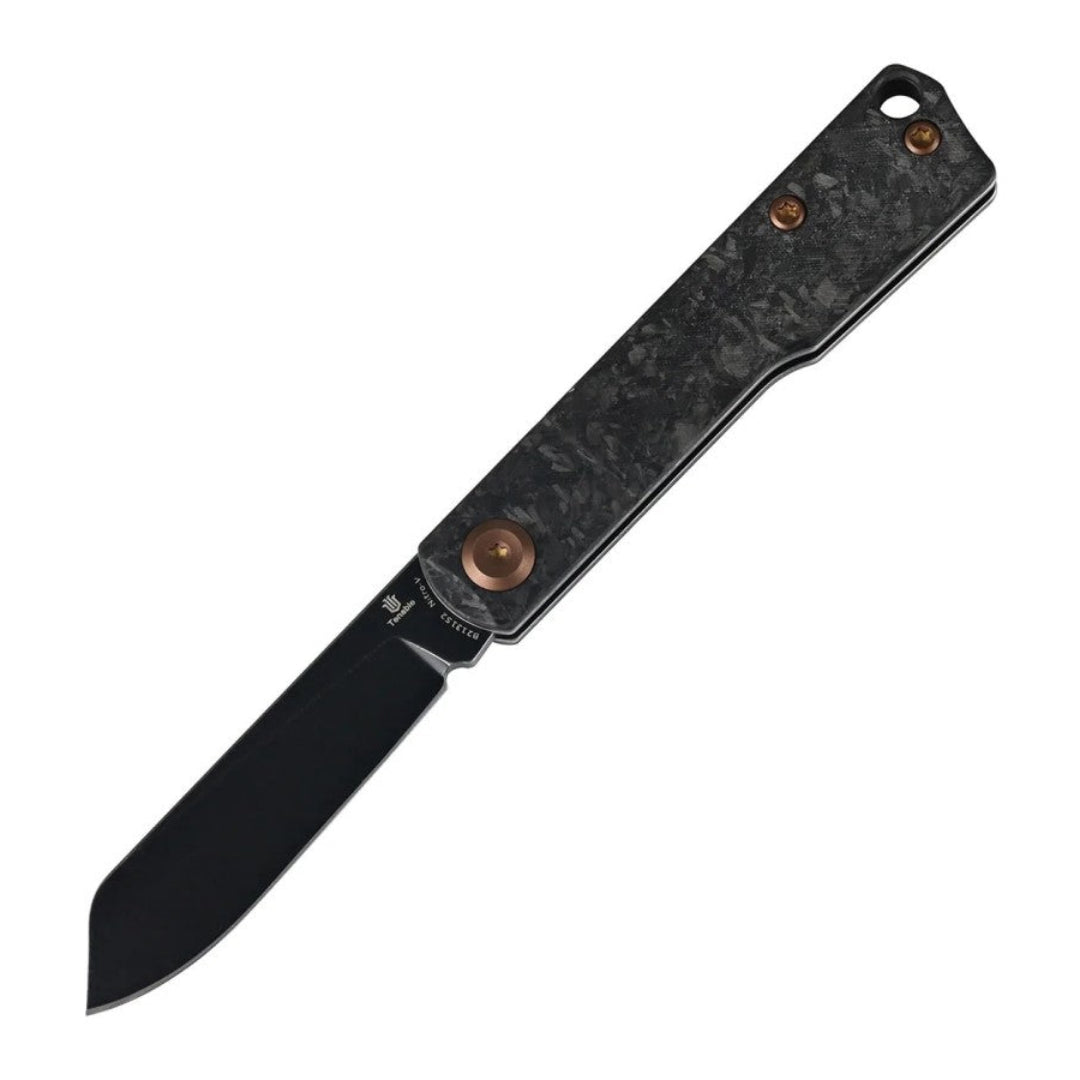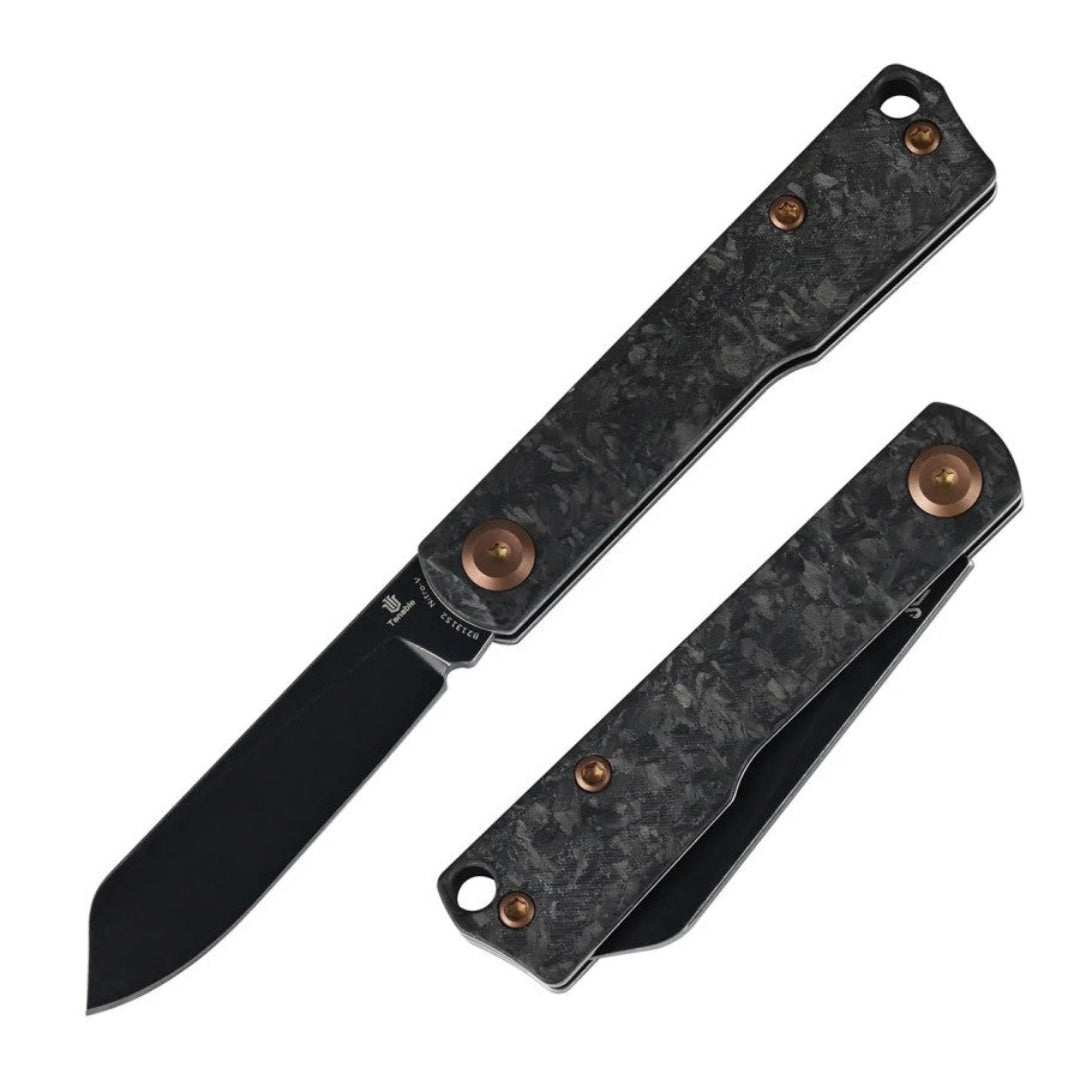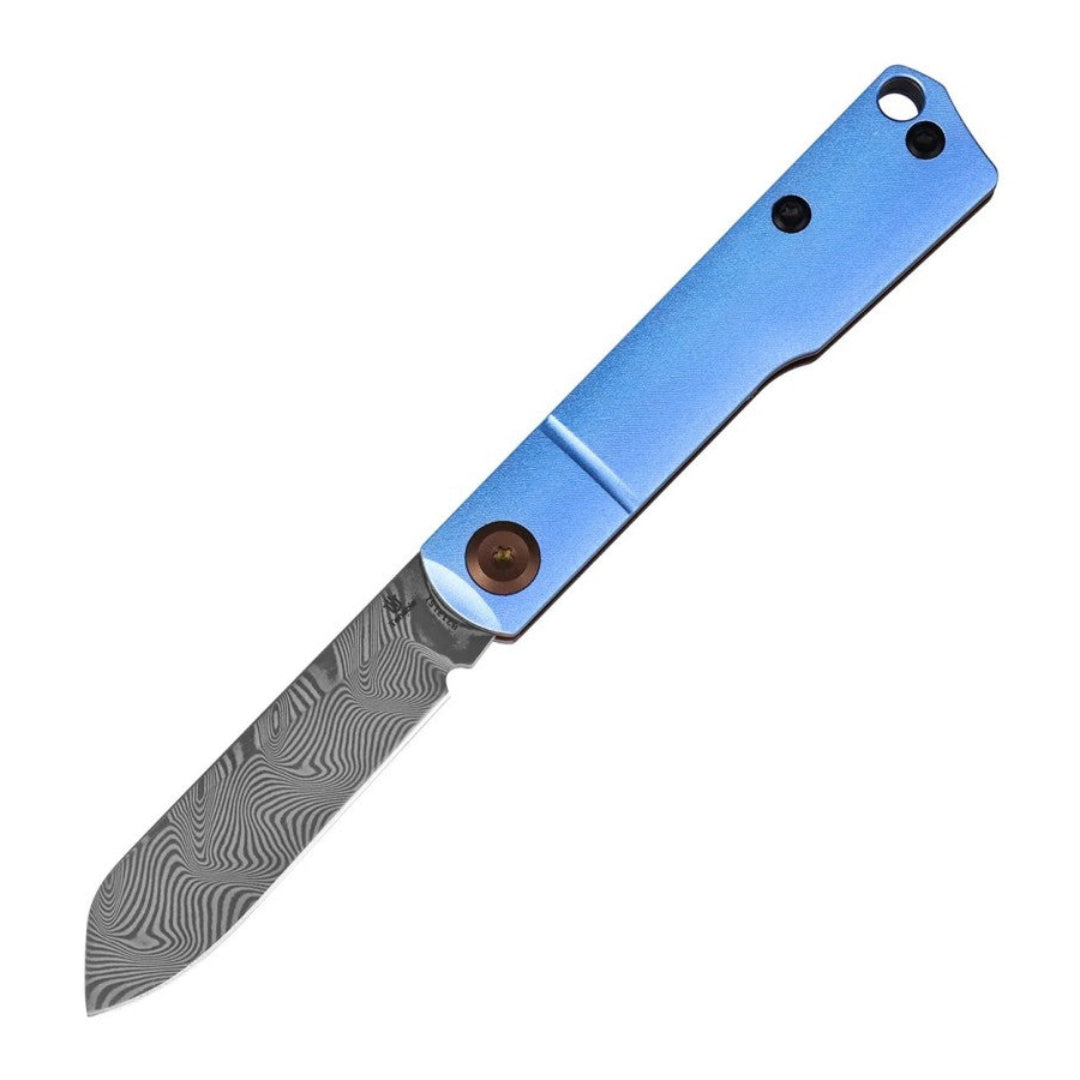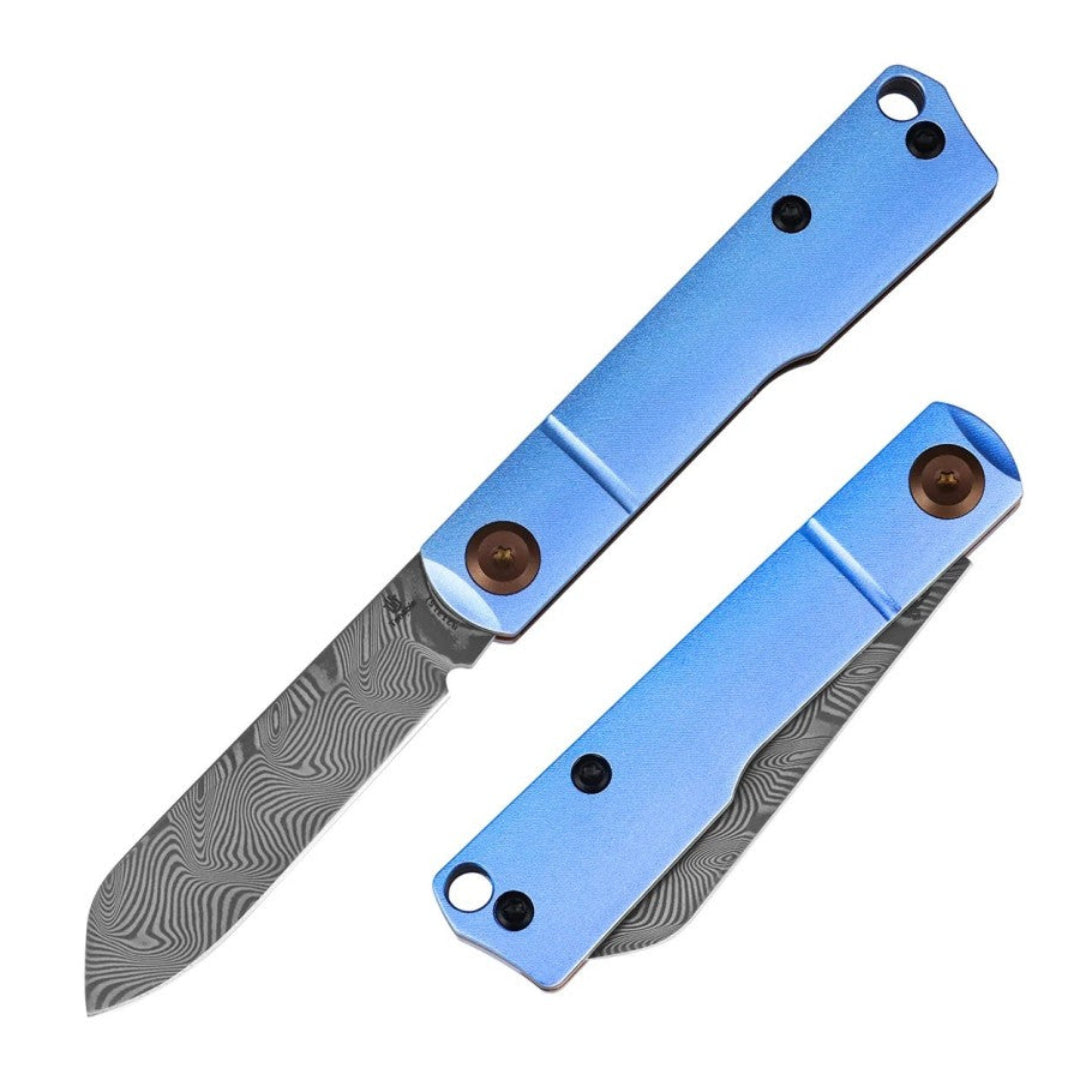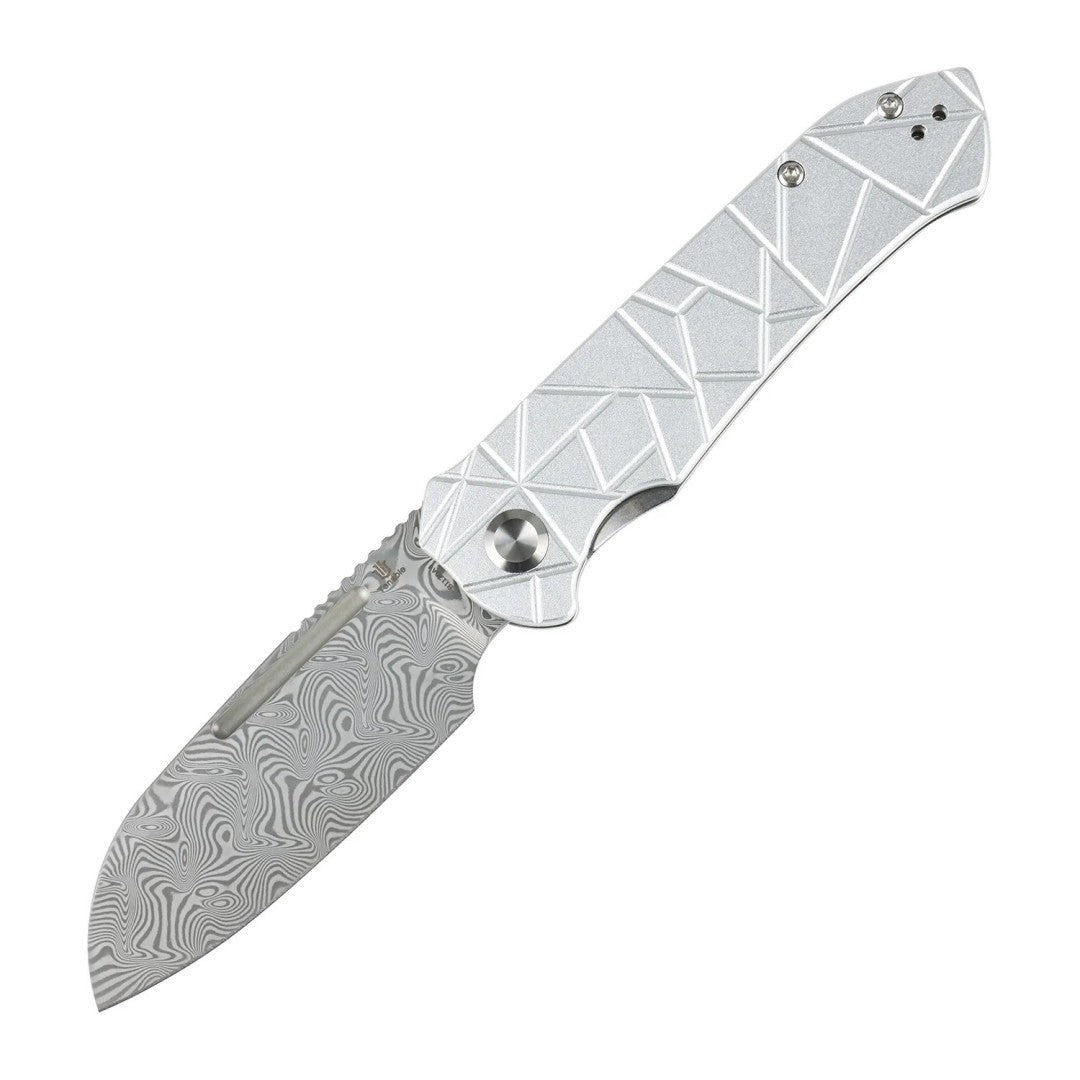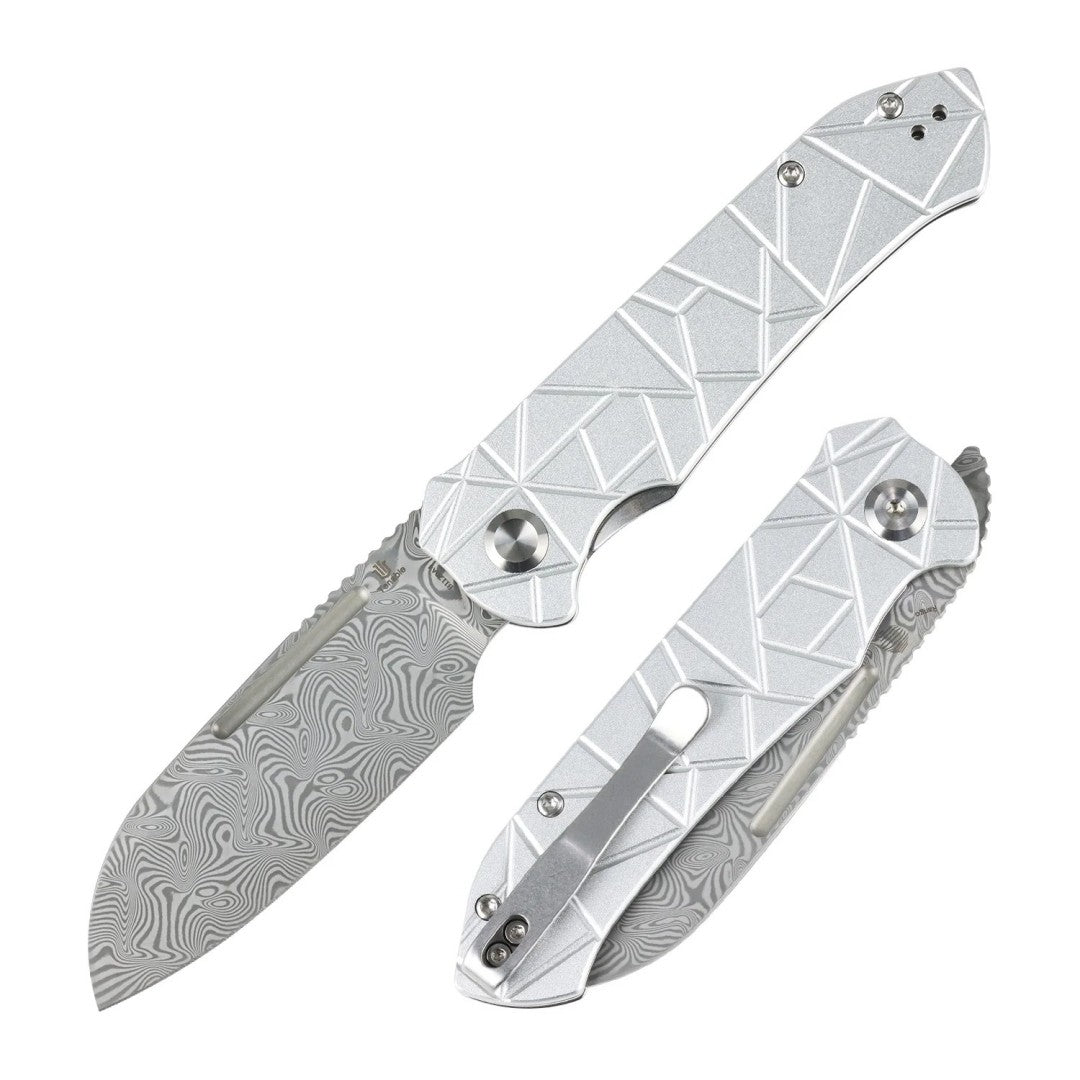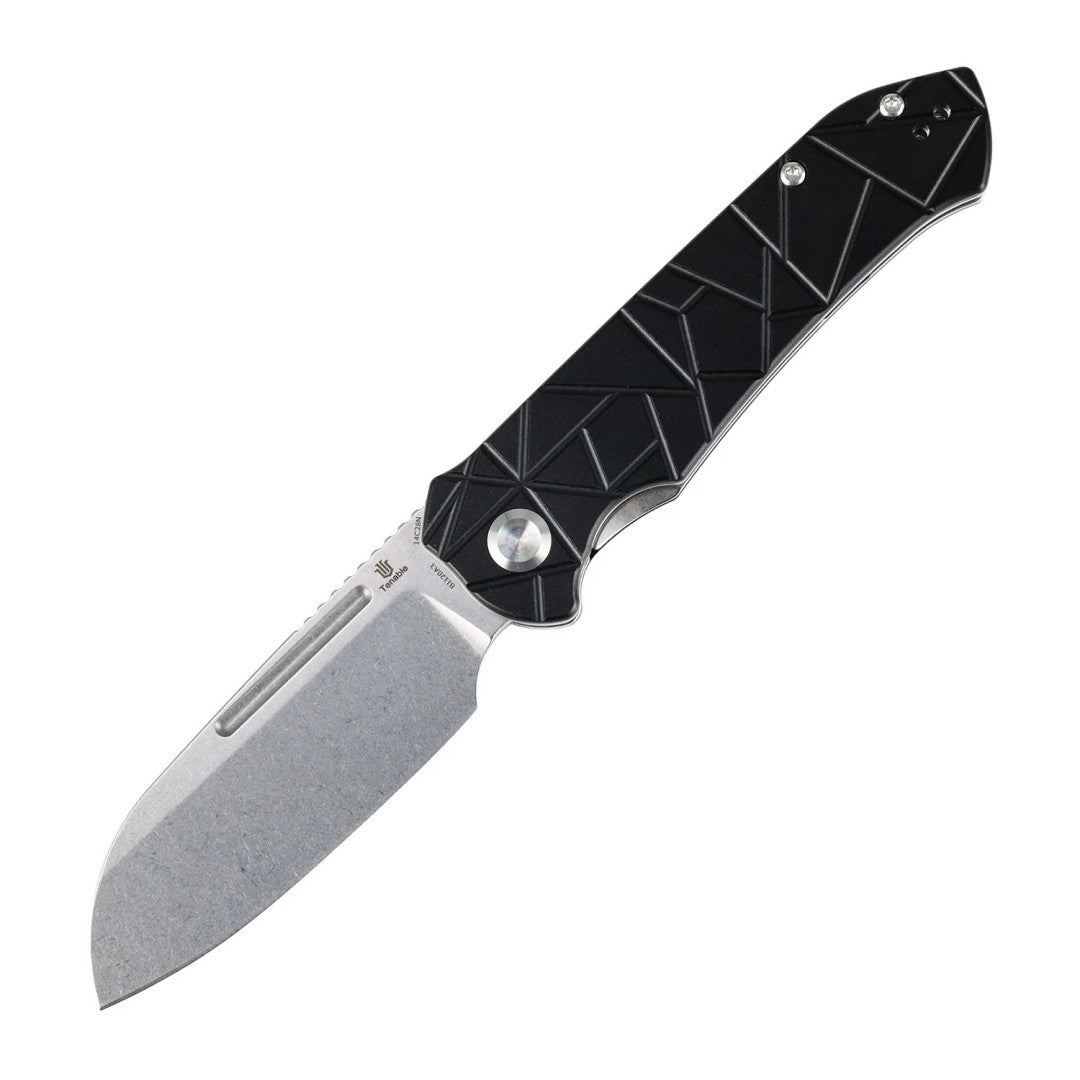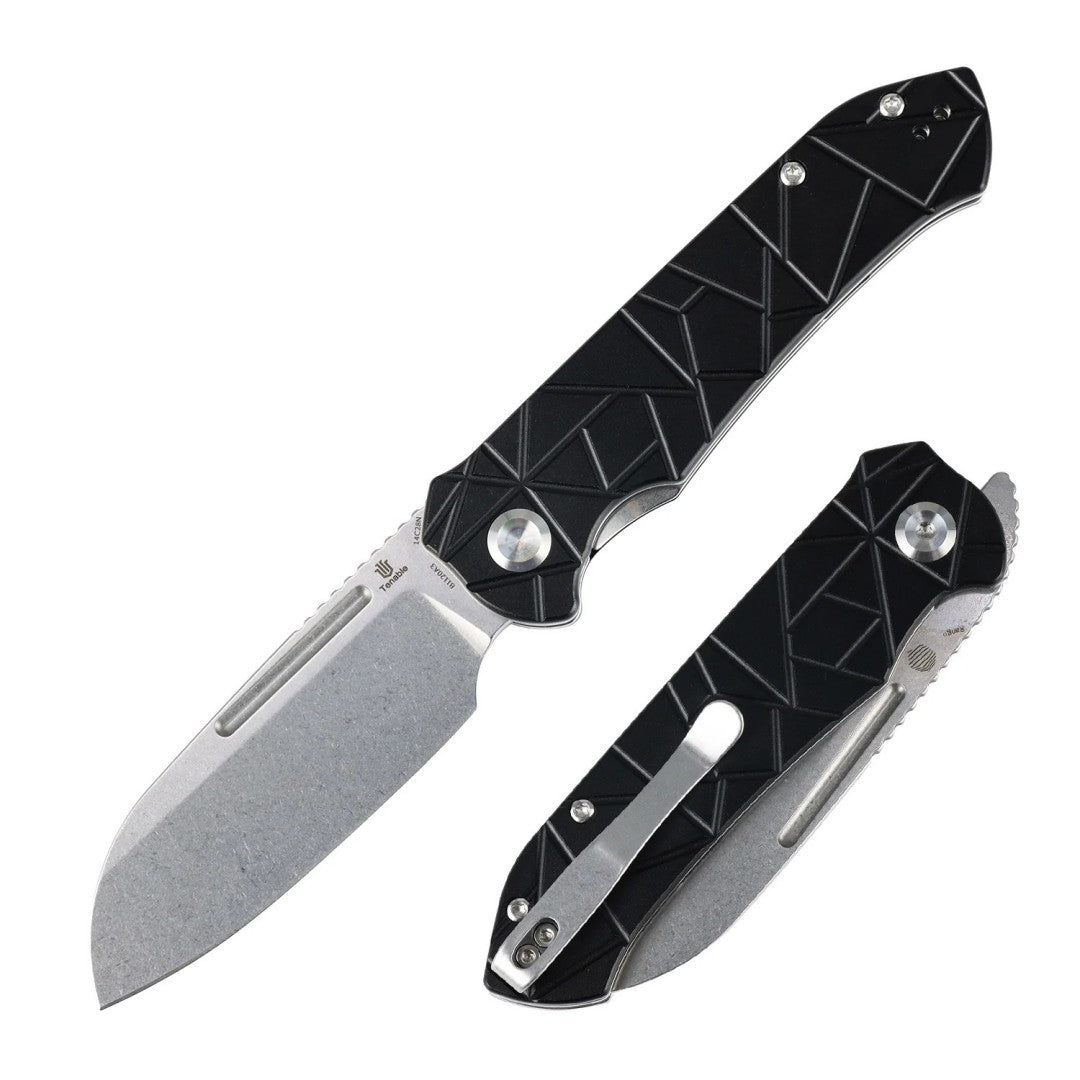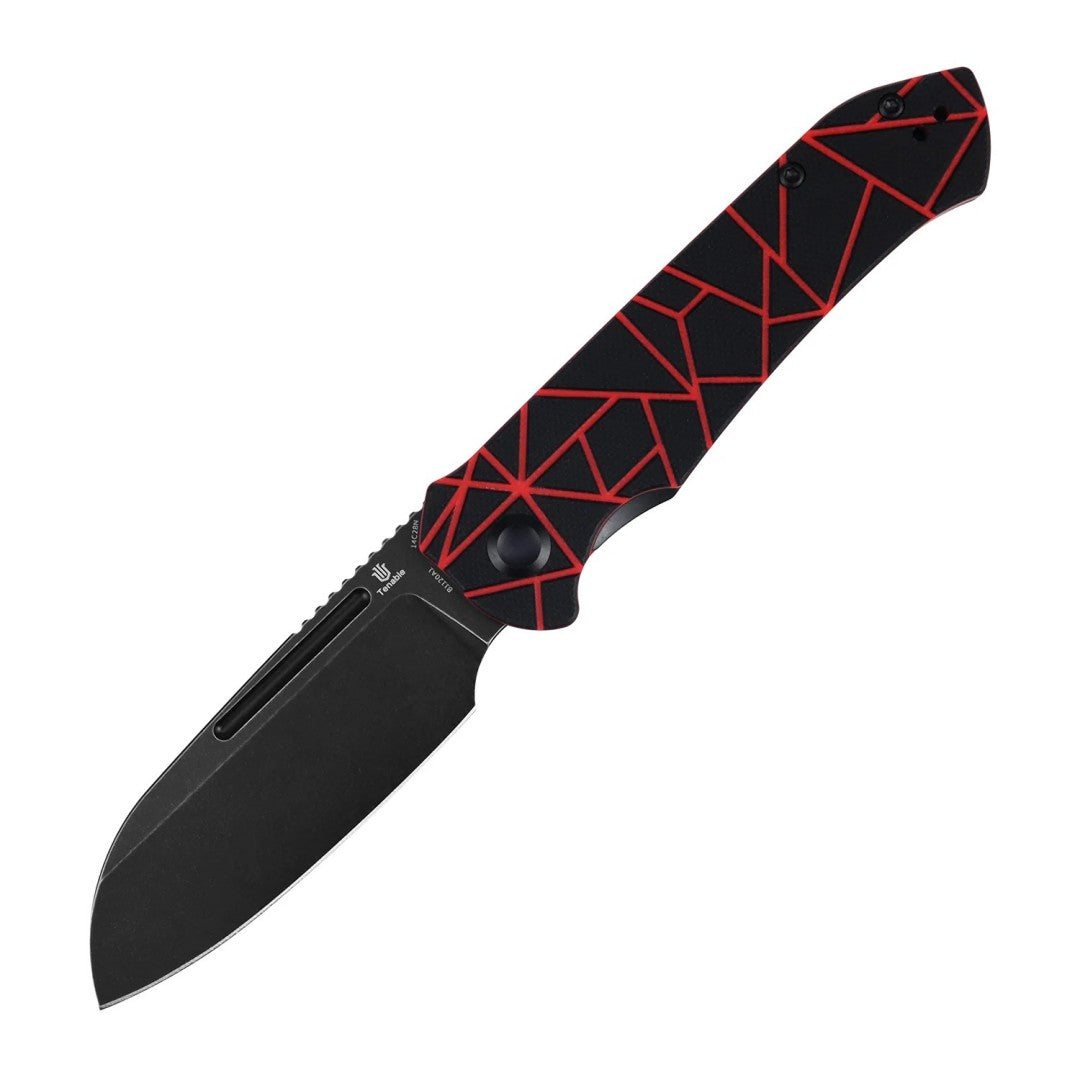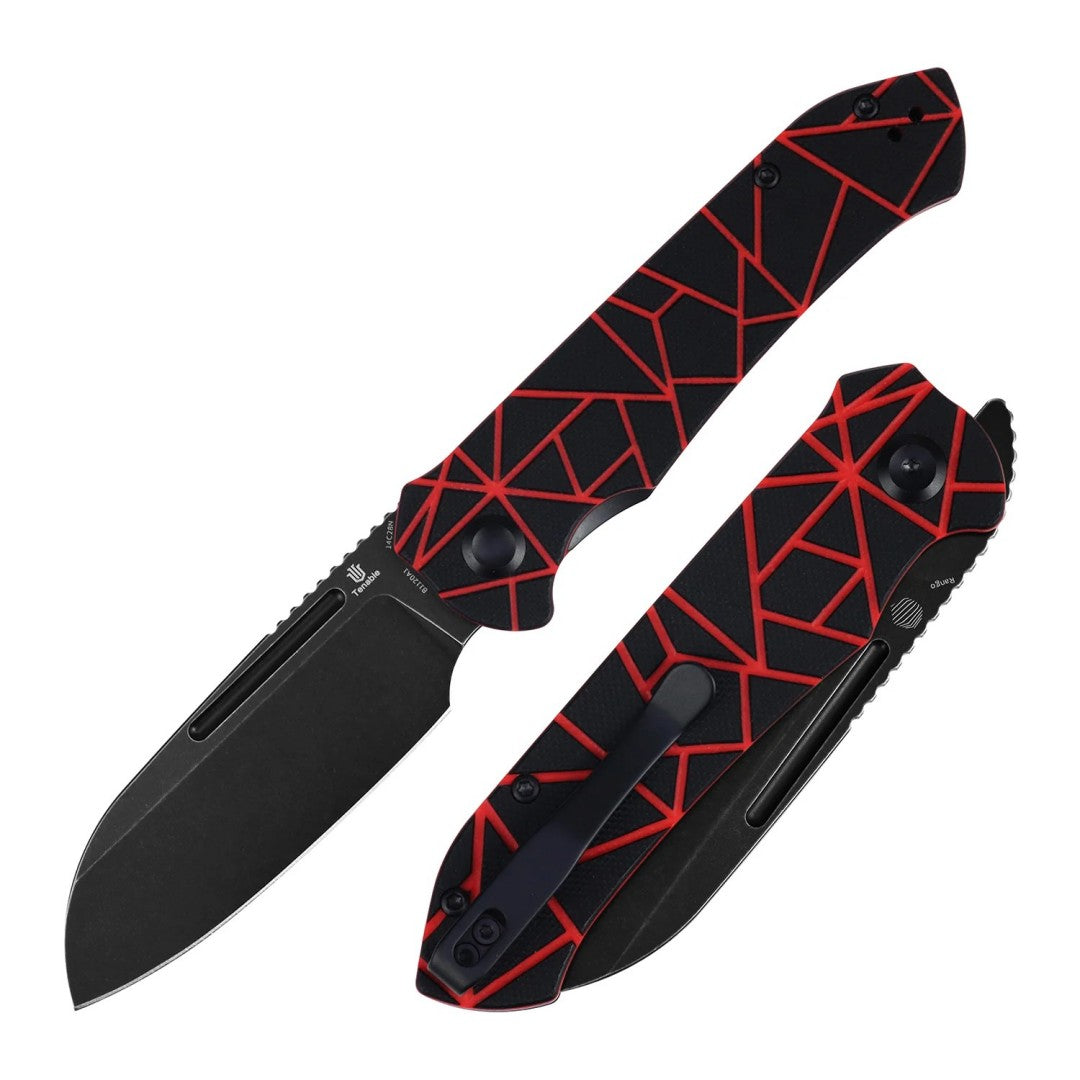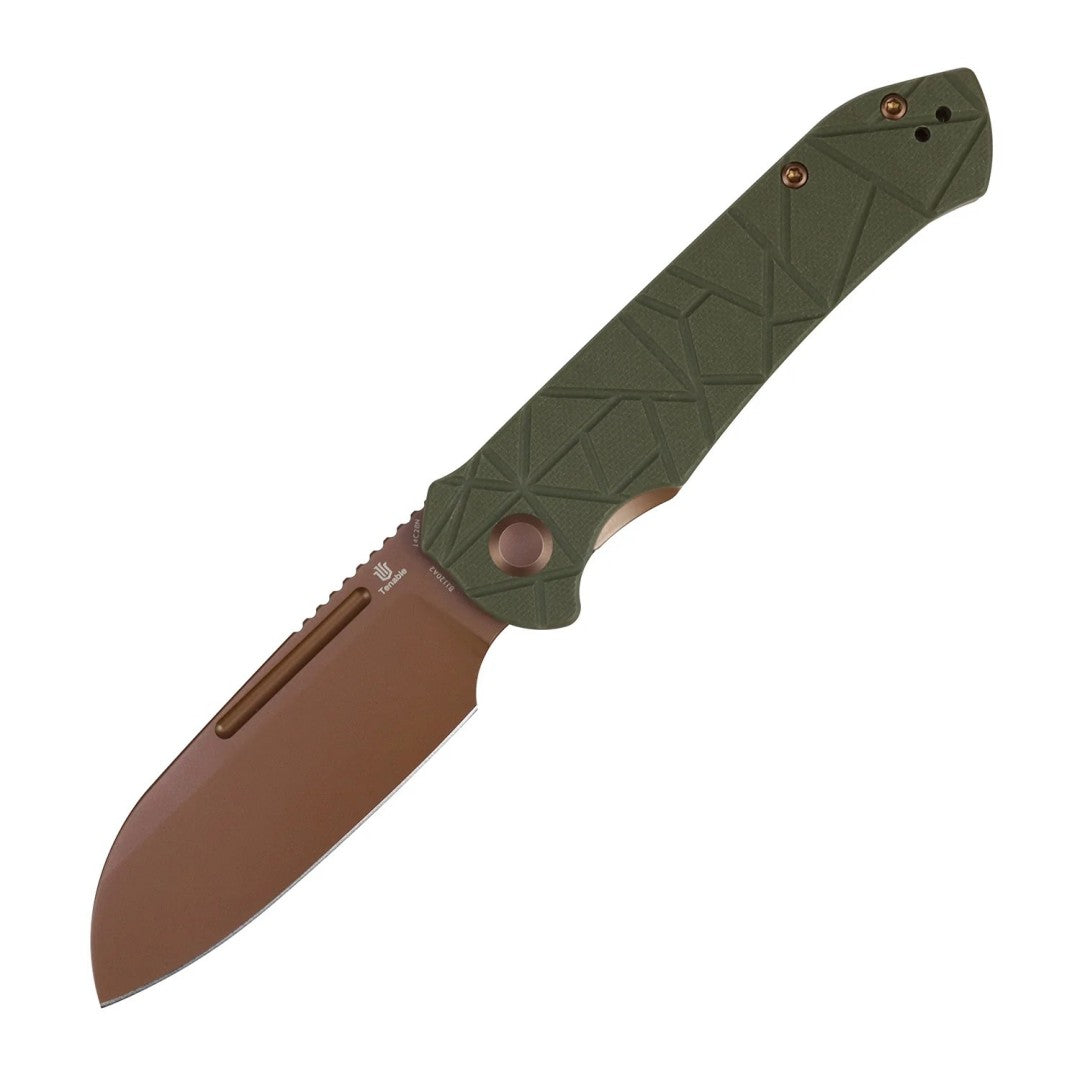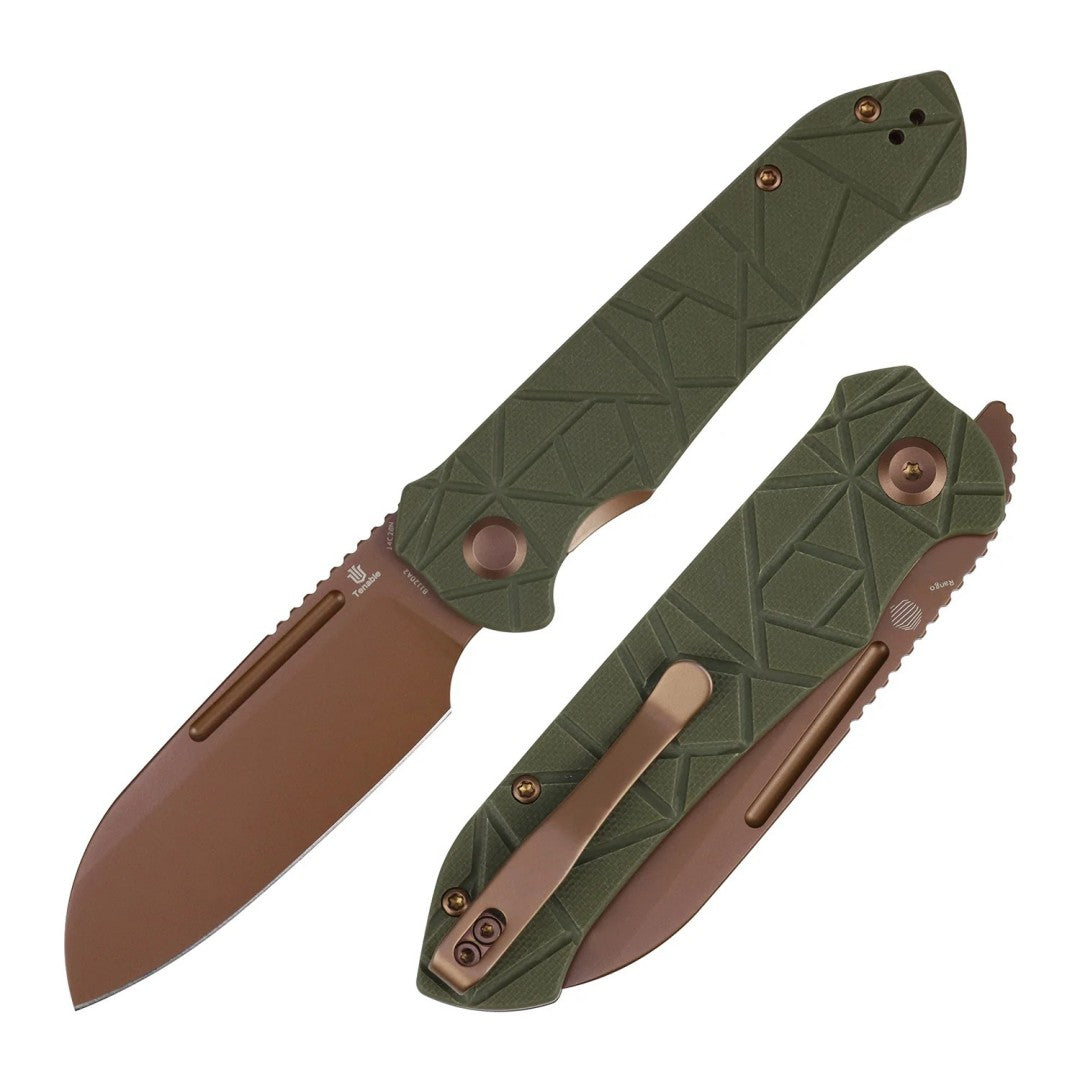

LC200N is a high‑nitrogen, powder‑metallurgy stainless steel that has redefined what’s possible in corrosion‑resistant knife blades. Originally developed by ZAPP for NASA’s high‑performance ball bearings, this advanced alloy offers a combination of properties that was once considered impossible: near‑absolute rust resistance, excellent toughness, respectable edge retention, and easy sharpening — all in a single blade steel.
Often referred to as Z‑FiNit (ZAPP Fine Grain Nitrogen steel) or by its European equivalent Cronidur 30, LC200N has become a favorite among divers, fishermen, coastal residents, and everyday users who simply want a knife that will never rust. As one knife reviewer put it: “LC200N breaks all the rules about attribute tradeoffs. It has the best attributes of a medium‑high hardness steel like CPM 154 and the corrosion resistance of H1.”
The NASA‑Born Origin Story
LC200N’s journey to the cutlery world begins with the laws of physics themselves. Traditionally, knife steels rely on carbon to form hard martensite — the structure that gives a blade its hardness and edge‑holding ability. But carbon comes with a severe drawback: it bonds with chromium to form chromium carbides, reducing the chromium “in solution” that provides corrosion resistance. In practical terms, carbon helps make a blade sharp but also makes it vulnerable to rust.
The solution was to replace much of the carbon with nitrogen. Nitrogen behaves similarly to carbon in the steel matrix — it can harden the material and contribute to wear resistance — but it does not form chromium nitrides the way carbon forms chromium carbides. This leaves more chromium available to protect against rust.
However, adding nitrogen to steel is technically challenging. Nitrogen gas is not very soluble in liquid steel and tends to bubble out during conventional production, typically limiting nitrogen content to just 0.08–0.12%. To overcome this, ZAPP developed a Pressurized Electroslag Remelting (PESR) furnace capable of operating at up to 40 bar of pressure. This high‑pressure environment forces nitrogen into the steel at much higher levels — around 0.5% in LC200N’s case.
The steel was initially developed for NASA’s ball bearings, where extreme corrosion resistance and toughness are critical in aerospace environments. It was also adopted for cutting tools in the food, chemical, and pharmaceutical industries, where moisture and corrosive materials are constant challenges.
Chemical Composition
LC200N’s unique properties are the direct result of its carefully balanced chemistry, produced via ZAPP’s PESR process for exceptional purity and a fine, uniform microstructure.
| Element | Percentage | Role in the Steel |
|---|---|---|
| Carbon (C) | 0.30% | Low by knife steel standards — contributes some hardness without forming excessive carbides |
| Chromium (Cr) | 15.00% | Forms the passive oxide layer for corrosion resistance; remains mostly “in solution” due to nitrogen |
| Nitrogen (N) | 0.50% | The key ingredient — replaces carbon for hardening without compromising corrosion resistance |
| Molybdenum (Mo) | 0.95% | Enhances hardenability, strength, and corrosion resistance |
| Manganese (Mn) | 1.00% | Increases hardenability and helps remove impurities |
| Nickel (Ni) | 0.50% | Improves hardenability and contributes to corrosion resistance |
The most striking feature of this composition is the 0.50% nitrogen — roughly four to five times higher than what conventional steelmaking can achieve. This high nitrogen content allows LC200N to achieve true martensitic hardness while maintaining a chromium solubility that keeps corrosion resistance at peak levels.
PESR Technology: The Manufacturing Difference
LC200N is produced using a combination of the PESR process and smart forging technology. This advanced manufacturing method yields an exceptional increase in the steel’s purity and a very fine, homogeneous microstructure. Unlike conventional ingot steels, where large carbides can form and create weak points, PESR produces a refined, uniform grain structure that enhances both toughness and edge stability.
This is also why LC200N is true martensitic steel that achieves its hardness through traditional heat treating, allowing its hardness level to be precisely controlled to meet the demands of specific applications. Many other corrosion‑resistant steels rely on work‑hardening or complex austenitic structures; LC200N’s straightforward martensitic nature makes it more predictable and easier to work with for knife makers.
Key Properties
Corrosion Resistance (Rating: 9.5/10)
Corrosion resistance is LC200N’s headline feature — and it is remarkable. In extreme real‑world testing, LC200N has proven itself to be virtually rust‑proof. One user subjected LC200N to months of daily saltwater exposure on a fishing kayak — dipping, splashing, soaking in ocean water, then leaving the blade in its sheath without any fresh water rinse. After extended periods, the LC200N blades showed absolutely no rust spots, matching the performance of H1 under identical conditions.
Manufacturers and independent reviews consistently rate LC200N’s corrosion resistance as nearly 100%. It is considered “ultra stainless” and is widely used in marine, fishing, and kitchen environments where constant exposure to moisture would ruin conventional steels.
However, there is a subtle nuance. H1 remains slightly more corrosion‑resistant in extreme edge cases — one user noted that H1 showed no reaction to sulfuric acid while LC200N did, and another observed that fertilizer and seawater can cause surface rust on LC200N that wipes away easily. For the vast majority of users, LC200N’s corrosion resistance is effectively perfect.
Toughness (Rating: 9/10)
This is where LC200N truly excels. Independent testing by metallurgist Larrin Thomas shows that LC200N is approximately twice as tough as VG‑10 and BD1N. More impressively, users report that LC200N has toughness “just above 1095,” edge retention “just above S30V,” and ductility “on par with 3V.”
The steel resists chipping exceptionally well — even under abusive conditions. One user reported that the only time they experienced chipping with LC200N was when a titanium lanyard bead was forcibly bashed into the factory edge. Under normal use, the steel tends to roll rather than chip, which is far easier to repair.
This toughness makes LC200N suitable for hard‑use applications — fixed blades, survival knives, and any scenario where the blade might encounter lateral stress or impact — without the brittleness that plagues many high‑hardness steels.
Edge Retention (Rating: 6.5/10)
LC200N offers good, respectable edge retention — significantly better than H1 in plain‑edge format, though not at the level of premium super steels like M390 or K390. Spyderco’s own testing found that LC200N’s plain‑edge edge retention is “almost as good as VG‑10,” which places it in the same league as S30V and similar premium steels.
For perspective, users report that LC200N “holds an edge better than 8Cr13Mov” and performs “in the Cru‑wear, XHP, CPM 154 range.” While it won’t outlast steels like Elmax or M390 in extended cutting tasks, it holds its own against many well‑regarded options.
One important distinction: LC200N does not work‑harden like H1 does in serrated edges. If you need extreme edge retention in a serrated blade, H1 remains the superior choice. But for plain‑edge applications, LC200N is a clear upgrade over H1.
Wear Resistance (Rating: 6/10)
LC200N offers decent wear resistance — sufficient for everyday cutting tasks but not exceptional by super‑steel standards. The steel resists surface scratches and maintains its edge geometry reasonably well under normal use. For heavy‑duty abrasion resistance — cutting through dirty rope, abrasive materials, or extended use — other steels like K390 or Elmax are stronger choices.
Sharpening (Rating: 8.5/10)
This is one of LC200N’s most practical advantages. Unlike high‑carbide super steels that require diamond stones and extended sharpening sessions, LC200N responds readily to conventional abrasives. The steel is described as having “good machinability” for makers and being “easier to sharpen too.”
A few passes on a ceramic rod or fine stone can restore a working edge in seconds. This ease of sharpening makes LC200N far more accessible to everyday users who don’t want to invest in specialized sharpening equipment.
Hardness
LC200N achieves a hardness range of 58–62 HRC, with most production knives falling in the 59–60 HRC range. ZAPP’s datasheet recommends a working hardness of 58–60 HRC, though some samples have been observed at up to 62 HRC. This hardness range is comparable to well‑respected steels like 154CM, VG‑10, and S35VN.
LC200N vs. Other Knife Steels
LC200N occupies a unique position in the knife steel landscape — not the absolute best in any single category, but one of the most balanced performers available.
LC200N vs. H1
This is the most direct comparison. H1 offers slightly better corrosion resistance in extreme edge cases, while LC200N offers far superior toughness and edge retention in plain‑edge format. Spyderco’s Sal Glesser confirmed that LC200N has “much better edge retention in plain edge than H1.”
H1 remains the king of serrated‑edge corrosion resistance — its work‑hardening properties produce exceptional performance in SpyderEdge formats. But for plain‑edge knives, LC200N is a clear upgrade across toughness, sharpenability, and edge retention.
LC200N vs. MagnaCut
MagnaCut is the newer steel designed by Larrin Thomas to challenge LC200N. LC200N offers better toughness and slightly better corrosion resistance, while MagnaCut offers better edge retention. Testing shows LC200N has toughness approximately 0.5 points higher than MagnaCut, while MagnaCut’s edge retention is superior.
MagnaCut’s corrosion resistance is only “a tad bit weaker than LC200N,” making it an excellent all‑arounder. However, LC200N remains the toughness champion among ultra‑corrosion‑resistant steels.
LC200N vs. Vanax
Vanax is the premium competitor — another nitrogen‑based steel with similar corrosion resistance. Vanax offers better edge retention than LC200N, but at a much higher cost. LC200N and Vanax both top out around 59–61 HRC due to the properties of nitrogen‑based hardening. Vanax knives are rare and expensive, while LC200N is available at more accessible price points.
LC200N vs. Elmax
Elmax is a balanced super steel with excellent edge retention, corrosion resistance, and toughness. Elmax offers superior edge retention to LC200N, but LC200N wins decisively in corrosion resistance and ease of sharpening. If you need an all‑around stainless steel for dry or general‑purpose use, Elmax is a strong choice. If you need a blade that can survive immersion in saltwater, LC200N is the answer.
LC200N vs. D2 / CTS‑XHP / K390
These comparisons highlight different priorities. D2 offers excellent edge retention at a budget price but is only semi‑stainless. LC200N’s corrosion resistance is in a completely different league. CTS‑XHP is a stainless D2 alternative with better edge retention than LC200N but lower toughness and corrosion resistance. K390 offers elite edge retention but is not stainless and requires careful maintenance to prevent rust. LC200N prioritizes corrosion resistance and toughness above all else — if those are your priorities, it’s the winner.
Comparison Summary Table
| Steel | Hardness (HRC) | Edge Retention | Corrosion Resistance | Toughness | Ease of Sharpening | Steel Type |
|---|---|---|---|---|---|---|
| LC200N | 58–62 | Good (6.5/10) | Excellent (9.5/10) | Excellent (9/10) | Very Easy | High‑N Stainless |
| H1 | 57–65 (work‑hardened) | Modest (5/10) | Superior (10/10) | Very Good | Very Easy | Austenitic (work‑hardened) |
| MagnaCut | 60–64 | Excellent (8/10) | Excellent (9/10) | Very Good (8/10) | Moderate | Stainless |
| Vanax | 59–61 | Excellent (8/10) | Excellent (9.5/10) | Very Good | Moderate | High‑N Stainless |
| Elmax | 60–62 | Excellent (8/10) | Very Good (8/10) | Very Good | Moderate | Stainless Super Steel |
| CTS‑XHP | 60–64 | Excellent (8/10) | Very Good (8/10) | Good (7/10) | Moderate–Difficult | Stainless |
| D2 | 58–62 | Very Good (7/10) | Low (3–4/10) | Moderate | Moderate–Difficult | Semi‑Stainless Tool Steel |
| K390 | 62–64 | Superior (9.5/10) | Low (2/10) | Good | Difficult | Non‑Stainless Tool Steel |
Practical Applications and Popular Knives
Marine and Fishing Knives
LC200N is an ideal choice for saltwater environments. Fishermen, divers, and boaters can use LC200N blades without constantly wiping, oiling, or worrying about rust. The steel handles cutting bait, filleting fish, and general marine tasks with ease, and a simple freshwater rinse is all that’s needed for maintenance.
Kitchen Knives
The food industry was one of LC200N’s original target applications, and kitchen knives made from this steel are outstanding. They resist staining from acidic foods (tomatoes, citrus), require minimal maintenance, and stay sharp through extended food preparation tasks.
Everyday Carry (EDC)
For EDC users in coastal or humid climates — or anyone who simply wants a blade that will never rust — LC200N is a compelling choice. The steel holds an edge well for daily cutting tasks, sharpens easily, and requires zero corrosion maintenance. The lightweight nature of LC200N knives — the Salt 2 weighs less than 2 ounces — makes them nearly unnoticeable in the pocket.
Spyderco Salt Series
Spyderco has been the primary champion of LC200N in the cutlery world, using it extensively in their Salt Series knives. Popular models include:
-
Pacific Salt 2 LC200N — 3.75″ drop‑point blade, green FRN handle
-
Salt 2 LC200N — 3.0″ Wharncliffe blade, ultra‑lightweight folder
-
Native Chief Salt — 4.02″ blade, full‑sized folding knife
-
Atlantic Salt — 3.68″ sheepsfoot blade
-
Autonomy 2 — 3.5″ automatic knife with black G‑10 handles
Advantages and Drawbacks
Advantages
-
Virtually rust‑proof — unmatched corrosion resistance, ideal for marine and wet environments
-
Excellent toughness — approximately twice as tough as VG‑10
-
Very easy to sharpen — responds readily to conventional abrasives
-
True martensitic steel — predictable heat treatment and performance
-
PESR manufacturing — ultra‑clean, fine‑grained microstructure
-
Good edge retention — comparable to VG‑10 and S30V
-
Versatile across knife types — works equally well in folders, fixed blades, and kitchen knives
Drawbacks
-
Not the absolute best edge retention — surpassed by steels like M390, K390, and Elmax
-
Limited availability — fewer knife models use LC200N compared to mainstream steels
-
Modest maximum hardness — typically maxes out around 60–62 HRC
-
Premium pricing — not a budget steel
-
Not fully H1‑level corrosion resistant — very close, but H1 holds a slight edge in extreme chemical exposure
Final Verdict: Is LC200N Steel Right for You?
LC200N is best understood as a specialized steel for specialized environments — but one that performs well enough for general use that you don’t need to switch knives when you come in from the water.
It does not claim to be the absolute sharpest or the absolute hardest. What it delivers is an unprecedented combination of near‑perfect corrosion resistance, exceptional toughness, respectable edge retention, and easy sharpening — a balance that was widely considered impossible just a few years ago.
Choose LC200N if you:
-
Use your knife in saltwater, coastal environments, or persistent moisture
-
Fish, dive, boat, or work on or near the water
-
Hunt or field dress game and want a blade that resists blood corrosion
-
Live in a humid climate and are tired of oiling and drying your knives
-
Want a blade that requires zero corrosion maintenance
-
Value toughness and ease of sharpening as much as edge retention
Look elsewhere if you:
-
Need the absolute maximum edge retention (choose K390, Elmax, or M390)
-
Require extreme corrosion resistance in serrated‑edge format (choose H1)
-
Are on a very tight budget (D2 or 440C offer better value)
-
Need a blade for dry‑only use where corrosion resistance is irrelevant
For divers, fishermen, boaters, coastal residents, and anyone who has ever lost a knife to rust — LC200N is not just another steel. It is a game‑changing material that finally delivers on the promise of a blade that stays sharp, stays tough, and never rusts. As one user put it: “It’s a ridiculously well balanced steel. Lc200n has toughness just above 1095, edge retention just above S30V, and ductility on par with 3V. While being impervious to pitting or rusting. Glorious stuff.”