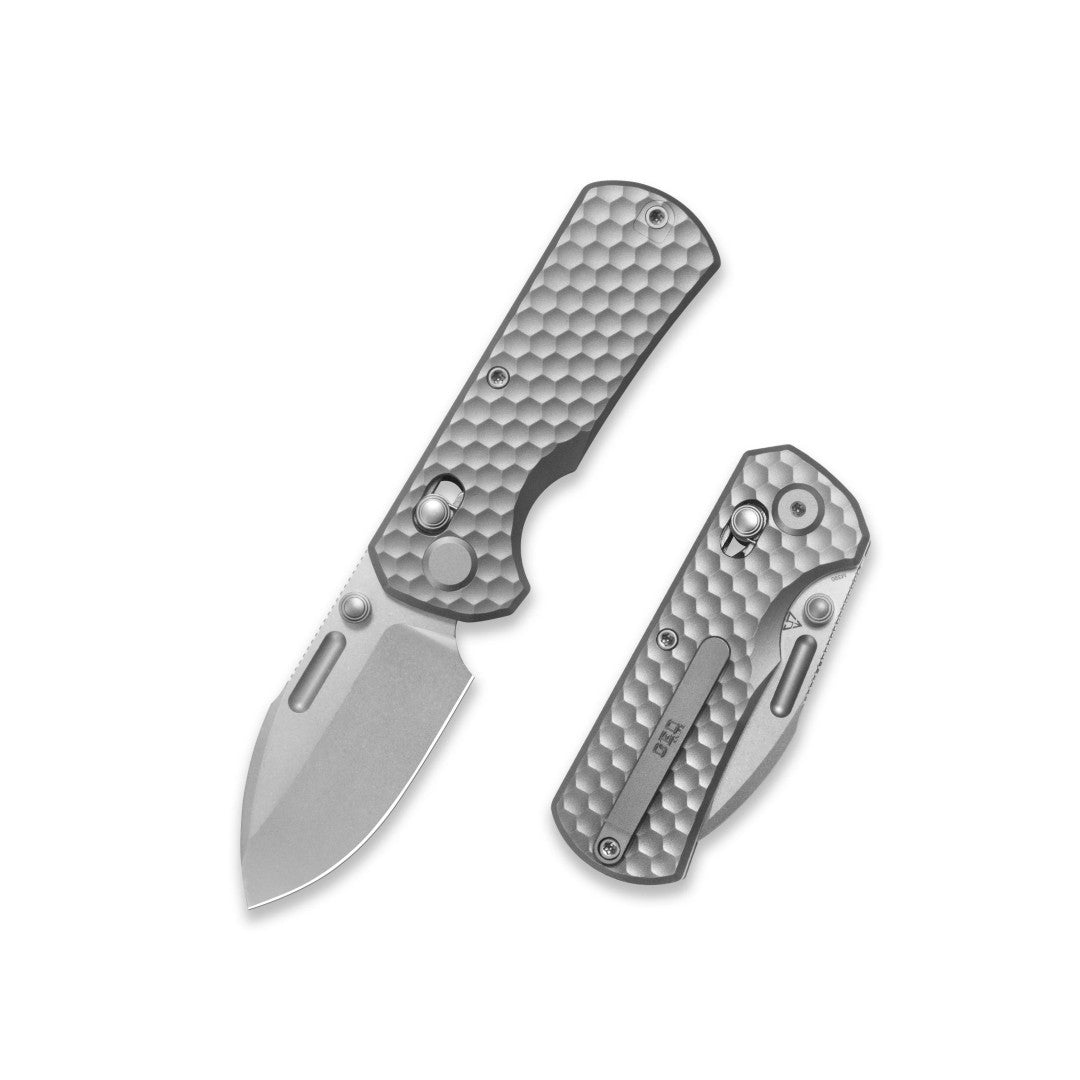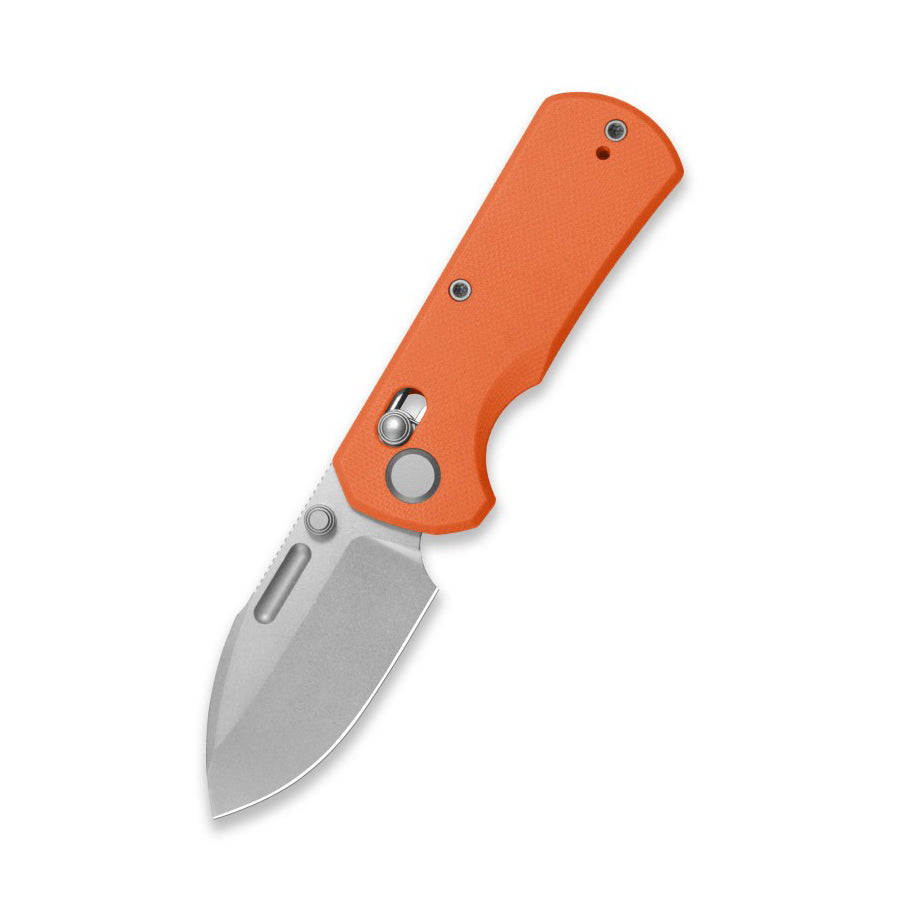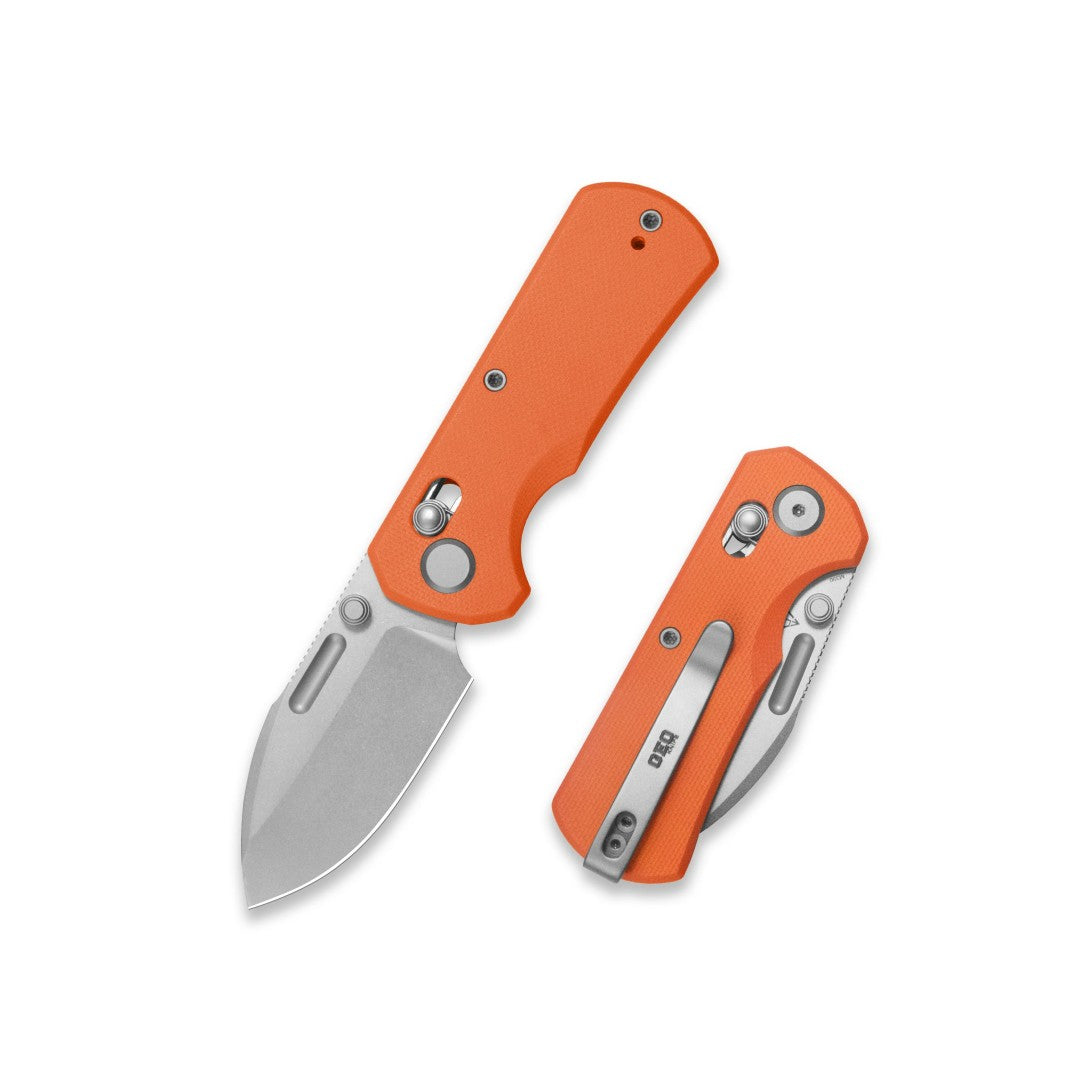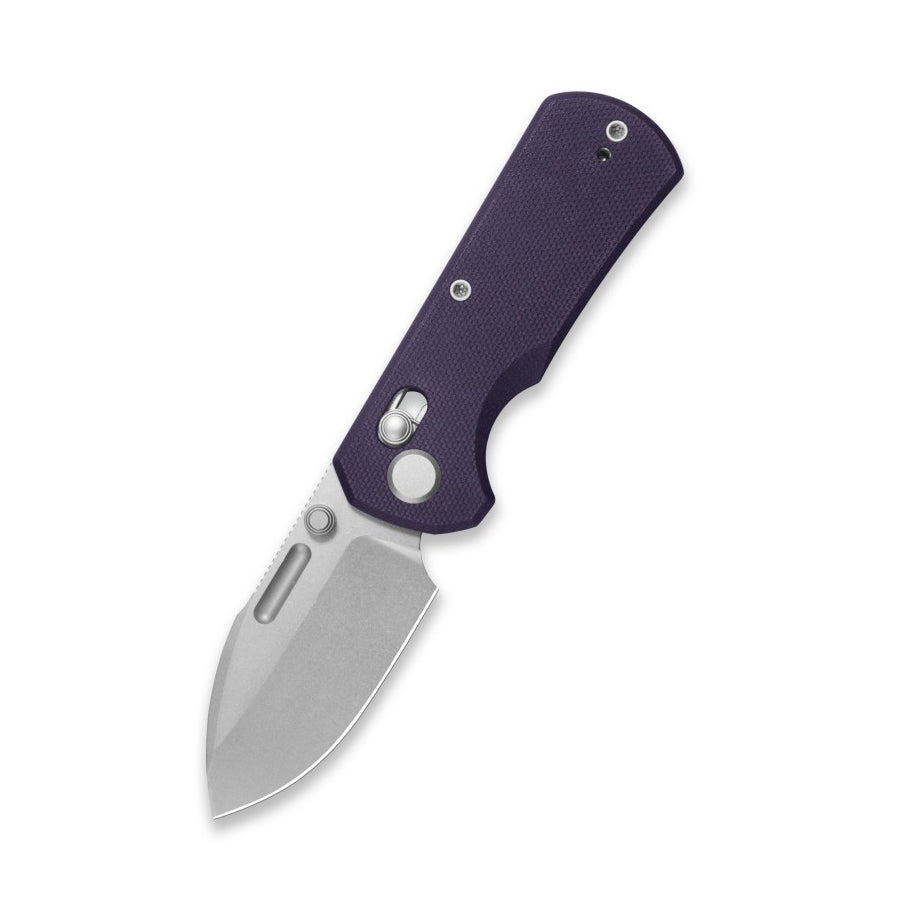

In the world of premium knife steels, most high-performance alloys strike a careful balance between hardness, toughness, and corrosion resistance. ZDP-189 ignores this balance entirely. Developed by Hitachi Metals Ltd. of Japan, this powder-metallurgy super steel prioritizes one property above all others: extreme hardness.
The result is a blade material that redefines expectations for edge retention—and challenges everything you thought you knew about sharpening. In this comprehensive guide, we will cover ZDP-189‘s composition, performance characteristics, strengths and limitations, comparisons to other premium steels, and best applications.
What Is ZDP-189 Steel?
ZDP-189 is a stainless powder-metallurgy (PM) tool steel manufactured by Hitachi Metals of Japan. It was developed for applications where ordinary steels fail too quickly and where only the highest levels of wear resistance and hardness will suffice.
What makes ZDP-189 truly unusual is its chemistry. Traditional knife steels contain roughly 0.6–1.2 percent carbon. ZDP-189 contains 3 percent carbon—three times the amount found in 1095 carbon steel and roughly five times that of many stainless steels. Without the benefits of powder metallurgy, such a high carbon content would make the steel brittle and impractical for knives. However, Hitachi’s advanced powder-metallurgy process atomizes the steel into fine particles and consolidates them under heat and pressure, creating an exceptionally uniform microstructure with finely distributed carbides. This breakthrough allows ZDP-189 to achieve extraordinary hardness while remaining usable as a blade material.
Chemical Composition
ZDP-189‘s extreme performance is rooted in its aggressive alloying recipe. The exact composition reported by Hitachi includes the following elements:
| Element | Percentage | Role |
|---|---|---|
| Carbon (C) | 3.00–3.20% | Extreme hardness and edge retention |
| Chromium (Cr) | 19.00–21.00% | Corrosion resistance and carbide formation |
| Molybdenum (Mo) | 1.30–1.70% | Hardness, strength, and wear resistance |
| Tungsten (W) | 0.60–1.00% | Adds hardness and wear resistance at high temperatures |
| Vanadium (V) | 0.10–0.30% | Forms fine carbides for wear resistance |
| Manganese (Mn) | ~0.50% | Grain refinement and toughness |
| Silicon (Si) | ~0.40% | Strength and deoxidation |
The 20% chromium content initially suggests full stainless performance. However, a significant portion of that chromium is locked into chromium carbides—hard particles that dramatically boost wear resistance but leave less free chromium to form the passive oxide layer that prevents rust. This means ZDP-189 does not behave like a carefree stainless steel despite its high chromium numbers.
Key Performance Properties
Hardness (HRC)
ZDP-189 is among the hardest blade steels available for production knives. Typical heat treatment yields 65–67 HRC, and some manufacturers have achieved up to 70 HRC through subzero quenching. Spyderco‘s production models using solid ZDP-189 are known to test around 64–66 HRC. This places ZDP-189 far above premium steels like S30V (58–60 HRC), M390 (60–62 HRC), and even Maxamet (67–70 HRC in its hardest forms).
For comparison, a standard kitchen knife at 58 HRC will dull noticeably after a week of home use. A ZDP-189 blade at 66 HRC may stay sharp for months or even a year under the same conditions.
Edge Retention
Edge retention is where ZDP-189 truly dominates. In CATRA testing, ZDP-189 scores in the same elite range as CPM S90V, one of the most wear-resistant steels ever produced. In practical terms, this means a ZDP-189 blade continues cutting long after VG-10, AUS-8, or 440C have dulled completely. When the micro-edge eventually wears down from cutting, the hard chromium-carbide particles embedded in the steel matrix become exposed, creating a “working edge” that remains sharp enough to continue cutting effectively.
Wear Resistance
With its dense network of chromium, molybdenum, and tungsten carbides, ZDP-189 offers exceptional wear resistance. The steel is engineered for applications involving highly abrasive materials—rope, cardboard, composites, and dense food products. For users who cut these materials daily, ZDP-189‘s wear resistance translates directly into dramatically reduced sharpening frequency.
Toughness
Toughness is ZDP-189‘s most significant trade-off. At 65–67 HRC, the steel is prone to micro-chipping when subjected to impact, lateral stress, or contact with hard objects like bone, staples, or frozen food. Users have reported that ZDP-189 chips rather than rolls when hitting hard materials—a behavior common to very hard, high-carbide steels. This does not mean ZDP-189 is unusable; rather, it demands a disciplined approach to cutting and careful avoidance of tasks involving prying, twisting, or unexpected hard impacts.
Corrosion Resistance
The relationship between ZDP-189‘s chromium content and its actual corrosion resistance is counterintuitive. Despite containing 20% chromium, ZDP-189 is not a true stainless steel in the way that VG-10 or 440C are. Most of the chromium is tied up in hard carbides rather than remaining free to form a protective passive layer. The result is corrosion resistance that falls somewhere between carbon tool steel (which rusts readily) and full stainless steel.
In practice, a ZDP-189 blade resists rust better than high-carbon tool steels like O1 or 1095 but is significantly less corrosion-resistant than VG-10 or S30V. Owners should clean and dry ZDP-189 blades thoroughly after use and consider a light coat of oil for storage in humid environments.
Ease of Sharpening
ZDP-189 is notoriously difficult to sharpen for users accustomed to softer steels. Its extreme hardness and dense carbide structure resist abrasion—the same property that gives it superb edge retention also makes it resistant to sharpening.
However, experienced users note that while ZDP-189 takes longer to sharpen than most steels, it also produces minimal burring and deburrs very cleanly. The consensus among sharpening enthusiasts is that diamond stones are strongly recommended for ZDP-189, though ceramic stones can work with patience and proper technique.
ZDP-189 vs. Other Premium Steels
ZDP-189 vs. M390
Both are powder-metallurgy stainless steels, but their priorities differ dramatically. M390 reaches 60–62 HRC and offers excellent corrosion resistance and good toughness. ZDP-189 reaches 65–67 HRC with superior edge retention but significantly lower toughness and corrosion resistance. For users who prioritize extreme hardness and wear resistance above all else, ZDP-189 is the winner. For balanced performance, M390 is generally the better choice.
ZDP-189 vs. HAP40
Both come from Hitachi, but their compositions differ significantly. HAP40 contains 1.3% carbon, 4% chromium, 5% molybdenum, and 3% vanadium. ZDP-189‘s edge retention is remarkable, and it can take a keen edge more easily than HAP40, though HAP40 retains its edge slightly longer in some tests. Neither is a carefree steel; both demand proper care and maintenance.
ZDP-189 vs. S90V
These two steels are often compared, and both perform in the same elite category for edge retention. Some users report that S90V holds up better in their personal use, while others prefer ZDP-189‘s sharpening behavior. S90V is more corrosion-resistant due to its higher free-chromium content, while ZDP-189 offers slightly higher potential hardness.
Best Applications for ZDP-189 Steel
Professional Kitchen Knives
ZDP-189 is widely regarded as one of the best kitchen knife steels for professional chefs who need a blade that stays sharp through marathon prep sessions. Japanese manufacturers like Sukenari produce gyutos, santokus, and sujihikis with ZDP-189 cores, often laminating the steel between layers of softer stainless steel to improve toughness and corrosion resistance.
Everyday Carry (EDC) Folding Knives
Spyderco has been the primary champion of ZDP-189 in the US folding knife market, producing limited and sprint-run versions of their Delica, Endura, Dragonfly, and Stretch models in this premium steel. These knives appeal to enthusiasts who value edge retention above all other properties.
Precision Slicing Applications
ZDP-189 is best suited for slicing tasks where the blade moves through material in straight, controlled cuts—slicing fish for sashimi, portioning meat, cutting rope, or breaking down cardboard. It is not suitable for chopping, batoning, prying, or any task that involves impact or lateral stress.
How to Care for and Sharpen ZDP-189 Steel
Maintenance
Due to ZDP-189‘s limited corrosion resistance, proper maintenance is essential:
-
Clean and dry immediately after each use—never leave the blade wet
-
Avoid prolonged contact with acidic foods like citrus, tomatoes, and onions
-
Apply a light coat of mineral oil before storage in humid environments
-
Do not wash in a dishwasher—hand-wash only with mild soap and warm water
-
Use appropriate cutting boards—wood or soft plastic only; never glass, stone, or ceramic
Sharpening
Sharpening ZDP-189 requires patience and the right tools:
-
Diamond stones are strongly recommended for efficient material removal
-
Ceramic stones will work but require significantly more time and pressure
-
Start with a medium diamond stone (400–600 grit) to raise a burr, then progress to fine diamond (800–1200 grit) and finish with a ceramic stone or diamond-loaded strop
-
Maintain a consistent angle—most ZDP-189 blades perform well with a 15–20 degree edge angle per side
-
Regular stropping between full sharpening sessions helps maintain the edge and reduces the need for frequent reprofiling
-
Be patient—reprofiling ZDP-189 takes considerably longer than softer steels, but once a sharp edge is established, it will hold for an exceptionally long time
Pros and Cons Summary
Pros
-
Extreme hardness – 65–67 HRC, among the highest of any production knife steel
-
Superior edge retention – Outperforms VG-10, 154CM, and most premium stainless steels
-
Excellent wear resistance – Dense carbide network resists abrasion from tough materials
-
Takes a keen edge – Fine microstructure allows for exceptionally sharp edges
-
Minimal burring during sharpening – Deburrs cleanly compared to many steels
Cons
-
Low toughness – Prone to micro-chipping under impact or lateral stress
-
Limited corrosion resistance – Despite 20% chromium, not a carefree stainless steel
-
Very difficult to sharpen – Diamond stones are strongly recommended
-
High cost – ZDP-189 knives command premium prices, reportedly about 20 times the cost of VG-10
-
Requires careful use – Not suitable for chopping, prying, or hard-use applications
-
Limited availability – Only a few manufacturers produce knives in this steel
Frequently Asked Questions
Is ZDP-189 steel stainless? Partially. Despite containing 20% chromium, most of that chromium is locked in carbides rather than forming a protective passive layer. ZDP-189 is more corrosion-resistant than carbon tool steels but less corrosion-resistant than true stainless steels like VG-10 or 440C. Regular cleaning, drying, and occasional oiling are recommended.
Is ZDP-189 good for kitchen knives? Yes, for professional chefs and serious home cooks who prioritize edge retention. However, ZDP-189 kitchen knives should be used only for slicing and soft cutting—never for chopping bone, frozen food, or hard materials, as the blade can chip.
How hard is ZDP-189 steel? ZDP-189 typically reaches 65–67 HRC in production knives, making it one of the hardest blade steels available. Some manufacturers achieve up to 70 HRC through subzero quenching, though this extreme hardness is not always preferred due to brittleness concerns.
What brands use ZDP-189 steel? Spyderco is the most prominent manufacturer using ZDP-189 in folding knives, producing Delica, Endura, Dragonfly, Stretch, and Caly models in this steel. Sukenari produces ZDP-189 kitchen knives, and Zwilling distributes ZDP-189 under the name MC66.
Can ZDP-189 be sharpened without diamond stones? Yes, but it will be significantly more difficult and time-consuming. Ceramic stones will work with patience, and some users report success with water stones. However, diamond stones are strongly recommended for efficient sharpening.
Final Verdict
ZDP-189 is not a steel for casual users. It is not a steel for those who want a low-maintenance blade that can be abused and forgotten. It is not a steel for chopping, prying, or batoning.
ZDP-189 is a specialist‘s steel—a material designed for users who demand the absolute maximum in edge retention and are willing to accept significant trade-offs in toughness, corrosion resistance, and ease of sharpening. For professional chefs who cut for hours each day and want a blade that stays sharp through an entire shift, ZDP-189 delivers. For knife enthusiasts who appreciate the engineering achievement of extreme hardness and enjoy the challenge of mastering a difficult steel, ZDP-189 offers a unique and rewarding ownership experience.
For the average user, ZDP-189 is almost certainly overkill. Most people will never push it hard enough to see what it can truly do, though they may appreciate having a knife they only need to sharpen every few months. But for those who understand its limitations and respect its capabilities, ZDP-189 remains one of the most impressive blade steels ever produced—a true super steel that redefines what a knife edge can achieve.