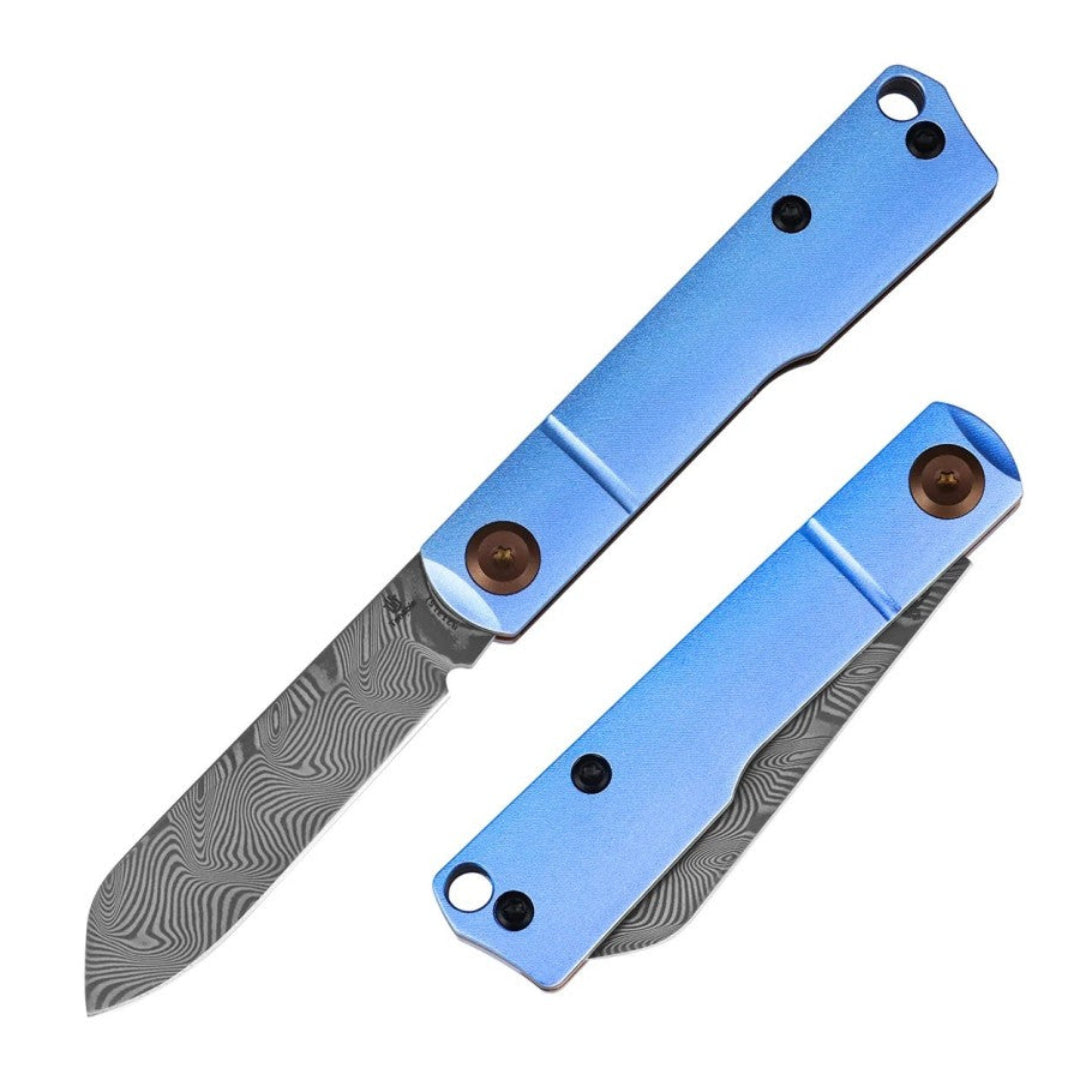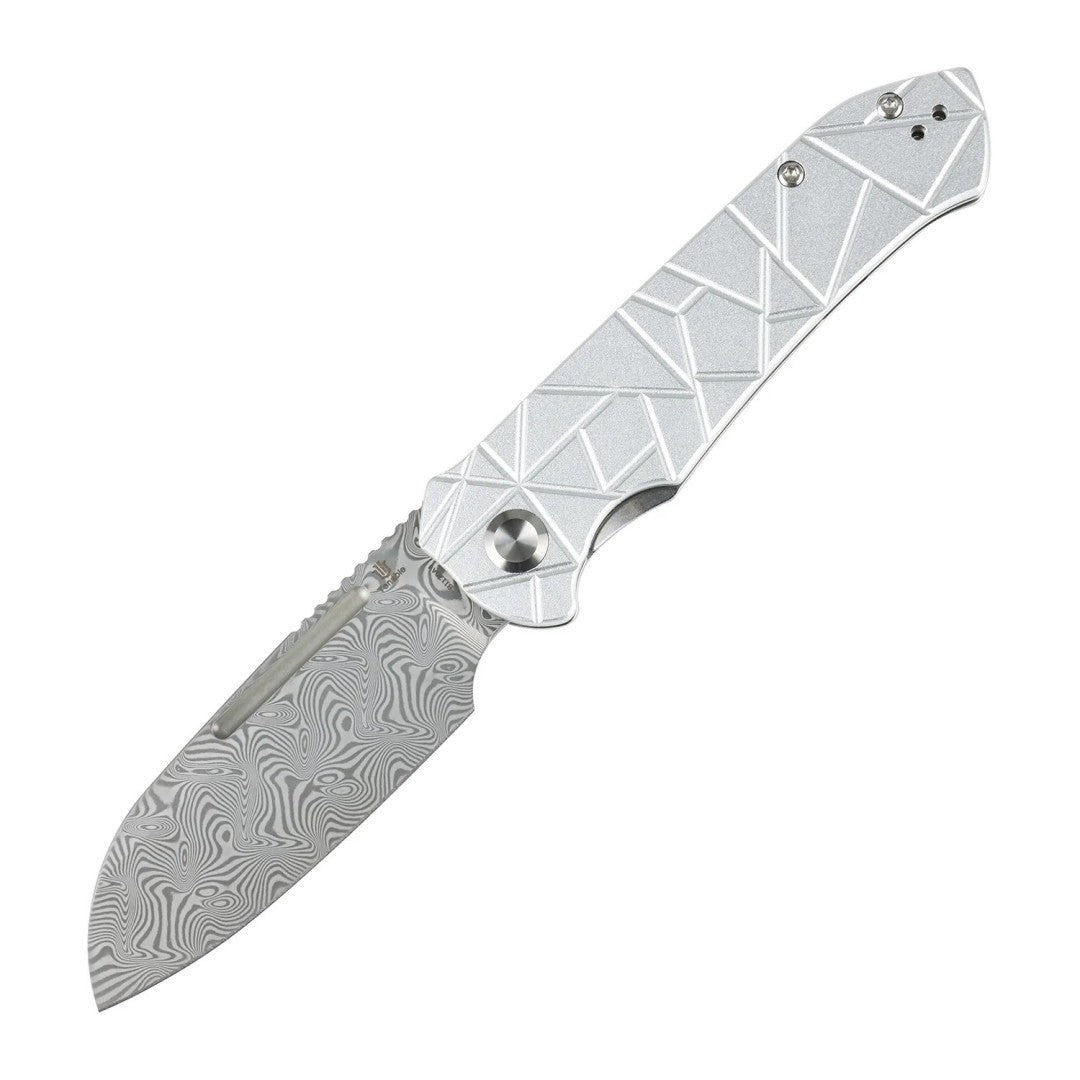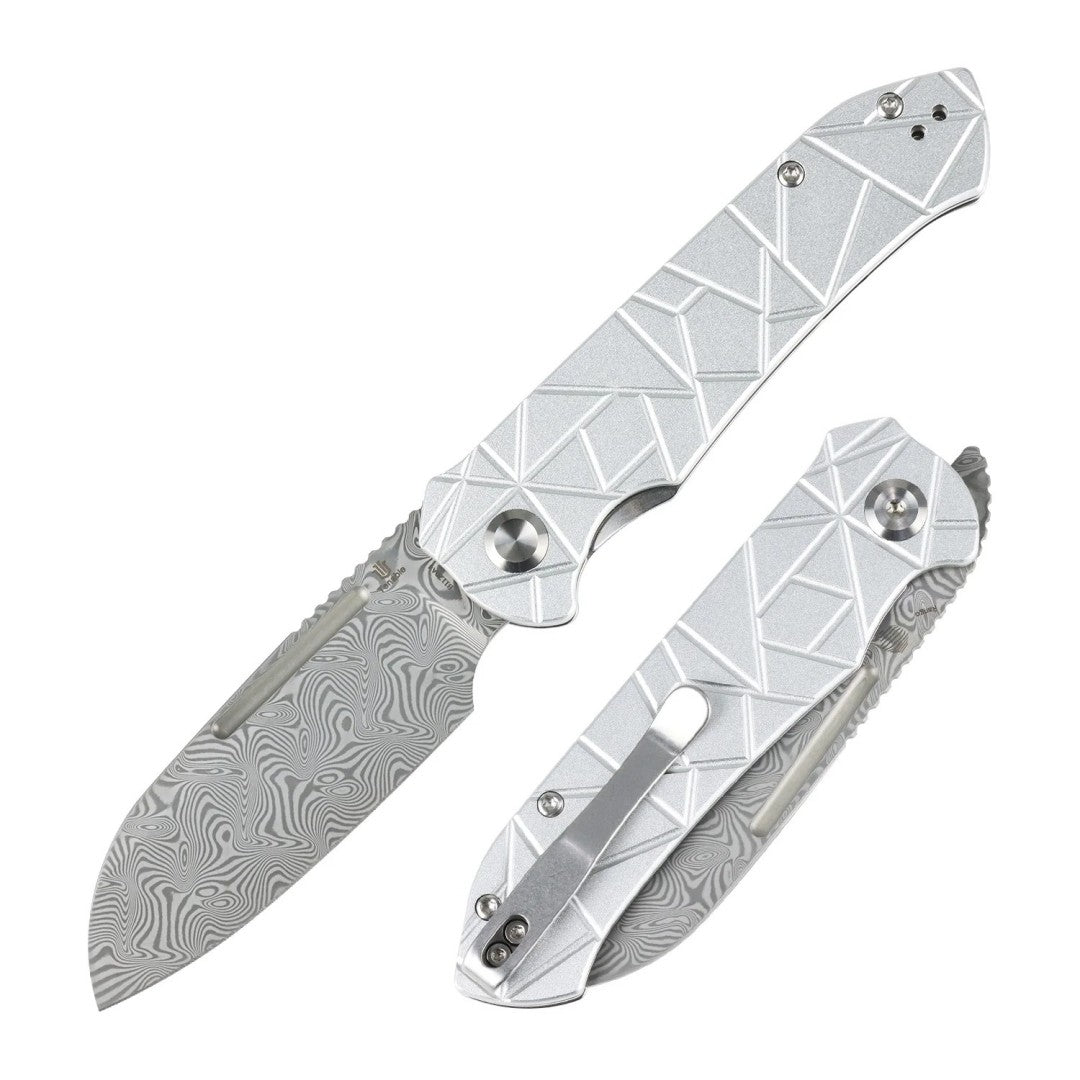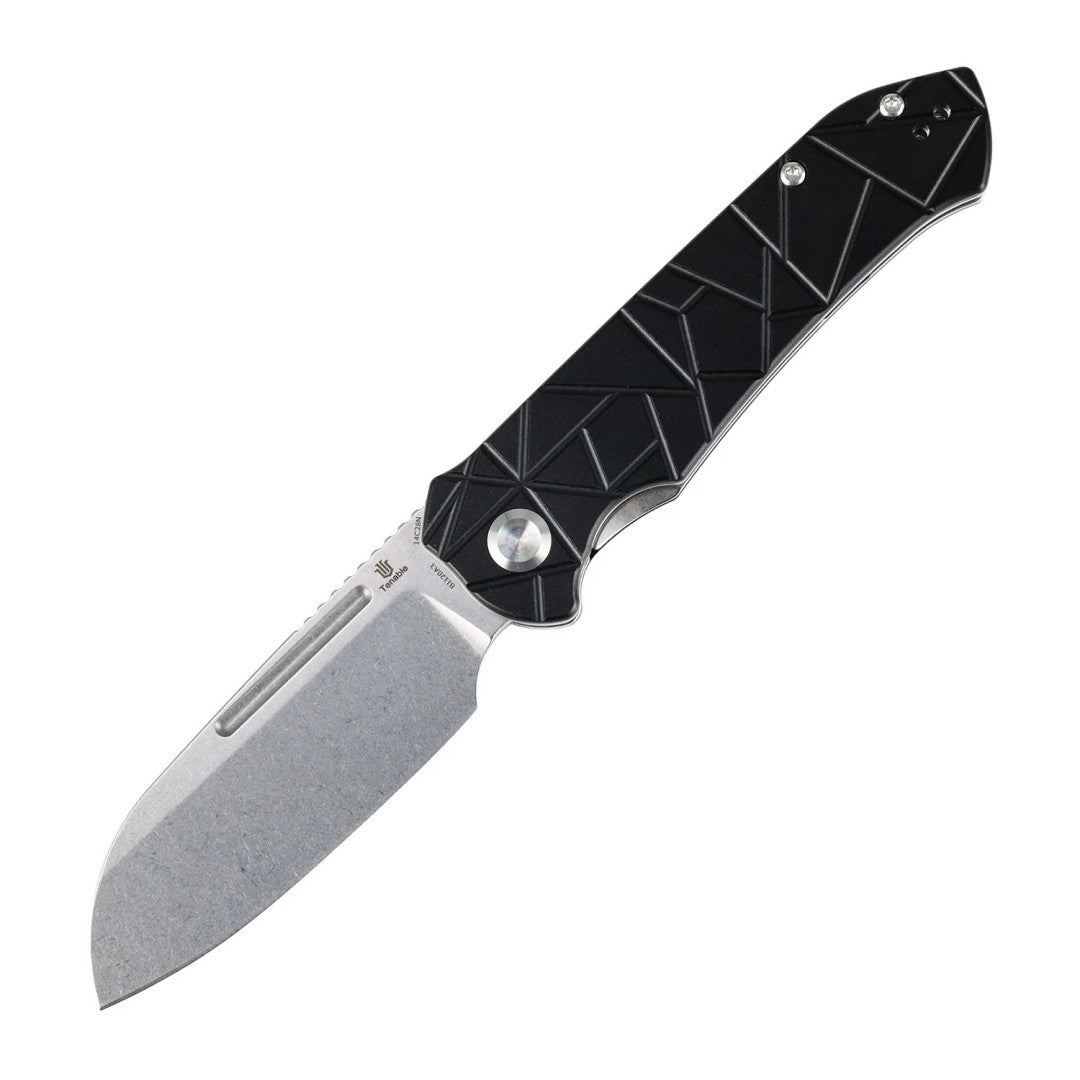
When designing a world-class pocket knife, every manufacturing choice is a delicate balancing act. A brand must carefully weigh cost against durability, and cutting efficiency against user maintenance. For the highly acclaimed QSP Nebula, the engineering team at QSP faced a critical decision: which alloy could match the knife's stunning, cosmic aesthetics while ensuring it survived the punishing demands of daily EDC use?
The answer was found in Sweden, inside the specialized metallurgy labs of Sandvik. By bypassing common budget options and choosing premium 14C28N stainless steel, QSP created a folder that works just as beautifully as it looks.
Let's pull back the curtain on the metallurgy and design philosophy to understand exactly why this specific steel was chosen for the Nebula series.

The Nitrogen Advantage: Engineering a Specialized Knife Steel
To understand why this choice matters, you have to look at how steel is made. Most industrial steels used in budget knives were originally invented for injection molds, structural beams, or kitchen appliances. Sandvik 14C28N, however, was engineered specifically for high-performance knife blades.
| Element | Purpose in the Nebula Blade |
| Carbon | Increases core hardness and basic wear resistance |
| Chromium | Provides high-level corrosion defense and stainless properties |
| Nitrogen | Boosts hardness and edge stability without increasing brittleness |
By adding nitrogen to the chemical matrix, Sandvik allows the steel to achieve excellent structural hardness. This chemical trick allows the Nebula to hold a razor-sharp edge for a long time, while completely avoiding the brittle, easy-to-chip nature of traditional high-carbon tool steels.
Overcoming the Common Weaknesses of D2 Steel
In the sub-$100 premium knife market, many manufacturers default to using D2 tool steel. While D2 is a decent budget choice for edge retention, it has two massive flaws that would ruin the user experience of a premium folder like the Nebula: it rusts easily and is notoriously difficult to sharpen.
Because daily carry gear is constantly exposed to pocket moisture, ambient humidity, and fruit acids, a semi-stainless steel like D2 will quickly develop ugly brown rust spots. Sandvik’s alloy offers incredible corrosion resistance, ensuring that the Nebula's jaw-dropping, mirror-polished finish stays pristine and shiny with almost zero maintenance.
Furthermore, when D2 eventually goes dull, it requires advanced diamond sharpening stones and hours of exhausting work to restore. The 14C28N choice solves this entirely, offering an optimized grain structure that lets users quickly restore a hair-shaving edge using basic strops or simple ceramic rods.

Maximizing the Beauty of the Mirror Polish
The choice of blade material was also deeply tied to the Nebula's signature visual feature: its stunning mirror-polished blade finish.
Cheaper steels with coarse, uneven micro-structures cannot take a true mirror polish; they tend to look cloudy, hazy, or scratched when buffed. Due to the incredibly clean and fine grain structure of the Swedish alloy, the steel can be buffed to a completely flawless, liquid-like mirror reflection. This creates a spectacular, high-end contrast against the knife's artistic mesh resin or natural abalone handles, transforming a standard pocket tool into a genuine piece of functional pocket art.
Supporting a Butter-Smooth Deployment Action
A high-performance blade needs a reliable frame and mechanism to support it. Every time you pull back on the snappy flipper tab, the blade rotates on a caged ceramic ball-bearing pivot before locking into place with a robust liner lock mechanism.
Because Sandvik’s steel is highly stable and uniform, the pivot hole can be machined with incredibly tight tolerances. This precision engineering eliminates any gritty friction or blade play, allowing the knife to fire open with a satisfying, metallic click and drop shut smoothly with a gentle shake.

The Final Verdict: A Deliberate Choice for the Modern Enthusiast
Ultimately, QSP selected Sandvik 14C28N for the Nebula because they refused to make excuses for underperforming hardware. They wanted an alloy that combined real-world edge retention, high impact toughness, and effortless rust resistance into a single package. By pairing this premium Swedish steel with custom-tier handle materials and an incredibly smooth bearing action, the Nebula stands out as a true masterpiece of value and performance.