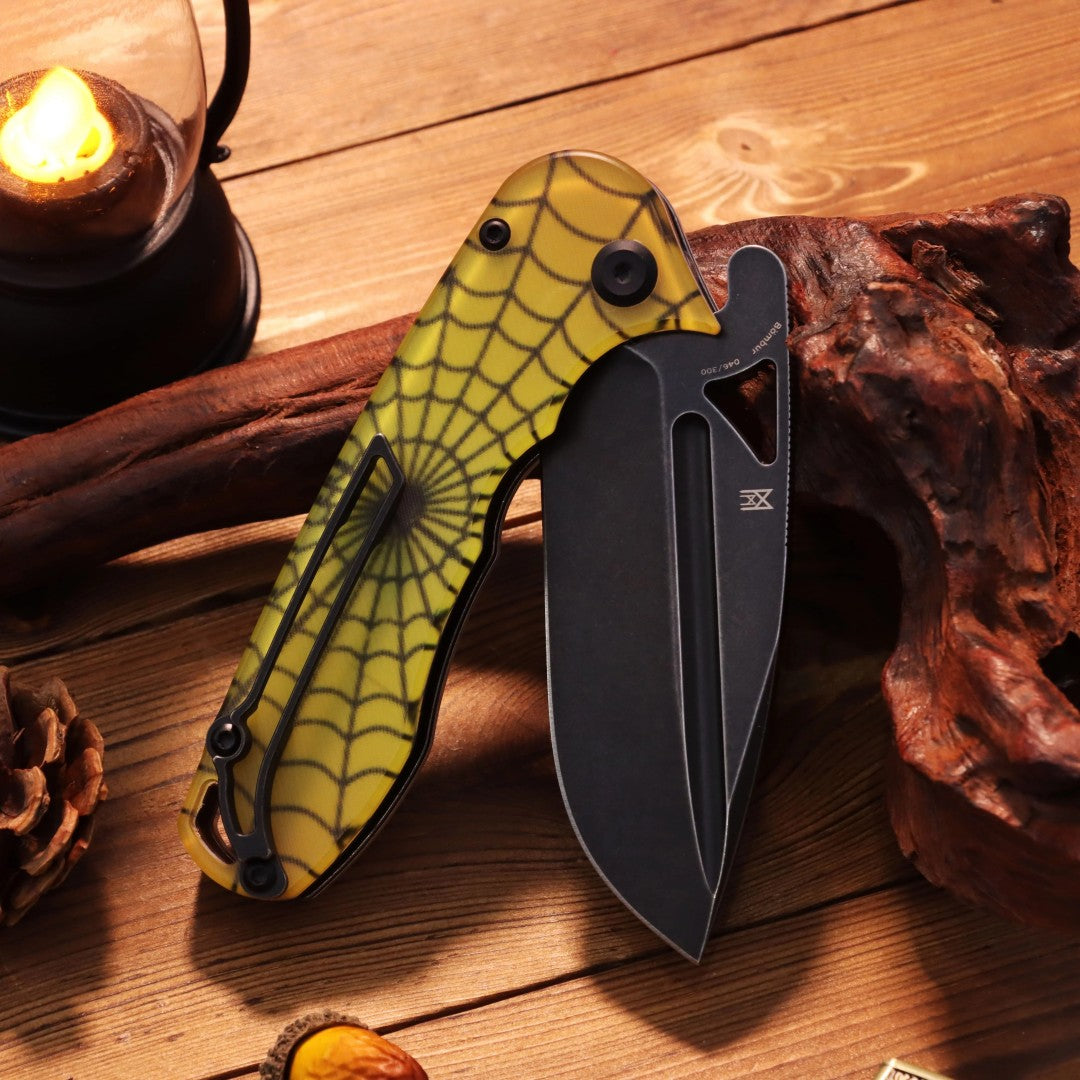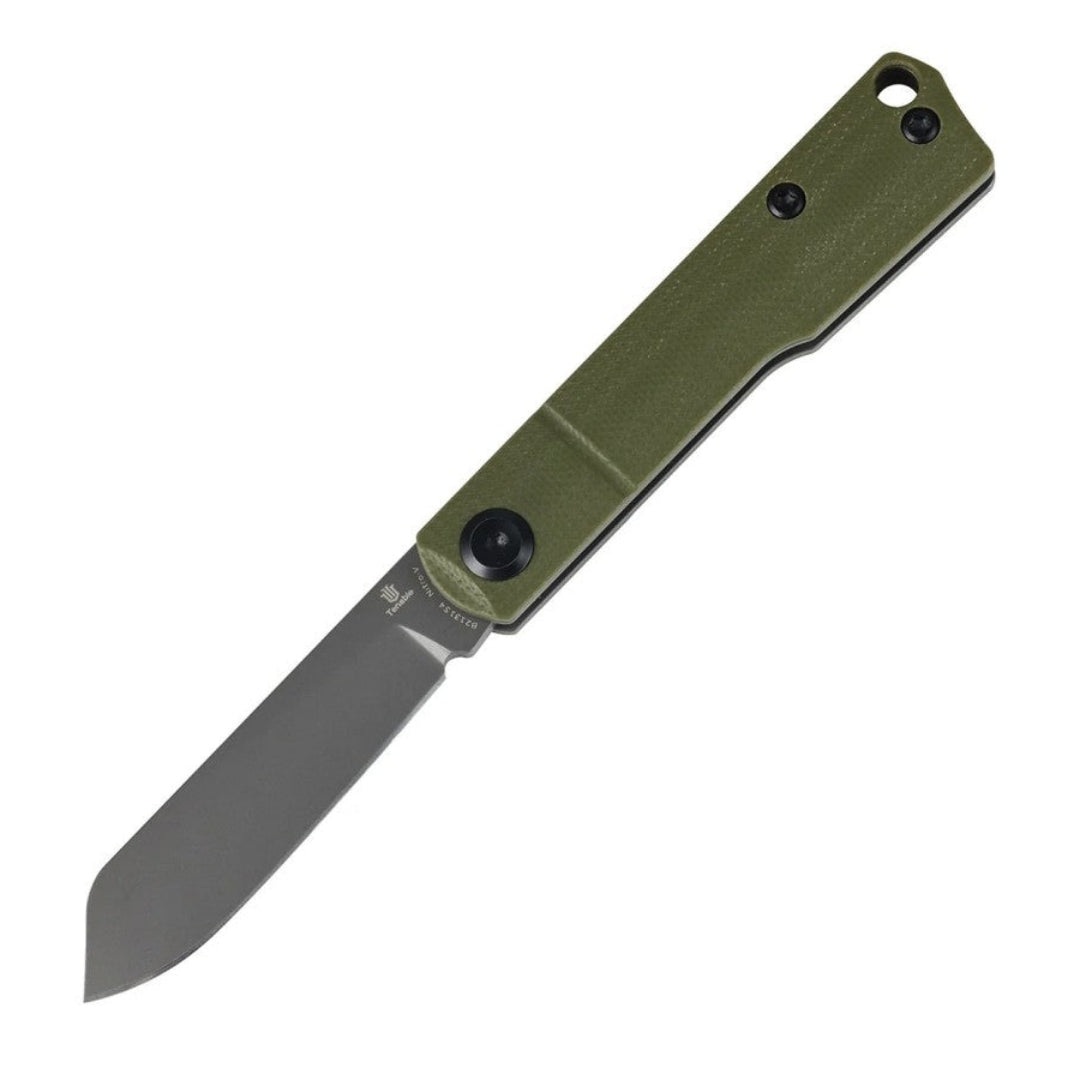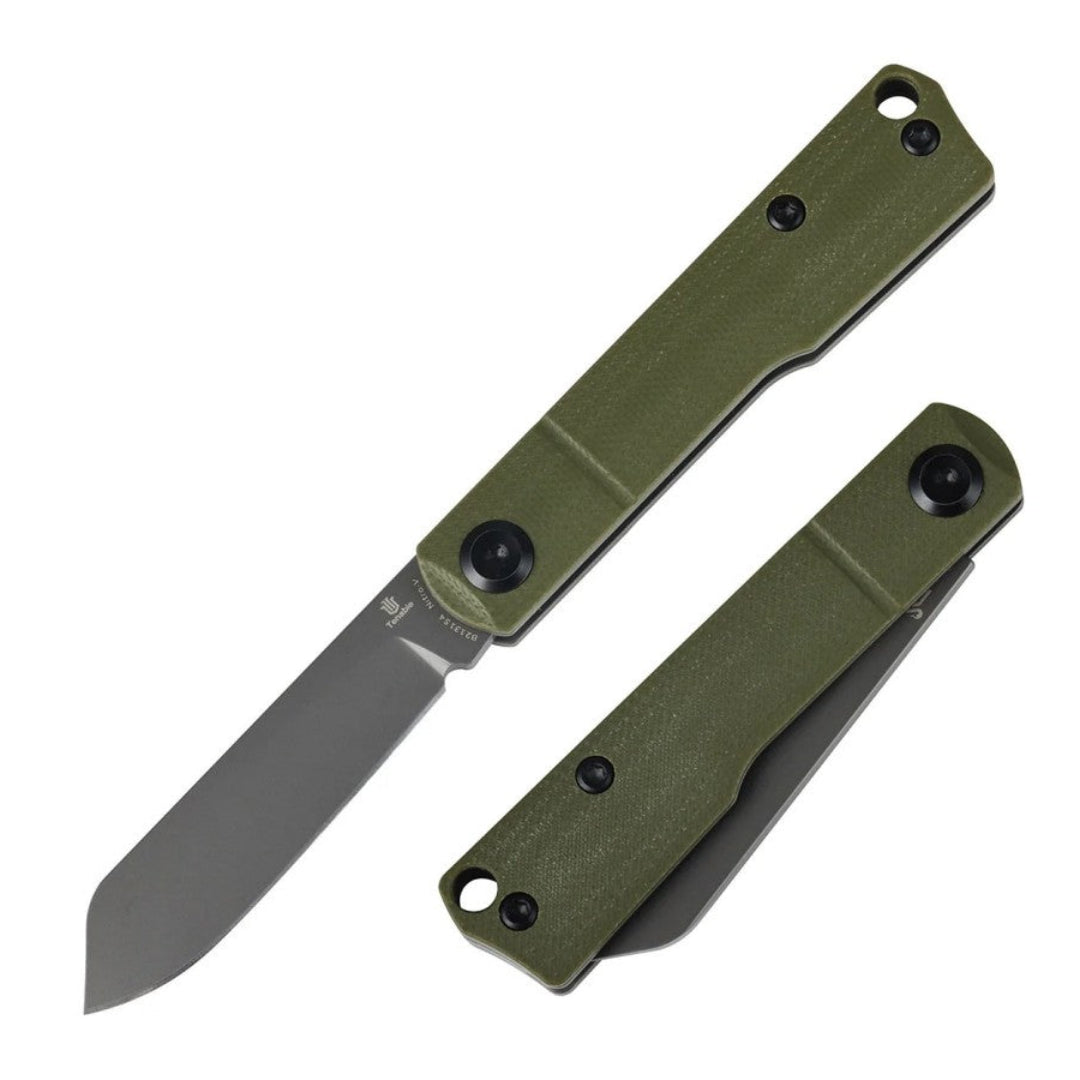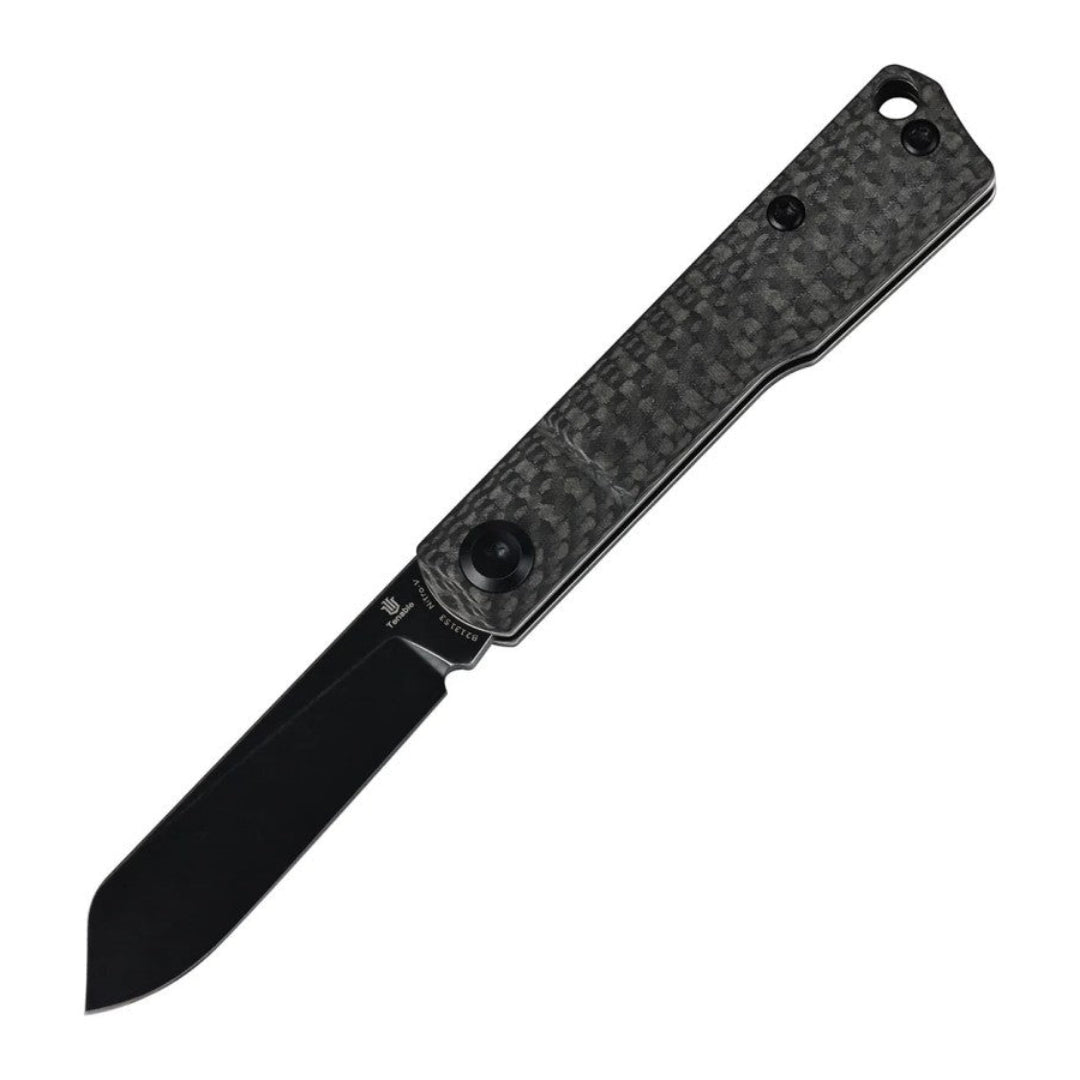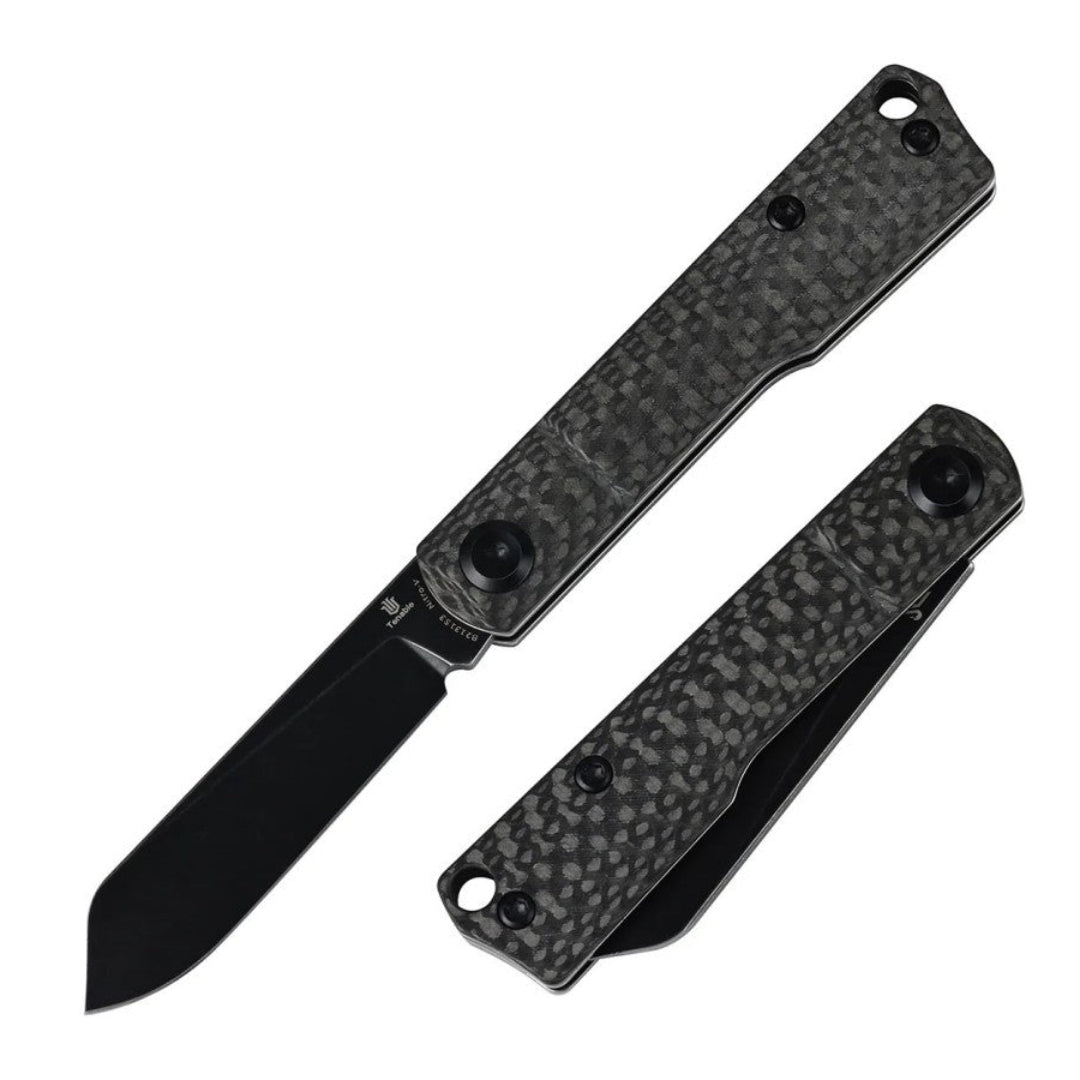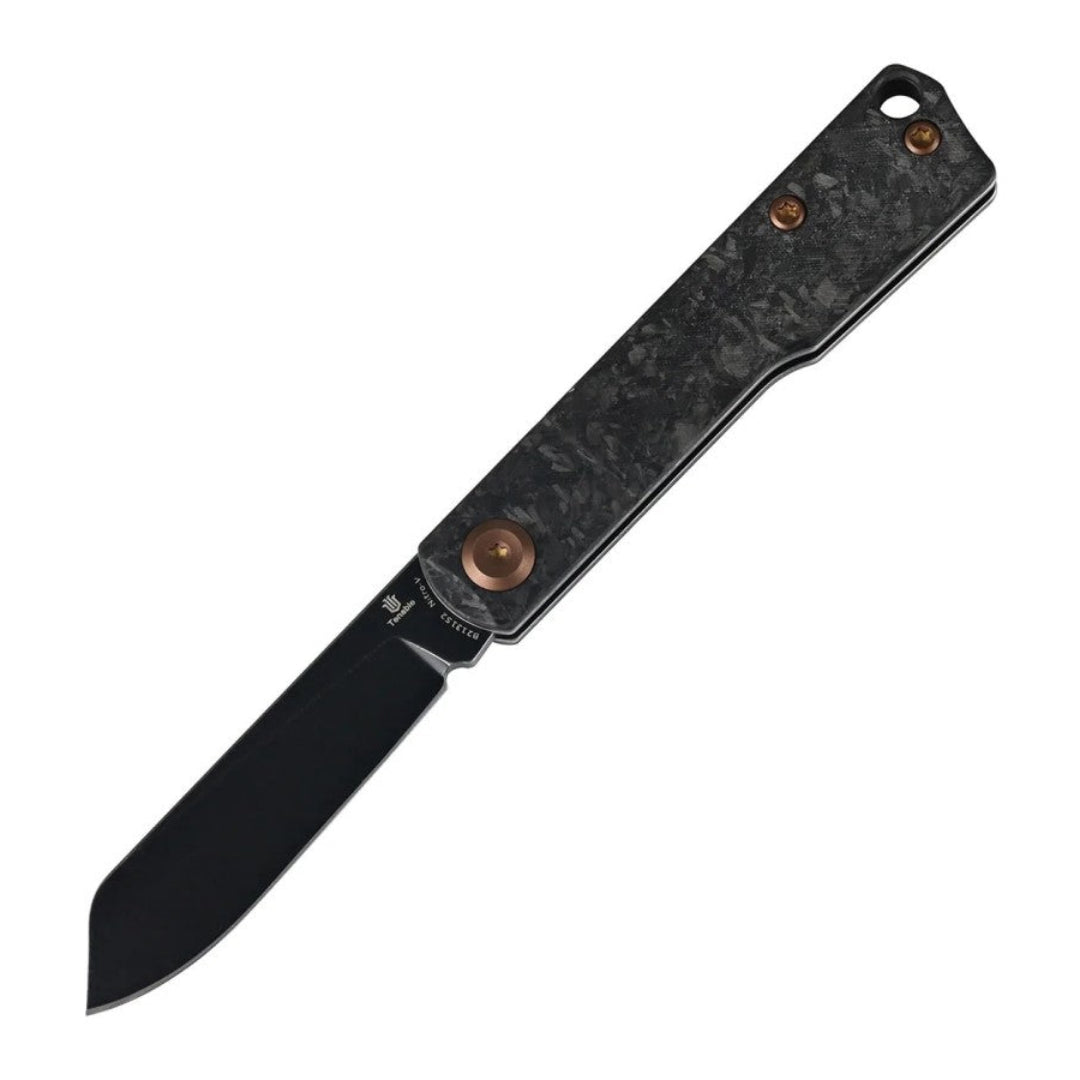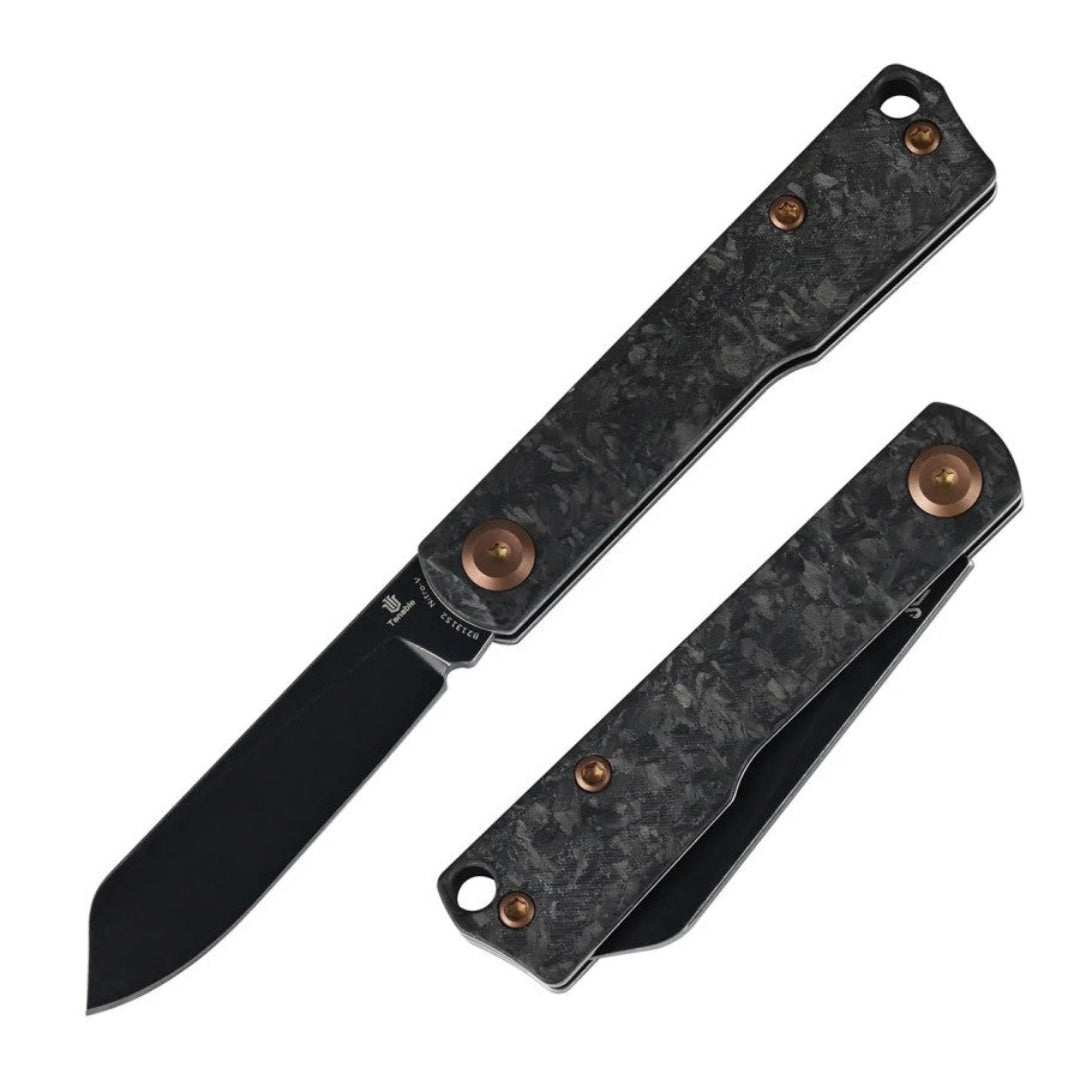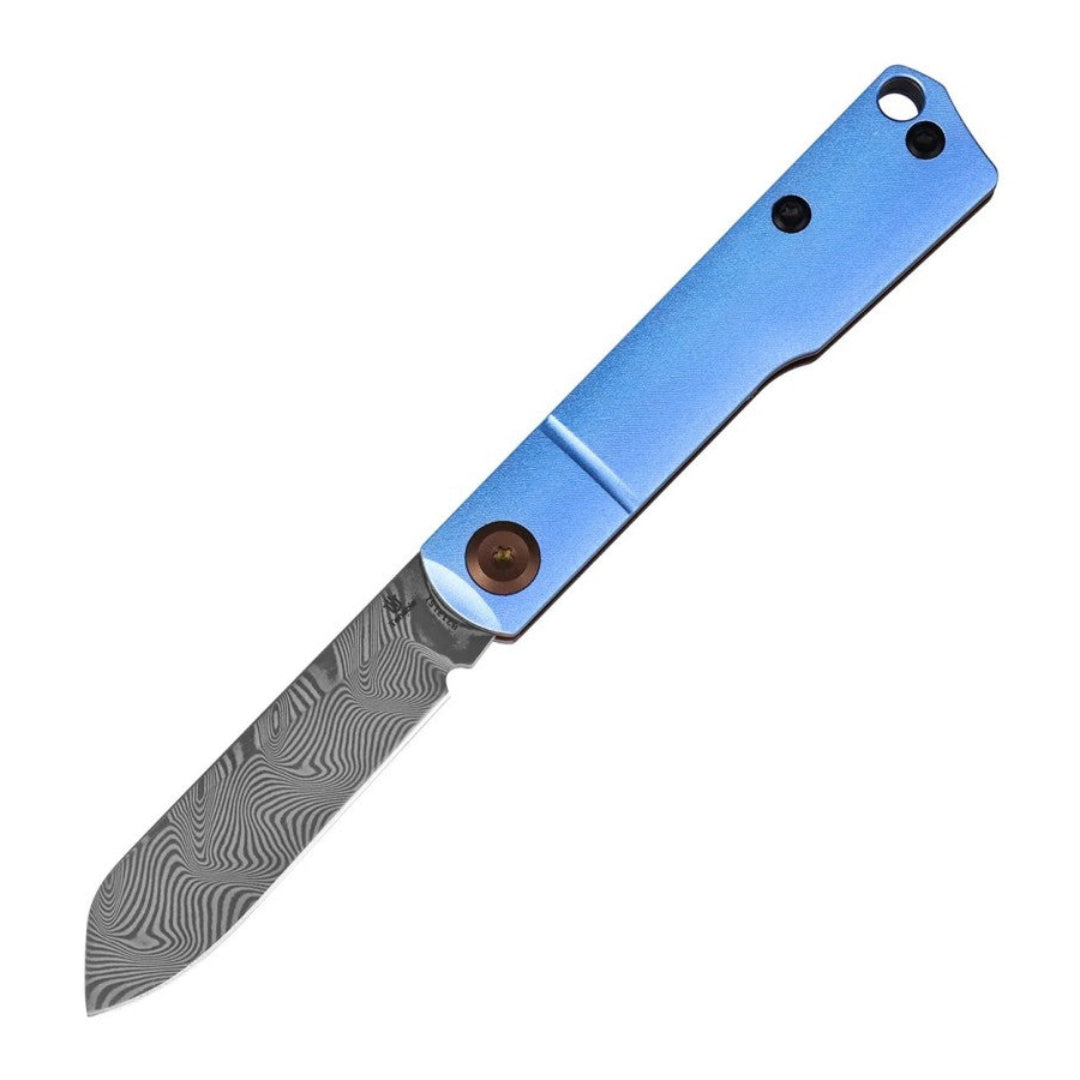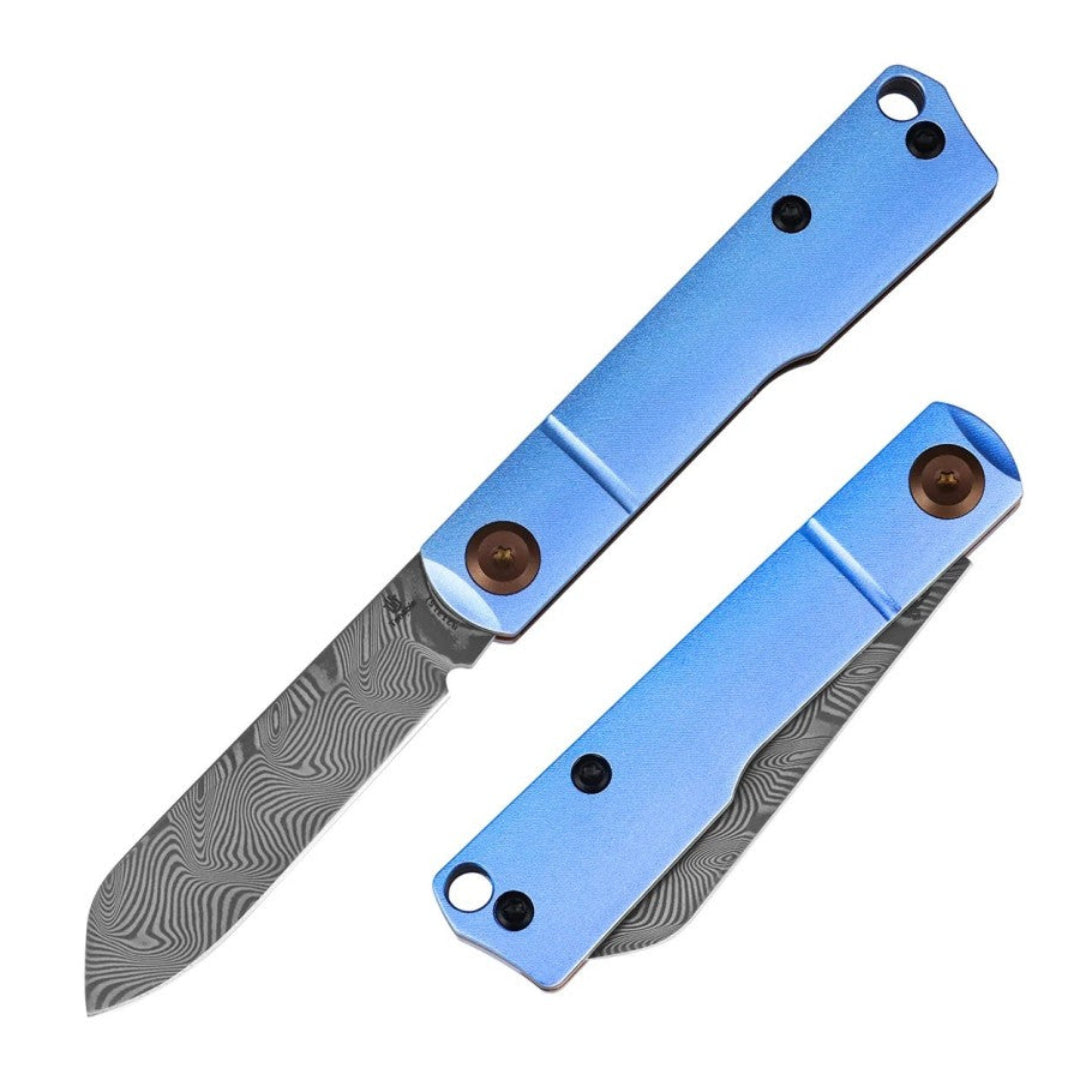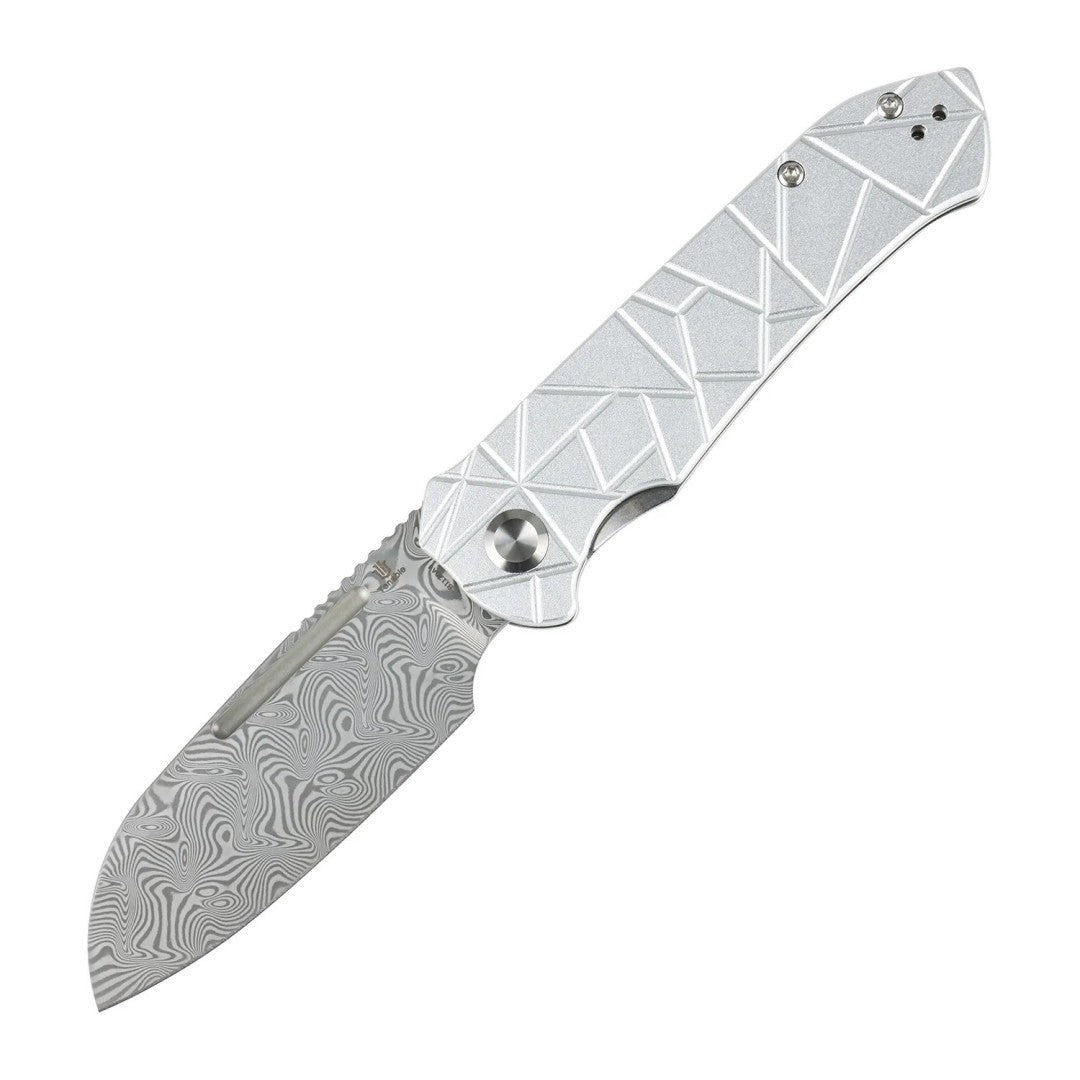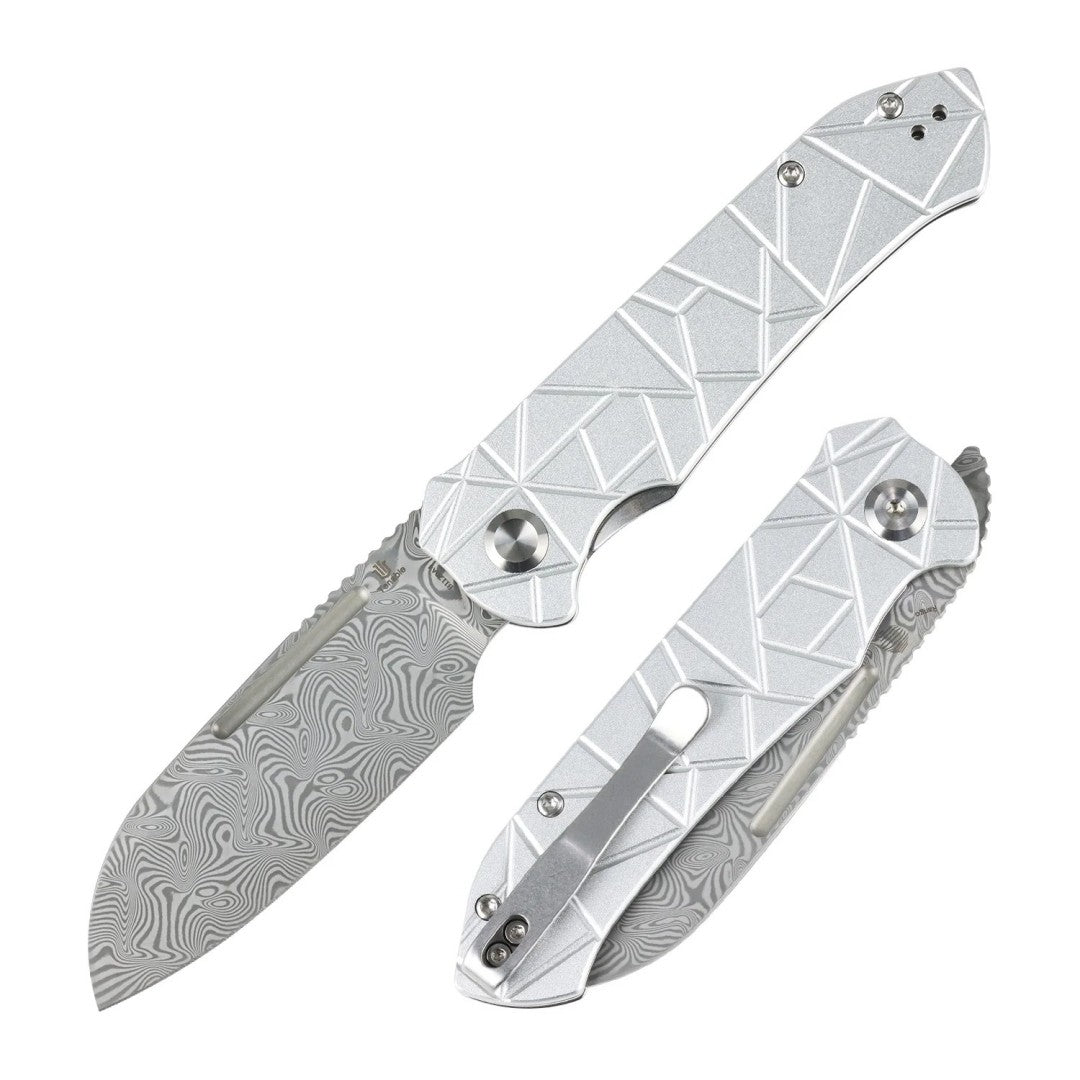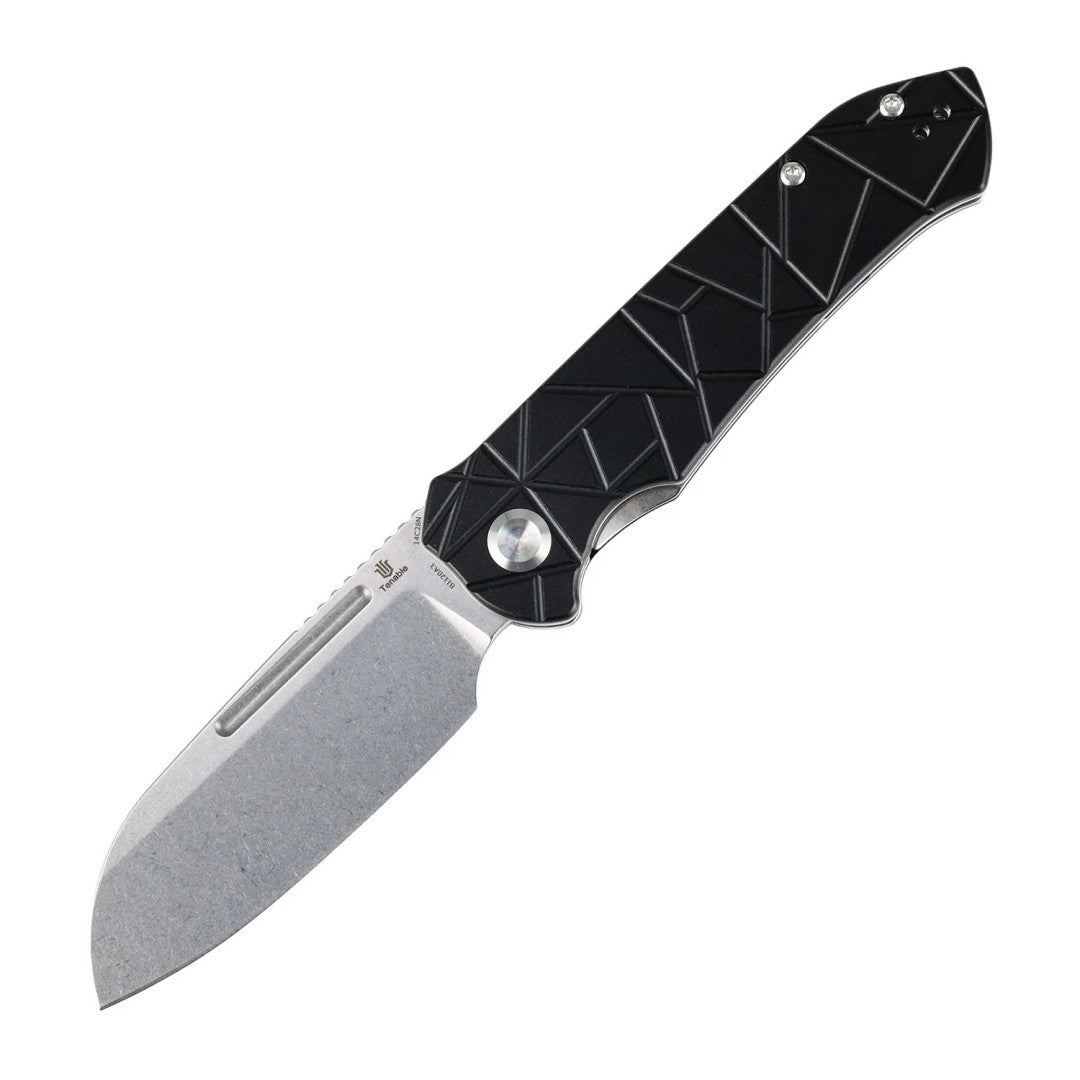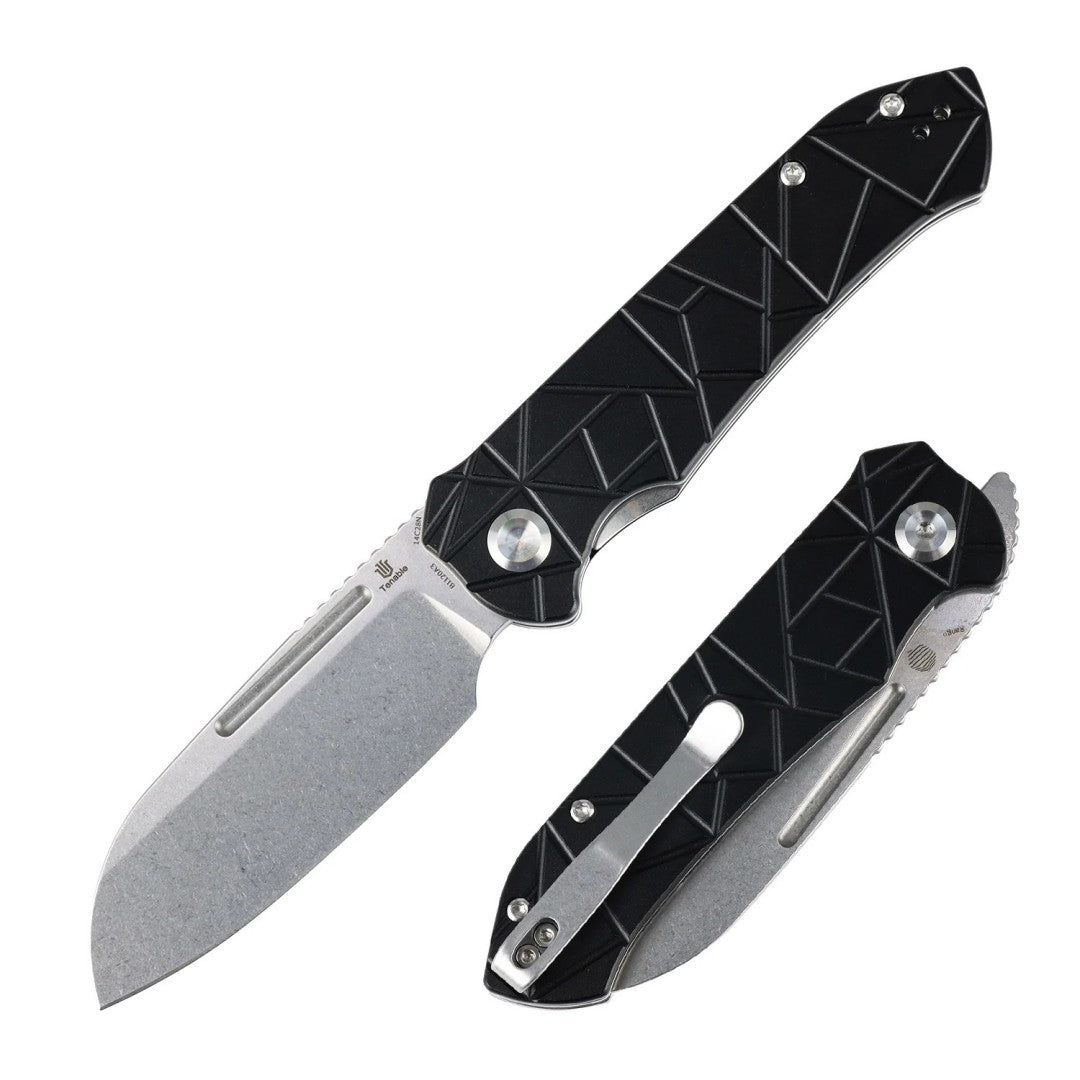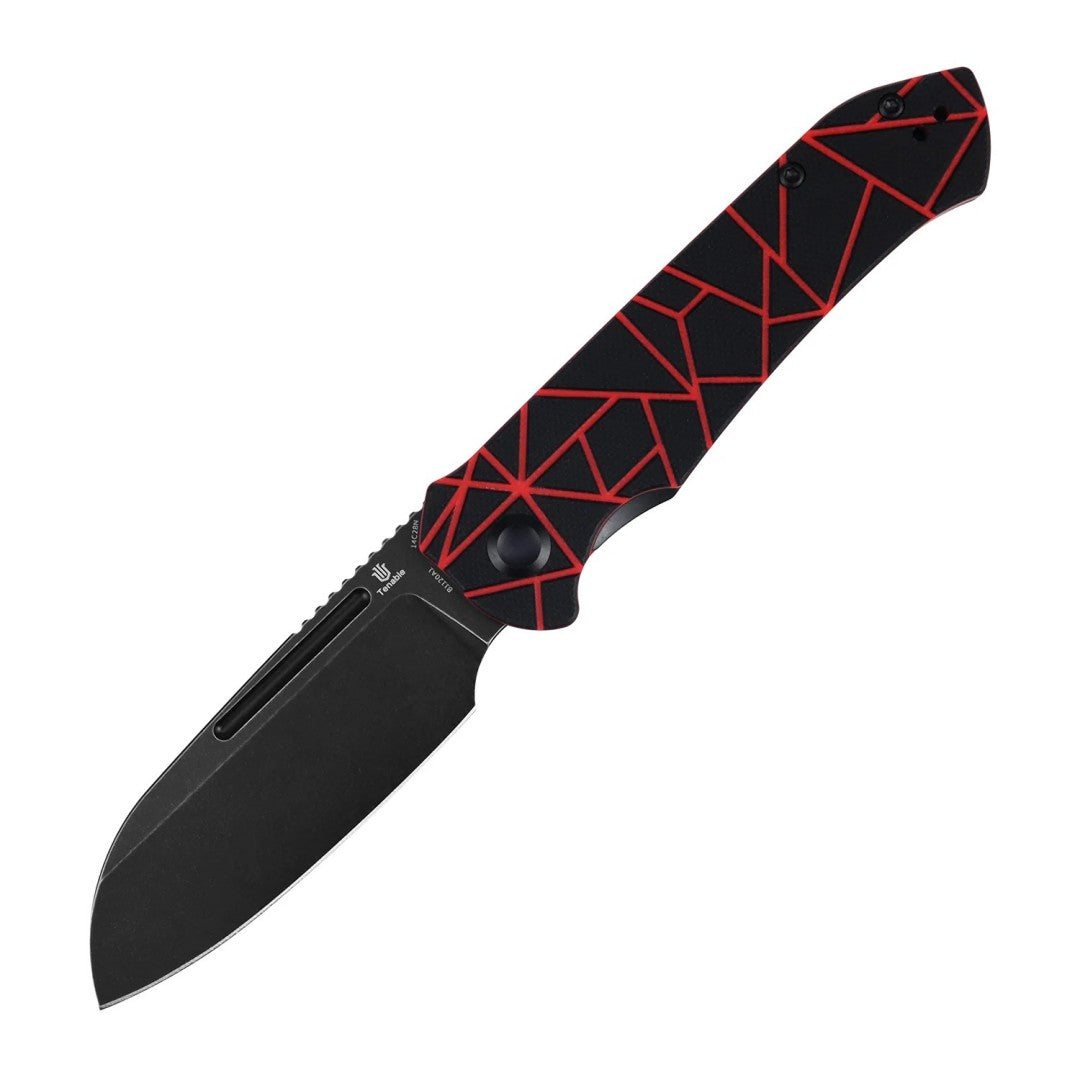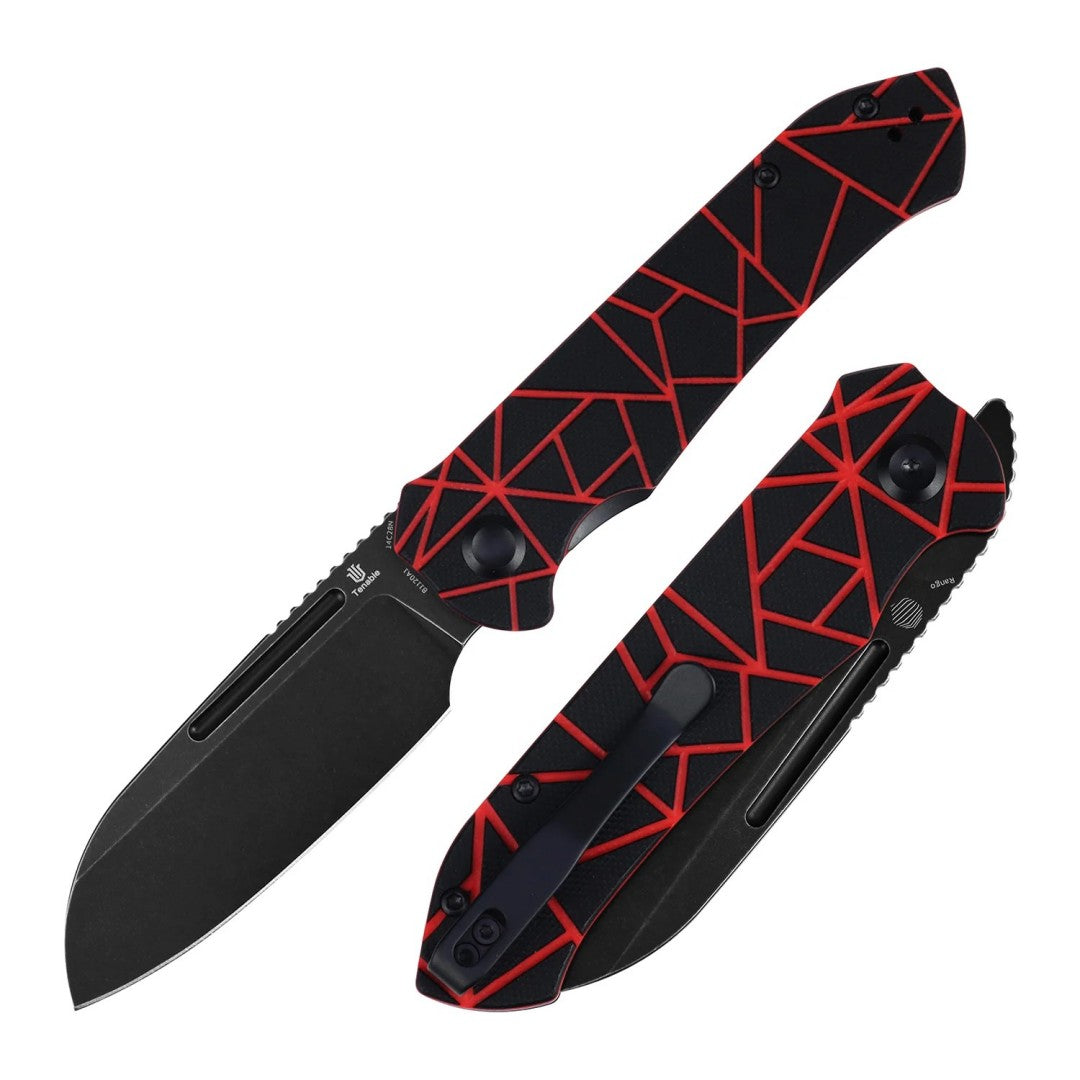
When choosing an Everyday Carry (EDC) pocket knife, there is one critical factor that supersedes blade steel, handle aesthetics, and deployment speed: safety. A knife is a cutting tool designed to handle immense structural pressure, and the only thing standing between a seamless cutting experience and a dangerous failure is the lock mechanism.
The original QSP Penguin earned a legendary reputation as a budget workhorse by pairing simple, rugged construction with a dependable locking design. With the release of the updated QSP Penguin V2, QSP introduced massive internal quality-of-life upgrades—including ultra-smooth caged ceramic ball bearings and completely flush, recessed pocket clip screws.

But while the incredibly smooth bearing action and refined handle options get a lot of attention, the unsung hero of this daily companion is its rock-solid stainless steel liner lock.
In this comprehensive analysis, we dive deep into the engineering behind the QSP Penguin V2’s liner lock mechanism. We examine why it provides maximum safety, how it achieves a solid lockup, and why it inspires total confidence during heavy utility work.
The Anatomy of the QSP Penguin V2 Liner Lock
To understand why the Penguin V2 is so secure, it helps to look at how a liner lock functions. A liner lock relies on a leaf-spring mechanism cut directly into one of the internal metal liners of the handle.
When the knife is closed, the blade tang rests against the lock bar, held in place by a detent ball. The moment you push the dual thumb studs, the blade glides on its upgraded ceramic ball bearings around the pivot. Once the blade reaches its fully extended position, the tensioned metal liner snaps inward, wedging itself firmly against the flat ramp cut into the rear of the blade tang.
This creates a rigid mechanical bridge that prevents the blade from closing on your fingers, turning a folding knife into a temporary fixed-blade tool.
3 Pillars of Safety Engineered into the V2 Lockup
QSP didn't just install a generic liner lock; they meticulously tuned the geometry and thickness of the metal components to optimize security.
1. Hardened Stainless Steel Liners
Some budget pocket knives use thin, flimsy metal liners that can flex or warp when subjected to heavy twisting forces. The Penguin V2 utilizes thick, skeletonized stainless steel liners. This robust steel framework resists lateral flexing, ensuring that the lock bar maintains its exact alignment even under intense, heavy-handed push cuts.
2. Perfect Lock Engagement Geometry (The 40-50% Sweet Spot)
Out of the box, the Penguin V2 displays highly consistent lock engagement, typically sitting right at the 40% to 50% position.
-
Why this matters: If a lock bar engages too early (under 20%), a sudden impact or shock to the spine of the blade could cause the lock to slip off the tang, causing the knife to fold prematurely. If it engages too late (over 80%), the lock bar can travel all the way to the opposite scale, creating horizontal blade play and making it difficult to disengage.
-
By locking up right in the center of the blade tang, QSP ensures maximum surface-area contact for total safety, while leaving plenty of room for the lock to naturally wear in over decades of use.
3. Rock-Solid Detent for Safe Carrying
Safety isn't just about keeping the knife open; it's also about keeping it securely closed inside your pocket. The Penguin V2 features a precisely tuned detent ball that snaps into a recess on the blade face when folded. This creates a secure closed bias, ensuring the razor-sharp D2 sheepsfoot blade will never accidentally slip open while riding in your pocket or sliding past your hand.

How the Sheepsfoot Blade Shape Enhances Lock Security
An interesting design feature of the Penguin V2 is how its Sheepsfoot blade geometry works in perfect harmony with the liner lock to maximize safety.
Unlike drop-point or trailing-point knives that encourage sweeping, pulling cuts that can exert twisting leverage on a pivot, a straight-edge sheepsfoot blade is optimized for downward push cuts and straight slicing.
When you break down thick cardboard boxes, cut heavy rope, or score leather straps, the mechanical force travels straight upward through the spine of the blade and directly into the solid stainless steel stop pin embedded in the liners. Because the pressure is directed linearly against the frame of the knife rather than twisting against the sides of the lock bar, the lockup remains incredibly stable and completely immune to slipping.
Ergonmics of Disengagement: Smooth, Safe One-Handed Use
A truly safe knife must also be easy and predictable to close. A poorly executed liner lock can be stiff, sharp to the touch, or force your thumb dangerously close to the cutting path of the blade.
QSP carefully addresses this by chamfering (beveling) the edges of the handle scales around the lock access point. The show-side scale features a subtle scalloped cutout that exposes just enough of the textured lock bar for your thumb to engage comfortably.
Because the V2 utilizes a frictionless ceramic bearing pivot, disengaging the lock is smooth and predictable. When you push the lock bar aside, the blade tang releases cleanly. The smooth drop-shut action allows you to slowly guide the blade closed using your index finger or a quick shake of the wrist, keeping your thumb entirely clear of the razor edge.
Pros and Cons: Penguin V2 Liner Lock Analysis
Pros:
-
Vault-Like Lockup: Consistent 40-50% factory engagement with absolutely zero horizontal or vertical blade play.
-
Thick Construction: Rigid stainless steel liners prevent frame twisting under heavy pressure.
-
Safe Pocket Carry: Strong closed detent bias keeps the blade securely folded until intentionally deployed.
-
Easy Access: Clean handle cutouts allow for effortless, painless one-handed lock disengagement.
Cons:
-
Right-Handed Bias: Like most standard liner locks, the disengagement mechanism is optimized for right-handed users, though lefties can easily adapt with practice.
-
Requires Debris Checks: The open-frame design means pocket lint can occasionally collect inside. A quick blow of compressed air keeps the lock bar track clean.
The Verdict: Total Peace of Mind in Your Pocket
The QSP Penguin V2 proves that you don't need to spend hundreds of dollars to get a pocket knife that offers uncompromising safety. By pairing thick, high-grade stainless steel liners with meticulously tuned lock geometry and a rock-solid stop pin, QSP has engineered a budget folder that locks up with the authoritative, wiggle-free confidence of a premium custom tool.
Whether you choose the warm, rugged texture of canvas micarta, the all-weather durability of G10, or the sleek high-tech look of shredded carbon fiber, you can carry the Penguin V2 knowing it is engineered to protect your hands through the most demanding daily cutting tasks.
Ready to add a rock-solid workhorse to your daily carry? Head over to the official QSP Penguin V2 Collection to explore all available handle configurations, durable blade finishes, and pocket styles, and secure your ultimate value utility folder today!