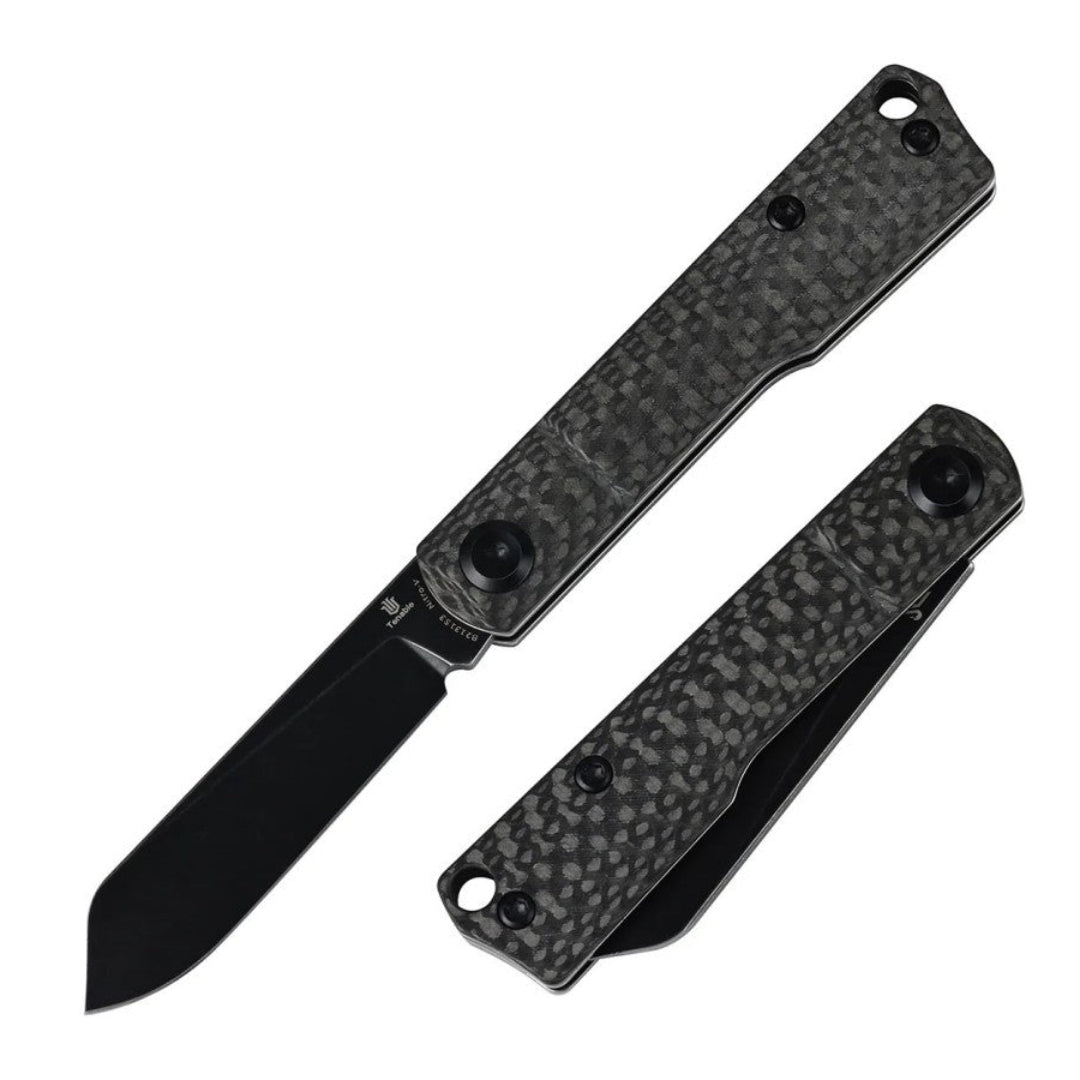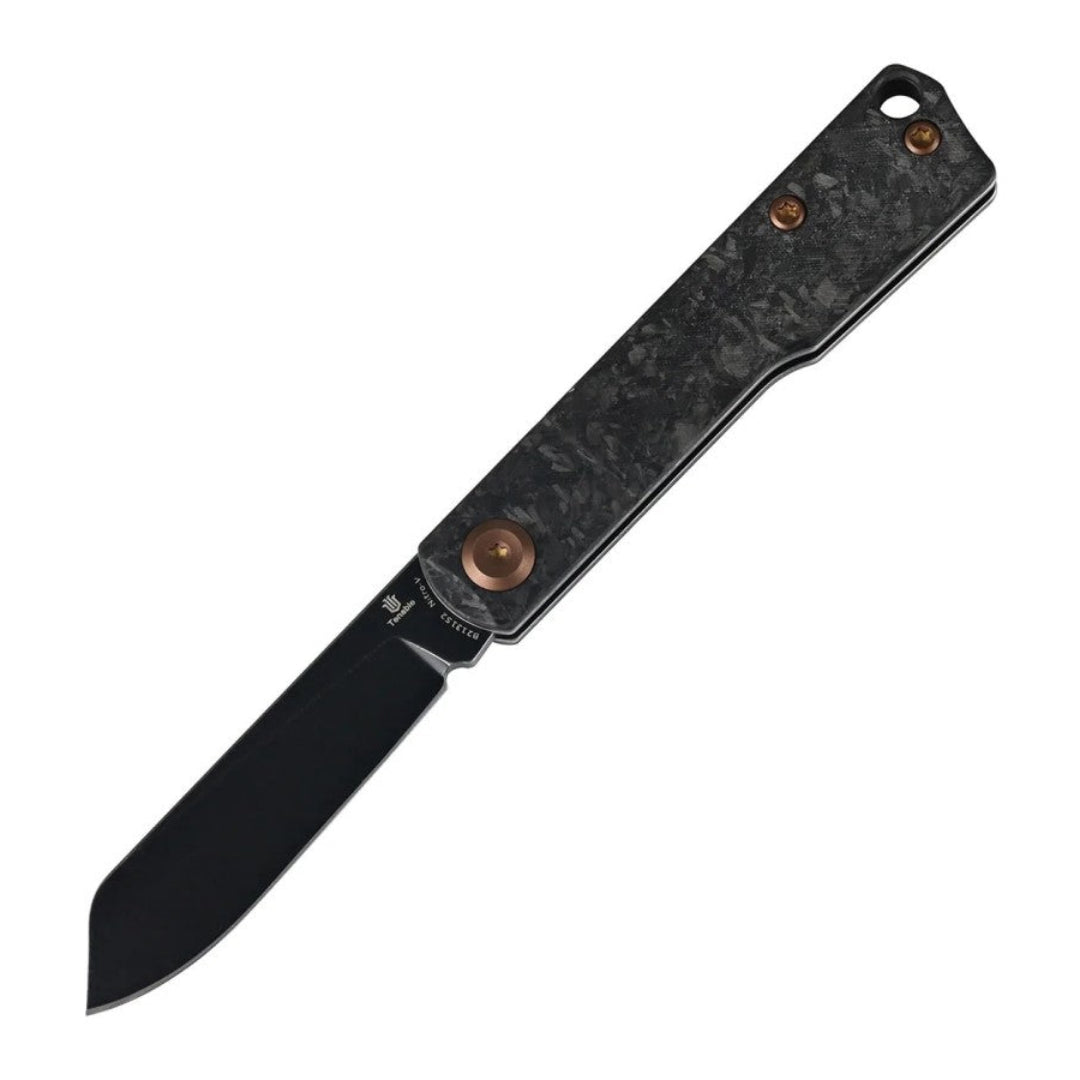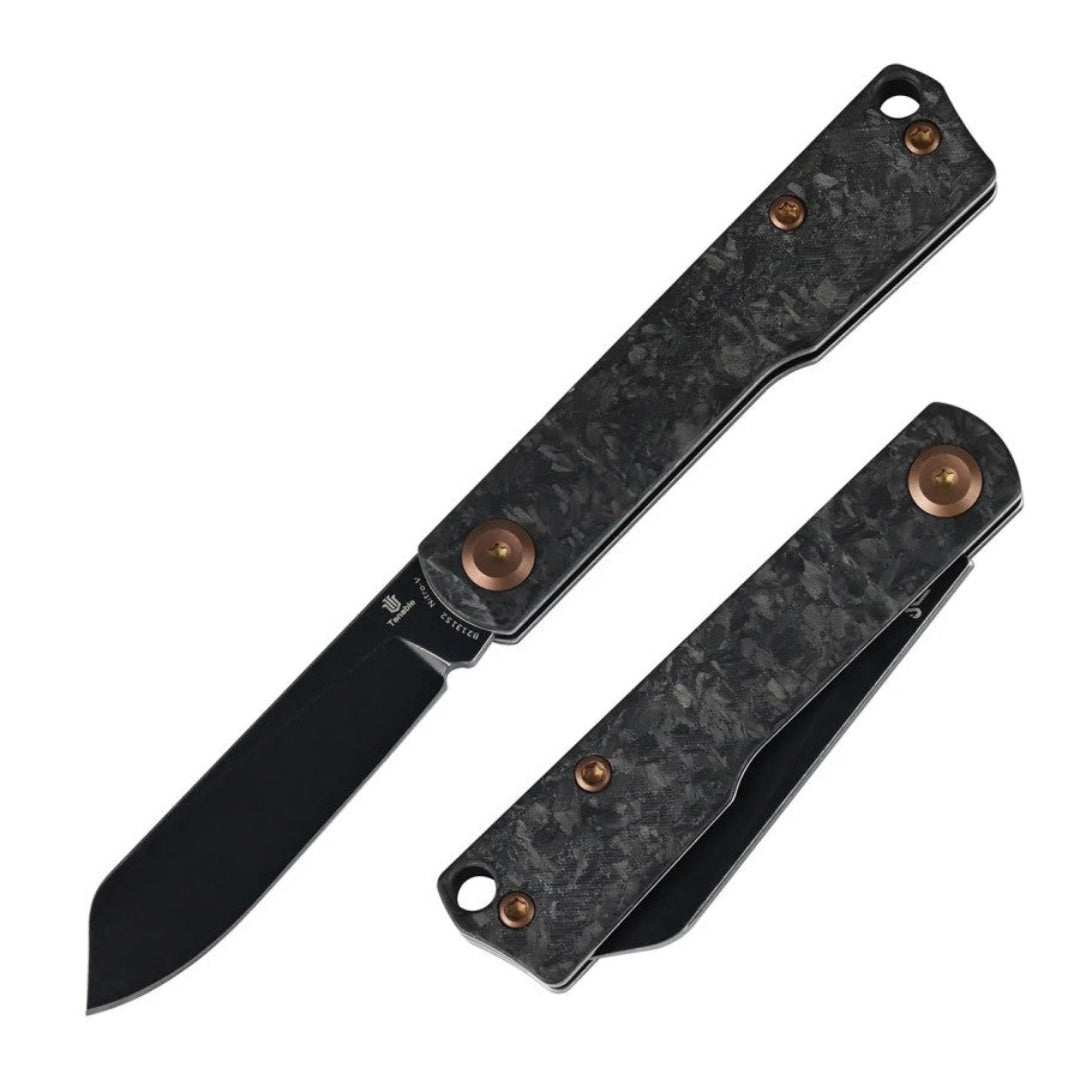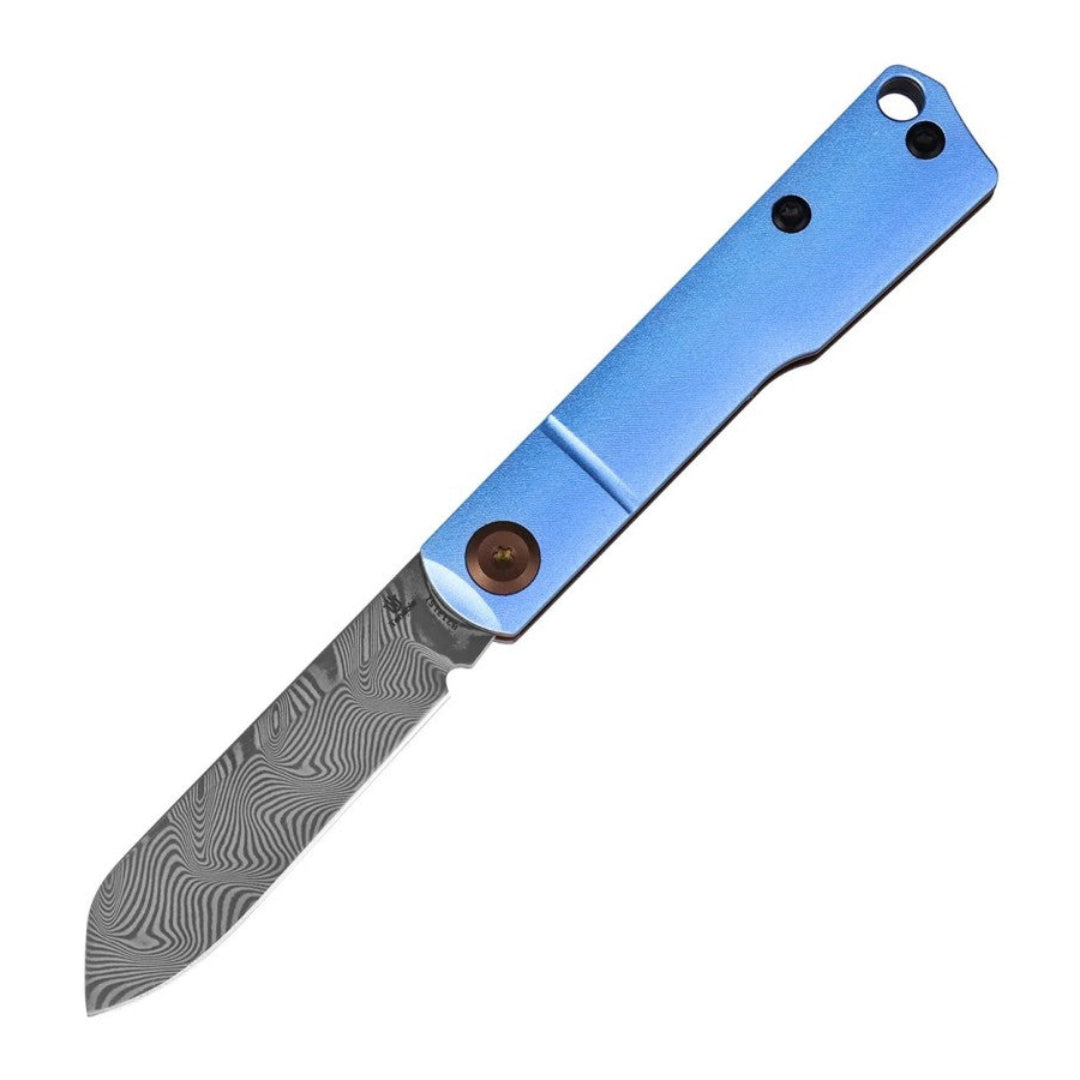

Overview & First Impressions
Two steels dominate the sub-hundred-dollar quality knife market right now: Sandvik's 14C28N and China's 10Cr15MoV. QSP uses both extensively across its lineup, so buyers constantly face the comparison. The honest answer is that they are closer than forums admit, but they do differ in ways that matter depending on your carry. This guide compares edge retention, corrosion resistance, sharpening, and toughness so you can choose intelligently the next time you browse folding knives, instead of treating steel names as magic.

Build Quality & Materials
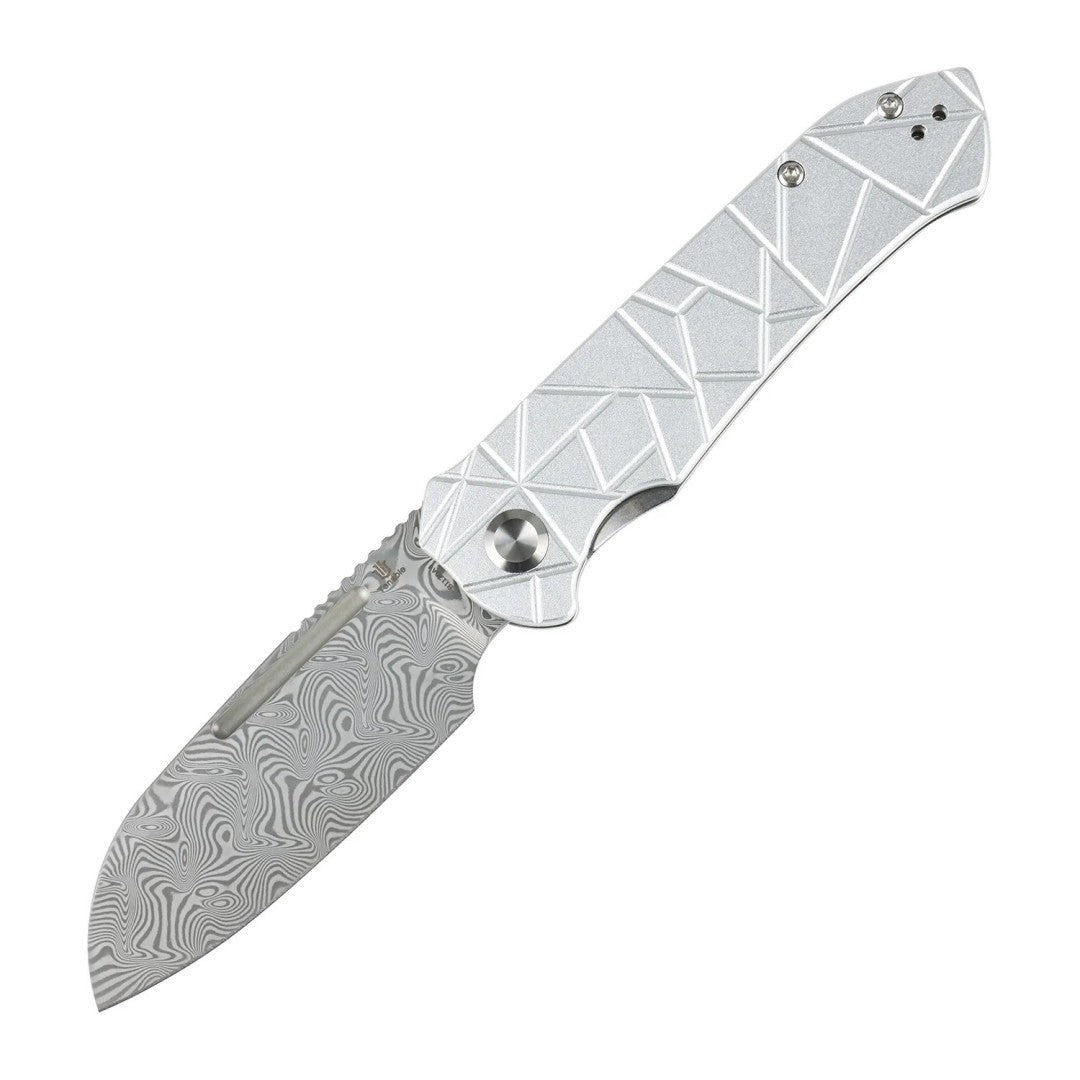
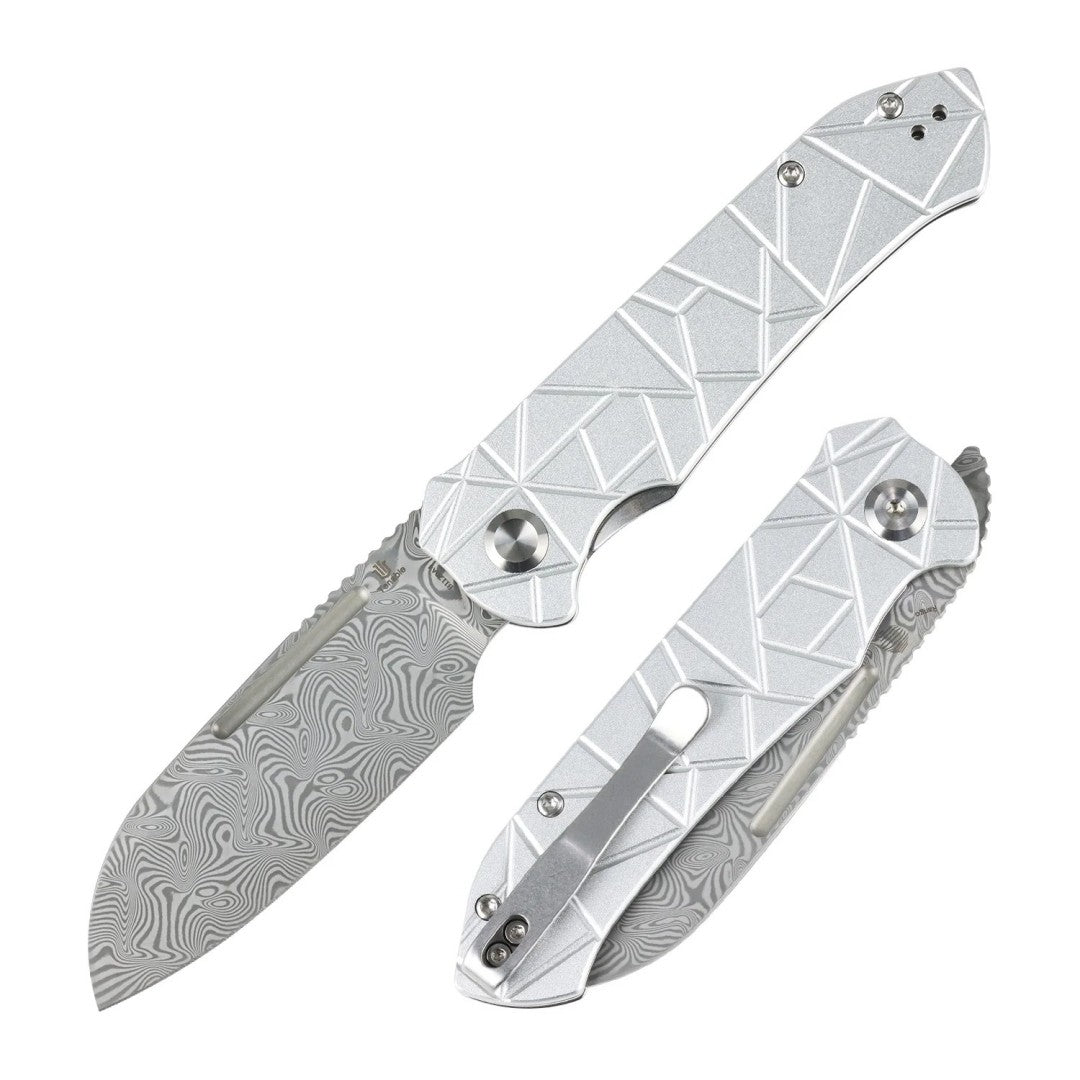
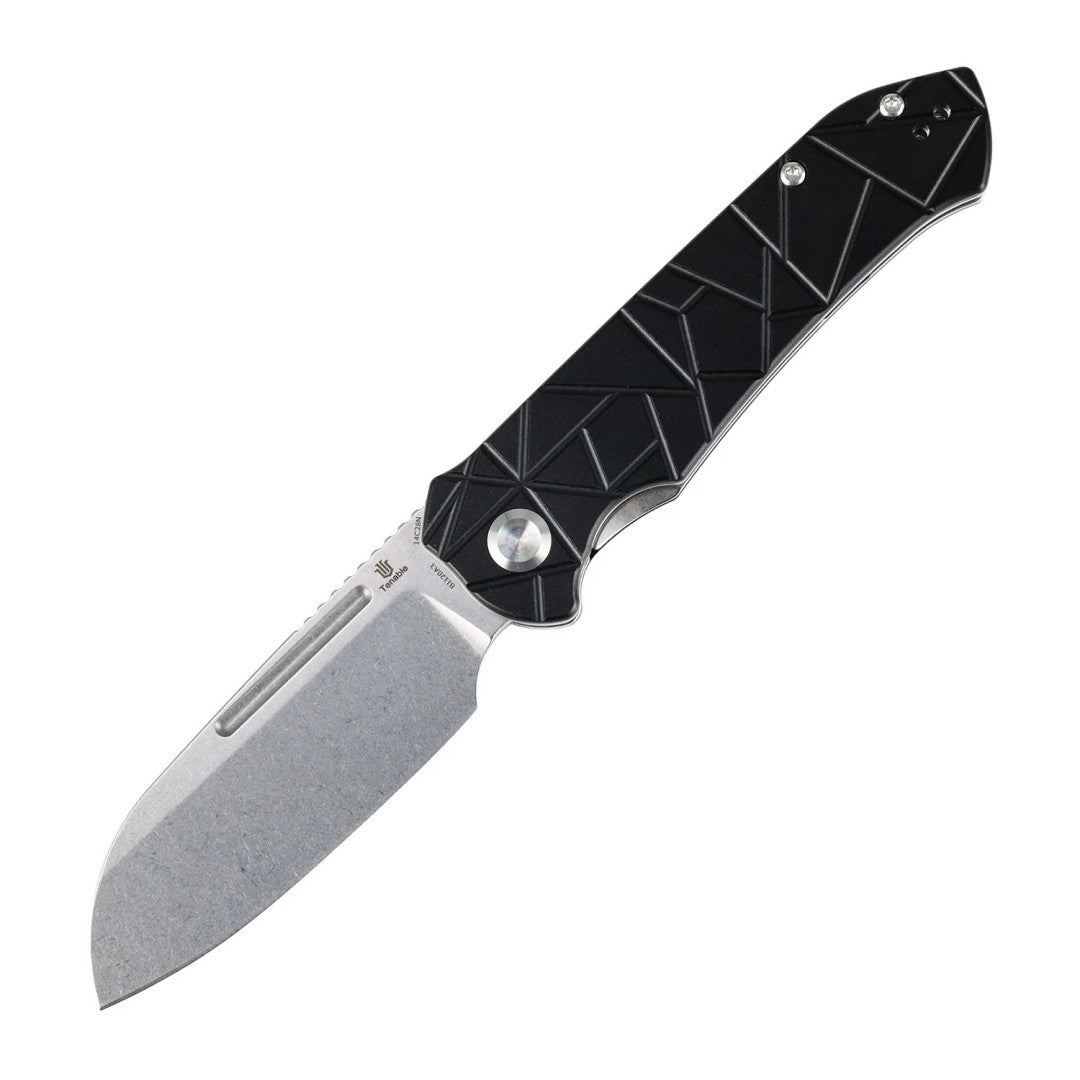
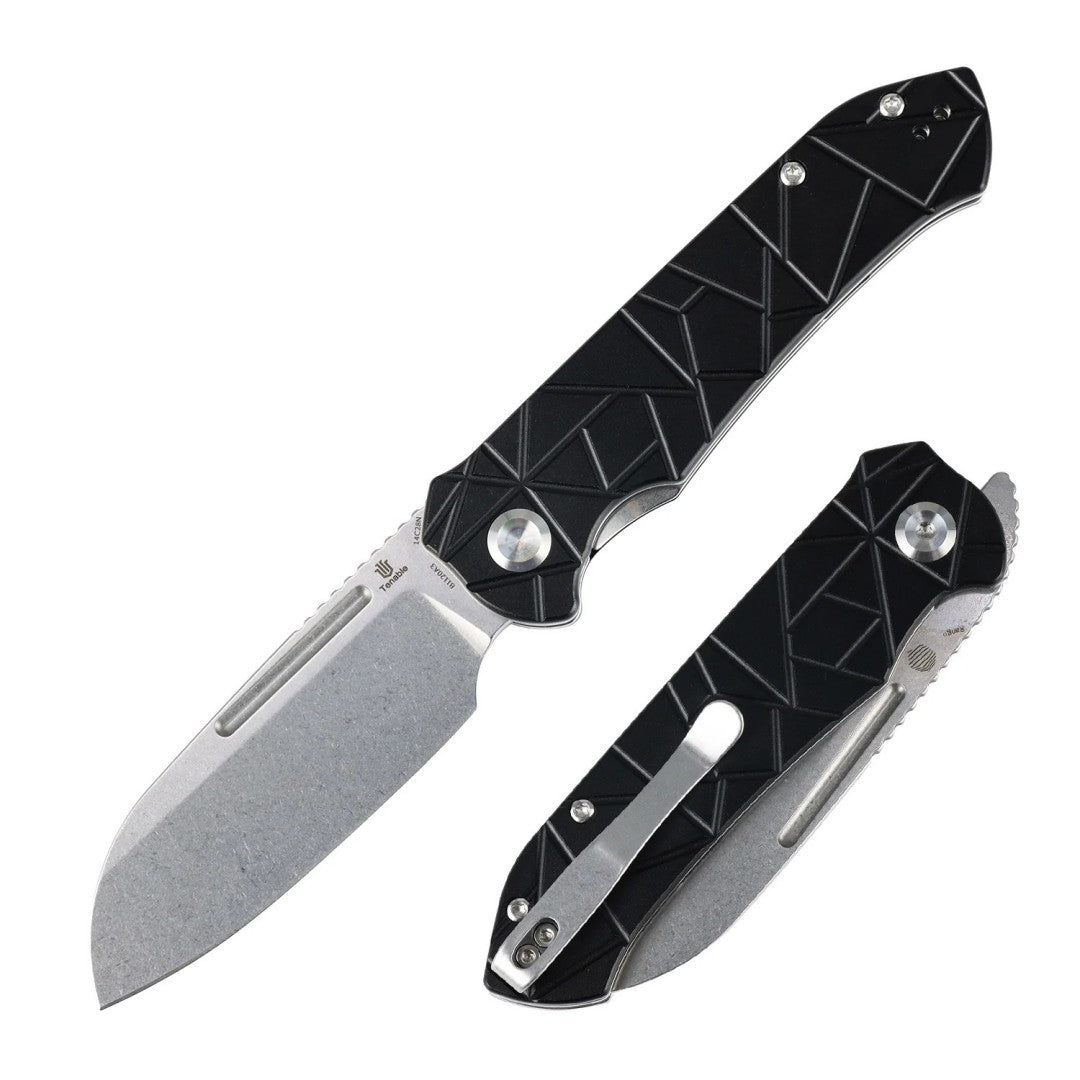
14C28N is a Swedish powder-adjacent development of 13C26 with added nitrogen: extremely fine carbide structure, excellent corrosion resistance, and a hardness window around 58-62 HRC. Its superpower is edge stability: it resists micro-chipping and sharpens to frightening keenness in minutes. 10Cr15MoV is China's take on VG10, adding molybdenum and vanadium for carbide formation: slightly better wear resistance in theory, similar corrosion resistance, typically hardened to 59-61 HRC. In production knives from QSP knives and peers, heat treatment quality matters more than the nominal chemistry gap between these two steels.
Design & Craftsmanship
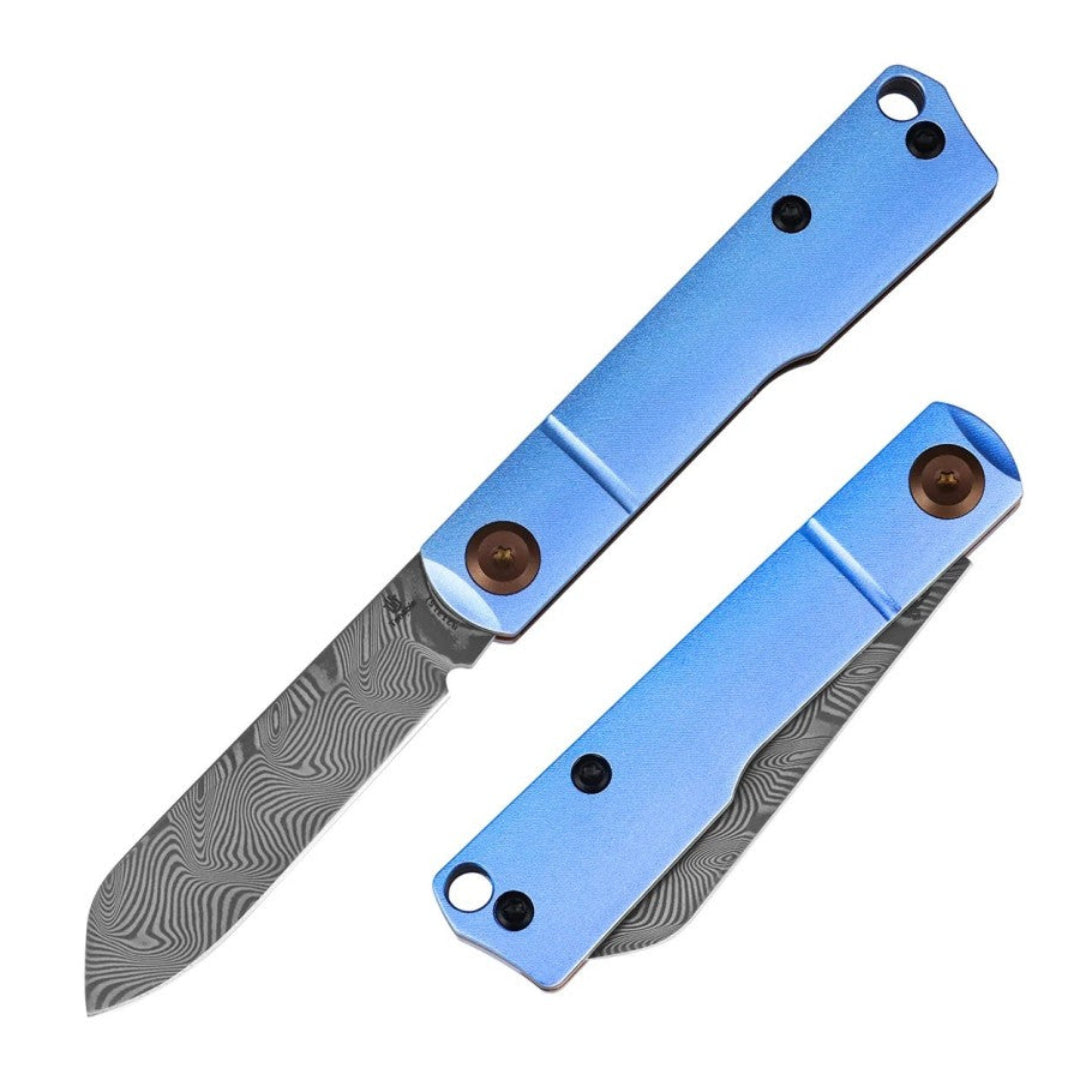
Steel choice interacts with blade geometry. 14C28N's toughness makes it ideal for thin grinds and acute edges, which is why it appears on slicer-oriented profiles like the Emu's clip point and kitchen-adjacent folders. 10Cr15MoV's VG10 heritage suits slightly stouter grinds where its carbides support edge holding, common on fixed blades like the Baby Viper series. Neither steel asks for exotic maintenance. Both arrive factory-sharp on quality brands. The practical difference users notice most is sharpening speed, where 14C28N's fine structure returns to hair-popping on a strop almost instantly.

Performance & Real-World Use
Real-world behavior: for food prep, humid climates, and users who sharpen often, 14C28N is marginally better, since corrosion resistance and keenness recovery are its home turf. For abrasive cardboard, rope, and users who stretch intervals between touch-ups, 10Cr15MoV's extra vanadium carbides give a small edge-retention advantage. Both resist rust far better than D2 and both sharpen far easier than 20CV. In a week of mixed EDC duty, most users could not identify which steel they were carrying blind. Choose by knife design and price first, steel second.
Carry & Ownership Notes
Whichever steel you pick, a strop, a monthly oil drop, and five minutes on a stone quarterly will keep it at peak. Compare 14C28N and 10Cr15MoV knives side by side across the QSP range at EdcMall.
Who Is This For?
Buy 14C28N blades if you value effortless maintenance, love scary-sharp edges, or carry near salt water; the QSP Emu family is the showcase. Buy 10Cr15MoV blades if you want VG10 behavior at Chinese production prices and slightly longer intervals between stroppings; the Baby Viper and Orca families are the showcase. Collectors should own both and form their own opinion, since the debate is half chemistry and half ritual. Compare live examples of both steels across the EDC knives range at EdcMall, where the full QSP knives selection makes side-by-side shopping easy.
Final Verdict
14C28N versus 10Cr15MoV is a matchup between two excellent answers to the same question: how do you give buyers premium behavior at working prices? The Swedish steel wins on keenness and toughness; the Chinese steel edges ahead slightly on wear resistance. Both represent the best value tier in the industry, and both are executed superbly by QSP. Whichever platform you choose, you are getting modern metallurgy that would have cost triple a decade ago. Rate both steels nine out of ten for their mission, and shop EDC knives by design confidence, not steel anxiety.