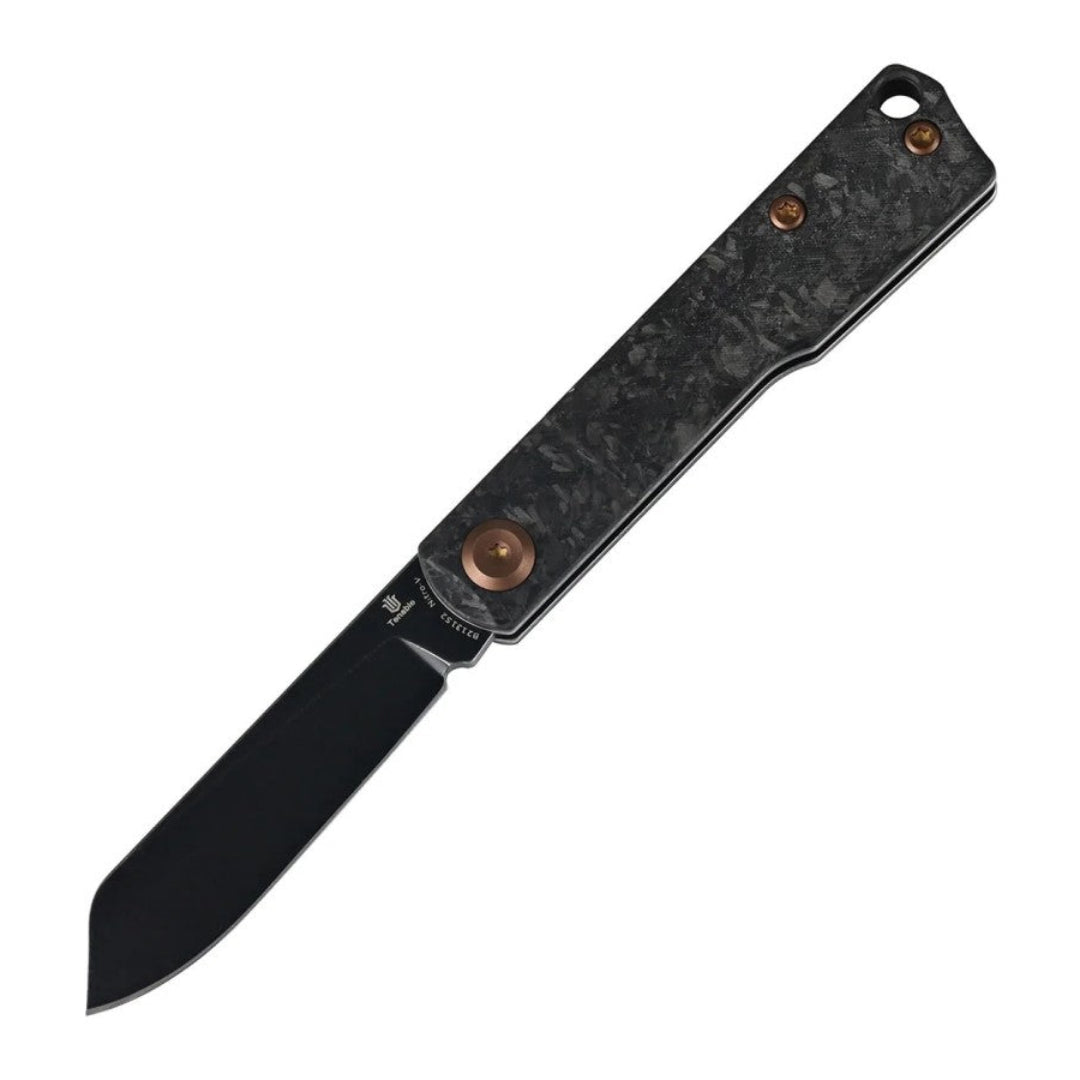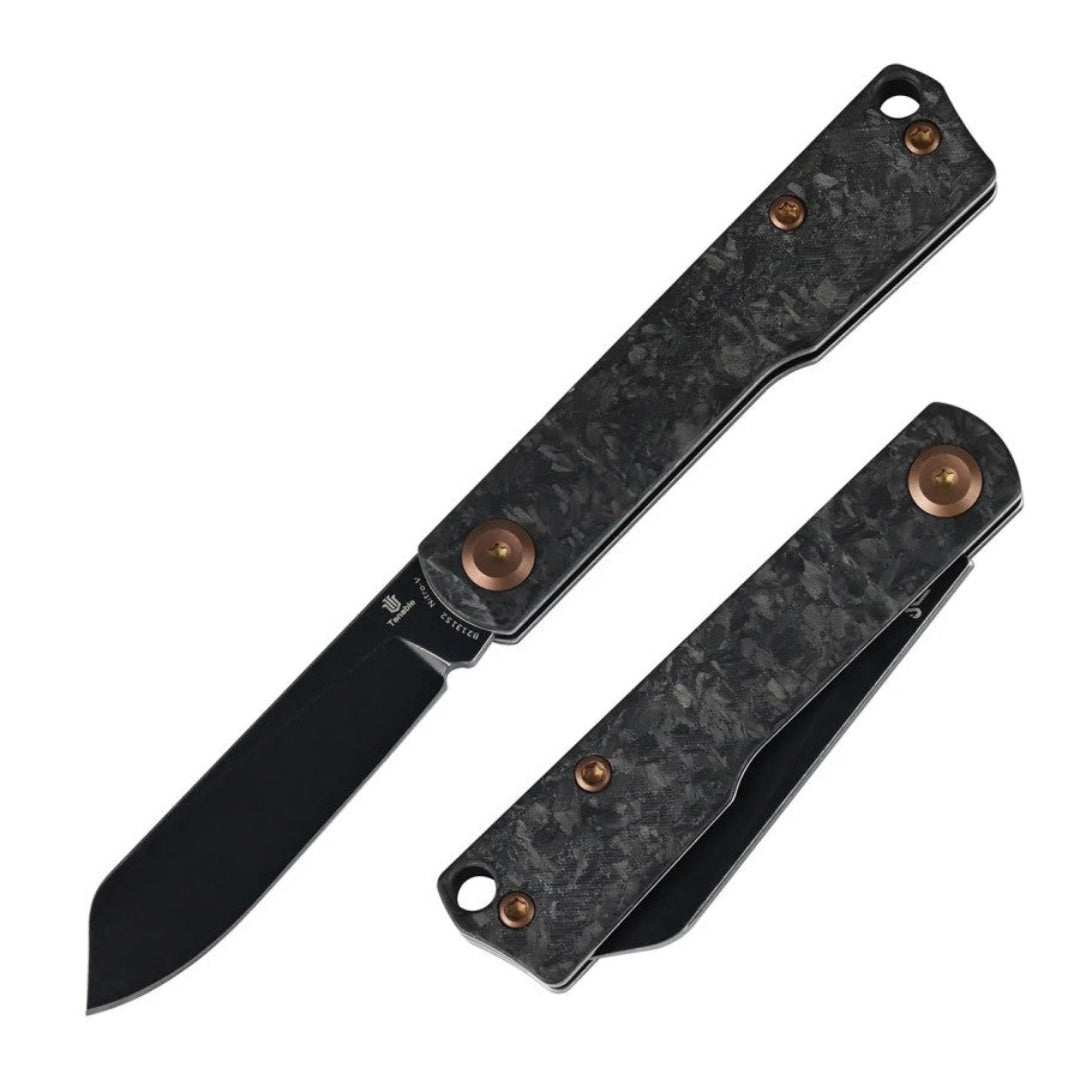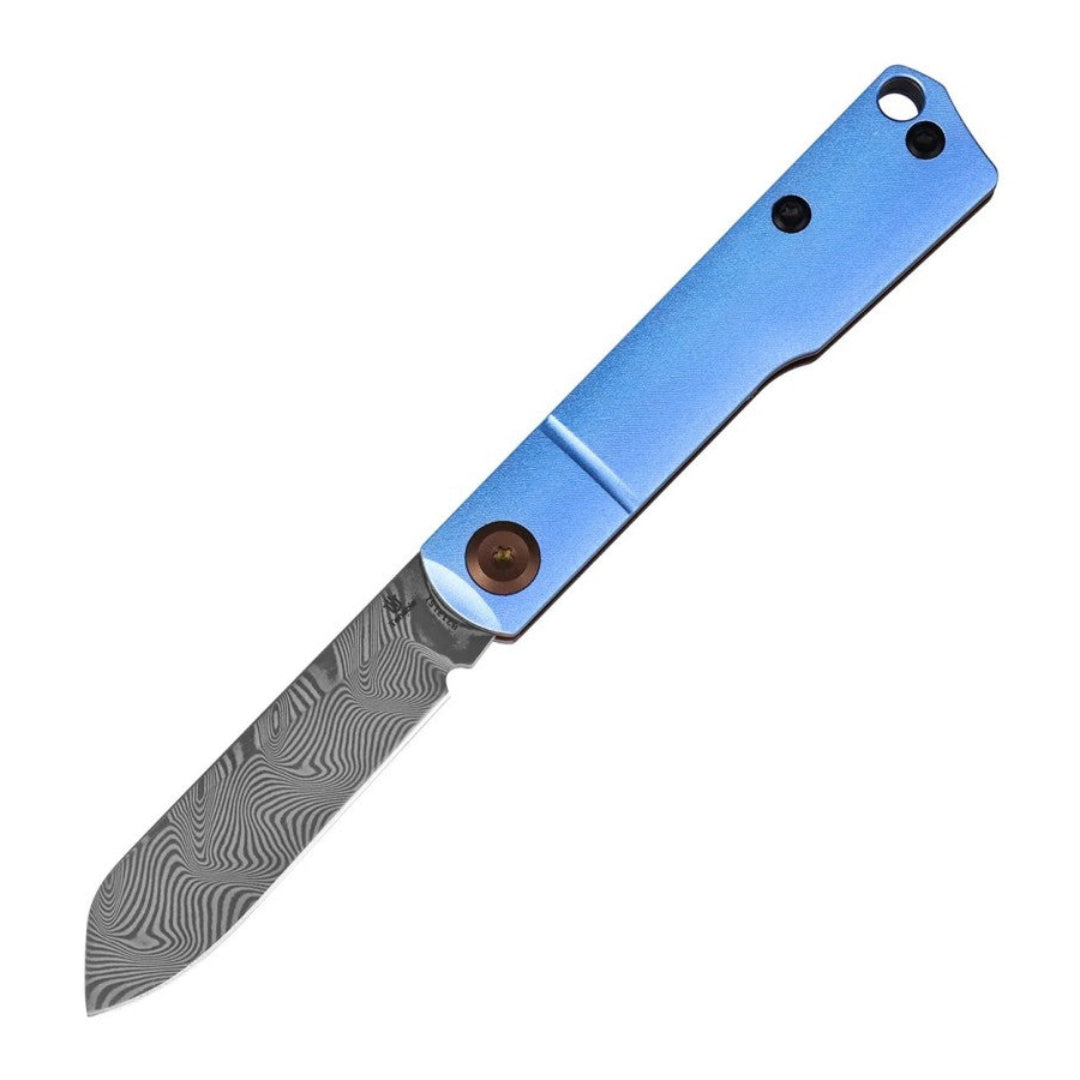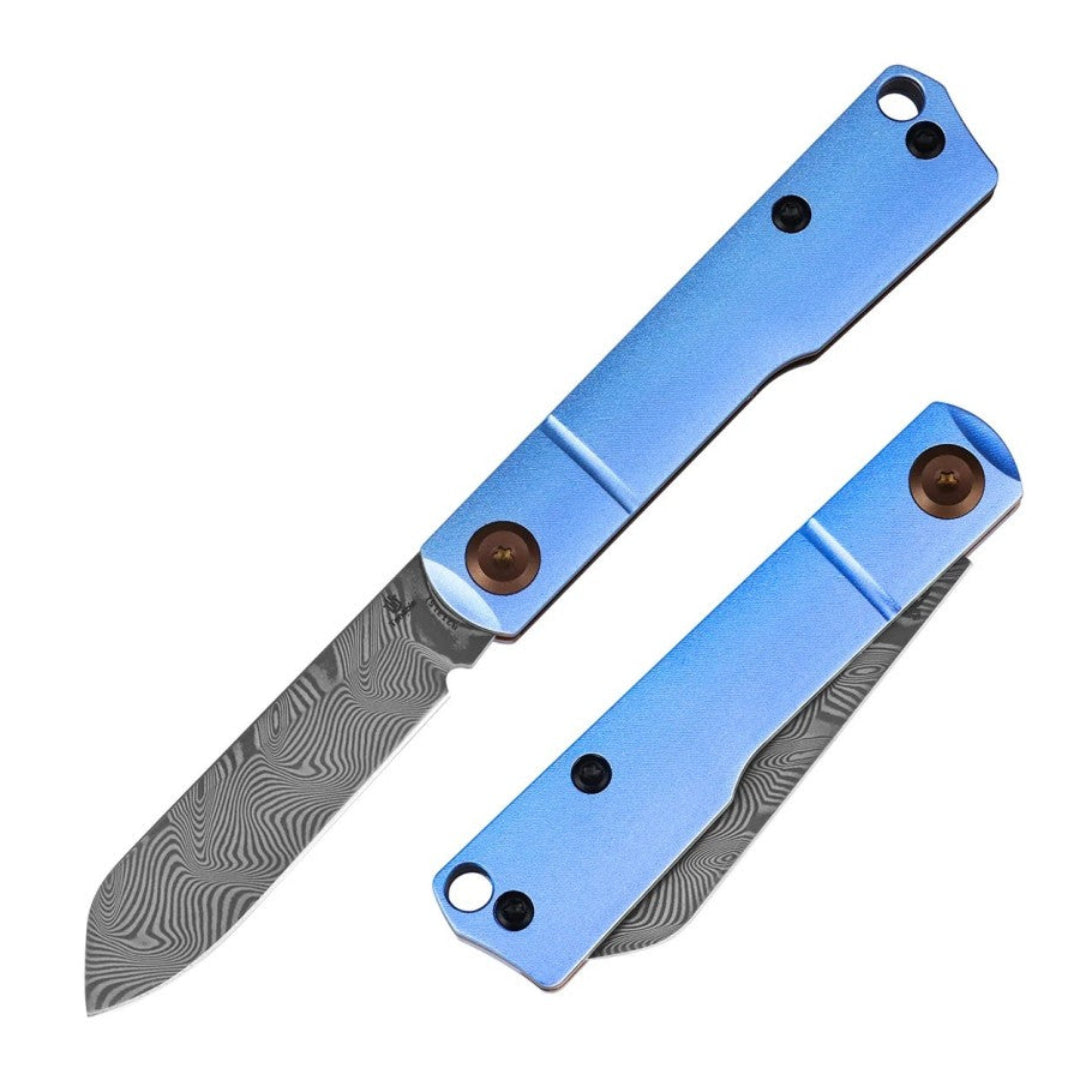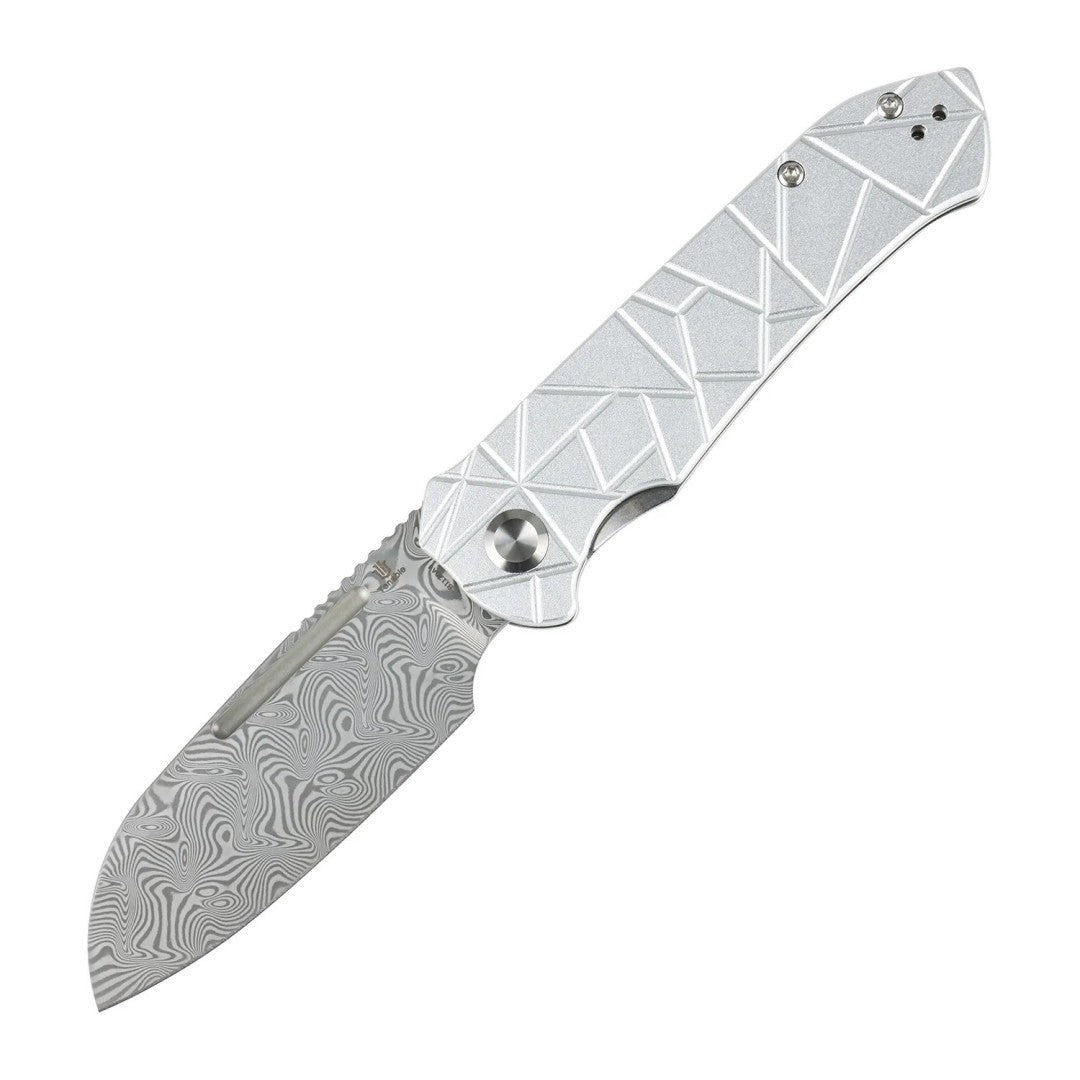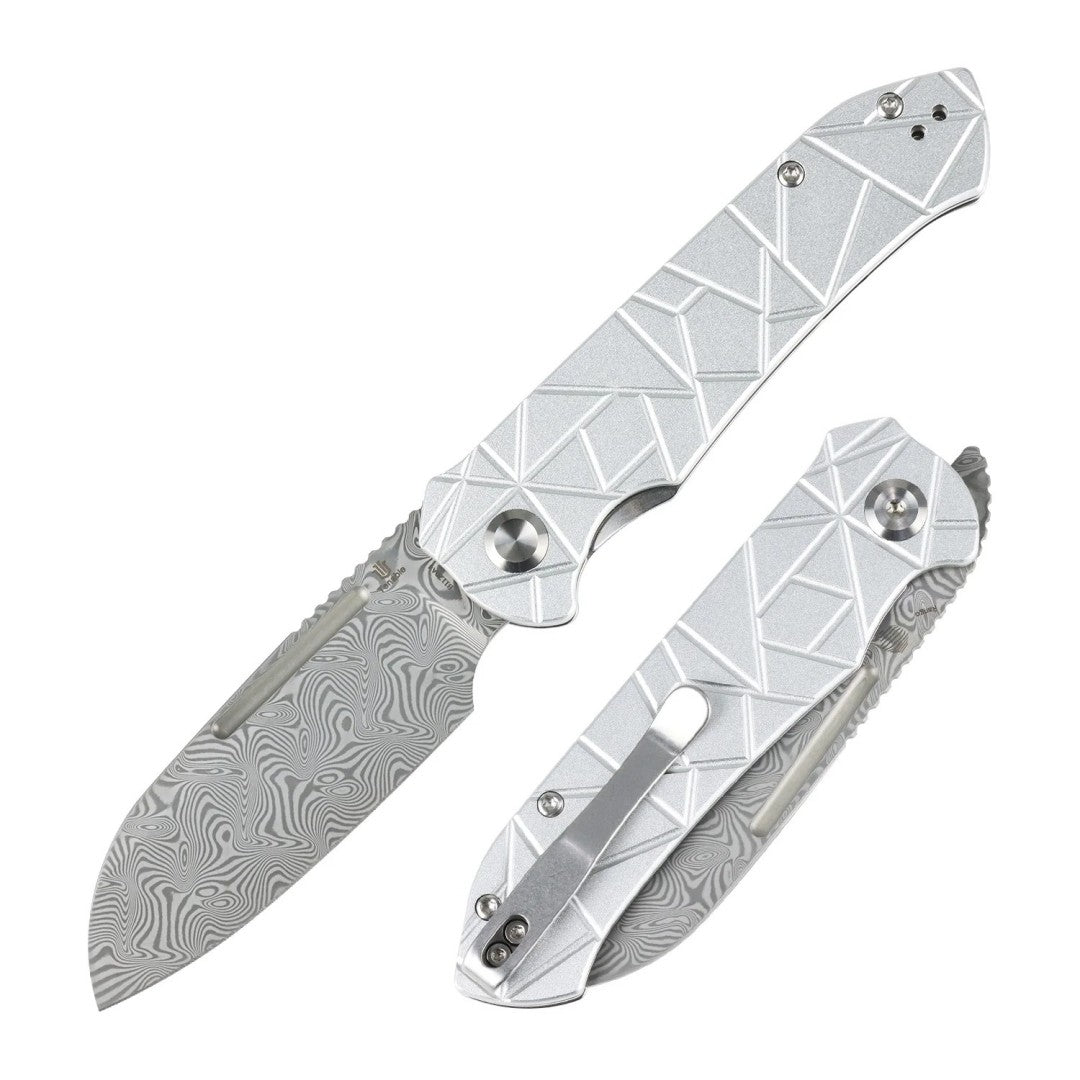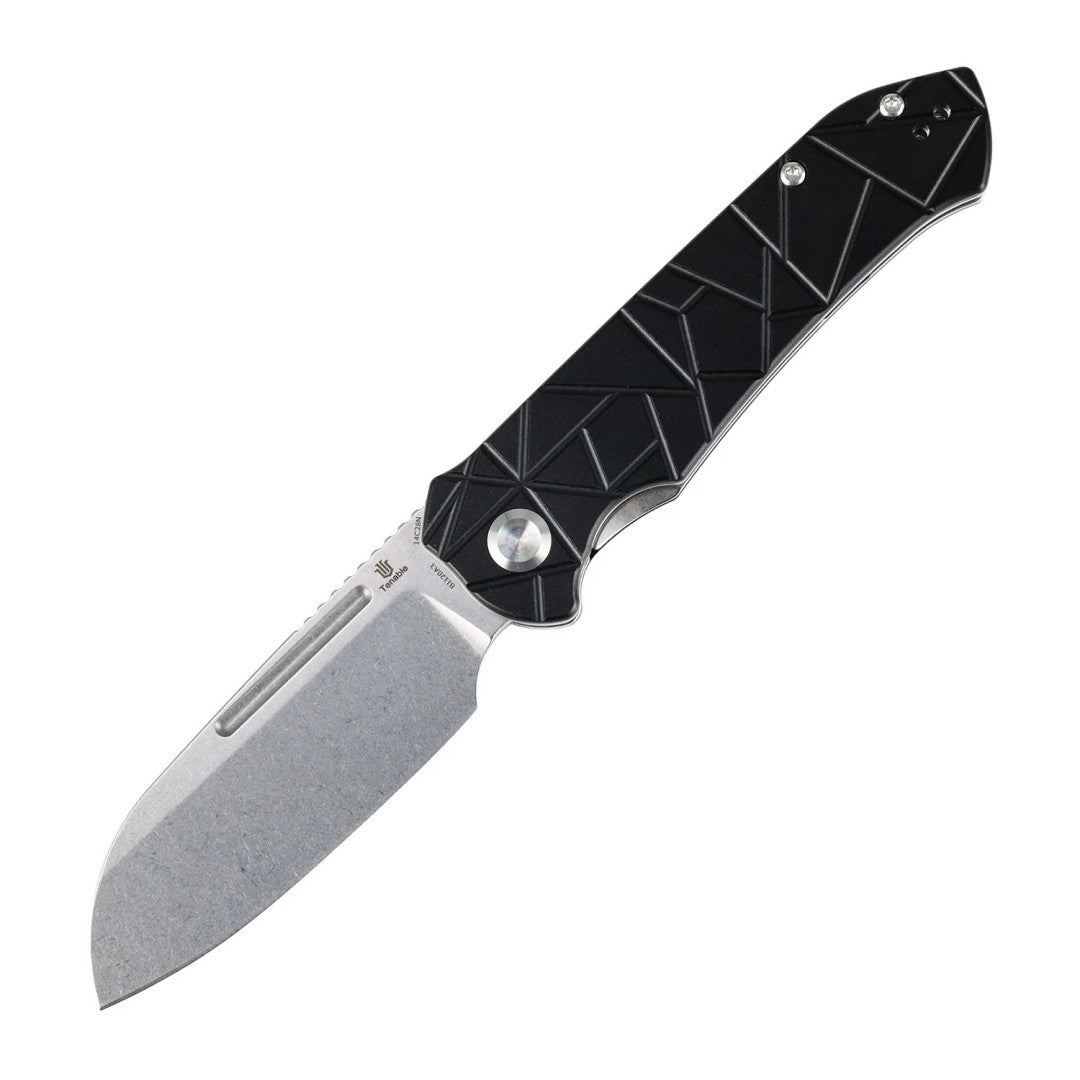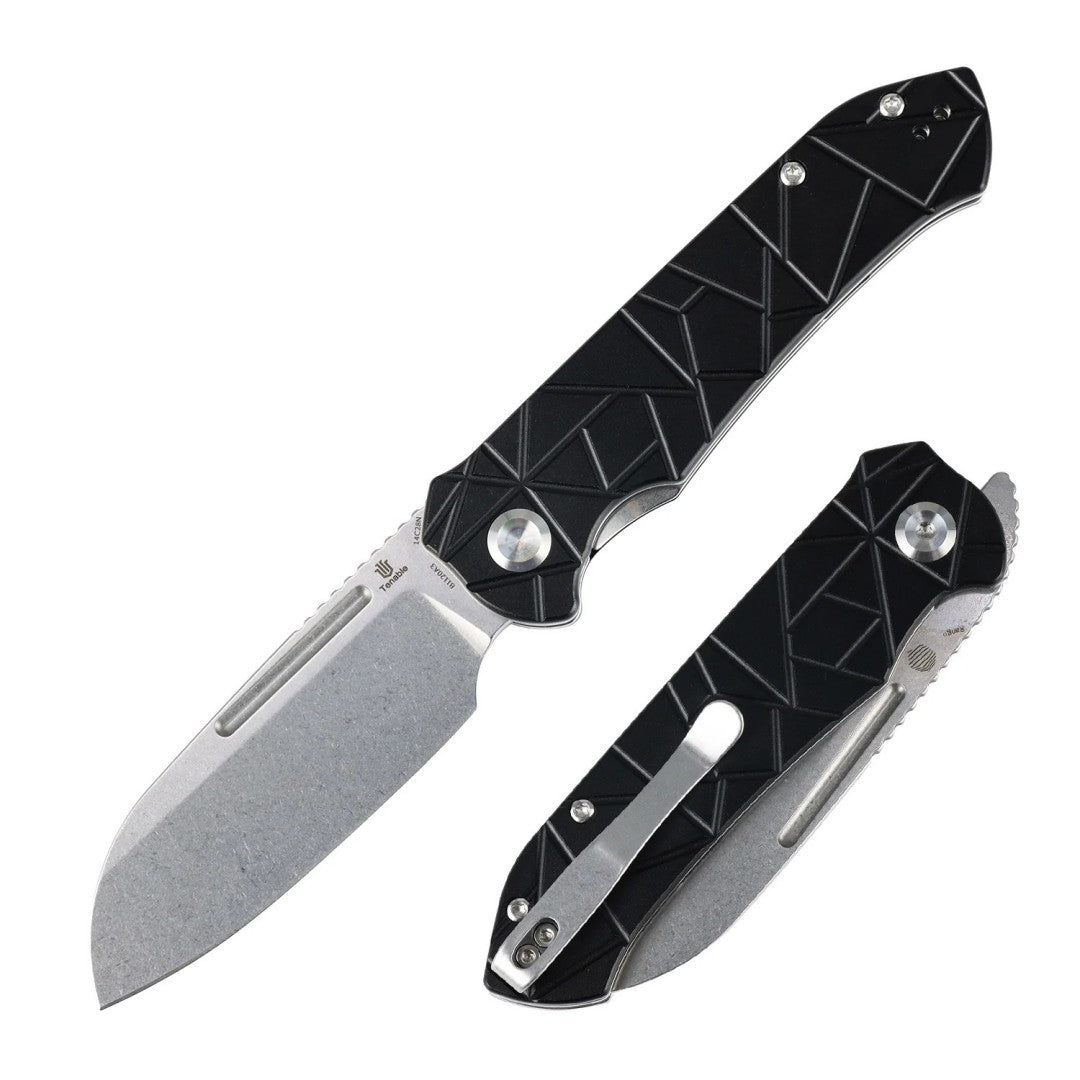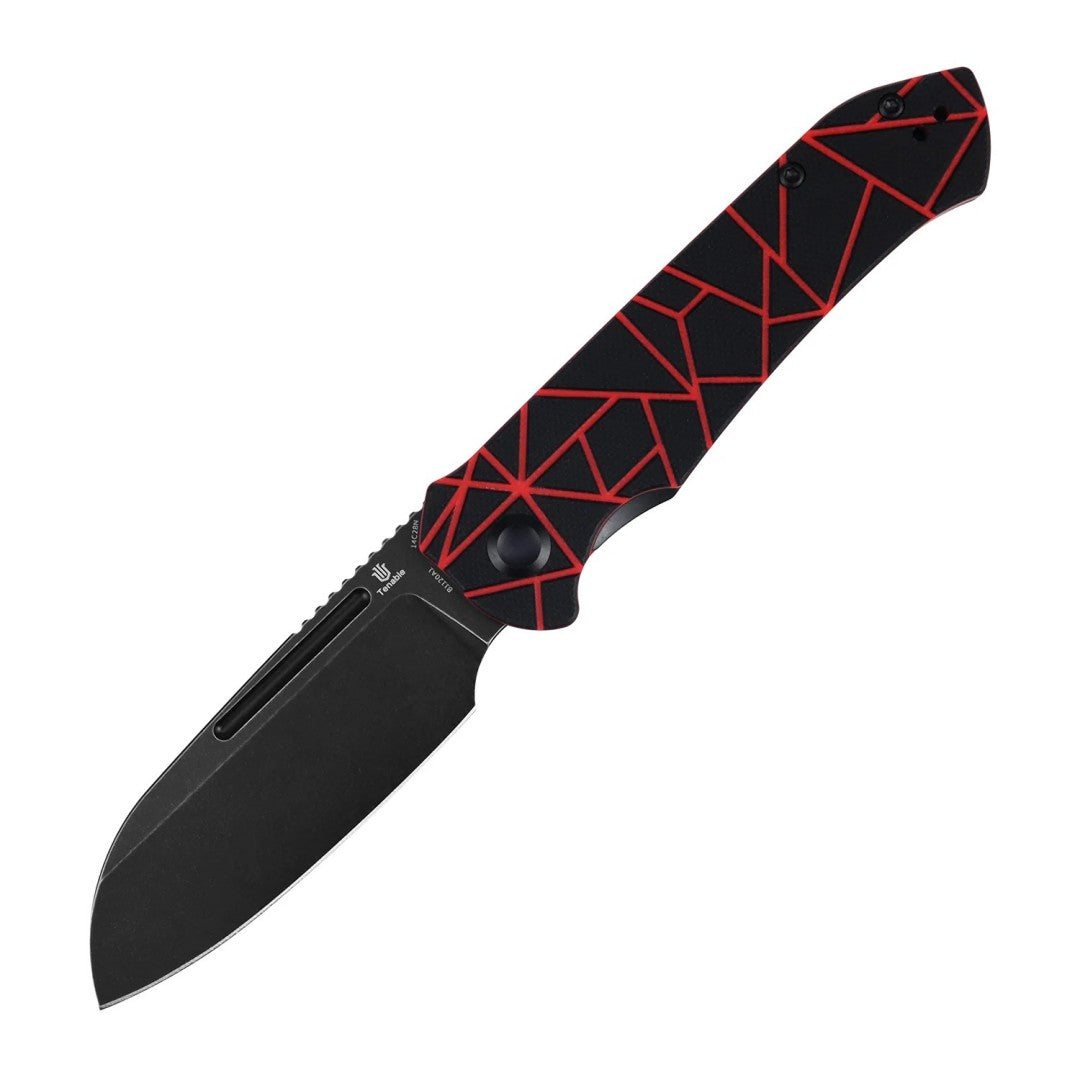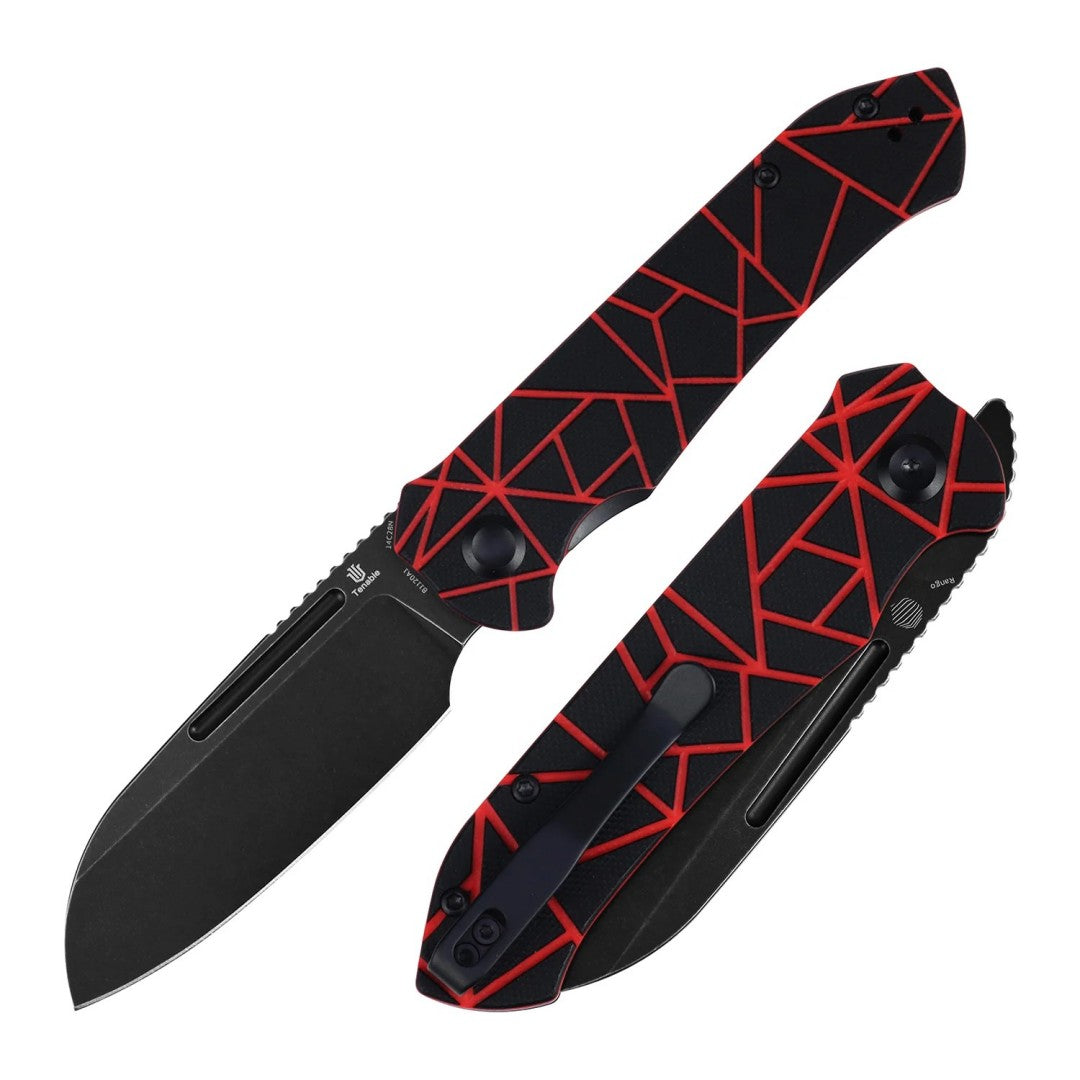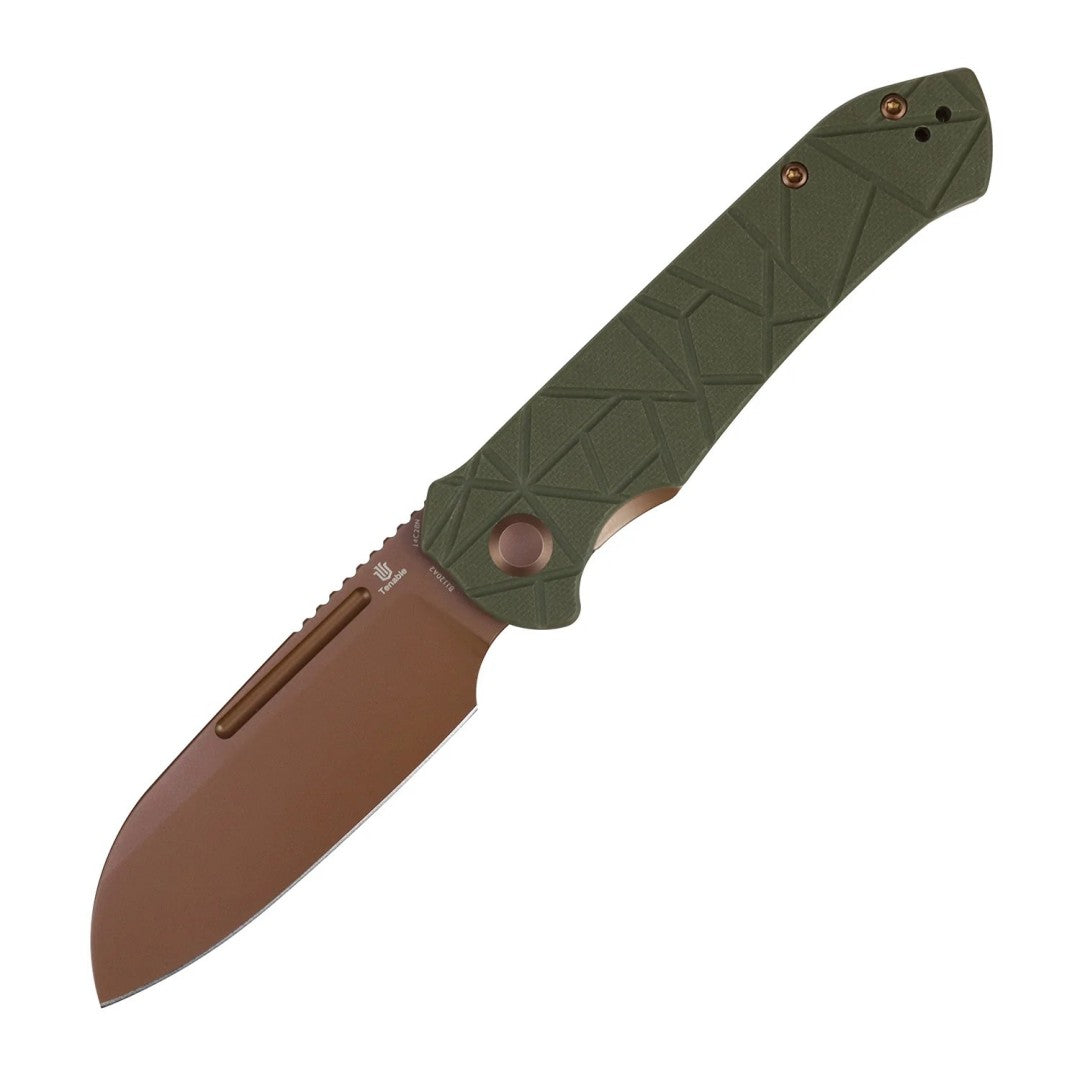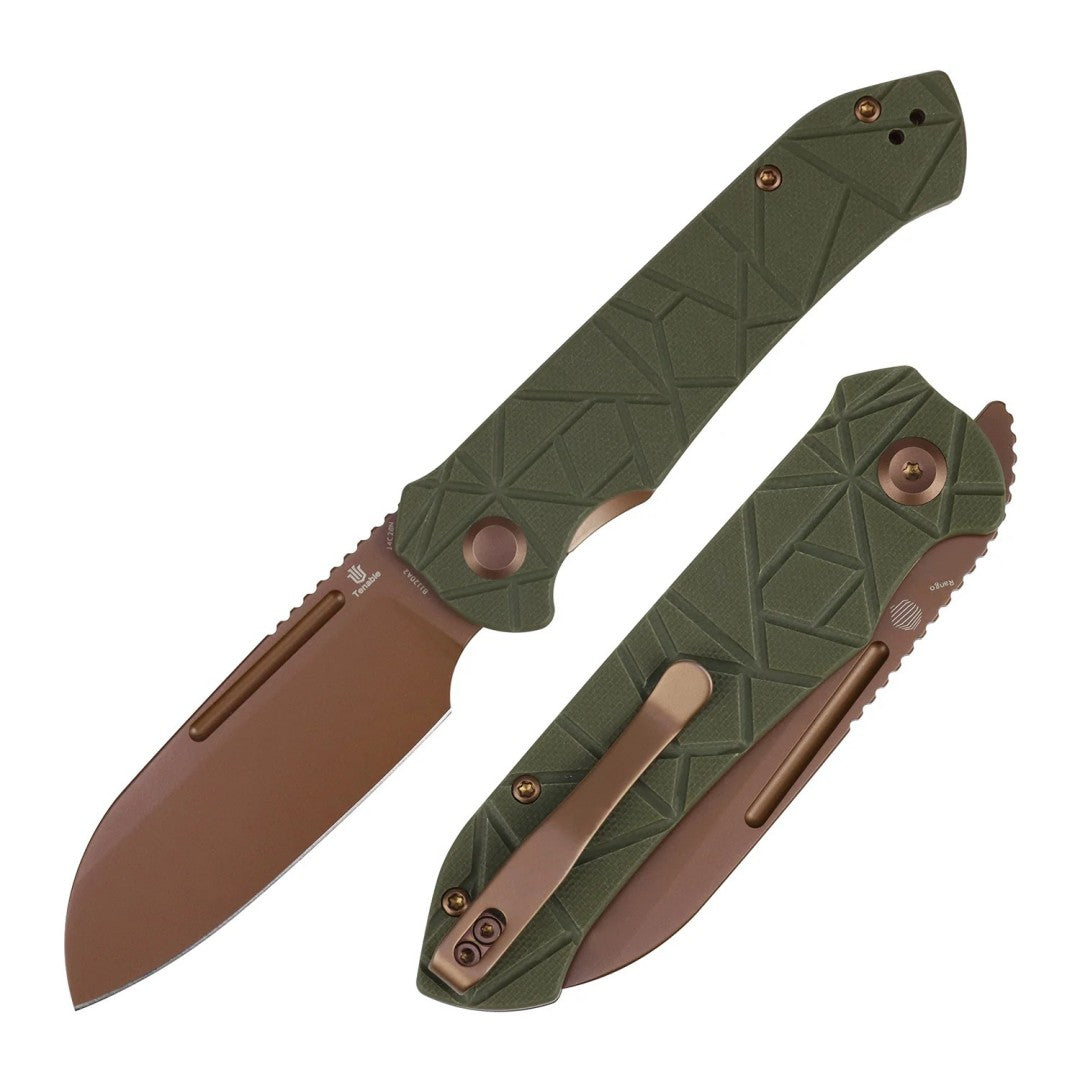

When it comes to choosing the right steel for your knives, the decision can be overwhelming. Two popular choices in the knife-making industry are 14C28N and A2 steel. But which one is better? Let's dive into the details to help you make an informed decision.
What is 14C28N Steel?
14C28N is a high-performance stainless steel that is known for its excellent edge retention and corrosion resistance. It is commonly used in high-end kitchen knives and pocket knives due to its durability and ease of maintenance. With a carbon content of around 0.62%, 14C28N steel offers a good balance of hardness and toughness.
What is A2 Steel?
A2 steel, on the other hand, is a tool steel known for its exceptional toughness and wear resistance. With a carbon content of around 1.00%, A2 steel is harder than 14C28N steel, making it ideal for heavy-duty applications. It is often used in industrial cutting tools and woodworking tools.
Comparing Performance
When it comes to edge retention, 14C28N steel outperforms A2 steel, thanks to its higher chromium content. However, A2 steel excels in toughness and wear resistance, making it a better choice for tasks that require heavy use and impact resistance.
Corrosion Resistance
14C28N steel has better corrosion resistance compared to A2 steel, making it a preferred choice for knives that are exposed to moisture and humidity. A2 steel, while not as corrosion-resistant, can still be maintained with proper care and maintenance.
Sharpening and Maintenance
Both 14C28N and A2 steel are relatively easy to sharpen, but 14C28N steel may require more frequent touch-ups due to its higher hardness. A2 steel, while harder to sharpen, retains its edge longer, reducing the need for frequent sharpening.
Conclusion
In conclusion, the choice between 14C28N and A2 steel ultimately depends on your specific needs and preferences. If you prioritize edge retention and corrosion resistance, 14C28N steel is the way to go. On the other hand, if toughness and wear resistance are more important to you, A2 steel is the better choice. Consider the intended use of the knife and your maintenance routine when making your decision.