
When it comes to choosing the right steel for your knives, the options can be overwhelming. Two popular choices among knife enthusiasts are 14C28N and CTS-BD1. But which one is better? Let's take a closer look at the characteristics of each steel to help you make an informed decision.
14C28N Steel
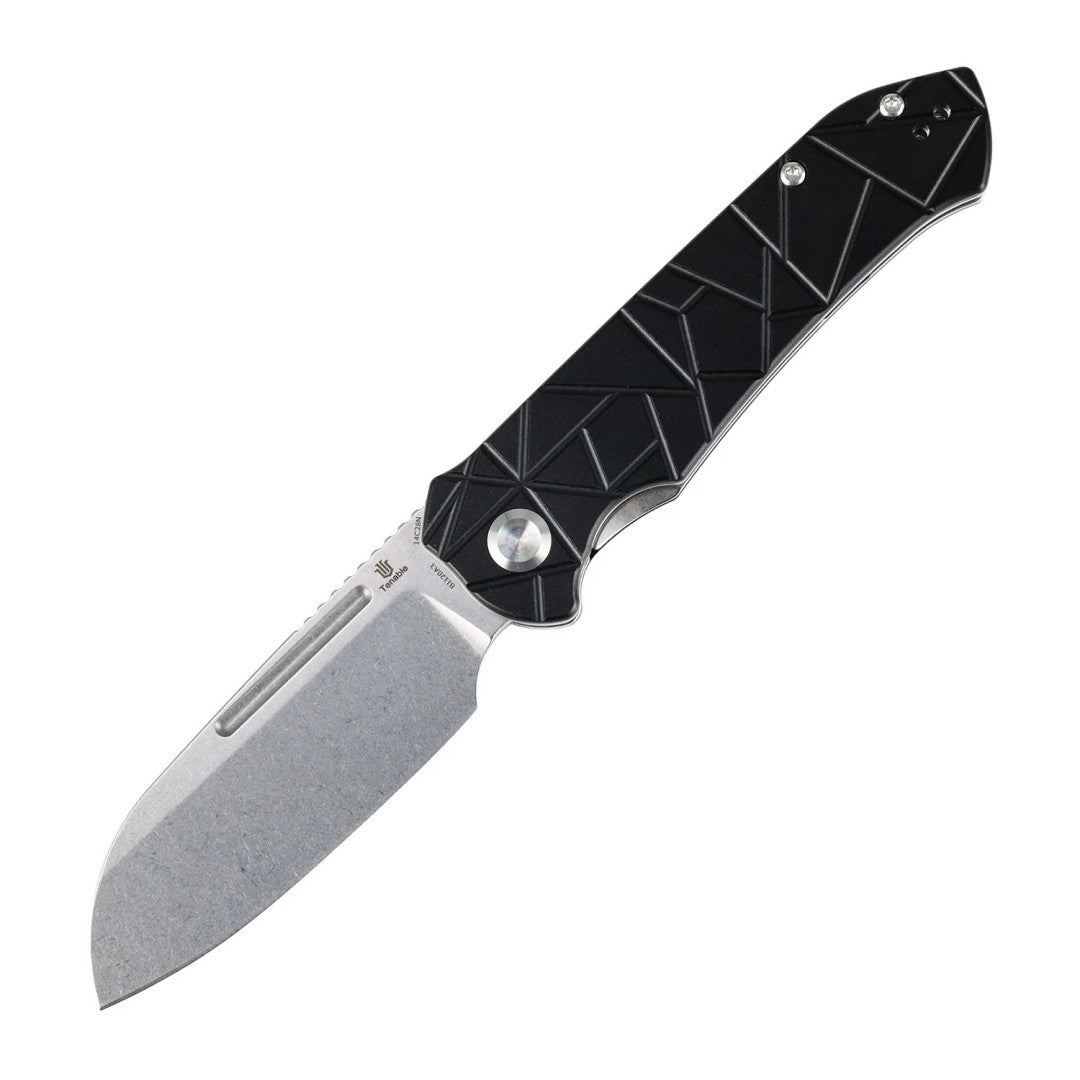
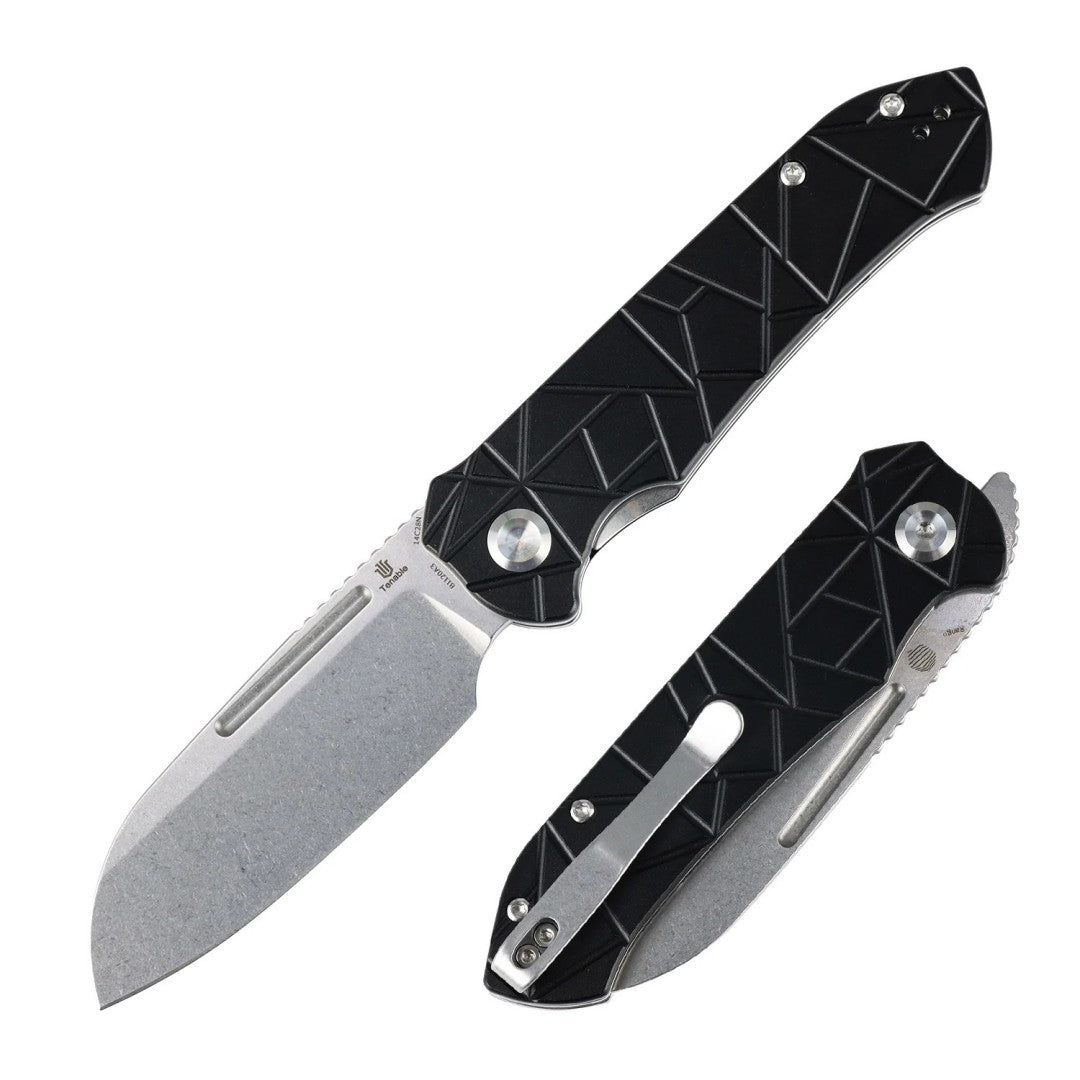
14C28N is a high-performance stainless steel produced by the Swedish company Sandvik. It is known for its excellent edge retention and corrosion resistance, making it a popular choice for kitchen knives and everyday carry knives. With a carbon content of around 0.62%, 14C28N offers a good balance of hardness and toughness.
CTS-BD1 Steel
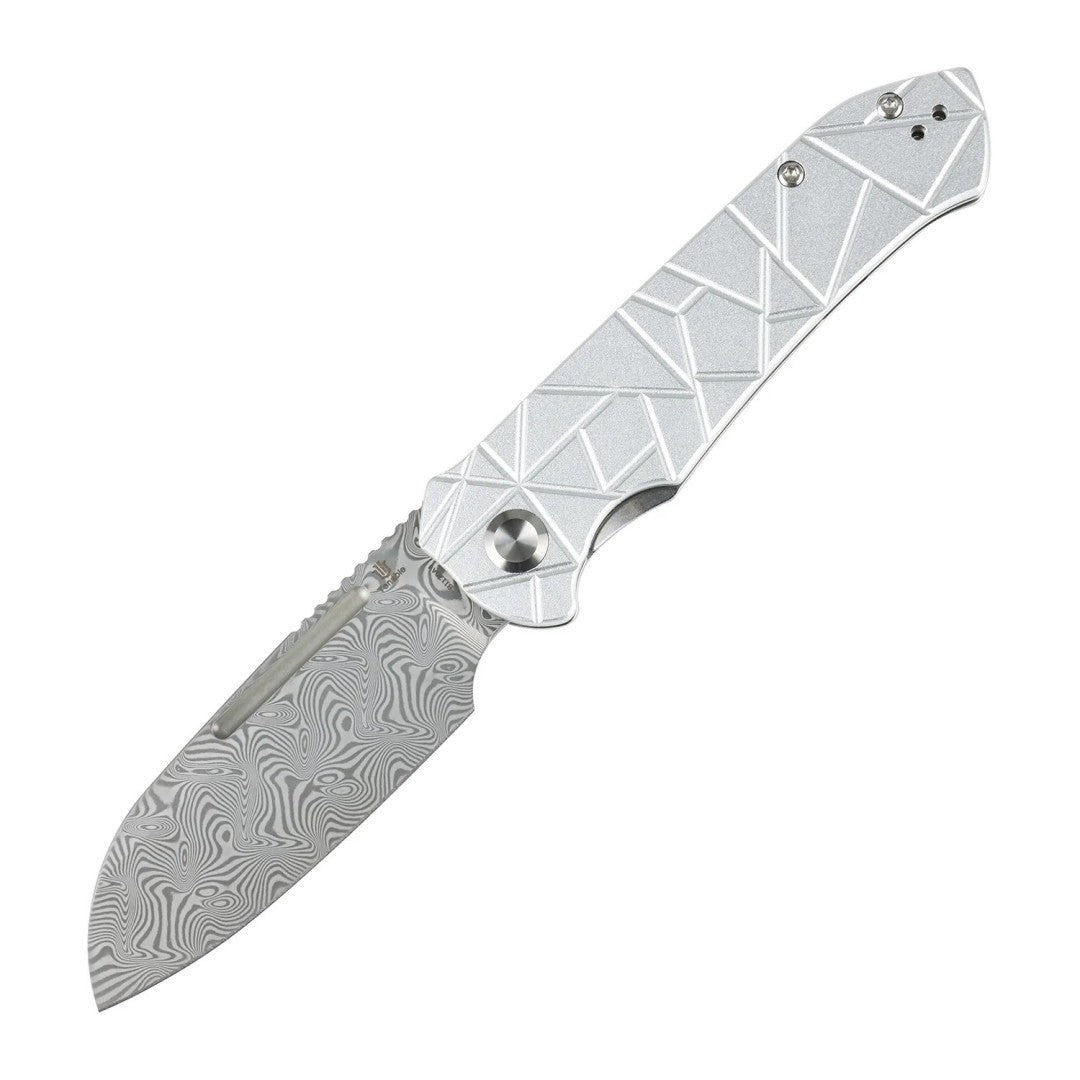
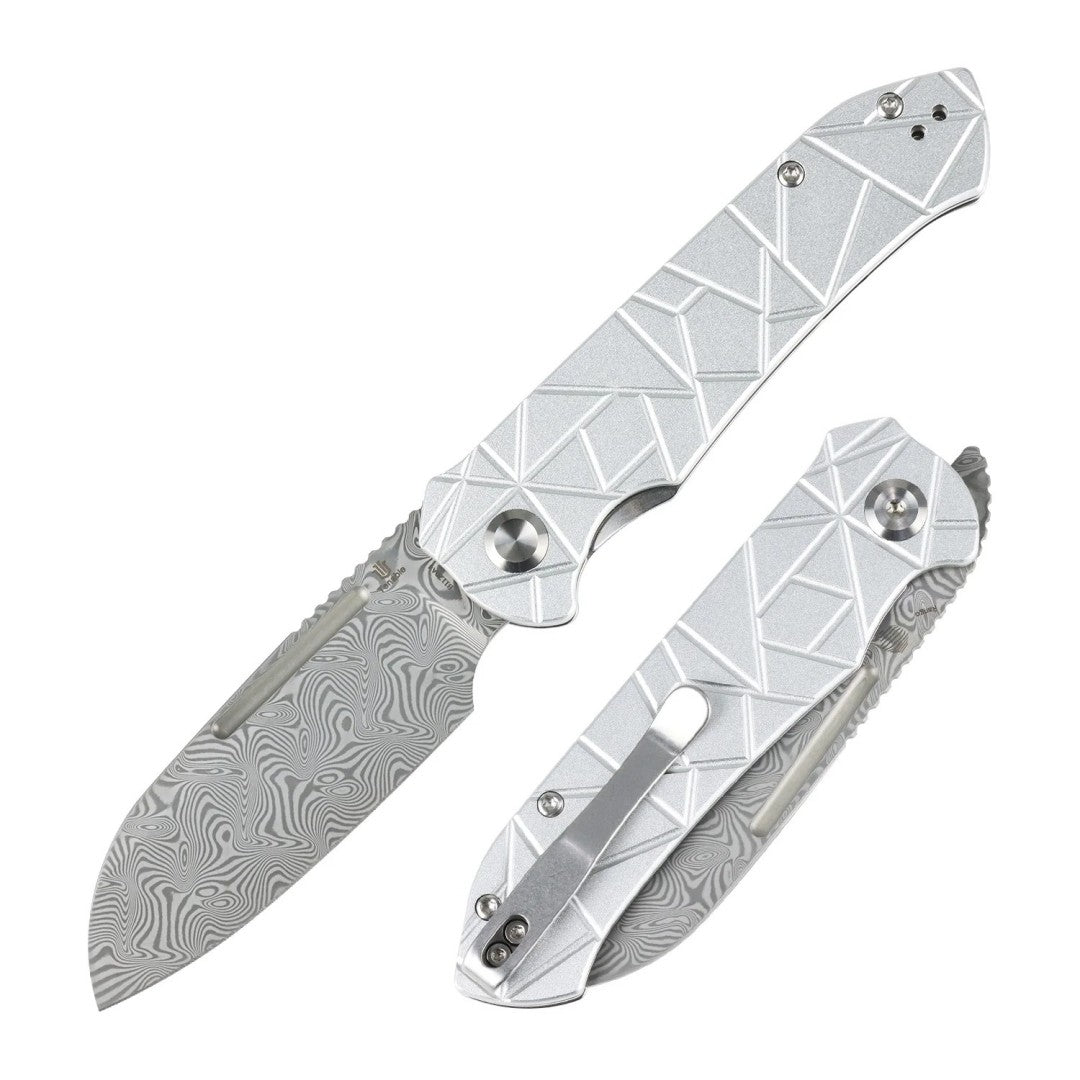
CTS-BD1 is a stainless steel produced by Carpenter Technology Corporation. It is often used in high-end kitchen knives and pocket knives. CTS-BD1 is known for its exceptional wear resistance and ease of sharpening. With a slightly higher carbon content than 14C28N, around 0.95%, CTS-BD1 offers increased hardness and edge retention.
Comparing the Two
When comparing 14C28N and CTS-BD1, it ultimately comes down to your specific needs and preferences. If you prioritize edge retention and corrosion resistance, 14C28N may be the better choice for you. On the other hand, if you value wear resistance and ease of sharpening, CTS-BD1 could be the steel for you.
It's important to note that both steels have their own strengths and weaknesses, and the best steel for you will depend on how you plan to use your knife. Whether you're a chef looking for a durable kitchen knife or an outdoor enthusiast in need of a reliable camping knife, understanding the properties of 14C28N and CTS-BD1 can help you make an informed decision.
In conclusion, both 14C28N and CTS-BD1 are excellent choices for knife making, each offering unique benefits to the user. Consider your priorities and intended use for the knife to determine which steel will best suit your needs.