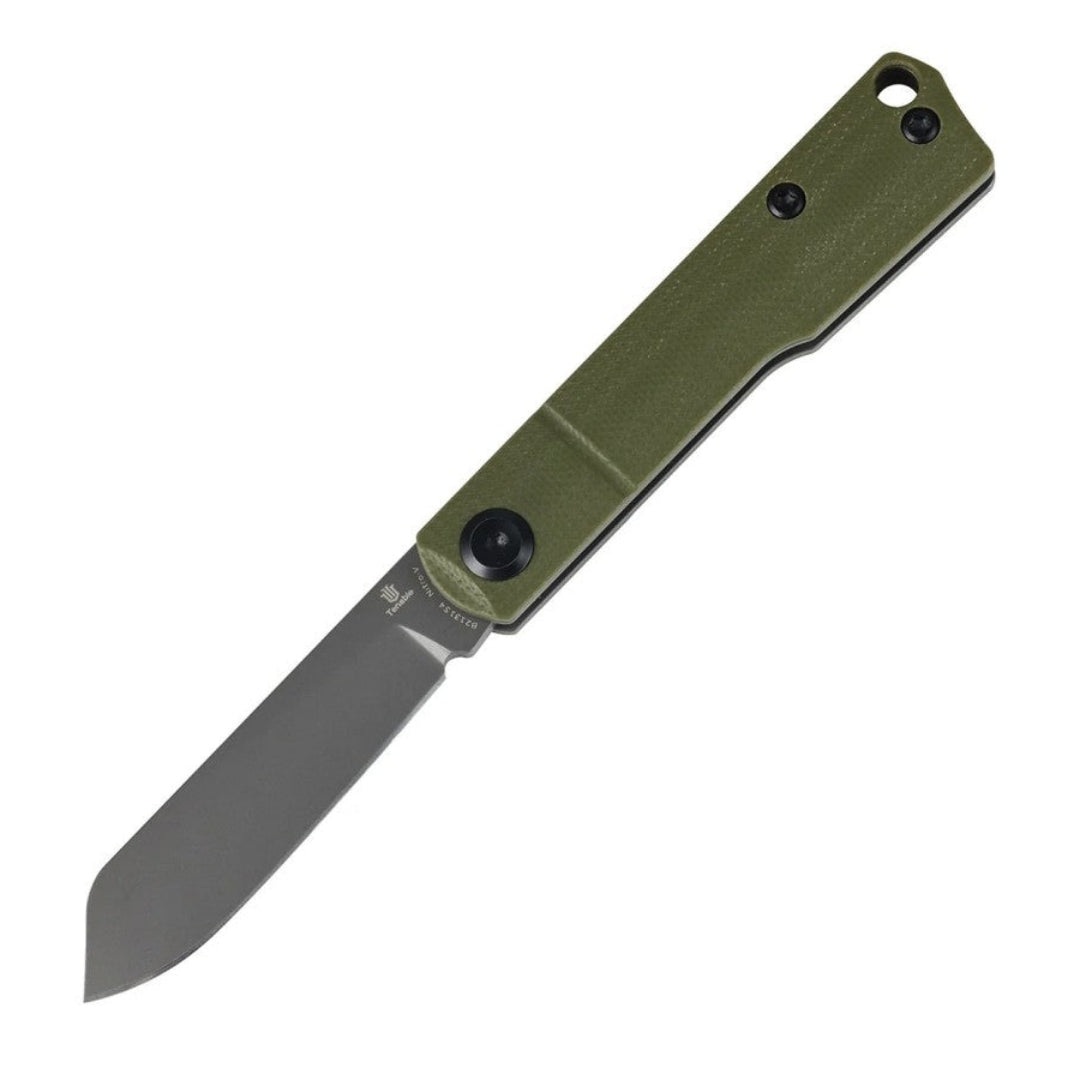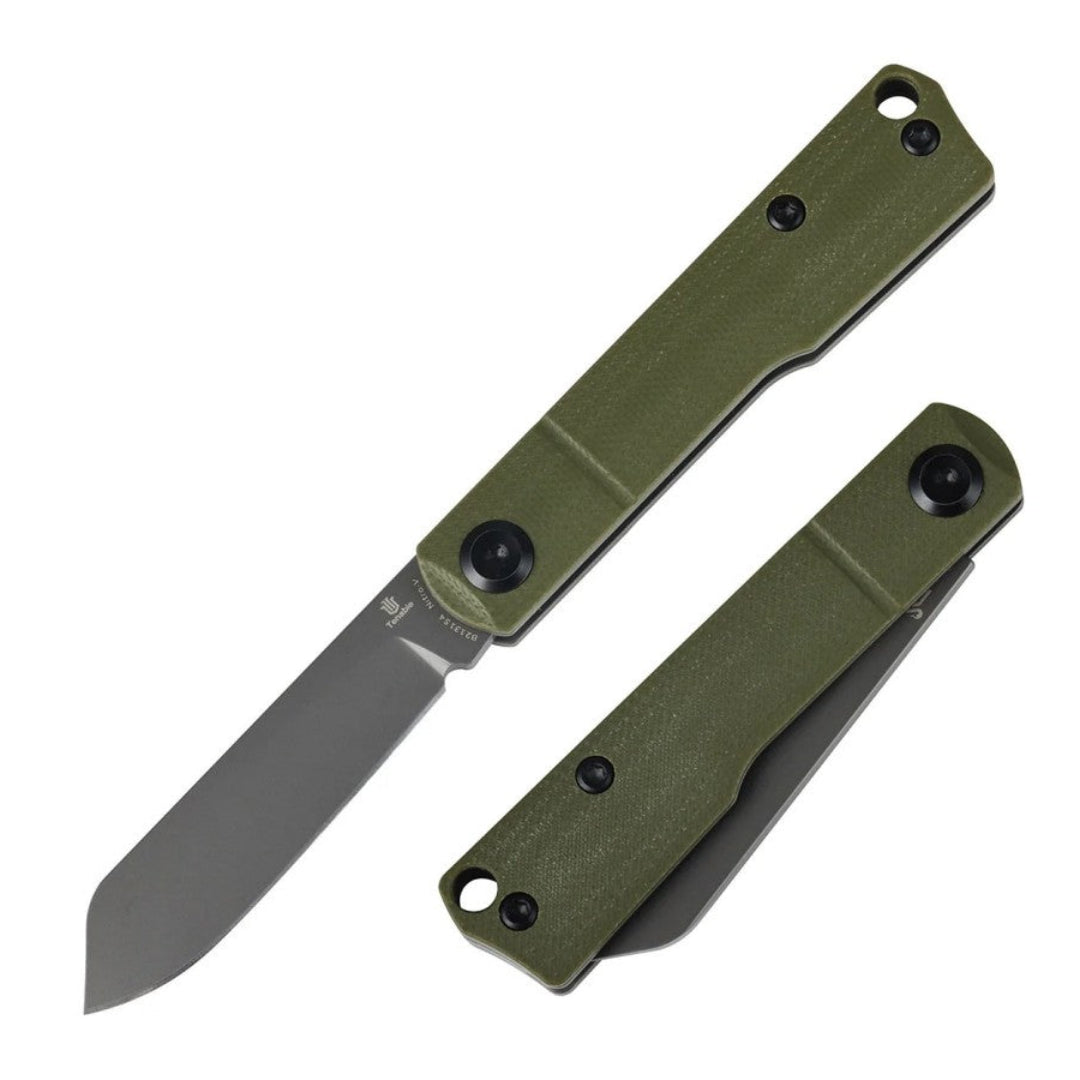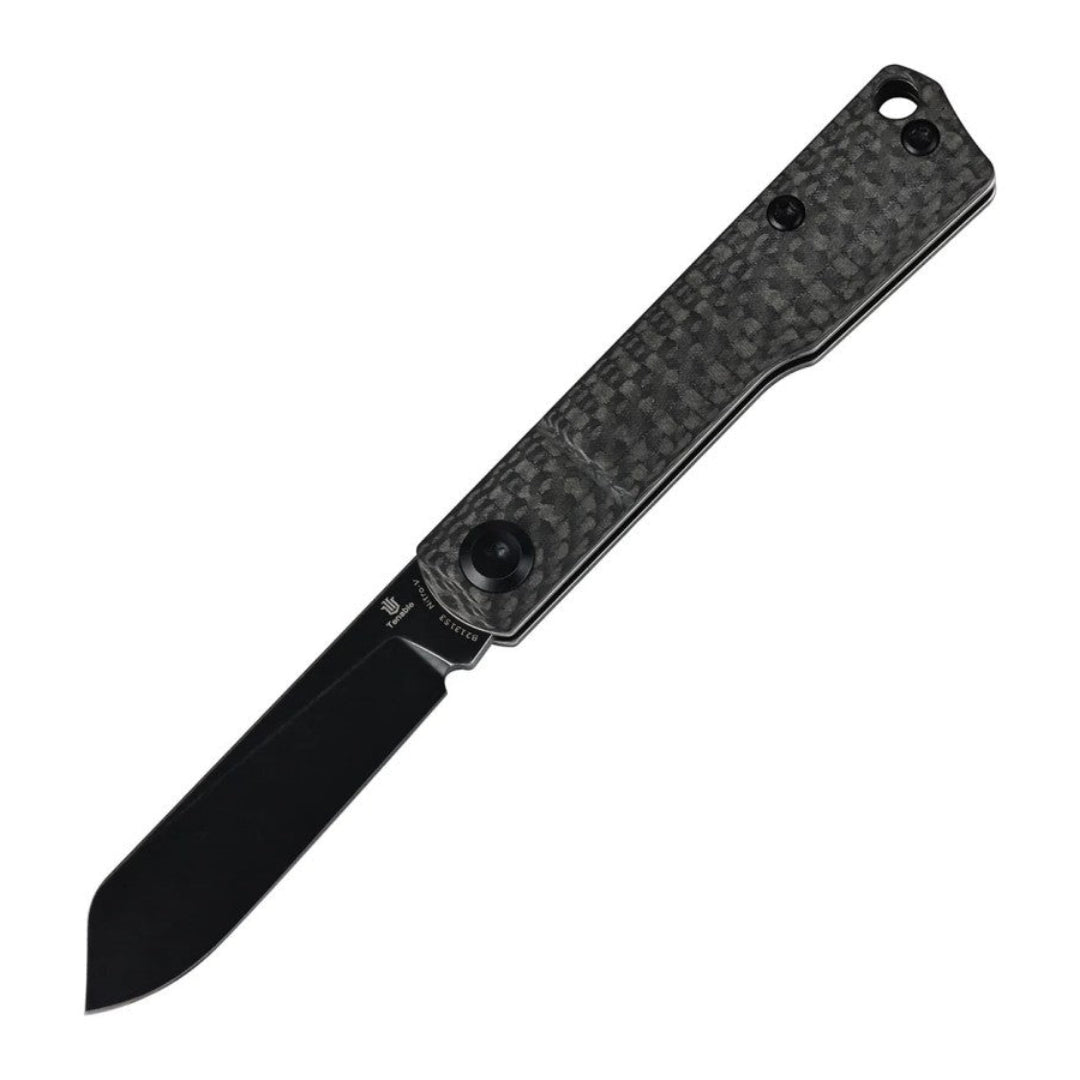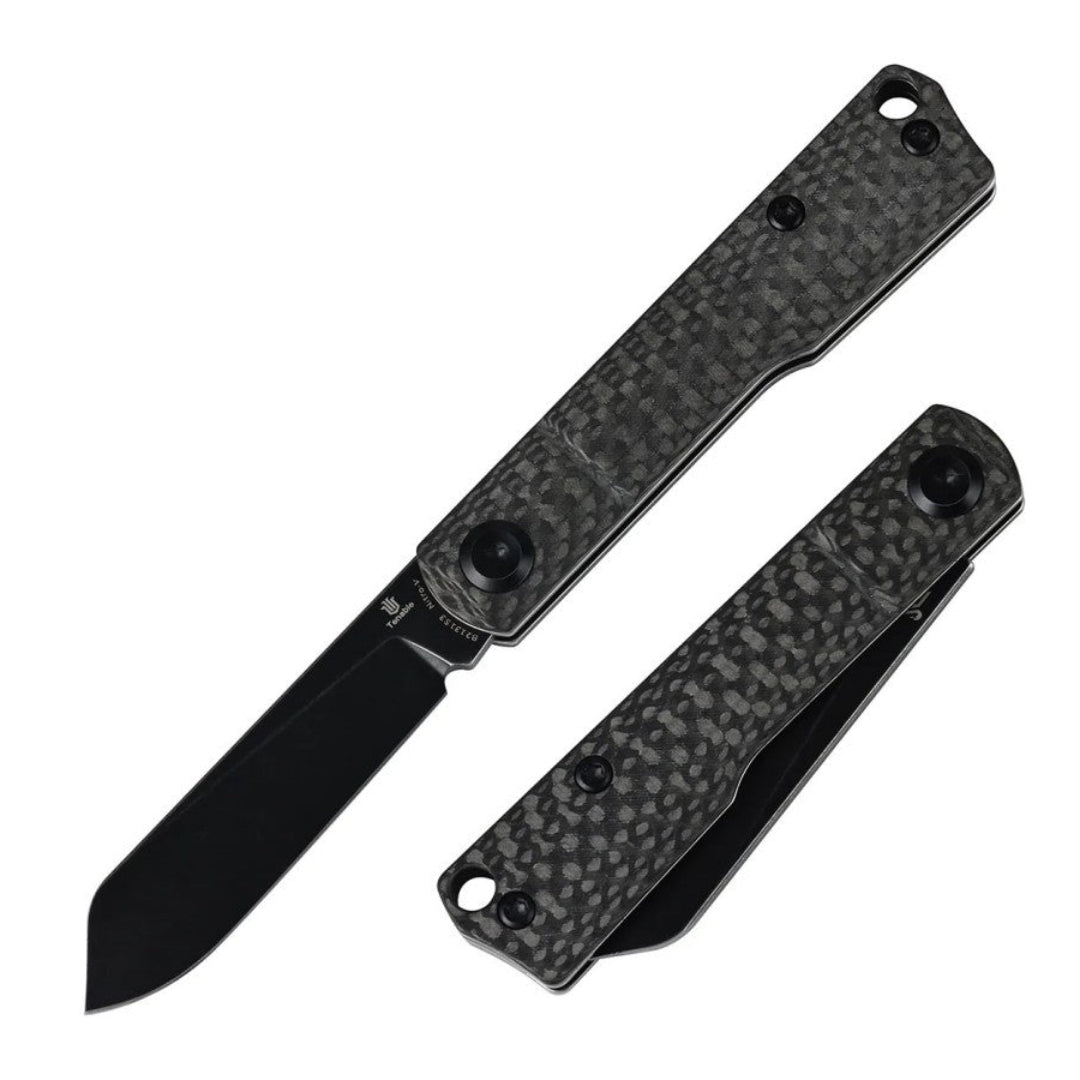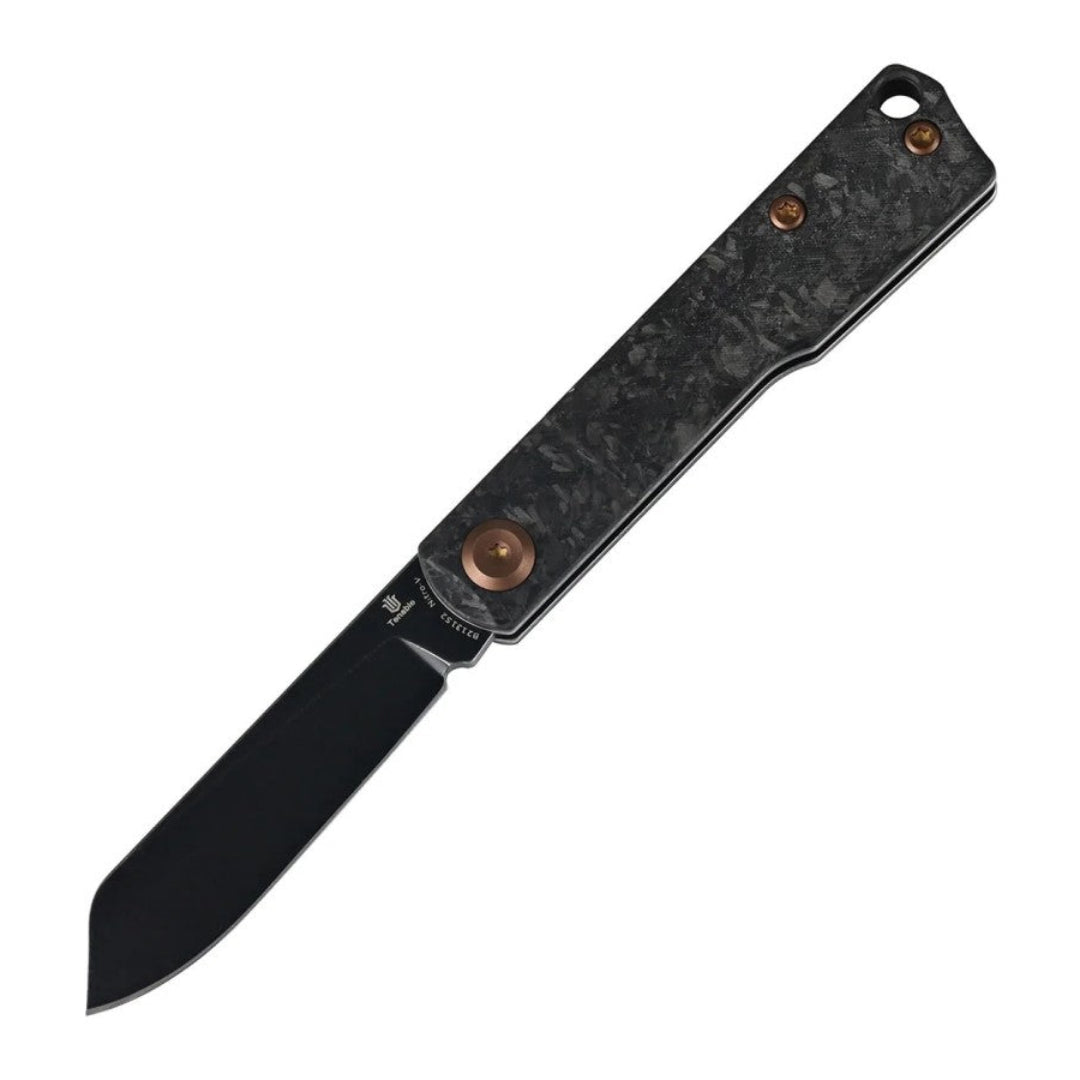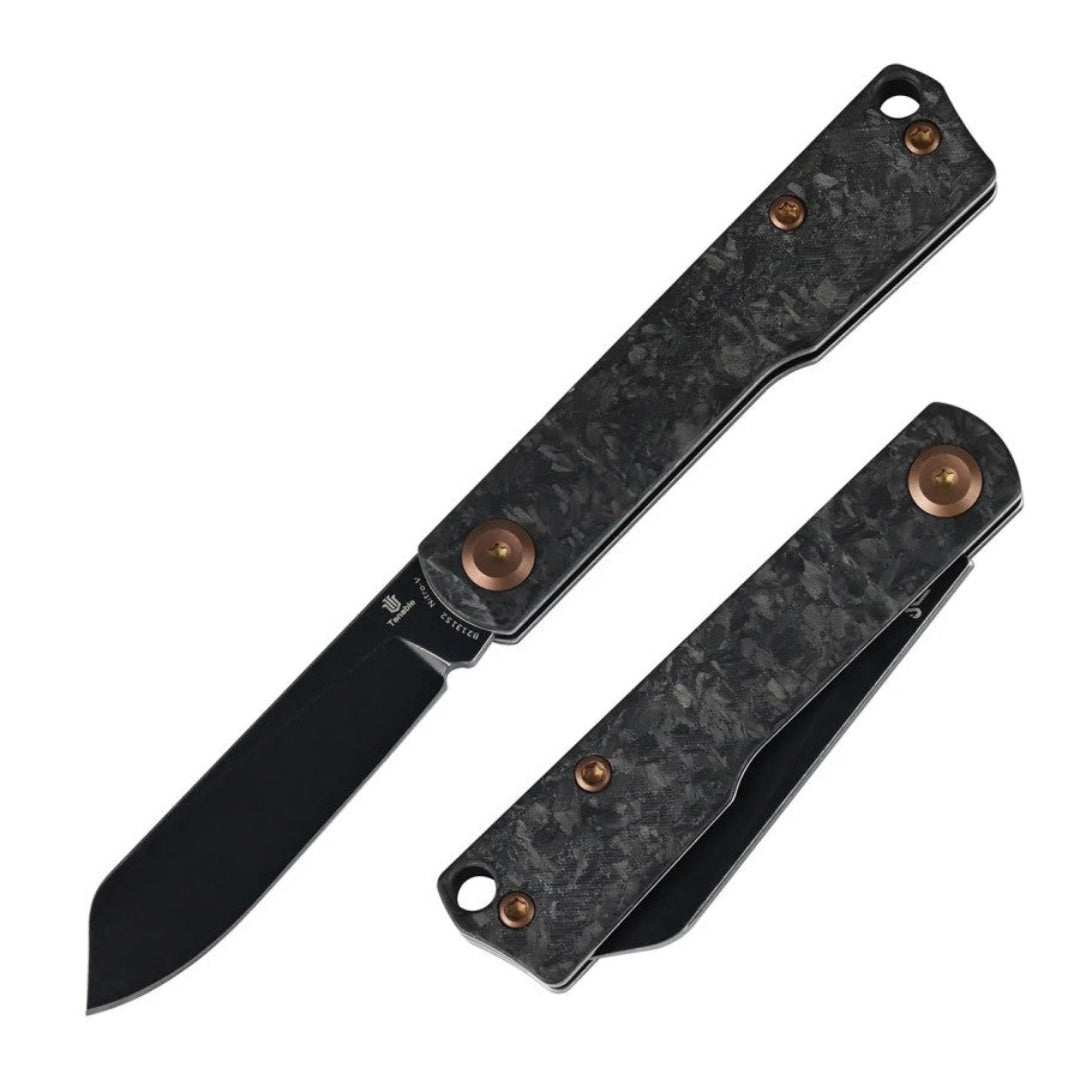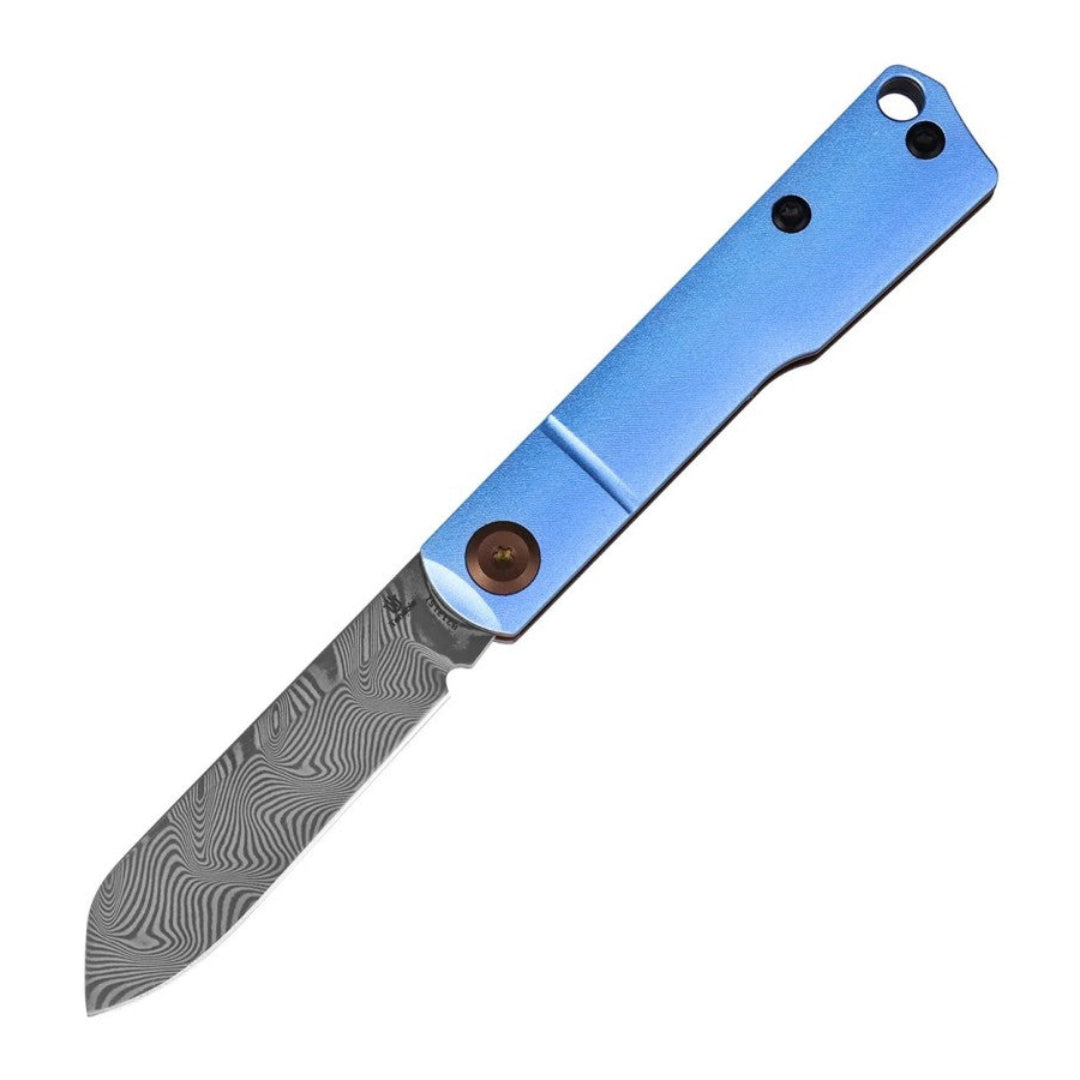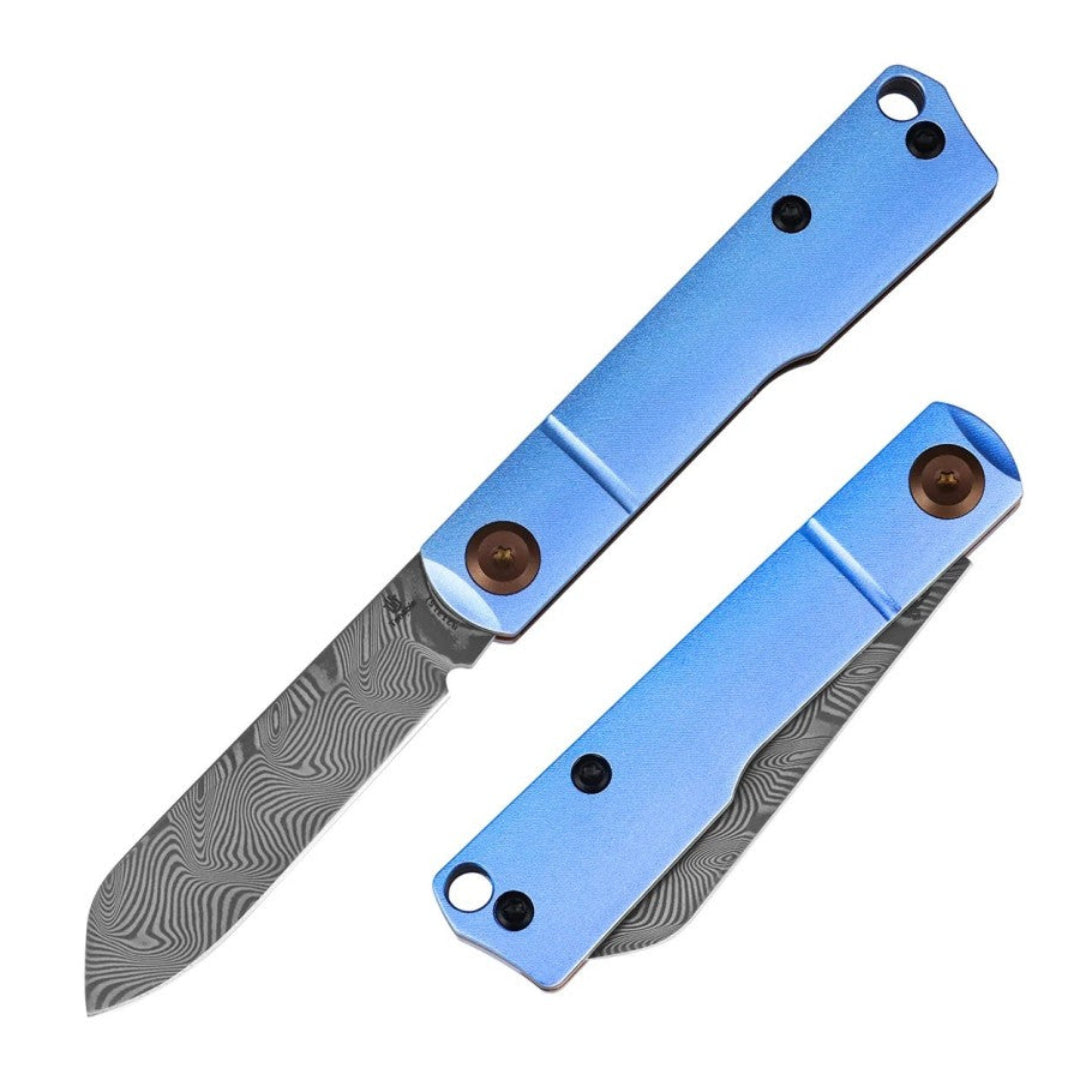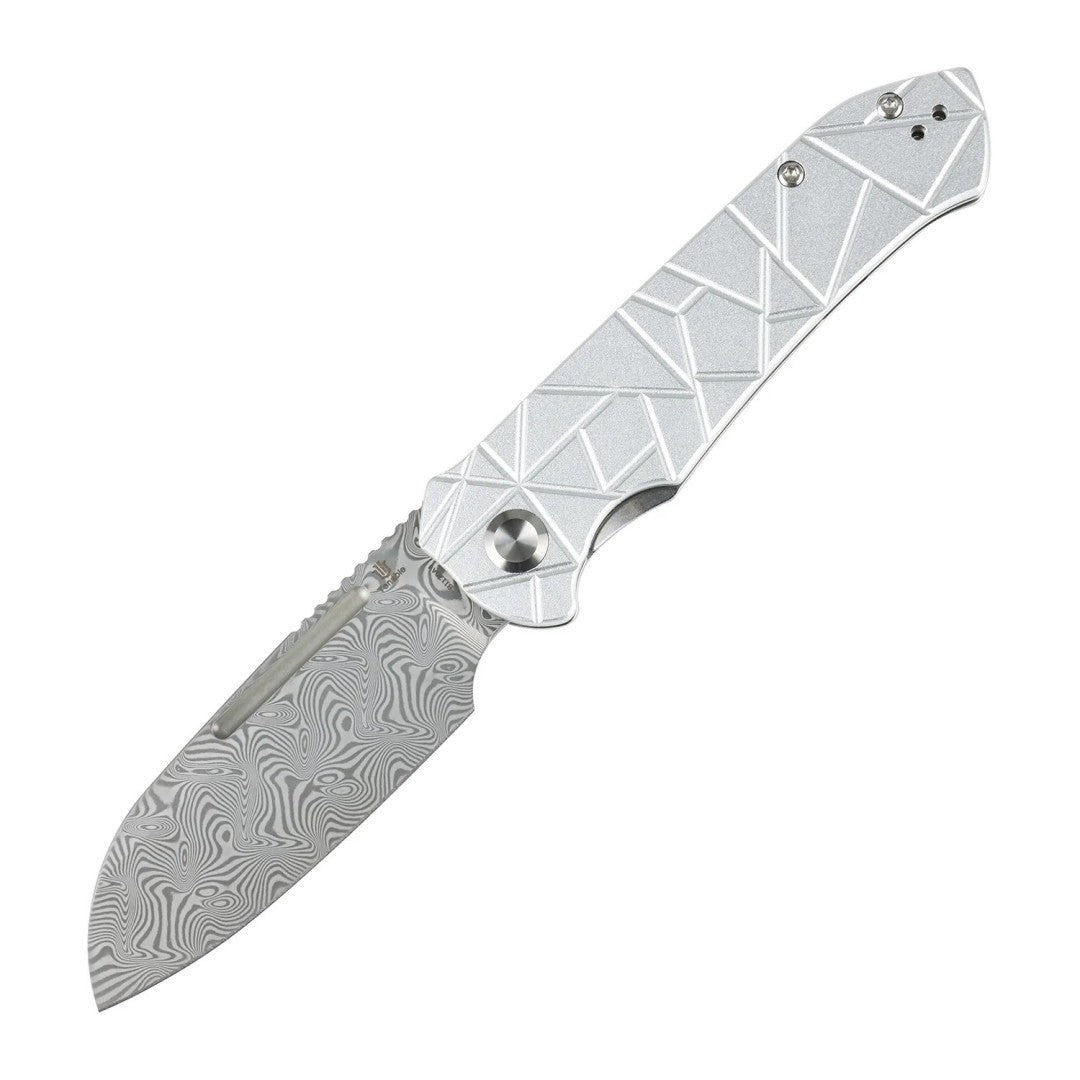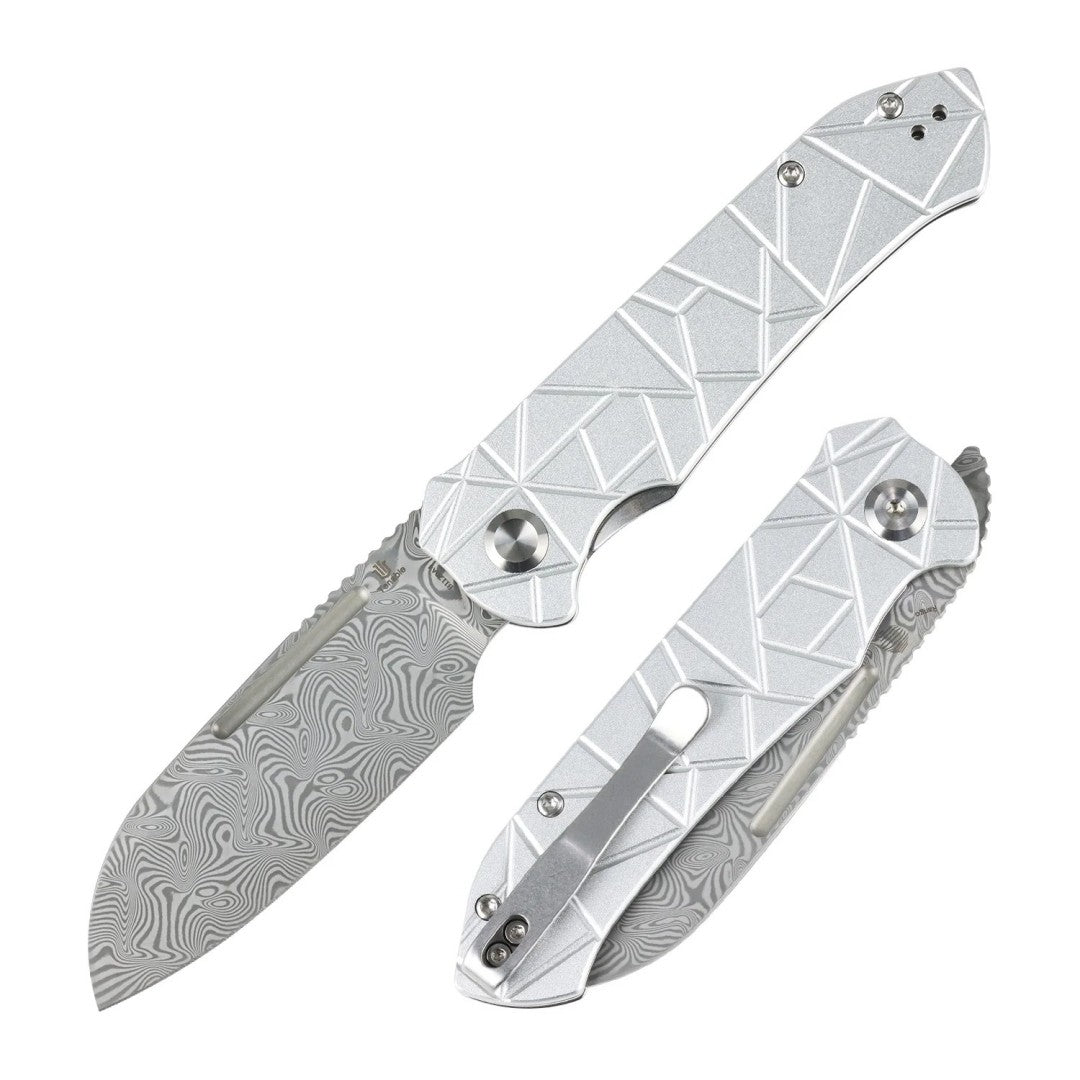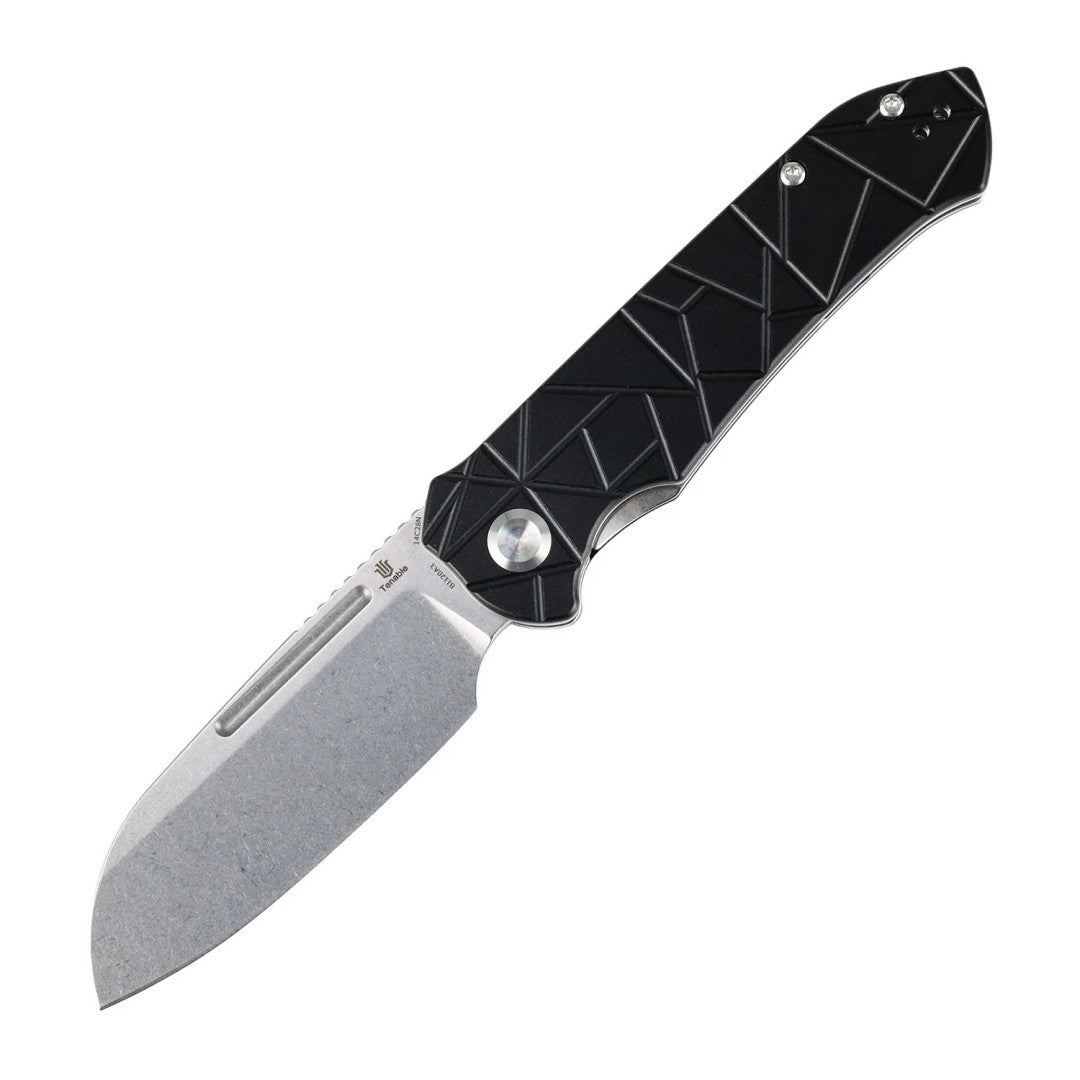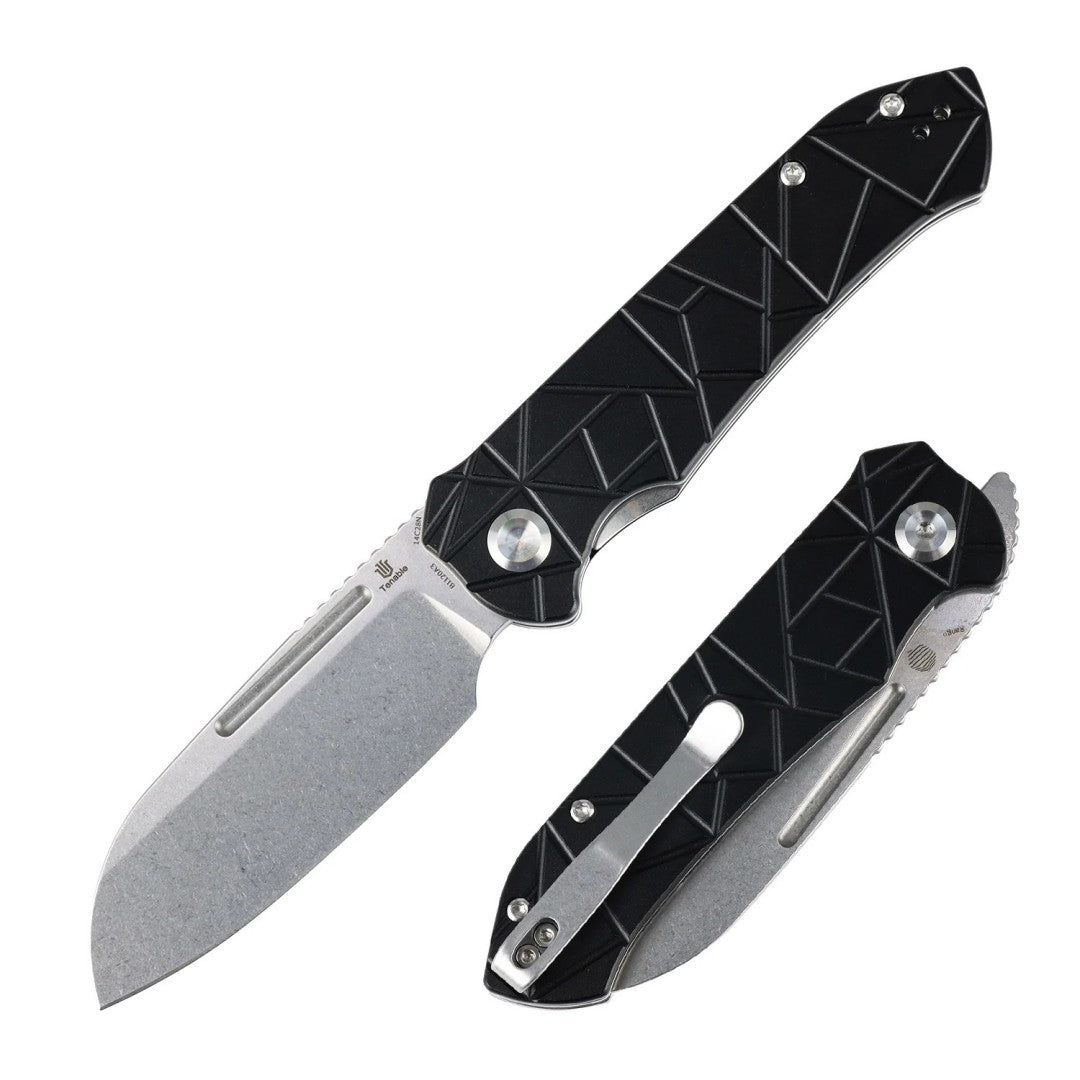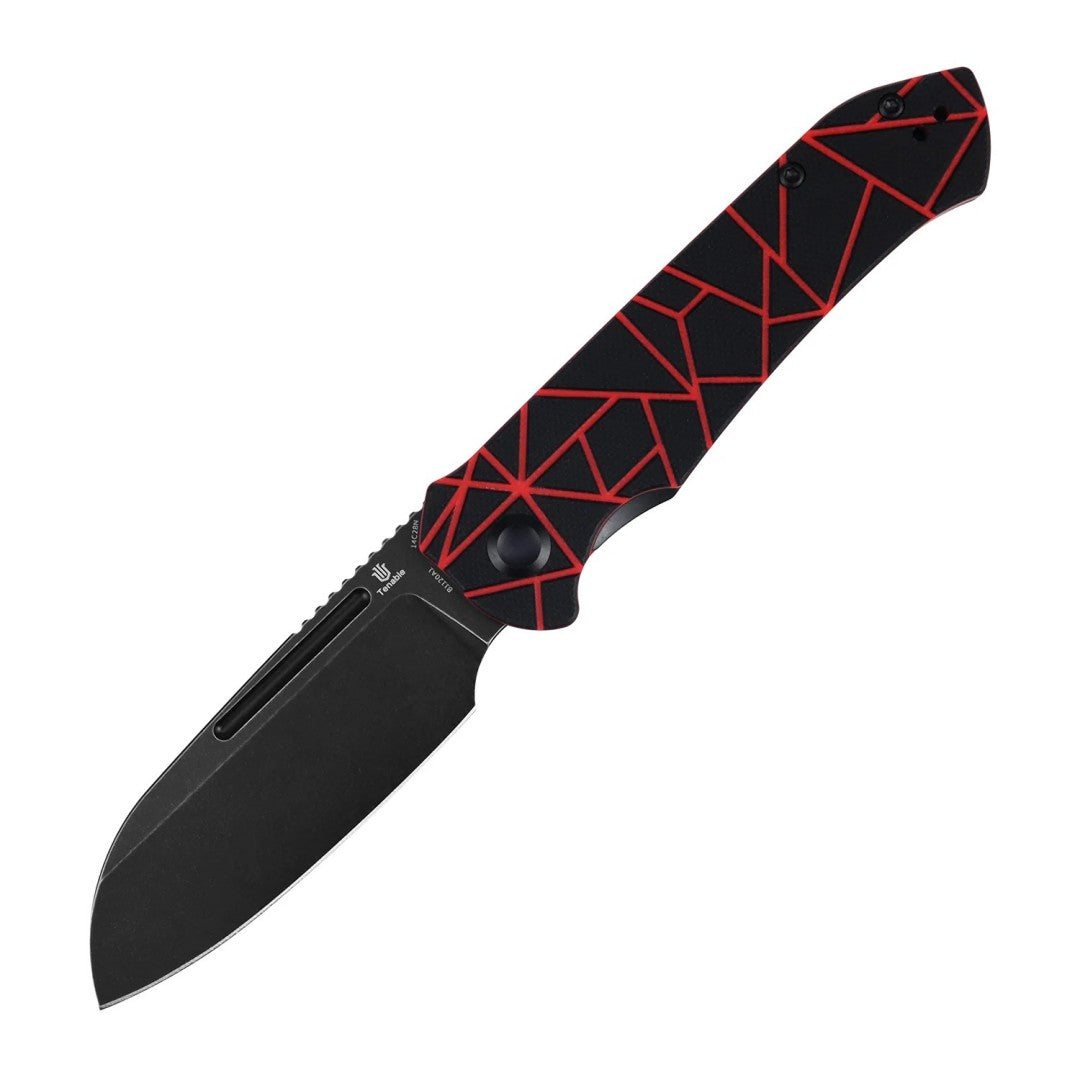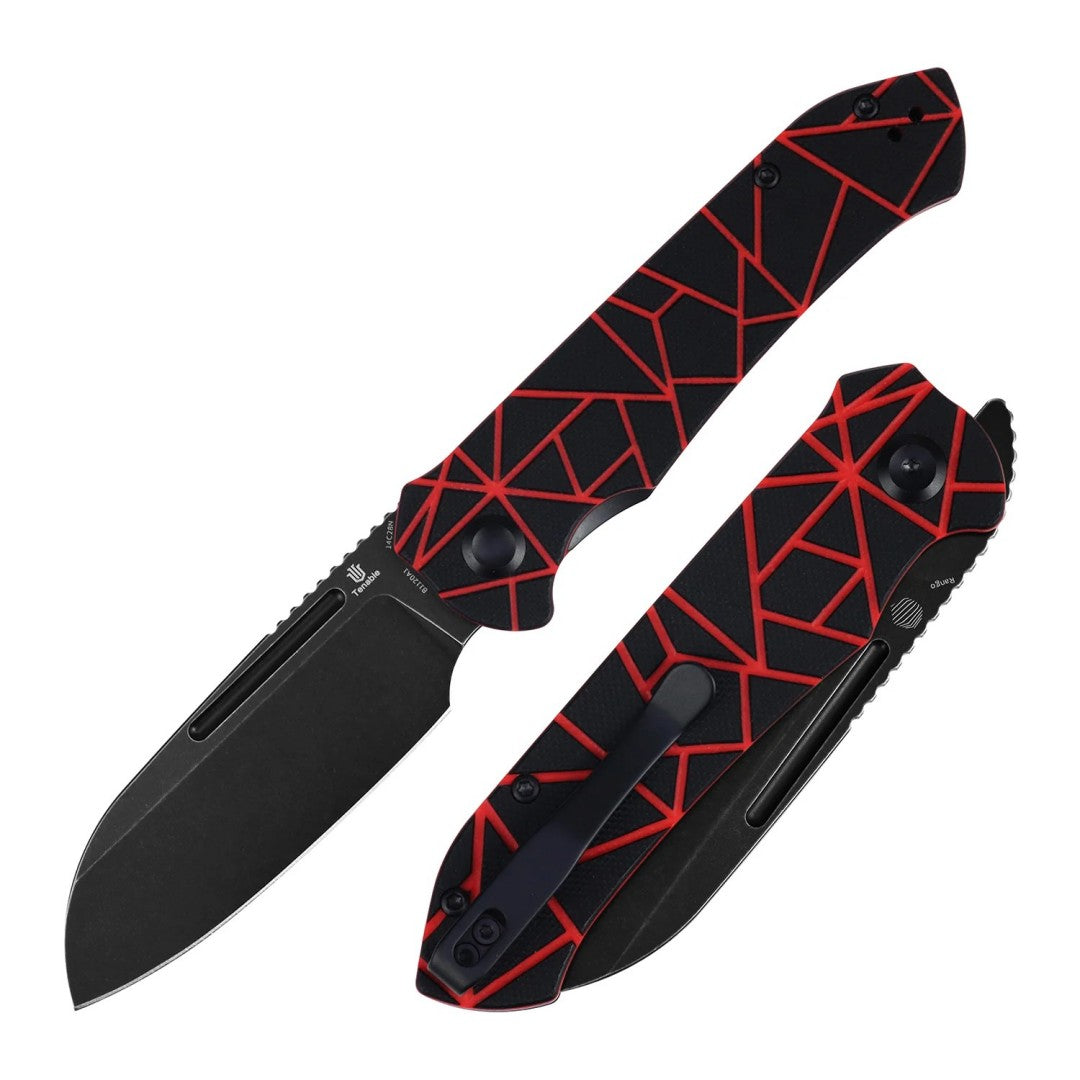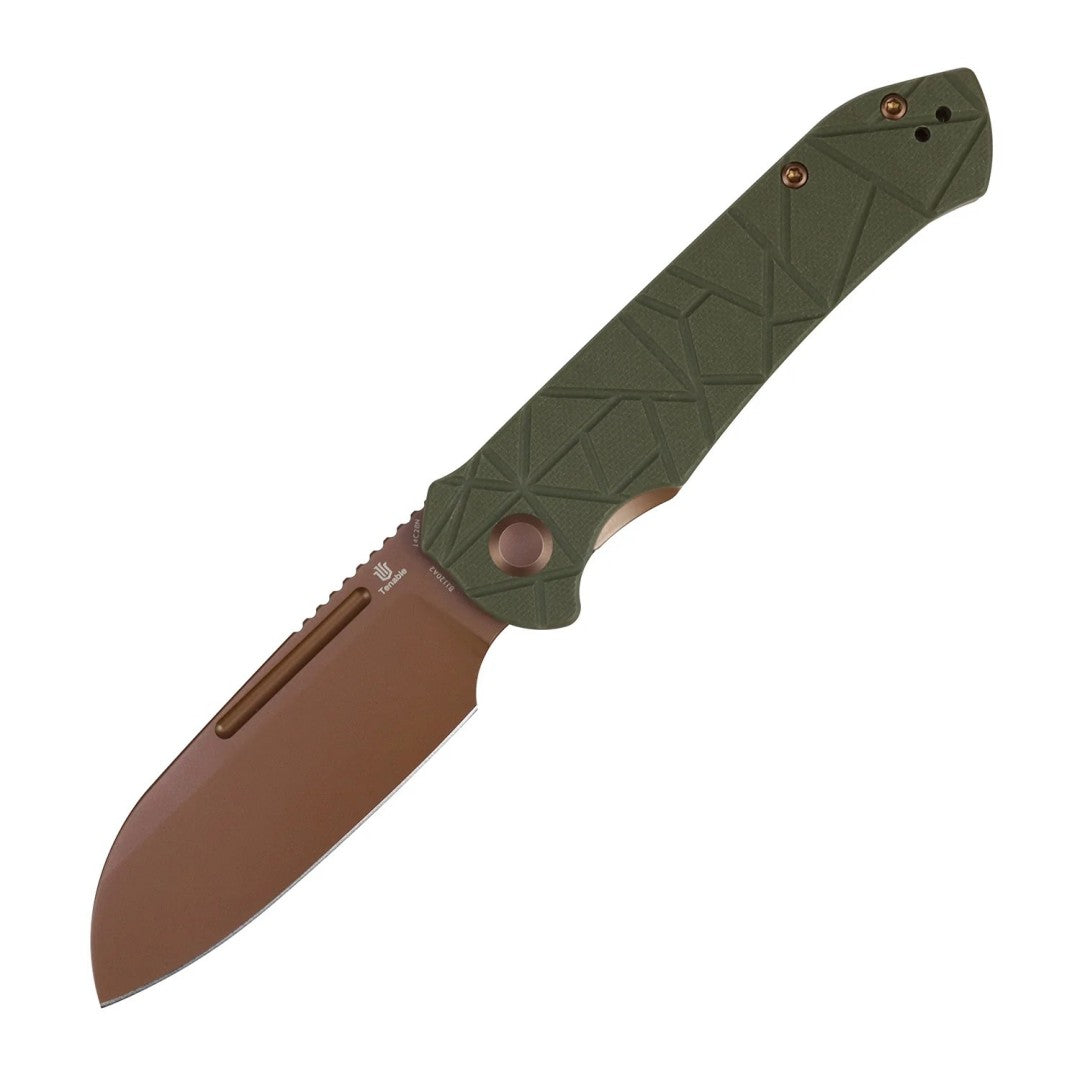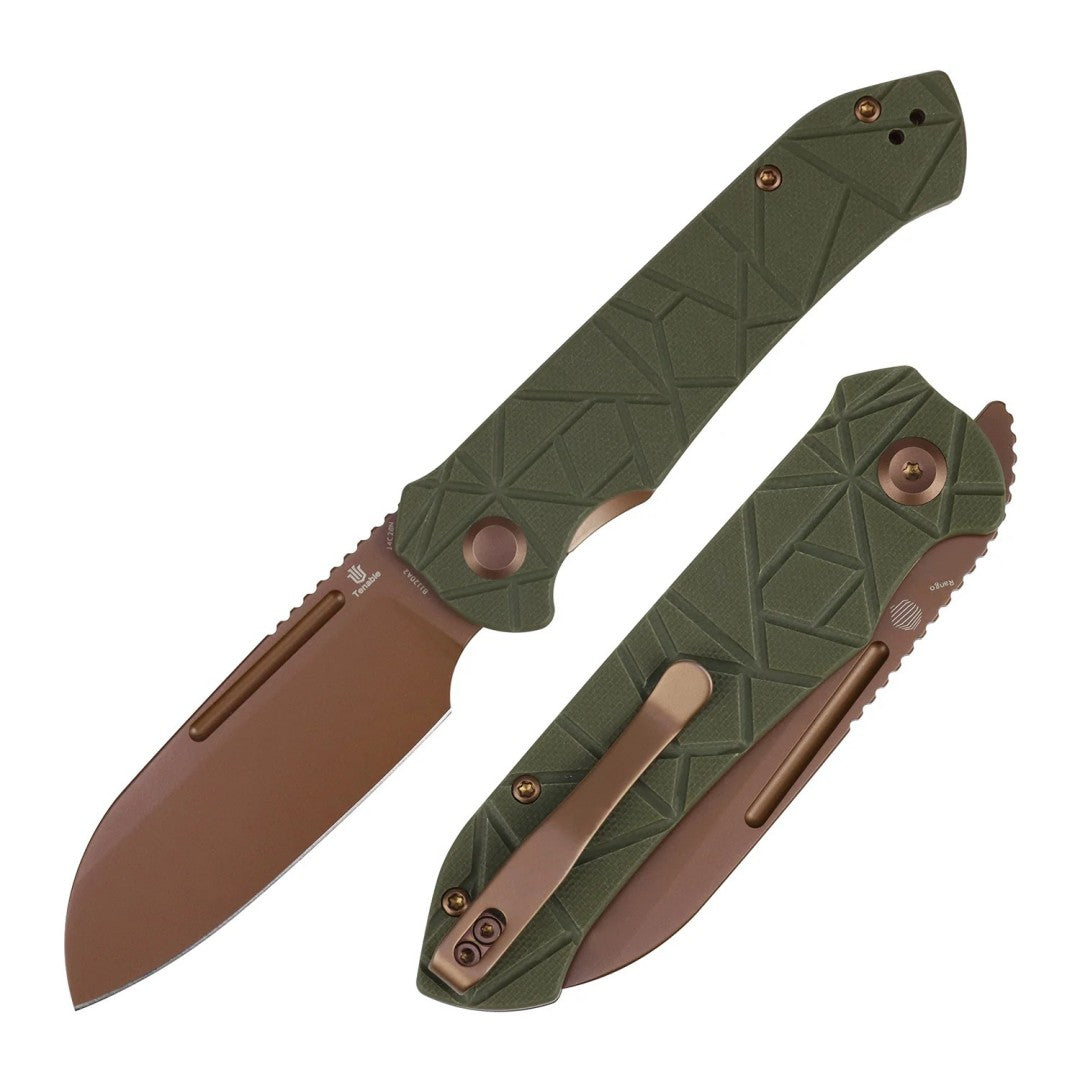

When it comes to choosing the right steel for your knives, the decision can be overwhelming. Two popular choices among knife enthusiasts are 14C28N and N690 steel. But which one is better? Let's dive into the details to help you make an informed decision.
Composition and Properties
14C28N is a Sandvik stainless steel known for its high hardness and excellent edge retention. It contains a higher percentage of carbon (0.62%) compared to N690 steel. On the other hand, N690 steel is a high-quality stainless steel produced by Bohler-Uddeholm, known for its corrosion resistance and toughness. It has a lower carbon content (0.54%) but includes added elements like chromium, vanadium, and cobalt for enhanced performance.
Edge Retention and Sharpness
When it comes to edge retention, 14C28N steel outperforms N690 steel due to its higher carbon content. This means that knives made with 14C28N steel will maintain their sharpness for a longer period of time, making them ideal for everyday use. However, N690 steel is easier to sharpen and offers better corrosion resistance, making it a great choice for outdoor or marine applications.
Toughness and Durability
While 14C28N steel is known for its hardness and edge retention, N690 steel excels in toughness and durability. Knives made with N690 steel are less prone to chipping or breaking, making them suitable for heavy-duty tasks. The added elements in N690 steel contribute to its overall strength and resilience, making it a reliable option for demanding environments.
Conclusion
In conclusion, both 14C28N and N690 steel have their own strengths and weaknesses, making them suitable for different purposes. If you prioritize edge retention and sharpness, 14C28N steel is the way to go. On the other hand, if you value toughness and corrosion resistance, N690 steel is the superior choice. Consider your specific needs and preferences to determine which steel will best suit your requirements.
Ultimately, the decision between 14C28N and N690 steel comes down to personal preference and intended use. Whichever steel you choose, both options offer high-quality performance and durability for your knives.