
Overview & First Impressions
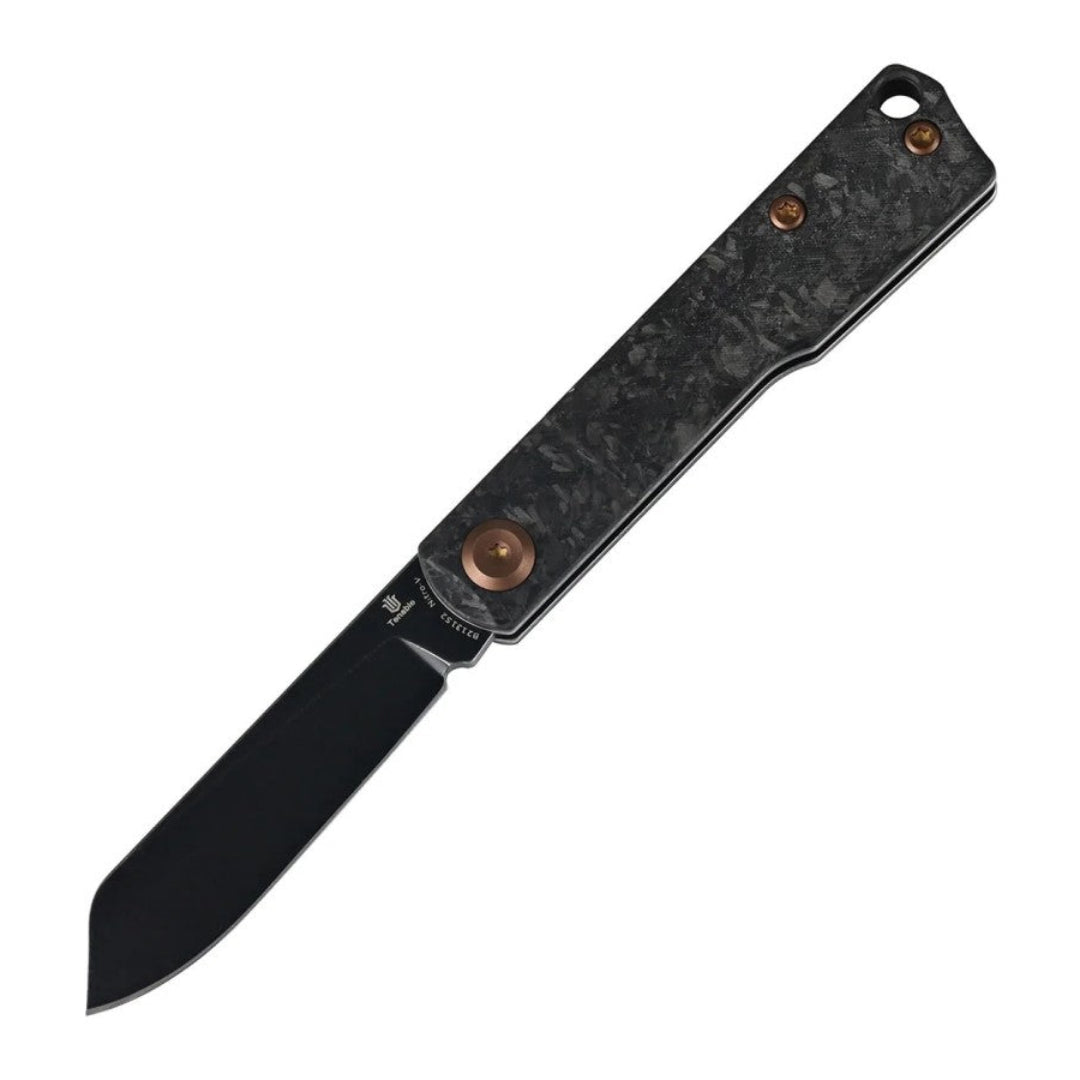
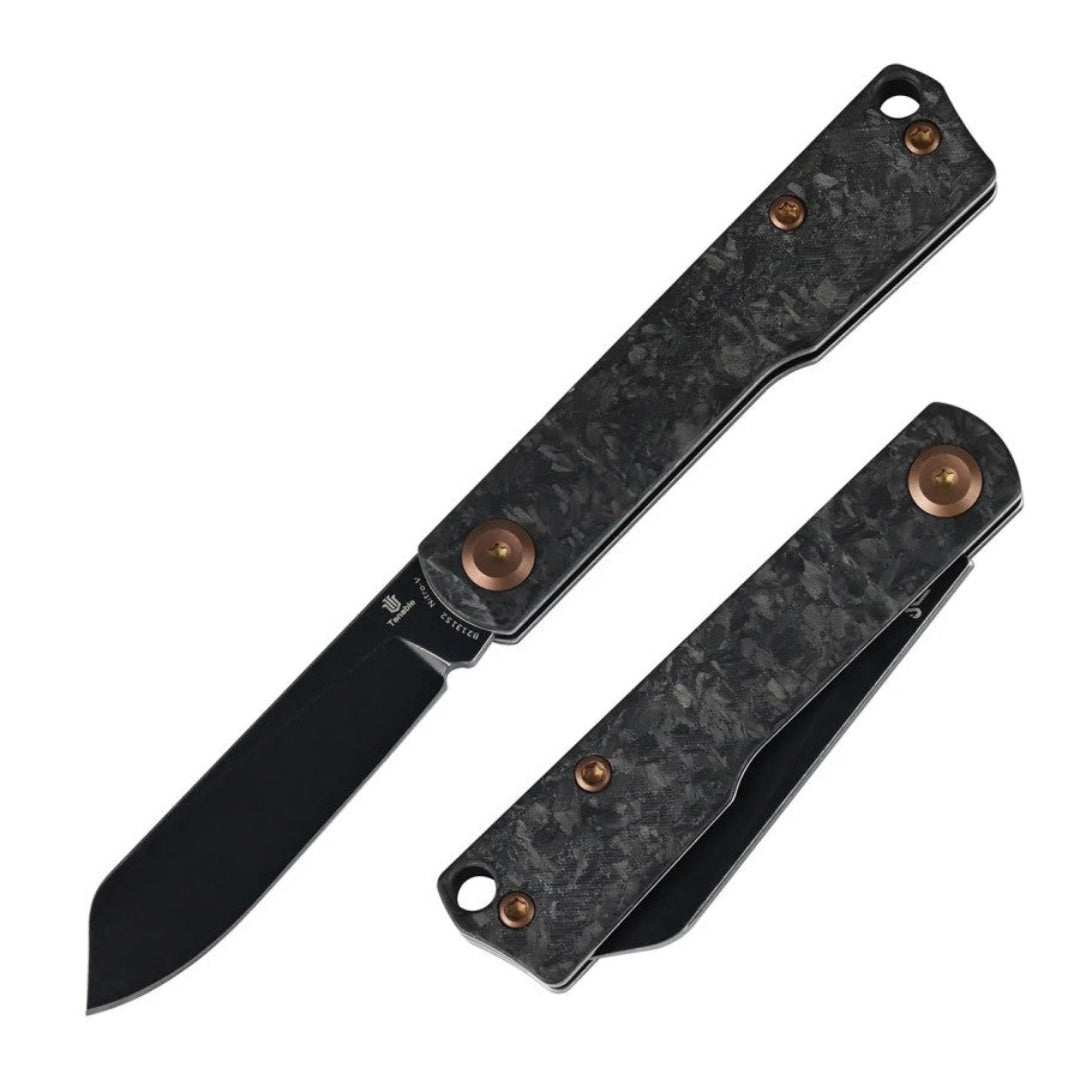
Two steels dominate the sweet spot where performance meets price: Sandvik's 14C28N and the nitrogen-infused Nitro-V. Bestech's Cobber BG68A showcases the former; QSP's Coyote and Heron series run the latter — making this one of the most practical steel comparisons for real buyers. Both deliver quality cutting that embarrasses legacy budget steels, but their characters differ in ways that matter on the stone and in the pocket. Here is how to choose between today's two best-value stainless options.

Build Quality & Materials
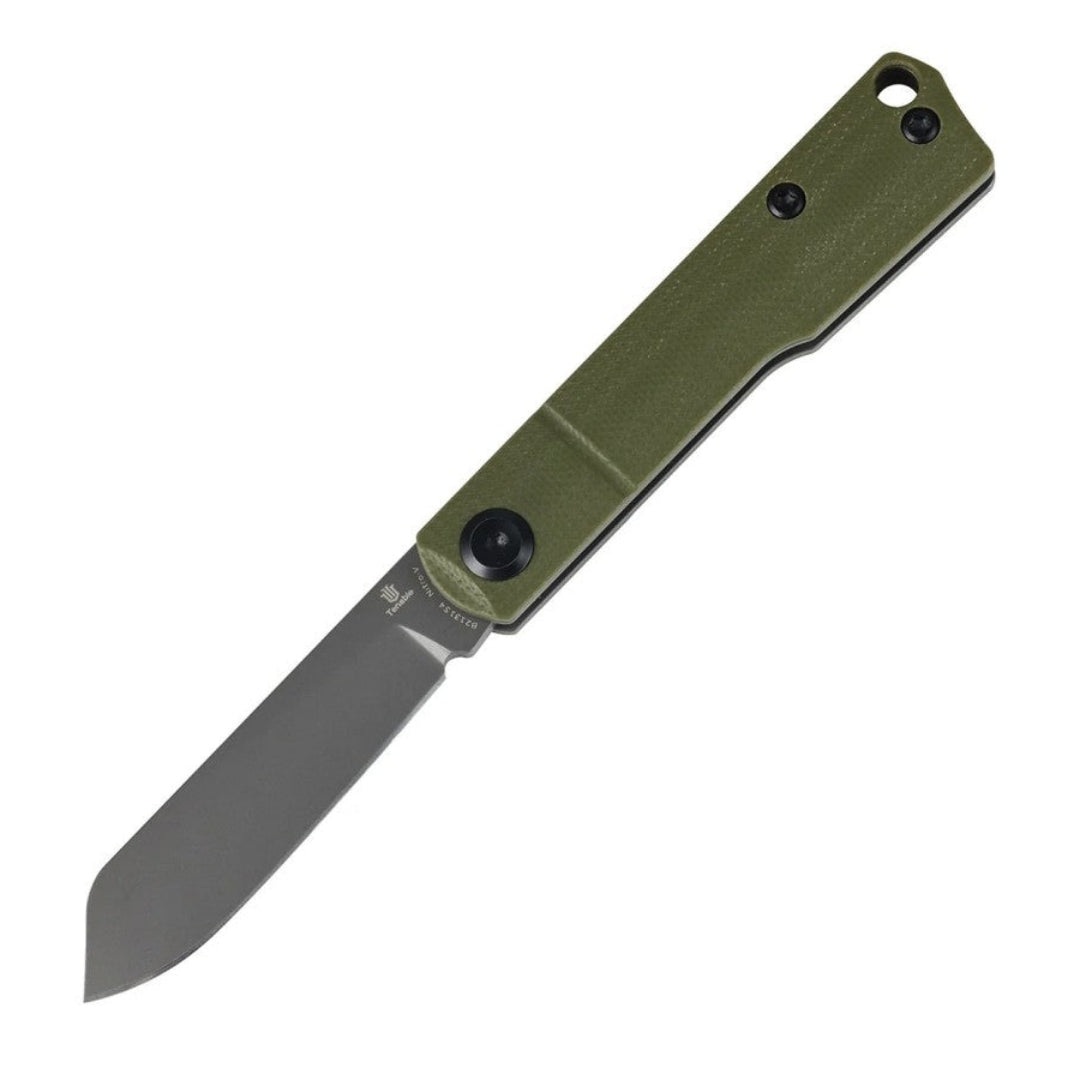
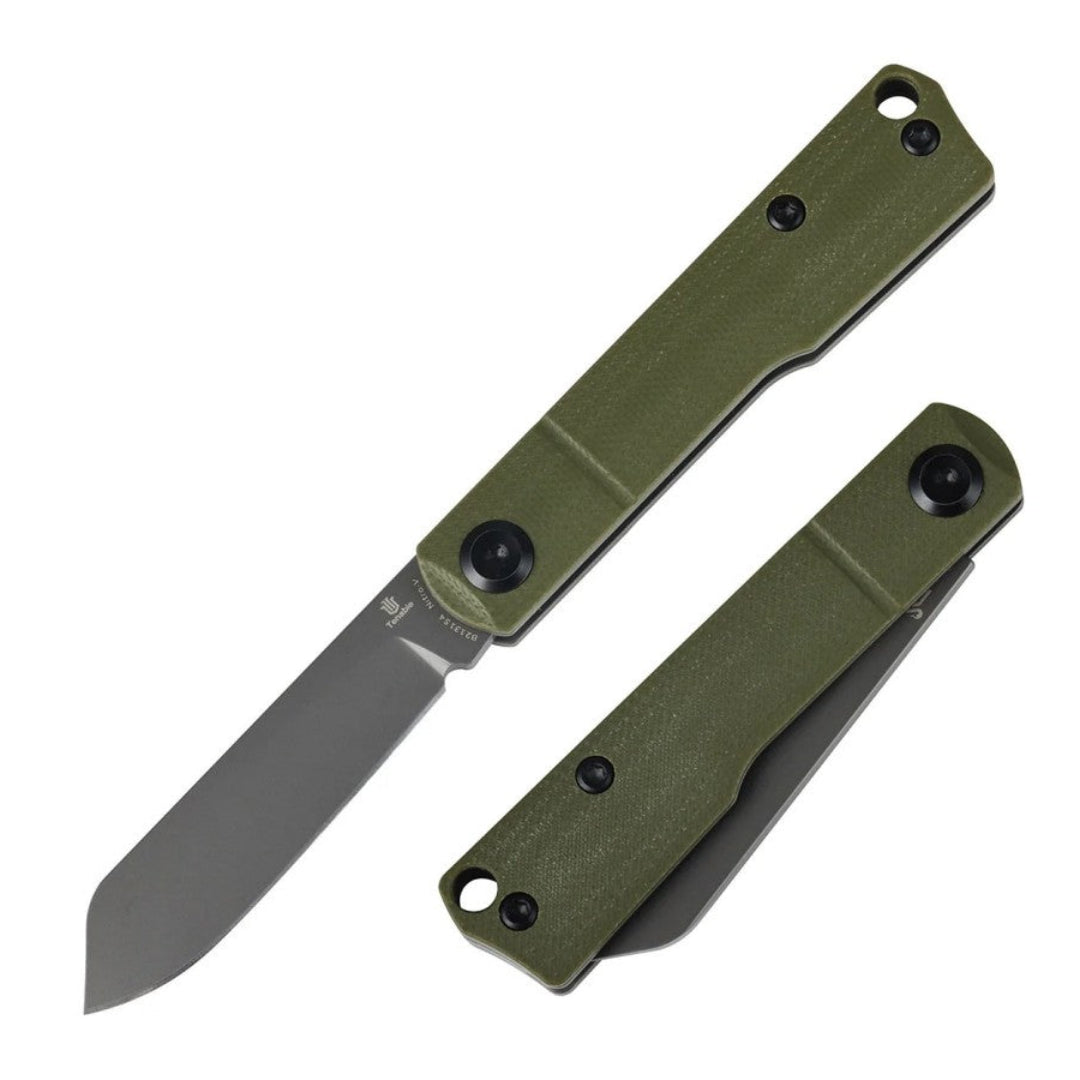
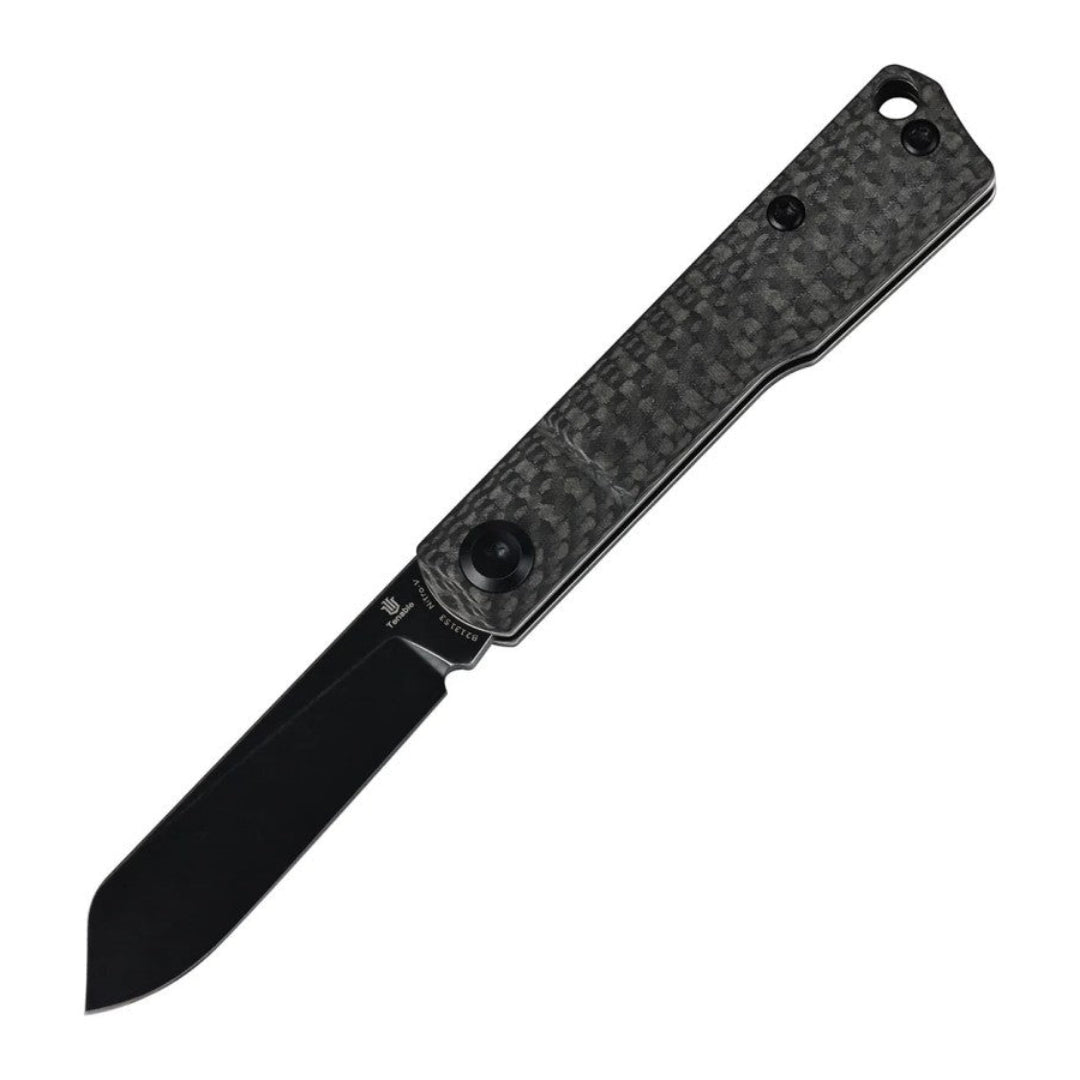
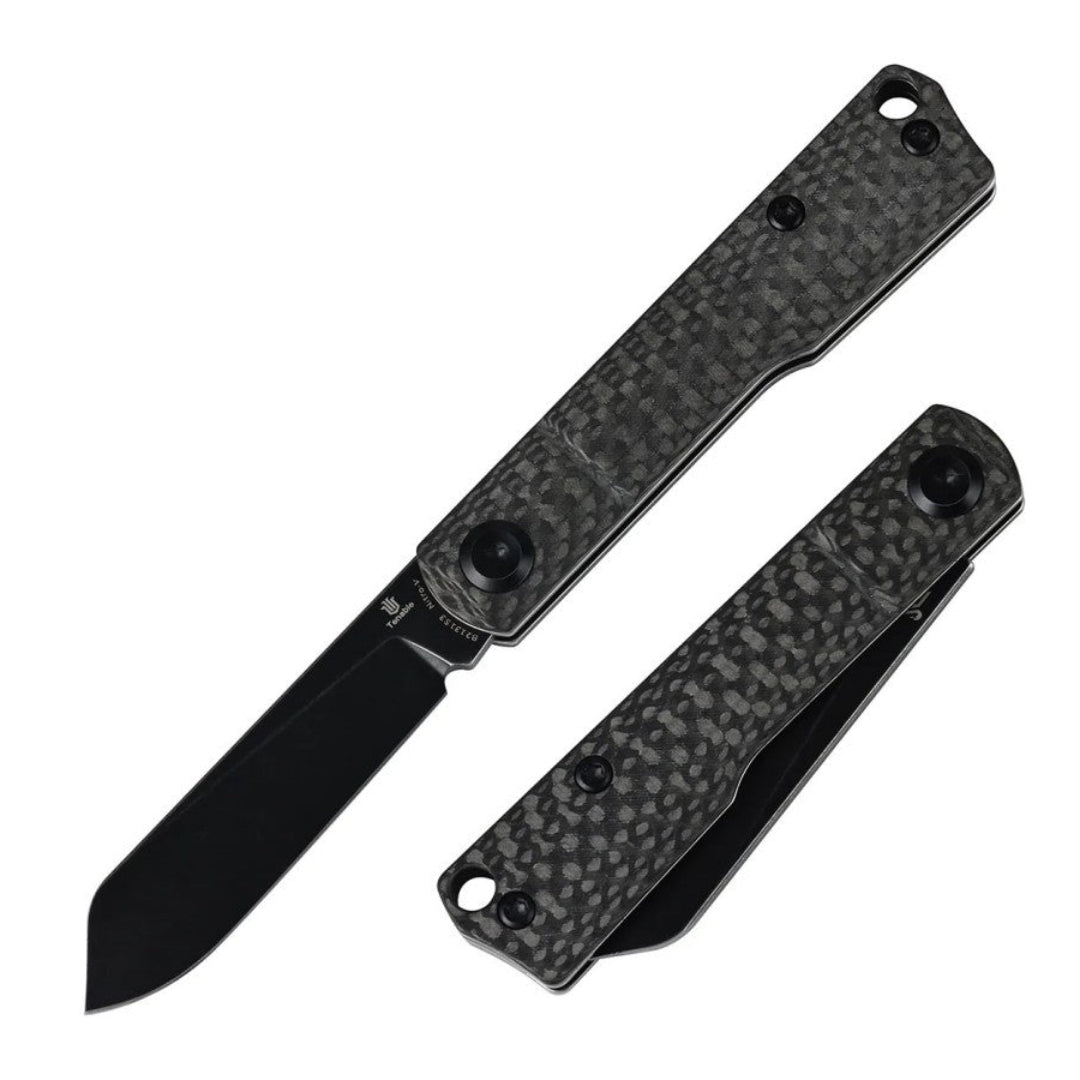
14C28N is Sandvik's refinement of 13C26: nitrogen-strengthened, extremely fine-grained, and famous for taking the keenest edges in its class. Its chemistry maximizes cleanliness over carbide volume, which means outstanding toughness and effortless sharpening. Nitro-V answers with a touch more carbon and vanadium, trading a sliver of Sandvik's polishability for noticeably better edge retention and slightly higher hardness potential. In corrosion terms both are genuinely stainless, though Nitro-V's lower chromium means a wipe-down after salt or acid exposure remains wise.
Design & Craftsmanship
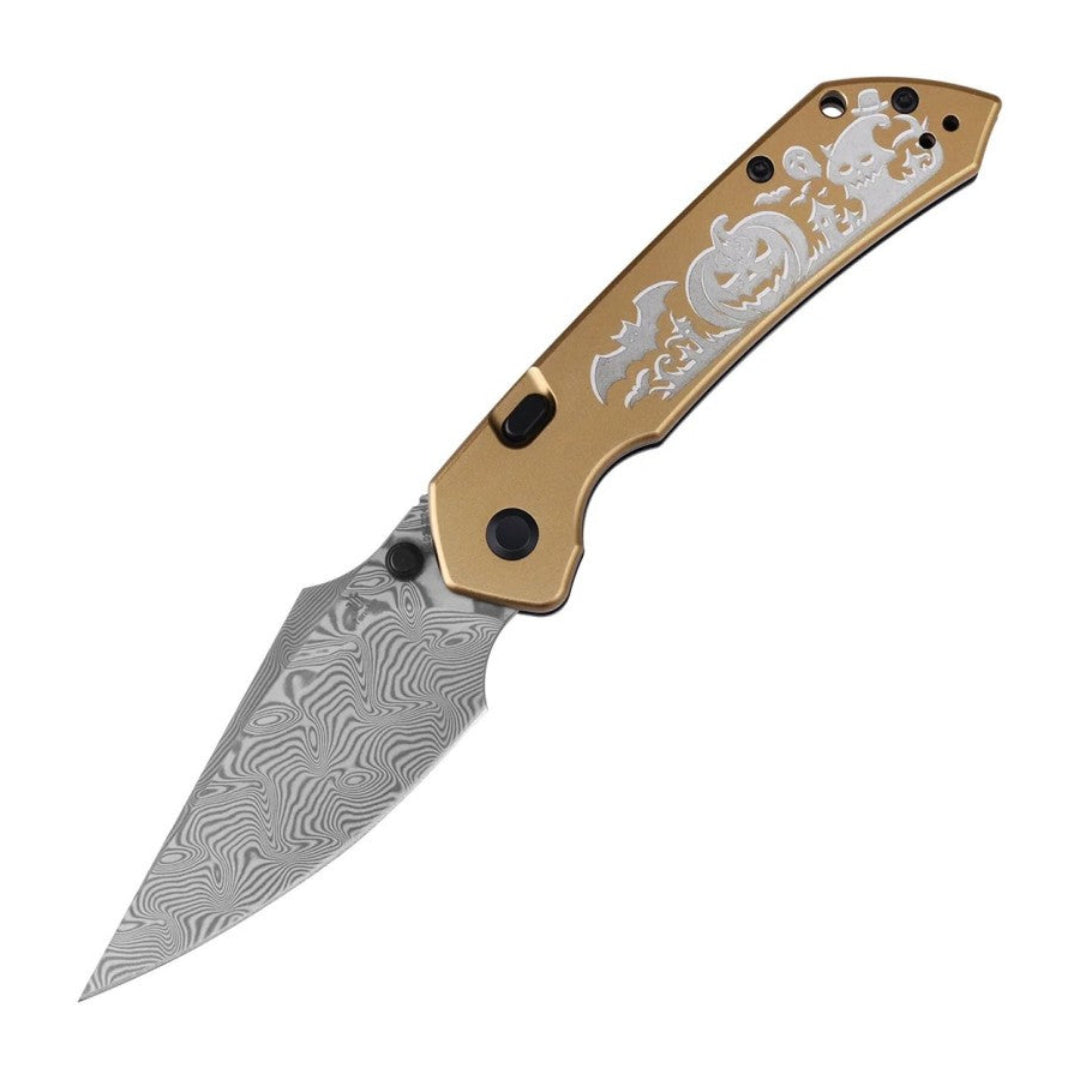
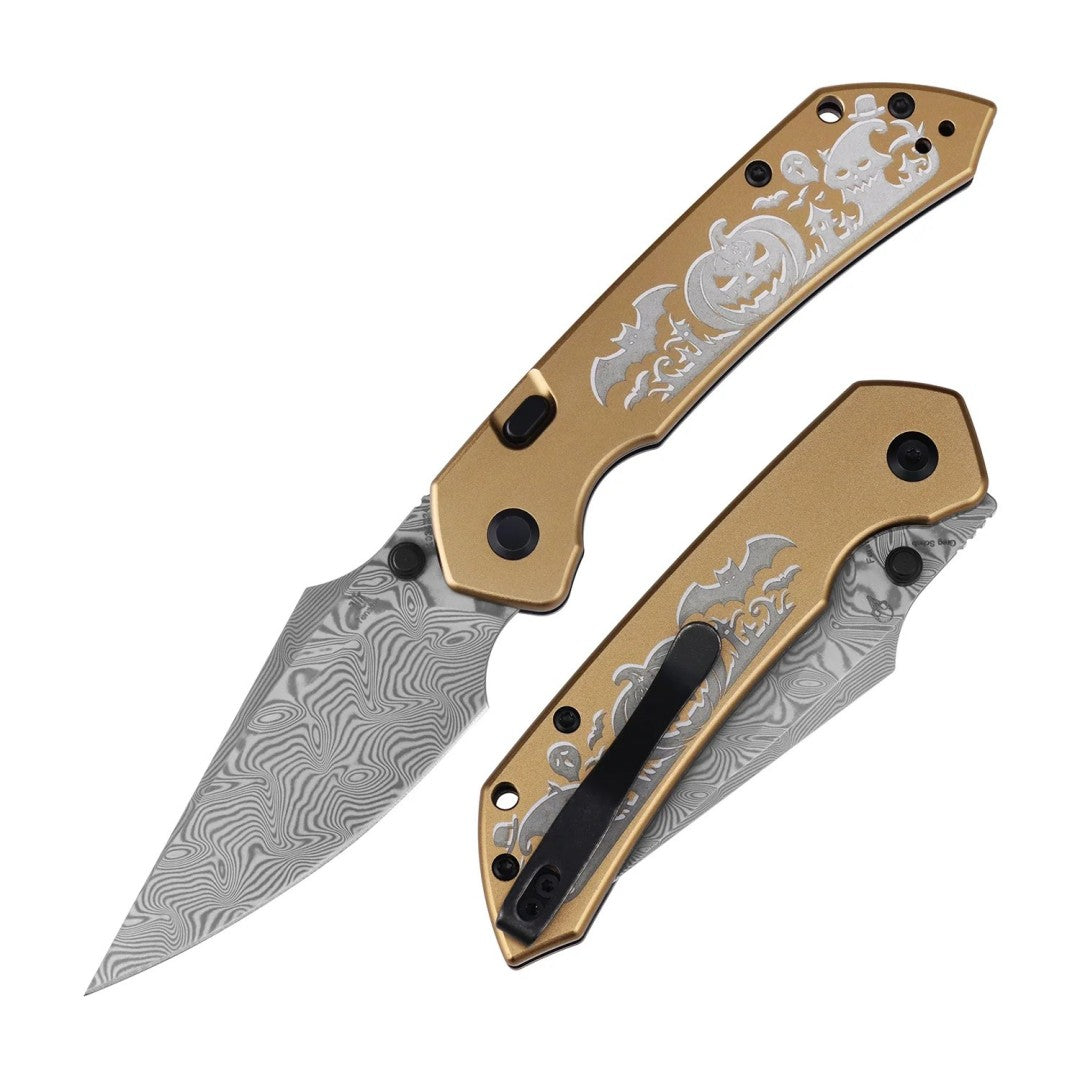
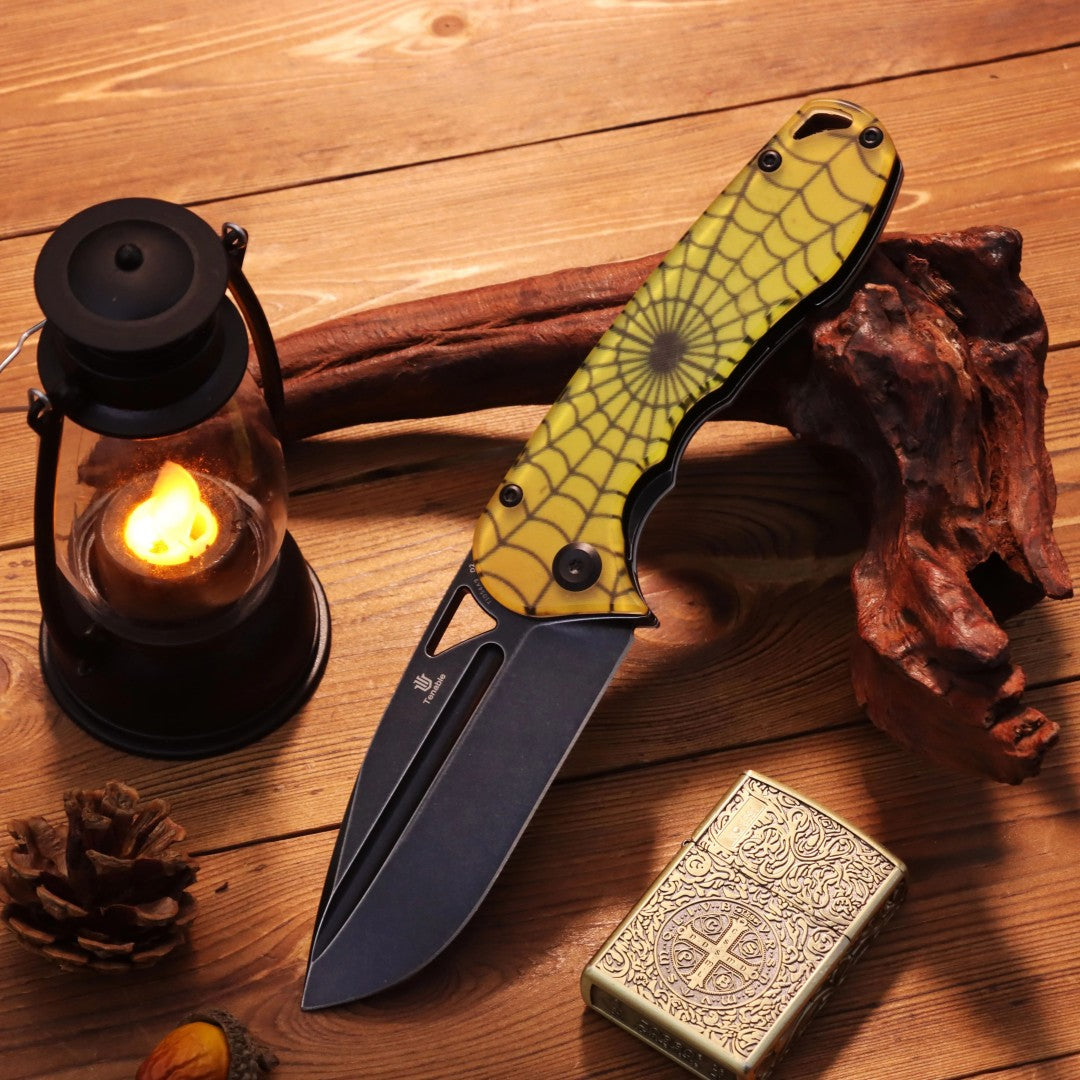
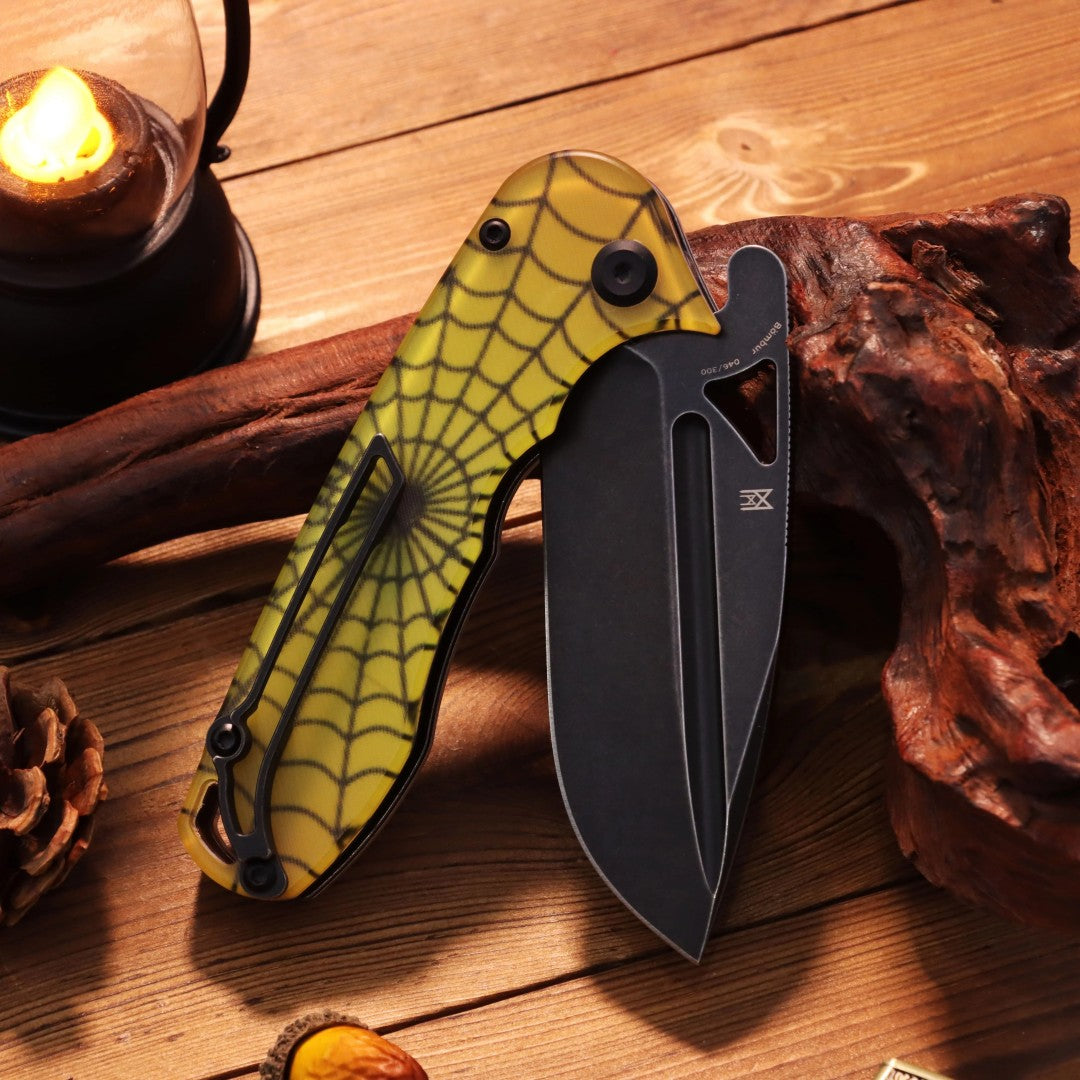
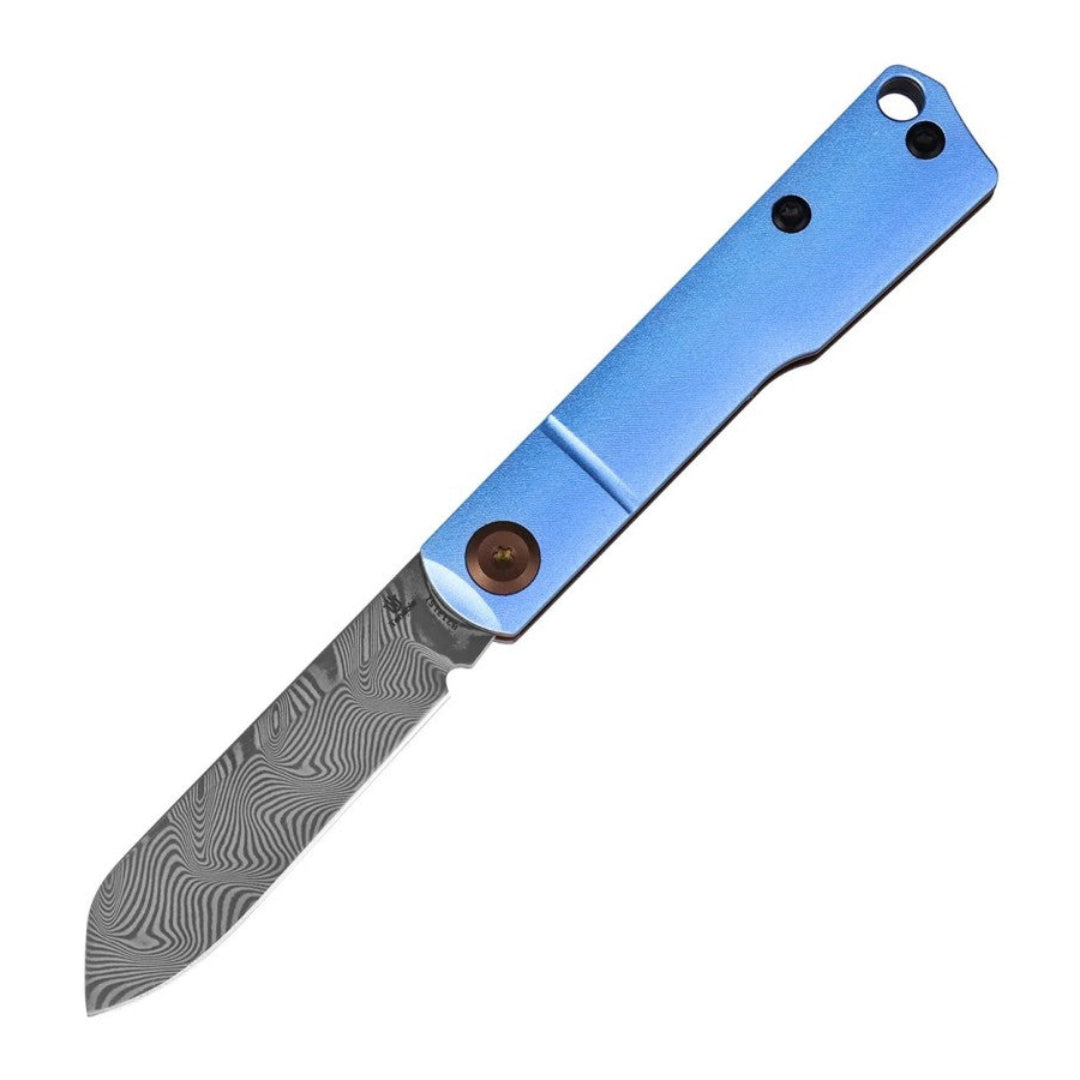
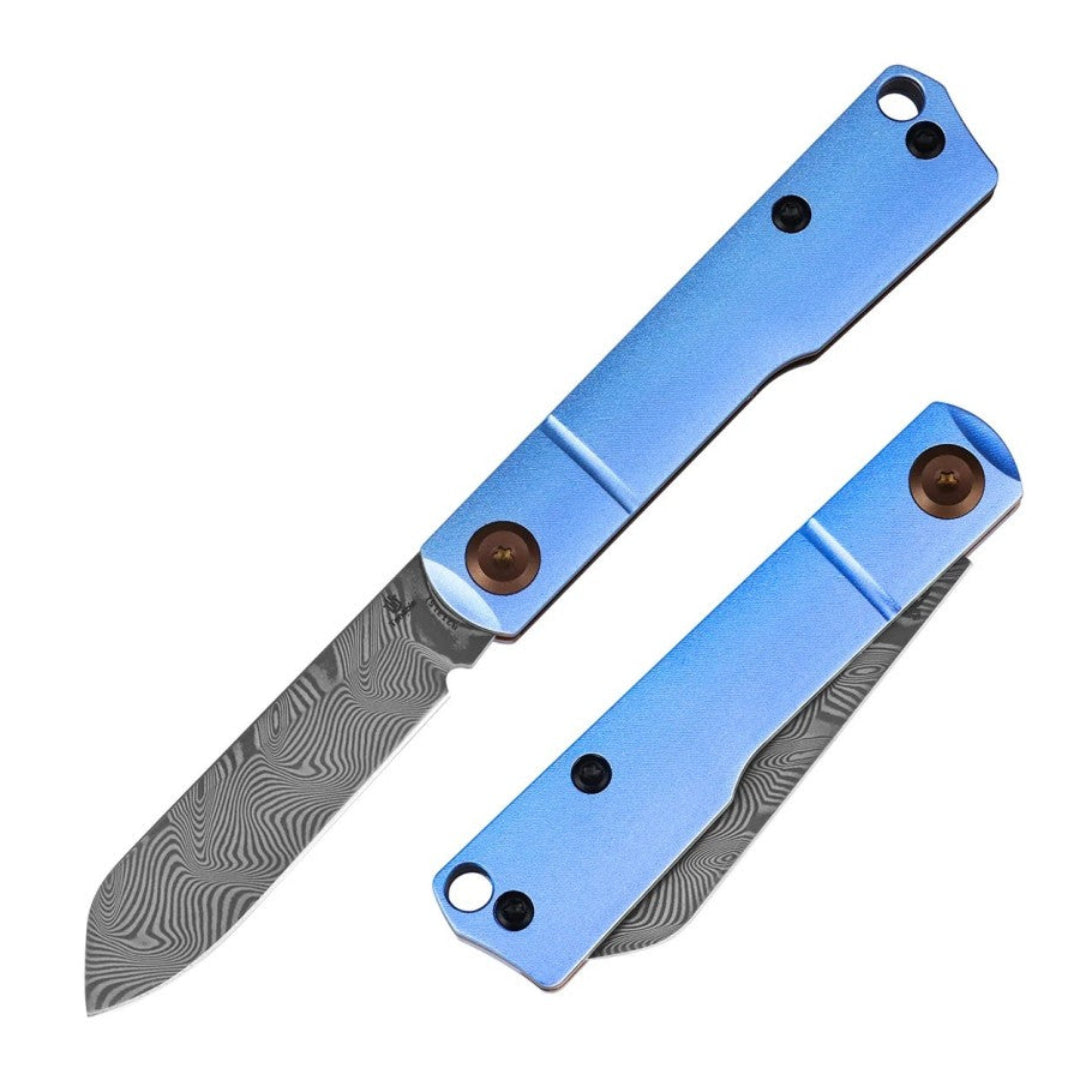
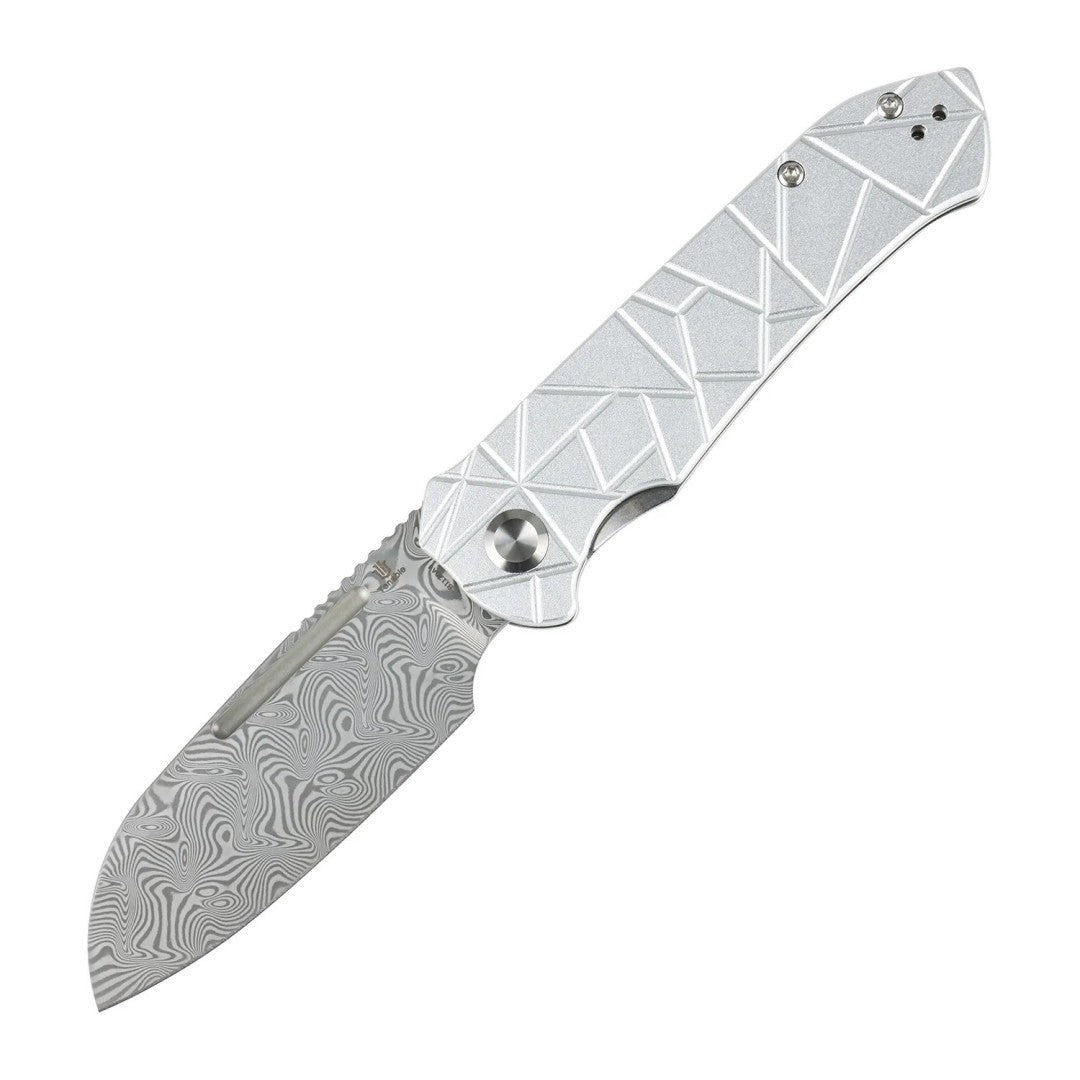
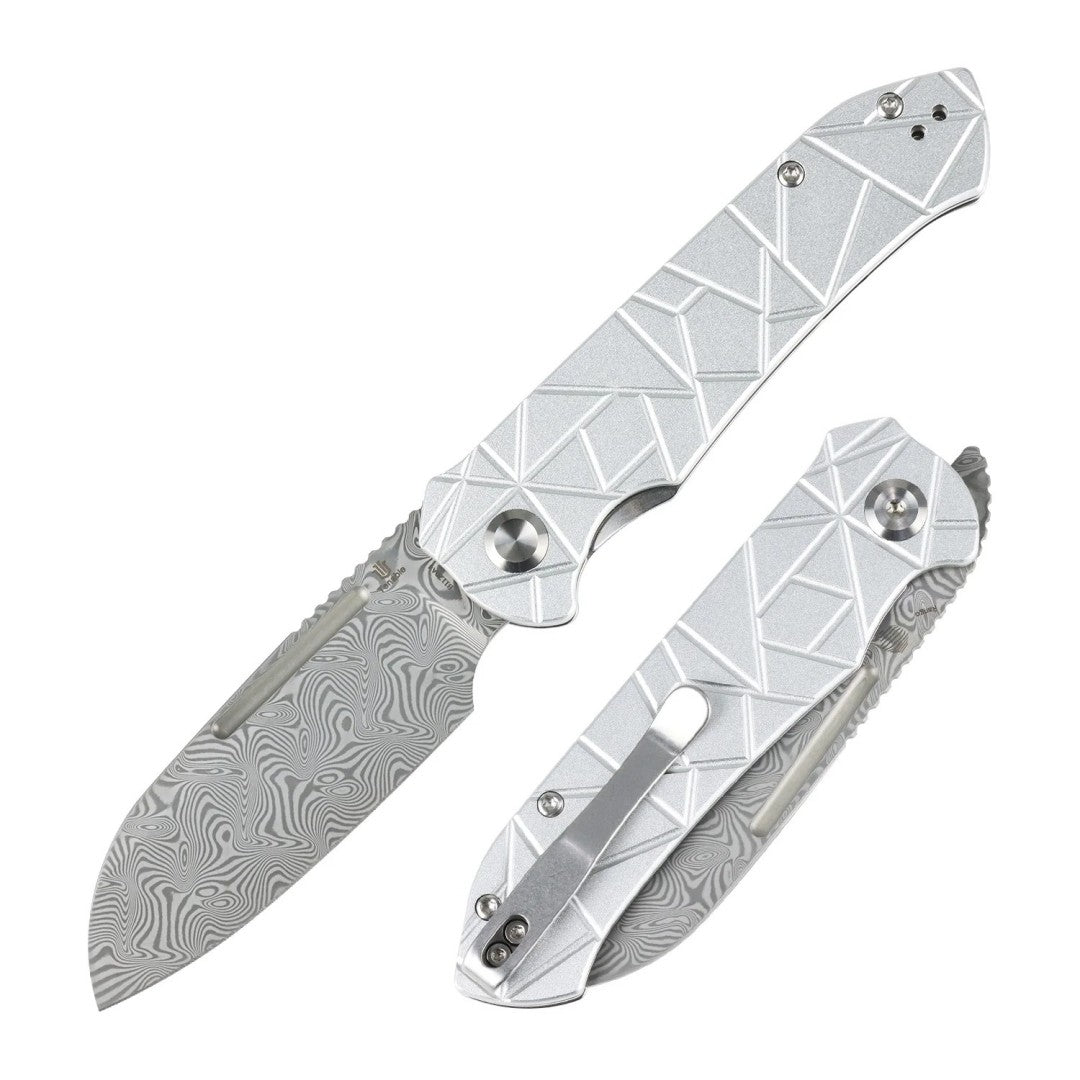
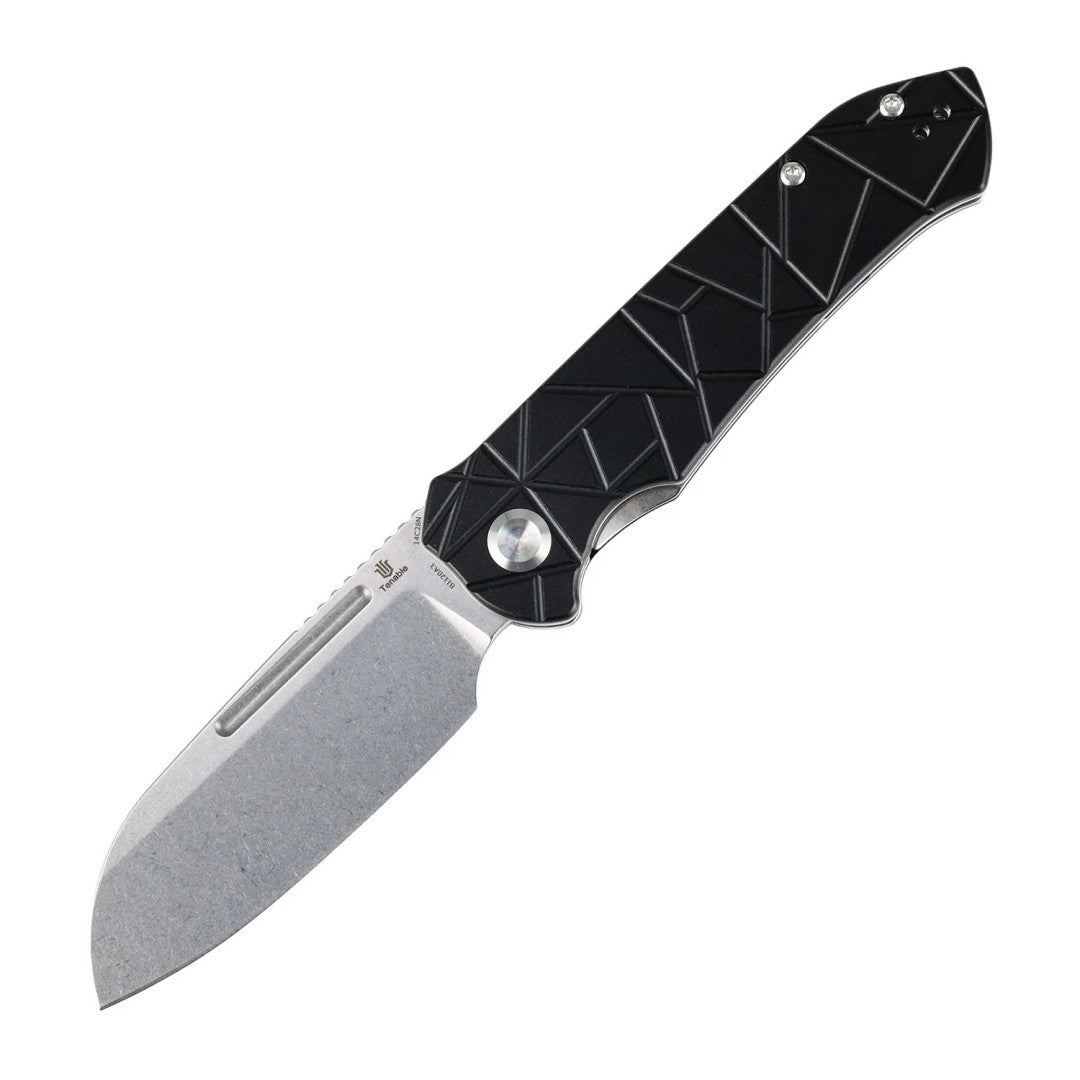
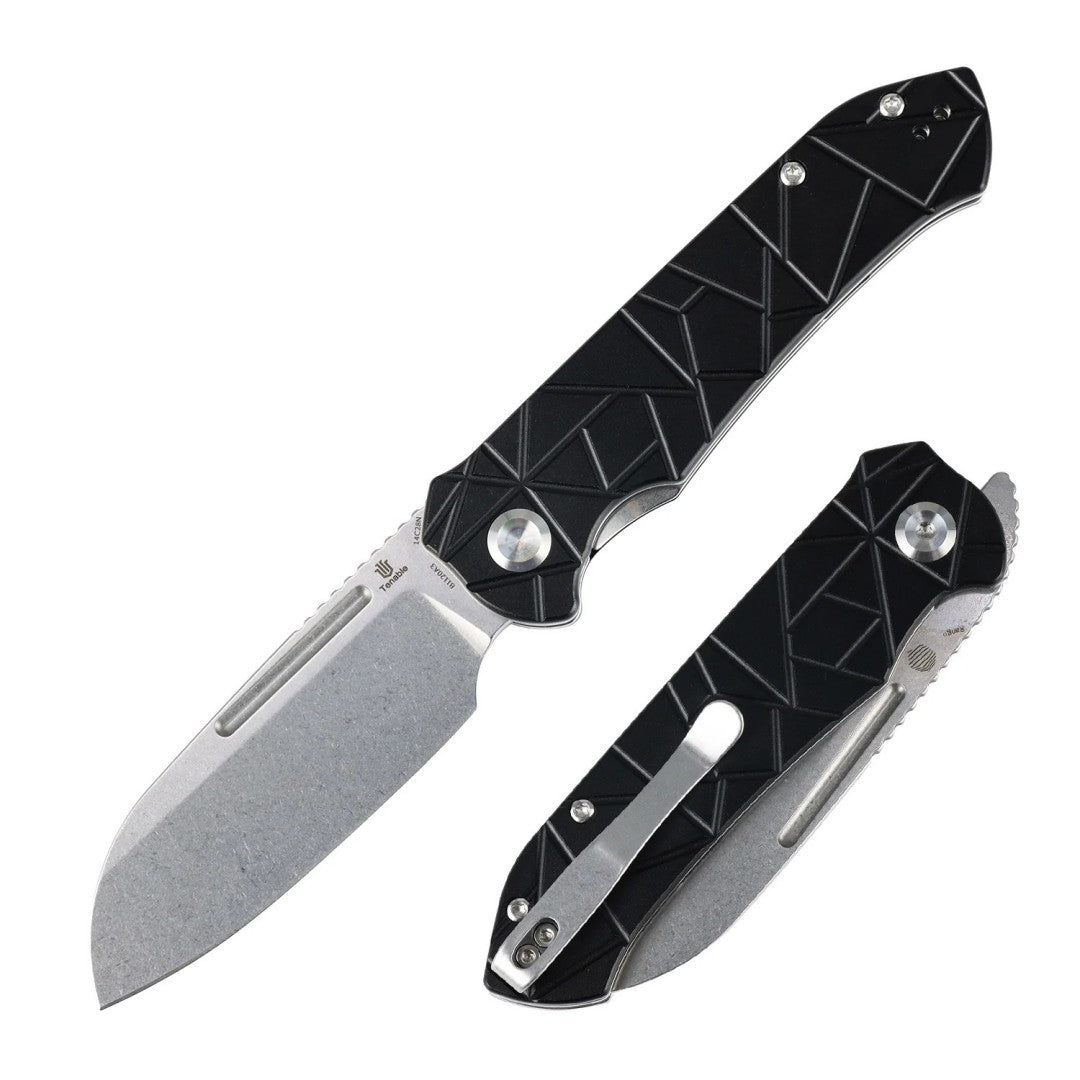
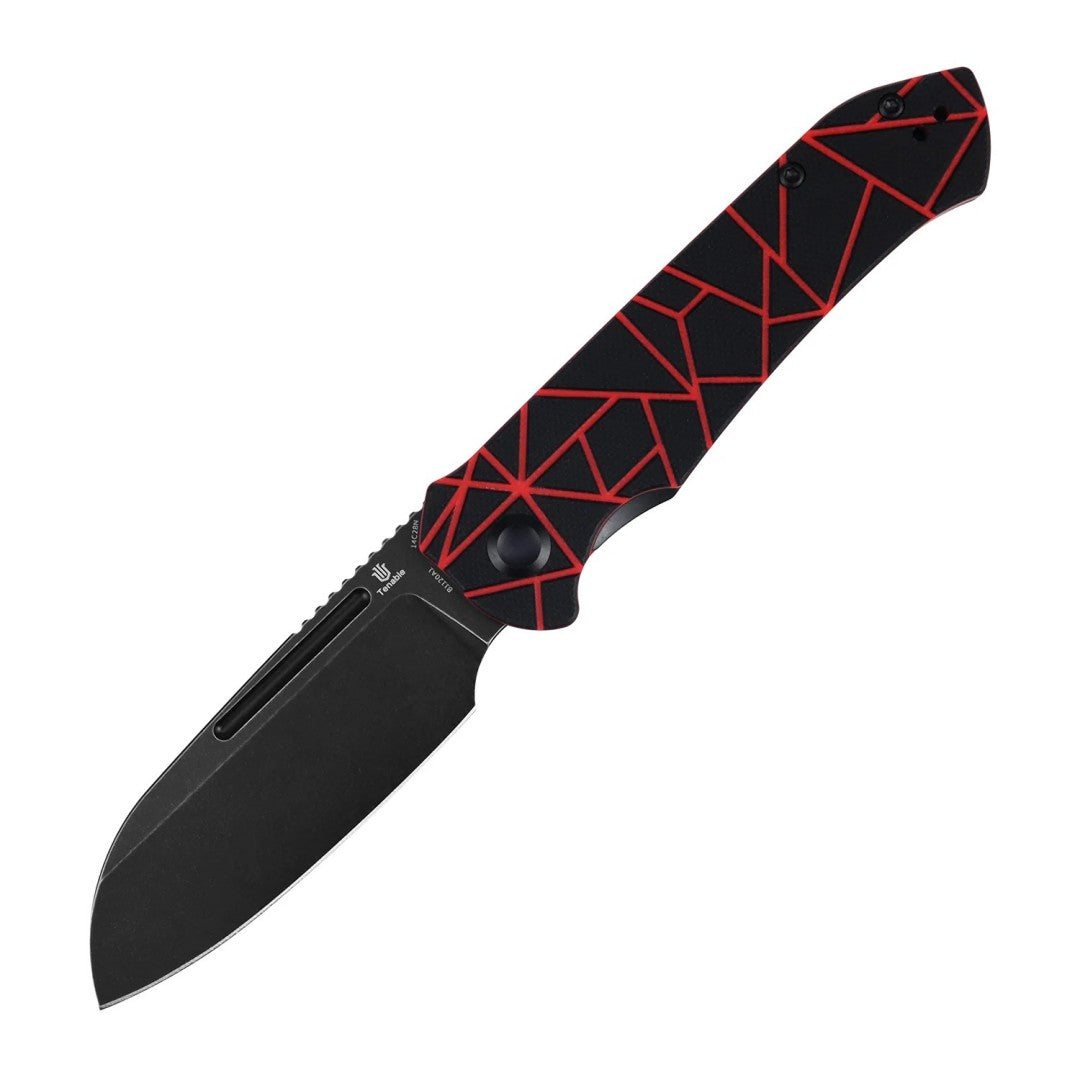
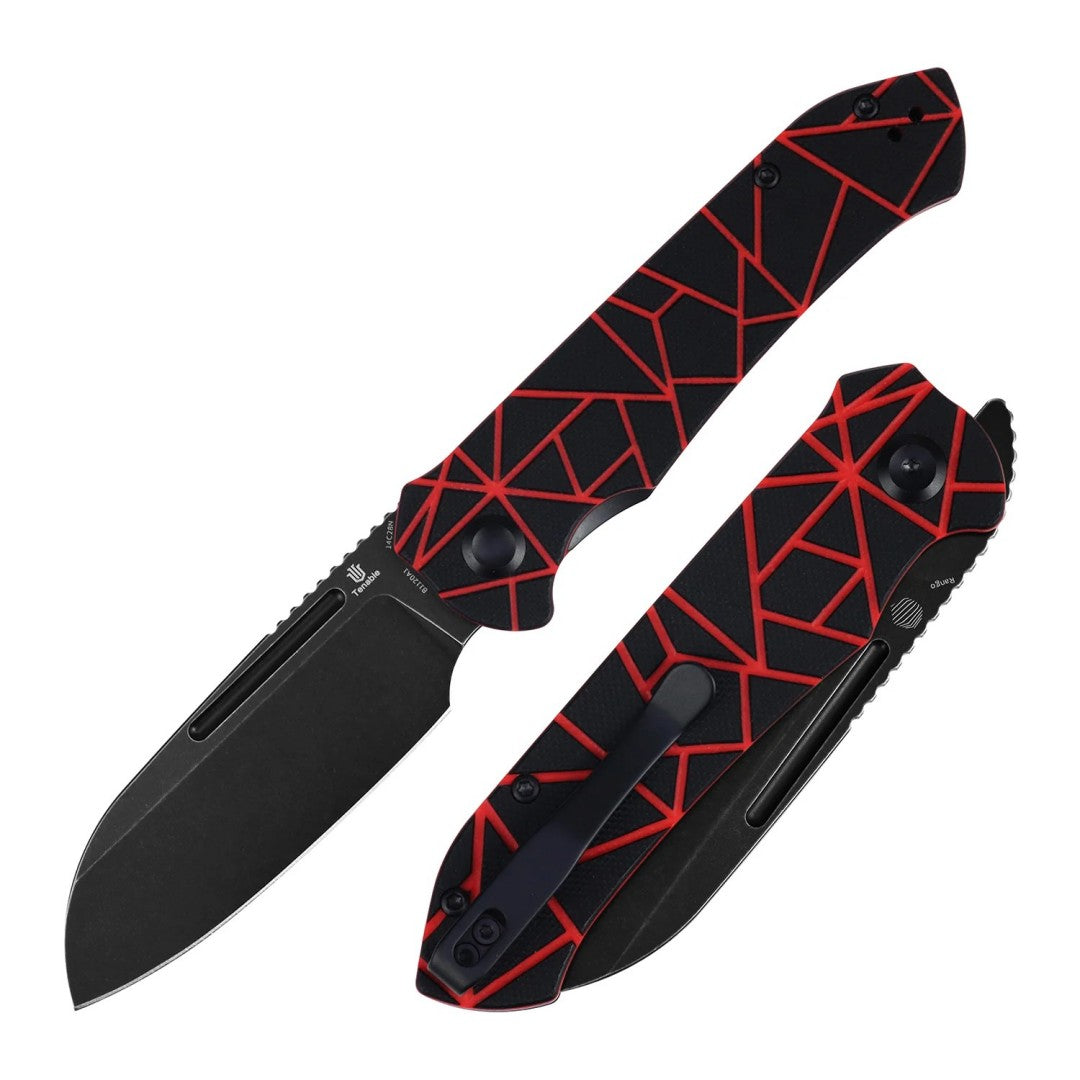
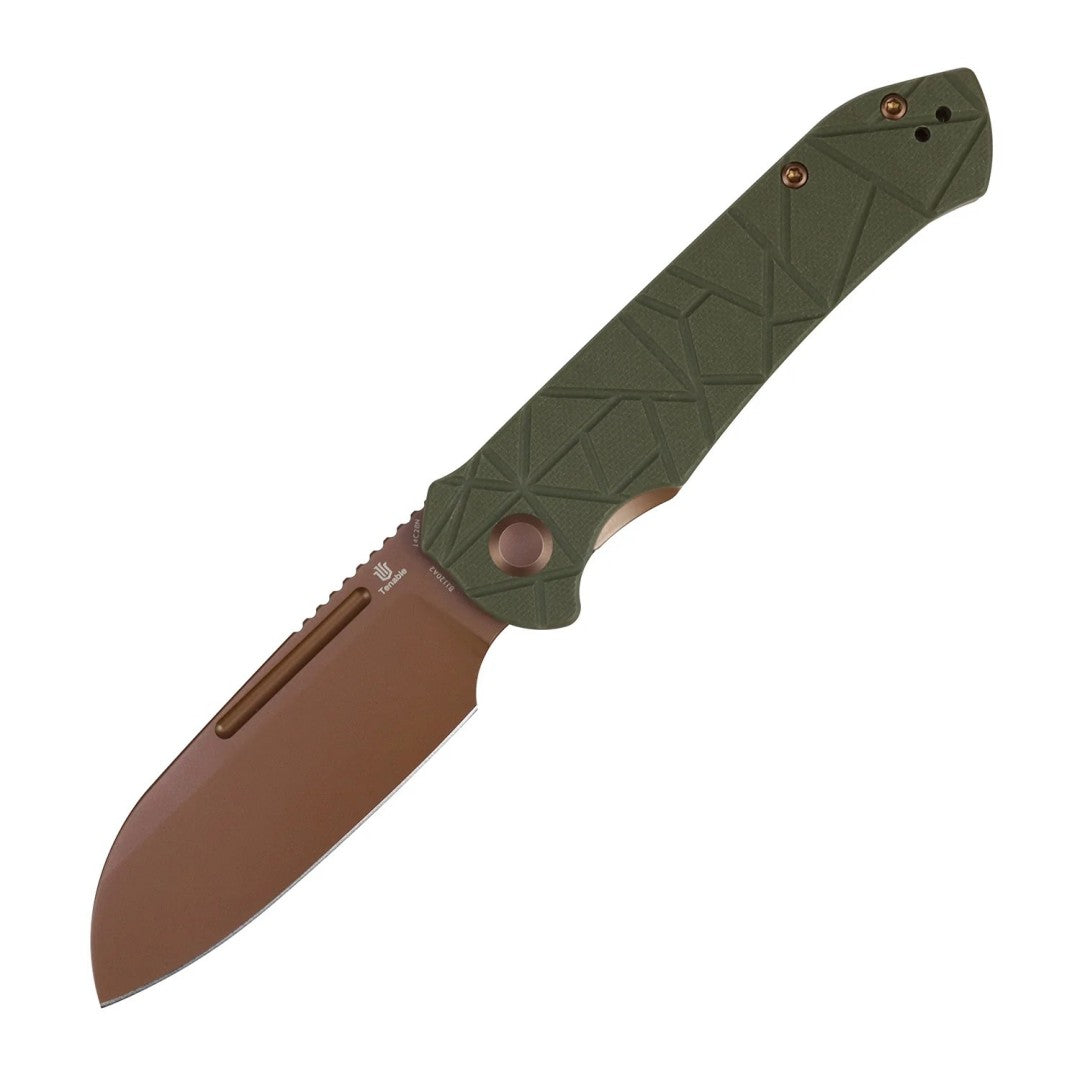
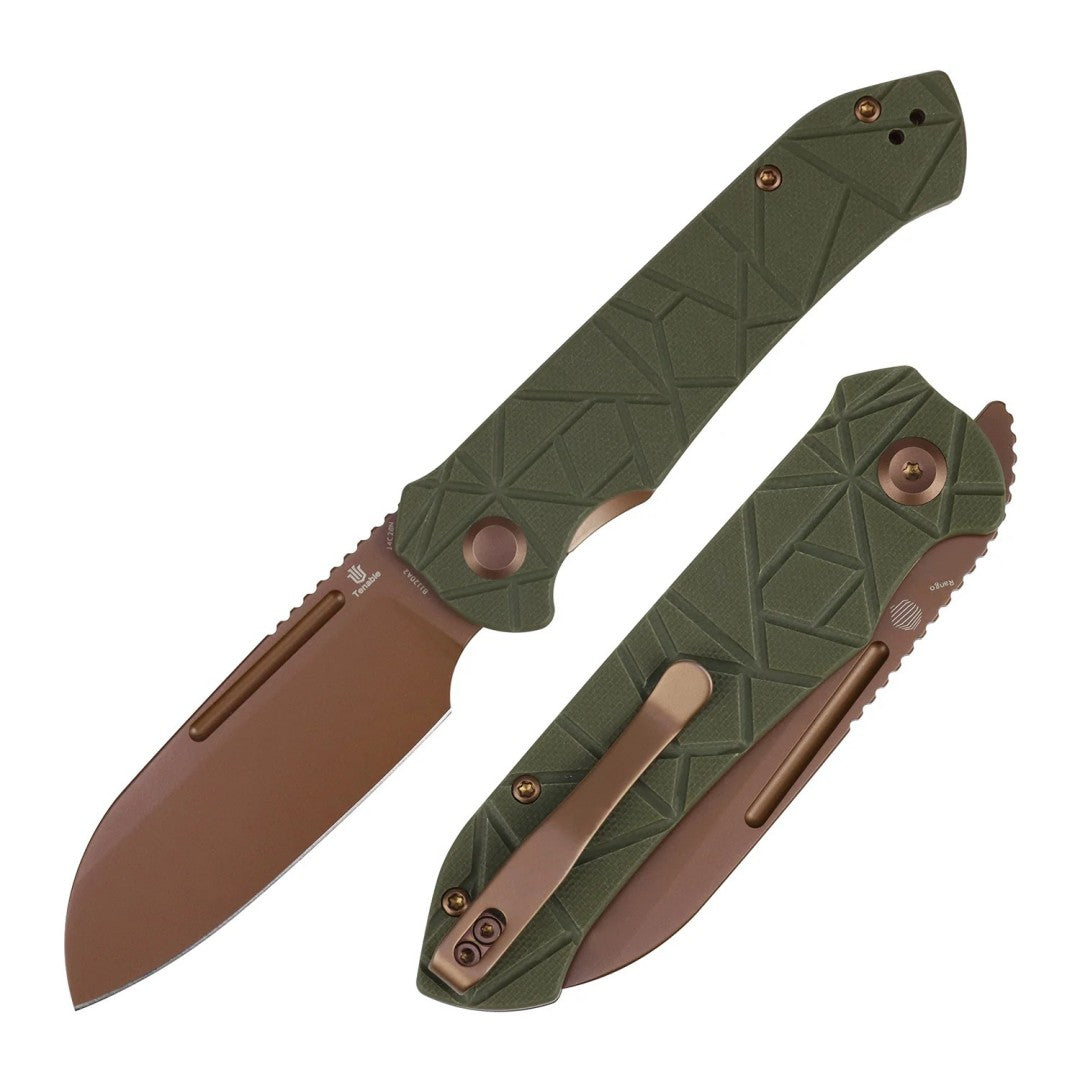
Platform context shapes the comparison. The Cobber BG68A wraps its 14C28N in a crossbar-lock G10 frame built for fidget-friendly daily duty — the steel's easy keenness suits the knife's food-adjacent, high-frequency cutting role. QSP's Coyote and Heron deploy Nitro-V across glow-in-the-dark and copper-foil resin handles, leaning into the steel's toughness for camp and work use. Both makers execute heat treats that extract each steel's intended character — this is a fair fight between well-implemented platforms.

Performance & Real-World Use
In daily cutting, the difference is subtle but real. 14C28N owners report laser-like initial keenness that slices paper and produce almost silently — ideal for kitchen-adjacent duty and detail work. Nitro-V owners report edges that stay working-sharp meaningfully longer through abrasive cardboard and rope. Sharpening is easy on both, with 14C28N recovering fastest. For humid climates, both resist rust far beyond carbon steels, with 14C28N holding the theoretical edge in pure corrosion resistance.
Carry & Pairing Notes
A few practical notes close the comparison. Both steels ship on dozens of current models, so platform choice matters as much as chemistry — match lock type, size, and handle material to your habits first, then let steel break the tie. Sharpening investment differs slightly: 14C28N thrives on standard stones while Nitro-V also loves a strop, but neither demands diamond equipment. Value hunters should watch the wider Bestech Knives and QSP knives catalogs, where both steels appear across crossbar, liner, and slipjoint platforms at every price tier. Whatever you choose, you are buying into modern nitrogen-enhanced metallurgy — the budget tier has never been this good.
Who Is This For?
Choose 14C28N if you sharpen often, prize ultimate keenness, or cut mostly food and packaging — the Cobber BG68A is a perfect delivery vehicle. Choose Nitro-V if you cut abrasives hard and prefer longer intervals between touch-ups — QSP's Coyote and Heron carry that banner with style. Steel-curious buyers assembling their first rotation of quality folding knives or EDC knives should honestly own one of each and let their habits decide.
Final Verdict
14C28N wins on keenness and ease; Nitro-V wins on edge life and toughness; your cutting style casts the deciding vote. Compare the Cobber, Coyote, and Heron side by side at EdcMall and put both steels to the test in your own pocket.