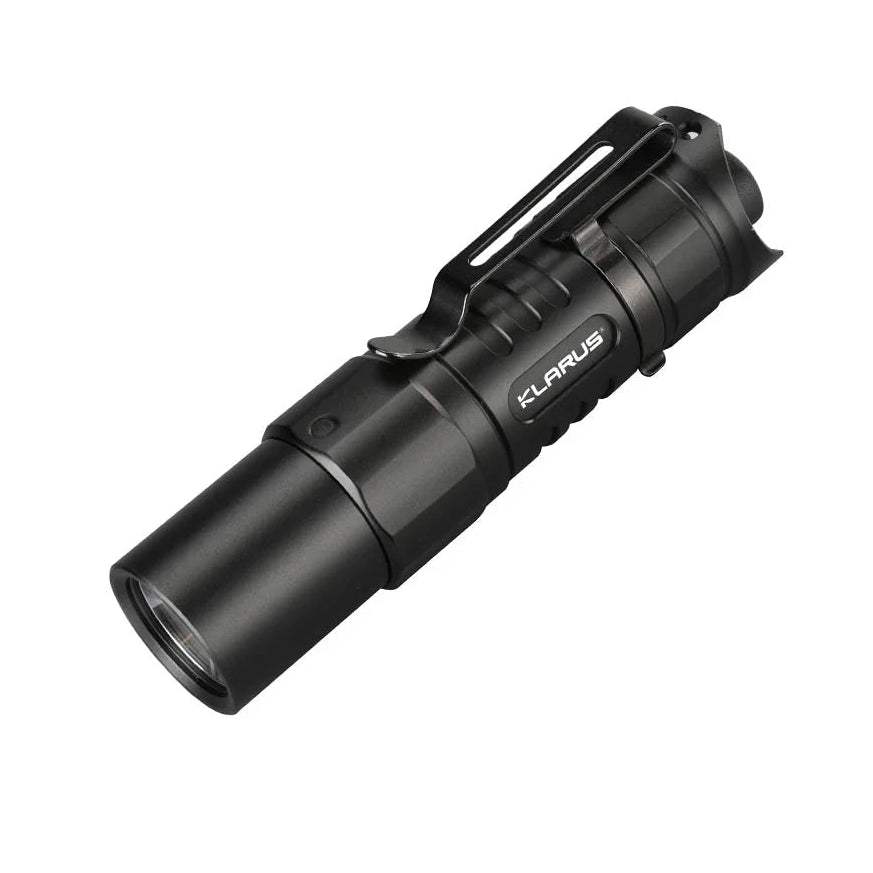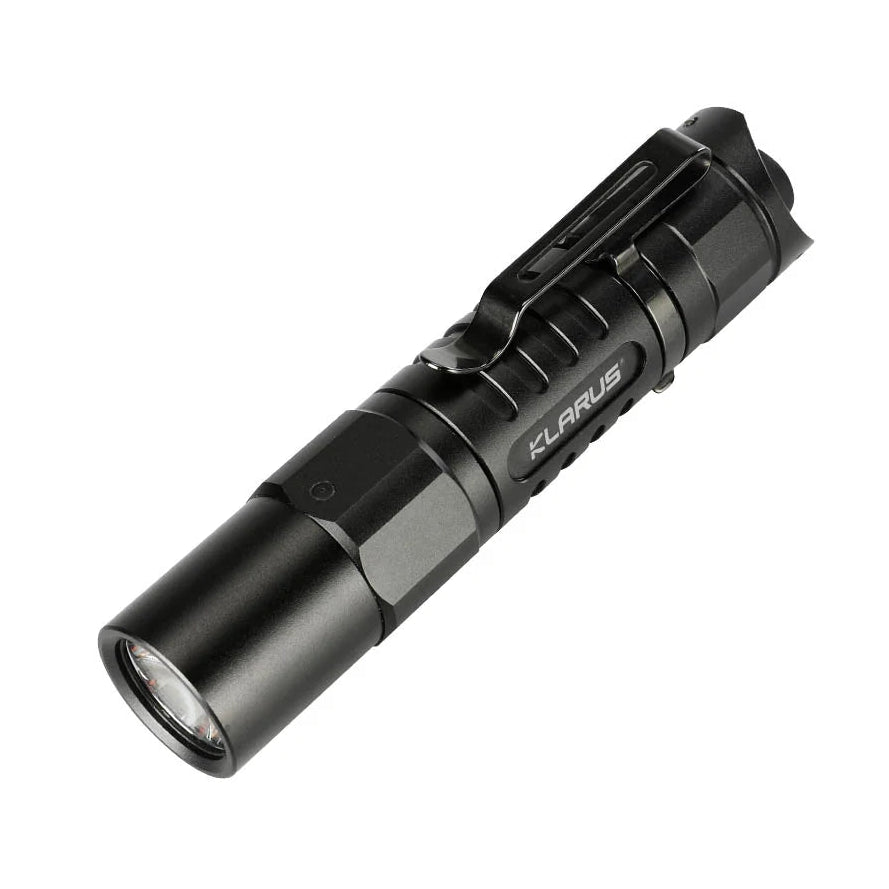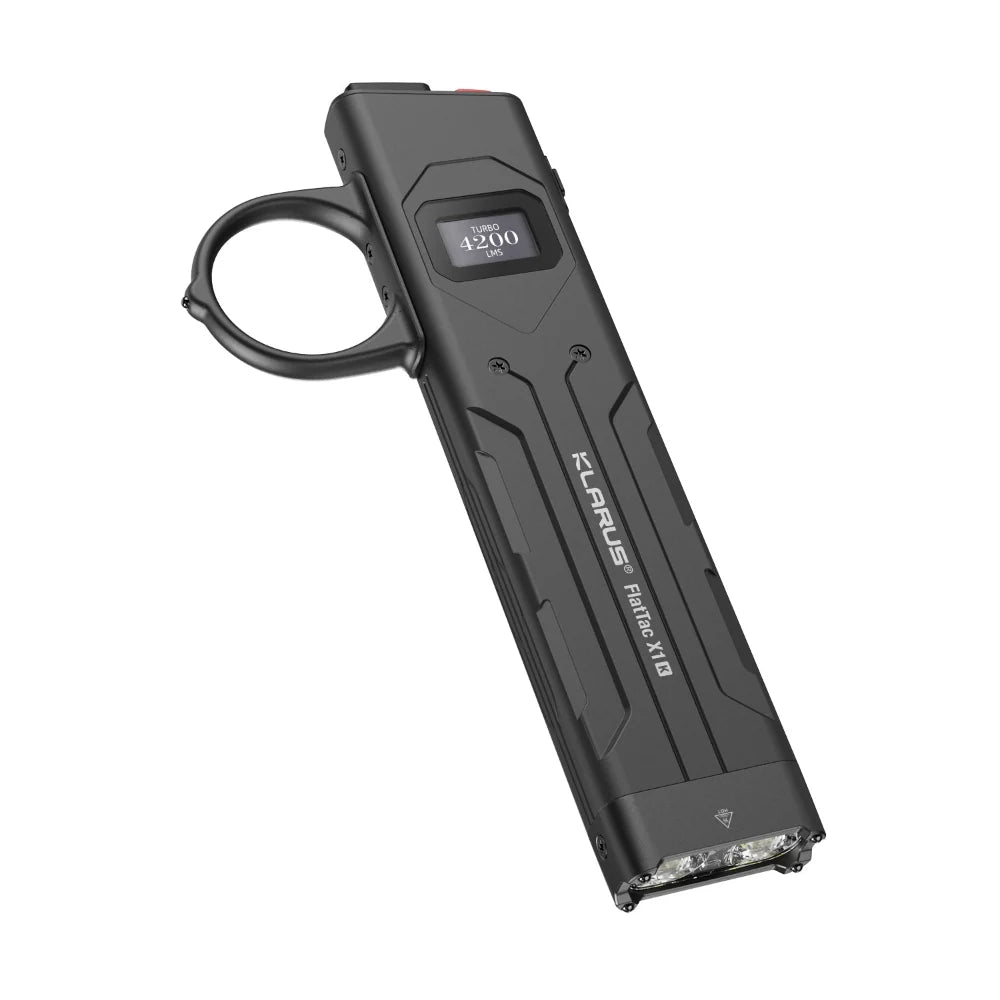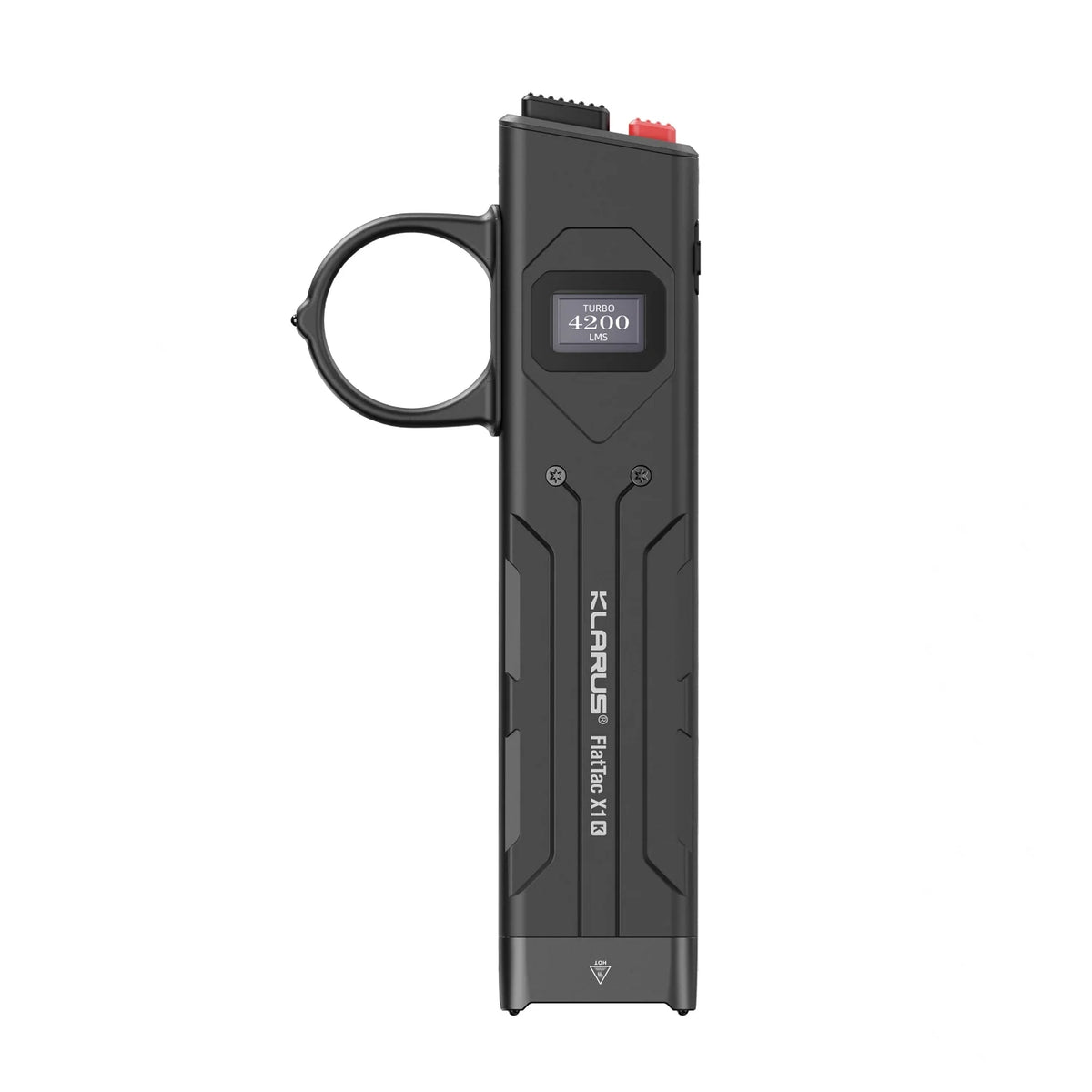

When sudden danger strikes in low-light environments, your defensive tools must function with absolute certainty. Under the physiological stress of an acute adrenaline dump, fine motor dexterity diminishes, auditory exclusion occurs, and tunnel vision takes over. In these critical moments, an illumination tool that requires multi-click mode scrolling, twisting bezels, or hunting for side buttons becomes a liability. A modern tactical flashlight engineered with a dedicated dual-tail switch interface eliminates cognitive hesitation, providing independent control over primary illumination and instant defensive strobes with a single thumb press.
Whether you are configuring a dedicated personal protection setup or upgrading your daily EDC kit, this 2026 buyer guide breaks down the essential technical criteria, switch mechanics, optical ratings, and battery architectures you need to choose the ideal dual-tail tactical light.

1. Dual-Tail Switch Ergonomics and Physical Separation
The core advantage of a dual-switch tailcap is the strict physical separation of utility functions from emergency defensive overrides. Not all dual-tail mechanisms are engineered identically; evaluating the tactile geometry is paramount.
Primary Tactical Clicky vs. Secondary Strobe Paddle
-
Axial Primary Button: Look for an oversized, textured rubber or metal switch situated directly on the central axis. It should feature a distinct two-stage travel: a soft half-press for momentary tactical high, and a deep, audible click for constant-on output.
-
Offset Secondary Paddle: The secondary mode or strobe control should sit adjacent or concentric to the primary button with a clearly differentiated physical texture and lower elevation. This tactile distinction prevents accidental strobe activation during administrative tasks while allowing you to blindly slam your thumb downward to trigger an immediate disorienting strobe directly from the off state.
2. Optical Power Metrics: Balancing Candela and Lumens
A common mistake is evaluating a self-defense light purely on its total lumen rating. While lumens measure the overall volume of light emitted, candela (beam intensity) determines how effectively that light penetrates darkness, ambient glare, and visual barriers.
For effective self-defense, high candela is essential. A concentrated center hotspot exceeding 20,000 to 50,000 candela can cut through streetlights, headlights, and tinted glass to temporarily blind an aggressor's dark-adapted vision. Concurrently, an engineered 90-degree to 110-degree peripheral spill ensures you maintain full situational awareness of surrounding obstacles and secondary threats without needing to swing your wrist back and forth.
2026 Dual-Tail Tactical Flashlight Buyer Matrix
| Tier & Application | Peak Candela Rating | Lumens Output | Chassis Diameter | Power Cell Format | Ideal Tactical Role |
| Compact EDC Tactical | 15,000 – 25,000 cd | 1,200 – 1,800 lm | 22mm – 25.4mm | 18350 / 18650 Li-ion | Concealed carry / Daily pocket defense |
| Full-Size Patrol Duty | 30,000 – 60,000 cd | 2,000 – 3,200 lm | 25.4mm – 28mm | High-Capacity 21700 | Duty holster / Security & home defense |
| Long-Range Interceptor | 70,000 – 120,000+ cd | 1,800 – 2,500 lm | 32mm – 40mm (Head) | High-Drain 21700 | Rural perimeter / Tactical search ops |
3. Structural Hardening and Defensive Strike Bezels
A true defensive illumination tool serves as both a photonic barrier and a physical impact instrument.
Look for a unibody housing precision-machined from aerospace-grade aluminum alloy (such as 6061-T6 or 7075-T6) coated with Type III military-grade hard anodizing. The front bezel should feature hardened stainless steel crenulations or embedded nano-ceramic beads. These reinforced impact points serve two critical functions: they facilitate emergency automotive glass breaching during vehicle extractions and provide a reliable close-quarters striking edge that protects the internal glass lens and LED emitter from damage during impact.
4. Power Architecture and Constant-Current Regulation
Defensive strobes and high-candela bursts place immense instantaneous electrical loads on internal circuitry.
Look for models equipped with constant-current drivers that maintain consistent, regulated output rather than suffering a steady degradation in brightness as the battery voltage drops. Modern 21700 lithium-ion cells provide the optimal balance of high discharge current and extended runtime. Furthermore, verify that the flashlight incorporates dual-direction internal heavy-duty spring dampeners to absorb violent drop shocks and firearm recoil without interrupting circuit contact.
5. Leading Brands and Tactical Ecosystems
Selecting a reputable manufacturer ensures that switch mechanics and internal electronics have been rigorously field-tested:
-
Klarus remains the premier benchmark for dual-tail switch innovation. Their patented multi-switch systems provide independent one-touch strobe, one-touch low, and rapid mode switching trusted by tactical units worldwide.
-
Nextorch is renowned for rugged duty reliability, combining intuitive dual-stage controls with patented nano-ceramic glass-breaking bezels.
-
Nitecore delivers technological versatility, offering ultra-high-output compact tactical models, advanced proximity sensors, and digital displays.
-
Jetbeam provides exceptional precision machining and magnetic rotary control rings for operators who value mechanical durability and smooth tactile adjustments.
 Final Selection Recommendations
Investing in a dual-tail switch tactical light is an investment in personal safety and reaction speed. Prioritize models that offer clear physical separation between switches, a high-candela beam profile capable of overwhelming dark-adapted eyes, and rugged aerospace aluminum construction. By integrating a dedicated dual-tail defensive light into your gear loadout, you ensure that when an emergency unfolds in the dark, immediate control remains firmly in your grasp.