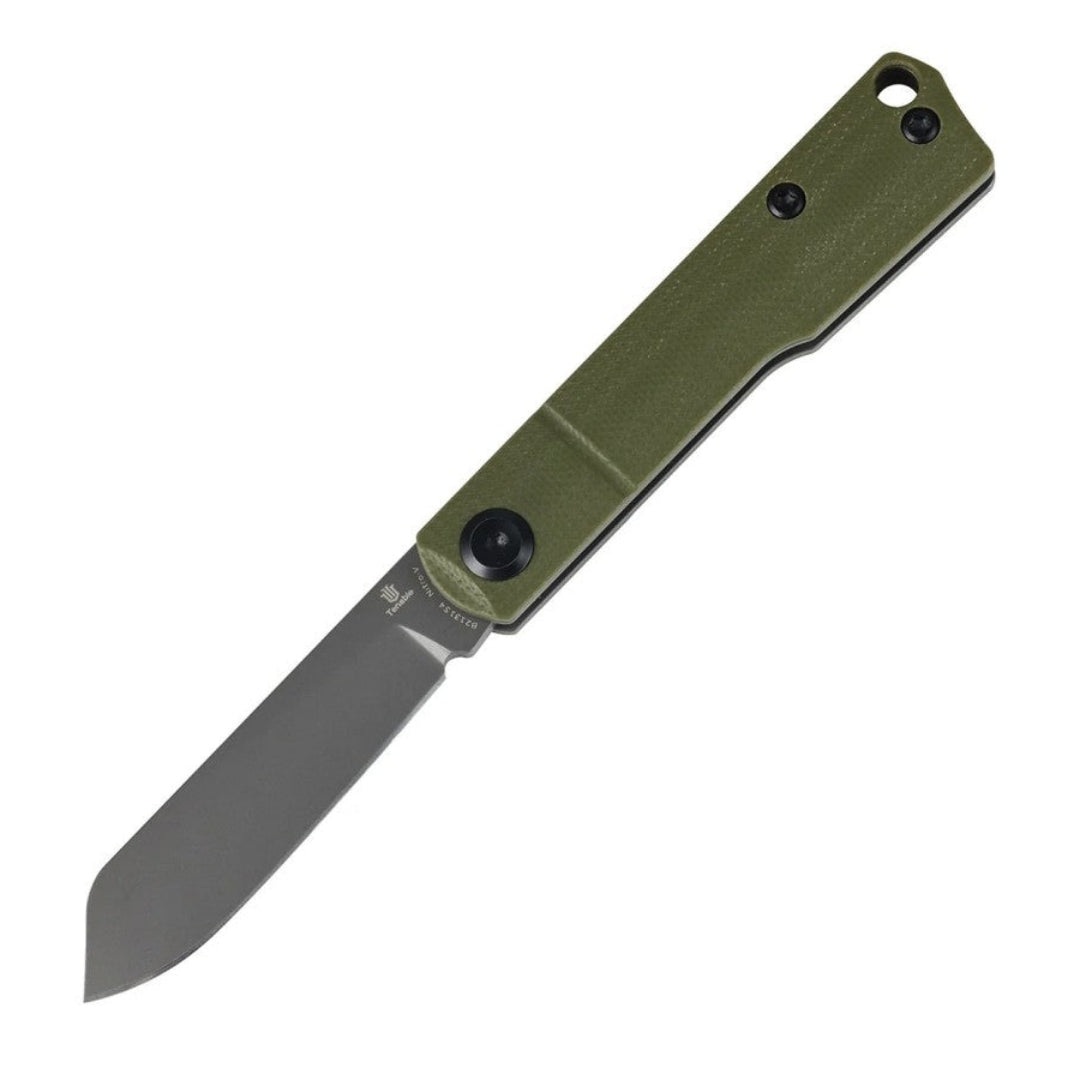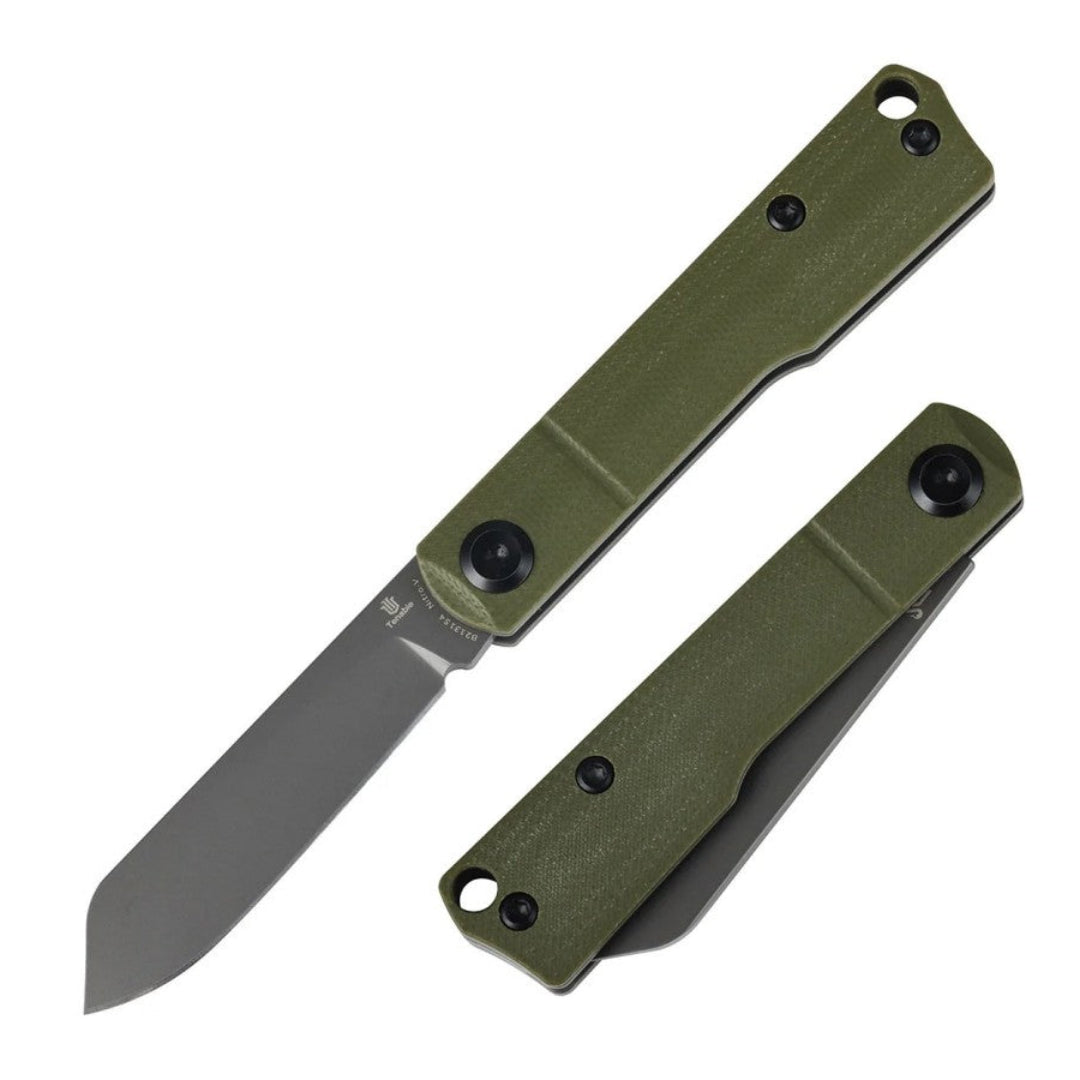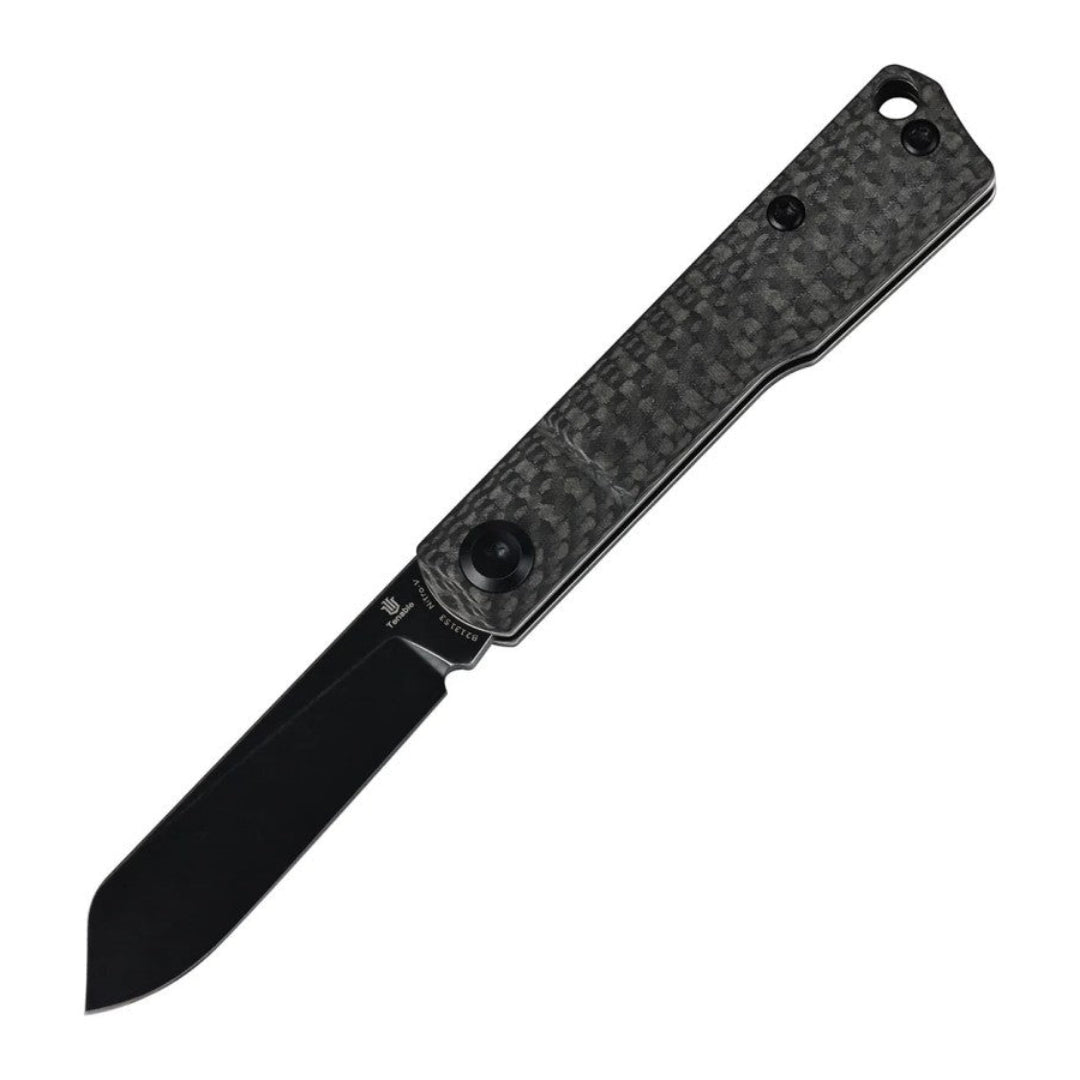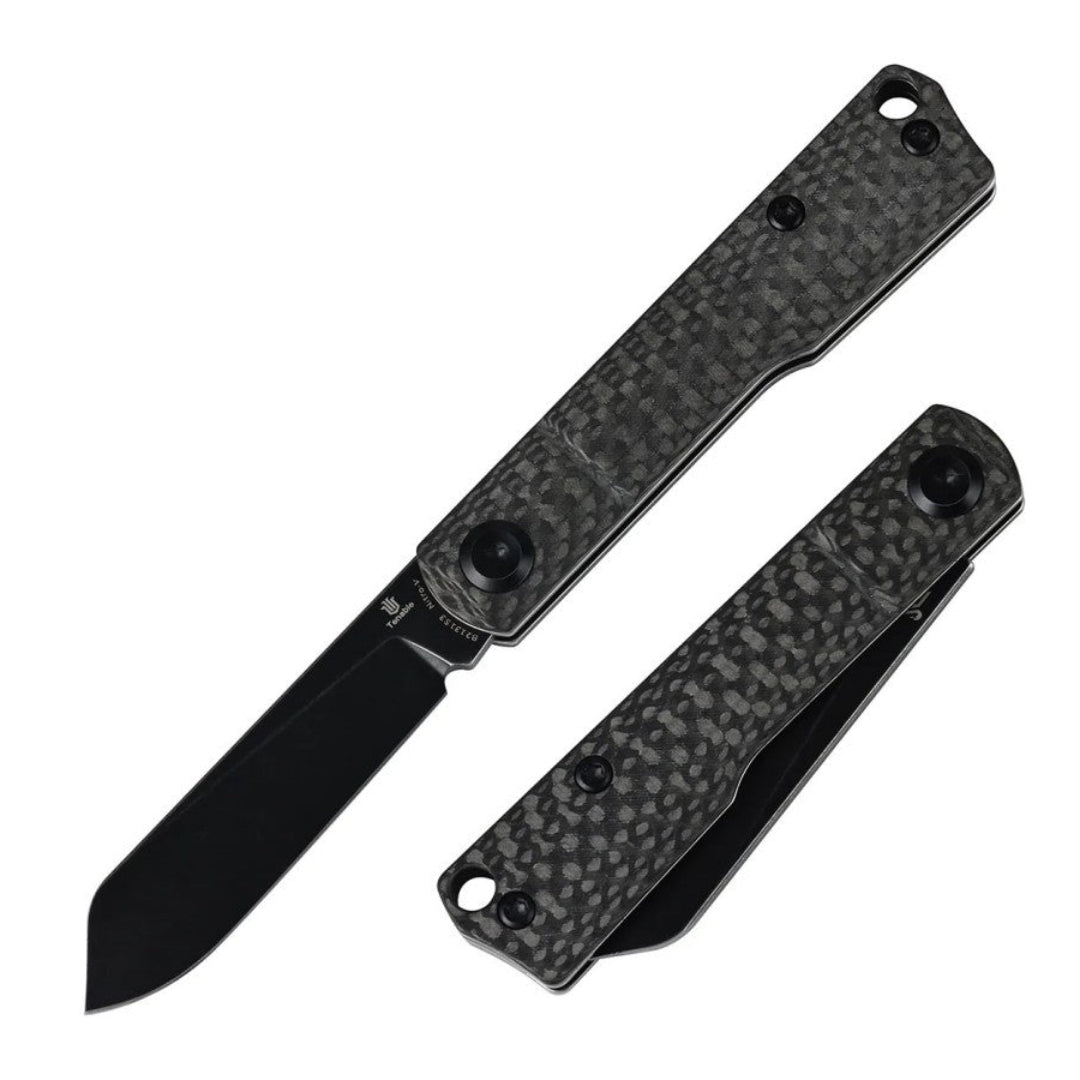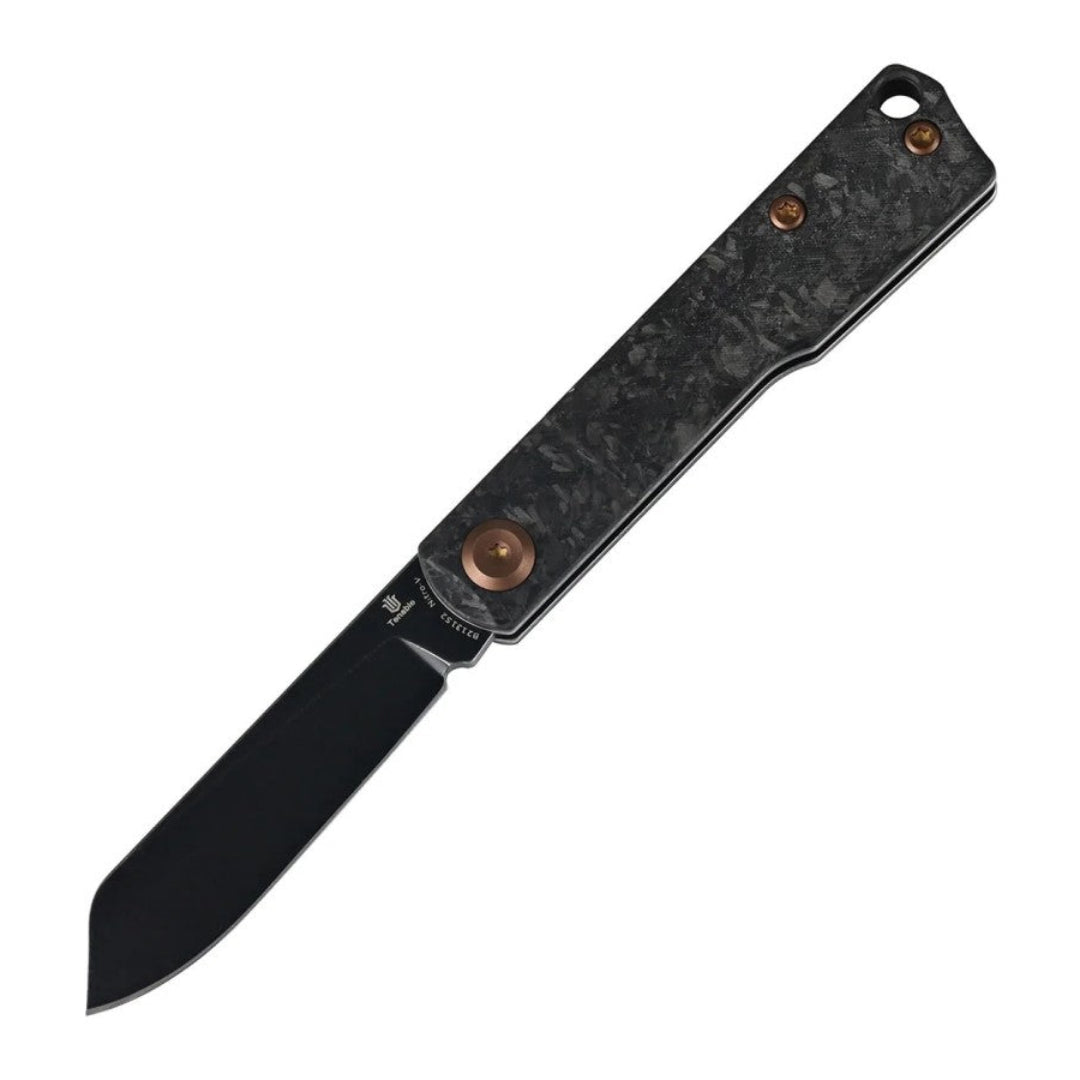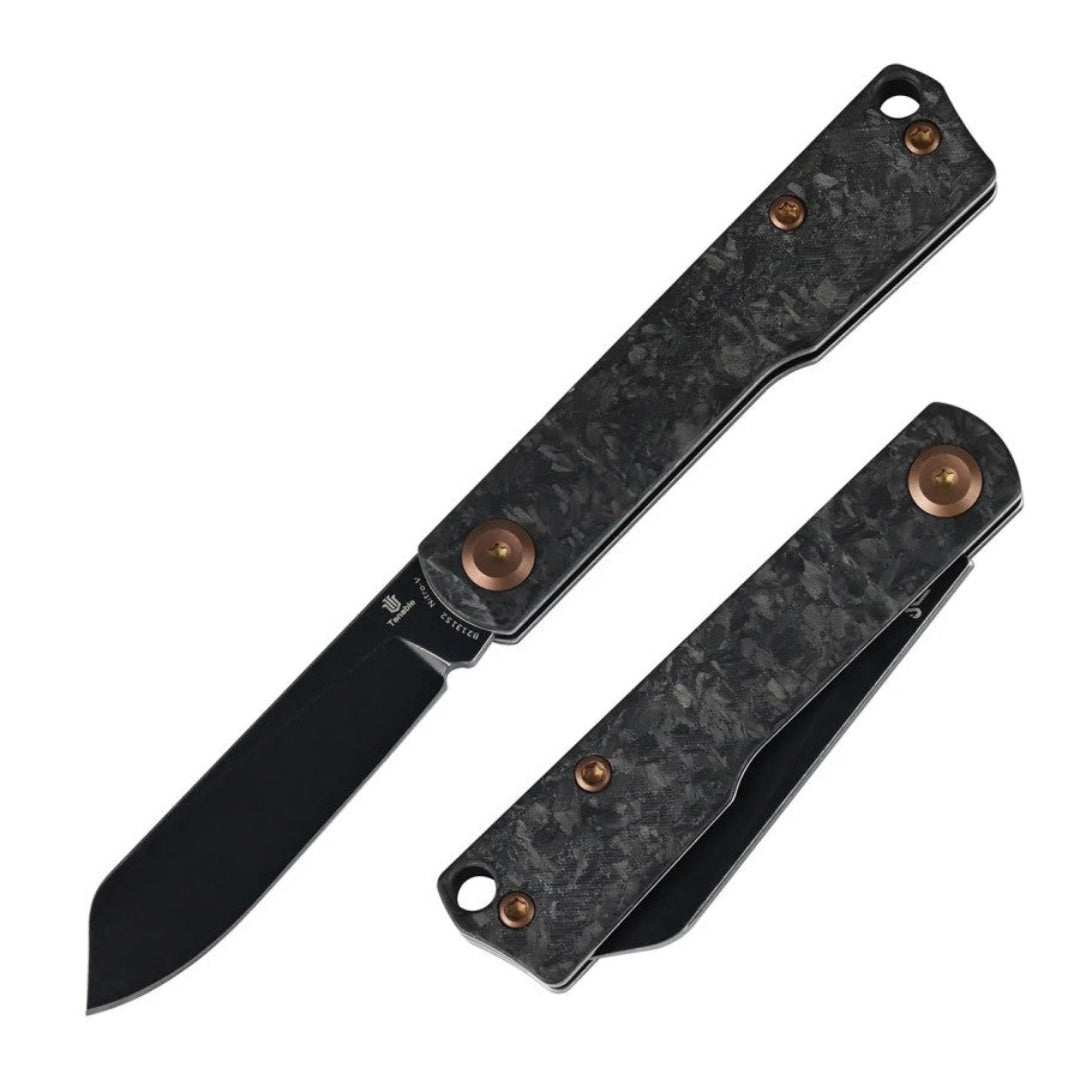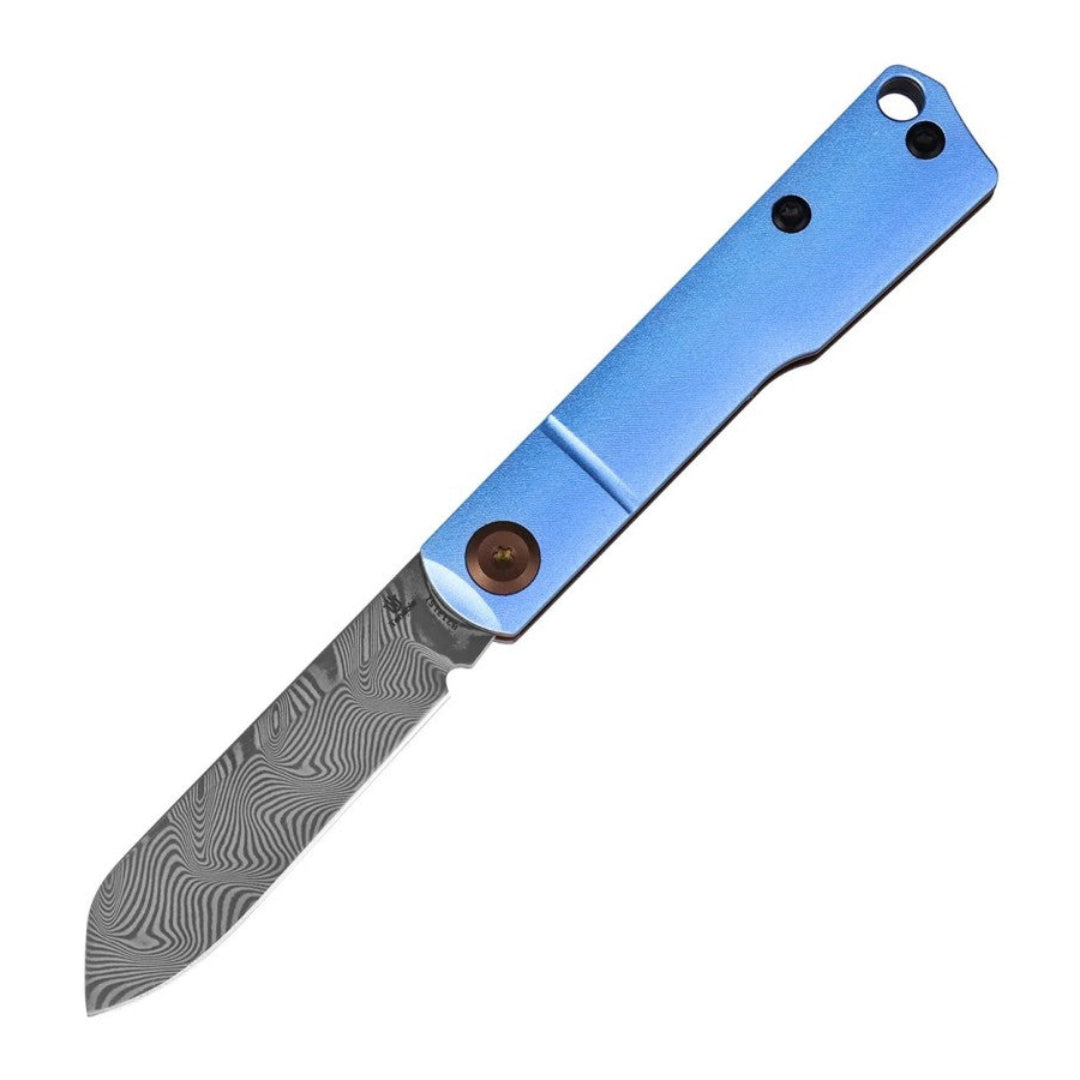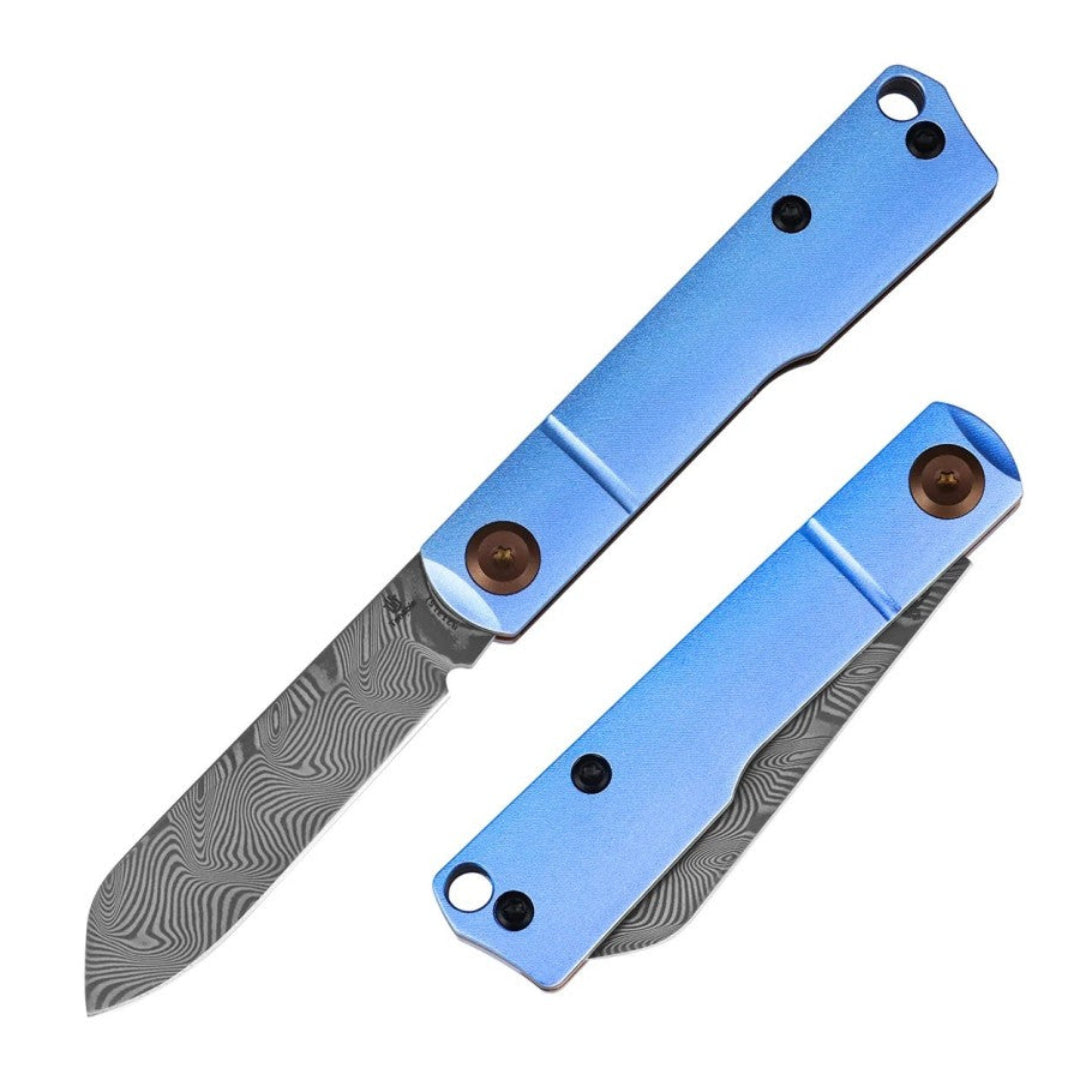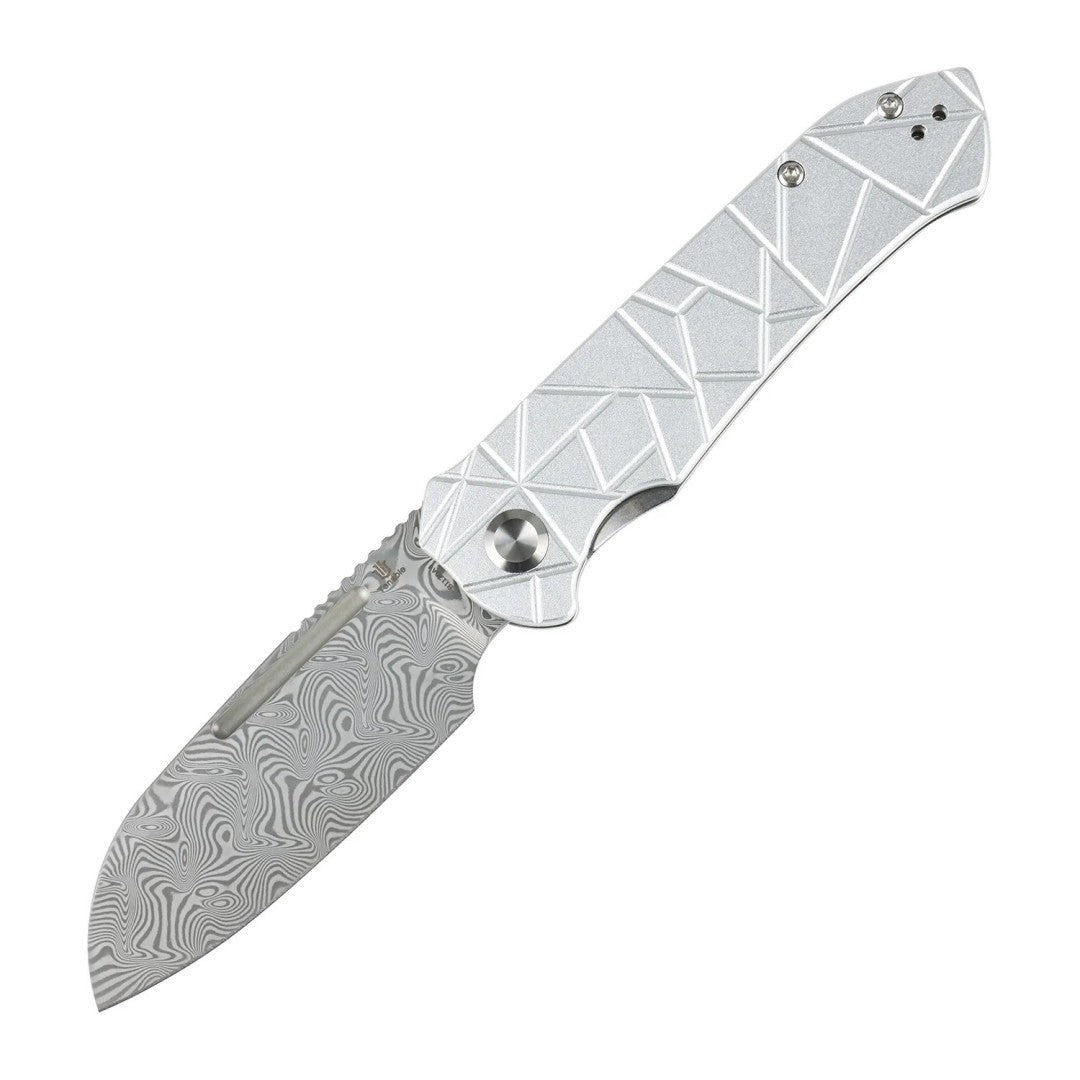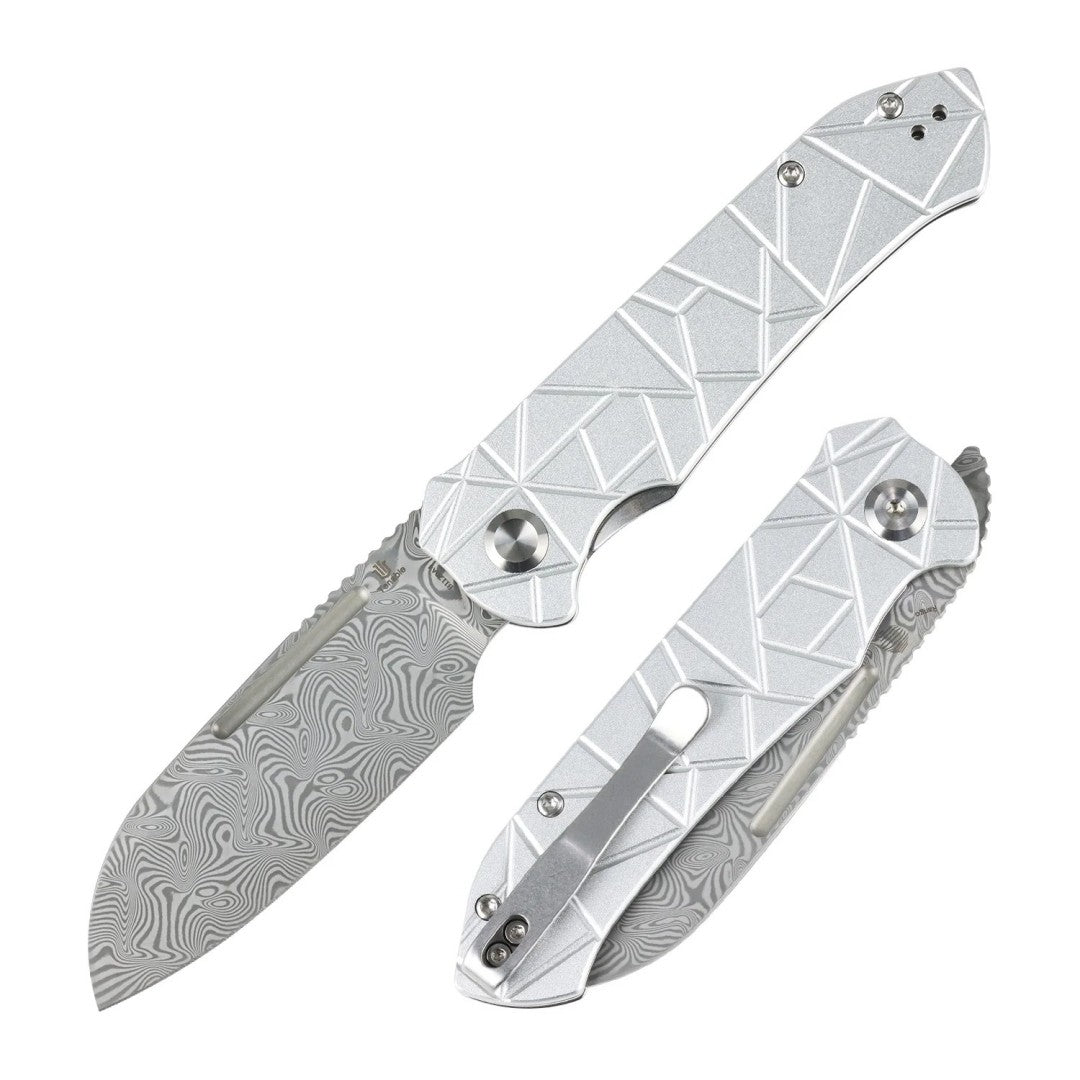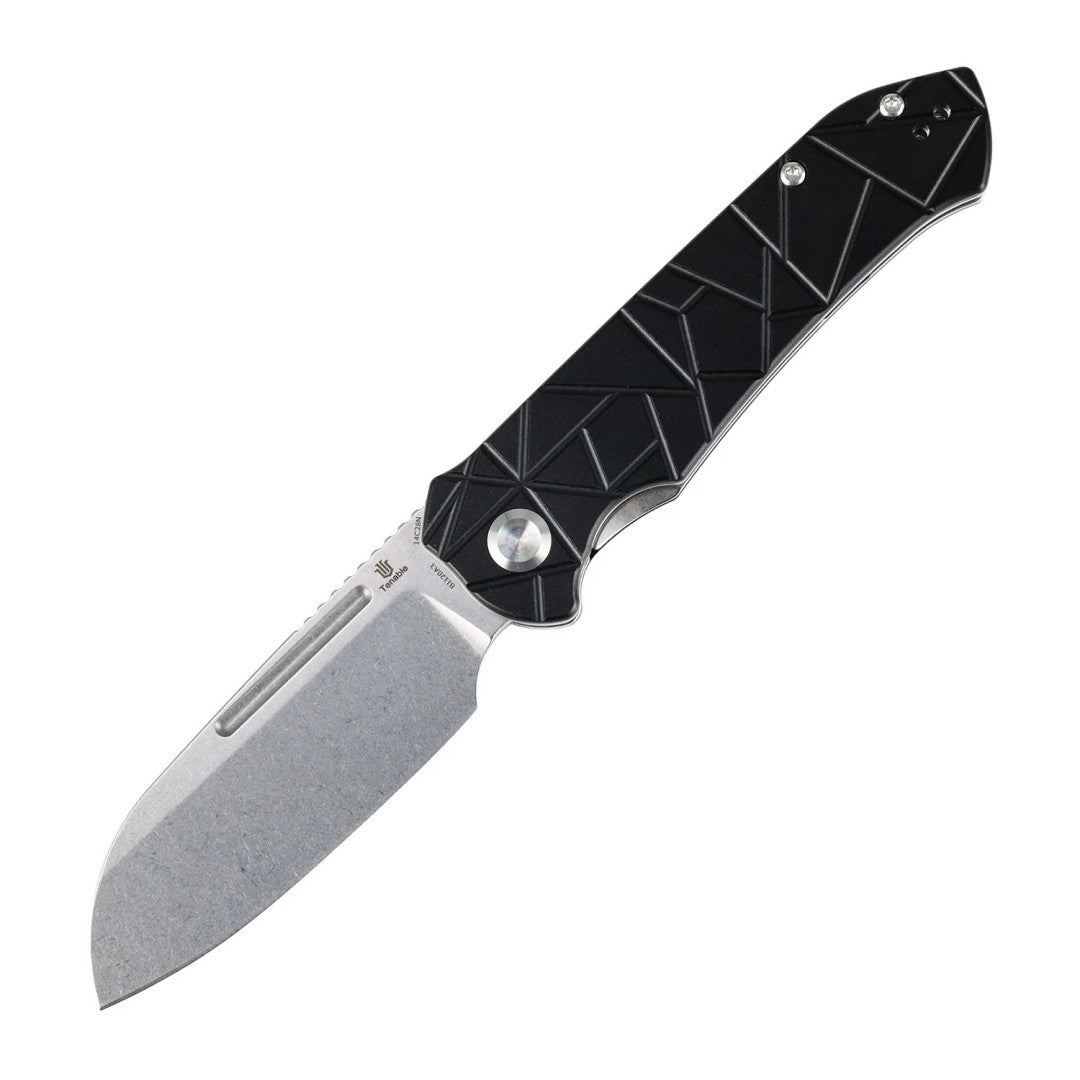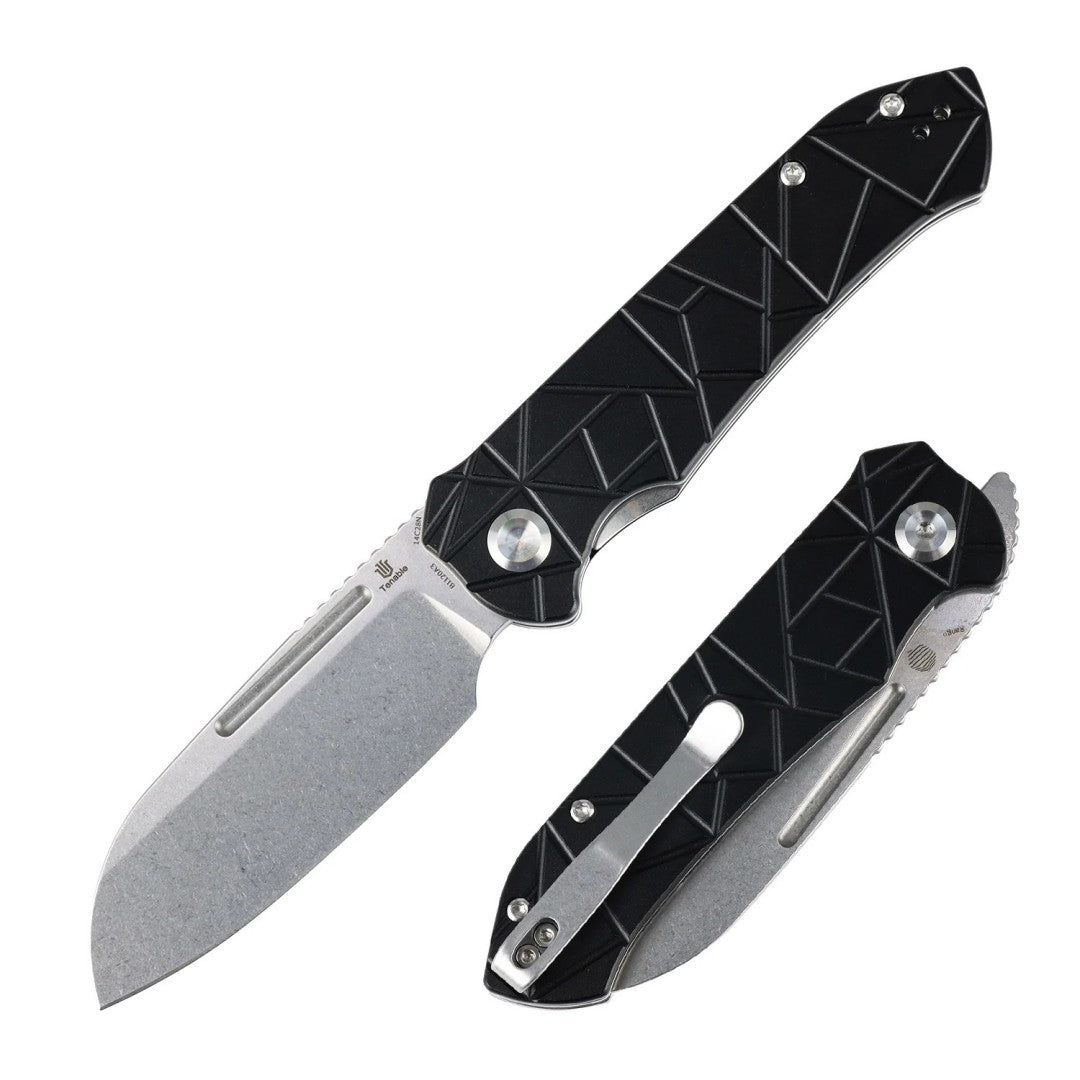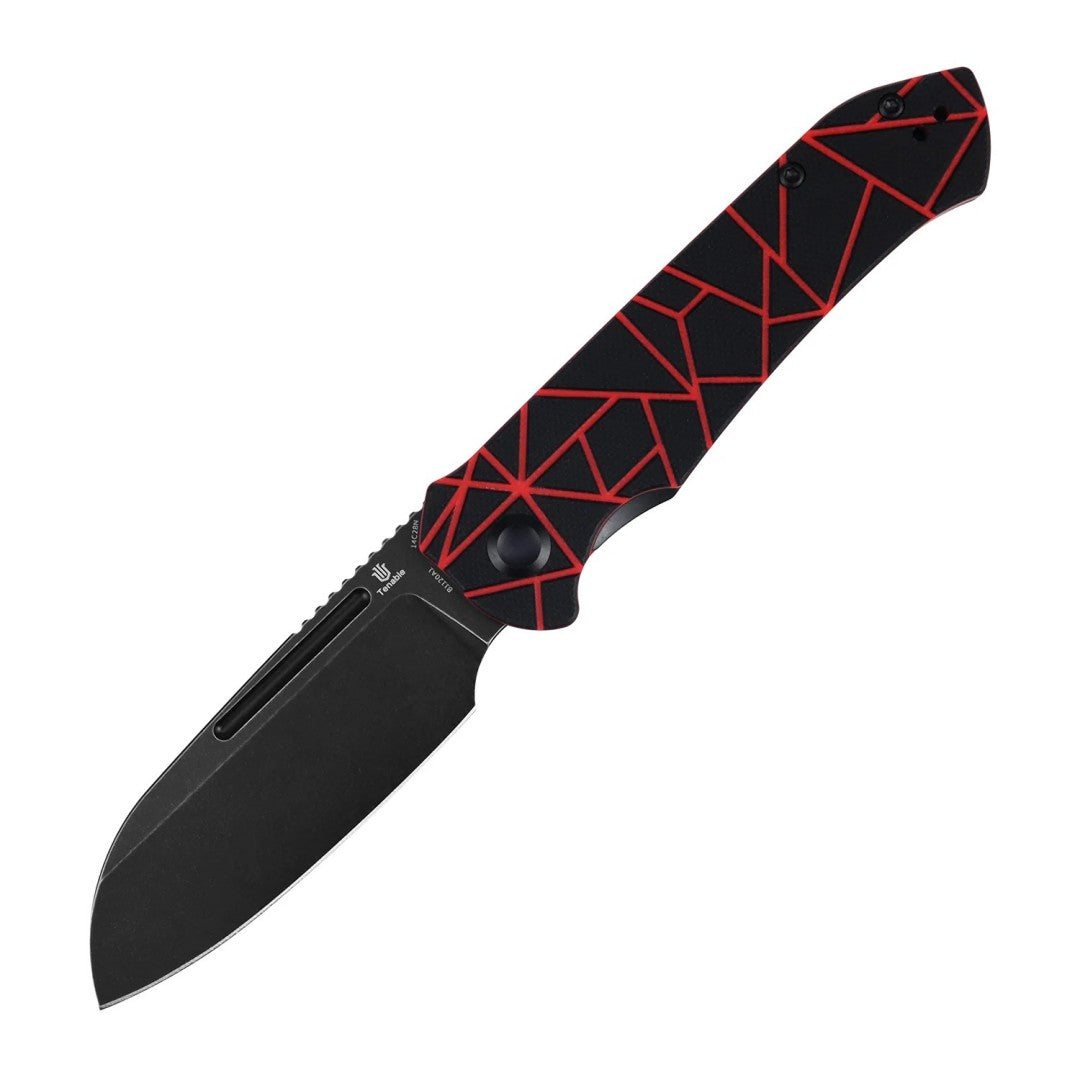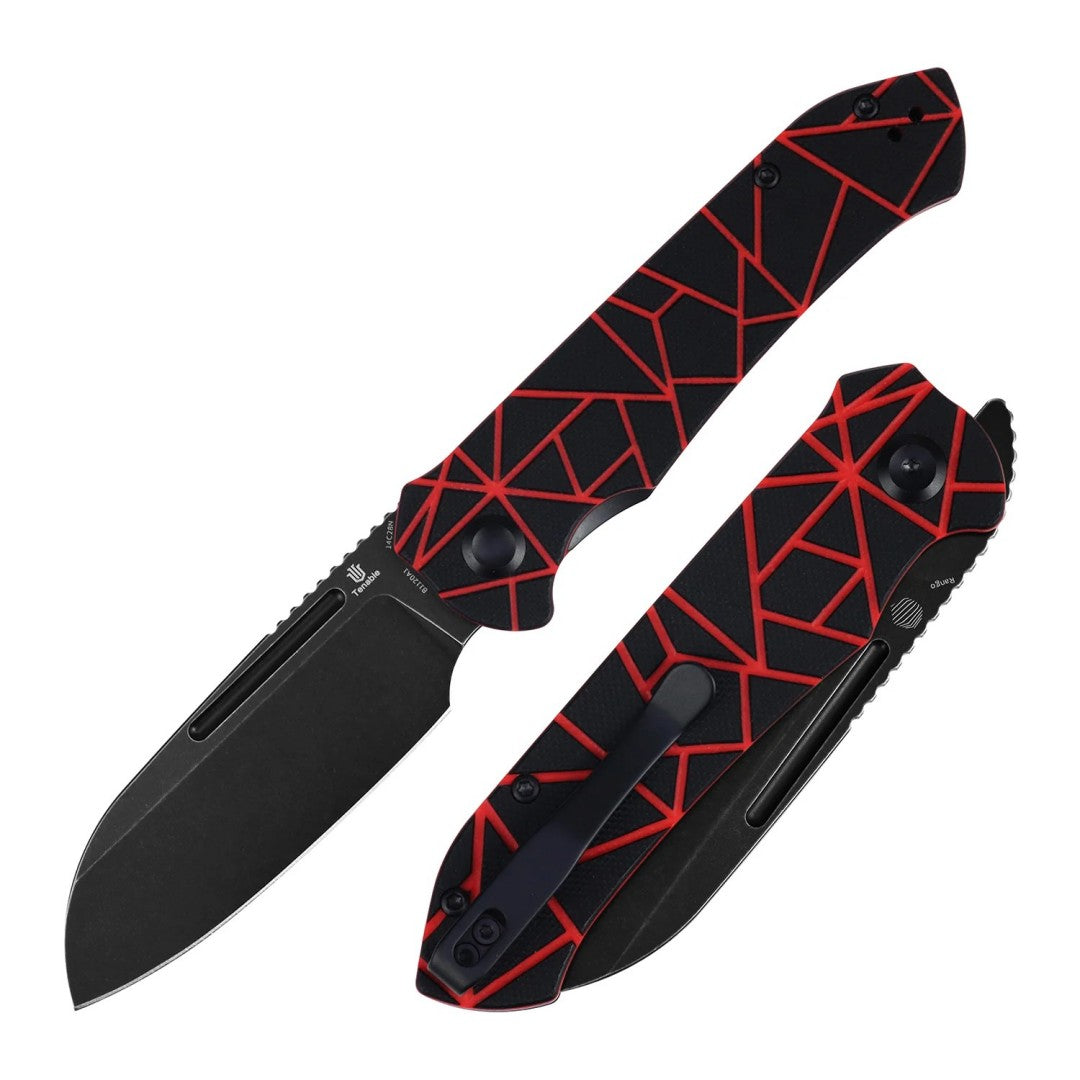

When it comes to choosing the right steel for your knives, the options can be overwhelming. Two popular choices in the knife-making industry are 440A and CTS-XHP steel. But which one is better? Let's dive into the details to help you make an informed decision.
What is 440A Steel?
440A steel is a type of stainless steel that is commonly used in budget-friendly knives. It is known for its corrosion resistance and ease of sharpening. With a carbon content of around 0.65%, 440A steel offers decent edge retention and is easy to maintain.
What is CTS-XHP Steel?
On the other hand, CTS-XHP steel is a high-performance stainless steel that is favored by many knife enthusiasts. With a higher carbon content of around 1.6%, CTS-XHP steel offers excellent edge retention, wear resistance, and corrosion resistance. It is a premium steel that is often used in high-end knives.
Comparing Performance
When it comes to performance, CTS-XHP steel outshines 440A steel in almost every aspect. CTS-XHP steel offers superior edge retention, toughness, and corrosion resistance compared to 440A steel. This makes knives made with CTS-XHP steel ideal for heavy-duty tasks and prolonged use.
Price Point
One factor to consider when choosing between 440A and CTS-XHP steel is the price. 440A steel is more budget-friendly, making it a popular choice for everyday carry knives and entry-level options. On the other hand, CTS-XHP steel is a premium steel that comes at a higher price point, but the performance benefits may justify the cost for serious knife users.
Conclusion
In conclusion, when comparing 440A and CTS-XHP steel, it is clear that CTS-XHP steel offers superior performance in terms of edge retention, toughness, and corrosion resistance. While 440A steel is a decent option for budget-friendly knives, serious knife users and enthusiasts may prefer the premium qualities of CTS-XHP steel for their blades.
Ultimately, the choice between 440A and CTS-XHP steel will depend on your specific needs, budget, and preferences. Whether you prioritize affordability or top-notch performance, understanding the differences between these two steels will help you make an informed decision when selecting your next knife.