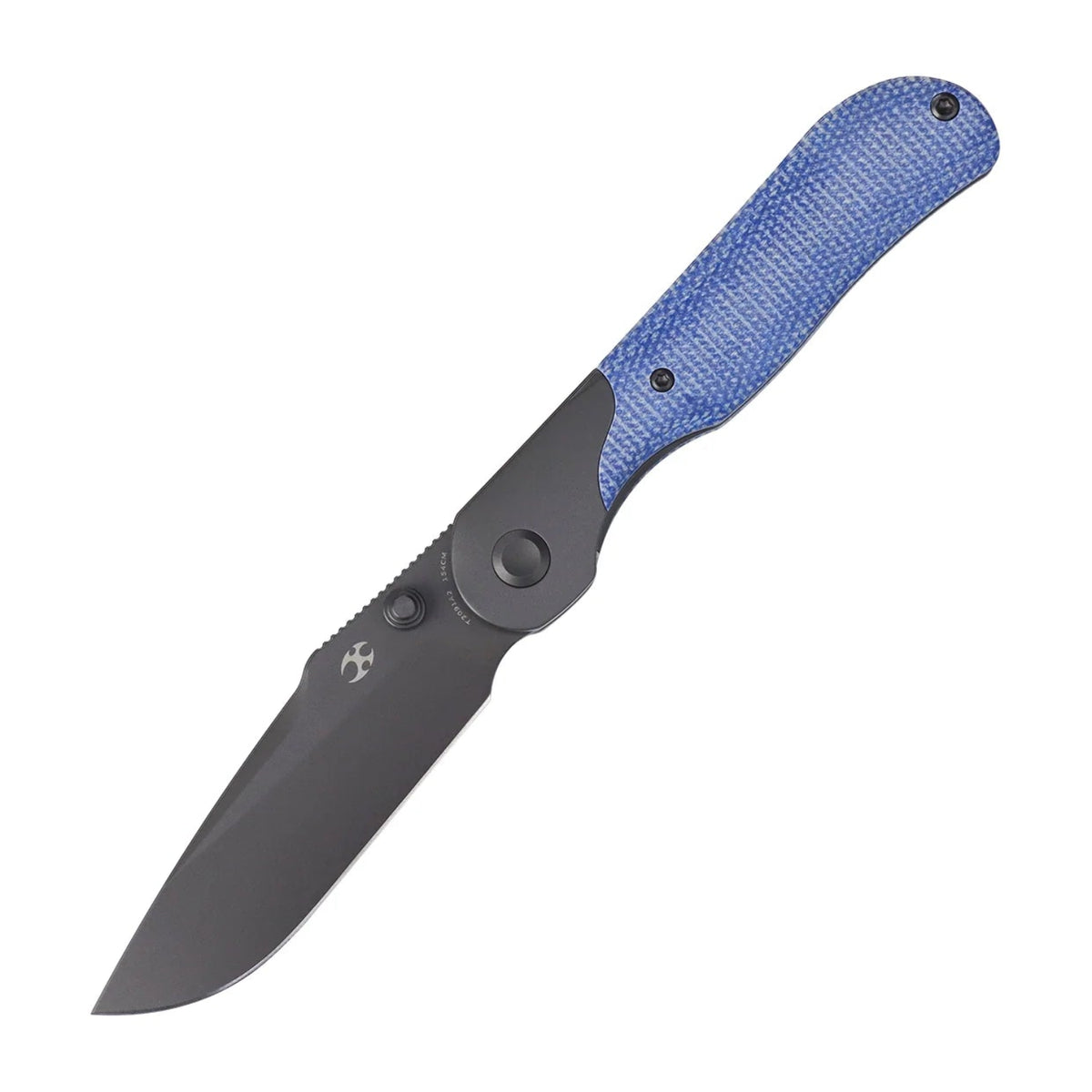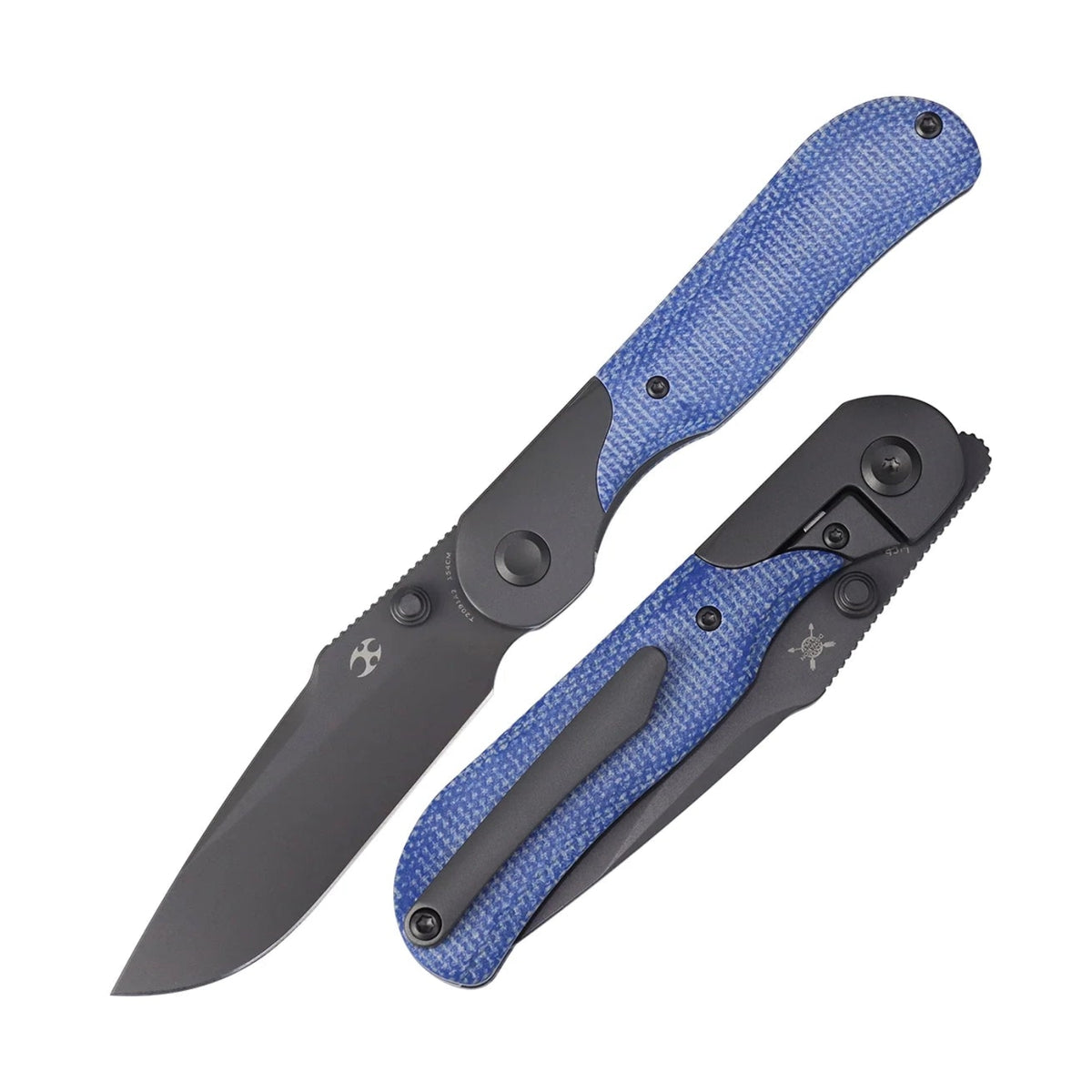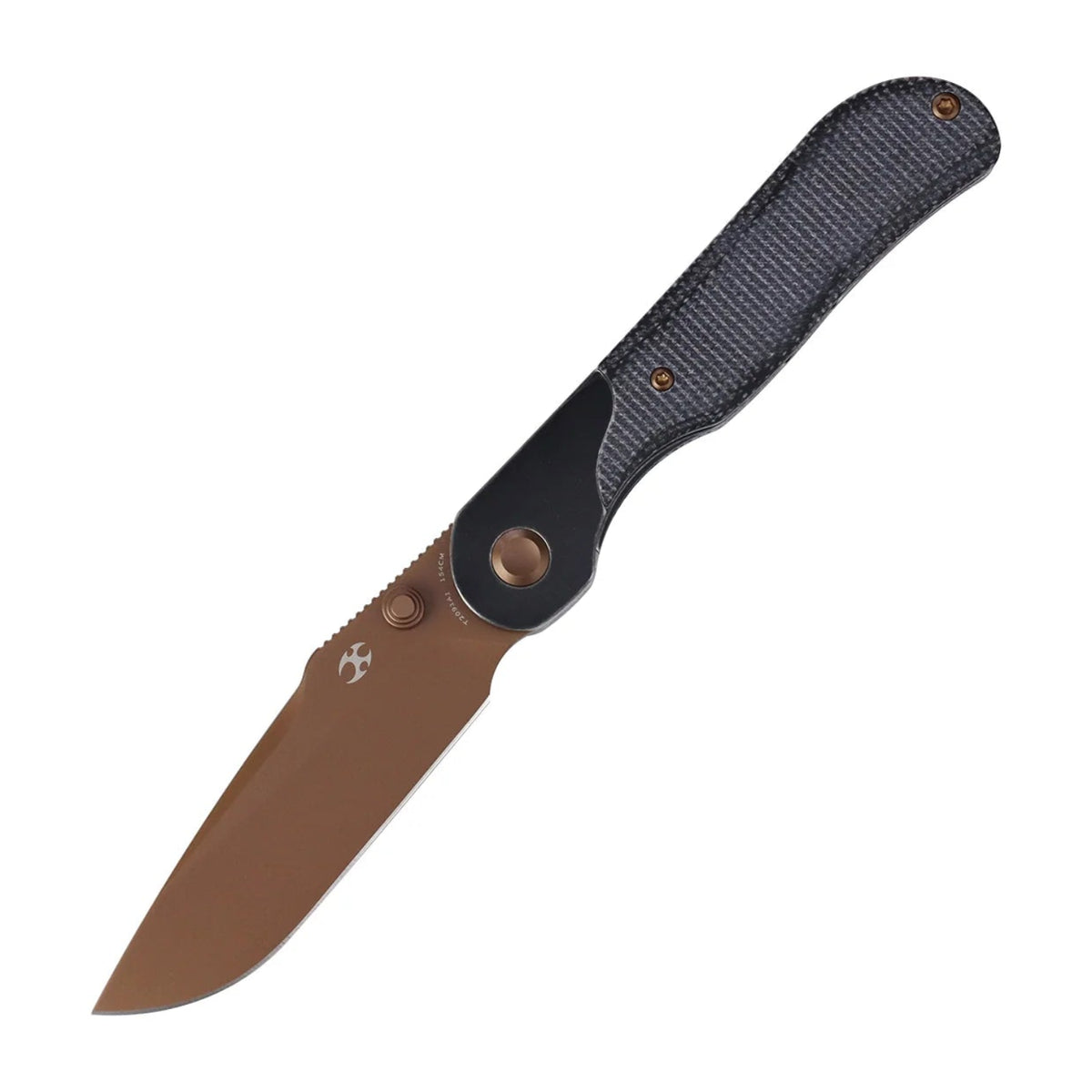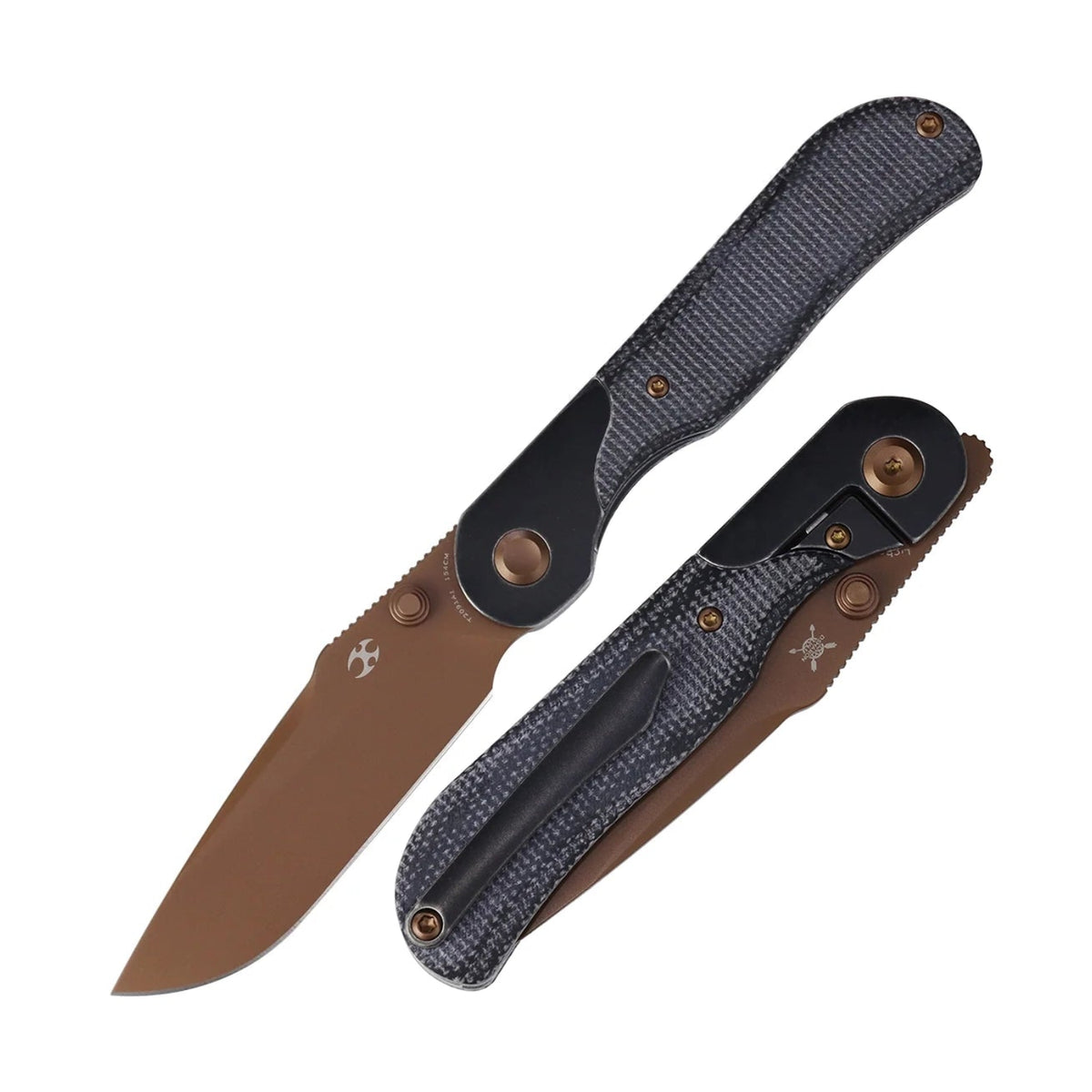

Overview & First Impressions
Annealing is the least glamorous step in blade making: heat the steel, then cool it slowly enough that internal stresses relax and the grain settles. Skip it and a blade may test hard while behaving badly, chipping at the edge or warping when it is ground thin. The Bestechman Cicada's Wing-TL BMK24-R-4 is a useful example because its slim profile leaves no room to hide a bad heat treatment, and thin geometry exposes every shortcut in the process.
Materials & Construction
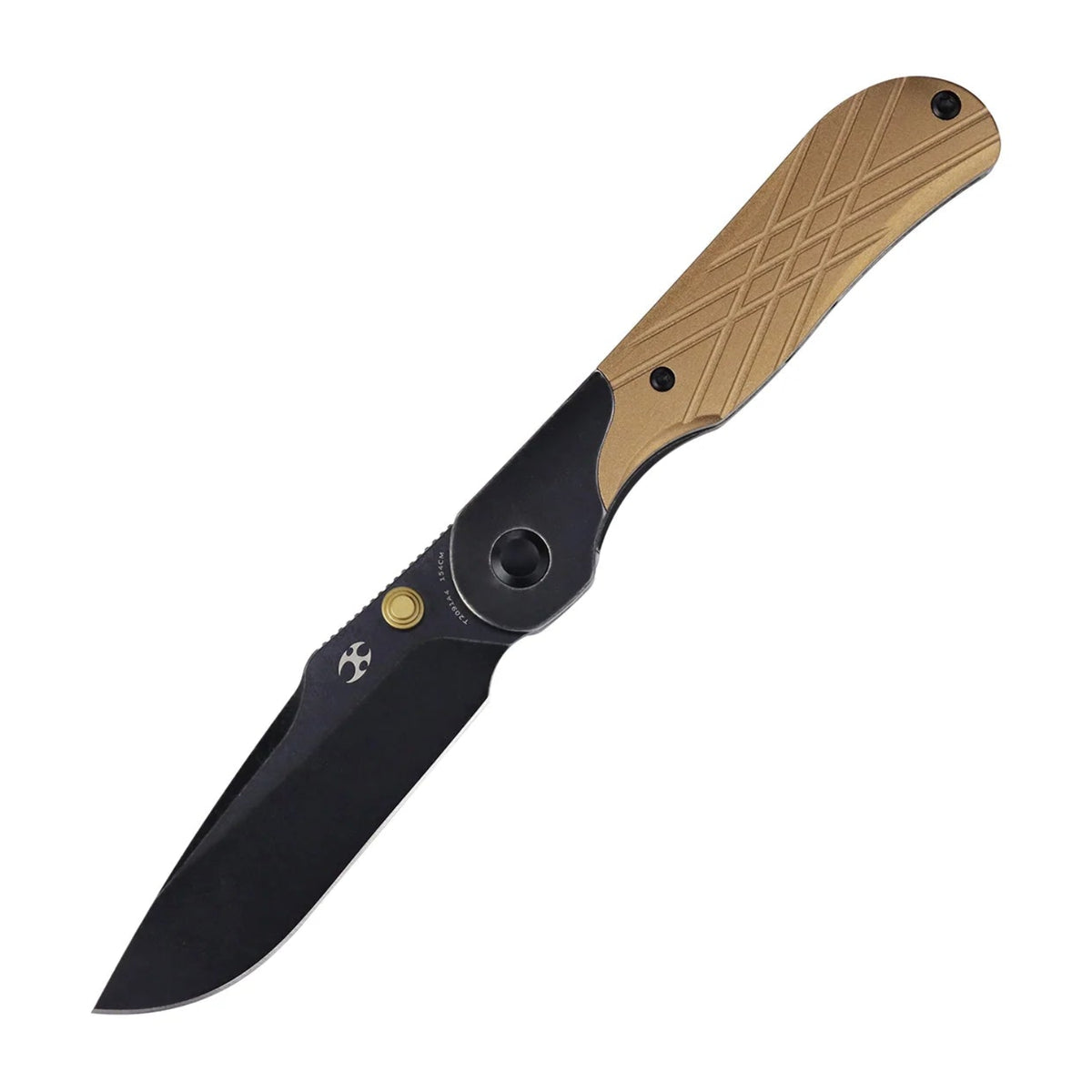
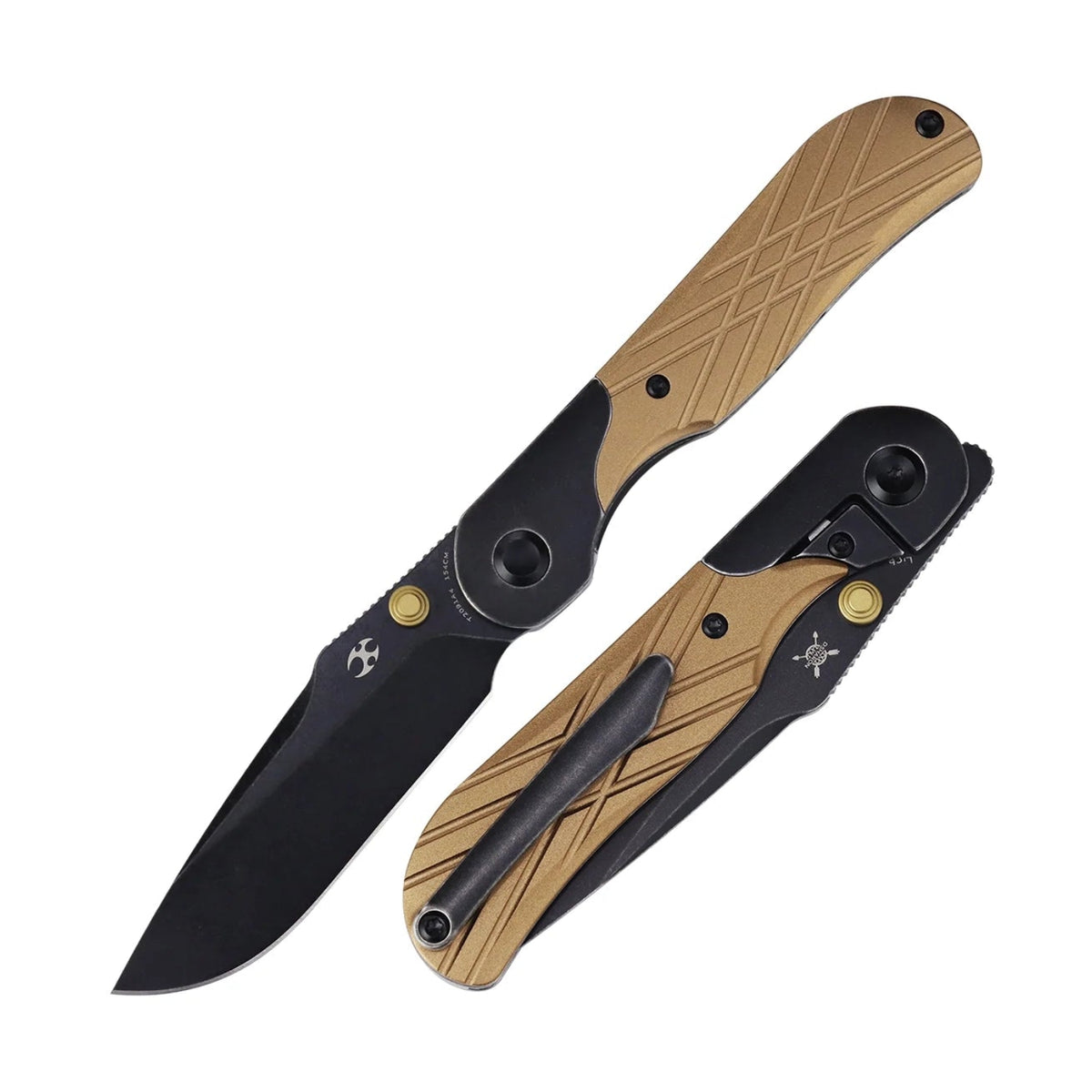
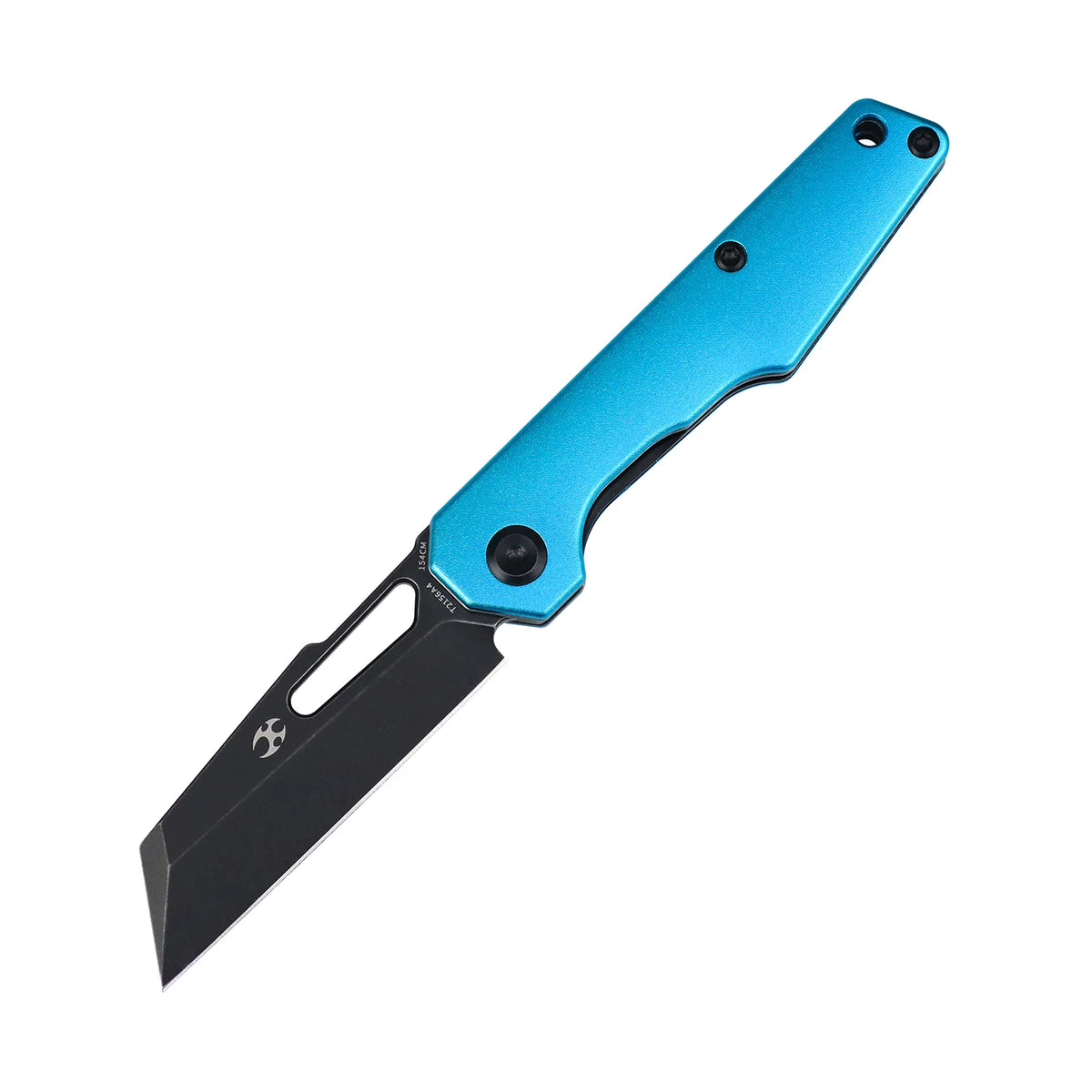
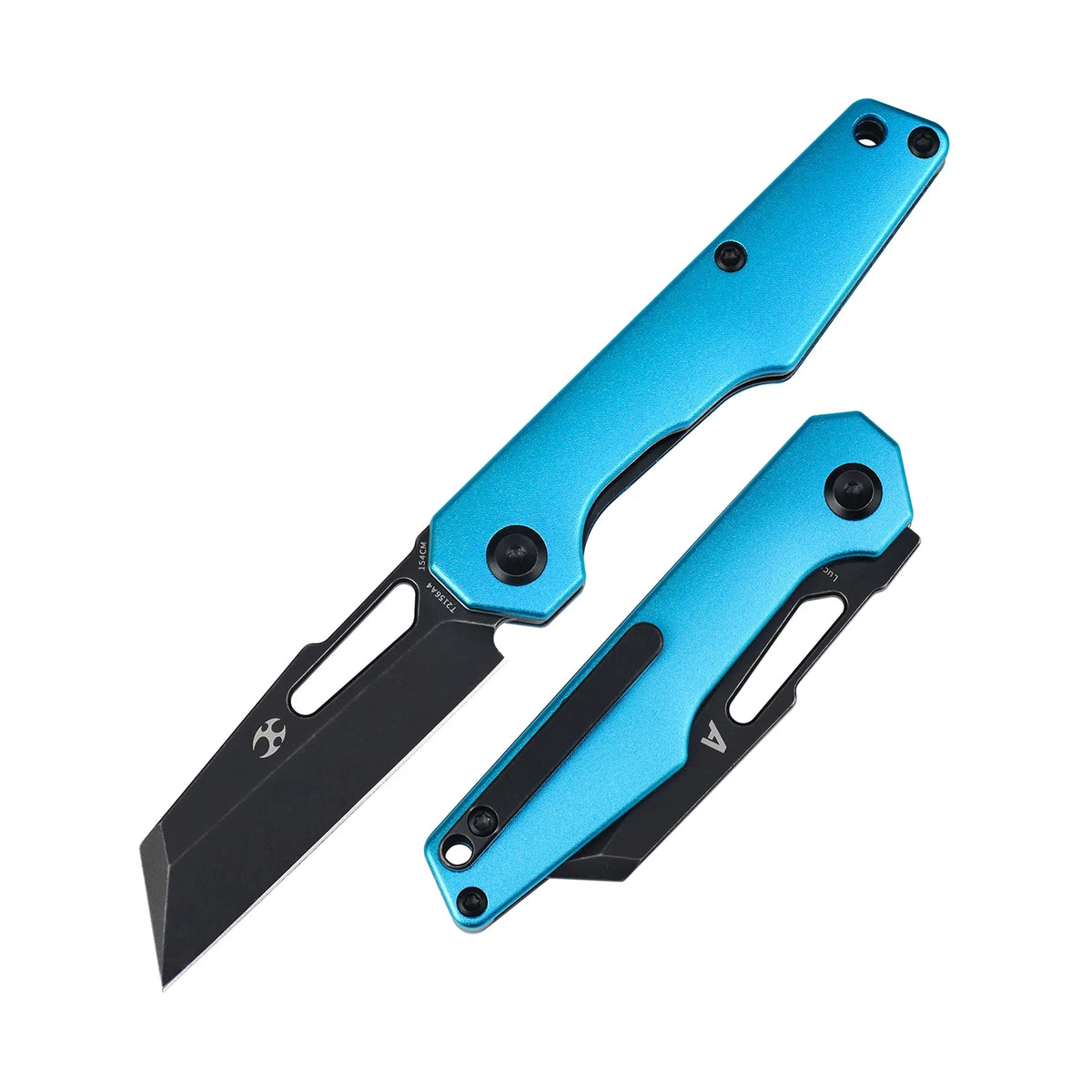
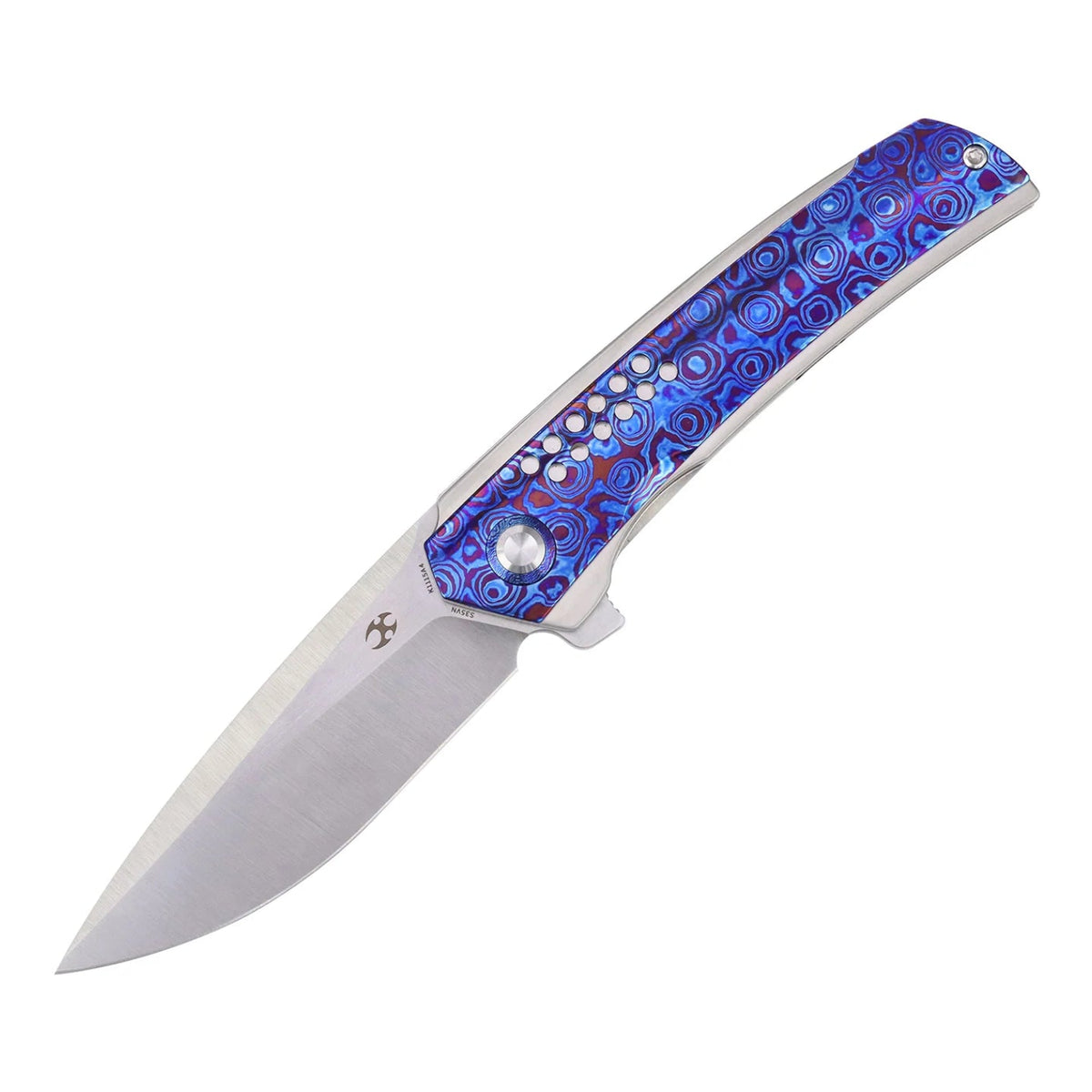
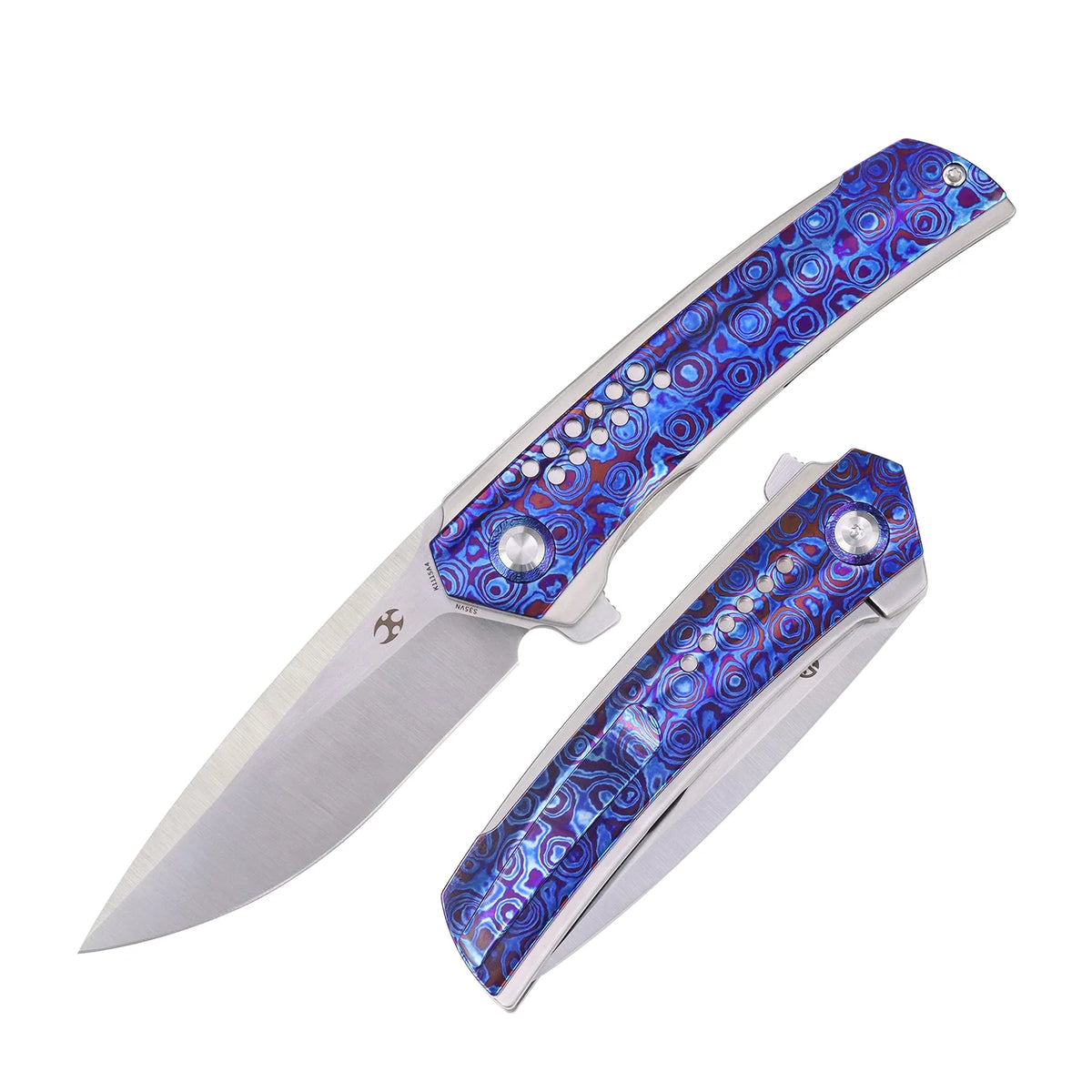
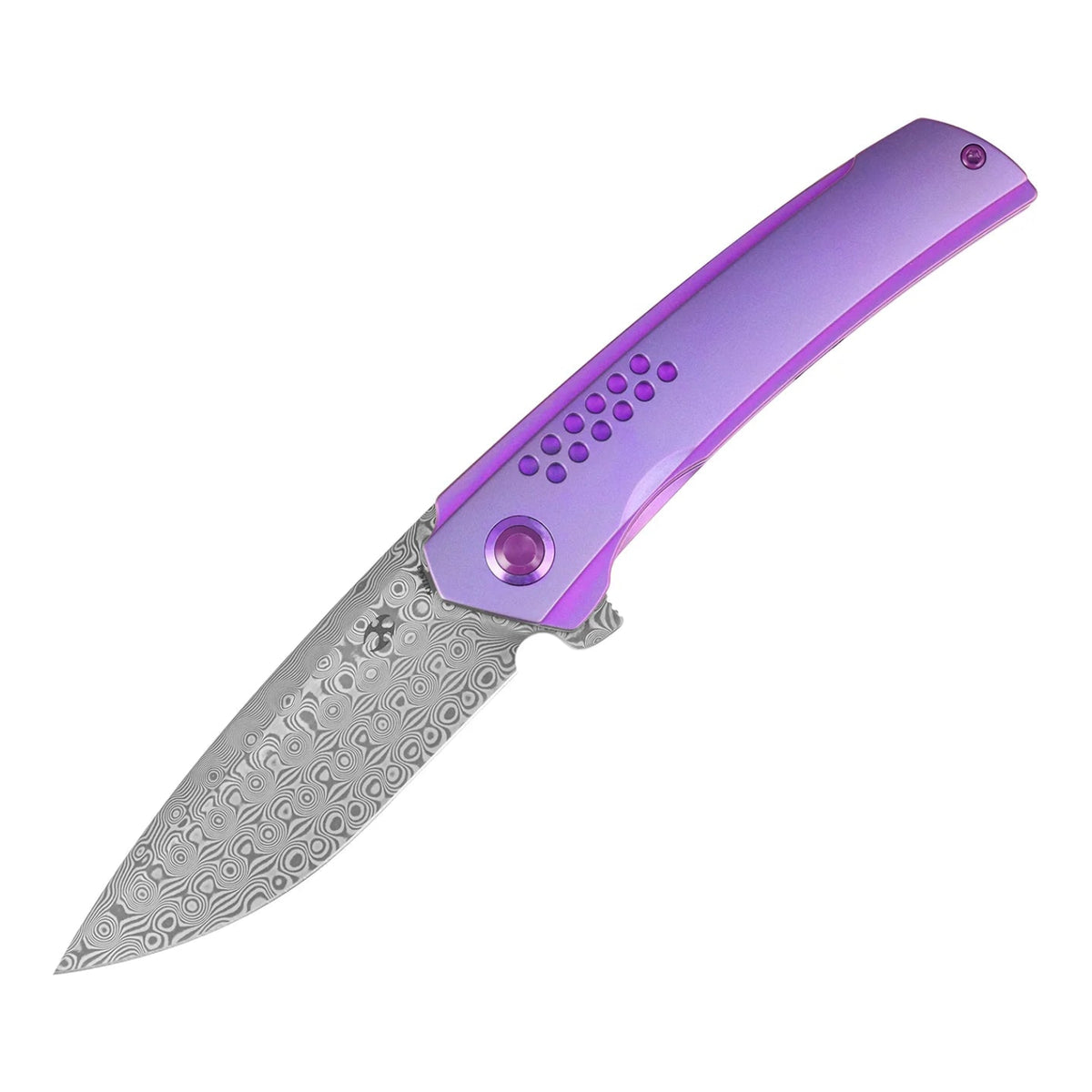
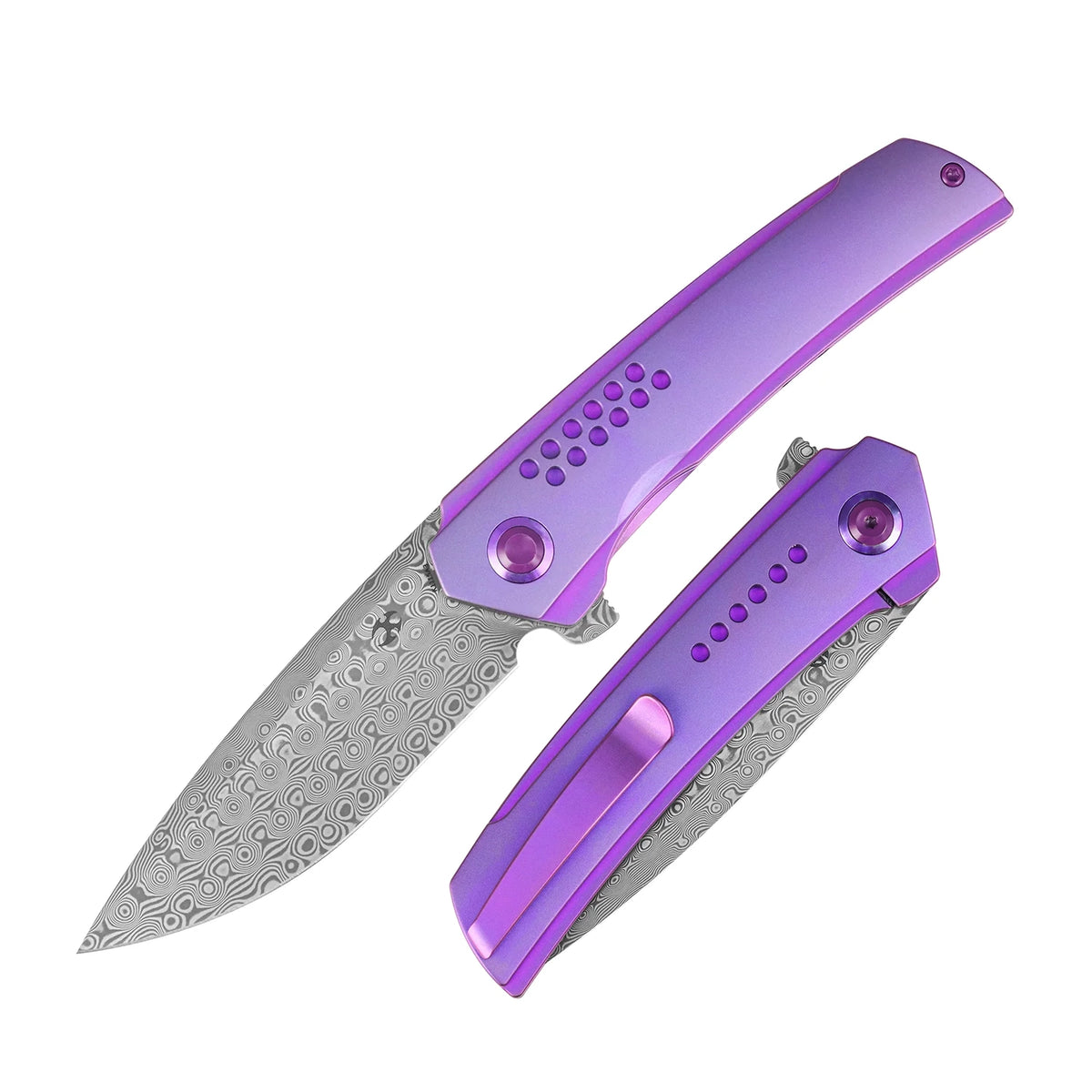
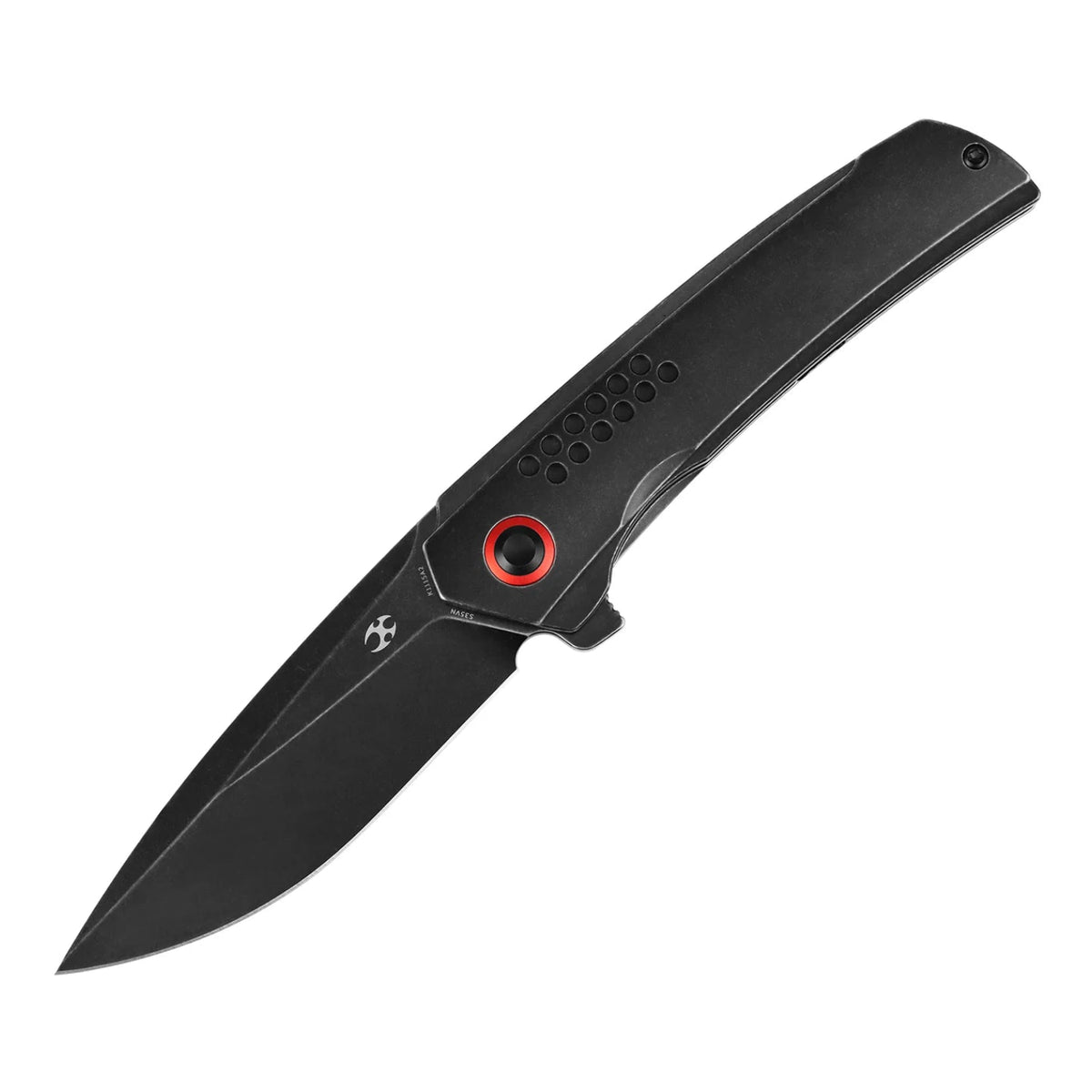
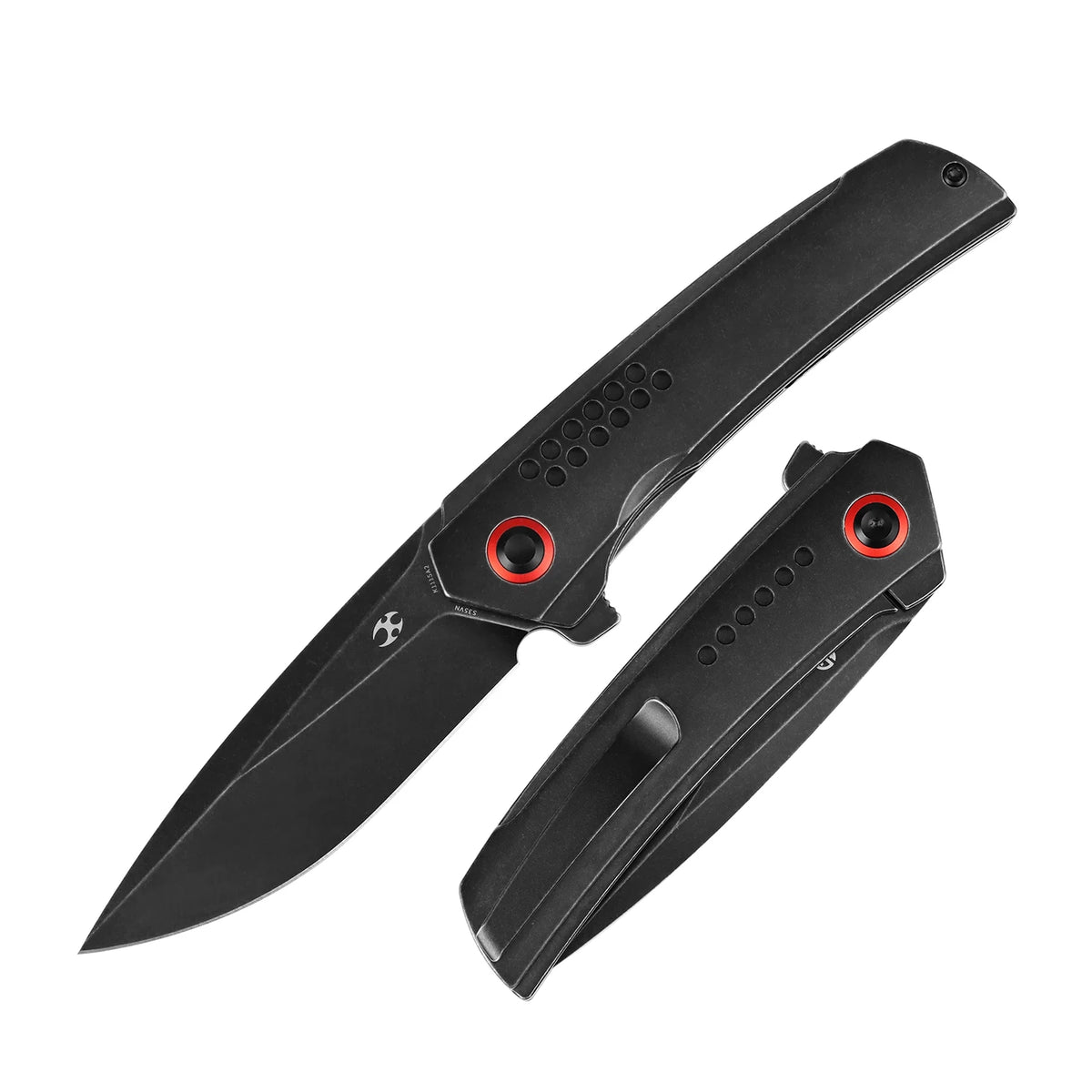
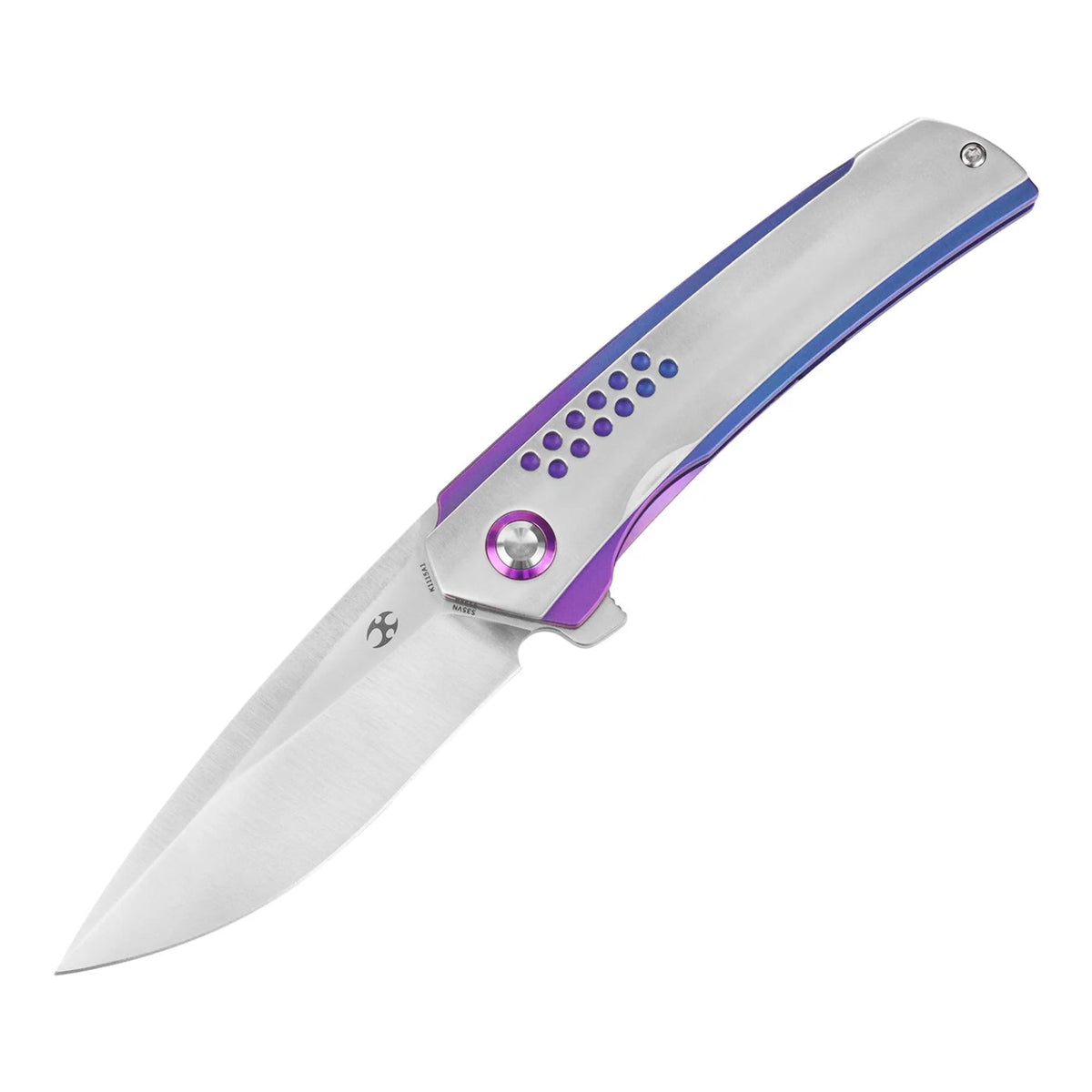
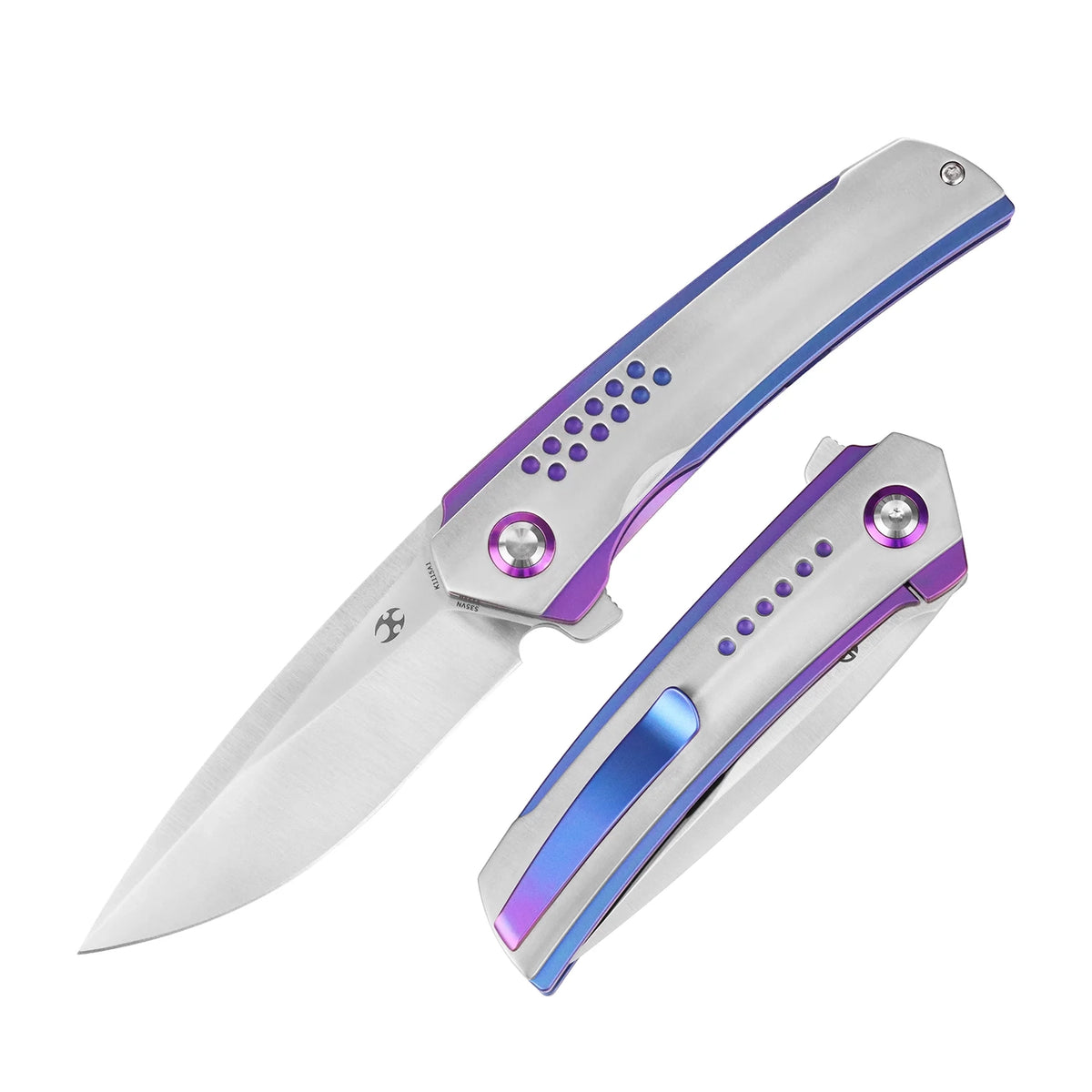
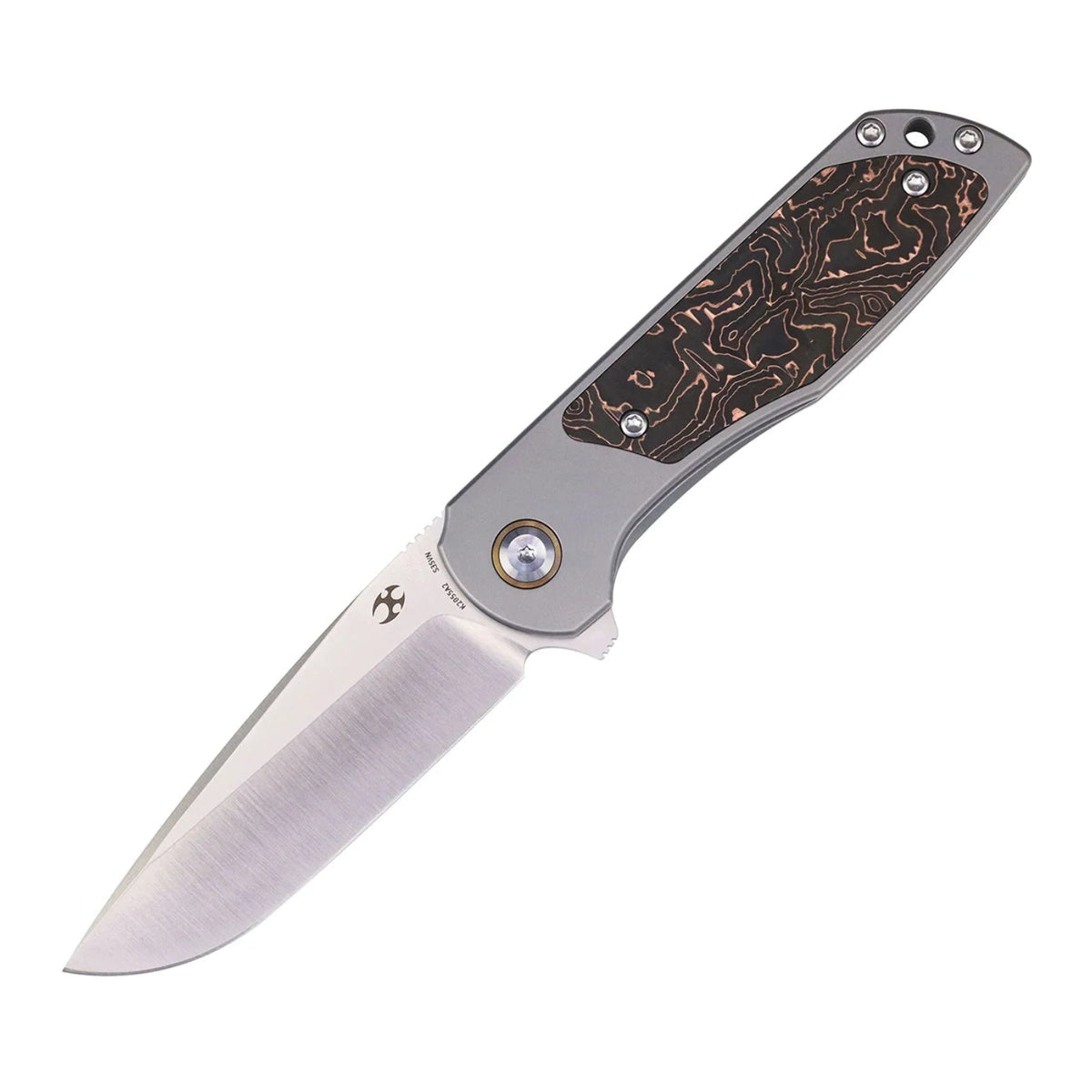
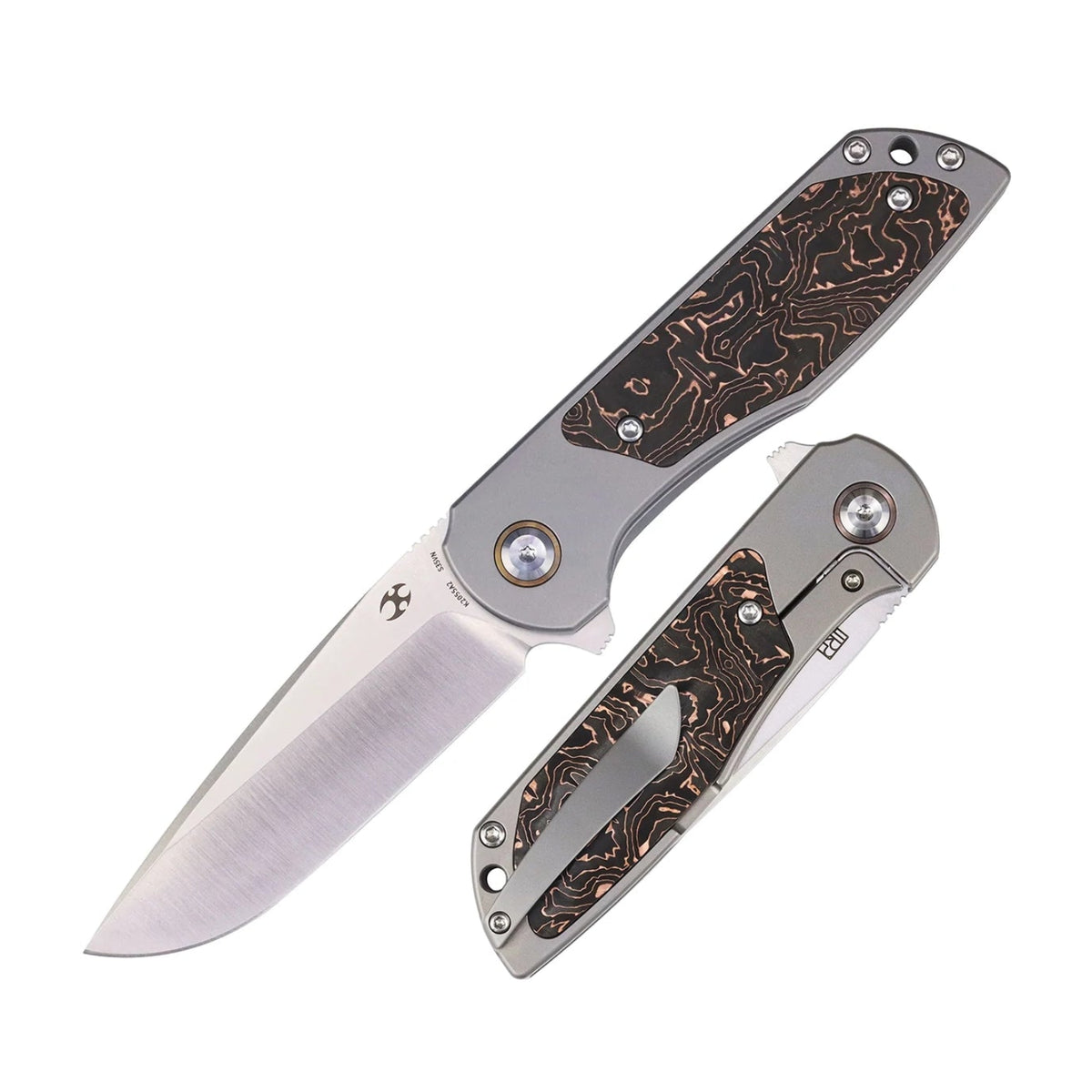
The brown resin handle is light, warm in the hand and stable across temperature swings, and the blade is a chromium stainless in the 10Cr15 family that takes a fine edge and resists staining in daily use. Bestechman knives grind their blades thin behind the edge, which is what makes a light folder cut well, and thin grinds only work when the steel has been properly normalised and tempered rather than rushed through a hardening cycle.

Design & Details
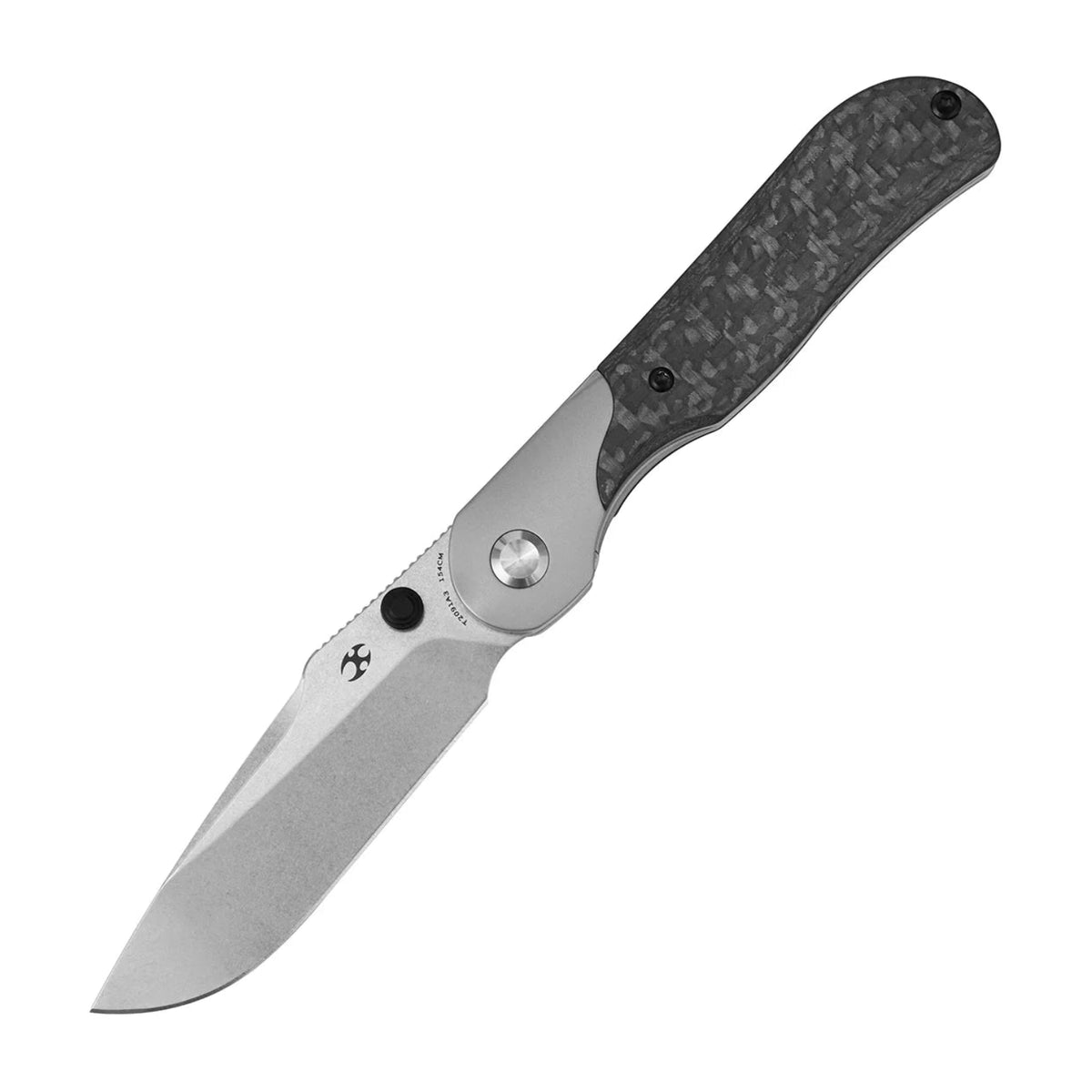
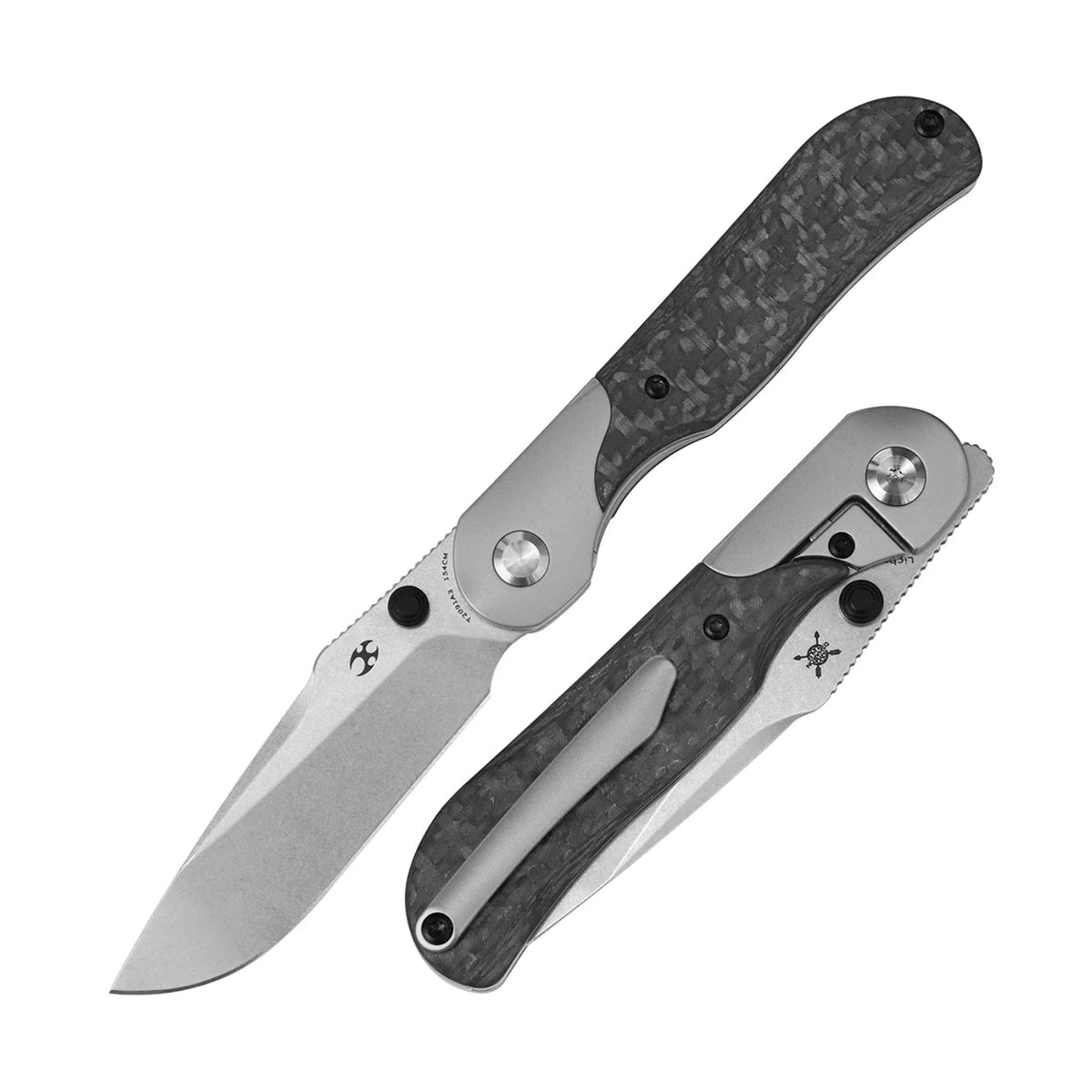
A top liner lock puts the lock bar on the spine side, which keeps the presentation scale clean and makes the knife symmetrical in the hand. On this model the bar engages early with a solid, quiet click rather than a metallic snap. The flipper tab is small and functional, the detent is tuned so the blade will not shake open, and the whole knife is narrow enough to sit against a seam without printing.
Real-World Use
Cutting performance is the payoff. The thin grind separated cardboard and sliced an apple without splitting it, which thicker knives cannot manage. After a week of mixed use the edge showed no micro-chipping, the best evidence that the heat treatment was not pushed too hard. The resin handle stayed comfortable when the knife was wet, and the lock showed no play in any direction when tested with the blade open.

Ownership Notes
Heat treatment is invisible on a spec sheet, so judge it through use. EdcMall photographs blade geometry from the tip so grind thickness is visible, and that tells you more than a hardness figure. Sharpen this knife on a fine stone at a shallow angle, strop between sessions rather than grinding, and avoid levering with the tip. A thin blade rewards skill and punishes improvisation in equal measure. Most folding knives this thin are ground too thick behind the edge to cut well, and that single compromise separates a slicer from a wedge. Anyone moving up from budget EDC knives will notice the quiet lock first, then the edge, and only later the steel printed on the blade.
Who Is This For?
This is for the user who wants a light, slim folder that cuts rather than wedges, and who carries a knife in a pocket all day. It suits anyone who prepares food with a pocket knife. It is not for prying, scraping or heavy field work, and a user who wants a thick, indestructible blade will find this one delicate by design.
Final Verdict
The Cicada's Wing-TL is a good argument that geometry and heat treatment matter more than headline hardness. Slim, quiet and genuinely sharp, it does the work of a much larger knife with a fraction of the weight. Buy it if you cut things every day.