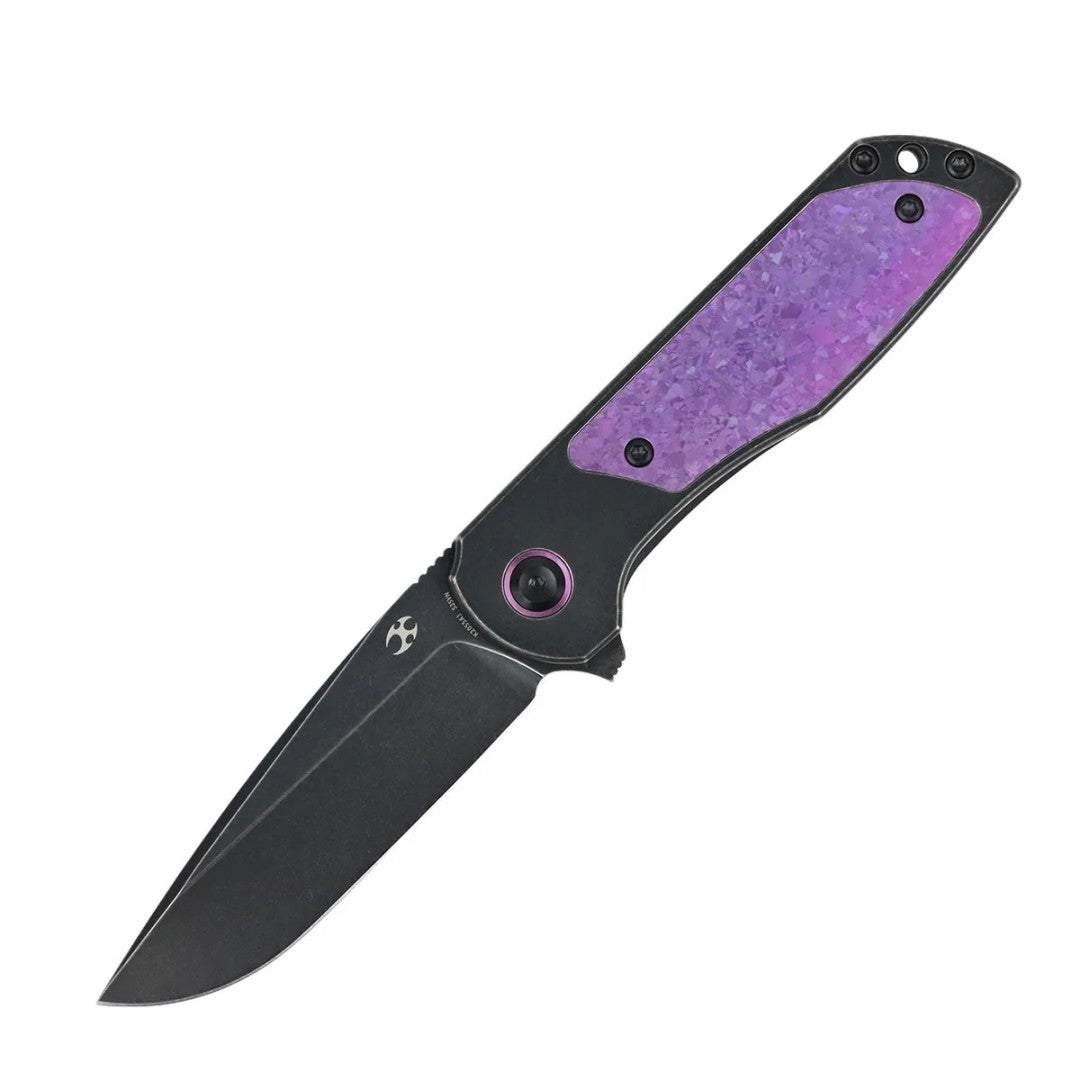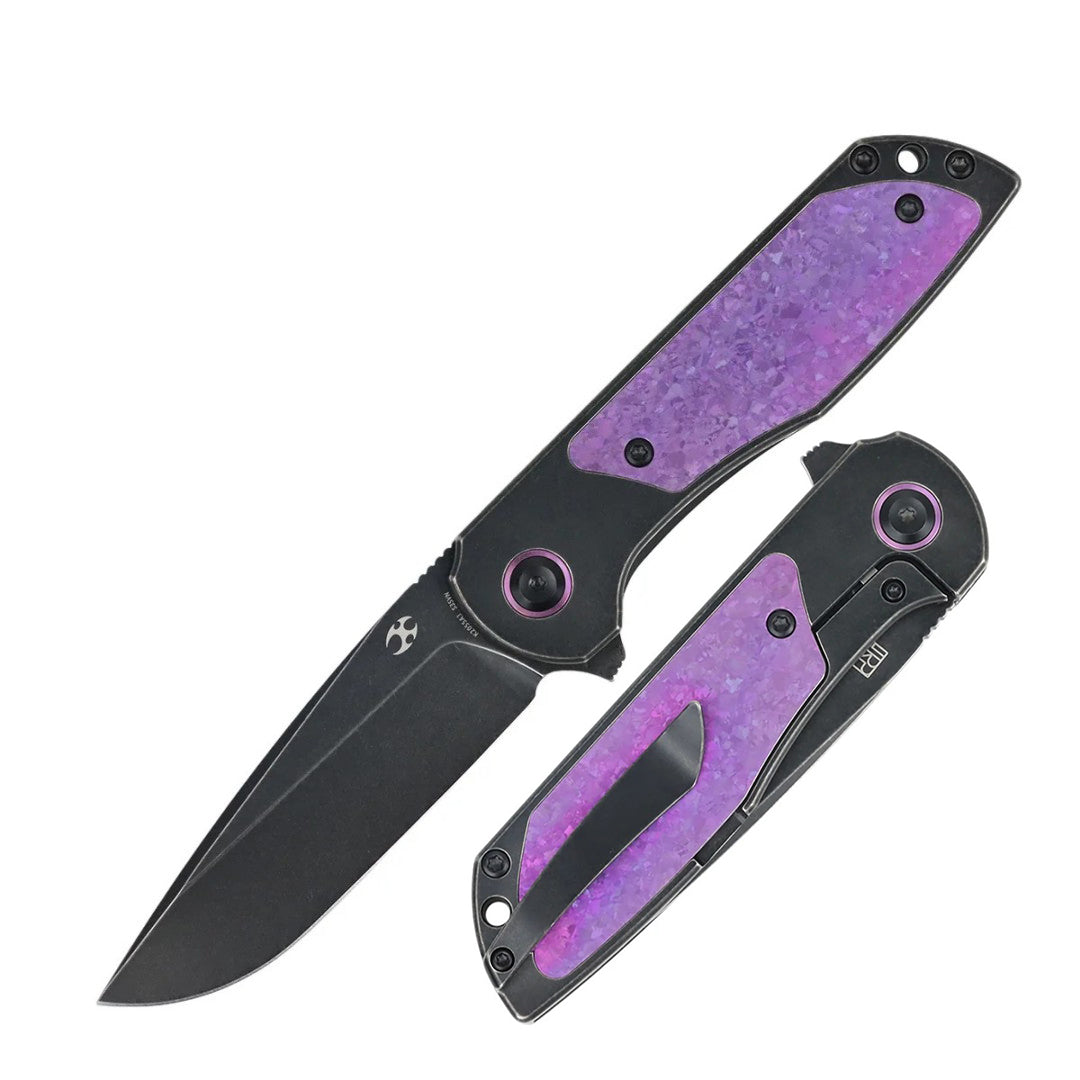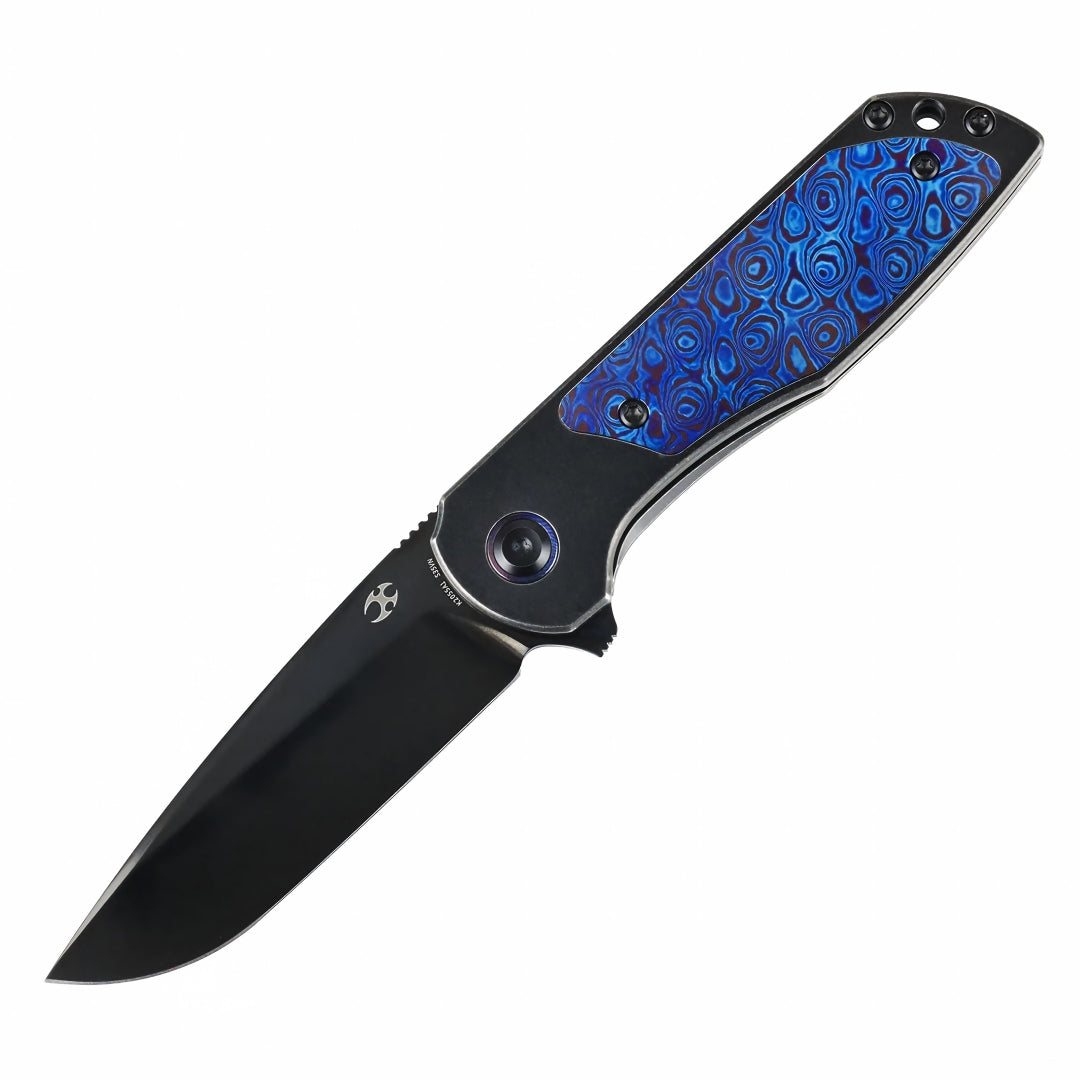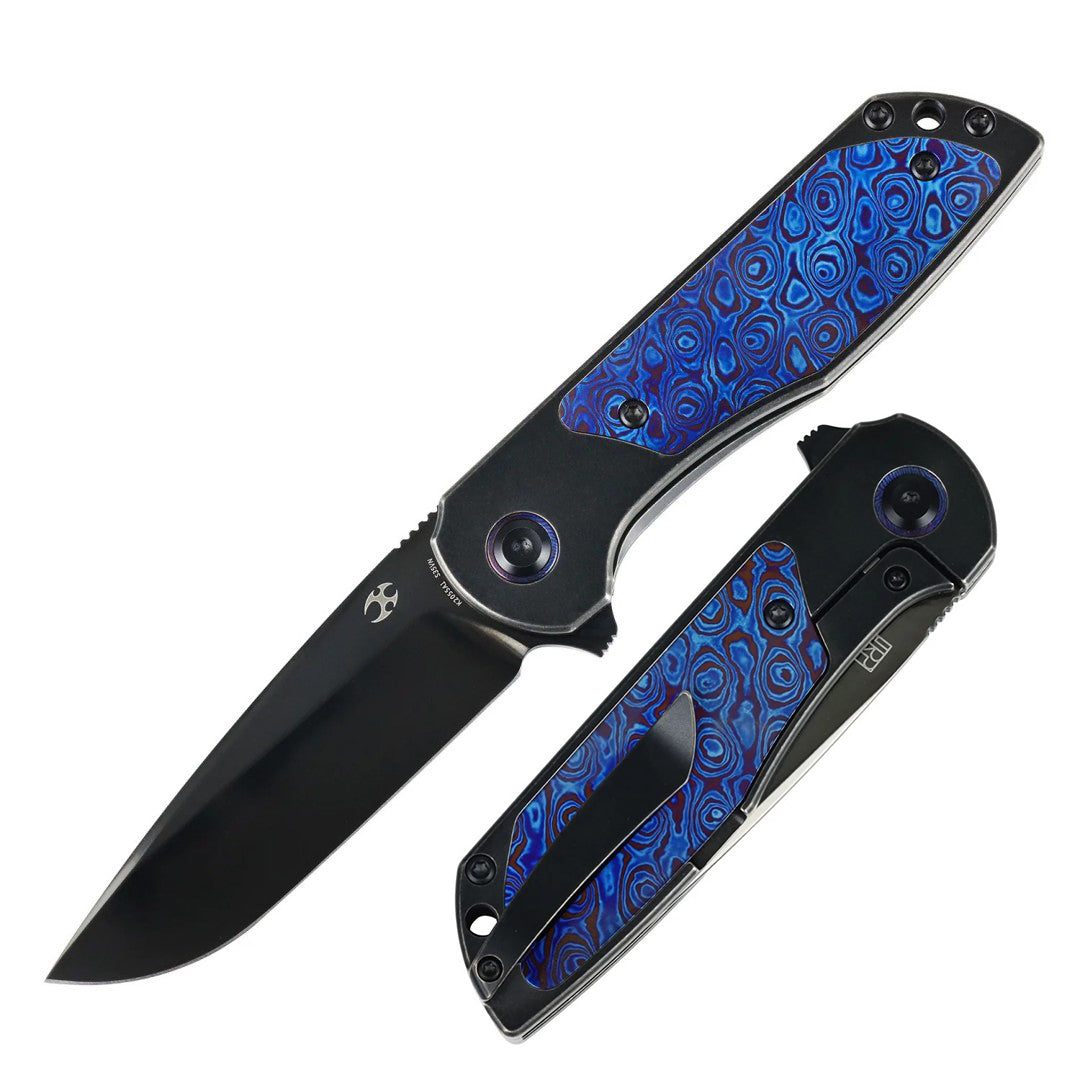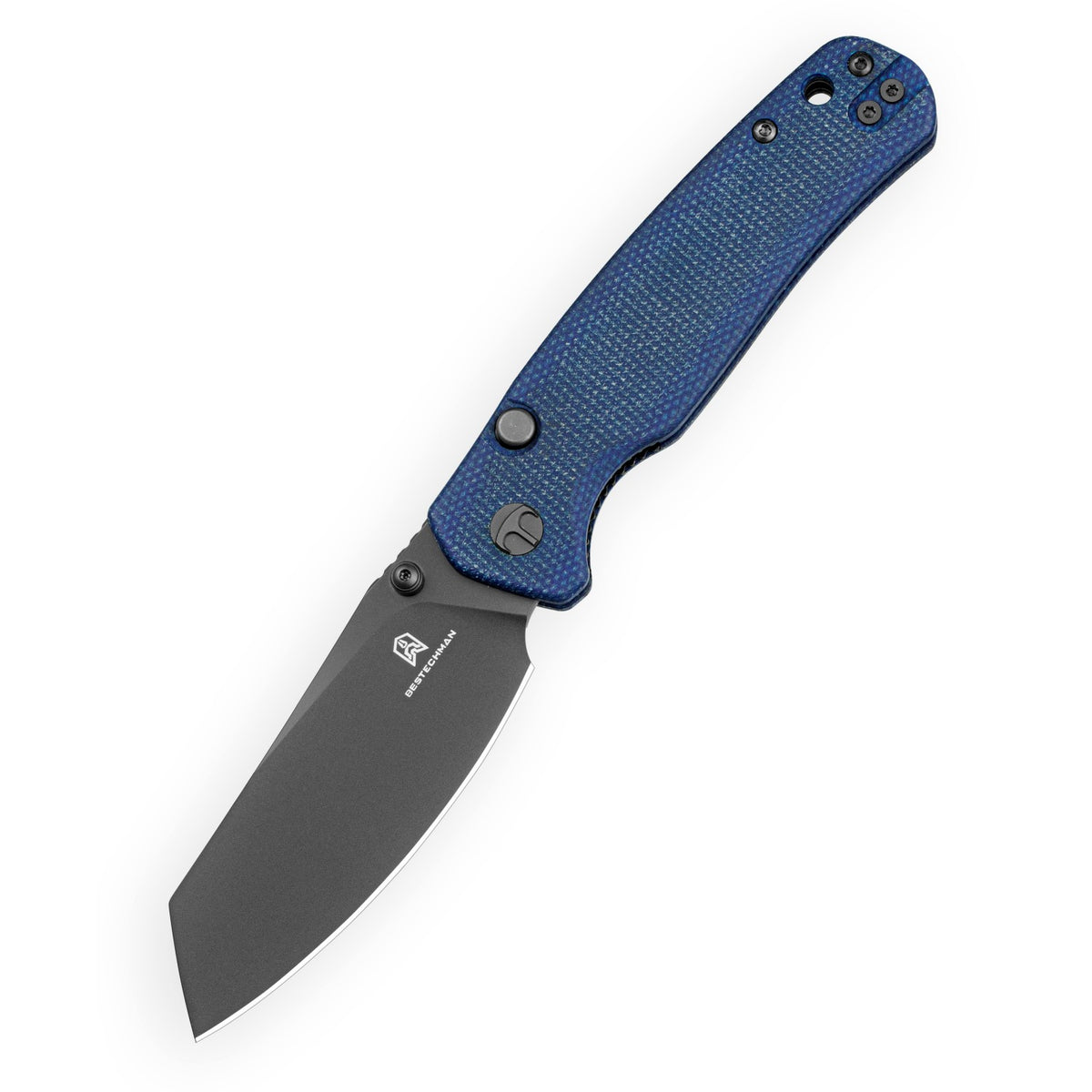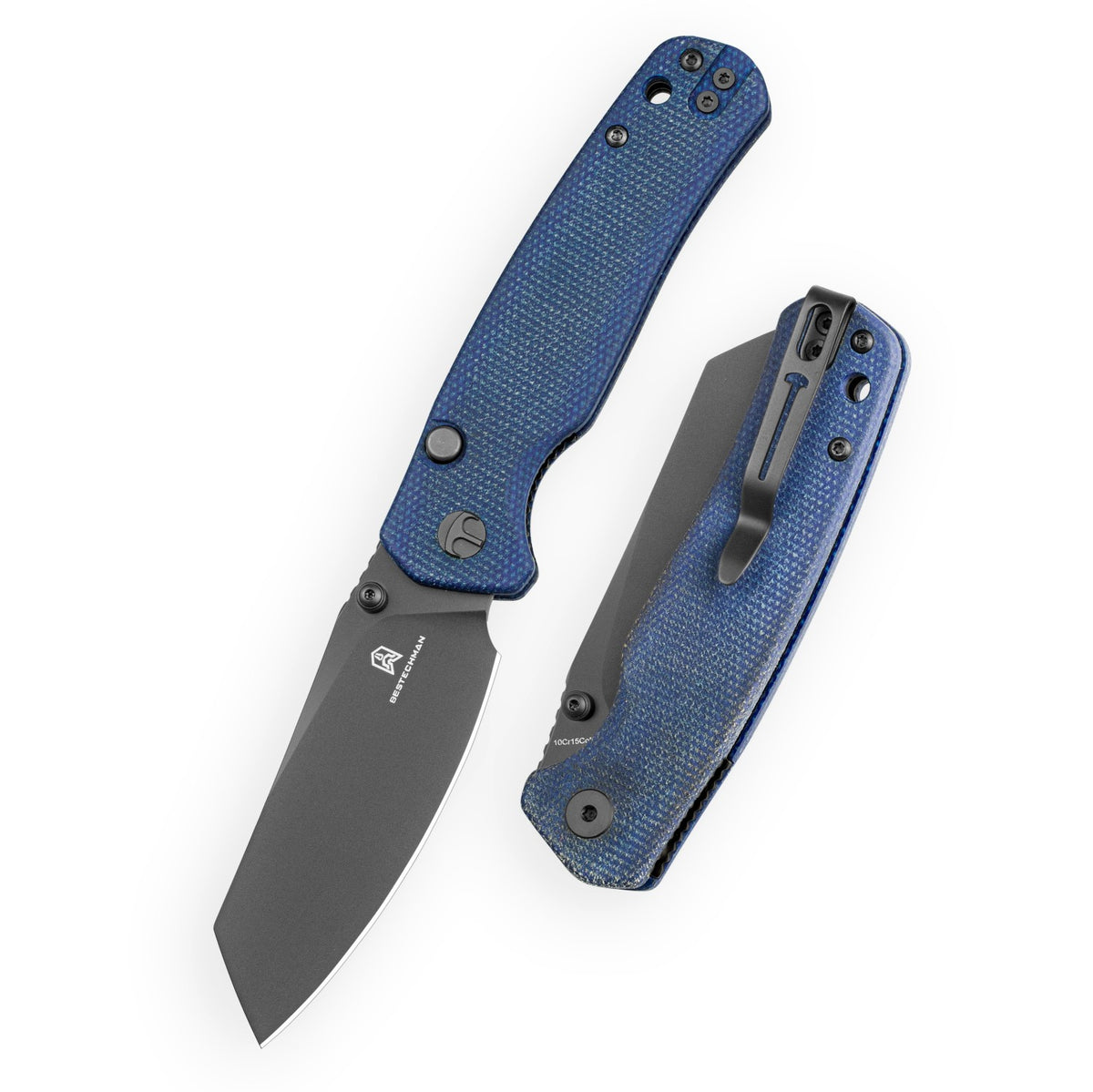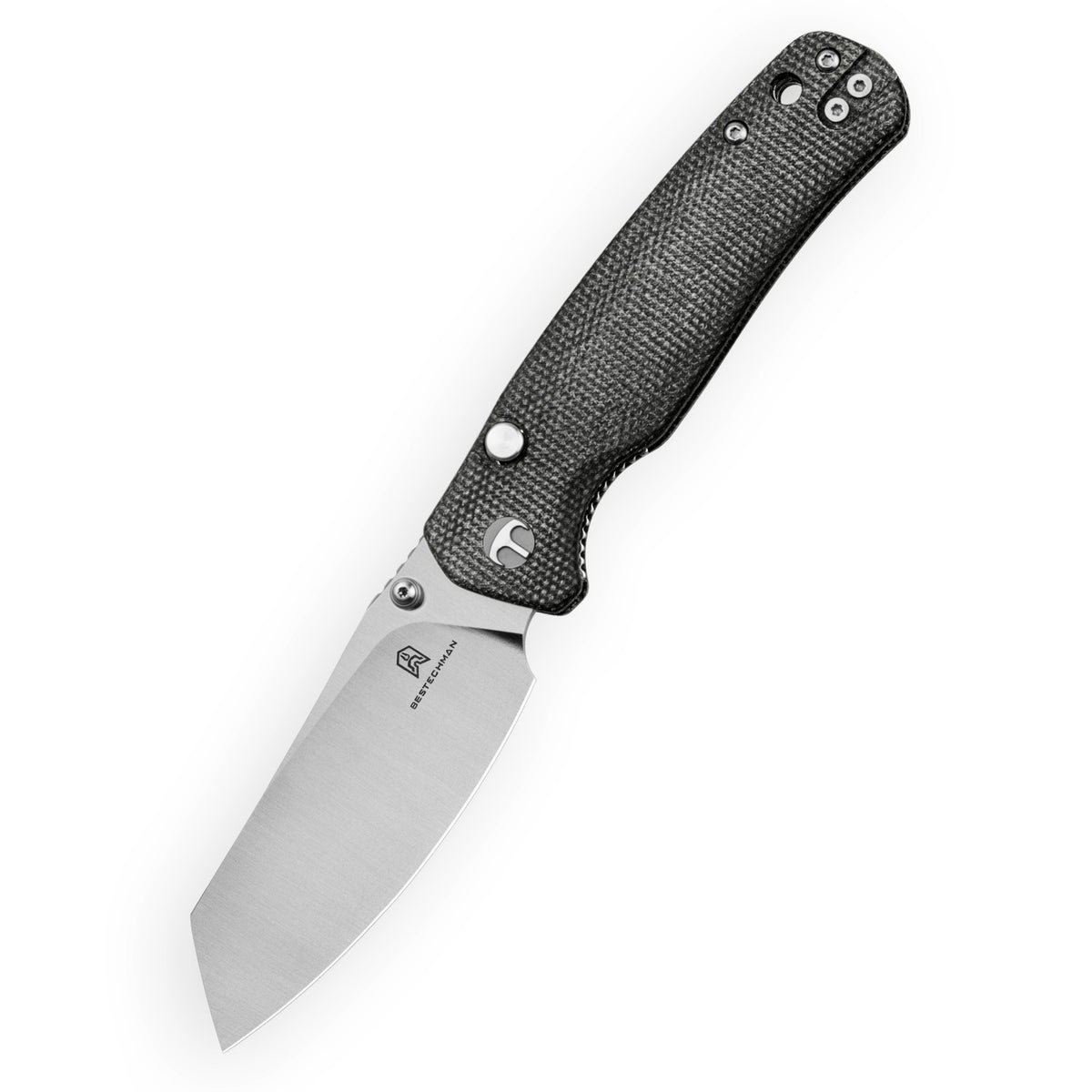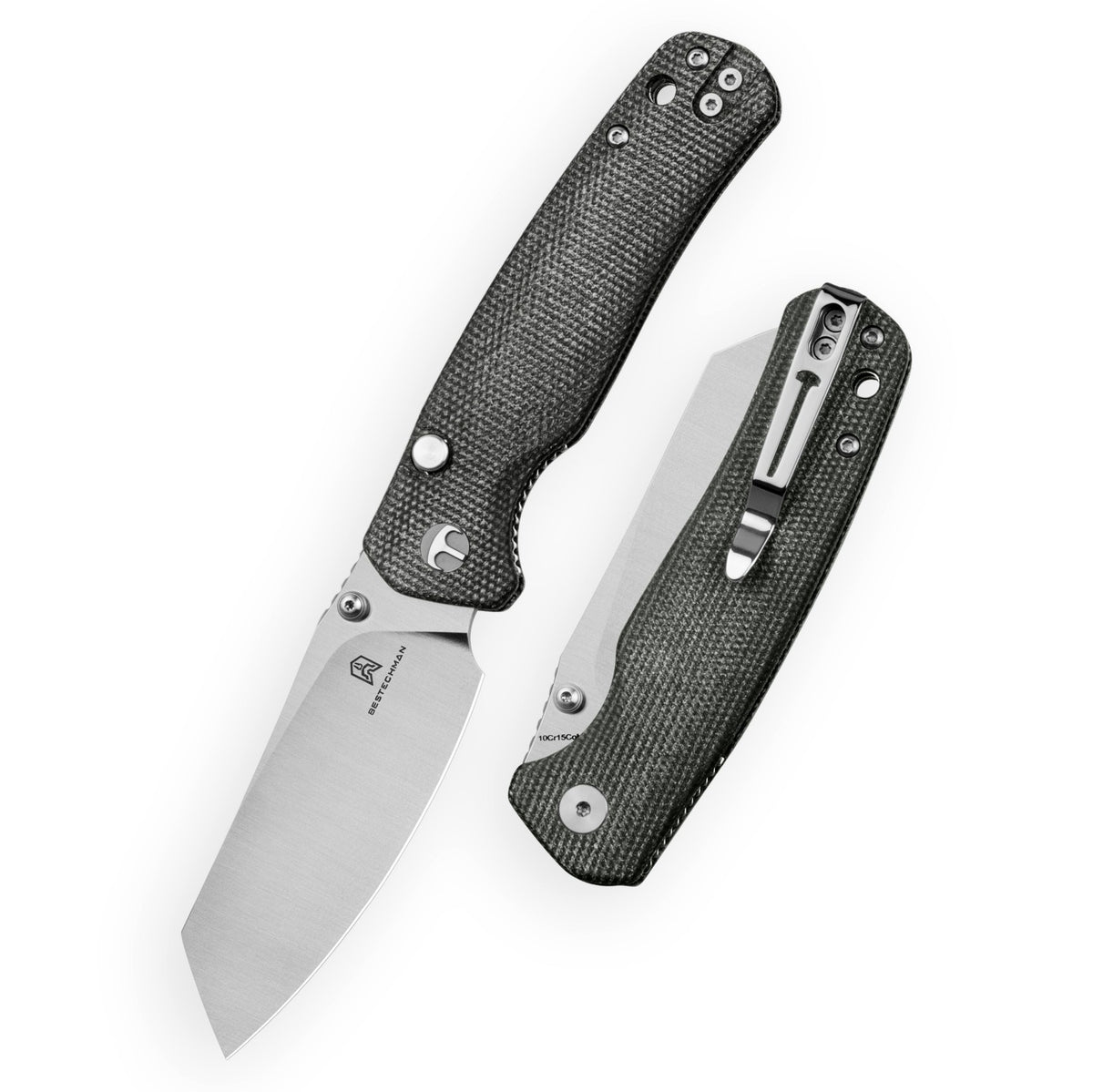

Overview & First Impressions
Two names dominate traditional Japanese cutlery steel, and they are usually translated in a way that hides the important difference. Aogami means blue paper and Shirogami means white paper, and the colours are simply the labels on the wrapper the steel arrives in from the mill. They are both plain carbon steels, both made by the same producer, and both take an edge that hardened stainless simply cannot match. The difference between them is alloying, and that difference decides how the blade behaves in daily use.
Materials & Construction
Shirogami is the purer of the two. It contains iron and carbon with very little else, which makes it the easiest of all steels to sharpen and capable of an extremely fine edge. It also rusts almost immediately and loses that edge quickly in abrasive work. Aogami adds chromium and tungsten to the same base, which buys wear resistance and a little corrosion tolerance at the cost of a slightly more stubborn burr. Aogami Super pushes the alloy content higher again, holding an edge longest of the three.
Design & Details
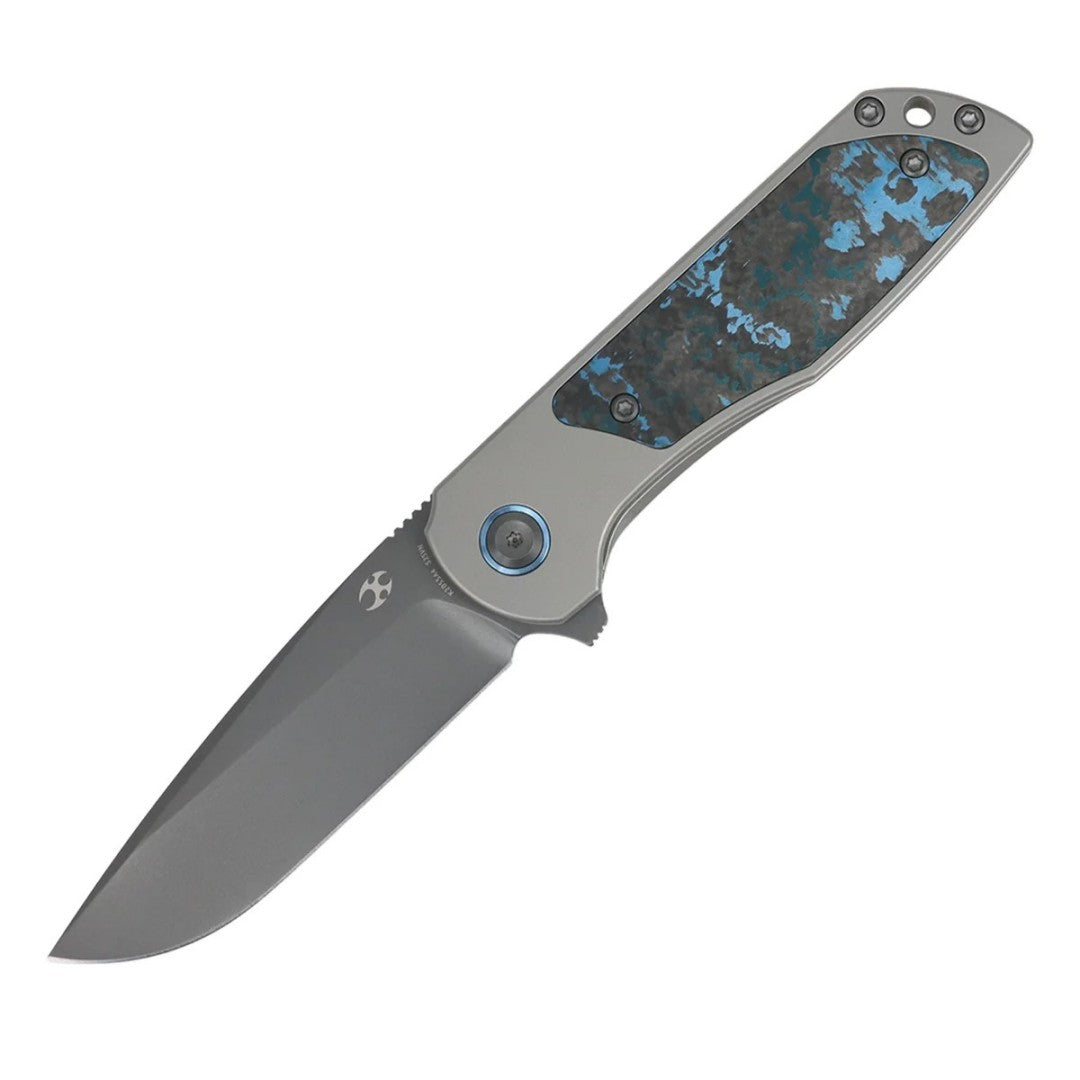
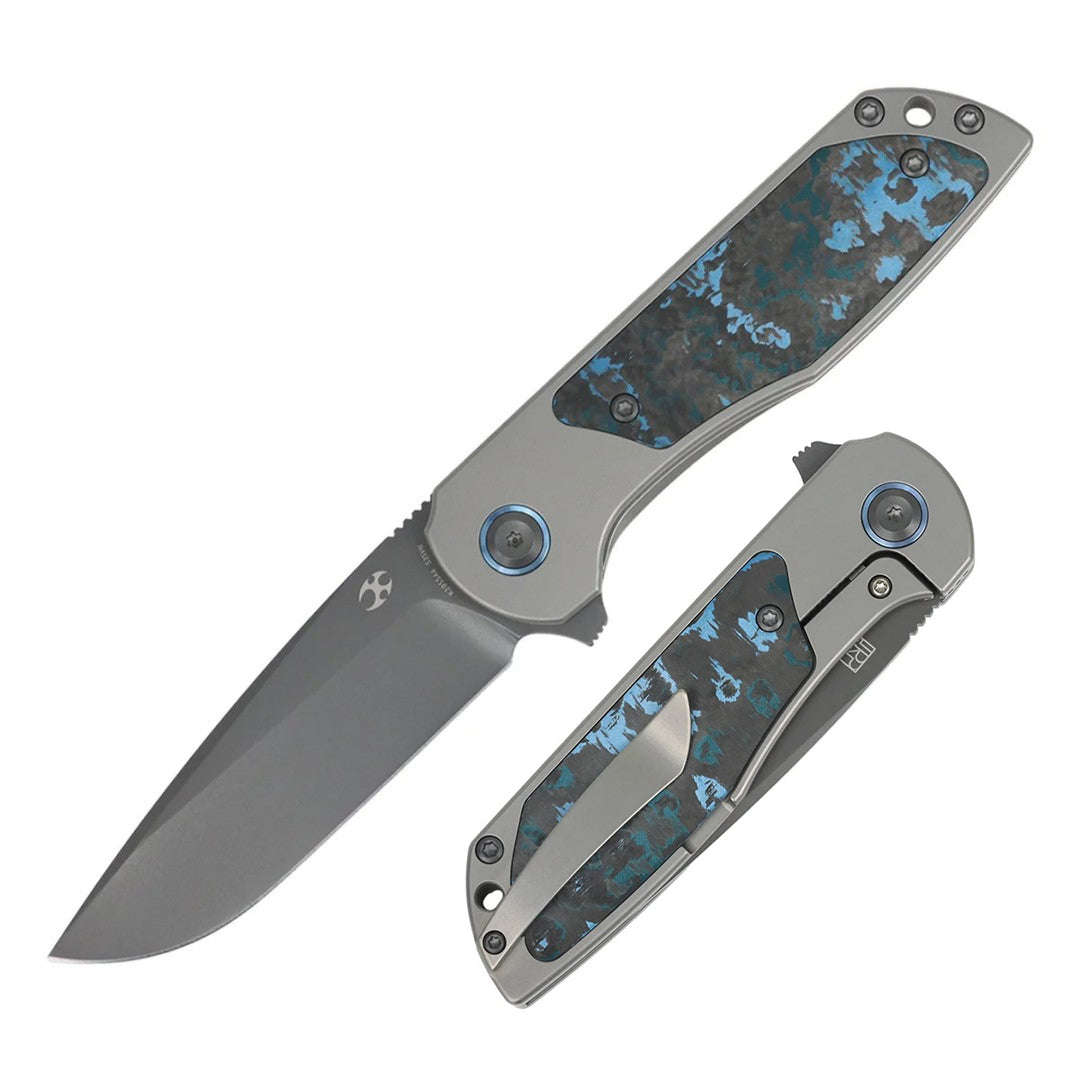
Traditional blades are usually laminated rather than monosteel. A hard core is forged between softer iron jackets, which protects the brittle edge, lets the smith leave the spine soft and tough, and produces the visible line that runs along the blade. That construction is why a traditional folding knives pattern can be both razor keen and surprisingly durable. Knives such as the Kansept Higonokami carry the same idea into a modern format, while the Nagao Higonokami Zenkou sticks to the classic friction pattern and a simple, honest build.
Real-World Use
In the kitchen, Shirogami rewards attention and punishes neglect. It will take an edge that slices ripe tomatoes under its own weight, and it will spot with rust overnight if you leave it wet. Aogami is the more forgiving choice for anyone who wants that keenness with a little more margin, and it is the better option for general utility work. Neither is a sensible choice for saltwater, and neither belongs in a damp sheath. If you want low maintenance, stay with stainless and accept the trade.
Ownership Notes
Care is not complicated, but it is mandatory. Wipe the blade dry after every use, keep a thin film of camellia oil or a similar food safe oil on the steel, and do not leave acidic food on the blade while you eat. A patina is not damage, it is a stable oxide layer that actually slows further corrosion, so do not scrub it off in a panic. Sharpen on water stones, not diamond, and the blades will last for decades and improve as they are maintained.


Who Is This For?
These steels suit cooks, woodworkers and enthusiasts who enjoy maintaining tools. They are the wrong choice for anyone who wants a knife to sit in a drawer and still be perfect next year. Buyers who already own a rotation of EDC knives in stainless will find this a genuinely different experience, and worth trying on one inexpensive traditional blade before committing to a collection of carbon steel users.
Final Verdict
Choose Shirogami for the purest edge and Aogami for a little more staying power. Both demand attention, both reward it generously, and neither is a substitute for modern stainless in a wet environment. Start with one traditional pattern, learn to dry and oil it, and decide from there. Browse the Nagao Higonokami range at EdcMall to see how these steels are used in practice.
Shop the Nagao Higonokami Zenkou Full Steel 100mm at EdcMall