

Overview & First Impressions
Bowhunting trips fail for mundane reasons. A serving separates, a nock breaks, a sight works loose after a long drive, a string needs waxing and there is no shop for eighty kilometres. An archery field kit is not about heroic repairs; it is about the small interventions that keep a bow shootable until you get home. A knife is the tool that makes most of those interventions possible.
Materials & Construction
A fixed blade earns its place in an archery kit because you are working with string, serving thread, leather and cord in a field environment where a strong, simple tool beats a delicate one. Nitro-V is a sensible steel here: tough, corrosion resistant and easy to maintain, which matters when the knife is used for cutting string, trimming fletching, field dressing and the occasional camp task. Tenable knives build fixed blades with exactly this blunt-efficiency in mind.

Design & Details
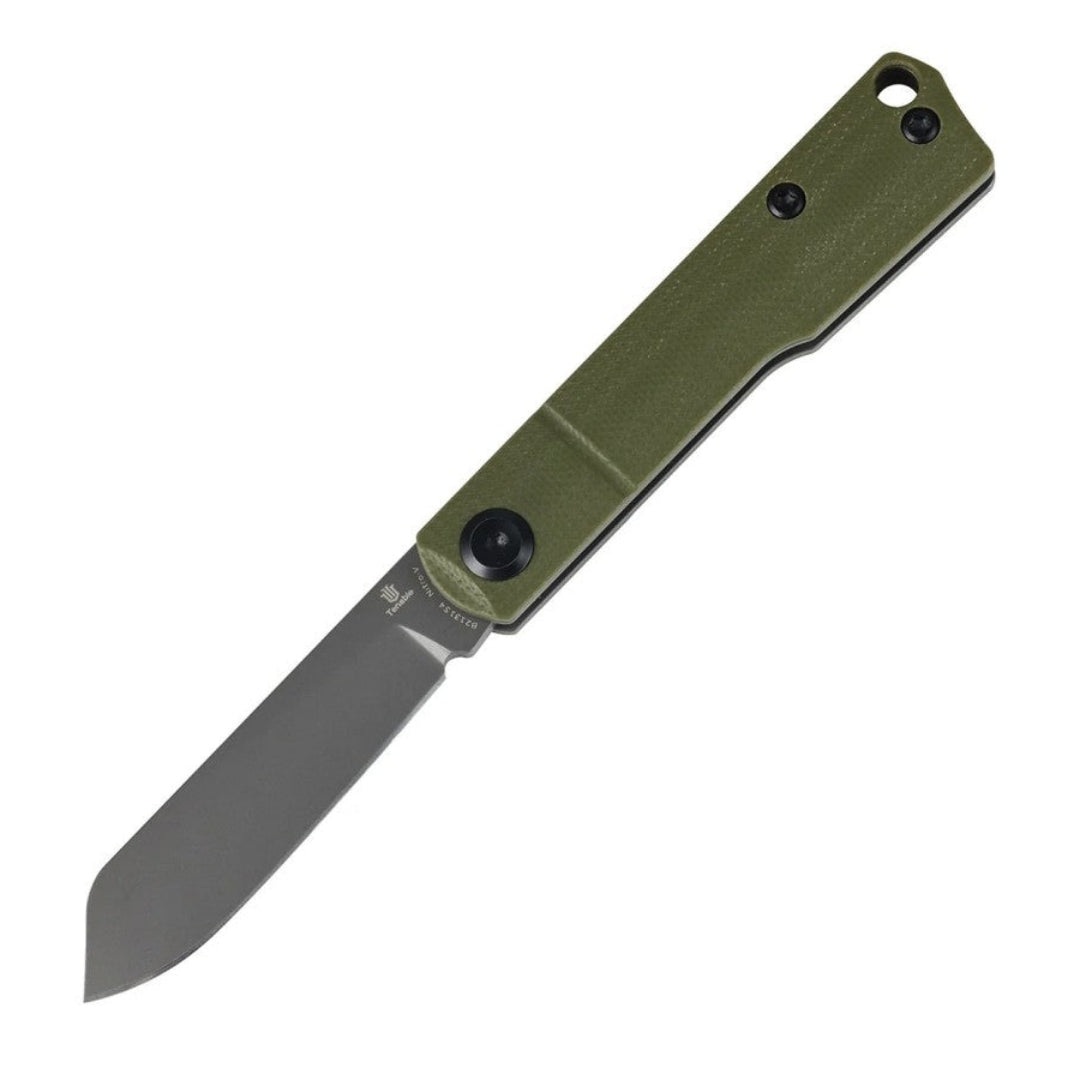
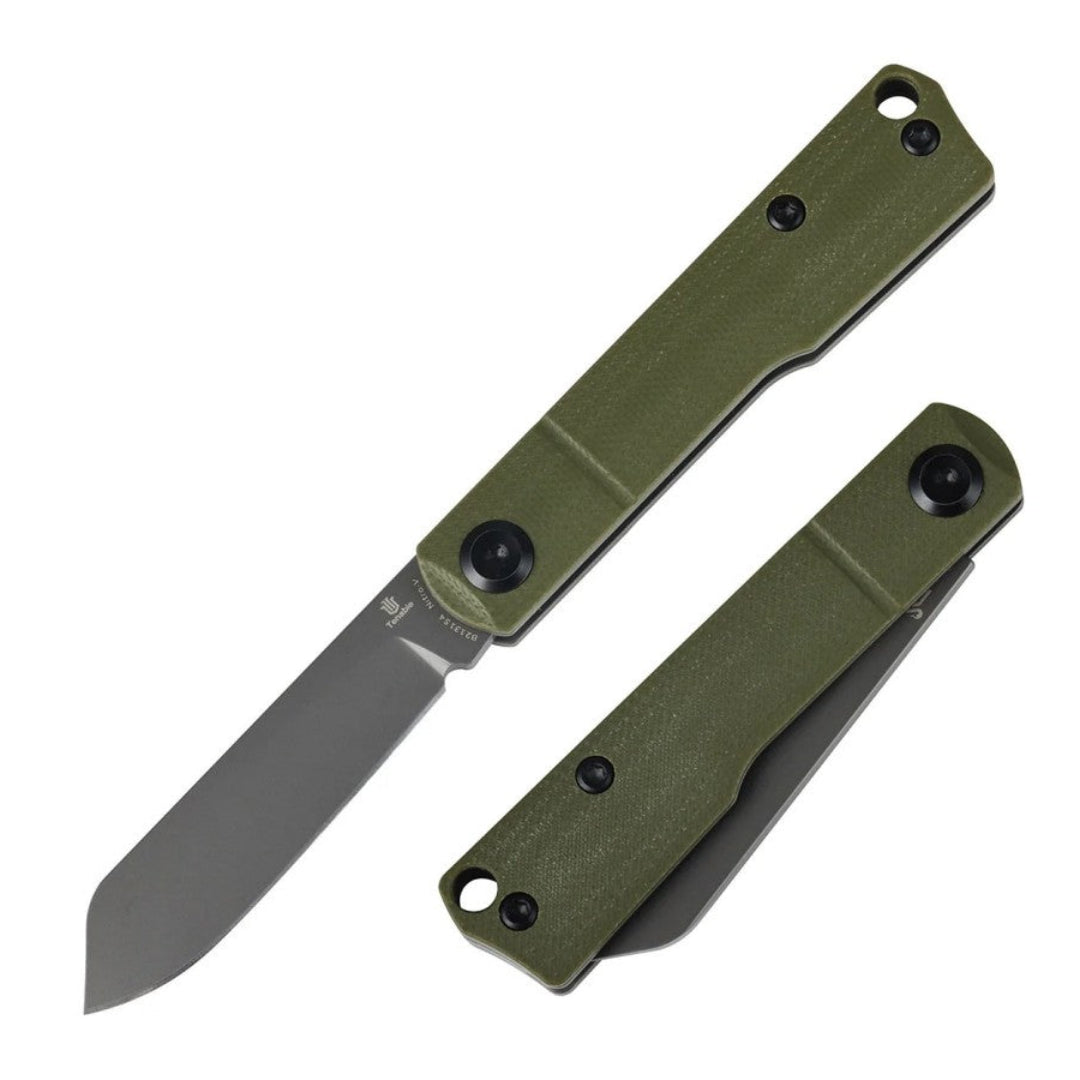
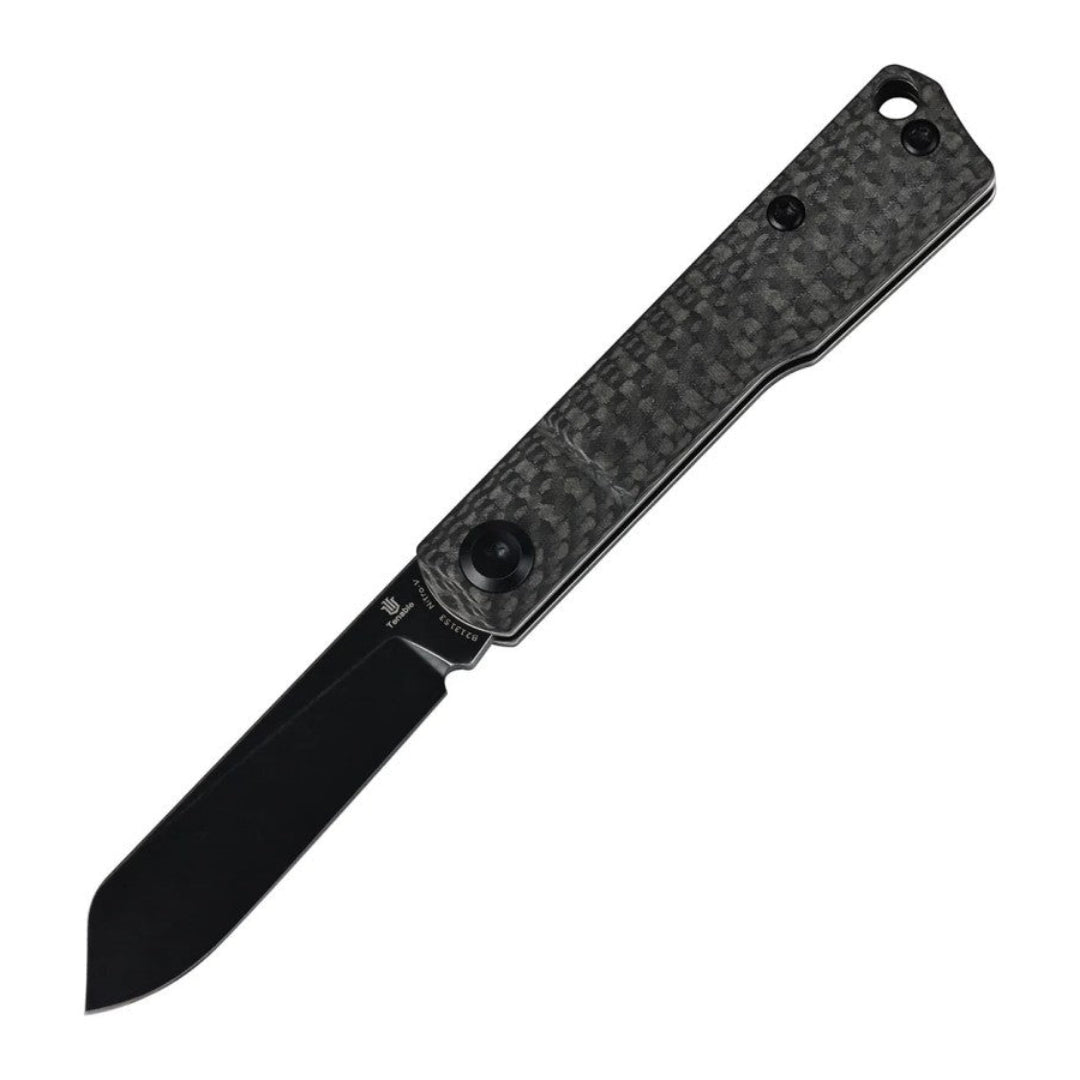
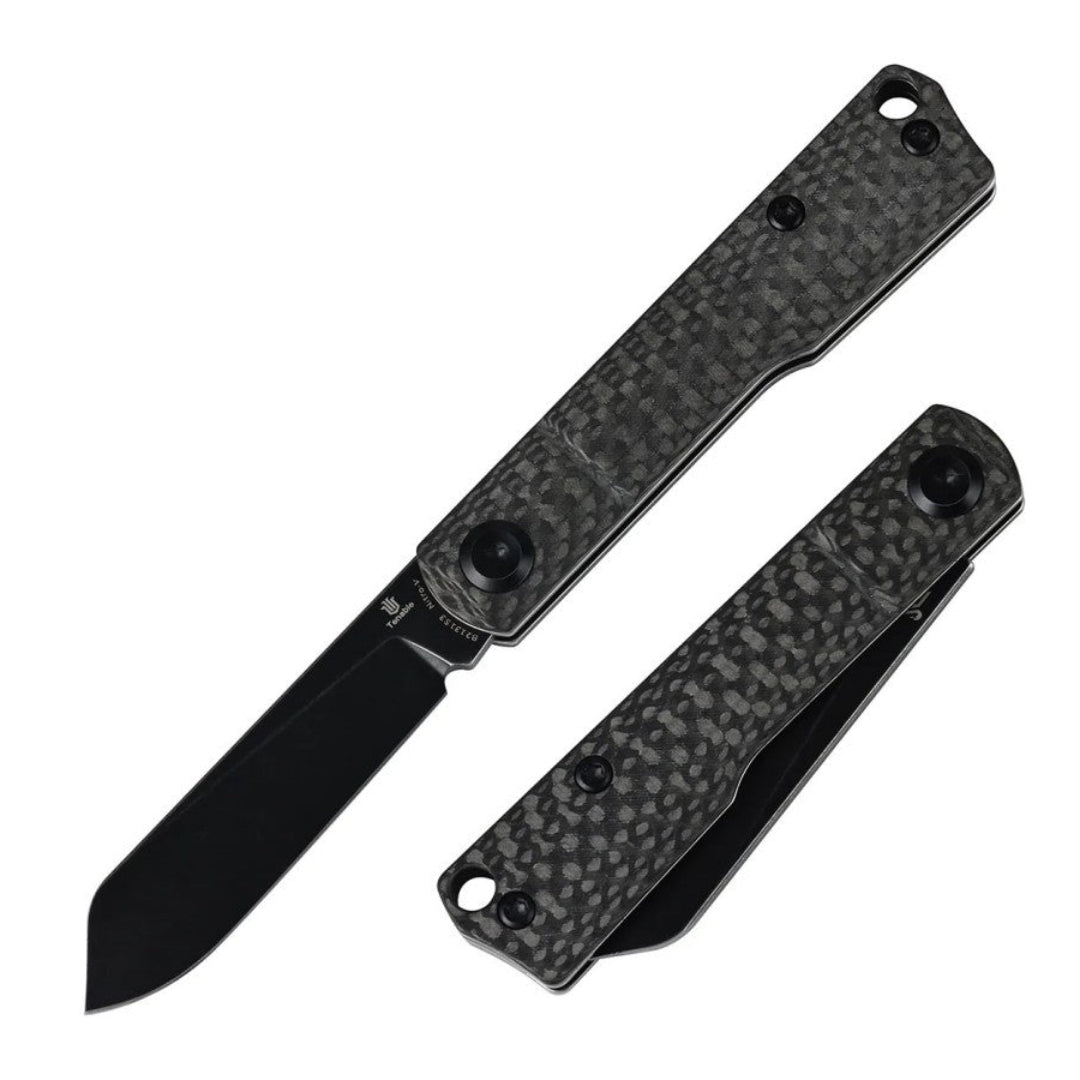
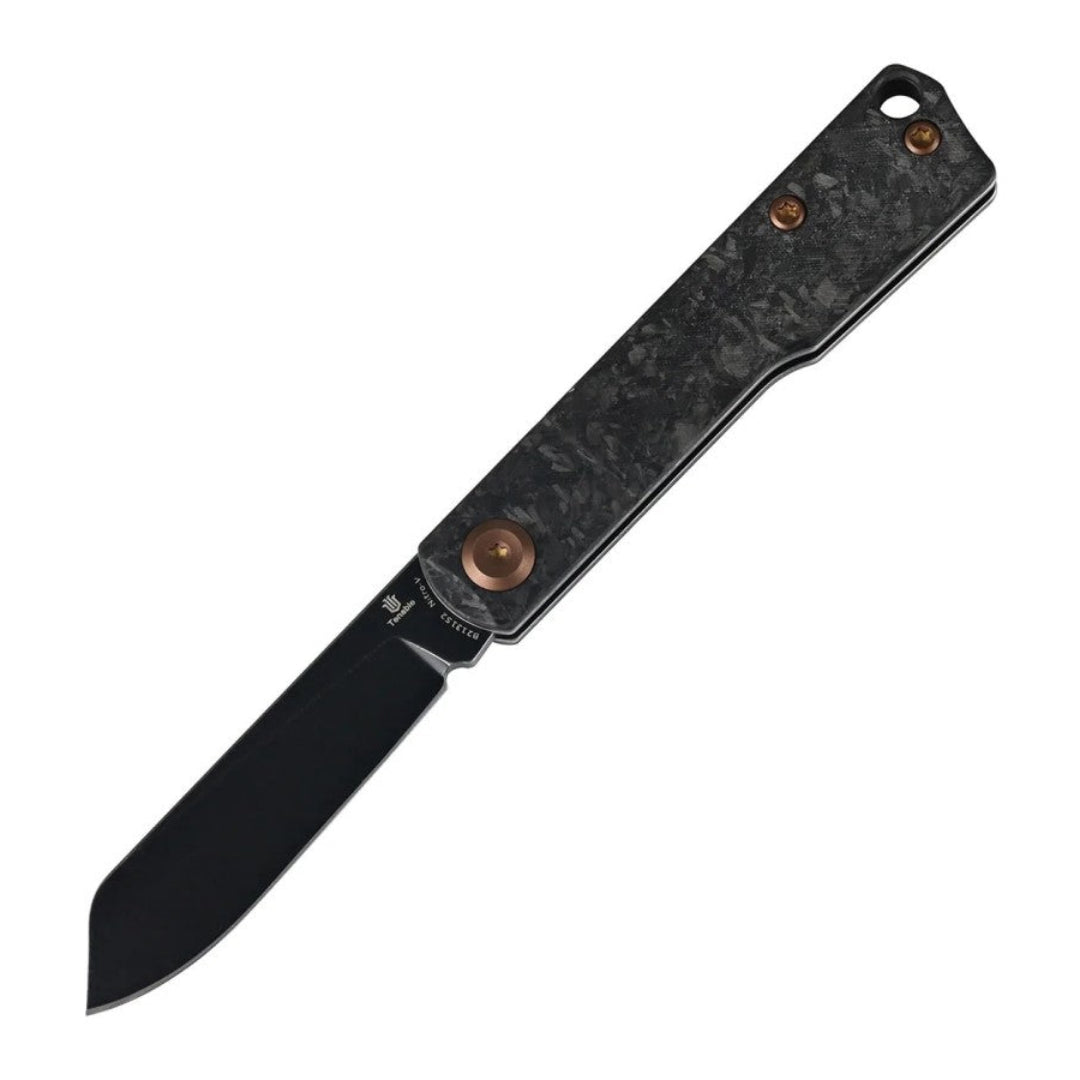
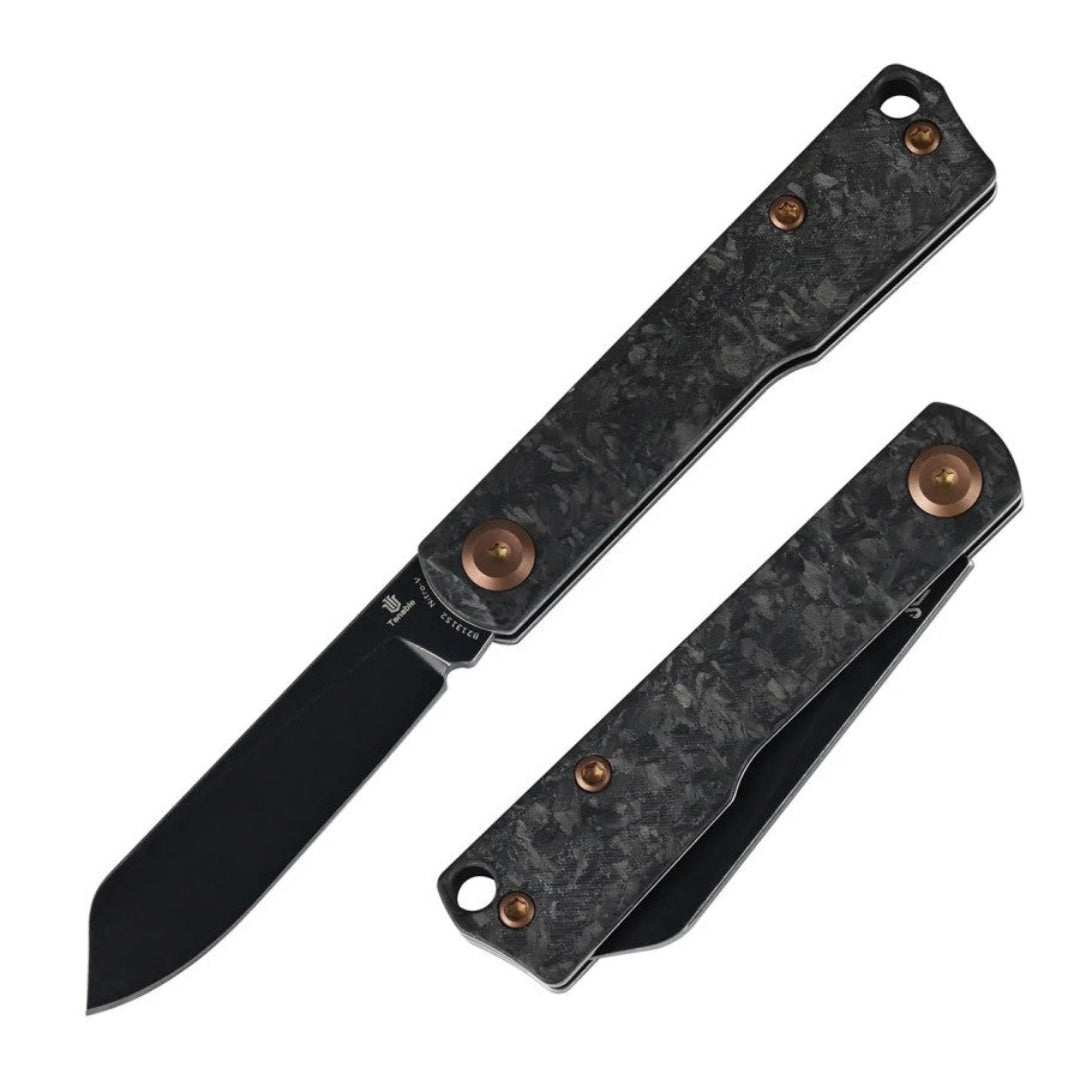
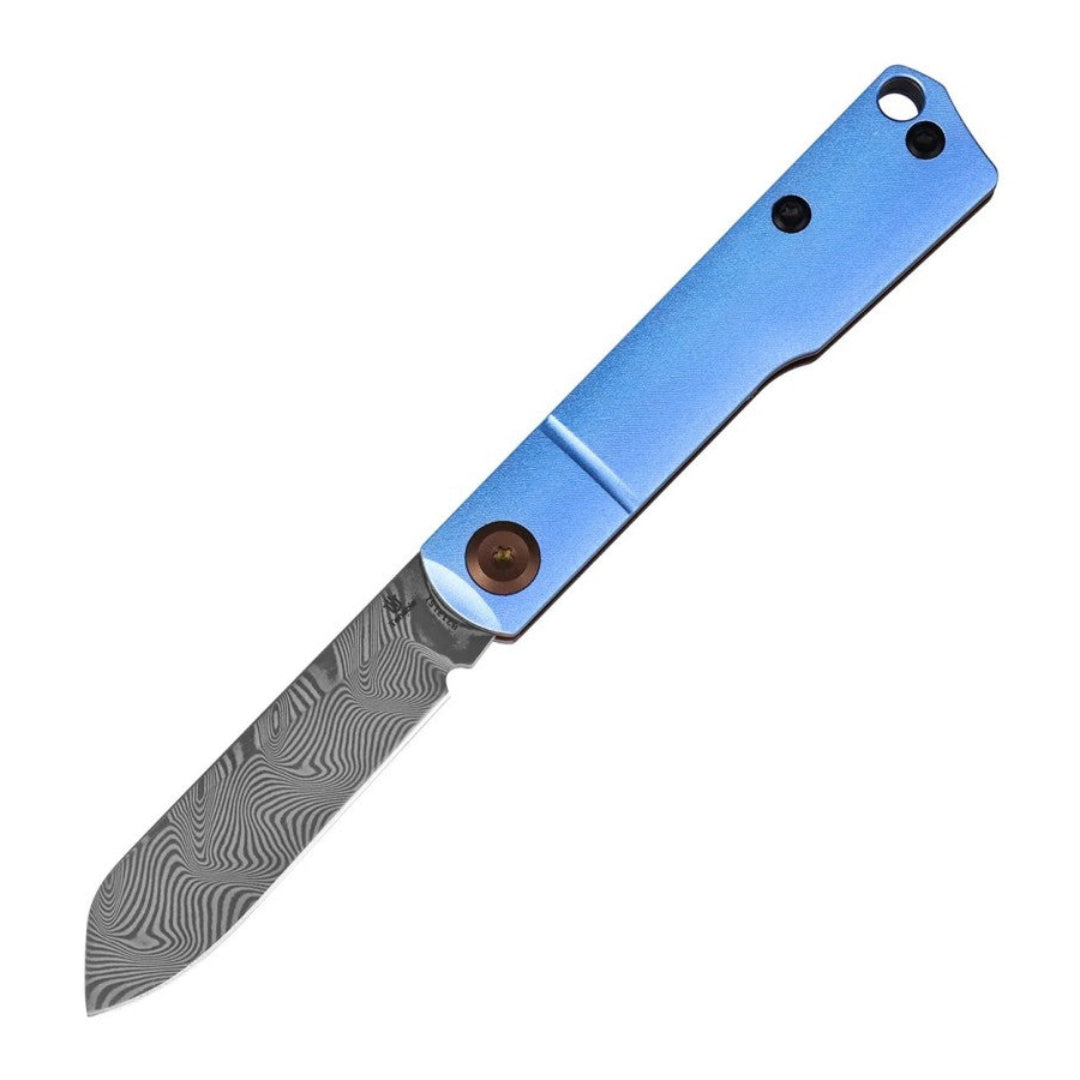
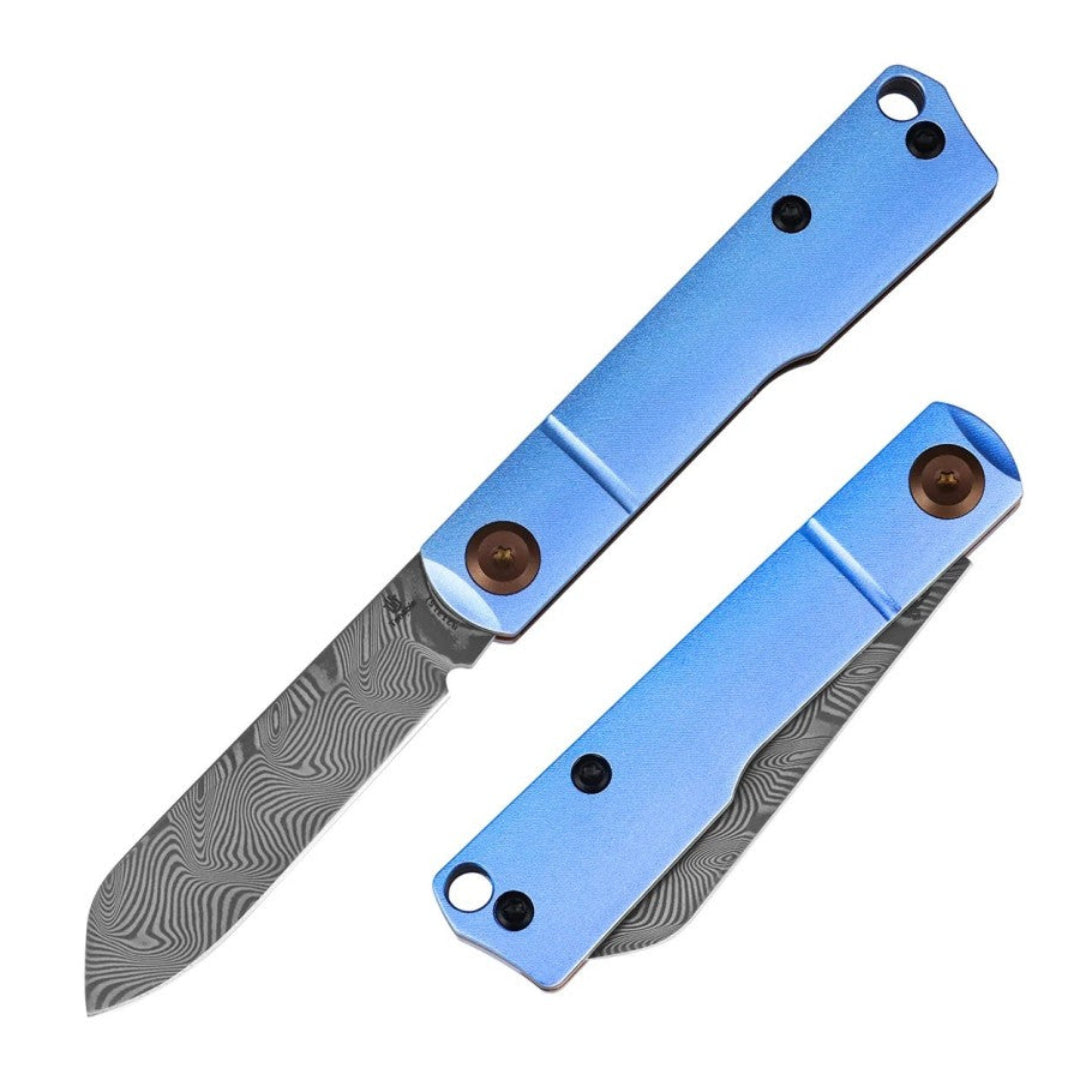
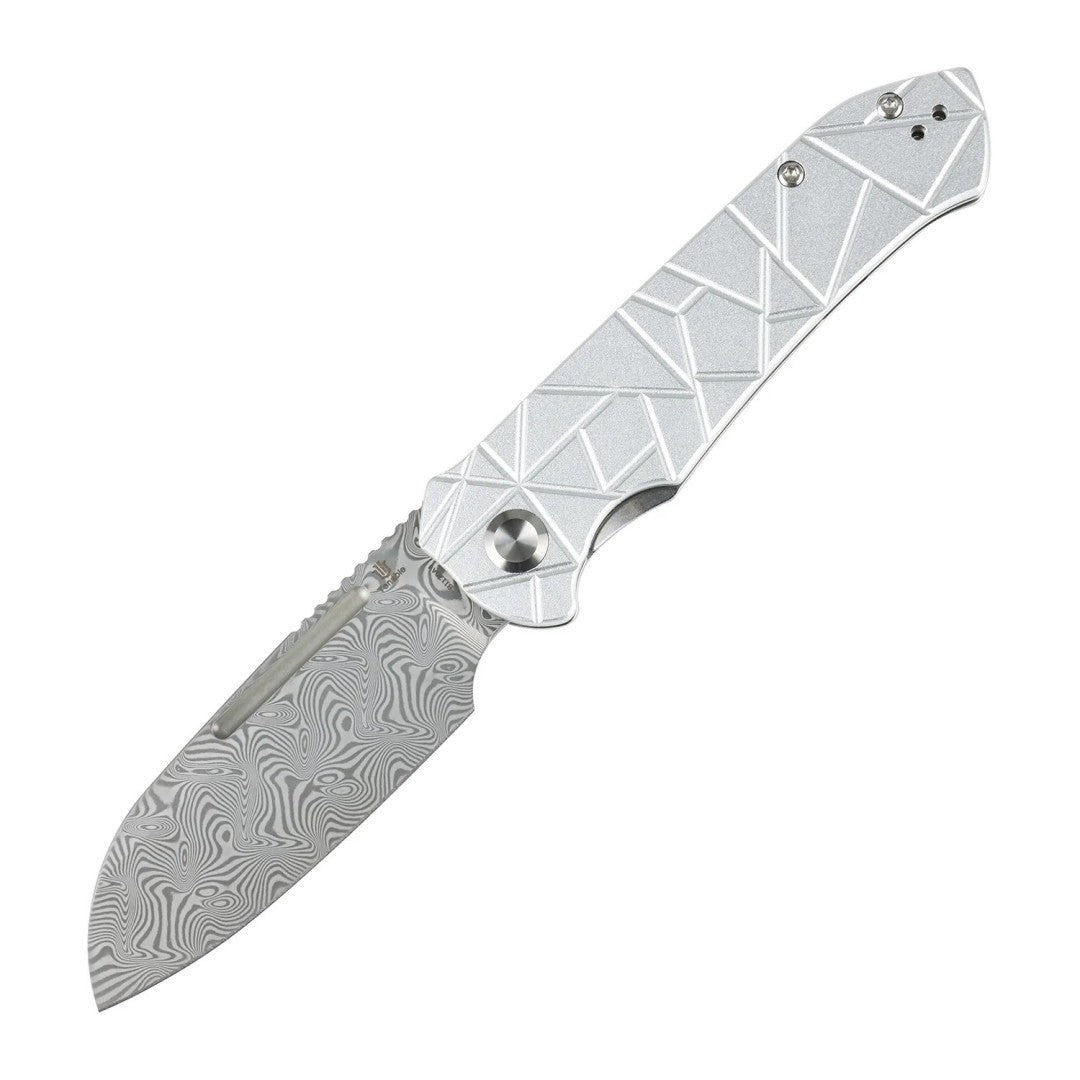
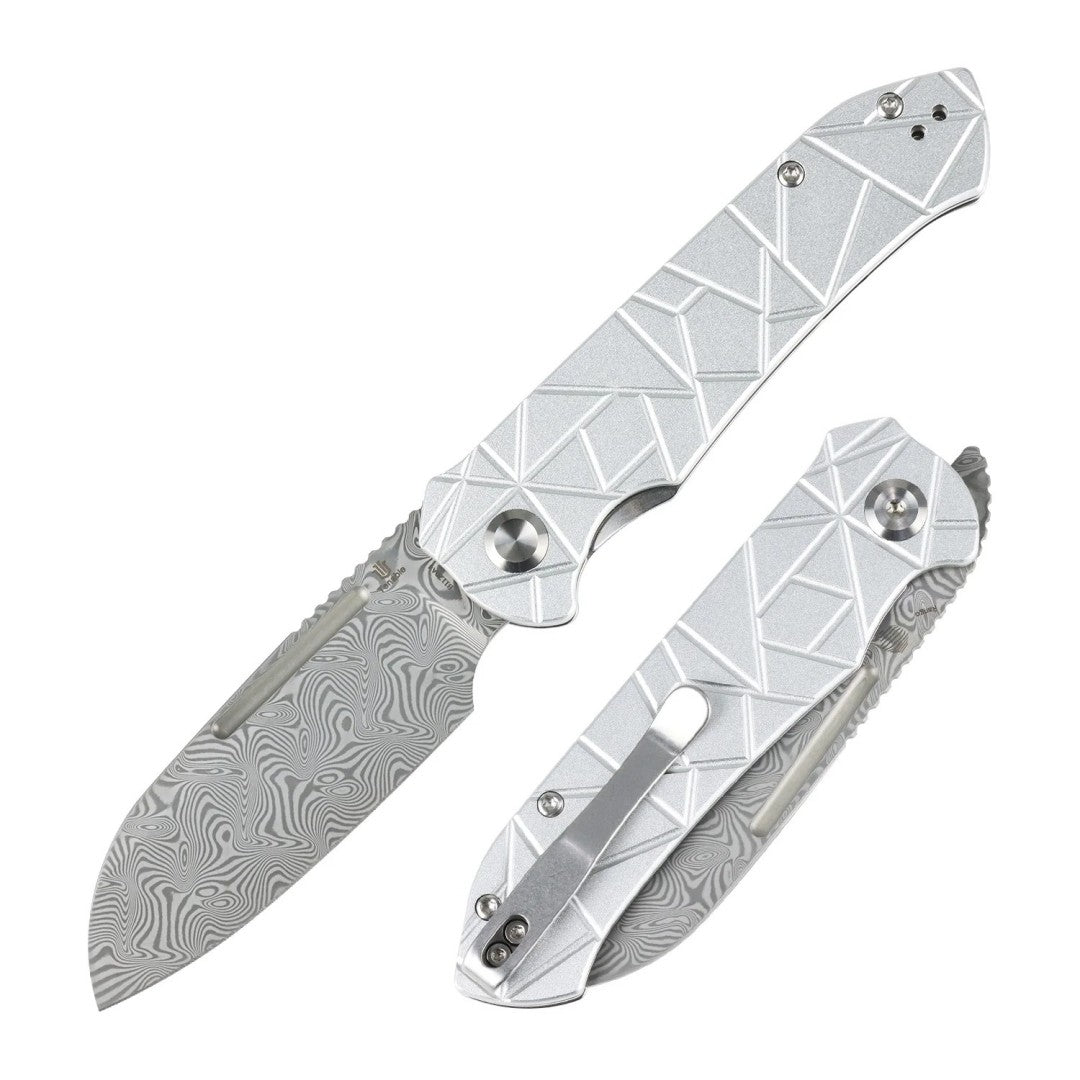
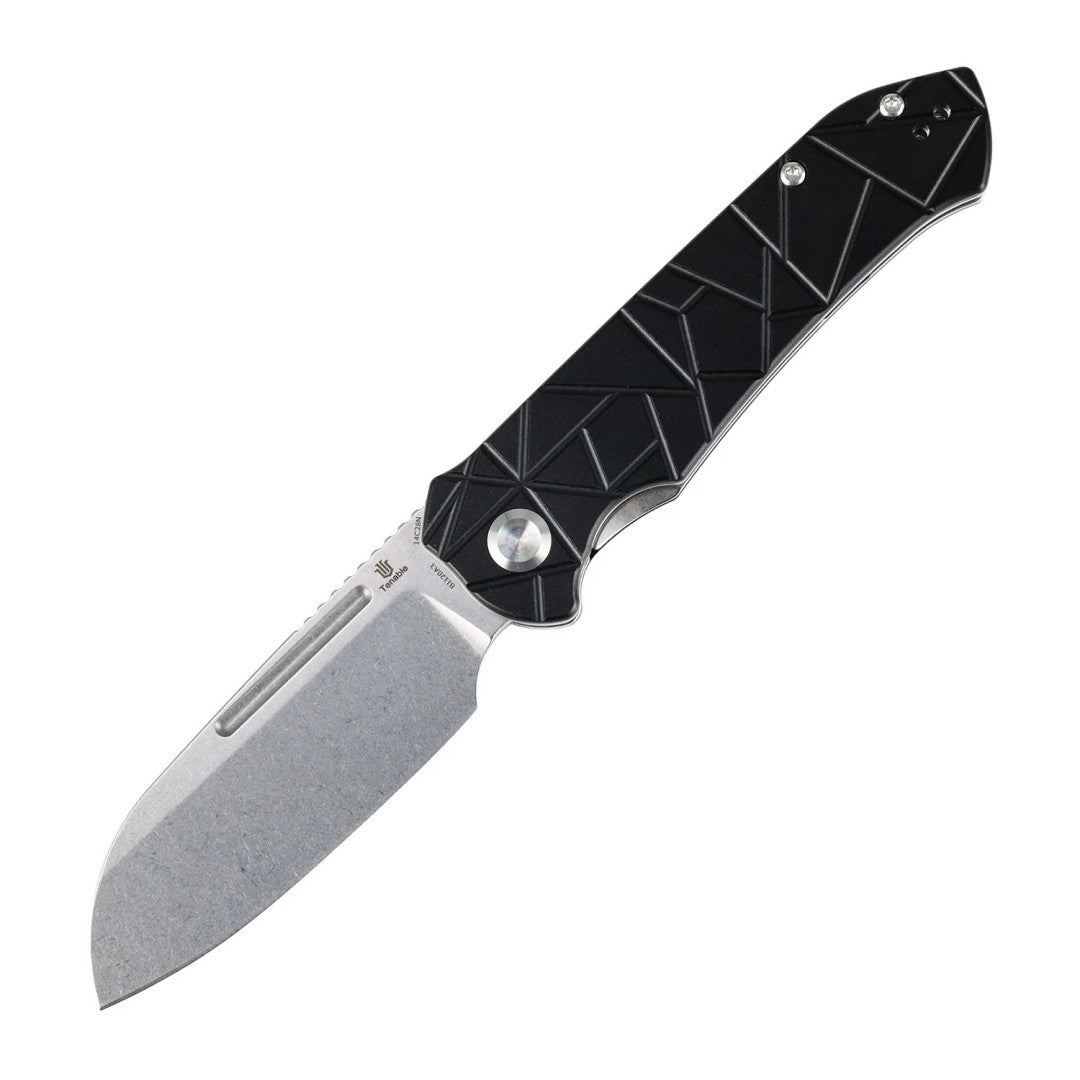
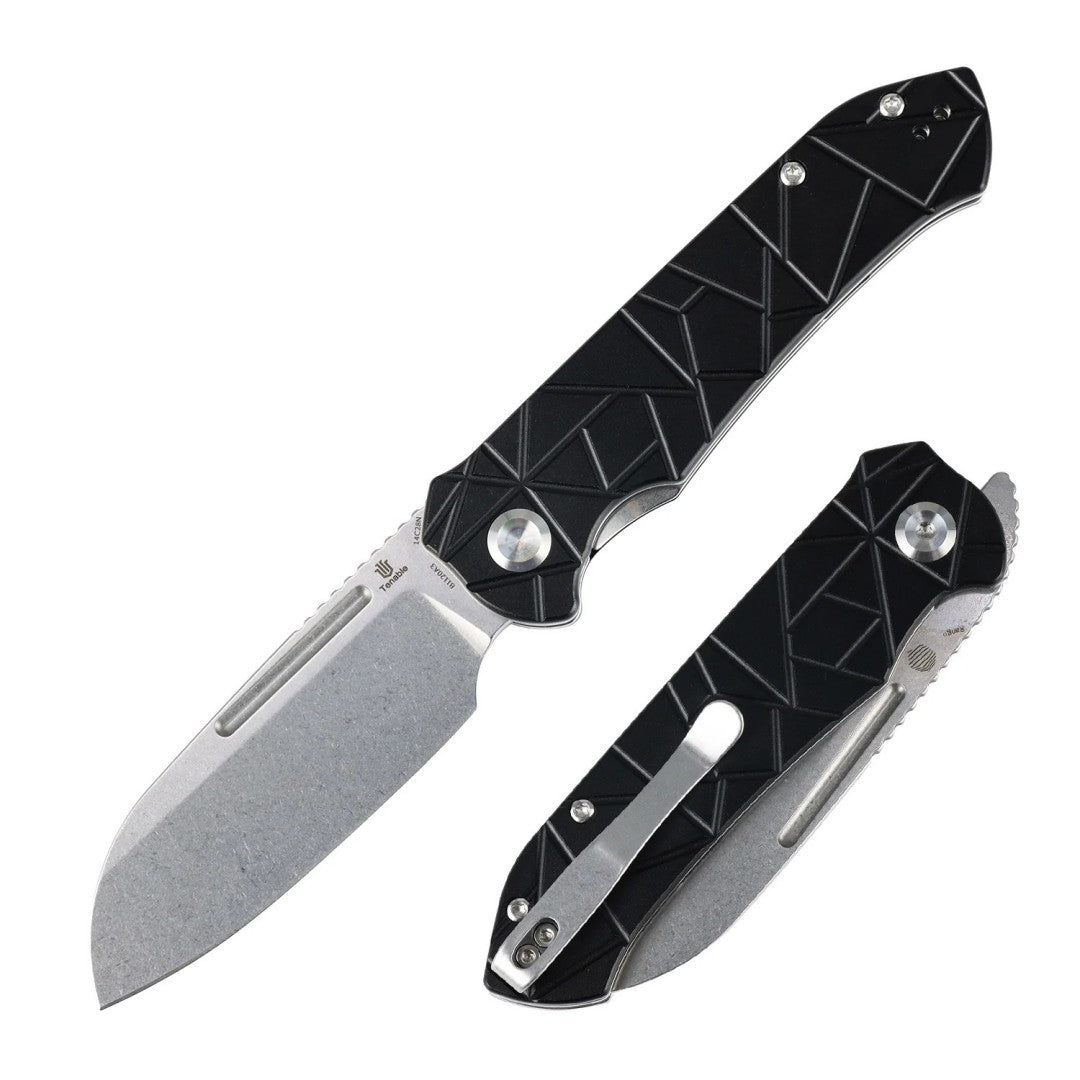
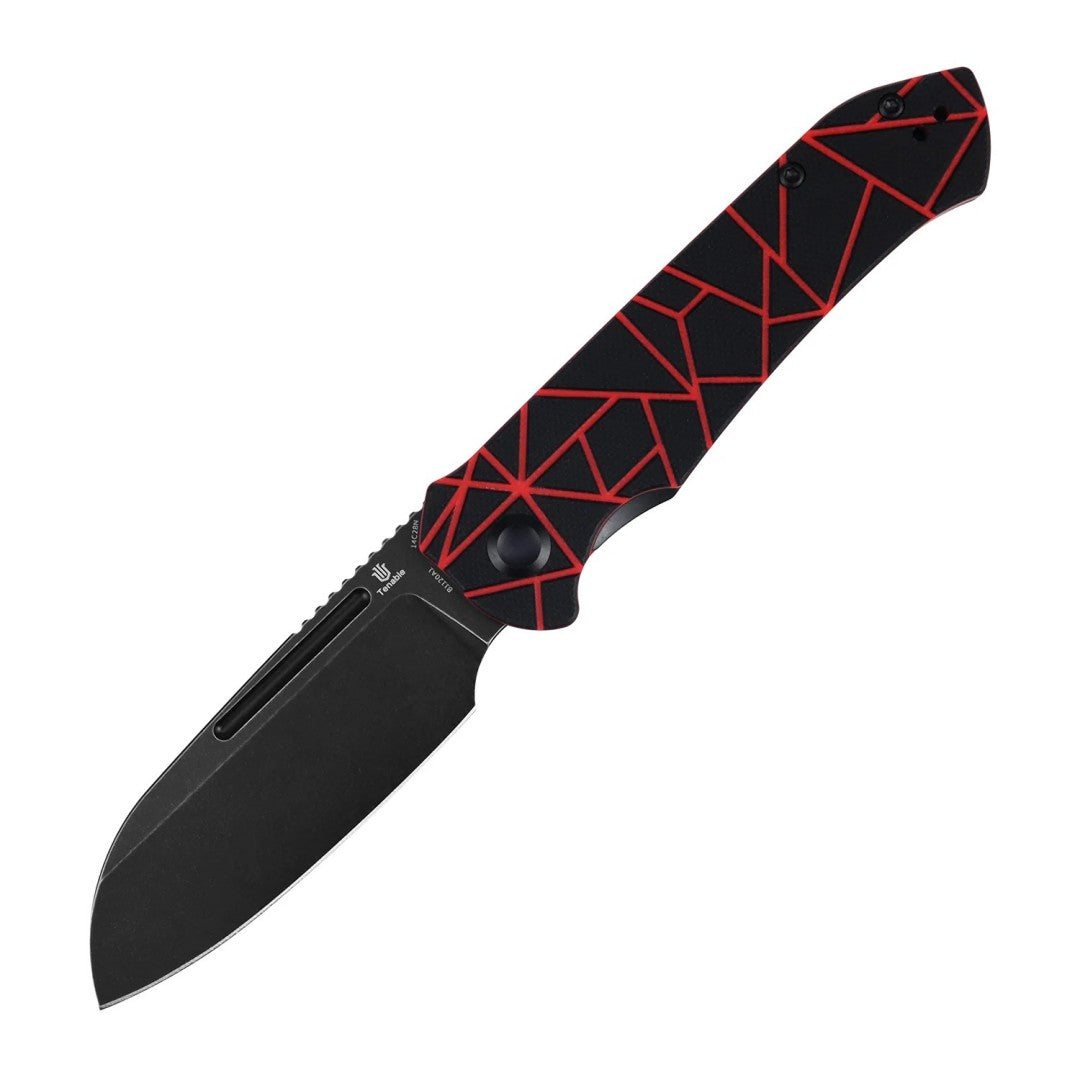
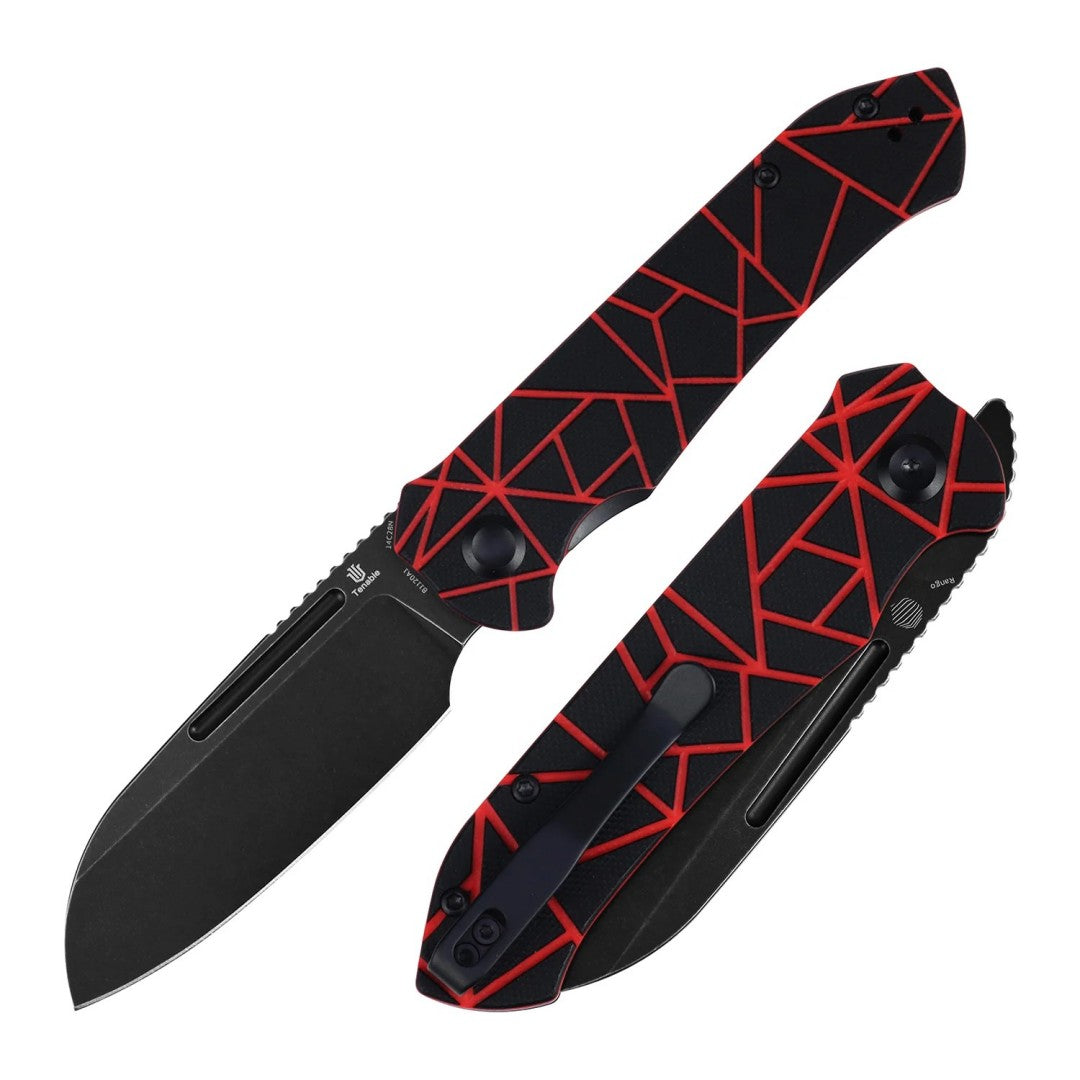
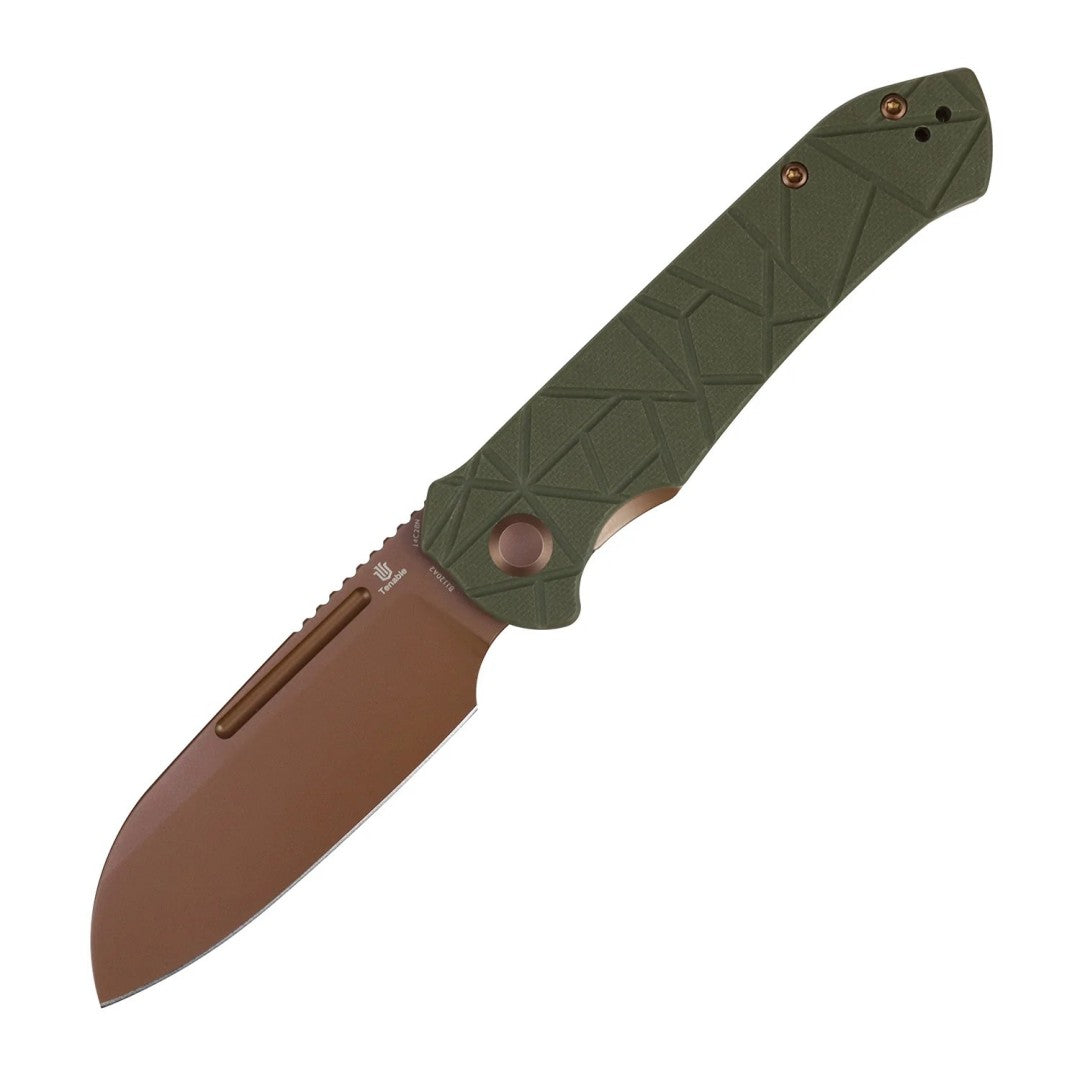
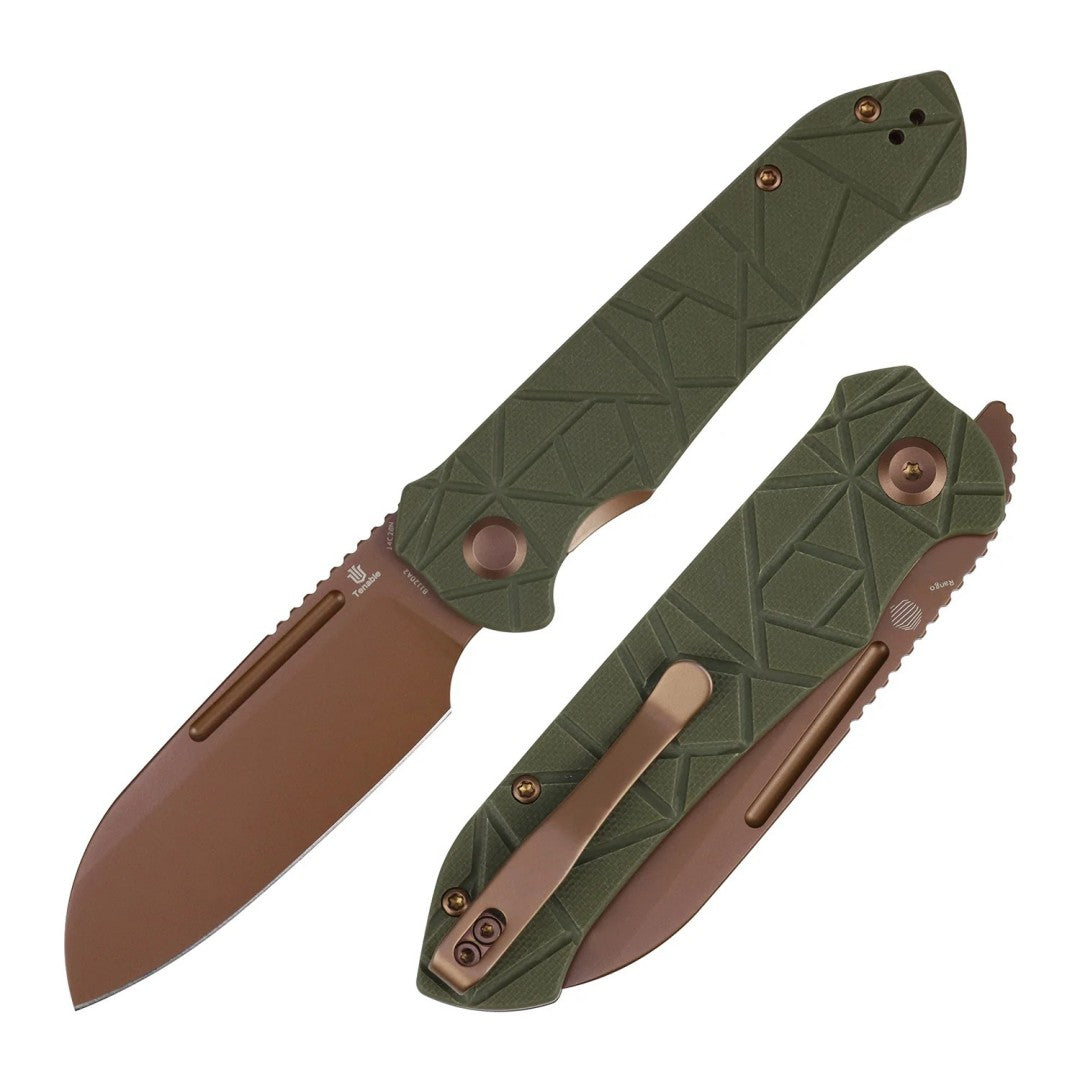
Lay the kit out by task. String and serving: wax, spare serving thread, a serving tool, spare nocks. Sights and rest: Allen keys, a small level, spare screws. Bow itself: spare string, limb bolts, a small file, string silencers. Then the cutting tools: a fixed blade for the rough work and a folding knife for fine tasks such as trimming a fletching wrap or opening a package of parts. Keep everything in one pouch so it travels as a unit.
Real-World Use
In the field the knife does four jobs repeatedly. It trims serving thread cleanly, cuts a fresh arrow wrap, field dresses game and prepares kindling at camp. That range is why a robust fixed blade beats a delicate folder in this context, though a folding knife should still travel in the kit for opening packaging and cutting tape. Practise replacing a nock and re-serving a string at home before a trip, because field repair is a skill rather than a purchase.

Ownership Notes
One overlooked item is a small piece of flat leather and a length of cord. The leather protects a limb or a riser during a repair and the cord replaces a broken string loop in an emergency. Add a permanent marker and a strip of tape for labelling arrows, and a small zip bag of spare fletching. None of it weighs much, and together it turns a trip-ending failure into a ten-minute delay with a story attached. Archers who pack EDC knives and folding knives alongside their bow kit rarely lose a shooting day to a broken nock, a frayed serving or a wrap that has started to lift in the cold.
Who Is This For?
Bowhunters, competitive archers travelling to away events, traditional archers who build their own strings and anyone who hunts far from a pro shop will benefit. Casual backyard archers need far less. If you drive more than an hour to shoot, a proper field kit is cheap insurance.
Final Verdict
An archery field kit is mostly small consumables and one honest cutting tool. Keep it packed, keep it labelled and practise the two or three repairs you are most likely to need, and the trip stops hinging on whether a shop happens to be open.