
Overview & First Impressions
An auger cuts a hole by pulling itself through the wood on a lead screw, so the operator supplies rotation and the tool supplies direction. Done well, a hand-bored hole is straight, clean at both faces and perfectly sized. Done badly, it wanders and blows out. The work happens in dim spaces under floors and inside frames, which is exactly where a Nextorch flashlights right-angle model like the P10 earns its keep.
Materials & Construction
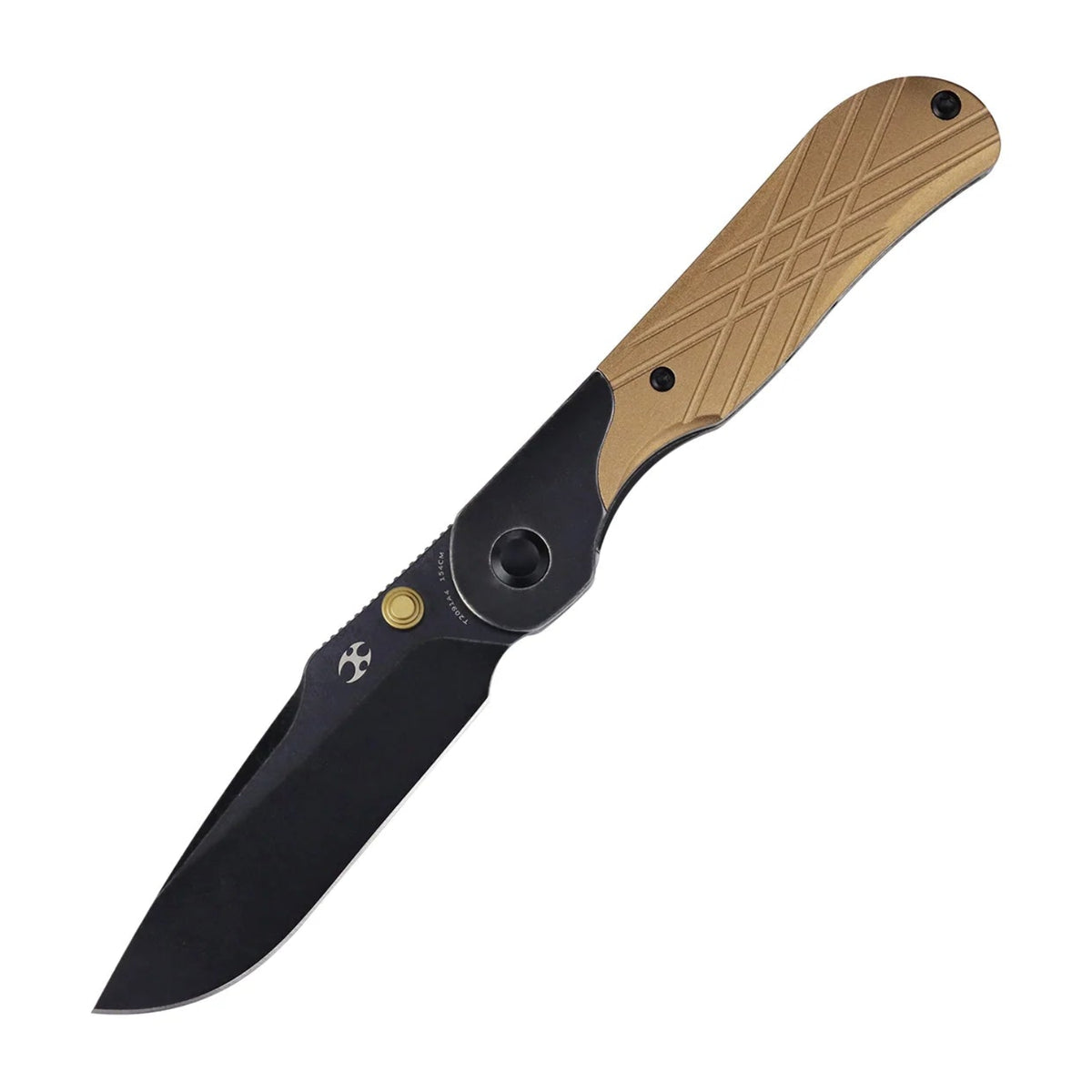
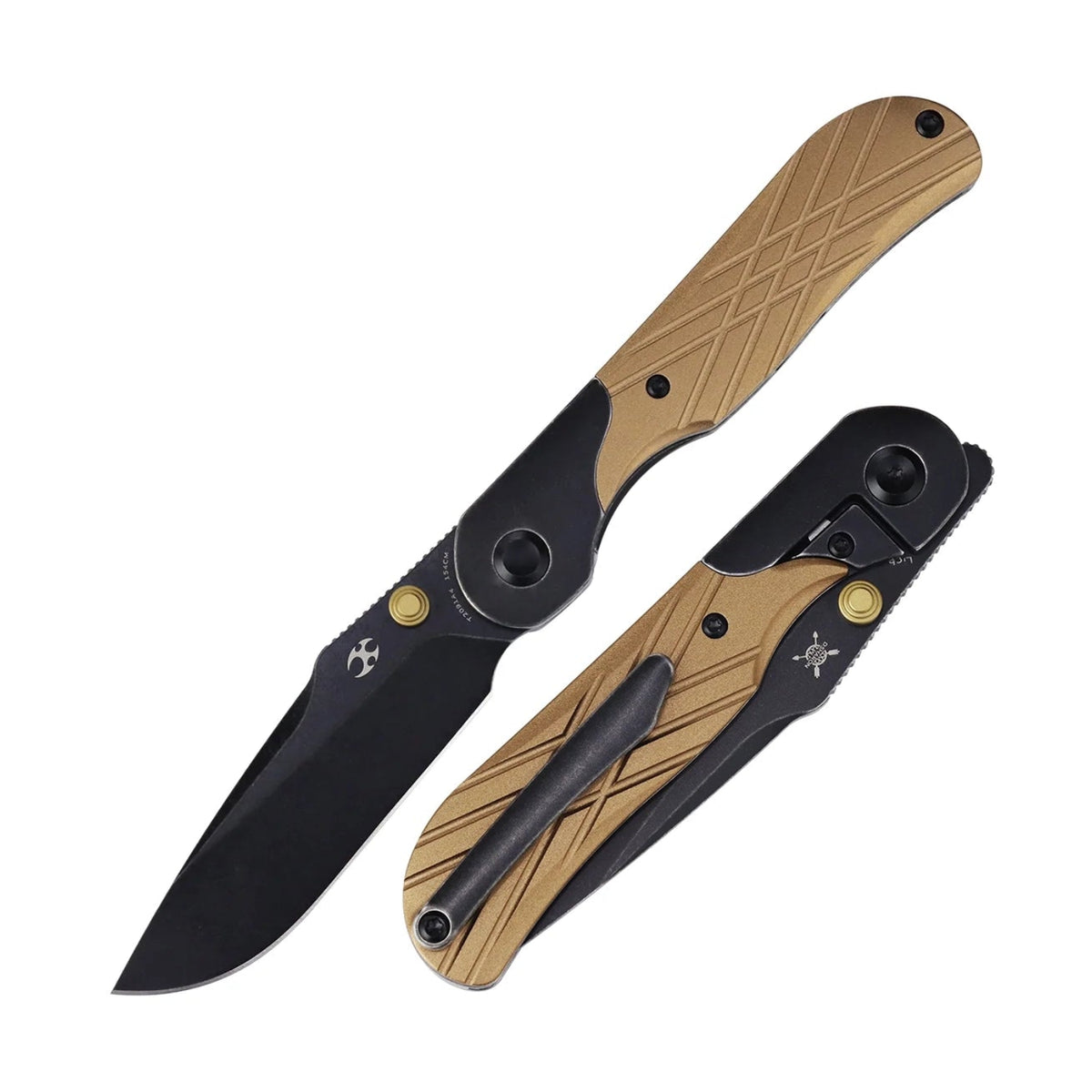
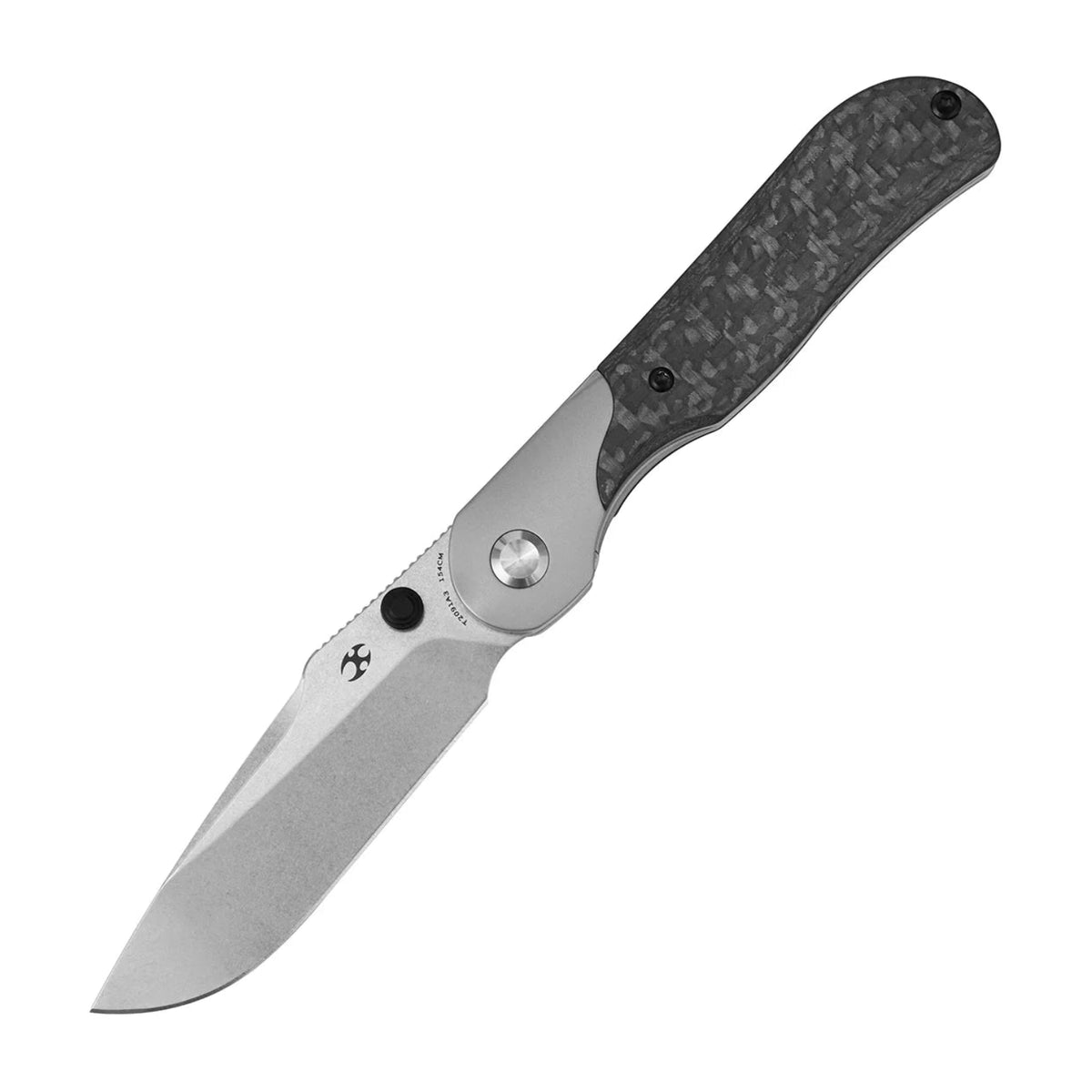
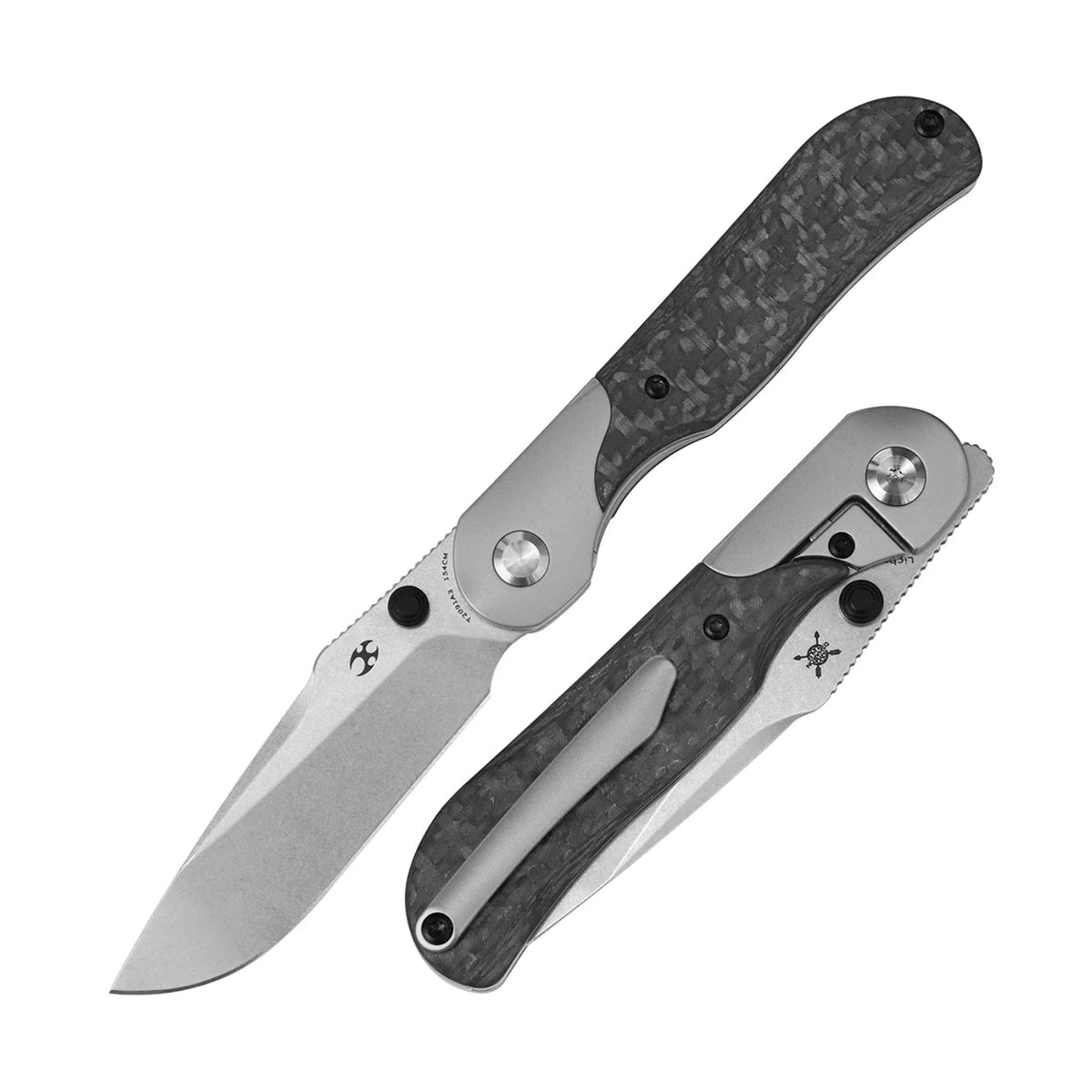
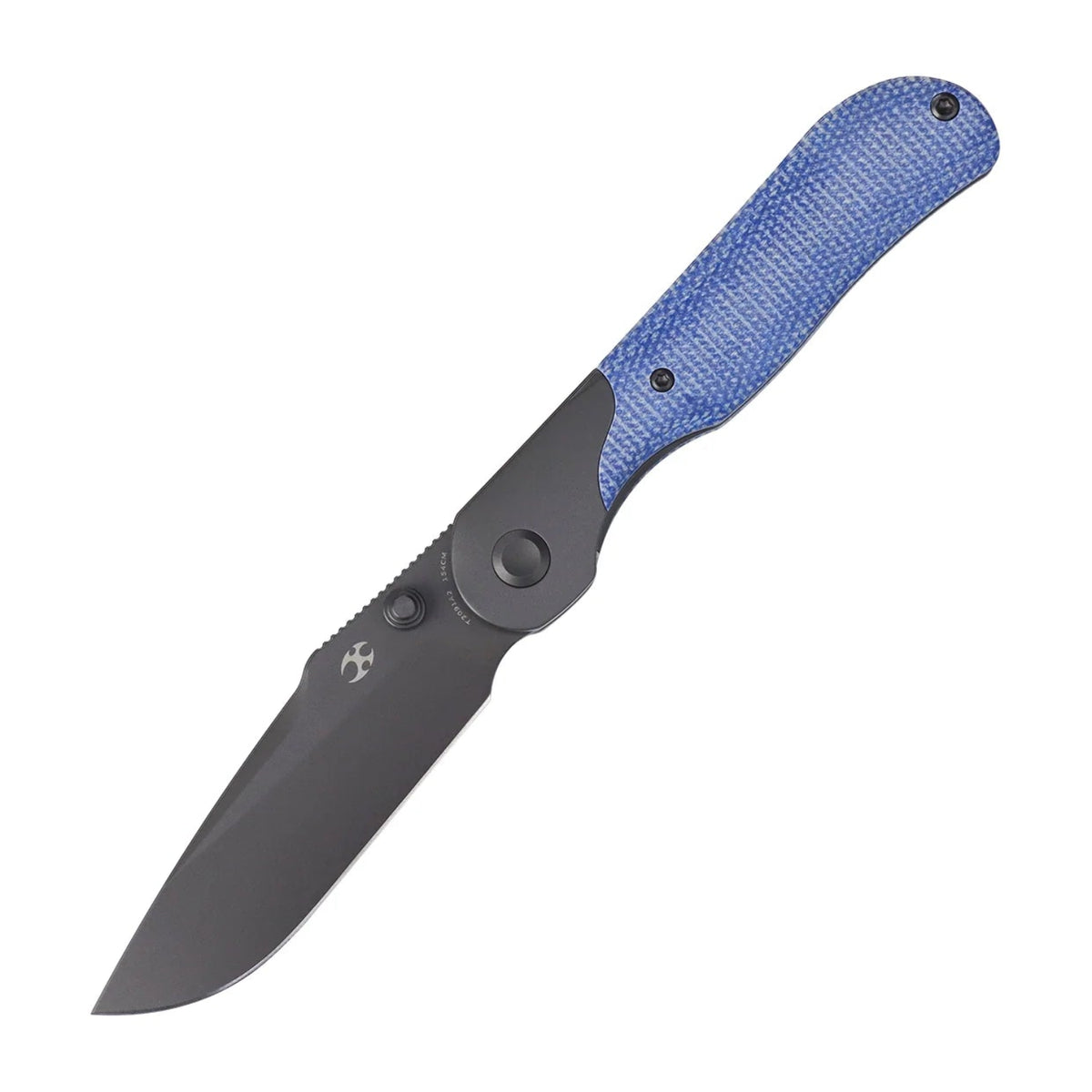
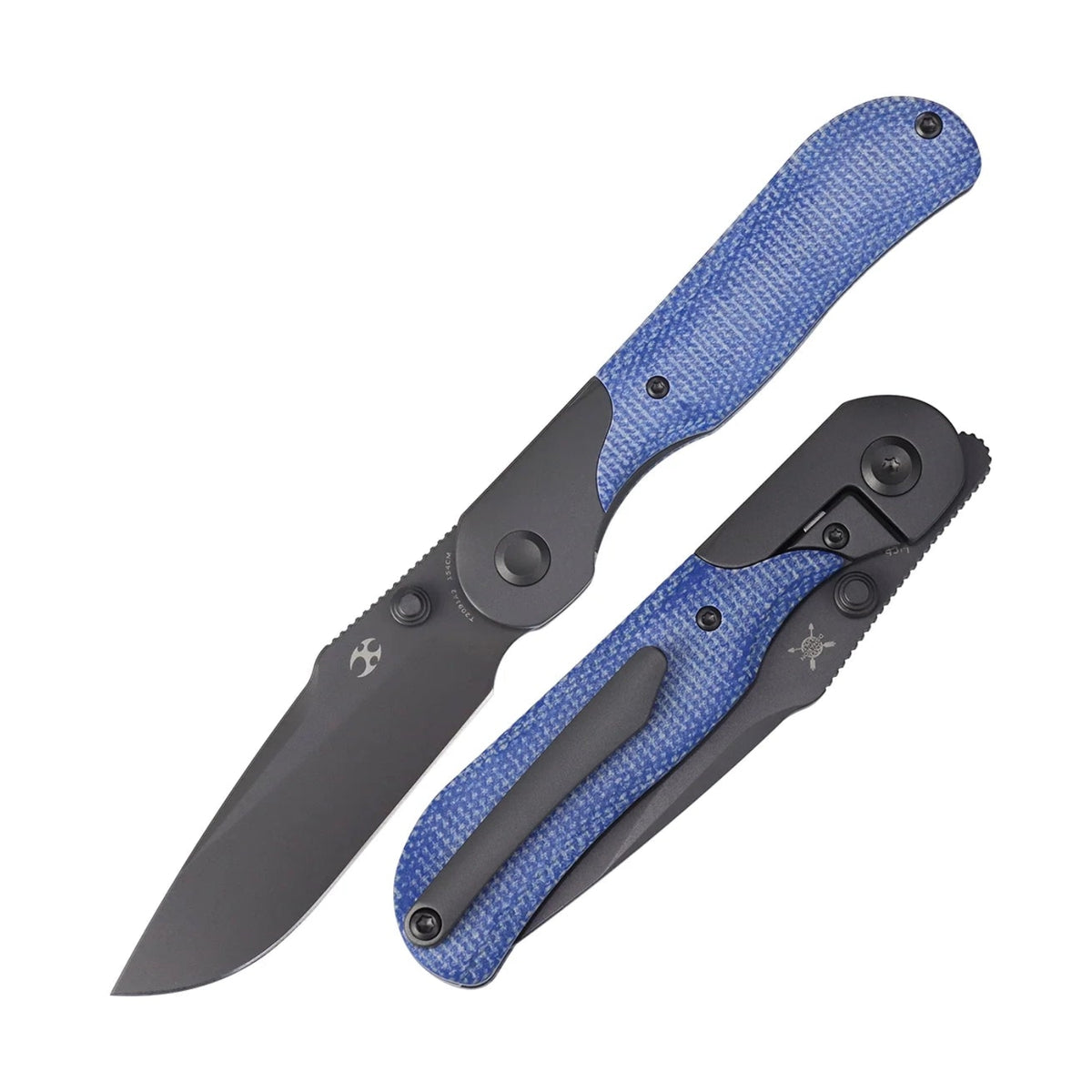
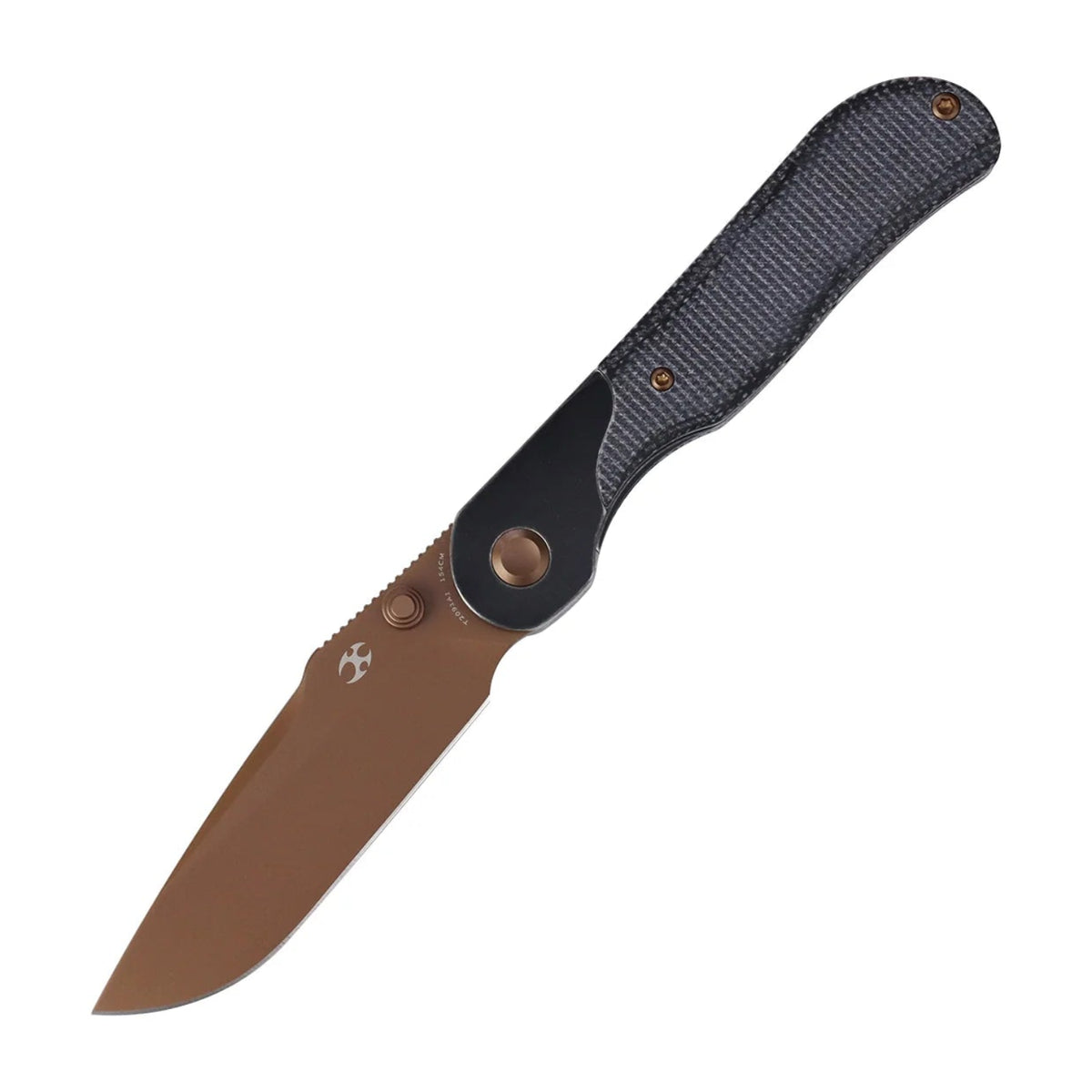
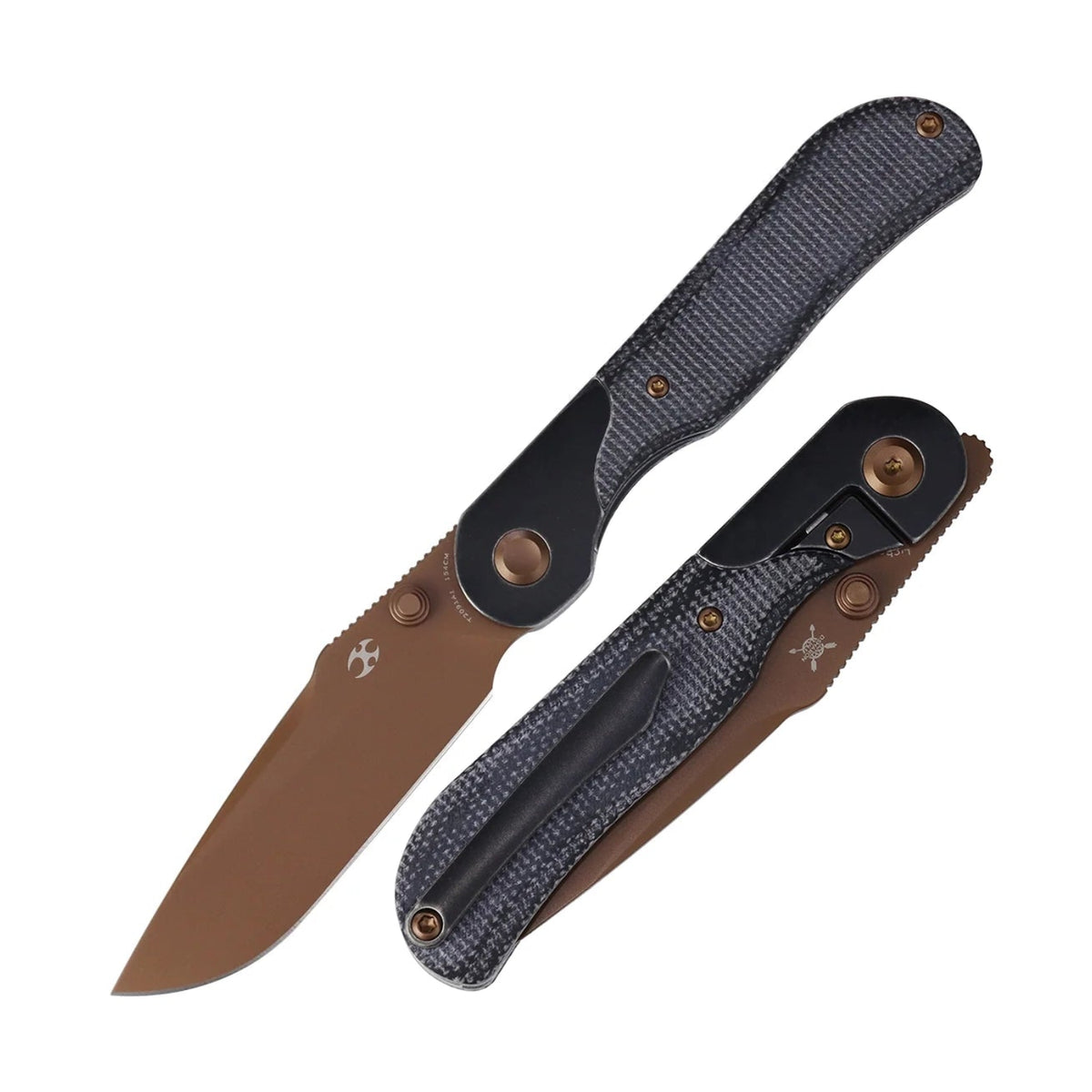
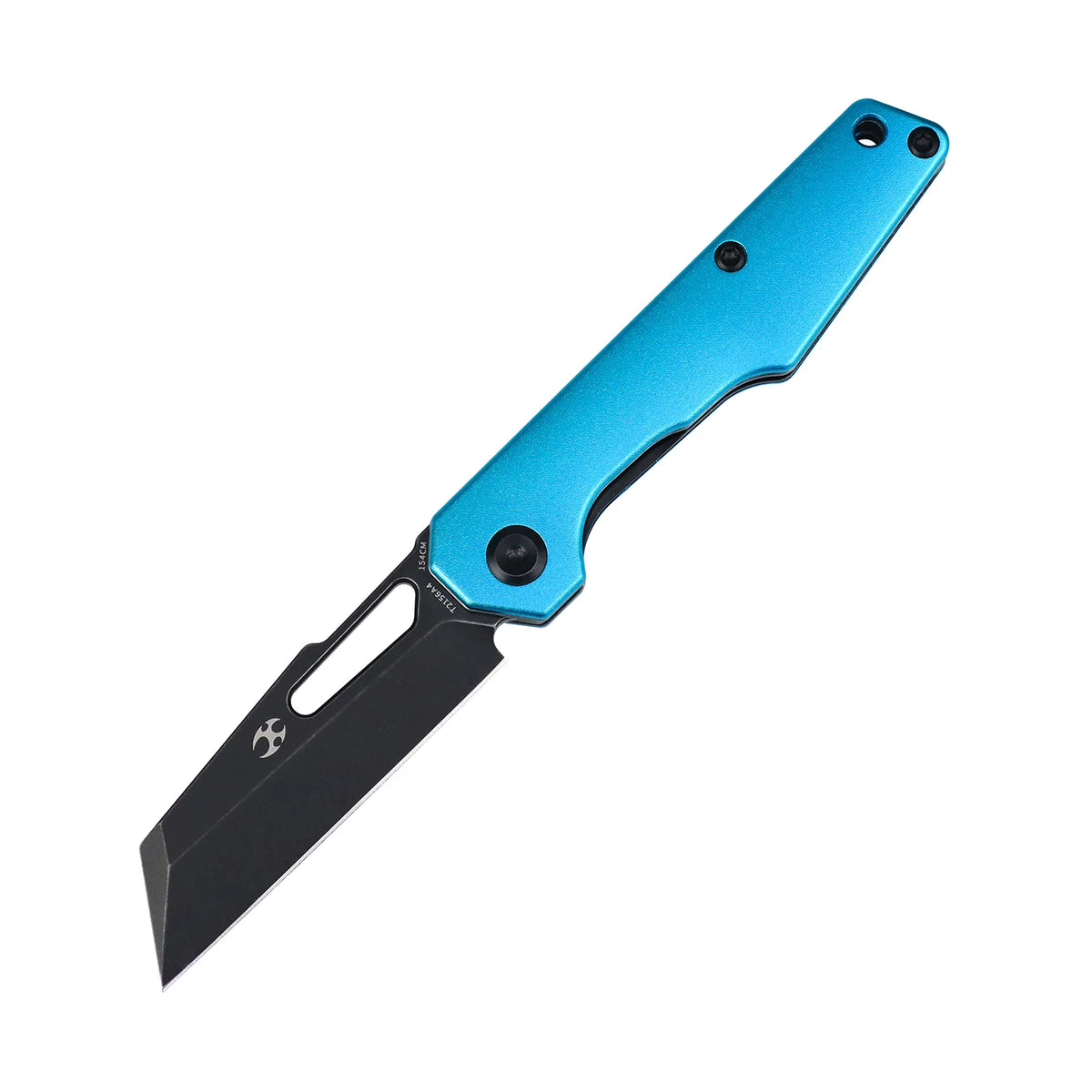
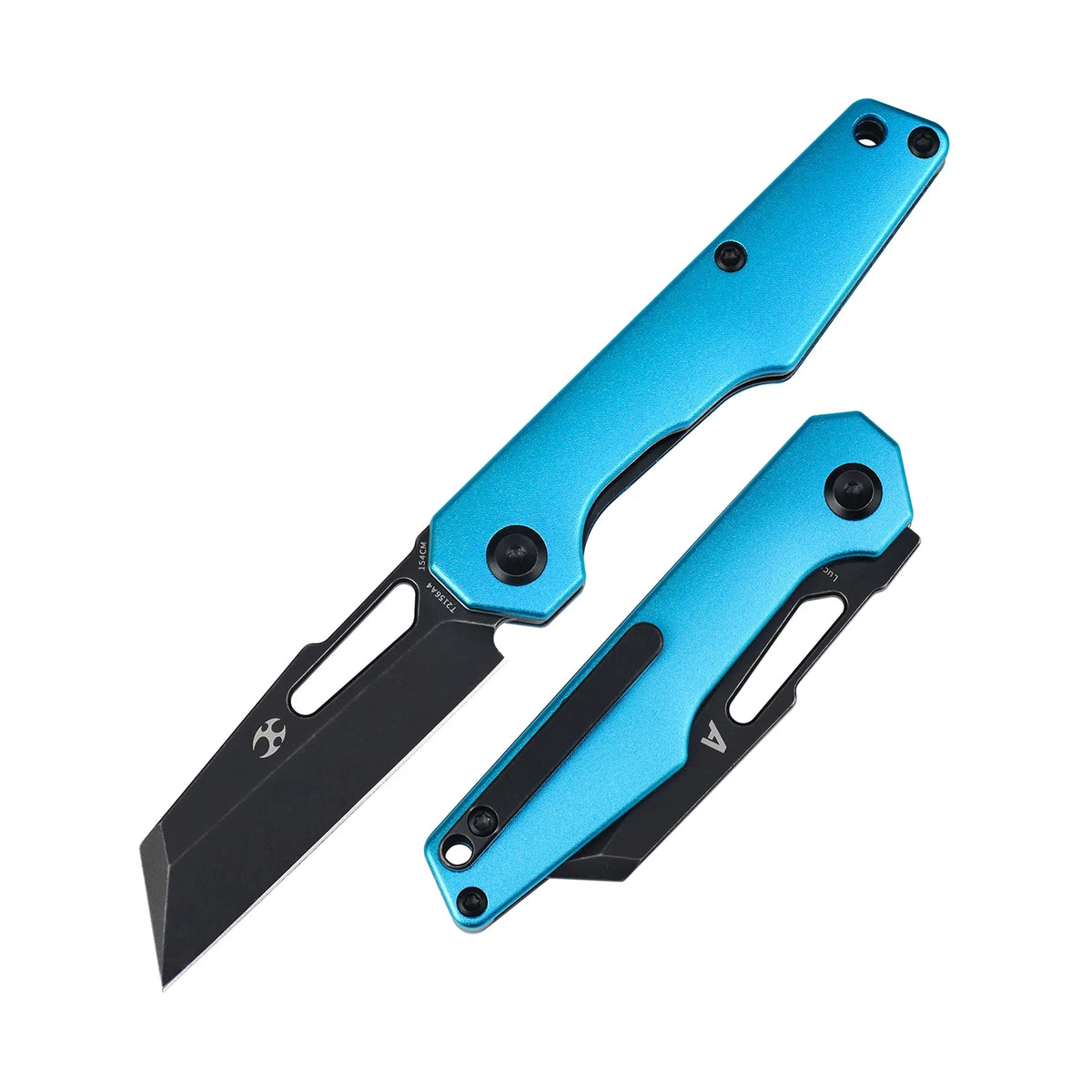
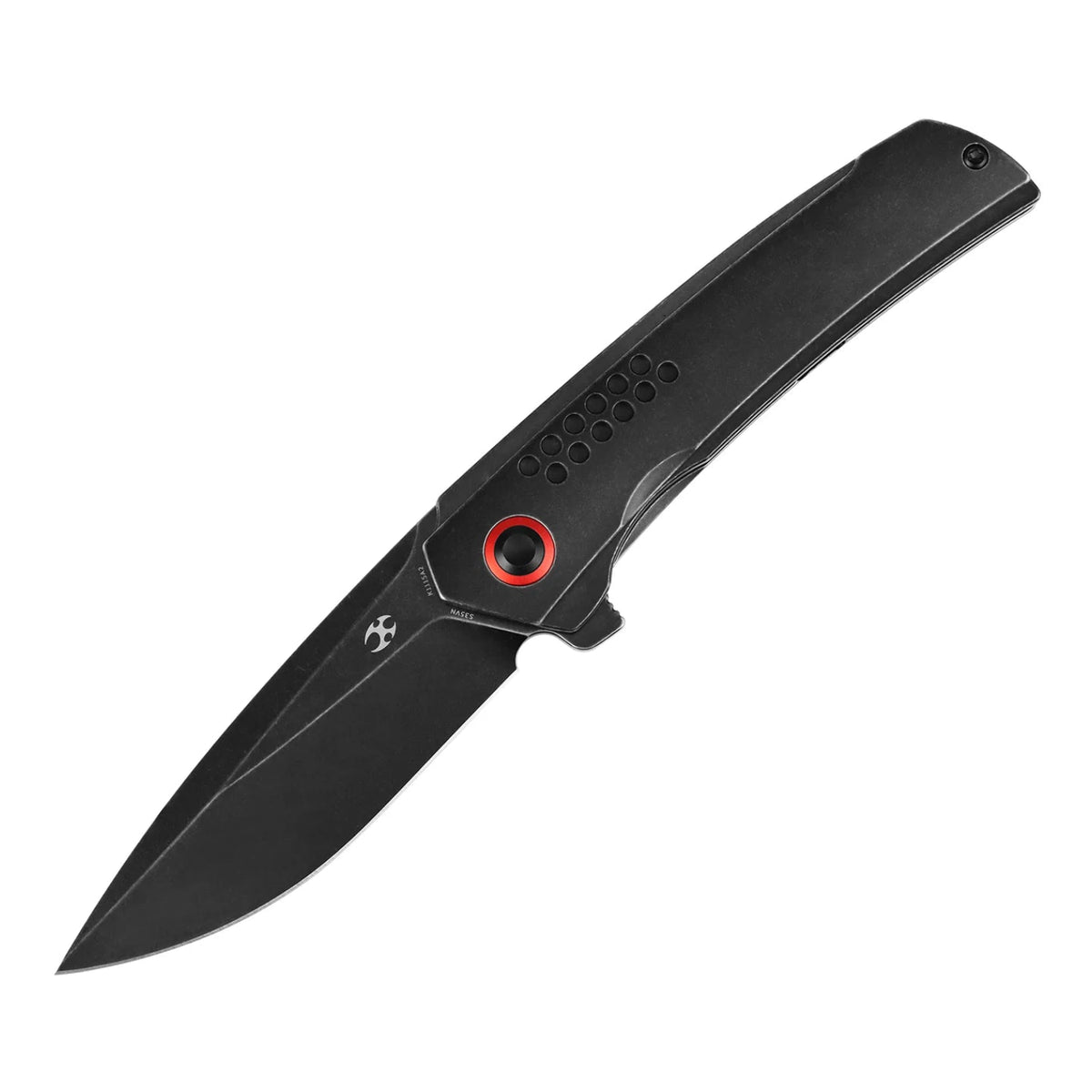
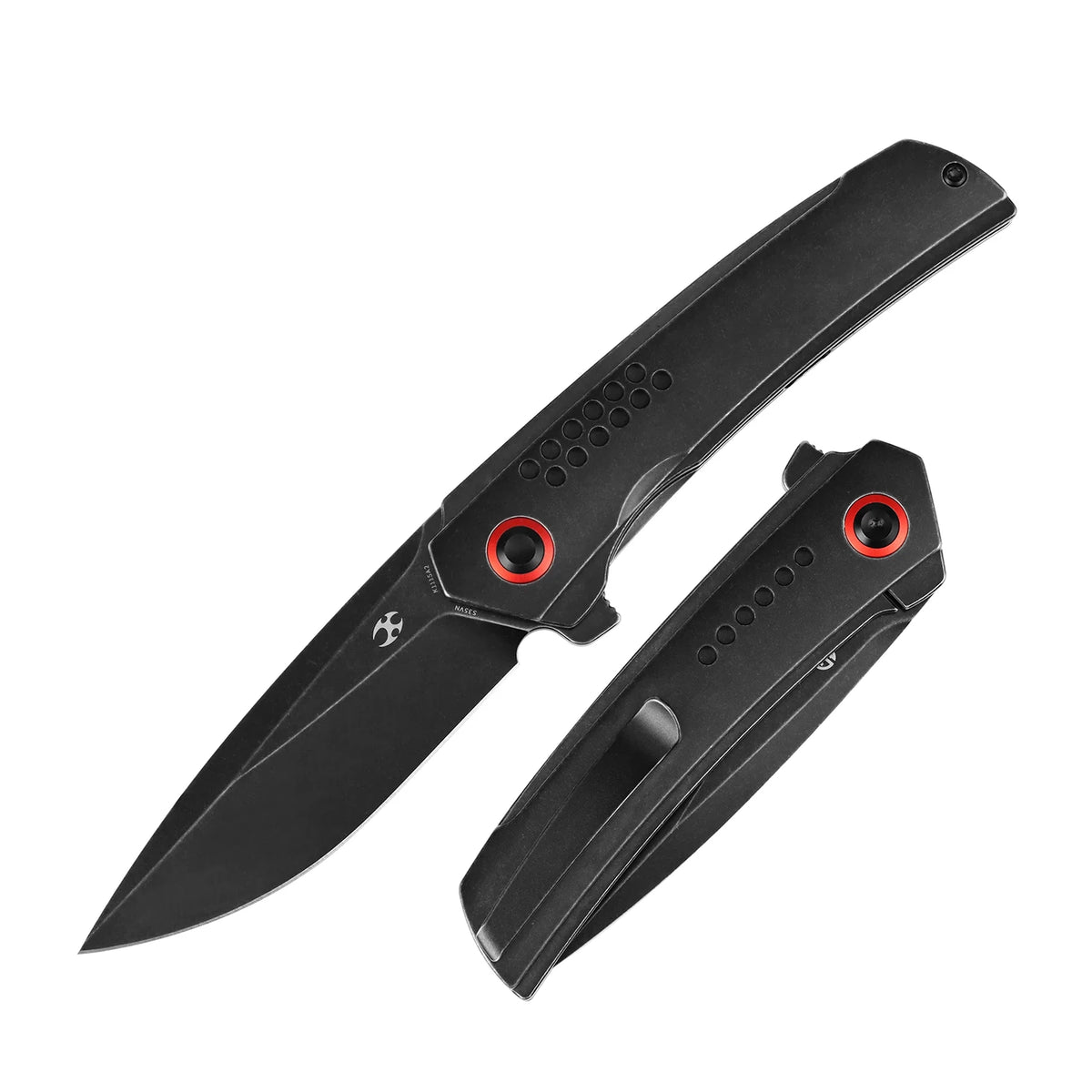
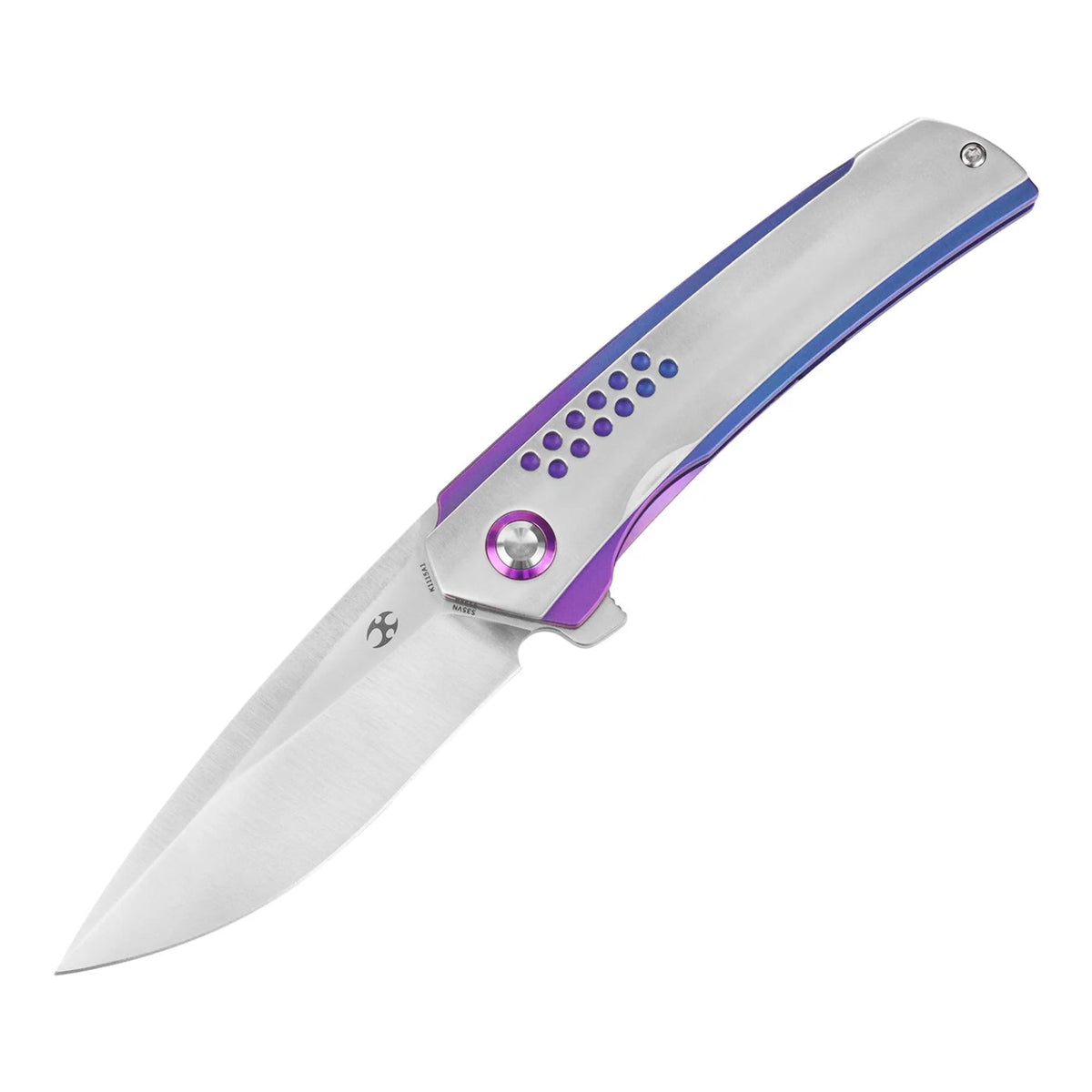
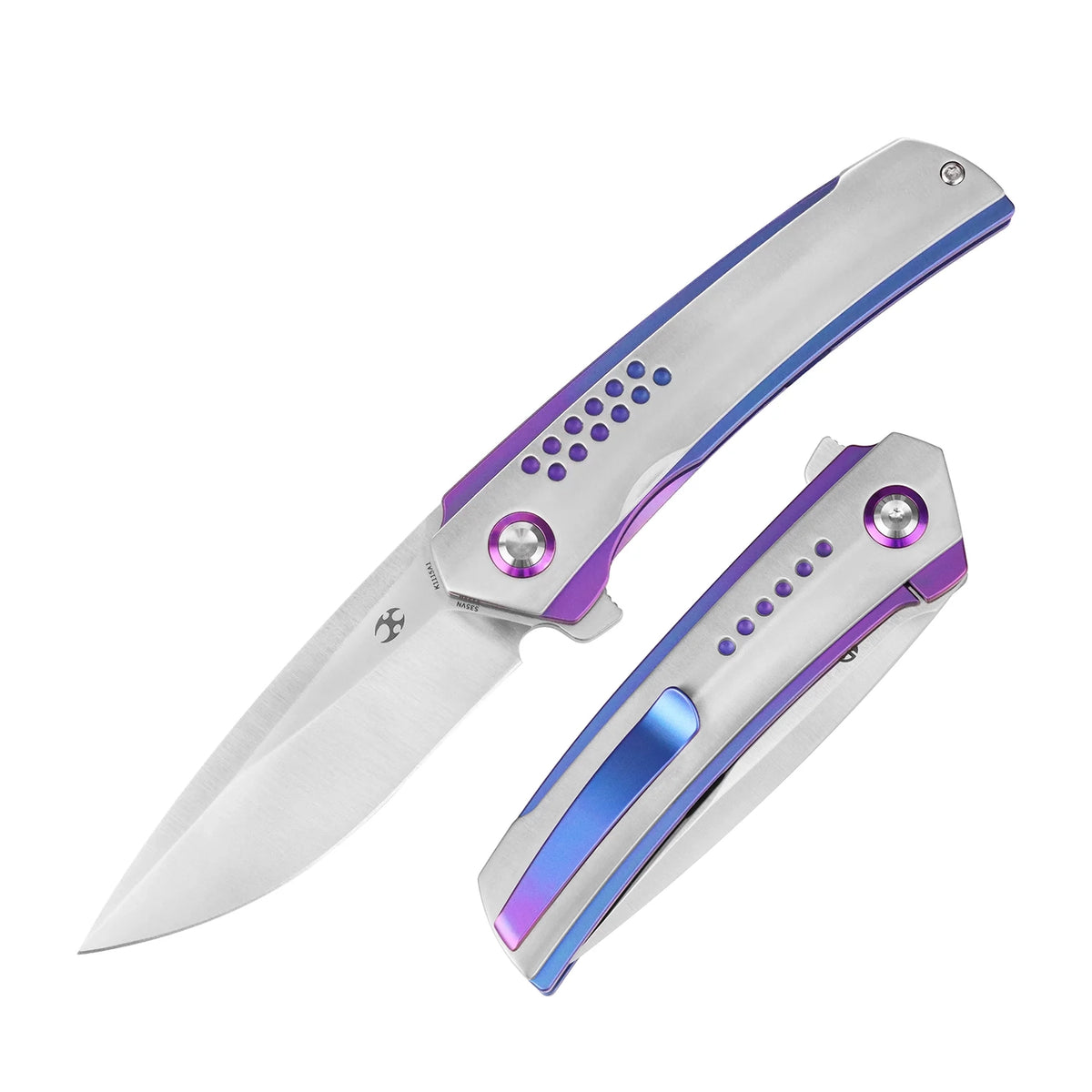
Auger bits are forged high-carbon steel with a screw point, sharp spurs and a deep flute. The spurs score the rim so the fibres shear instead of tearing, and the flute has to clear chips or the bit will bind. Compare that with a knife grind: a plunge cut needs an apex that scores before it splits, which is why a sharp tip matters more than people expect when cutting leather, rubber or drywall.

Design & Details
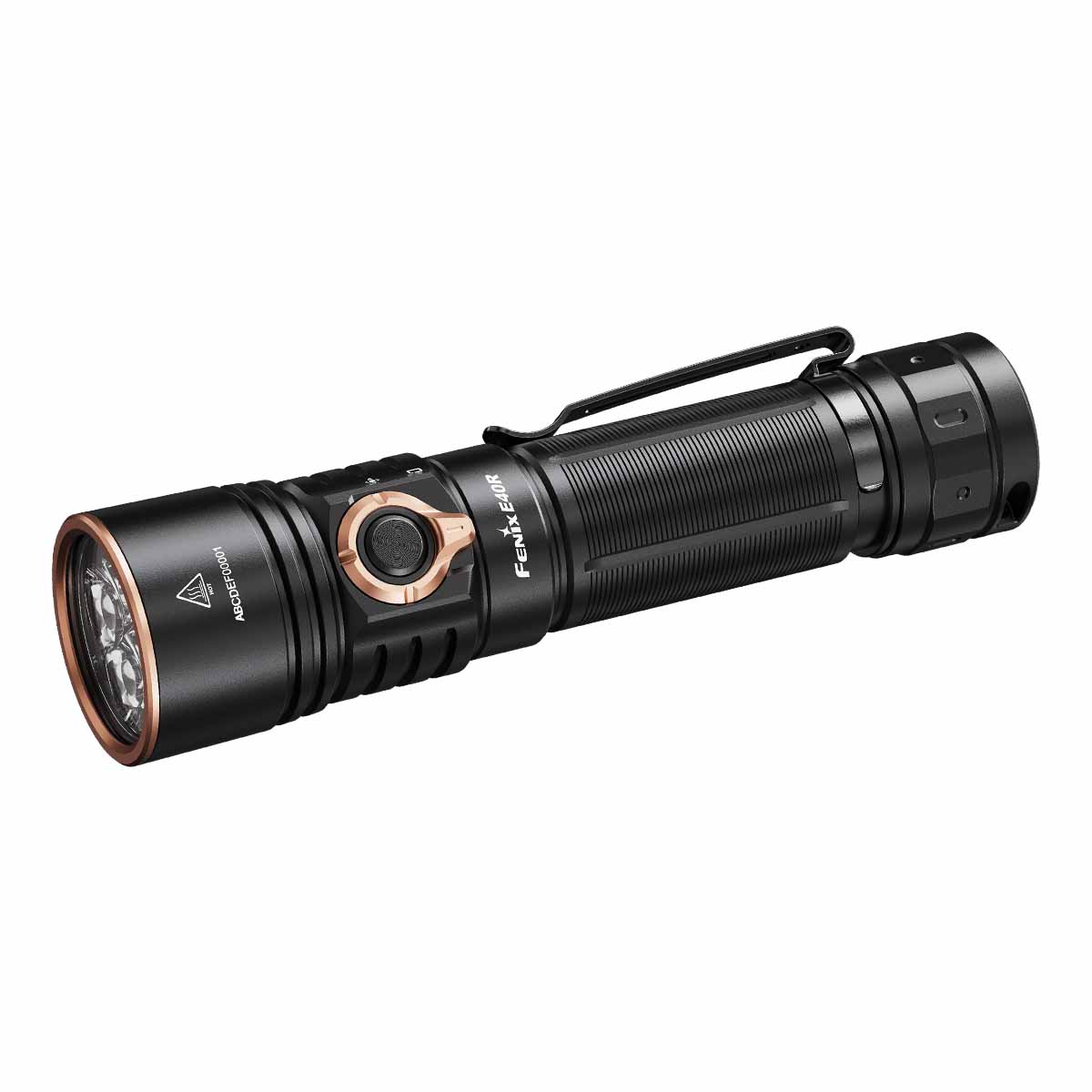
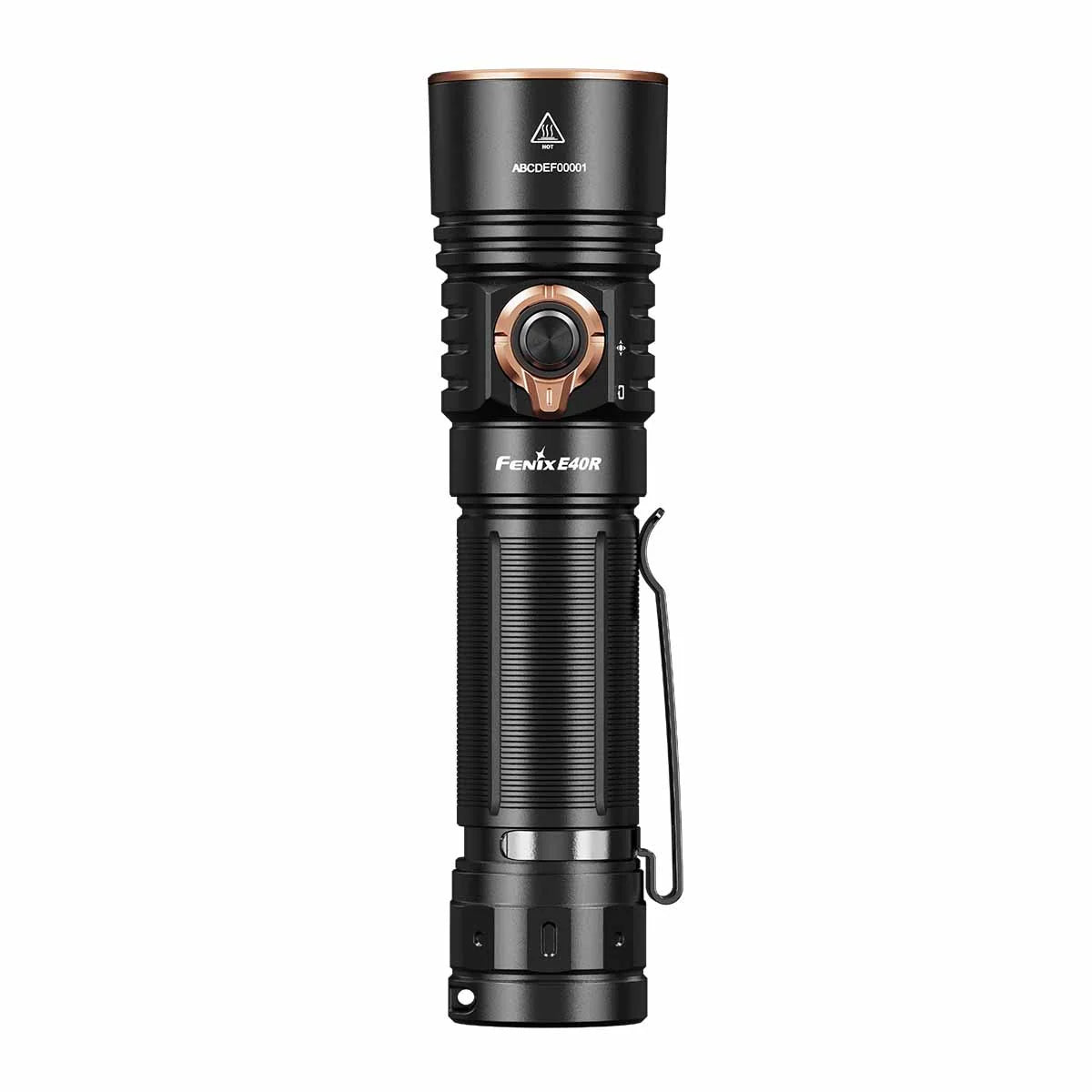
The P10 is shaped to be clipped, hung or stood on a surface, with the head at ninety degrees to the body. That geometry points light down a hole, along a joist or into a pocket where a straight torch would blind you. A magnetic tail and a pocket clip solve placement, and the switch is positioned for a thumb rather than a fingertip, which matters with gloves on.
Real-World Use
Bore a hole through a four-by-four and the failure modes show up quickly: the bit wanders on a sloping surface unless you start with a pilot, and it blows out on exit unless you back up the far face. Both are inspection problems, and inspection needs light at the correct angle. In practice, the right-angle format is the single most useful upgrade for anyone working inside a structure.

Ownership Notes
Framers carry three things: a pencil, a sharp knife and a light. The knife marks and cleans up; the light shows whether the cut is where you thought it was. Anyone building a set of EDC knives for trade work should add the light before the second blade. EdcMall separates its flashlight range by form factor, and the right-angle group is where trade users tend to settle. Trade work also rewards a small EDC flashlight on the belt rather than in the bag, because the moment you need it your hands are already full. Framers who keep folding knives sharp and lights charged finish a shift with fewer reworks than anyone relying on memory and daylight.
Who Is This For?
Buy it if you work inside structures, vehicles or cabinets and need light that points sideways. It suits framers, electricians, mechanics and plumbers. Skip it if you want a handheld beam for open ground, where a straight torch aims more naturally.
Final Verdict
An auger is a self-feeding tool: get the start right and the rest follows. The P10 applies the same logic to lighting, because a beam aimed along the work removes most of the guesswork from a job. Buy it before the next project, not after the third bad hole.