
Overview & First Impressions
A refinish bay is a constant negotiation between cleanliness and dust. Sandpaper residue, primer overspray, masking tape and panel adhesive all end up on the bench, and the technician's knife is in the middle of it. Auto body work also demands a surprising amount of precision cutting: masking along a body line, trimming vinyl, cutting seam sealer to profile, opening sealed components without scratching the paint underneath.
Materials & Construction
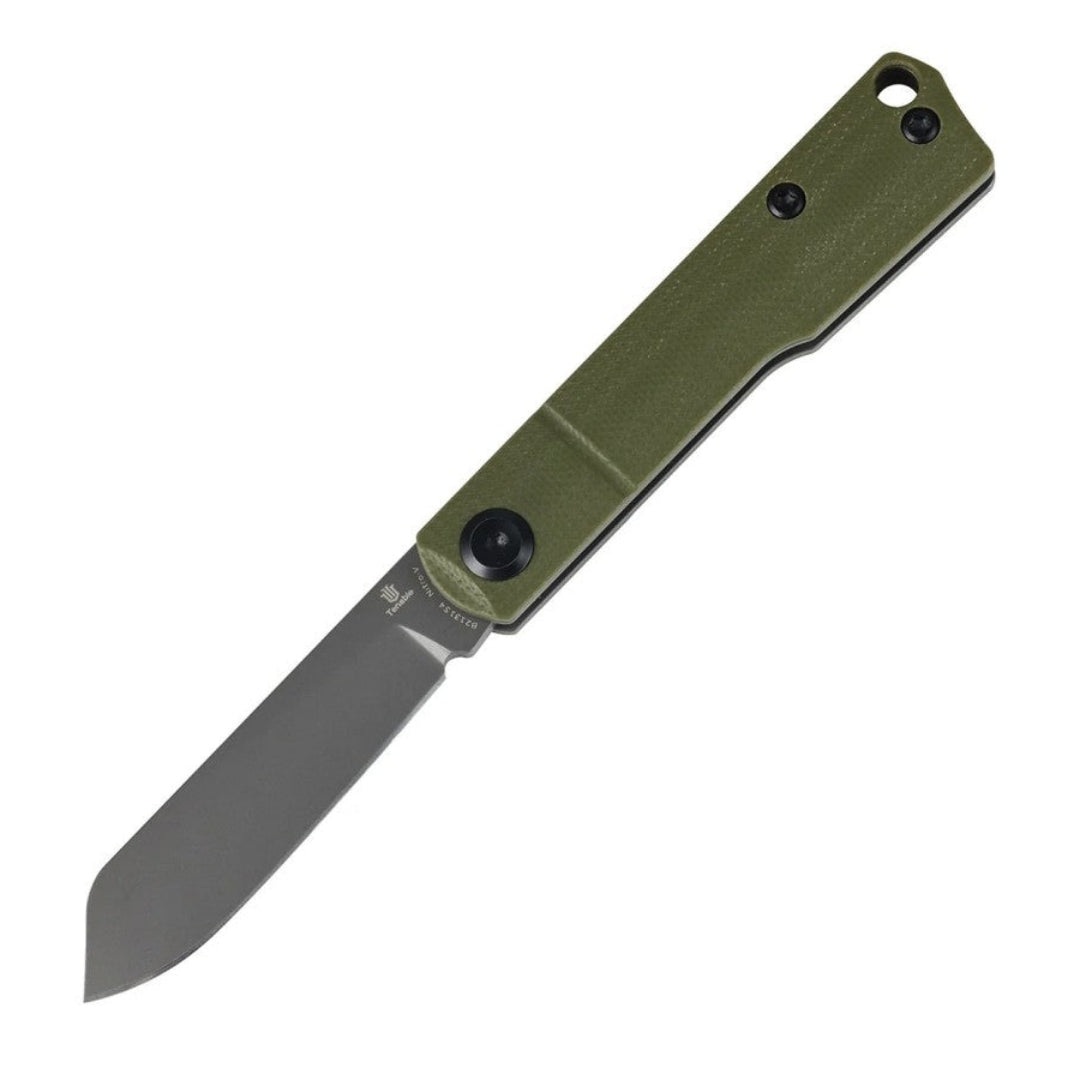
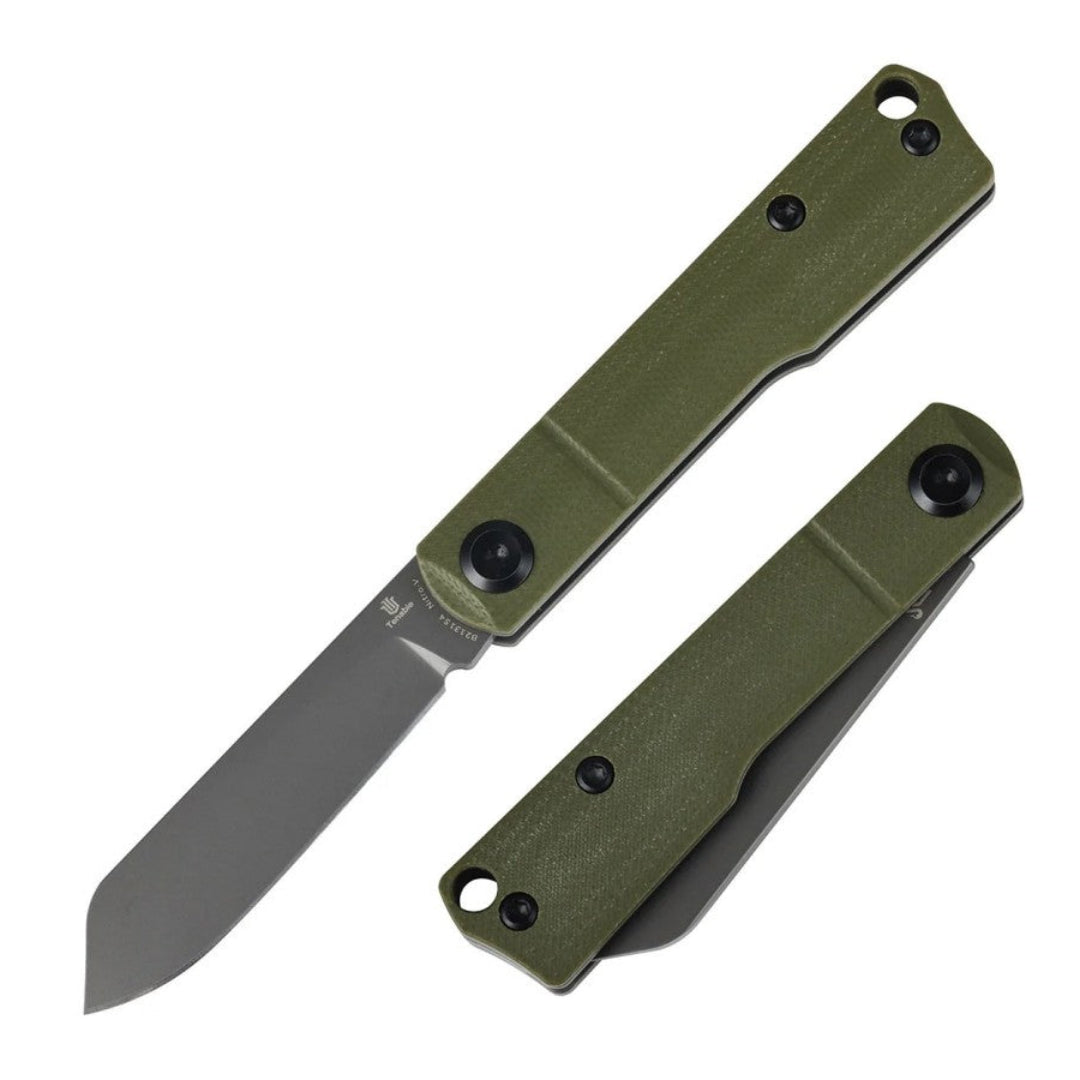
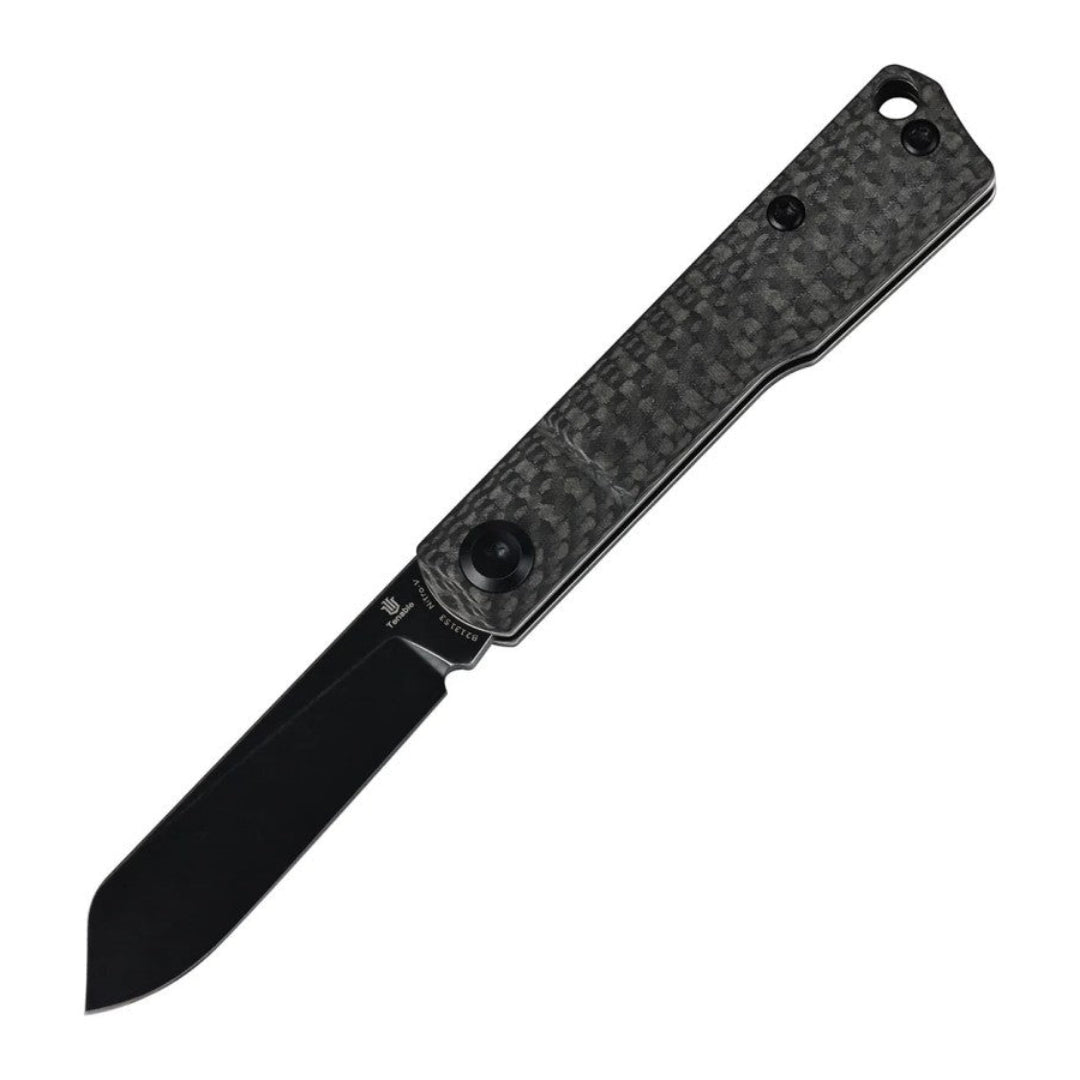
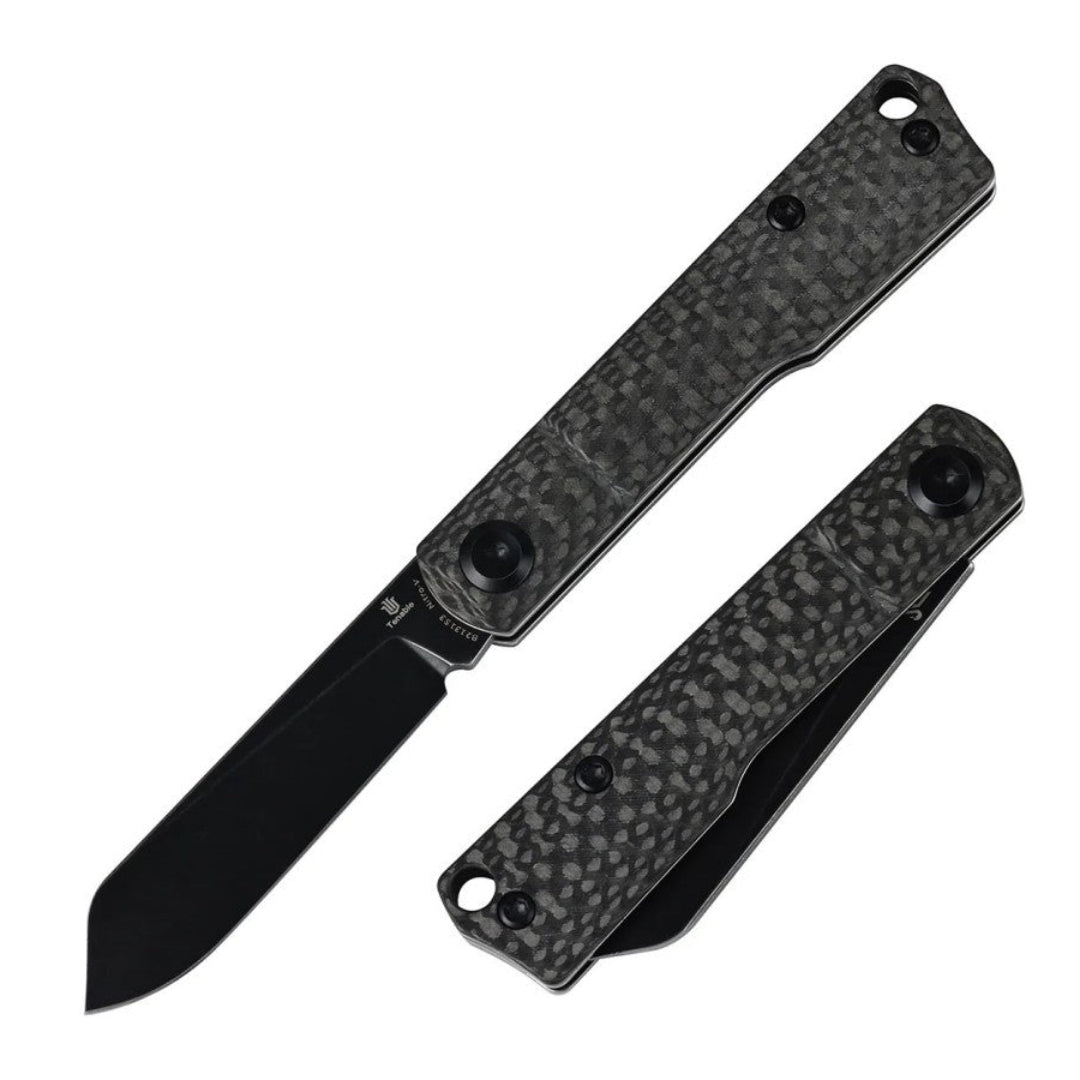
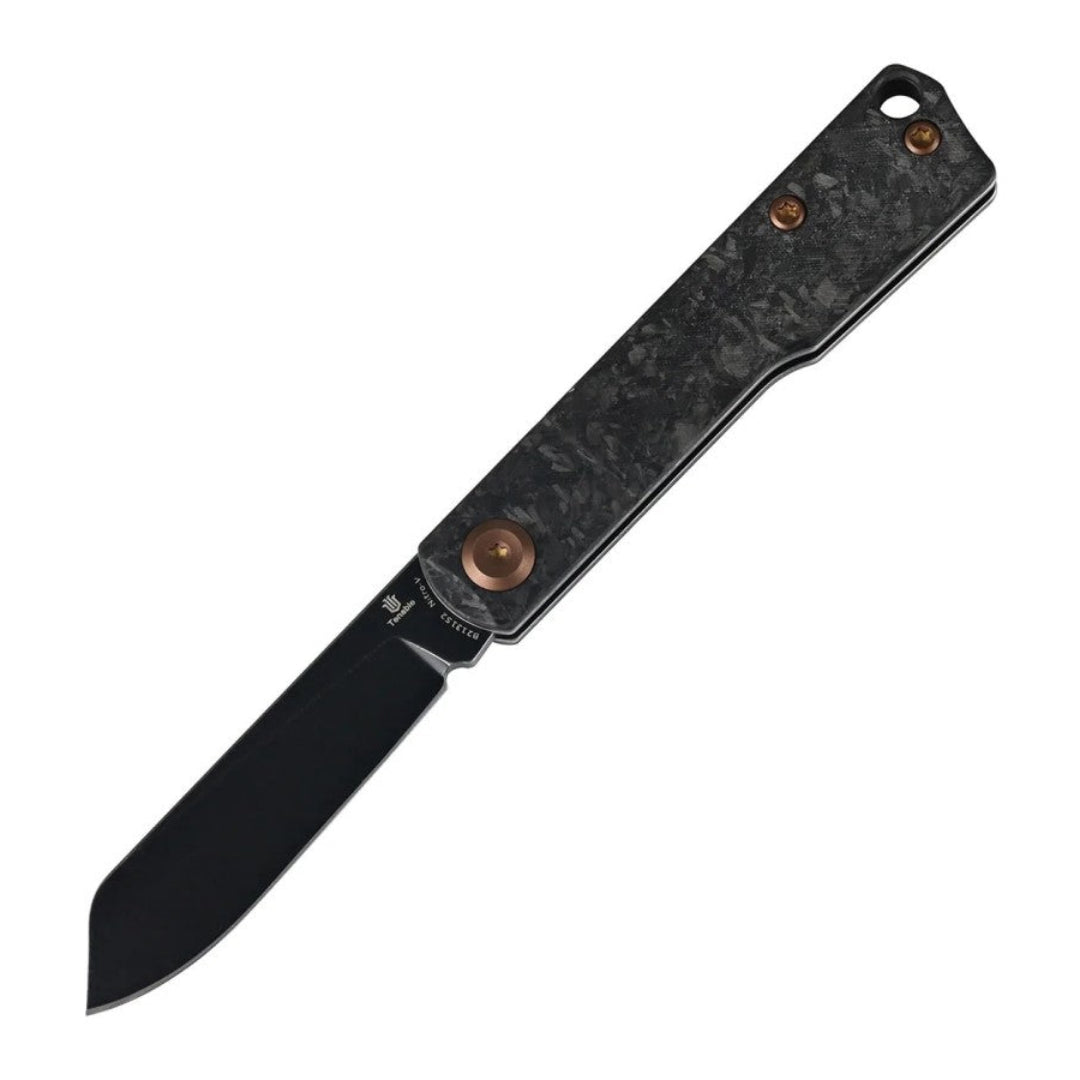
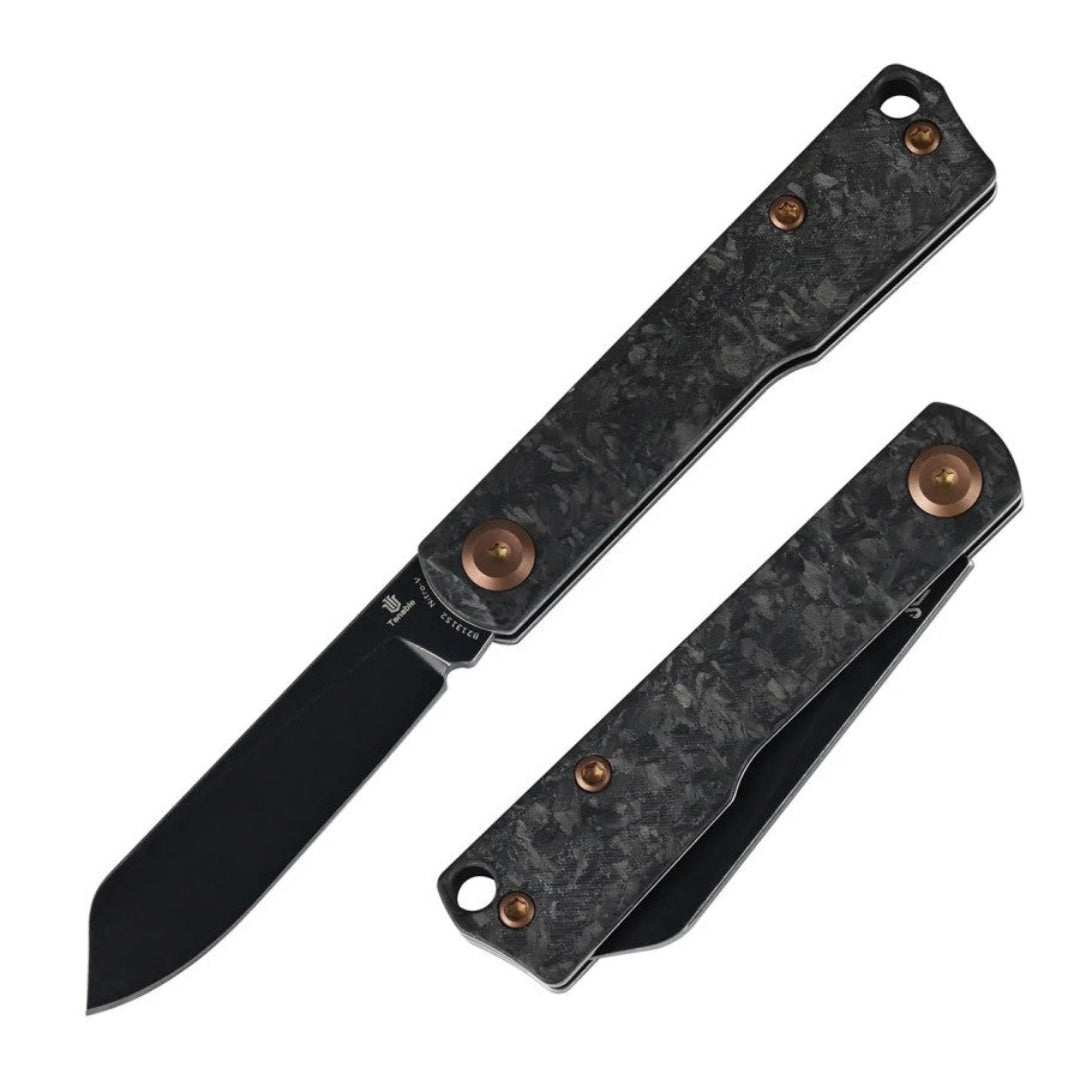
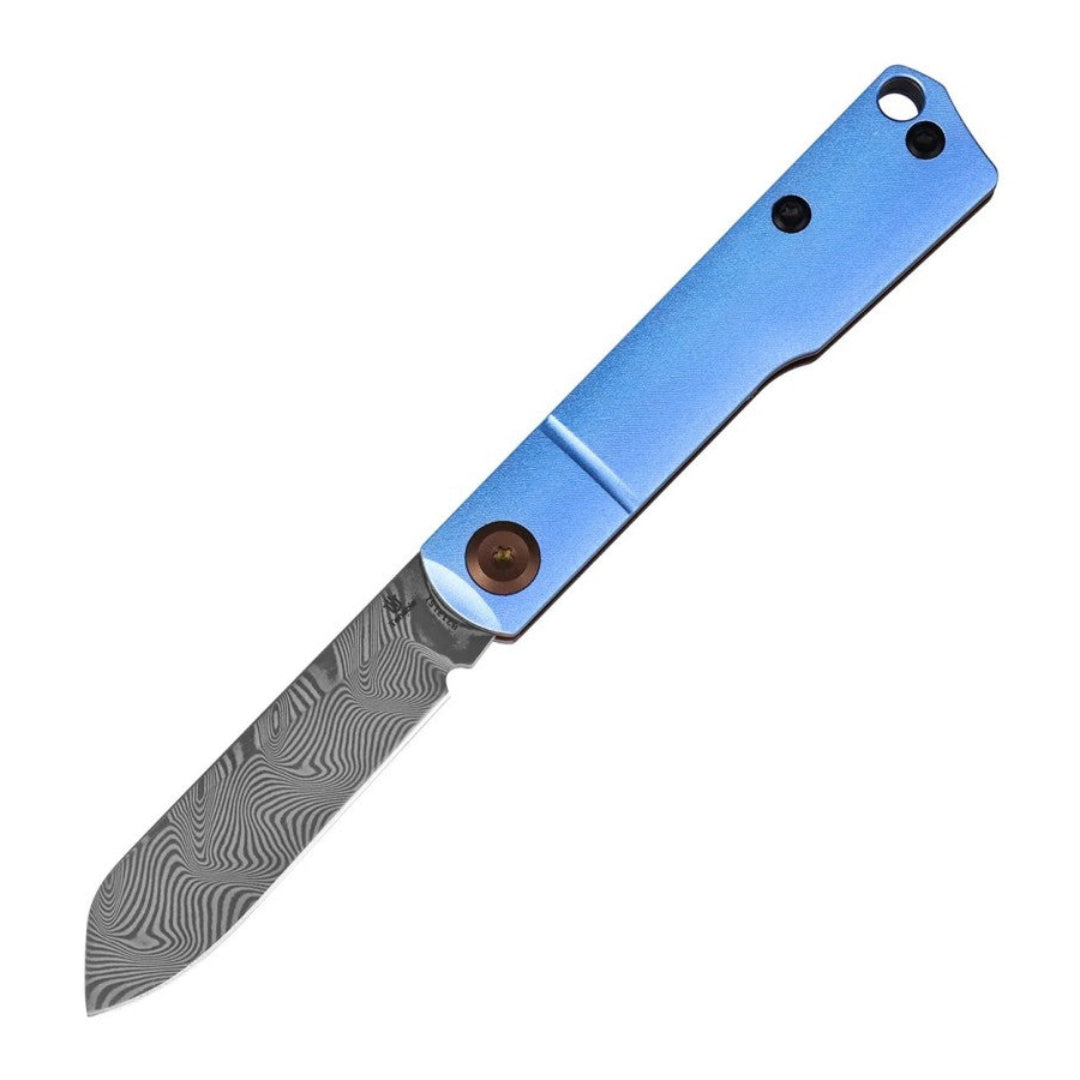
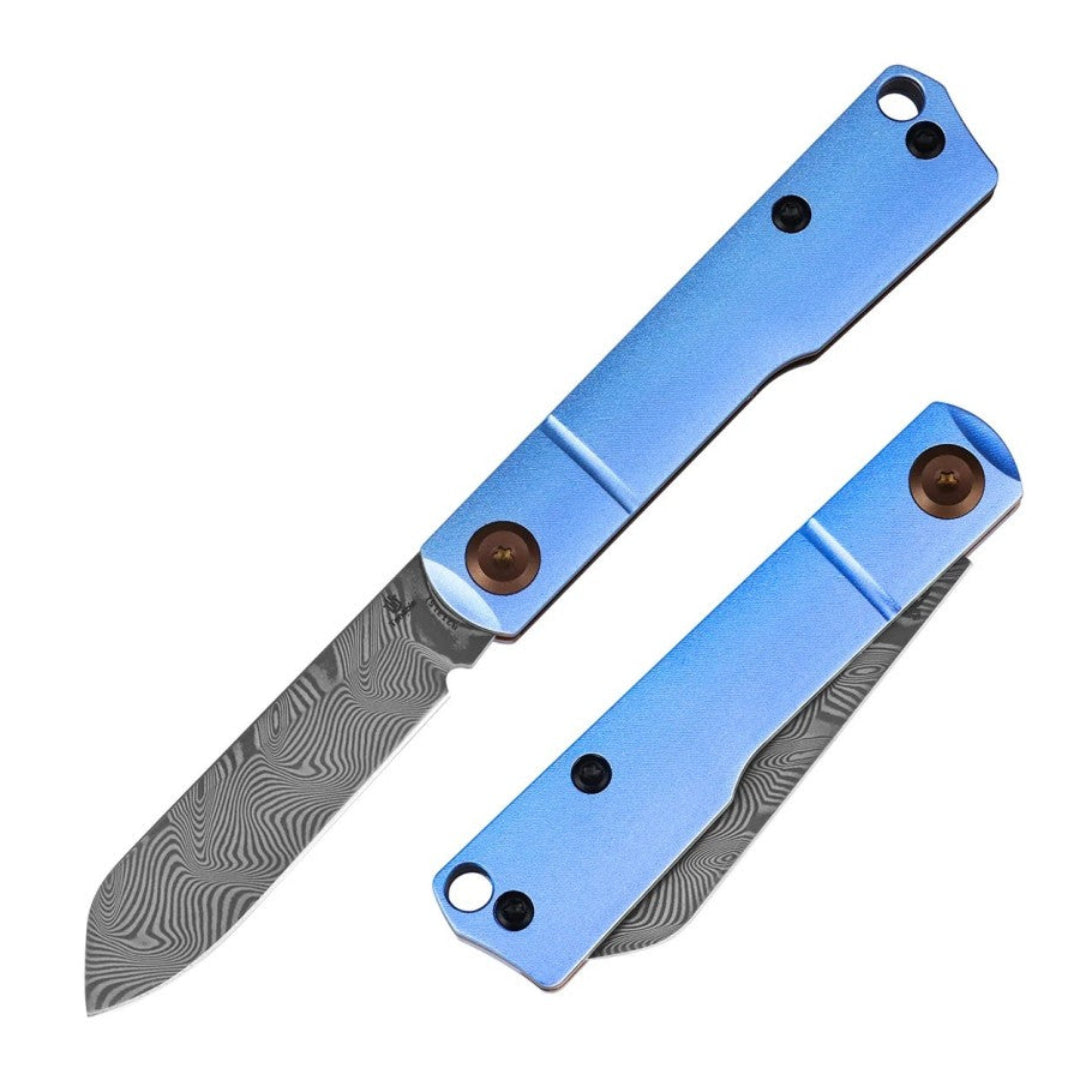
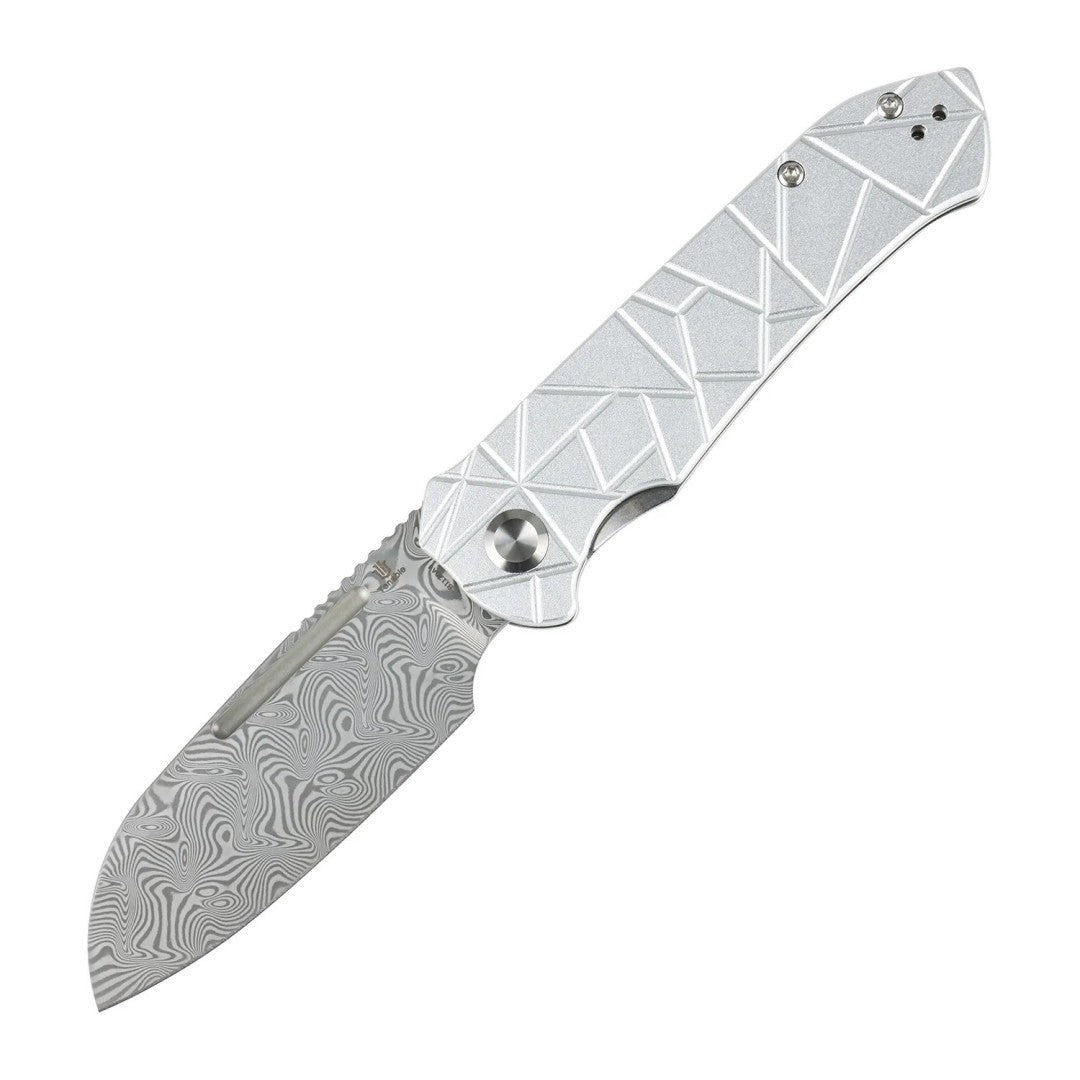
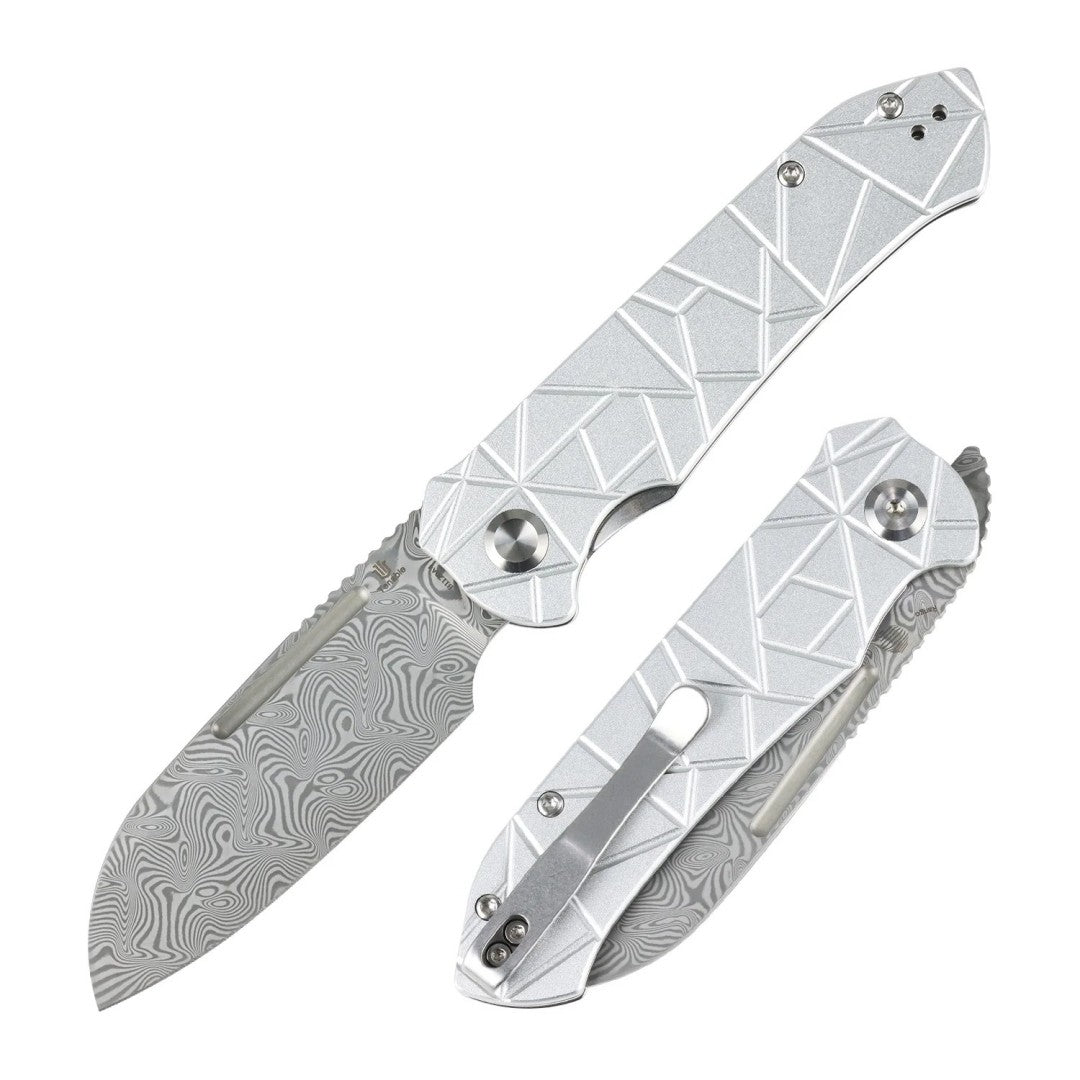
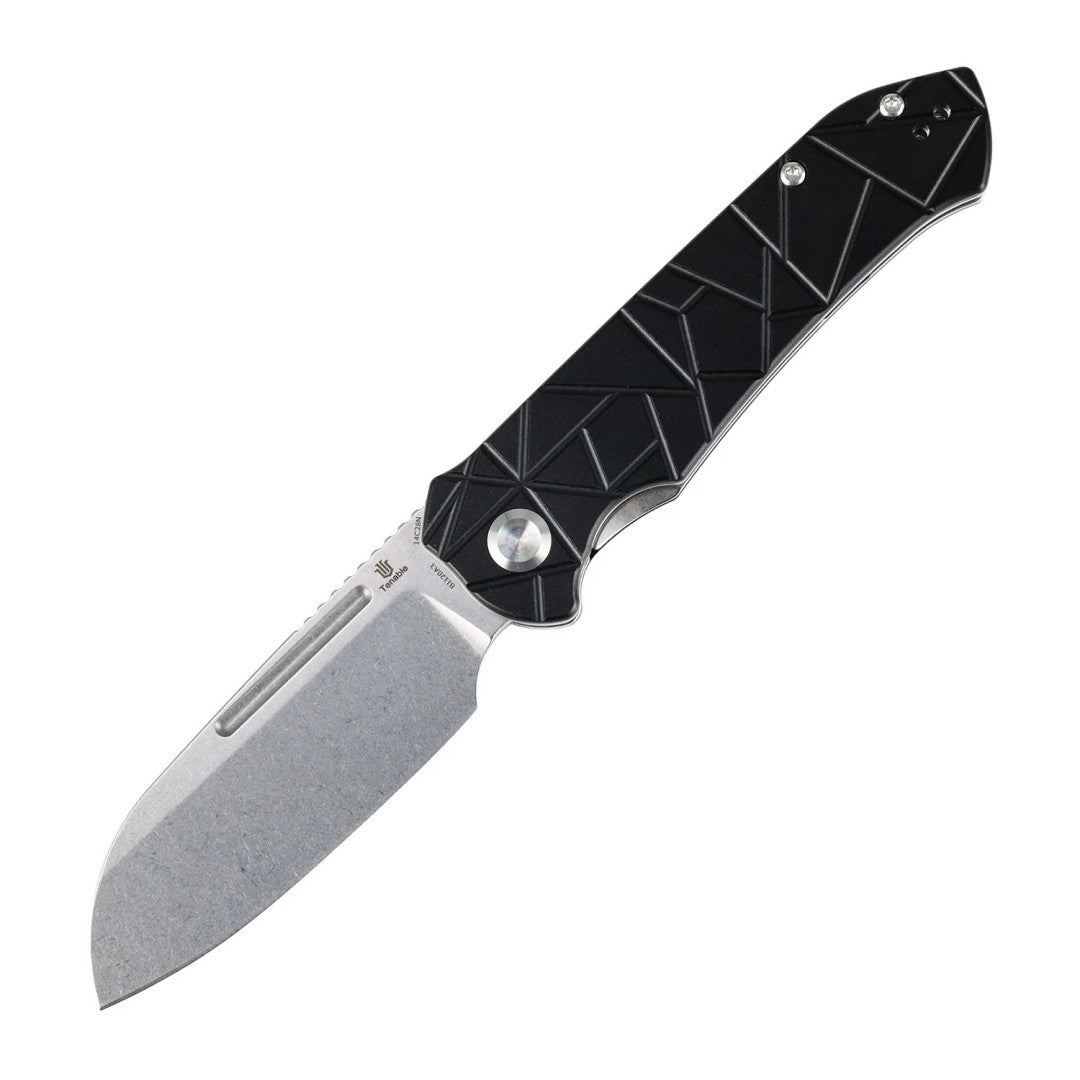
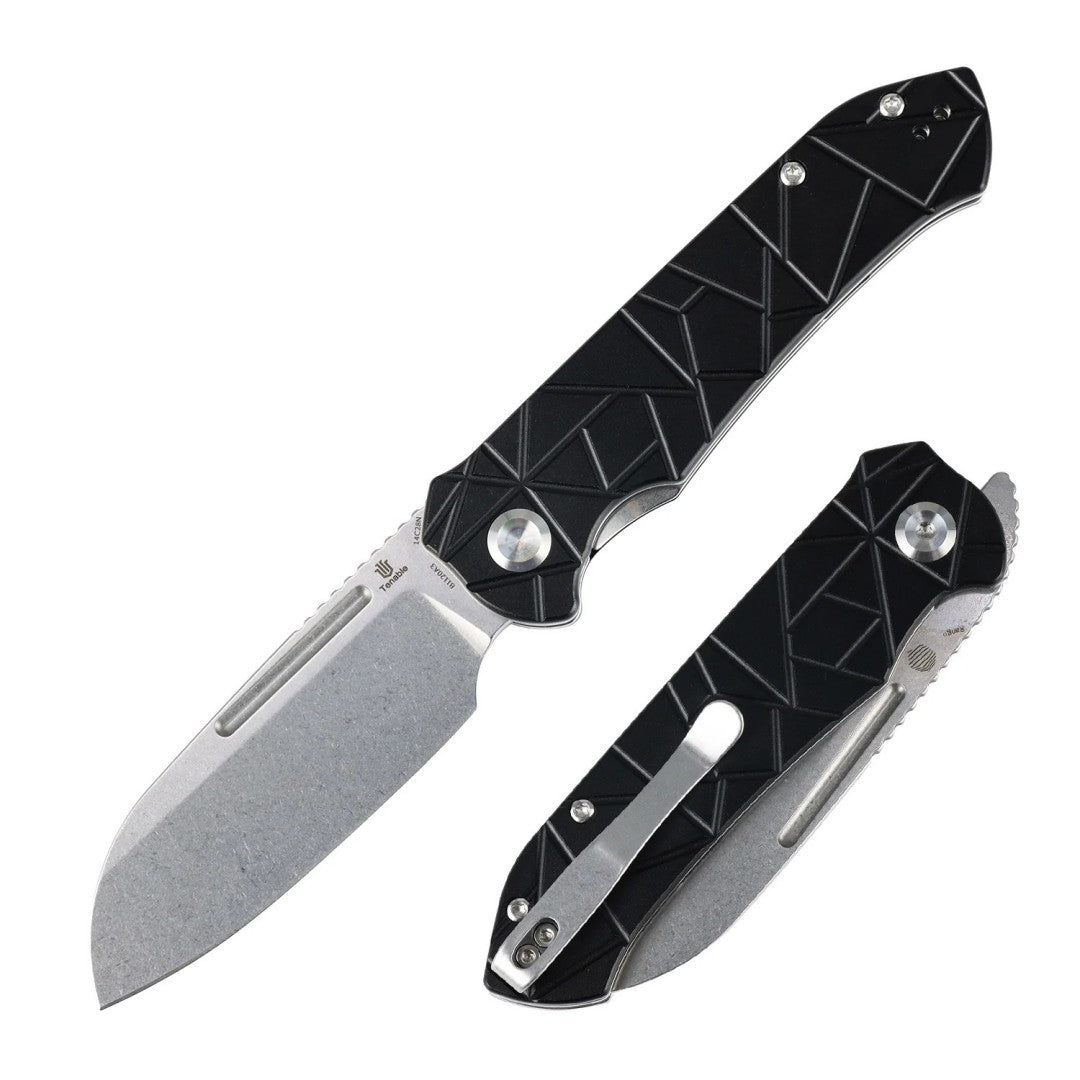
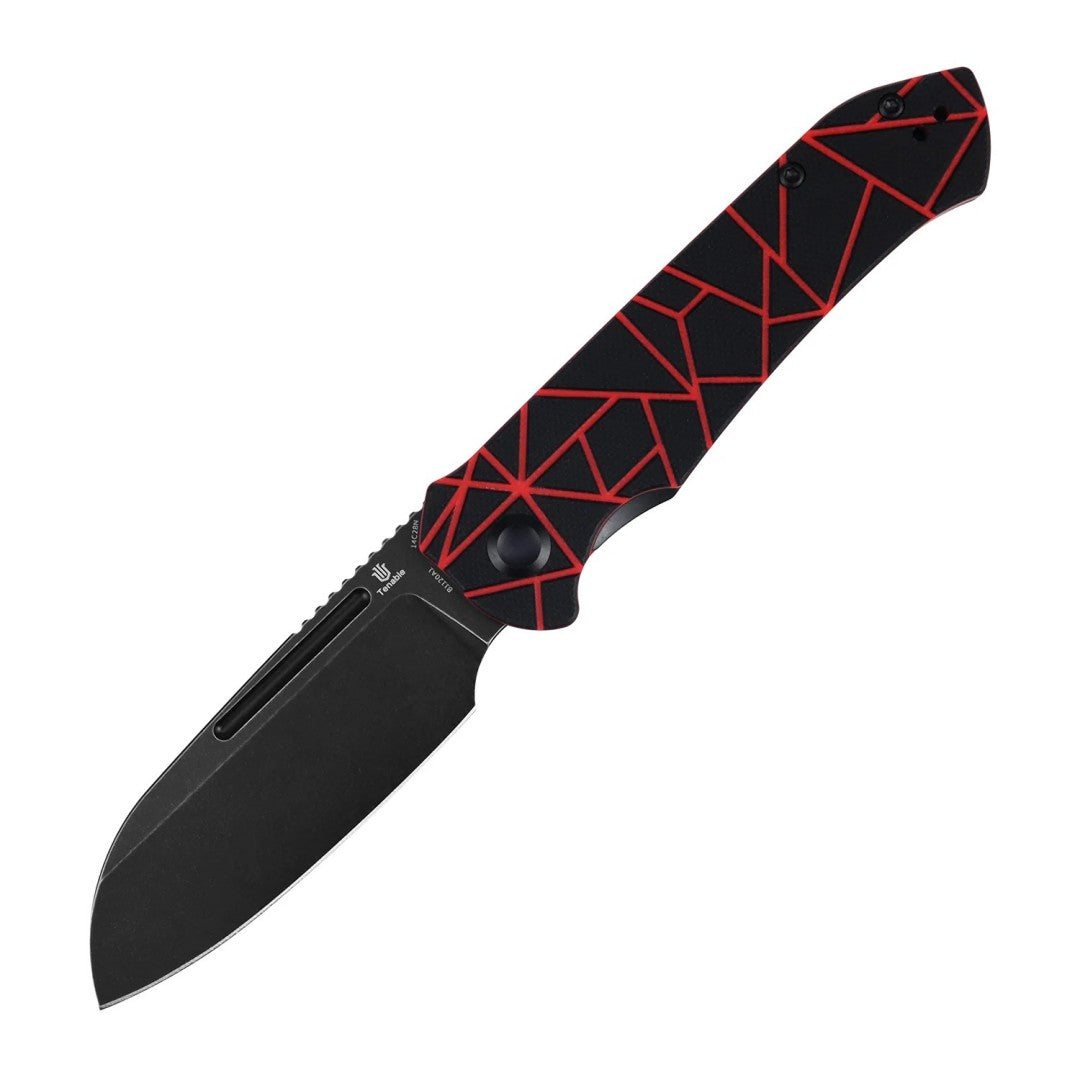
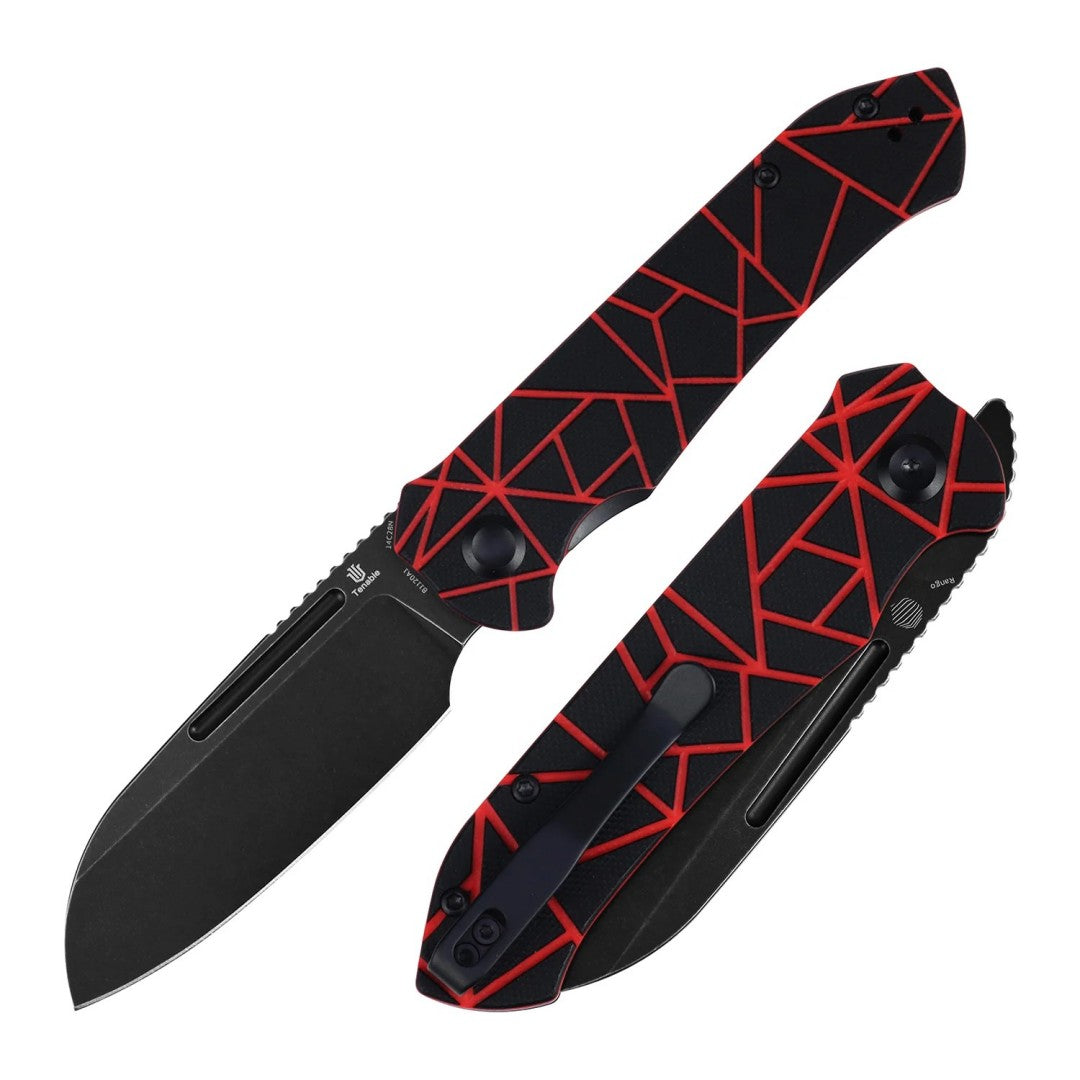
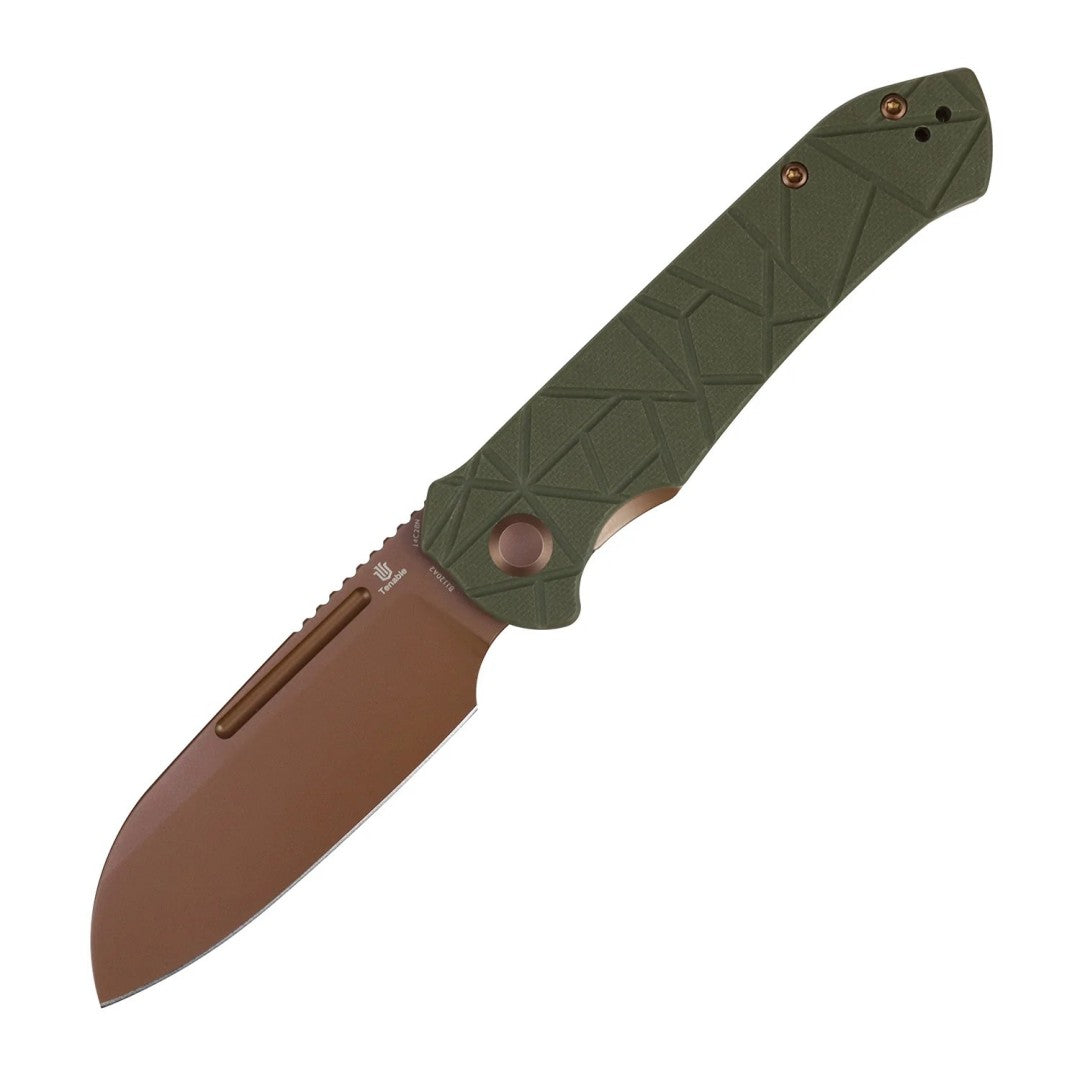
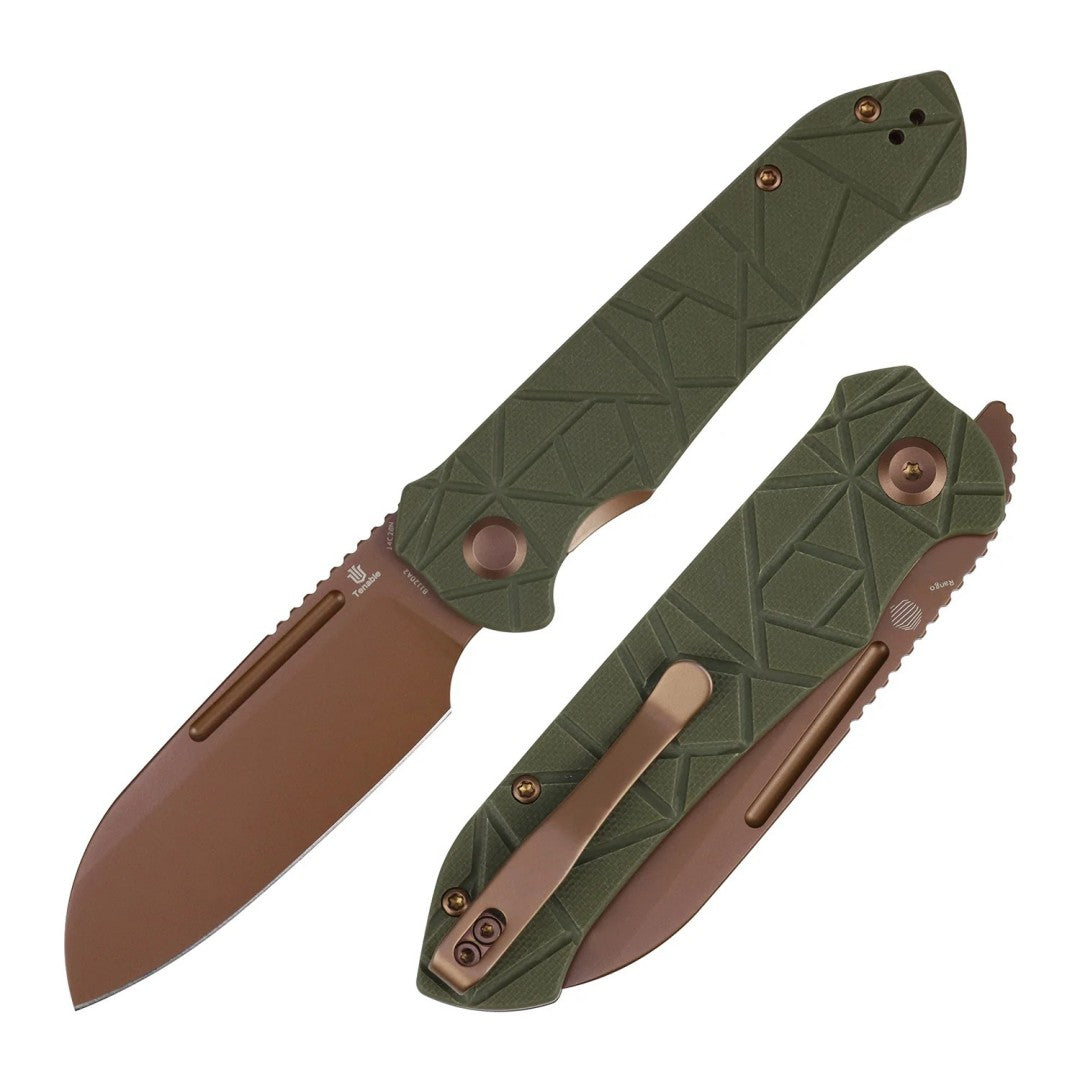
M390 is a sensible steel for this because it combines serious wear resistance with corrosion behaviour that tolerates humidity and waterborne paint residue. The GEO Knife Belluf GEO2508J uses a Böhler M390 powder-metallurgy blade in a 6AL4V titanium handle with a crossbar lock, and at roughly three ounces it carries like a much smaller knife. GEO Knife positions its folders for collectors who also use them, and the vacuum-and-cryogenic heat treatment they specify is aimed at consistent hardness rather than marketing numbers.

Design & Details
The crossbar lock is a genuinely useful mechanism in a shop because it is ambidextrous and it does not require the user to put a finger in the blade path to close the knife. That matters when one hand is holding a panel and the other is covered in reducer. For folding knives in a body shop, the other priority is a blade shape that lets you cut flush against a surface without digging in, which favours a drop point or a wharncliffe over a deep belly.
Real-World Use
Through the week the knife opens abrasive sheets and masking tape rolls, trims adhesive backing, cuts repair patches to shape, removes old weatherstrip and opens boxes of clips and fasteners. EDC knives in a refinish environment should be wiped down far more often than most owners bother with, because shop dust is abrasive and it will find its way into a pivot within a few weeks of neglect.

Ownership Notes
Keep the knife out of the spray booth. Overspray will bond to a blade and a pivot faster than you would believe, and once it cures the only remedy is solvent and patience. Wipe the blade with a dry cloth after every shift, flush the pivot with compressed air weekly and lock the knife closed when it is not in use. Remove masking tape residue with a mild adhesive remover rather than a strong solvent, and never use the blade to scrape cured primer off steel. Refinish work also rewards a light knife, because most of the job is done standing at a bench with one hand holding a panel. An ambidextrous crossbar lock and a titanium handle keep the tool comfortable through long sessions of masking and trimming, and a clean finish makes the knife easy to find on a bench buried in sanding dust.
Who Is This For?
This suits collision repair technicians, painters, restoration shops, motorcycle and marine body shops and anyone doing panel work in a dusty environment. Anyone working only with hand tools on wood would be better served by a cheaper steel, since M390's advantage is really about holding an edge through abrasive material.
Final Verdict
In a paint shop the knife is a precision tool, not a pry bar. Choose a corrosion-tolerant powder-metallurgy steel, a lock you can work with one hand and a shape that cuts flush, then protect it from overspray and clean it religiously. It will outlast three budget replacements.