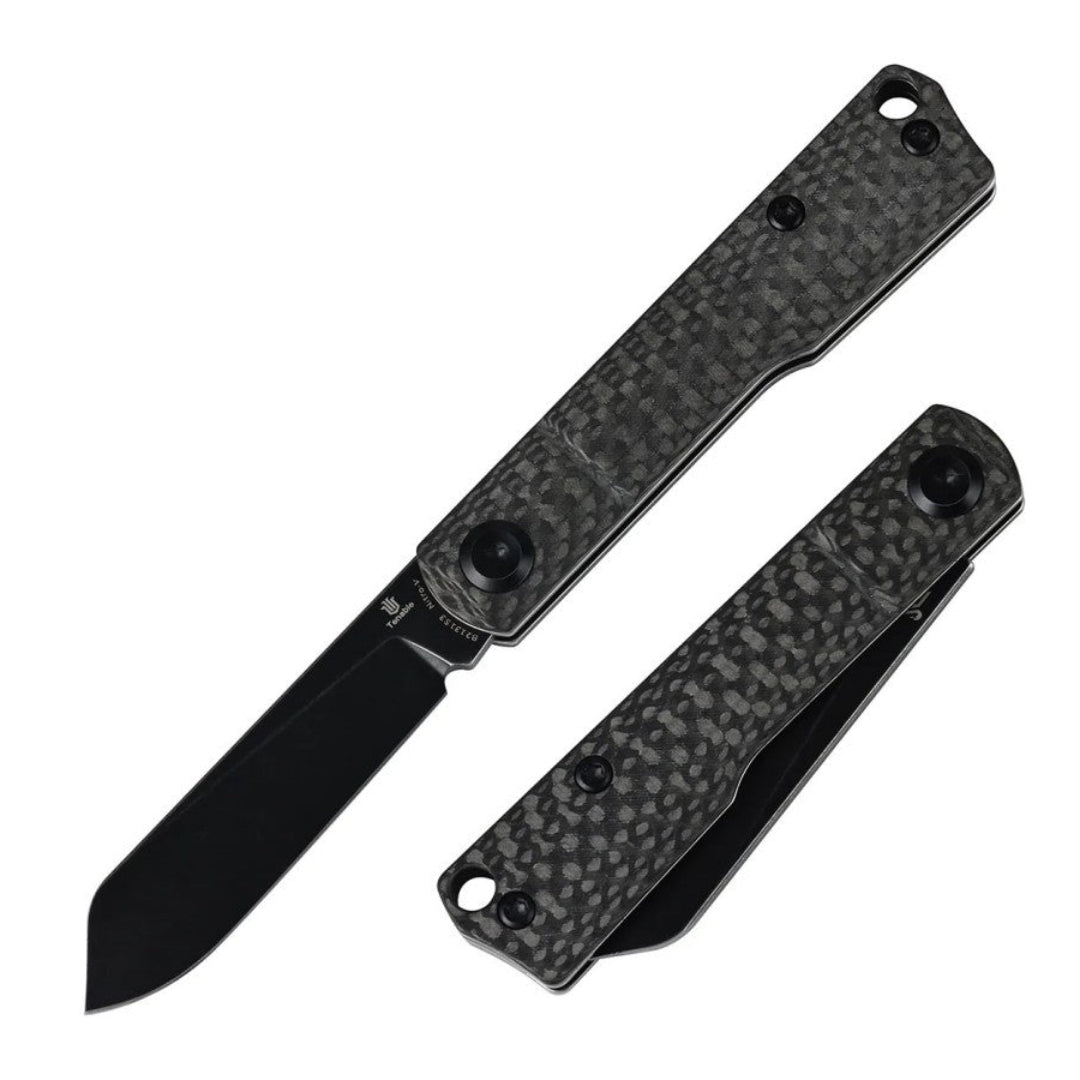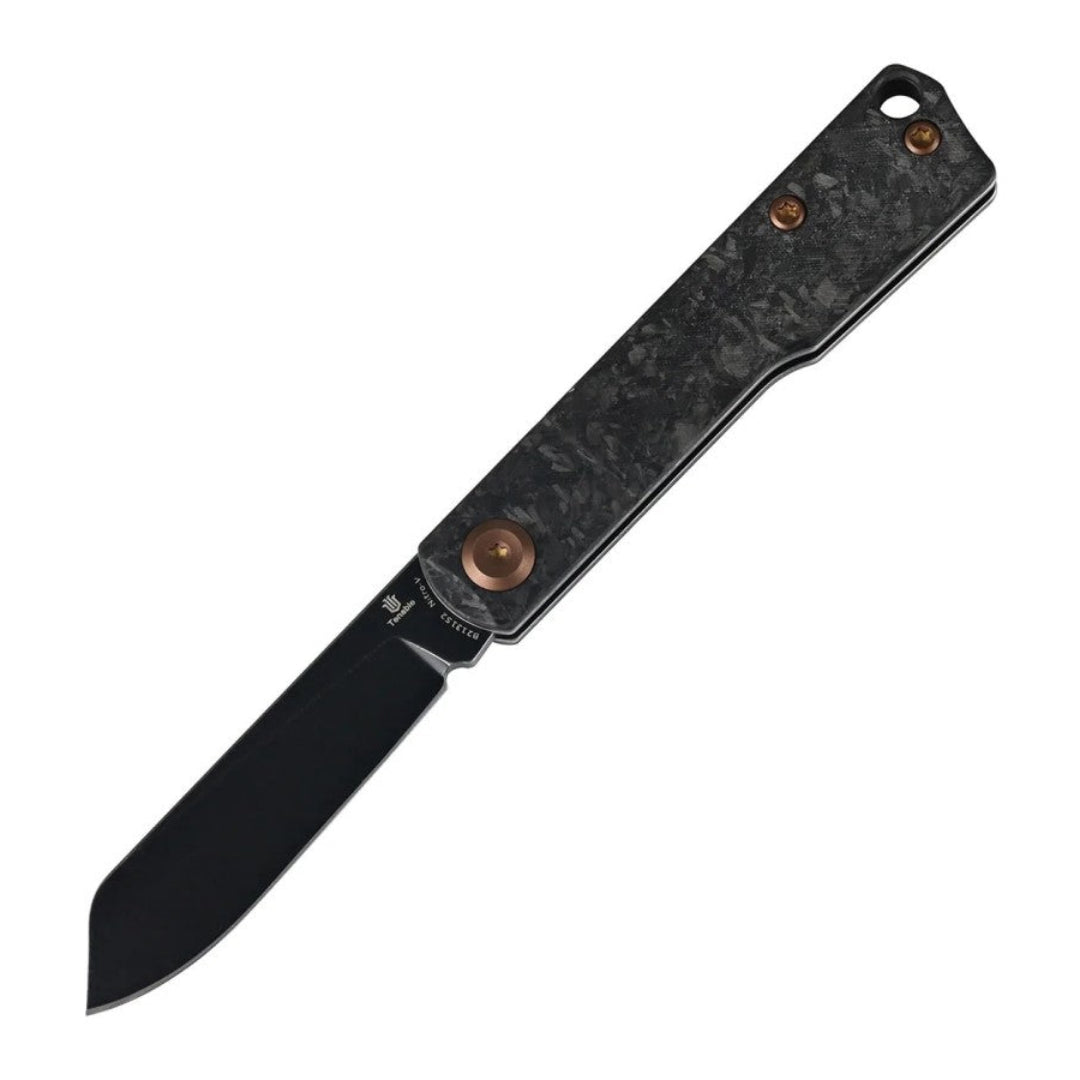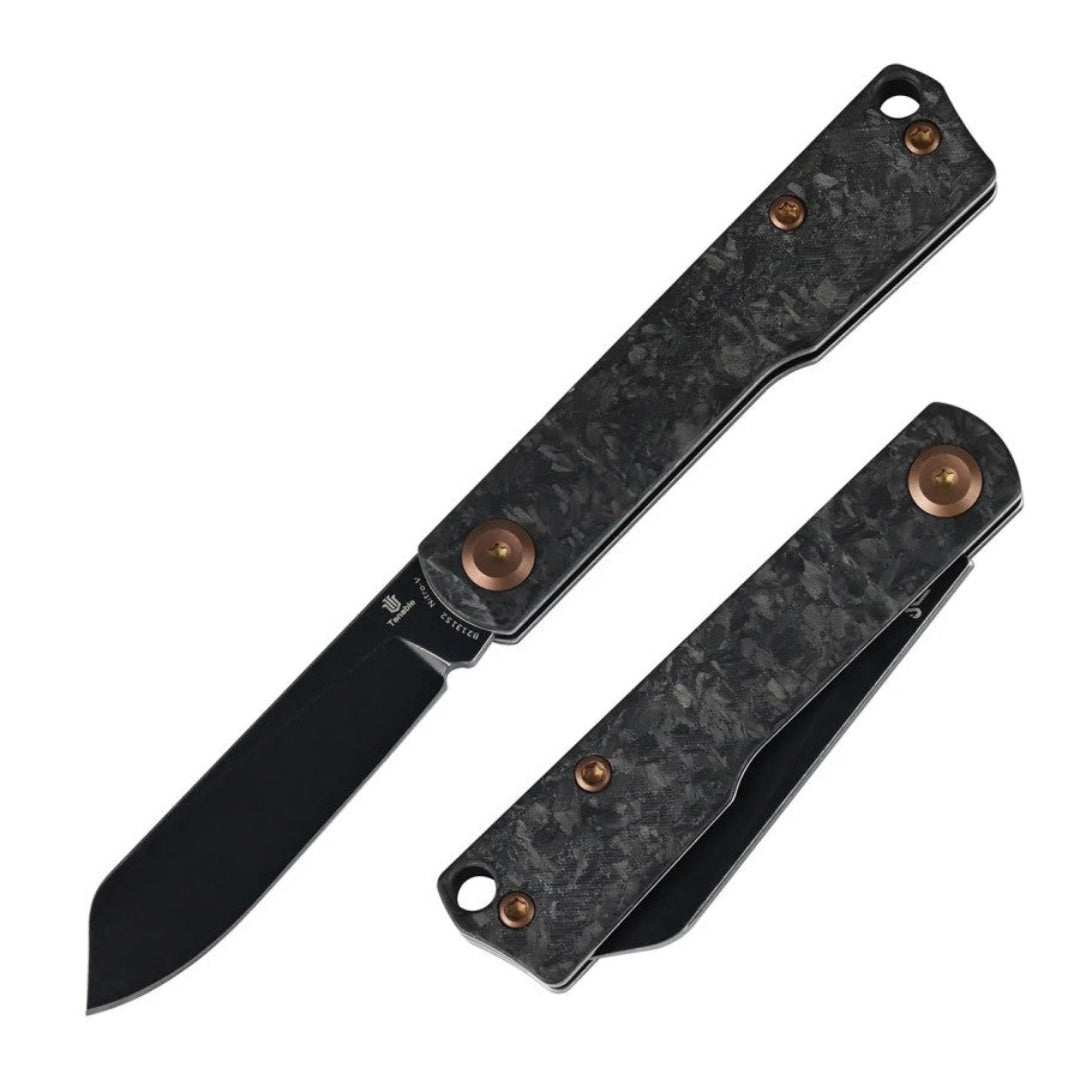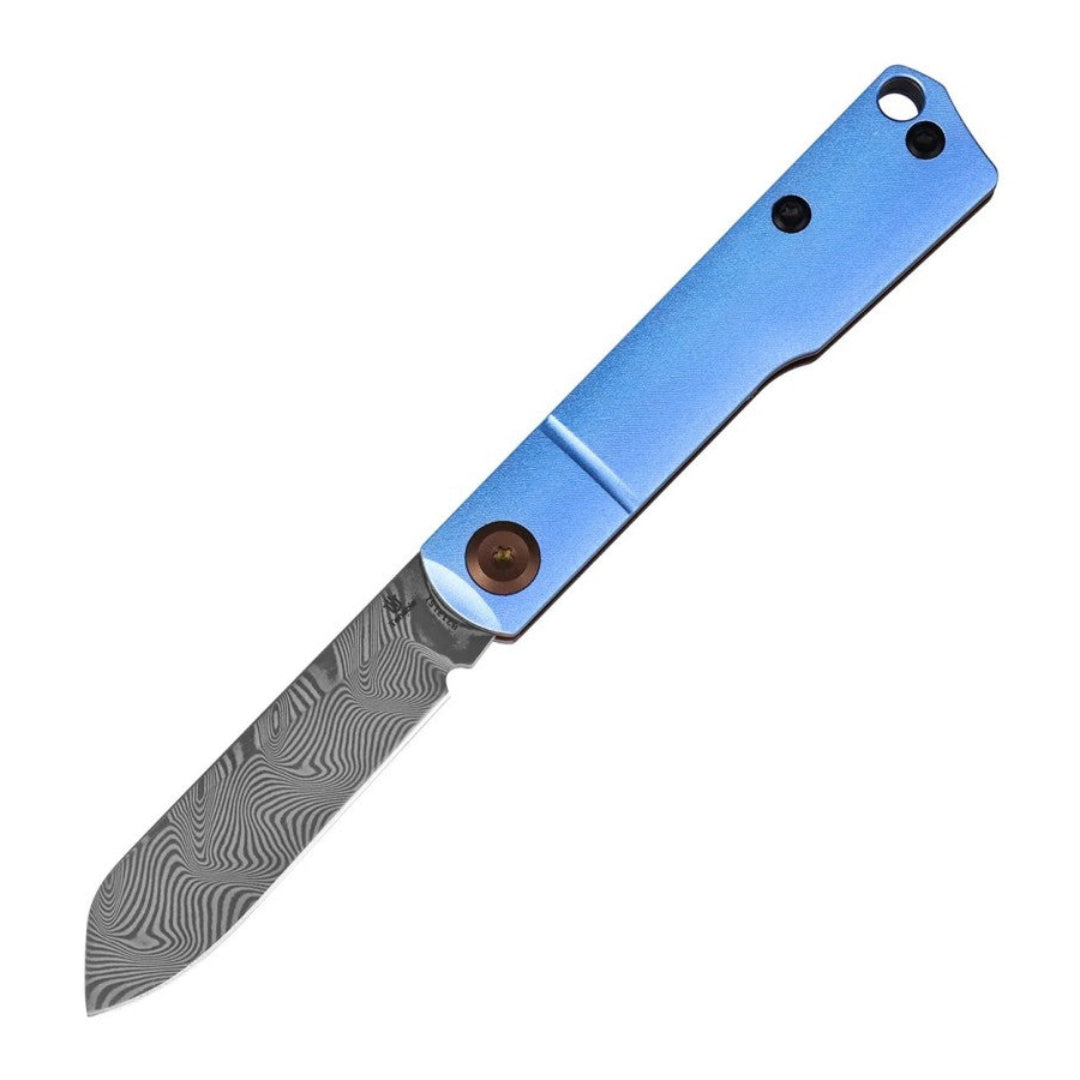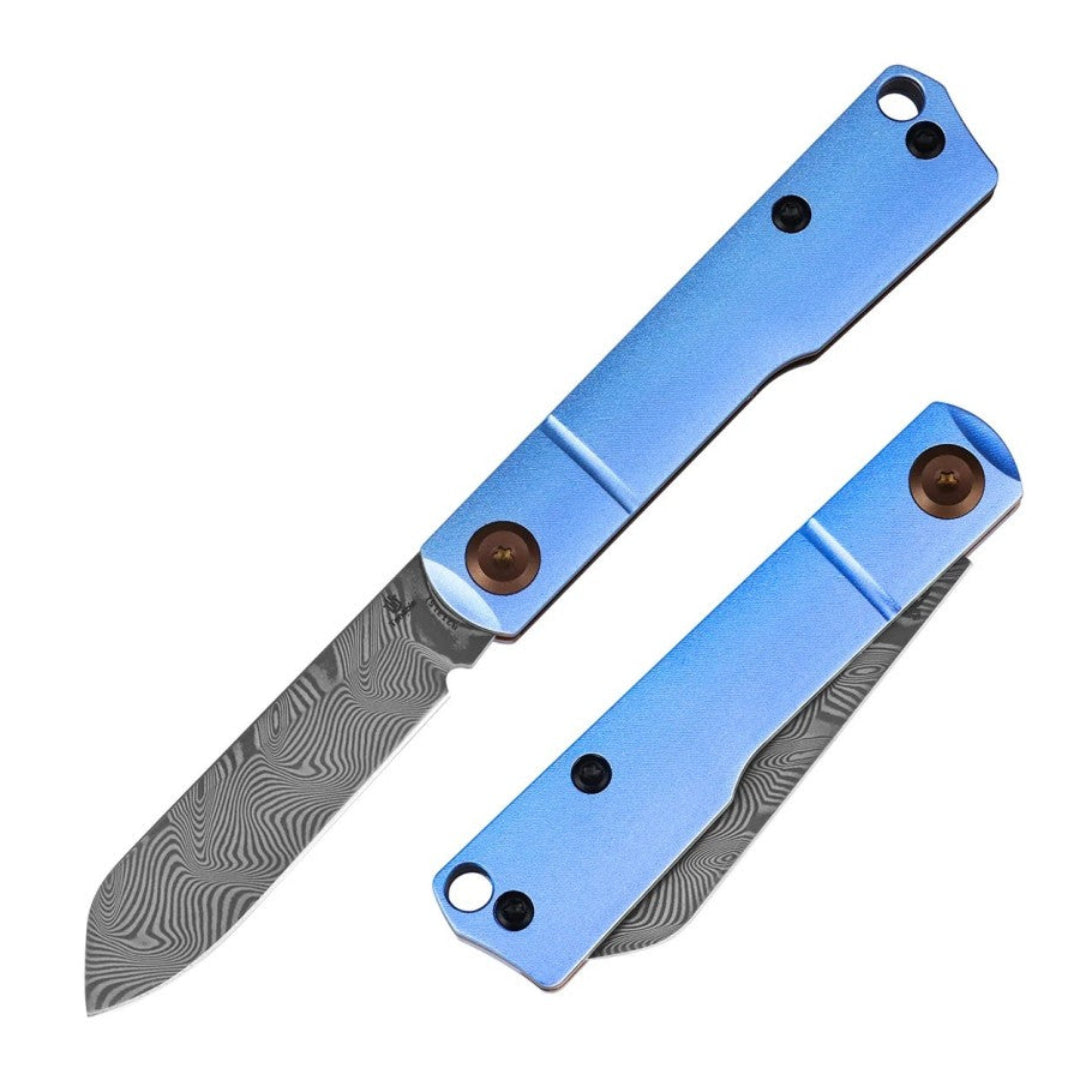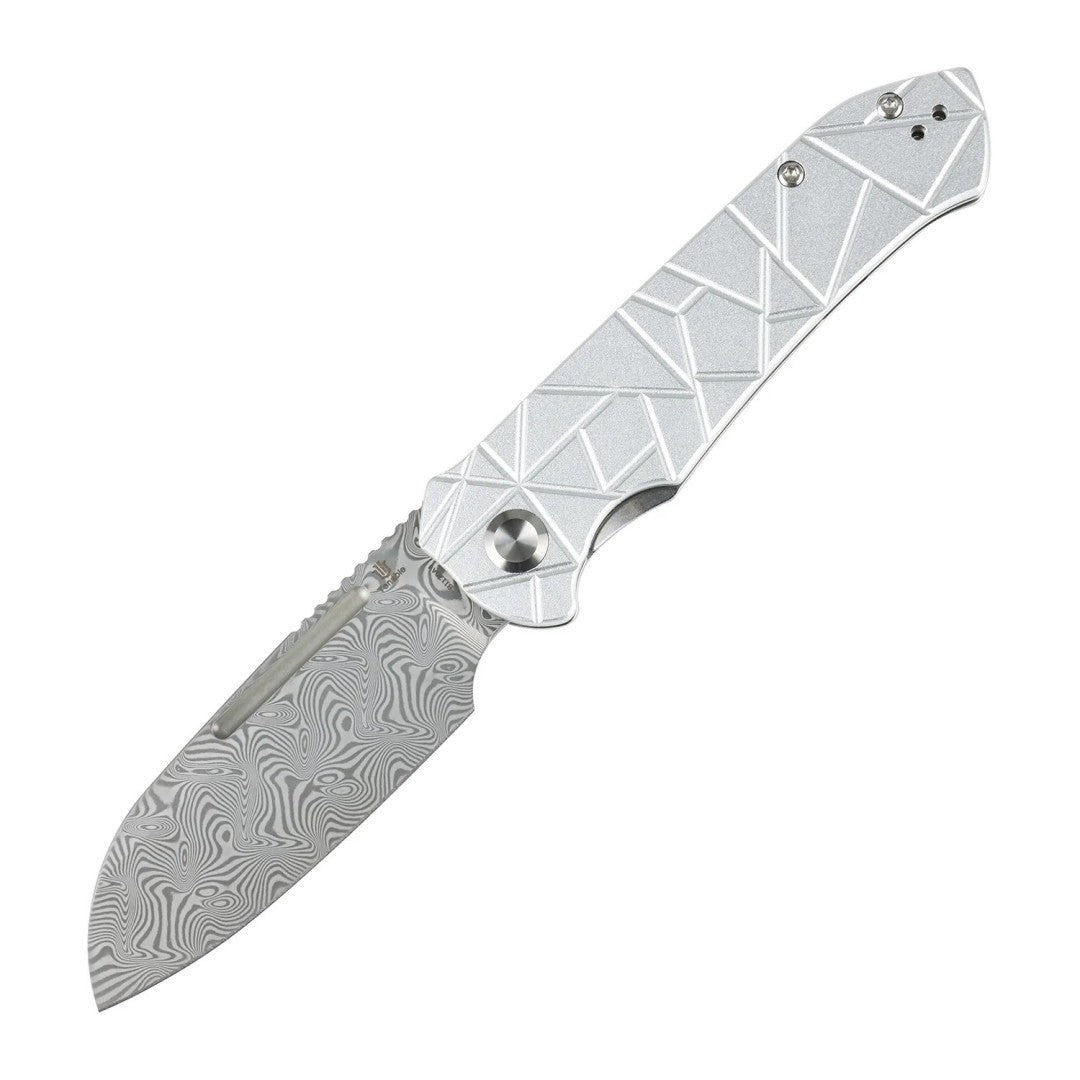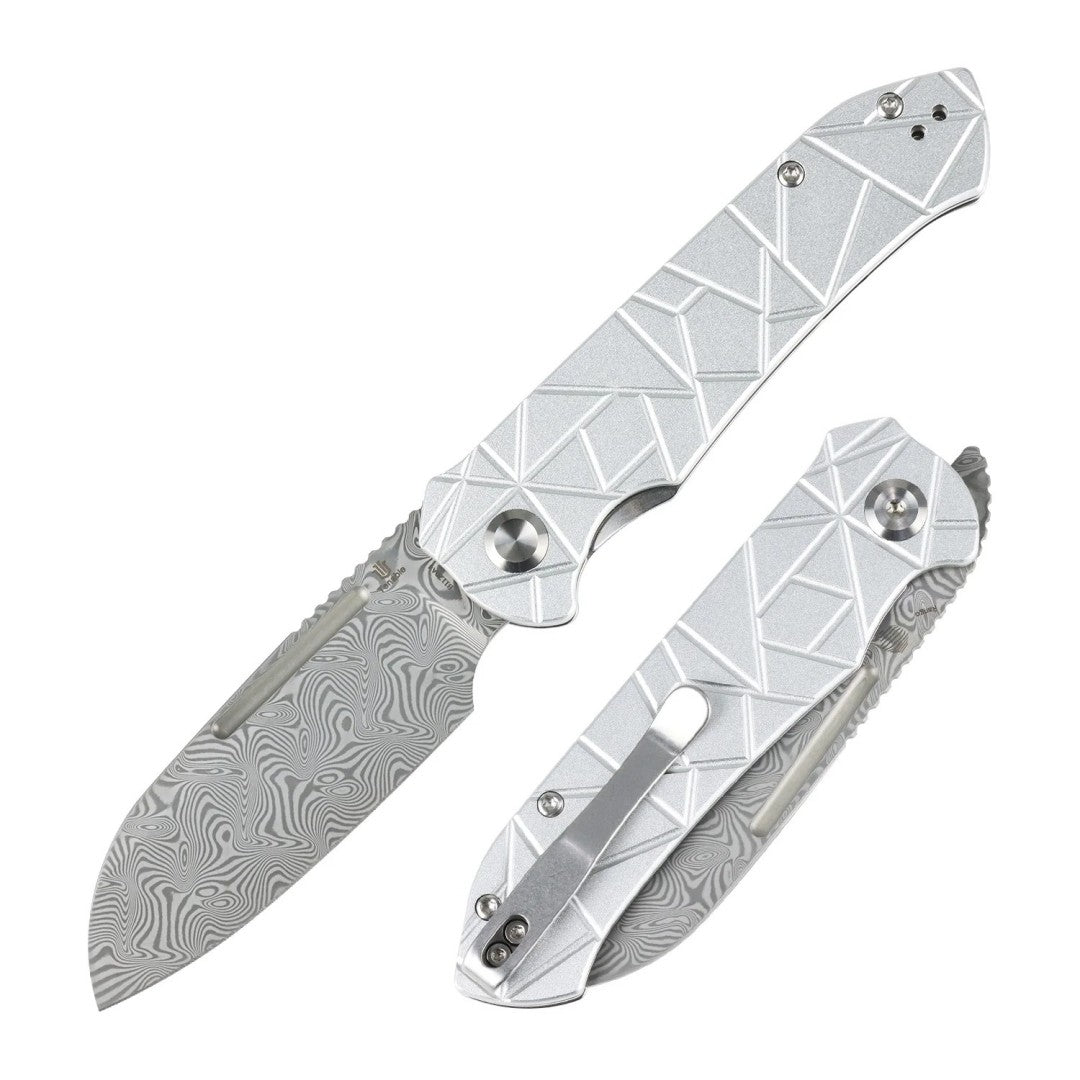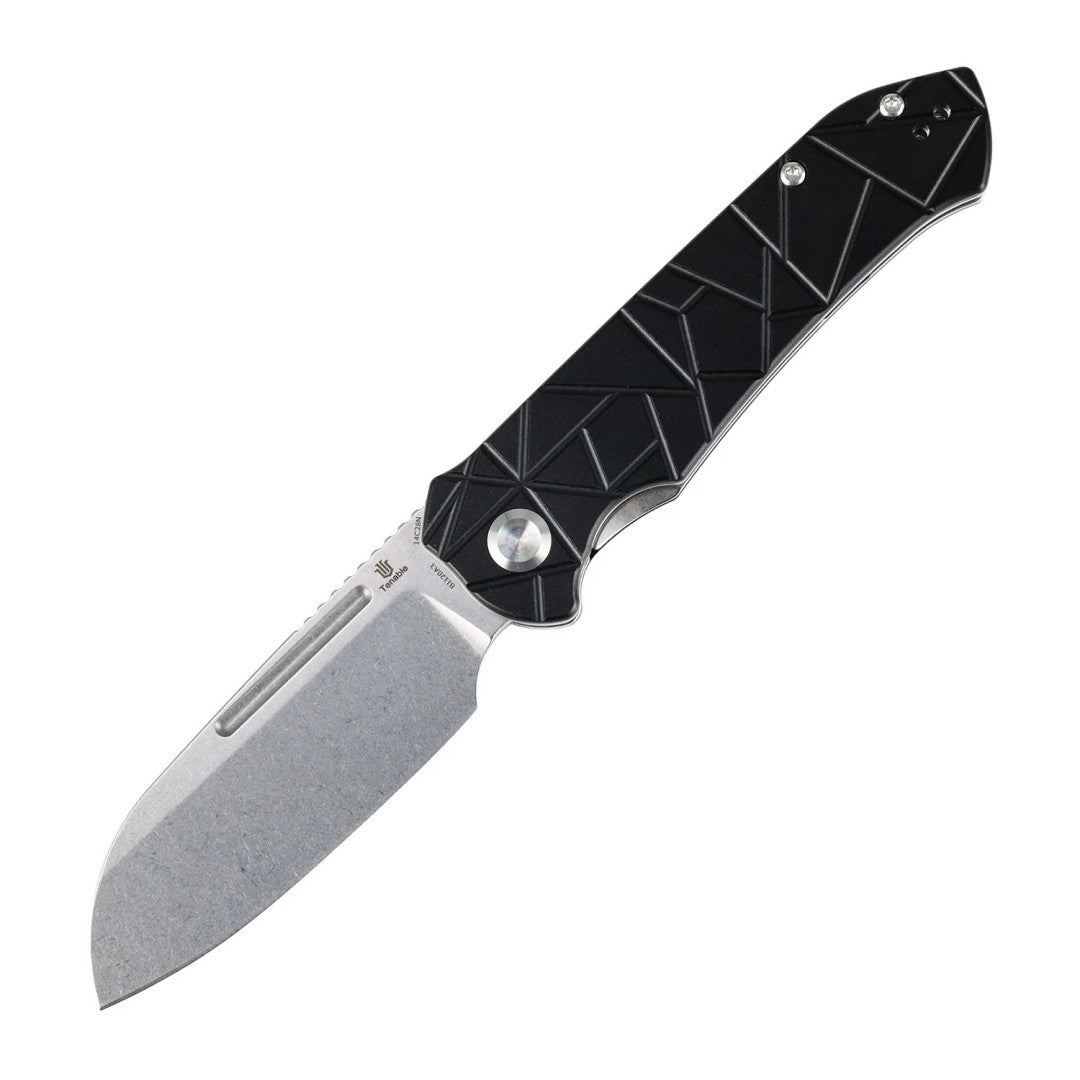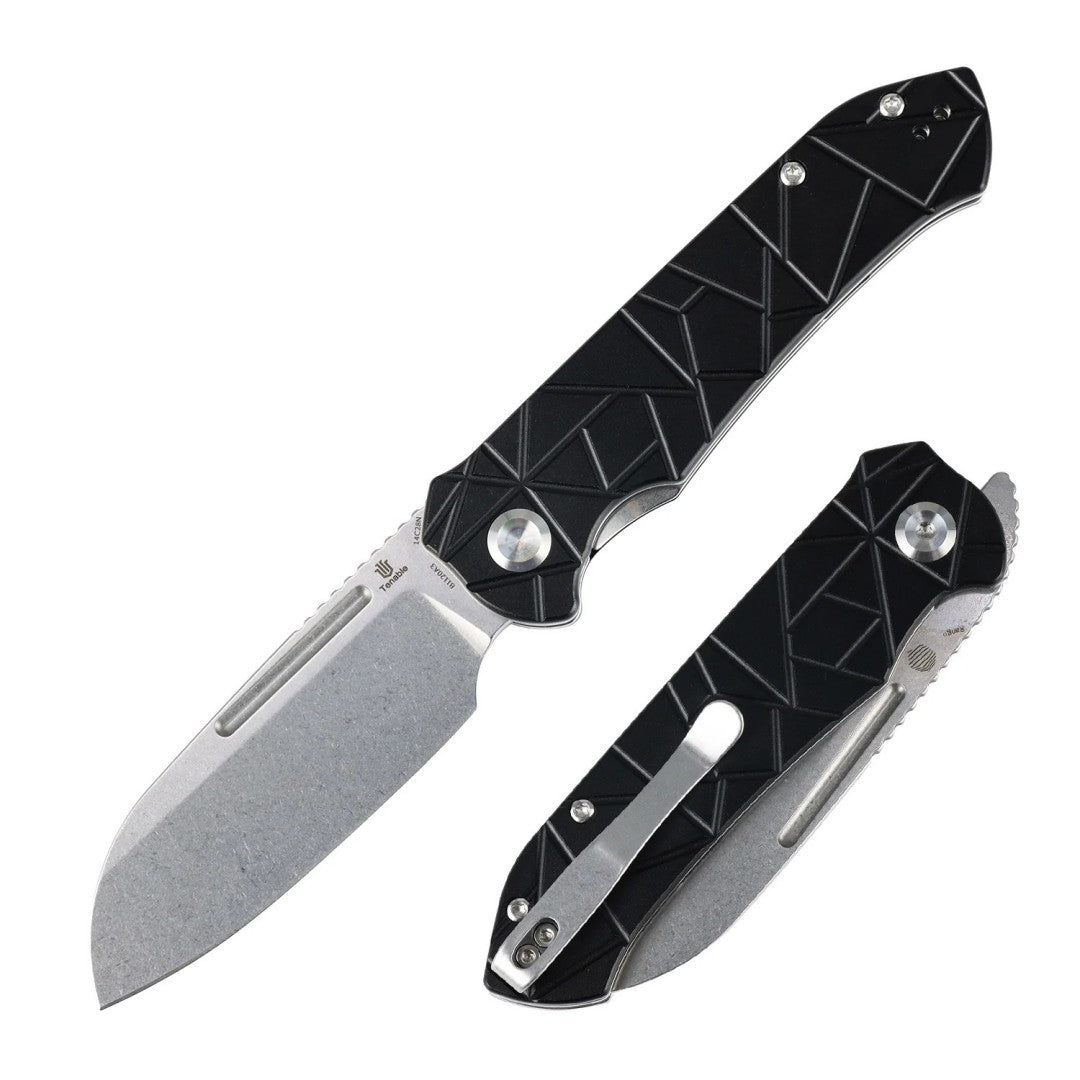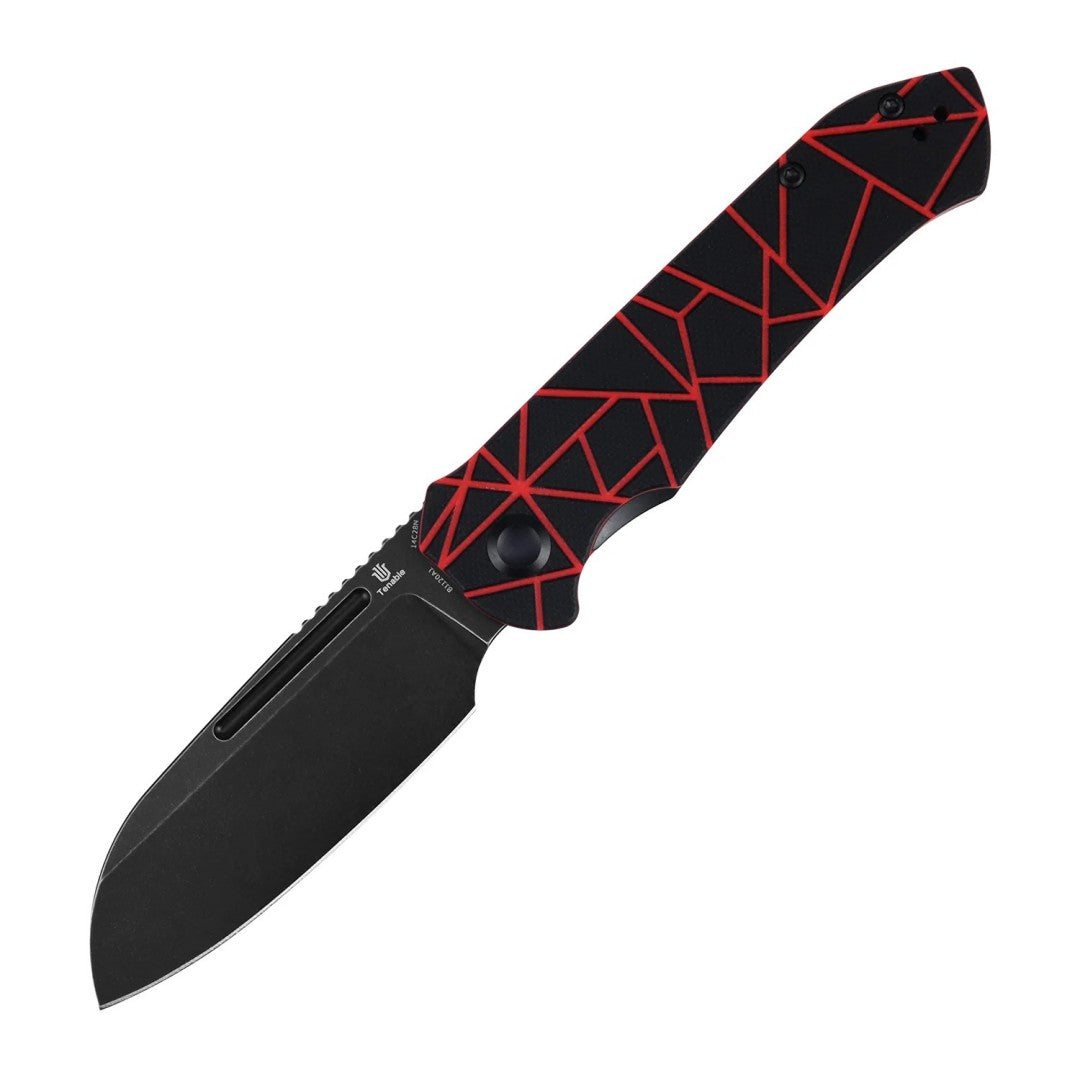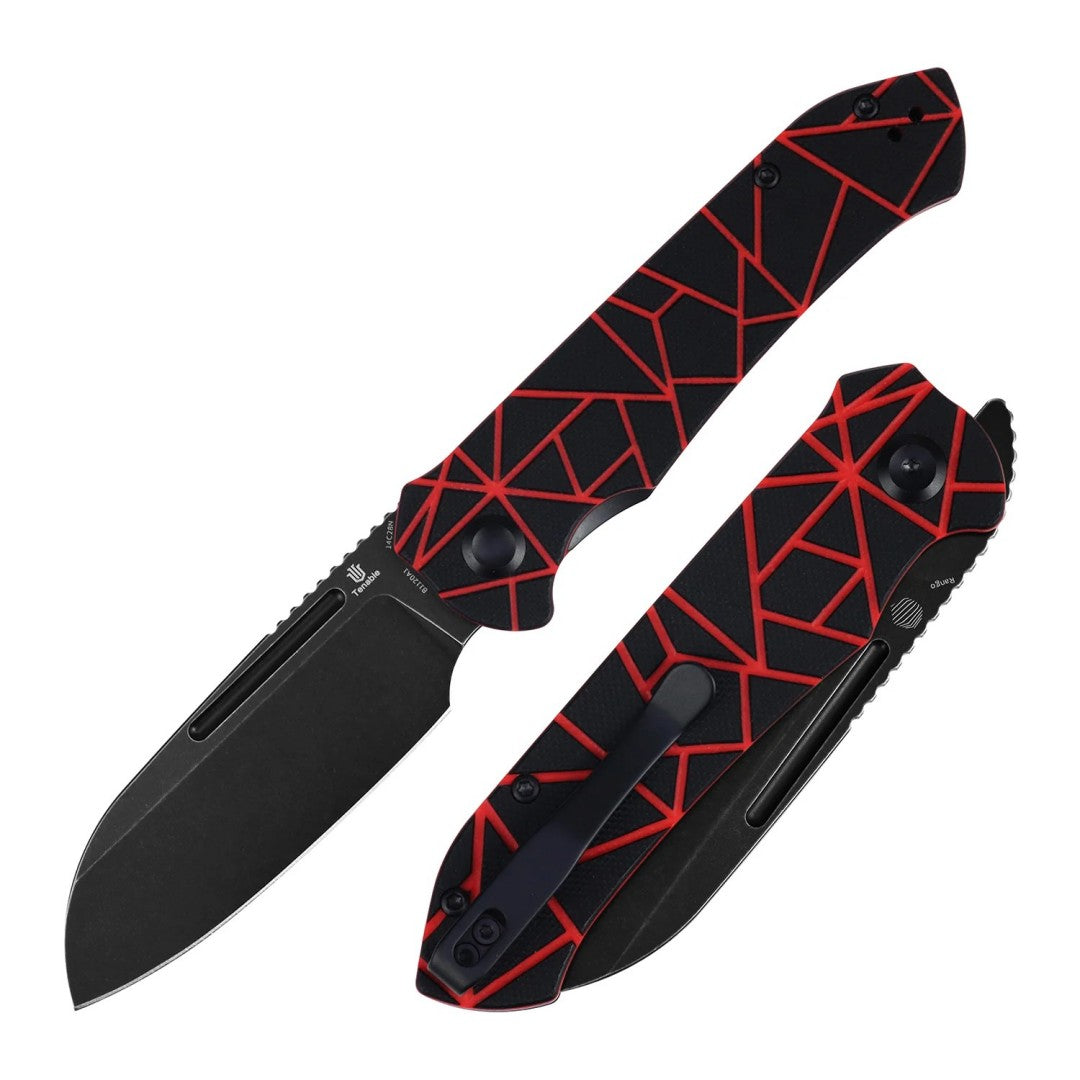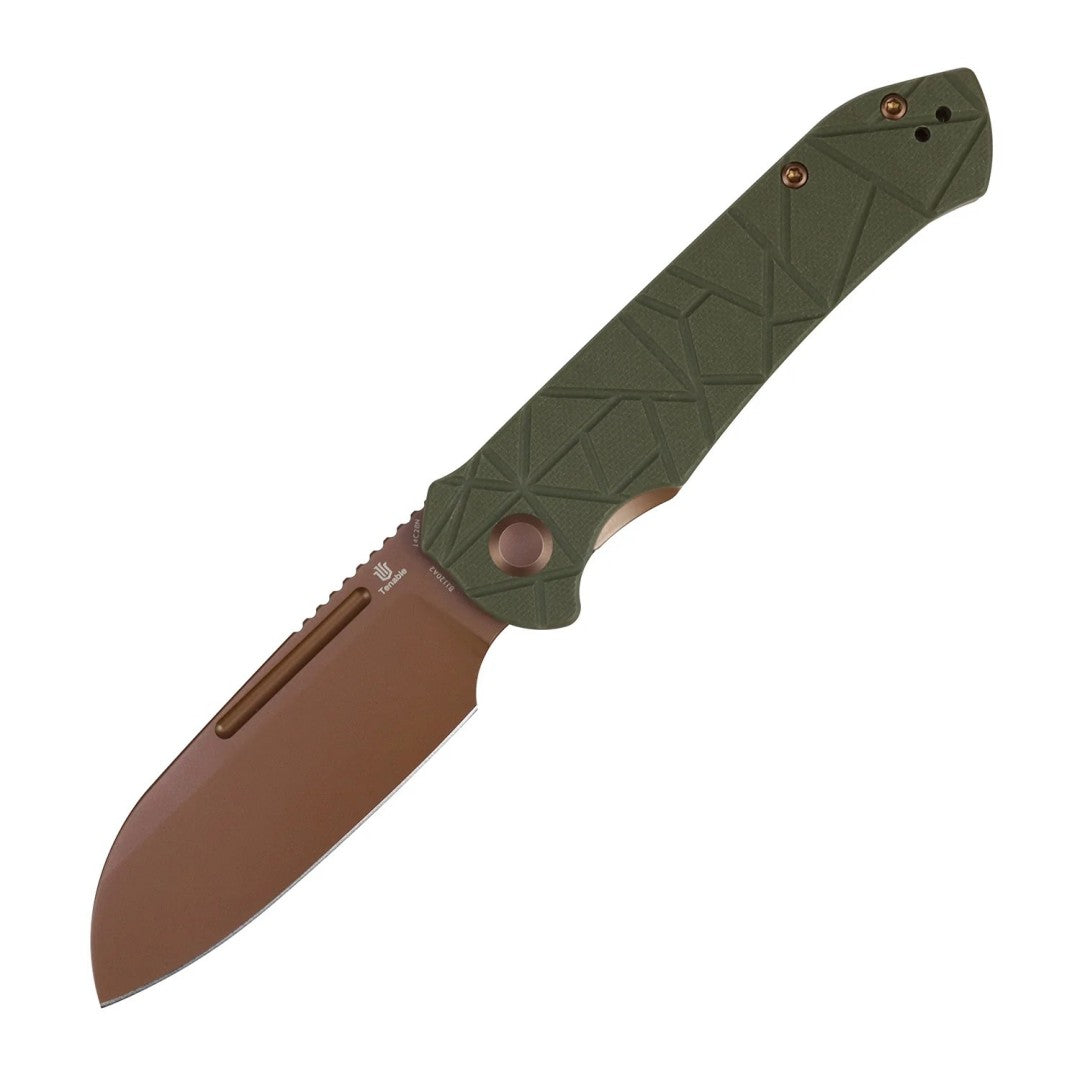


Overview & First Impressions
Electricians cut more different things in a single day than most trades do in a week: cable jacket, tape, drywall, carton, zip ties, insulation and the occasional length of rope. That mix punishes an edge in a specific way, because most of it is abrasive rather than tough. The right trade knife is a compromise between a blade that holds up to cardboard and one that can still be sharpened at the end of a shift without a bench full of stones.
Materials & Construction
D2 is a semi-stainless tool steel with high wear resistance, and it is remarkably good at what an electrician asks of it: it will slice through sheathed cable all week and still bite. It is not fully stainless, so it will spot if left wet in a van overnight, and it is stubborn on a stone, which is the price of that wear resistance. Micarta handles are the practical pick because they grip well with sweaty or dusty hands and they do not care about temperature.

Design & Details
Blade shape matters more than length. A drop point or a slightly recurved clip point works for stripping because the belly gives you a place to bear down without the tip wandering. A liner lock is easy to operate one-handed while holding a wire in the other, and it is simple enough to clear of drywall dust. Skip thin, hollow-ground dress blades entirely; they chip on contact with a metal stud box.
Real-World Use
The habit that protects both knife and hand is separation: never use your good folding knives as a scraper or a screwdriver. Carry a beater or a dedicated insulated driver for prying, and keep the blade for cutting. Practically, that means a knife with a strong detent, a solid lock and a handle long enough to fill your palm while you are wearing gloves.

Ownership Notes
Maintenance on a trade knife is short and unglamorous. Wipe the blade at the end of the day, blow out the pivot, and re-oil lightly. Do not store it in a damp van toolbox without a sleeve, and never leave it where the blade can be knocked open. Trade knives die from neglect far more often than from hard use. A working blade in D2 steel will keep cutting through a full day of cable and cardboard, but it rewards the owner who wipes it down before the van cools off. Electricians who compare folding knives across brands usually end up prioritizing lock strength over blade length, and the same is true of anyone who carries EDC knives in a belt pouch rather than a pocket.

Who Is This For?
This is aimed at electricians, low-voltage installers, solar and security techs, and anyone whose day involves cable. It also fits general contractors who want one knife that handles cardboard and tape without complaint. If you work near live conductors, remember that no folding knife is an insulated tool.
Final Verdict
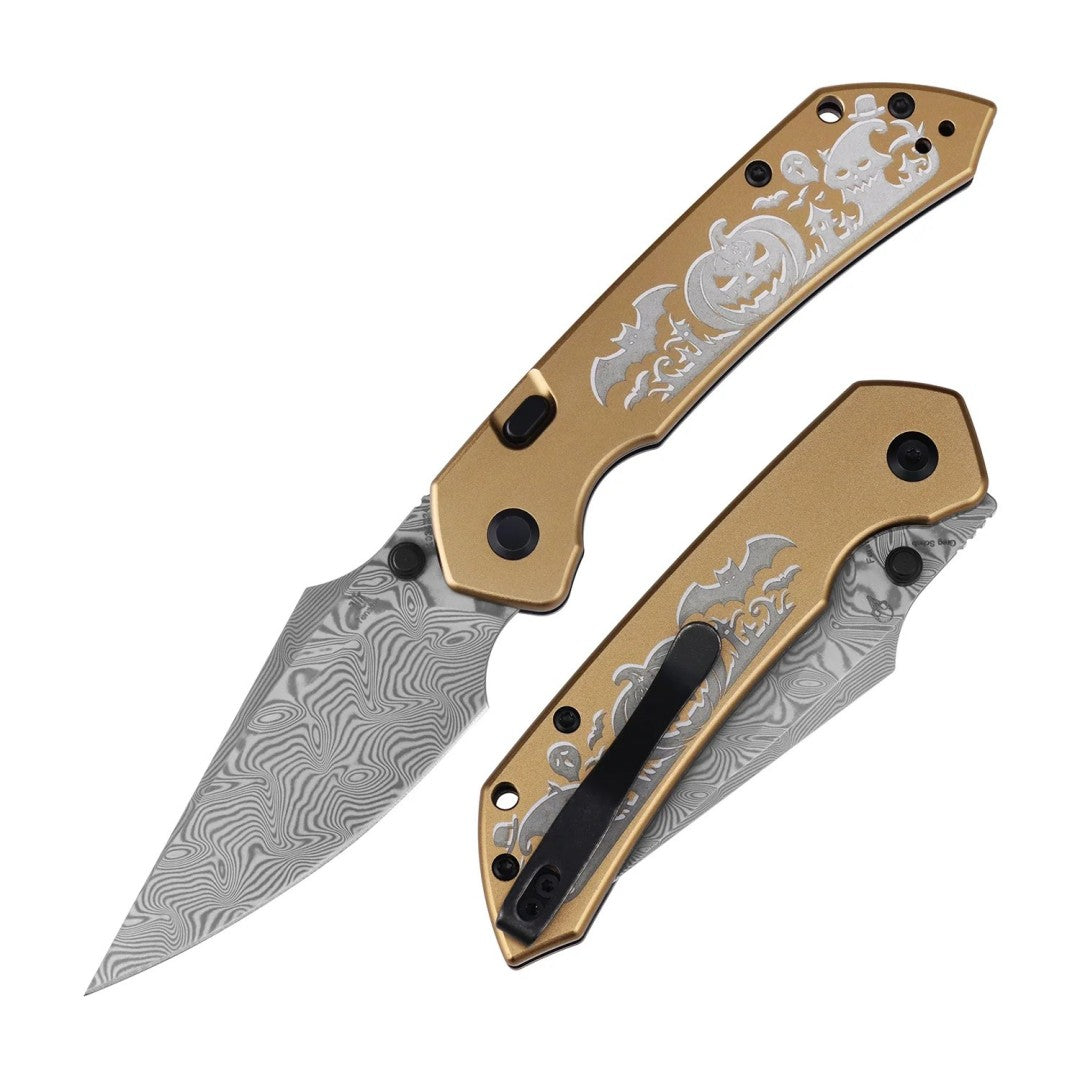
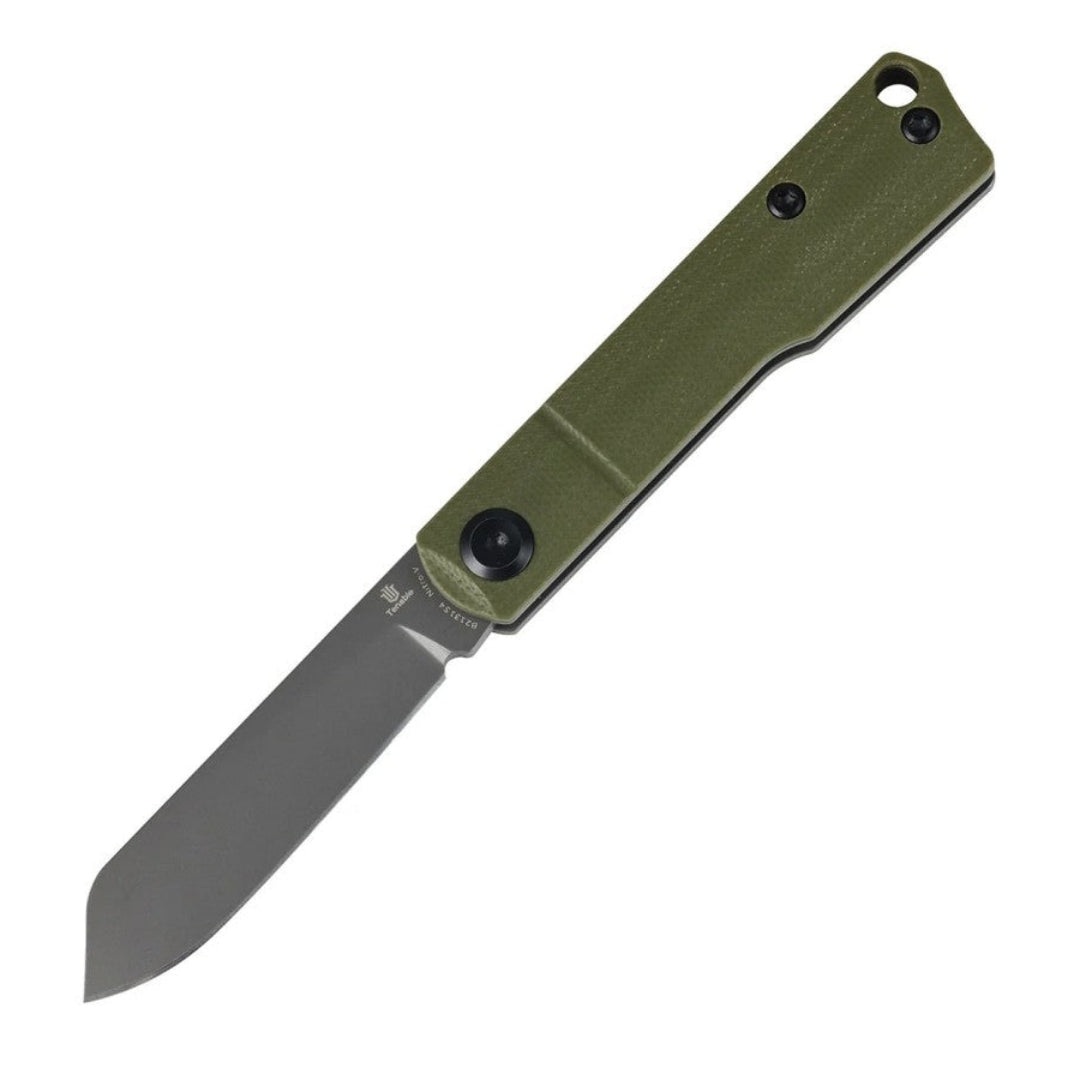
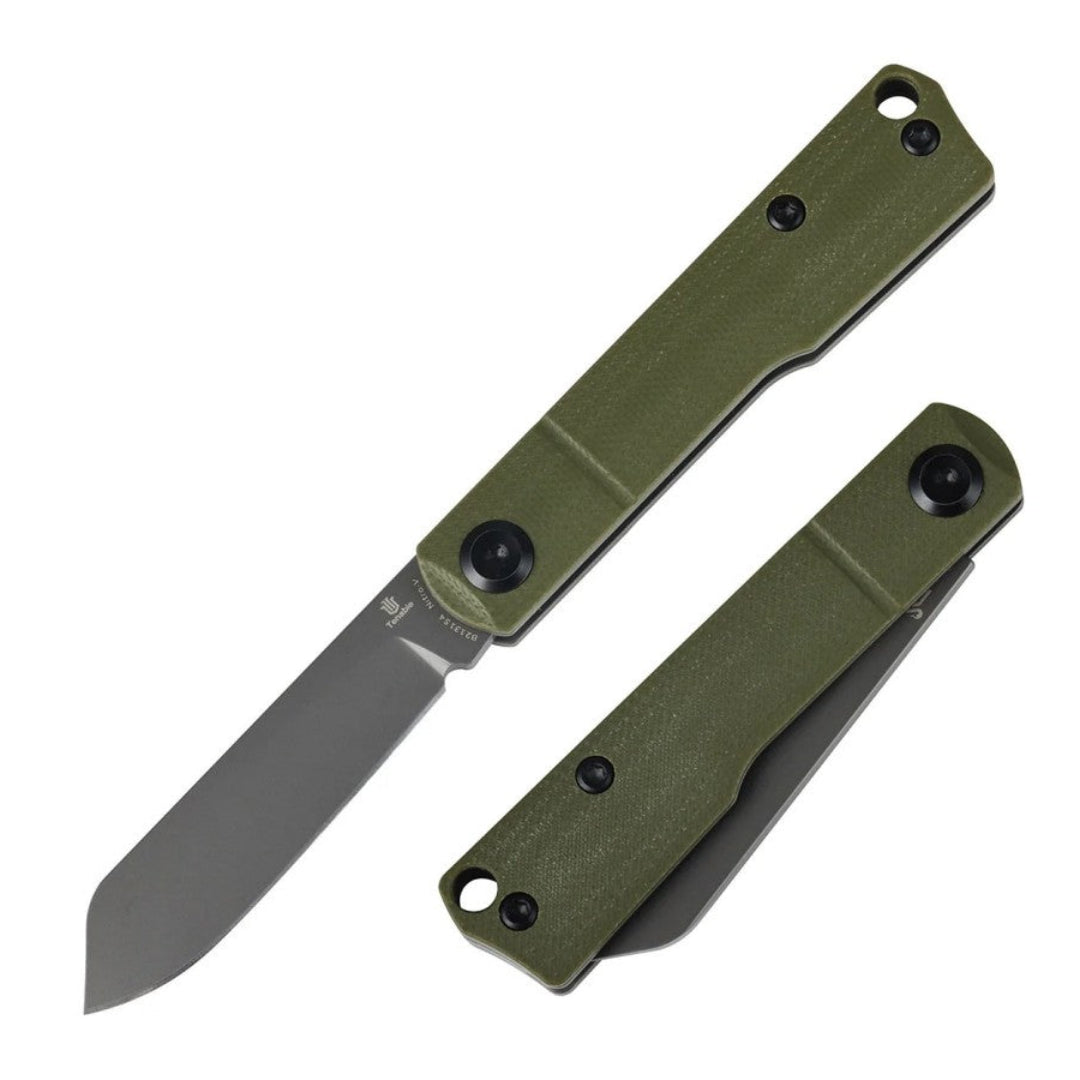
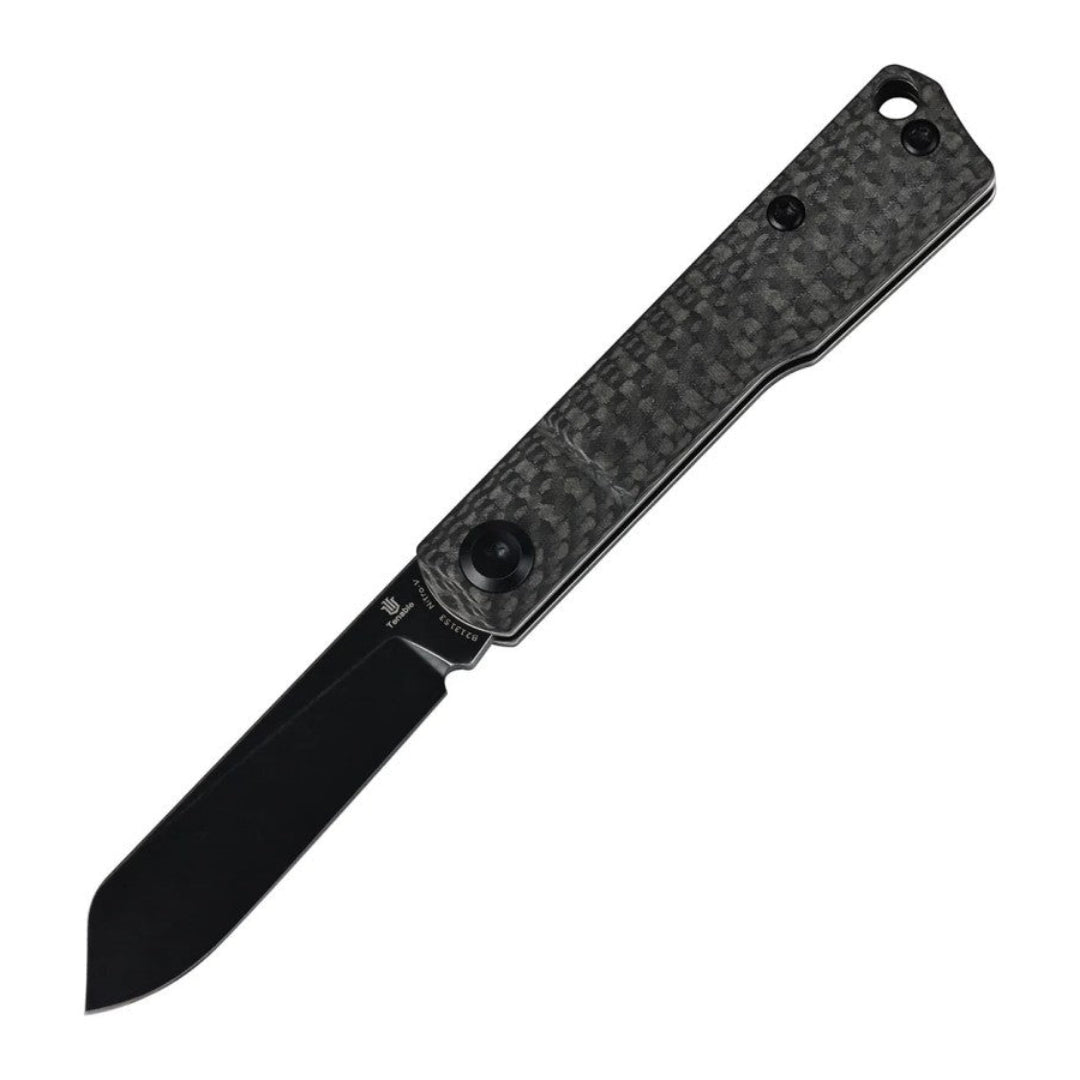
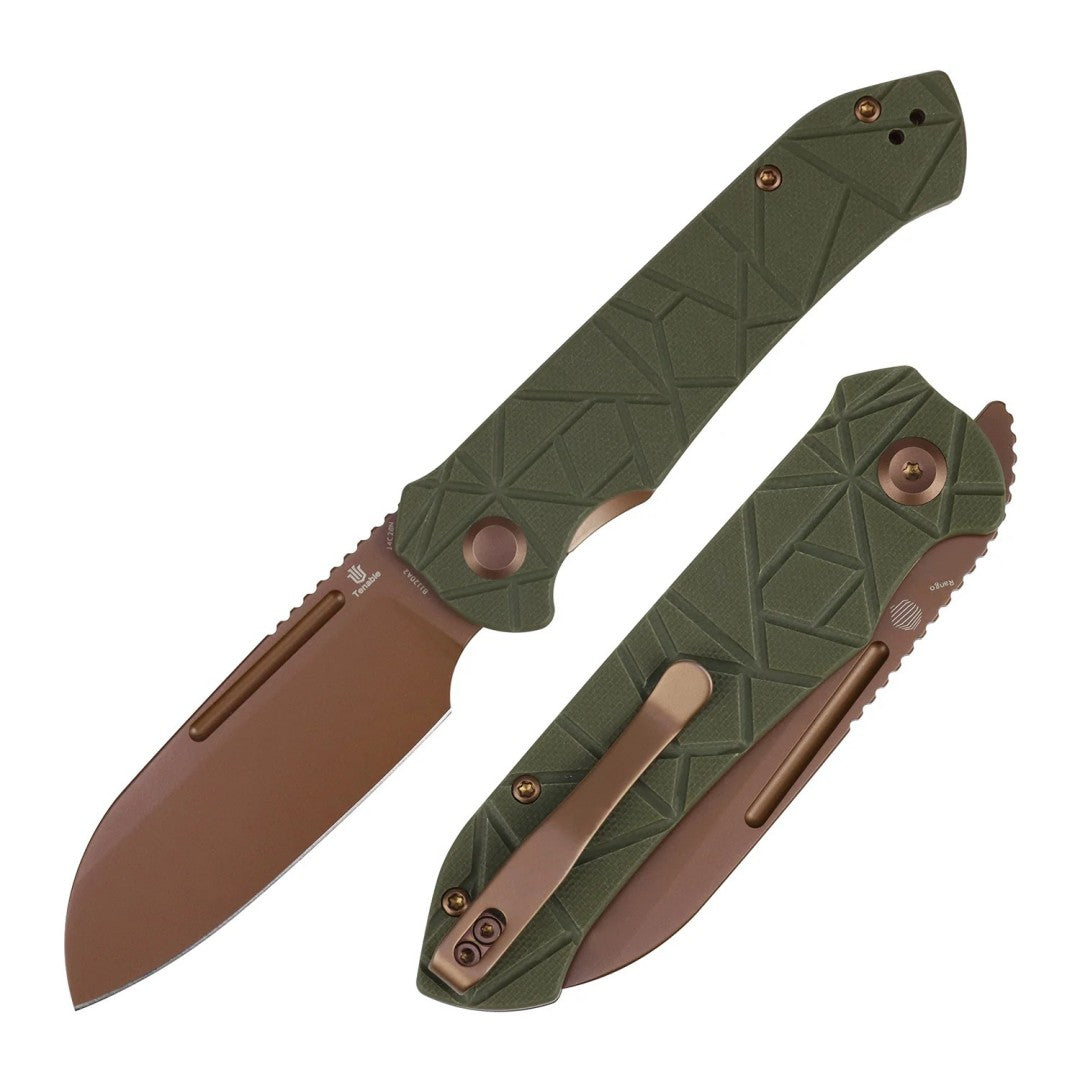
Buy for abrasion resistance and grip, keep the blade for cutting only, and your knife will outlast three cheap replacements. The Tenable Leviathan in D2 with micarta scales is a sensible working answer. You can compare handle materials across the Tenable knives range at EdcMall.
Shop the Tenable Leviathan B1083A4 D2 Micarta Liner Lock at EdcMall