

Overview & First Impressions
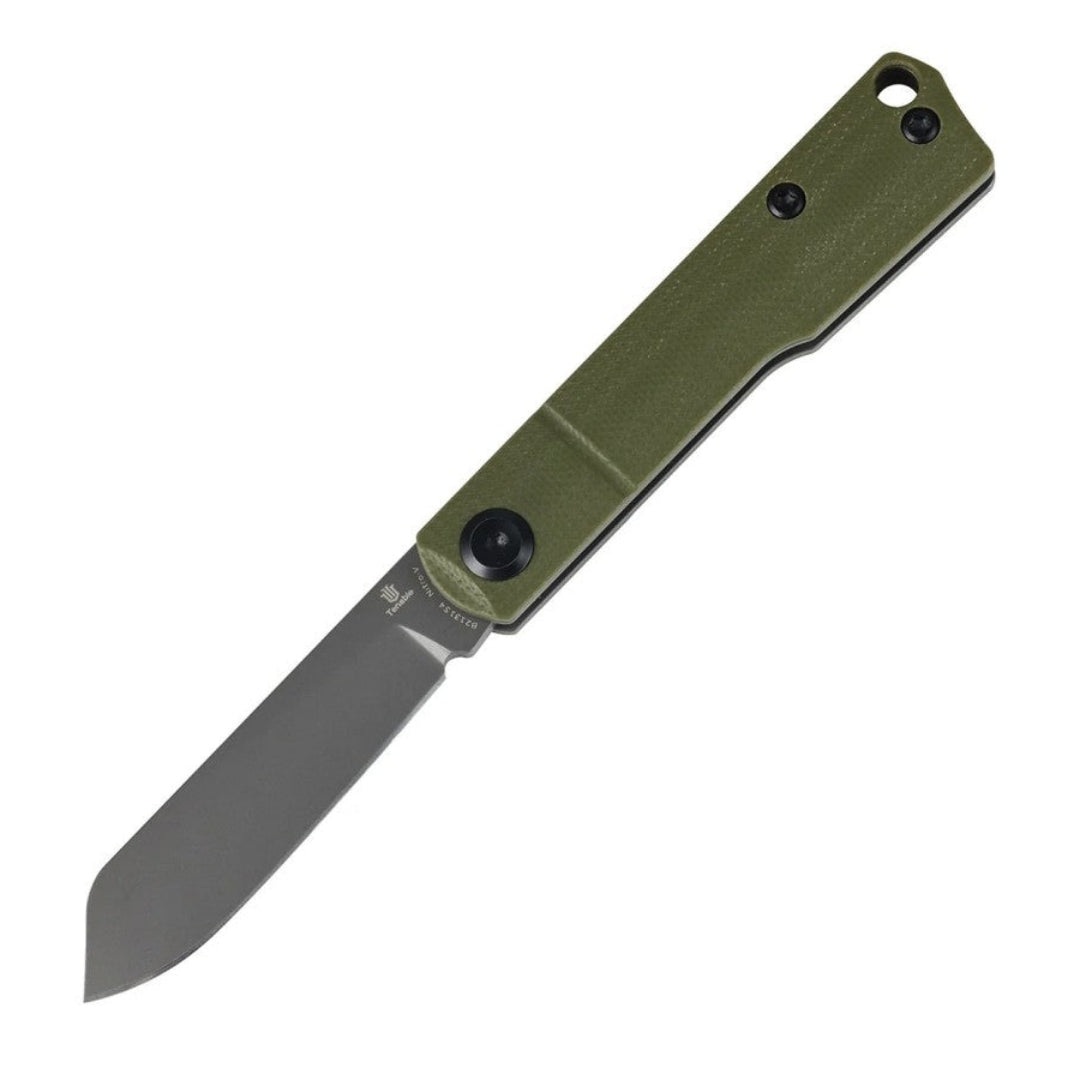
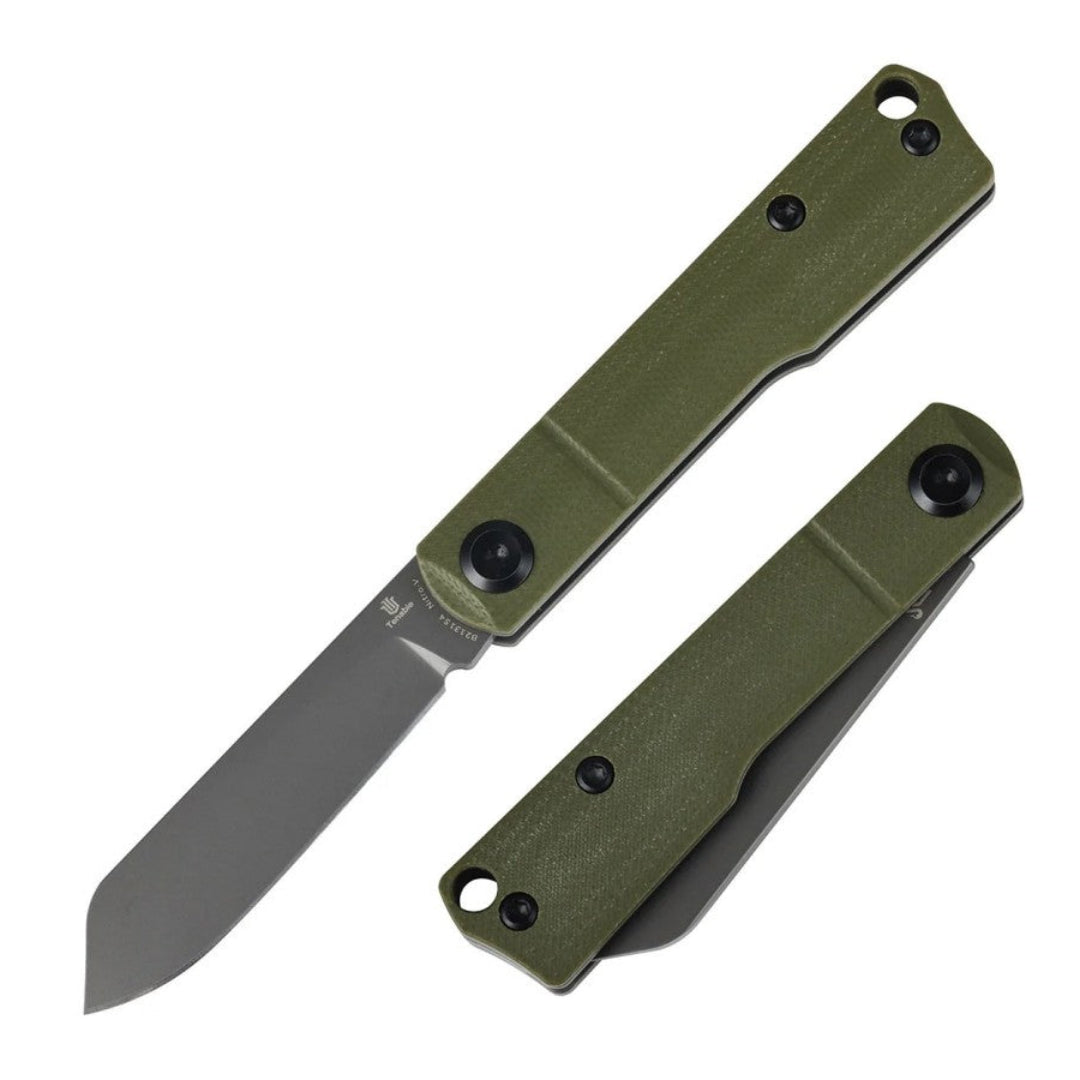
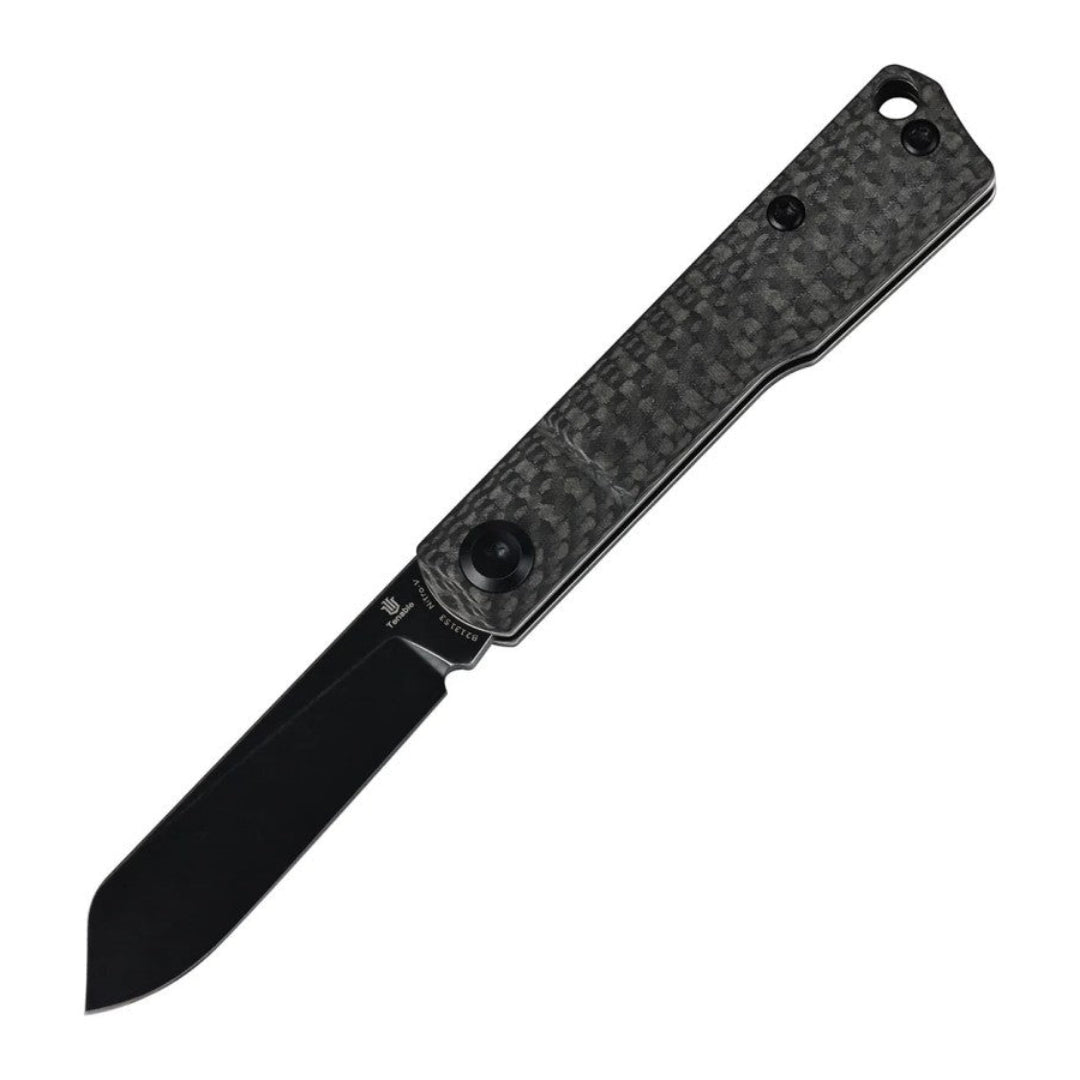
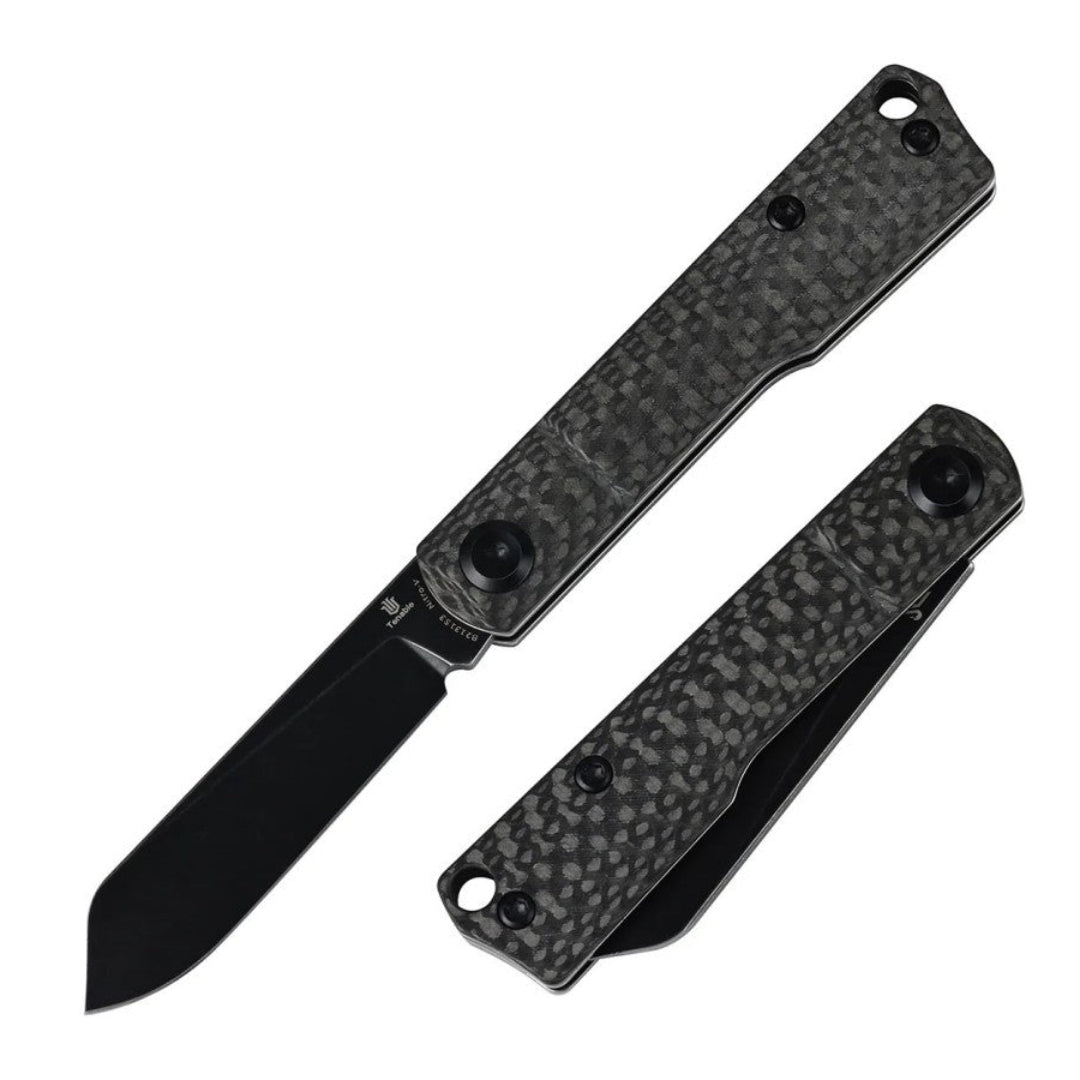
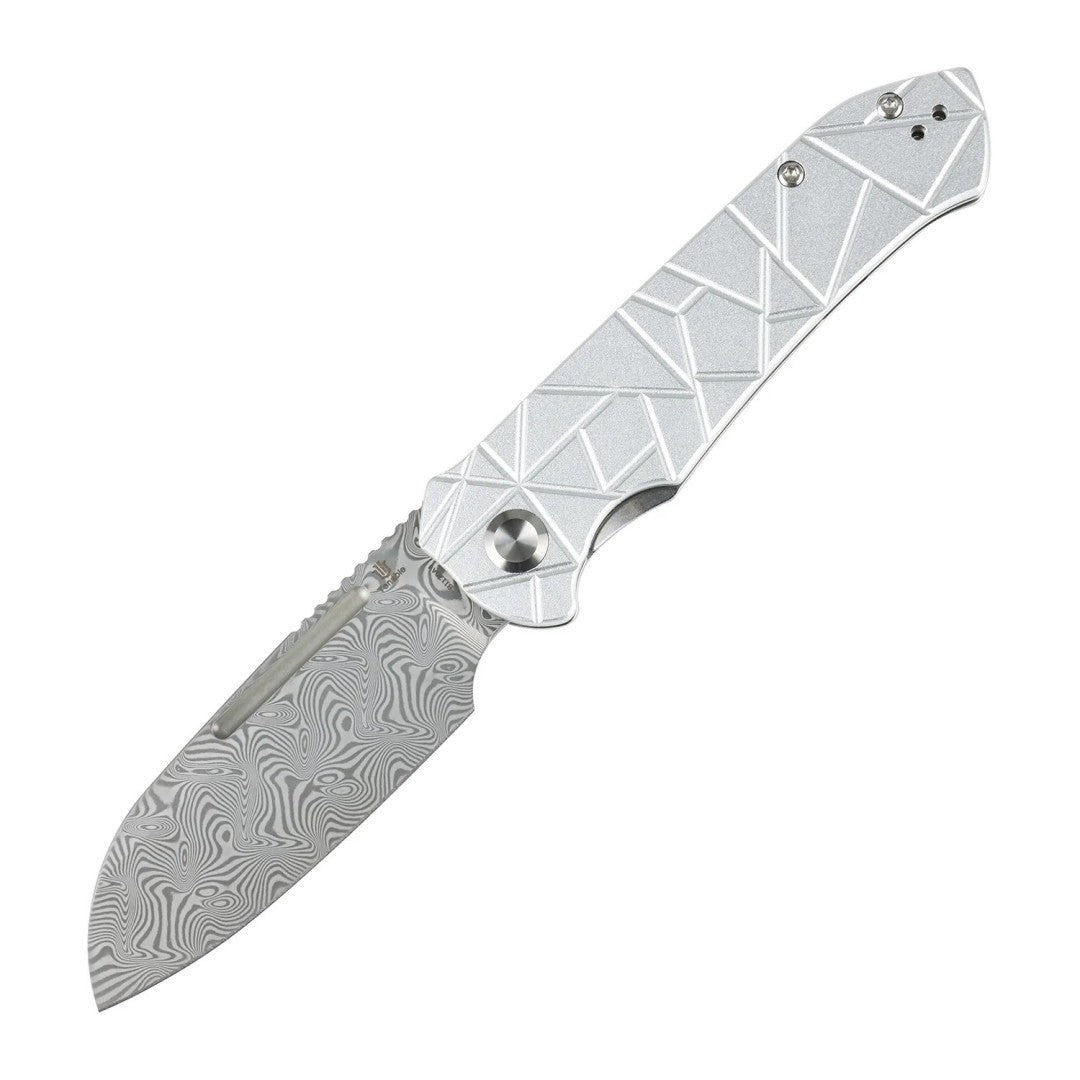
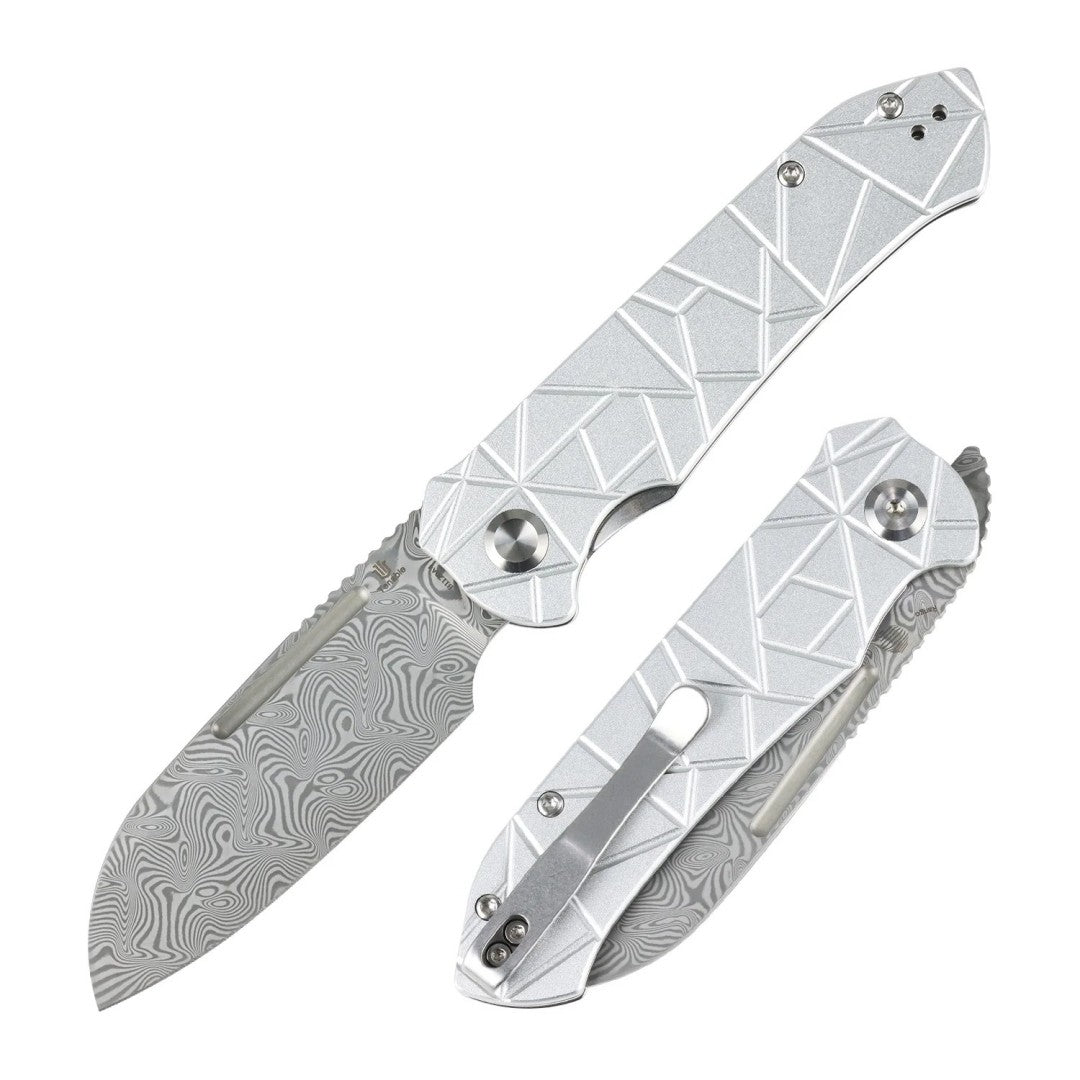
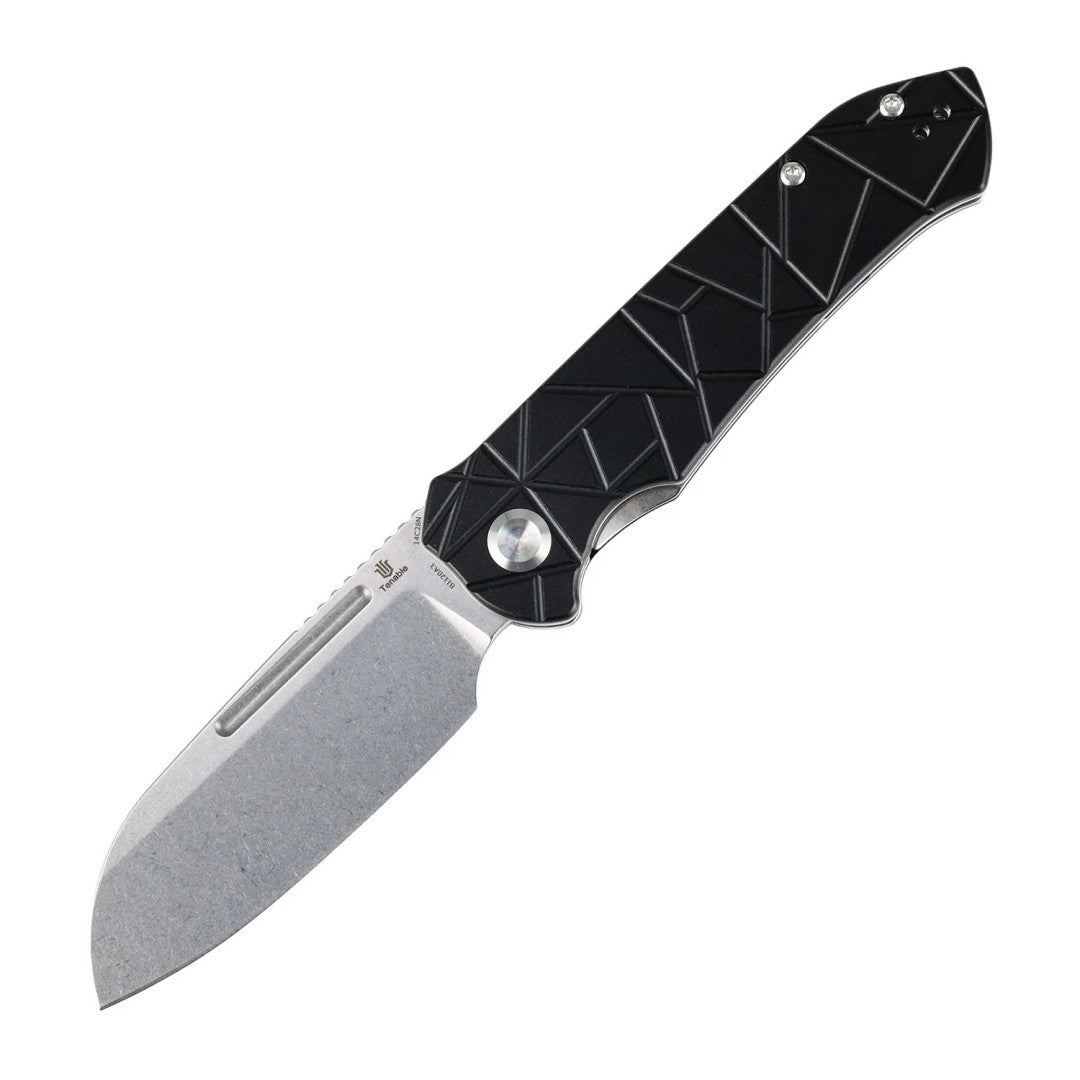
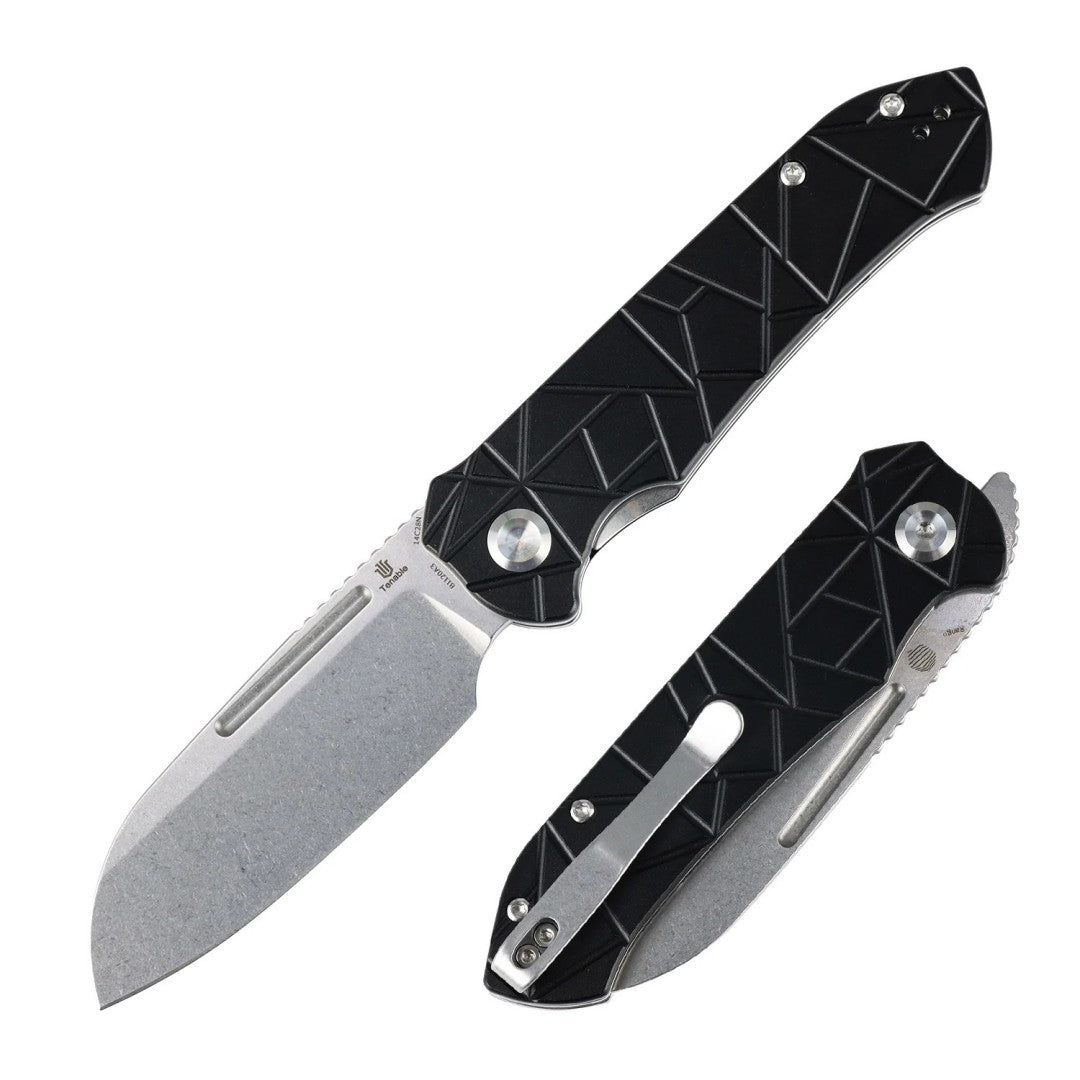
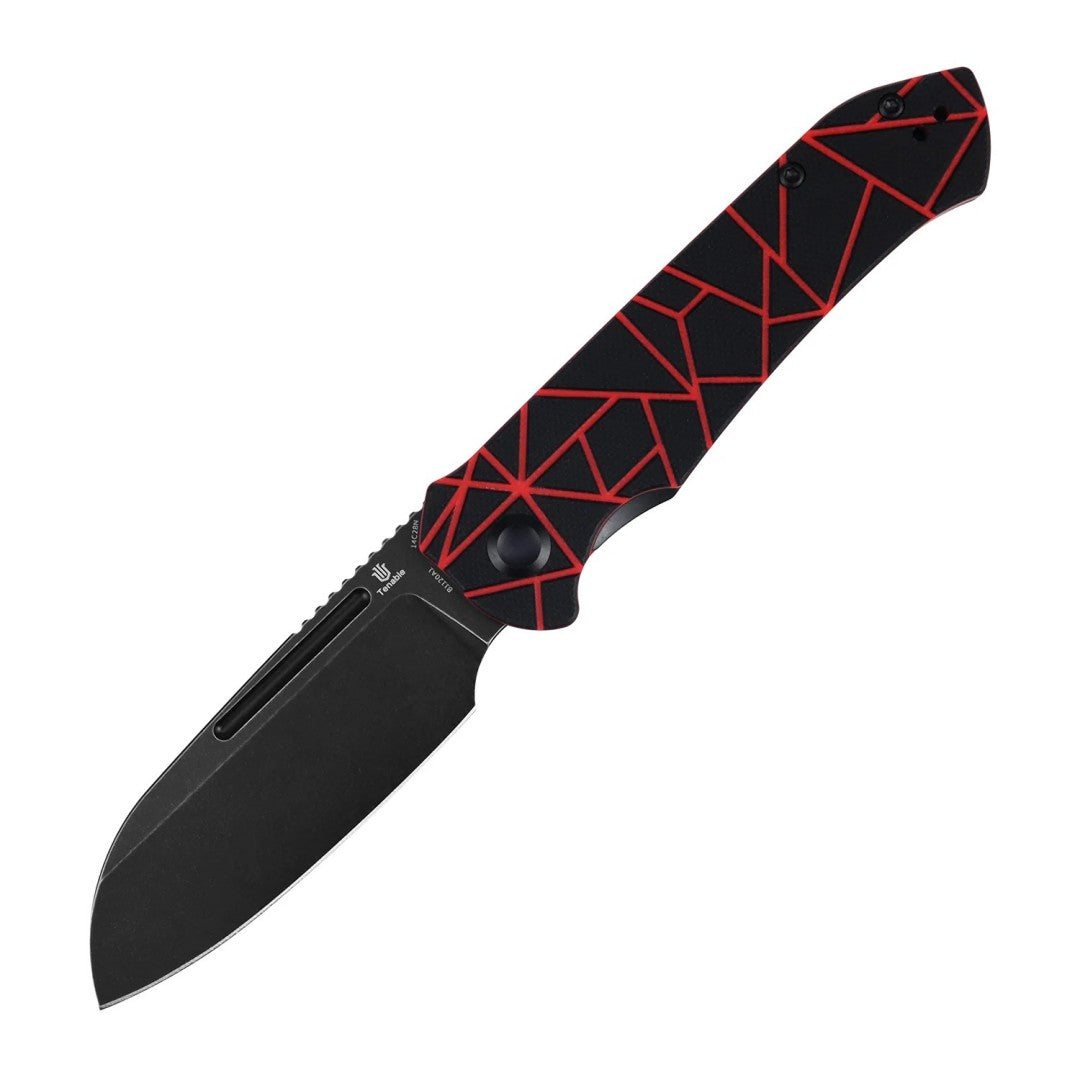
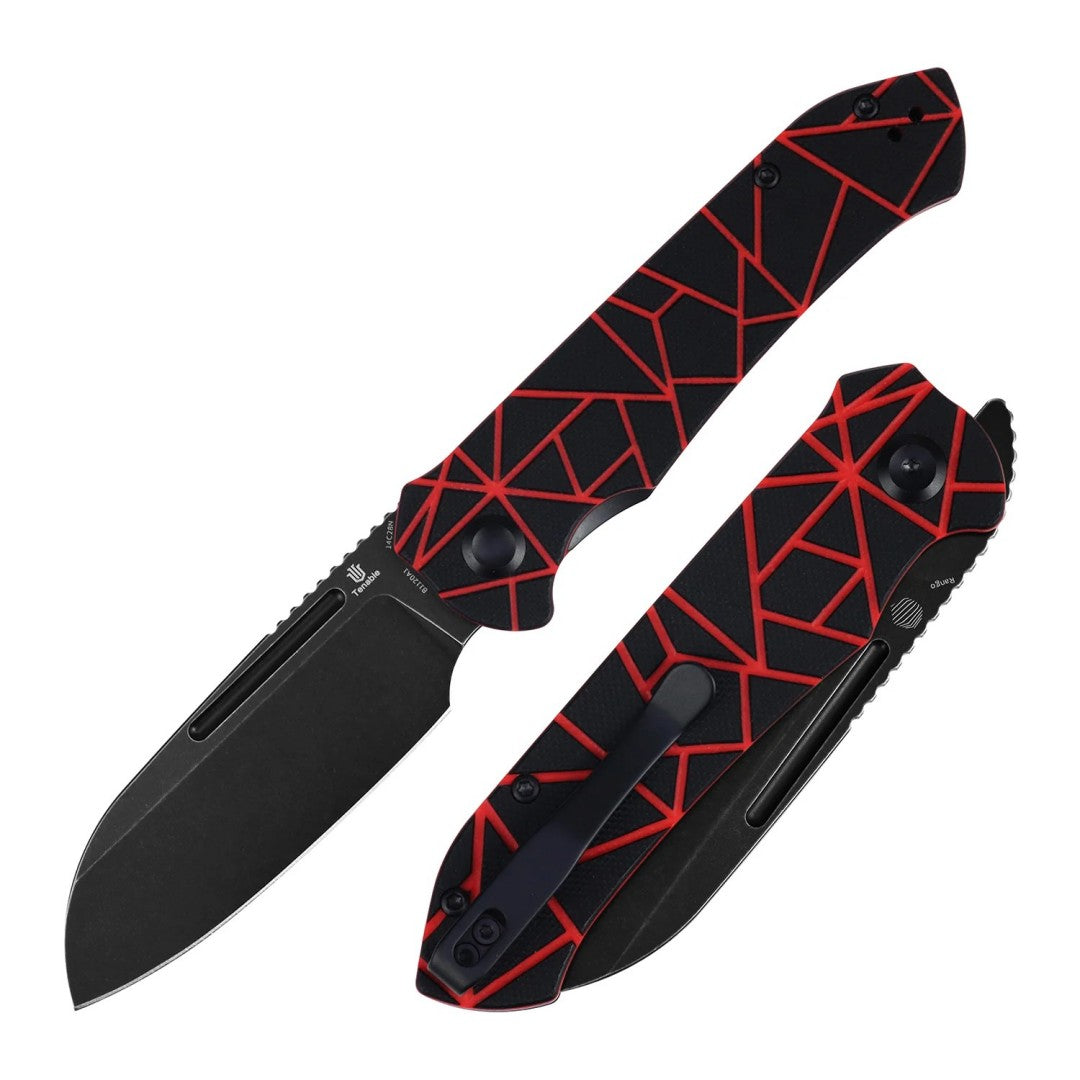
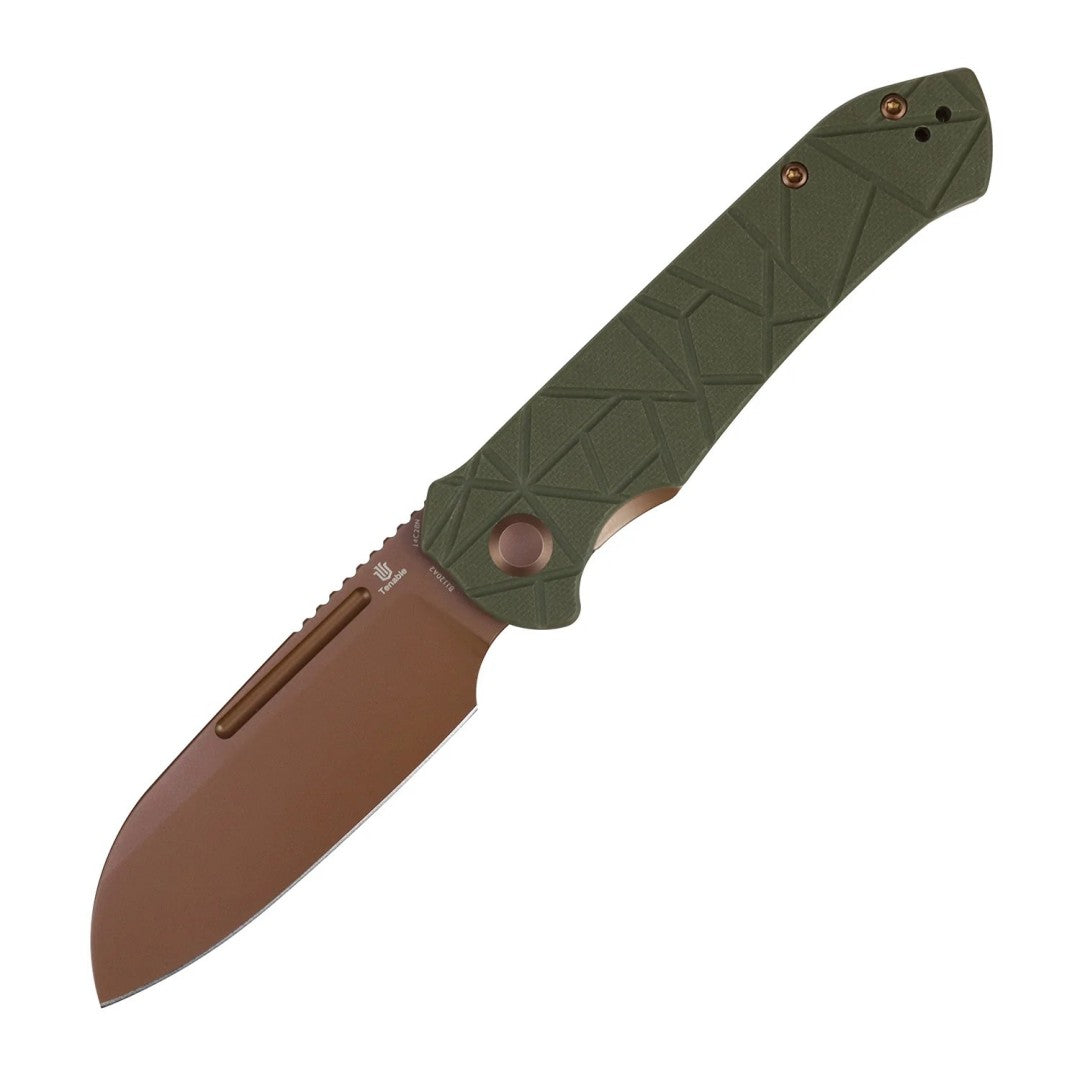
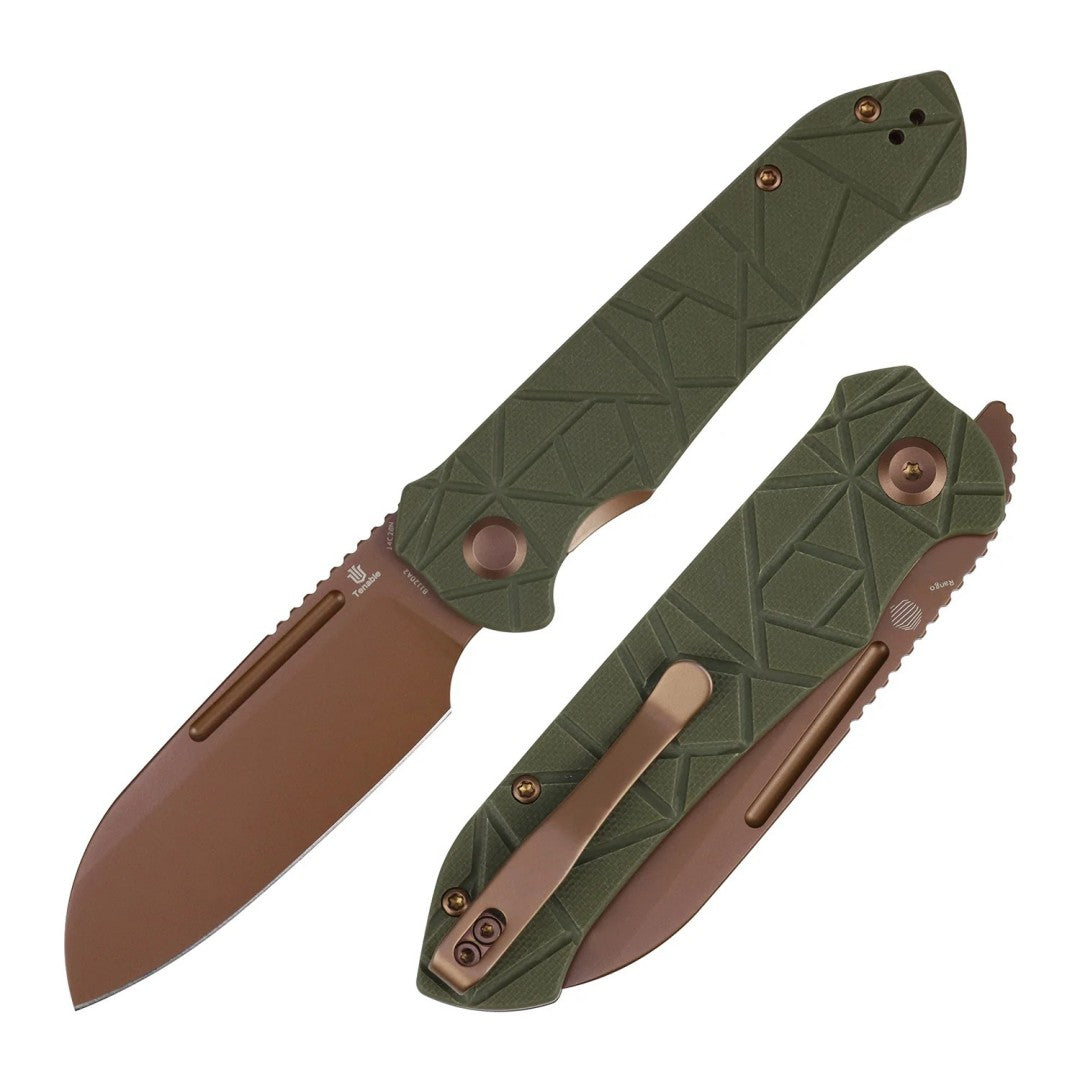
Choosing between the Delta BT2006A and BT2006C is a genuinely pleasant problem, because there is no bad answer. Both are folding knife designs built on the same titanium frame lock chassis with the same CPM-S35VN blade. The differences are in finish and surface treatment, which means the decision is about how you want the knife to look after two years of carry rather than about performance. Here is how to think it through.

Build Quality & Materials
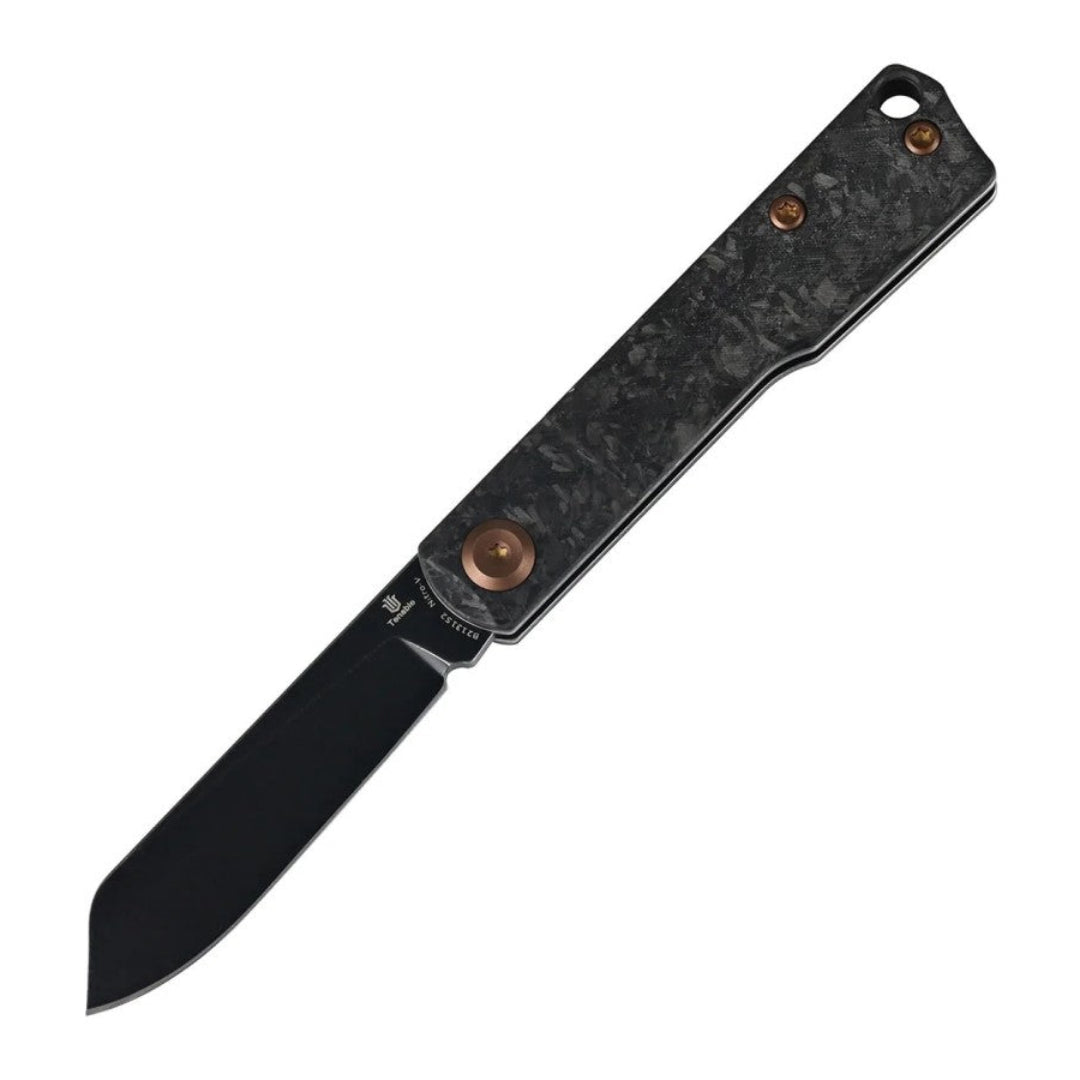
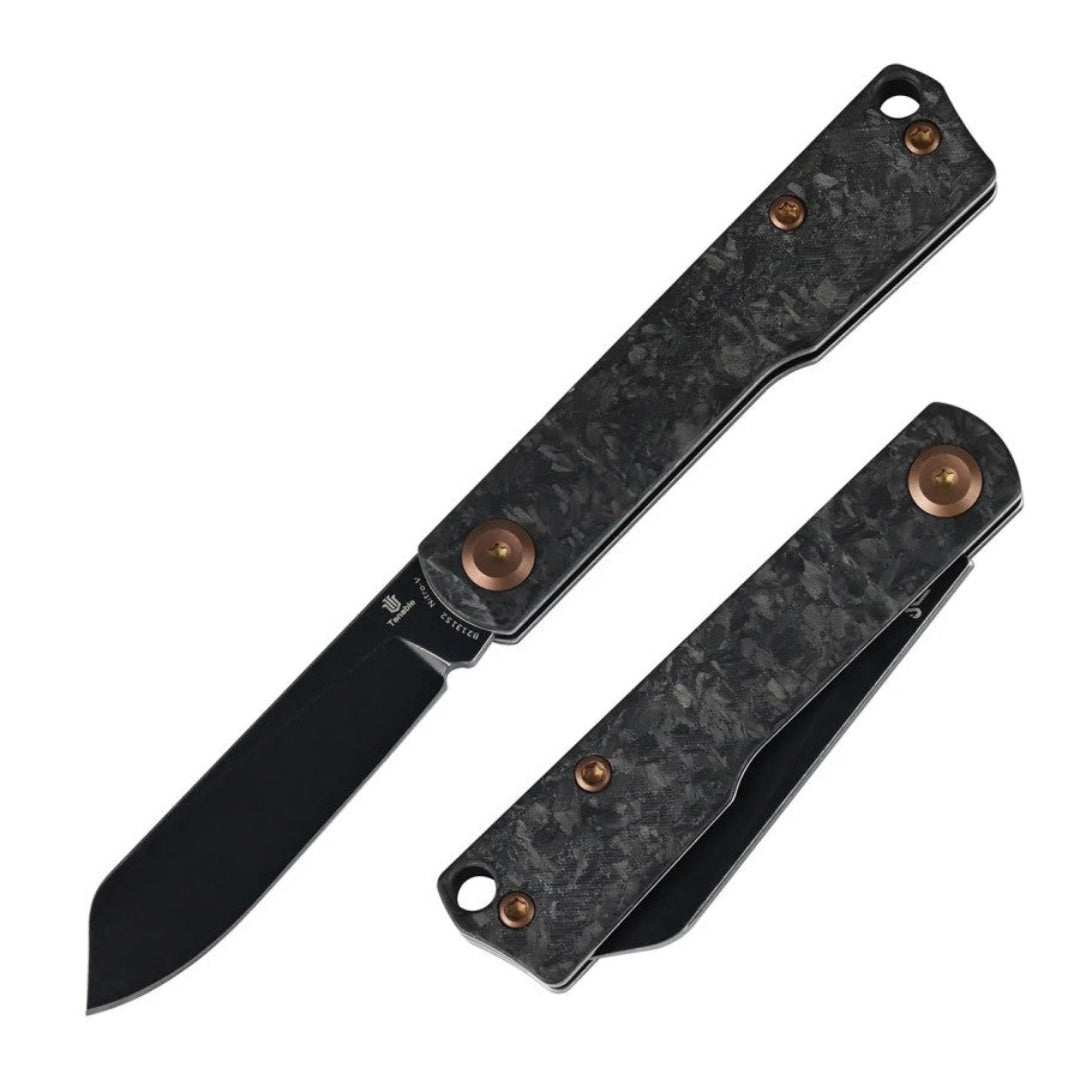
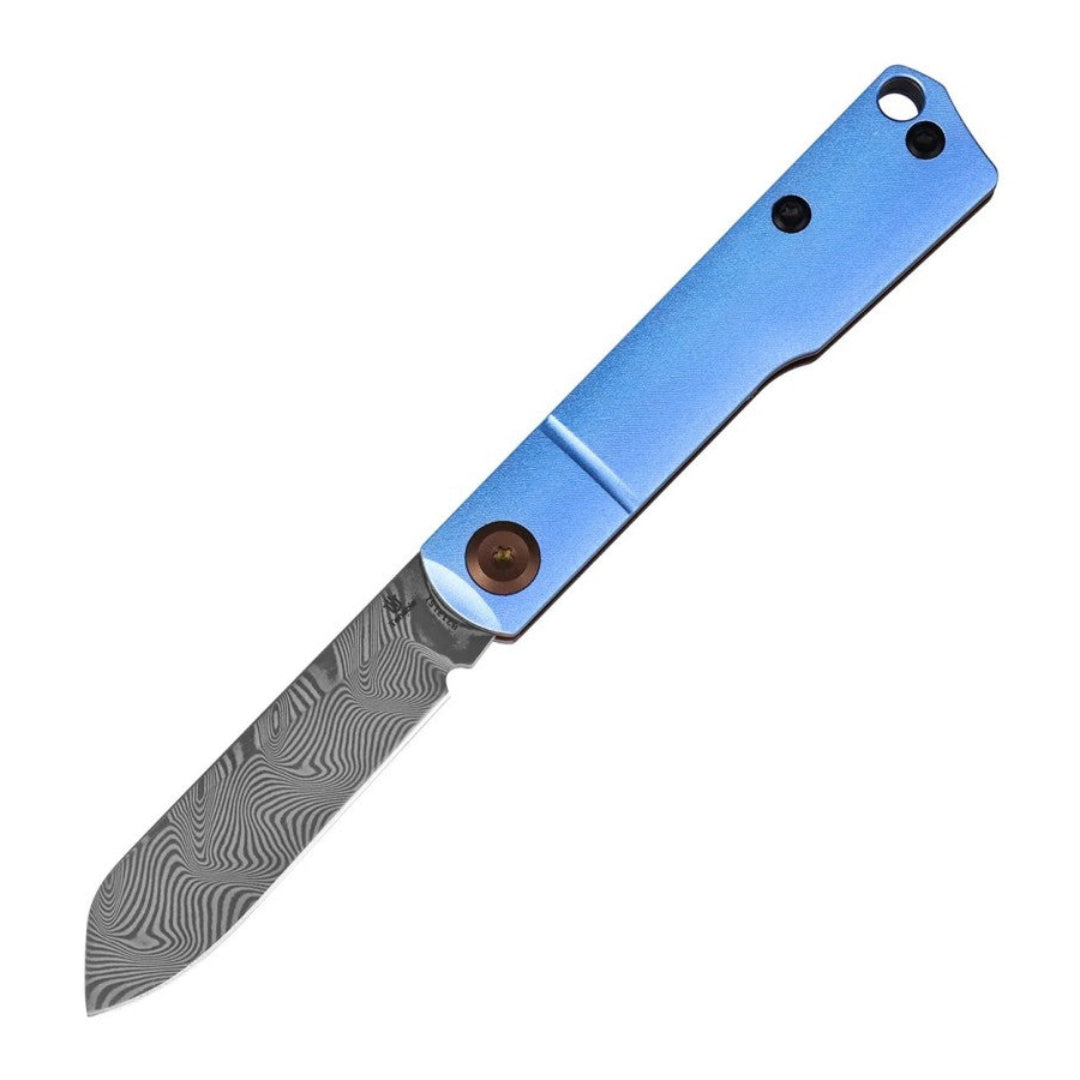
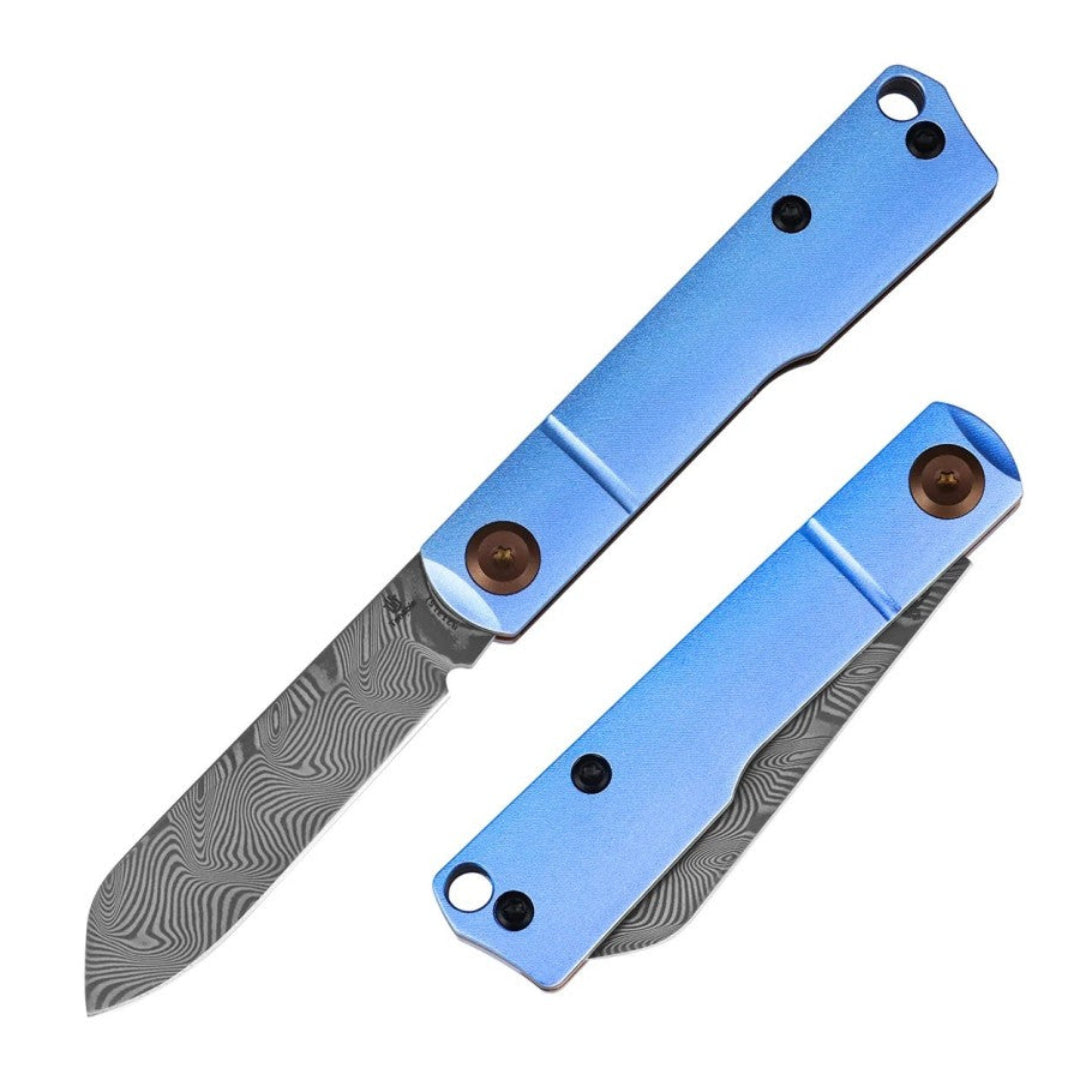
Both variants use CPM-S35VN, a powder metallurgy stainless steel with an established record for balanced edge retention, toughness, and corrosion resistance. Neither will rust from sweat or rain, and both sharpen predictably on standard stones. Both use titanium for the handle, so weight, strength, and rust immunity are identical, as is the integral frame lock cut into the slab. What changes is the surface finish, which affects how the knife hides handling marks, how it photographs, and how it interacts with fingerprints. Material performance is a tie; appearance over time is the actual variable.
Design & Craftsmanship
Finishes on titanium behave differently in daily use. A brighter, more uniform finish looks striking out of the box but shows scuffs and skin oils quickly, which some owners enjoy as honest patina and others find untidy. A darker or more textured finish is far more forgiving, hiding fingerprints and small scratches so the knife keeps looking new. Because titanium is not coated in these variants, there is nothing to chip or peel; the finish is a surface property of the metal itself. Blade centering, lock engagement, and action feel are consistent across both, which is a testament to the manufacturing tolerance Bestech Knives maintains.

Performance & Real-World Use
Practical guidance comes down to where and how you carry. If the knife lives in a pocket alongside keys or coins, pick the more forgiving finish so daily contact does not turn into visible wear. If it lives in a jacket pocket, a slip pouch, or on a desk as a working showpiece, the brighter finish will keep delivering visual impact for longer. Consider photography too: contrasting finishes read very differently on camera, and if you document your gear, the decision is aesthetic as much as practical. Either way, the S35VN blade will perform identically and maintenance will be the same minimal routine.
Carry & Pairing Notes
A few ownership notes apply to both finishes. CPM-S35VN tolerates real-world moisture well, so a wipedown after wet use is sufficient, and the steel touches up quickly on a strop, meaning you can go months between stone sessions. Titanium frames need almost nothing; the integral lock appreciates a drop of light oil occasionally, and anodized or textured surfaces should avoid abrasive pads entirely, unlike the steel frames found on most budget folding knives. If your knife shares a pocket with keys, the more forgiving finish will look new longer, which is worth considering before purchase. Whichever variant you choose, add a slim fob to the lanyard hole for a cleaner draw and store the knife dry when not in use. Compared with most everyday EDC knives, the maintenance burden here is genuinely trivial.
Who Is This For?
Buy the A variant if you want the classic, lighter titanium look and you keep your gear reasonably separate from metal clutter. Buy the C variant if you want a low-maintenance finish that looks new longest and suits discreet, professional carry. Collectors who admire the Delta platform may reasonably own both, since the shared chassis makes switching frictionless. First-time premium buyers can choose purely on appearance without risking performance.
Final Verdict
The Delta BT2006A and BT2006C are the same excellent knife in different clothing, so let your environment and your eye decide. Either delivers S35VN performance in a titanium frame lock that will outlast most gear you own. Compare both finishes at EdcMall and pick the one you will enjoy looking at every day.