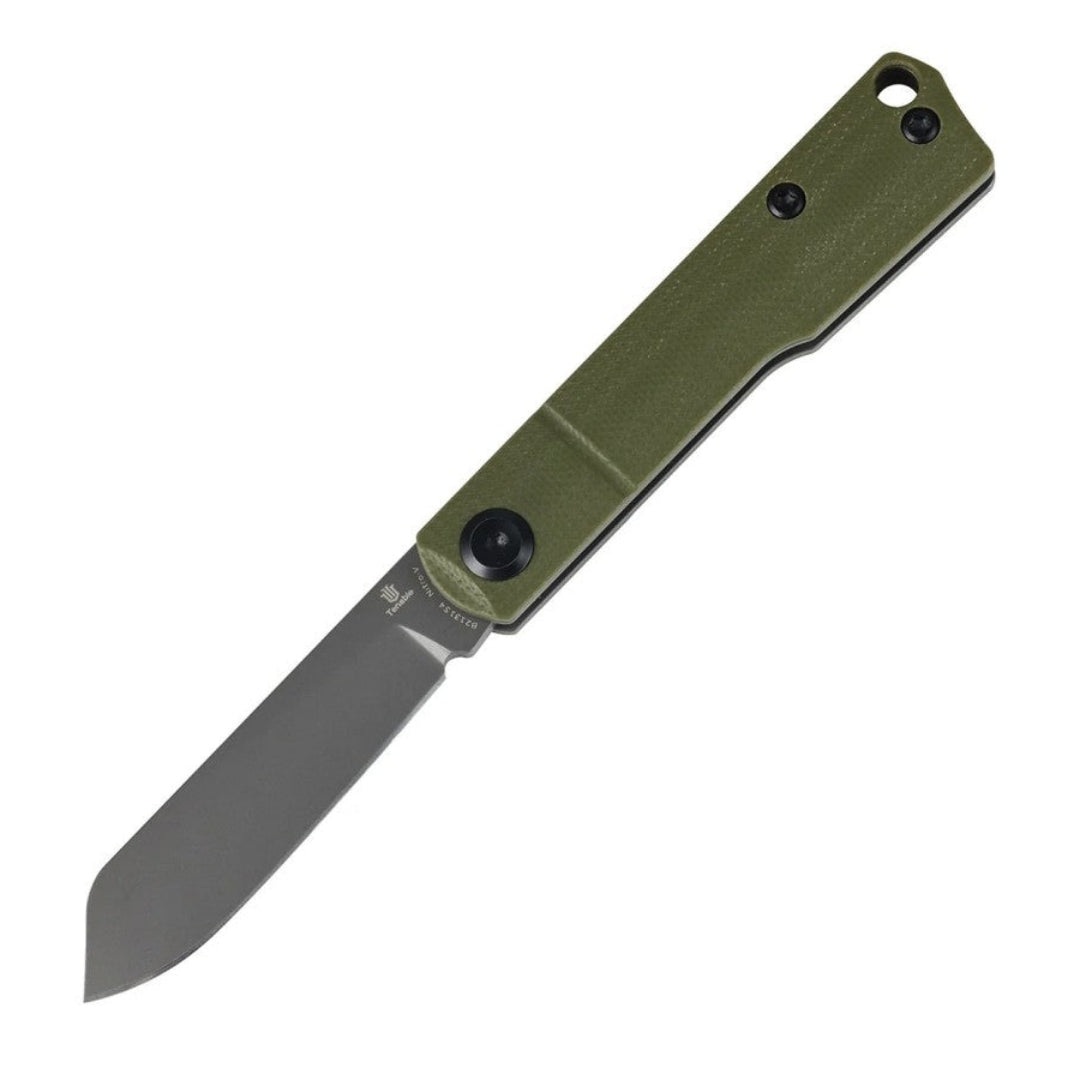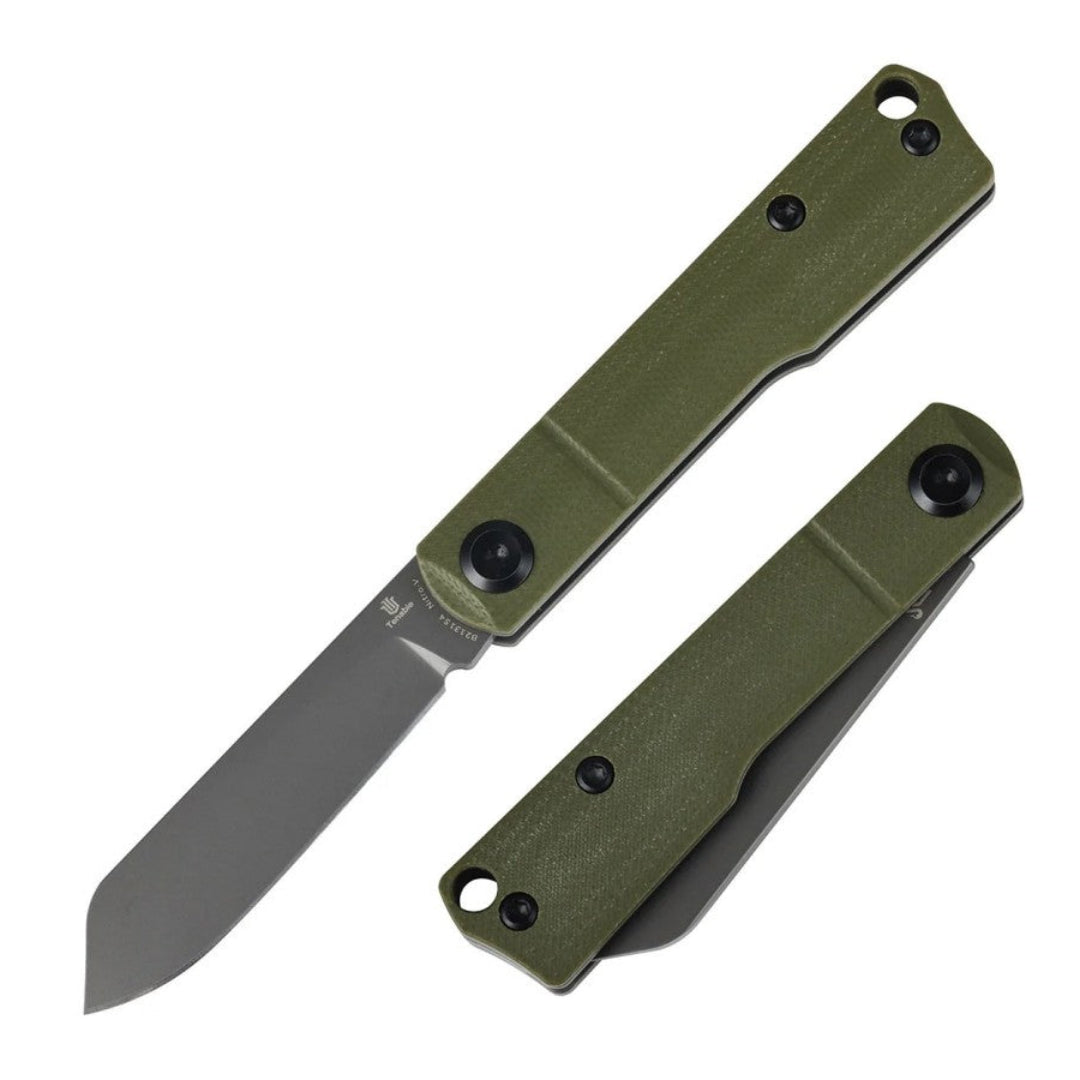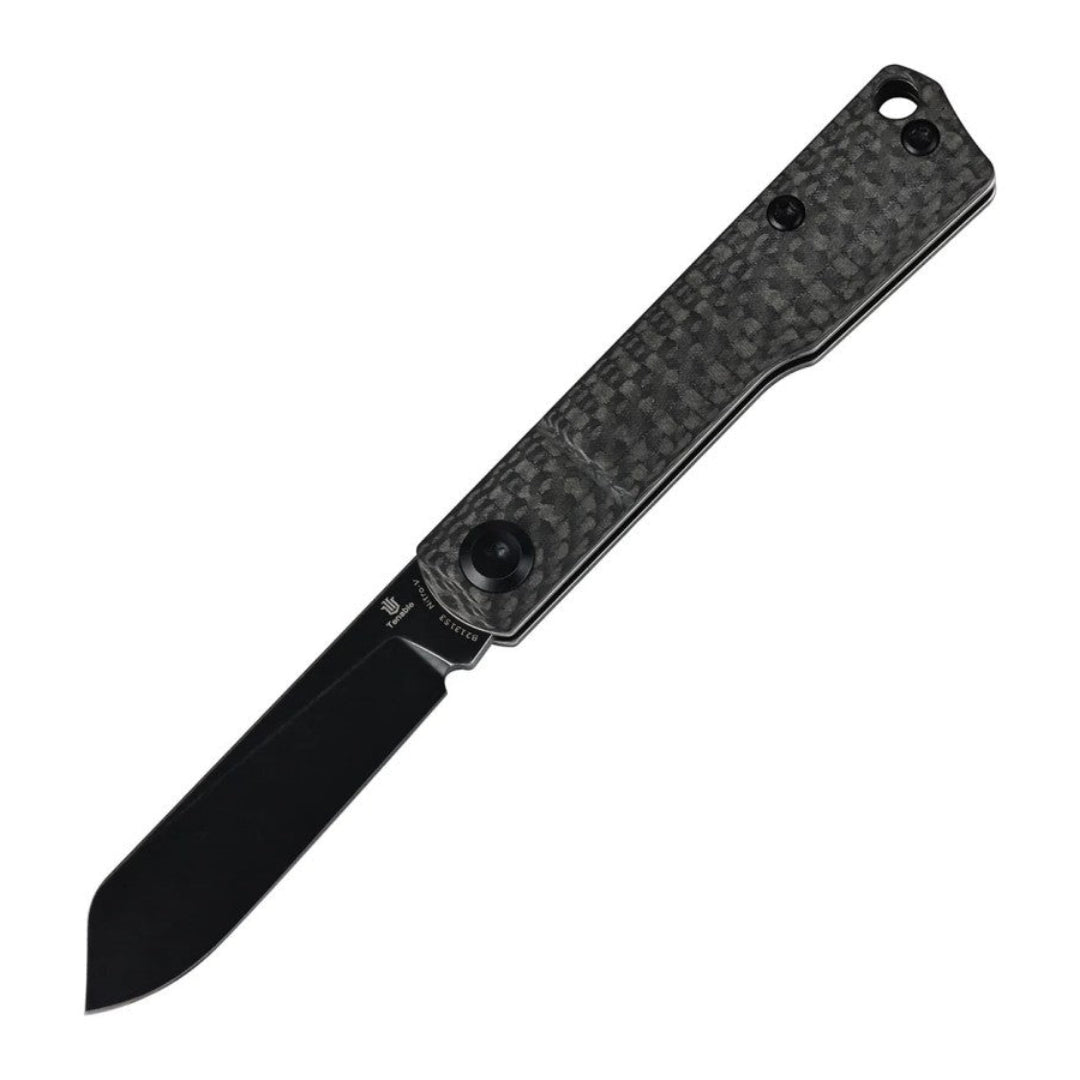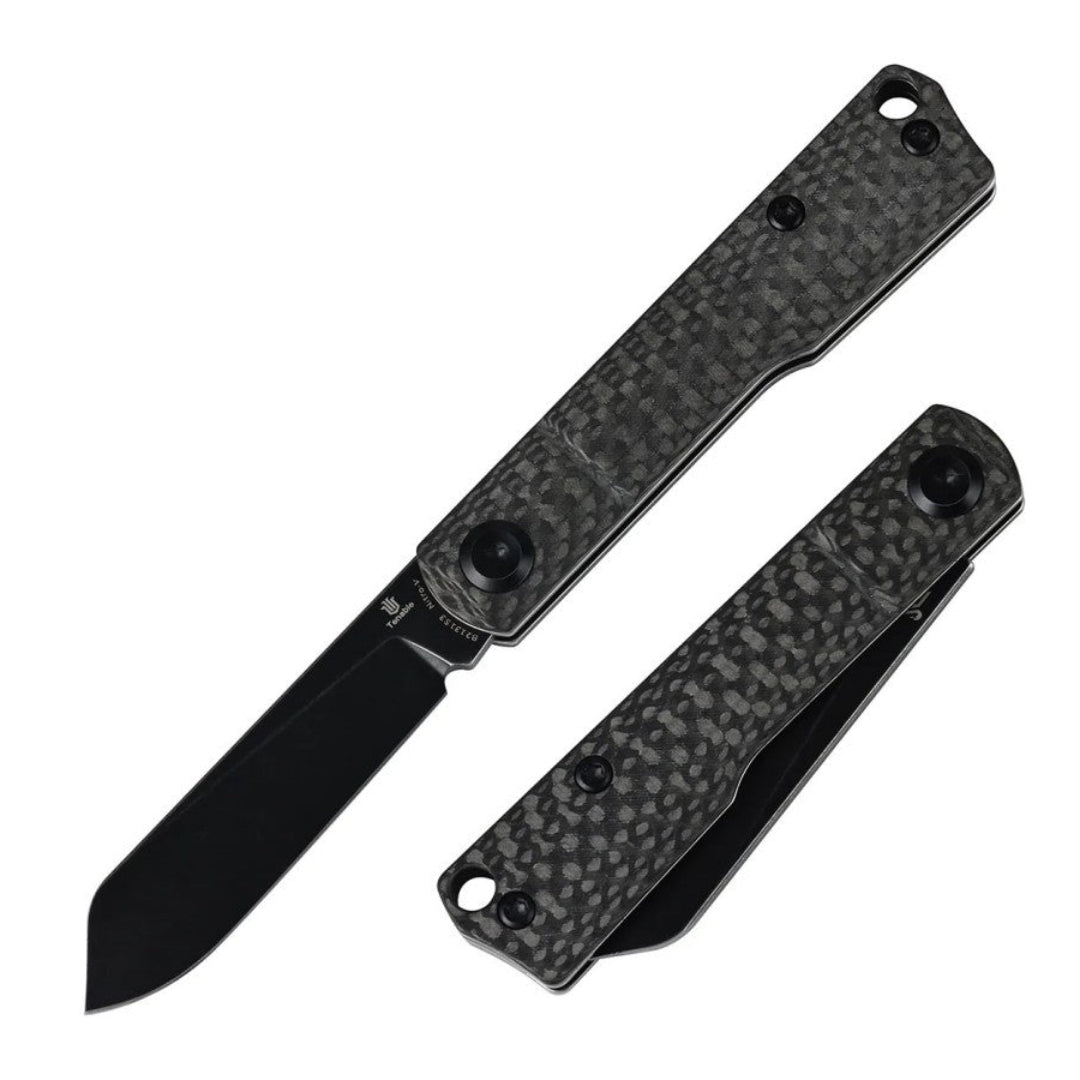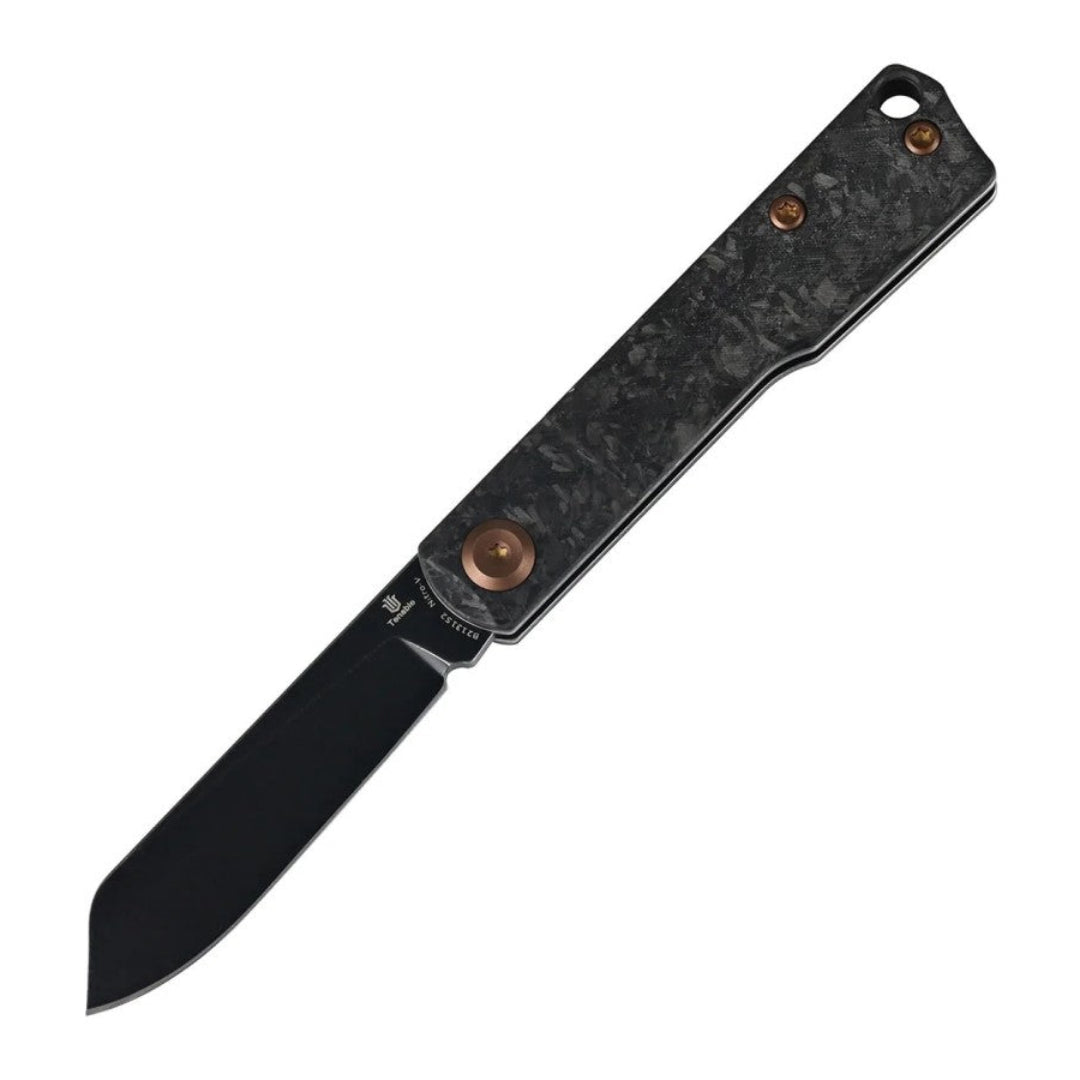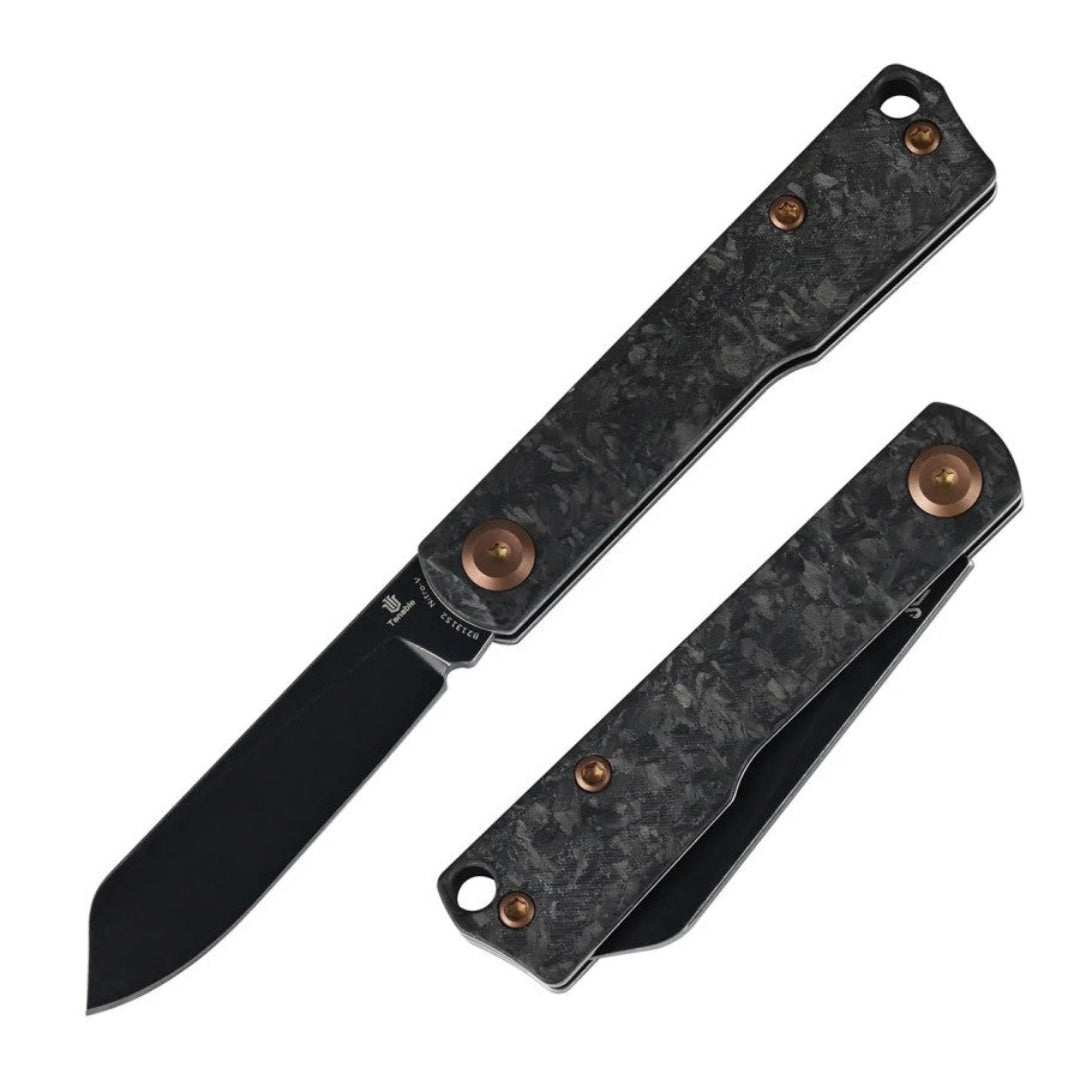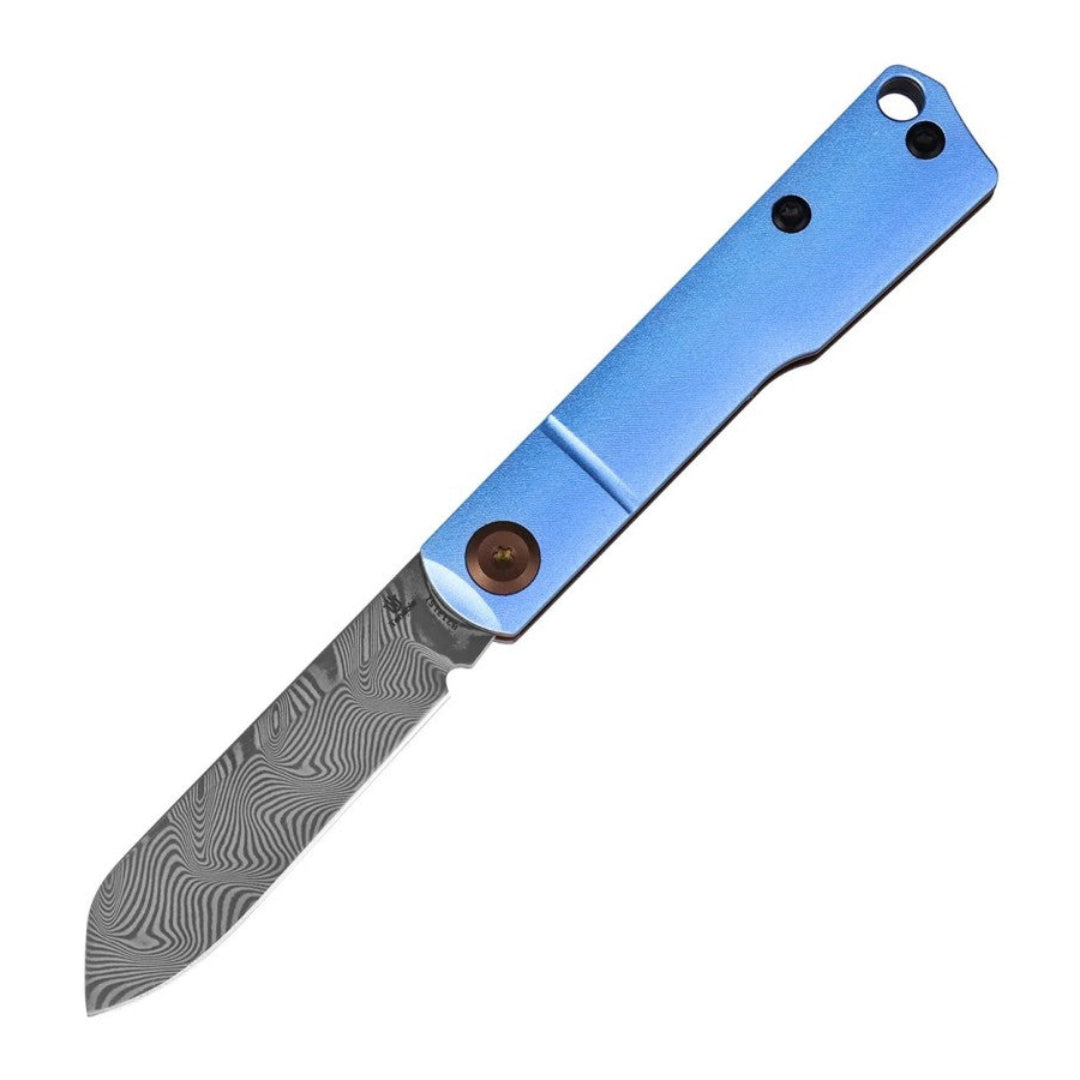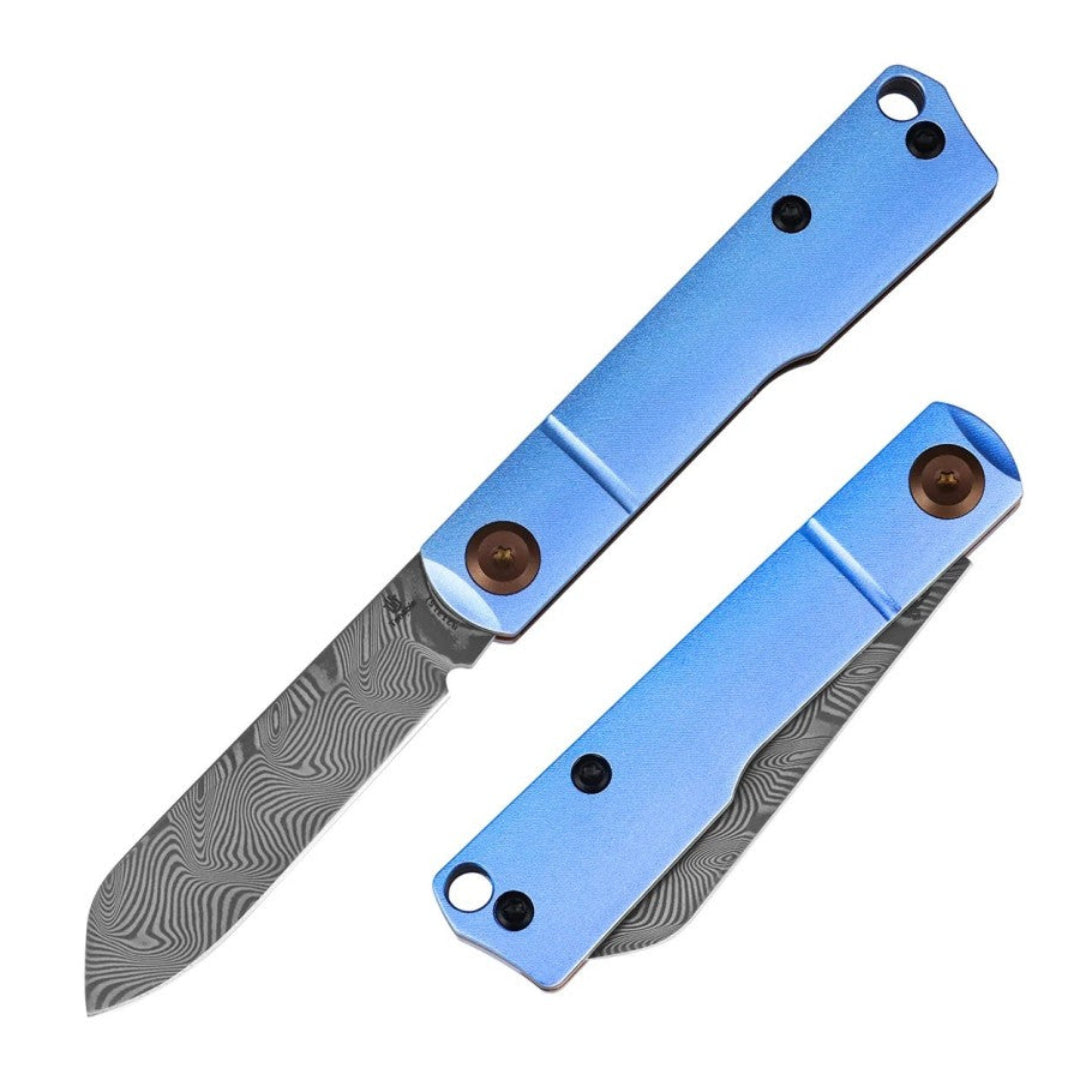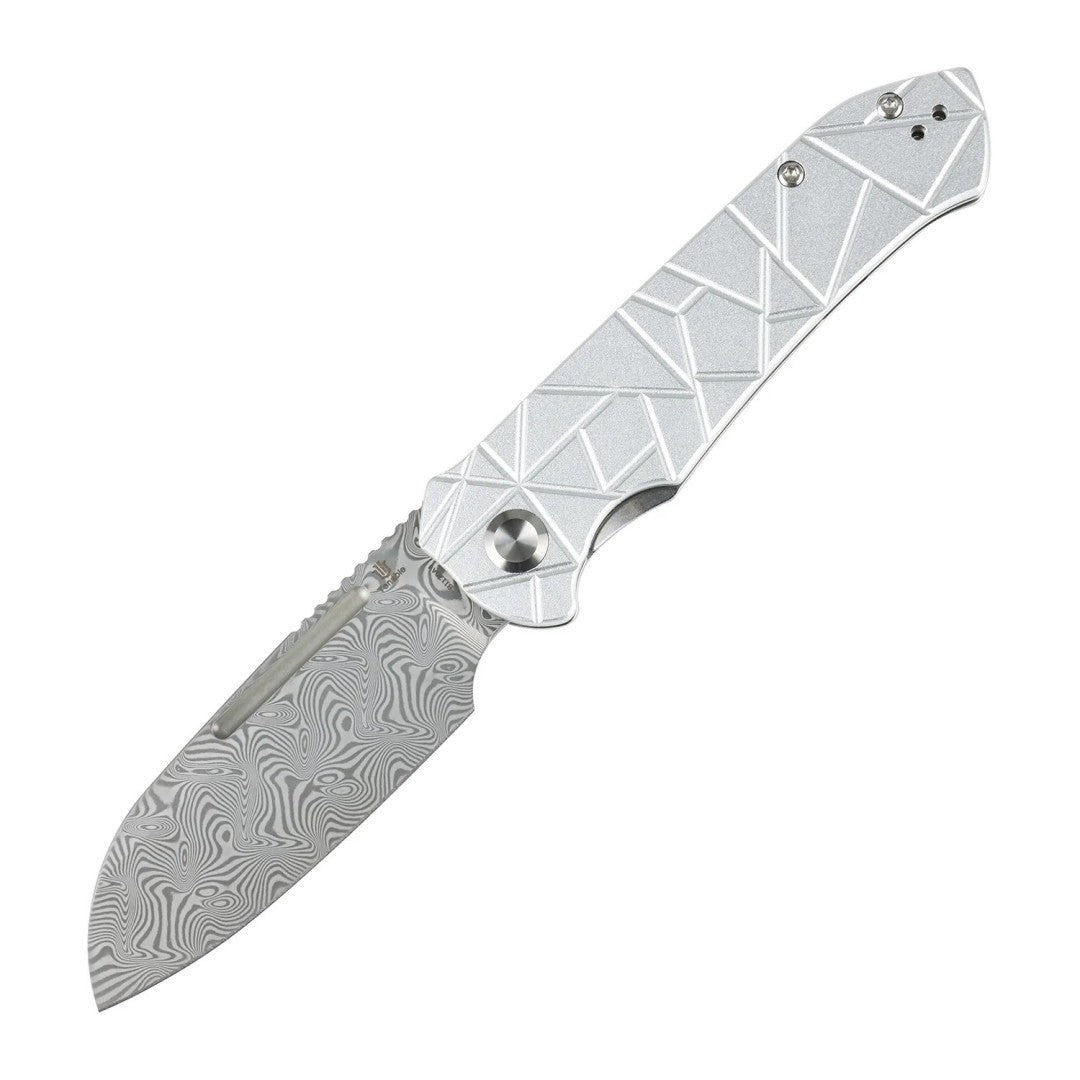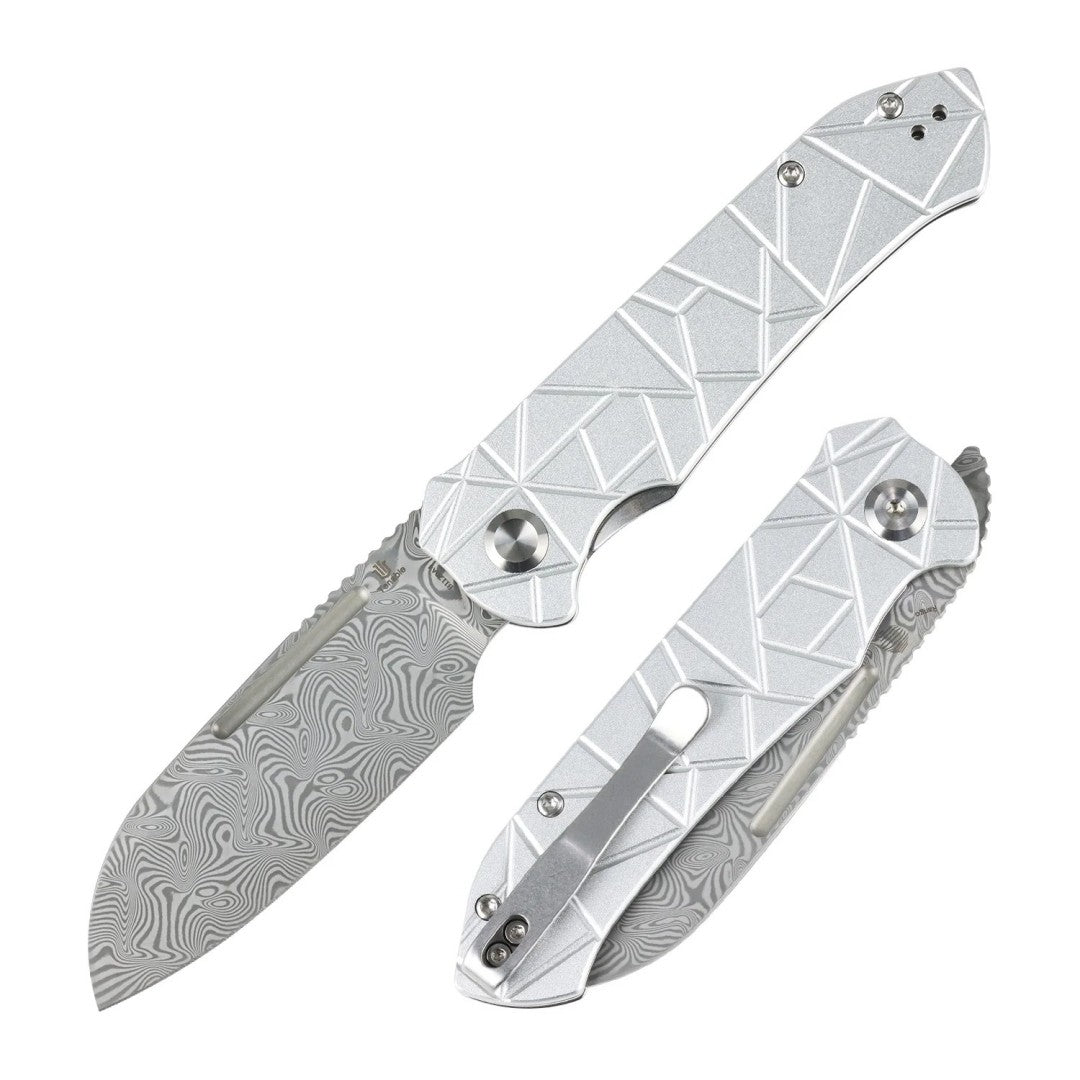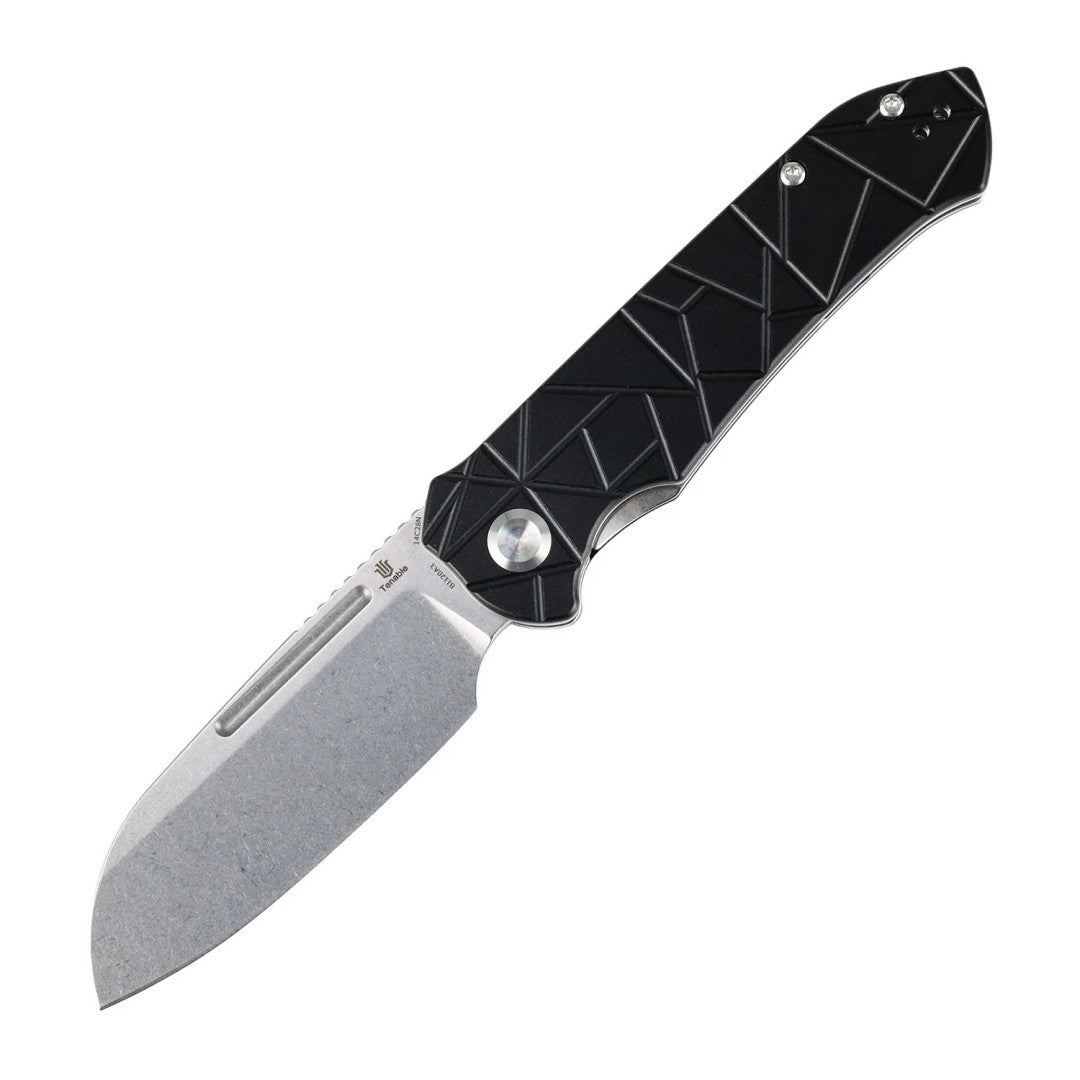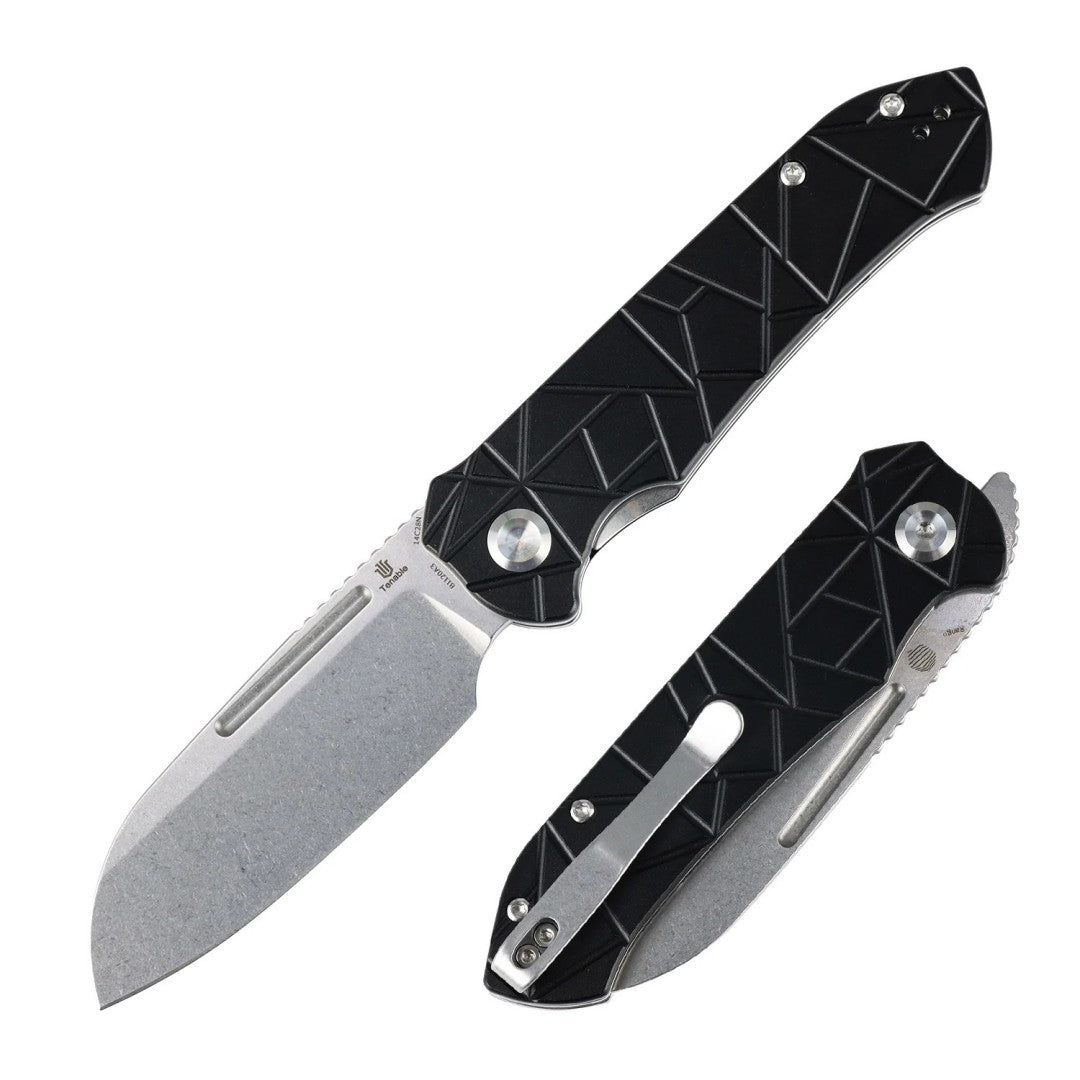
In the world of everyday carry (EDC), a sub-two-inch pocket knife is the ultimate expression of minimalist utility. These ultra-compact blades are designed to disappear into a pocket while staying compliant with strict knife laws in metropolitan areas. However, reducing a knife's footprint often forces manufacturers to compromise on ergonomics, lock strength, or material quality.
The Bestech DUCI, an exceptional collaboration with custom designer Ostap Hel, seeks to redefine this micro-folder class. By utilizing high-end metallurgy and a robust locking mechanism, it attempts to outperform standard small knives. To see how it truly measures up, we will compare the technical specifications of the DUCI directly against other popular sub-two-inch pocket knives on the market.

Head-to-Head Specification Comparison
To establish an accurate baseline, let us look at how the Bestech DUCI stacks up against two prominent competitors in the sub-two-inch category: the Spyderco McBee and the Civivi Baby Banter.
| Specification Attribute | Bestech DUCI | Spyderco McBee | Civivi Baby Banter |
| Blade Length | 1.97 inches (50 mm) | 1.52 inches (38 mm) | 1.90 inches (48 mm) |
| Blade Steel | CPM-20CV steel | CTS-XHP | Nitro-V |
| Blade Profile | Harpoon / Modified Drop | Wharncliffe | Drop Point |
| Handle Material | 6Al4V Titanium | 6Al4V Titanium | G10 / Canvas Micarta |
| Locking System | Frame Lock (with Insert) | Reeve Integral Lock | Liner Lock |
| Pivot Mechanism | Ceramic Ball Bearings | Phosphor Bronze Washers | Caged Ceramic Bearings |
| Weight | 1.90 oz (54 g) | 1.70 oz (48 g) | 2.00 oz (57 g) |
Metallurgy and Edge Retention Analysis
The most critical factor determining a pocket knife's longevity is its blade steel. When working with a cutting edge under two inches, you have less physical surface area doing the work, meaning the steel must withstand localized friction much better.
The choice of CPM-20CV steel gives the DUCI a significant performance advantage over budget or mid-tier micro-folders. Compared to Nitro-V steel, which dulls relatively quickly under repetitive cardboard cutting, 20CV features a high volume of vanadium carbides that retain a working edge for months. While CTS-XHP steel is a formidable competitor with great corrosion resistance, 20CV edges it out in pure wear resistance. This premium steel selection means the DUCI requires less frequent sharpening, preserving the life of the blade profile over years of ownership.

Handle Ergonomics and Grip Security
A common flaw with sub-two-inch knives is the lack of handle real estate. If a handle is too small, the user cannot gain enough mechanical leverage to cut through tough materials safely.
-
Bestech DUCI Geometry: Ostap Hel utilized an angular handle shape paired with a strategic harpoon spine on the blade. This creates an intuitive thumb rest, allowing users to lock their index finger behind the integrated flipper guard for a confident three-finger grip.
-
The Competition: The Spyderco McBee relies on a heavily compact, blocky footprint that can feel cramped for users with larger hands, making it strictly a backup utility blade. On the other hand, the Civivi Baby Banter relies on a deep index finger choil that steals space from the actual cutting edge to provide a full grip.
The DUCI strikes an ideal balance, maximizing both the cutting edge length and the handle geometry without forcing your fingers dangerously close to the pivot point.
Pivot Action and Deployment Speed
The deployment mechanism dictates how smoothly a knife opens. The DUCI features a perfectly tuned ceramic ball bearing pivot. Because a sub-two-inch blade is lightweight, it lacks the rotational mass needed to swing open easily. Bestech solved this by sharpening the detent path, causing the blade to fire like a rocket the second pressure is applied to the flipper tab.
While washers provide excellent debris resistance on hard-use outdoor tools, they can make ultra-small folders feel sluggish. By pairing ceramic bearings with a precise detent, the DUCI feels incredibly snappy, matching the hydraulic-like smoothness of high-end custom folding knives.
Structural Lockup Integrity
Safety should never be compromised just because a tool is small. The DUCI and the McBee both utilize a solid titanium frame lock framework, which is inherently stronger and more rigid than the skeletonized steel liner locks found in budget G10 folders.
The DUCI takes this engineering a step further by including a hardened steel lock bar interface insert. This prevents the lock bar from wearing down or sticking against the hard steel tang of the blade, a common issue in smaller pure-titanium locks.

Final Verdict
When compared directly to its peers in the sub-two-inch category, the Bestech DUCI emerges as a premium powerhouse. It refuses to act like a novelty miniature tool. By matching top-tier CPM-20CV steel with a titanium frame lock structure and highly optimized ergonomics, it sets a high benchmark for what a premium compact pocket knife can achieve.