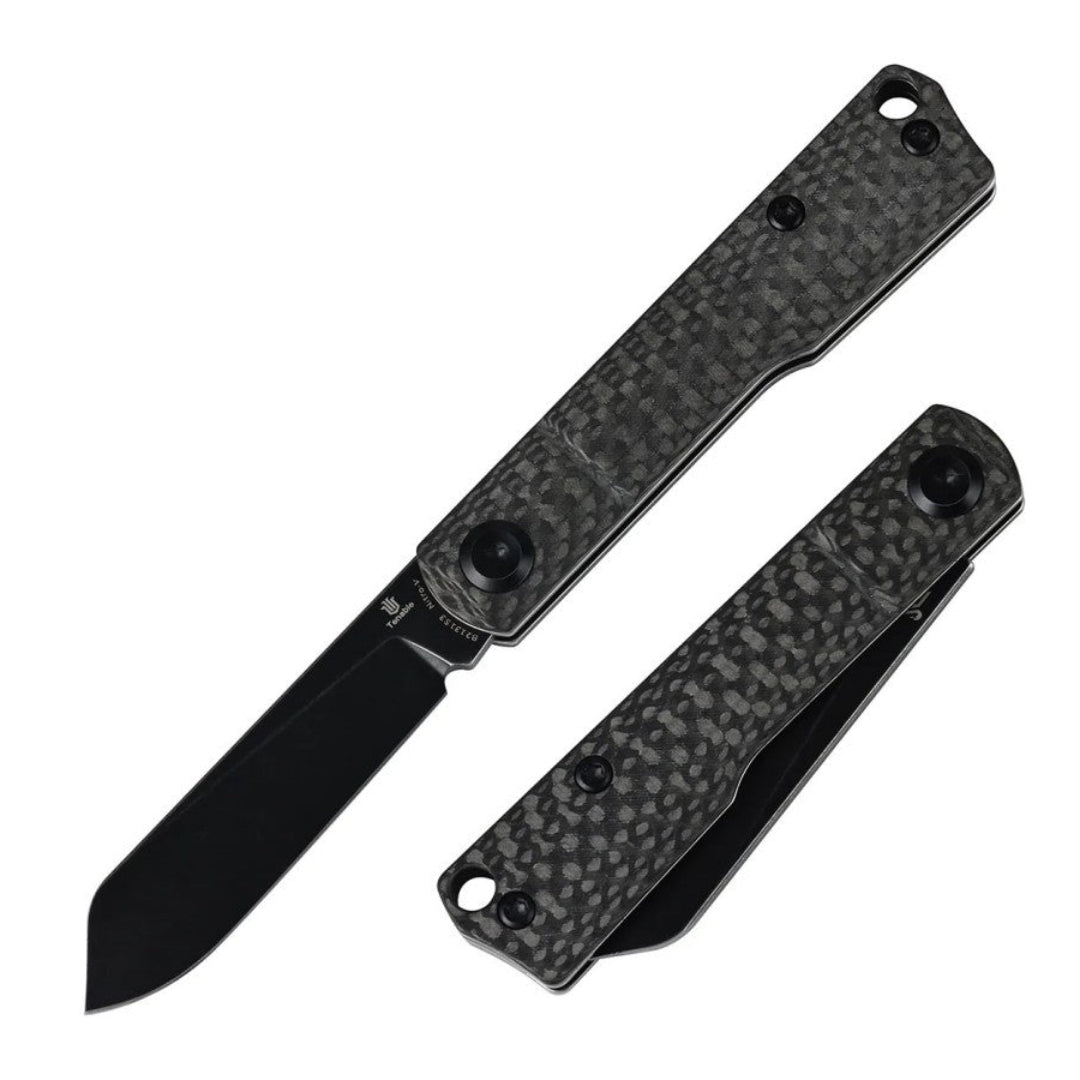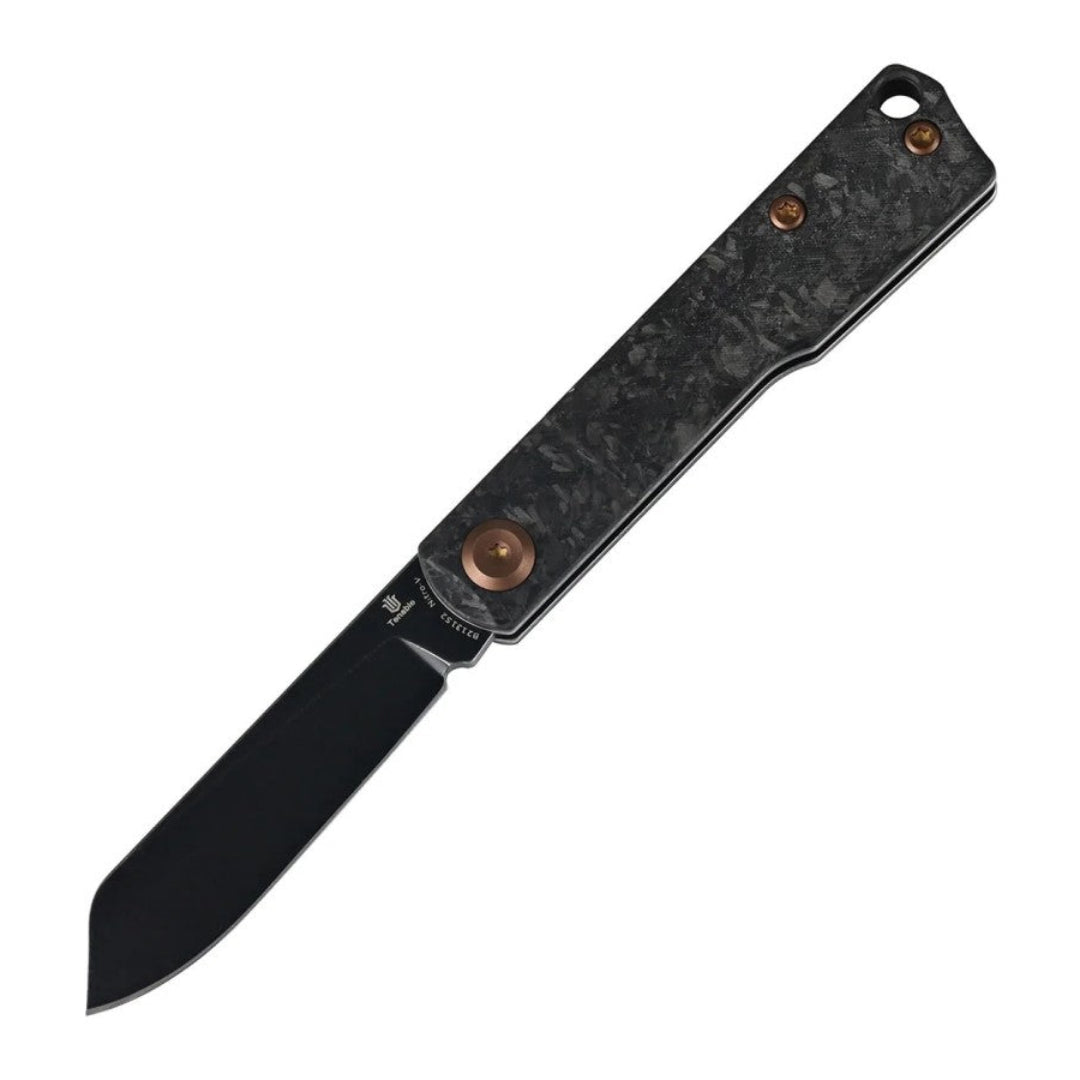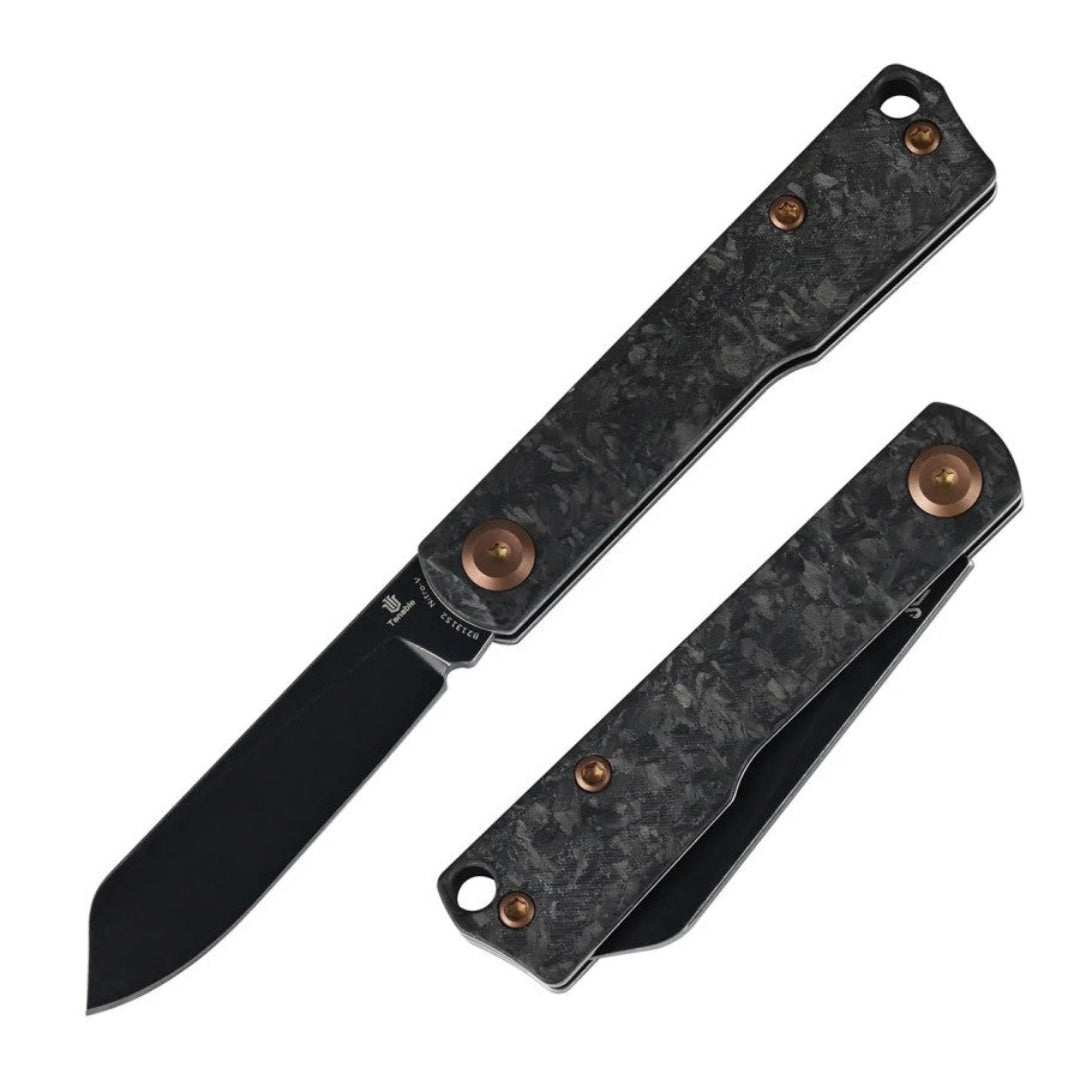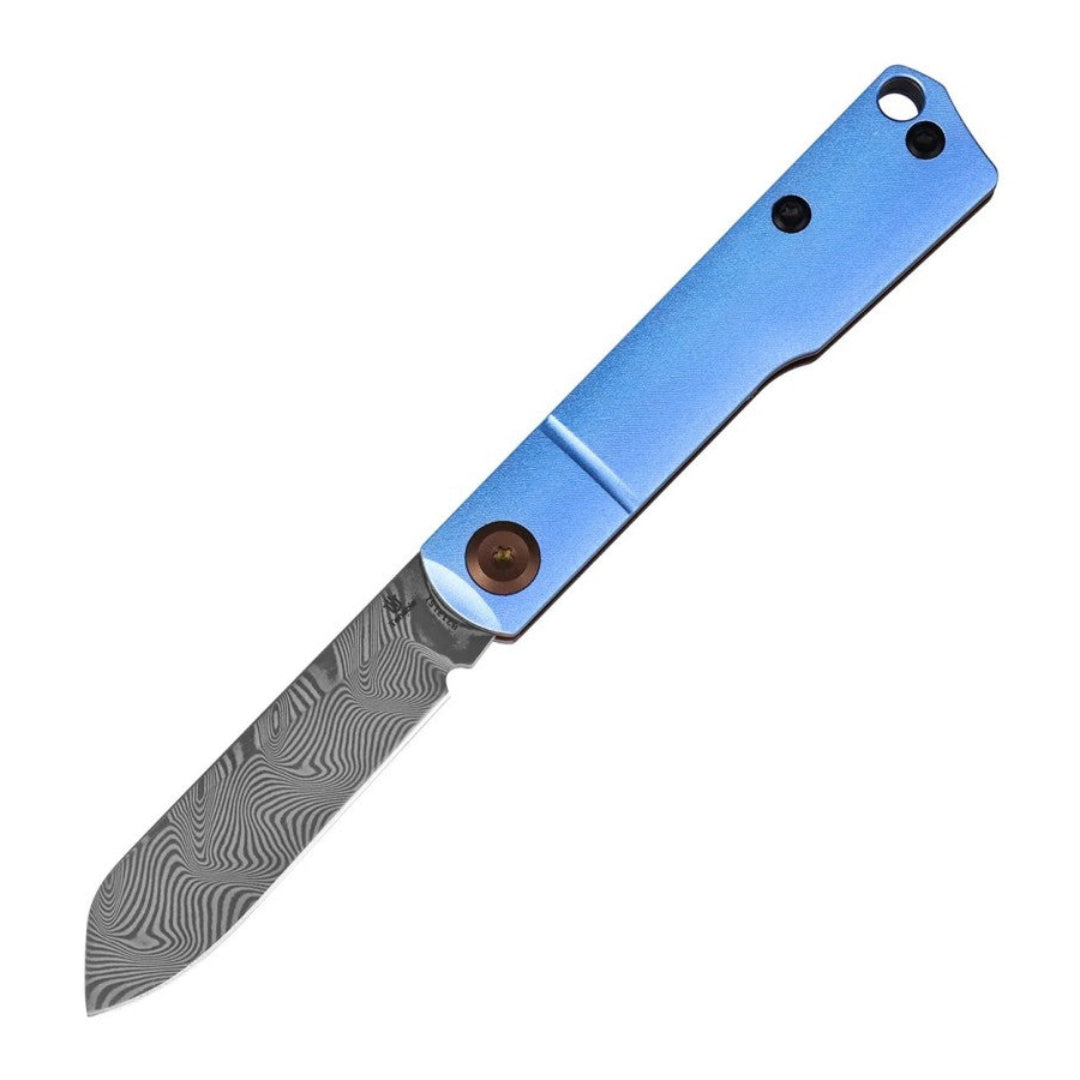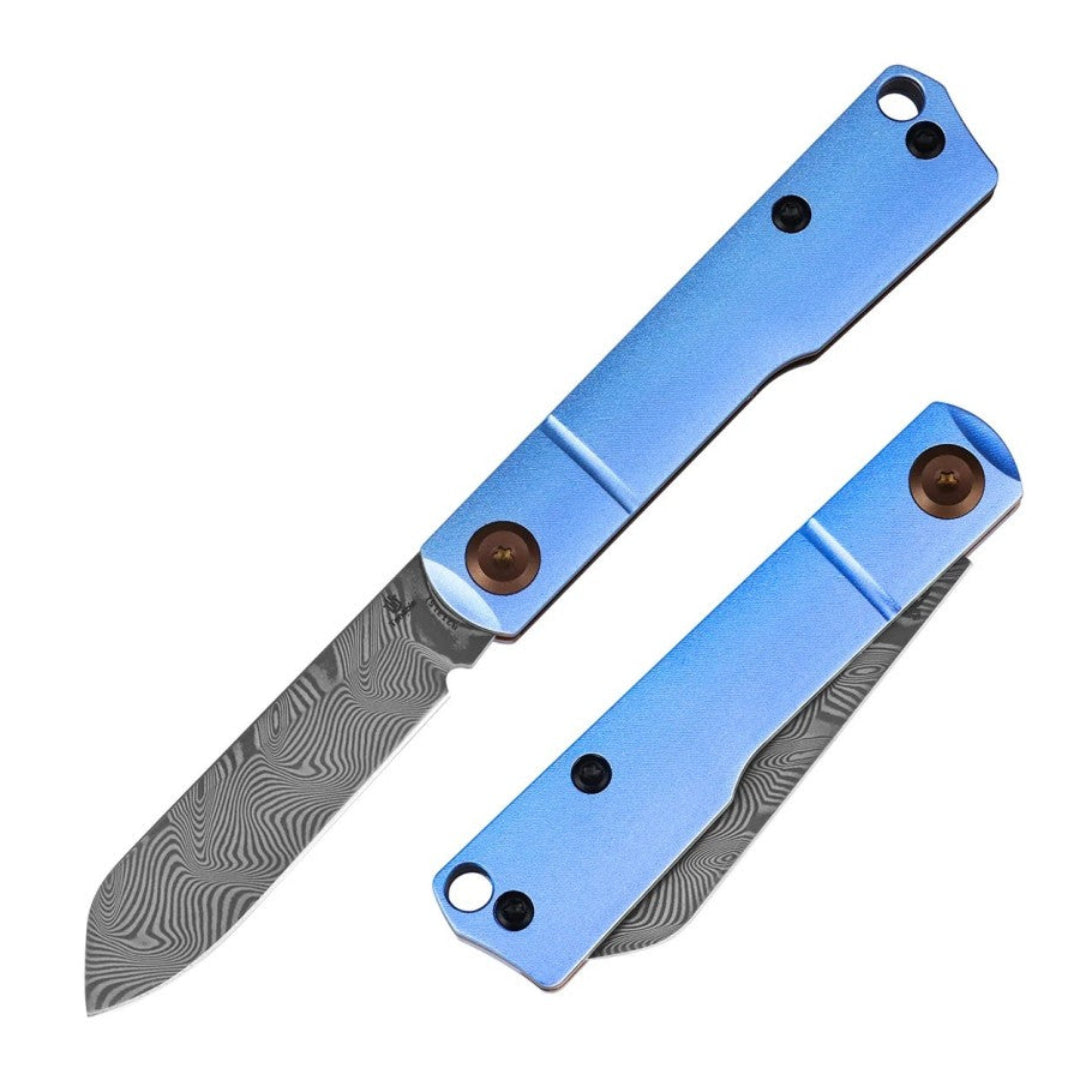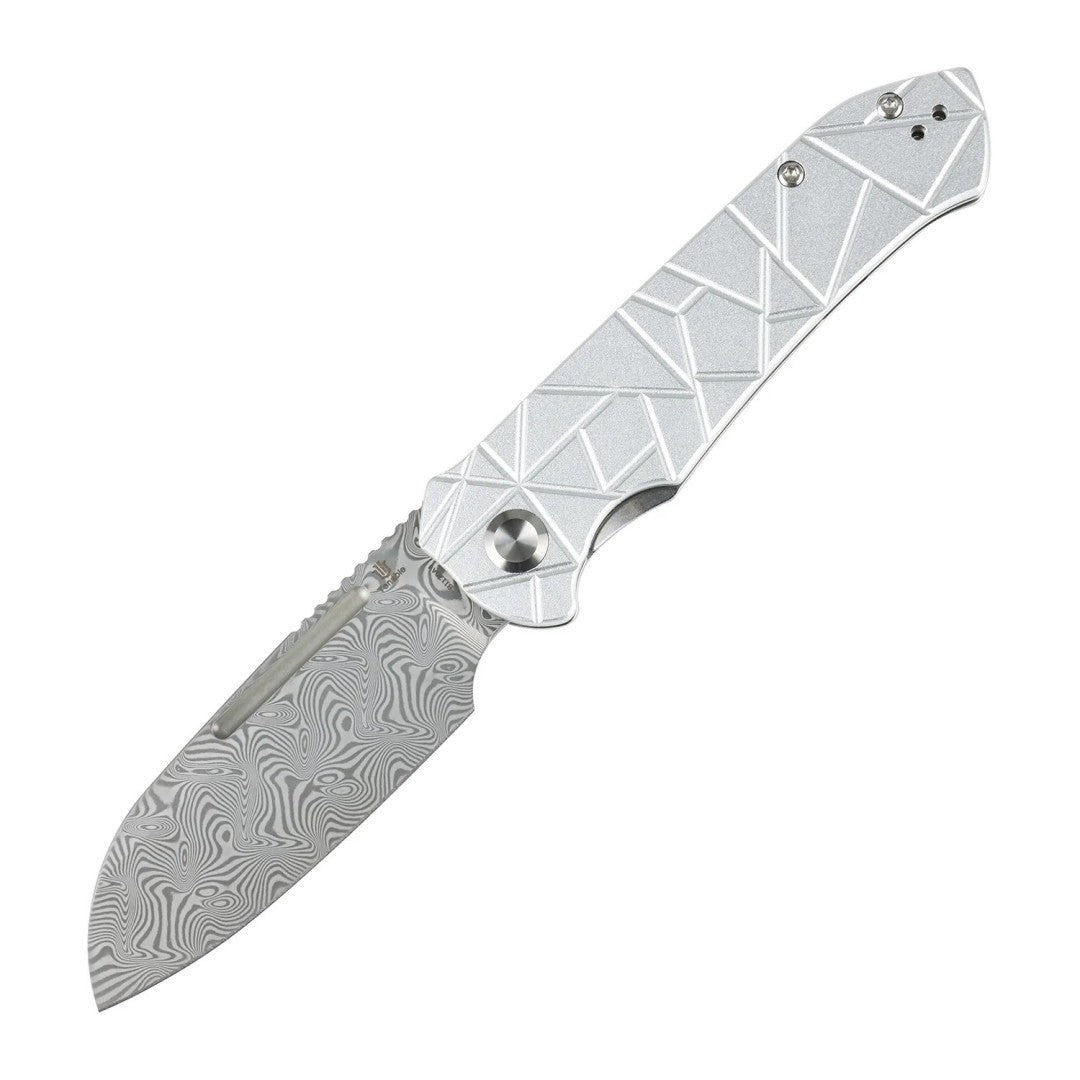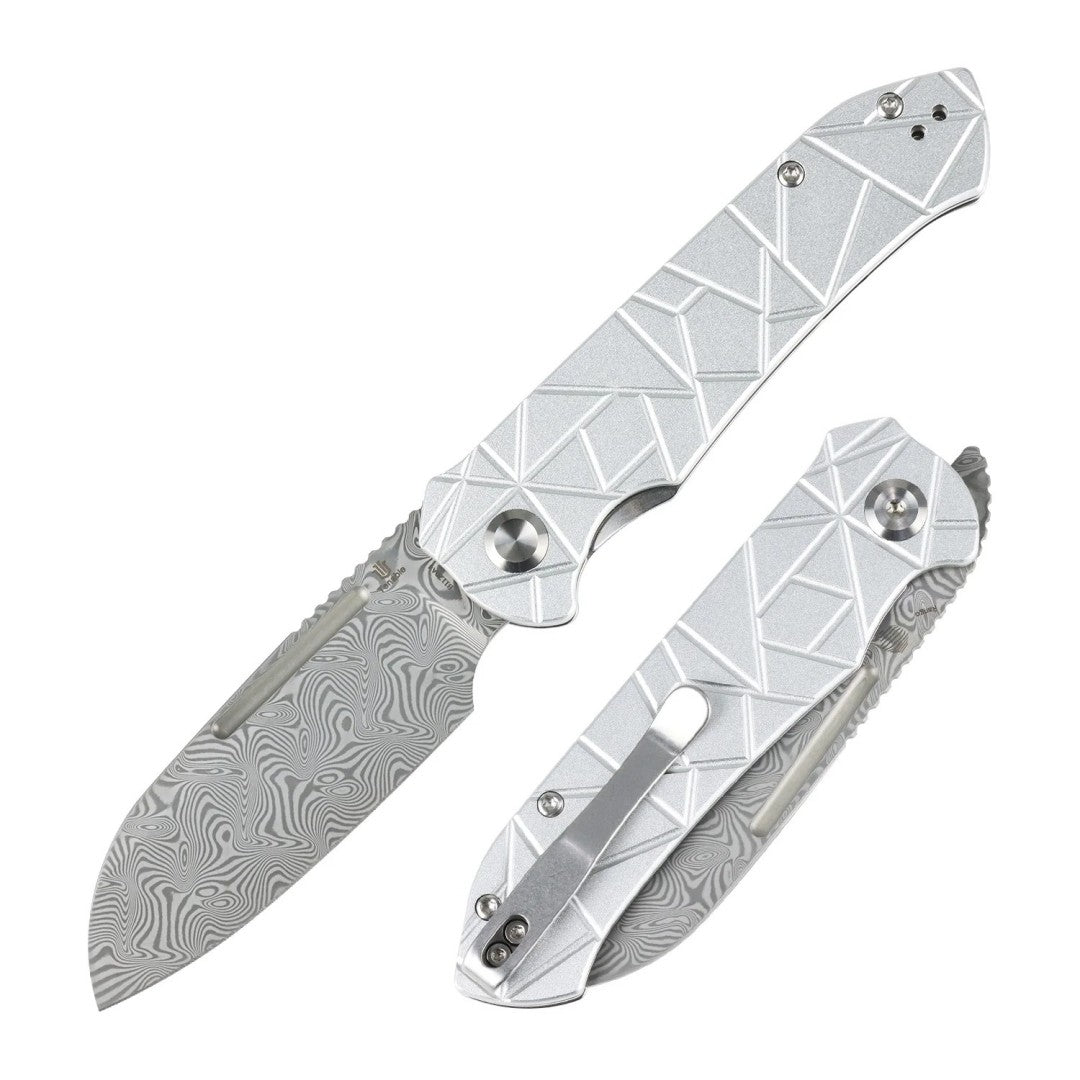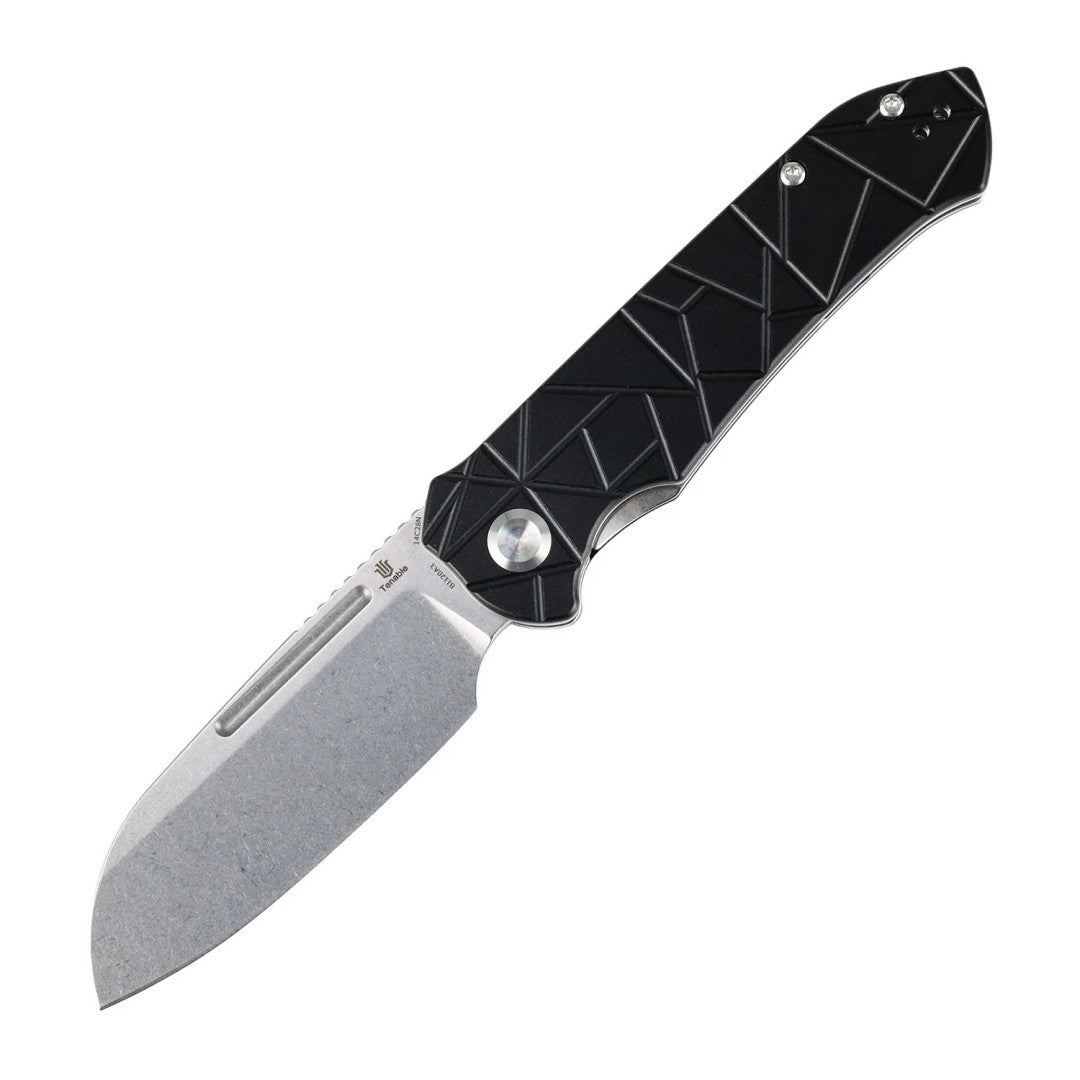
For the serious everyday carry (EDC) enthusiast, a pocket knife is much more than a simple pocket accessory—it is a vital utility tool relied upon for a wide array of unpredictable, demanding daily tasks. When we analyze a folding knife, we quickly look past handle colors and marketing buzzwords to focus heavily on the blade steel composition. We need to know exactly how a steel behaves under stress, how long it will hold its apex, and how much effort it takes to maintain in the field.
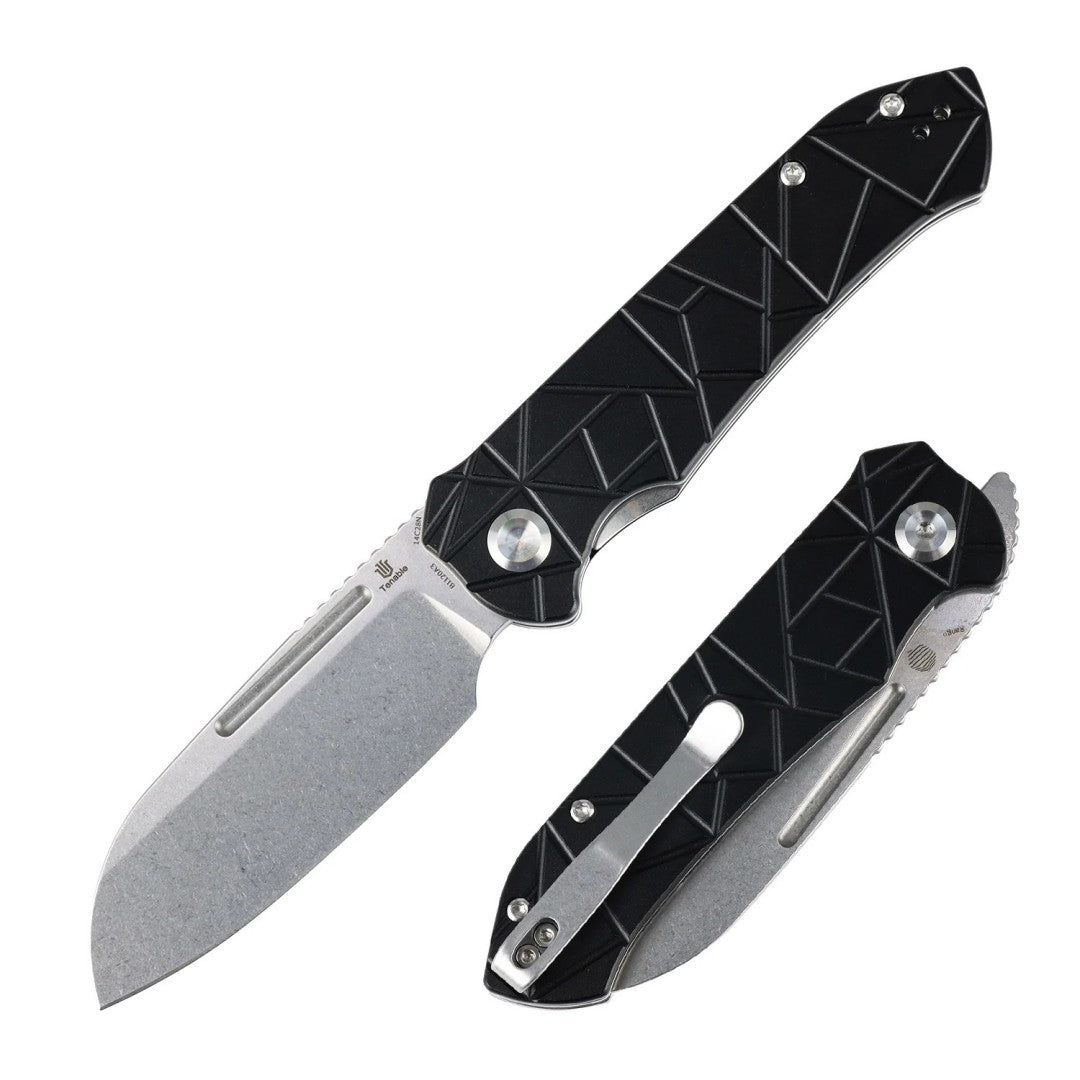
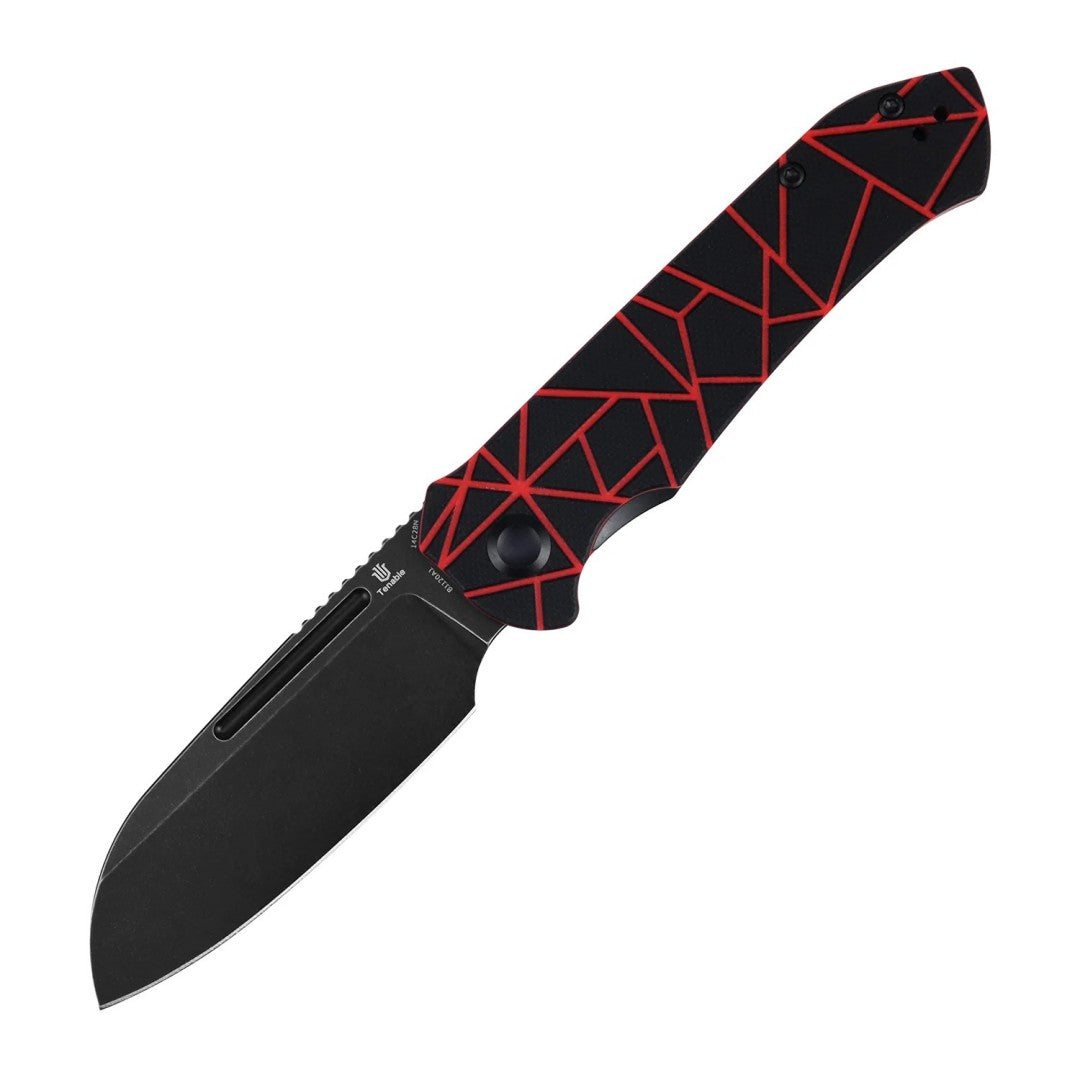
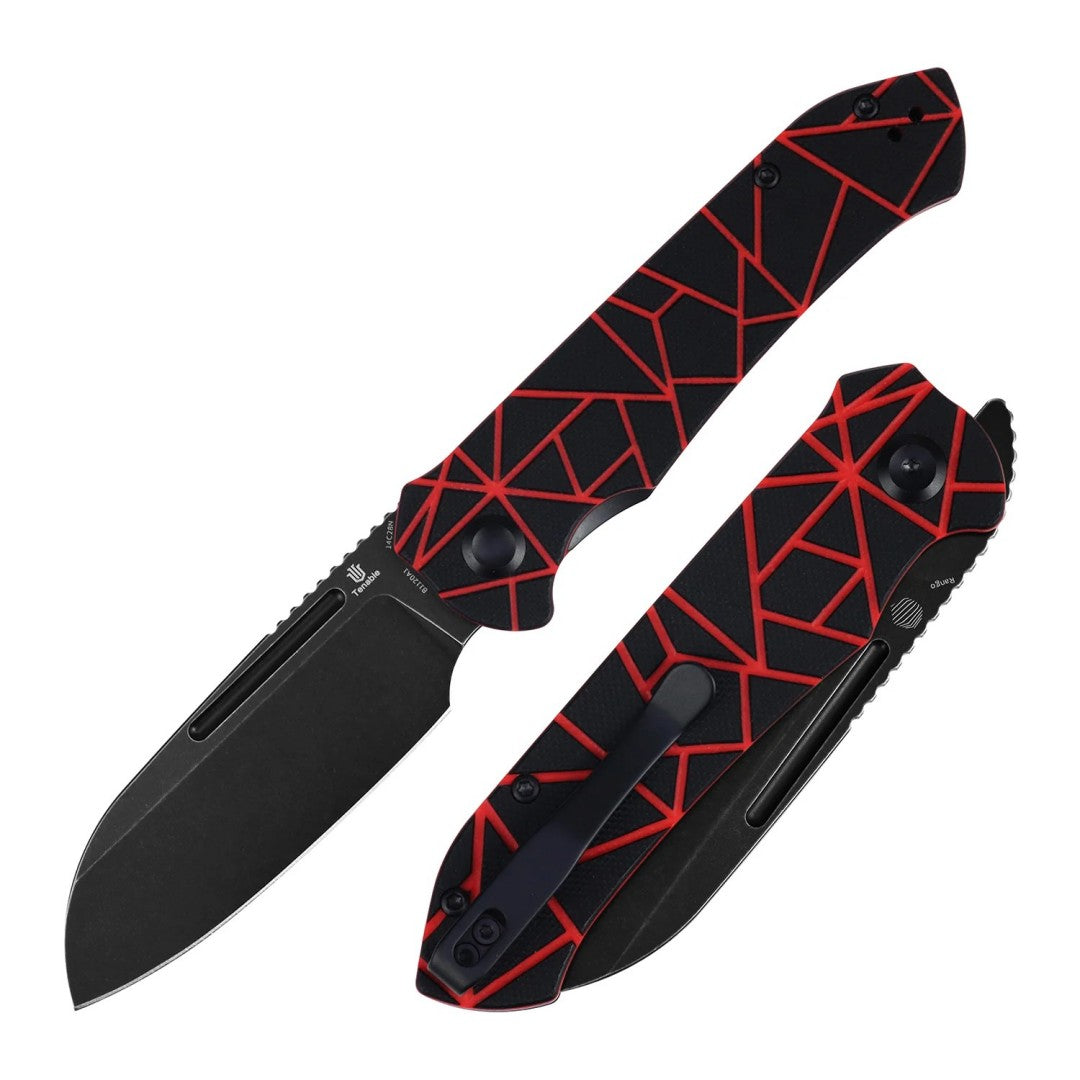
The Bestech Duoz series has generated massive waves within the EDC community, largely because it pairs an elegant custom design by Ostap Hel with Sandvik 14C28N stainless steel.
But how does this specific Swedish alloy stack up against classic EDC benchmarks like D2, 8Cr13MoV, or premium powder metallurgy super-steels? In this comprehensive breakdown, we are putting the Bestech Duoz under the microscope to evaluate its real-world cutting performance, wear resistance, toughness, and long-term edge retention through the eyes of a dedicated EDC enthusiast.

The Chemical Blueprint: Why 14C28N Matters
To truly appreciate the performance of the Bestech Duoz, we have to look closely at the molecular structure of Sandvik 14C28N. Developed by Sandvik Materials Technology in Sweden specifically for high-grade knife edges, this steel features a highly intentional elemental composition.
| Element | Percentage | What It Brings to Your EDC |
| Chromium (Cr) | 14.0% | Provides high-tier stainless properties, resisting rust from sweat and rain. |
| Carbon (C) | 0.62% | Delivers the structural hardness required to take a razor-sharp edge. |
| Nitrogen (N) | 0.11% | The secret weapon. Boosts hardness and corrosion resistance while keeping grain structure ultra-fine. |
| Manganese (Mn) | 0.60% | Increases tensile strength and structural toughness during heavy-pressure cuts. |
By utilizing Nitrogen to boost the hardness matrix rather than relying solely on high Carbon levels, Sandvik created a steel that hits an optimal 58-60 HRC without suffering from the high brittleness commonly found in standard budget tool steels.
Edge Retention: The EDC Real-World Stress Test
EDC enthusiasts know that generic rope-cutting demonstrations in clean factory settings rarely translate to actual daily utility. In the real world, a pocket knife edge has to survive abrasive materials, high impacts, and mixed-density mediums. We subjected the Bestech Duoz flat-ground drop point blade to a multi-stage stress test to see where its cutting apex eventually degrades.
Stage 1: The Cardboard Marathon (Abrasive Wear)
Cardboard acts like a slow industrial file on a knife edge due to embedded recycled silicates and dense adhesive layers. We used the Duoz to break down roughly 65 linear feet of thick shipping boxes.
-
The Performance: For the first 25 feet, the blade glided through the material cleanly with near-zero resistance. By the 50-foot mark, the razor-sharp apex had slowly transitioned into a highly aggressive working edge. At the conclusion of the test, the blade could no longer cleanly push-cut thin paper, but it easily sliced thick packaging materials without tearing.
Stage 2: Fibrous Rope Slicing (Edge Bite and Geometry)
Next, we performed 45 continuous downward press-cuts through 1/2-inch dense sisal rope. Sisal requires a steel to have a great deal of "micro-tooth" bite.
-
The Performance: Thanks to the incredibly uniform, fine grain structure of the 14C28N chemistry, the blade edge did not roll or fold under heavy down-pressure. The sweeping belly design of the Duoz blade capitalized perfectly on the steel's native bite, parting the thick fibers in single, continuous strokes.
Stage 3: High-Impact Plastic and Wood Scraping (Toughness Check)
To test for micro-chipping—a common failure point for hard D2 steel folders—we used the Duoz to shave down hard wooden stakes and trim through dense industrial plastic zip-ties.
-
The Performance: Inspecting the apex under a 10x magnification loupe revealed absolutely no chipping or micro-fractures along the entire belly and tip. The superior structural toughness provided by the nitrogen-purified matrix absorbed the sudden impacts flawlessly.

Corrosion Resistance: Pocket and Environment Survival
An EDC folder spends the vast majority of its life riding inside a dark pocket, where it is subjected to constant body heat, humidity, and sweat. If you take your knife outdoors, it will inevitably face rain, mud, or food acids.
With its 14% Chromium content and highly refined chemistry, the Bestech Duoz ranks exceptionally high in stain resistance. During our evaluation, we used the knife to slice open citrus fruits, rinsed it briefly under tap water, and left it to air-dry overnight without applying any protective oils or lubricants. The next morning, the satin finish flats and laser-etched designer logos were completely pristine—showing zero signs of pitting, staining, or surface rust. For users living in humid coastal regions or those who put their gear through wet outdoor utility, this steel is incredibly forgiving and low-maintenance.
Resharpening: The Maintenance Advantage
Eventually, every working knife edge goes dull. While ultra-hard premium super-steels (like S30V, Maxamet, or M390) can hold an edge noticeably longer than 14C28N, they present a massive challenge when it comes time to resharpen. They require expensive diamond sharpening plates, specialized angles, and a great deal of patience to restore.
The Bestech Duoz offers a massive advantage here for everyday carry. Because the steel lacks the massive, stubborn vanadium carbides found in super-steels, it responds beautifully to basic sharpening tools.
After completing our rigorous cutting trials, we brought the dull blade back to life using a simple medium-grit ceramic rod followed by roughly 15 passes on a leather strop loaded with green polishing compound. In less than four minutes, the Duoz was restored back to a hair-shaving, paper-slicing factory apex. This ease of maintenance makes it an incredibly practical choice for both beginners refining their sharpening skills and seasoned veterans who prefer to quickly touch up their tools at the end of a hard workday.
EDC Benchmark Comparison: How 14C28N Stands Up
To put things into perspective for true gear enthusiasts, let us see how the Bestech Duoz's Sandvik 14C28N steel matches up against other highly common budget-to-mid-range EDC options.
| Steel Type | Edge Retention | Corrosion Resistance | Toughness | Ease of Sharpening |
| Sandvik 14C28N (Bestech Duoz) | Great | Excellent | Very High | Very Easy |
| D2 Tool Steel | Excellent | Poor (Rusts Easily) | Moderate (Prone to Chipping) | Difficult |
| 8Cr13MoV | Poor (Dulls Quickly) | Moderate | Moderate | Extremely Easy |
| 440C | Moderate | Great | Moderate | Easy |

The Verdict: A Masterclass in EDC Value
From the perspective of an EDC enthusiast, the Bestech Duoz 14C28N steel performance is an absolute triumph of value engineering.
Bestech has executed an exceptional heat treatment on this Swedish alloy, maximizing its structural potential. It strikes a nearly flawless balance for daily utility: holding a working edge through heavy cycles of abrasive cardboard and cordage, resisting environmental rust with ease, and remaining remarkably easy to strop back to a razor-sharp finish without special tools.
If you want a sleek, modern pocket knife that delivers high-tier cutting performance without forcing you to pay premium super-steel prices, the Bestech Duoz series deserves top consideration for your daily rotation.