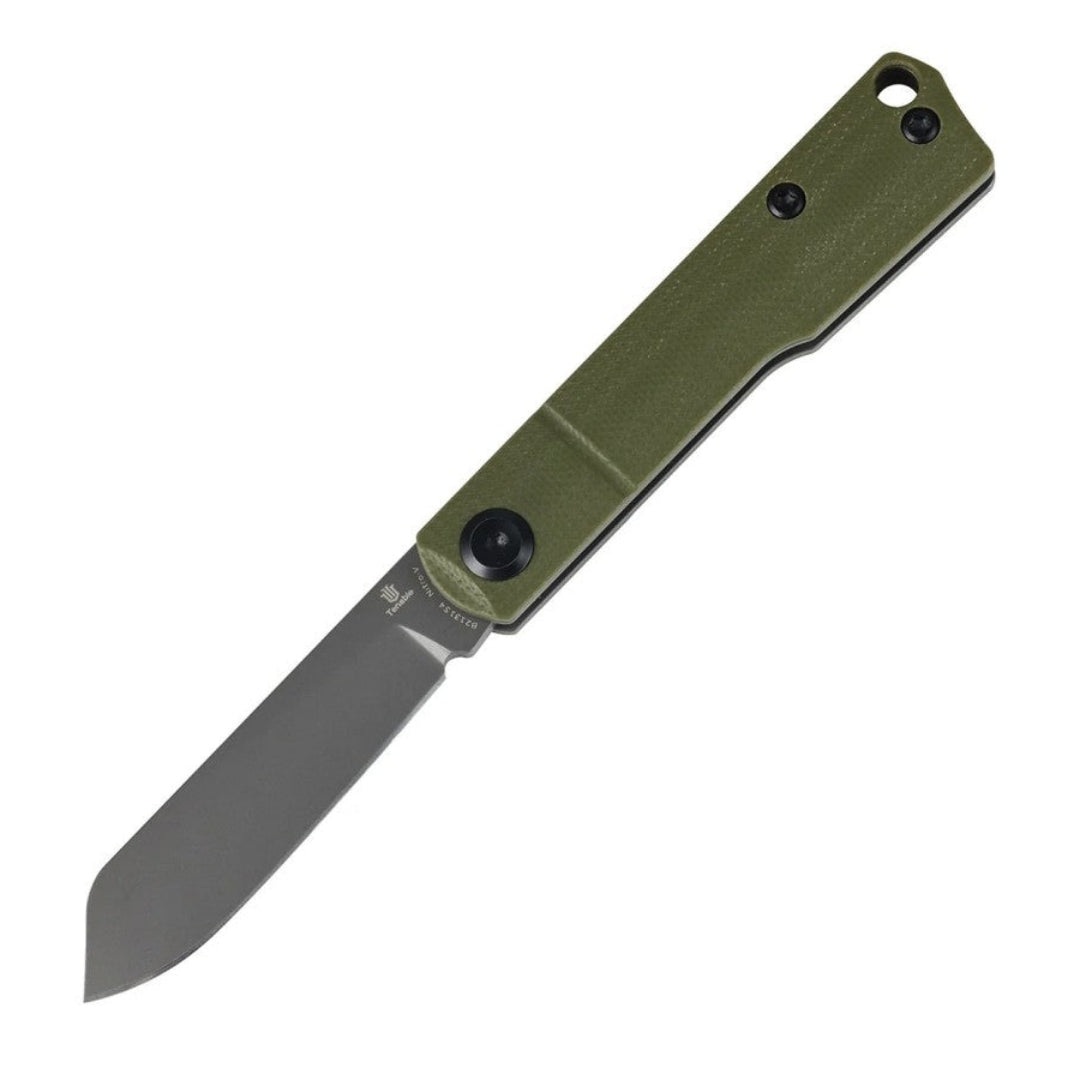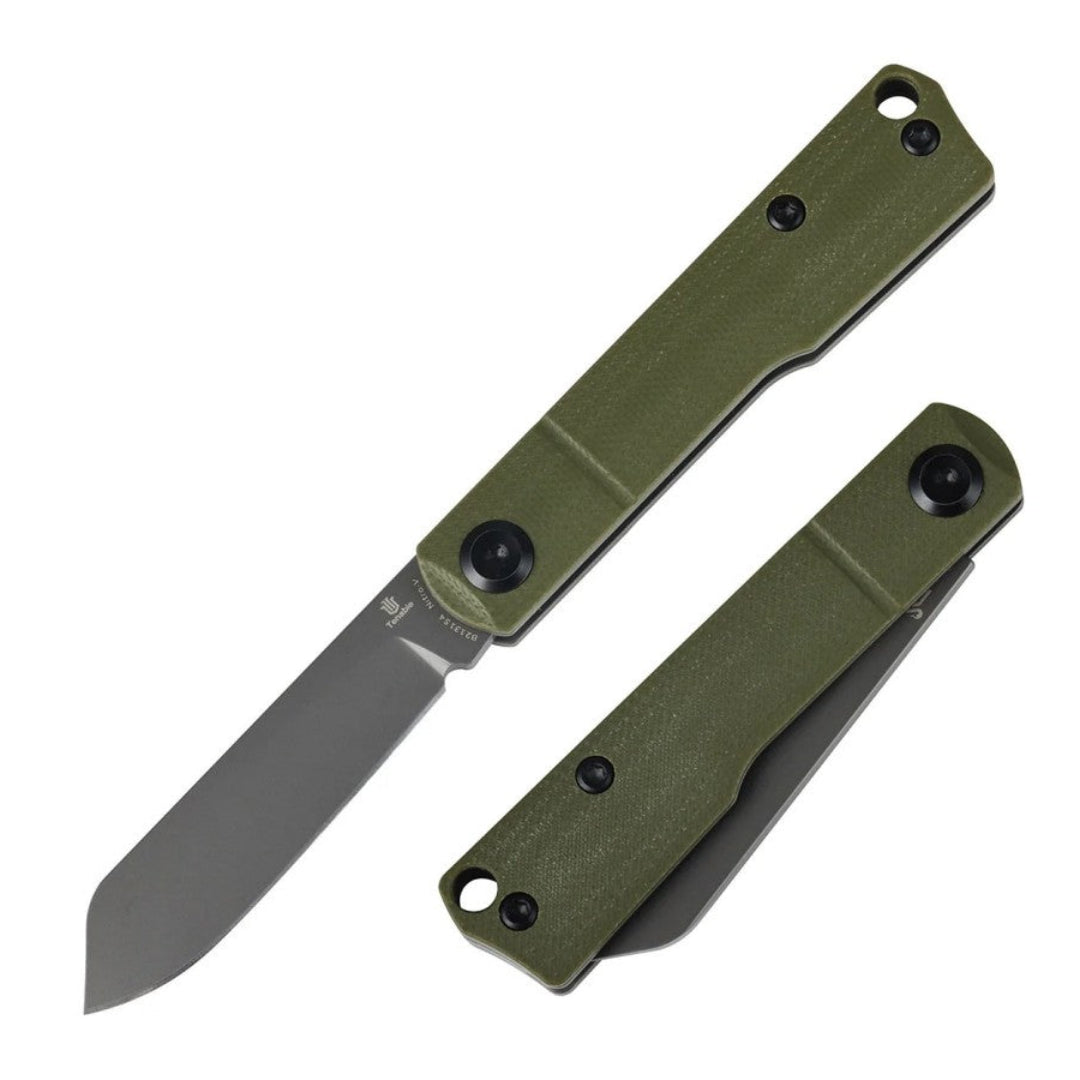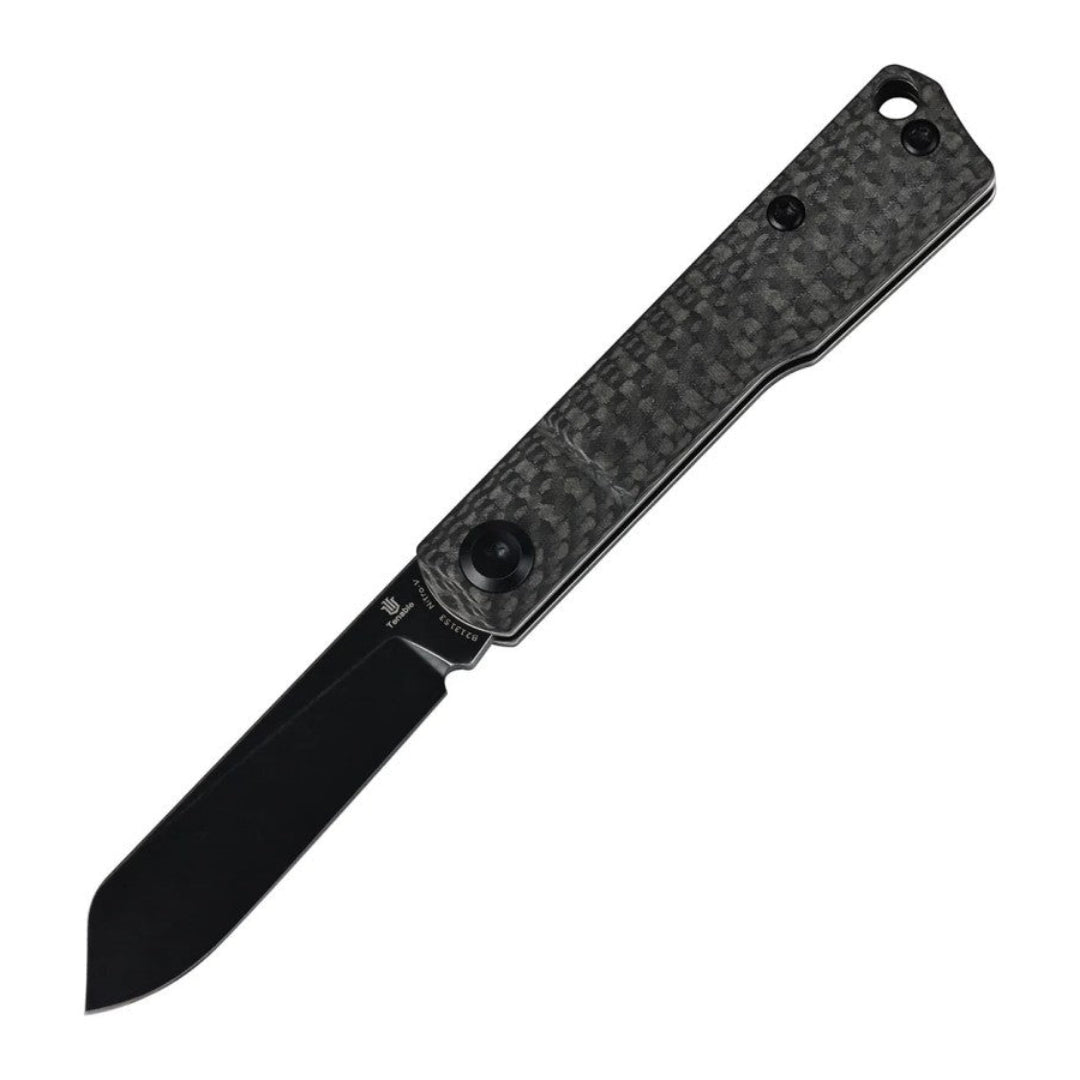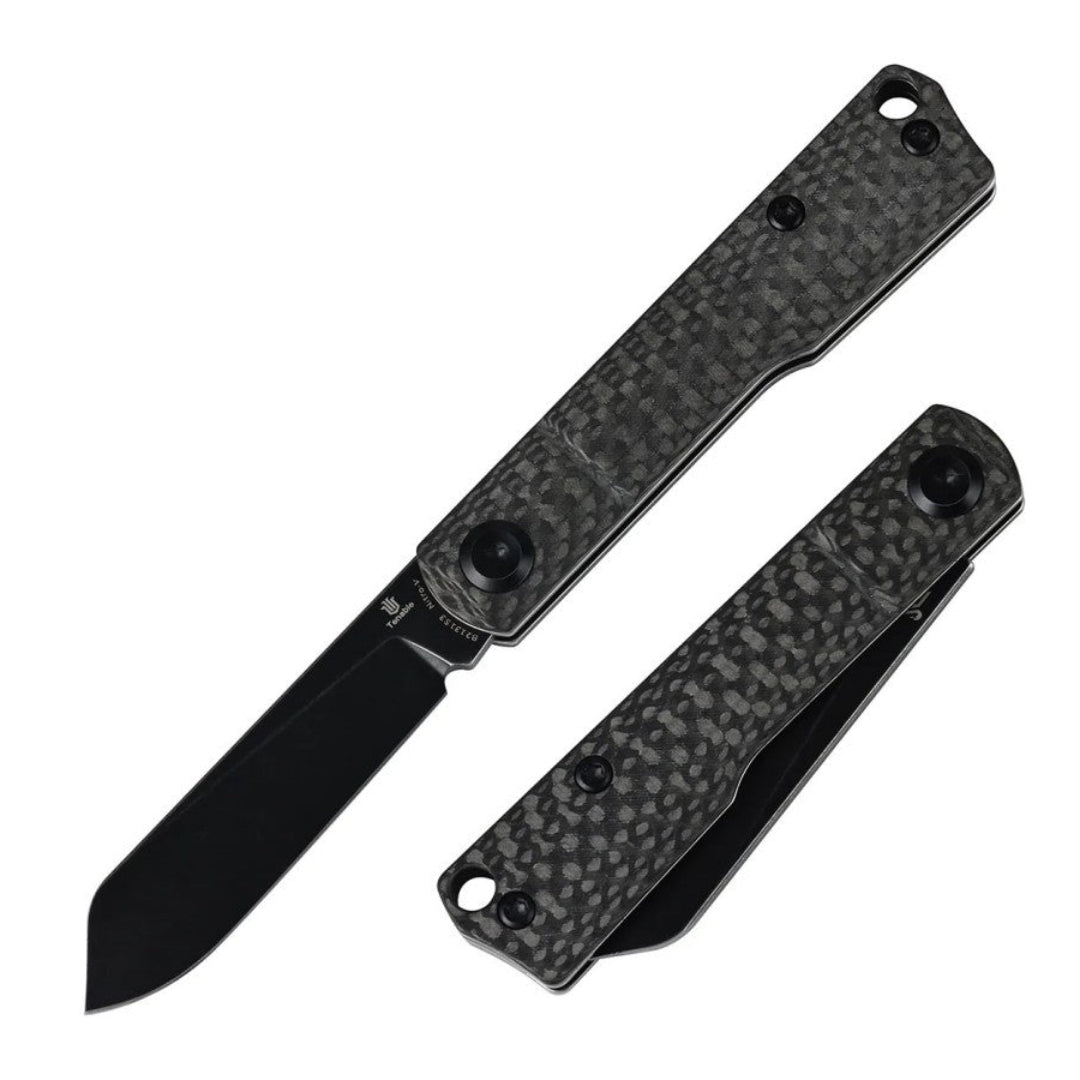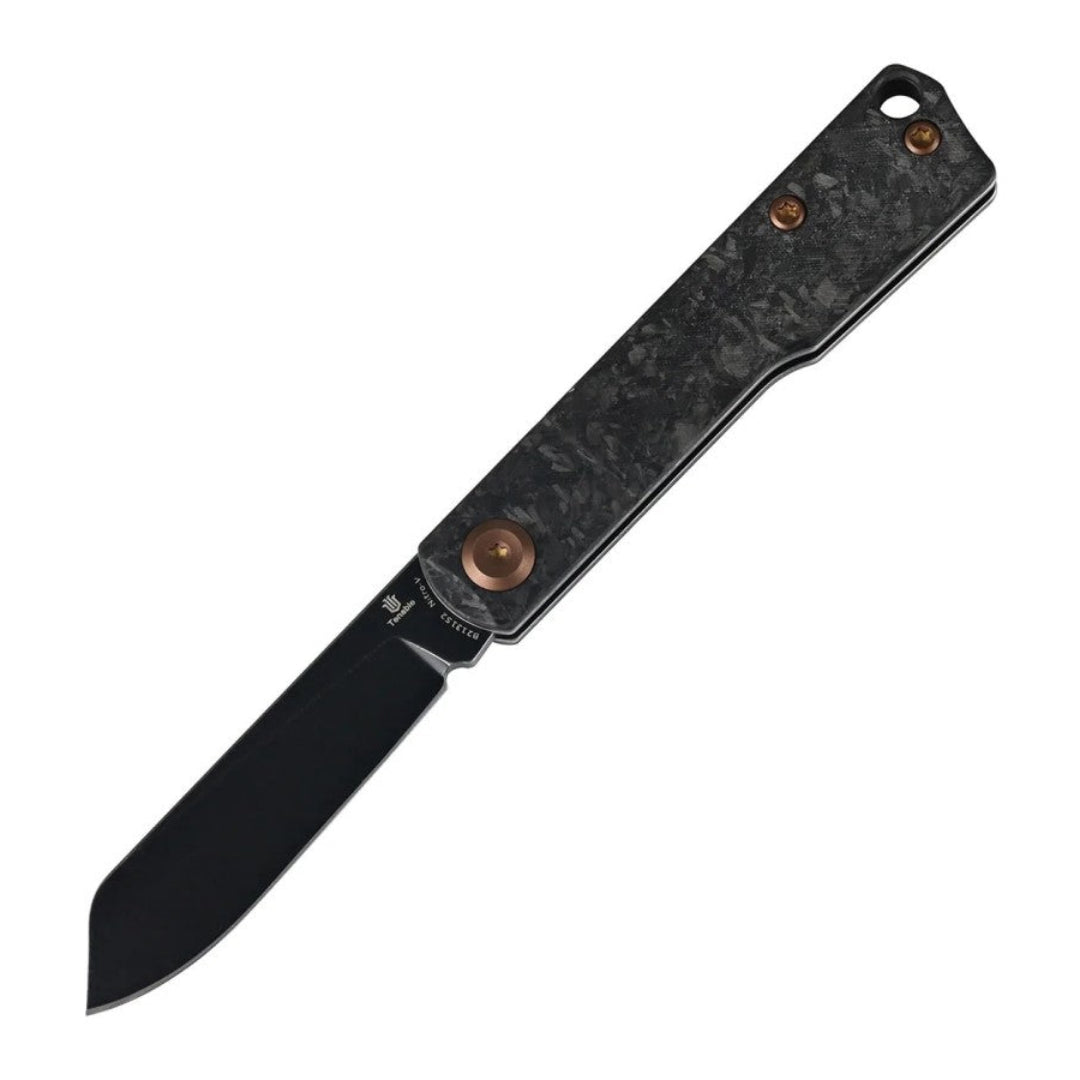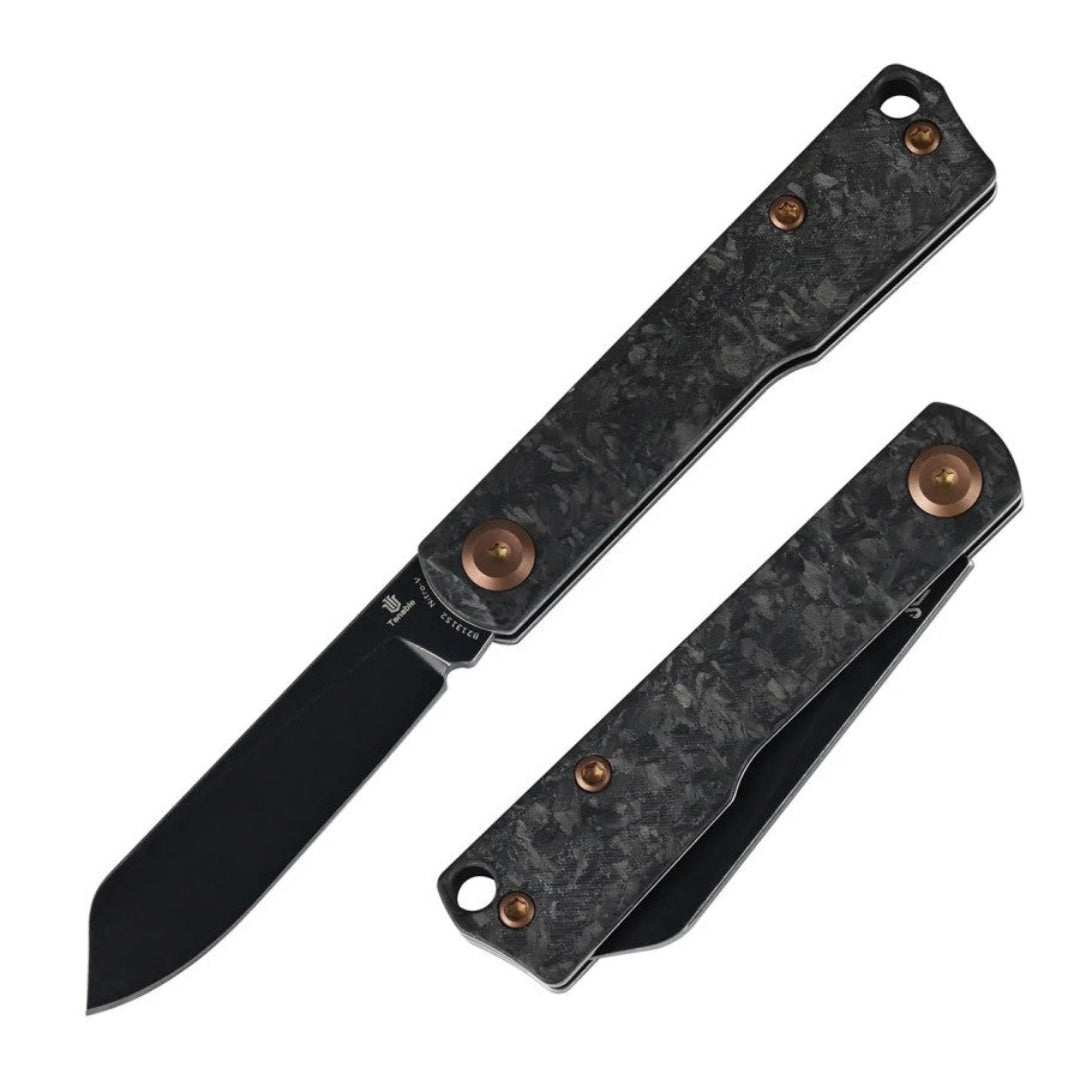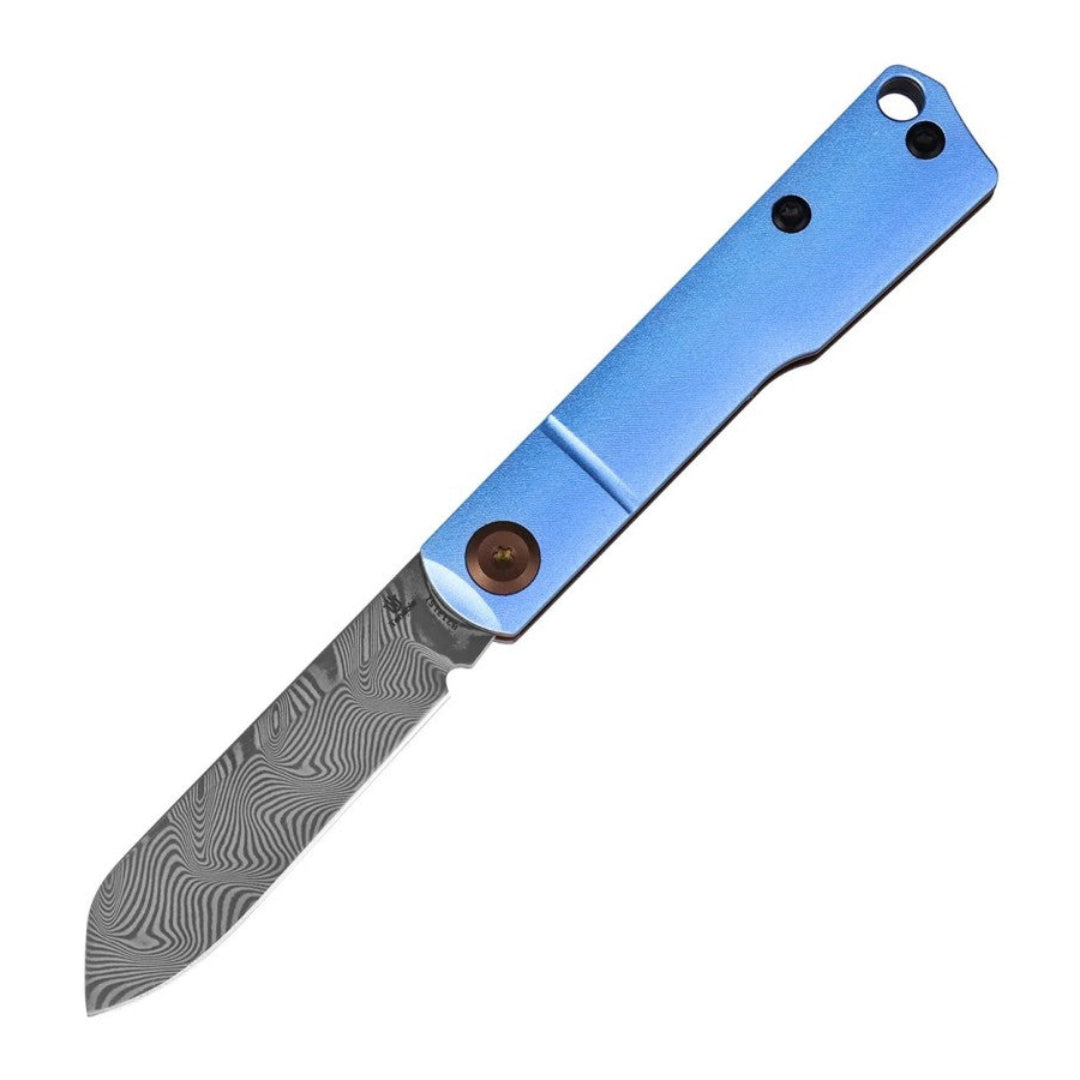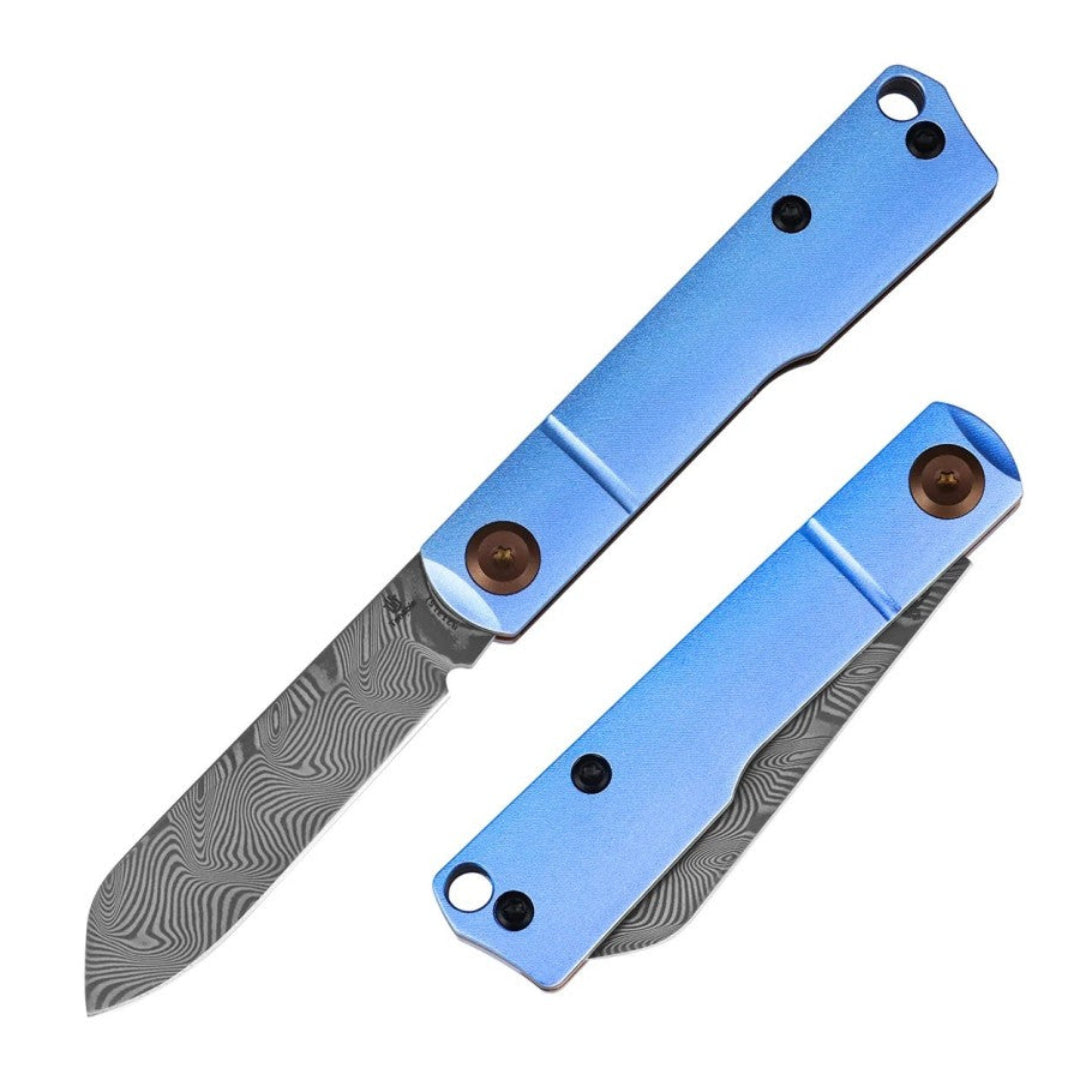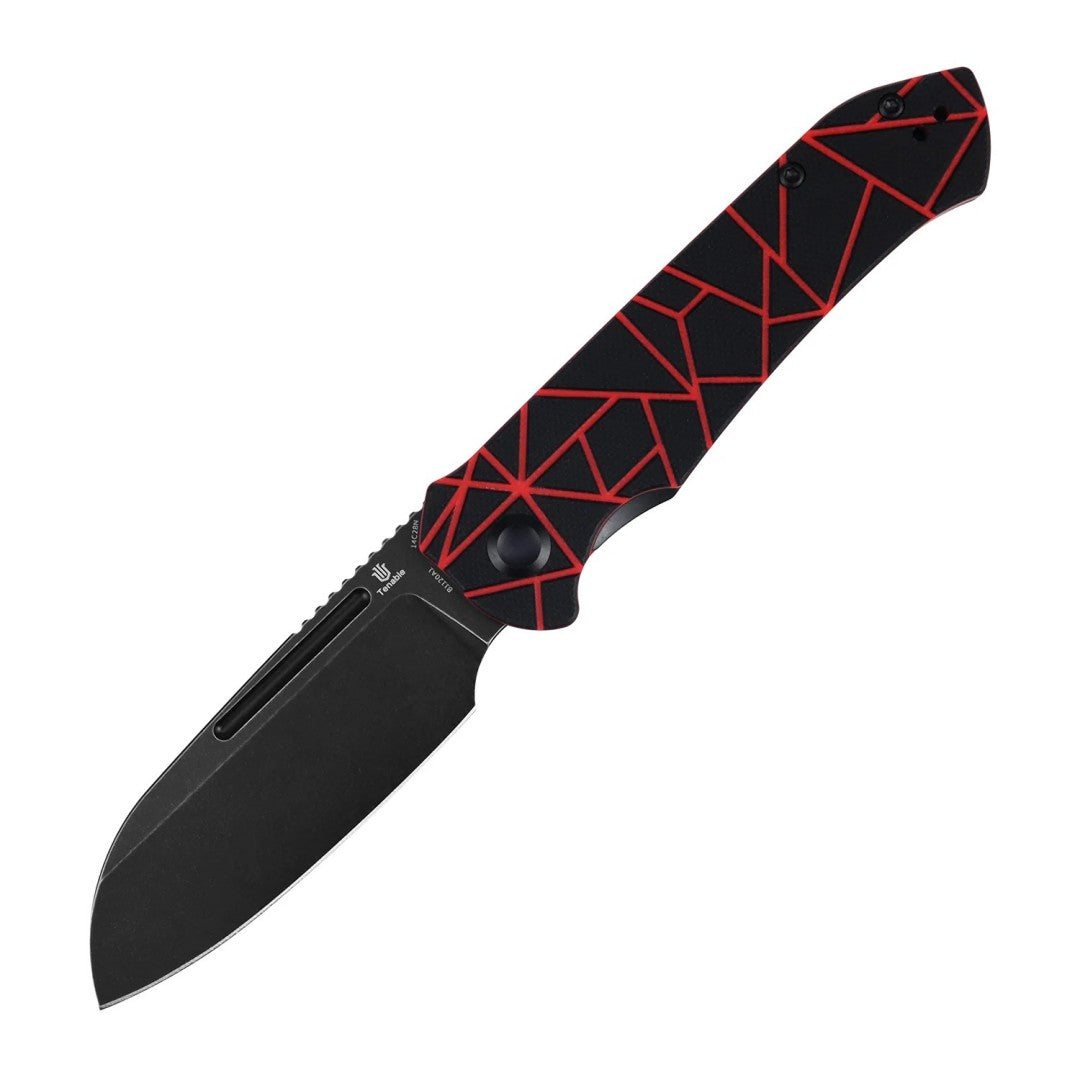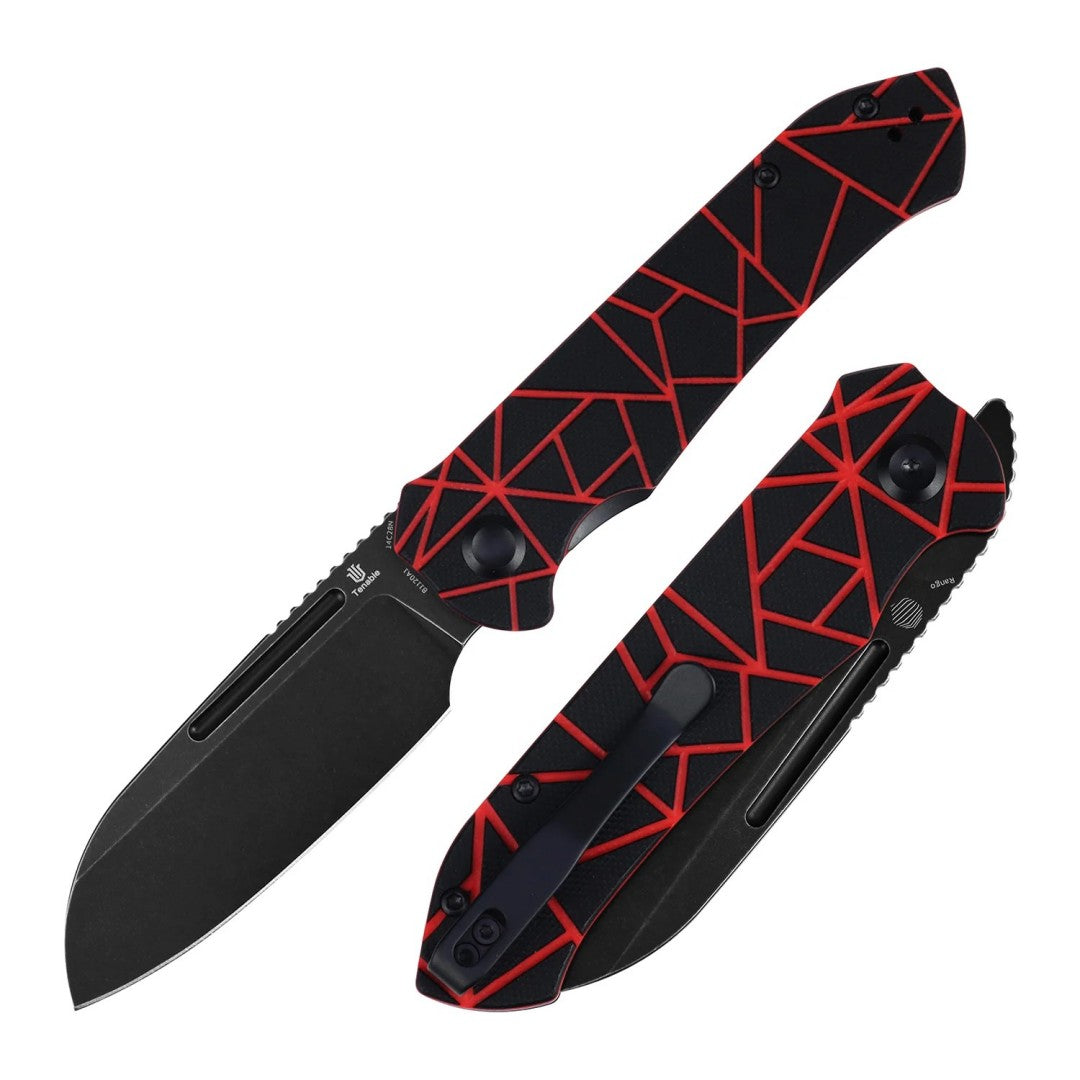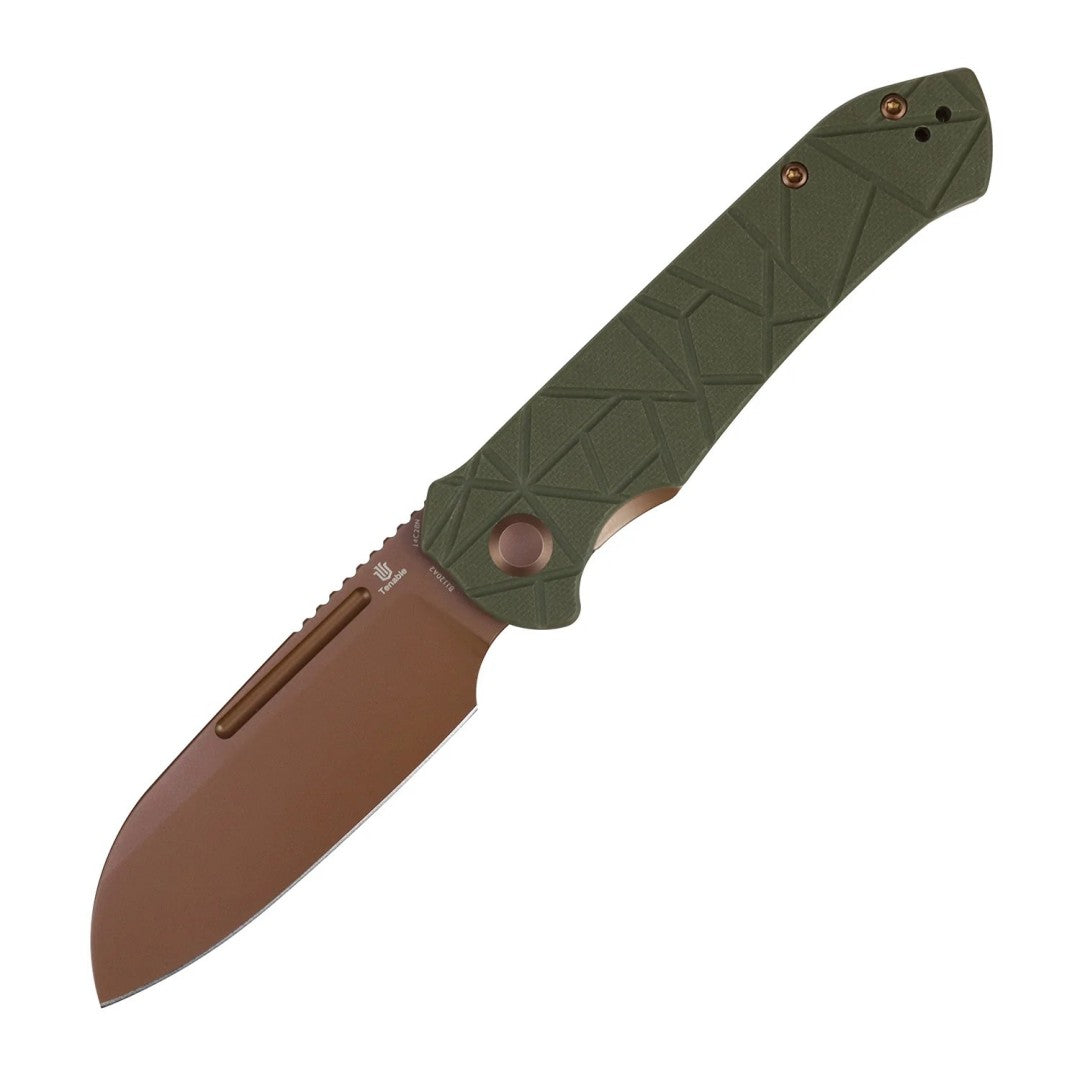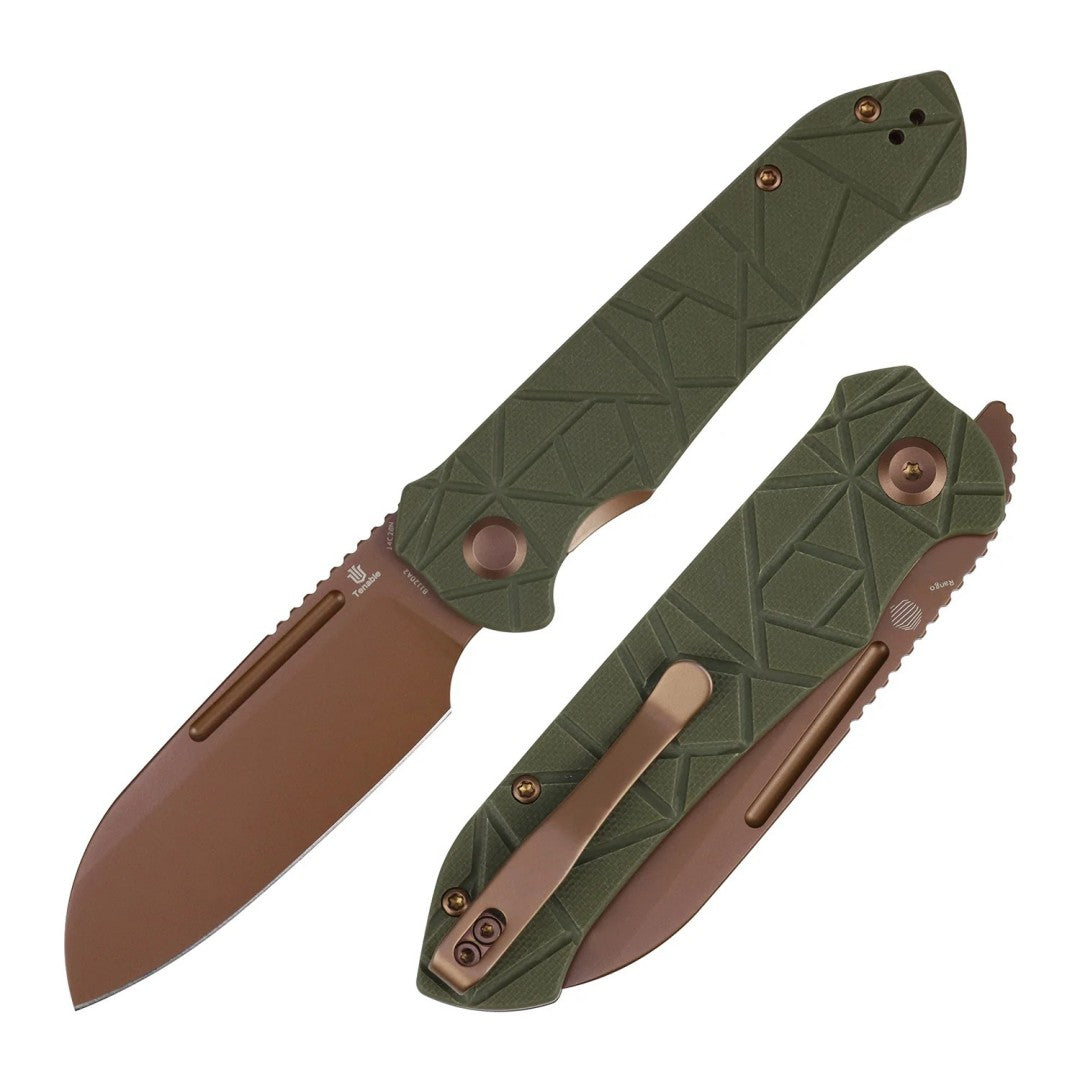
In the premium everyday carry (EDC) community, lock engineering is a frequent subject of debate. For years, folding knife design was split into two primary locking camps: the traditional Frame Lock—celebrated for its brute strength and absolute structural integrity—and the modern Button Lock, loved for its fluid, drop-shut action and addictive fidget factor.
Each system, however, possesses inherent engineering compromises. Traditional frame locks require you to place your fingers directly in the path of the sharp closing blade to disengage the lockbar. Standard button locks, while highly operational, rely on internal plunge locks that can wear down over time or slip under sudden, heavy spine-whack stress.
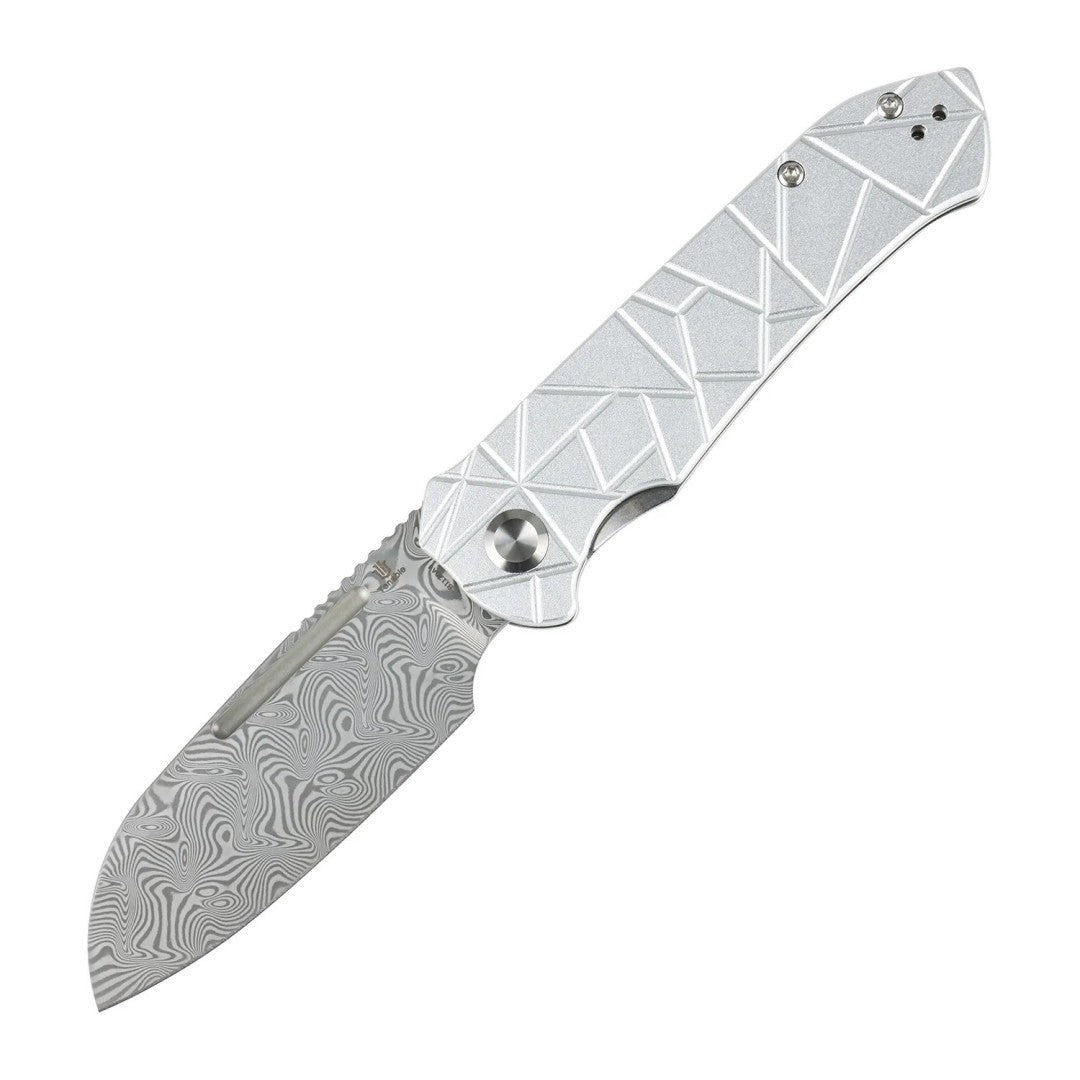
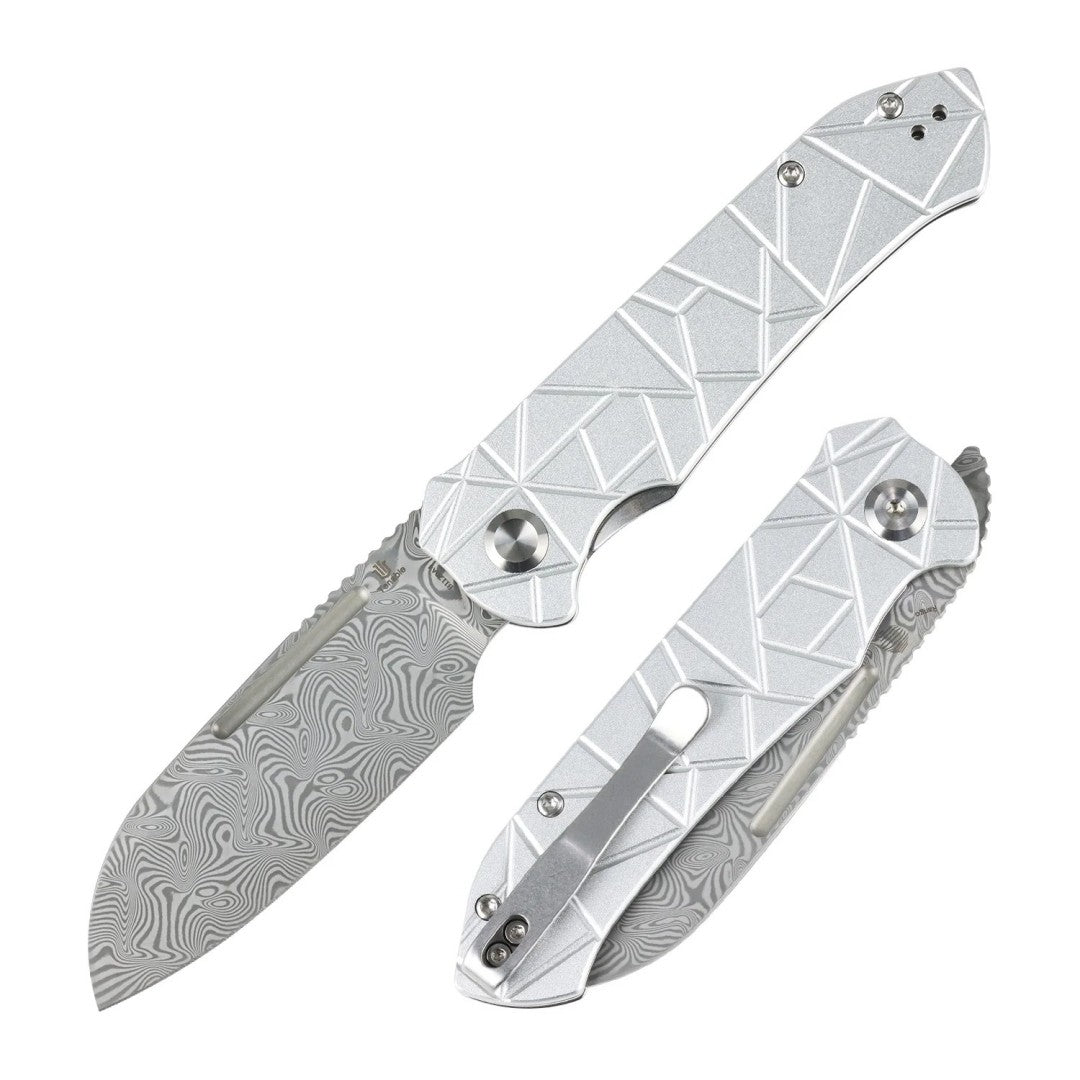
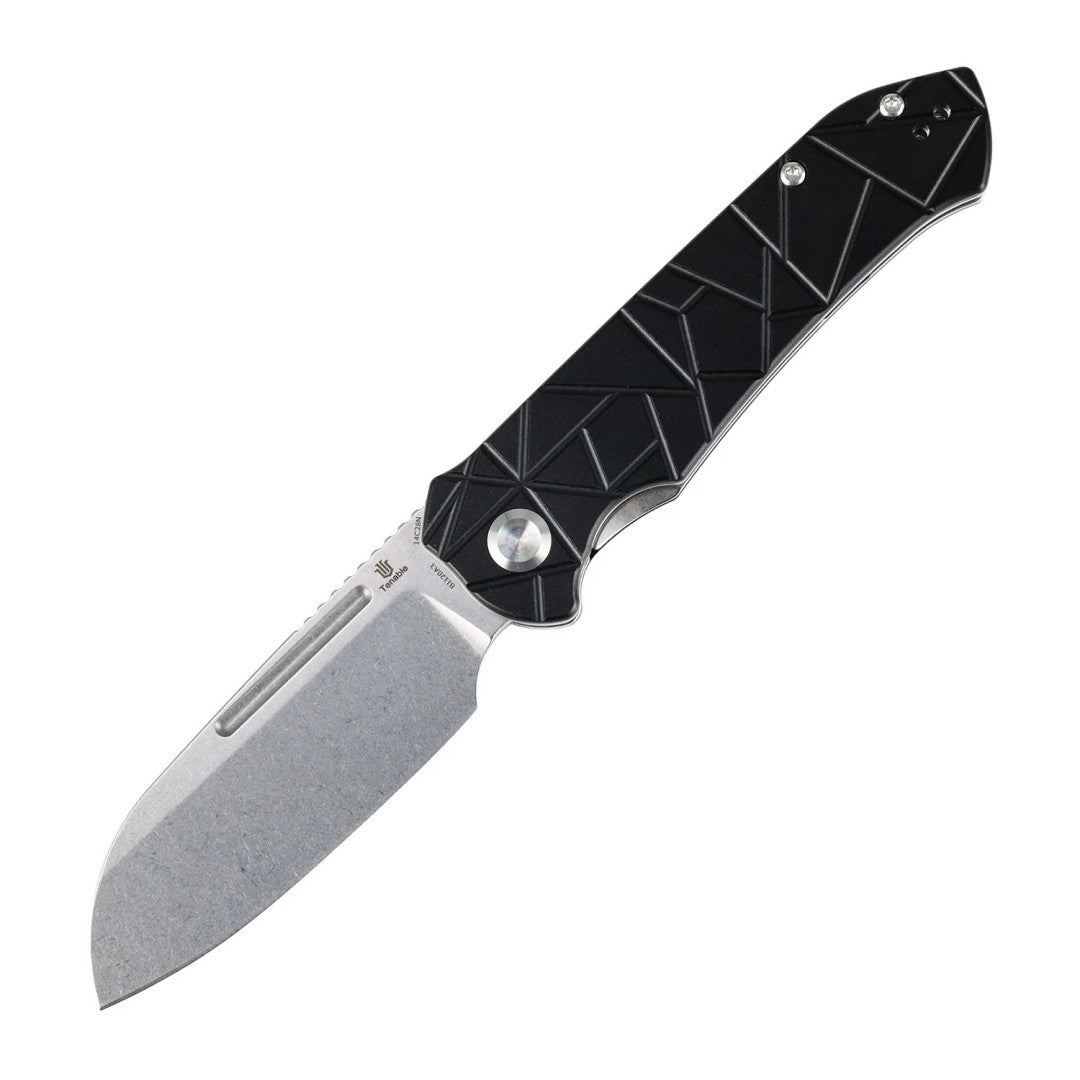
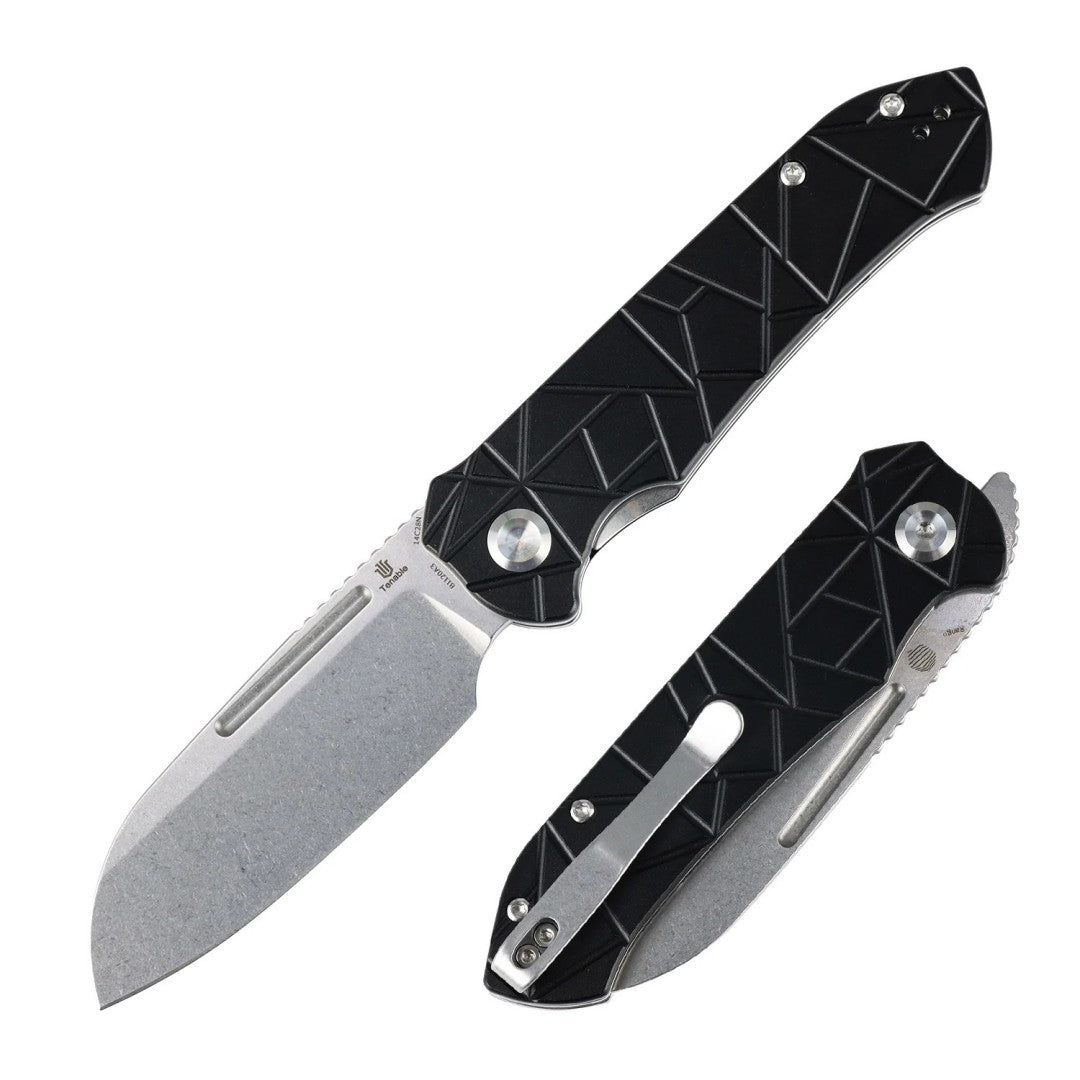
The Bestech Wet Nellie, designed by visual mastermind Grzegorz Grabarski (Kombou), introduces a fascinating mechanical evolution to solve this dilemma: the Button Frame Lock (often called a side-key frame lock).

This comprehensive technical article will break down exactly how this innovative hybrid mechanism works, analyze its internal engineering, and detail how it performs under rigorous mechanical testing.
Technical Specifications: The Mechanical Backbone
Before diving into the mechanics, let us look at the structural architecture that houses this unique lock configuration:
-
Lock Type: Proprietary Button Frame Lock Hybrid
-
Chassis Material: Aerospace-Grade 6AL4V Titanium (3D CNC-Milled)
-
Blade Steel: Premium CPM MagnaCut Stainless Steel (62-64 HRC)
-
Pivot Interface: Caged Ceramic Ball Bearings
-
Lock Interface: Hardened Steel Lockbar Insert
1. The Engineering Explained: How the Button Frame Lock Works
To fully appreciate the innovation behind the Bestech Wet Nellie, you have to look at it as a mechanical bridge between two distinct lock styles. It is not a standard button plunge lock; rather, it is a fully external titanium frame lock that is manipulated via a remote button interface.
The Anatomy of Lockup
When you deploy the Wet Nellie using its low-profile flipper tab or stylized thumb slot, a thick, integral titanium lockbar snaps inward under its own spring tension, wedging itself rigidly behind the tang of the CPM MagnaCut blade.
To prevent the dreaded "sticky lock" phenomenon common to raw titanium-on-steel contact, Bestech has fitted the tip of the lockbar with a hardened steel insert. This insert provides a perfectly calibrated metal-on-metal mating surface with the blade tang, ensuring zero vertical play, zero lock rock, and an incredibly crisp lockup.
The Remote Disengagement Interface
The genius of the design lies in how the lockbar is released. On a traditional frame lock, your thumb must physically push the exposed titanium slab outward. On the Wet Nellie, the lockbar is cleverly hidden and nested behind a stylized, 3D-milled titanium overlay.
An elegant, flush-mounted stainless steel button penetrates through the handle scale and directly contacts the internal side of the titanium lockbar.
The Mechanical Sequence: When you press the external button, it acts as a lever that pushes the massive titanium frame lockbar outward and away from the blade tang.
This simple yet sophisticated mechanical decoupling provides a massive ergonomic advantage: your fingers never cross the path of the cutting edge when closing the knife. You can safely, quickly disengage the lock and allow the blade to swing completely shut using only one hand.

2. Performance Tested: Putting the Lock to the Test
An innovative mechanical concept is only as good as its real-world durability. To see if Bestech's tolerances hold up under pressure, we look at how this mechanism scores across three vital performance testing vectors: lockup rigidity, security under adverse loads, and long-term action cycling.
Vector A: Lockup Rigidity & Tolerances
When deployed, the structural stability of the Wet Nellie mimics a vault door. Applying heavy lateral and vertical force directly to the tip of the 3.53-inch blade reveals absolutely zero micro-play.
Because Bestech is an elite manufacturer known for holding aerospace-level machining tolerances, the geometry between the hardened steel lockbar insert and the blade tang face is mathematically perfect. There is no horizontal flexing or vertical shifting, allowing the knife to handle high-torque tasks with the confidence of a fixed blade.
Vector B: Adverse Stress & Security Testing
One of the historical weaknesses of standard button plunge locks is their vulnerability to failing sudden spine-impact tests (where pressure is suddenly applied to the unsharpened back of the blade).
Because the Wet Nellie relies on a true, heavy-duty titanium frame lock bar for its structural hold, it excels where standard button locks struggle. When heavy downward pressure or sudden impacts are directed at the spine of the blade, the force actually drives the lockbar deeper into the blade tang, reinforcing its hold. The external button interface remains entirely passive during use, meaning your grip pressure on the handle cannot accidentally disengage the lock.
Vector C: Action Cycling & Fidget Factor
Riding on high-grade caged ceramic ball bearings around a perfectly tensioned pivot, the action of the Wet Nellie is exceptionally smooth.
During repetitive action cycling tests—simulating months of constant opening and closing—the detent remains perfectly tuned. The blade snaps open with a crisp, acoustic "clack" and drops shut smoothly under its own weight the moment the side button is compressed. Even after thousands of cycles, the lock interface shows zero signs of premature wear, lock stick, or mechanical fatigue, proving the exceptional durability of Bestech's heat treatment and steel insert choices.
3. Ergonomic and Practical Benefits for Daily Carry
Beyond the technical marvel of the mechanism, the Button Frame Lock dramatically improves the daily user experience for EDC enthusiasts:
-
Complete One-Handed Safety: Because your thumb does not have to push a lockbar out of the blade's path, closing the knife is entirely risk-free. It can be easily operated in cold weather, with wet hands, or while wearing thick utility gloves.
-
Grip Independence: On traditional frame locks, squeezing the handle too tightly during a heavy cut can compress the lockbar, making the knife lock up too tightly. The Wet Nellie’s protected lockbar design ensures your grip pressure never interferes with the mechanical state of the lock.
-
Debris Protection: Bestech has enclosed the mechanism efficiently, preventing typical pocket lint, dirt, and outdoor grit from easily fouling the spring path of the lockbar.

The Verdict: A Triumph of Modern Pocket Knife Engineering
When evaluating a high-end folder like the Bestech Wet Nellie, the question is always whether the mechanical innovations justify the premium cost. After analyzing and testing the performance of its proprietary Button Frame Lock, the answer is a definitive yes.
Bestech and Kombou have successfully taken the bulletproof, time-tested security of a titanium frame lock and infused it with the absolute safety, ease of use, and smooth operation of an external button interface. Combined with the incredible wear resistance of a CPM MagnaCut blade, the Wet Nellie stands out not just as a piece of futuristic pocket art, but as a flawlessly engineered, highly secure cutting system built to endure a lifetime of daily carry.