
Overview & First Impressions
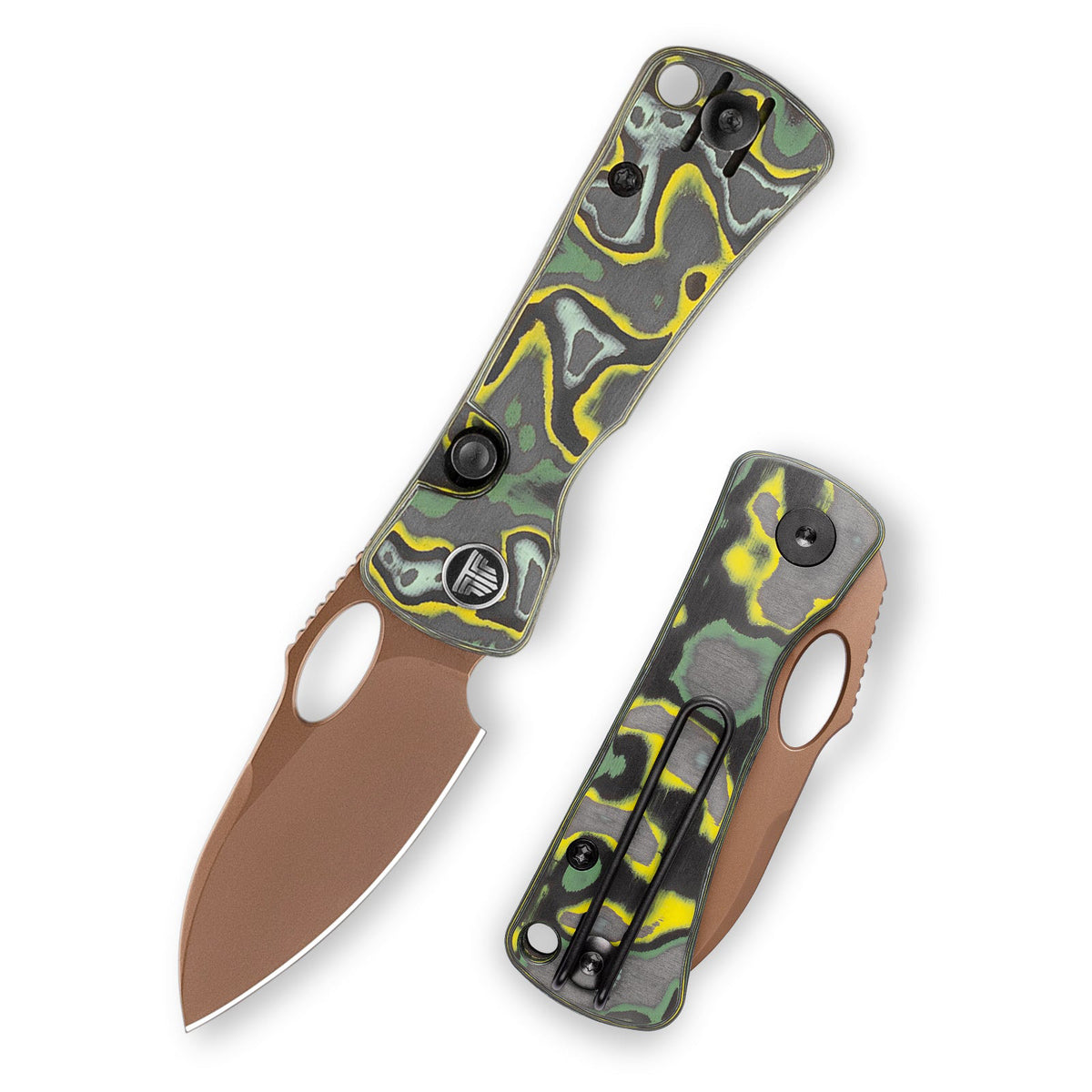
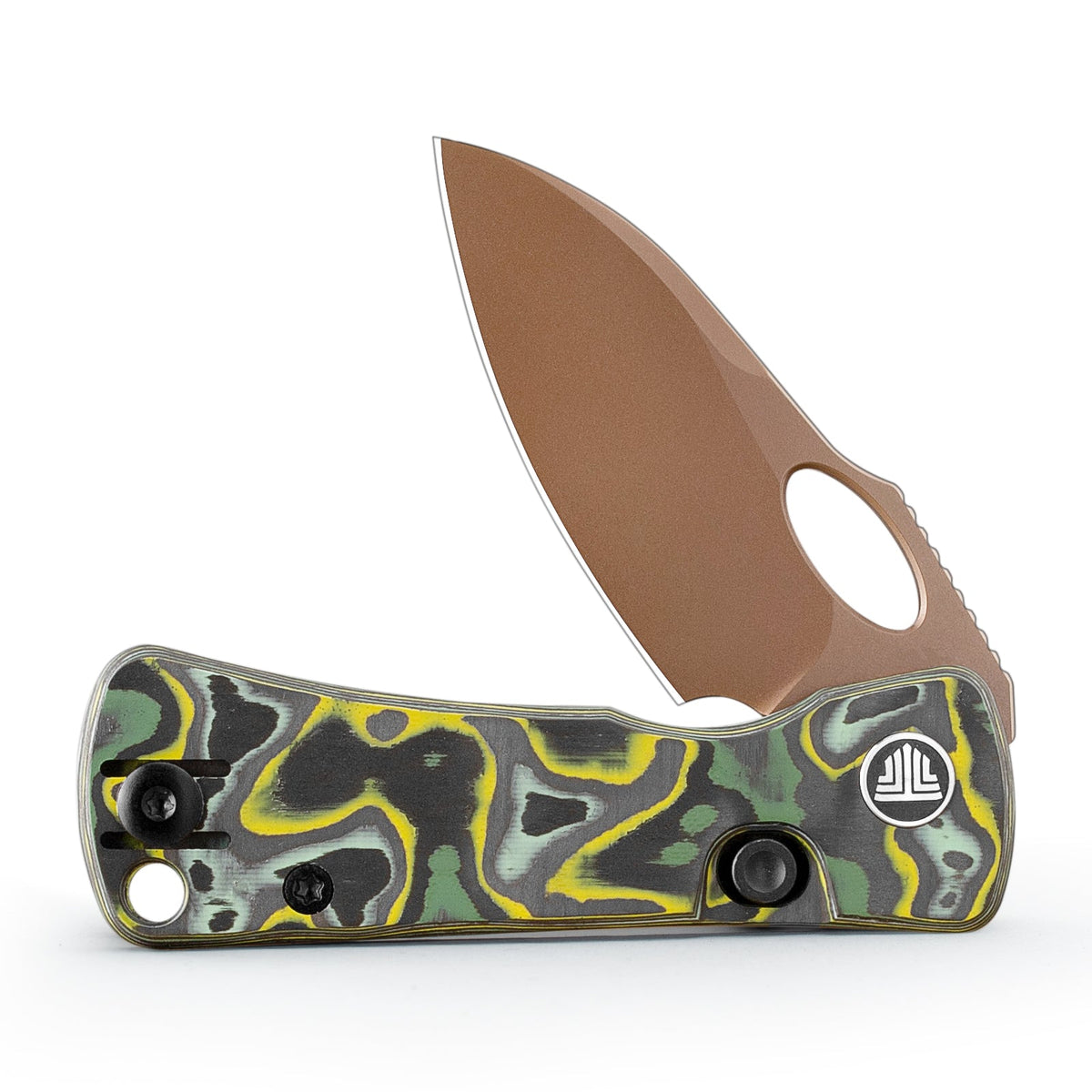
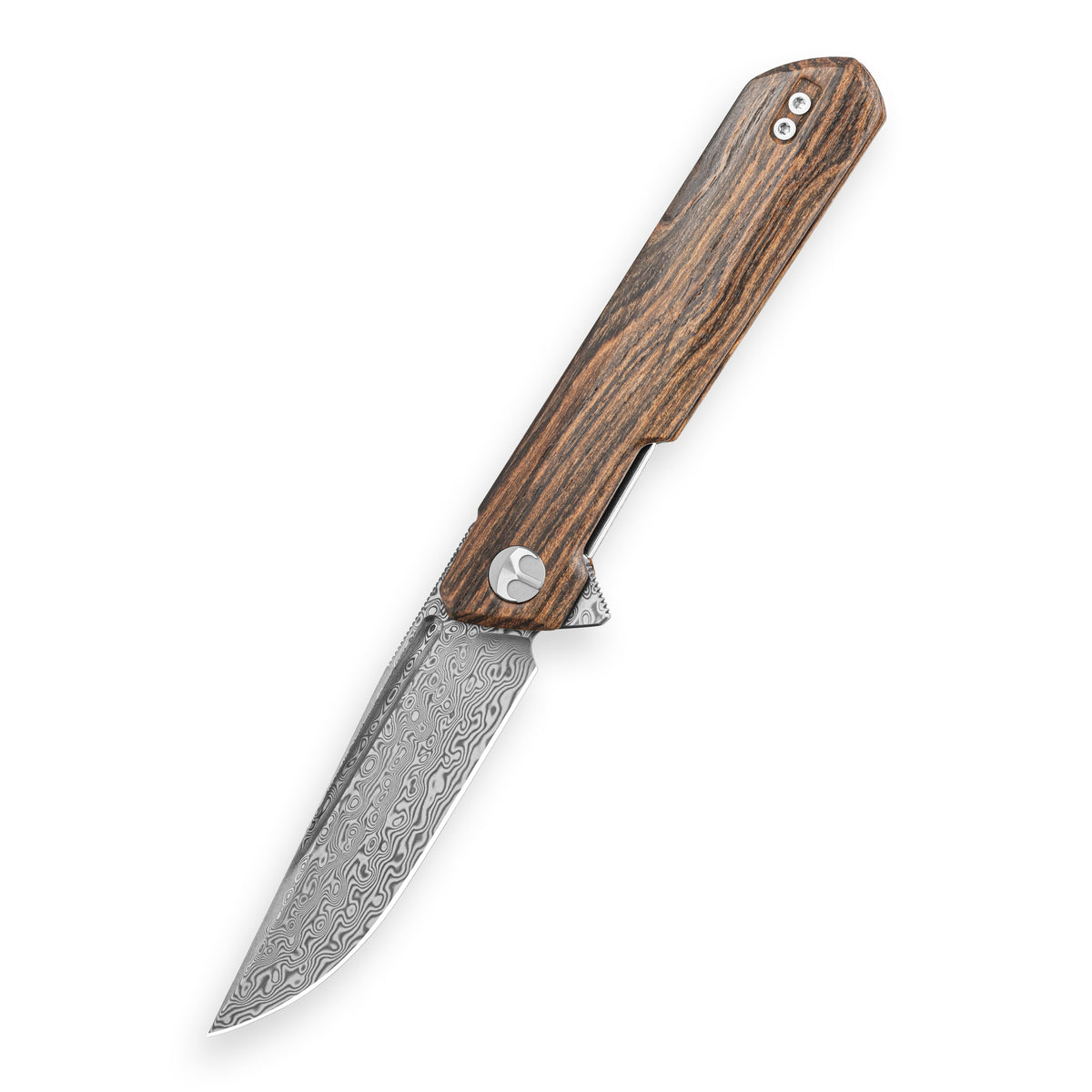
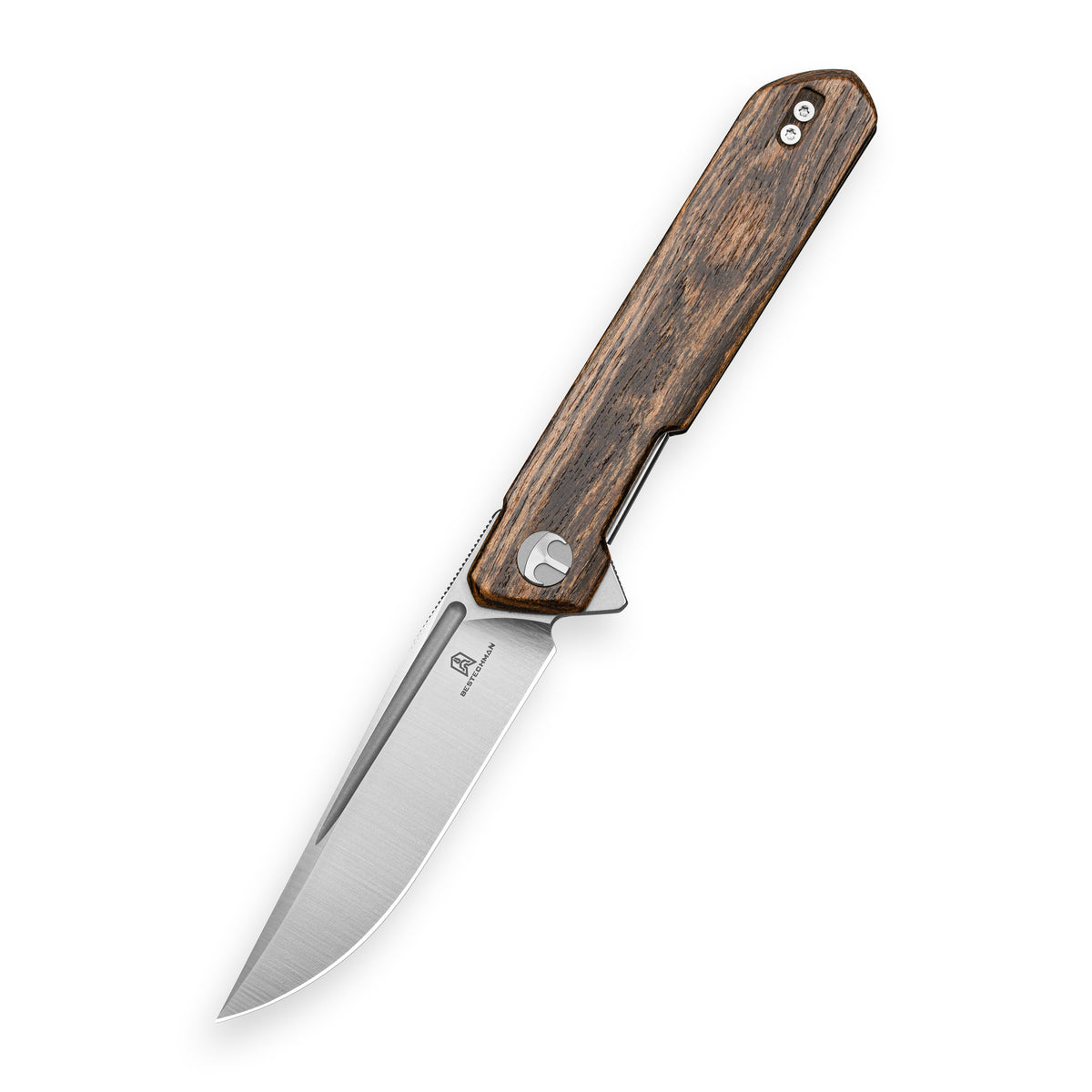
Scaling a billboard means climbing a structure with a harness, a bag of zip ties and a roll of vinyl. Face panels are cut to fit, ties are trimmed flush, weed vines are cleared from an access ladder and damaged sections are tied off for a return trip. It is done at night more often than anyone admits, because a face change has to be finished before traffic builds. A low-profile light and a slim EDC knives pattern are the two things that make that work faster.
Materials & Construction
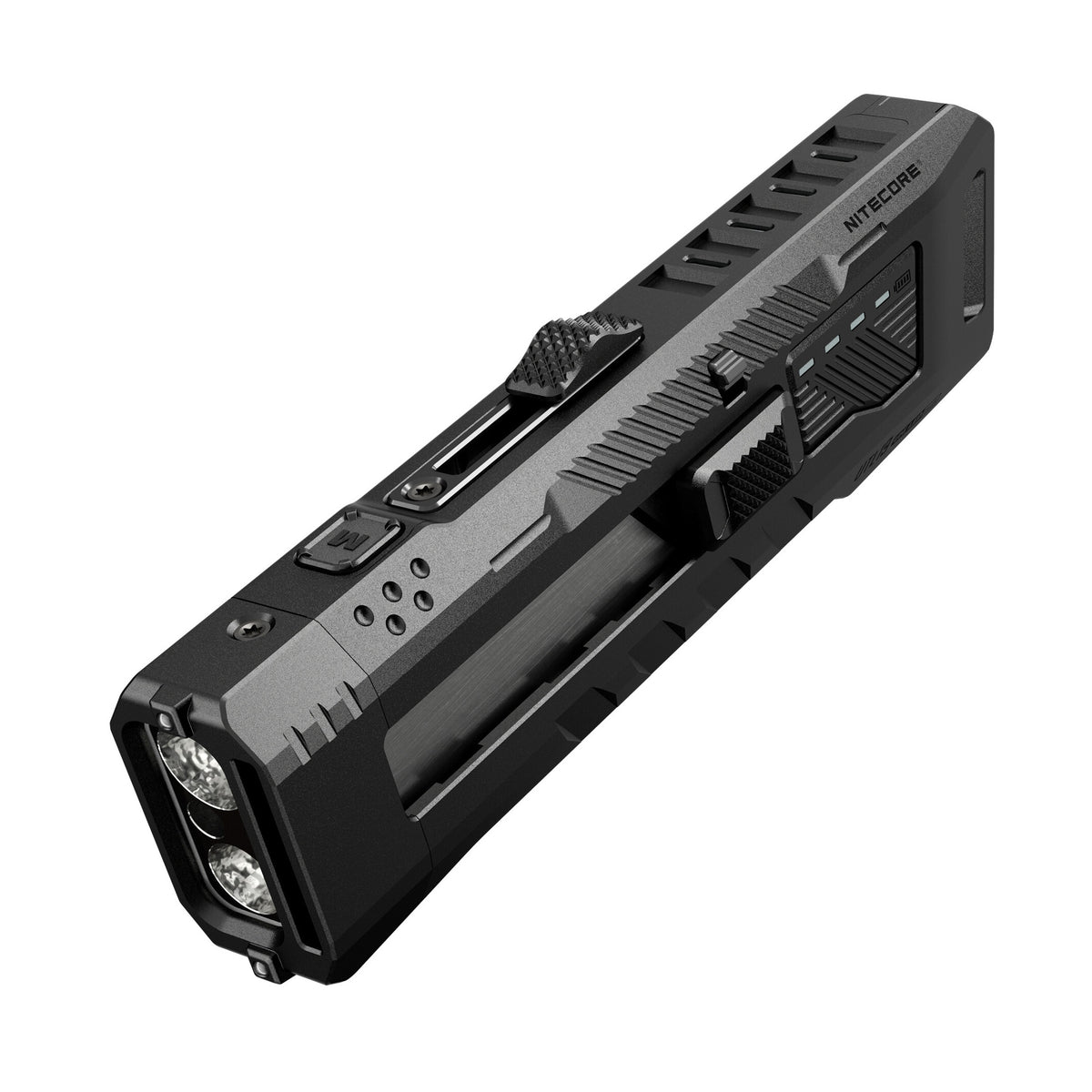
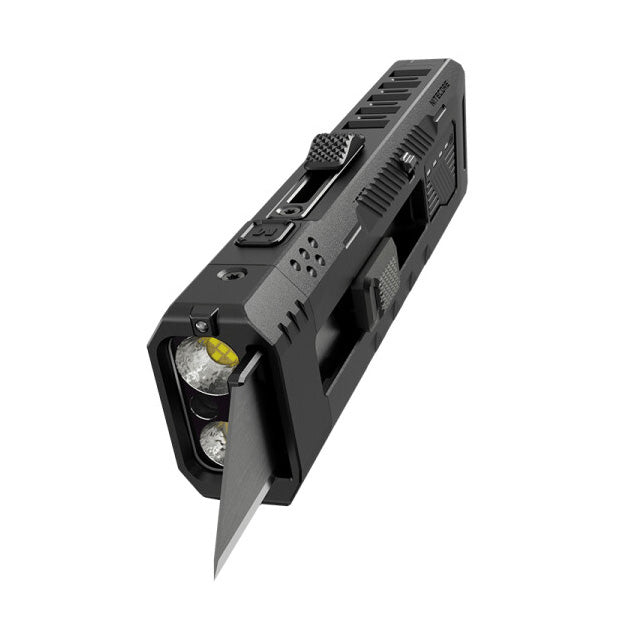
The Klarus HR1 is an ultra-slim light rated at 300 lumens with a rechargeable cell and a body thin enough to sit under a harness strap without digging in. Klarus flashlights design it for runners and climbers, which is exactly the weight and profile a rope-access technician wants. A 300 lumen beam is not for searching; it is for lighting your hands, reading a tie line and checking a ladder rung without washing out your night vision.

Design & Details
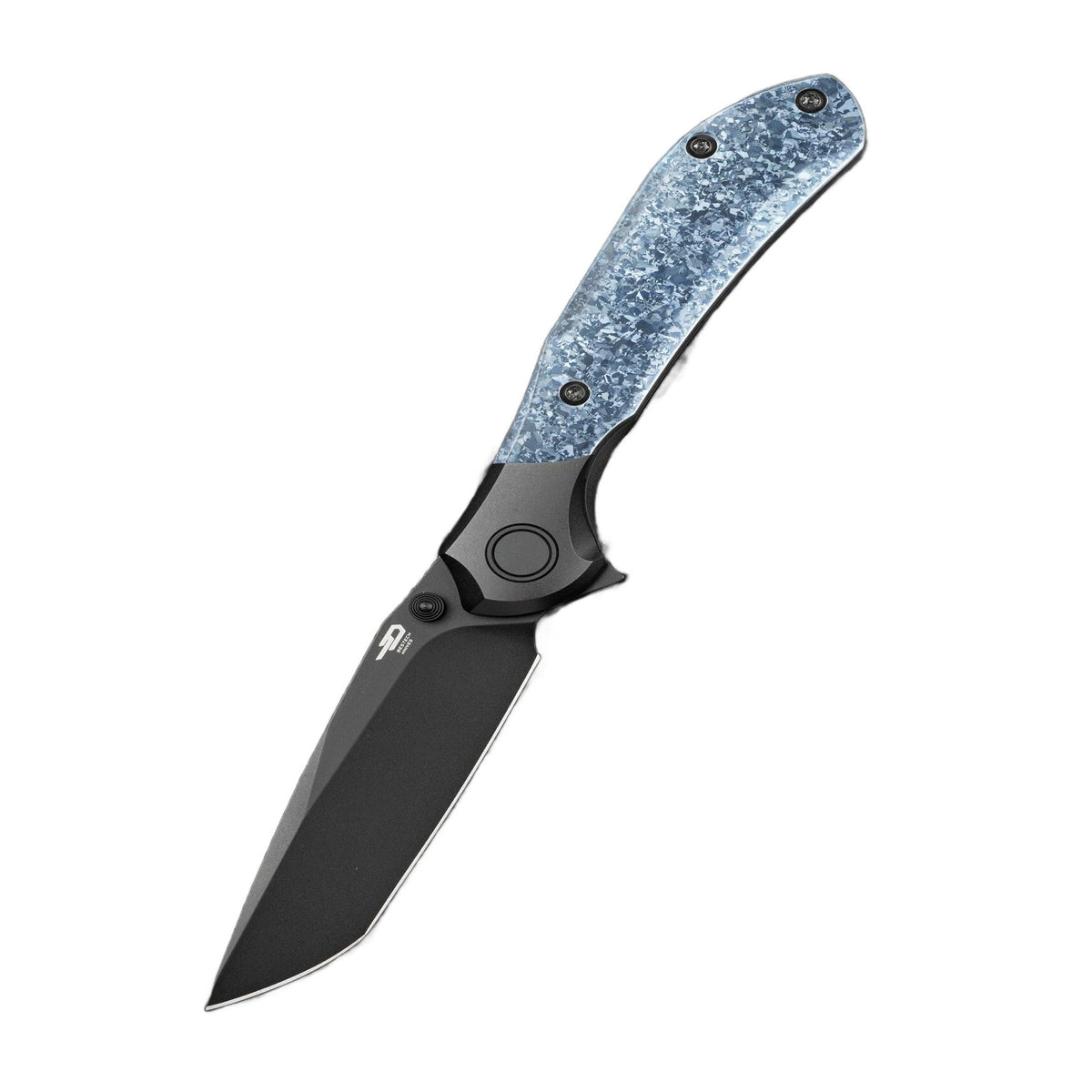
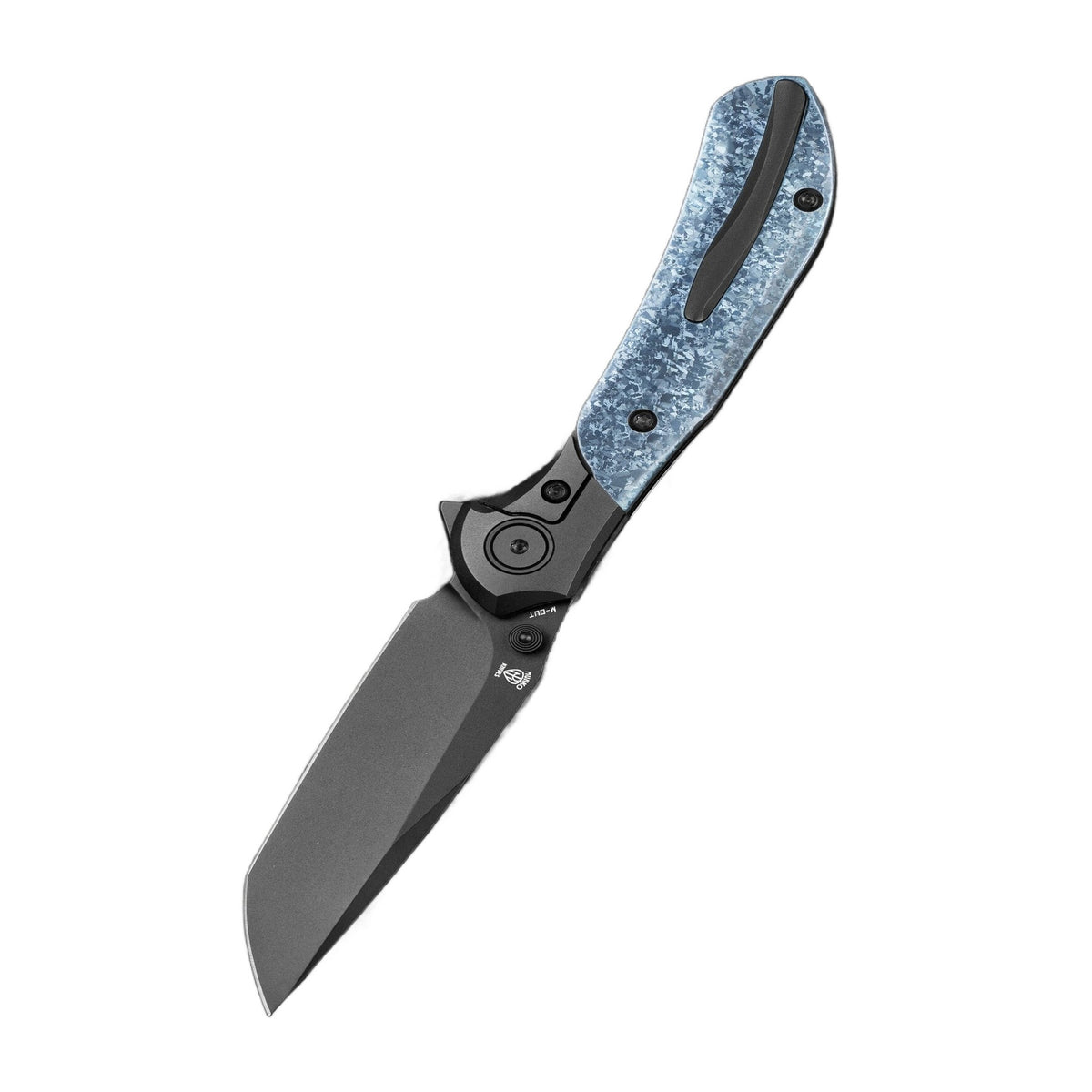
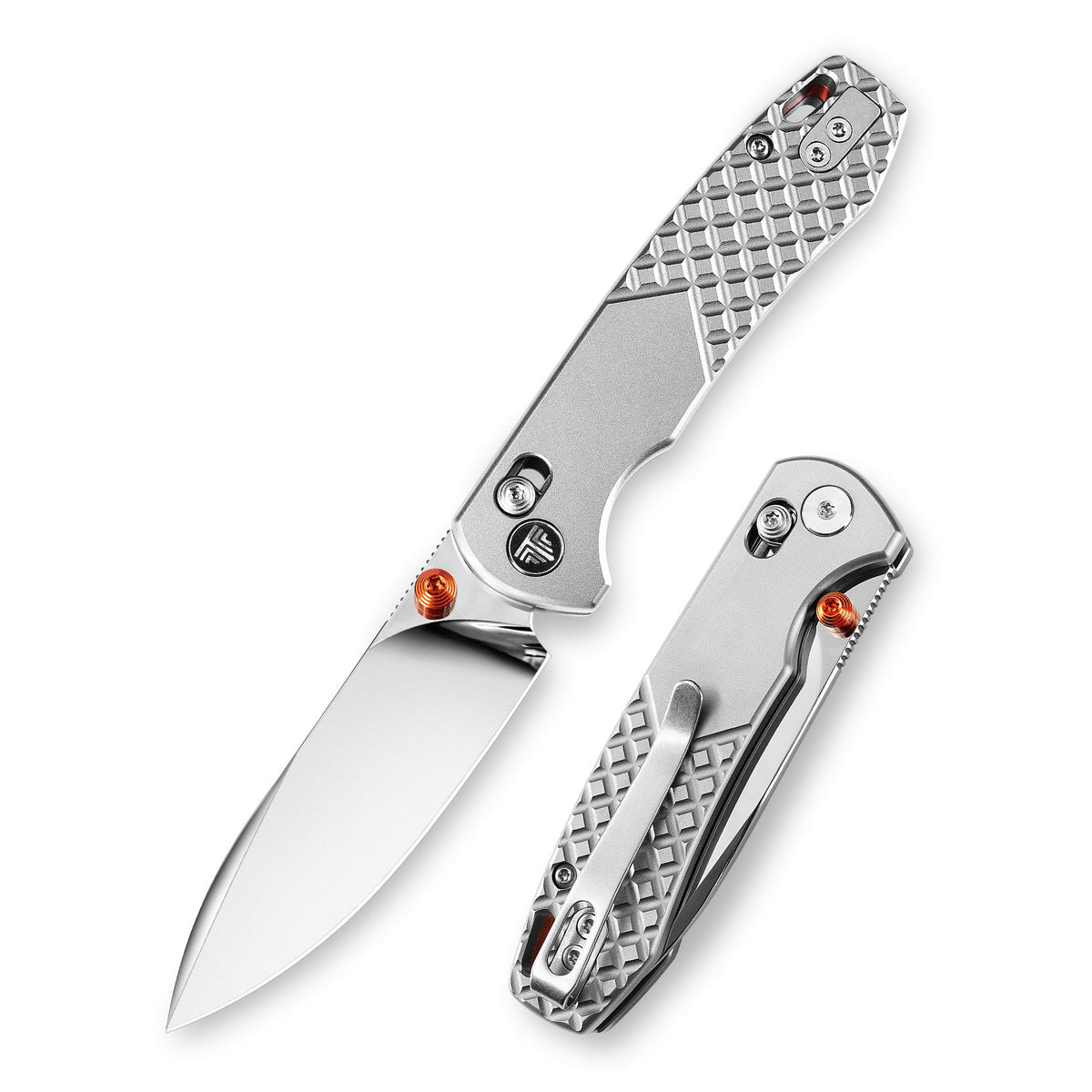
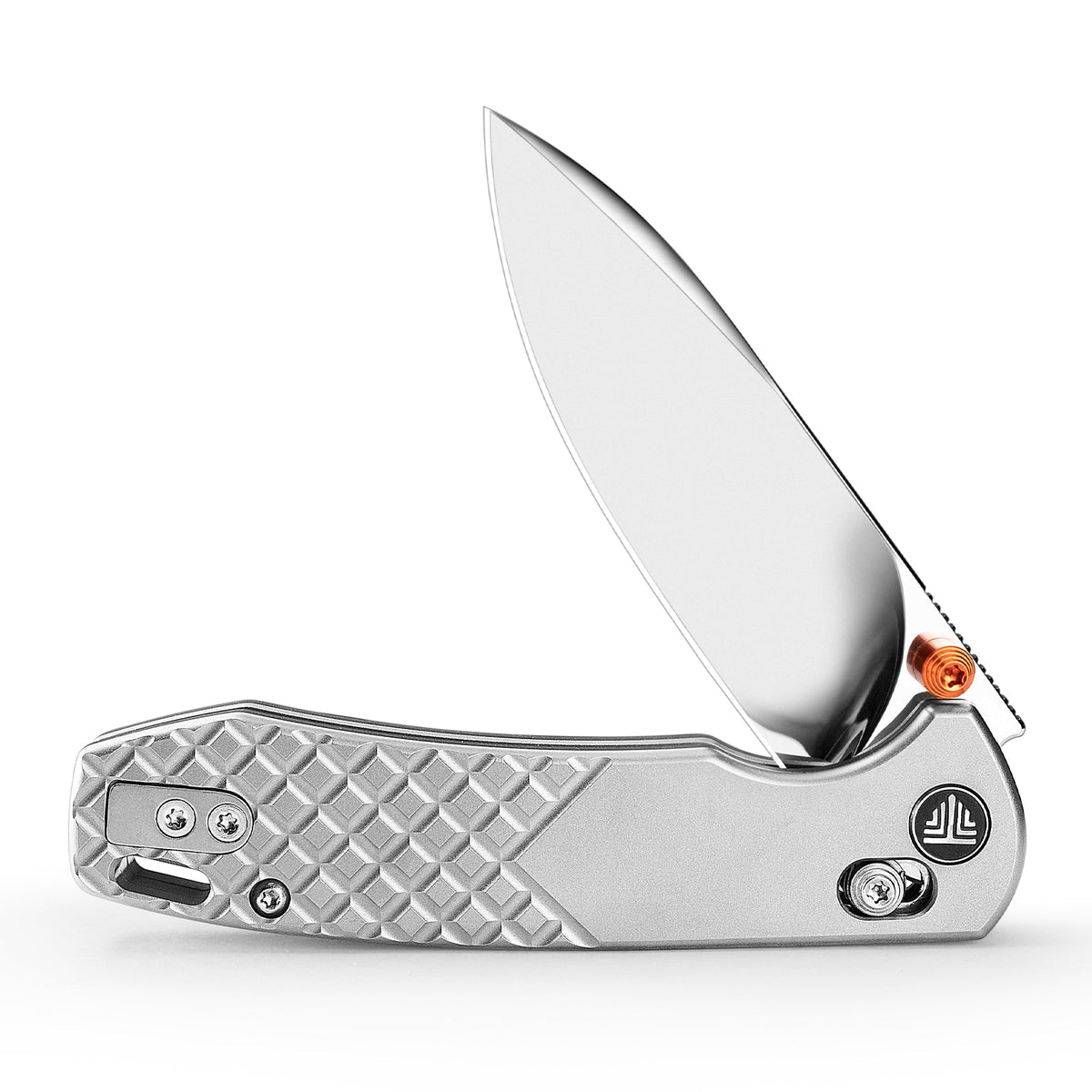
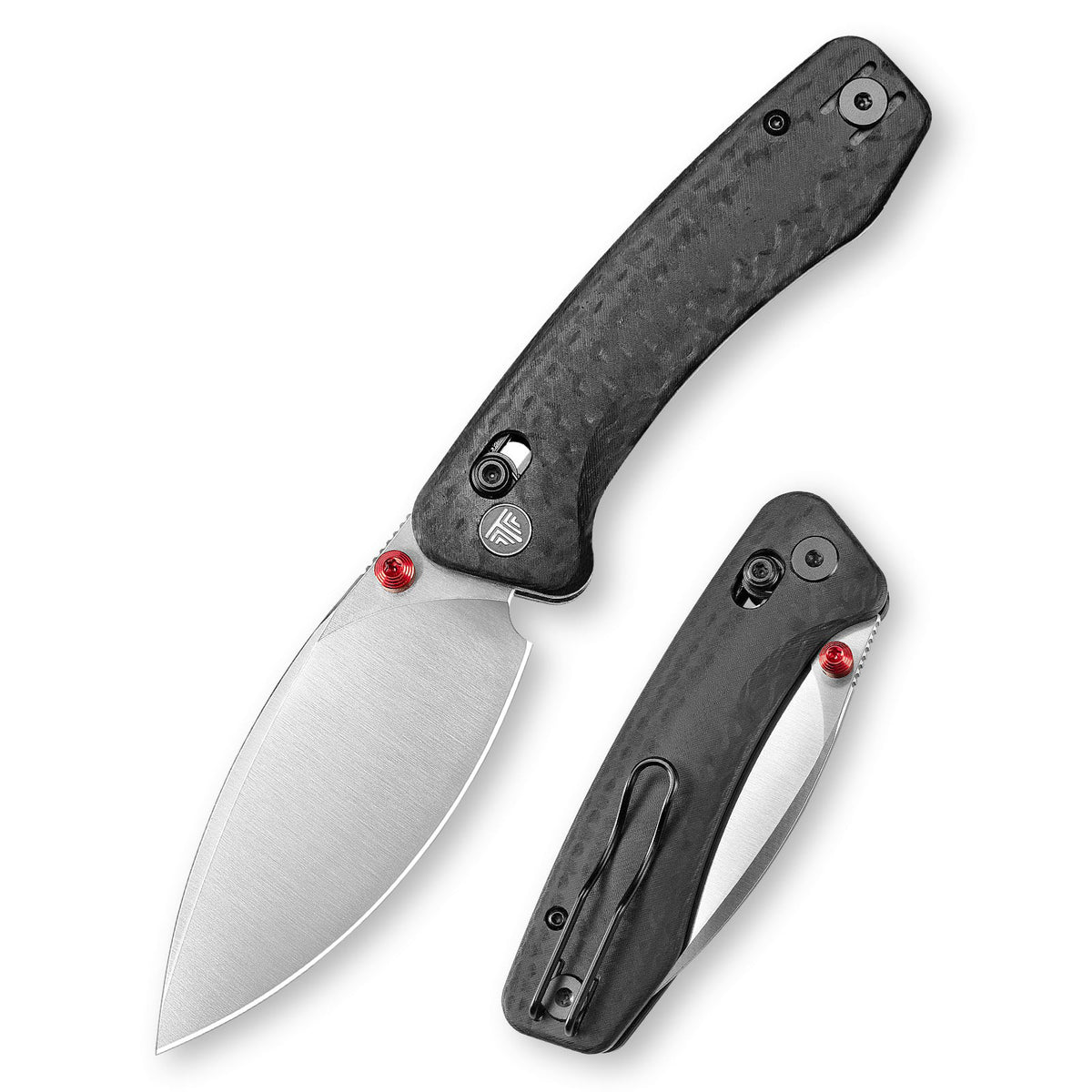
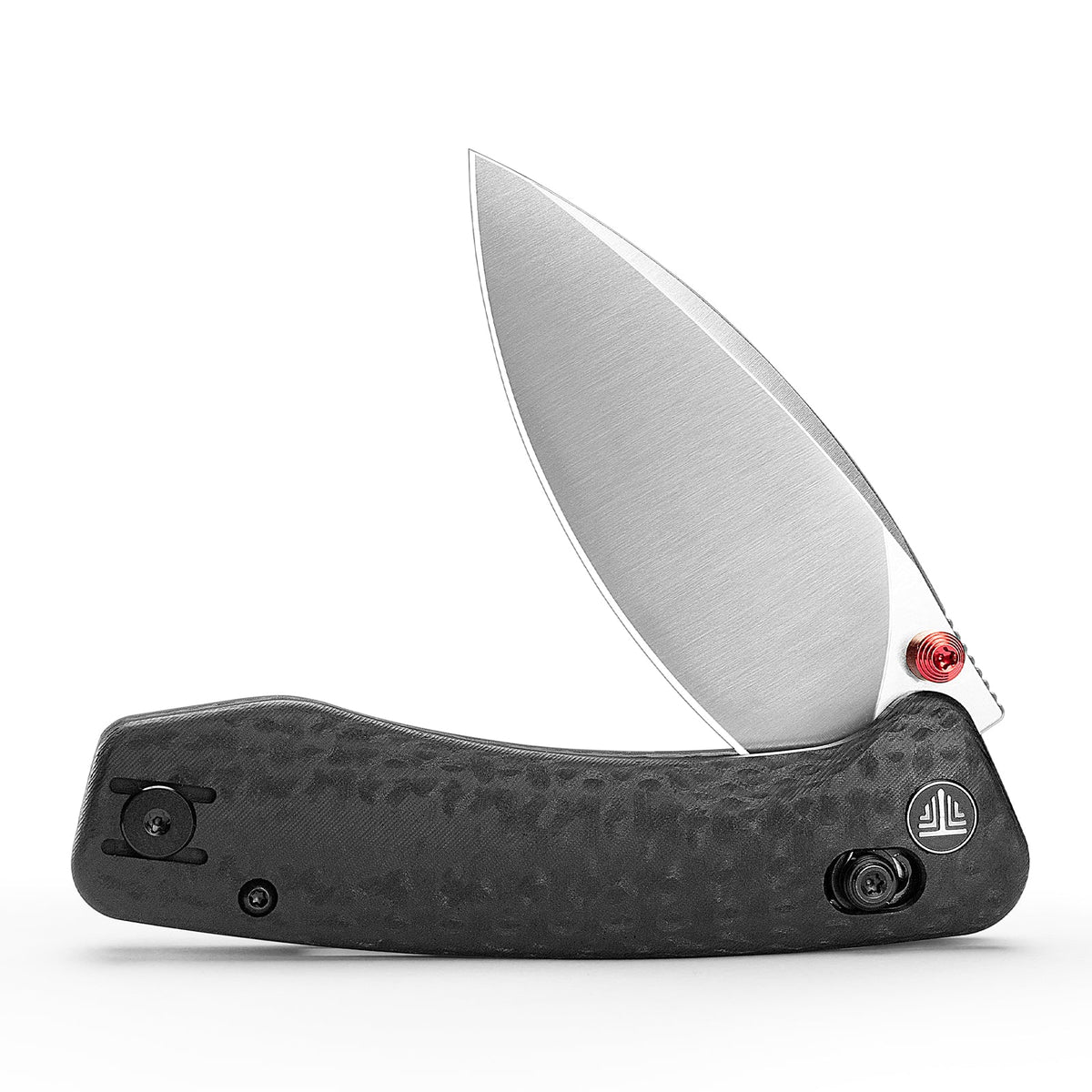
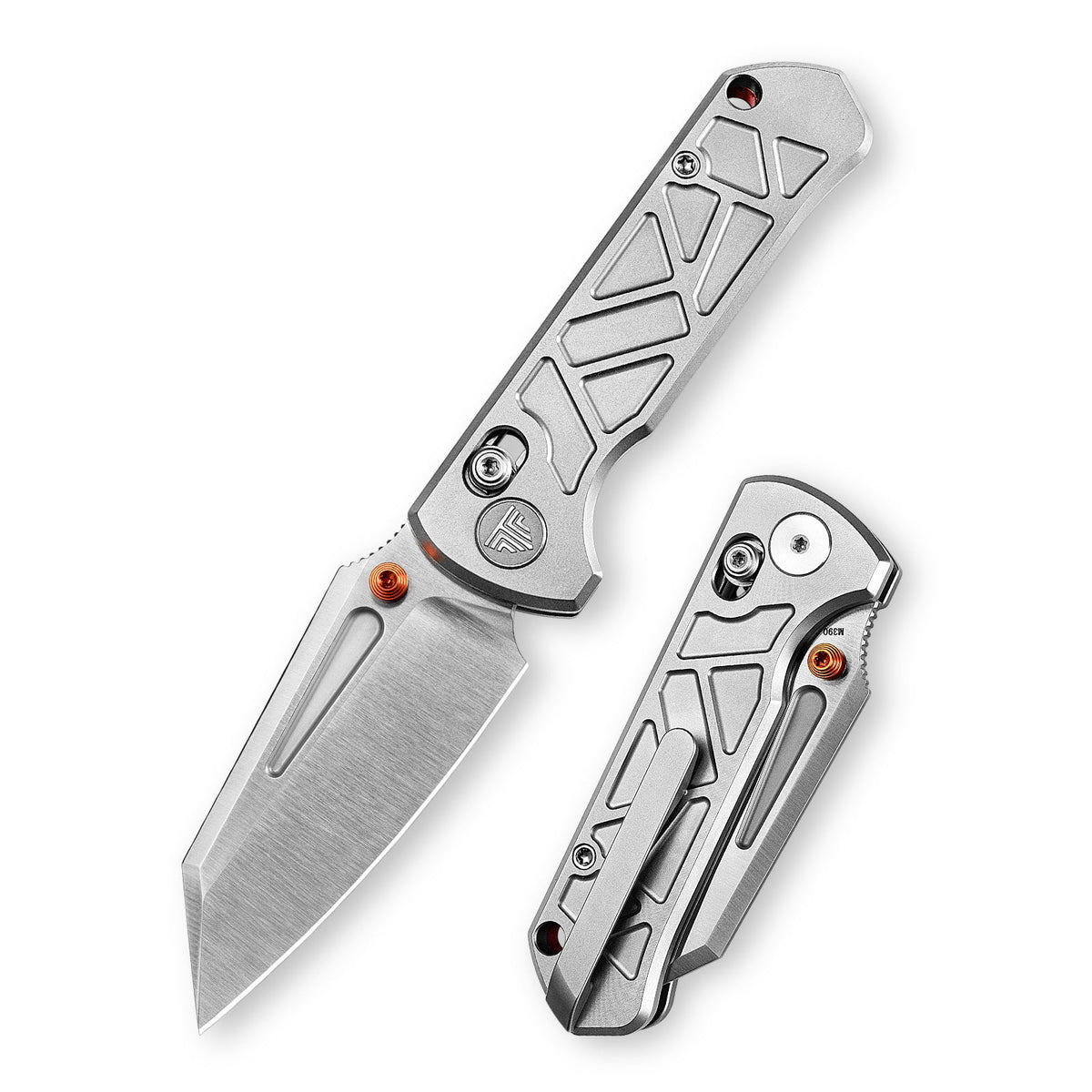
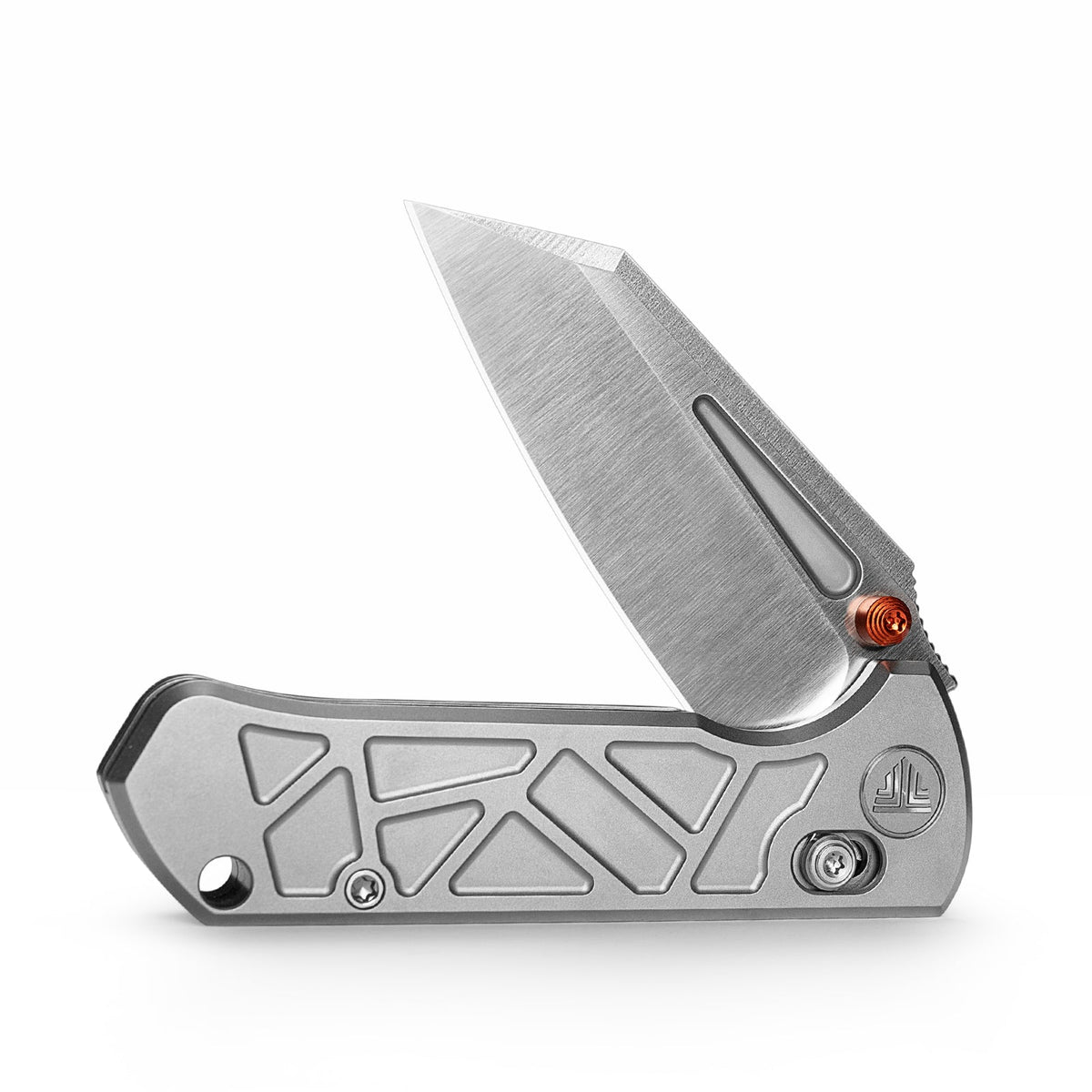
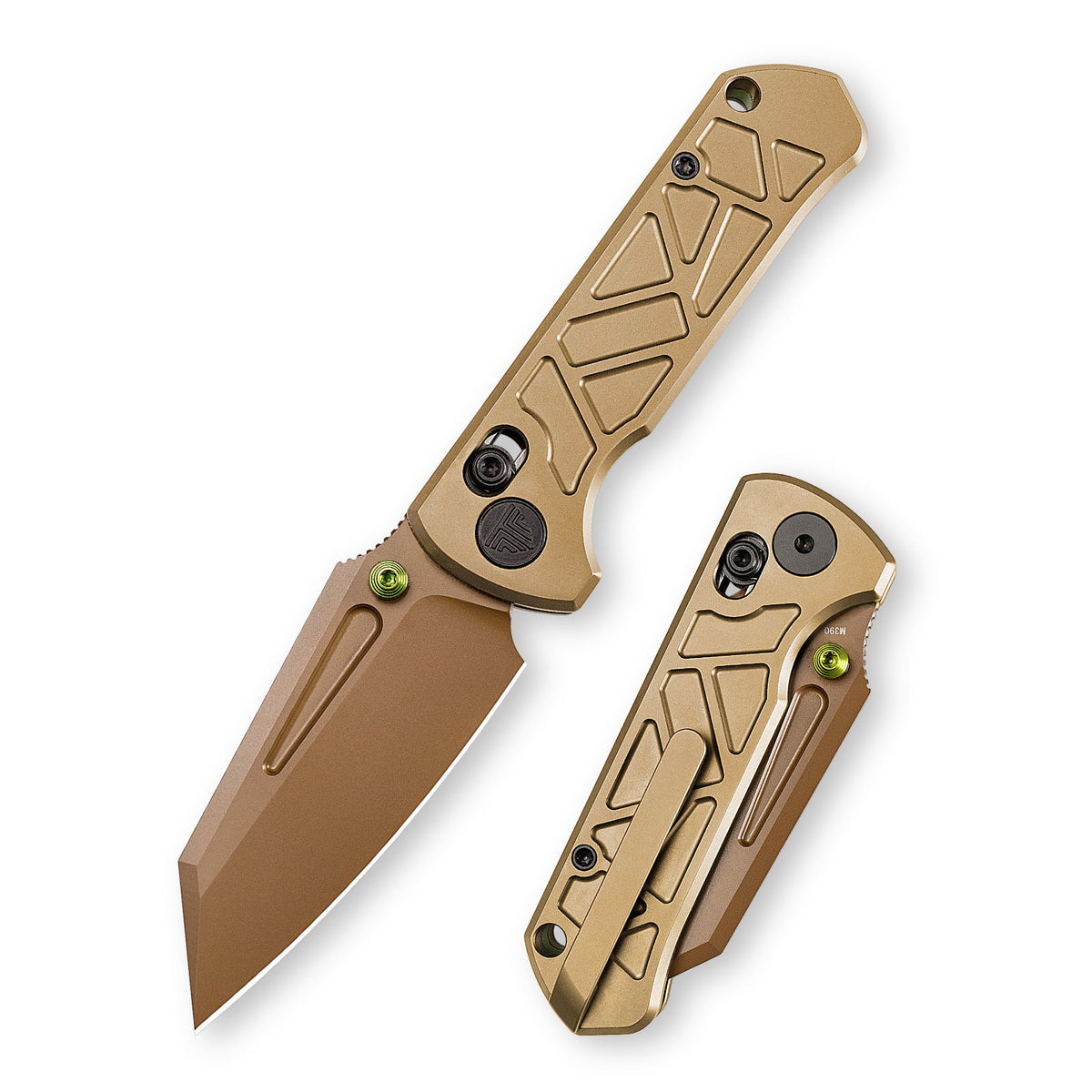
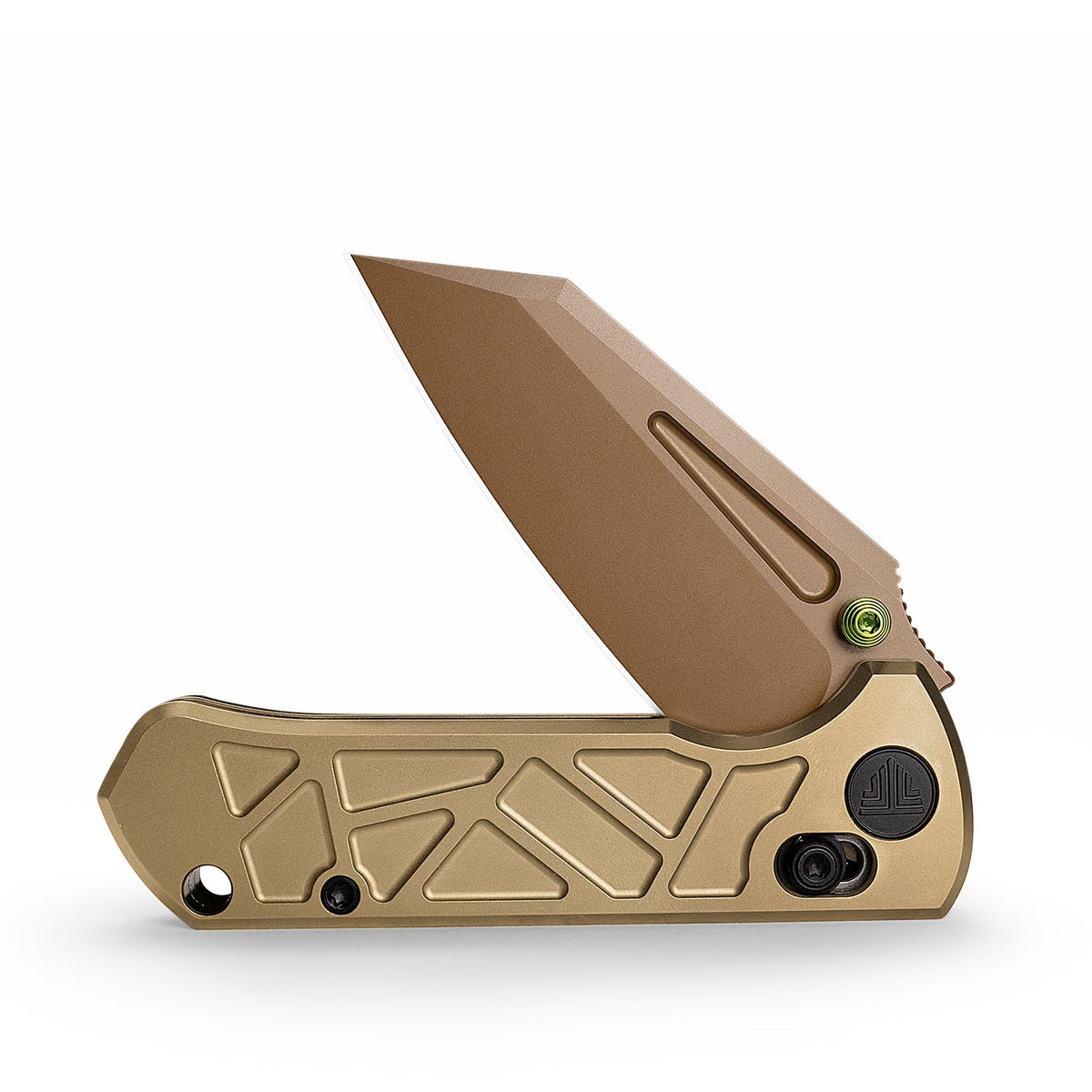
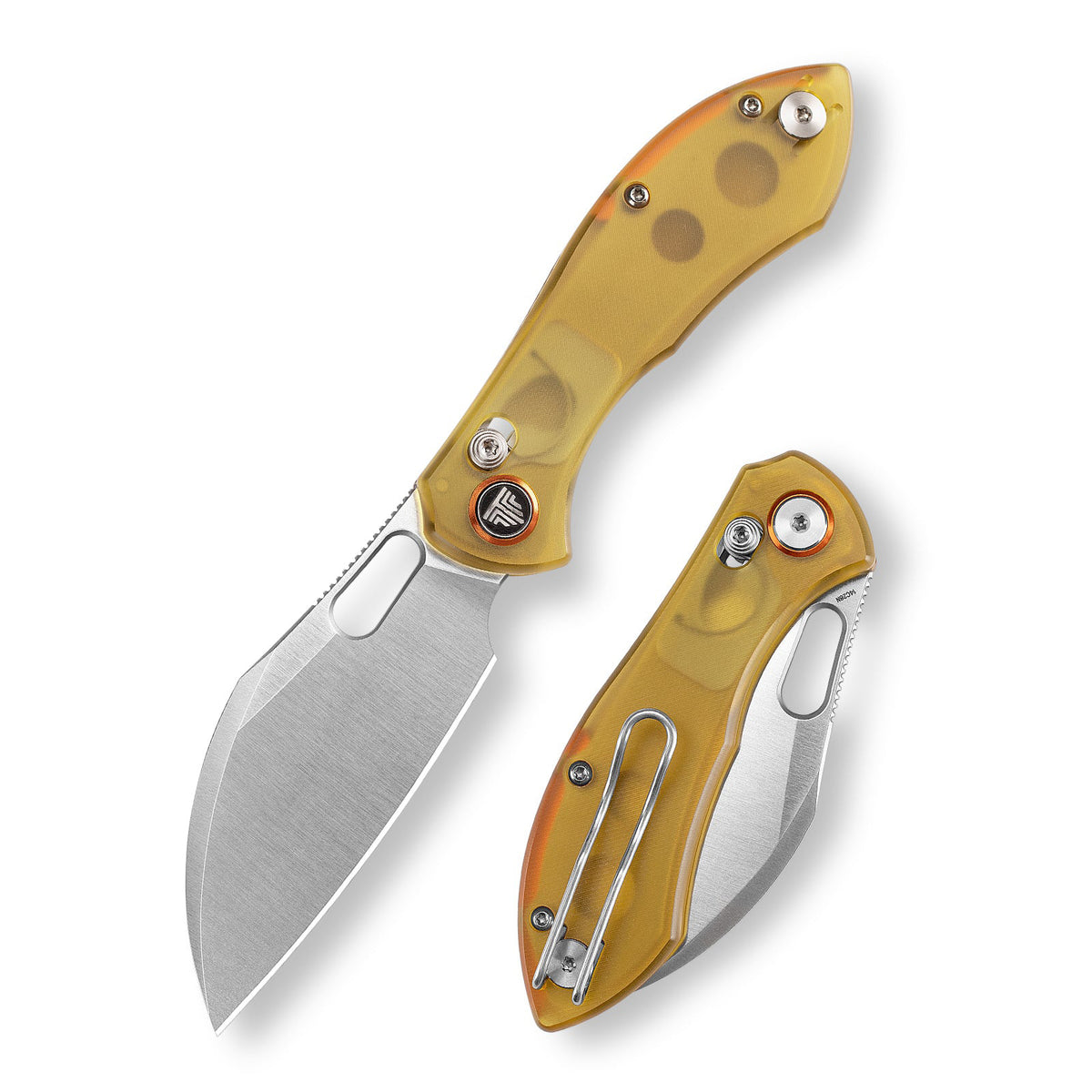
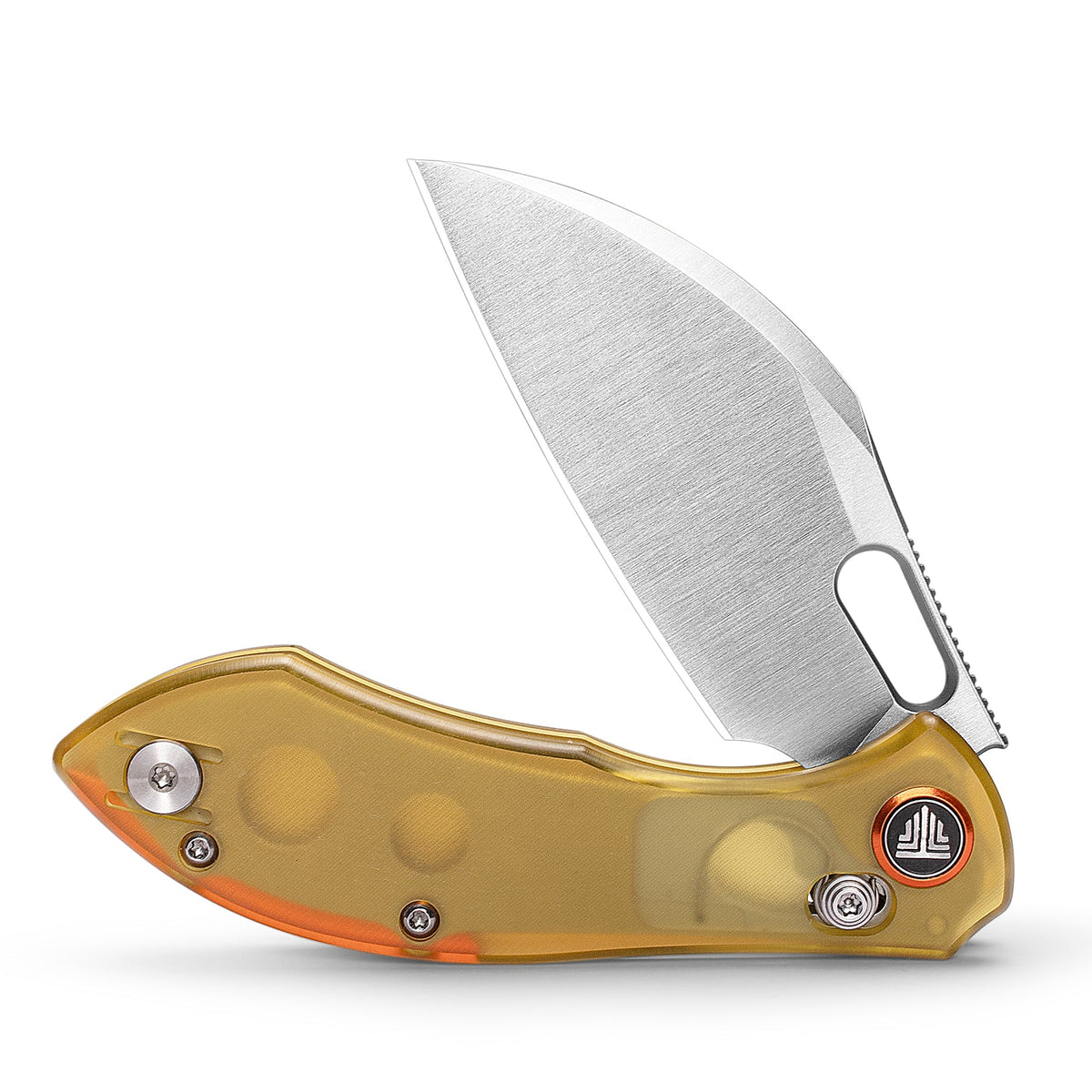
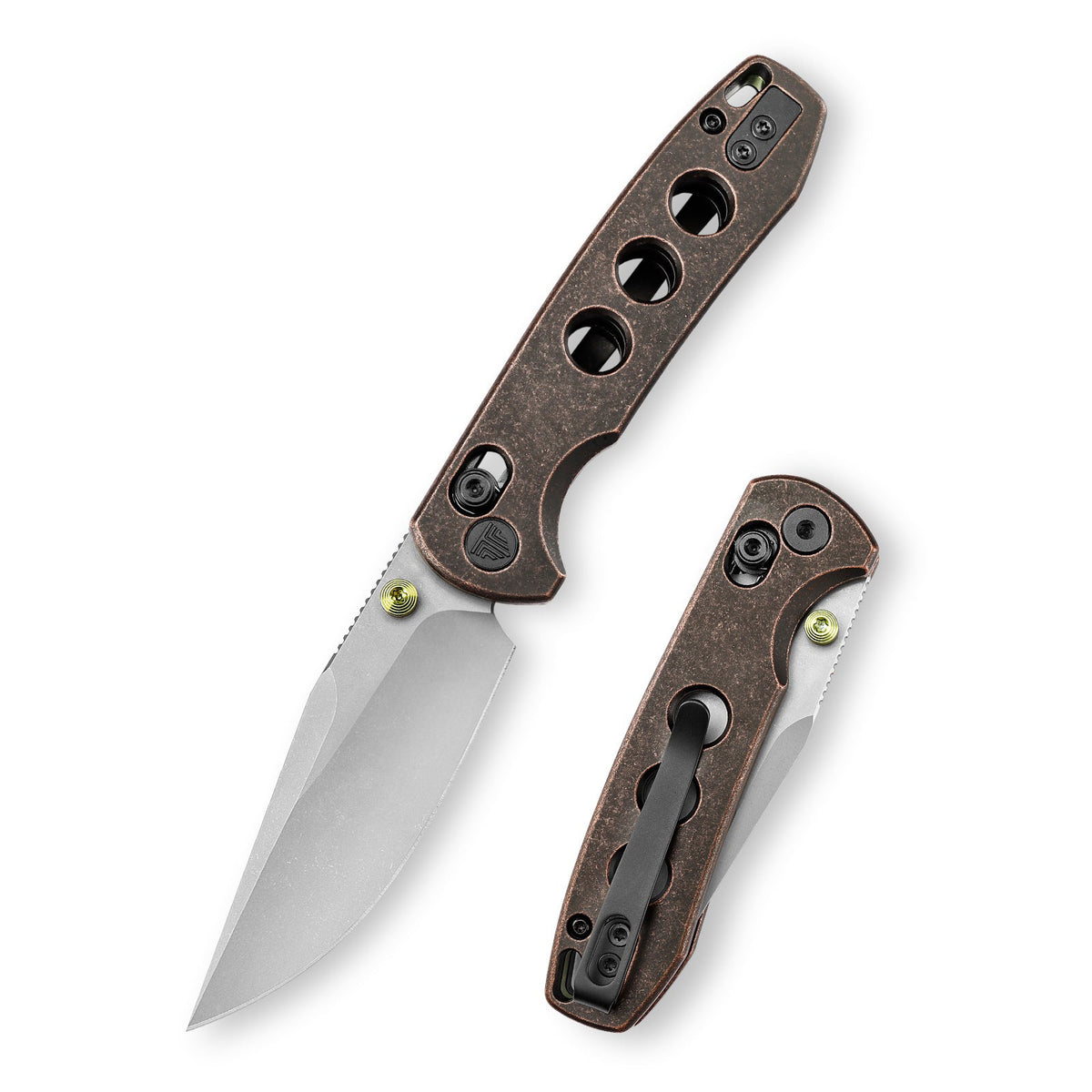
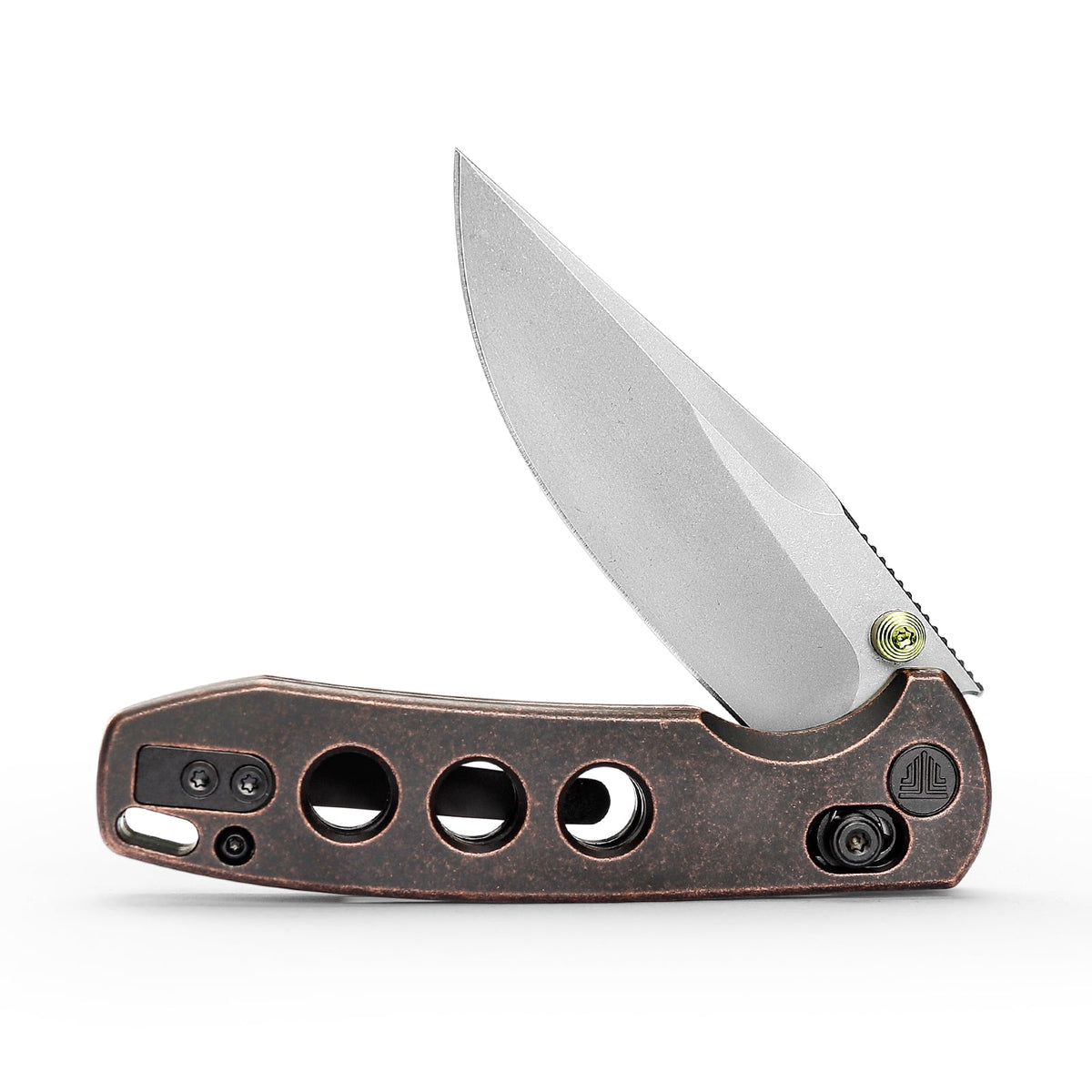
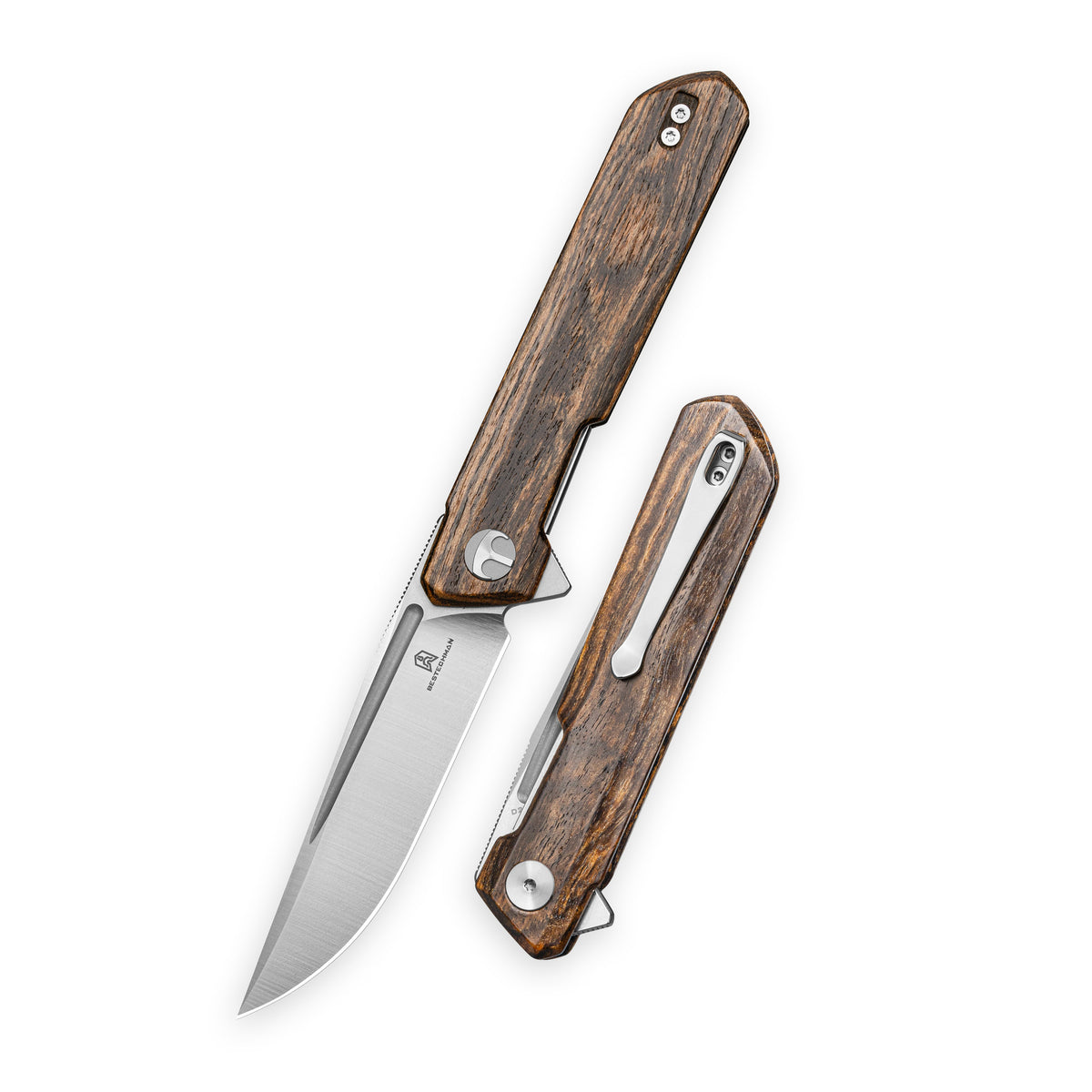
At height, everything hangs, so nothing can be loose. A light that clips flat to a harness strap and a knife that closes fully into a button lock pattern are both about removing snag points. A slim handle also means the knife can be opened inside a tool pouch if the wind picks up. Webbing is cut with a single pull, then the blade folds and goes straight back into the pouch.
Real-World Use
On one face change the light illuminates a tie-off point, then lights a marker line being trimmed on a ladder. The knife cuts zip ties to length, trims a vinyl overlap, opens a box of replacement straps and frees a weed vine wrapped around an anchor. Everything goes back in the pouch before the descent, so nothing drops.

Ownership Notes
Rope-access gear is inspected, not maintained, and there is a difference. Check the light's clip for cracks each week, look at the knife for a loose pivot screw and keep a spare battery in the truck. Tie a short cord between the knife and the harness so a slip is a recoverable event. EdcMall carries the slim lights and folders that suit harness work, and a spare of each is basic equipment. Add a compact EDC flashlight to the pouch as well, because a face change finished at 04:00 still has to be walked down a dark ladder, and the light that lit the work is usually packed away well before then.
Who Is This For?
This is for sign technicians, rope-access crews, stage riggers and anyone who works on a structure in a harness. A ground-level crew does not need it. If a dropped tool is a serious incident, buy light, slim and non-snagging, and buy a spare.
Final Verdict
At height the tool has to disappear into the harness. A 300 lumen ultra-slim light and a knife that folds down flat make a face change quicker and quieter, which is the whole point of working at night.