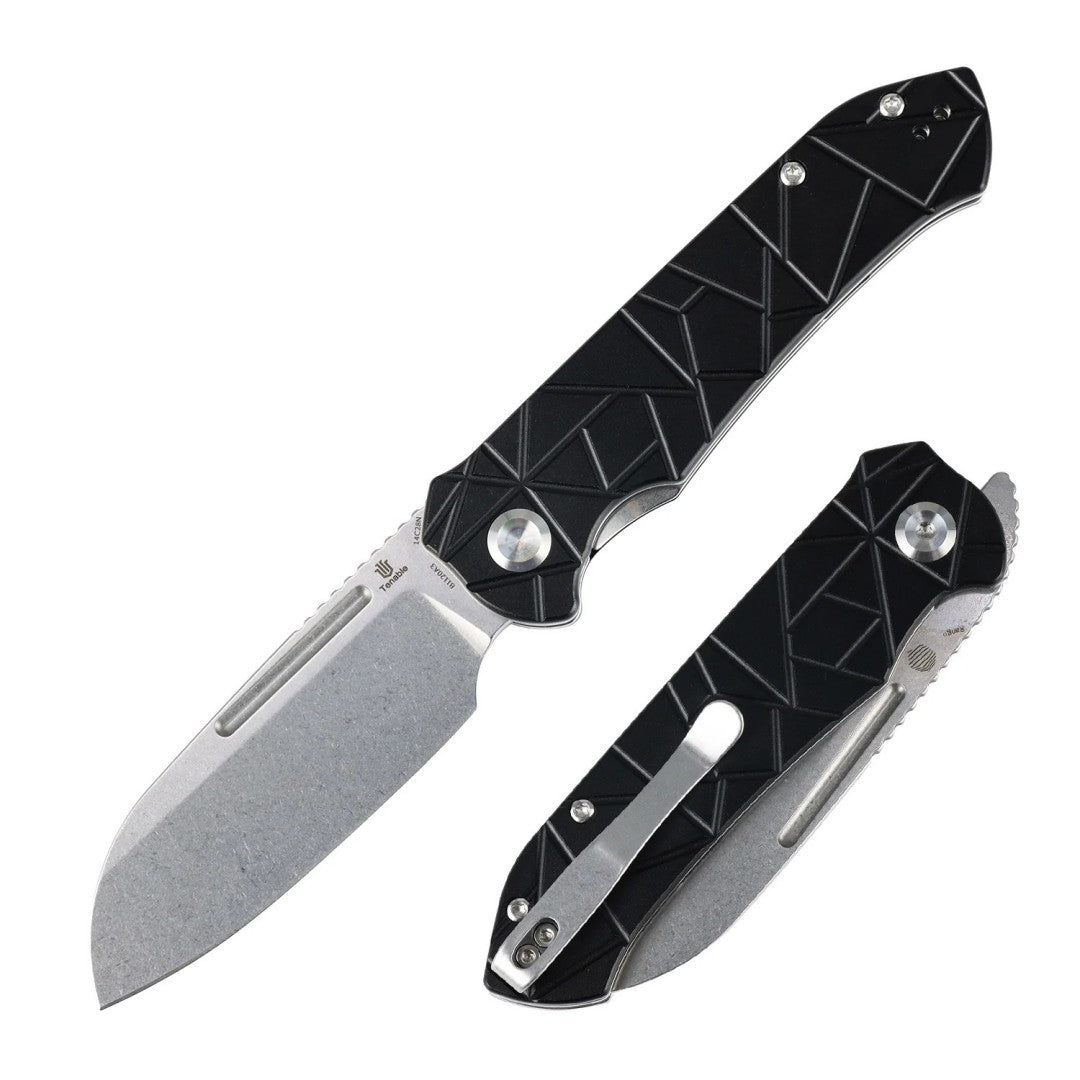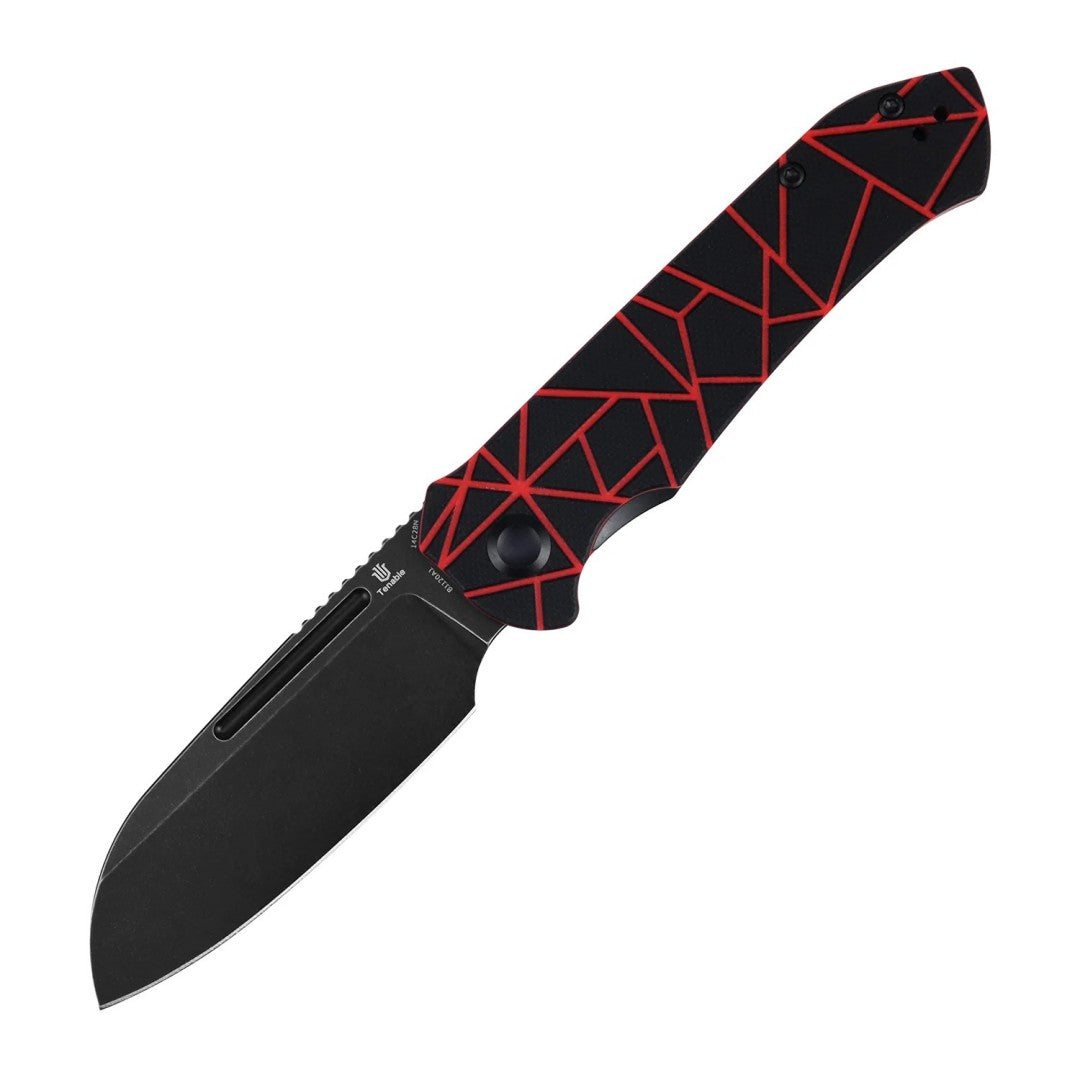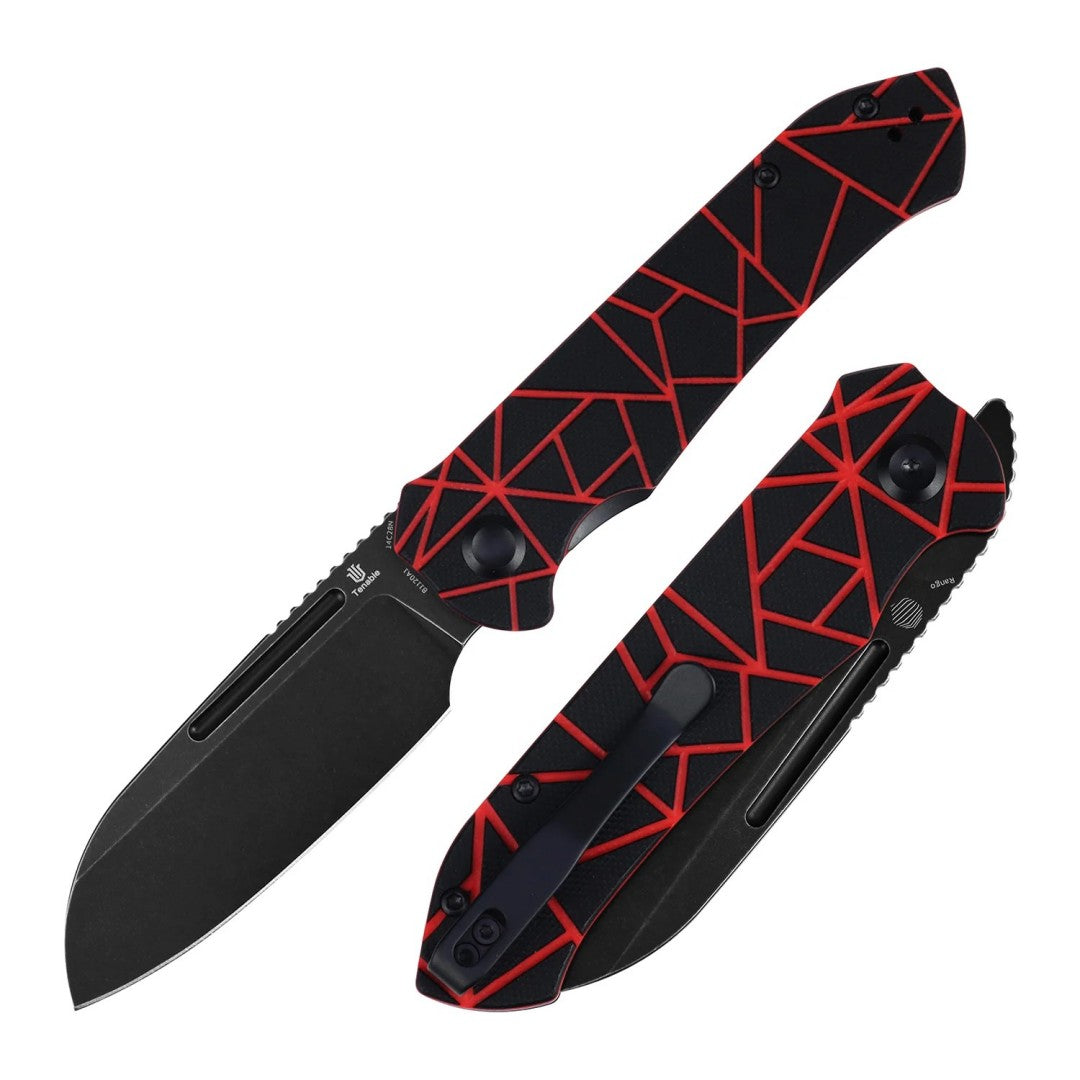


Overview & First Impressions
Bird banding stations run on quiet, repeatable work. A mist net goes up before dawn, birds are extracted by hand, measured, banded and released, and every second a bird spends in the hand is a second of stress that has to be earned back. The EDC knives a station keeps on the table are chosen for delicacy rather than strength: a short, thin blade that can part a tangle of net mesh, trim a strip of flagging tape or open a bag of bands without ever nicking a wing. Nothing about this work rewards a heavy tool.
Materials & Construction
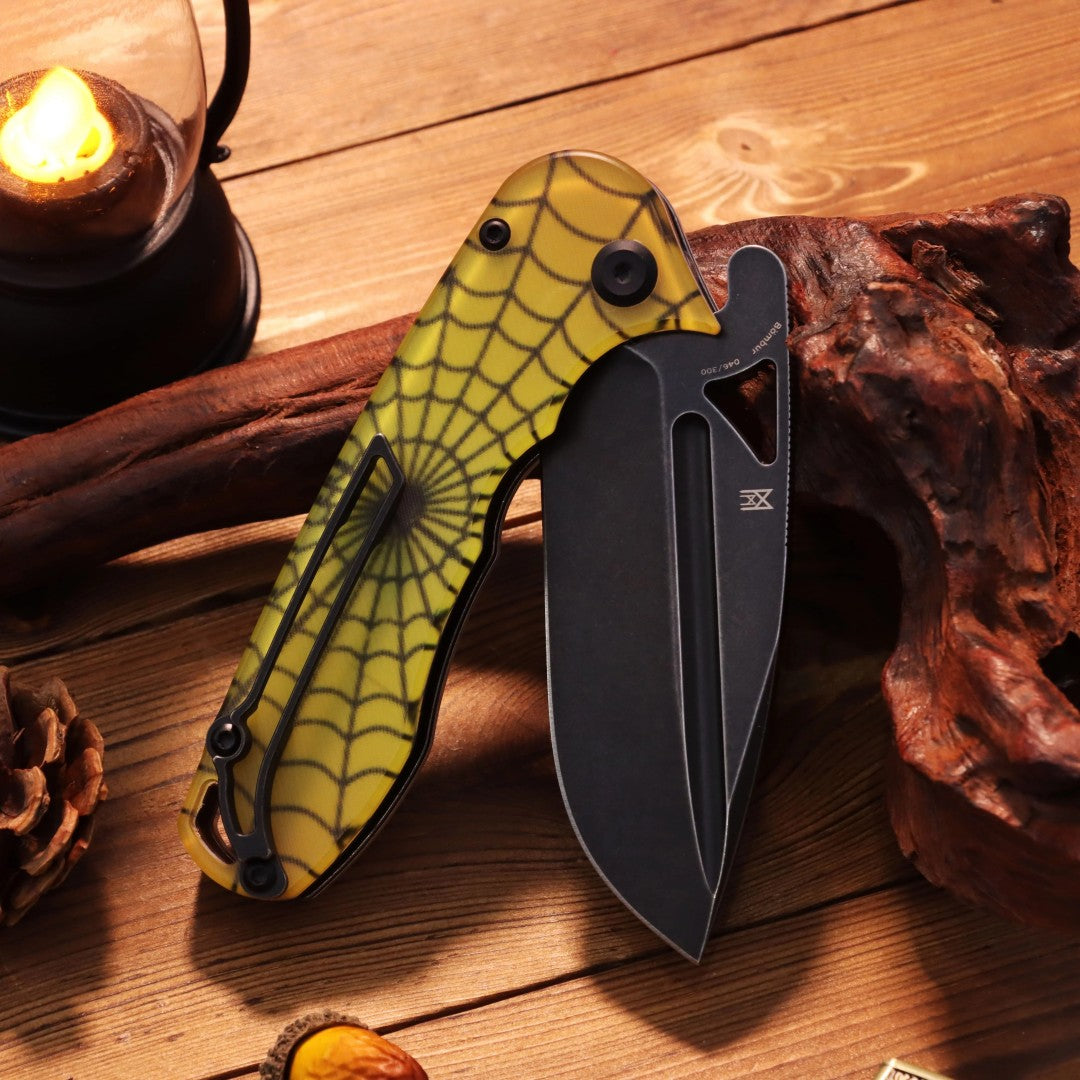
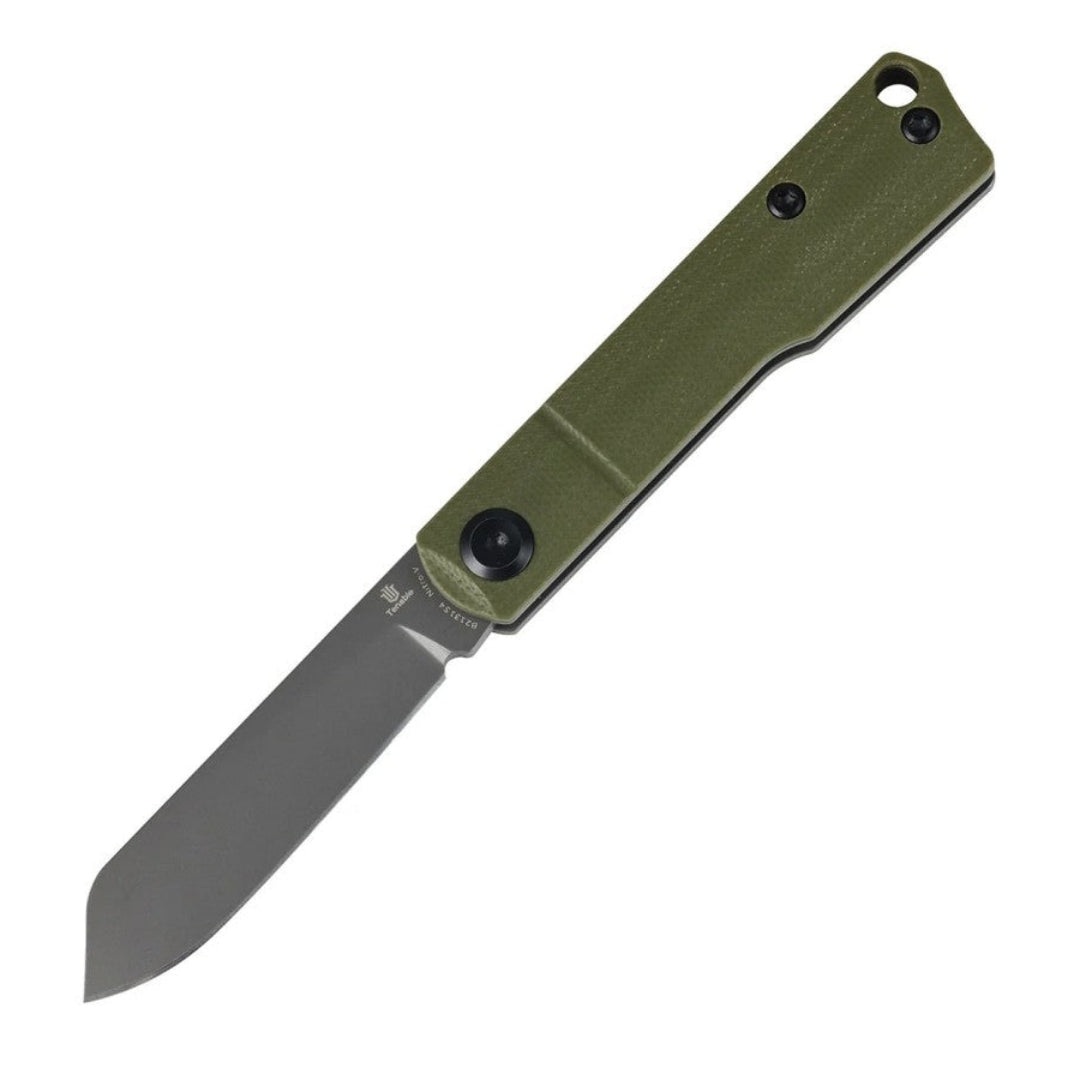
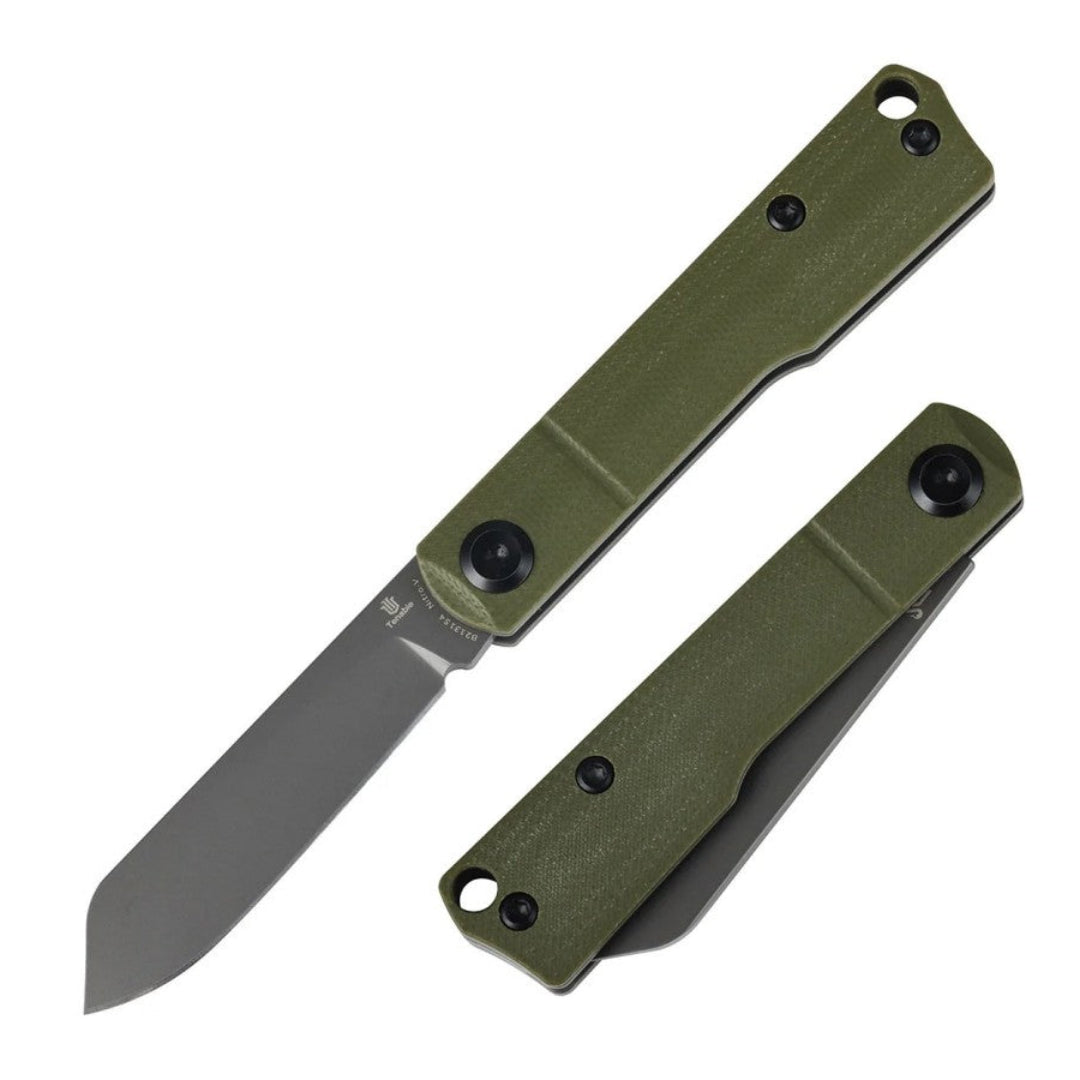
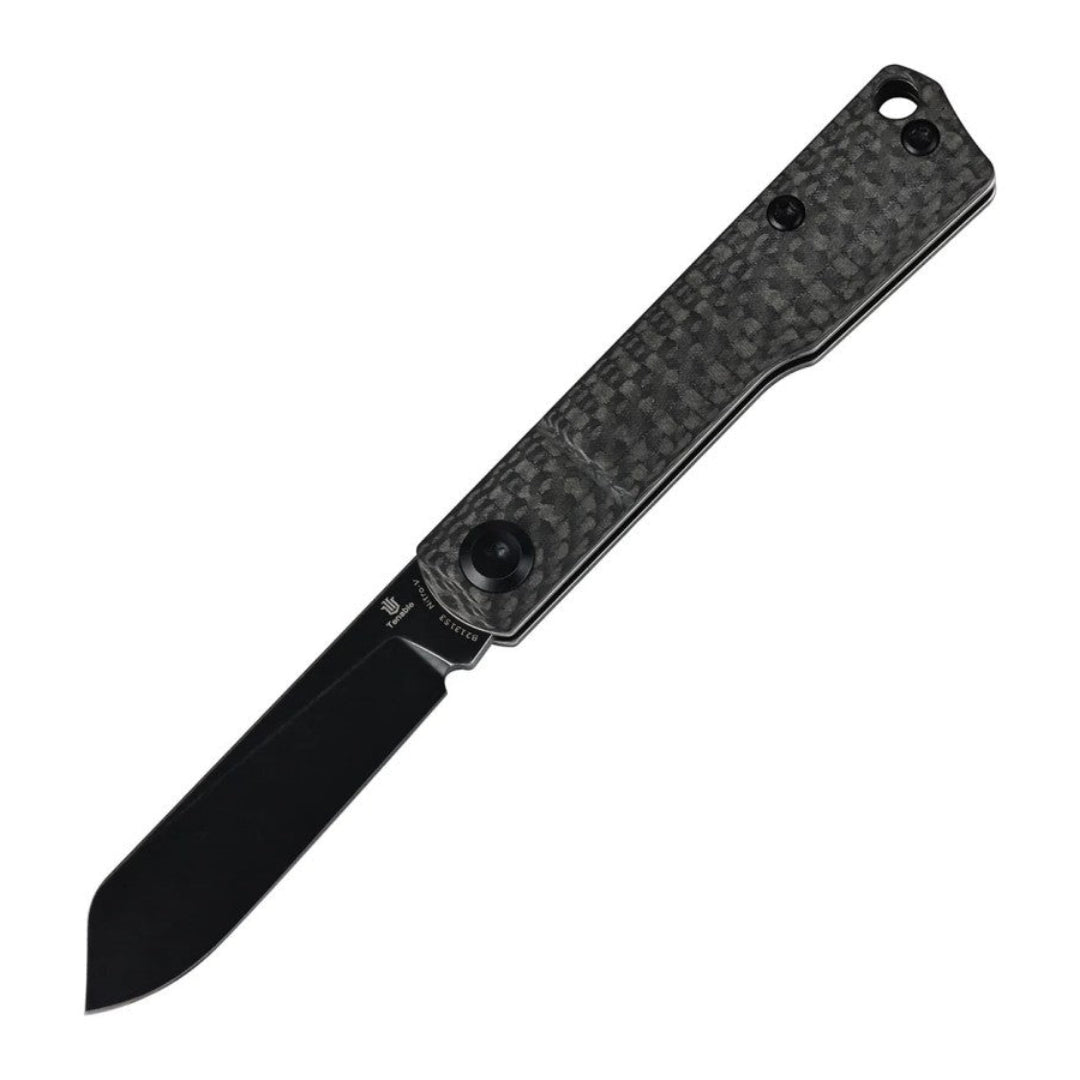
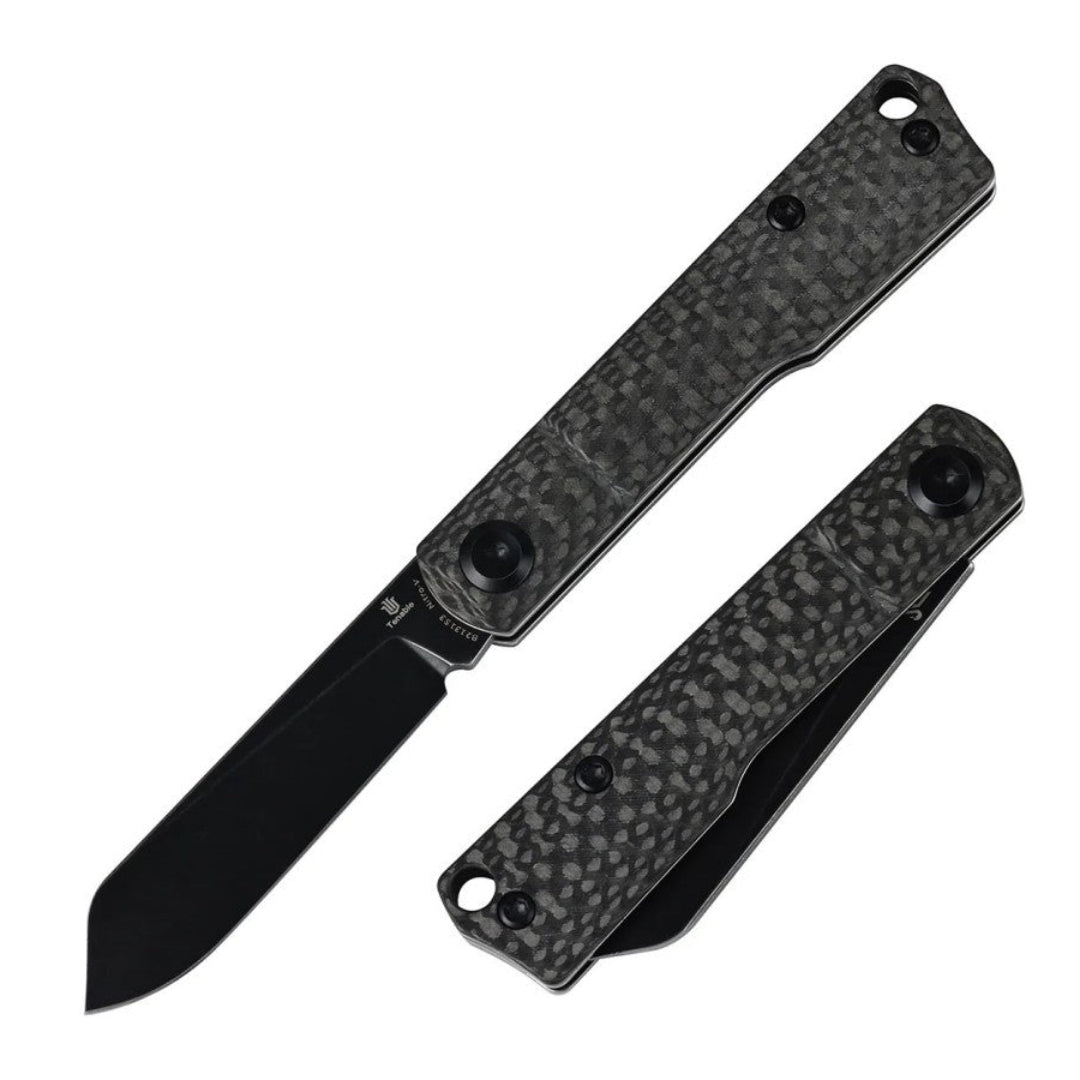
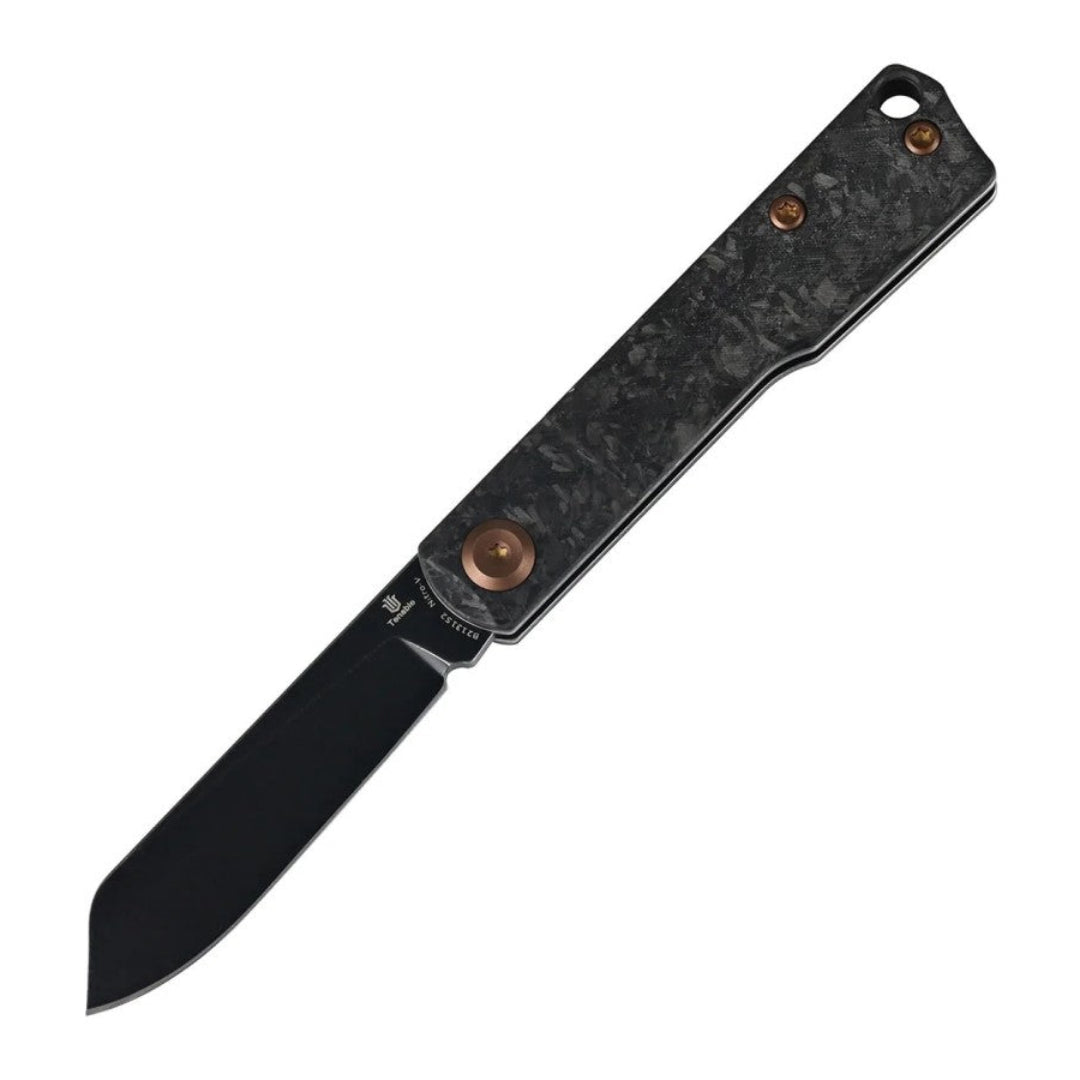
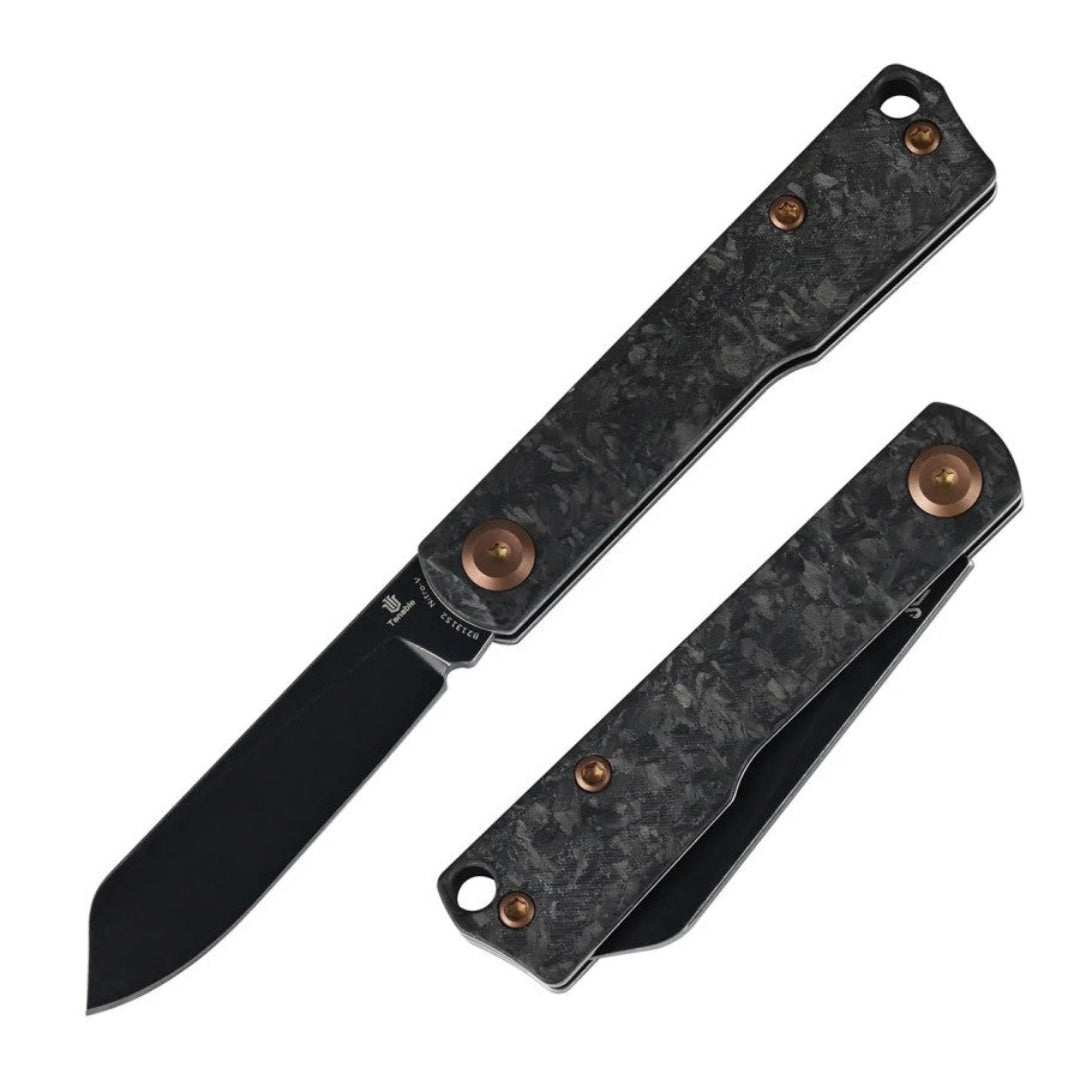
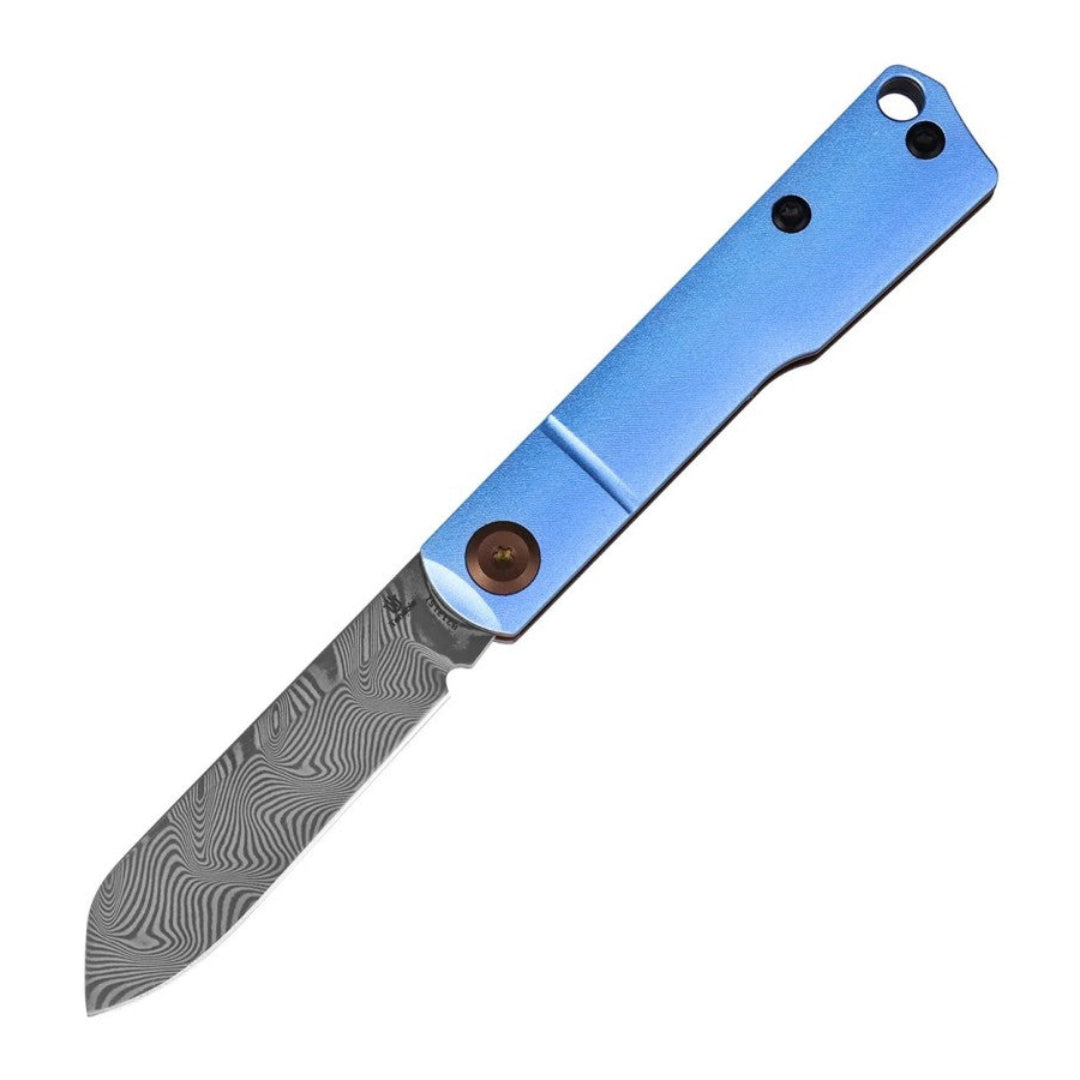
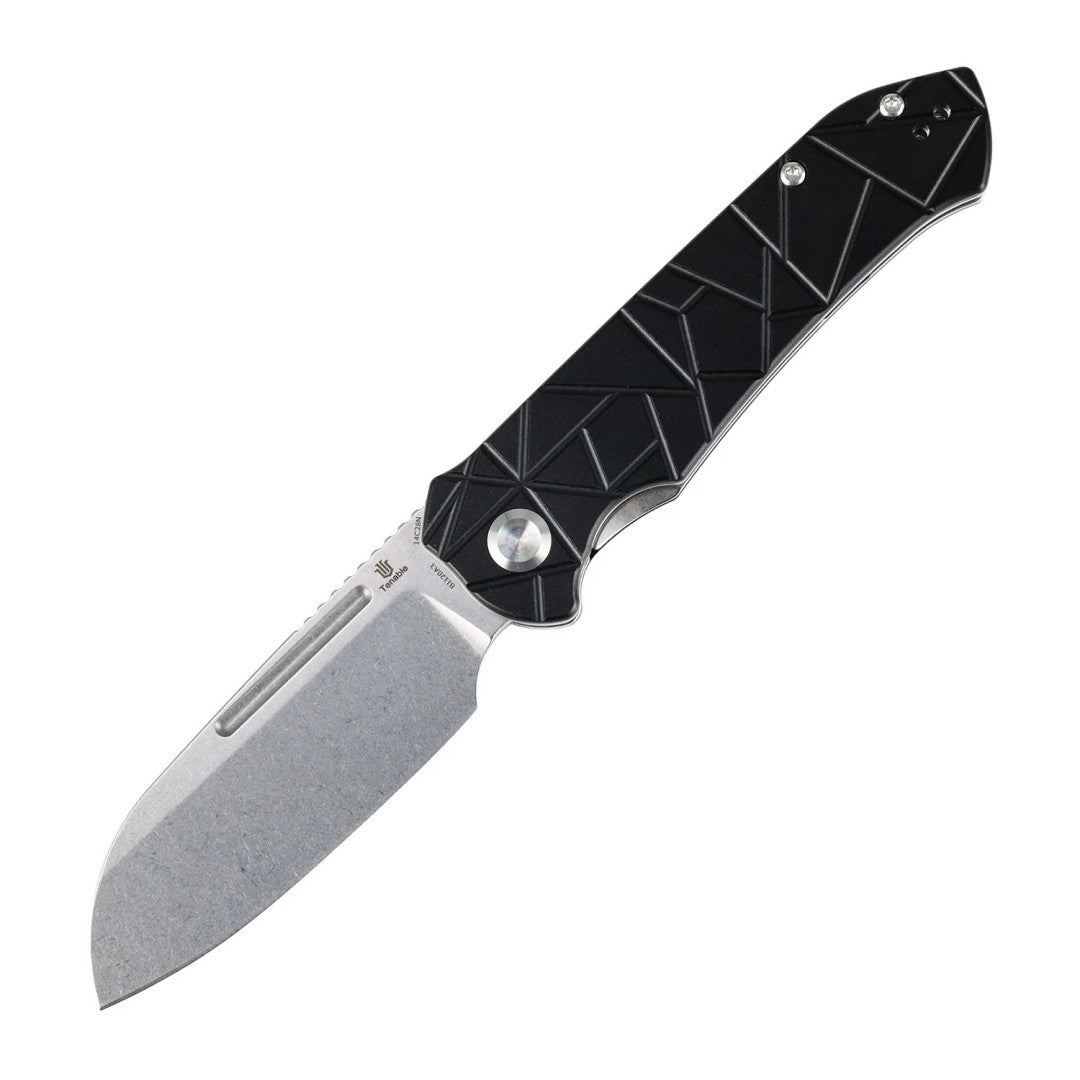
A station knife works best as a slim 14C28N folder. That steel is a nitrogen-enhanced stainless with a fine grain, which means it takes a keen edge, holds it through dozens of small cuts and resists the damp that hangs over a net lane at first light. The Kansept Link T1068H1 pairs that blade with a black aluminum handle and a top liner lock, a mechanism that keeps the fingers clear of the blade path while closing one-handed. Kansept knives build this pattern light enough to live in a vest pocket all morning.

Design & Details
Net lanes punish anything bulky. A blade longer than three inches is more reach than the job needs, and a thick spine makes fine work clumsy, so folding knives with thin stock and a fine point are the norm. A deep carry clip keeps the knife out of the way while both hands are busy with a bird bag, and a handle that stays secure with damp fingers matters far more than any decorative finish. Pommels and dangling lanyards are a liability anywhere near netting.
Real-World Use
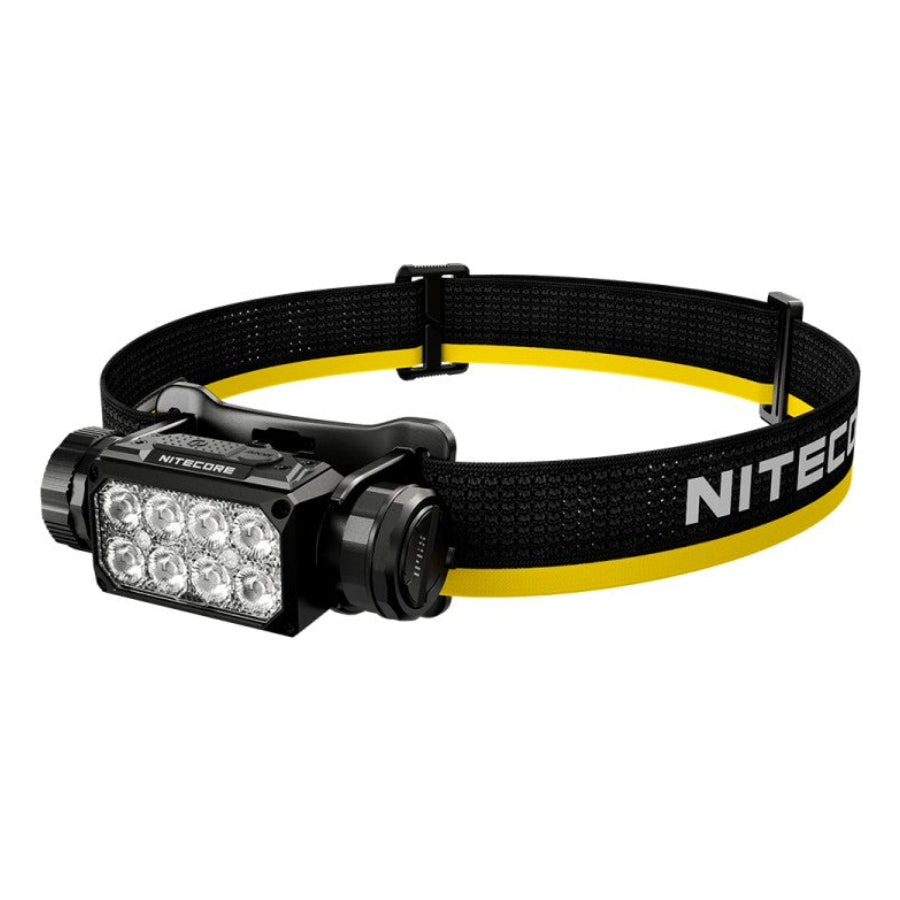
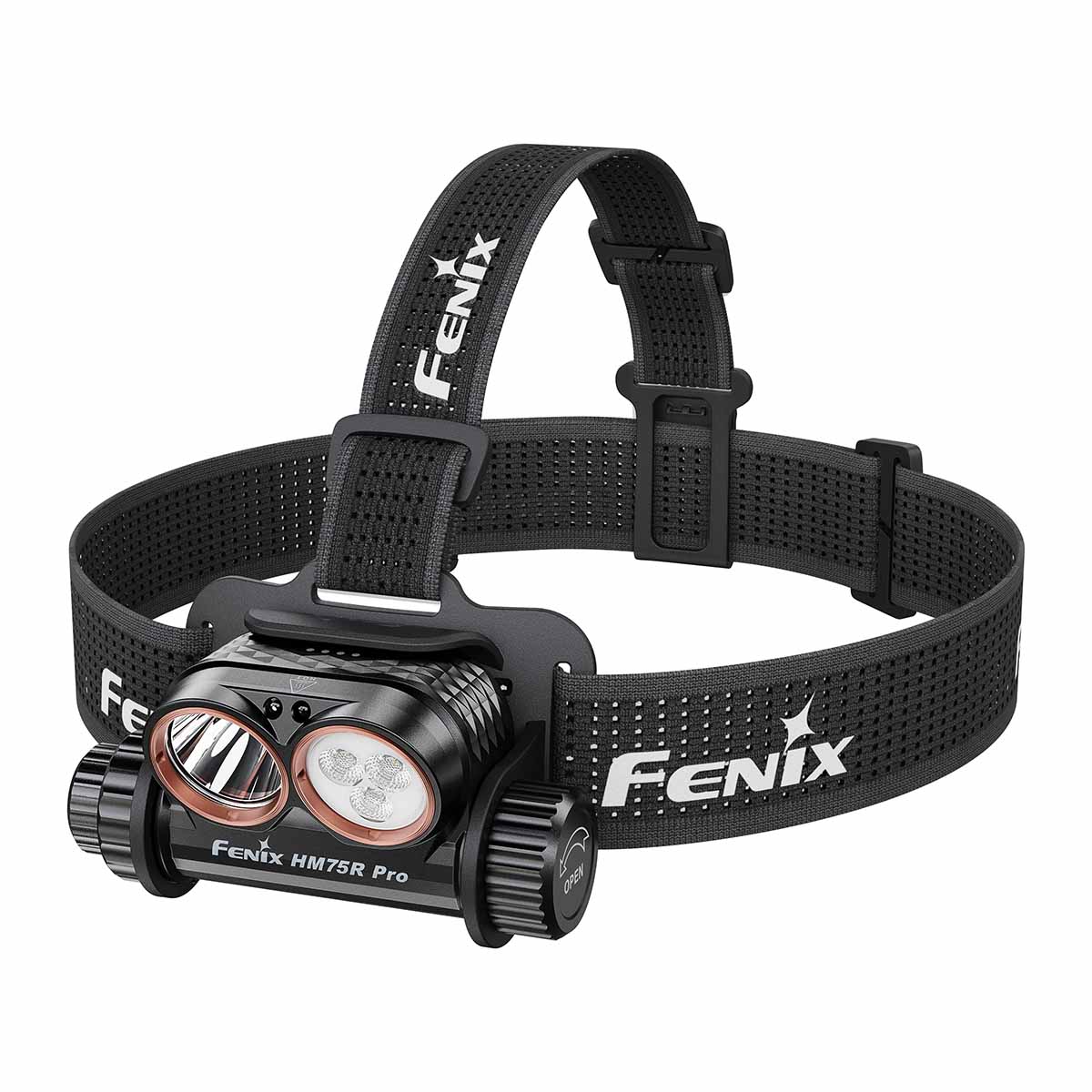
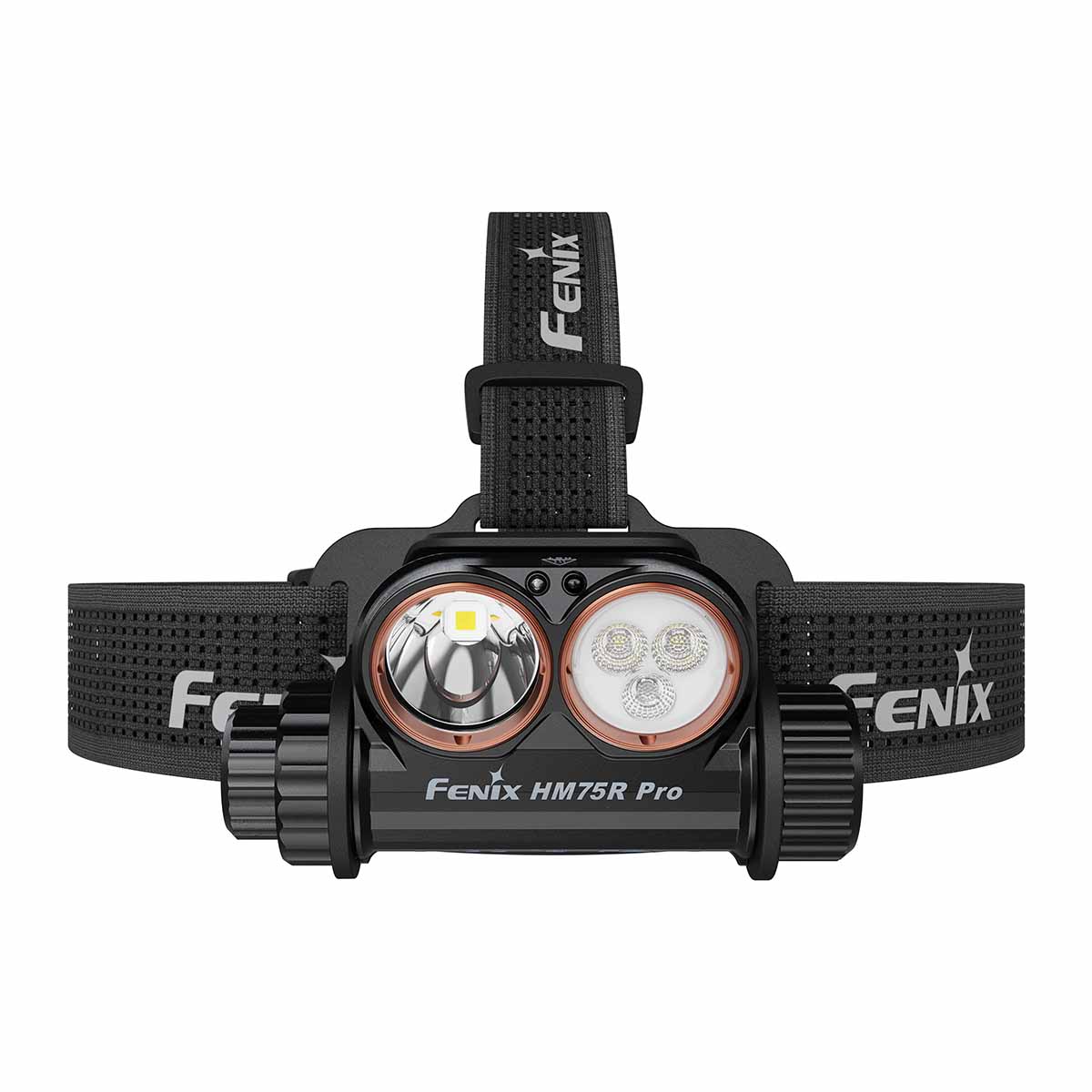
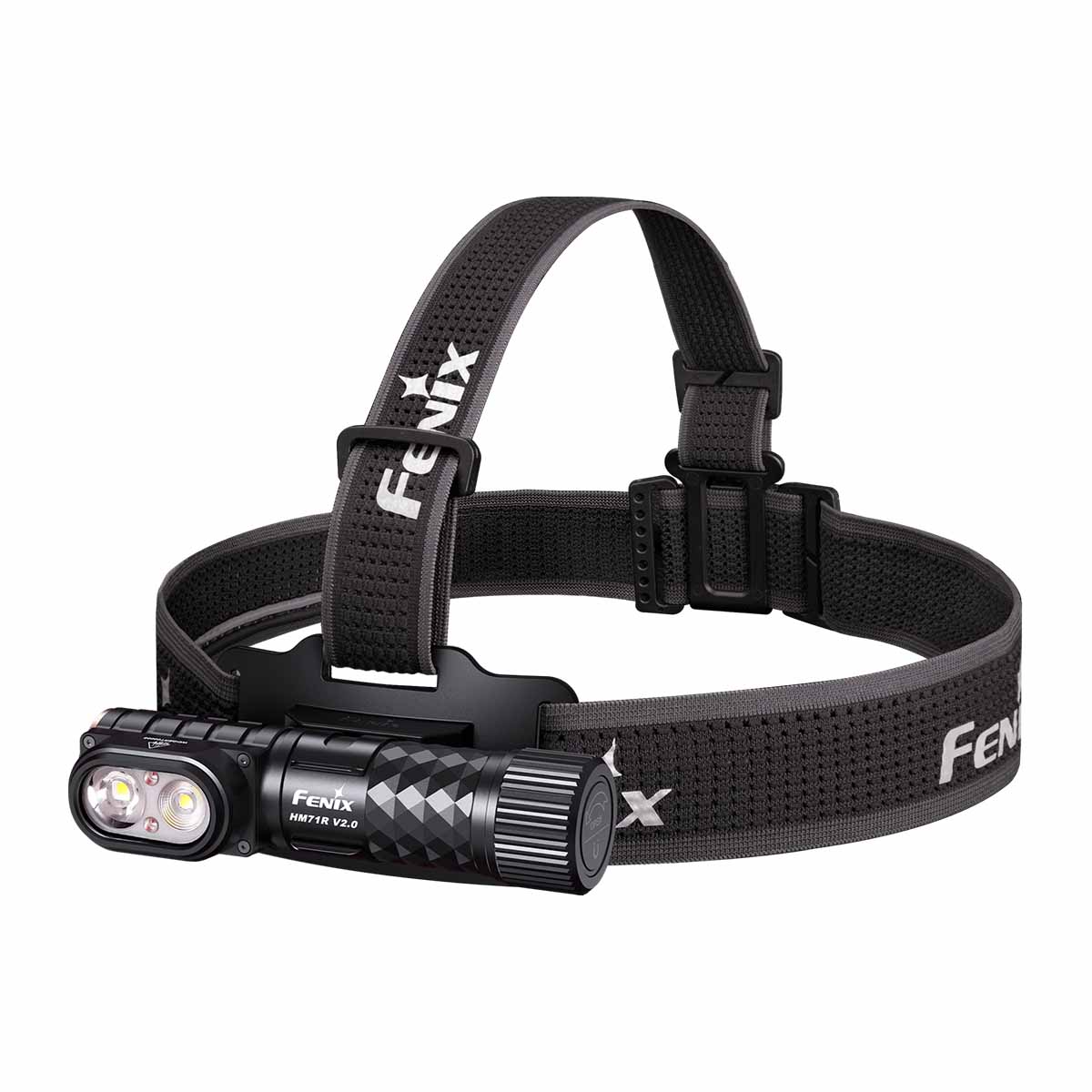
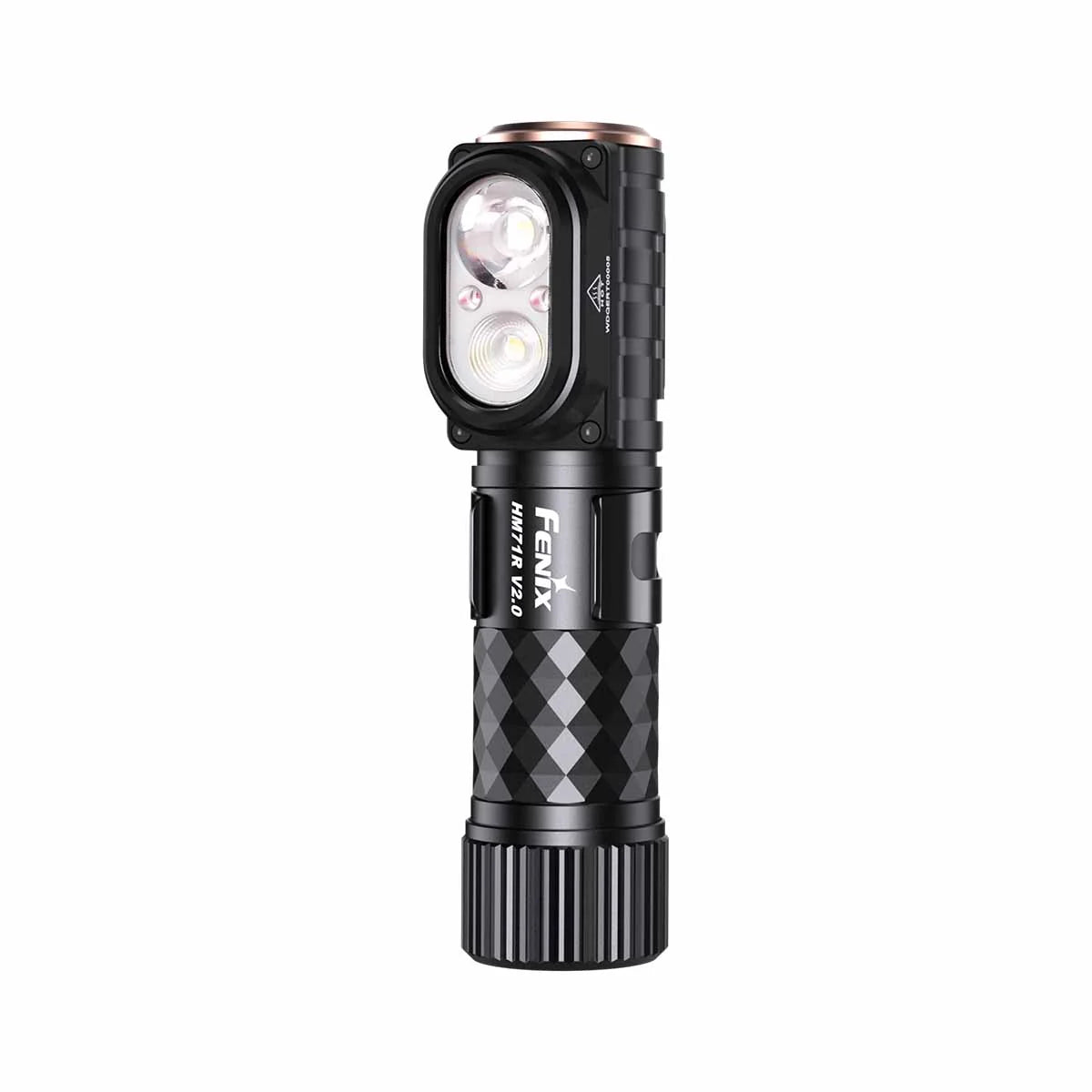
On a banding morning the knife cuts mesh away from a bird's foot, splits a length of survey tape, opens foil pouches, sharpens a pencil and trims the cord on a data board. It also cuts fruit for a breakfast that happens four hours late. A small light belongs in the pocket too, because the first net run happens while the forest is still dark, and a lamp with a red mode protects night vision for both the crew and the birds.

Ownership Notes
Banding kit is best kept small and disciplined. One knife, one light, one pair of banding pliers and a spare pencil in a single pouch means nothing is searched for while a bird waits in the hand. Rinse the blade after a wet morning, dry the pivot and oil it lightly, and reserve the knife for net work so the edge stays fine. EdcMall carries compact folders and lights that suit this kind of delicate, repetitive scheduling.
Who Is This For?
This matters most to licensed banders, station volunteers, ornithology students and the trainers who run mist net operations during migration. A casual birder with binoculars will never need it. If you are extracting birds from mesh, though, buy thin, buy light and buy a lock you can close with one wet hand in low light.
Final Verdict
Banding rewards restraint. A slim nitrogen stainless blade, a fine point, a lock that closes cleanly one-handed and a habit of keeping the knife dedicated to net work will outperform anything advertised as tactical. Add a small light with a red mode and the kit is complete.