

Overview & First Impressions
Apprentice bladesmiths spend their first year doing the work nobody films: cutting steel stock, wrapping tongs, trimming scale off billets, opening abrasive orders, cutting leather for sheaths and deburring the edges of finished work. The forge is hot, gritty and full of materials that ruin tools, so the knife in a smith's pocket has to tolerate more than it usually would in a workshop.
Materials & Construction
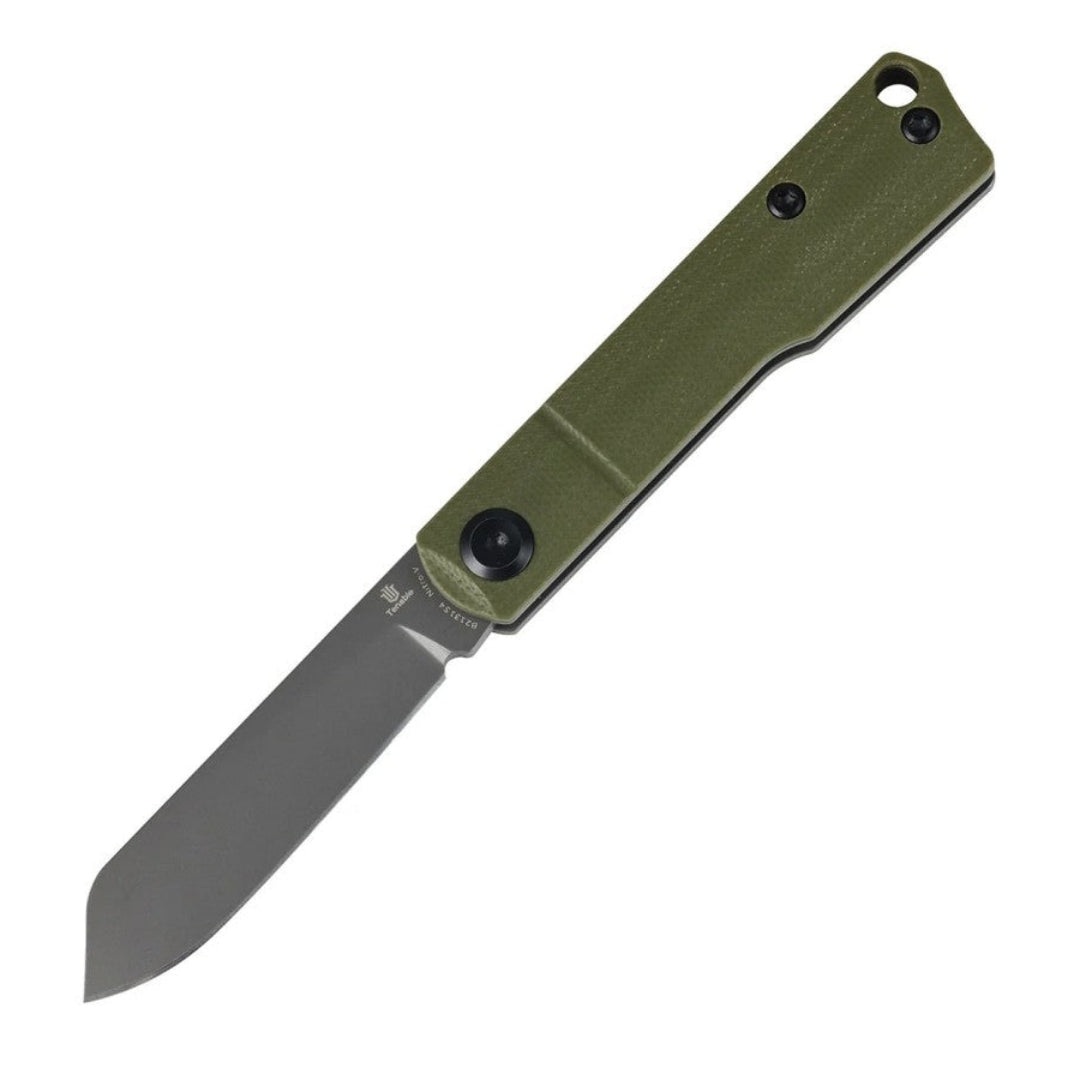
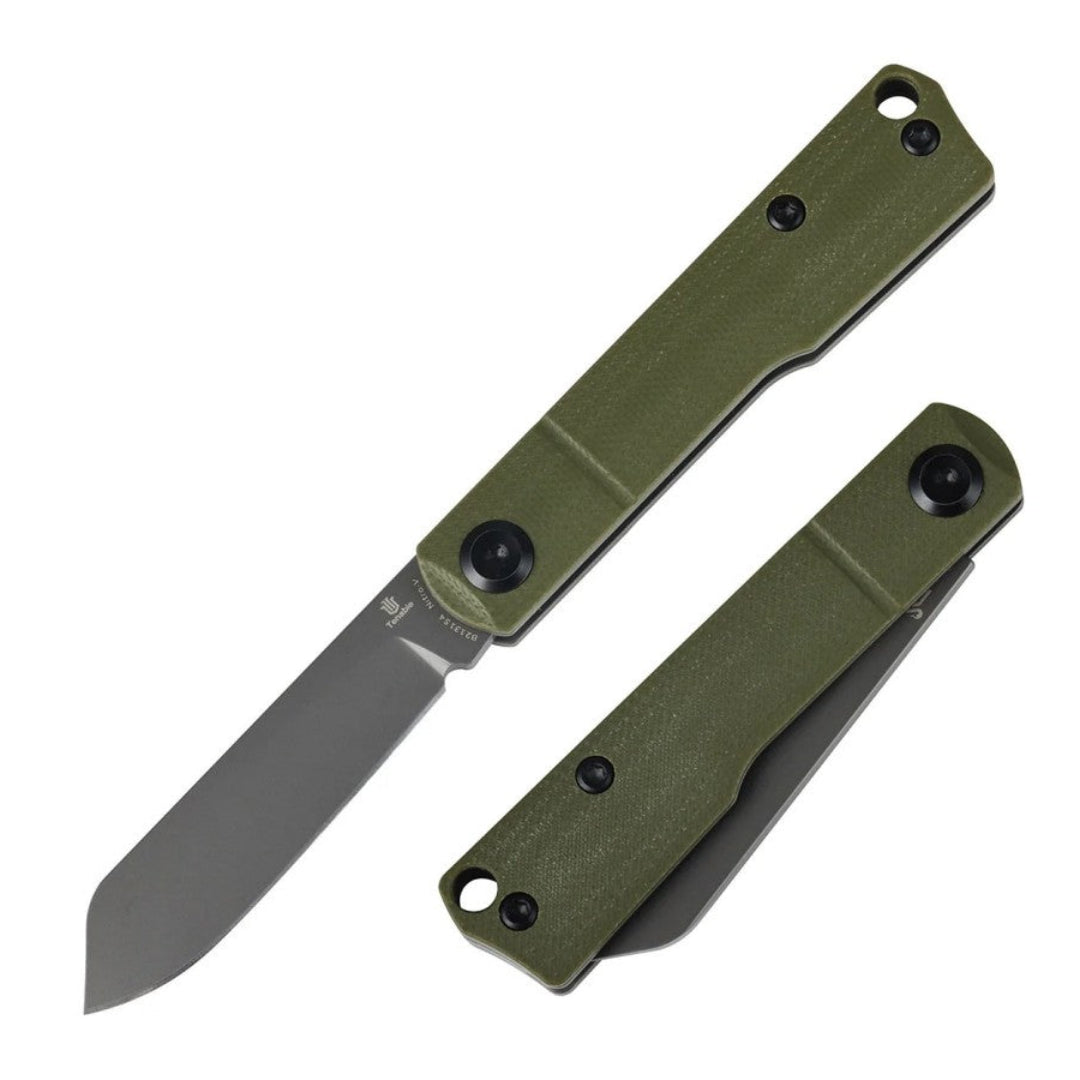
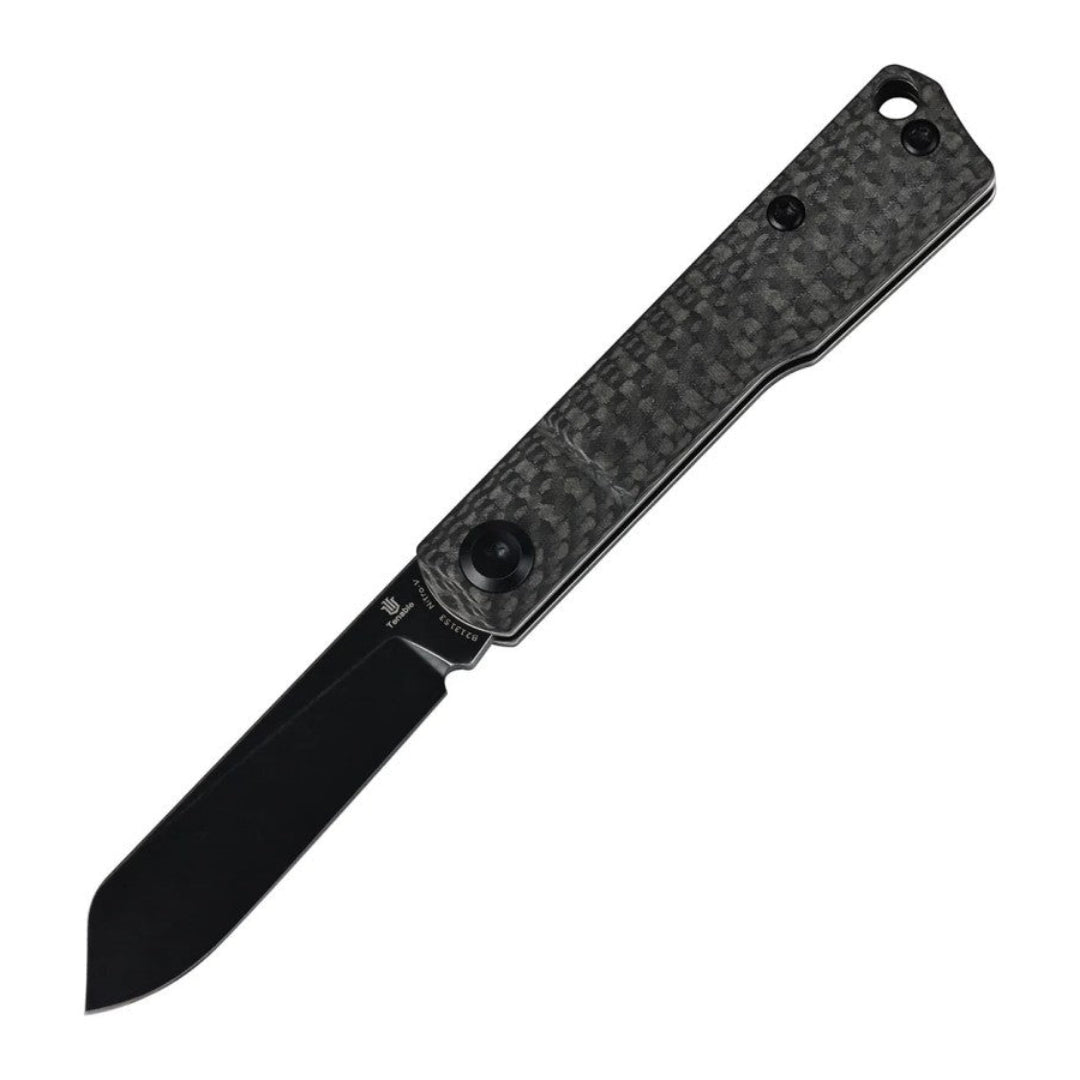
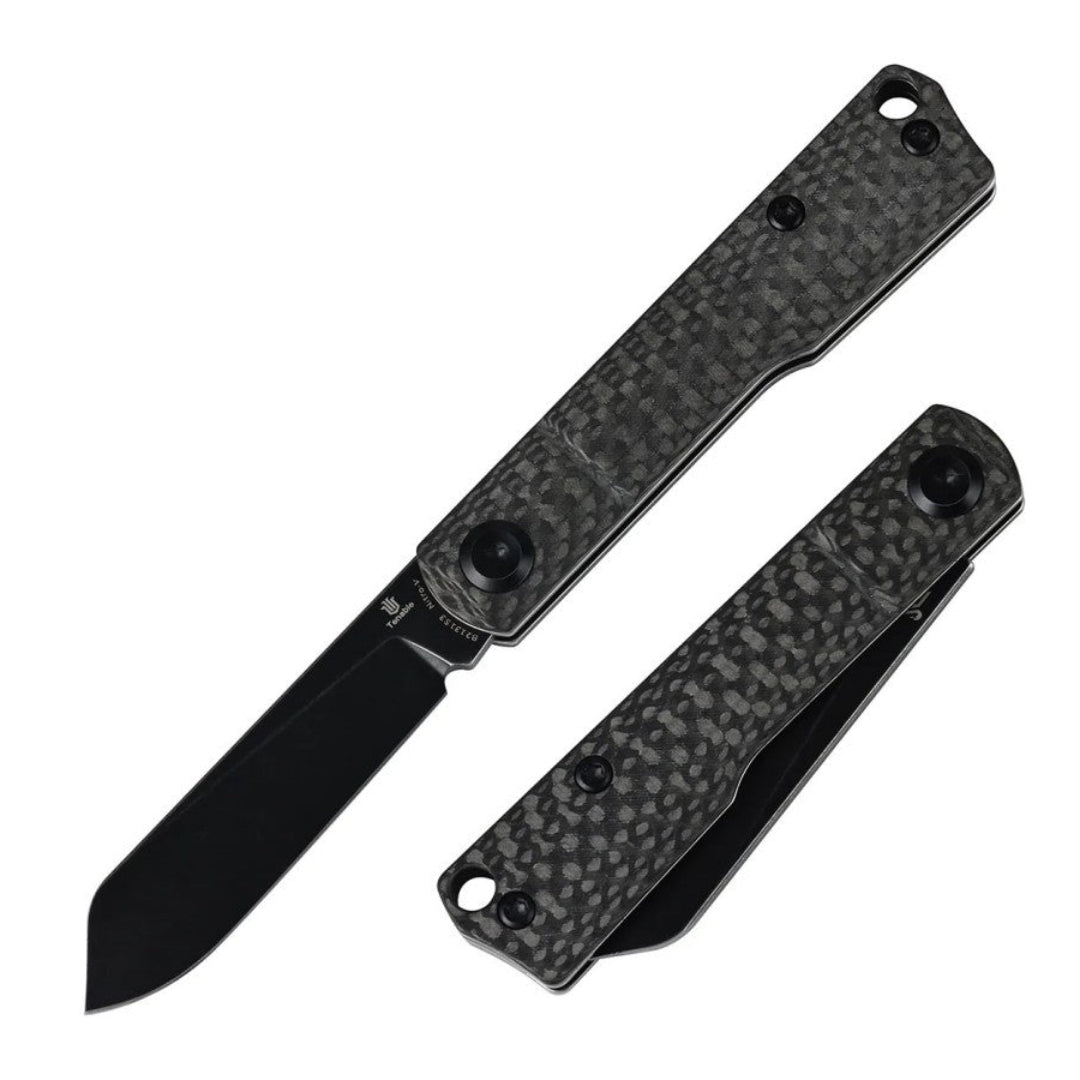
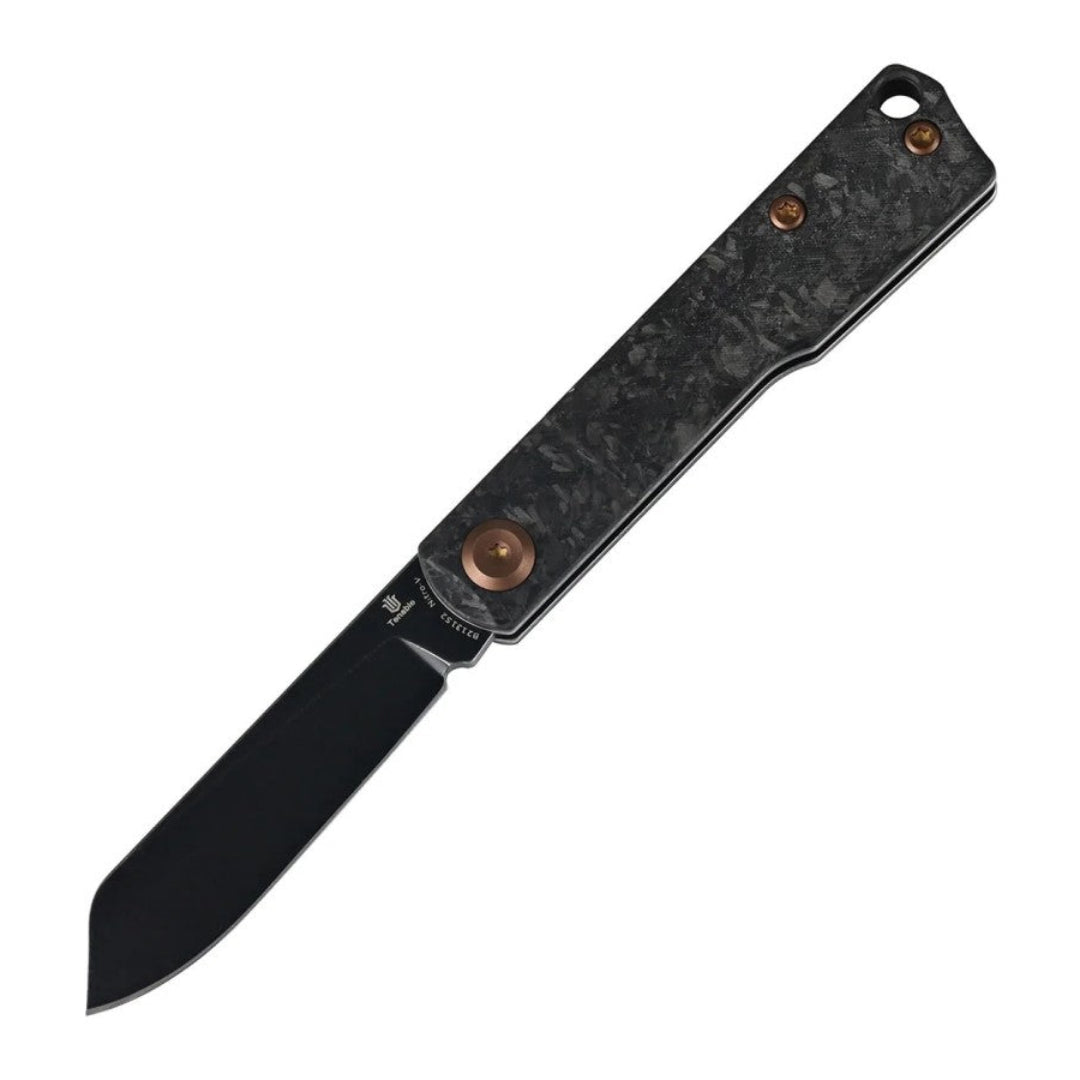
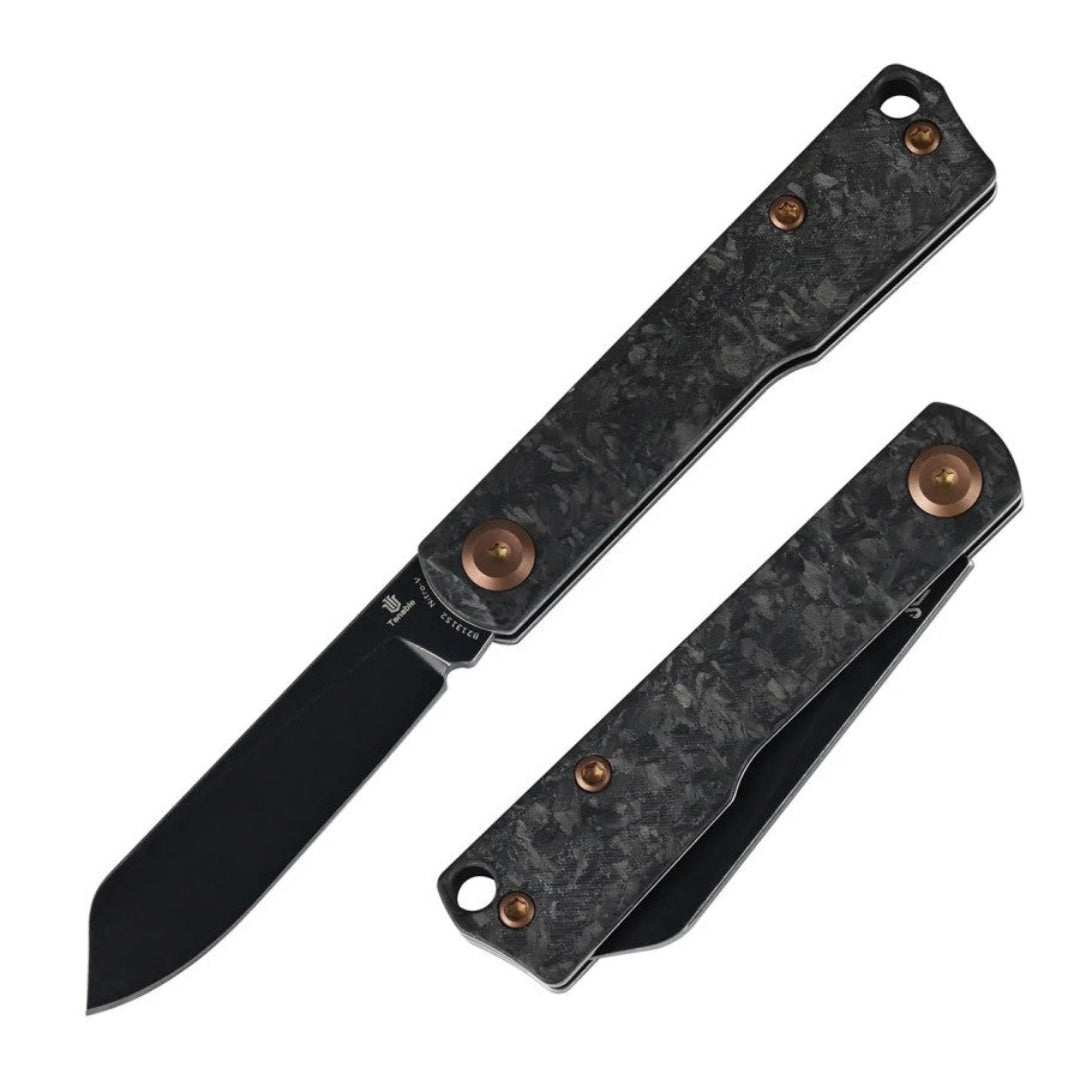
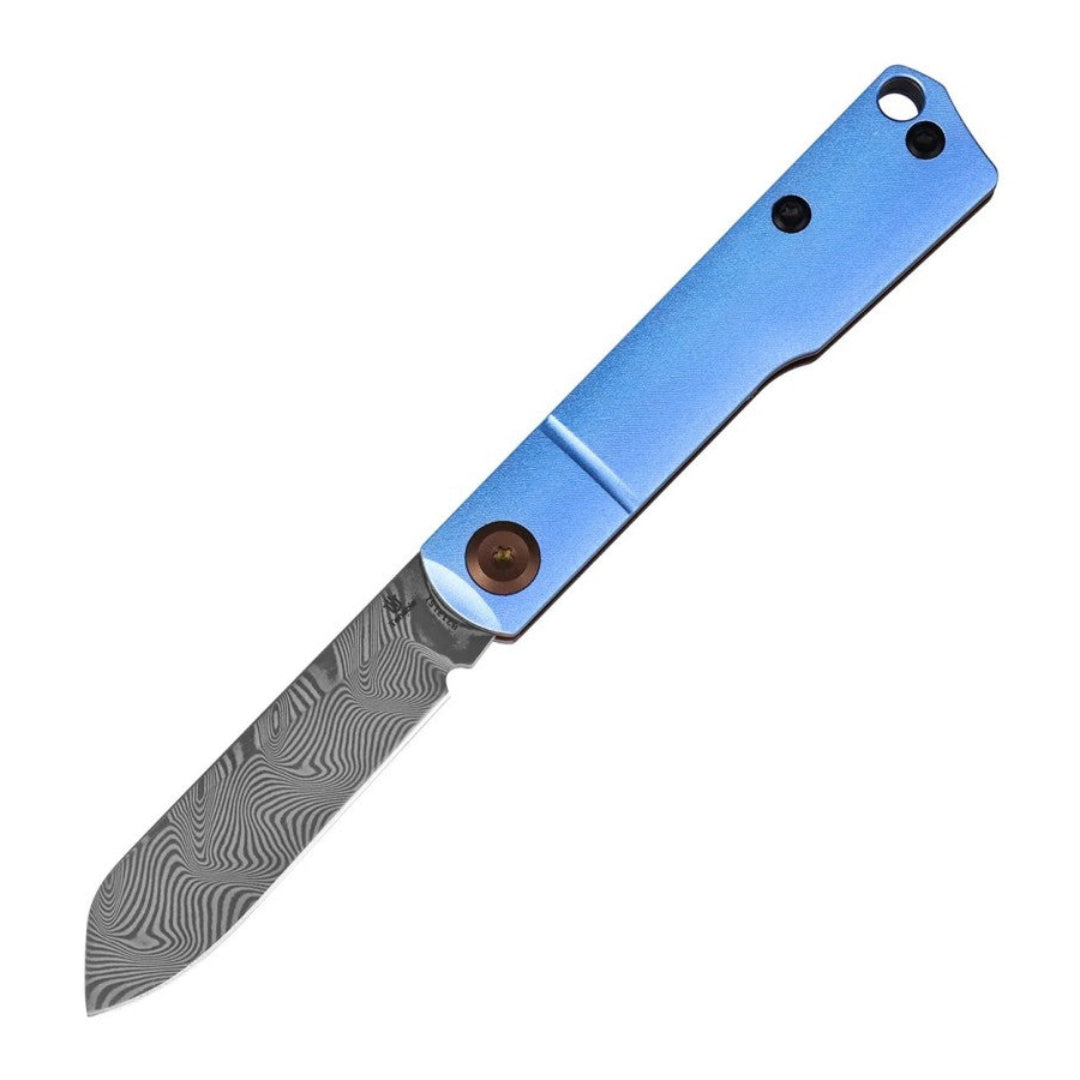
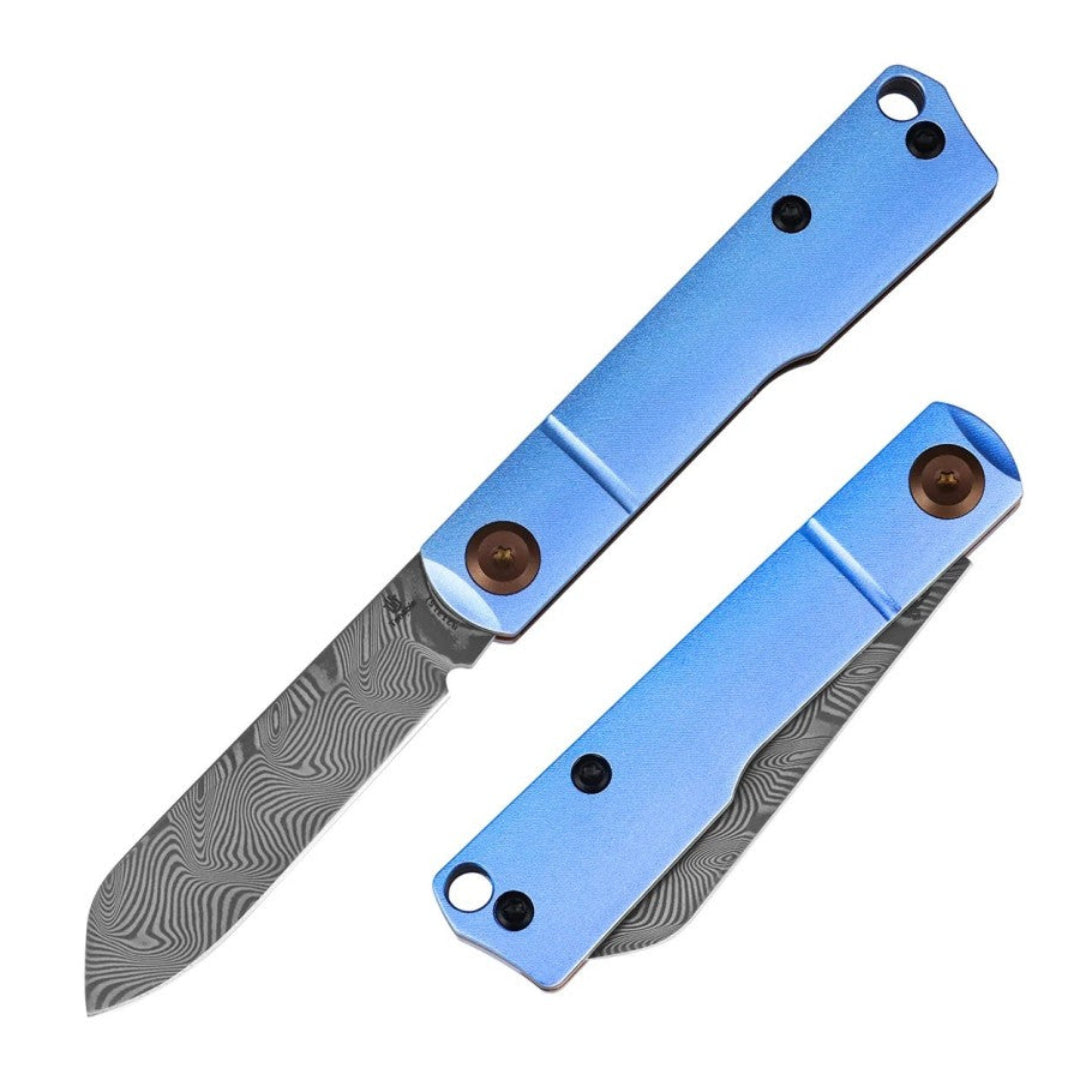
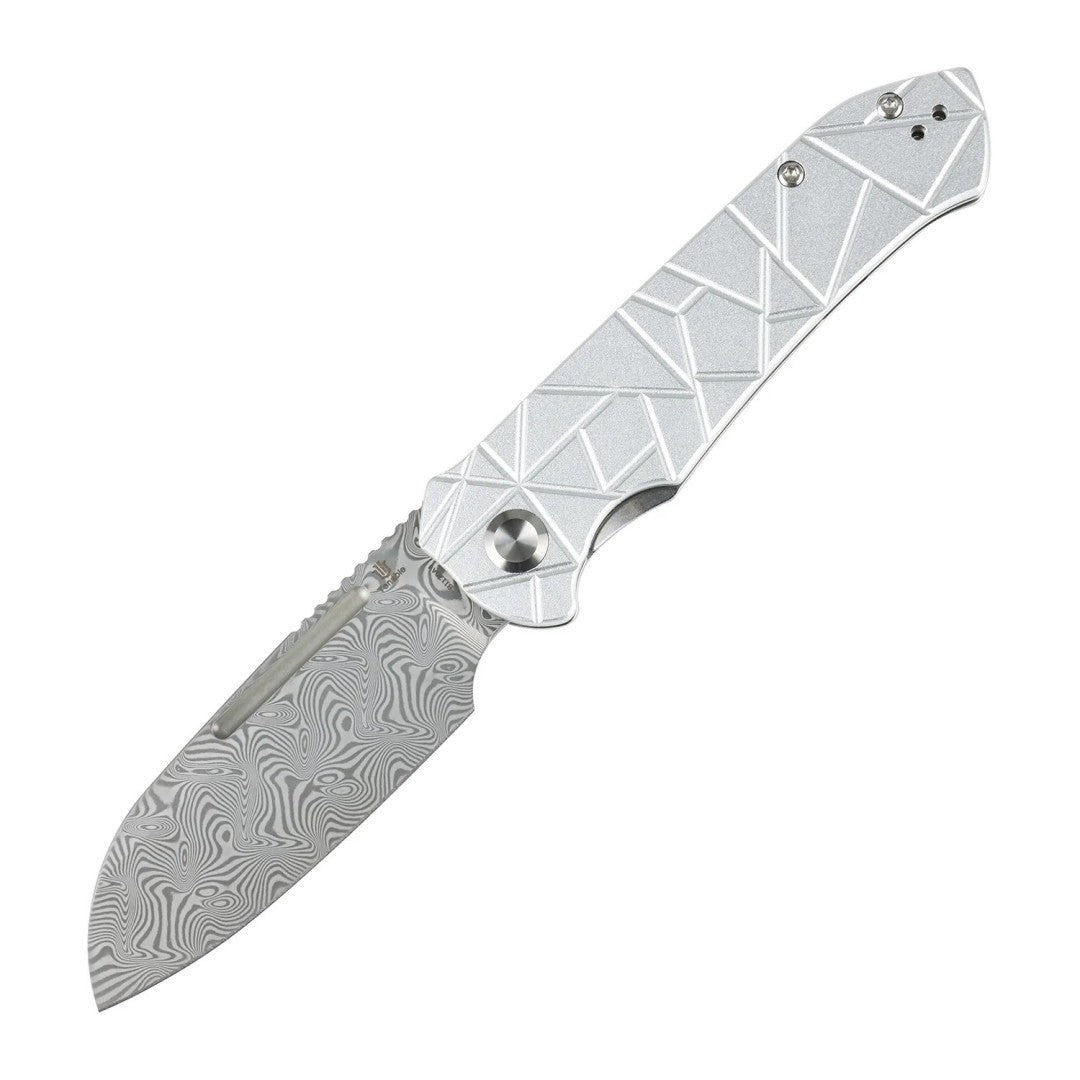
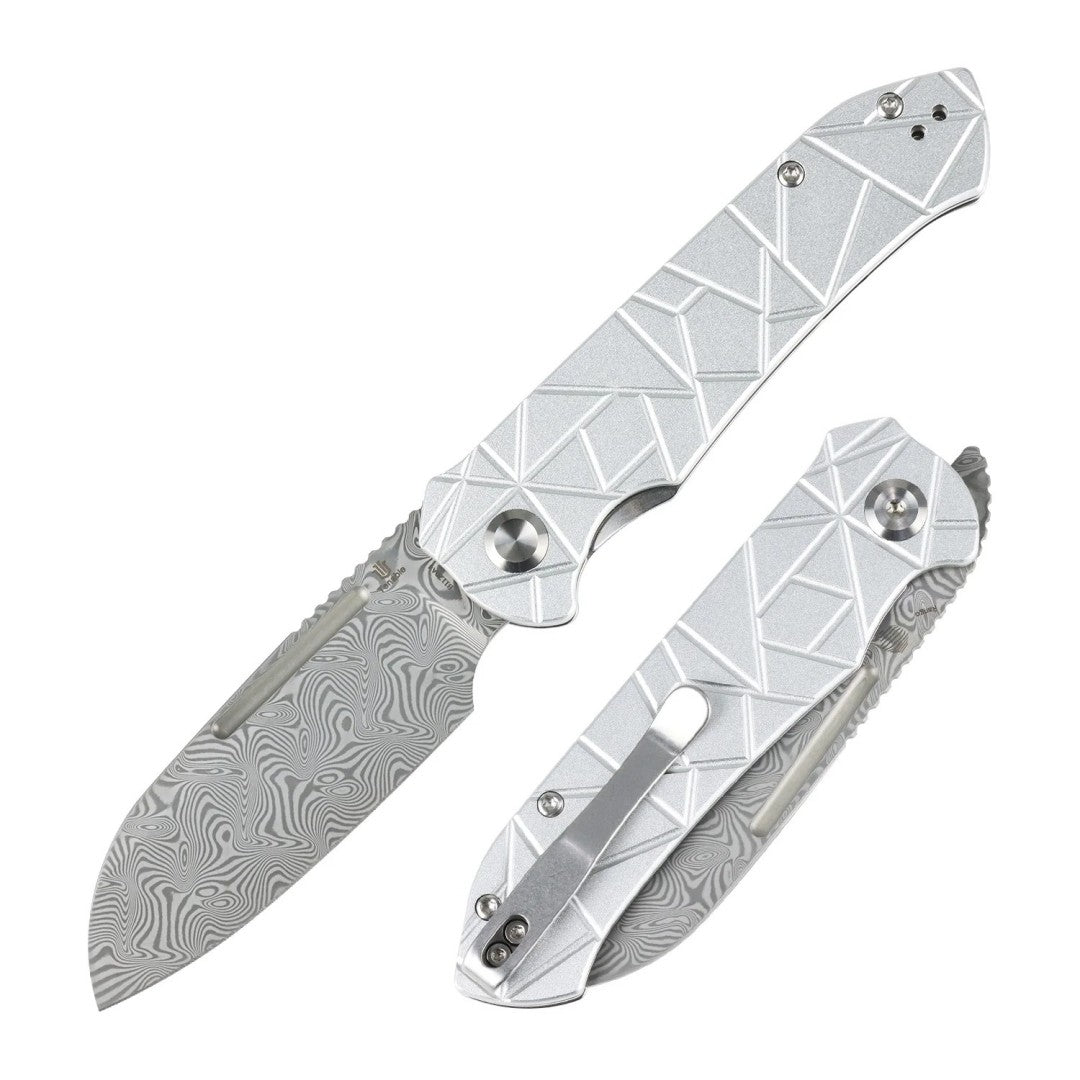
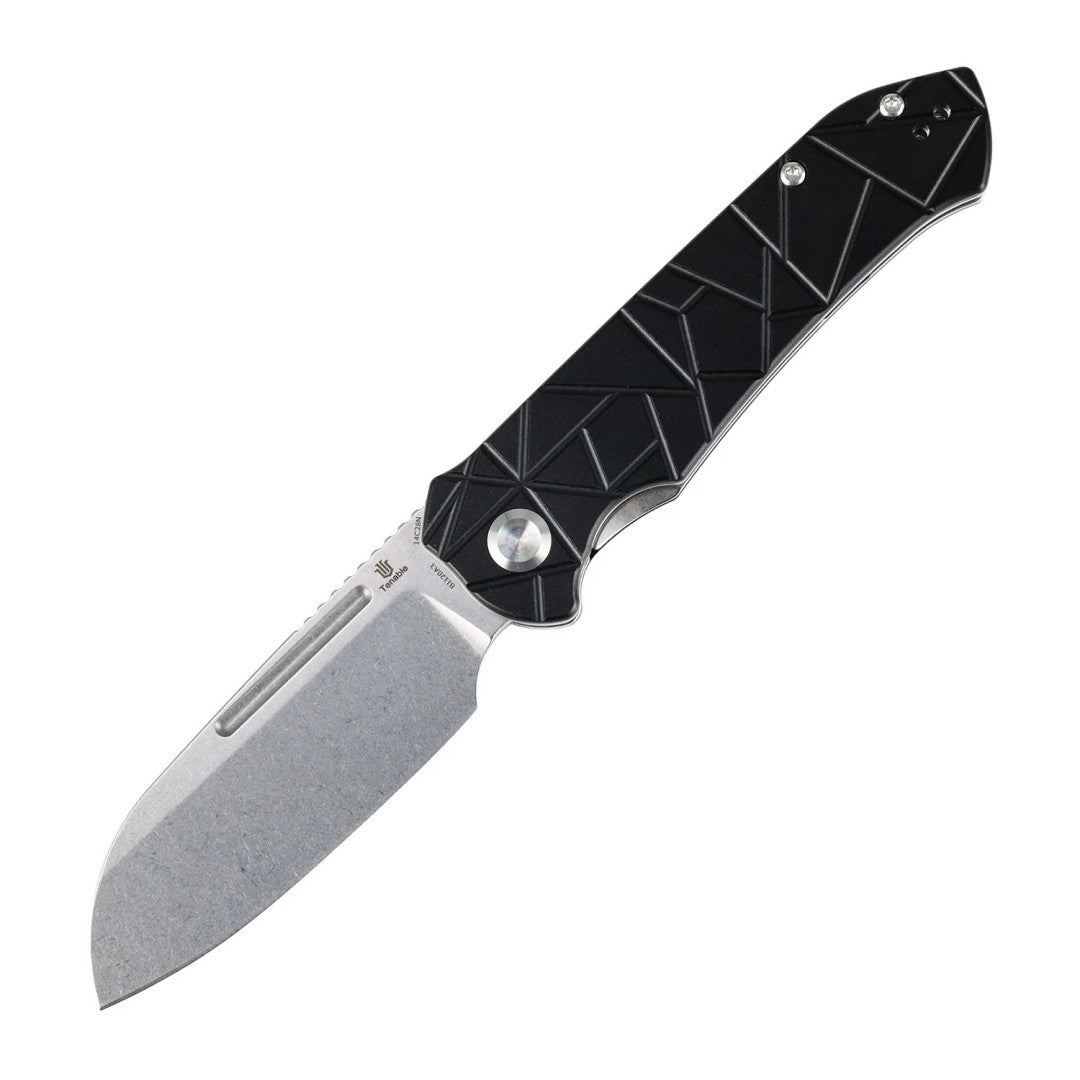
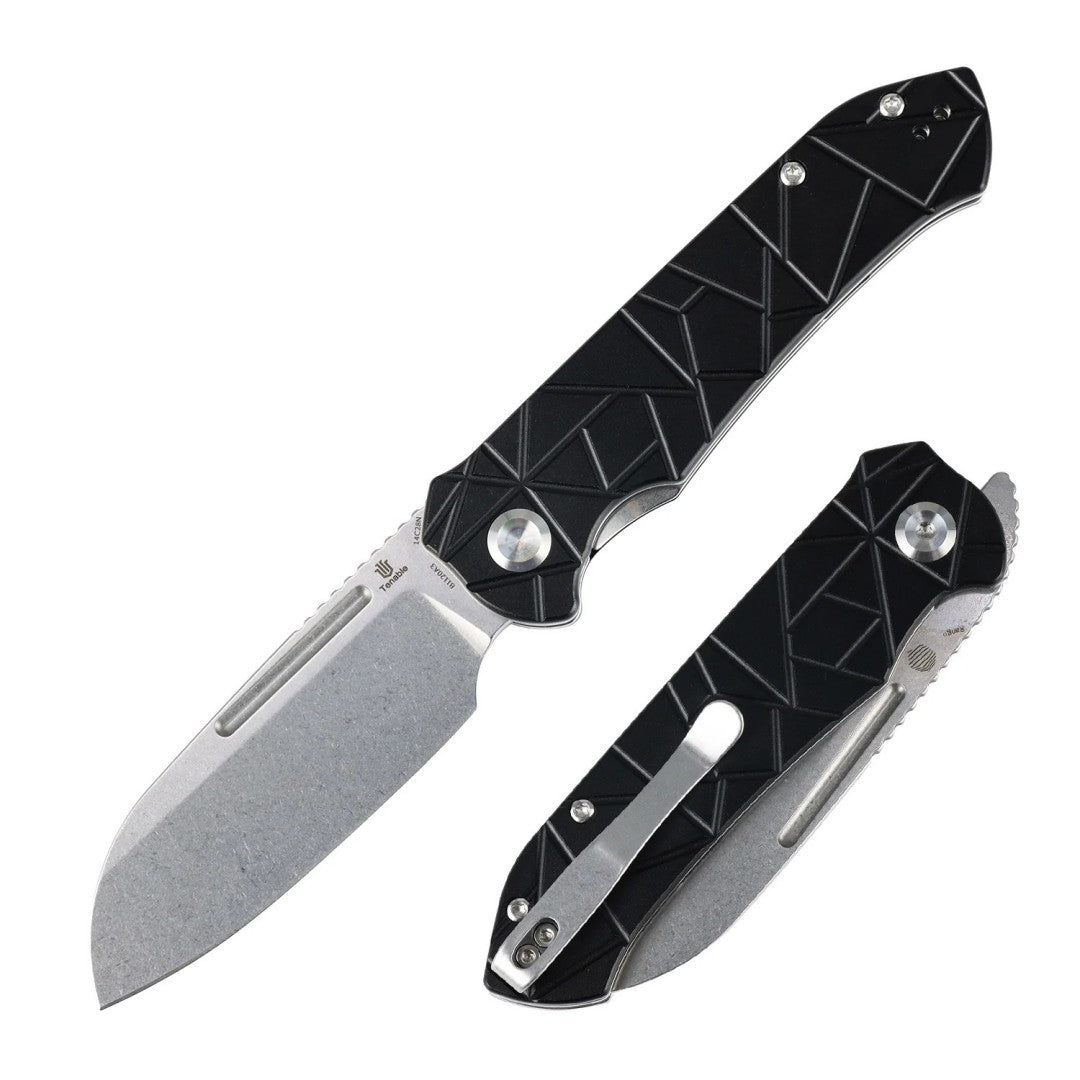
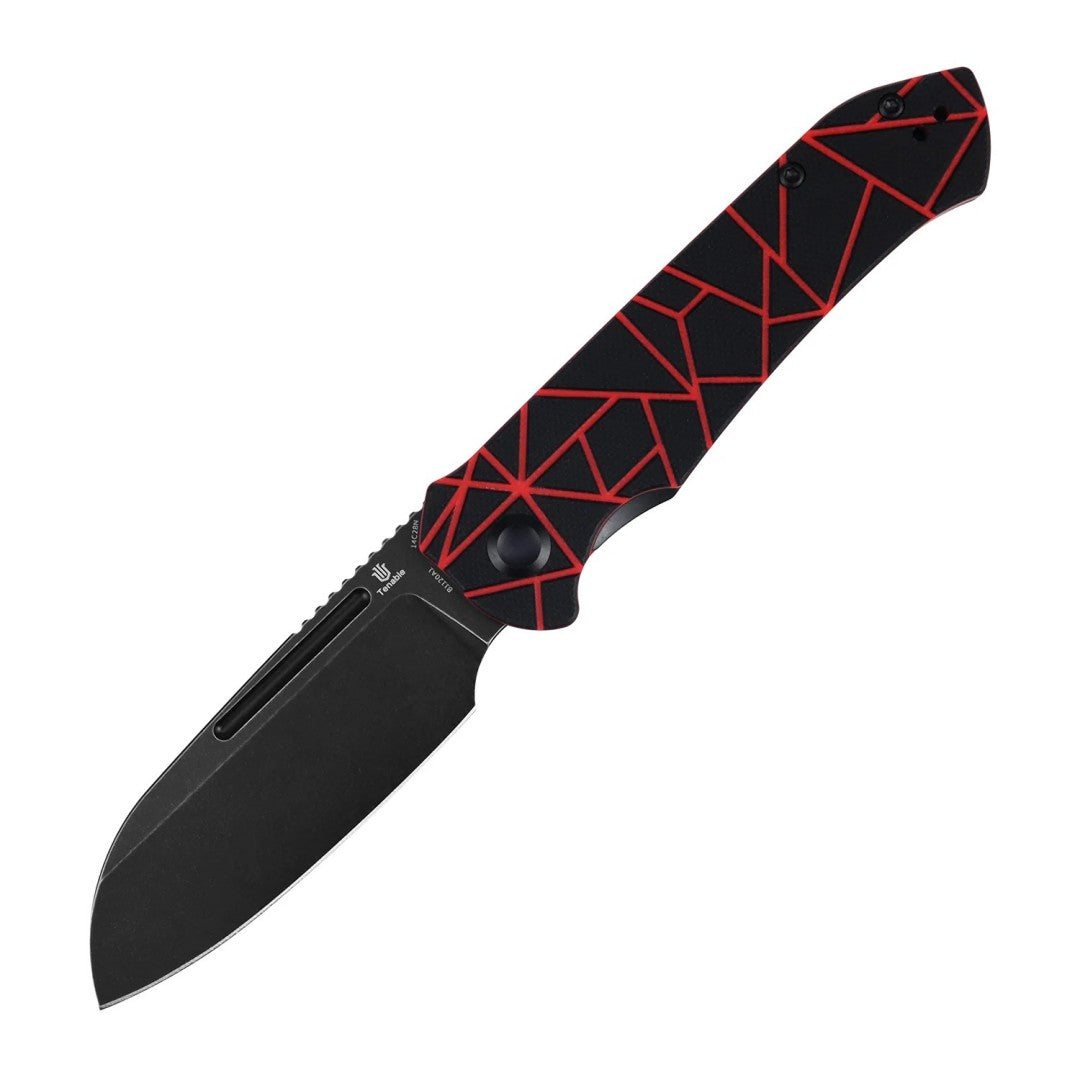
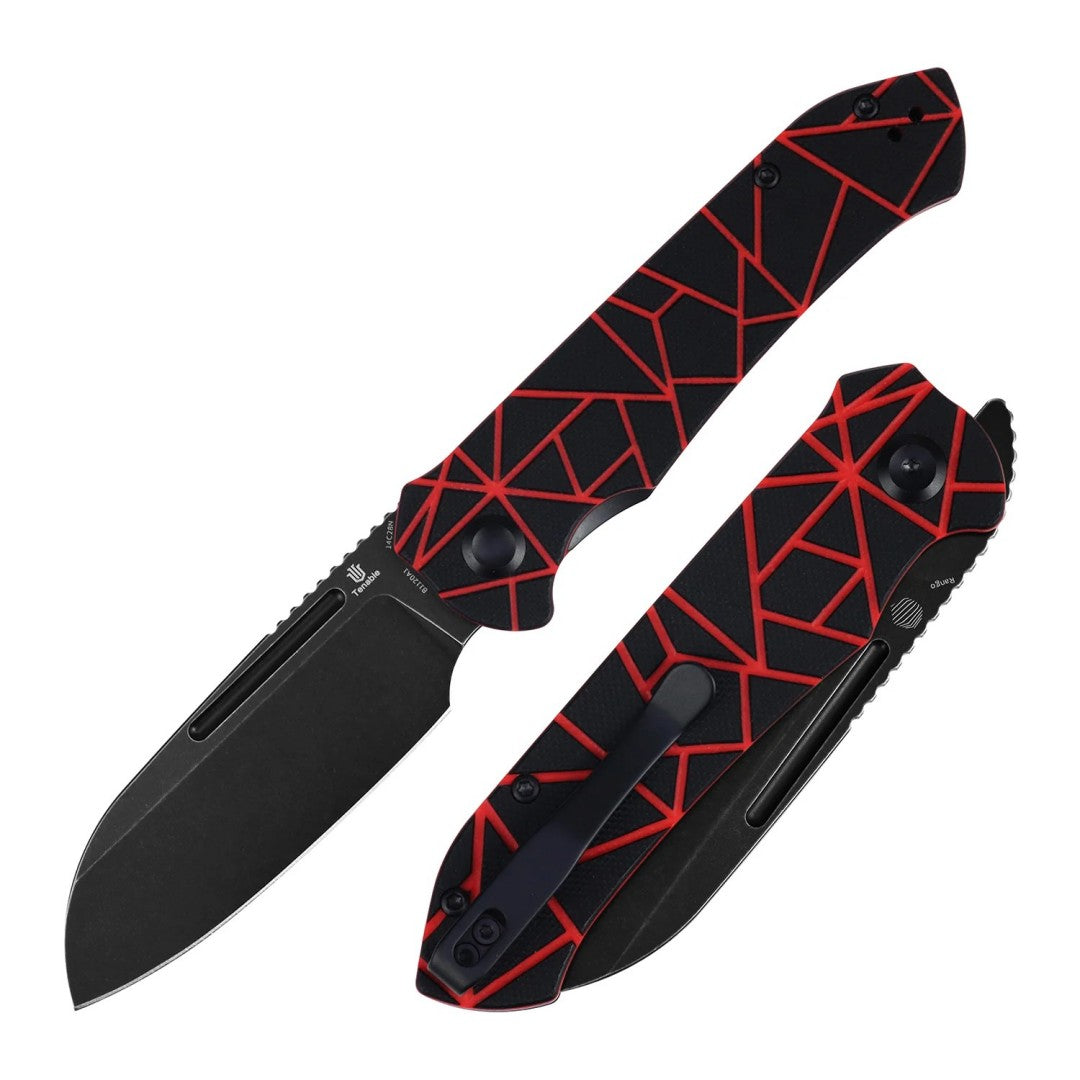
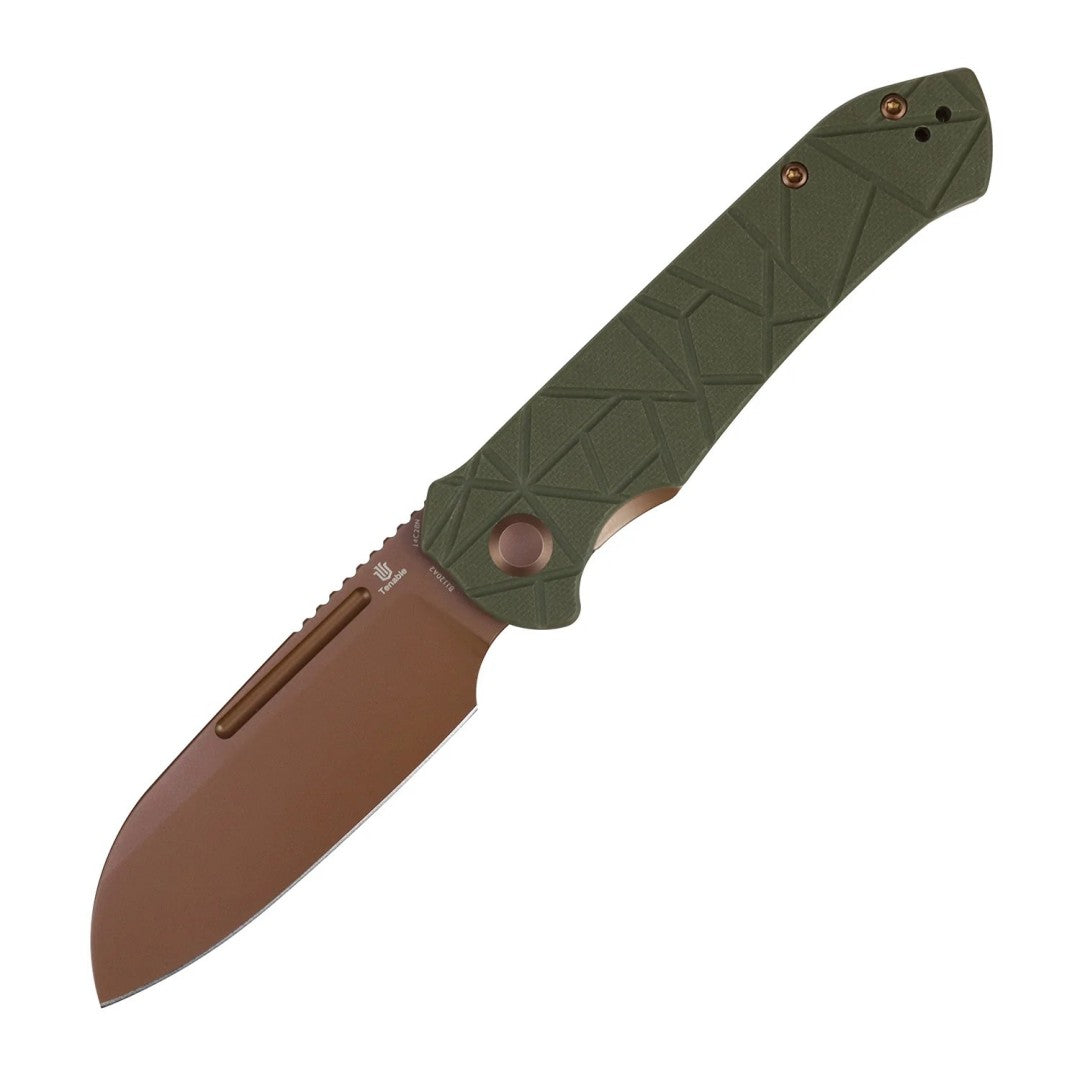
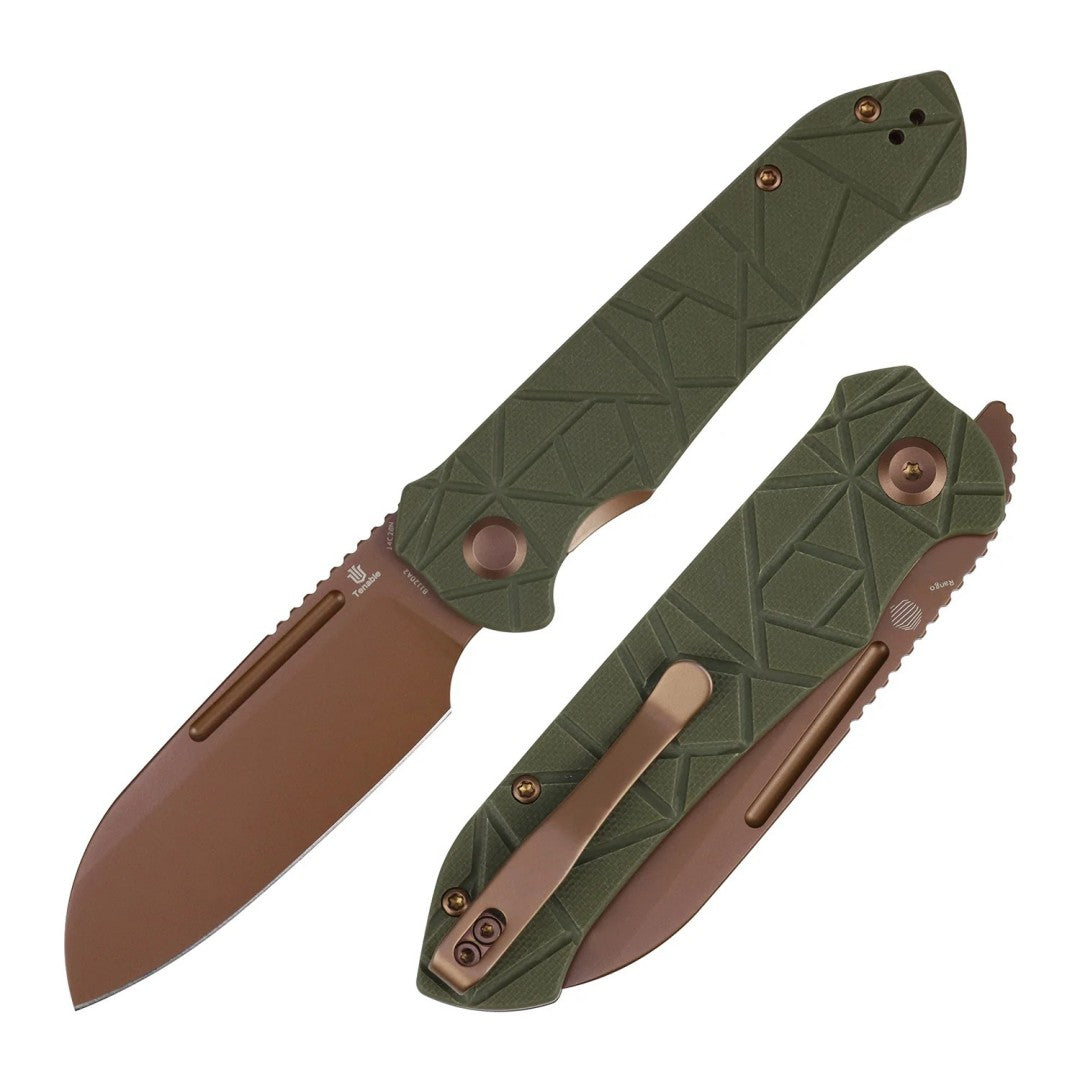
CPM-20CV is a good match for that workload. Its high vanadium carbide content gives it wear resistance against abrasive dust, and its chromium content keeps it from staining when it is exposed to quench oil and water. The Kansept Quasar K1099V11 pairs that blade with a stonewashed titanium and carbon fiber handle and a crossbar lock, giving ambidextrous operation and a clean action that survives being opened with dusty hands. Kansept knives have a following among maker-adjacent users for exactly this combination of design and durability.

Design & Details
Two details make a difference in a forge. First, the handle should not have deep grooves that pack with scale, because scale is abrasive and it will grind away at a pivot over a season. Second, the lock should be operable with the thumb of either hand, since smiths switch between hammer hand and off-hand constantly. Folding knives built with a crossbar or a similar ambidextrous mechanism and a smooth, open handle channel suit this environment far better than ornate designs.
Real-World Use
Day to day the knife cuts leather and kydex for sheath mock-ups, trims handle material to rough shape, opens boxes of belts and abrasives, scores template card, removes burrs from the edge of a profiled blank and cuts cord for wrapping. None of that is glamorous, and all of it happens with hot, dirty hands. Selecting EDC knives for forge work is about forgiving maintenance rather than about collector appeal.

Ownership Notes
The forge will test your habits. Never quench a hot blade with a folding knife in the same bucket. Blow dust out of the pivot after every session, because belt-grinder swarf is fine enough to work into anything, and apply a drop of oil only after the pivot is clean. Keep a cheap fixed blade near the anvil for work that might damage an edge, and reserve the good folder for the cutting you actually want it for. Apprentices quickly learn that the forge eats tools, and the smart ones split their carry in two: a cheap beater for the jobs that might damage an edge, and folding knives kept for clean work. Buying a good folder and then using it to pry scale off a billet is how a premium blade becomes a paperweight, so discipline about what the knife is for matters as much as the steel it is made from.
Who Is This For?
This is aimed at bladesmith apprentices, blacksmiths, farriers in training, knife-kit builders and students in a machining or welding program who work with hot metal and abrasives. It also suits jewellery and metalcraft students. Anyone who only cuts paper and tape will find this grade of steel unnecessary.
Final Verdict
Forge work rewards a tough, corrosion-tolerant blade and a lock you can operate with dirty hands. Keep the mechanism simple, keep it clean and keep a beater tool nearby for the jobs that would otherwise ruin your edge.