
Overview & First Impressions
Blister steel came out of cementation furnaces, where iron bars packed in charcoal absorbed carbon over days and emerged with a blistered skin that had to be hammered flat. It was the best edge steel in Europe for a century, and it existed for one reason: it took a keen, stable edge. That same priority runs through the Bestechman Smuga BMK22A, whose AEB-L blade descends from a much later attempt to make a steel that sharpens like carbon and resists rust like stainless.
Materials & Construction
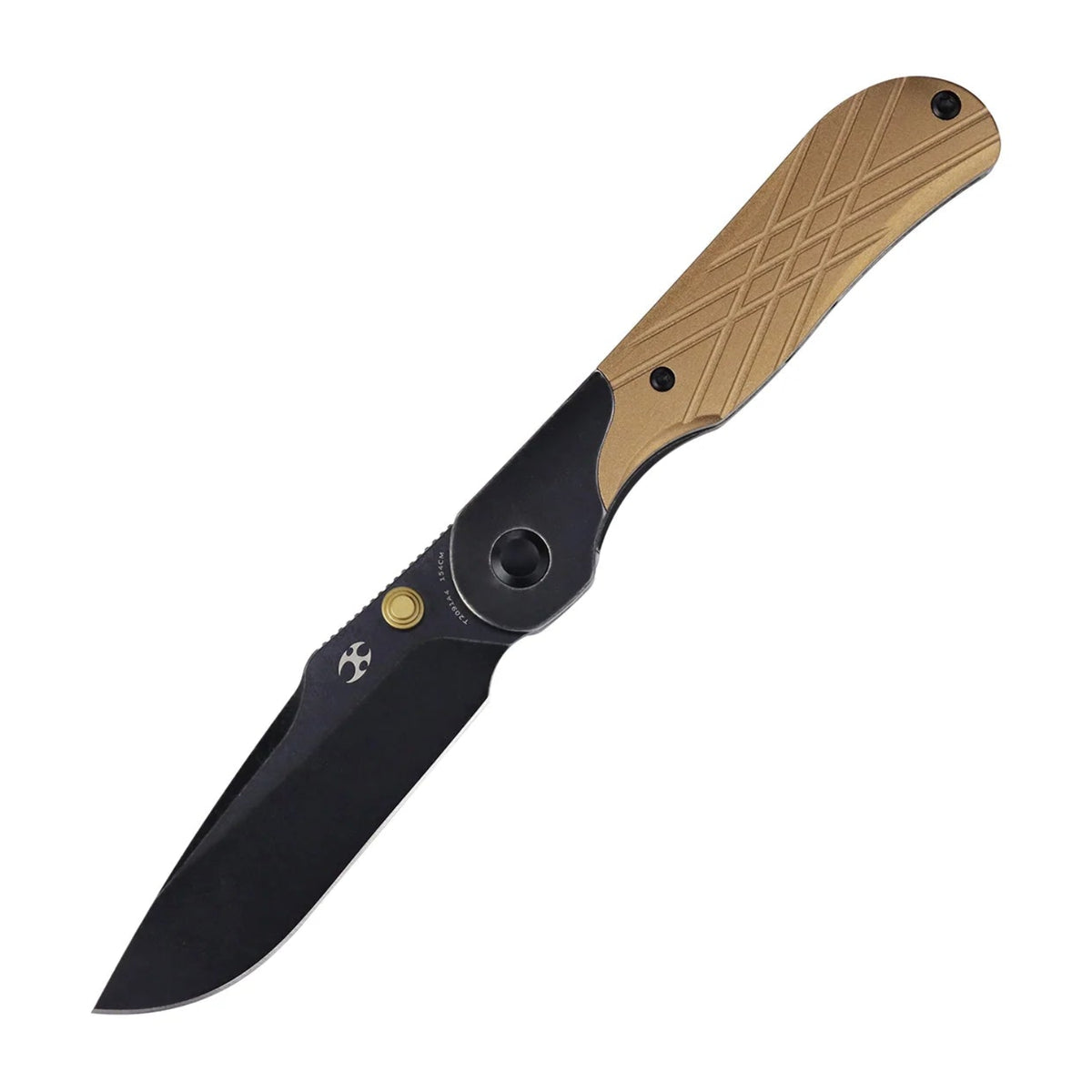
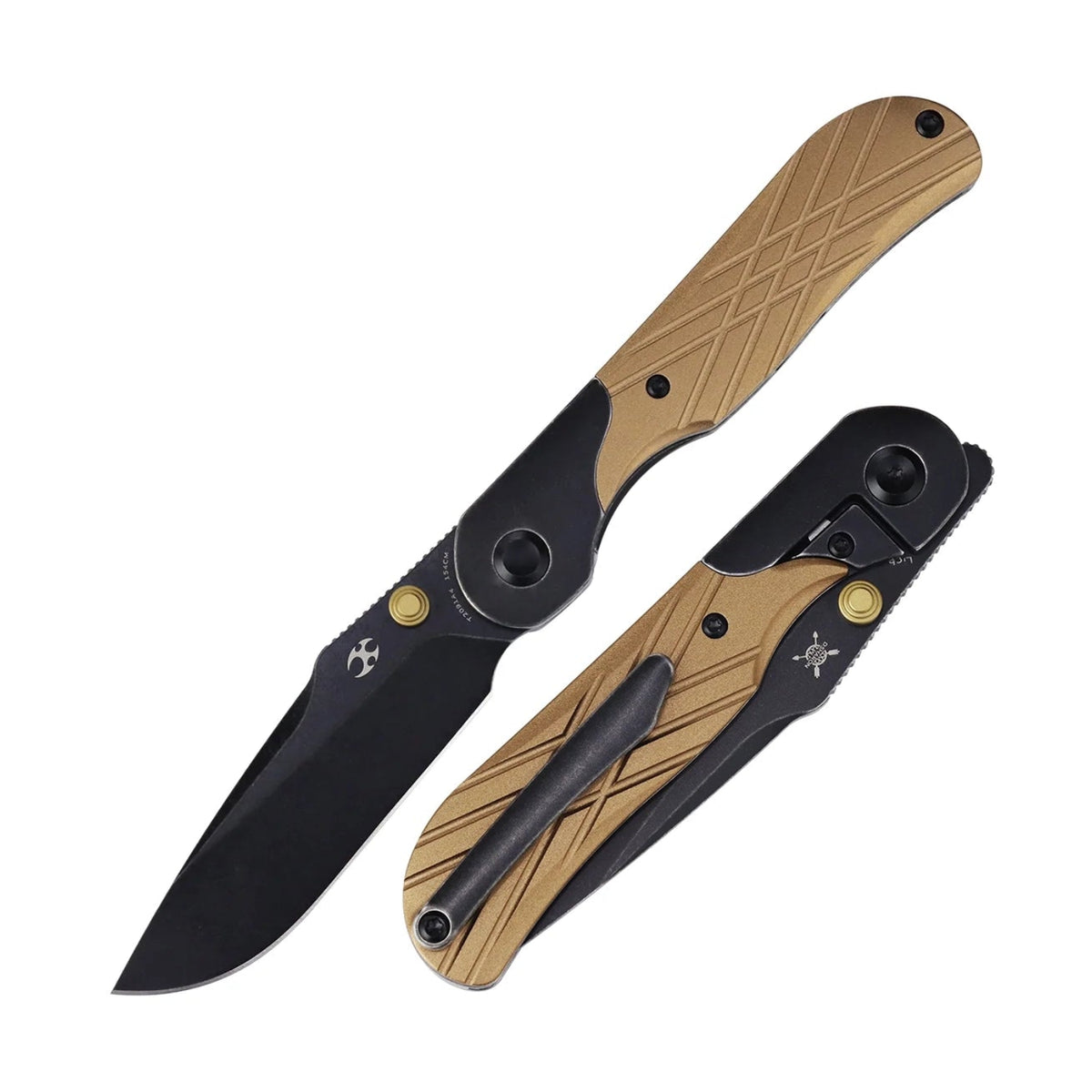
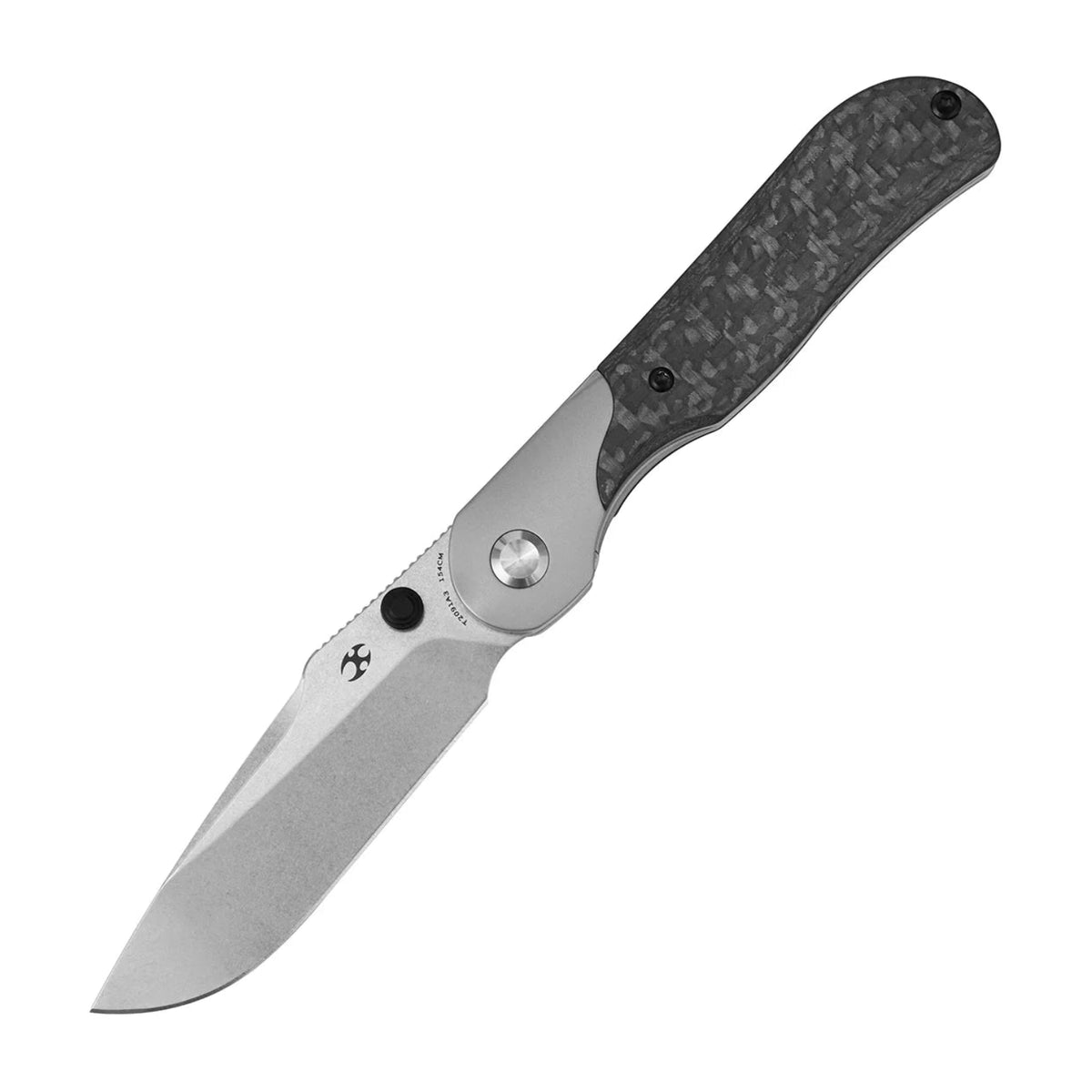
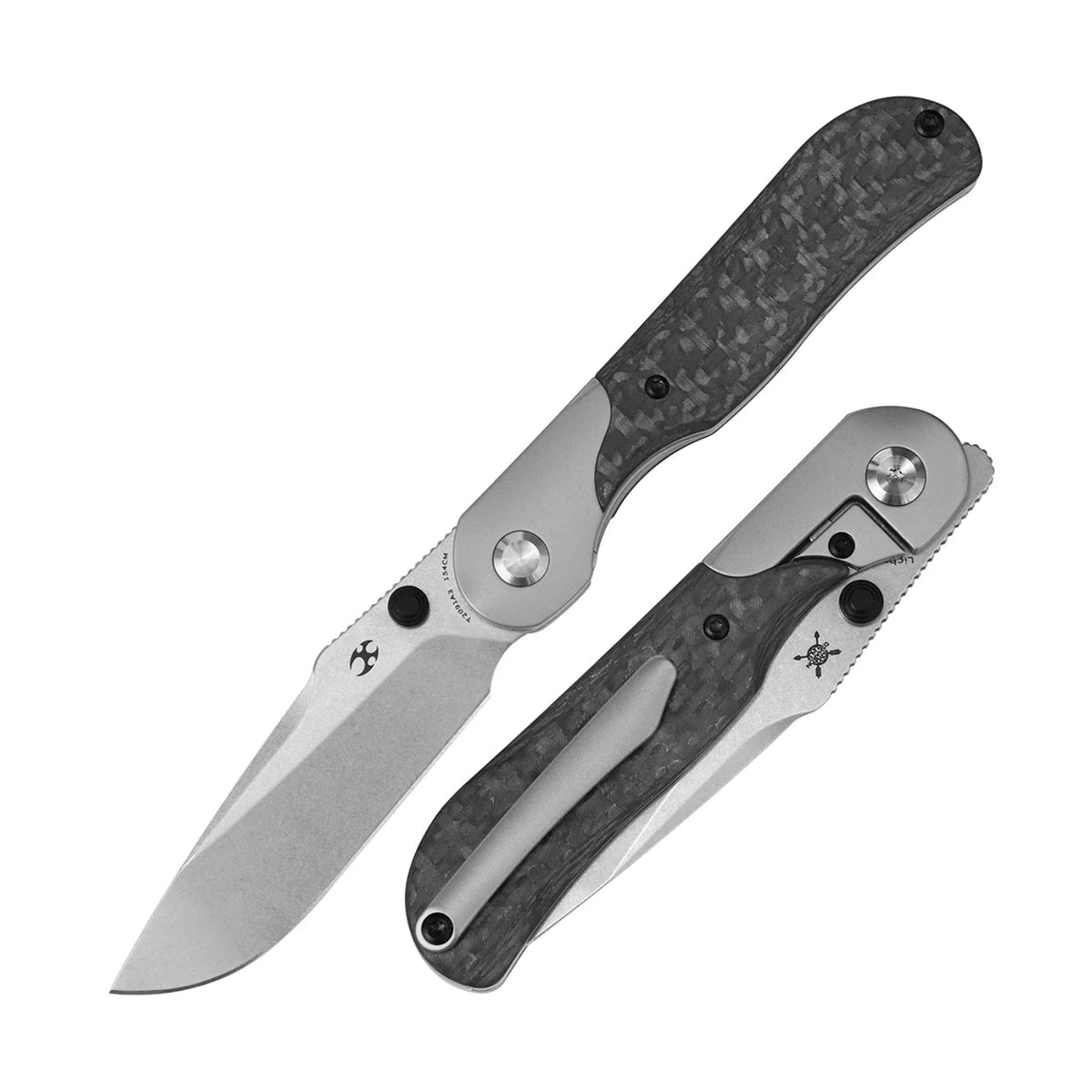
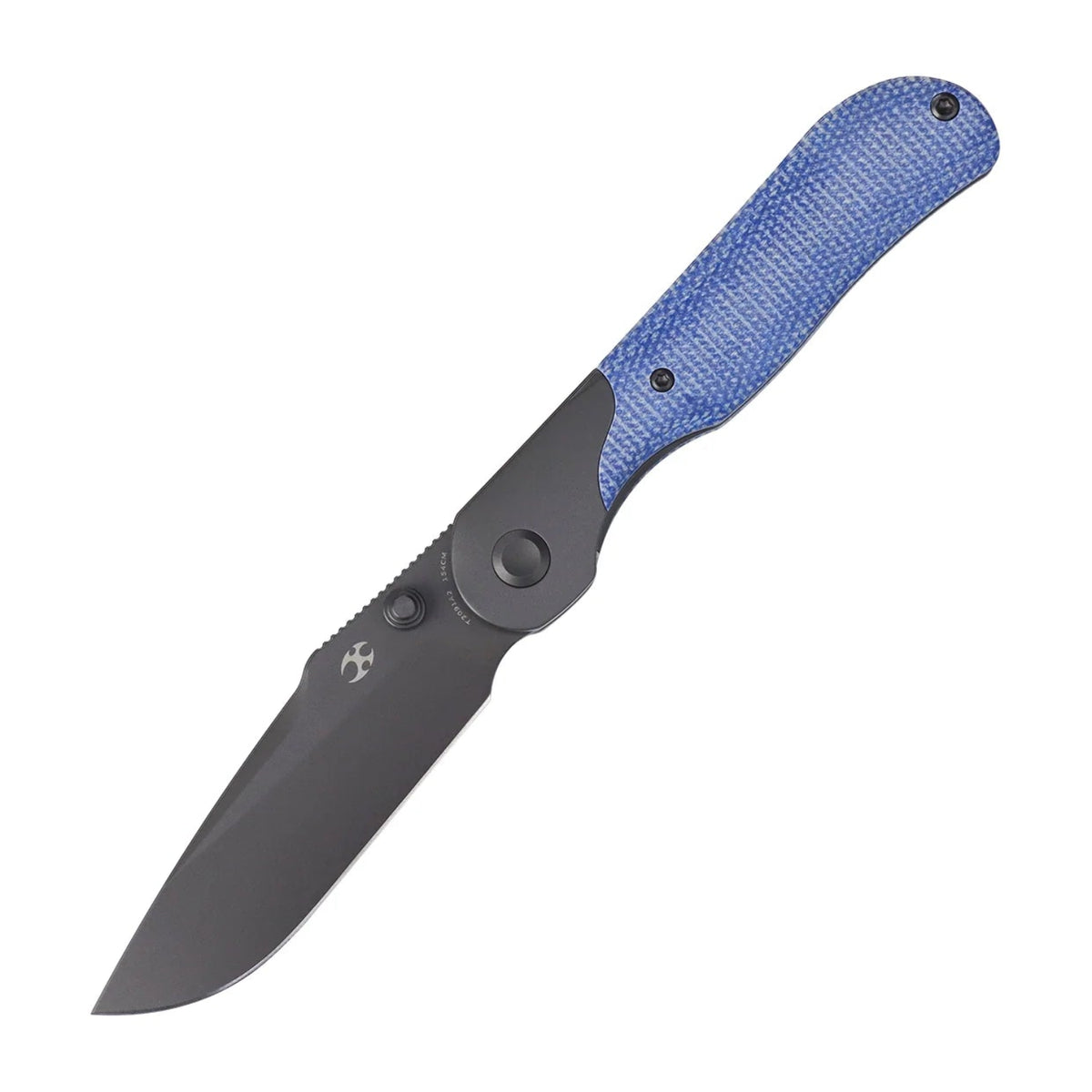
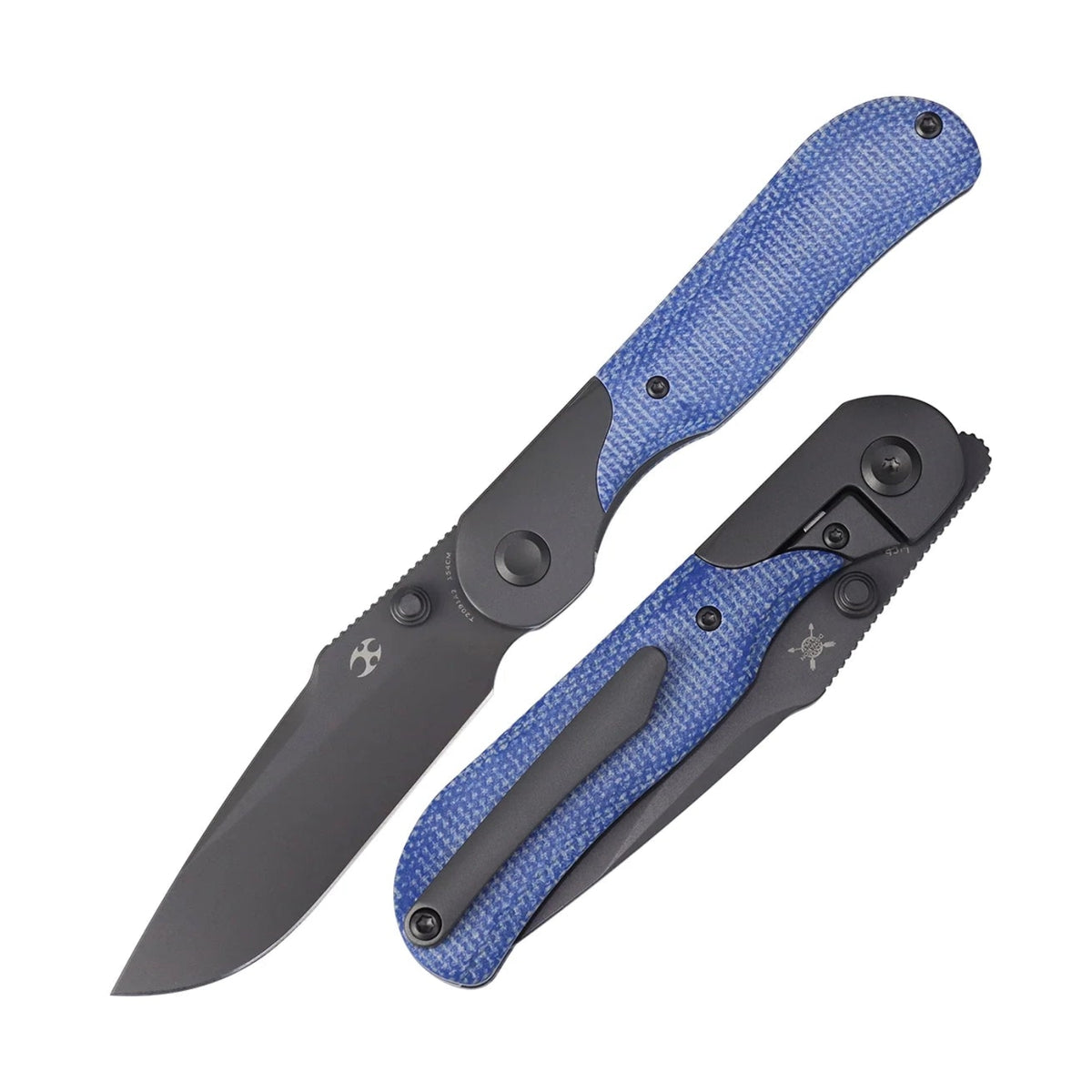
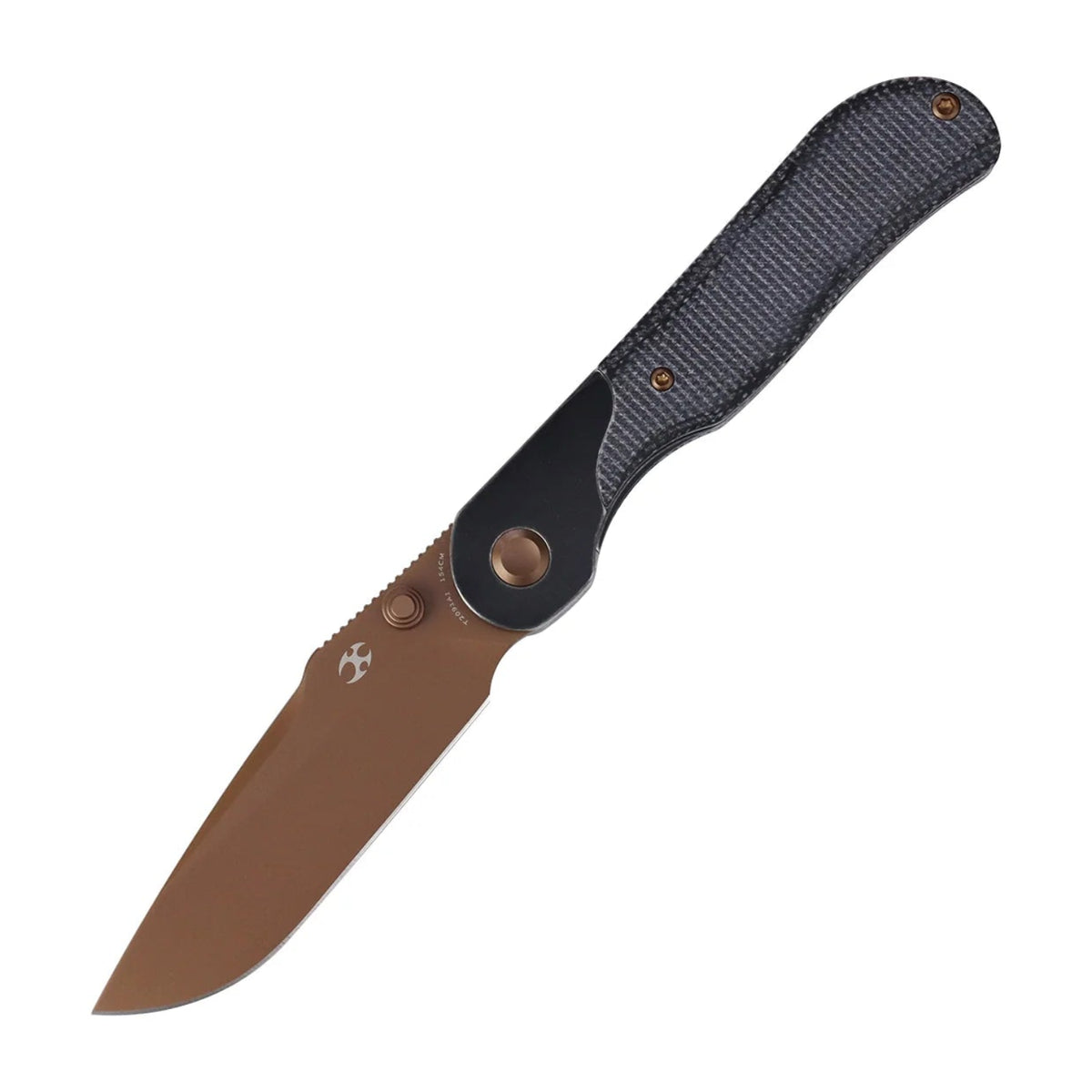
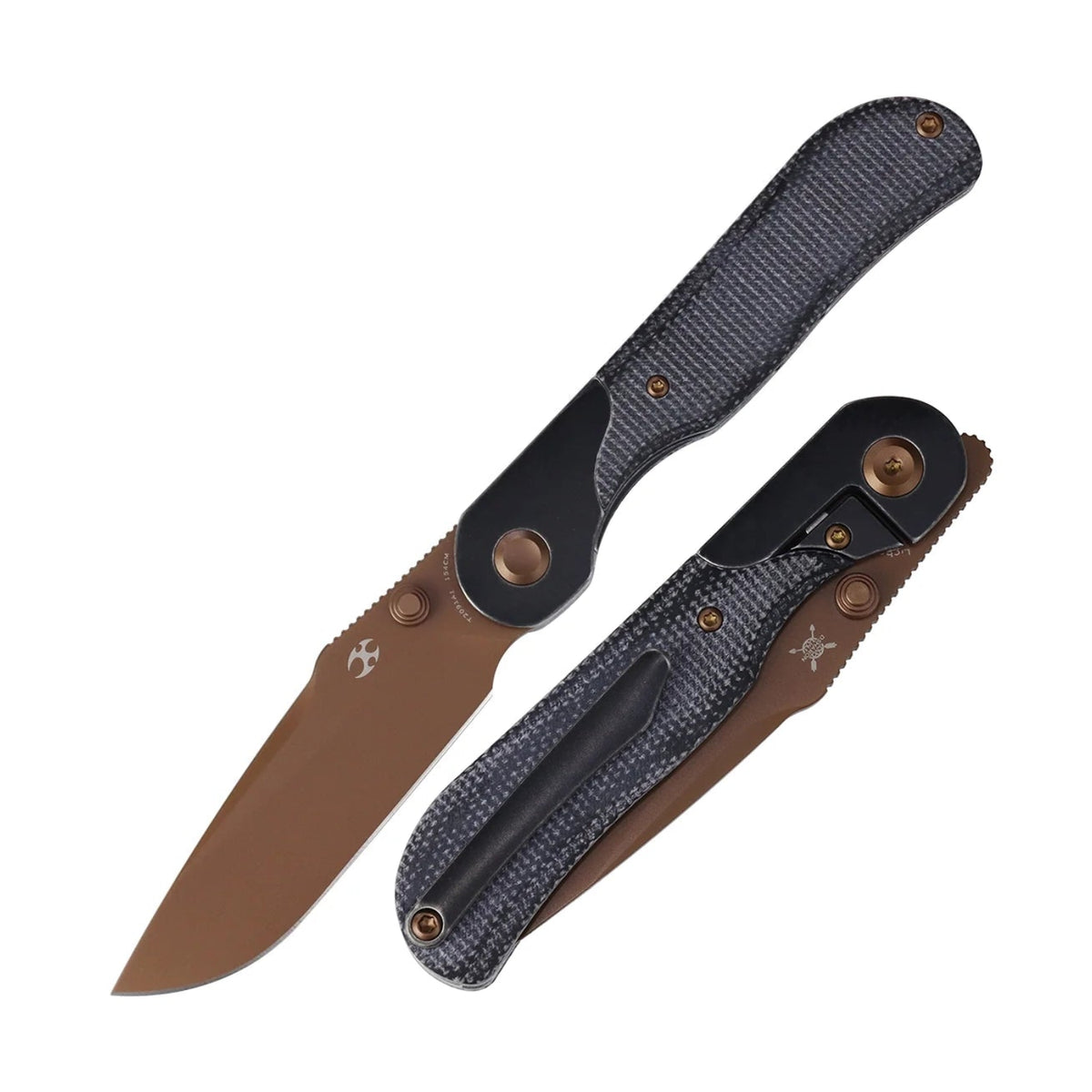
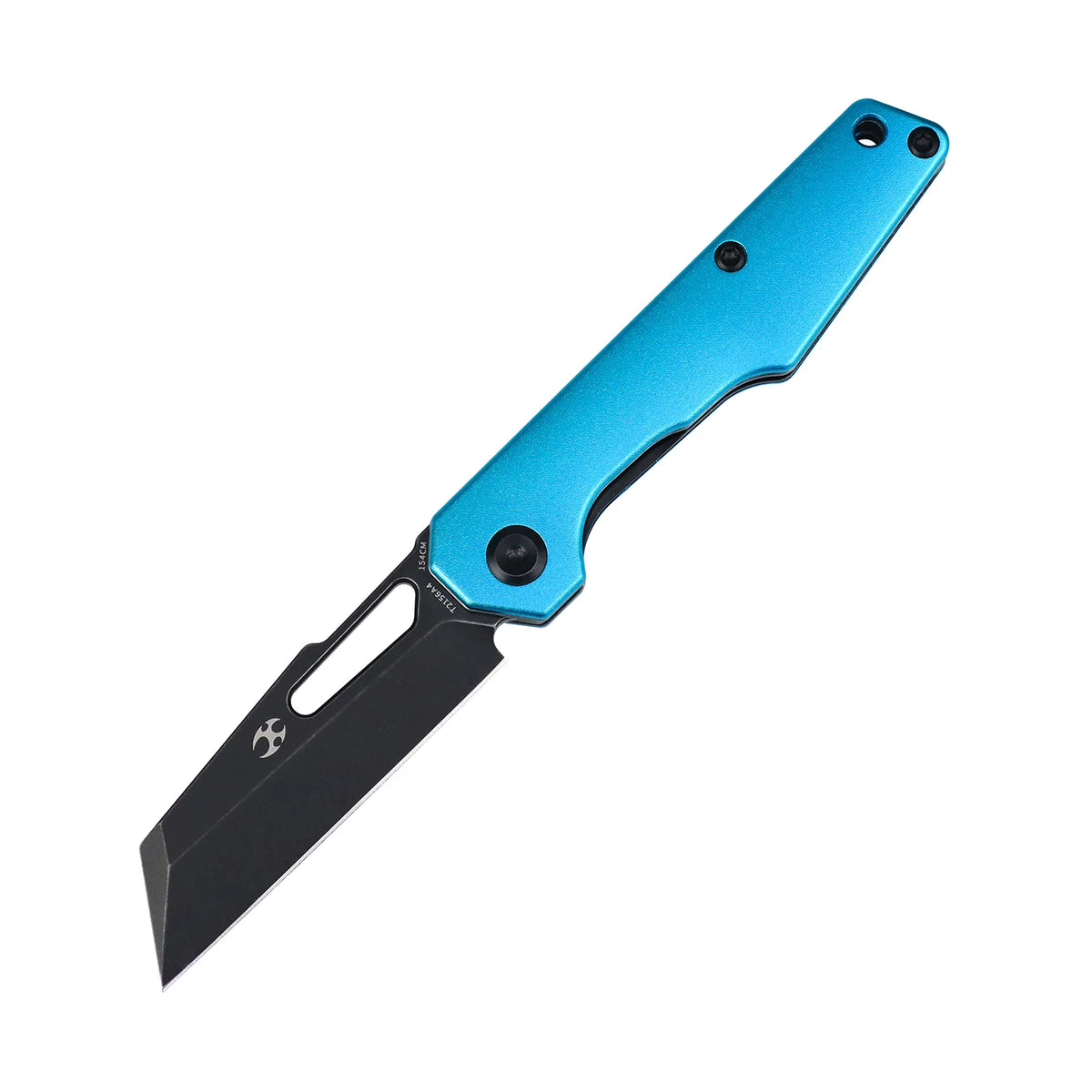
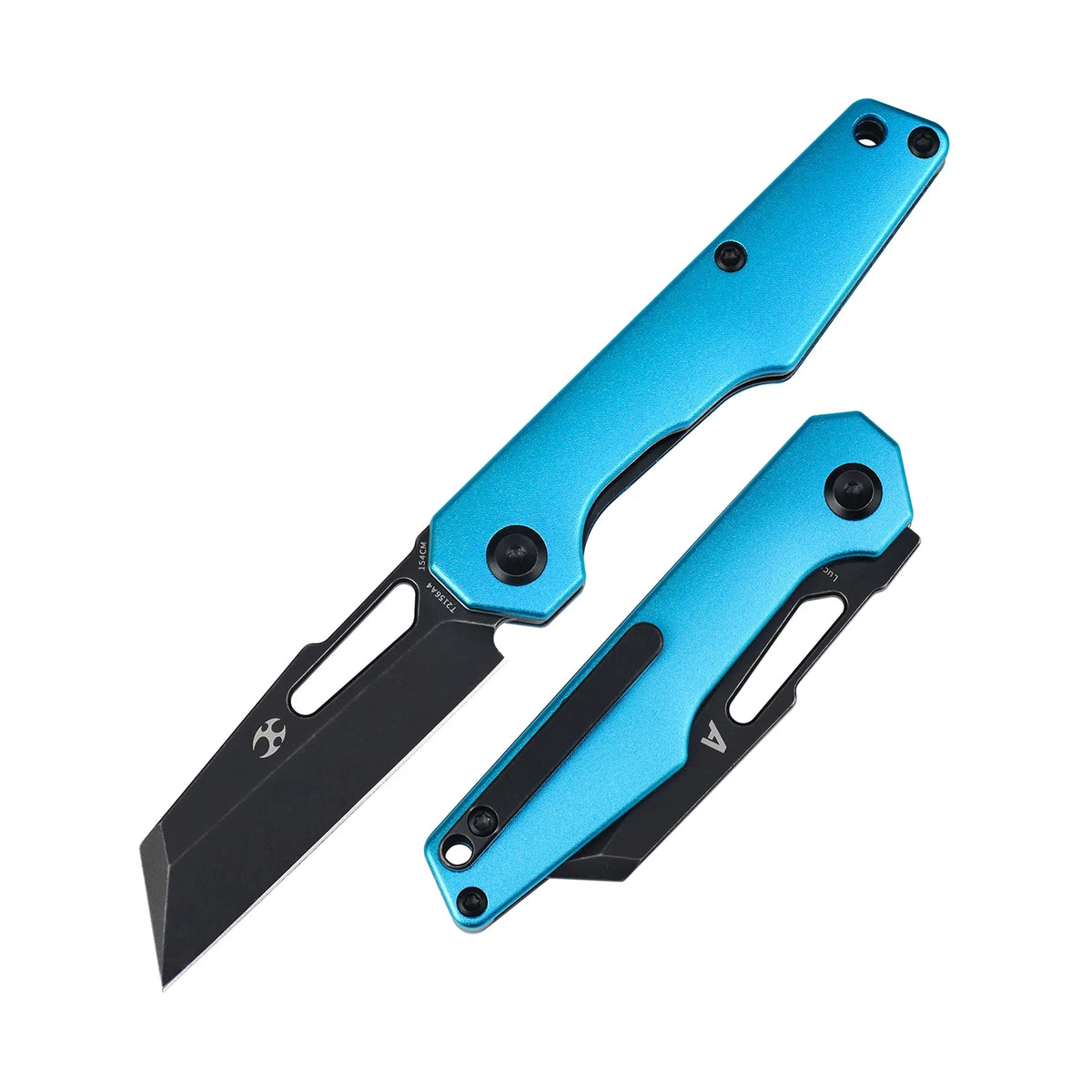
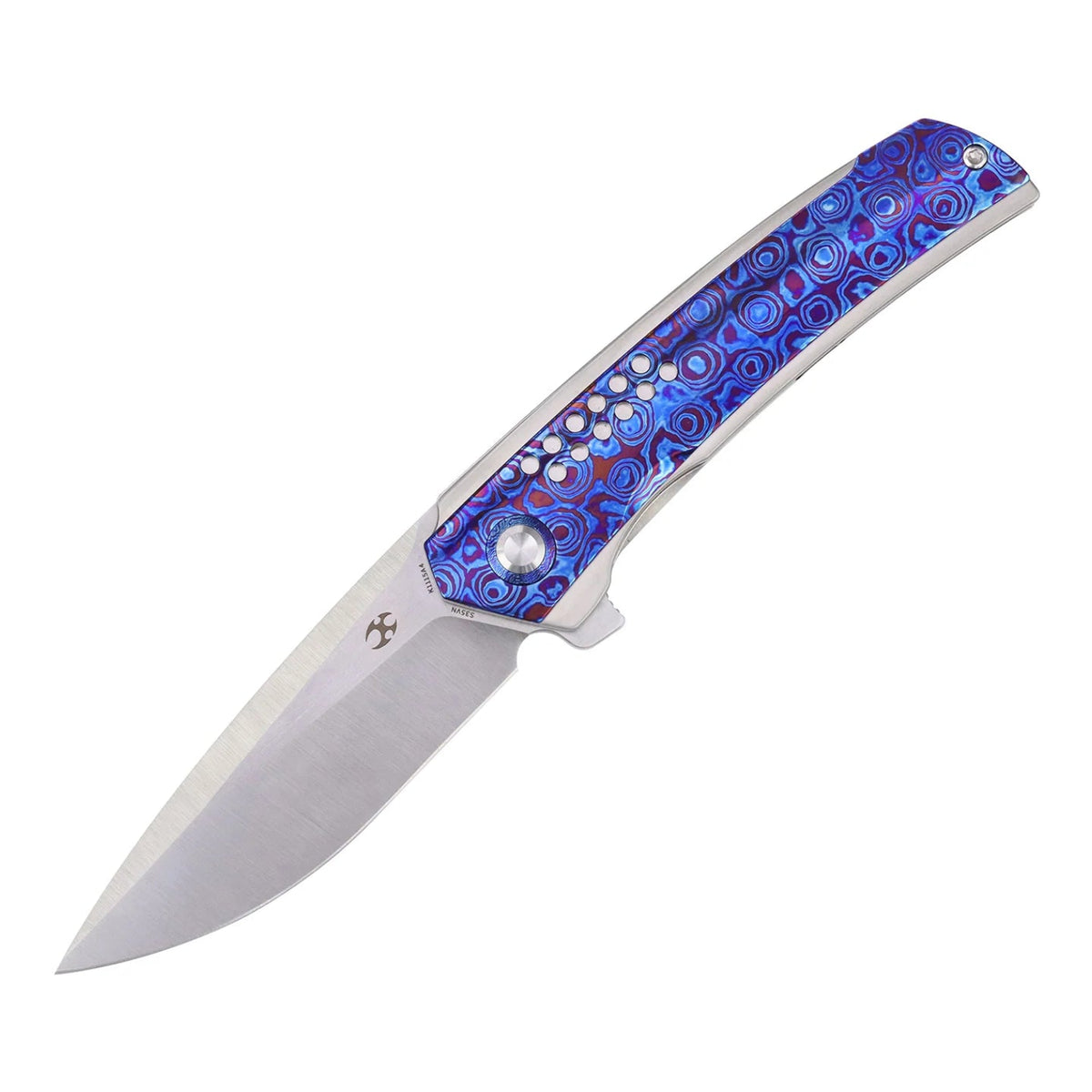
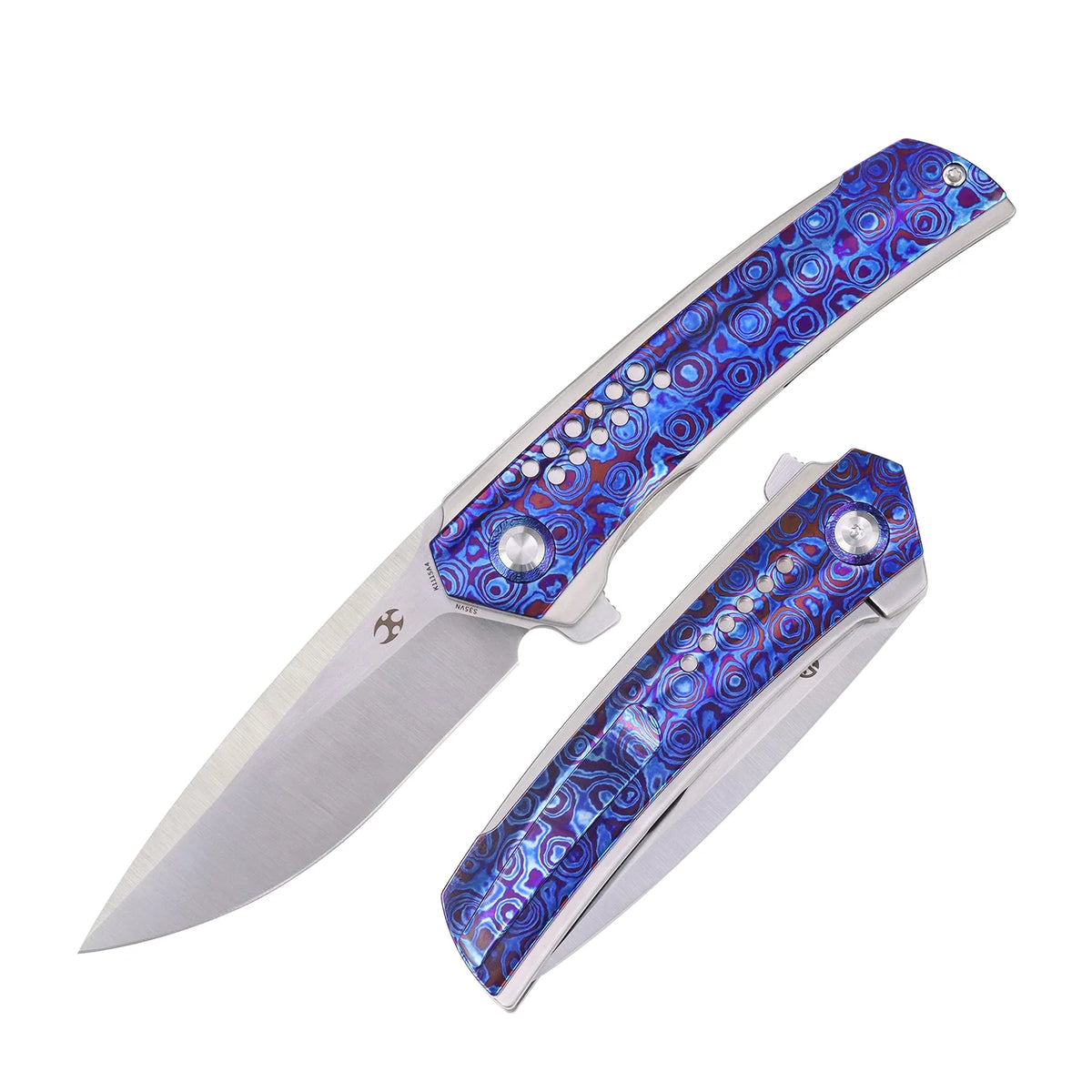
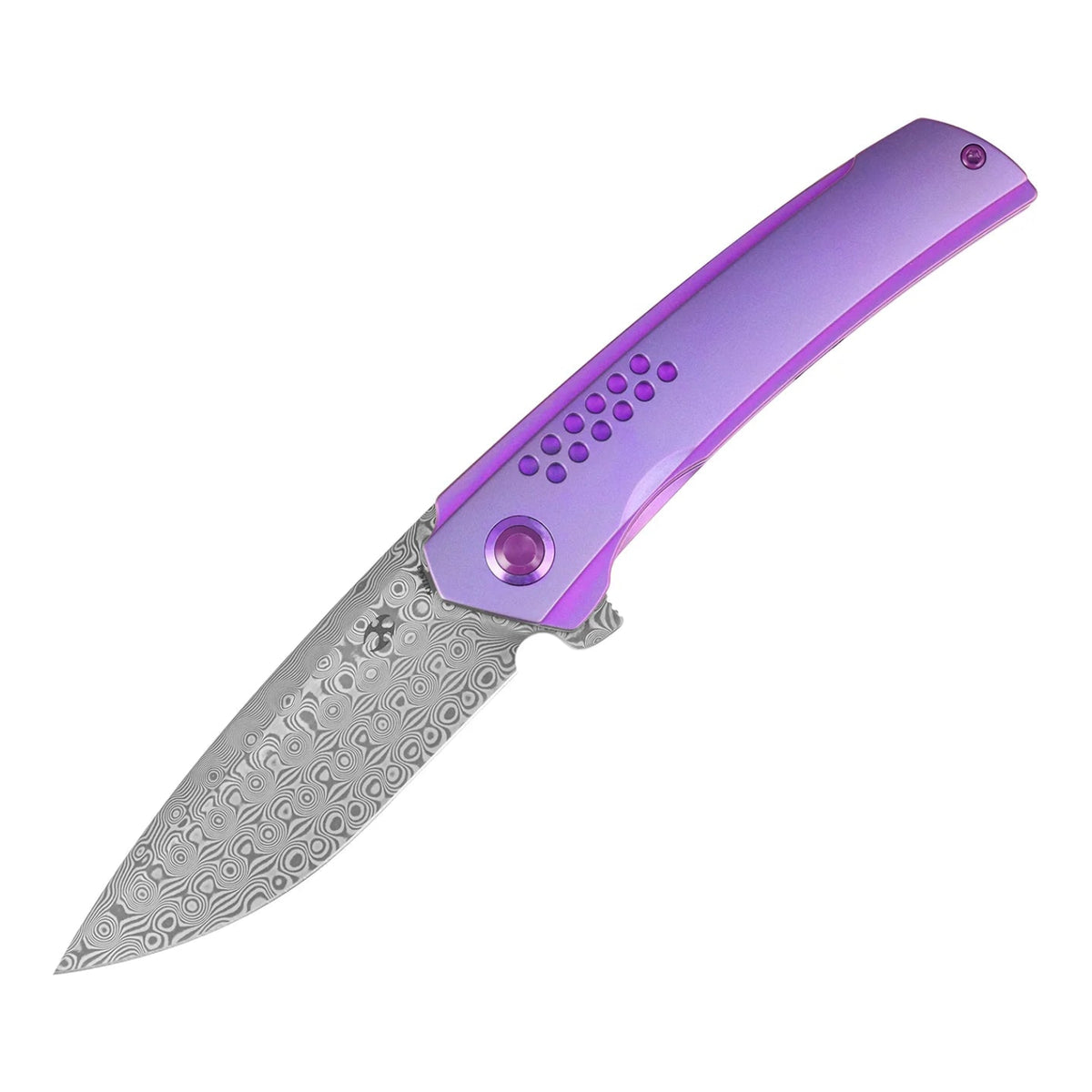
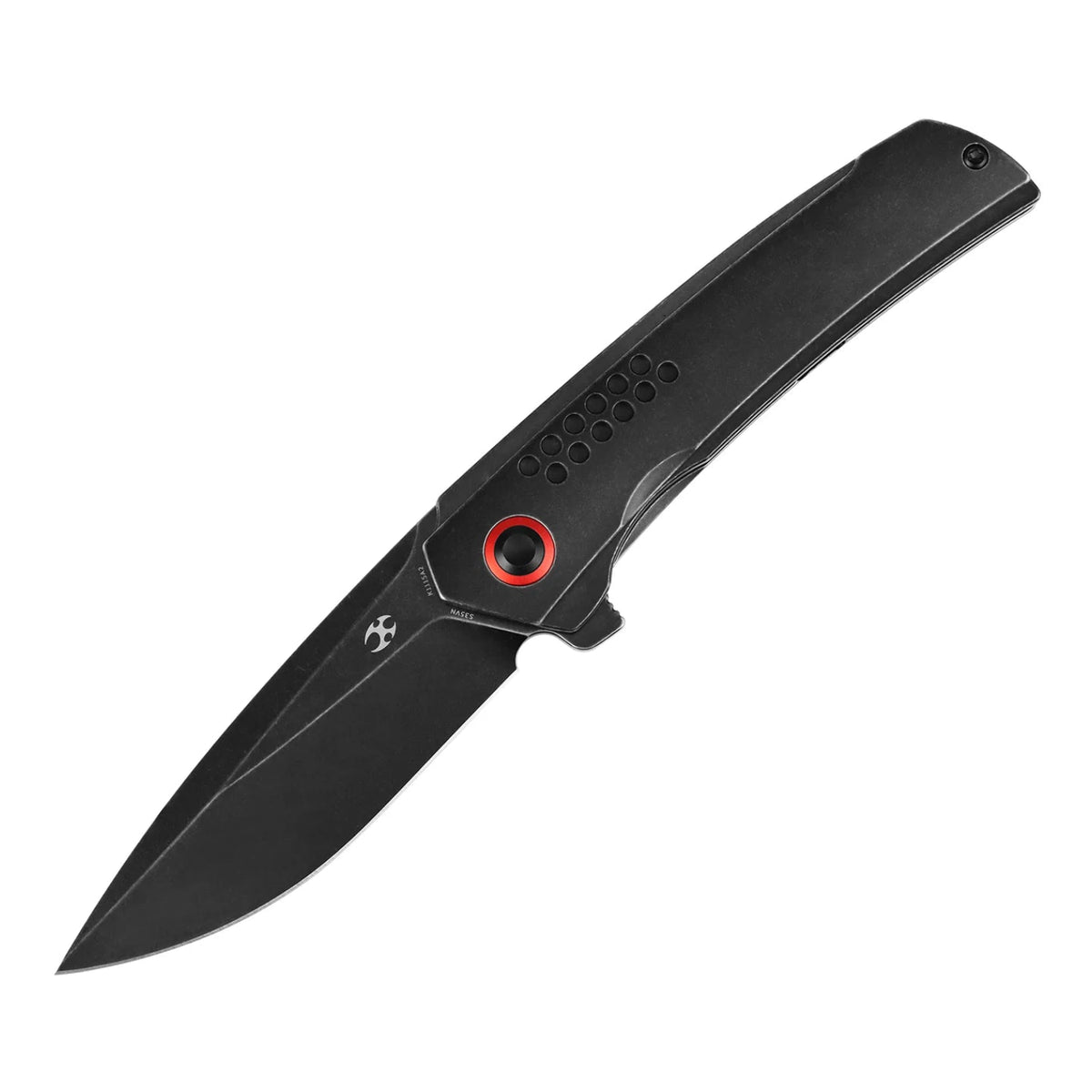
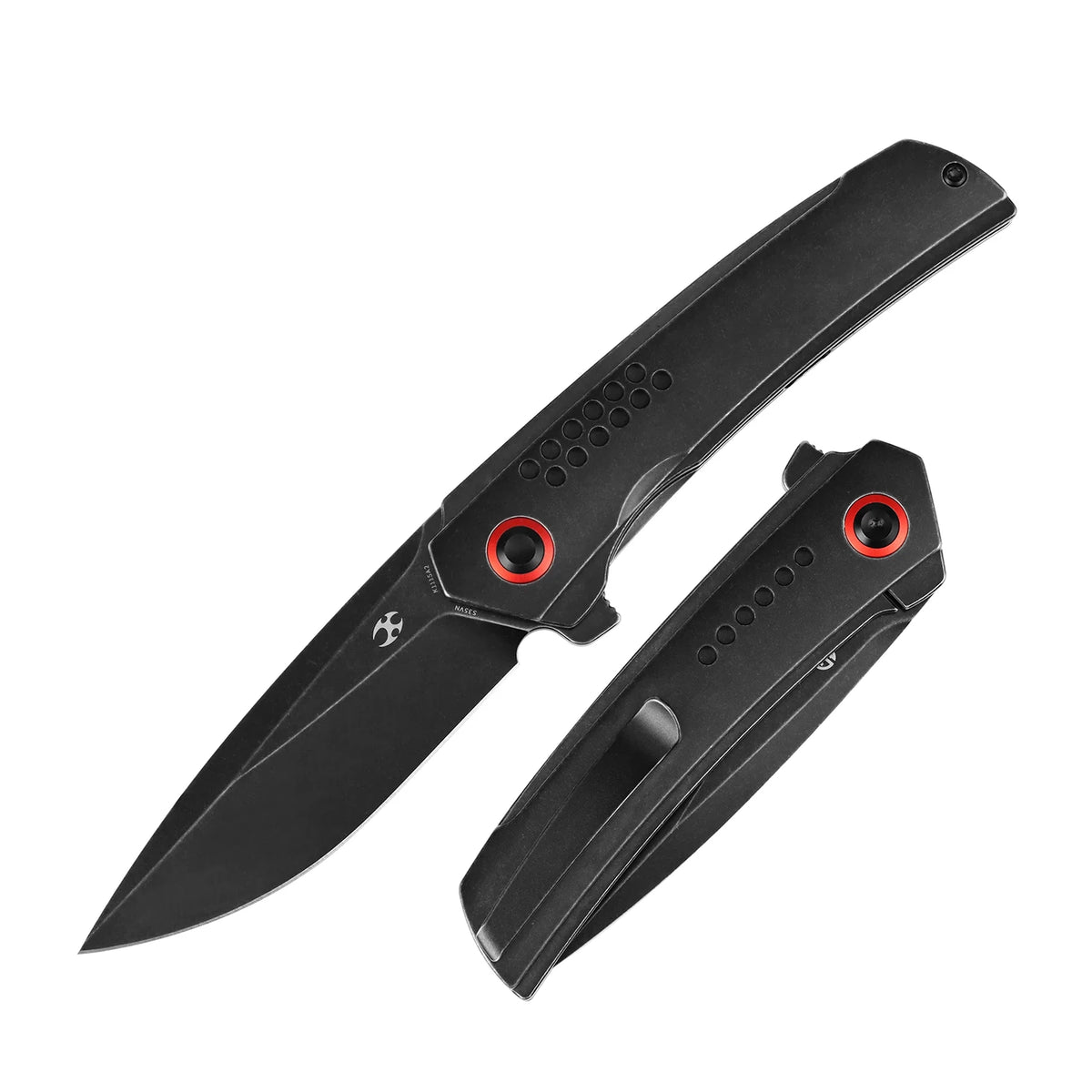
AEB-L began as a razor steel, formulated with fine chromium carbides so a thin edge does not crumble under load. Bestechman knives harden it to a range that lets the alloy actually show what it can do, then mount it in textured G10 that grips without shredding a pocket. The blade stock is thin behind the edge, which is why it slices rather than splits, and the finish is a fine stonewash that hides handling marks.

Design & Details
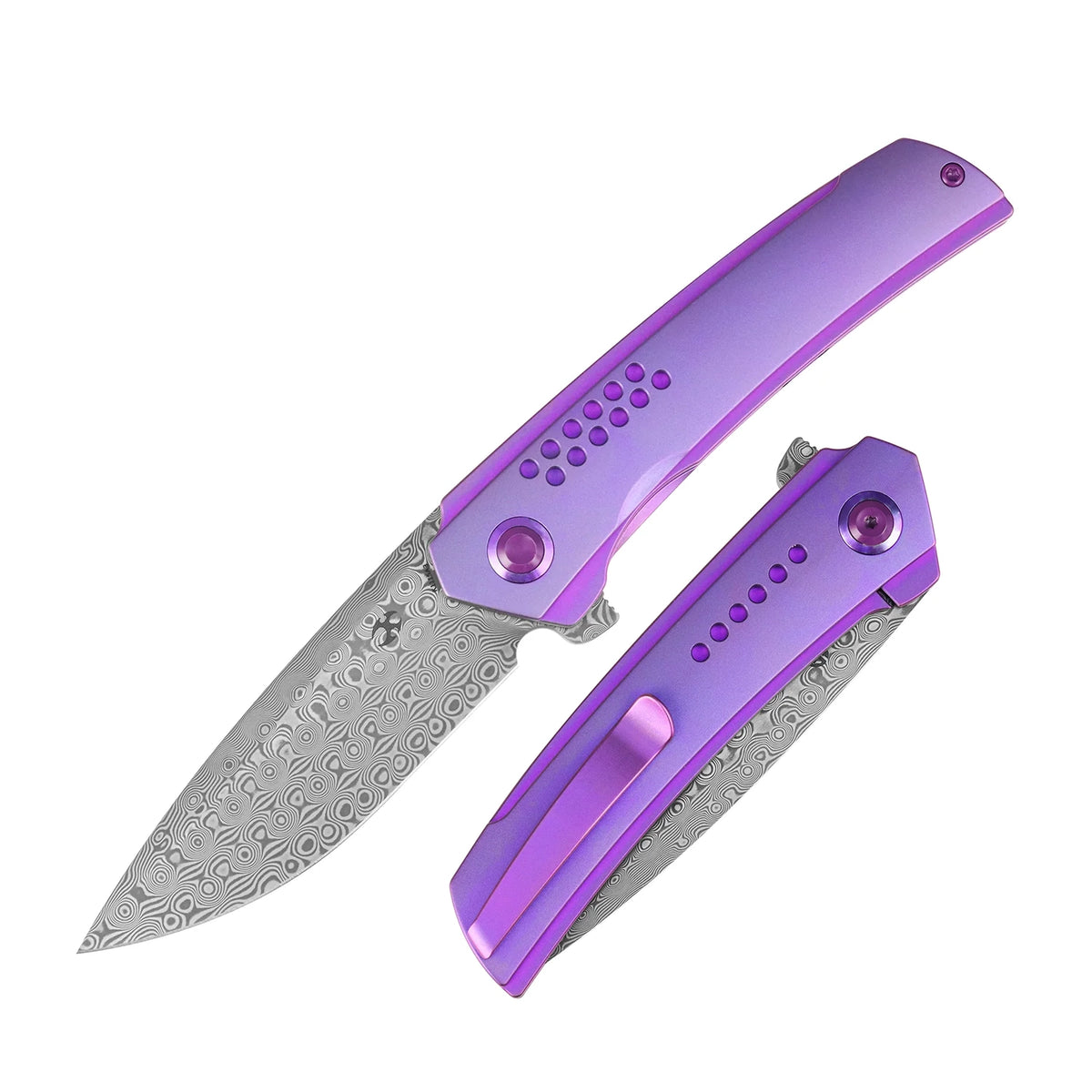
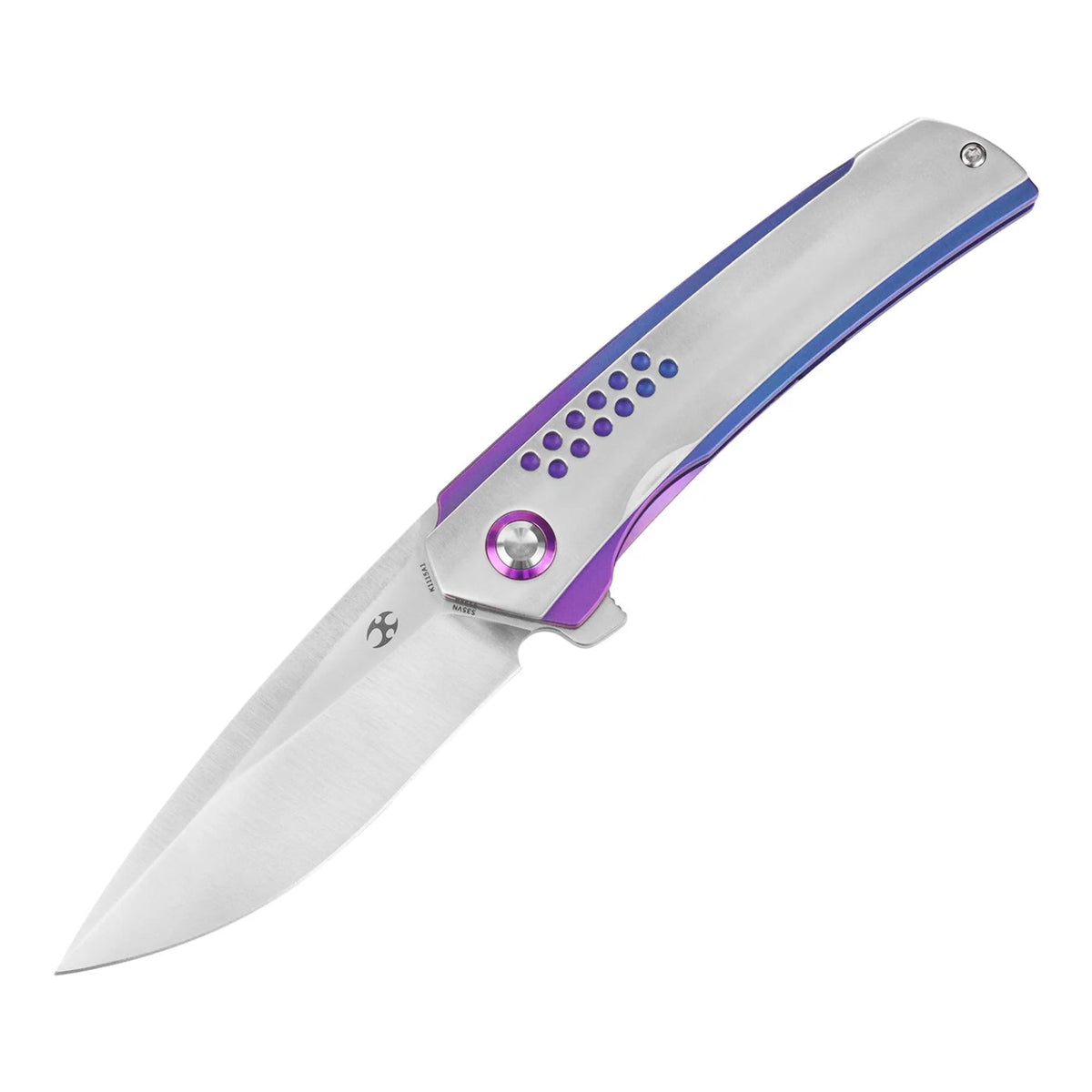
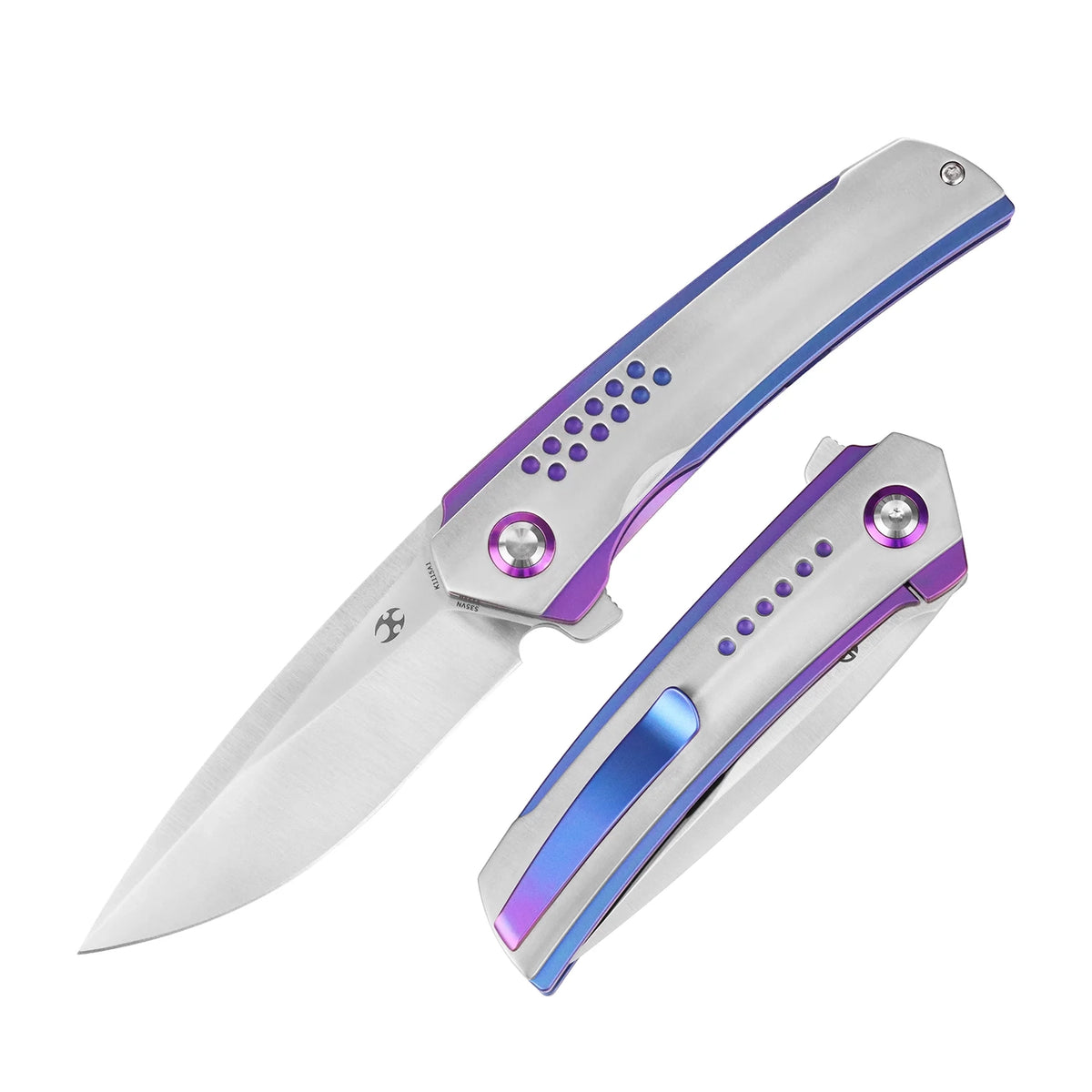
The liner lock is stainless and properly tensioned, and the bearings under the pivot give the blade a free, almost frictionless swing that makes one-handed opening effortless. Jimping sits on the thumb ramp only, the choil is deep enough to index a finger safely, and the clip is reversible for left-handed carry. Nothing on the knife looks decorative for its own sake.
Real-World Use
The Smuga cut cardboard, rope and apple skin with equal composure, and the thin geometry meant far less effort per cut than a thick-spined folder demands. AEB-L responds to a strop in seconds, which matters more than laboratory edge retention for anyone who touches up a blade weekly. Among EDC knives aimed at daily cutting, this is a genuinely sensible steel choice rather than a spec sheet flourish.

Ownership Notes
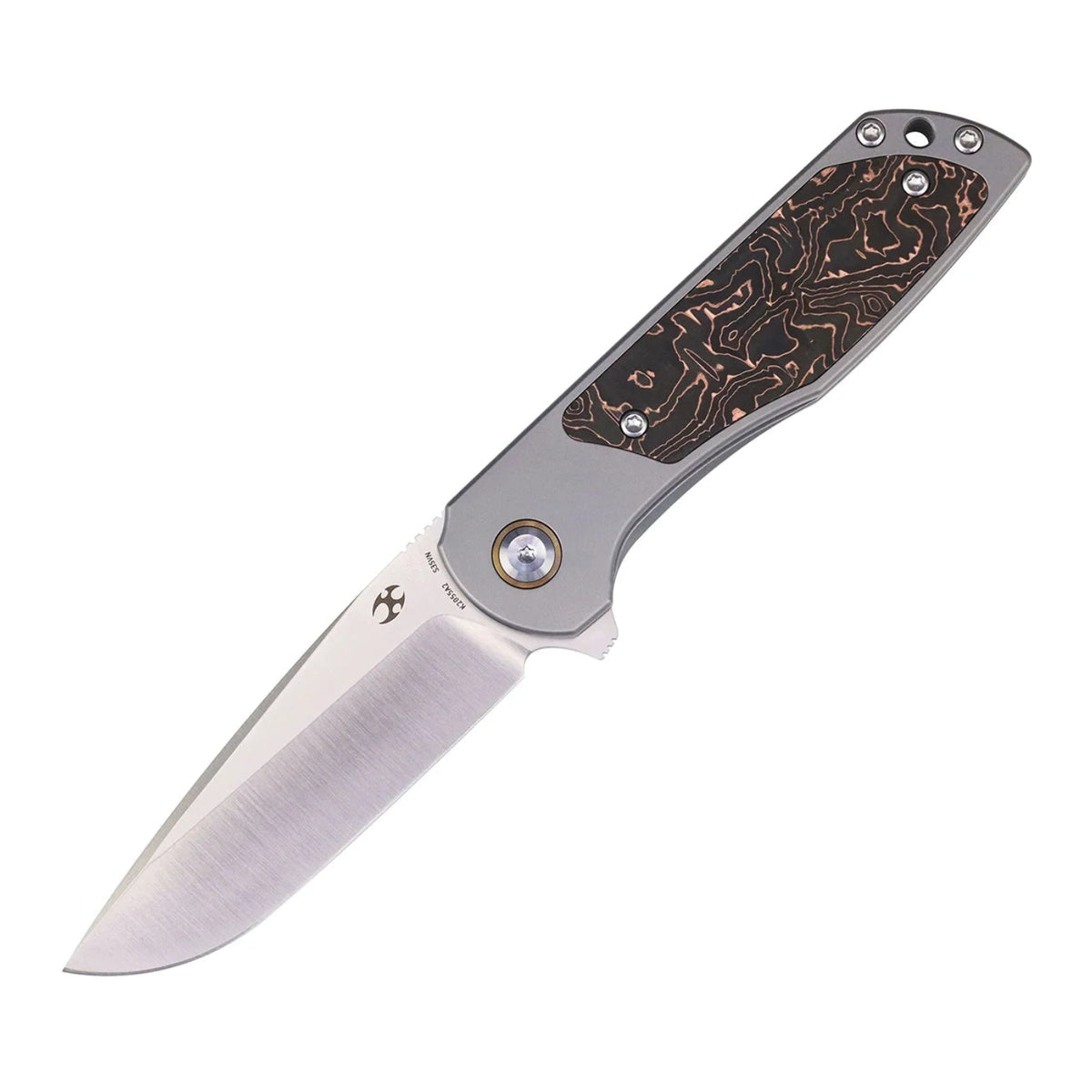
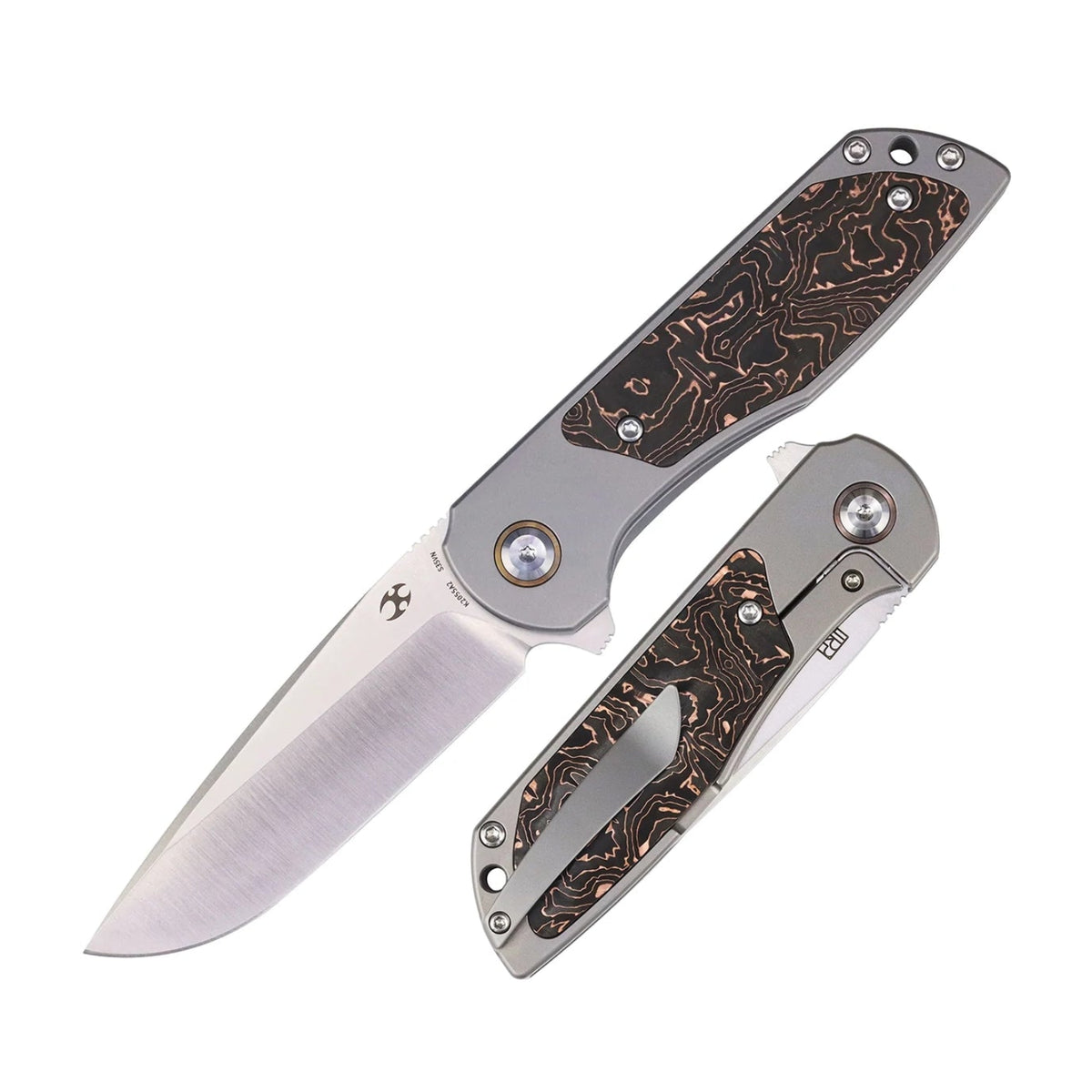
There is a reason razor steel never dominated the market: it trades abrasion resistance for toughness and sharpenability, and plenty of buyers want the opposite trade. EdcMall lists the Smuga with clear photographs of the grind, which is where the thin geometry shows, and comparing it against a thicker modern folder explains the price difference better than any steel chart will. Most people who buy EDC knives never sharpen them, which is precisely why a steel like this one is so often misjudged. In the hands of someone who maintains an edge weekly, AEB-L stops looking like a compromise and starts looking like the sensible default. Buyers who do sharpen their own blades will find the geometry forgiving on a stone, with a bevel that stays flat instead of rolling under light pressure. Among folding knives that cost about the same, the Smuga stands out because thin geometry does the work rather than a heavy spine.
Who Is This For?
This is for people who sharpen their own knives and want the process to take minutes rather than an evening. It suits kitchen-adjacent tasks, warehouse work and anyone who values slicing efficiency. It does not suit a user who wants maximum abrasion resistance from a blade that never sees a stone, or someone who prefers a heavy, overbuilt feel.
Final Verdict
The Smuga BMK22A is a quiet reminder that edge geometry and steel cleanliness beat marketing numbers. AEB-L takes a remarkable edge, the liner lock behaves, and the G10 handle stays grippy when everything else is wet. It is a working knife built by people who understand why razor steel existed in the first place.