
Overview & First Impressions
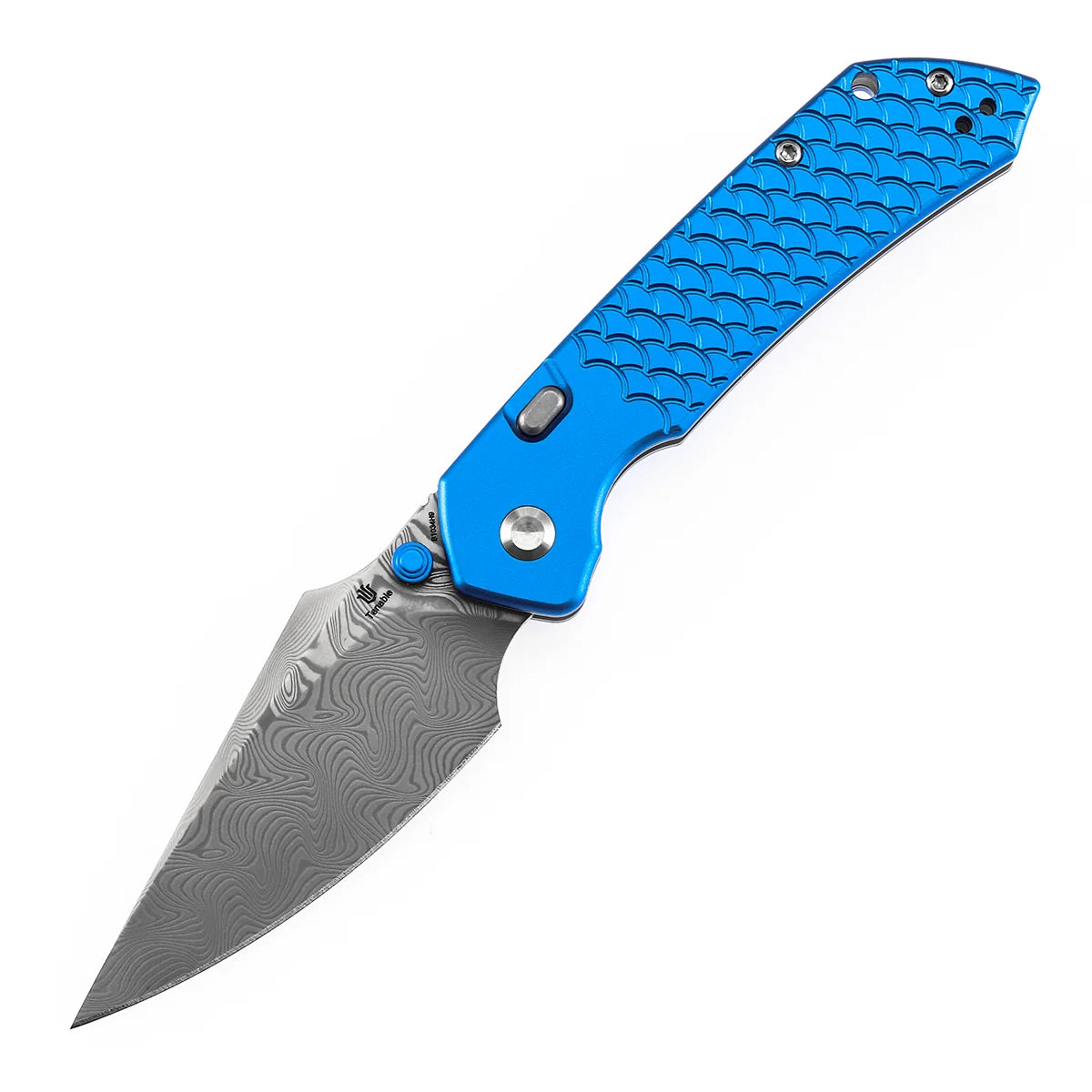
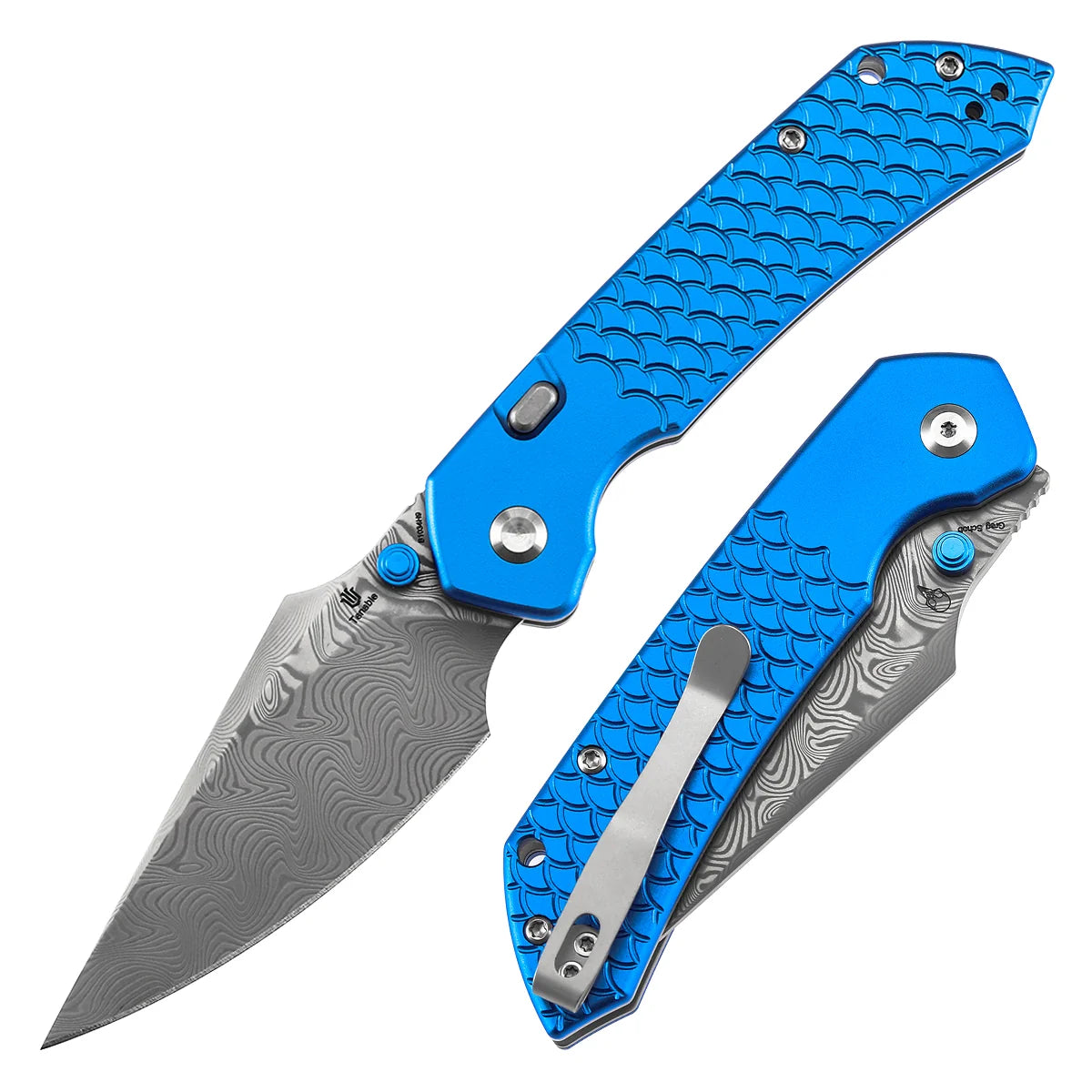
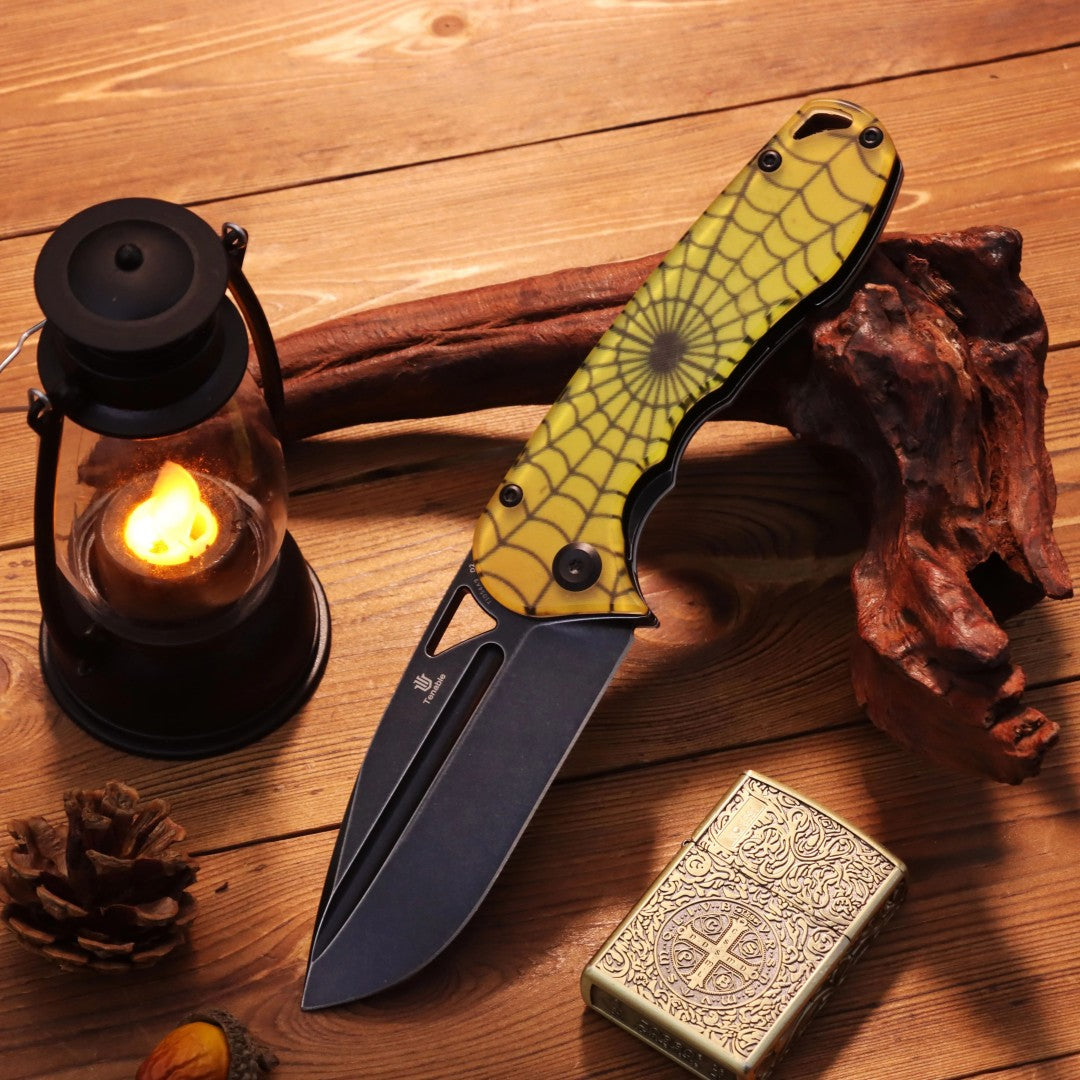
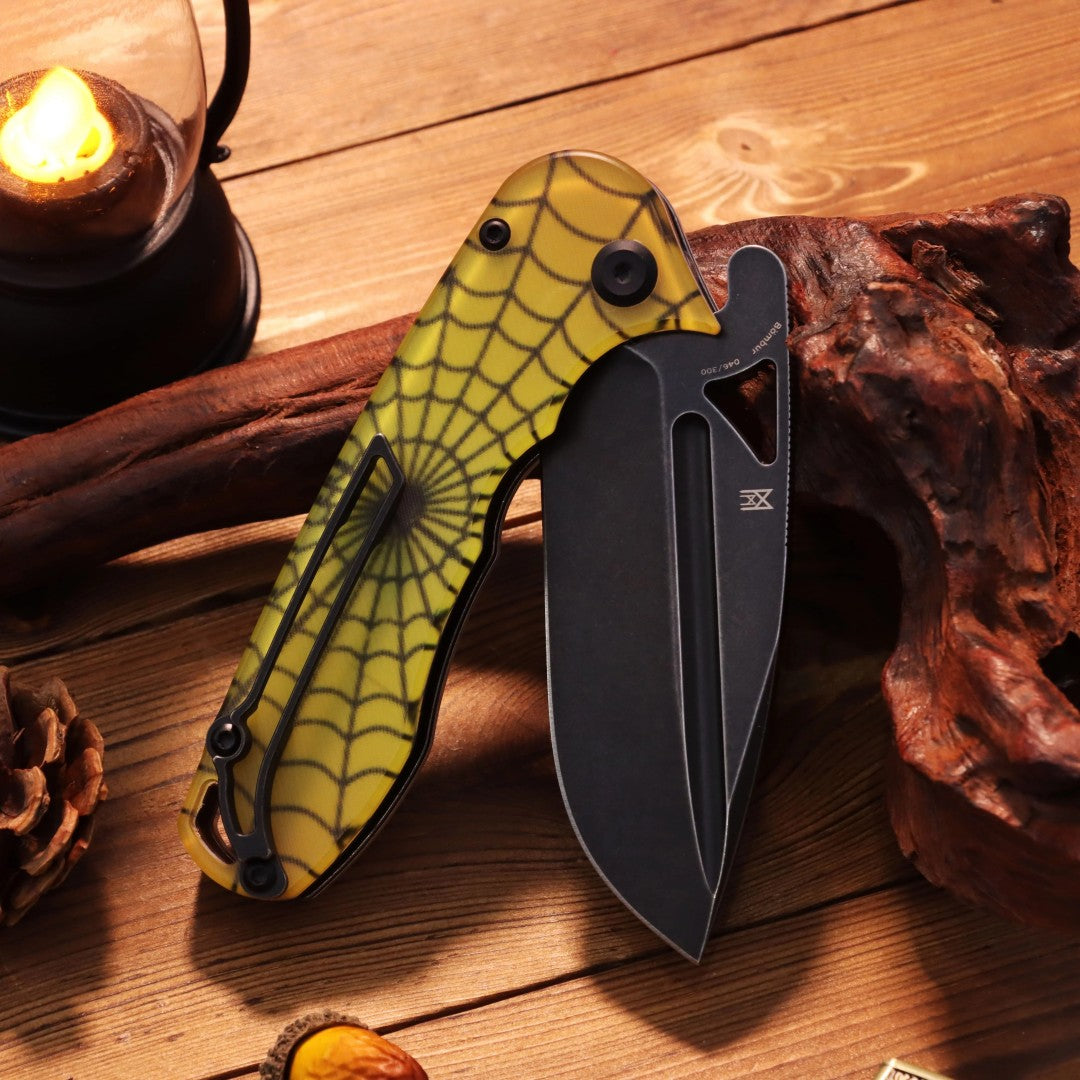
Canyoneering is rope work in a hostile environment: abrasive sandstone, standing water, sun, then shade, then a swim. Every anchor gets checked, every webbing sling gets inspected, and something always needs cutting. Tenable knives built the Leviathan B1083A4 for people who spend the day on a harness, with a blade tough enough for rope and webbing and a grip that stays usable when hands are wet.
Materials & Construction
A D2 steel blade supplies the wear resistance that rope work demands, since cutting the same abrasive fibre repeatedly is what dulls an edge fastest. D2 is not a stainless alloy, so a wipe and a light oil film at the end of the day are part of ownership rather than optional. Micarta handles are the other half of the story: the layered fabric composite grips when wet, does not conduct cold, and takes a scuff without showing it.

Design & Details
A liner lock is the classic answer for a knife that will be opened, used and closed dozens of times in a day, because the mechanism is simple and easy to clear of grit. A deep choil lets the index finger sit behind the edge for controlled cuts near your own webbing, which is where accuracy matters most. The grind is sturdy rather than razor thin, so the edge survives contact with sand embedded in rope. For folding knives in wet environments, aggressive handle texturing beats any decorative finish.
Real-World Use
On a descent the knife handles trimming a frayed sling end, cutting webbing for an anchor, shortening a rappel rope for a shorter pitch, opening food and repairing a pack strap. It gets used with wet hands, gloves and fading light, then dropped into a pocket with sand still clinging to the handle. A rinse at camp, a dry overnight and a few strokes on a diamond plate keep it ready for the next canyon.

Ownership Notes
Salt, sand and sustained damp are the three things that destroy rope knives. Rinse the pivot under fresh water at the end of a trip, blow the grit out with air, dry it fully and add a drop of oil, because sand left inside a liner lock turns into an abrasive paste. Inspect the lock face for peening after heavy use, and never cut wire or cable with your good edge. Retire webbing at the first sign of glazing rather than trusting a knife to fix it later. Rope teams eventually settle on a small set of EDC knives split between harness and pack, because a folder in a chest pocket does ninety percent of the cutting while a stouter blade waits for the one task that genuinely needs it.
Who Is This For?
This suits canyoneers, climbers, cavers and rope-access technicians who want one working folder on a harness. It also suits anyone who spends weekends cutting soaked rope and webbing in abrasive terrain. Skip it if you need a knife to stay mirror-bright without attention, because D2 asks for maintenance after every wet day. Buy the Leviathan when the knife is a tool, not an ornament.
Final Verdict
The Leviathan B1083A4 makes sense in a canyon because nothing about it is fragile. D2 steel holds up to abrasive rope, micarta gives grip in the wet, and the liner lock stays serviceable when sand finds its way inside. It is not the knife you photograph on a bench; it is the one you are glad to have at the anchor when the light is going and the rope needs cutting.