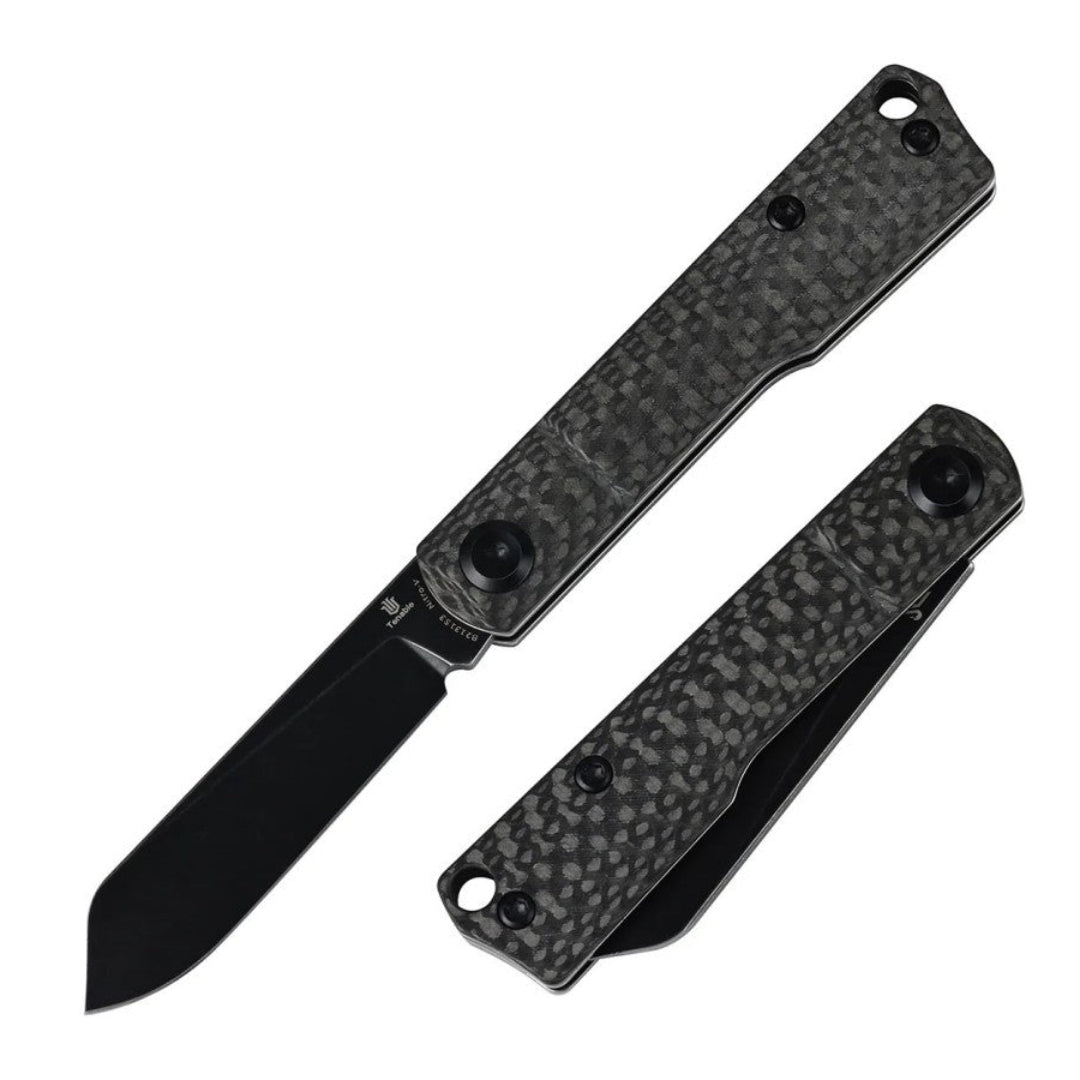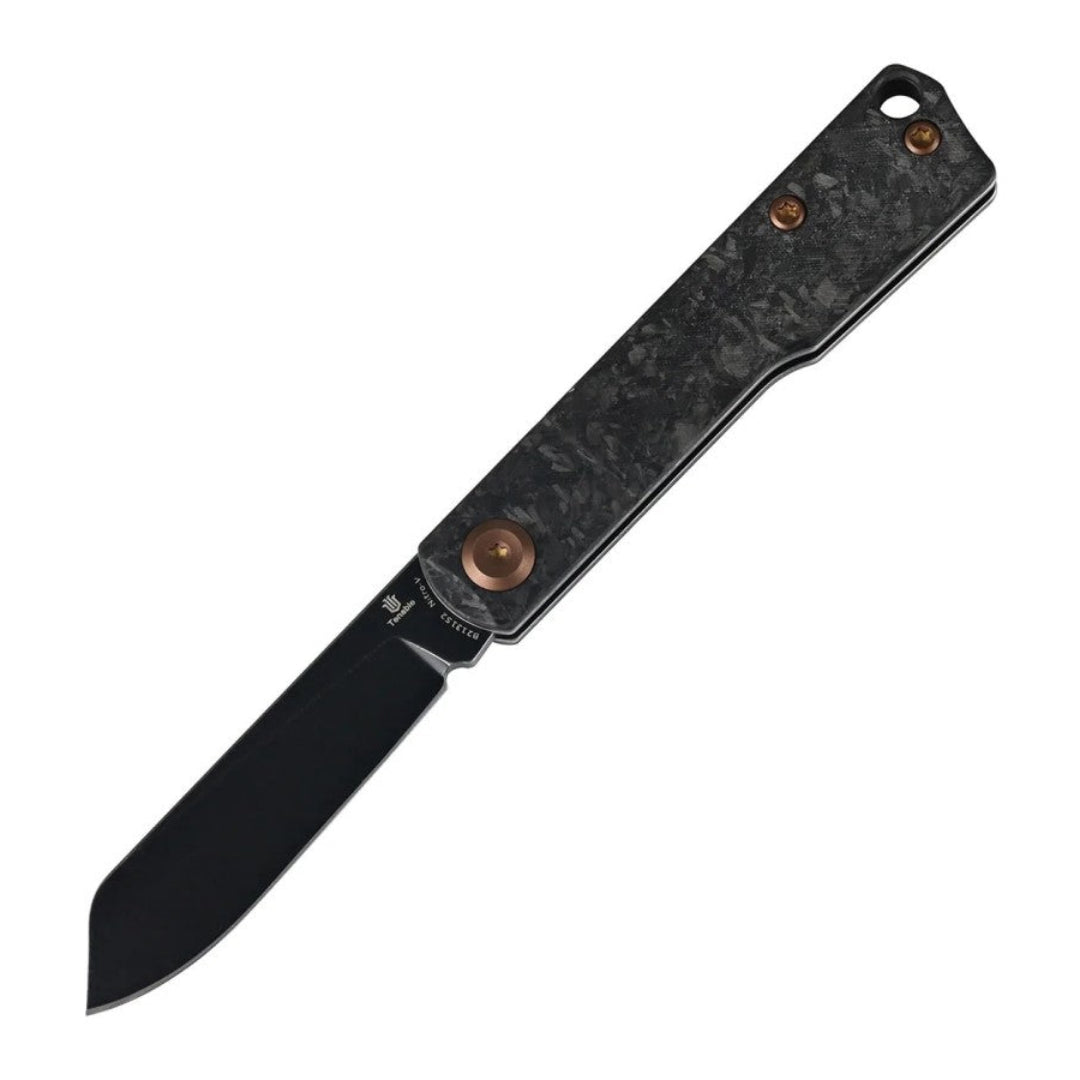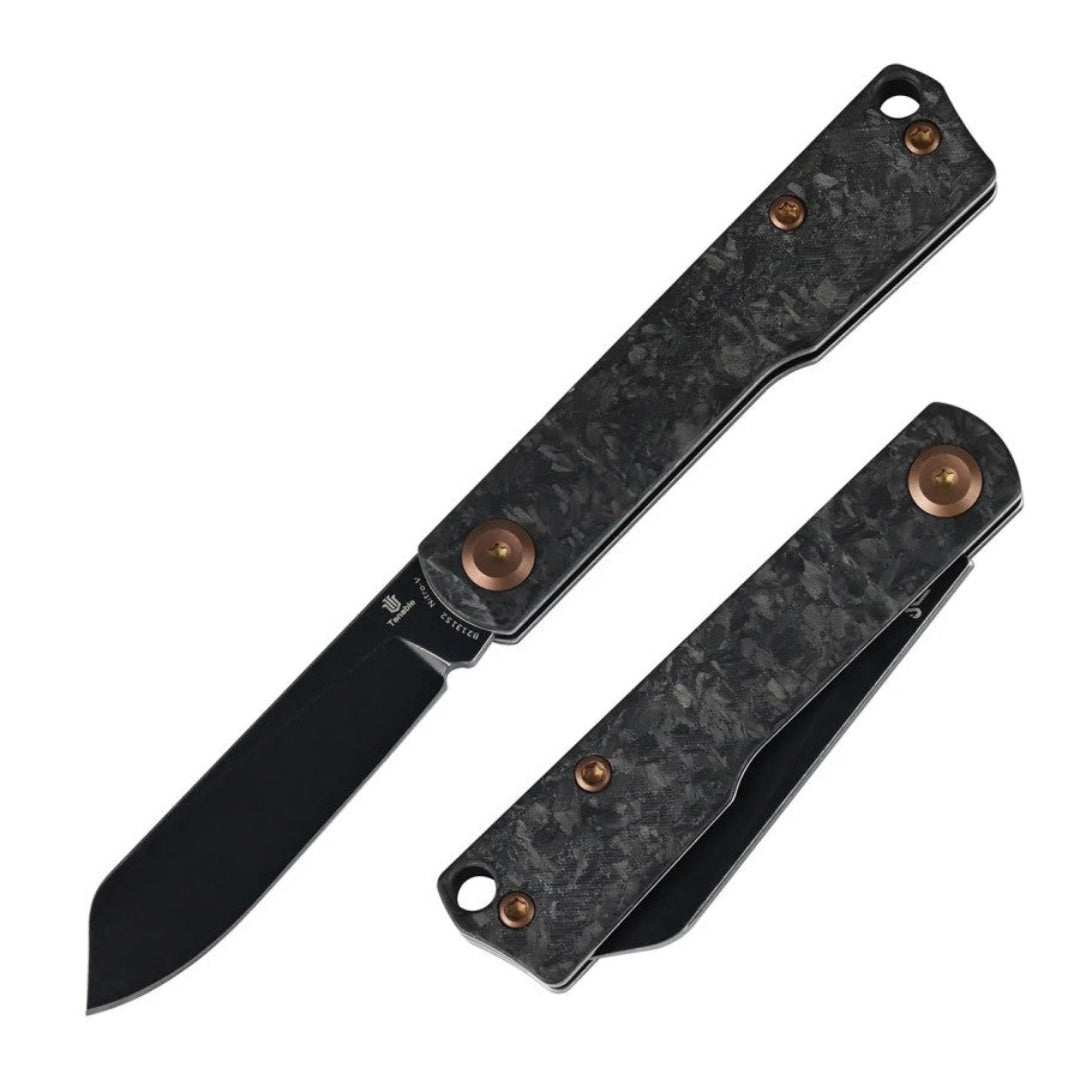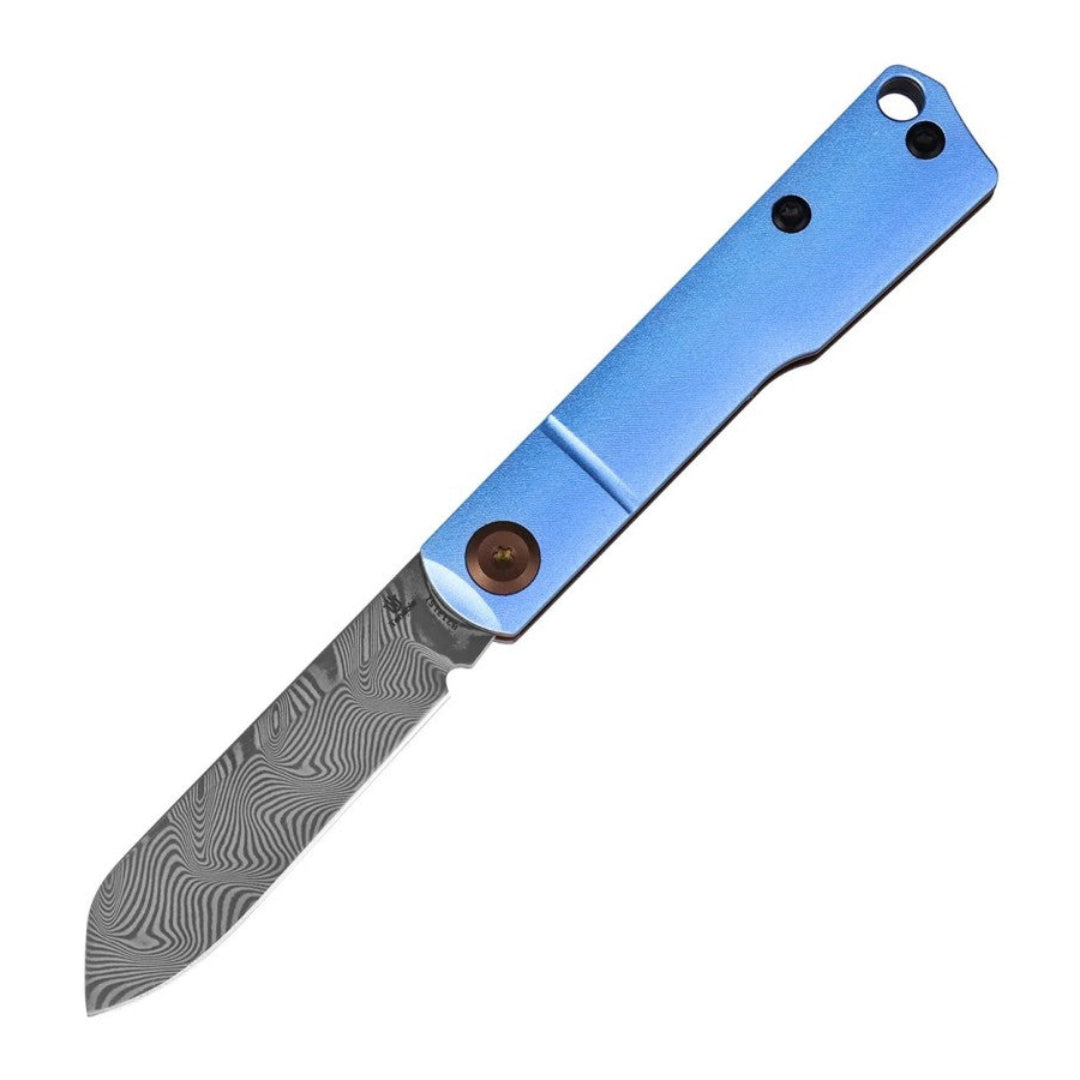
When building or upgrading your everyday carry (EDC) setup, selecting the right pocket knife is a deeply personal decision. You need a tool that is compact enough to carry comfortably all day, tough enough to tackle spontaneous cutting tasks, and refined enough to operate smoothly. In the budget-friendly EDC market, QSP Knife has consistently dominated the conversation, and their Parrot lineup stands as a prime example of utilitarian excellence.
However, many buyers find themselves at a crossroads when looking at the market: Should you opt for the ultra-affordable original QSP Parrot V1, or is it worth investing slightly more for the upgraded QSP Parrot V2?
In this comprehensive head-to-head guide, we will analyze the structural architecture, material choices, ergonomics, and mechanical differences between the QSP Parrot V1 and V2 to help you find the absolute perfect EDC folding knife for your pocket.

The Core Philosophy: Simplicity vs. Refinement
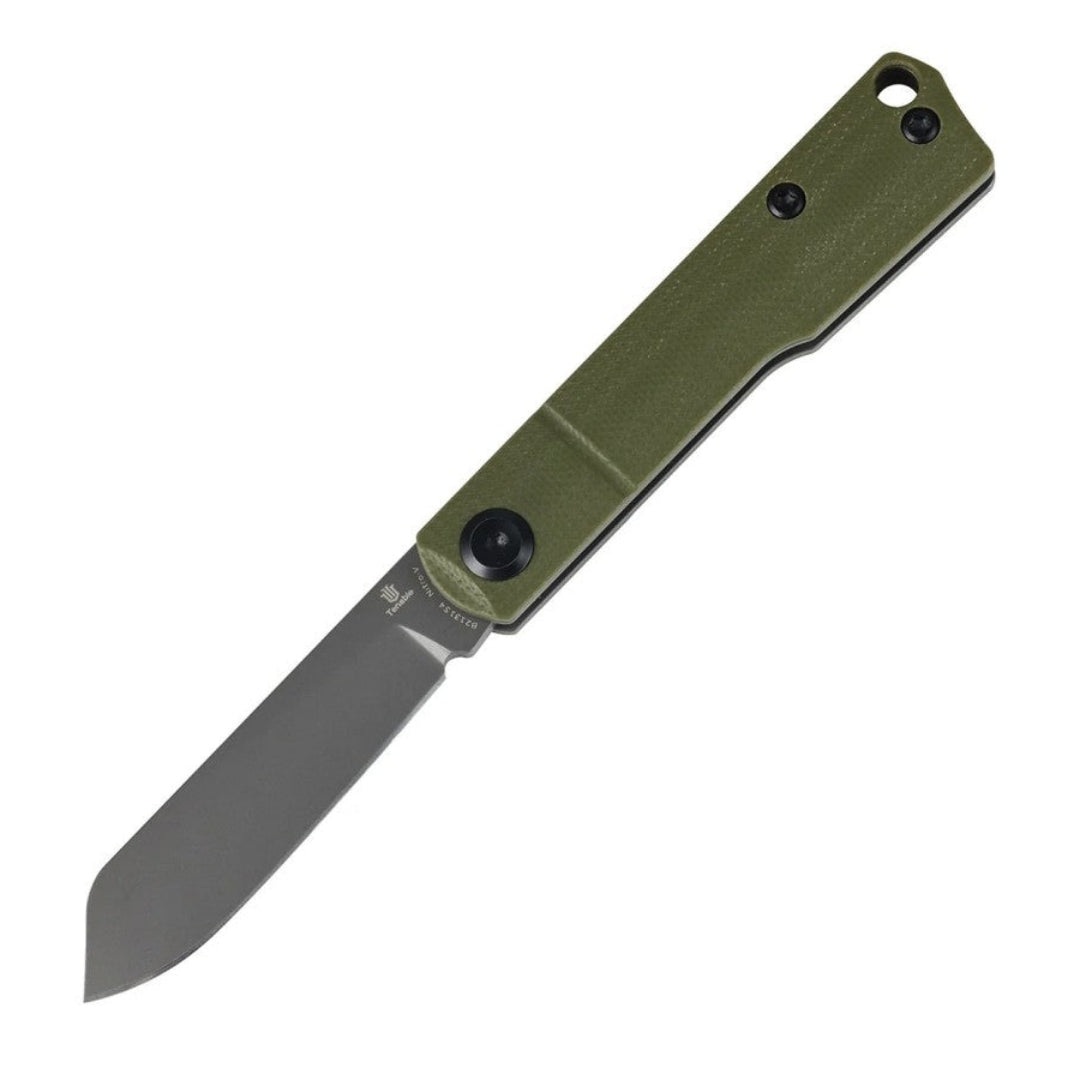
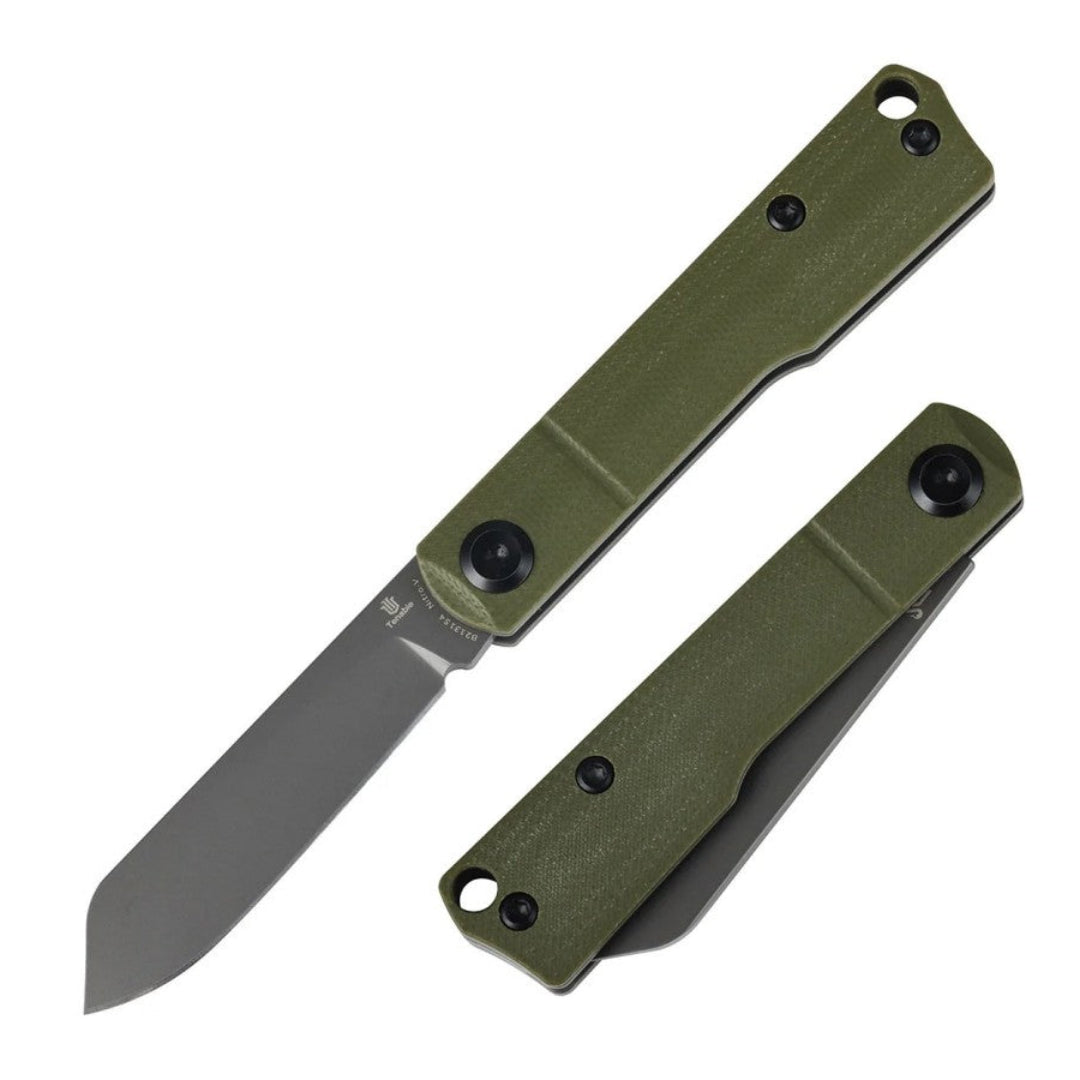
Both generations of the QSP Parrot share the exact same structural DNA. They are designed to be compact, no-nonsense, straight-line folding knives that avoid aggressive "tactical" styling in favor of an approachable, office-friendly look. Both knives feature a versatile 3.125-inch blade, dual thumb studs for manual opening, a reliable steel liner lock, and a deep-carry pocket clip.
Despite these visual similarities, the real differences emerge the moment you look beneath the surface. While the V1 was built to hit the lowest possible price floor for a functional tool, the V2 was engineered to deliver premium-tier refinement without sacrificing the budget-friendly identity of the brand.
Material Breakdown: Metallurgy and Handle Choices
The single most impactful difference between these two everyday carry folders comes down to the raw materials chosen for their construction.
1. Blade Steel: Basic Stainless vs. High-Performance D2
-
The Parrot V1: The original version typically utilizes 440C stainless steel (or equivalent budget steels depending on the exact production batch). 440C is highly corrosion-resistant and very easy to sharpen, making it a decent choice for beginners. However, its edge retention is relatively poor. If you routinely cut abrasive materials like thick cardboard boxes or heavy plastic banding, the V1 will dull quickly and require frequent touch-ups.
-
The Parrot V2: The V2 completely alters the performance profile by upgrading to D2 tool steel hardened to an optimal 60-61 HRC. D2 is a high-carbon, high-chromium steel packed with incredibly hard chromium carbides. This translates to phenomenal wear resistance. In real-world cutting applications, the V2 will maintain its razor-sharp edge up to three to four times longer than the V1, allowing you to slice through heavy materials for weeks on end without a drop in performance.
2. Handle Customization Options
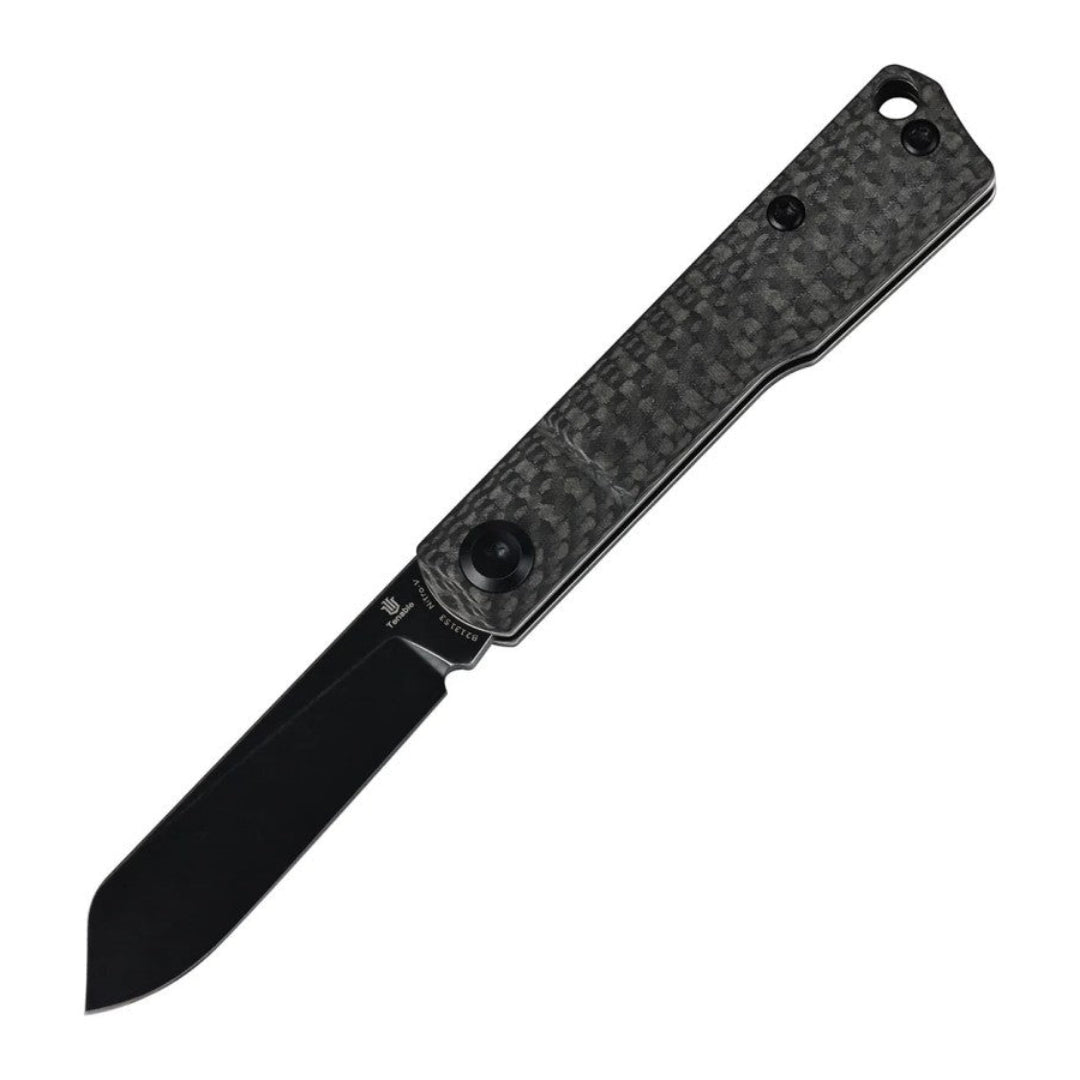
While the V1 was largely restricted to basic, flat-slab G10 color options, the V2 introduces a massive suite of premium handle choices designed to match your specific lifestyle and aesthetic preferences:
-
Textured G10: Features a refined cross-hatch texture that provides an aggressive, non-slip grip in wet or muddy conditions.
-
Canvas & Linen Micarta: A major favorite among enthusiasts. Micarta offers a warm, fabric-like texture that absorbs the natural oils from your skin over months of carry, developing a gorgeous, darkened vintage patina unique to your hands.
-
Carbon Fiber / G10 Laminate: A sleek composite overlay that delivers a high-tech, sophisticated modern look—perfect for clipping inside a dress pants pocket or carrying in a corporate environment.
Mechanical Execution: Action and Deployment Fluidity
A great EDC knife shouldn't just cut well; it should be satisfying and fluid to deploy with one hand. This is an area where the mechanical upgrades of the V2 shine brightest.
The original Parrot V1 relies on standard Teflon or nylon plastic washers around the internal pivot. While functional, these plastic washers create a damp, heavy, hydraulic-feeling opening action. It requires a conscious, deliberate push of the thumb stud to deploy, and it can occasionally feel slightly gritty if pocket lint works its way into the pivot track.
The Parrot V2 revolutionizes the deployment mechanism by upgrading the internal pivot to high-precision copper washers or slick ceramic ball bearing assemblies. By combining this fluid pivot with a perfectly tuned detent ball, the V2 delivers a glassy-smooth, incredibly snappy action. A light flick of the thumb breaks the detent effortlessly, sending the blade swinging open instantly with a crisp, audible, and highly addictive tactile click.

Pocket Ergonomics and Daily Hardware Refinement
How a knife rides inside your pocket is just as critical as how it performs in your hand. The V1 suffered from a subtle but highly frustrating design flaw that QSP completely resolved in the V2.
The Pocket Clip Hardware Fix
Both knives utilize a stainless steel, deep-carry pocket clip that allows the knife to sit completely flush with the top edge of your pocket for maximum discretion. However, the V1 used standard button-head screws to secure the clip. These rounded screw heads protruded directly into the clip's clearance path, acting like a structural roadblock that caught and tore up the hem of your jeans every single time you tried to slide the knife into place.
The V2 fixes this issue beautifully by utilizing a recessed pocket clip track paired with flat-head screws that sit entirely flush with the handle scale. The resulting channel is completely smooth and unobstructed, allowing the knife to glide effortlessly onto thick denim or thin dress fabrics without catching or causing premature clothing wear. Additionally, the V2 clip remains fully reversible, making it an entirely ambidextrous, left-handed-friendly setup.
Palm Contours and Hotspots
During extended cutting tasks, ergonomics matter immensely. The V1 featured blocky, flat-slab handle scales with minimal edge breaking, which could create painful friction points—known as "hotspots"—in the center of your palm under heavy pressure. The V2 remedies this by incorporating smooth, CNC-machined chamfered and rounded bevels along the entire perimeter of the handle scales, allowing the knife to rest comfortably and naturally in hands of any size.
Final Verdict: Which QSP Parrot is Perfect for You?
Choosing between these two legendary budget pocket knives ultimately comes down to your personal priorities:
-
Choose the QSP Parrot V1 if: You are on an absolute shoestring budget, want a simple backup knife for a tackle box or glove compartment, or prefer a highly rust-resistant stainless steel blade that is incredibly easy to sharpen with basic sharpening equipment.
-
Choose the QSP Parrot V2 if: You want the ultimate expression of budget value. For a microscopic price difference, the V2 delivers massive structural upgrades: long-lasting D2 tool steel, a buttery-smooth washer/bearing pivot action, superior rounded handle ergonomics, non-destructive flush clip hardware, and gorgeous premium handle materials like Micarta and Carbon Fiber.
For the vast majority of everyday carry enthusiasts, the QSP Parrot V2 is the undisputed champion, successfully packing premium-tier performance and exquisite factory refinement into a remarkably accessible price class.