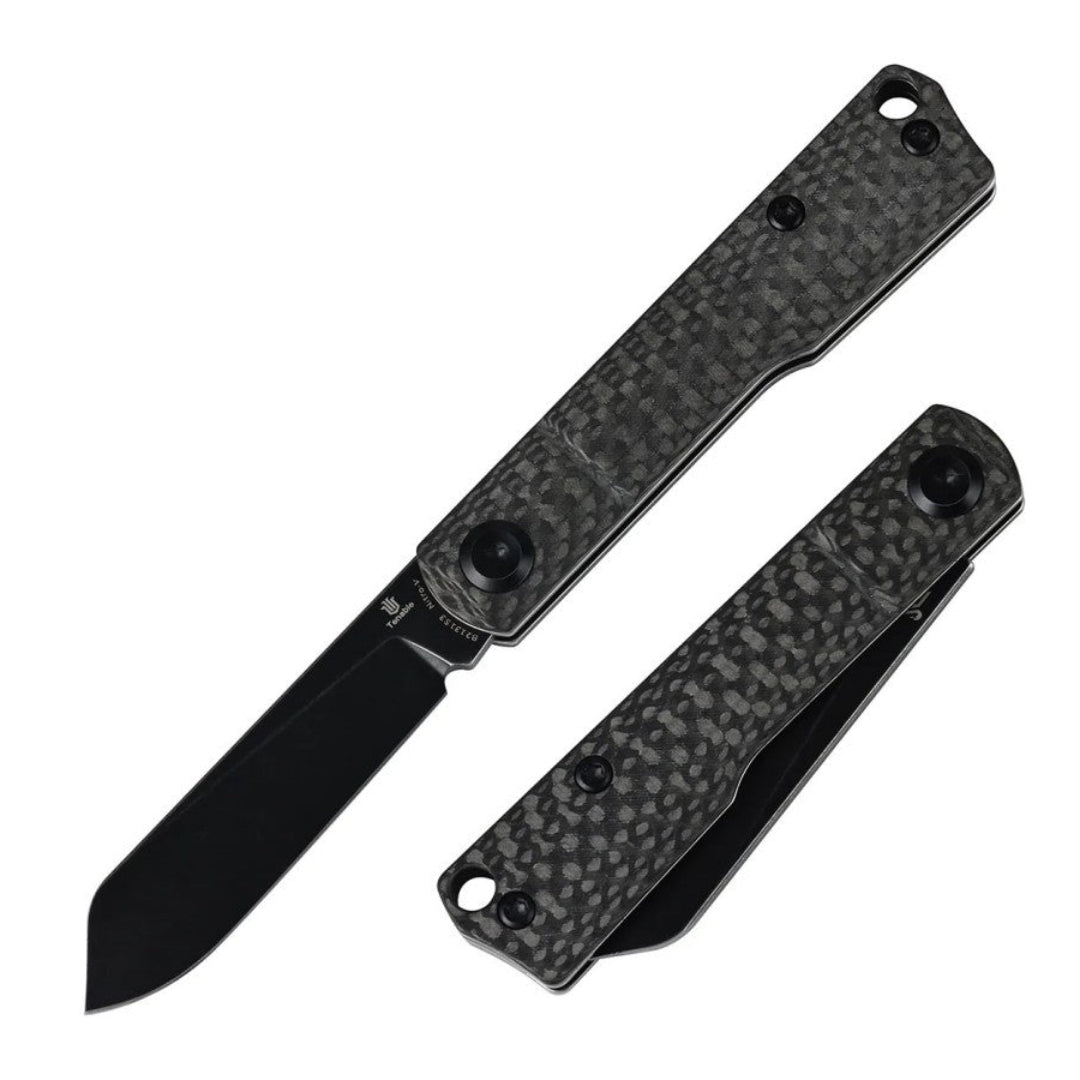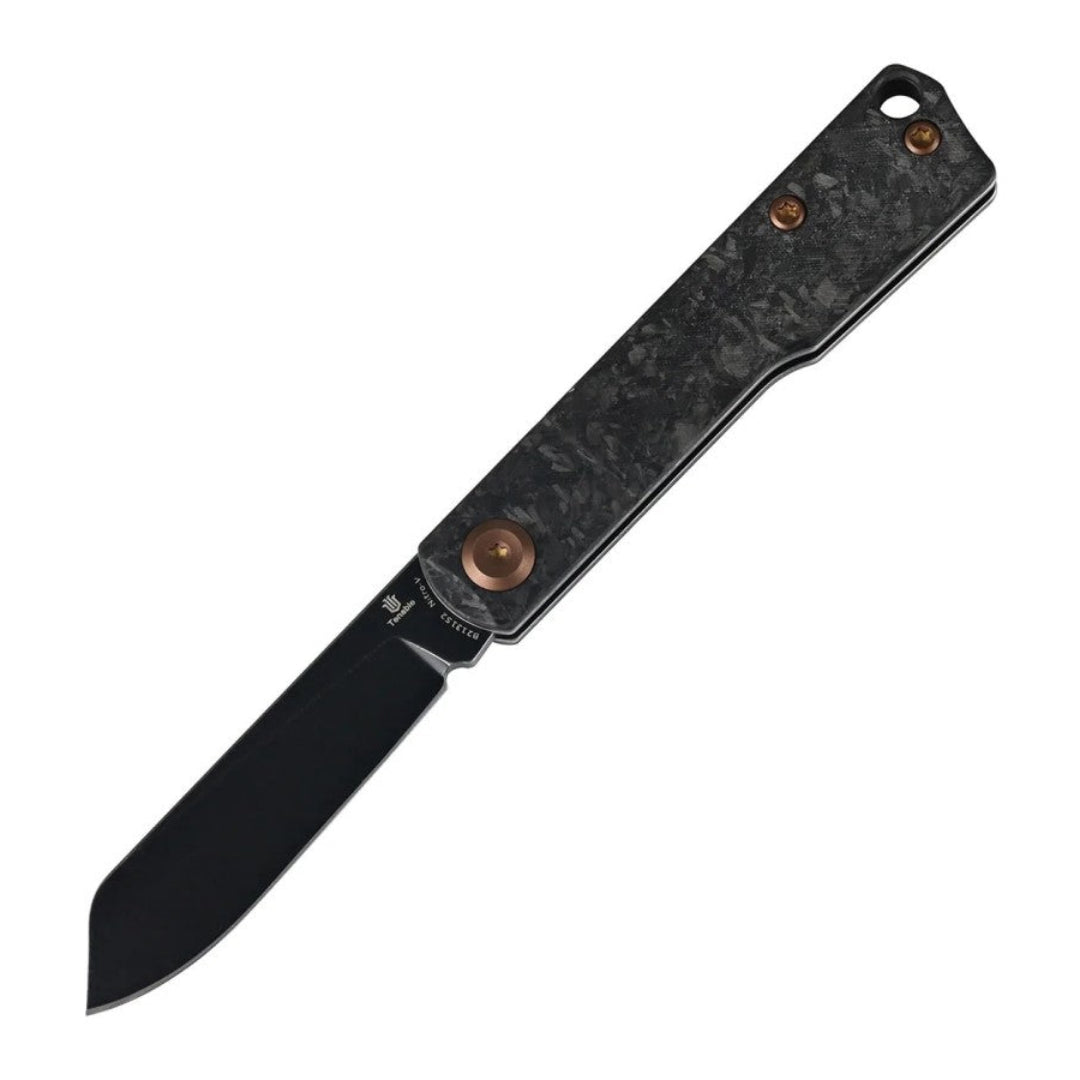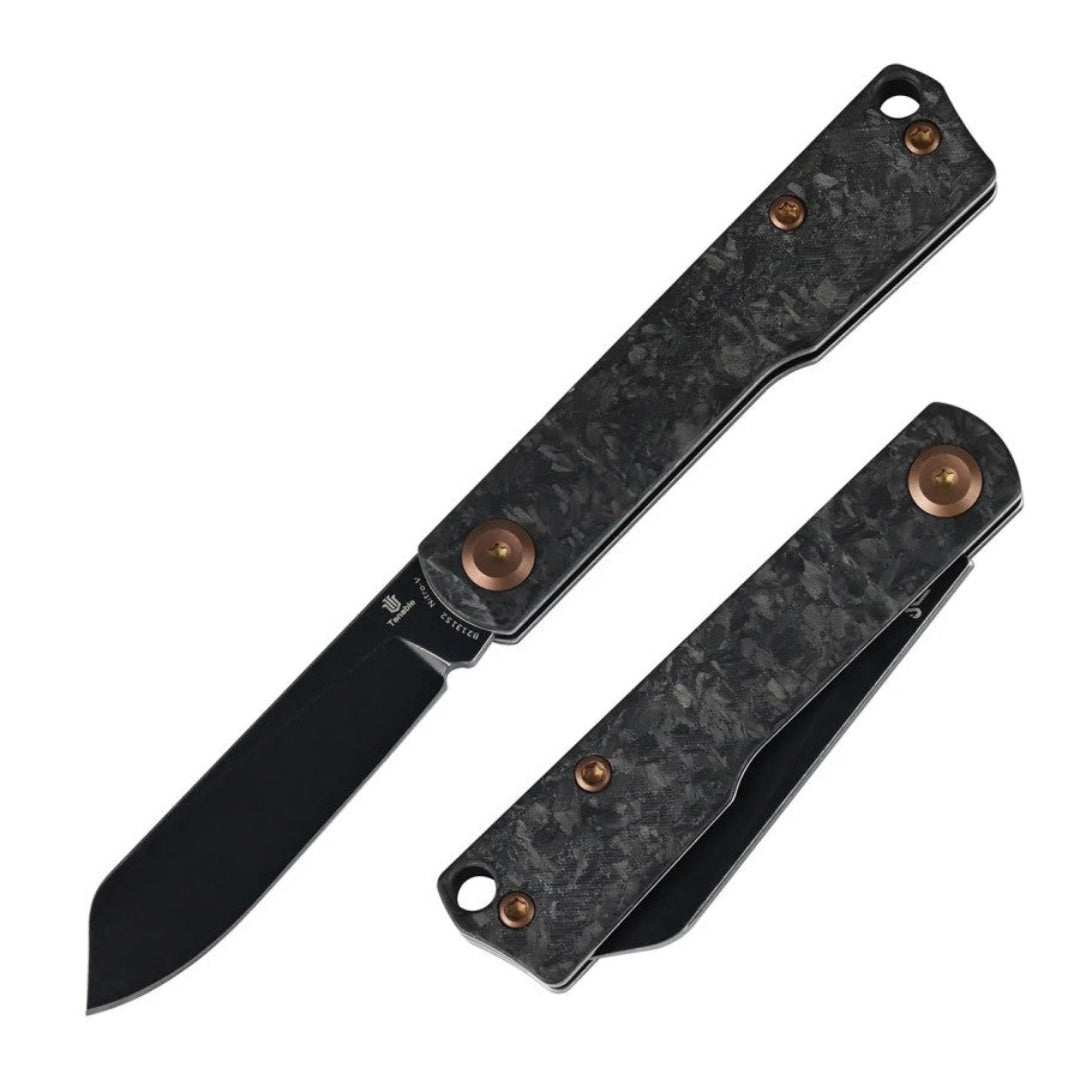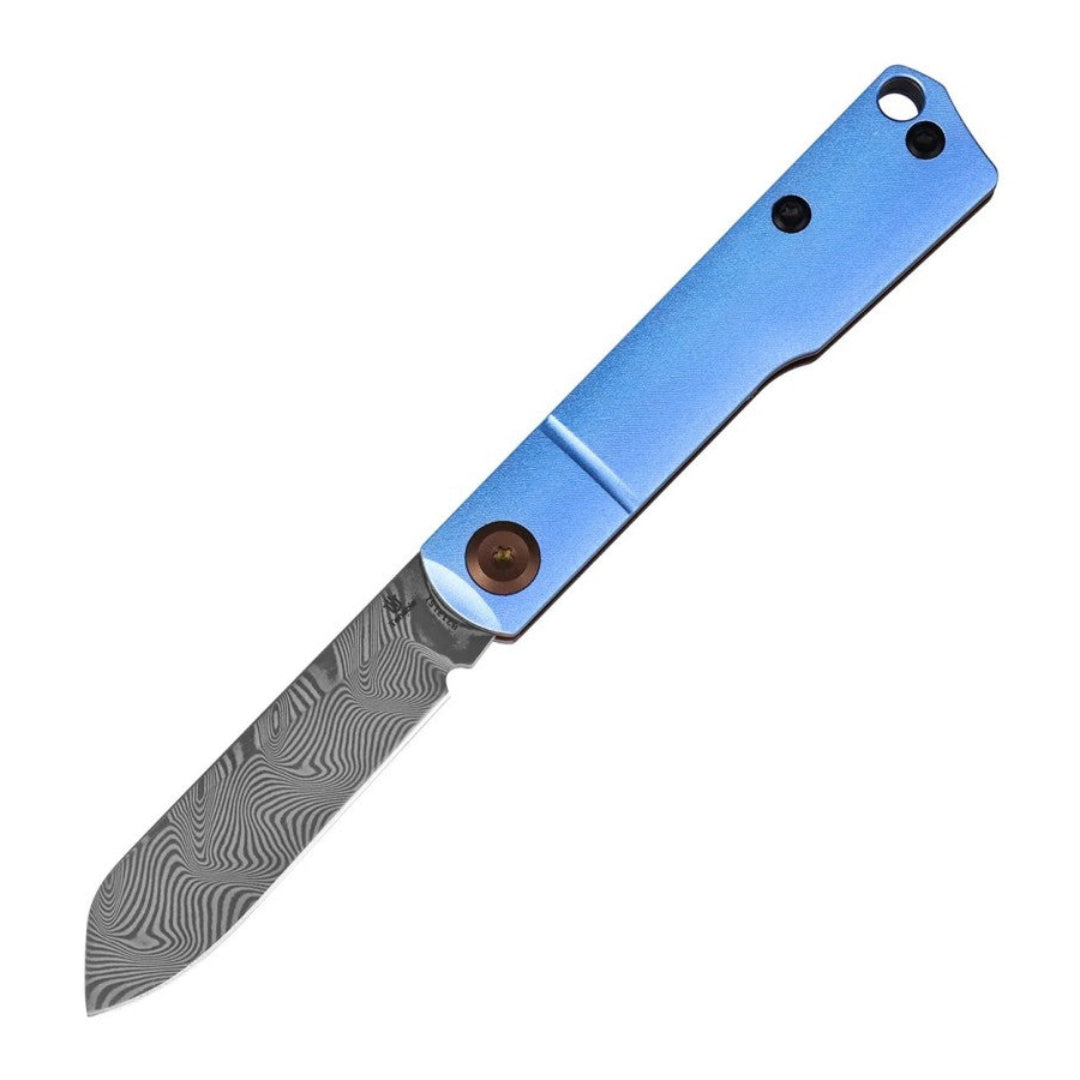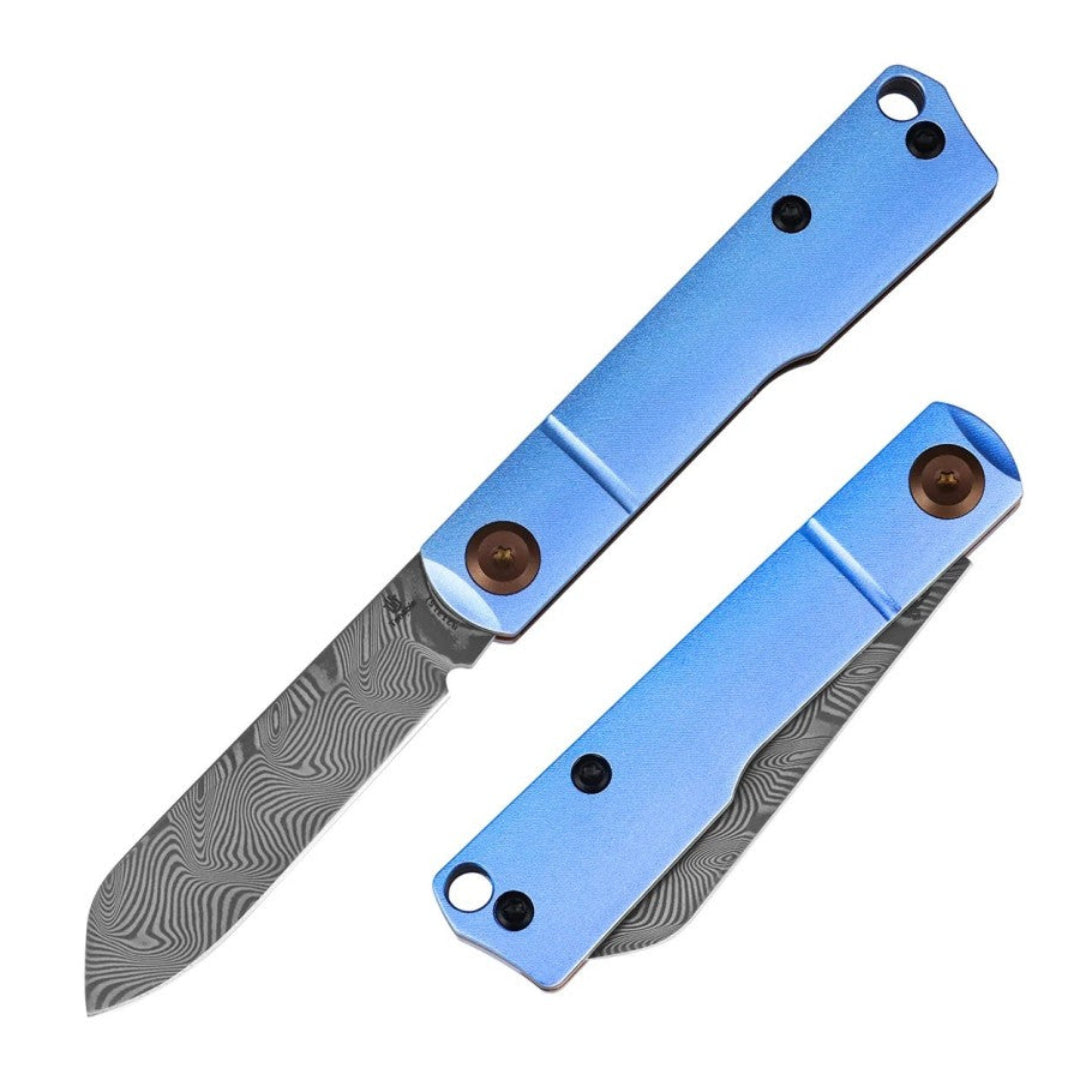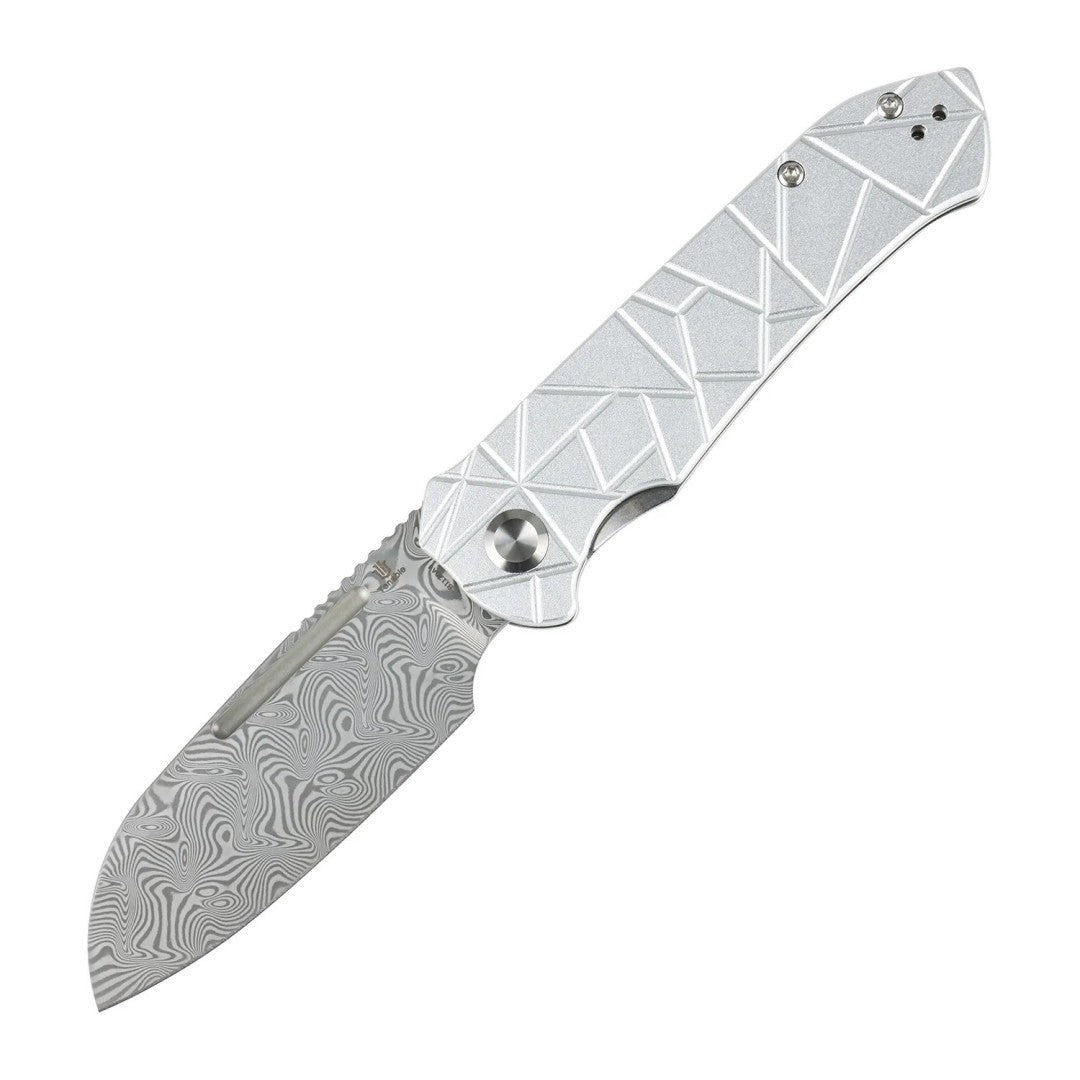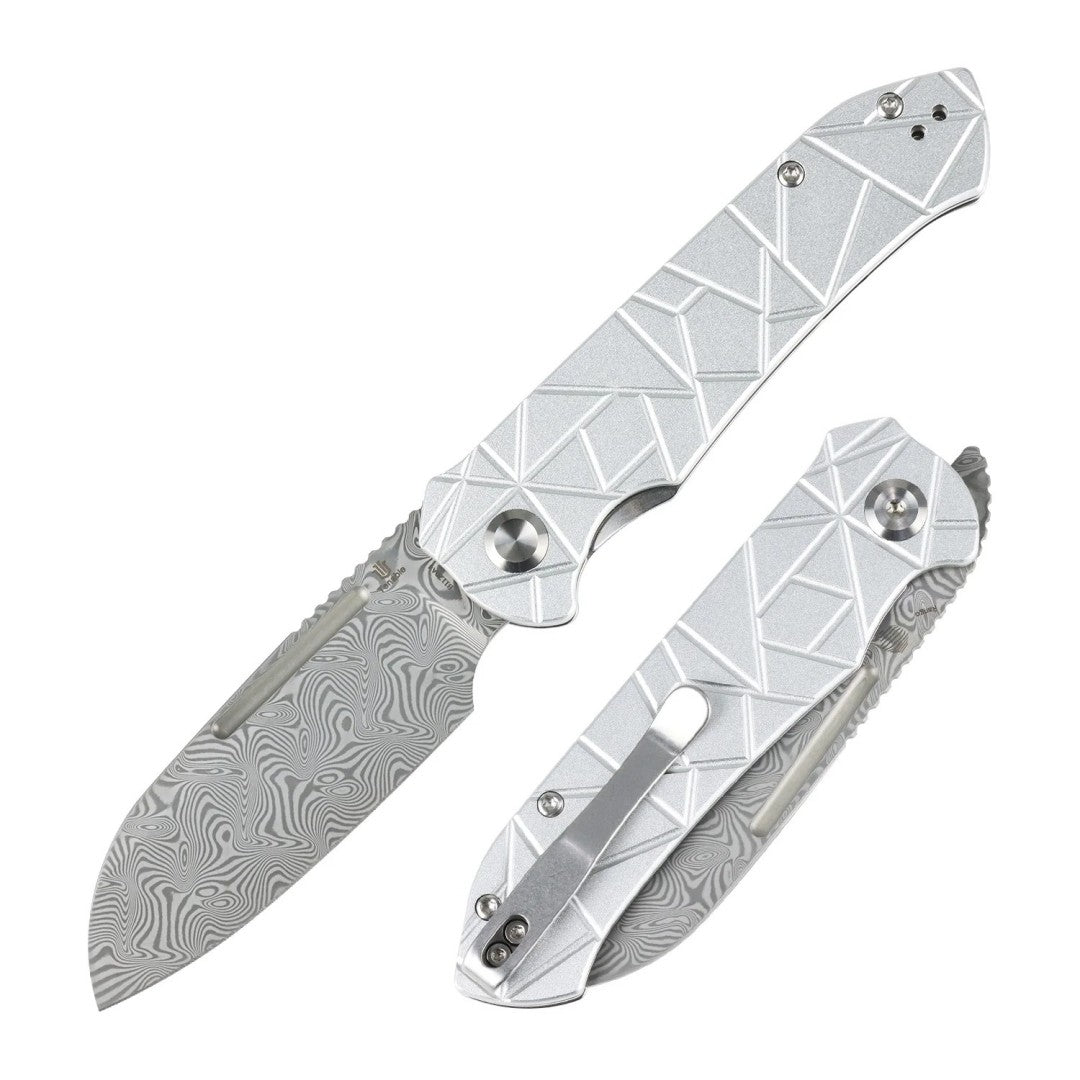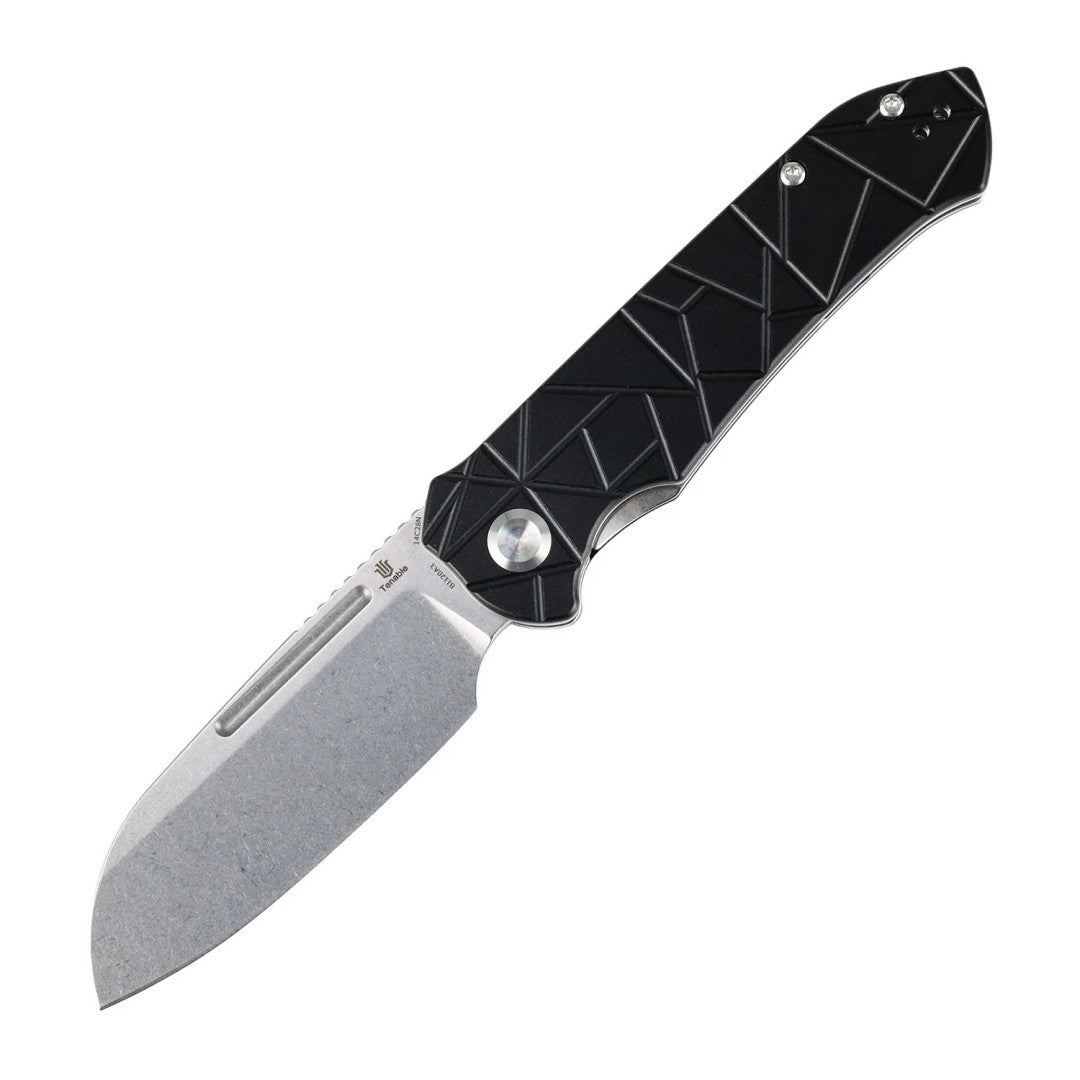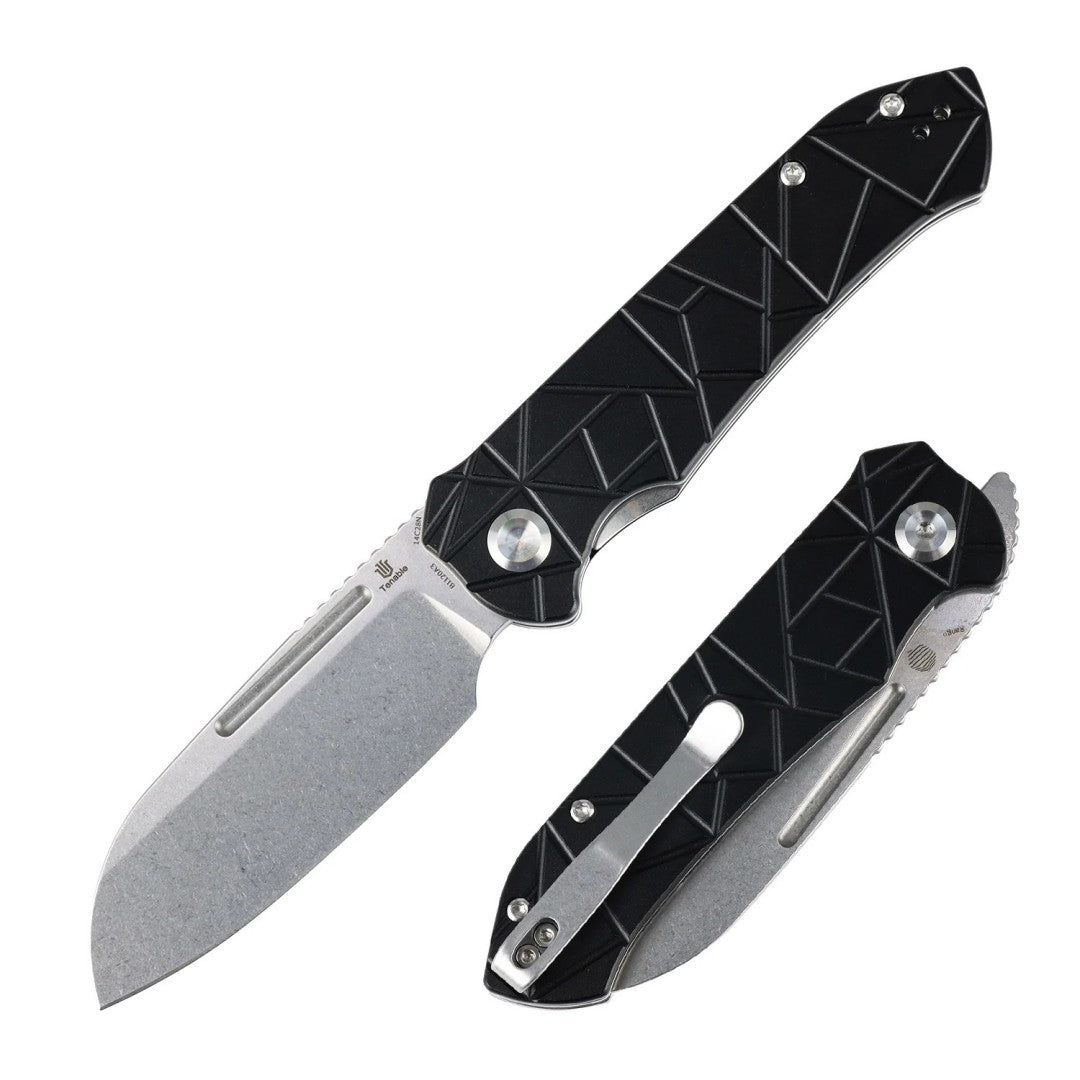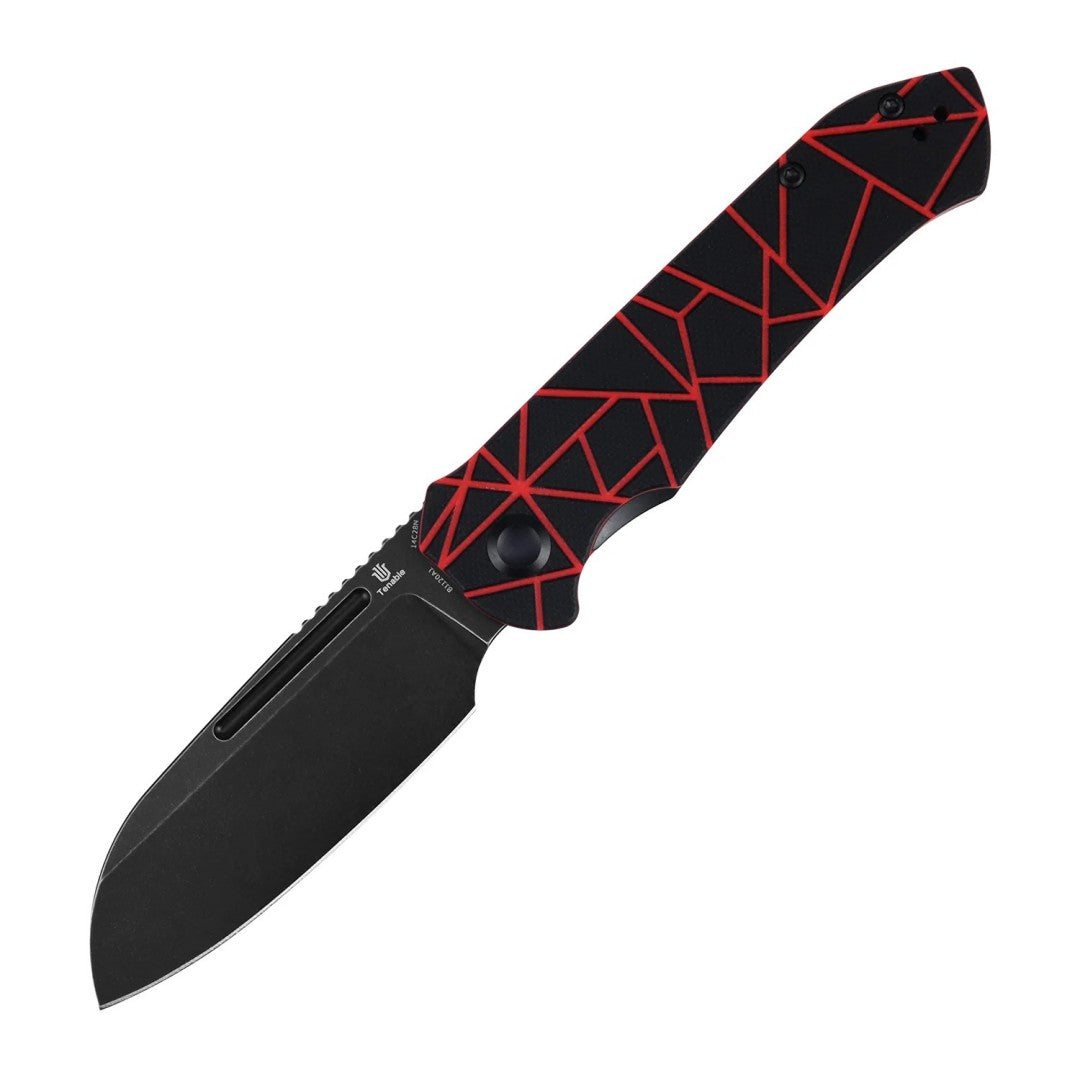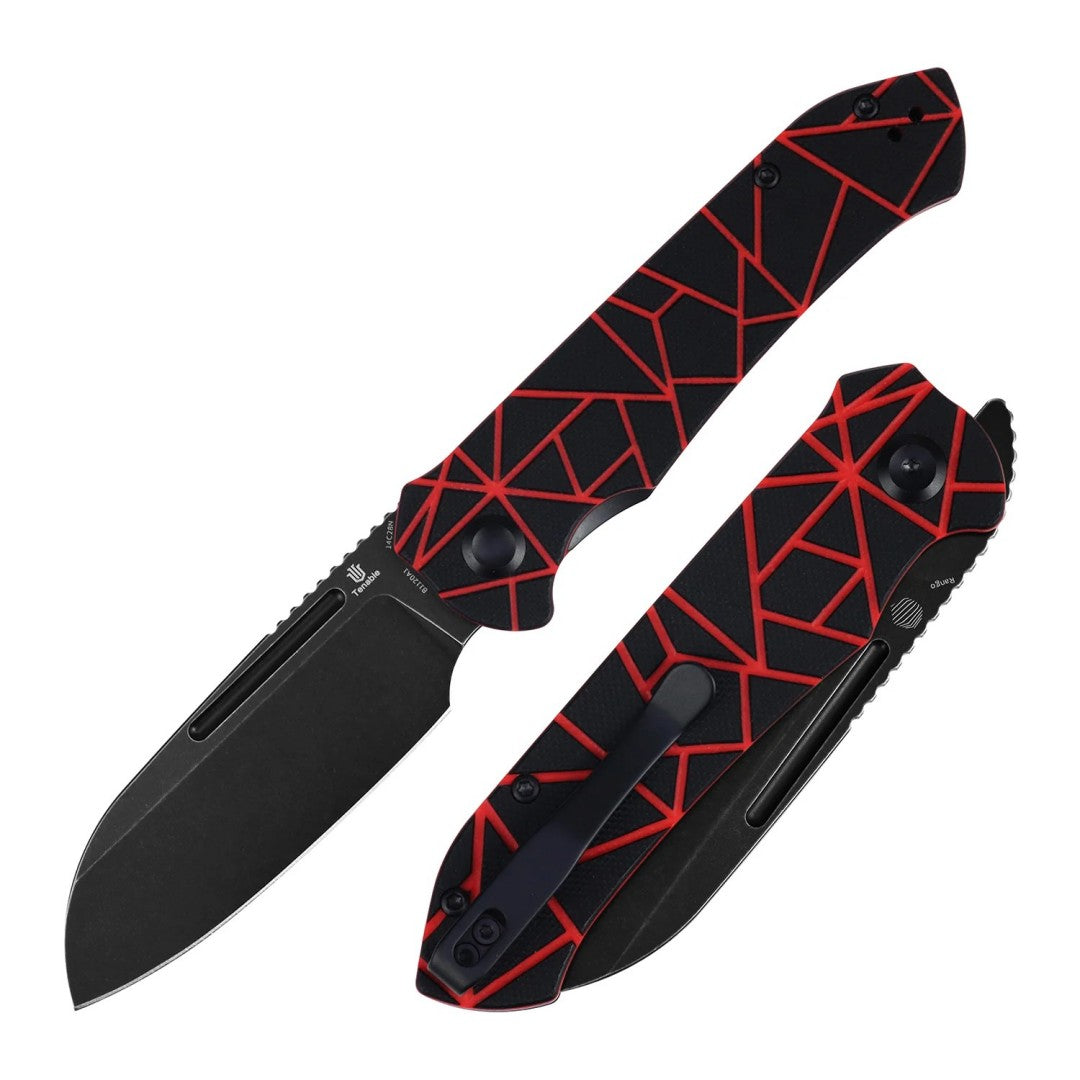
When assembling a premium EDC pocket layout, enthusiasts frequently prioritize blade steel and handle scales while overlooking the most critical dynamic: the locking mechanism. The lock architecture dictates how a knife feels in the hand, how safely it operates, and how much abuse it can take in the field. Few production models showcase this mechanical diversity better than the Kansept Fenrir. Expertly manufactured by Kansept and envisioned by custom designer Greg Schob, this legendary folding knife platform is available across multiple lock configurations.
Choosing between the fluid Button Lock, the rugged titanium Frame Lock, or the classic Liner Lock depends entirely on your personal priorities. Let's break down how these three mechanisms alter the carrying experience on the exact same knife geometry.
The Mechanical Breakdown
To understand how these systems change the knife's dynamics, we can compare their structural strengths, deployment behaviors, and safety profiles:
| Lock Mechanism Type | Operational Safety | Structural Rigidity | Primary Aesthetic Appeal | Best Suited For |
| Button Lock | Maximum (Fingers remain completely clear) | Moderate / Standard Utility | Clean scales, minimal external hardware | Fidget-friendly operation and daily light-to-medium tasks |
| Titanium Frame Lock | Standard (Thumb crosses path of blade) | Maximum (Handle reinforced by grip) | Asymmetrical, high-tech tactical look | Heavy-duty work, hard outdoor use, and ultimate survival |
| Traditional Liner Lock | Standard (Thumb crosses path of blade) | High (Hidden internal reinforcement) | Perfectly symmetrical handle scale lines | Classic minimalist elegance and lightweight pocket carry |
The Button Lock: The King of Kinetic Fluidity
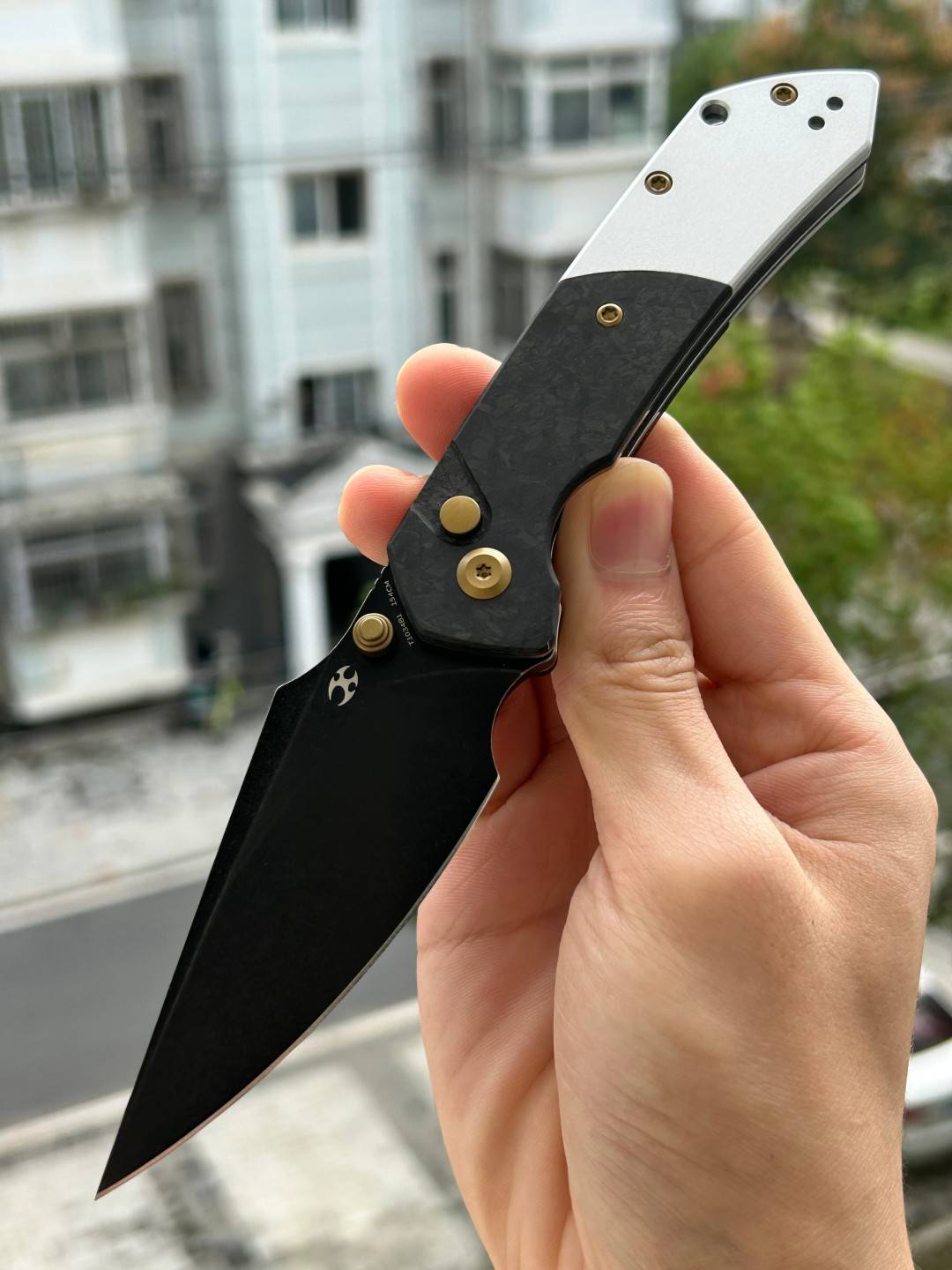
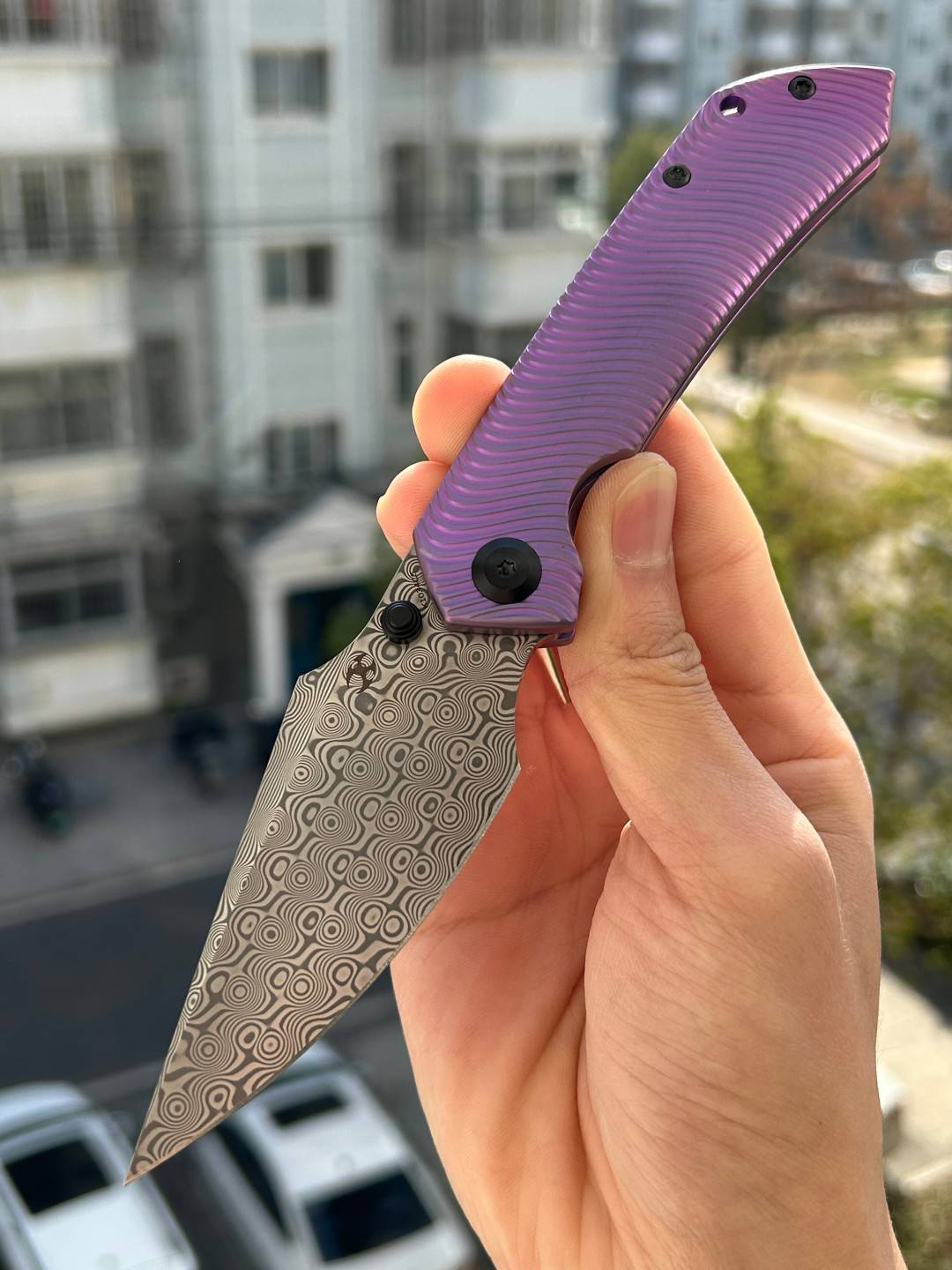
For users who view their daily tool as a highly interactive, tactical instrument, the button-actuated version is an absolute revelation. This system replaces the traditional detent ball with a spring-loaded internal plunge cylinder that drops into a milled pocket on the blade tang.
The core advantage here is absolute hand safety and smoothness. Because the release button sits high on the handle scale, your fingers wrap securely around the frame, staying completely out of the blade's path when closing. Pressing the button disengages the plunge lock completely, allowing the blade to rotate freely on its caged ceramic ball bearings. The result is a hydraulic-like drop-shut action that makes it arguably one of the most satisfying fidget tools ever made.
The Titanium Frame Lock: The Ultimate Heavy-Duty Anchor
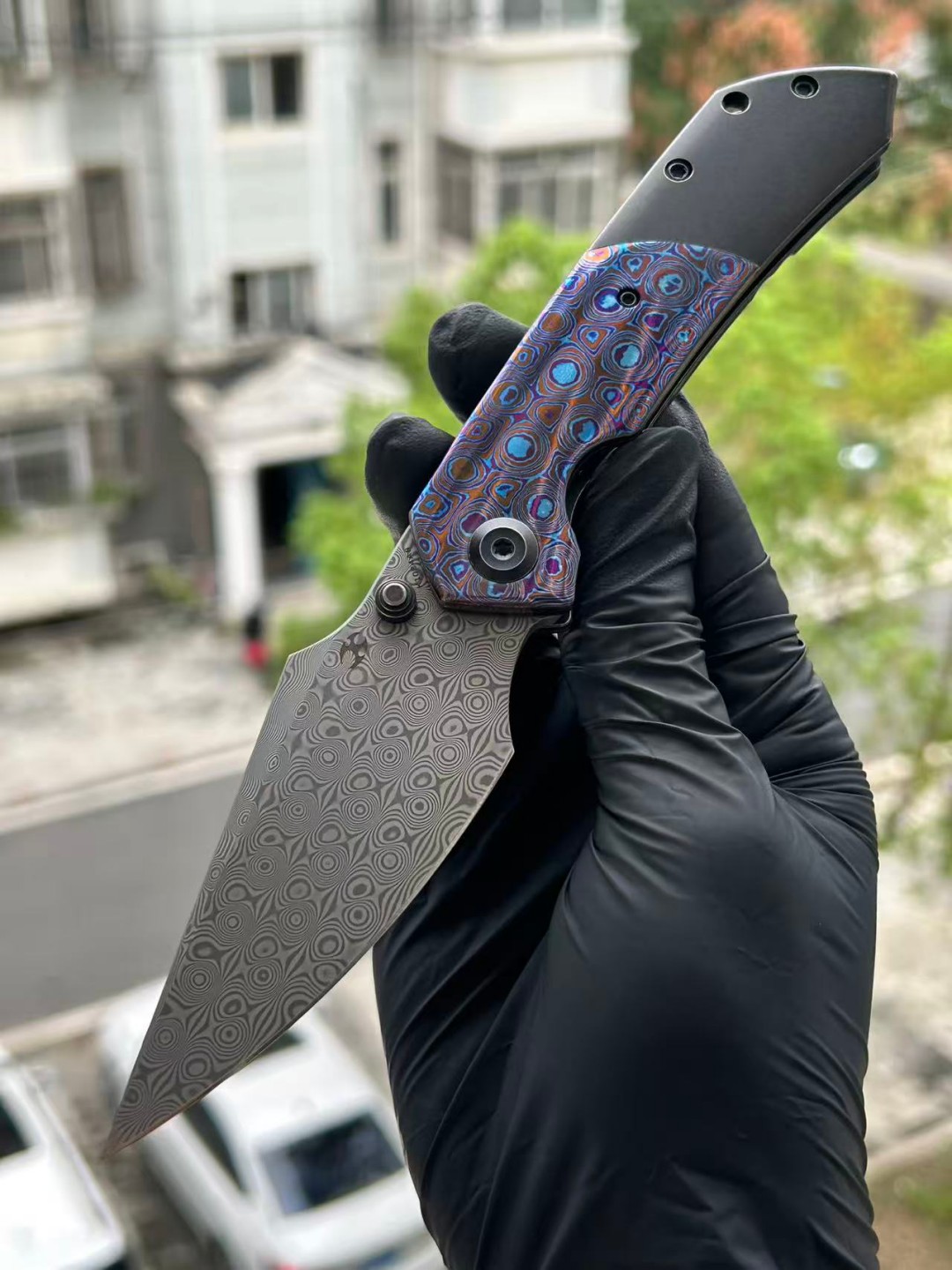
When your workflow transitions from opening mail to intense field use—such as carving dense wood, slicing heavy industrial tubing, or surviving in the backcountry—the titanium Frame Lock model is the undisputed champion.
In this layout, one half of the solid 6Al4V titanium handle scale is precision-milled to serve as the locking bar itself. When the blade snaps open, this thick slab of metal wedges tightly behind the blade steel. The beauty of this physics engine lies in the user's grip: as you squeeze the handle tighter during a high-pressure cut, your fingers actively force the lockbar deeper into the blade tang. To guarantee longevity, Kansept equips this model with a hardened steel lockbar insert, ensuring steel-on-steel contact that prevents wear, play, and stickiness over decades of heavy service.
"A knife's lock shouldn't just secure the blade; it should match the user's workflow. Heavy-duty tasks require structural metal integration, while rapid daily cutting benefits from isolated finger safety."
The Liner Lock: Symmetrical Elegance and Lightweight Utility
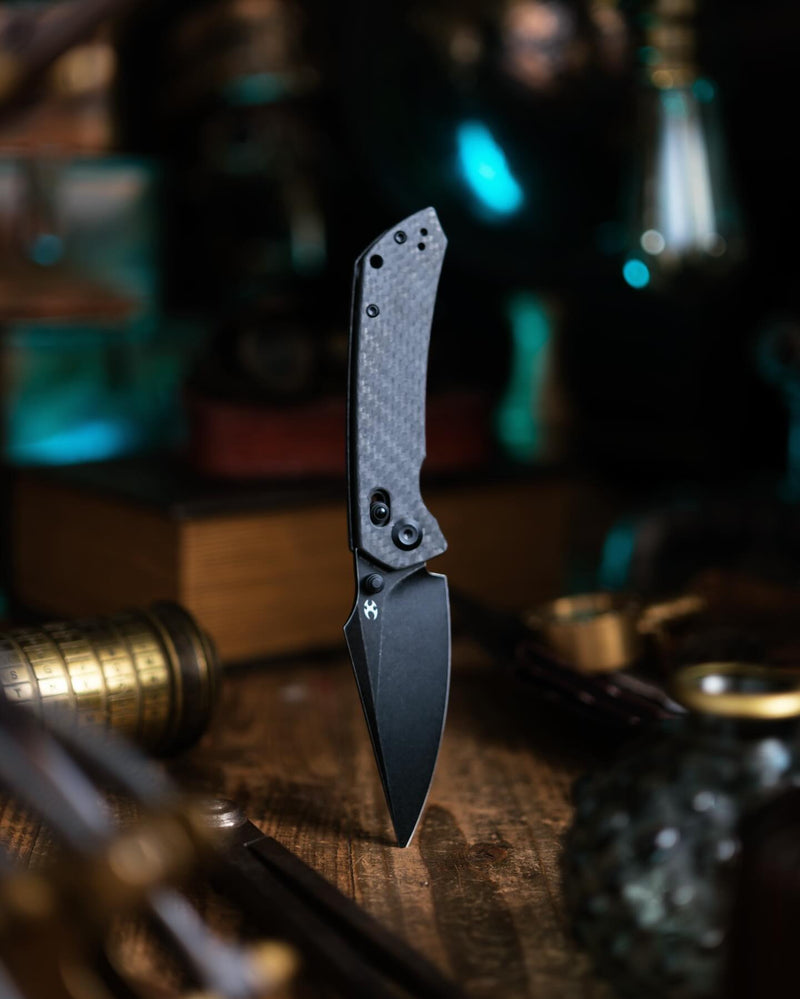
If you prefer a clean, uncluttered pocket footprint that balances performance with classic style, the traditional Liner Lock configuration is a flawless choice. This setup hides the spring-tempered steel locking plate completely inside the handle scales.
By keeping the mechanics internal, Greg Schob's flowing scale designs can shine without interruption. Both sides of the knife remain perfectly symmetrical, offering a remarkably neutral, comfortable grip free of the deep cutouts needed for frame locks. Kansept builds these variants using skeletonized internal steel liners nested inside lightweight materials like carbon fiber or textured canvas Micarta. This significantly sheds pocket weight while maintaining a rigid skeleton that handles daily chores with absolute reliability.
Premium Materials Across All Mechanical Layouts
No matter which locking interface aligns with your personal style, Kansept builds every single variation with world-class metallurgy and hardware. The aggressive, high-leverage harpoon Wharncliffe blade can be tailored to your specific cutting environment:
-
Relentless Edge Life: Select the ultra-premium CPM-20CV version for unmatched wear resistance through repetitive, abrasive cutting.
-
Balanced Durability: Choose the tried-and-true CPM-S35VN model if you want a tough, highly corrosion-resistant alloy that is easy to field-sharpen.
-
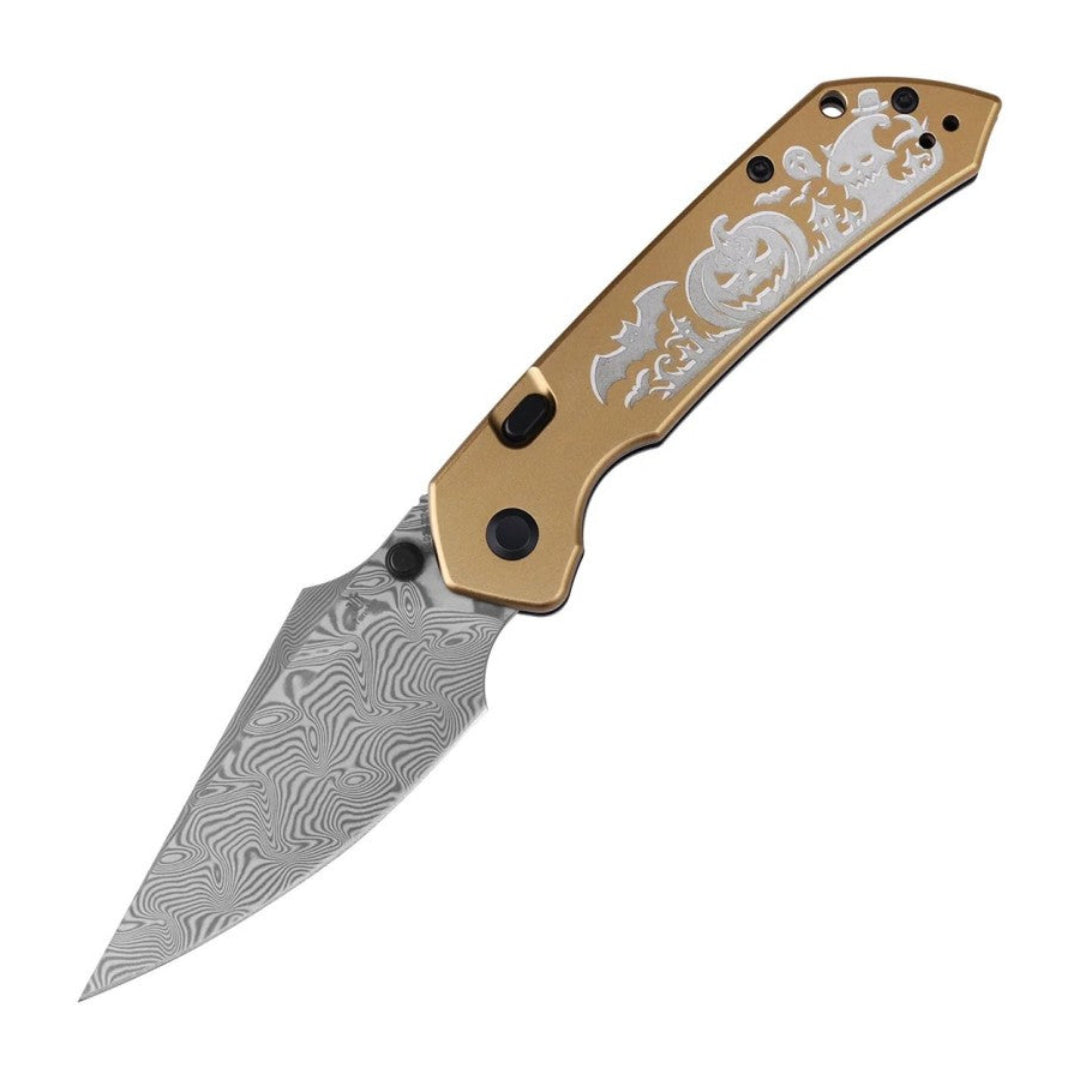
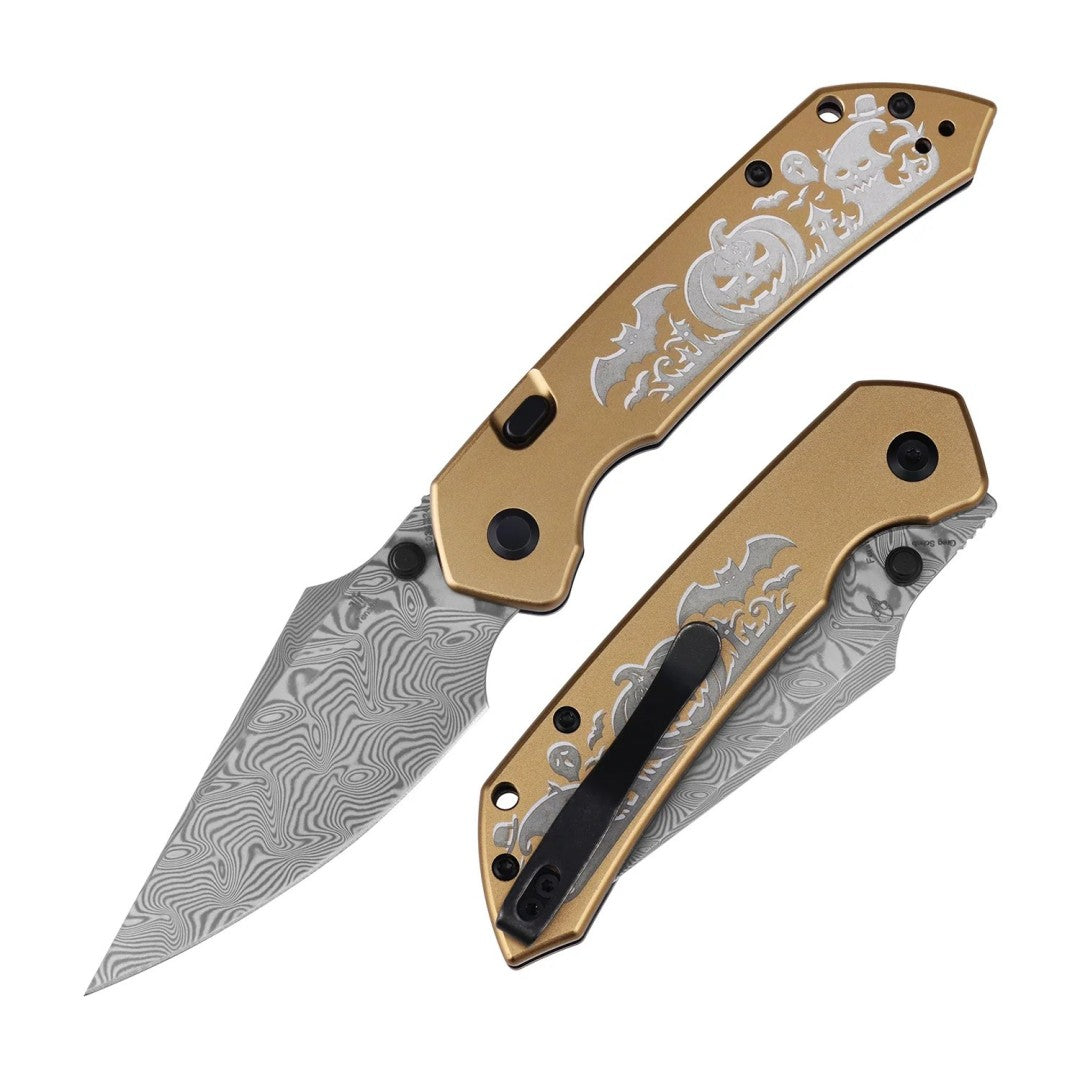
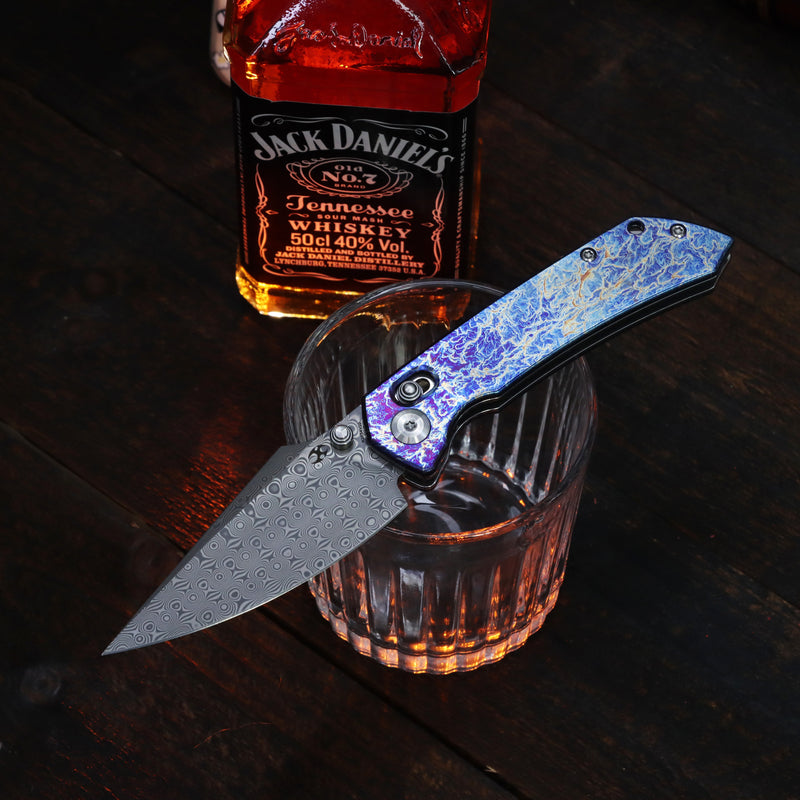
Visual Artistry: Opt for the high-contrast Damascus configuration if you want to elevate your mechanical folder into a stunning heirloom showpiece.
For collectors intrigued by other unique operations, the series is also engineered with a specialized spine-mounted Top Liner Lock and an ambidextrous, dual-spring Crossbar Lock.
Final Verdict: Which Mechanism Wins Your Pocket?
Ultimately, the choice comes down to how you interact with your tool. The Button Lock wins for rapid deployment speed and finger-safe convenience. The Frame Lock takes the crown for indestructible structural integrity under heavy lateral stress. The Liner Lock bridges the gap, offering a lightweight, visually clean, and time-tested design.
With manufacturing precision that easily rivals high-end custom folders from boutique design firms like Sparrow Knife Co., each locking system transforms this iconic folder into a distinct experience. Evaluate your daily demands, choose your mechanism, and carry a tool built to perform exactly the way you want.