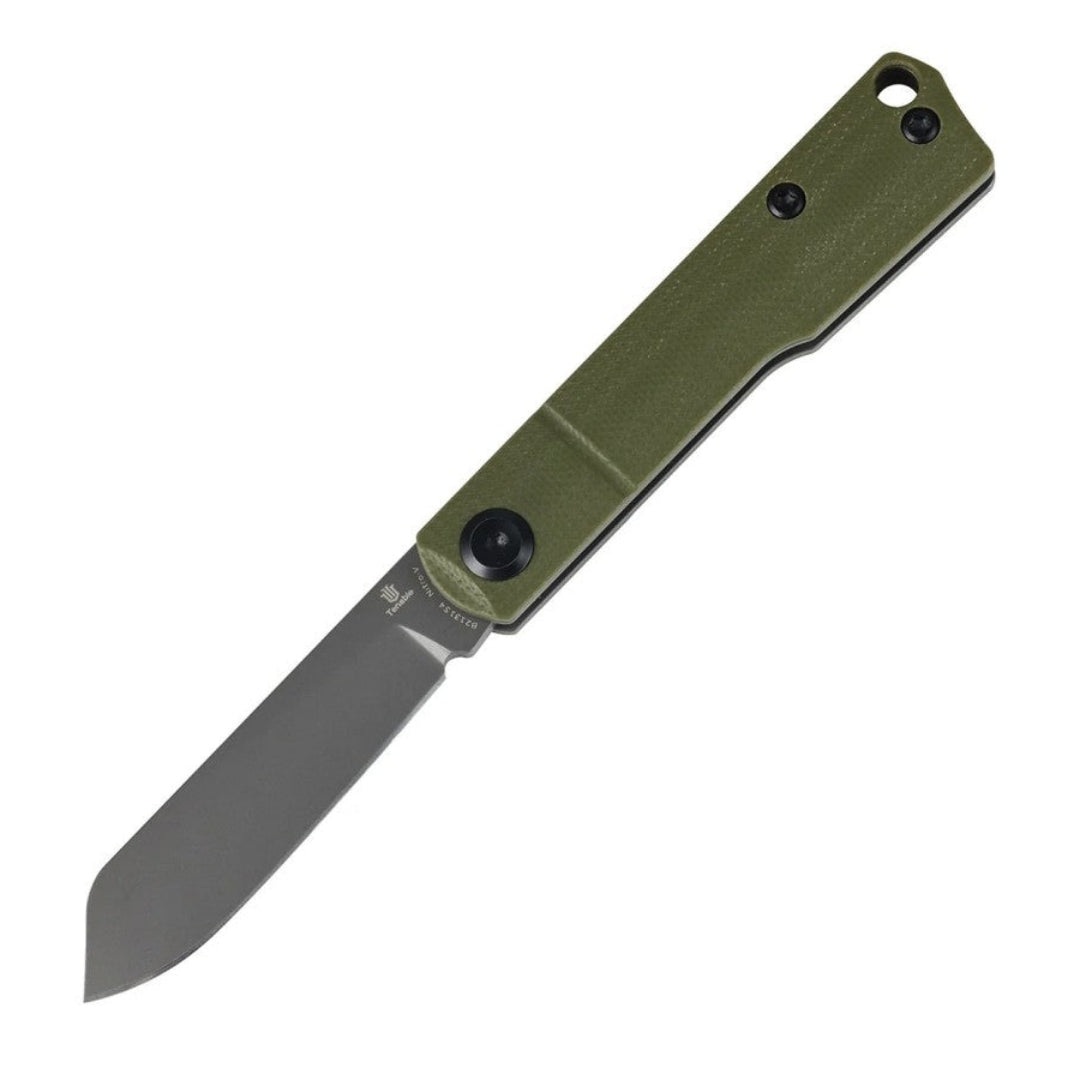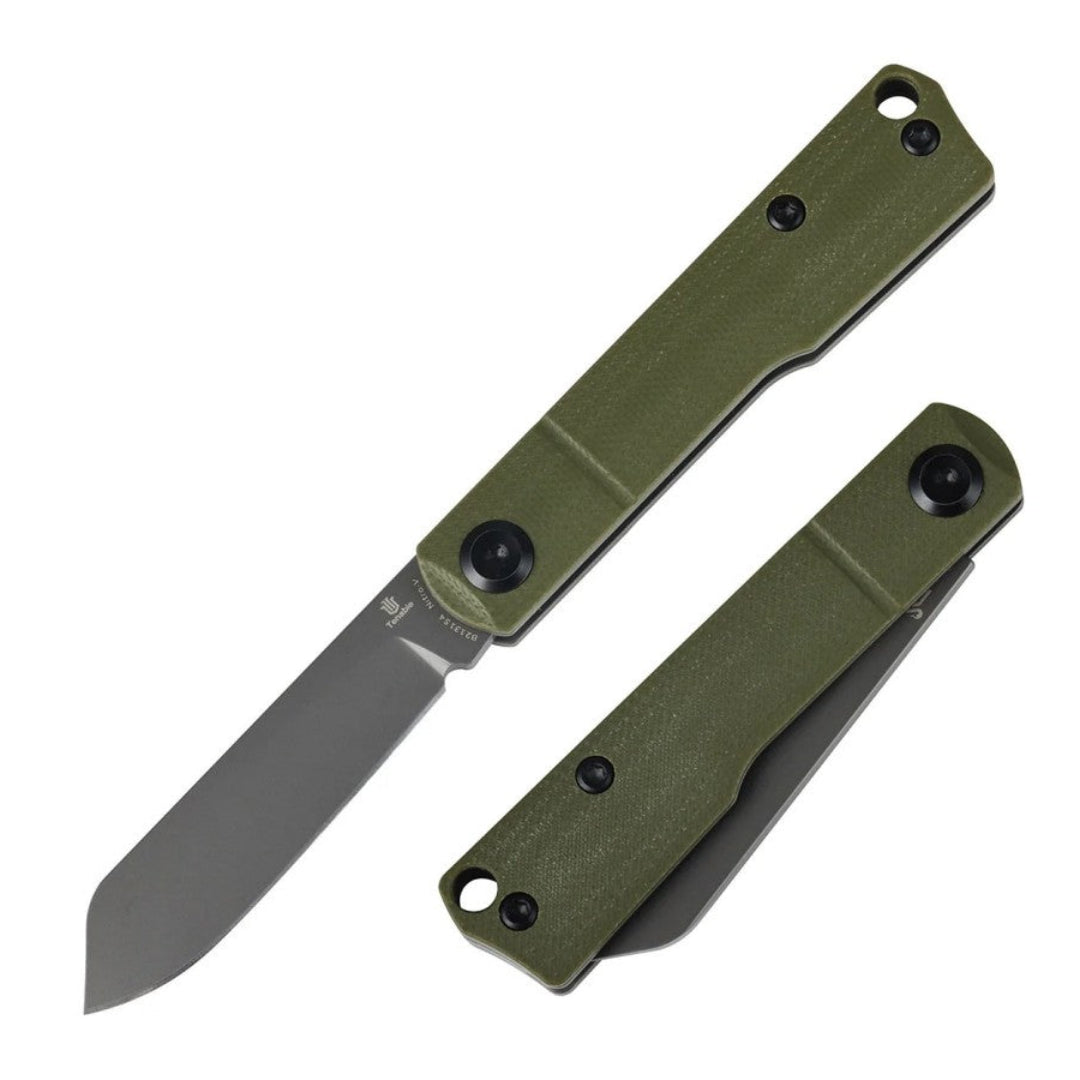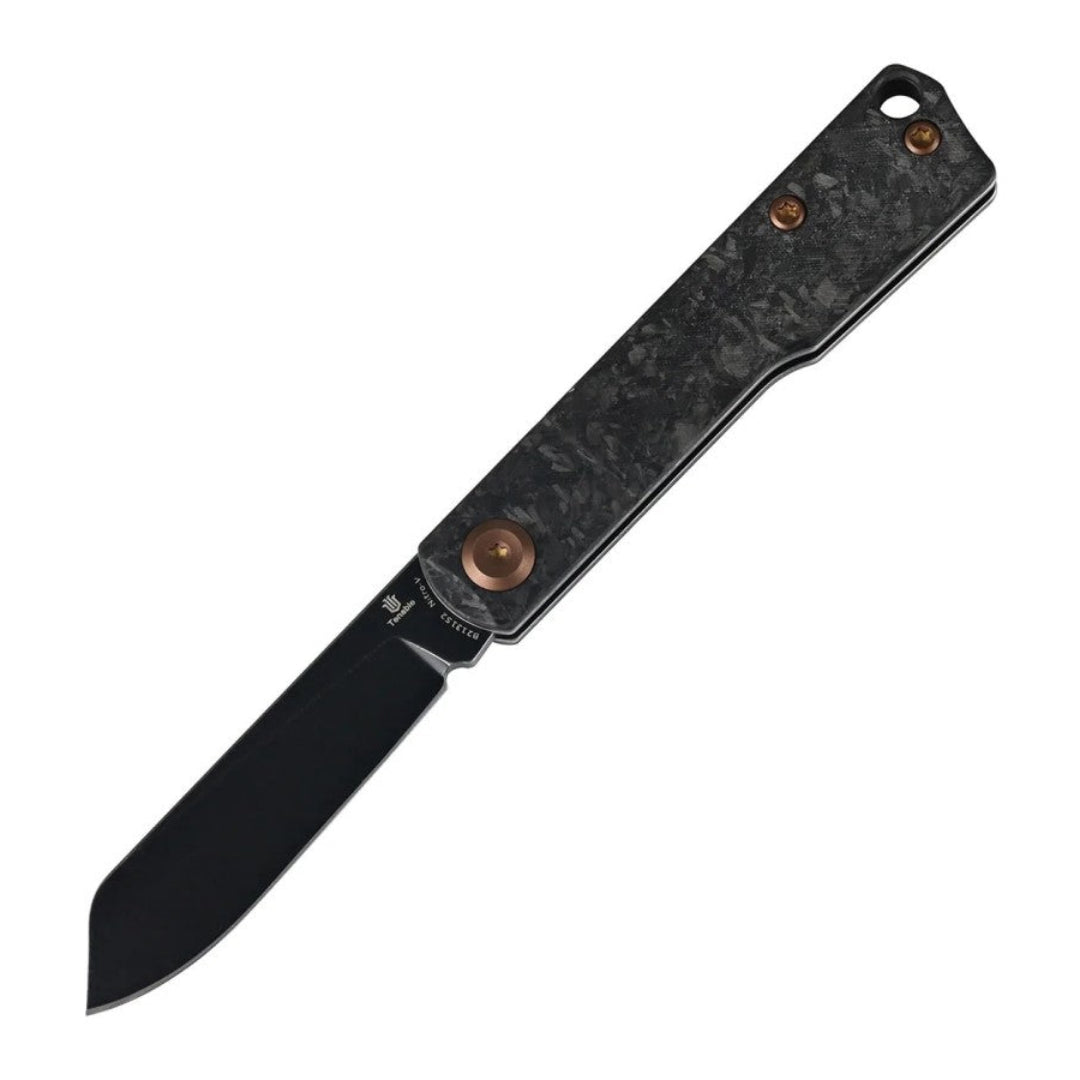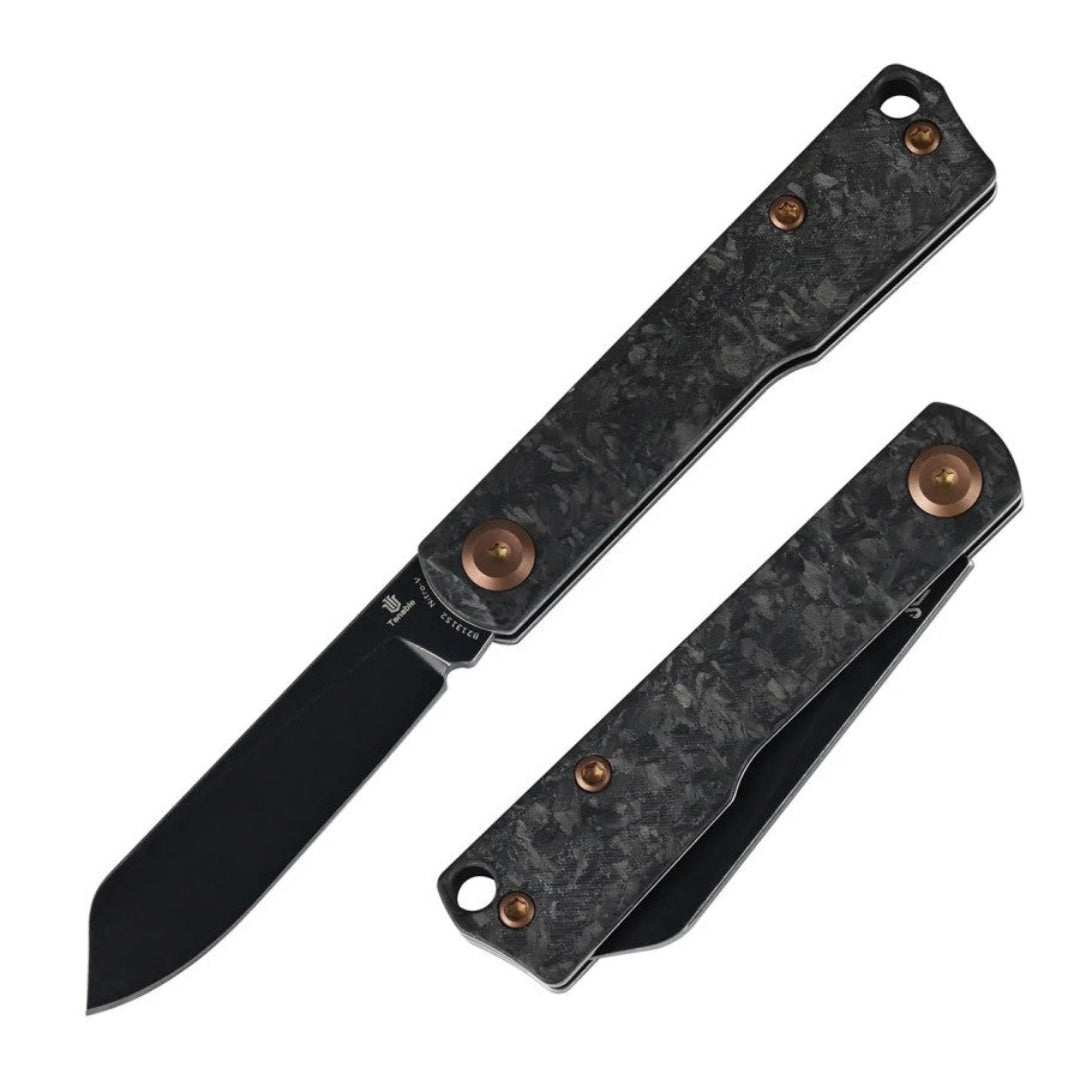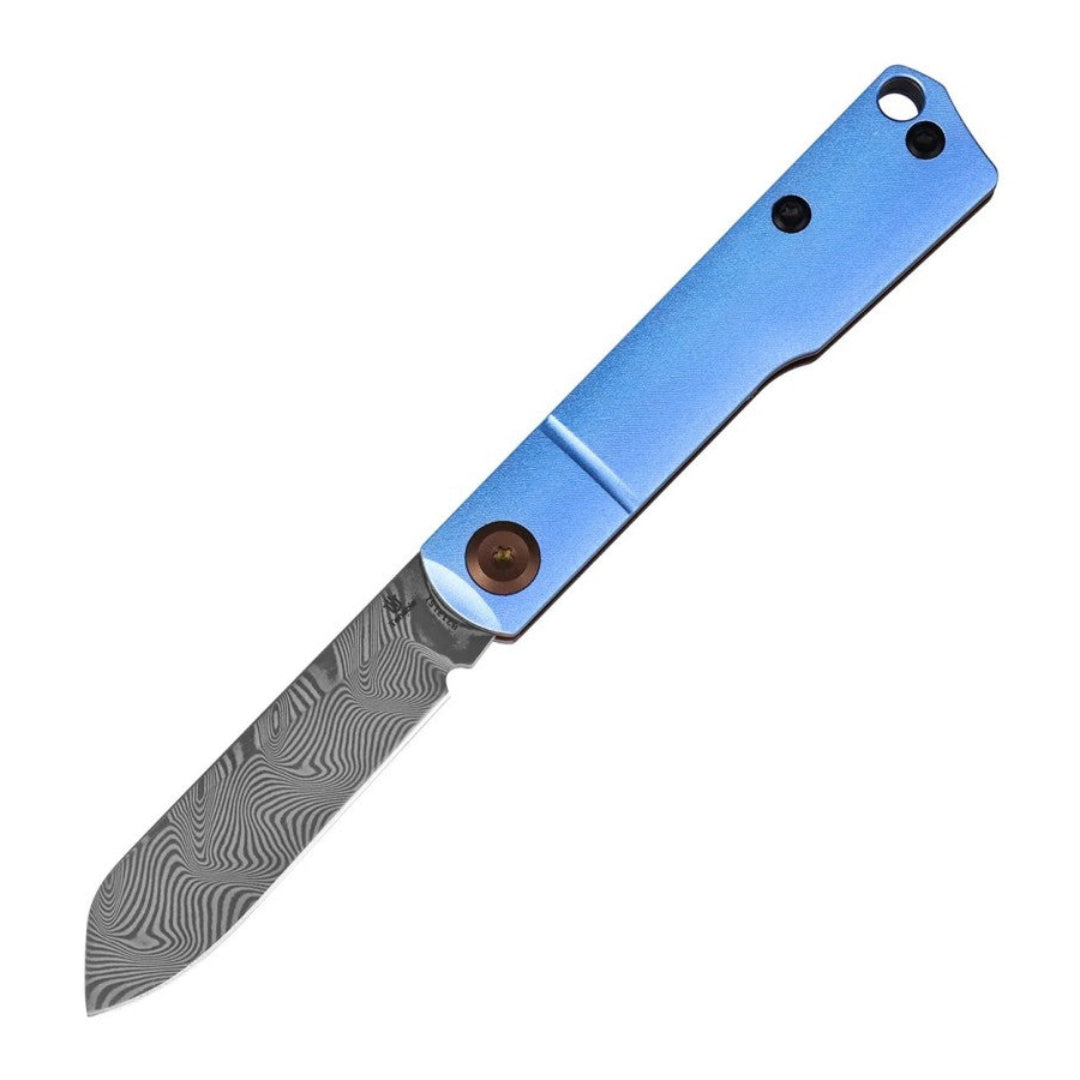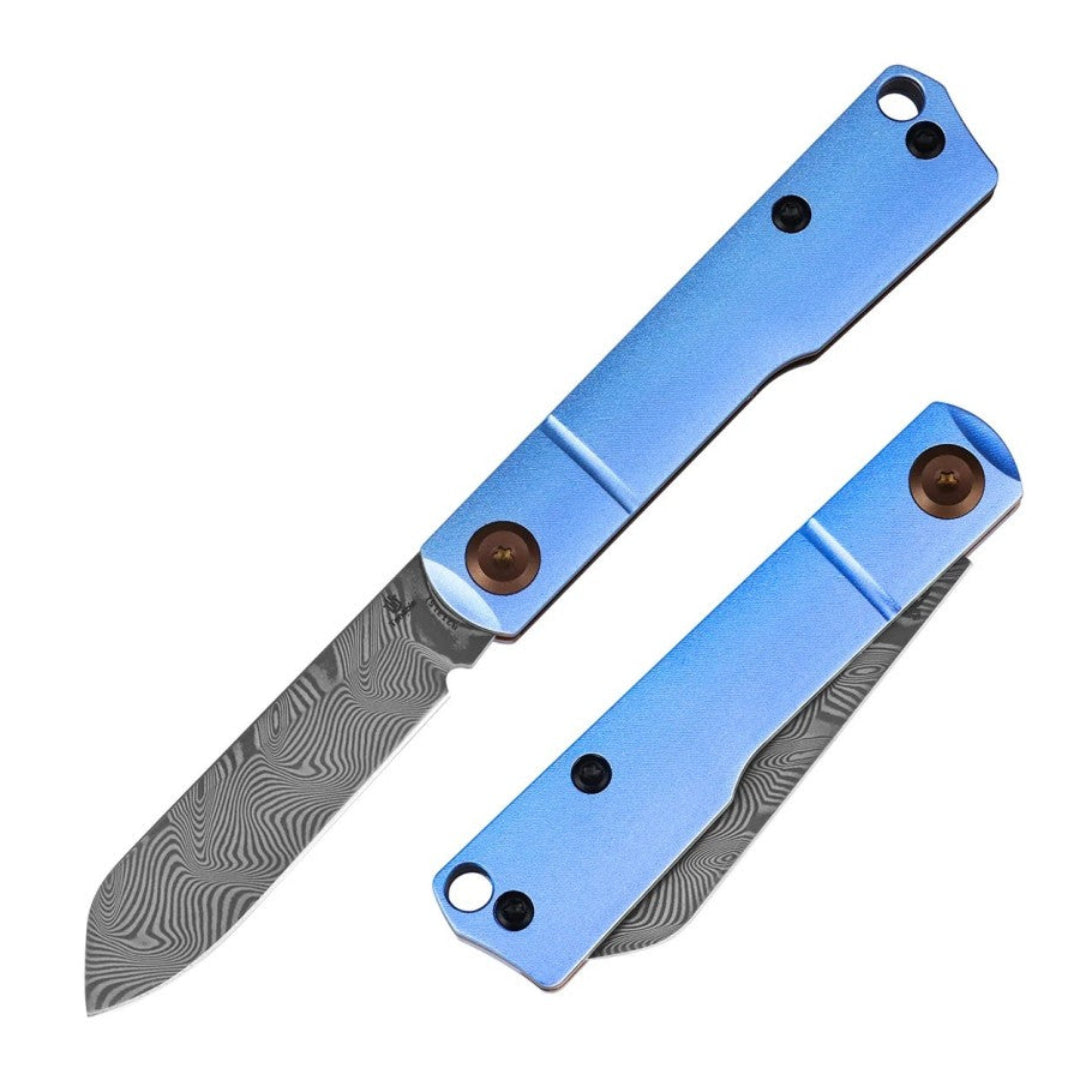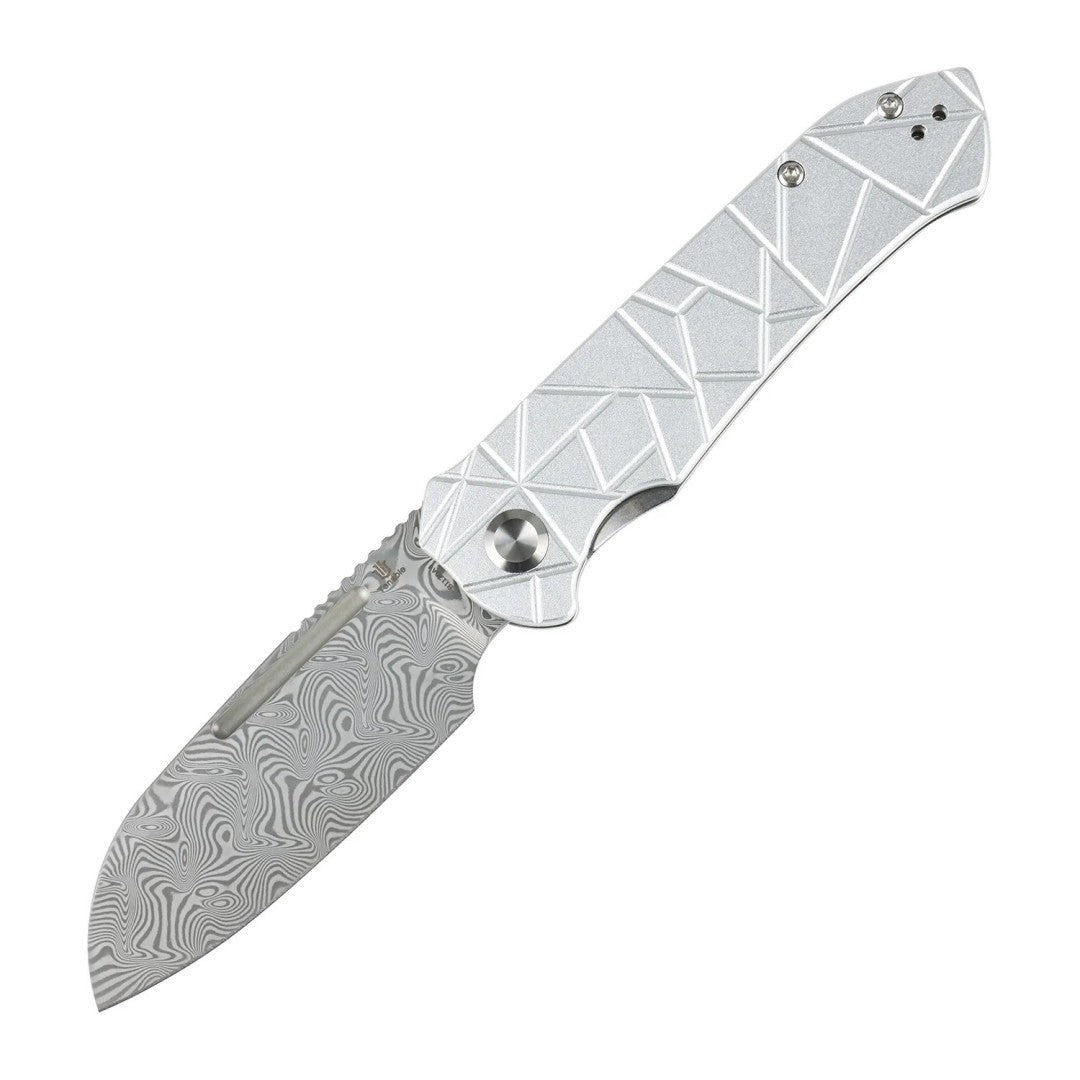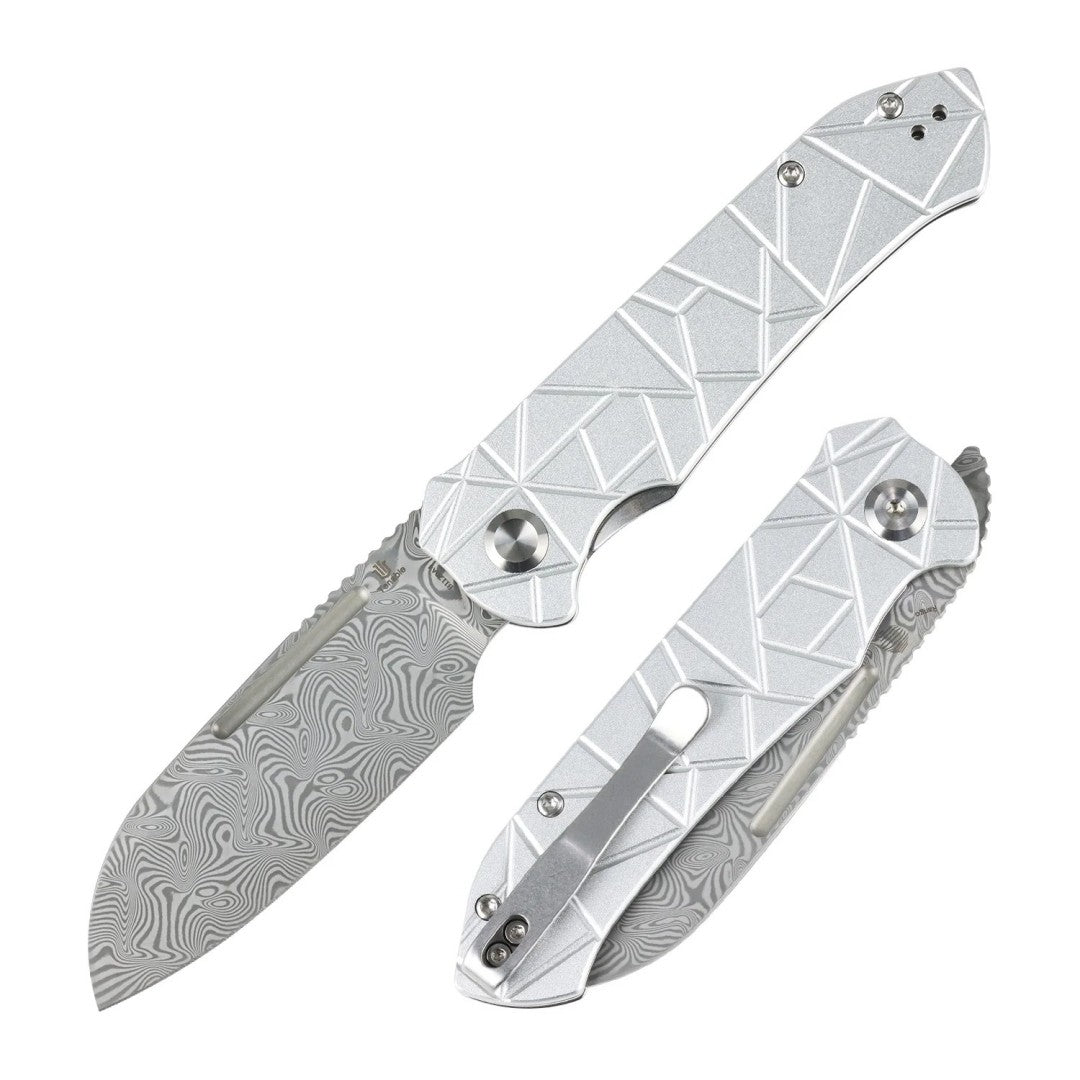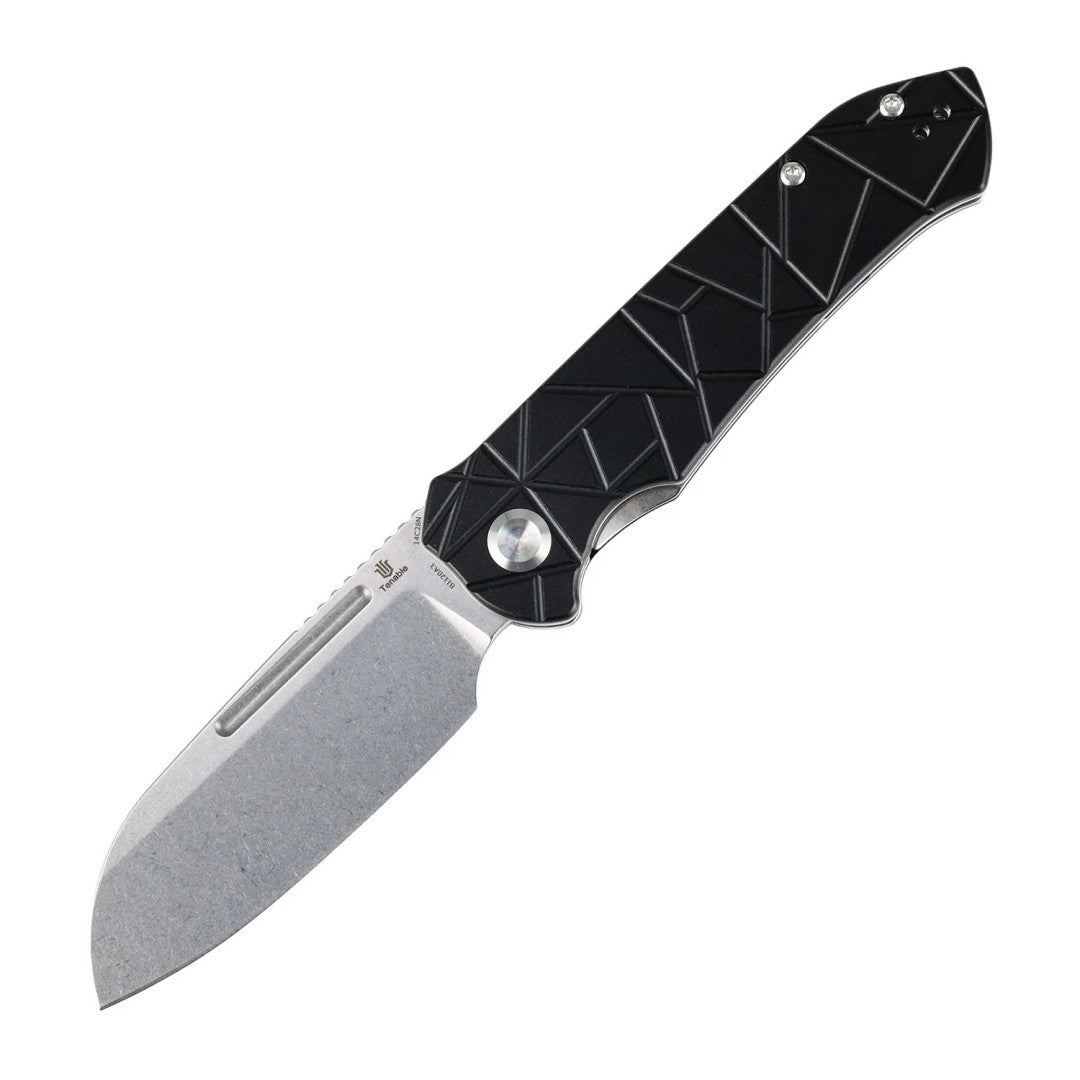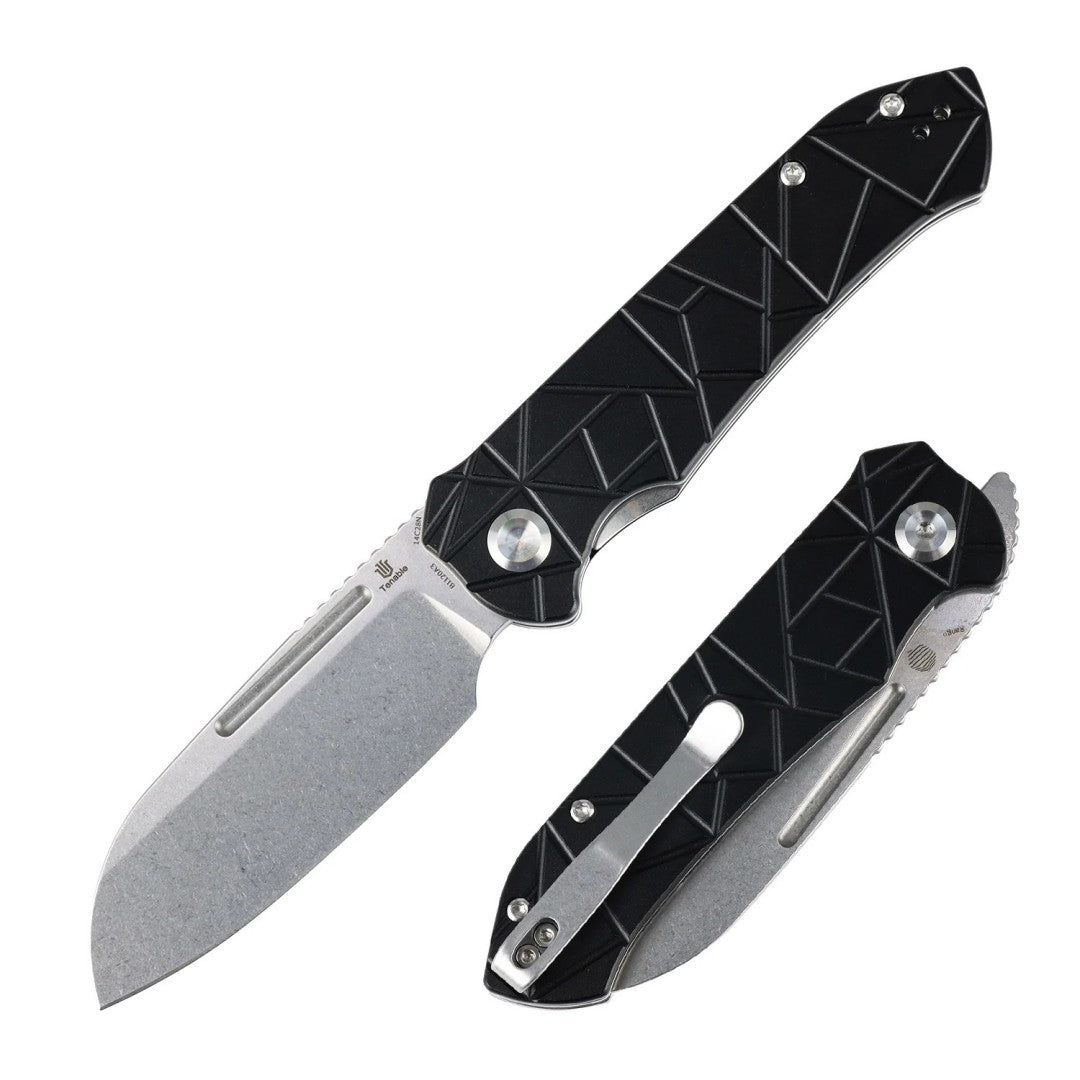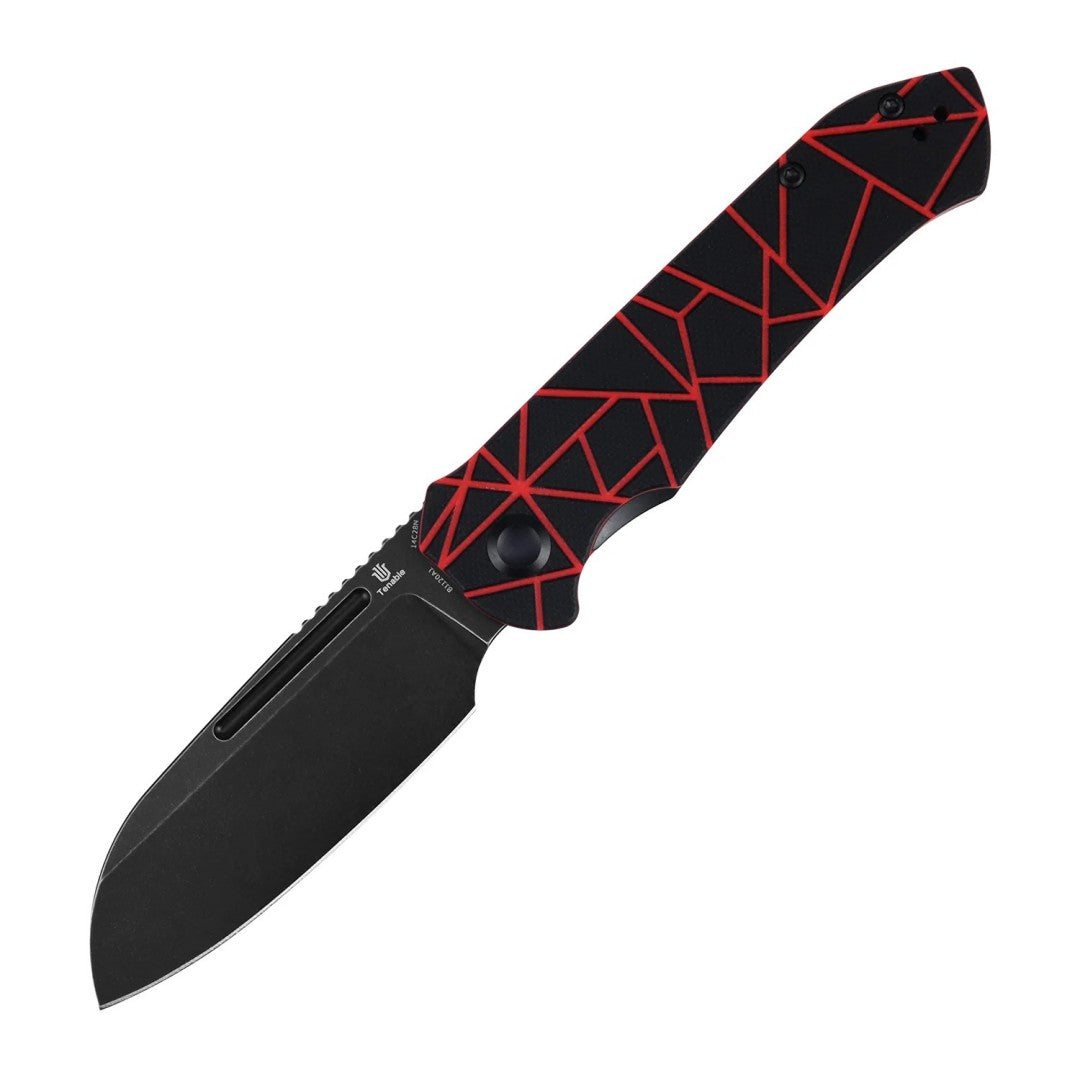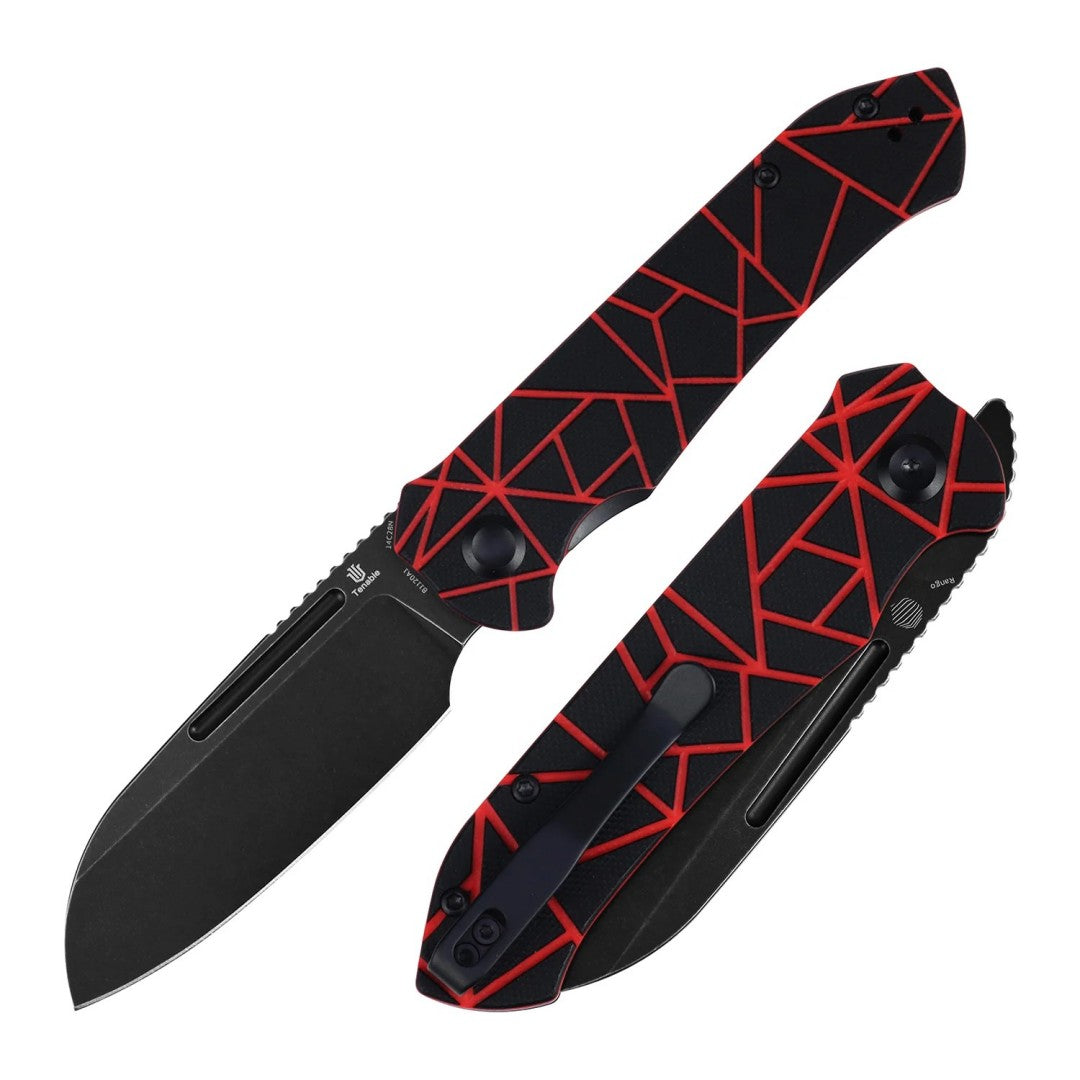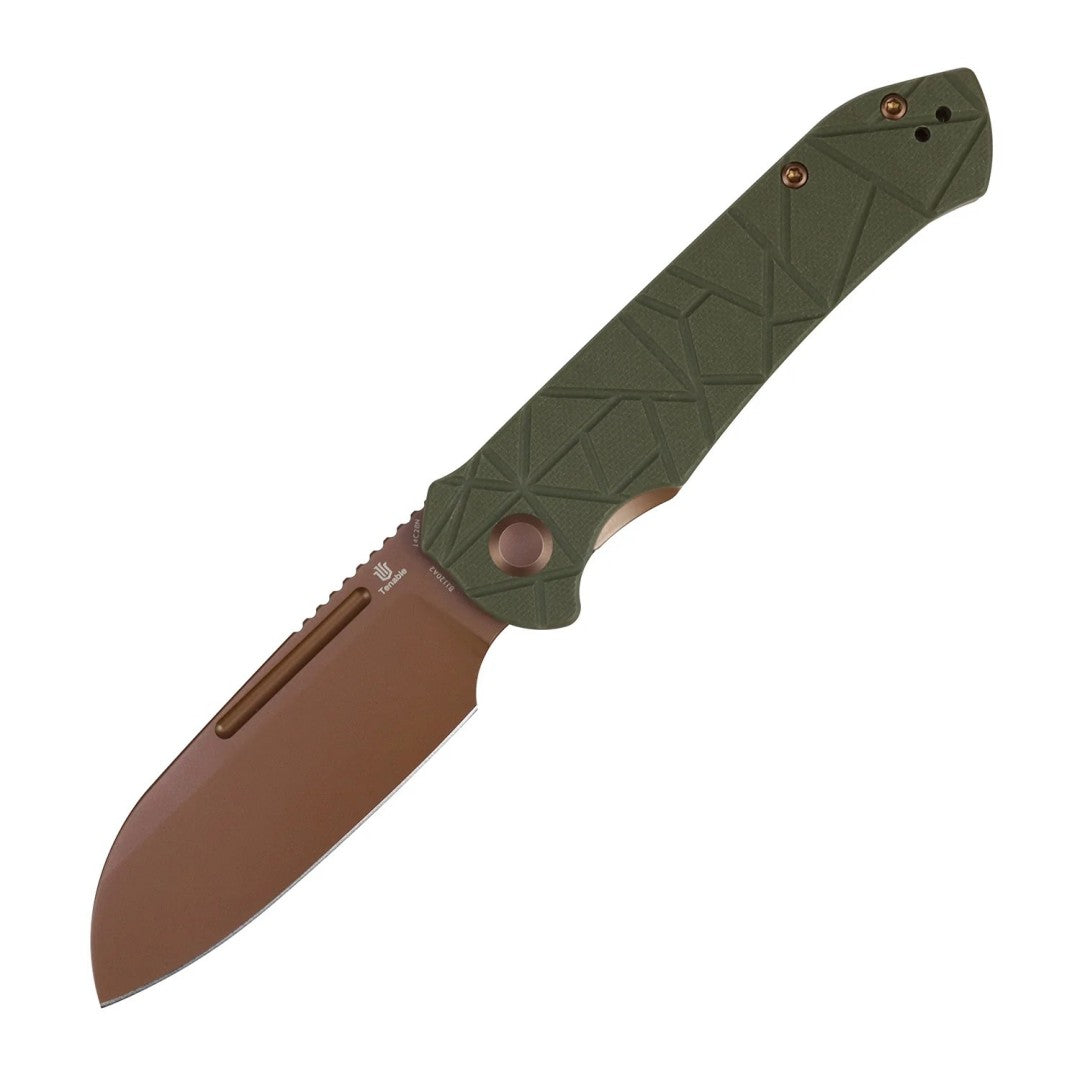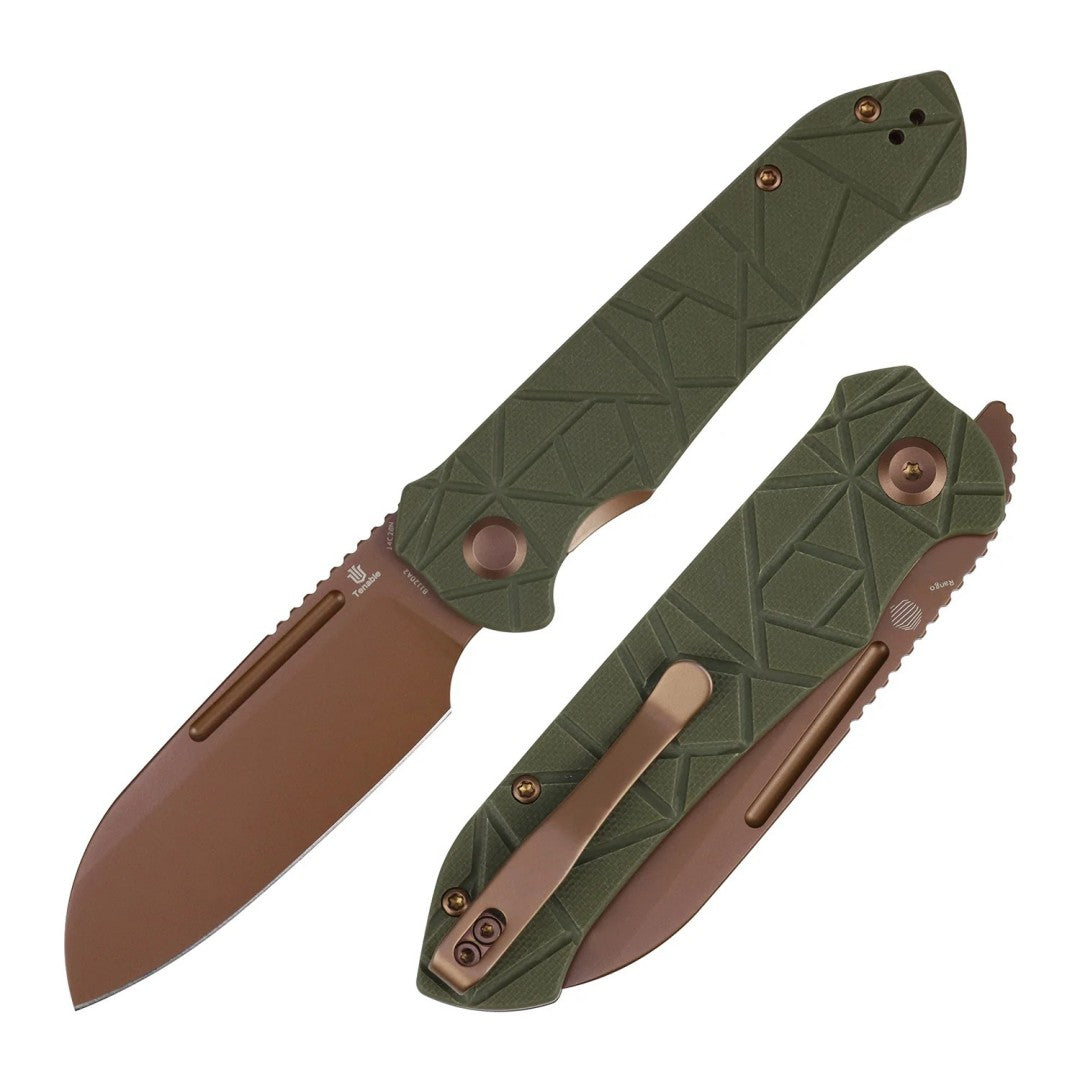
When choosing an everyday carry (EDC) folding knife, the mechanical interface between your hand and the blade is everything. A gorgeous blade is useless if the deployment mechanism is stiff, and the finest steel becomes a liability if the lock fails during a heavy cut.
The QSP Parrot V2 has taken the budget knife community by storm, not just because of its affordable price tag, but because of its exceptional mechanical execution. At the core of this reliable pocket folder is a beautifully tuned liner lock system.
In this comprehensive guide, we will break down the safety, security, and deployment smoothness of the QSP Parrot V2 Liner Lock mechanism, giving you an insider look at how this budget workhorse delivers premium-tier performance.

The Anatomy of the QSP Parrot V2 Liner Lock
To appreciate the security of the Parrot V2, it helps to understand exactly what is happening inside the handle scales. A liner lock relies on an internal, spring-loaded stainless steel plate (the liner) nestled inside the handle structure.
When the knife is closed, the blade restrains the liner. The moment you swing the blade fully open, the spring-loaded liner snaps inward, wedging itself firmly against the flat rear section of the blade (the blade tang). This mechanical barrier prevents the blade from closing on your fingers during use.
QSP uses high-tensile stainless steel for its internal liners. They are skeletonized—meaning holes are precisely milled out of the steel—to reduce overall pocket weight without compromising structural rigidity or bending resistance.
Safety and Security: Testing Lockup Tolerances
The most critical factor of any locking folder is lockup integrity. In the knife manufacturing world, tolerances matter down to the thousandth of an inch. QSP’s factory execution on the Parrot V2 punches way above its weight class.
1. Early and Secure Engagement
Out of the box, the Parrot V2 typically exhibits an "early lockup" ranging between 30% and 50%. This means the locking liner moves just far enough over to fully cover the blade tang, leaving plenty of room for the mechanism to wear in naturally over years of heavy use. It provides immediate, rock-solid security the second the blade locks open.
2. Zero Blade Play
When the liner lock is engaged, the Parrot V2 shows absolutely zero blade play. There is no horizontal side-to-side wiggle, nor is there any vertical up-and-down movement. The knife behaves exactly like a fixed-blade knife when opened, allowing you to apply heavy downward pressure safely during tough cutting tasks like carving wood or slicing industrial cardboard.
3. No Lock Stick
A common issue among budget liner locks is "lock stick"—where the titanium or steel liner wedges too tightly against the tang, making it incredibly painful and difficult to disengage with your thumb. QSP has carefully radiused and chamfered the contact geometry on the Parrot V2, ensuring that unlocking the knife is smooth, seamless, and requires zero thumb strain.
Deployment Smoothness: The Pivot and Washers
A lock is only half the equation; getting the blade open safely and fluidly is just as important. The Parrot V2 does away with cheap, gritty plastic parts, opting instead for a traditional, highly durable copper washer or ceramic bearing pivot assembly.
Dual Thumb Stud Ambidextrous Access
The deployment relies on dual thumb studs mounted directly to the flat surface of the D2 steel blade. The studs feature a stepped texture that bites into your thumb pad just enough to prevent slipping, ensuring a positive grip even if your hands are wet or you are wearing work gloves. Because they are perfectly identical on both sides, left-handed and right-handed users enjoy the exact same deployment speed.
Tuning the Internal Detent
The secret to the Parrot V2’s snappy deployment is its internal detent. A tiny ceramic ball embedded in the liner drops into a corresponding hole on the blade when closed. This keeps the blade safely tucked away in your pocket.
When you apply light pressure to the thumb stud, you build up tension until the blade pops past this detent ball. The result? The blade snaps open instantly with a crisp, tactile click.
Because QSP utilizes a highly precise washer/bearing pivot system, the path of travel is glassy-smooth. It resists the buildup of pocket lint, dirt, and everyday grit far better than hyper-sensitive bearing systems found on rival knives, making the Parrot V2 an exceptionally low-maintenance tool.

Ergonomics in Safe Operation
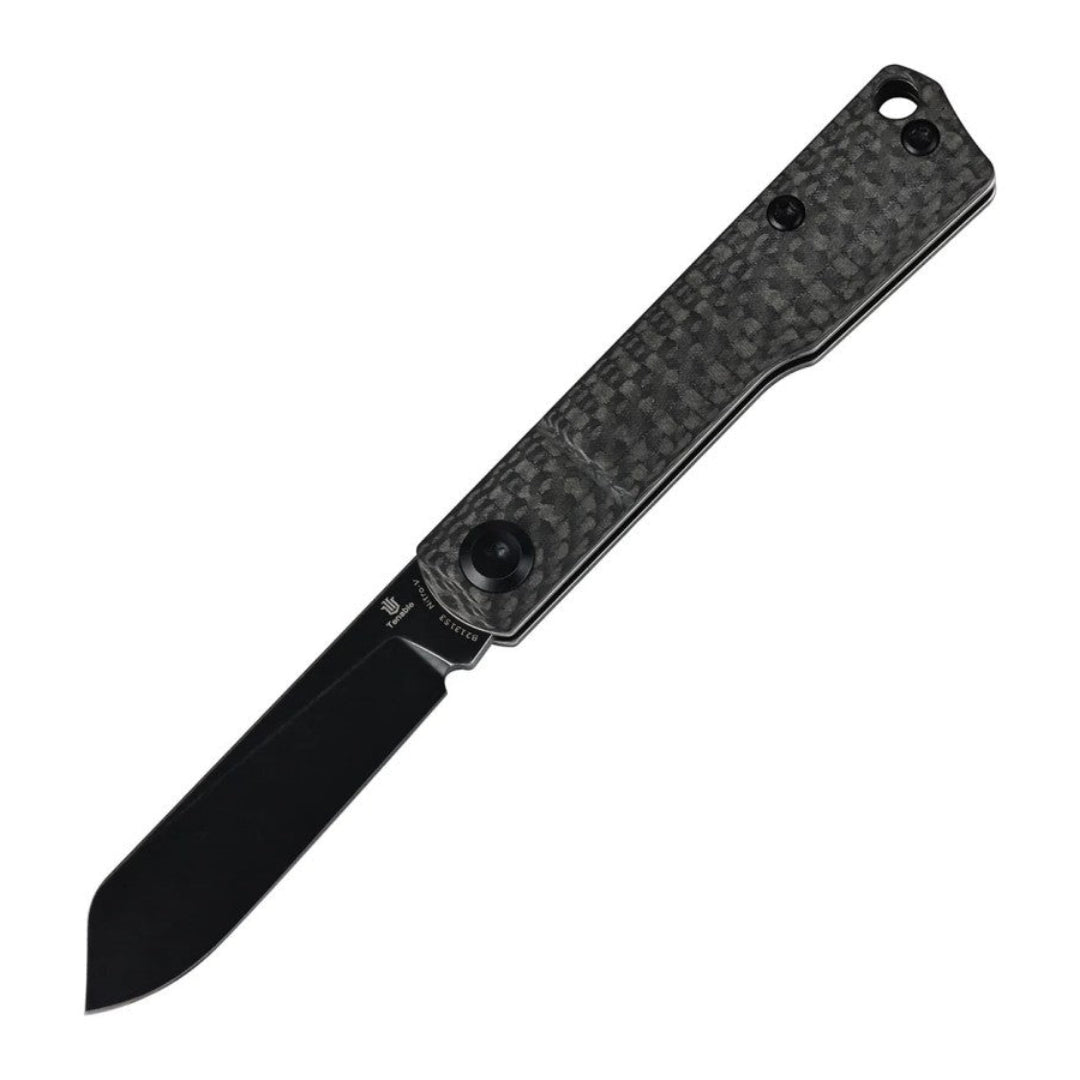
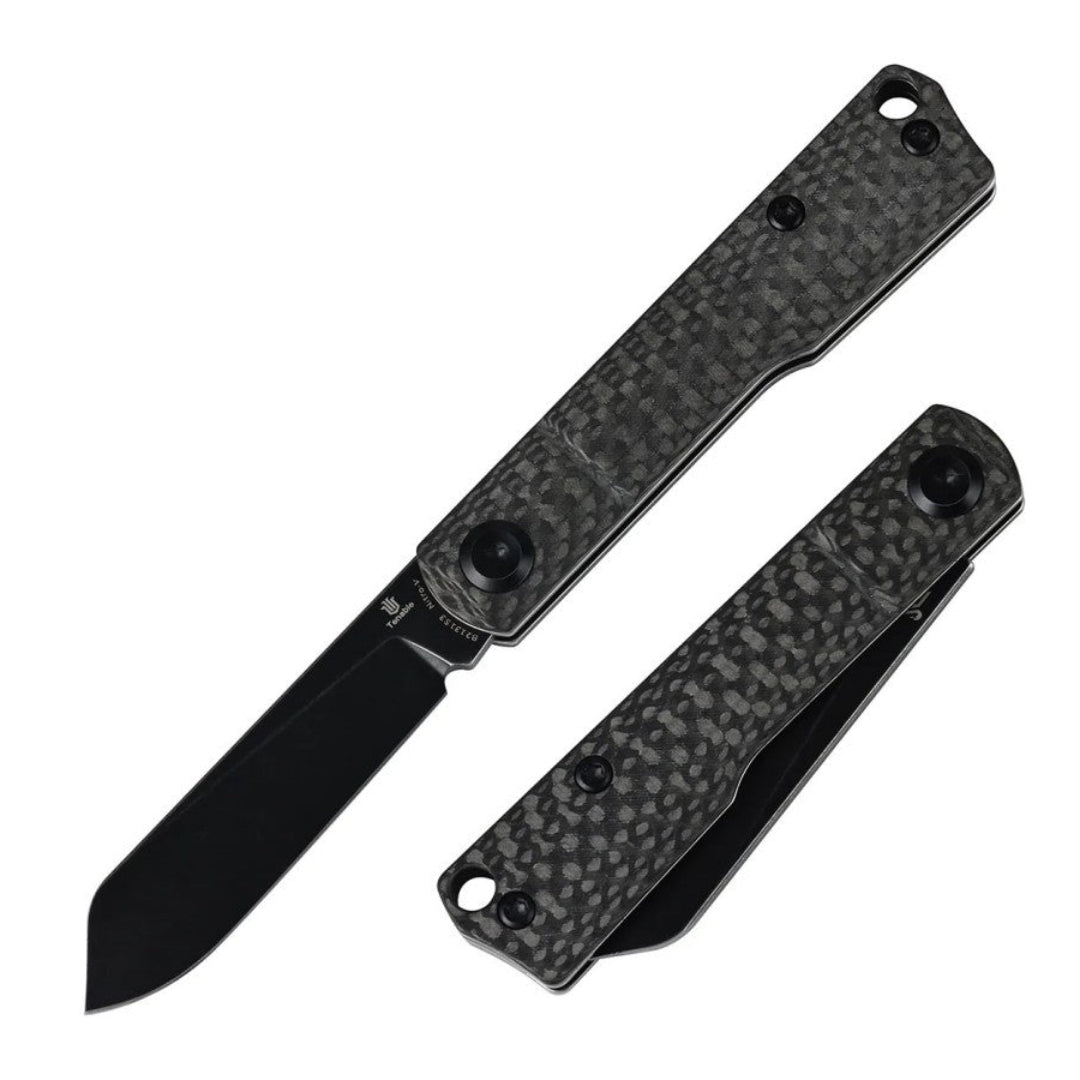
The physical handle design directly influences how safely you can operate the lock mechanism. QSP opted for a strictly neutral handle shape available in G10, canvas Micarta, or premium Carbon Fiber overlays.
Finger Guard Security
At the very front of the handle scale, right where the blade meets the grip, QSP integrated a subtle finger choil/guard. If you happen to hit a hard knot in a piece of wood or accidentally drop the knife tip-first onto a hard surface, this physical barrier prevents your index finger from sliding forward onto the sharp cutting edge of the blade.
Recessed Access Relief
To make closing the knife simple and safe, QSP carved out an elegant recess on the presentation-side handle scale. This exposes just enough of the stainless steel liner lock so your thumb can easily push it aside. You can comfortably disengage the lock, begin swinging the blade closed with one hand, and move your fingers entirely out of the blade's path before folding it completely shut.
Long-Term Maintenance for Maximum Security
To ensure your QSP Parrot V2 liner lock maintains its flawless safety and deployment speed for years to come, follow these quick maintenance practices:
-
Keep the Lock Face Clean: Periodically blow out pocket lint or use a toothpick to remove debris from the cavity between the handle scales. A dirty lock face can prevent the liner from moving over completely.
-
Avoid Over-Lubricating: While a drop of knife pivot oil makes the deployment incredibly smooth, excessive oil will attract dirt and lint like a magnet. Apply only a single tiny drop directly to the pivot washers.
-
Check Pivot Tightness: Over months of constant flicking, the main pivot screw may loosen slightly. Use a standard T8 Torx driver to tighten it gently until the blade is perfectly centered and there is no side-to-side play.
Final Thoughts
The locking and deployment mechanisms are the primary indicators of a folding knife’s build quality. The QSP Parrot V2 proves that you do not need to spend hundreds of dollars to get a safe, secure, and buttery-smooth EDC pocket knife. Its tightly engineered stainless steel liner lock, perfectly tuned detent, and fluid pivot system combine to deliver an everyday cutting experience that is as safe as it is satisfying.