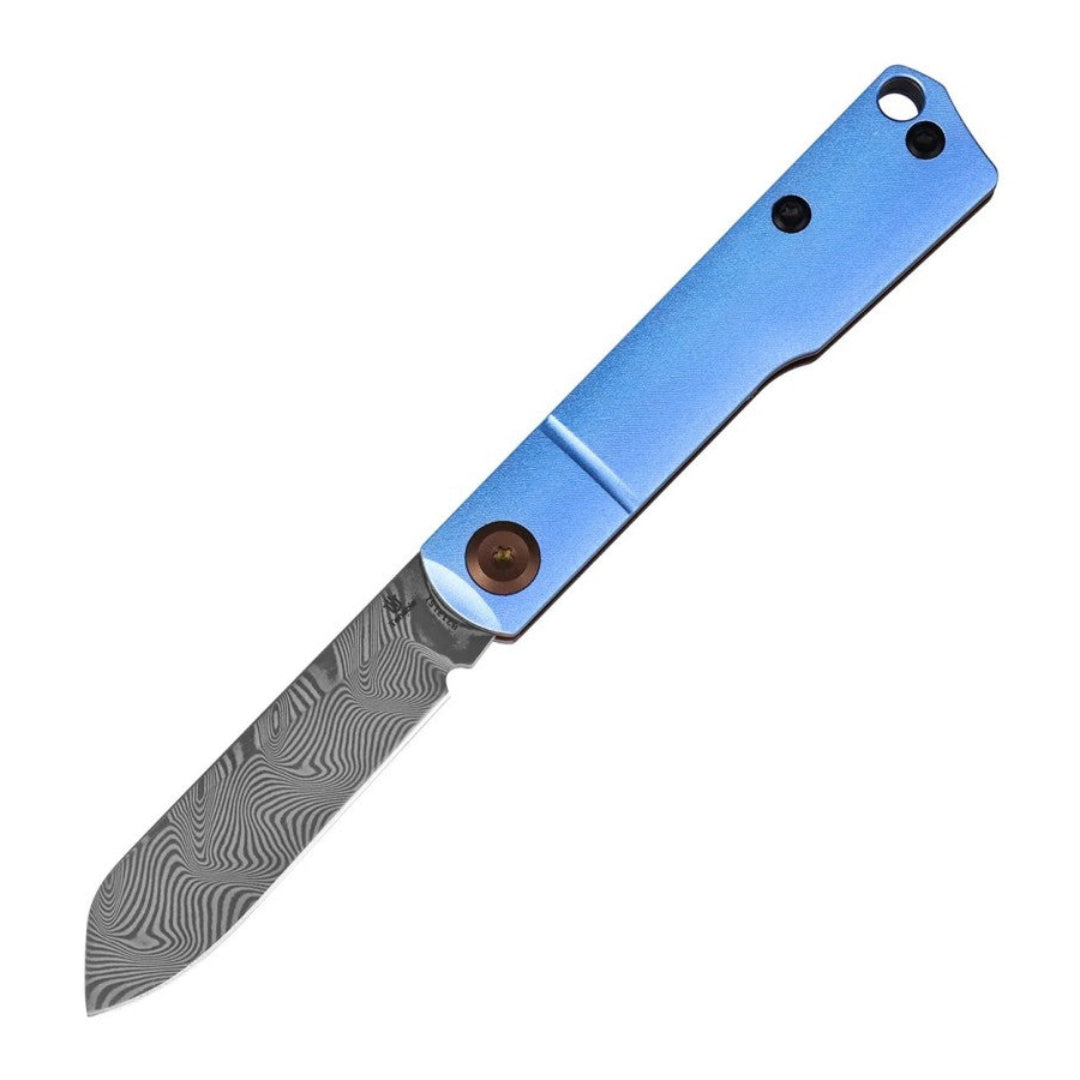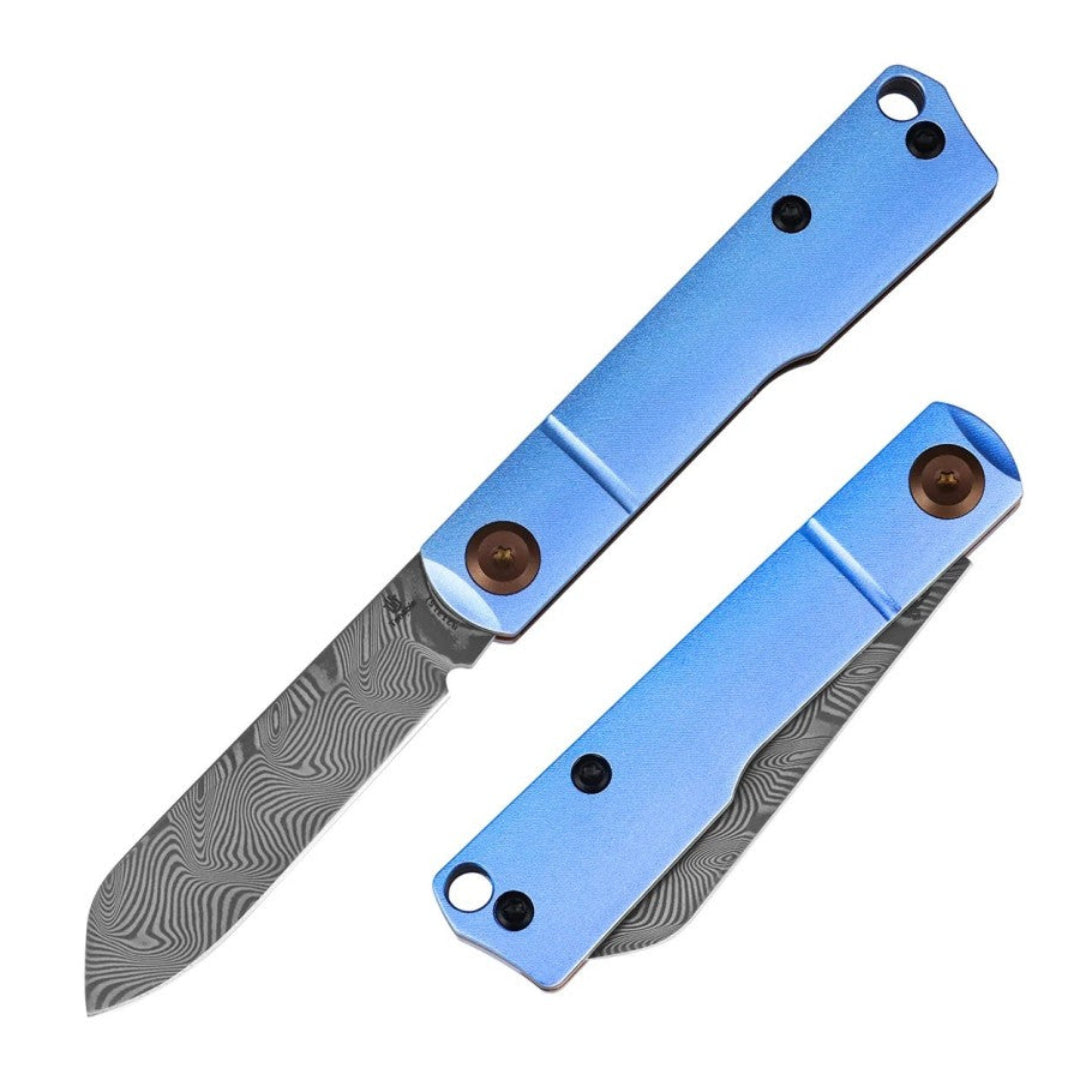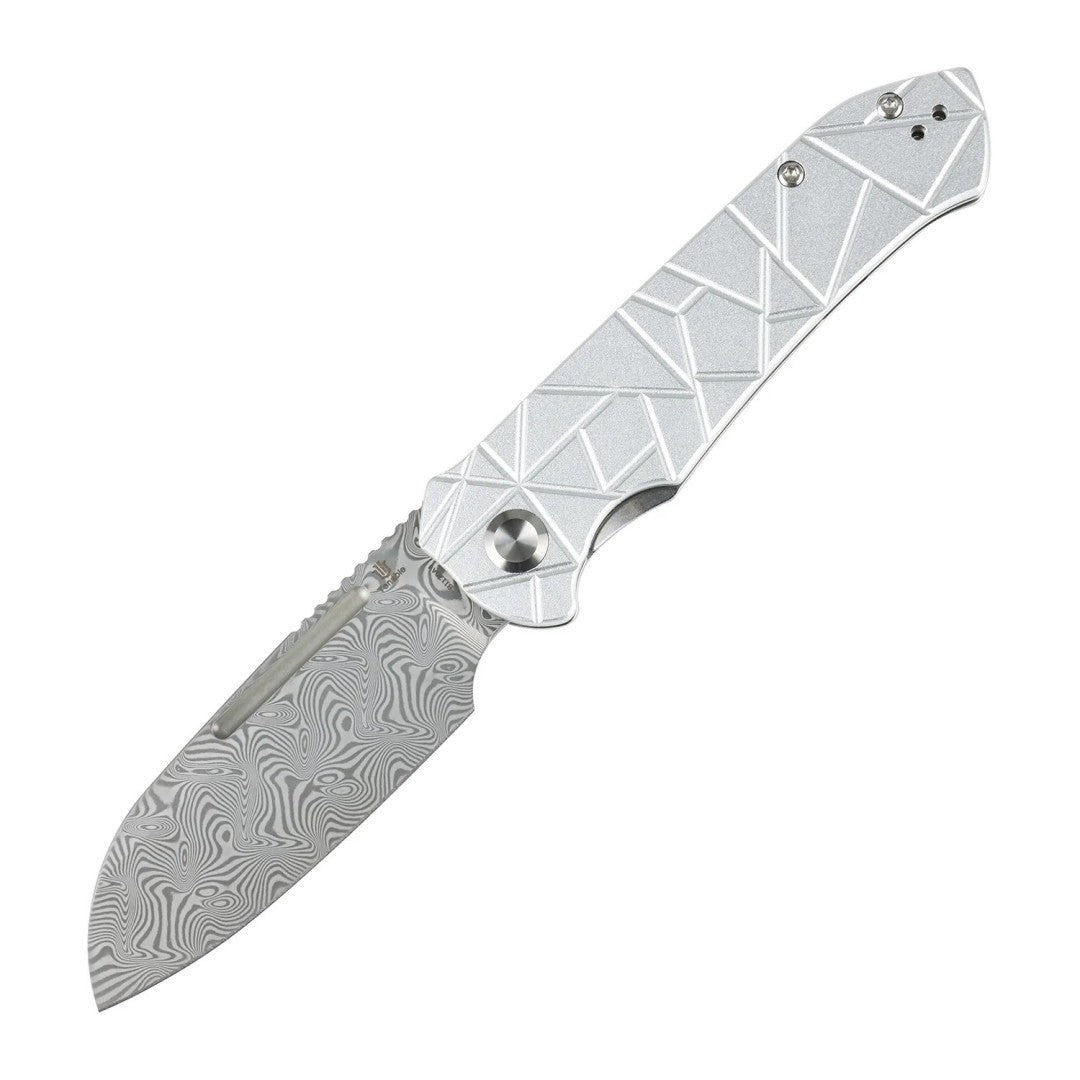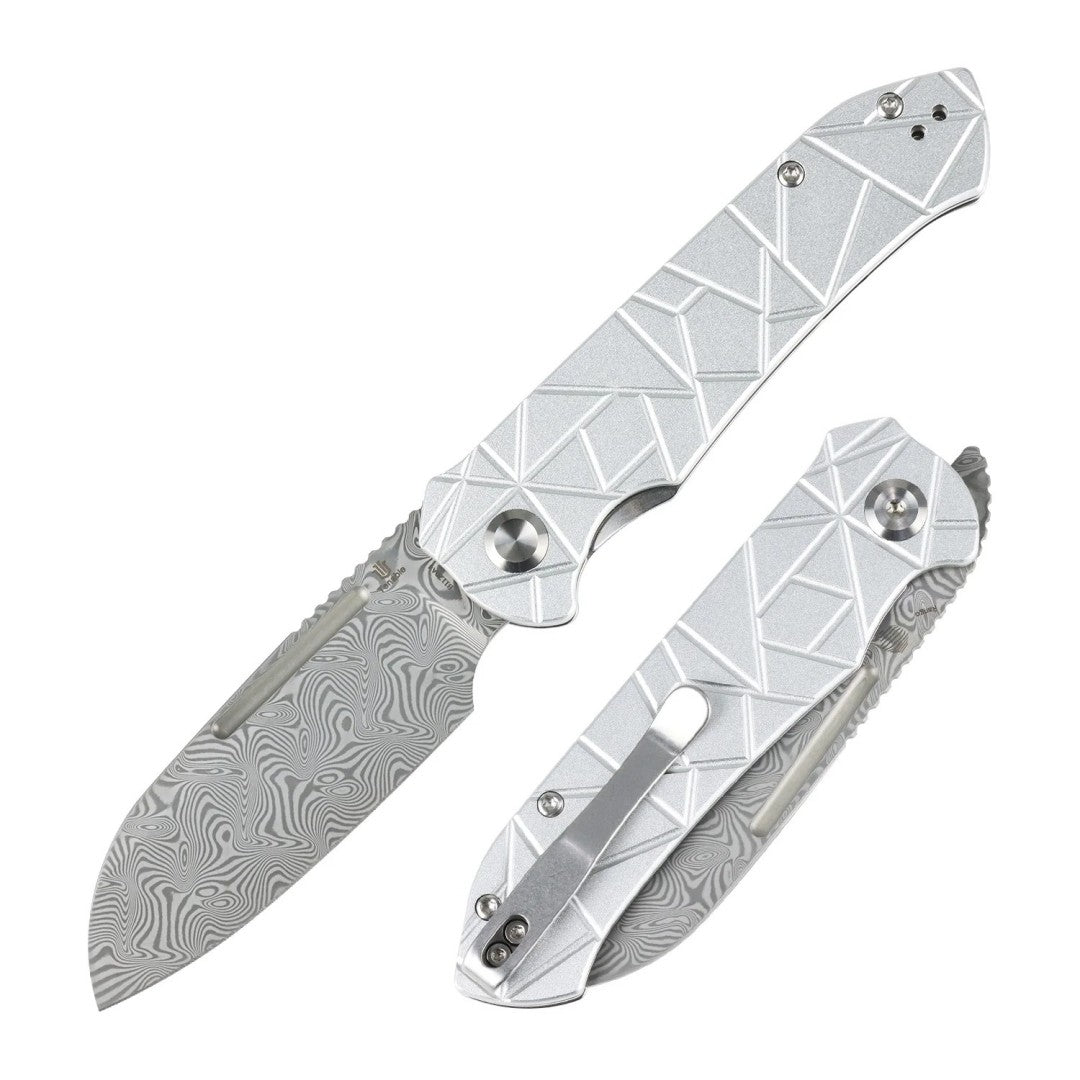

When knife enthusiasts grow dissatisfied with the performance of the steels currently in their collections, ultra-high-performance alloys inevitably enter the conversation. If MagnaCut steel dominated discussions in 2024 and 2025, then 2026’s spotlight has clearly shifted to CPM Rex 121. But why is this steel—originally developed back in 1997—only gaining attention now? To answer that, we need to explore its industrial origins, unique chemical composition, and the small but dedicated group of knifemakers who continue to work with it.
CPM Rex 121, produced by Crucible Industries, is one of the most alloy-rich and wear-resistant steels the company has ever created. Although it wasn’t originally designed for knives, it earned a reputation as an “extreme performer” in the realm of specialty cutting tools. Understanding its resurgence requires looking back at the context of its creation.
Crucible introduced CPM Rex 121 in 1997—a time when industry demanded higher-performing high-speed cutting tools (used in CNC inserts or drill bits) capable of machining highly abrasive materials under extreme heat and pressure, all while maintaining a sharp, stable edge. Manufacturing equipment faced unprecedented challenges, and there was urgent demand for a steel that wouldn’t lose hardness, dull prematurely, or deform under stress. Rex 121 was engineered precisely for this purpose.
It belongs to the high-speed tool steel family, formulated to thrive in environments far more demanding than those typical folding knives encounter. What truly sets Rex 121 apart is its extraordinary chemistry:
- 3.4% carbon
- 4% chromium
- 5% molybdenum
- 10% tungsten
- 9.5% vanadium
These elements form exceptionally hard carbides, granting the steel its legendary wear resistance. Additionally, 9% cobalt enhances strength at elevated temperatures—critical for industrial cutters and beneficial even after heat treatment for knives. Even the modest 0.12–0.3% silicon content contributes to matrix strengthening.
In short, Rex 121 was designed around carbide formation, extreme hardness, and thermal stability—not corrosion resistance or toughness.
Due to its extremely high alloy content, Rex 121 can only be practically processed using Crucible’s powder metallurgy (CPM) method. This technique atomizes molten steel into fine powder, ensuring carbides remain small and evenly distributed before being compacted under high pressure. Without this process, carbides would clump together, rendering the steel nearly impossible to machine or heat-treat reliably.
Even with CPM processing, many knifemakers describe Rex 121 as one of the most difficult steels they’ve ever worked with: abrasives wear out quickly, temperature control during grinding is critical, and every step of heat treatment demands exceptional precision.
For years after its release, Rex 121 remained confined to its original industrial niche—factory floors and machining centers. While knifemakers in the late 1990s and early 2000s began experimenting with other Crucible powder steels, Rex 121 was considered too extreme. Only a handful attempted to use it, and at the time, grinding technology and heat-treatment expertise weren’t advanced enough to handle such a demanding material.
It wasn’t until recent advances—particularly in diamond abrasives and deeper understanding of high-vanadium steels—that the knife community began taking Rex 121 seriously. Once makers developed reliable techniques for heat-treating high-carbide steels, Rex 121 became a metallurgical challenge worth pursuing.
Properly heat-treated, Rex 121 typically achieves a Rockwell hardness of over HRC 67. Its vanadium and tungsten carbides dramatically slow edge wear. In controlled slicing tests or prolonged cutting of highly abrasive materials, it outperforms many more balanced knife steels.
For users who prioritize edge retention above all—or who enjoy comparing how different powder steels perform under identical conditions—Rex 121 holds strong appeal.
However, as a knife steel, Rex 121 has clear limitations. Its toughness is significantly lower than that of steels designed for outdoor or impact-heavy use. It excels at clean slicing but is unsuitable for prying, chopping, or batoning wood. Despite containing chromium, its corrosion resistance is limited—most of the chromium is tied up in carbides and cannot form a protective oxide layer. Users must therefore practice basic maintenance: keep the blade dry and oil it regularly in humid environments.
Grinding is another defining characteristic. The very carbides that grant Rex 121 its wear resistance also resist conventional sharpening stones. In practice, diamond or cubic boron nitride (CBN) abrasives are essential, and even then, sharpening can be time-consuming. Yet many users consider this “hard to sharpen, but lasts forever” trait part of its unique charm.
Today, CPM Rex 121 occupies a small but fascinating niche in the knife world. It rarely appears in mass-produced knives because its grinding and finishing requirements drive costs too high for large-scale manufacturing. Instead, it’s found primarily in limited-run custom pieces from specialized knifemakers or small workshops focused on exotic steels. These knives are typically designed for precision cutting—not rugged abuse—and attract collectors and enthusiasts who appreciate both metallurgical science and blade aesthetics.
Though still a niche material, Rex 121 continues to fuel deep discussions in the knife community about steel behavior, carbide structures, and the trade-offs between hardness, toughness, and practicality. For those exploring the vast landscape of blade steels, Rex 121 stands as a prime example of how industrial innovation—originally intended for entirely different purposes—can profoundly influence knife making.
It remains one of Crucible Industries’ most ambitious steels, and its unique chemistry ensures it will continue captivating bladesmiths and steel aficionados for years to come.
Notably, in 2026, Spyderco has begun using CPM Rex 121 in small batches across several models, and these knives are already available for purchase. We’ll be watching closely to see how it performs in real-world knife applications. Moreover, the fact that Spyderco has successfully mastered the challenges of working with such a difficult steel—across heat treatment, machining, and grinding—demonstrates their technical excellence and helps explain their strong position in the mid-tier knife market.