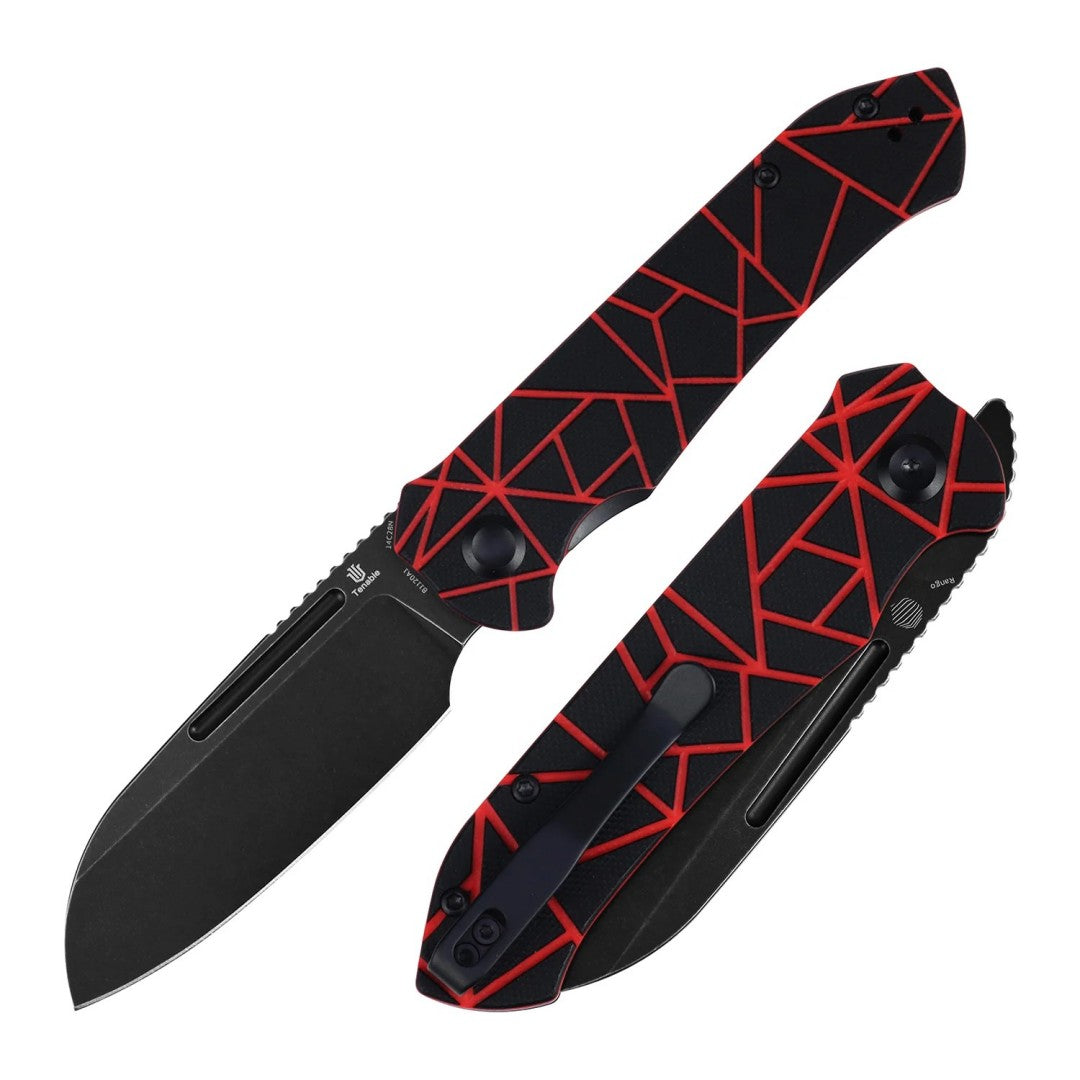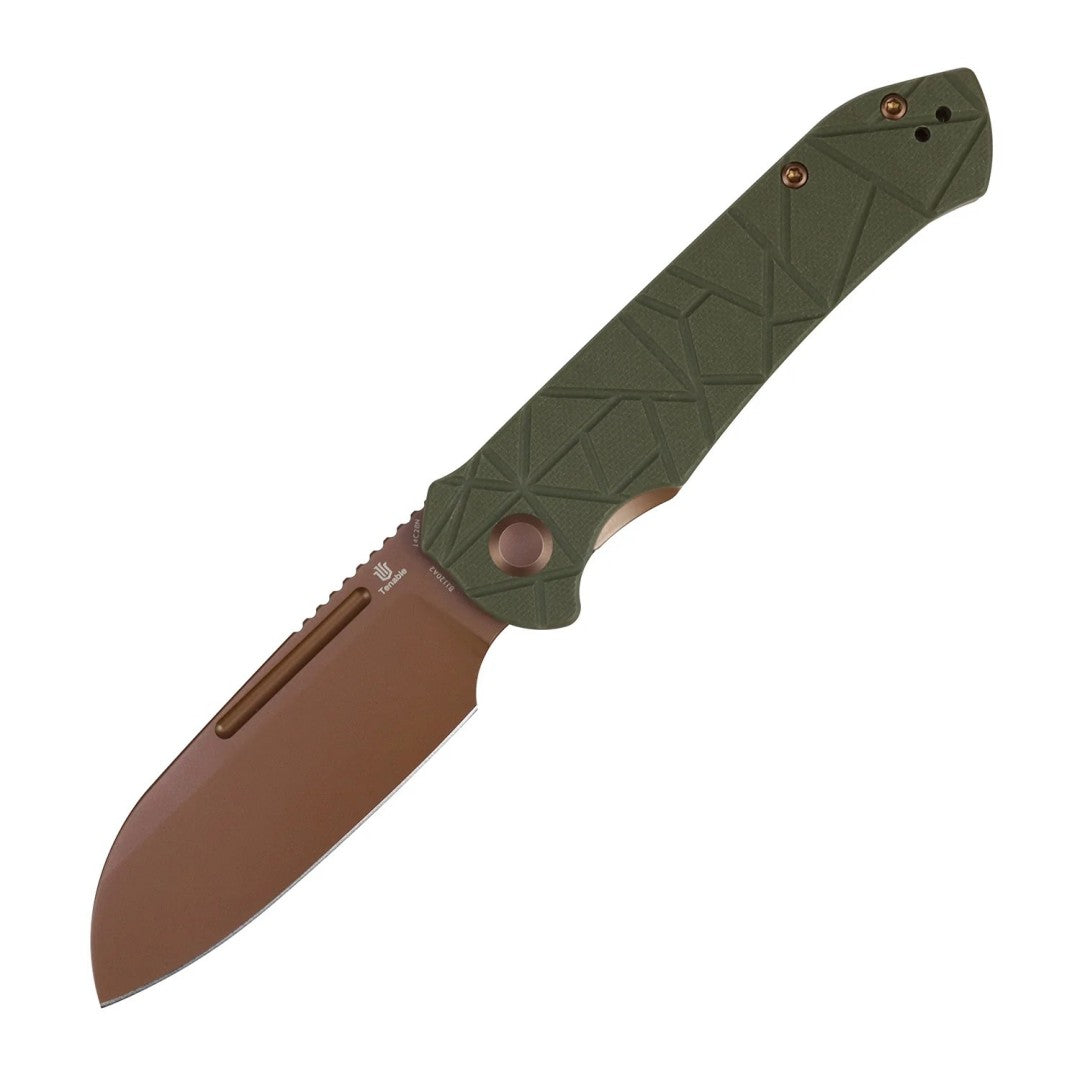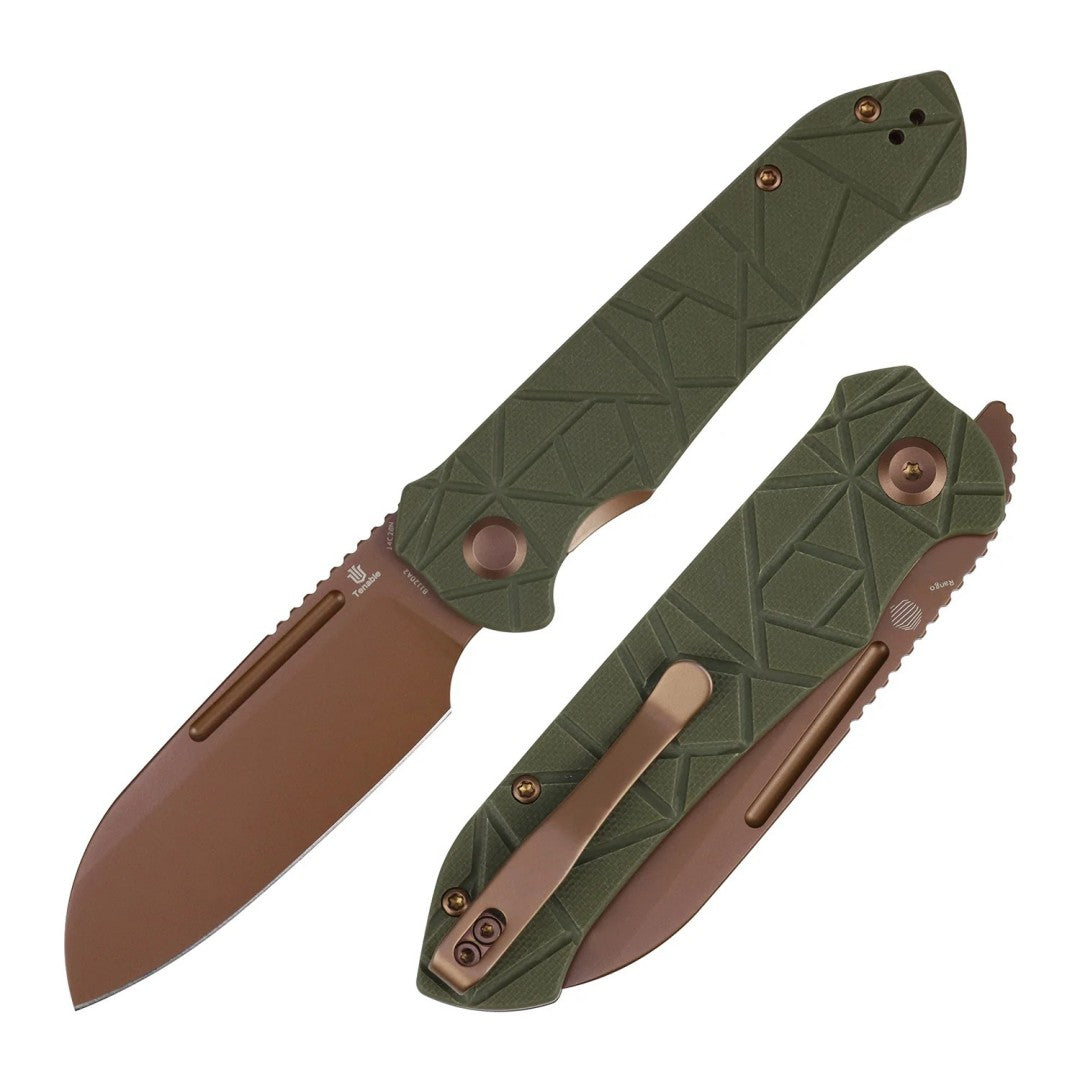

When it comes to premium stainless steel knife blades, CPM-S30V and LC200N are two exceptional choices that appeal to different priorities. Understanding their strengths helps you choose the right steel for your needs.
CPM-S30V: The Corrosion-Resistant Champion
CPM-S30V is a powder metallurgy stainless steel developed by Crucible Industries. It's renowned for outstanding corrosion resistance, making it ideal for harsh environments, coastal use, or situations where moisture exposure is frequent. The steel maintains excellent edge retention while offering superior rust resistance compared to many alternatives.
CPM-S30V excels in scenarios where you prioritize durability against the elements. It's commonly found in high-end tactical knives, diving knives, and professional tools where reliability in wet conditions is non-negotiable. The trade-off is that it requires more effort to sharpen compared to some softer steels.
LC200N: The Japanese Innovation
LC200N is a nitrogen-based stainless steel from Hitachi, engineered to deliver exceptional corrosion resistance while maintaining easier sharpening characteristics. This steel combines the best of both worlds—outstanding edge retention and practical maintenance. It's particularly valued for its ability to hold a sharp edge longer than many stainless alternatives while remaining relatively simple to maintain.
LC200N performs exceptionally well in everyday carry situations and professional kitchen environments. Its nitrogen content provides strength without the brittleness sometimes associated with high-carbon steels, making it forgiving for users who may not have professional sharpening skills.
Which Is Better?
Choose CPM-S30V if: You need maximum corrosion resistance, work in extreme environments, or are willing to invest in professional sharpening services. It's the superior choice for saltwater exposure and harsh conditions.
Choose LC200N if: You want a balanced blade that's easier to maintain, prefer more frequent touch-ups with standard sharpening tools, or need a versatile steel for everyday use. It offers excellent performance with less demanding maintenance.
Both steels represent the pinnacle of stainless steel technology. Your choice ultimately depends on your specific use case, maintenance preferences, and environmental conditions. Neither is objectively "better"—they're optimized for different priorities.