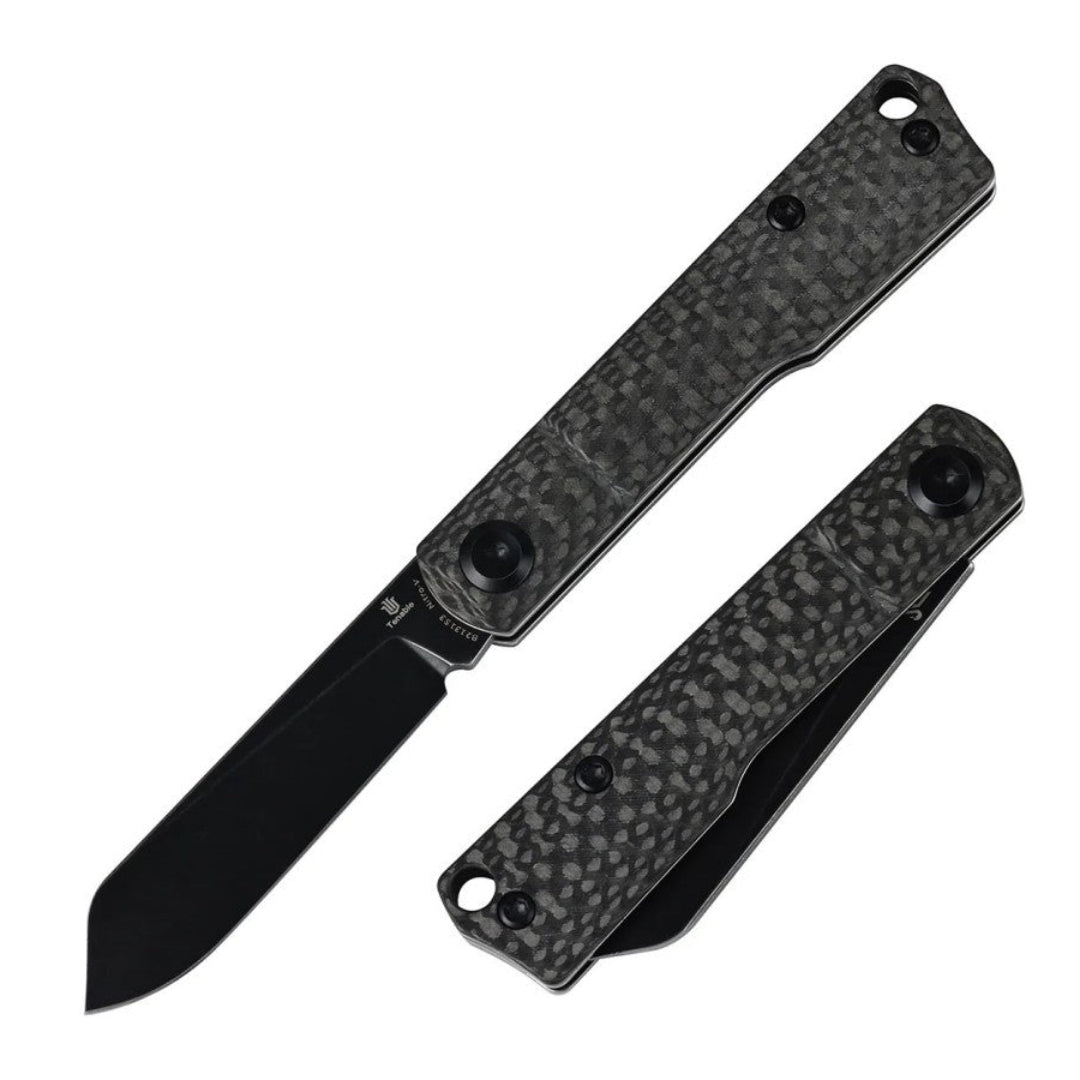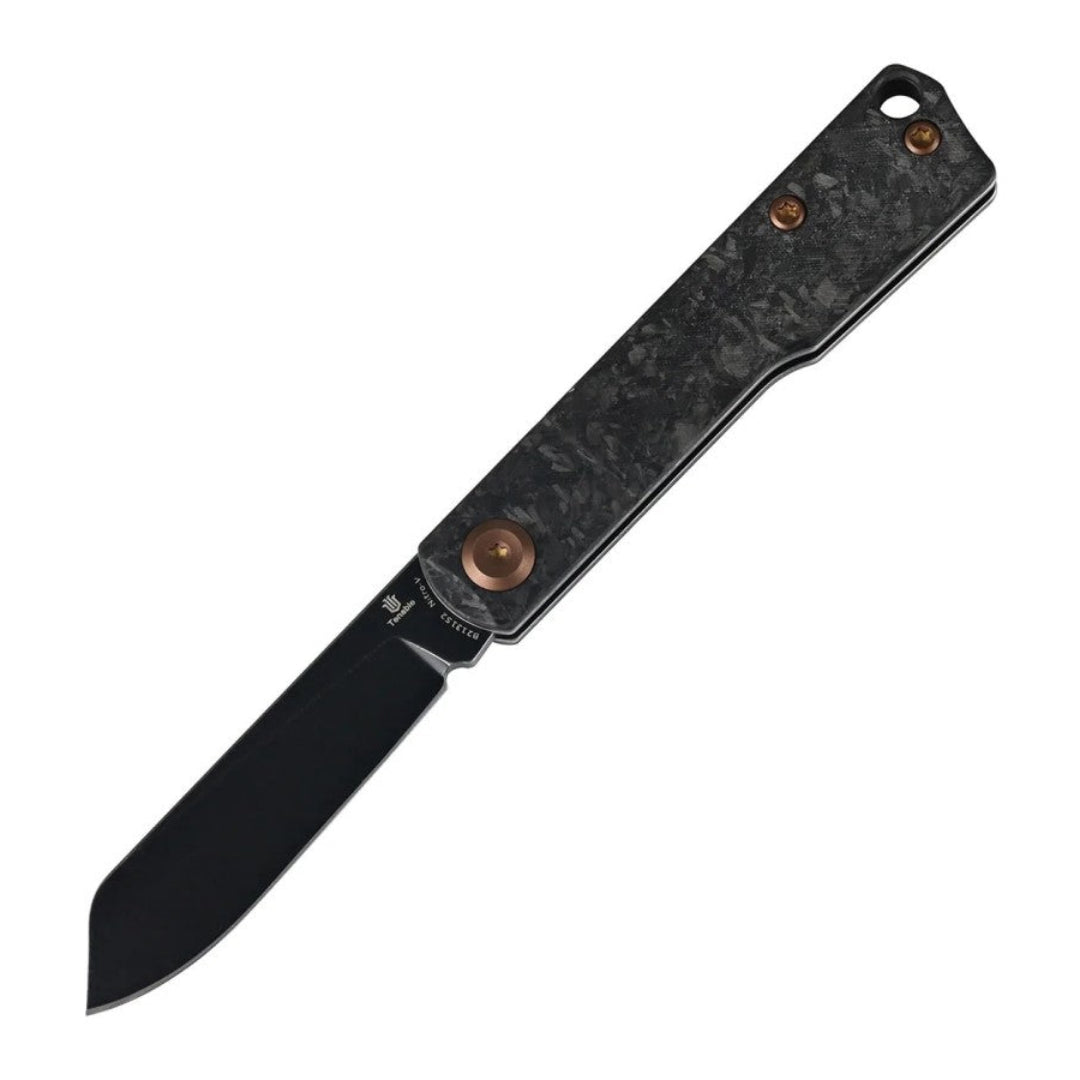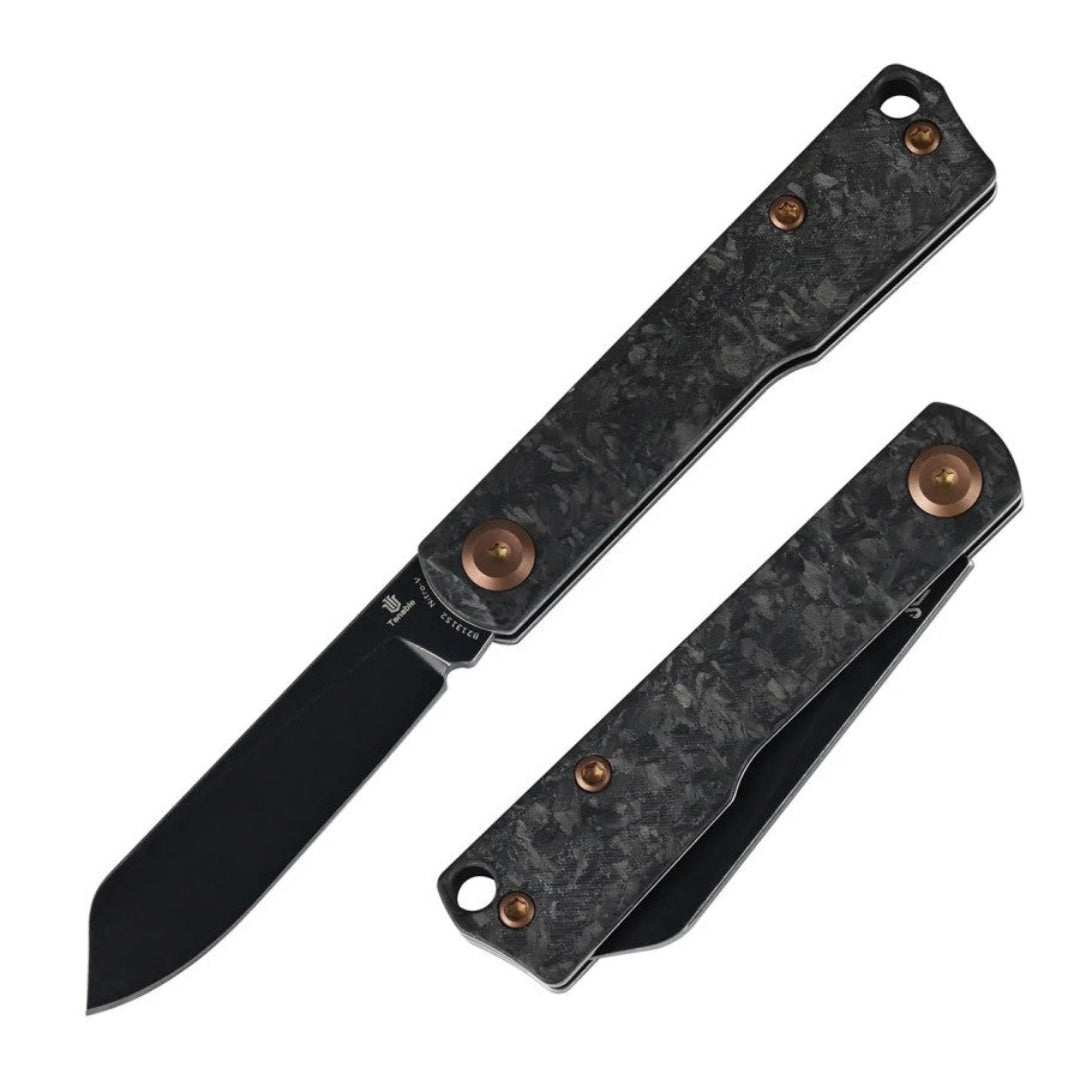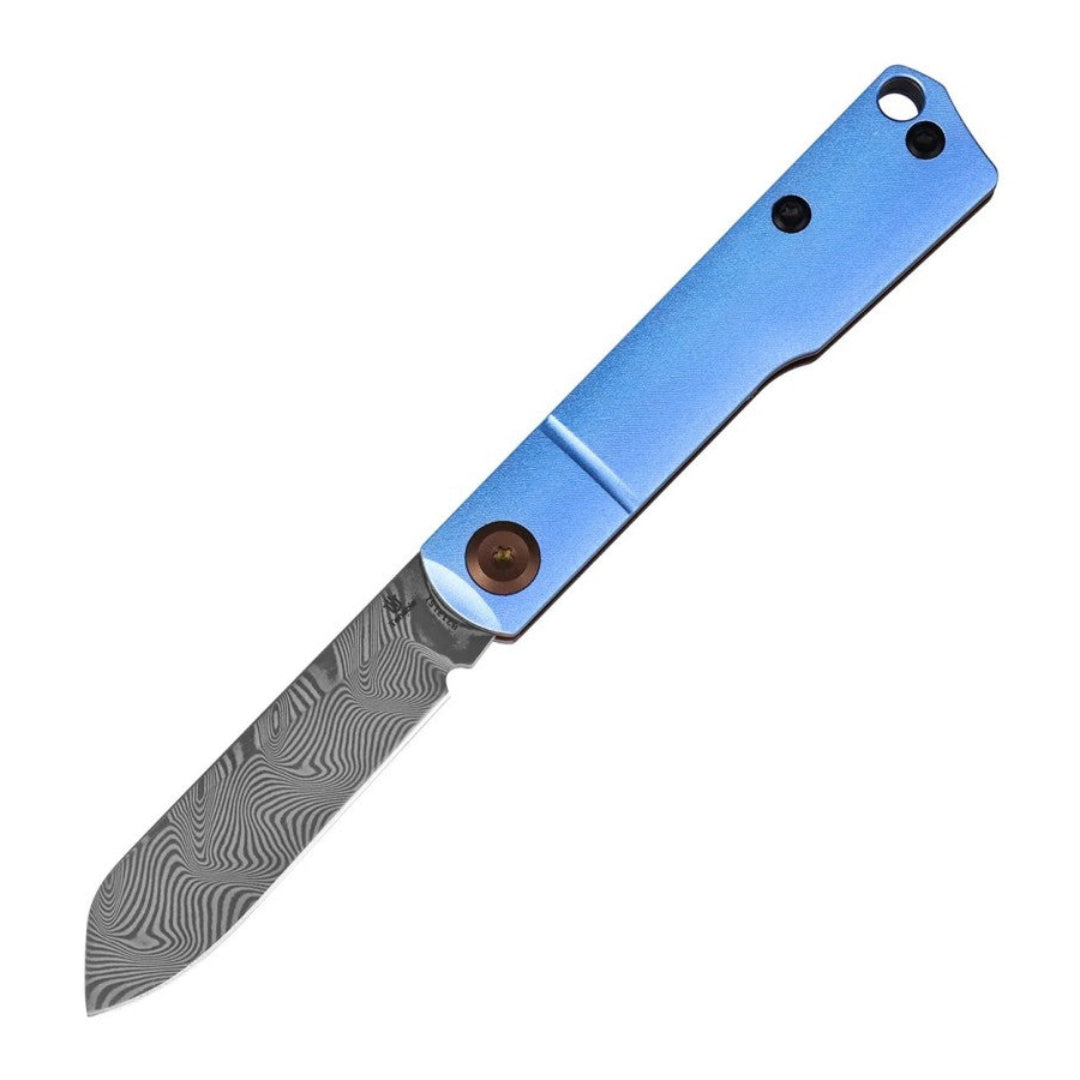
When it comes to premium stainless steel blade materials, CPM-S30V and Maxamet are two standout options that appeal to knife enthusiasts and professionals alike. Both are powder metallurgy stainless steels engineered for exceptional performance, but they excel in different areas. Understanding their strengths and weaknesses will help you choose the right steel for your needs.
CPM-S30V: The Balanced Performer
CPM-S30V is a creep-resistant austenitic stainless steel developed by Crucible Industries. It's known for striking an excellent balance between edge retention, corrosion resistance, and ease of sharpening. This steel contains vanadium carbides that contribute to its impressive hardness and wear resistance.
One of the main advantages of CPM-S30V is its superior corrosion resistance. It performs exceptionally well in harsh environments, including saltwater and humid conditions, making it ideal for tactical knives, diving knives, and outdoor tools. The steel also maintains a sharp edge for extended periods without frequent maintenance.
CPM-S30V is relatively easy to sharpen compared to other premium stainless steels, which is a significant practical advantage for everyday users. It typically holds an edge between 10,000 and 15,000 cuts before requiring sharpening, depending on the application and cutting surface.
Maxamet: The Edge Retention Champion
Maxamet is a high-carbon stainless steel that prioritizes edge retention above almost everything else. It's engineered to maintain a sharp edge longer than most other stainless steels, making it the preferred choice for users who demand maximum cutting performance between sharpenings.
The primary strength of Maxamet is its exceptional hardness and edge retention. Knives made from this steel can handle thousands of cuts before dulling noticeably. This makes it particularly valuable for professional chefs, hunters, and anyone who relies on their blade for demanding cutting tasks.
However, Maxamet comes with trade-offs. It's more difficult to sharpen than CPM-S30V, requiring more skill and specialized equipment. Additionally, while it's still a stainless steel, its corrosion resistance is not as robust as CPM-S30V, particularly in saltwater or extremely humid environments. The steel is also more prone to chipping if subjected to lateral stress or used on hard surfaces.
Head-to-Head Comparison
Edge Retention: Maxamet wins decisively. It maintains a sharp edge significantly longer than CPM-S30V, sometimes by a factor of two or more depending on the application.
Corrosion Resistance: CPM-S30V is the clear winner. Its superior stainless properties make it better suited for wet environments and coastal conditions.
Ease of Sharpening: CPM-S30V is considerably easier to sharpen. Maxamet requires more time, effort, and specialized sharpening tools.
Toughness: CPM-S30V offers better overall toughness and is less likely to chip under stress. Maxamet is harder but more brittle.
Cost: Both steels are premium options, but pricing can vary by manufacturer and blade design.
Which Should You Choose?
Choose CPM-S30V if you prioritize corrosion resistance, ease of maintenance, and balanced performance. It's ideal for tactical applications, diving knives, and situations where the blade will be exposed to moisture or harsh conditions. It's also the better choice if you prefer a knife that's easy to keep sharp without specialized equipment.
Choose Maxamet if edge retention is your primary concern and you're willing to invest time in proper sharpening. It's perfect for professional chefs, hunters, and users who demand maximum cutting performance and can handle the maintenance requirements.
Ultimately, the "better" steel depends on your specific use case, environment, and maintenance preferences. Both represent the pinnacle of stainless steel engineering, and either choice will serve you well with proper care.