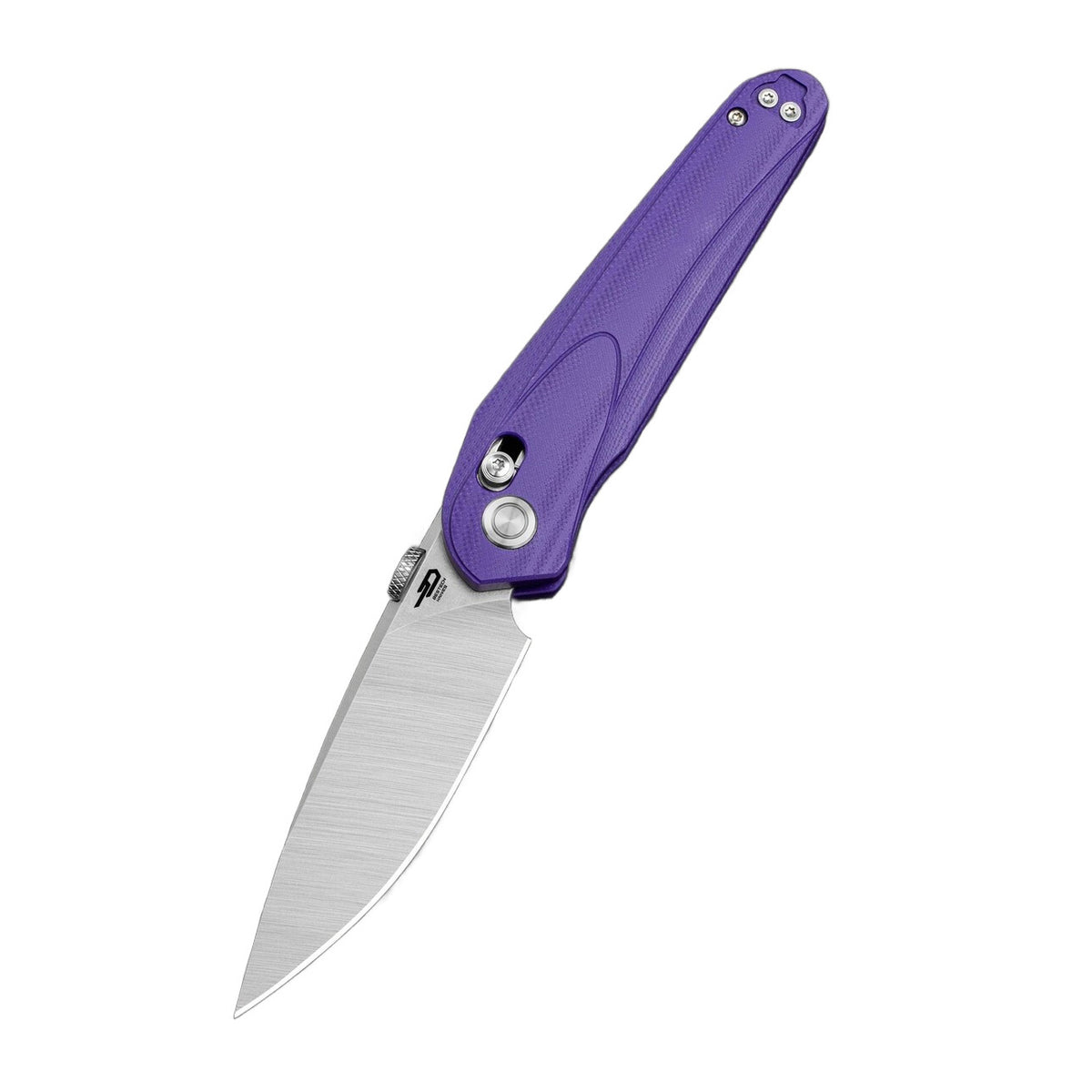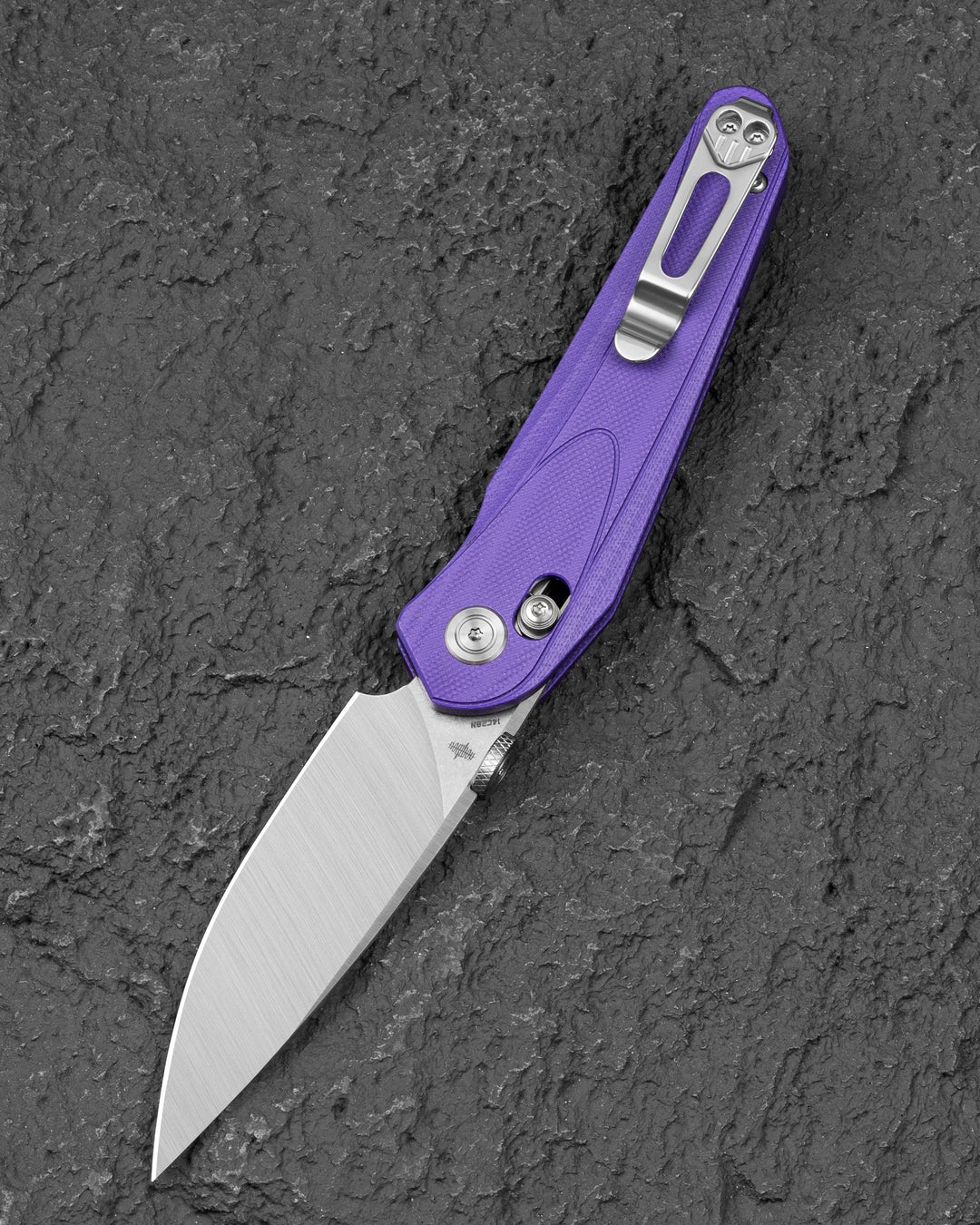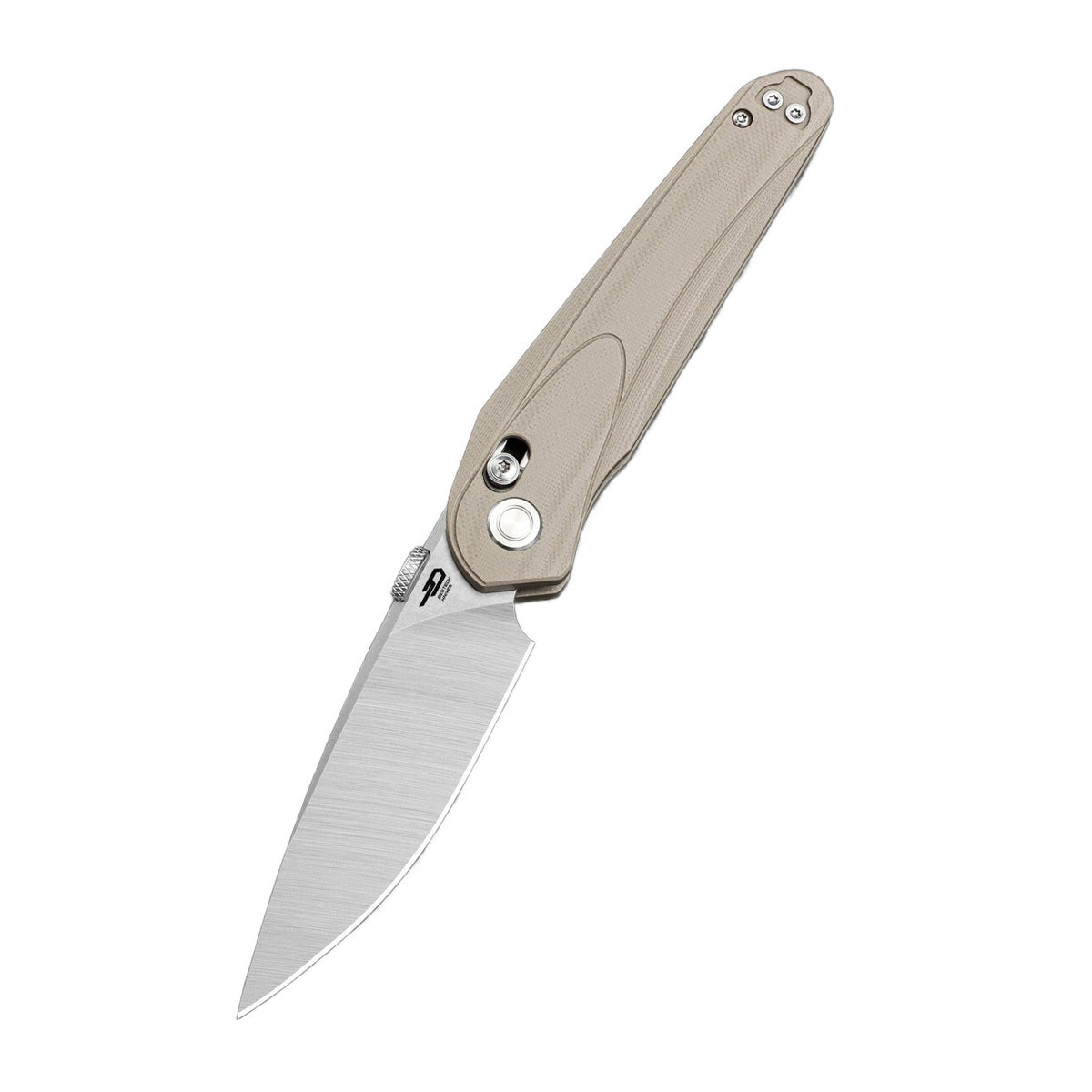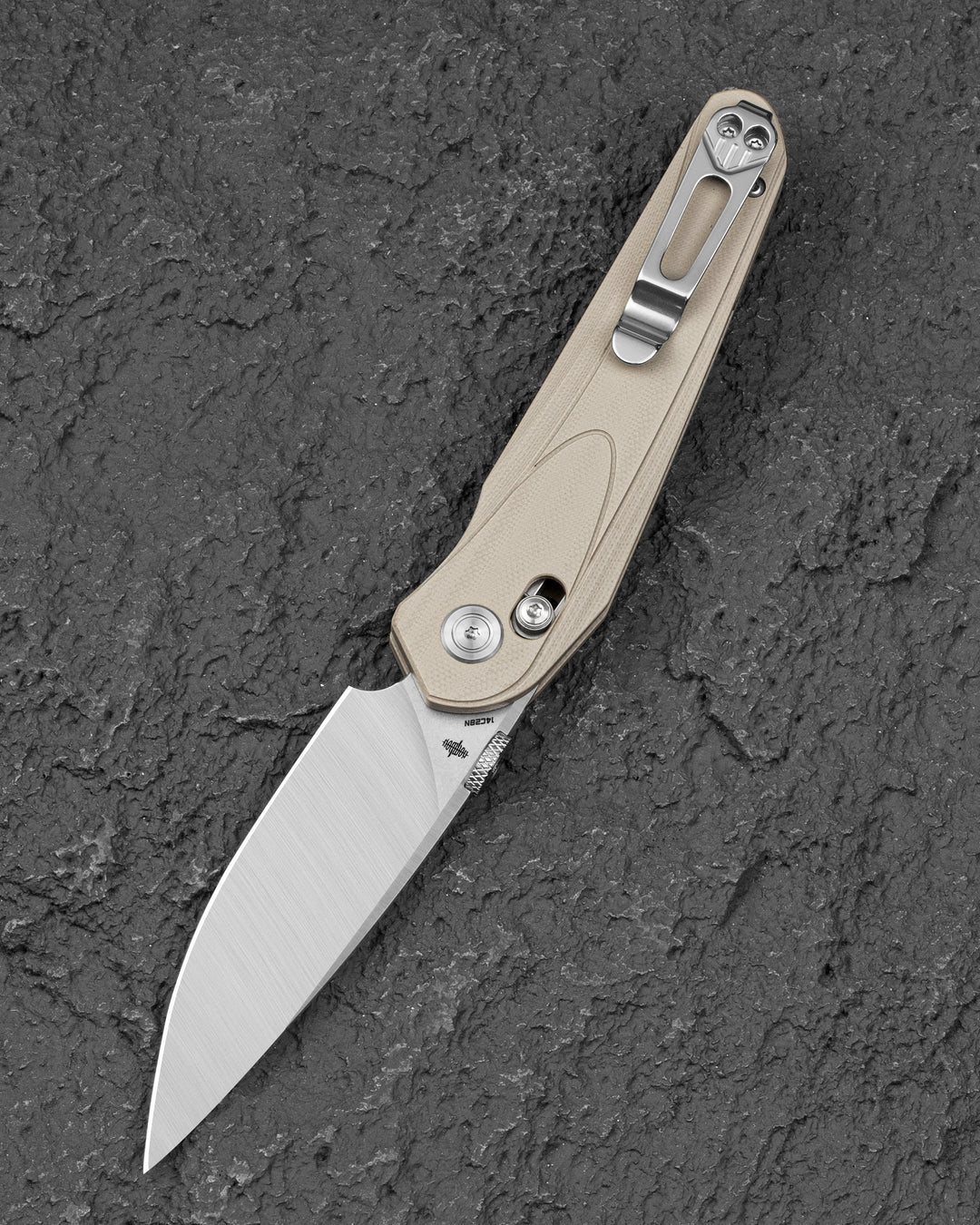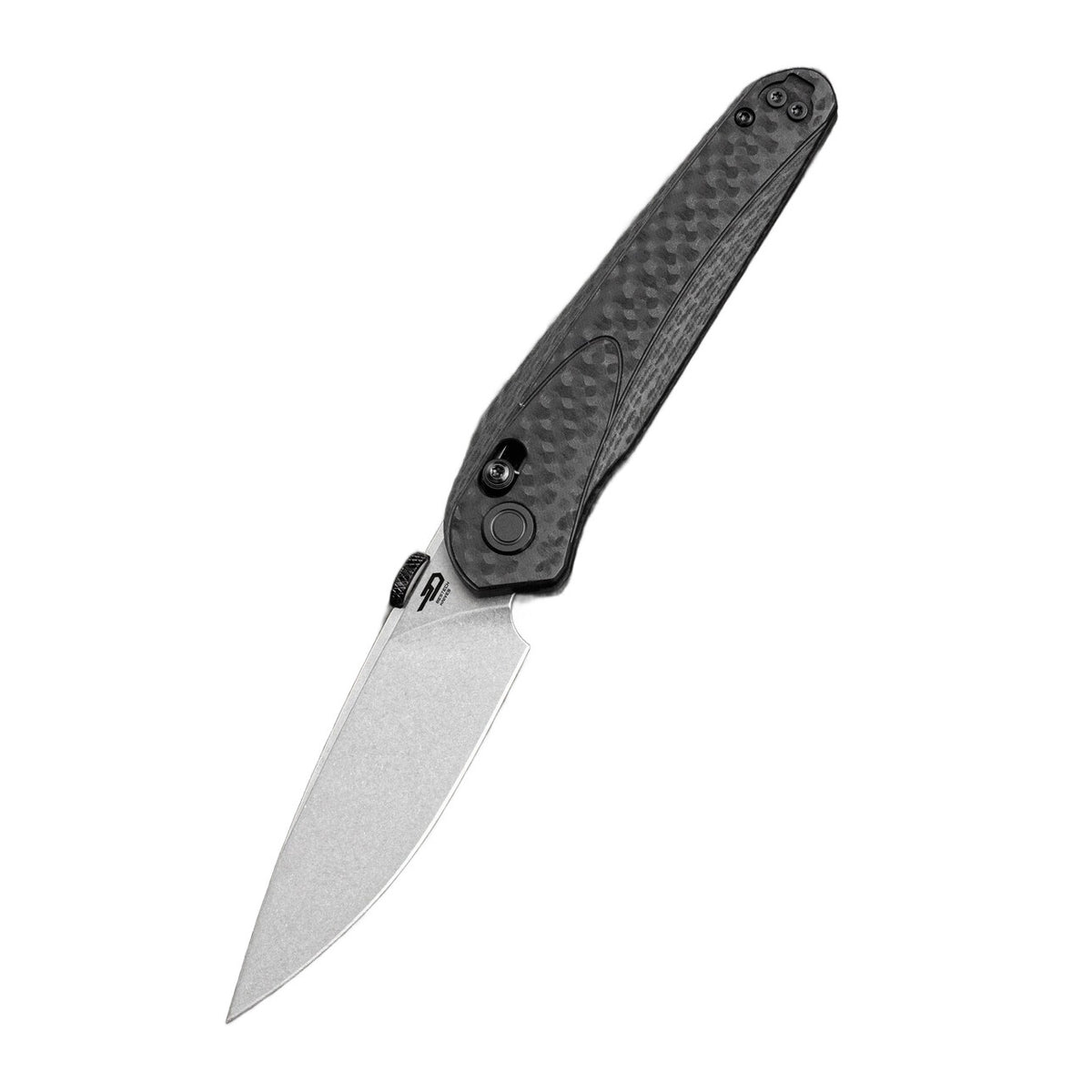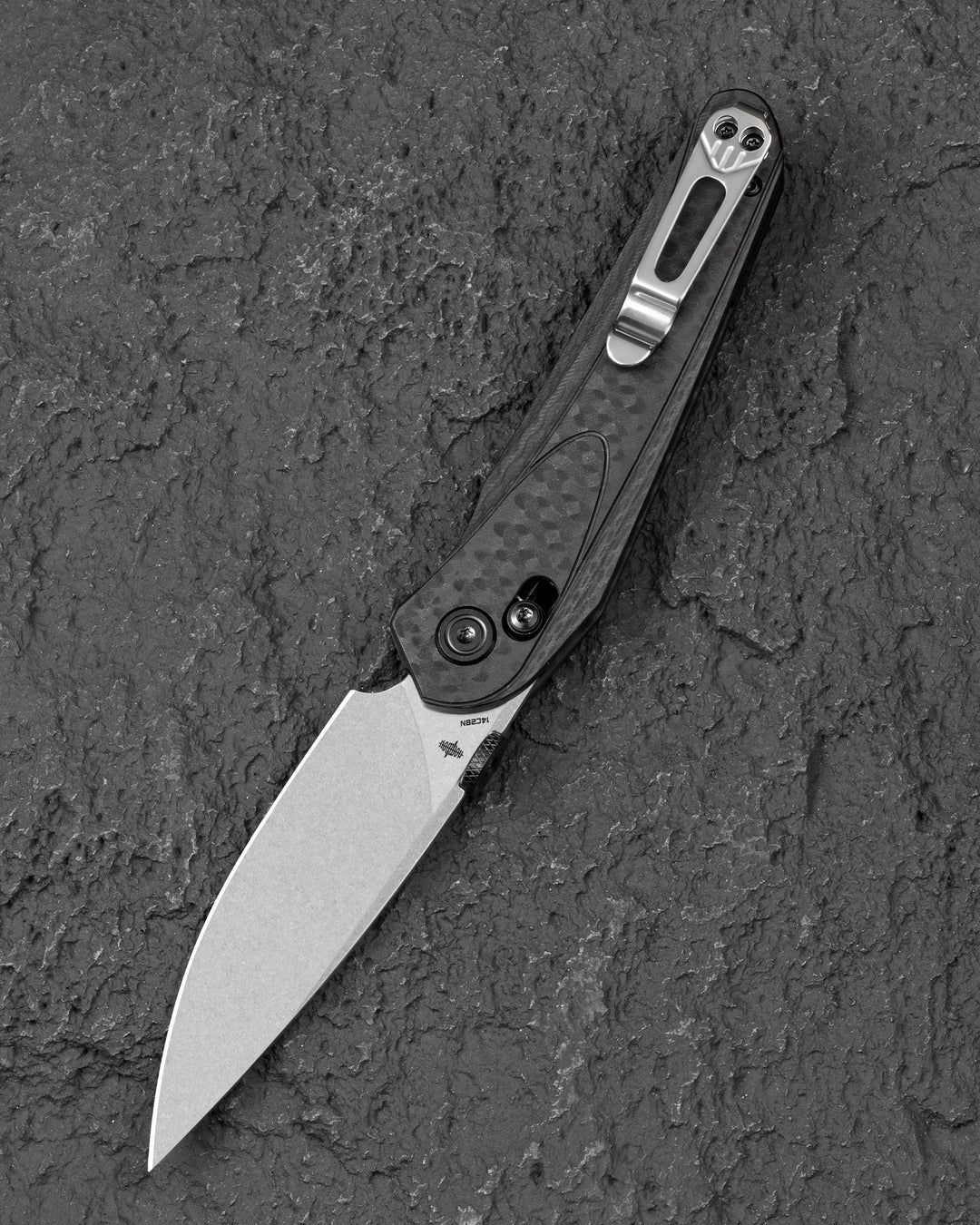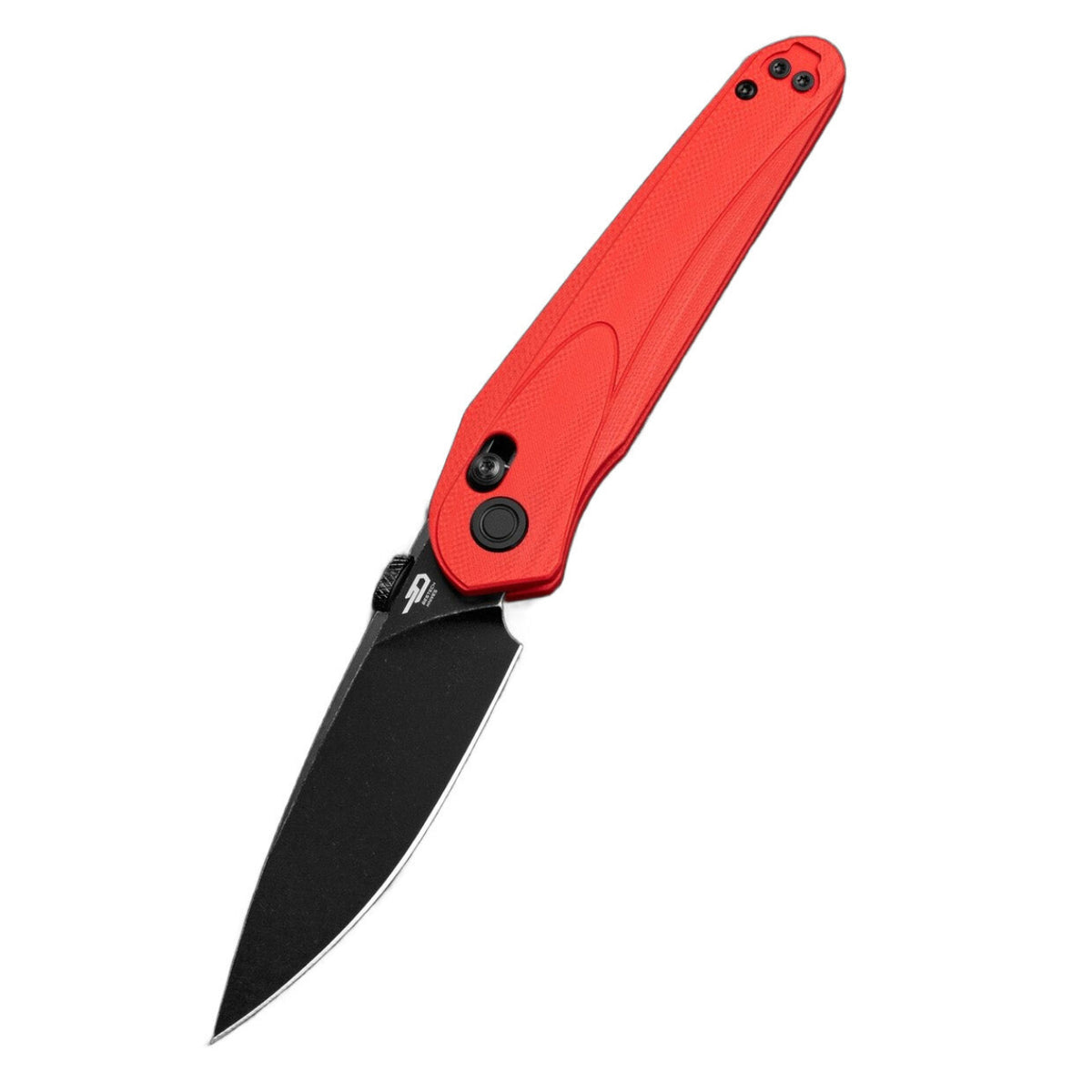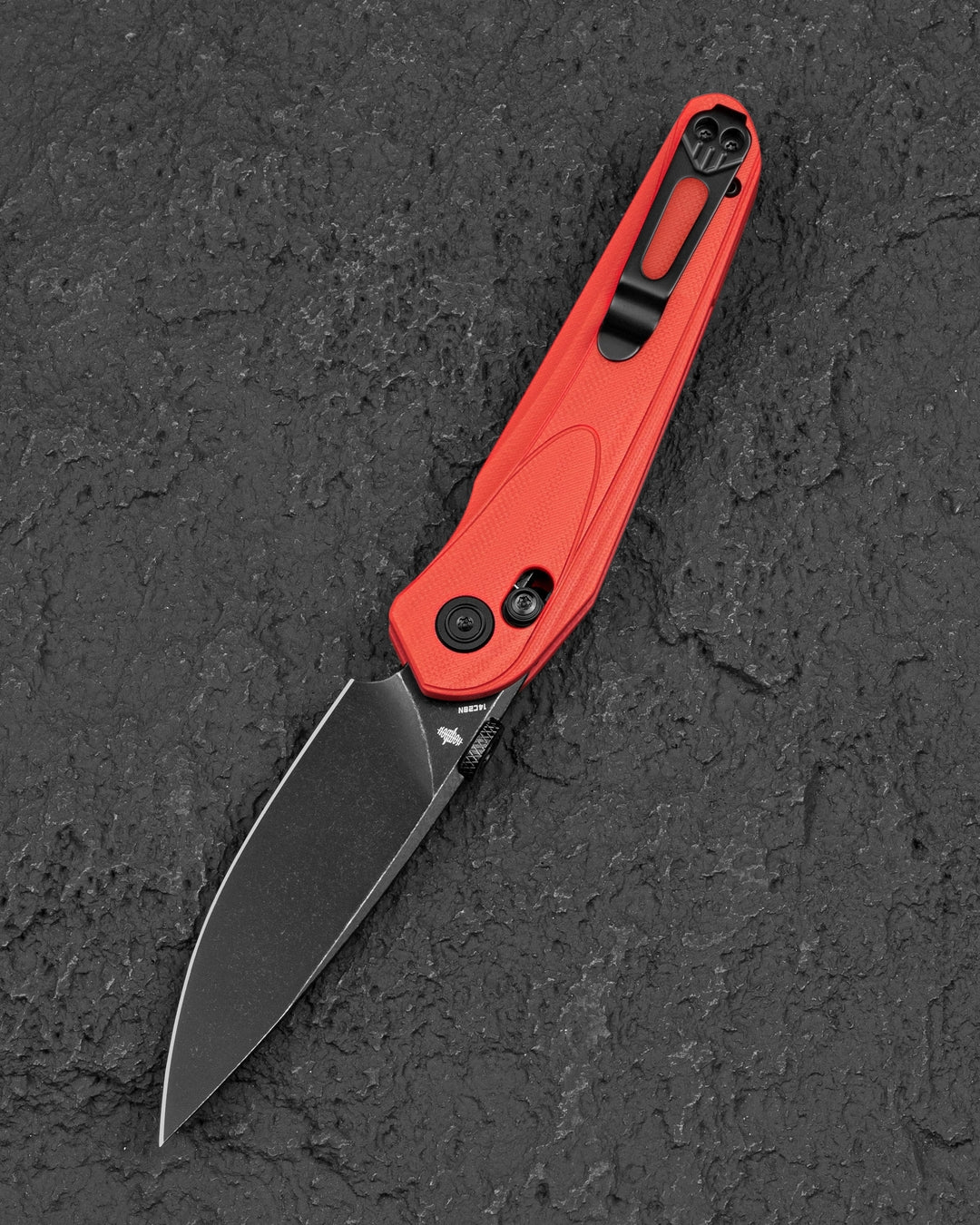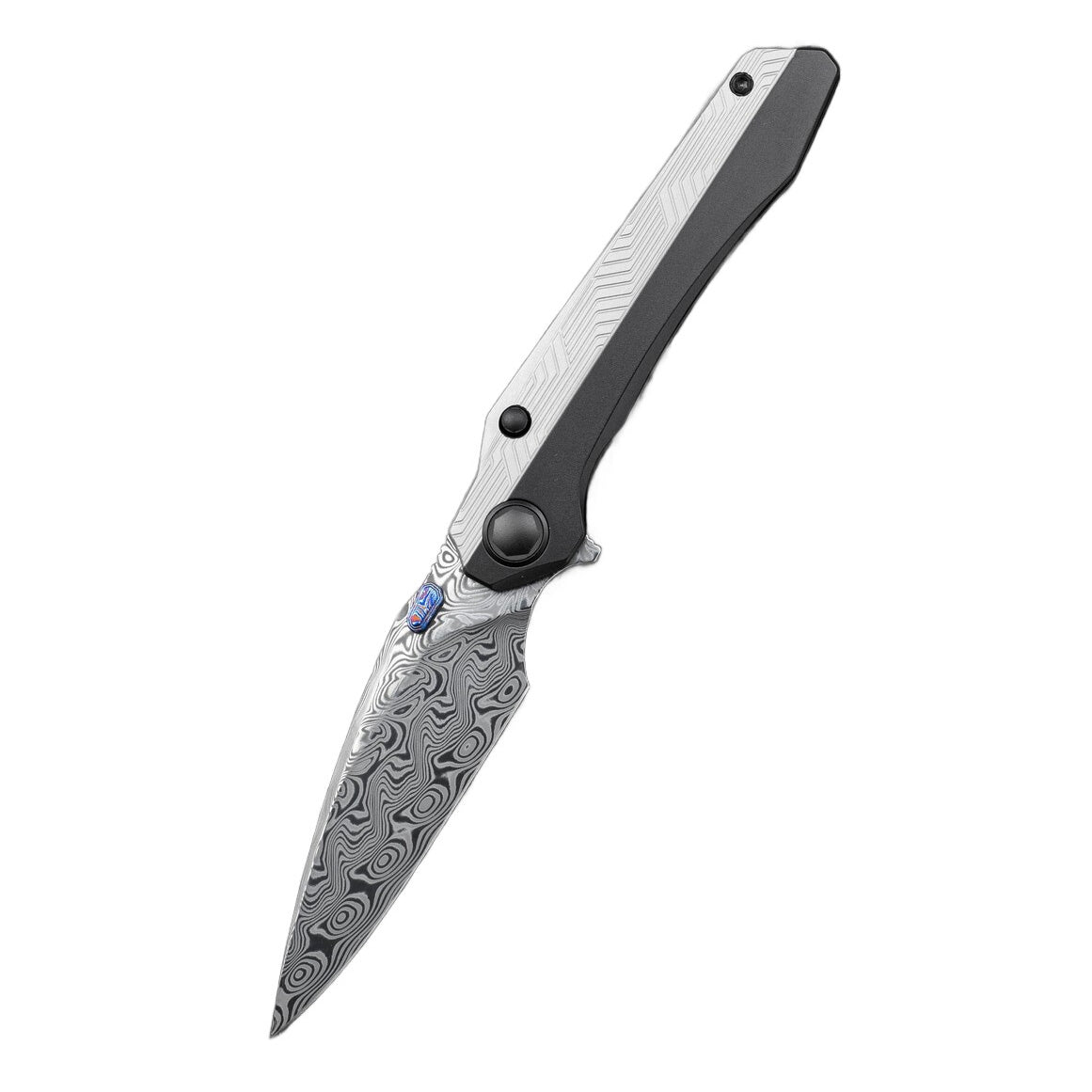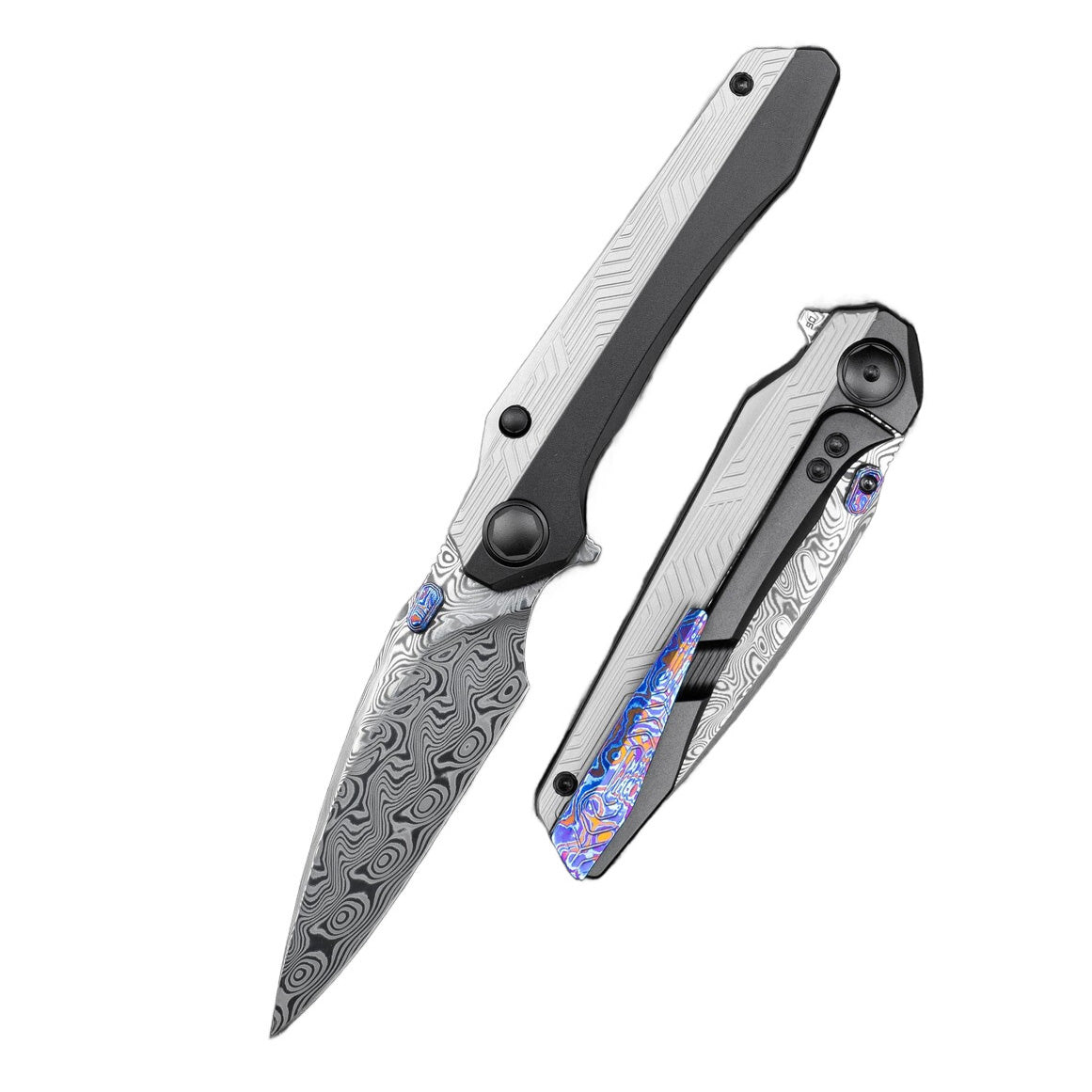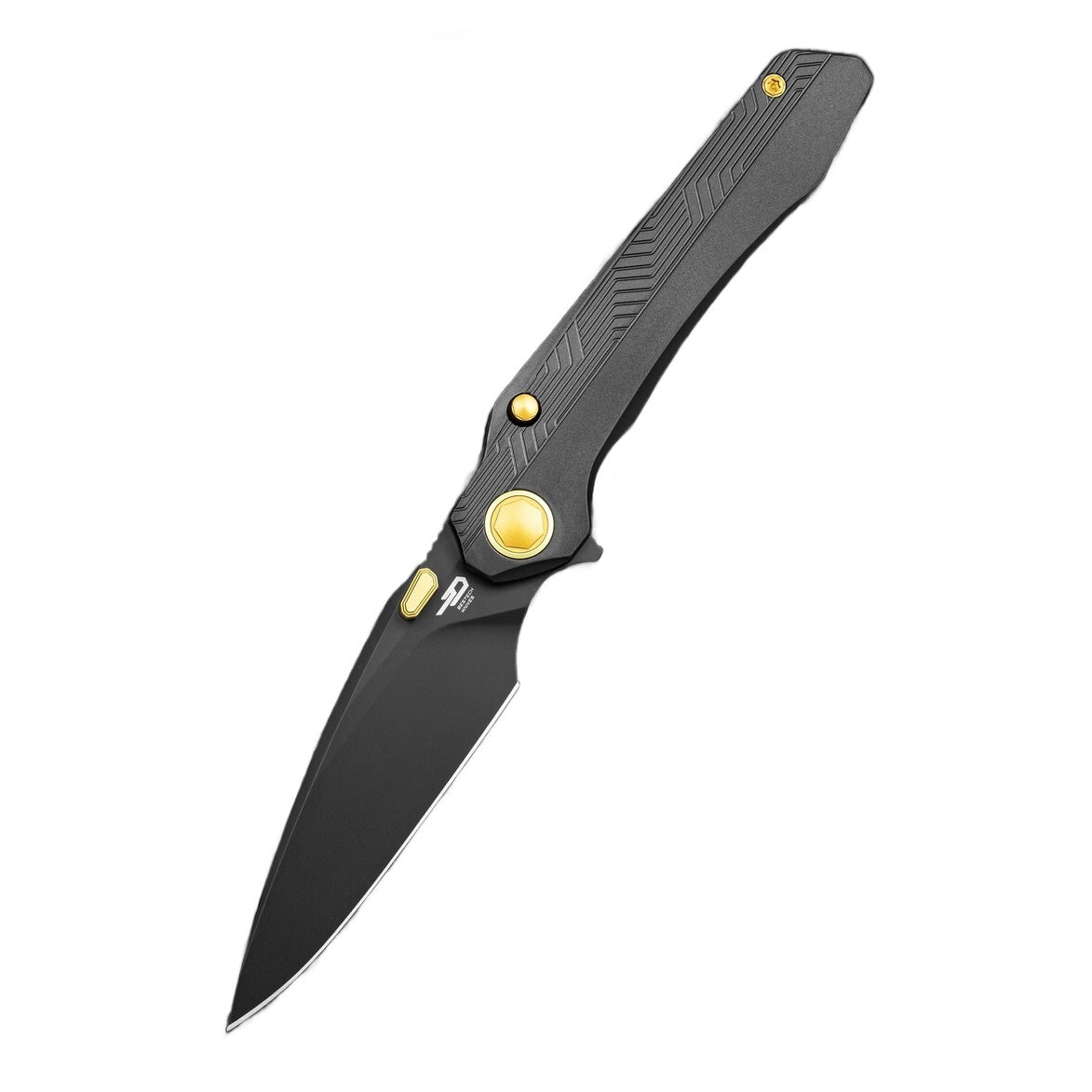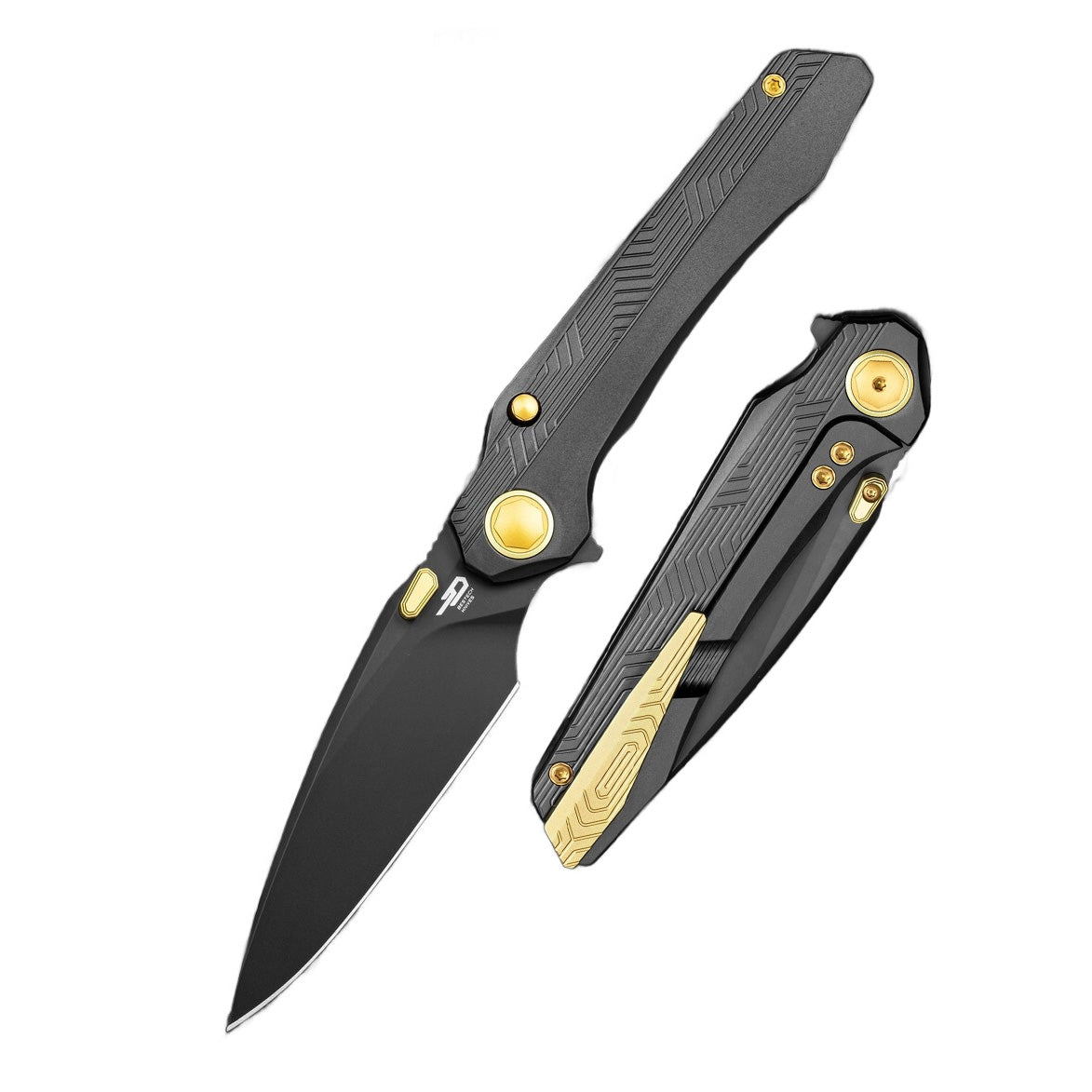

Overview / Key Features
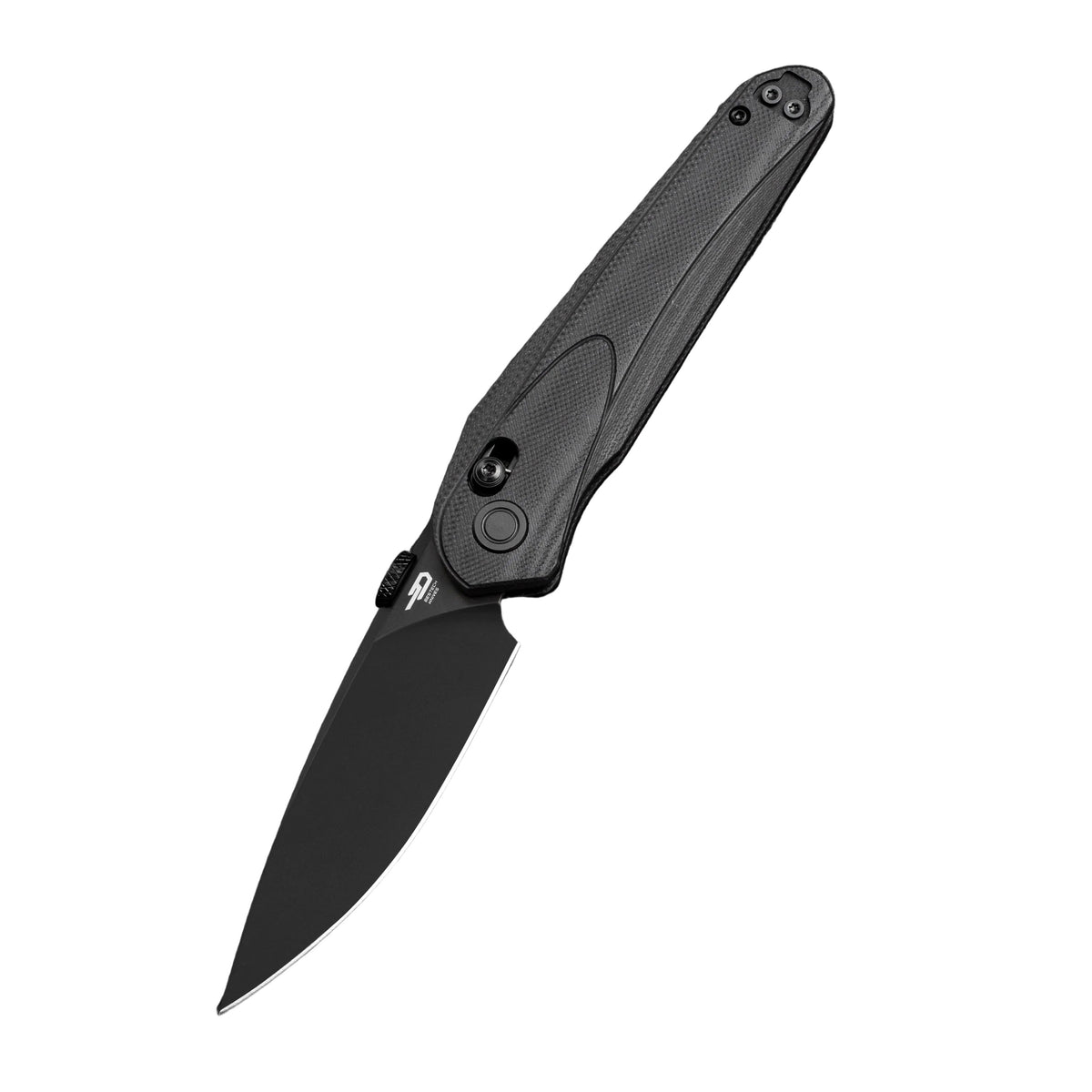
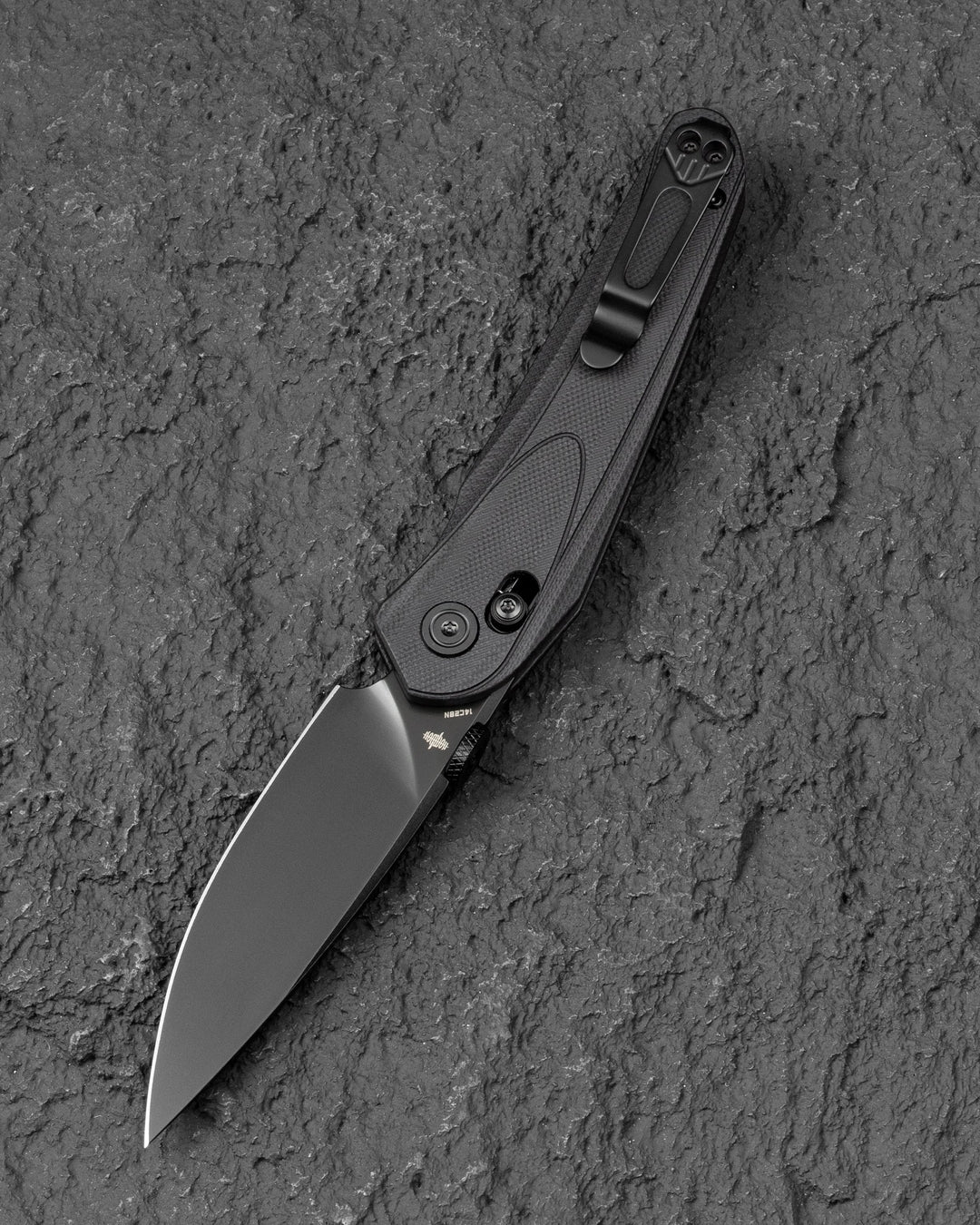
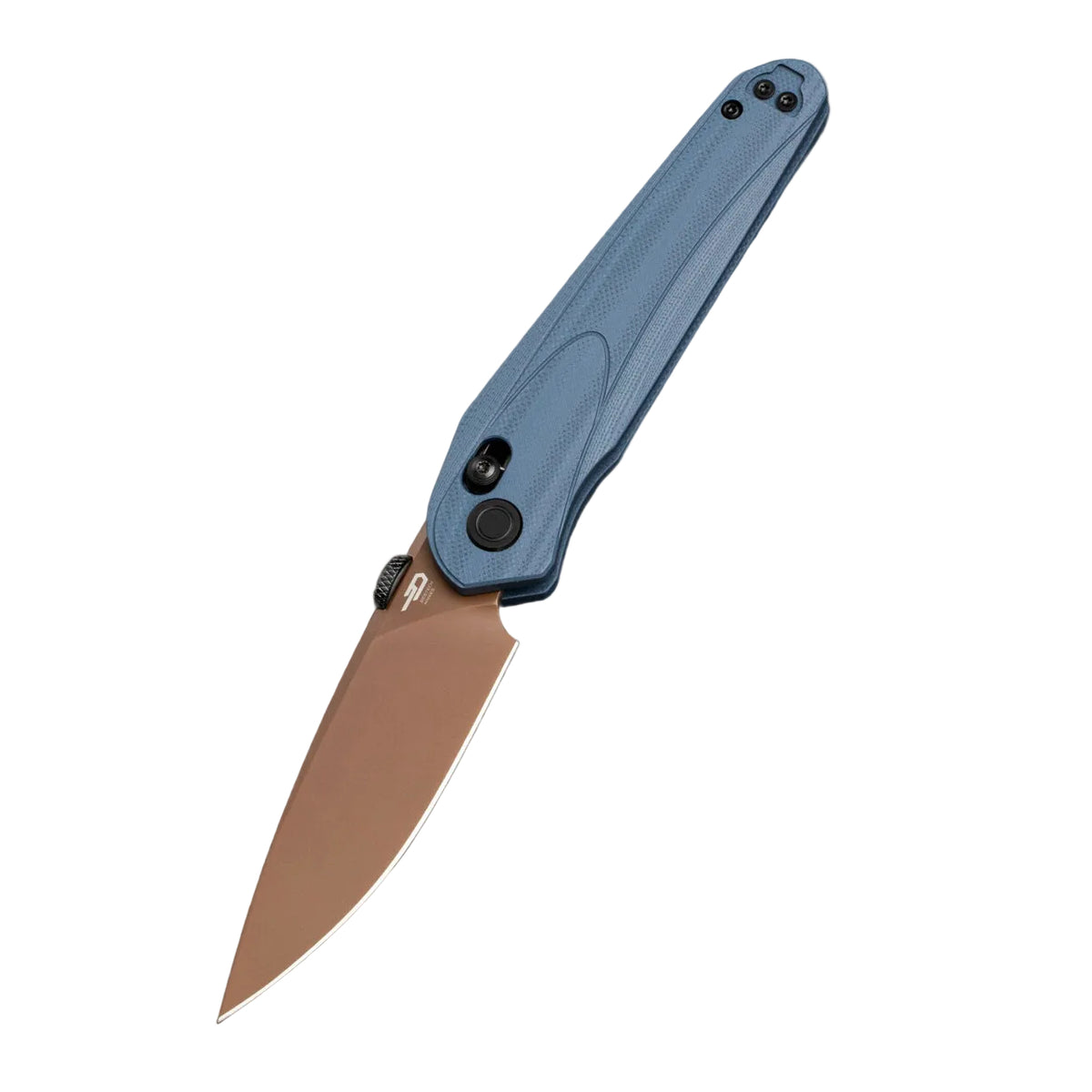
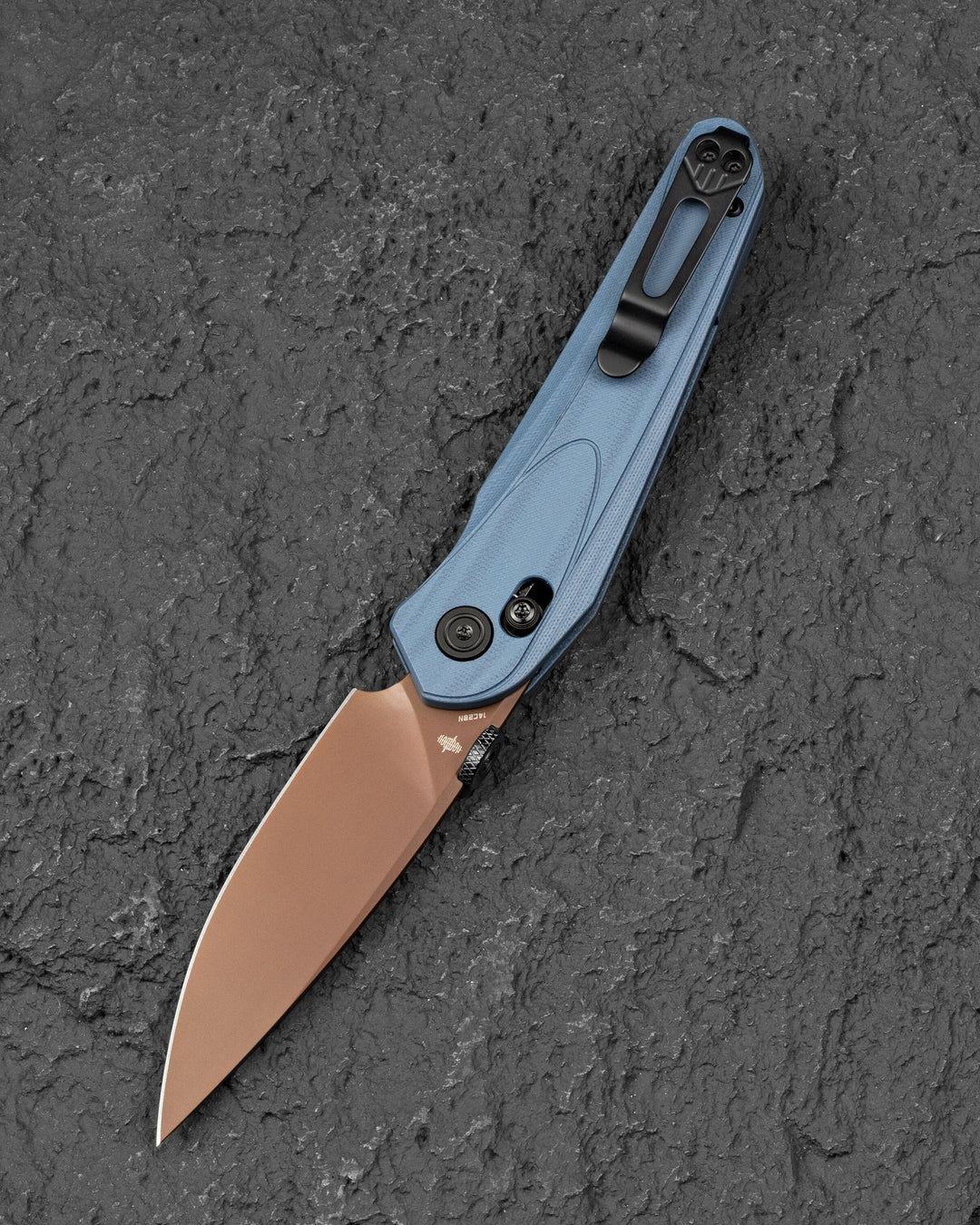
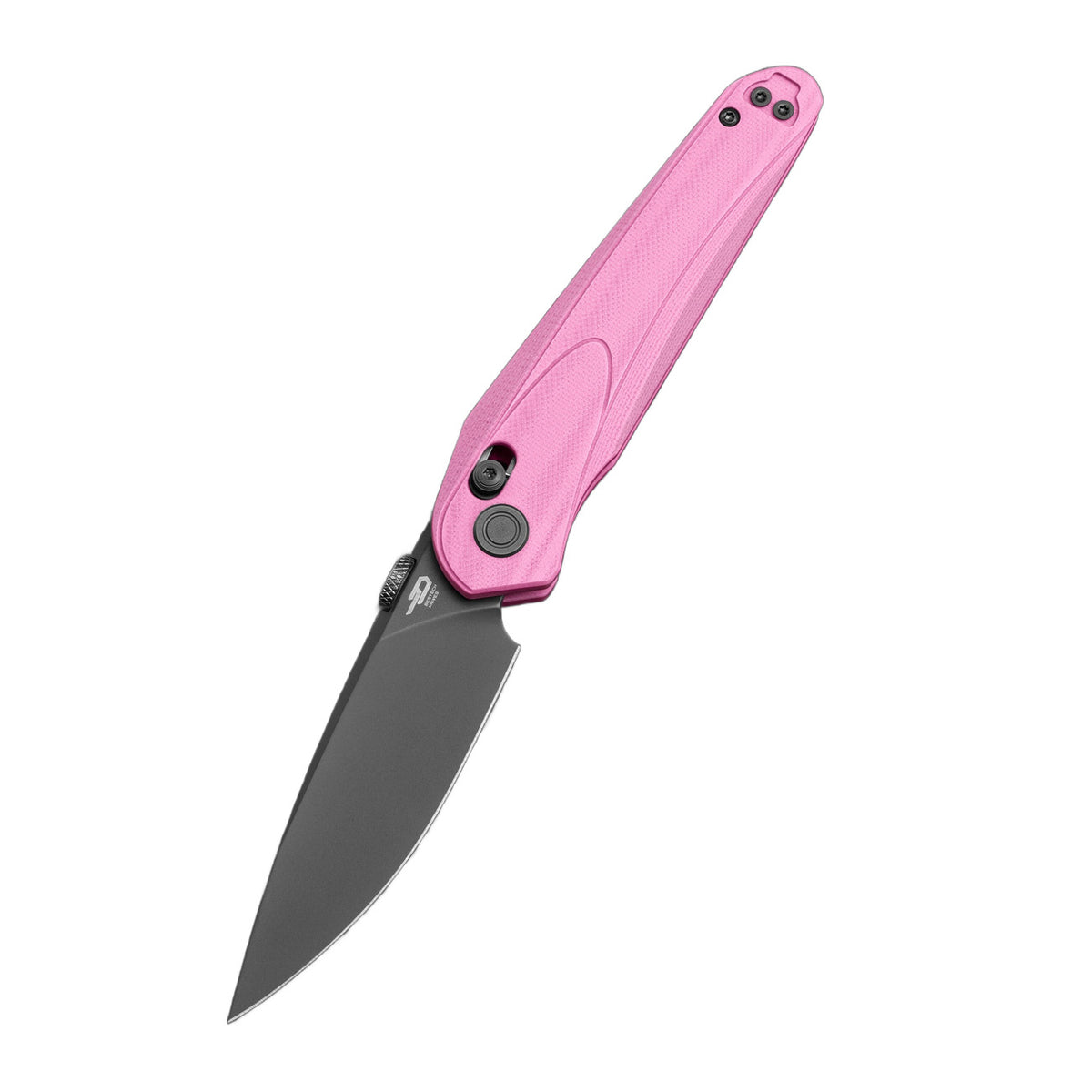
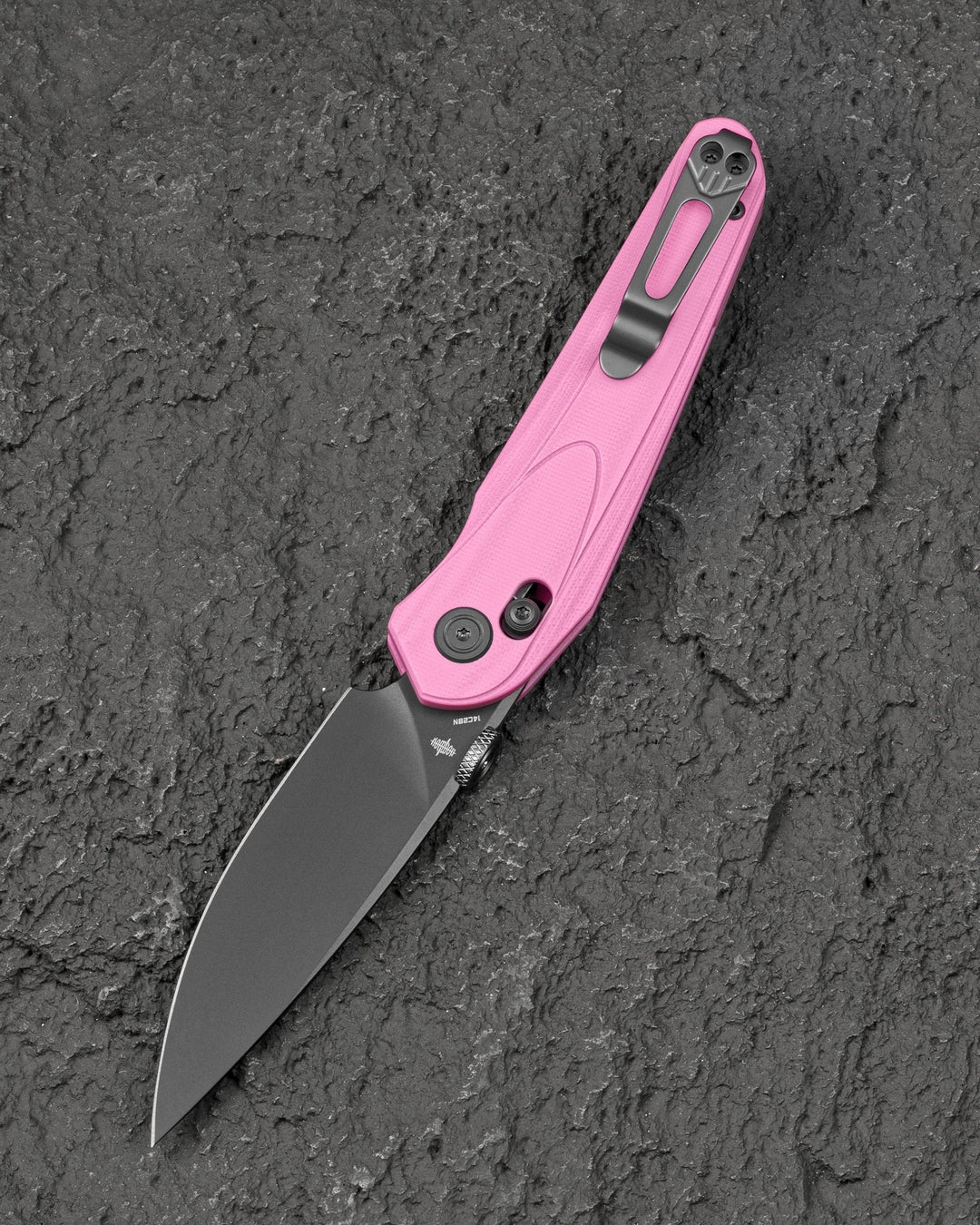
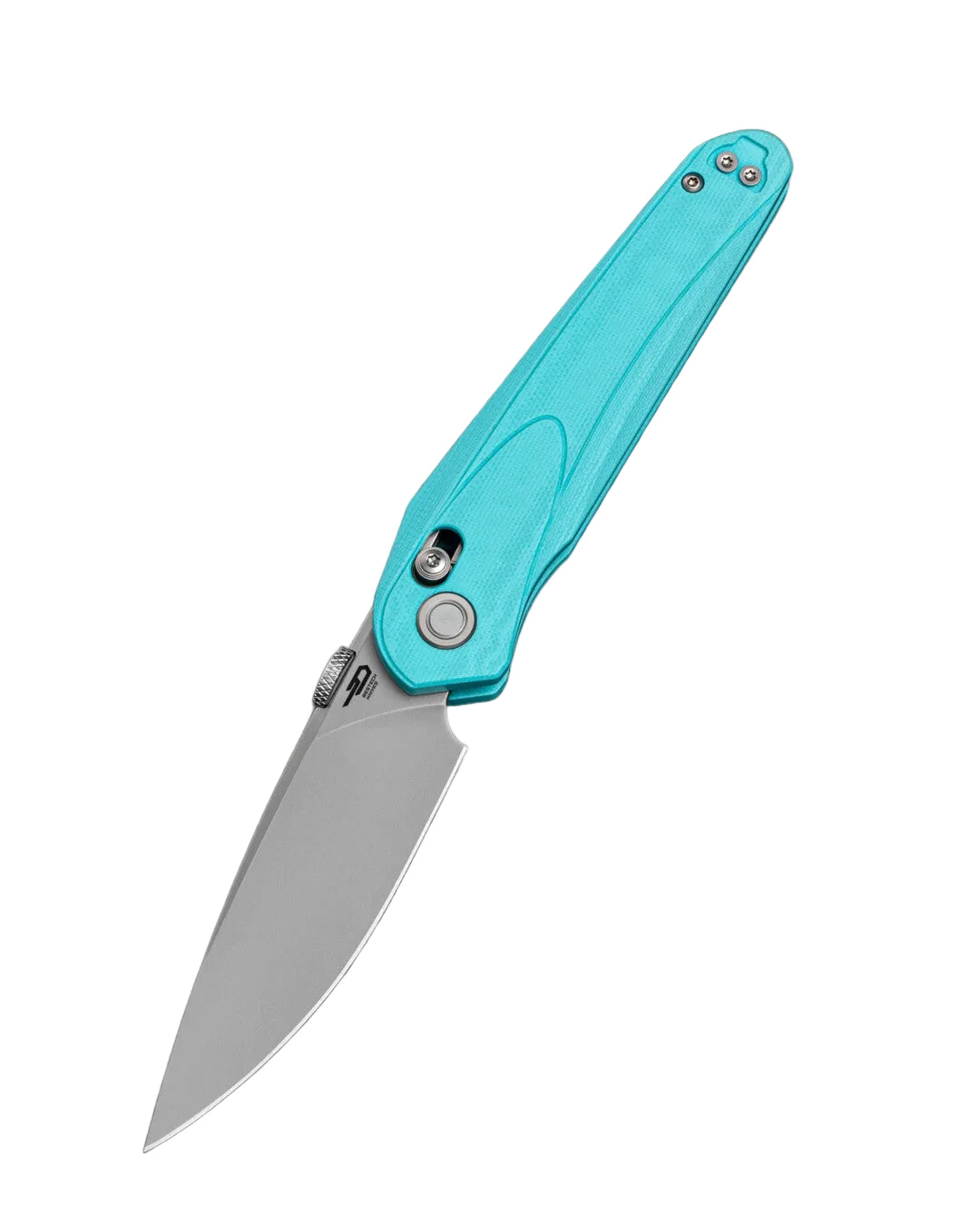
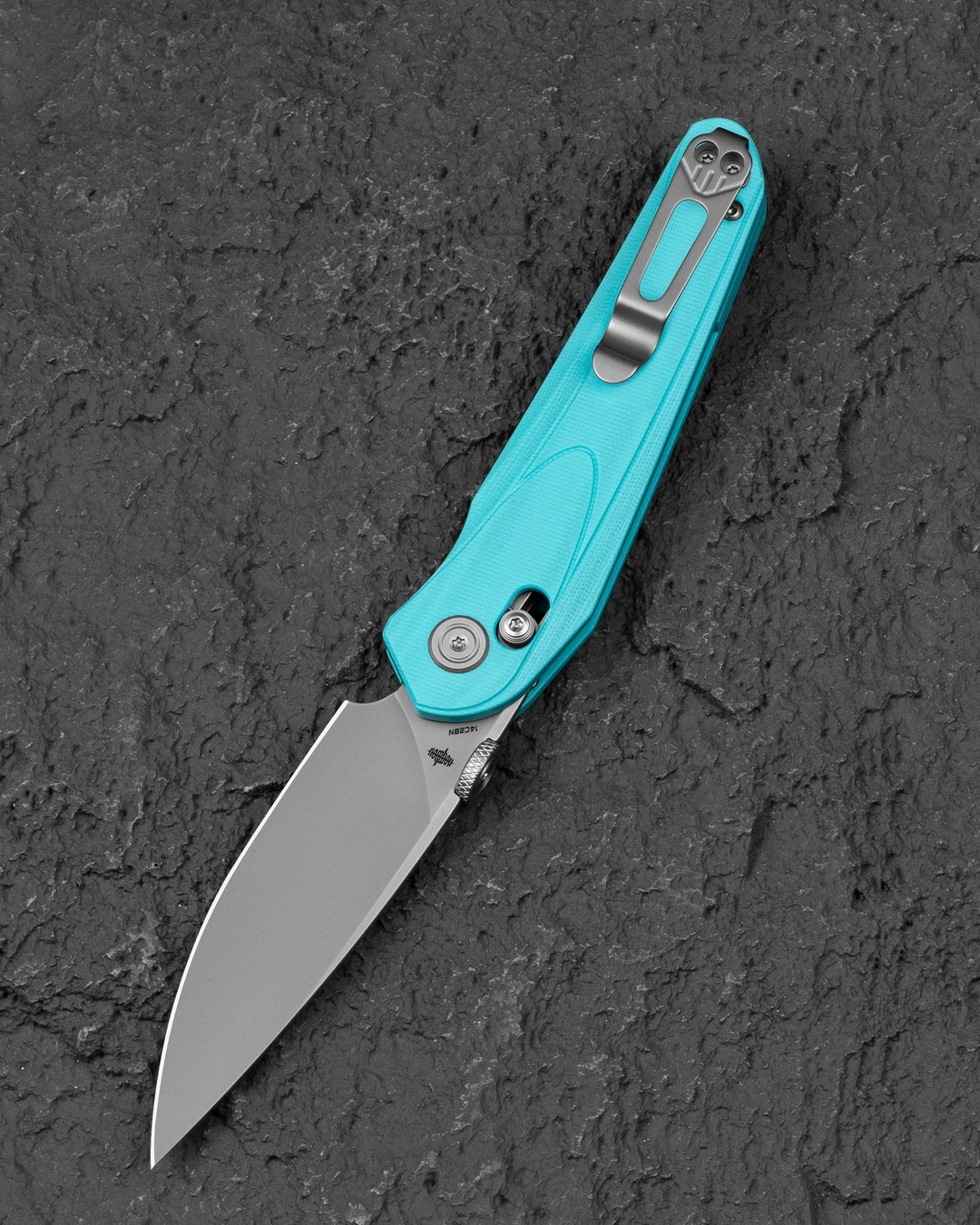
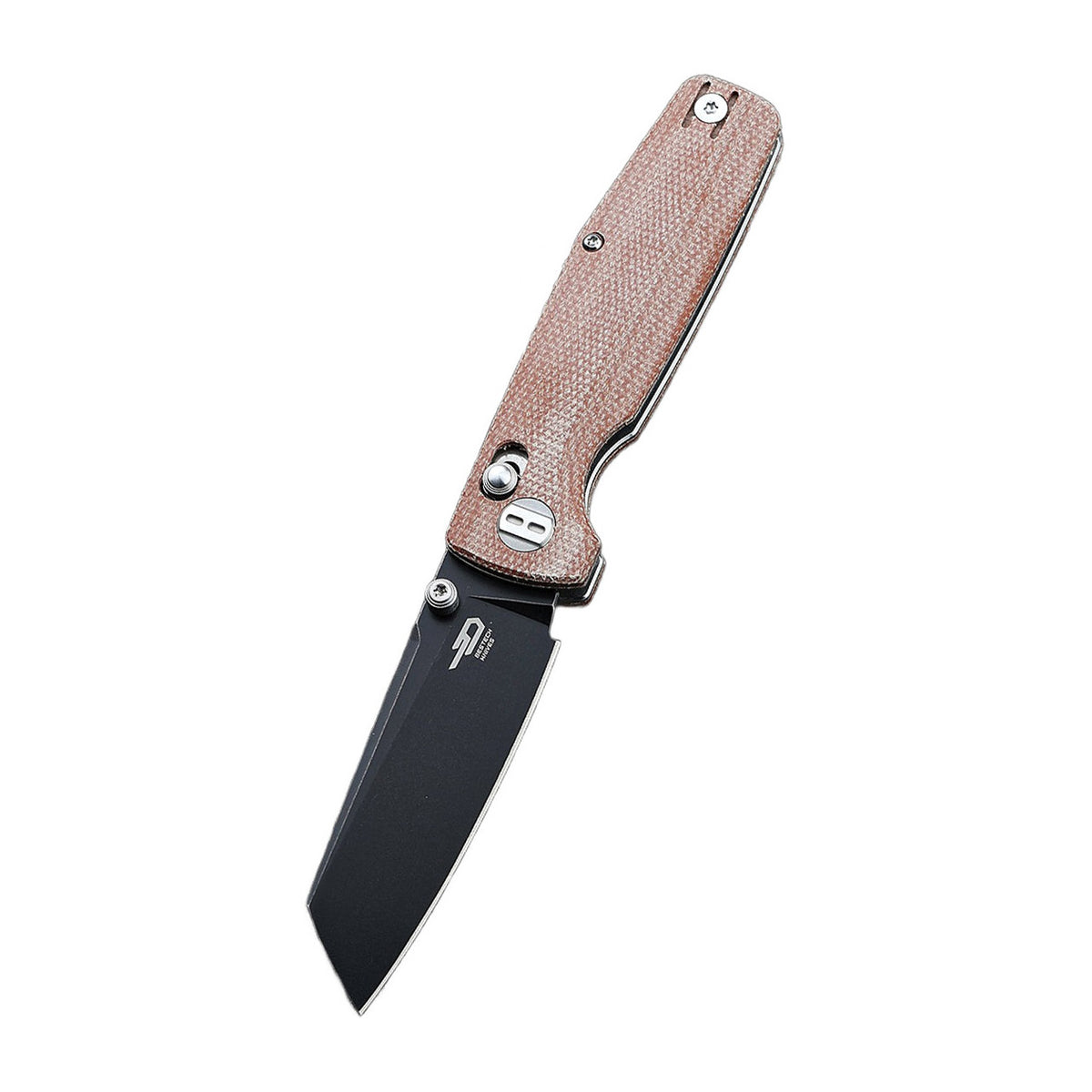
Lock choice shapes how a folder feels more than almost any other spec, and the two designs most budget and mid-tier knives rely on are the crossbar lock and the liner lock. To compare them properly I spent two weeks alternating a Bestech Mothus with its crossbar lock and a Trivisa Gecko-WG with a liner lock. Both are excellent knives. They just answer the same question differently: how do you keep a blade open under load and close it without cutting yourself?

How Each Lock Actually Works
A liner lock is a strip of the handle liner that springs inward to block the blade's heel. You close the knife by pressing the liner aside with your thumb while folding the blade shut, which means your thumb passes near the edge path. A crossbar lock is a spring-loaded bar perpendicular to the handle that you pinch forward to release, keeping every finger outside the blade's travel line. That single difference drives most of what follows.
Strength, Safety, and Daily Feel
Under hard cuts, both designs held up, but the crossbar lock inspired more confidence because the bar bears force across the full tang rather than relying on liner thickness. For safety, the crossbar wins clearly: the Mothus closes like a guillotine you control, with fingers never crossing steel. The liner lock works fine once you build the habit, but newcomers fumble it. For one-hand operation, the crossbar needs a pinch and a flick, while the liner closes faster for experienced users. Long-term wear also favors the crossbar, since liner locks can drift toward the center and develop play over years.

Who Should Buy Which?
If you are buying your first serious folder or hand knives to people who are careless with fingers, start in the crossbar lock knives category, where the Bestech Mothus BG67G is the current value benchmark. If you prefer slimmer handles, lighter weight, and a more traditional feel, the liner lock knives shelf offers the Trivisa Gecko-WG and plenty of company. Fans of Trivisa knives will find both lock types across the brand's ranges.
Final Verdict
Neither lock is wrong; they optimize for different hands and habits. My honest ranking: crossbar for gifts, beginners, and gloved work; liner for minimalists who have closed a thousand knives without incident. Browse both categories under Bestech Knives and the wider folding knives range to feel the difference in specs before you spend.
The Maintenance Angle
Long-term care also differs between the two designs. Liner locks benefit from an occasional check of the liner's tension, because a liner that drifts too far toward center can begin to skip past the blade tang under hard cuts; a gentle outward bend with a nylon tool restores engagement. Crossbar locks have almost nothing to adjust, since the spring-loaded bar self-centers and wears evenly across its contact patch. Both benefit from a drop of oil at the pivot and around the lock contact points every month or two of hard use. If you carry in dusty or sandy environments, the crossbar's open channel design can collect debris, while the liner's flat contact surfaces shed grit more naturally. Neither issue is a dealbreaker, but knowing the failure modes before you buy means you can spot them early and keep either lock cycling safely for years.