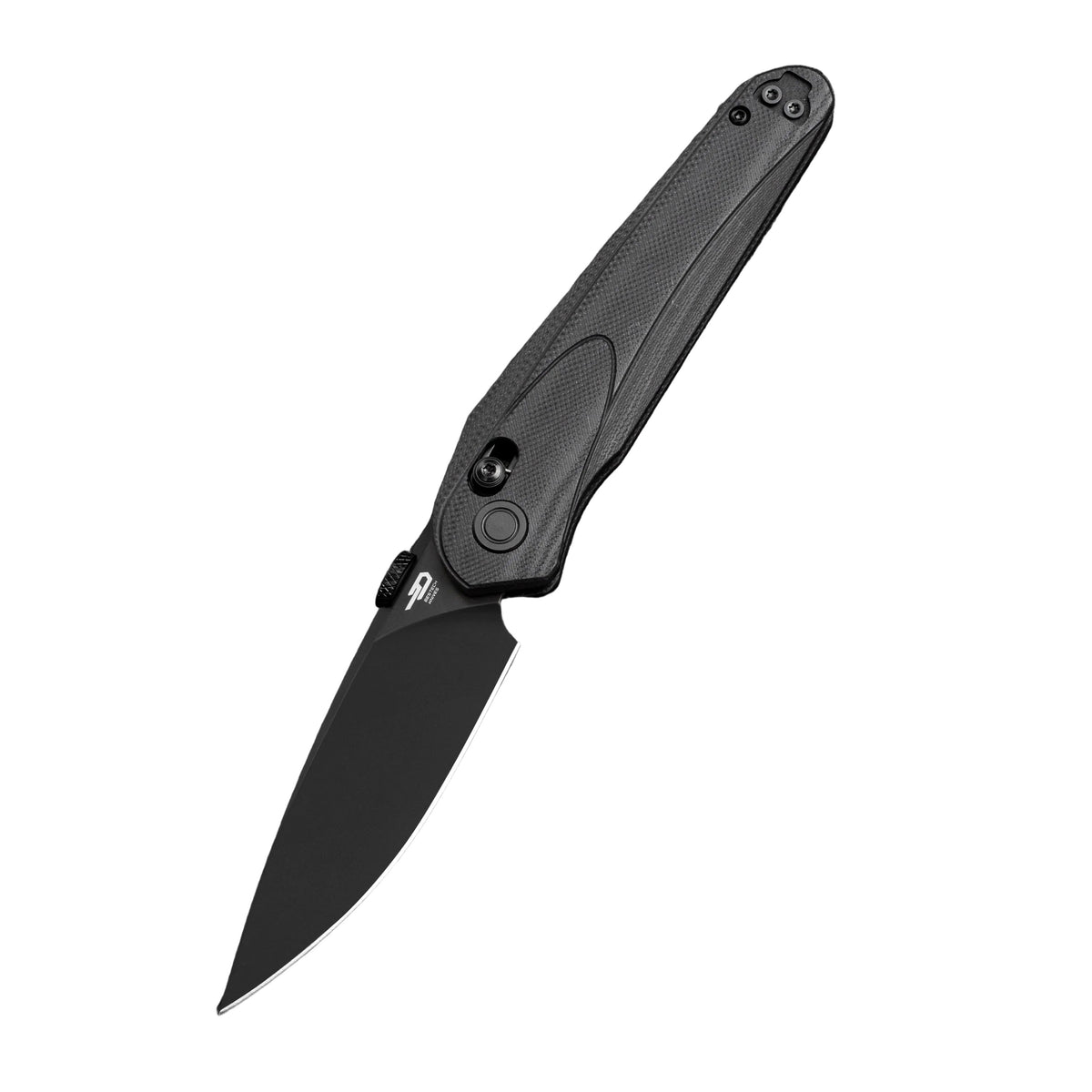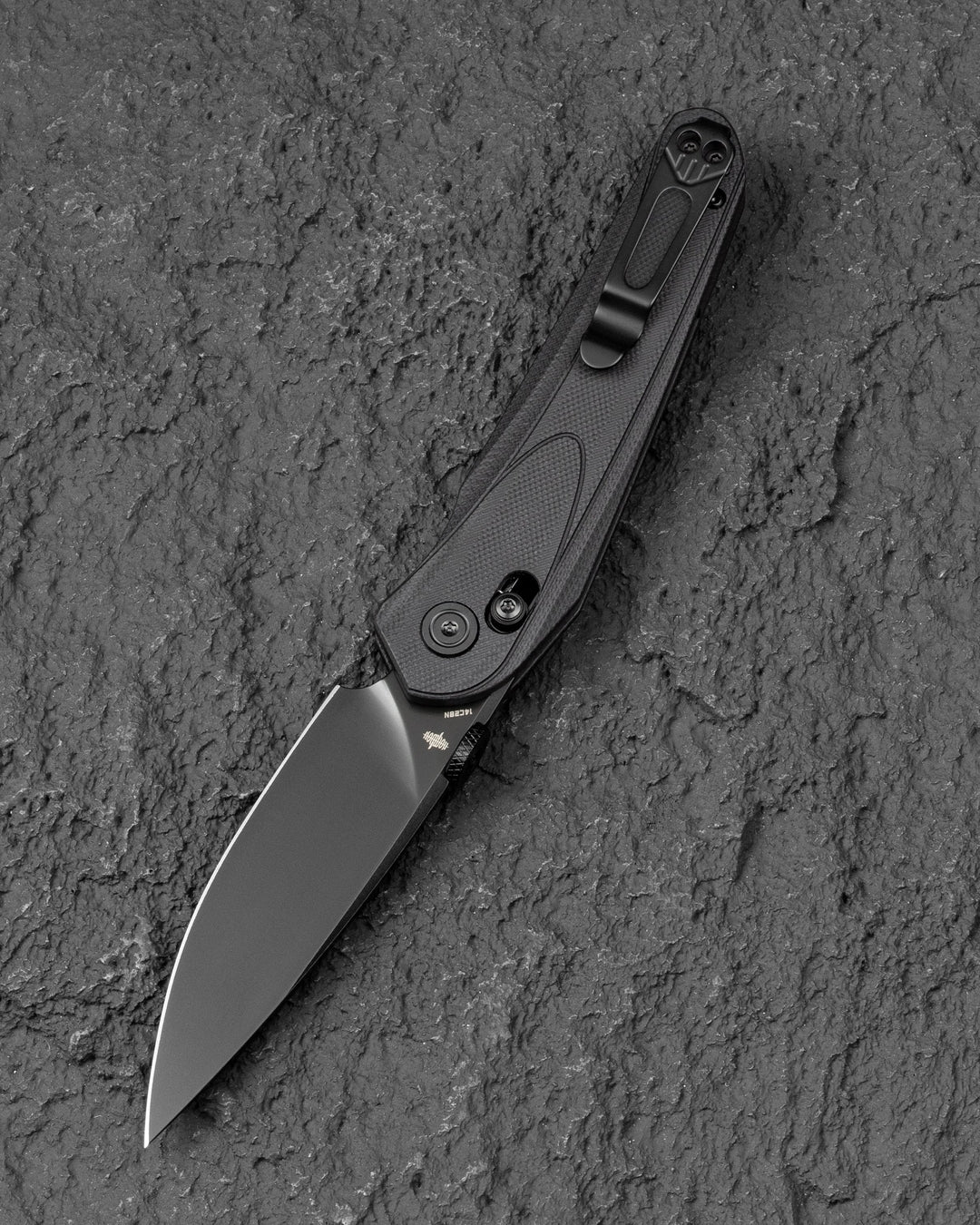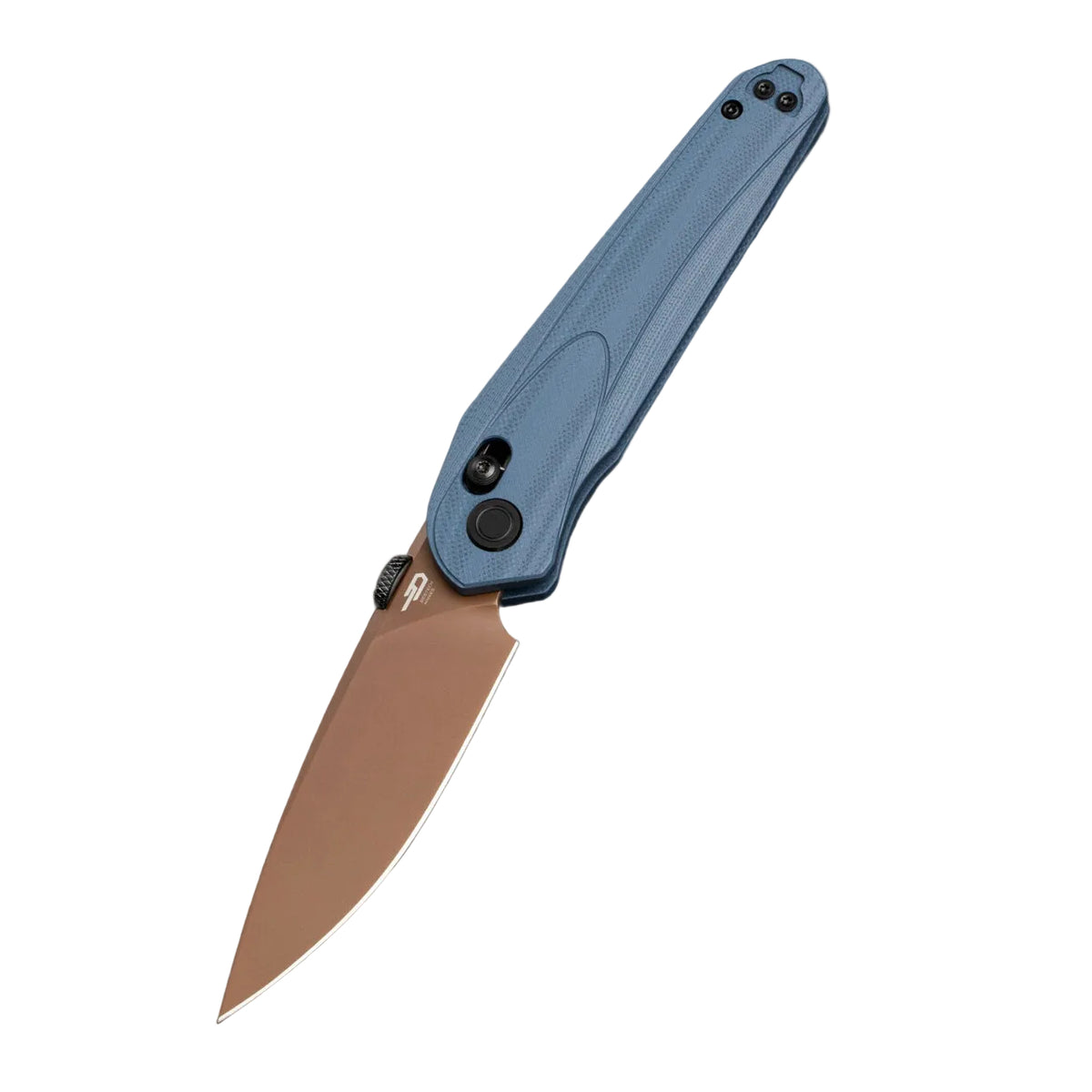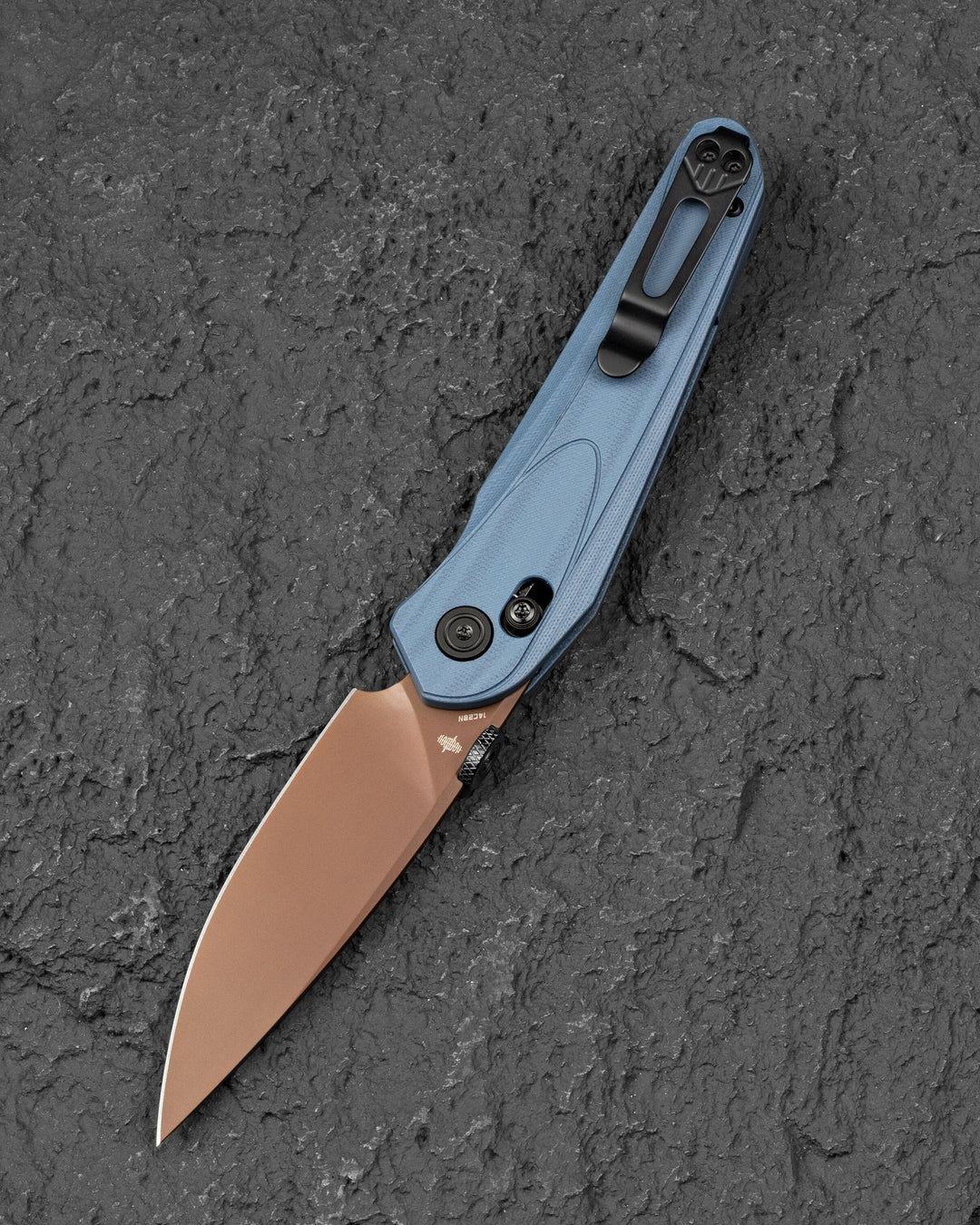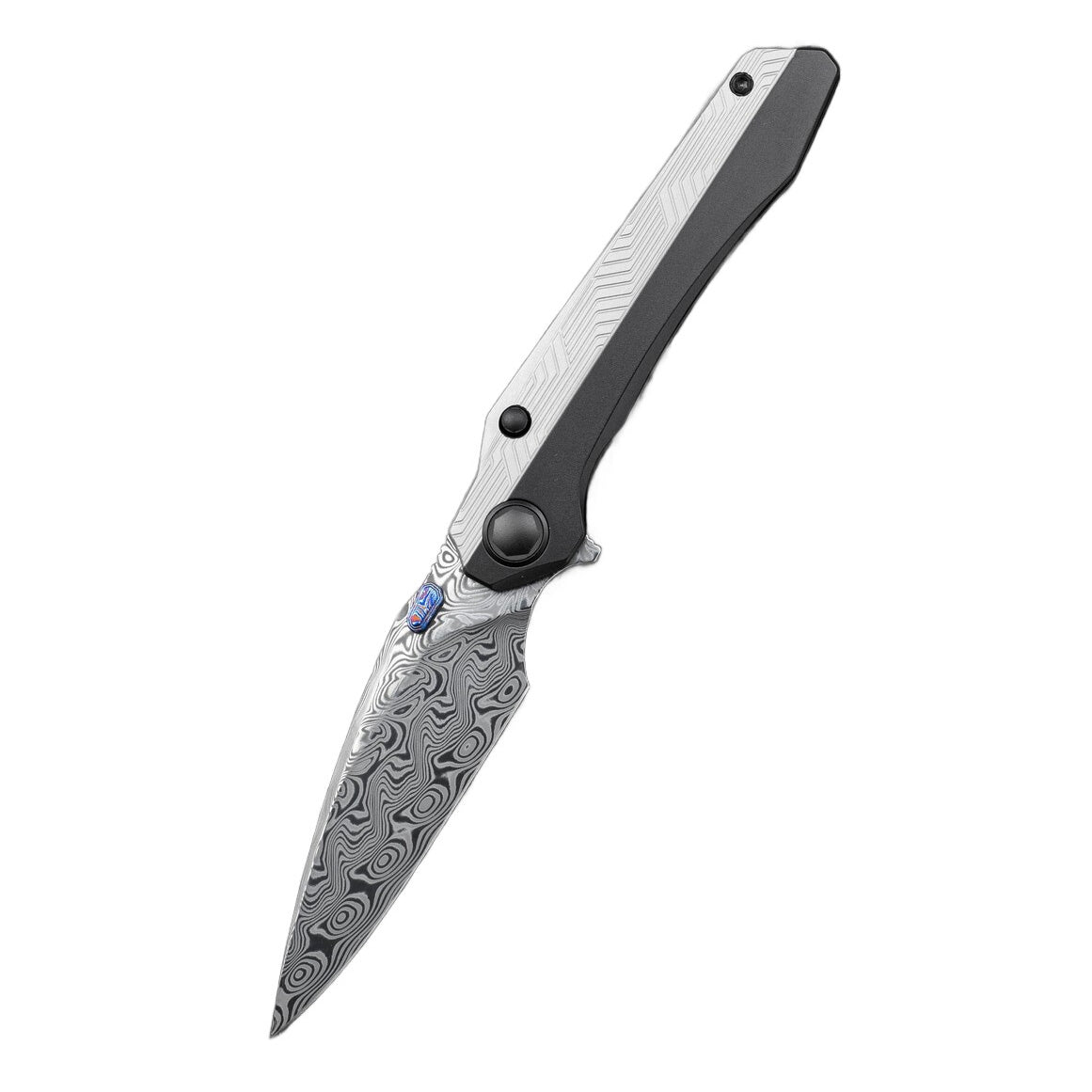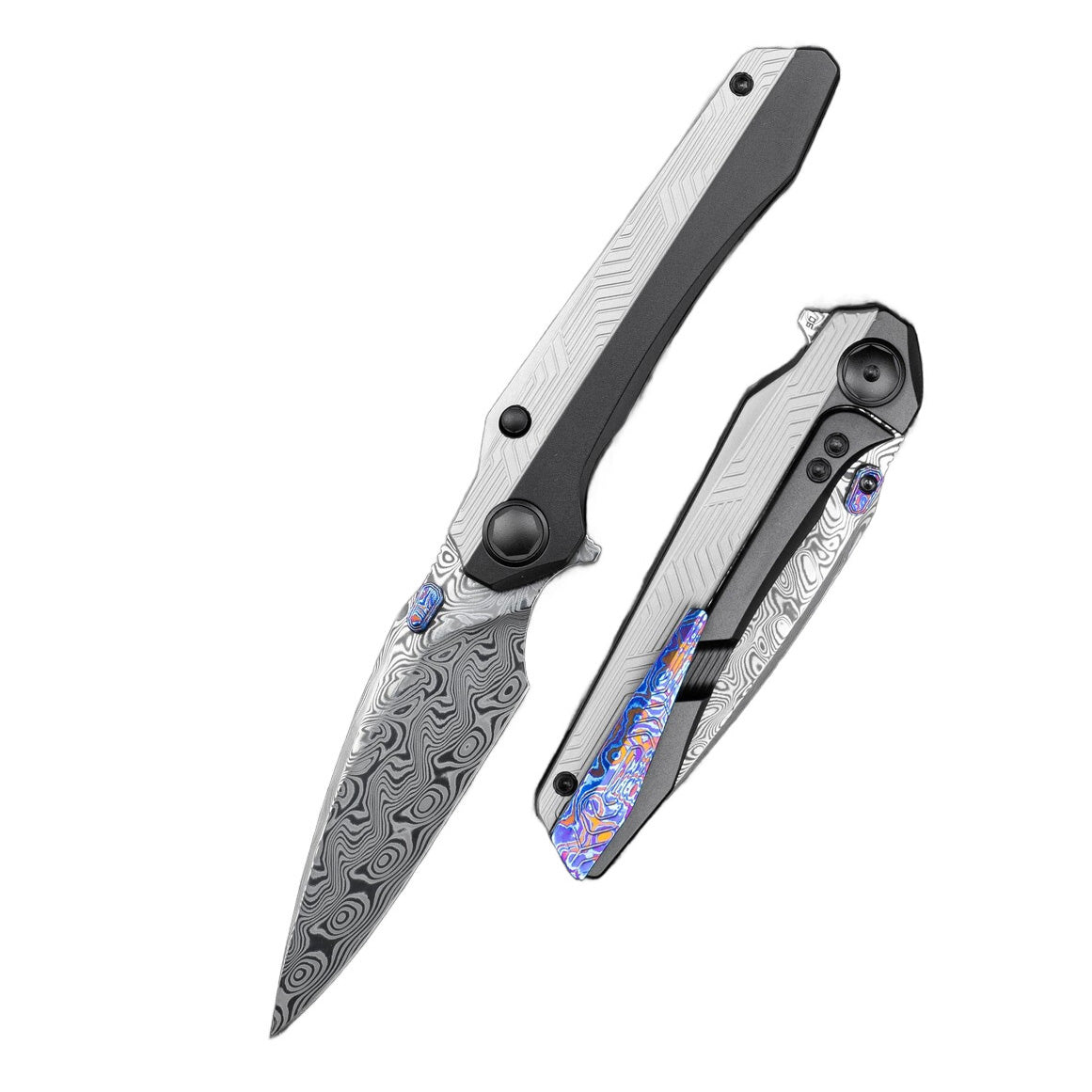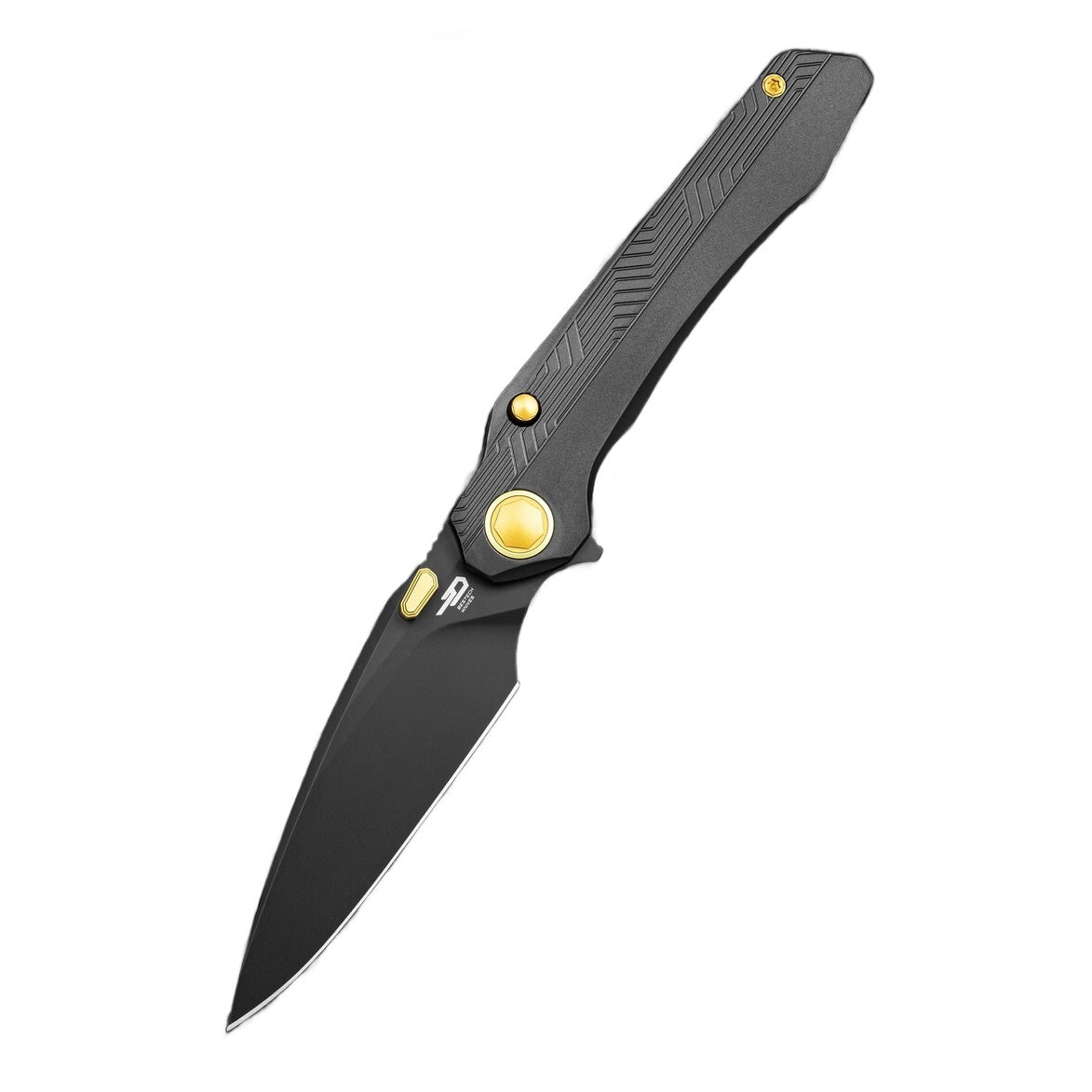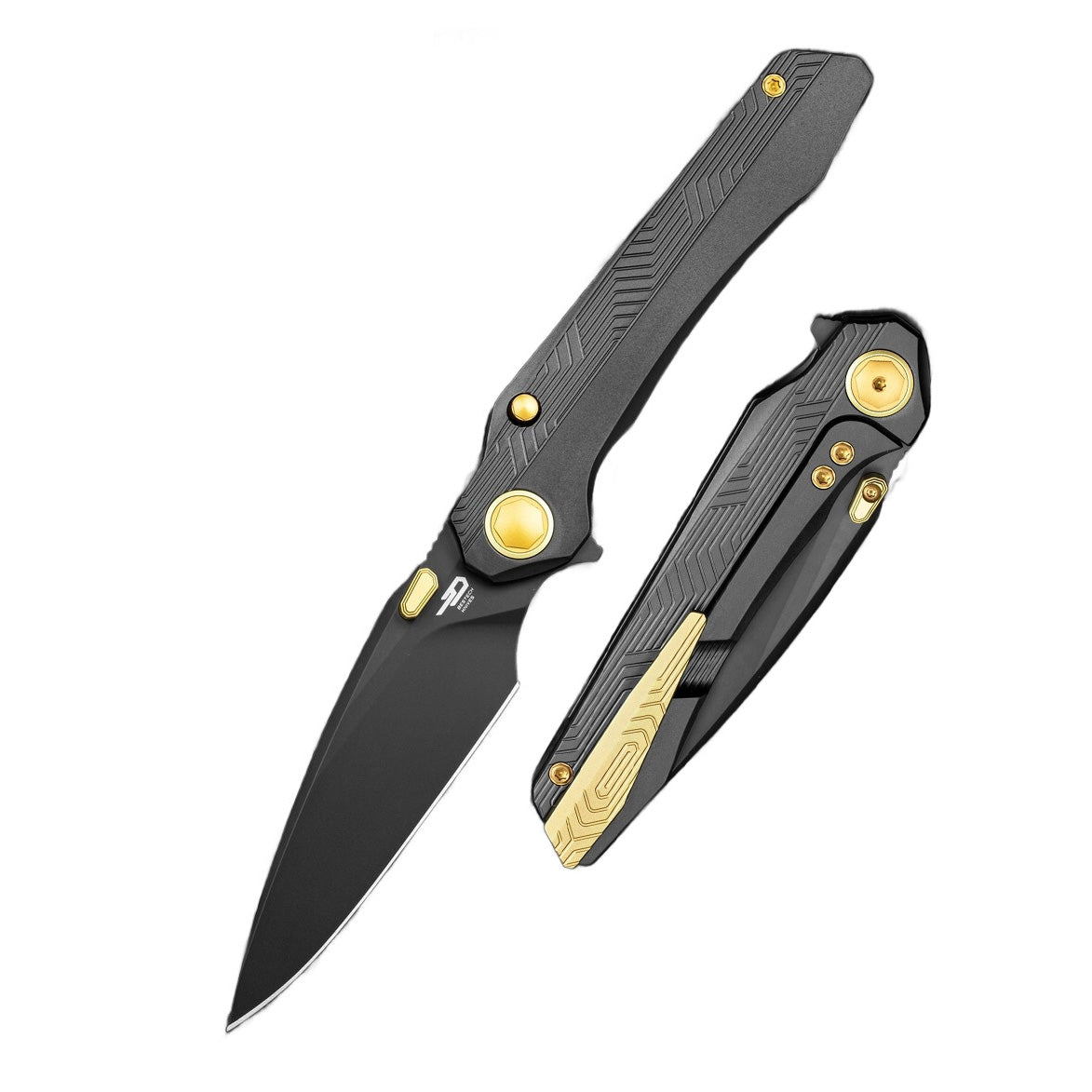
Overview / Key Features
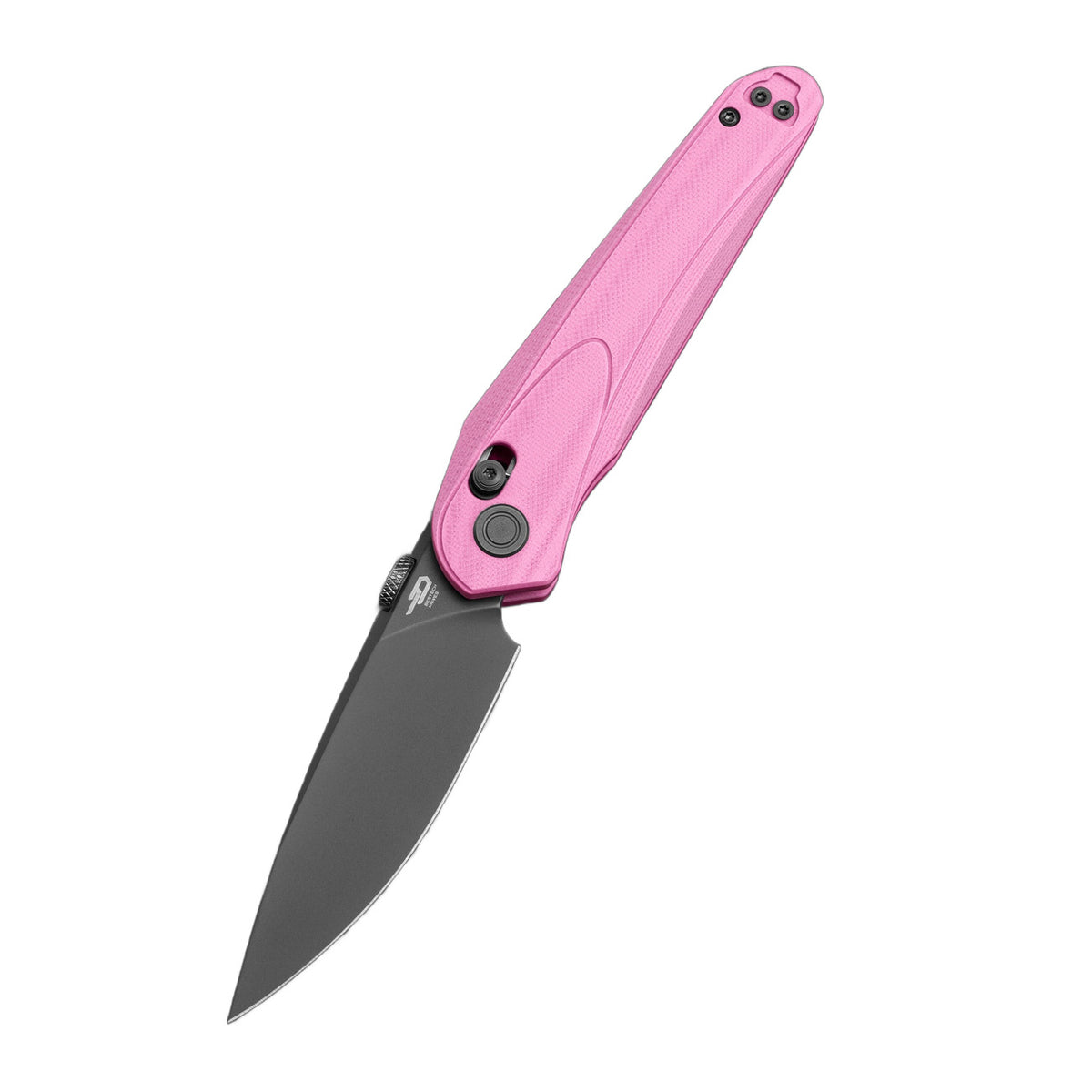
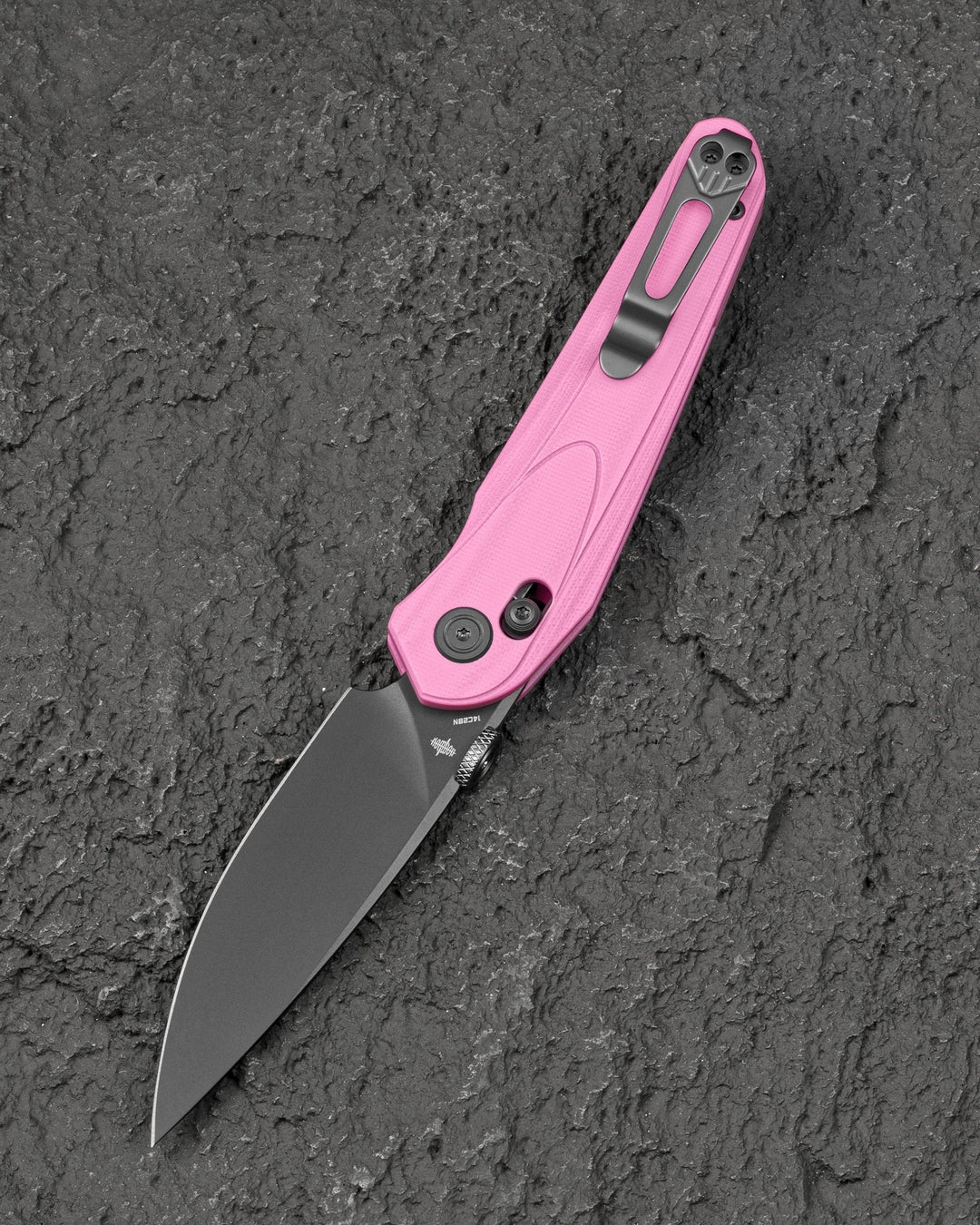
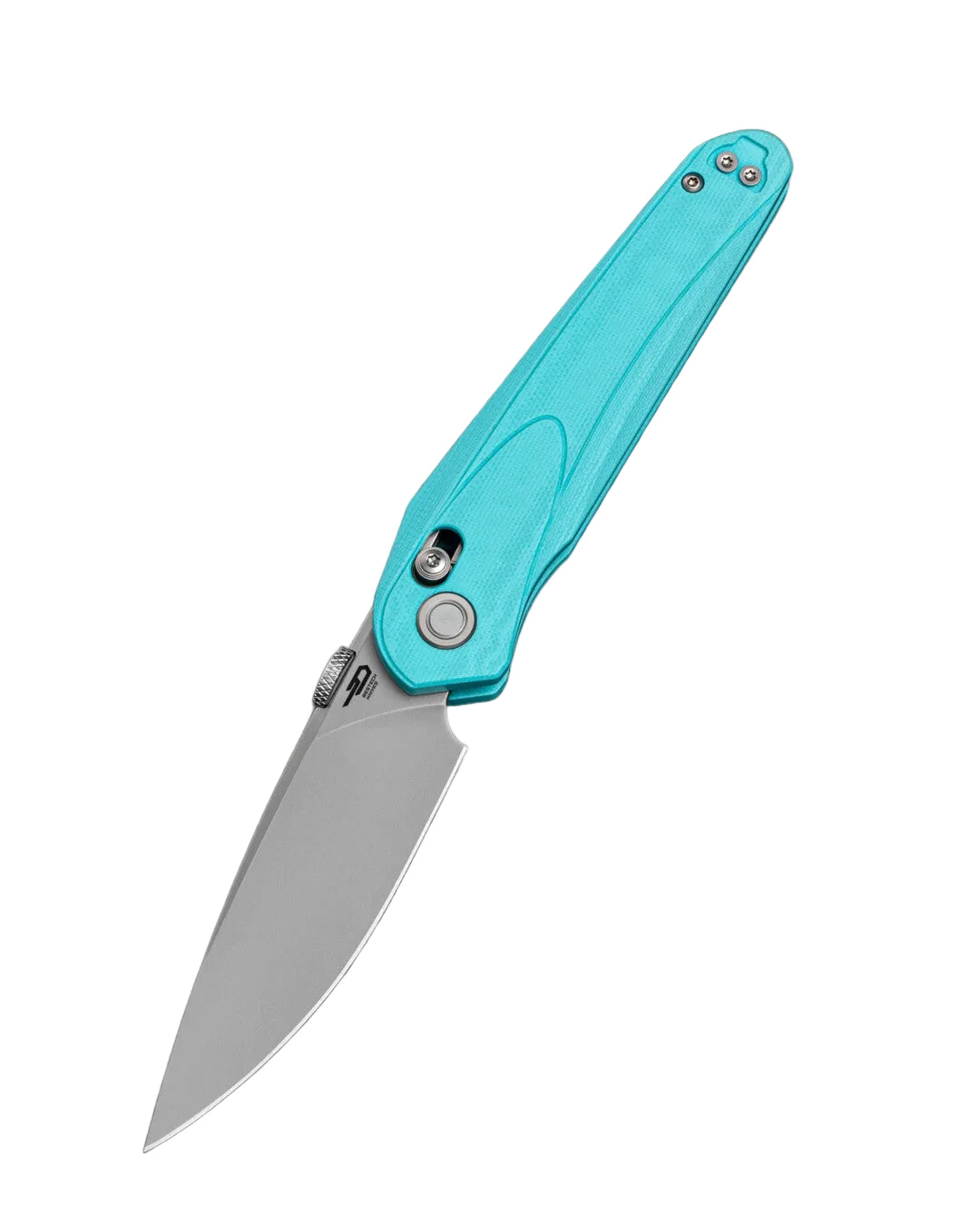
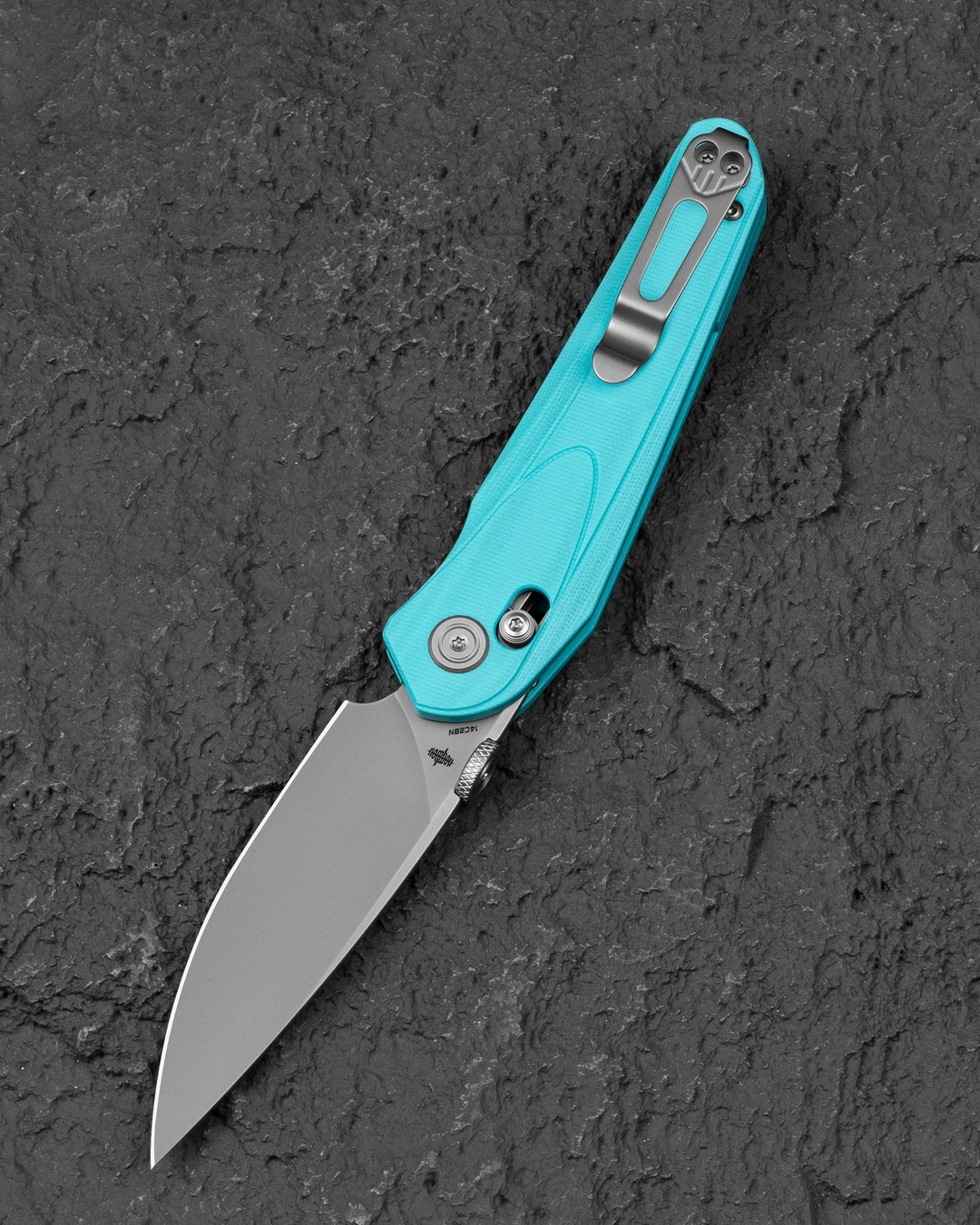
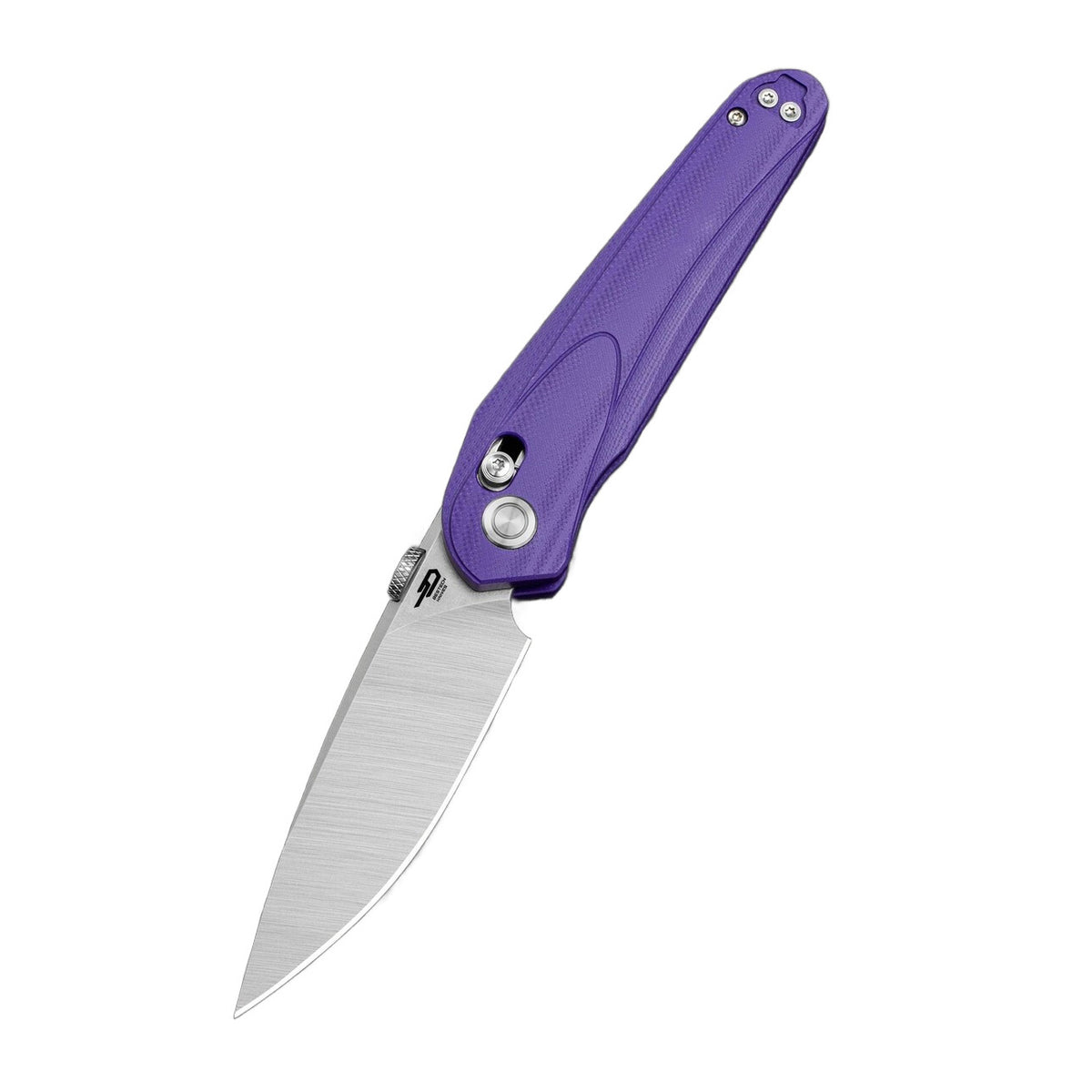
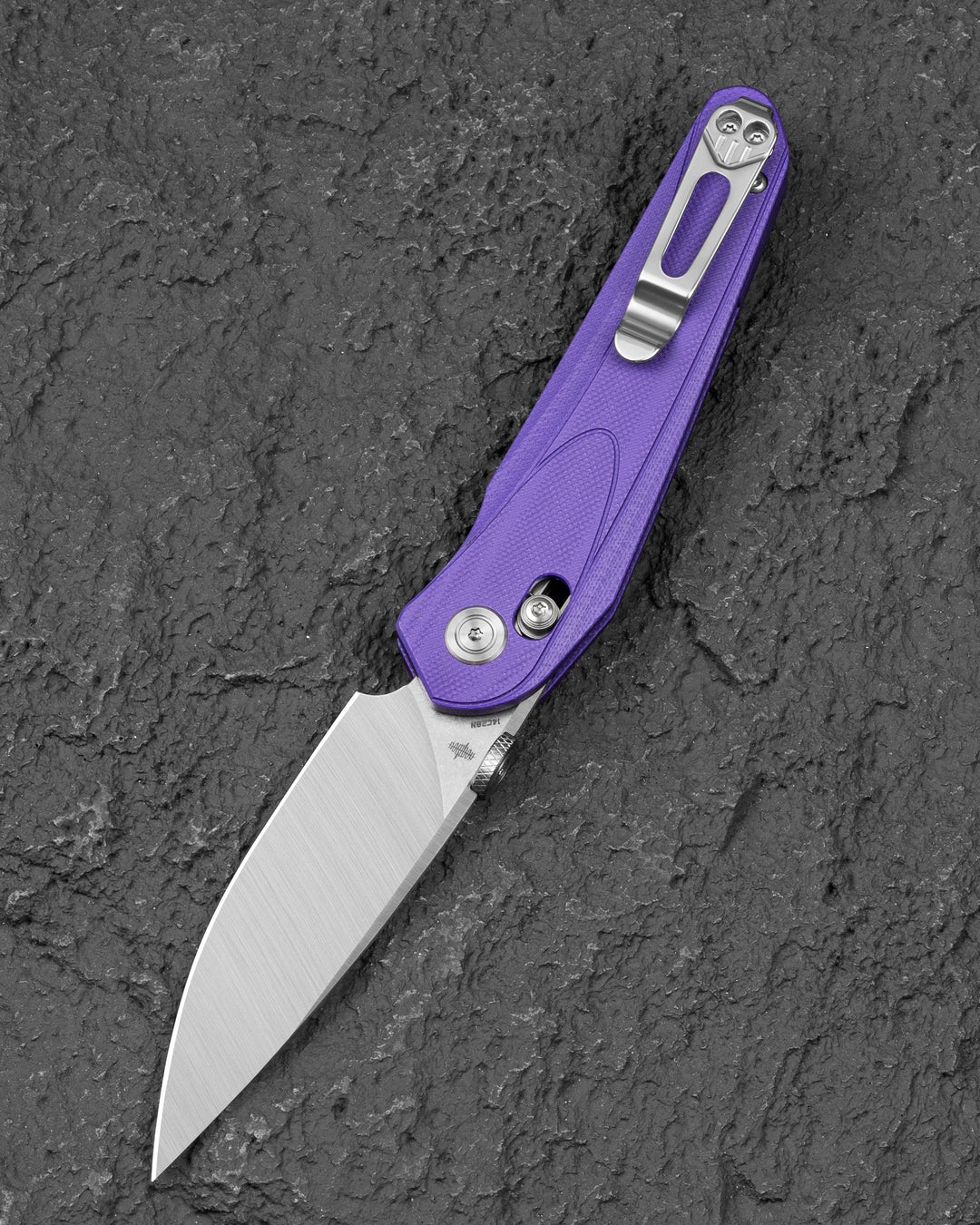
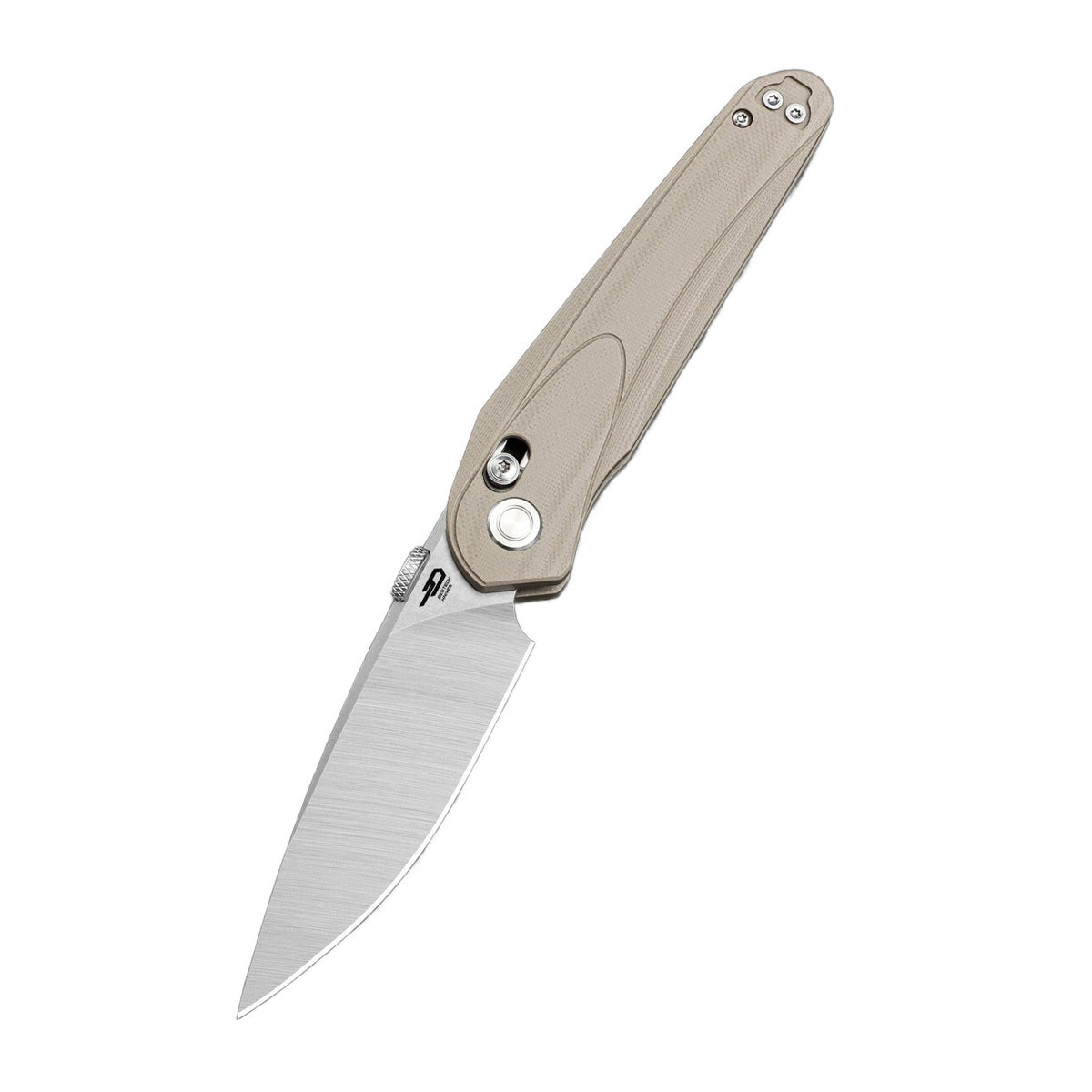
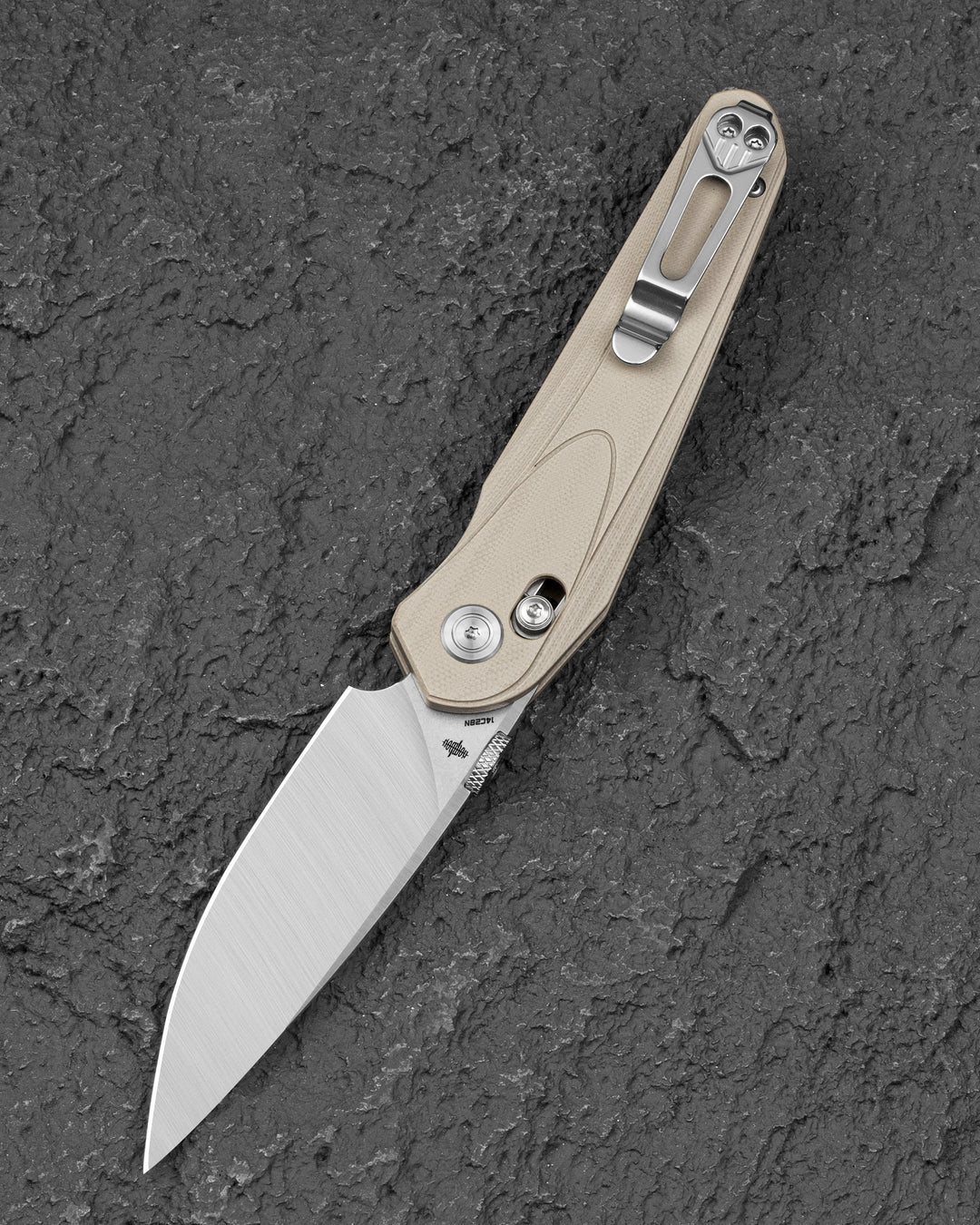
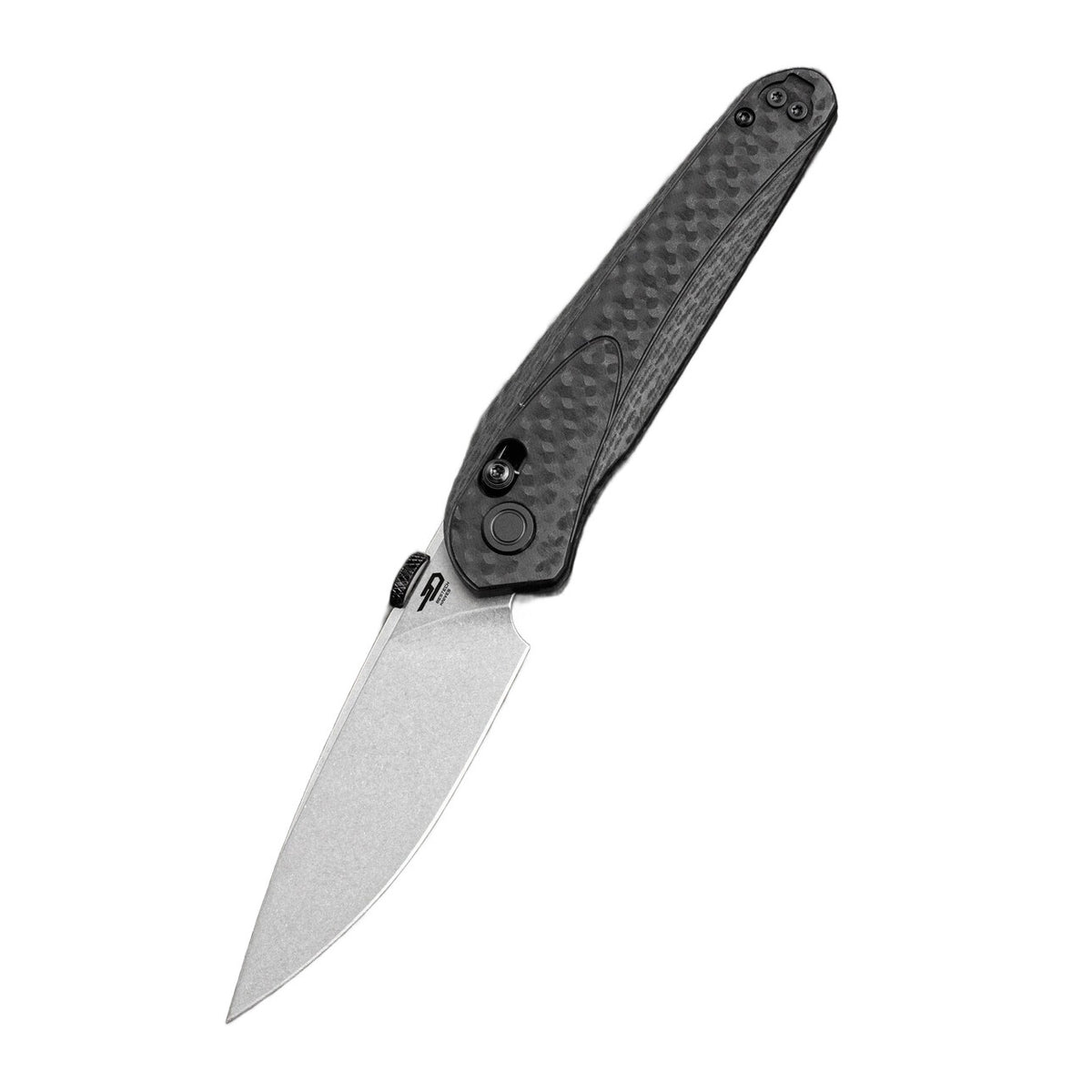
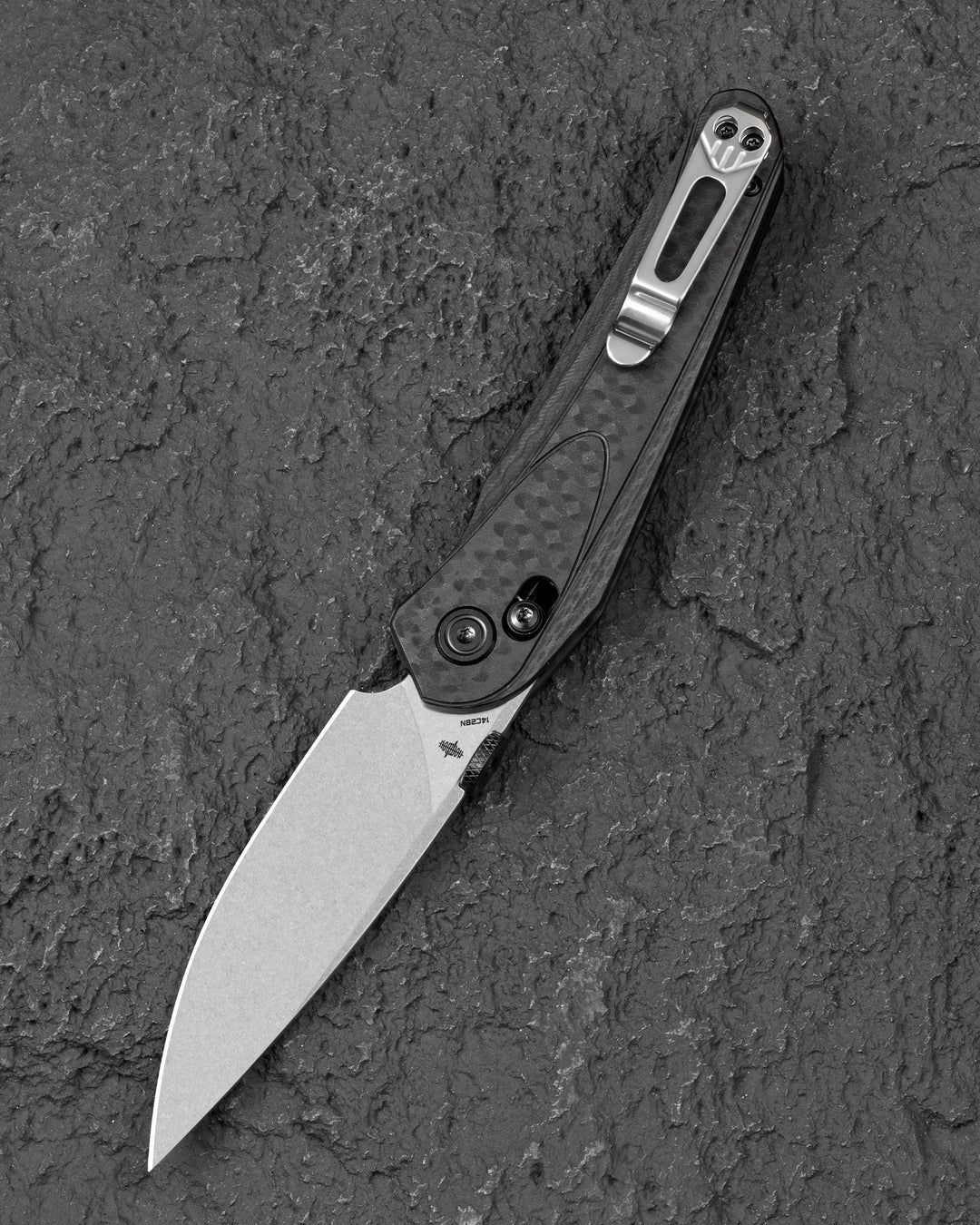
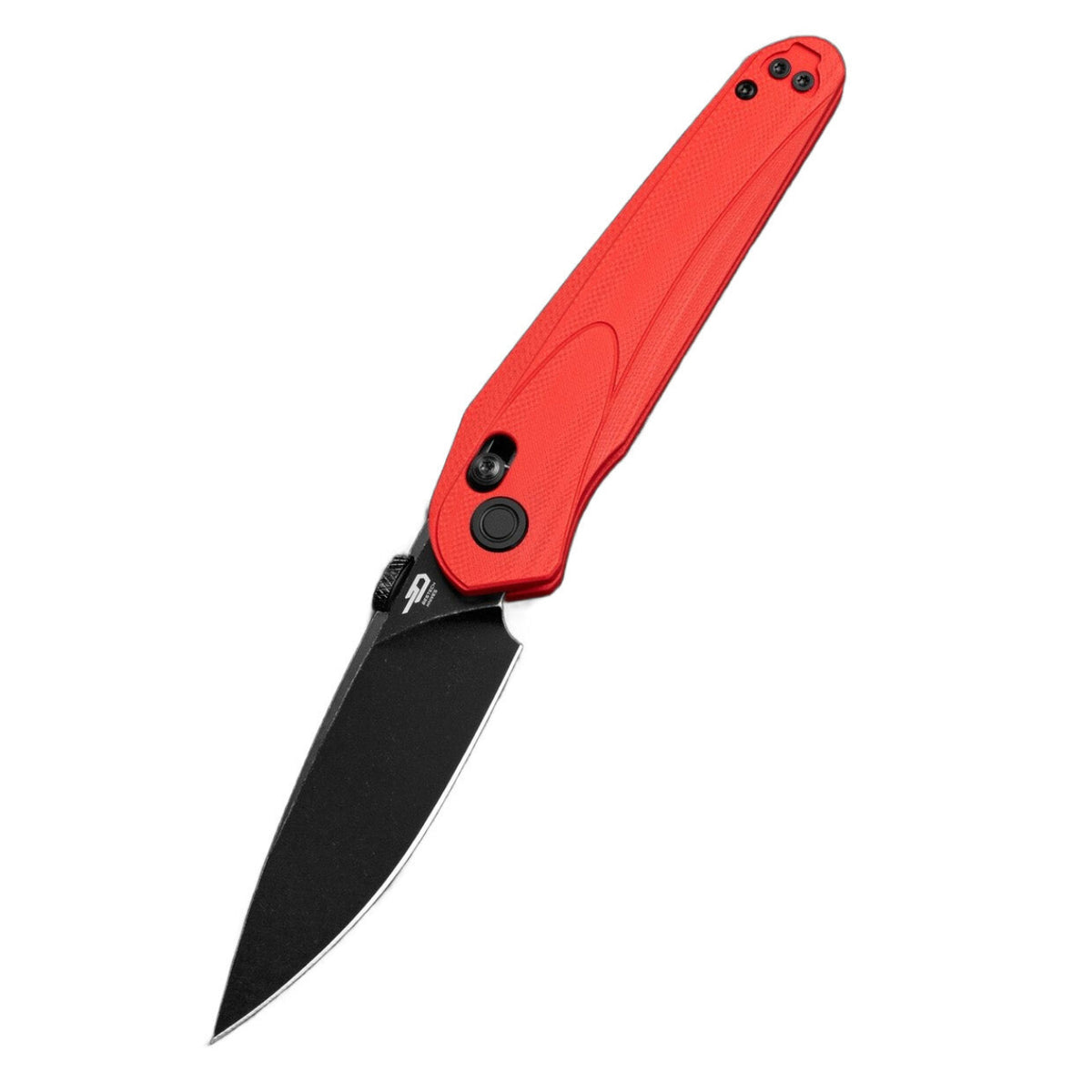
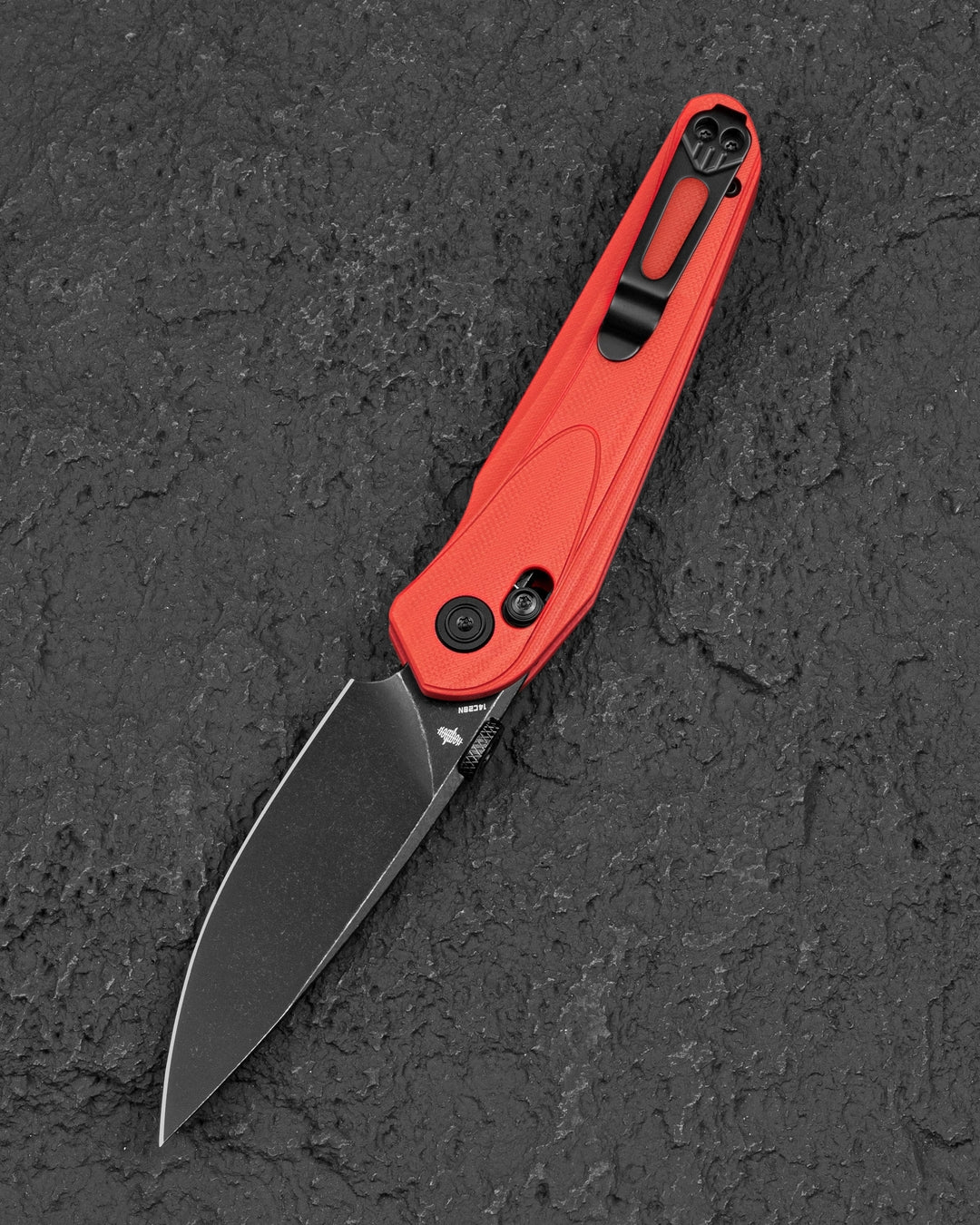
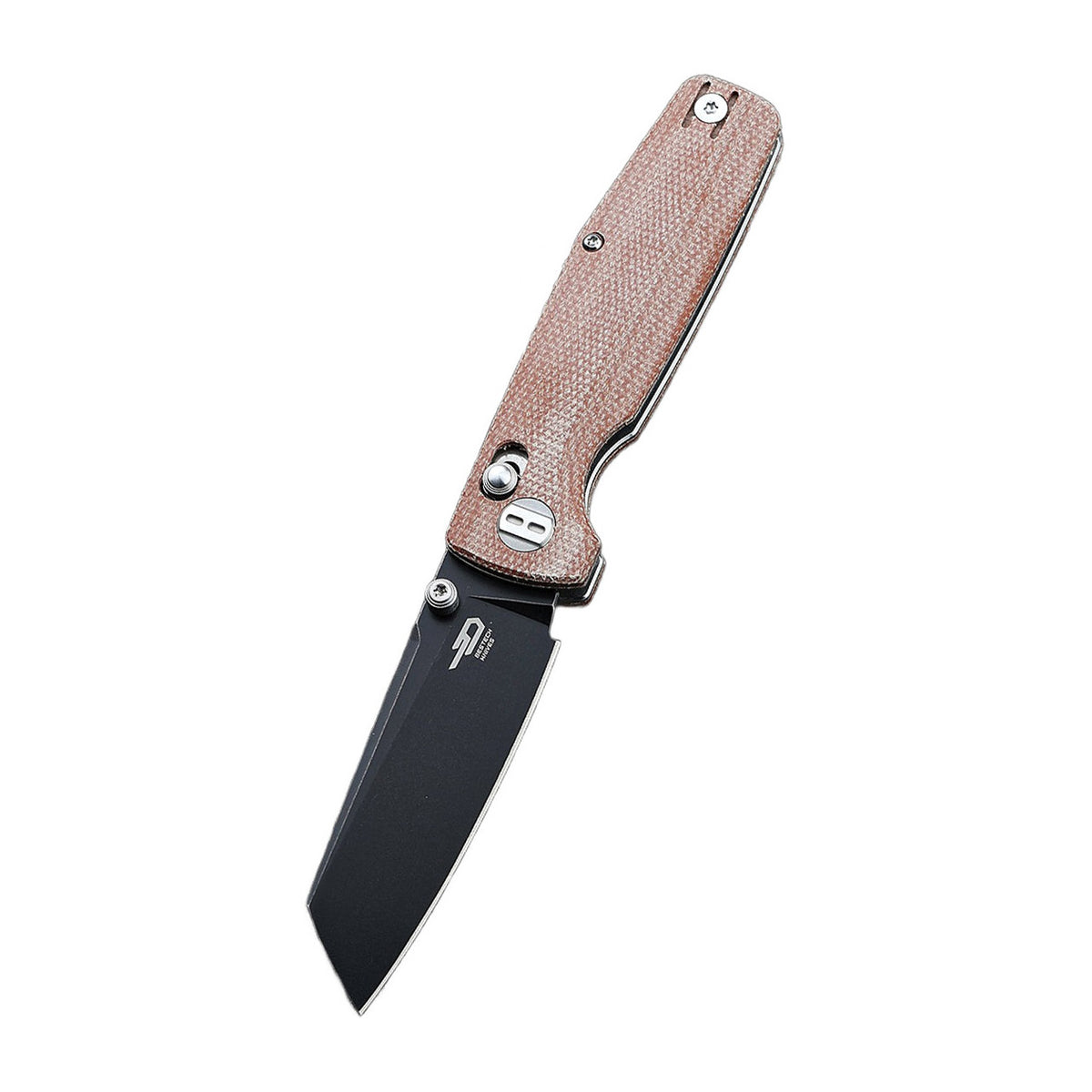
Lock choice shapes how a knife feels every single day, and the two most common systems at the budget end are the liner lock and the crossbar lock. To make the comparison concrete, I spent time with a Trivisa Batwing-BM/S on the crossbar side and a Trivisa Gecko-LM on the liner side. Both run 14C28N blades and ceramic bearings, so the difference you feel is almost purely the lock.

How Each Lock Actually Works
A liner lock is a bent strip of the handle liner that snaps against the blade tang when the knife opens. Closing it means pushing the liner aside with your thumb while folding the blade down, which puts a finger near the edge path if you are careless. A crossbar lock is a spring-loaded bar pinched between thumb and finger; release it and the blade swings free. Your fingers never travel through the closing path, which is why the design earned a safety reputation.
The Case for the Crossbar Lock
- Fully ambidextrous: pinch and flick works identically left- or right-handed.
- Closing keeps every finger out of the blade path.
- The wrist-flick open is addictive and fast on bearings.

The Case for the Liner Lock
- Slimmer handle: no through-bar means less hardware and a thinner pocket profile.
- One-handed closing becomes muscle memory quickly.
- Fewer parts to gum up with pocket lint over years.
Performance & Real-World Use
In two side-by-side weeks, the crossbar Batwing won on fun and symmetry, and the liner Gecko won on slimness. Both locks held solid with zero play. Wet hands favored the crossbar, since pinching is easier than thumb-pushing a slick liner. If you flip knives idly at your desk, the crossbar will own you.
Who Is This For?
Left-handed buyers should default to crossbar lock knives; minimalists browsing liner lock knives will prefer the thinner carry. Either way, both knives sit comfortably among the best folding knives under 70 dollars.
Final Verdict
Try both if you can; carry style decides it. Order the Batwing BG for the crossbar experience or the Gecko-LM for the liner, and browse the full EDC gear store to compare more locks in person.
Both test knives run 14C28N steel, which kept the steel variable out of the comparison entirely, and that is exactly why the lock difference stood out so clearly. If you are building a small rotation, the most practical answer is one of each lock type: the crossbar for outdoor days and gloved work, the liner for slim office carry. Between them you cover every carry context without spending more than a hundred and forty dollars total.
One maintenance note that rarely gets mentioned: crossbar locks collect pocket lint under the bar over months, and a compressed air blast or a toothbrush with a drop of oil restores the crisp stroke. Liner locks need the same attention at the liner-tang contact, just less visibly. Neither lock showed wear after the test weeks, and both stayed adjustable if you ever do develop play, which is more than can be said for some budget mechanisms.