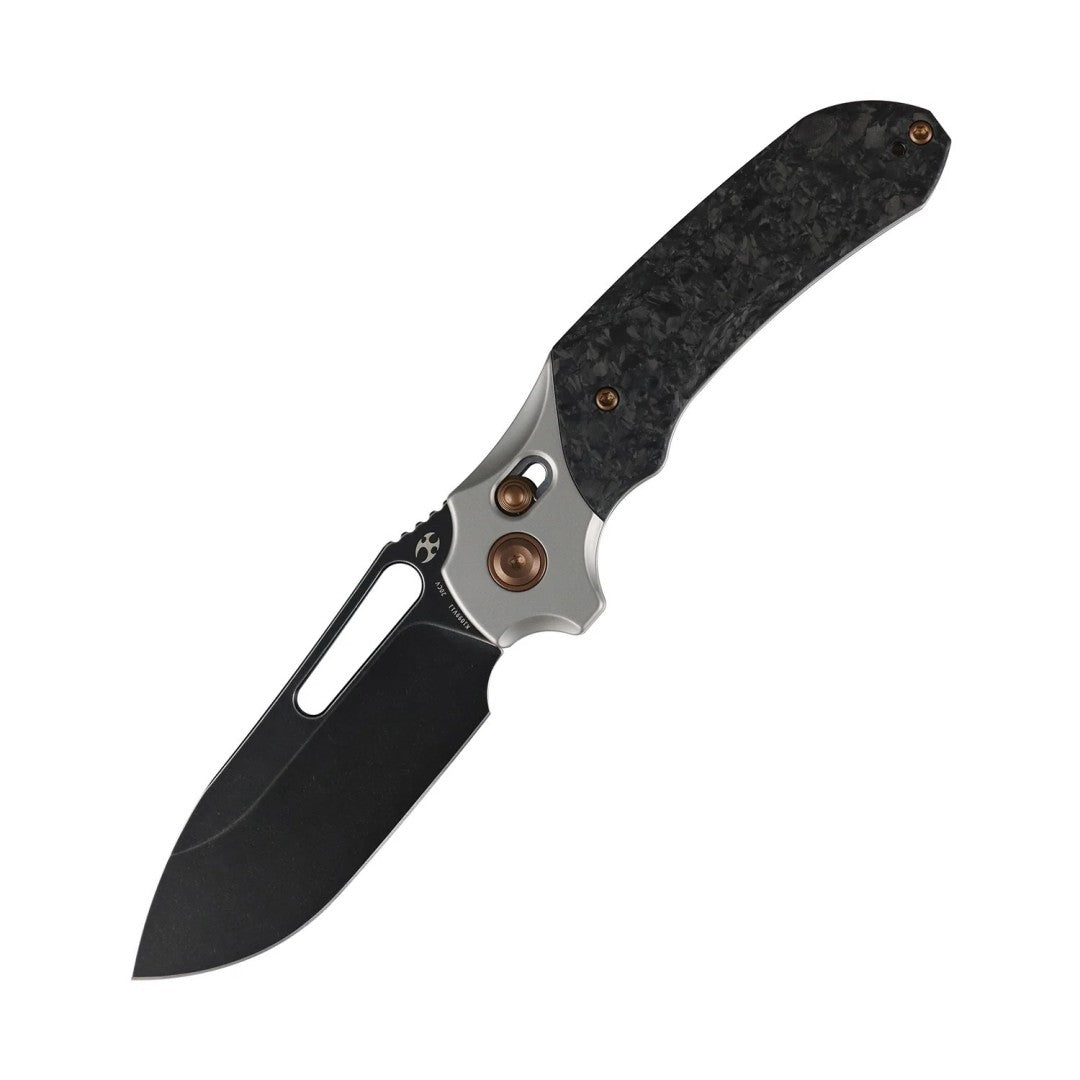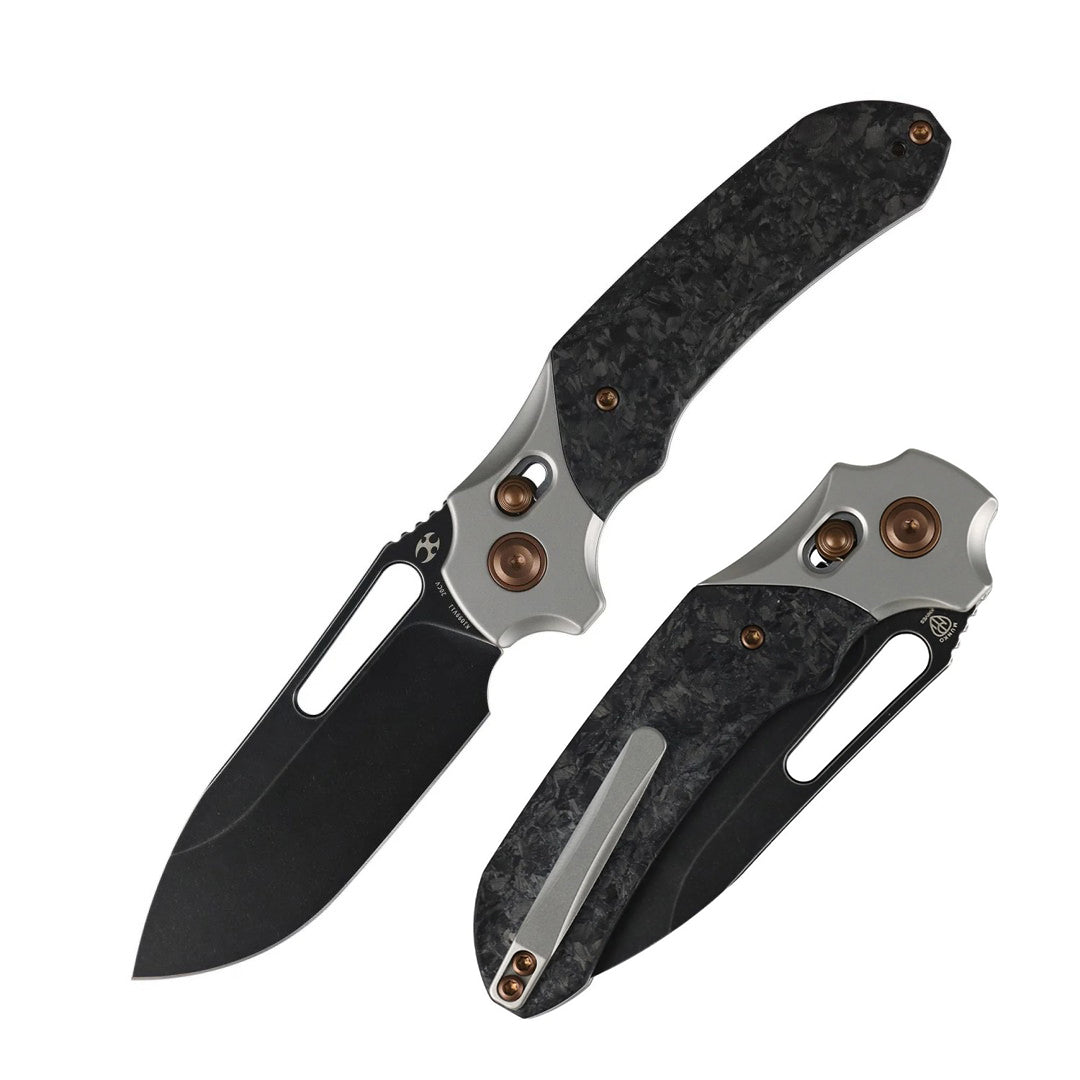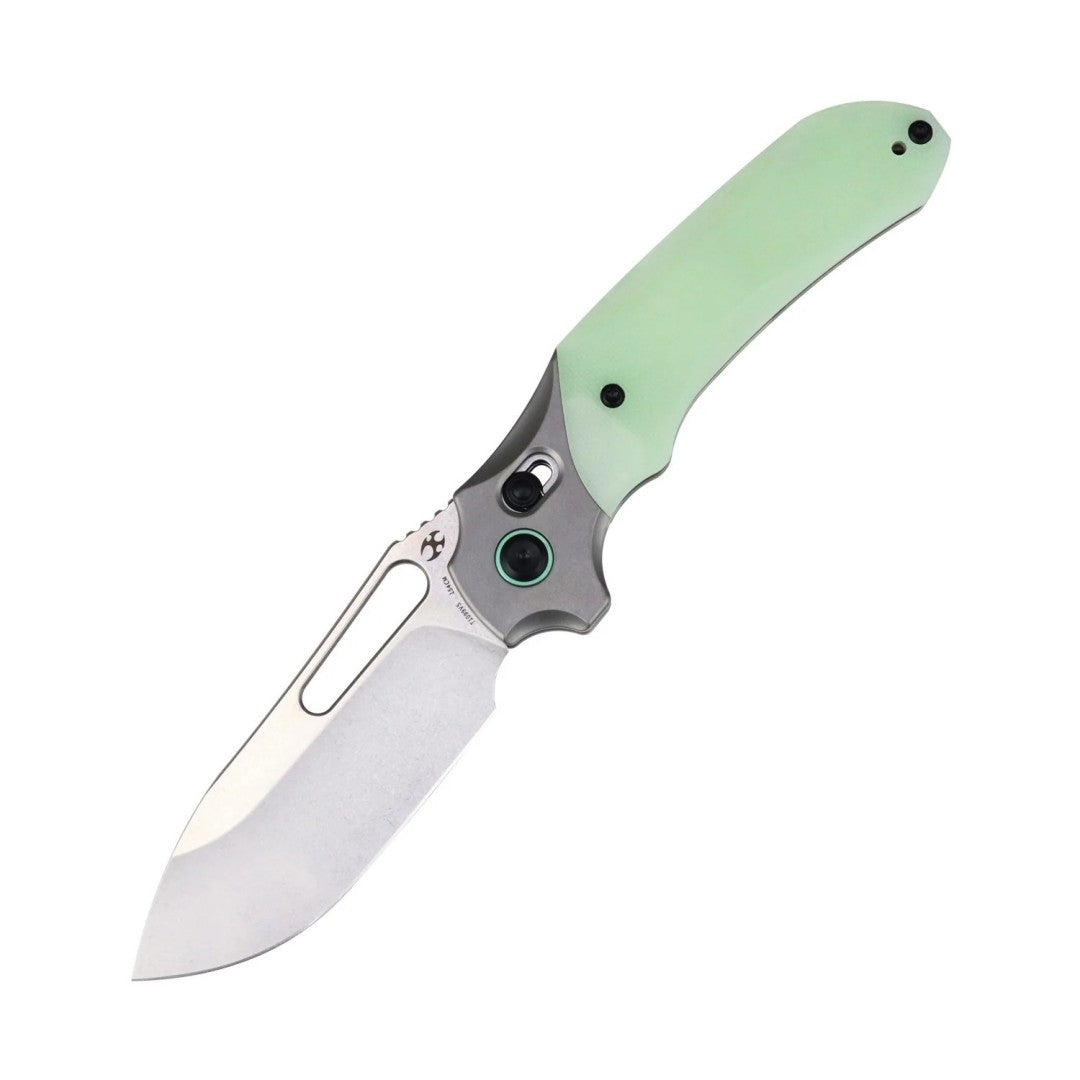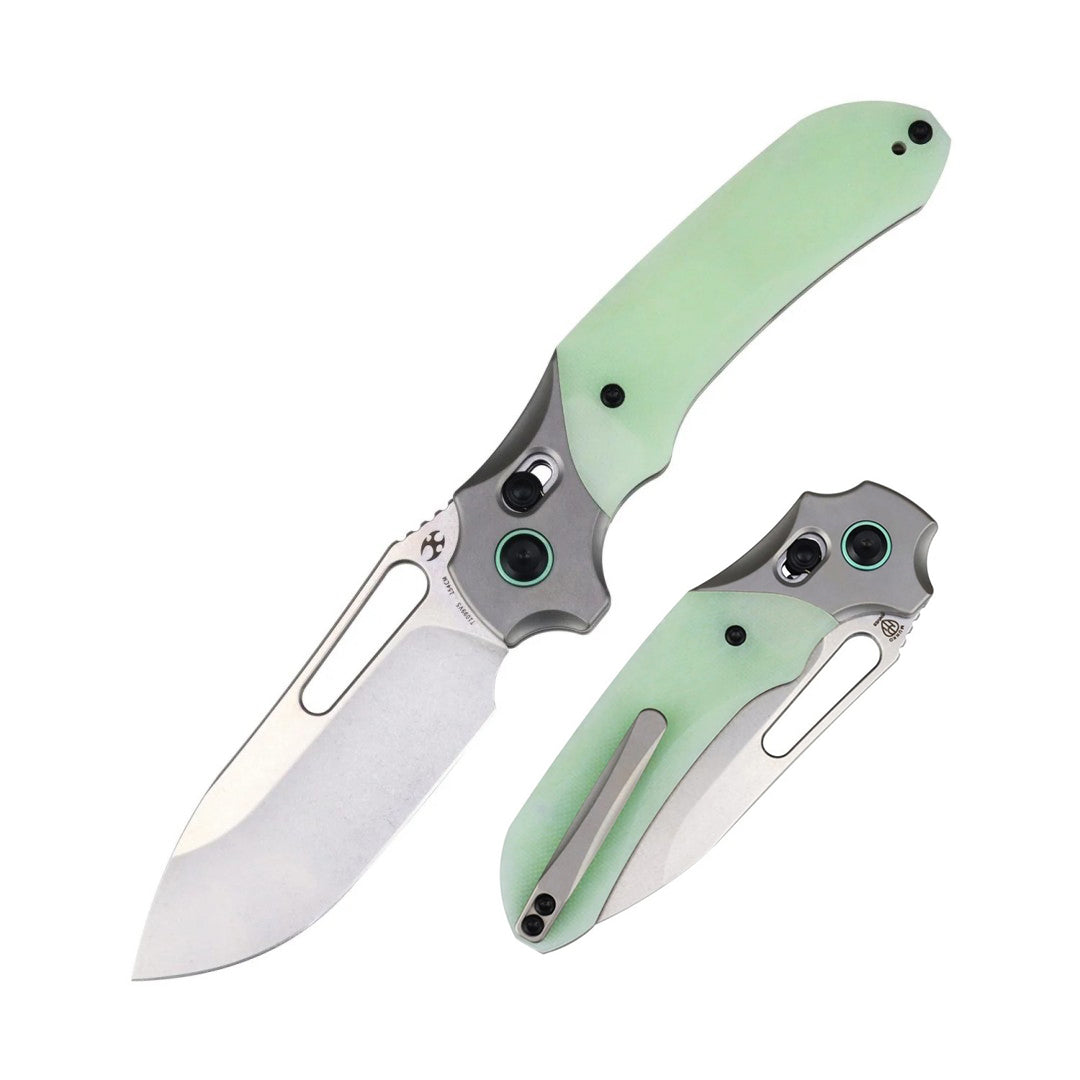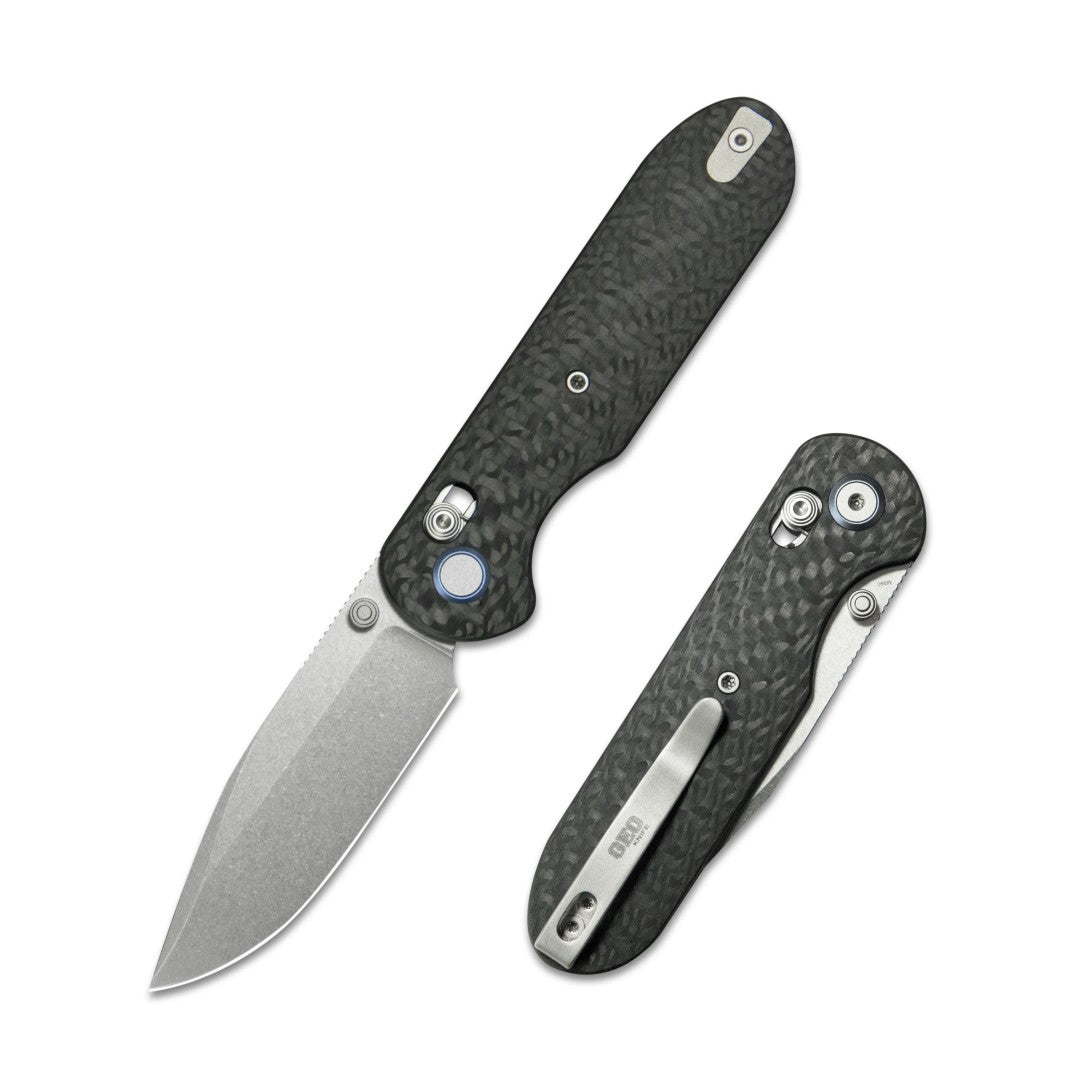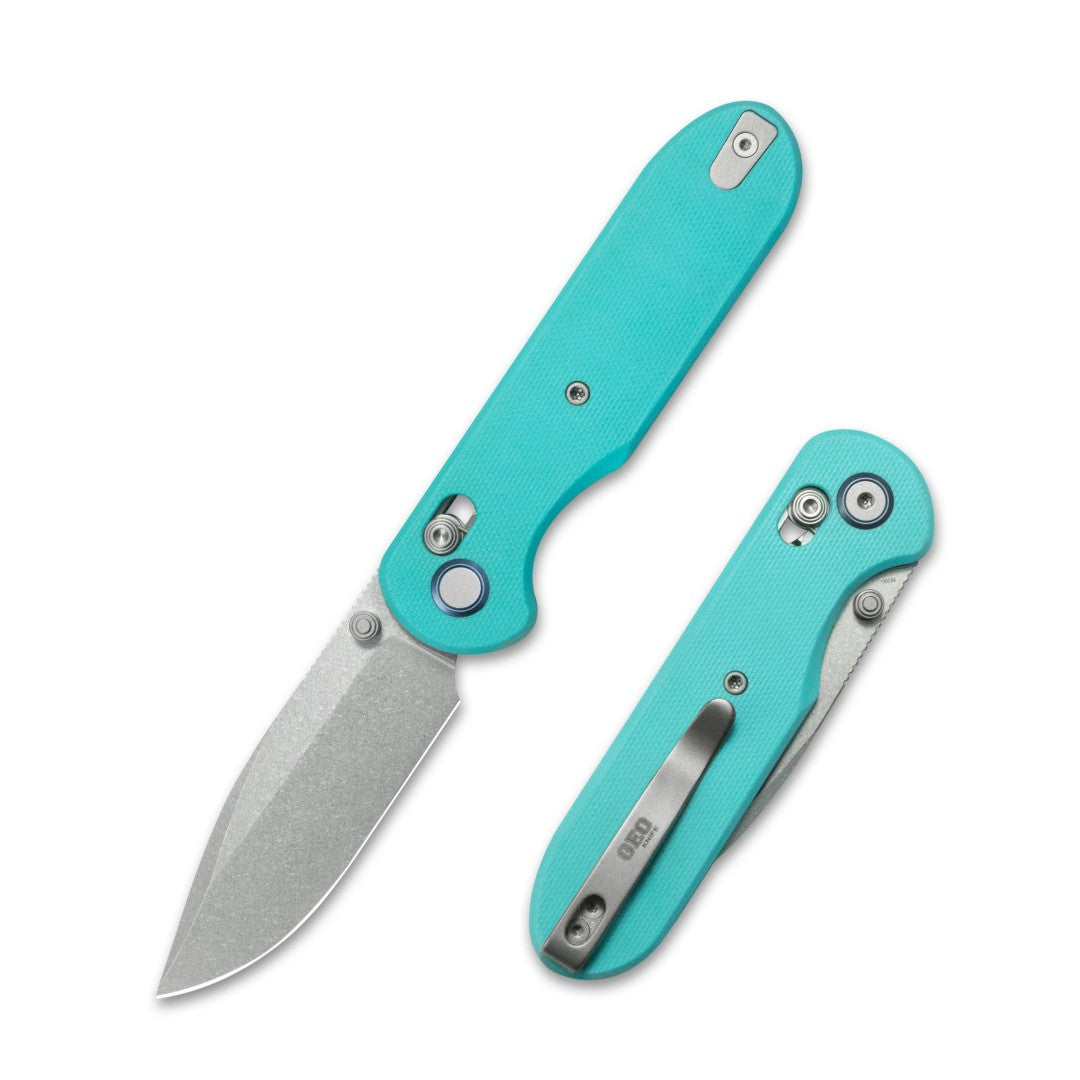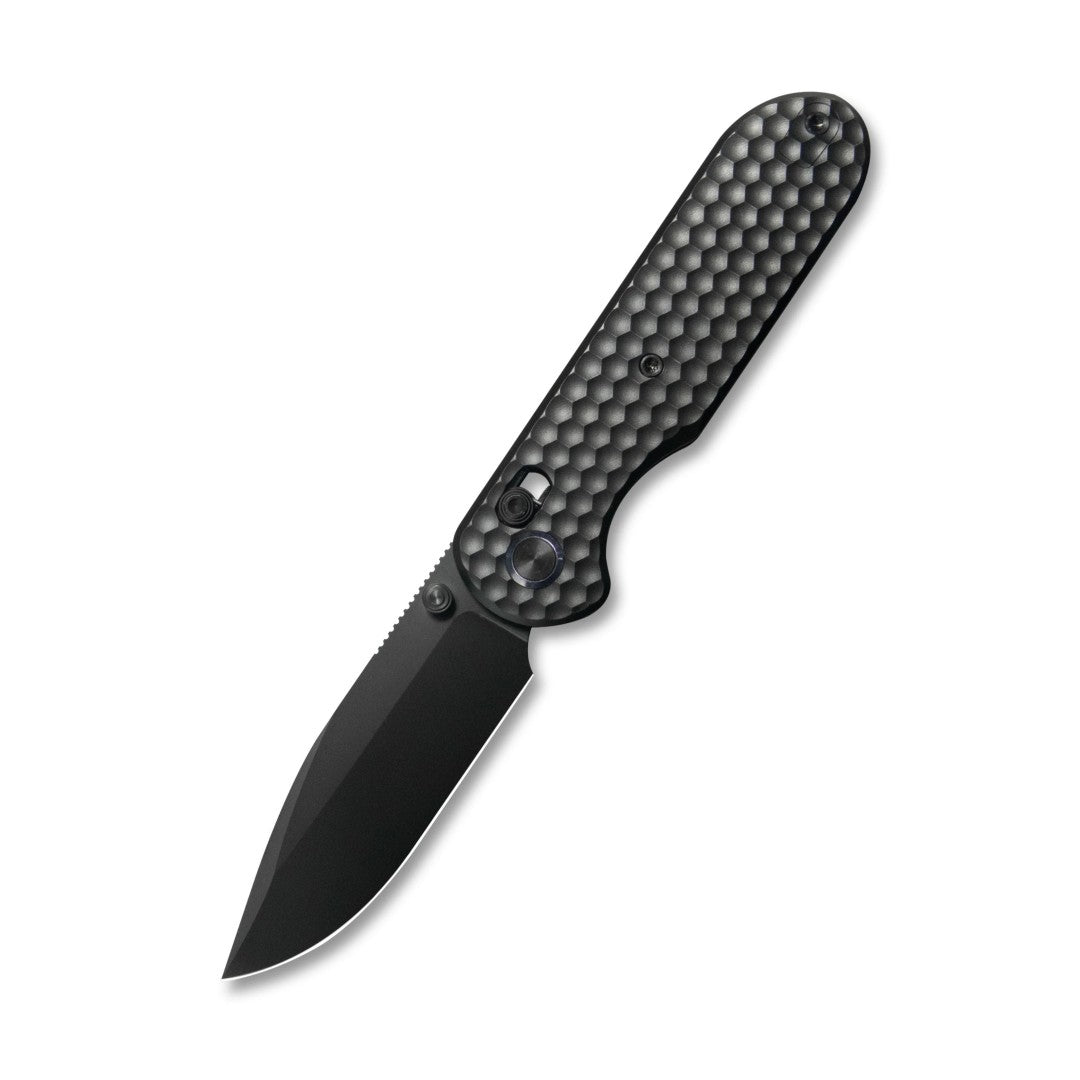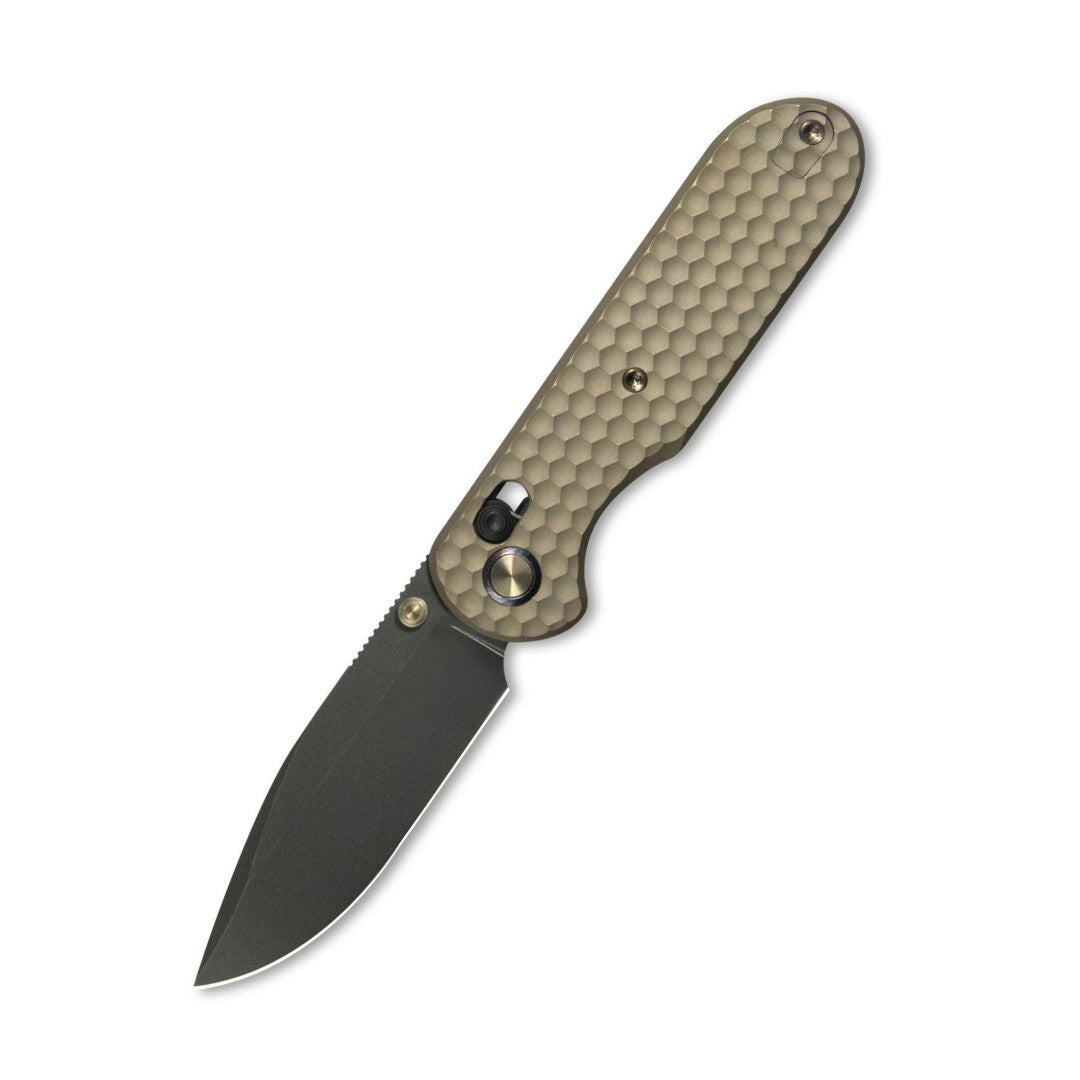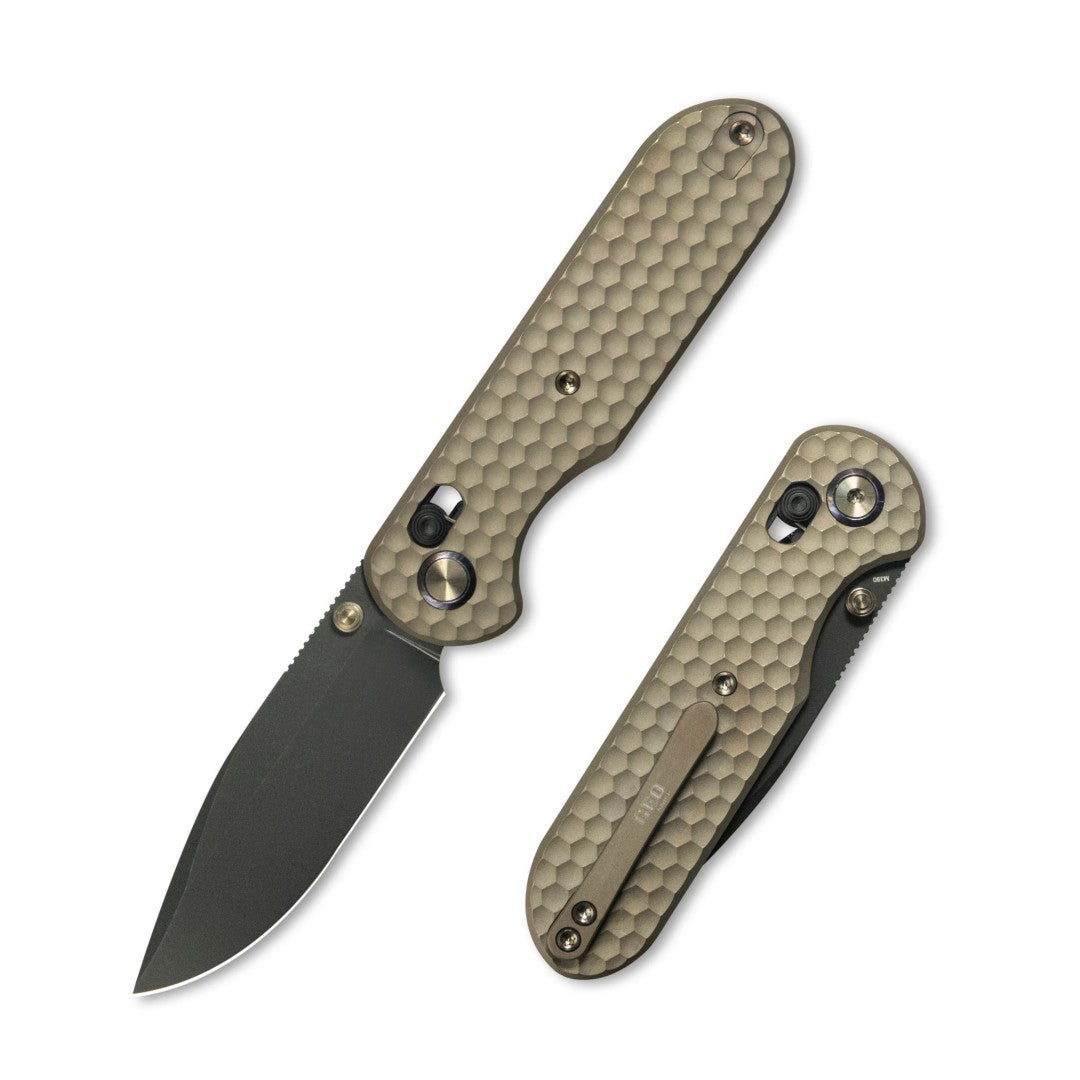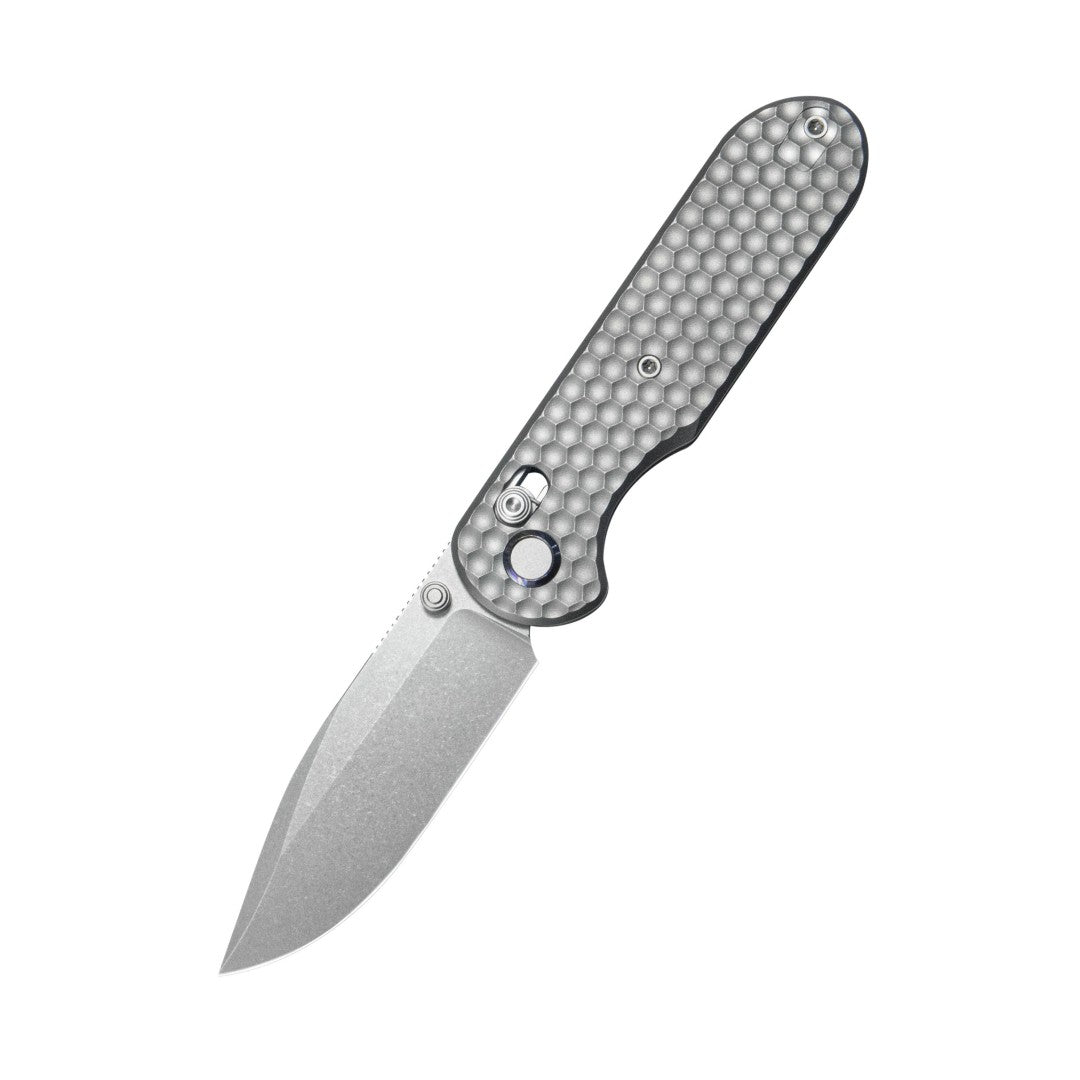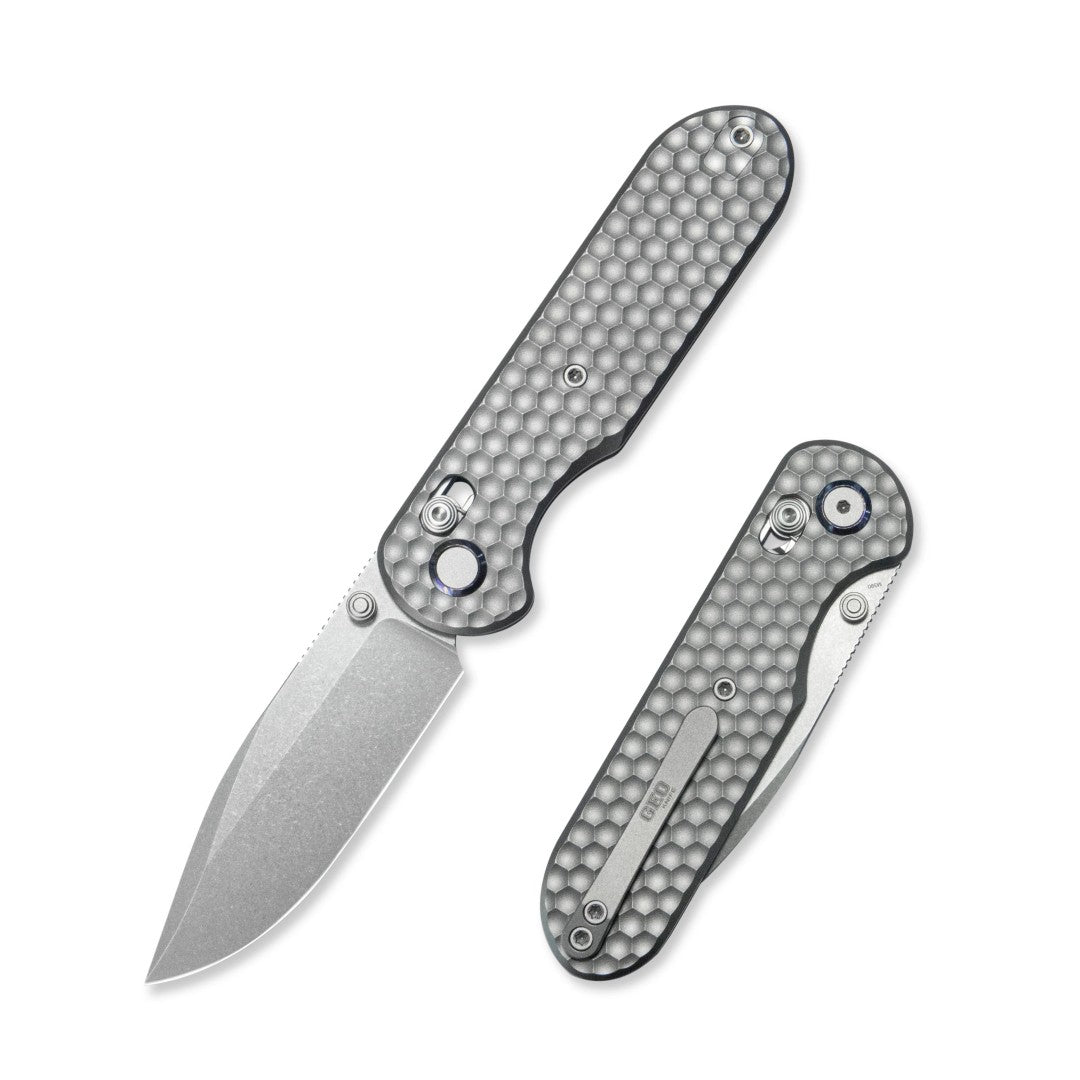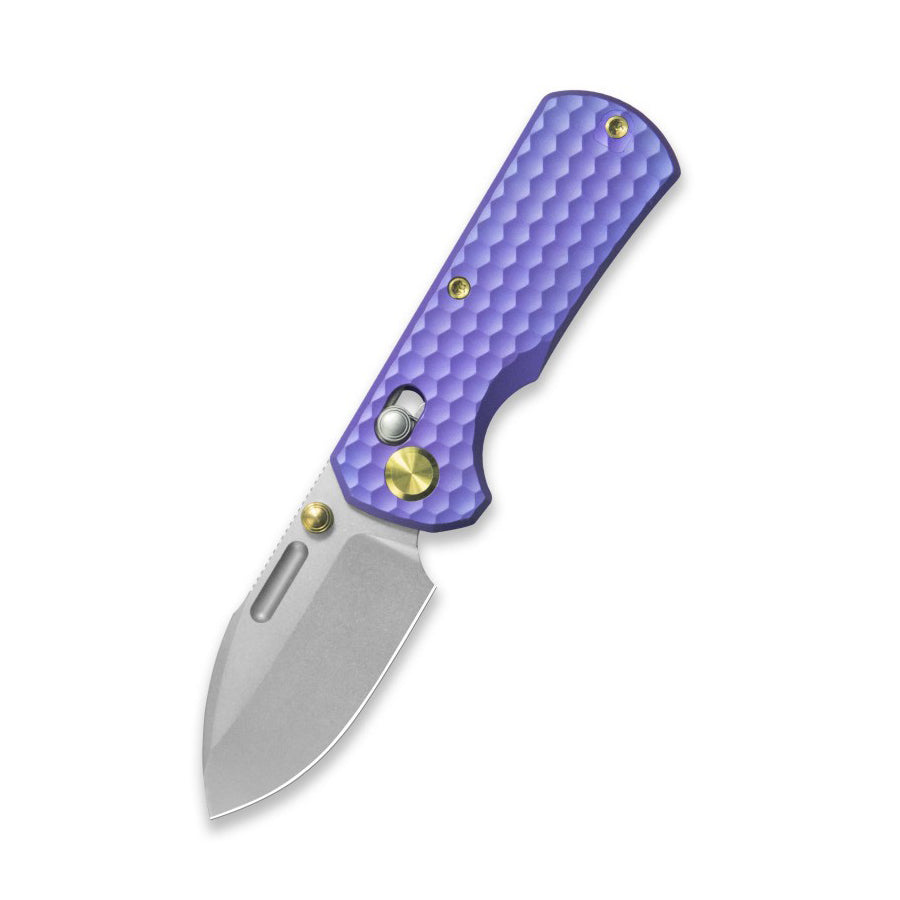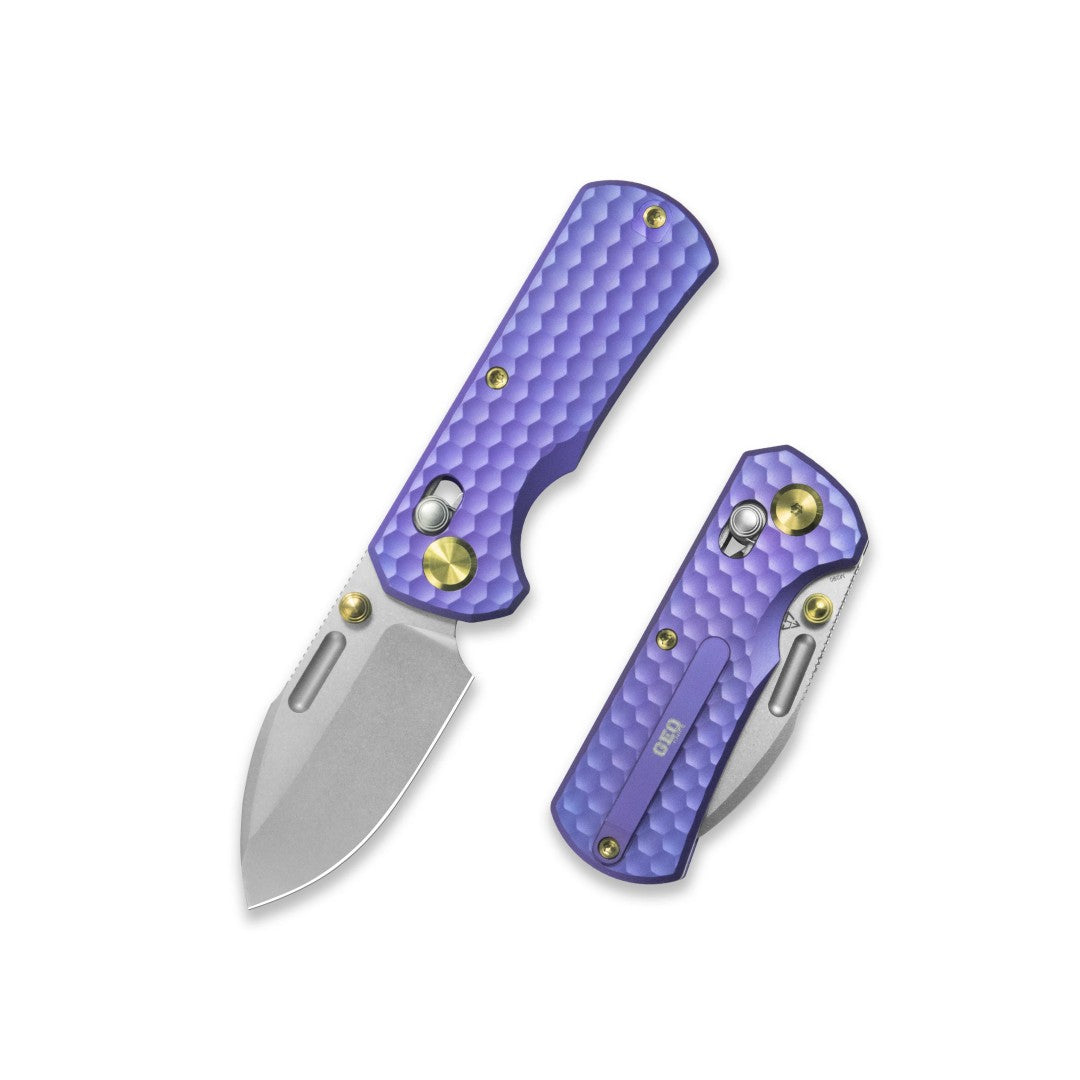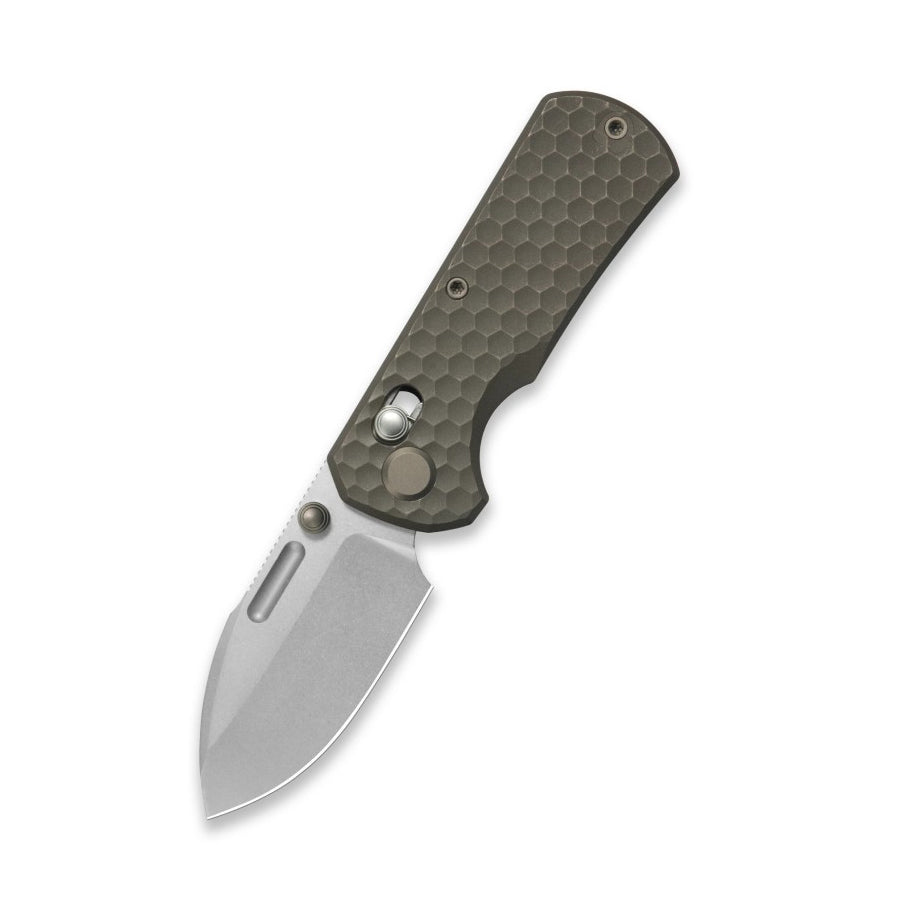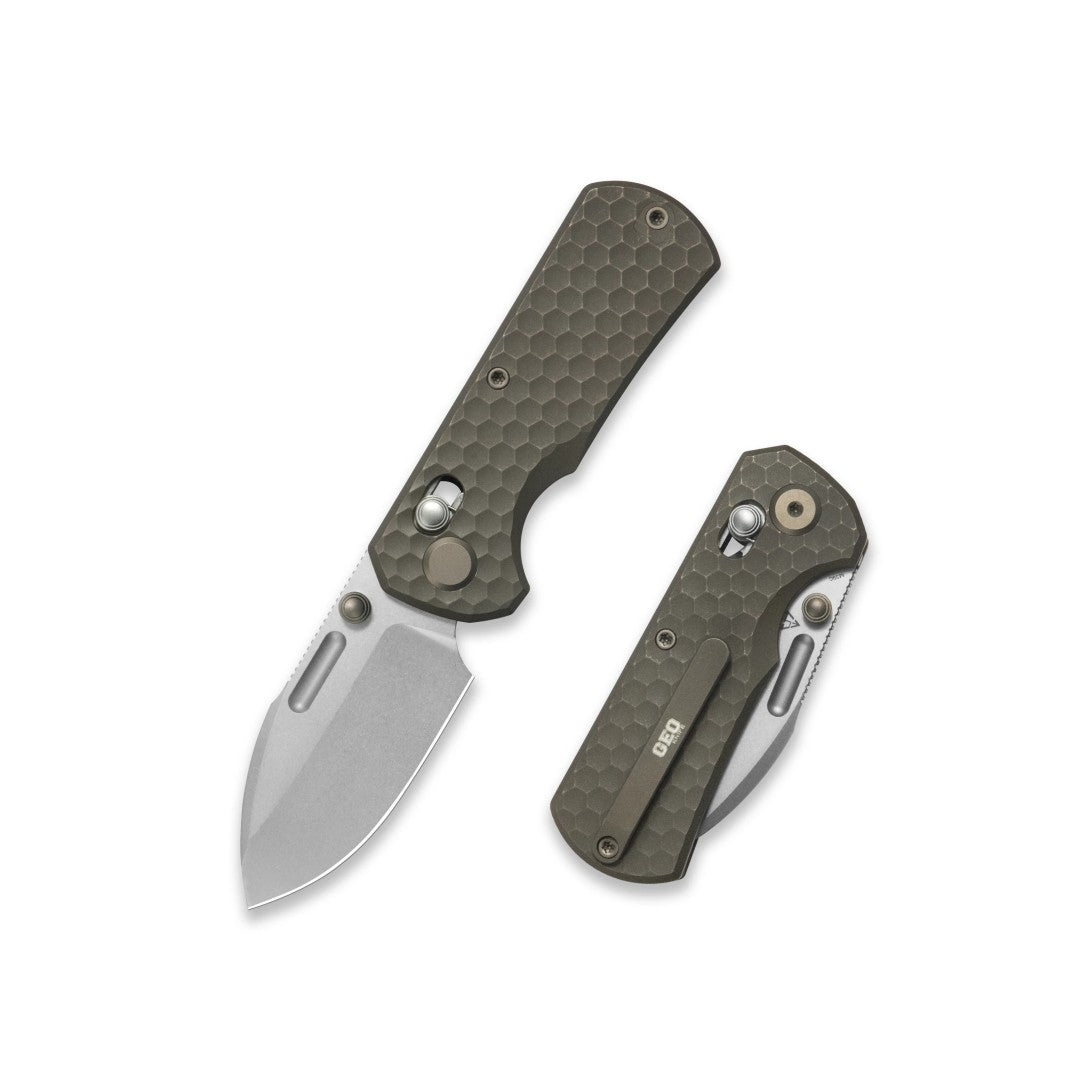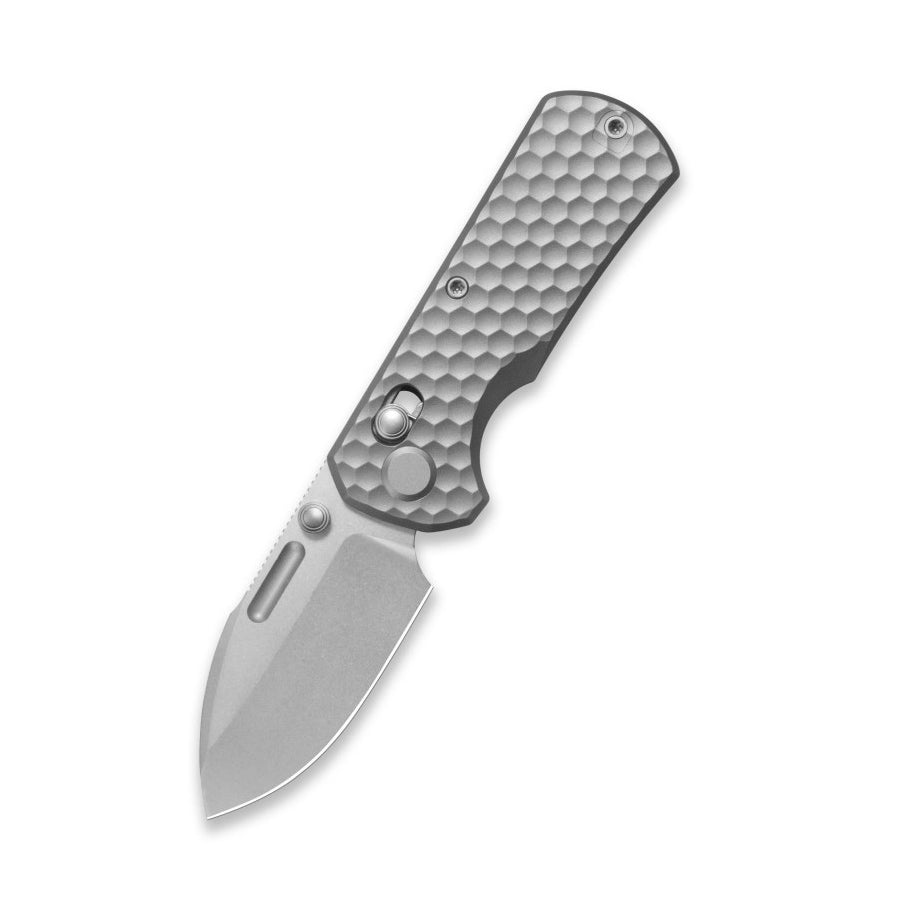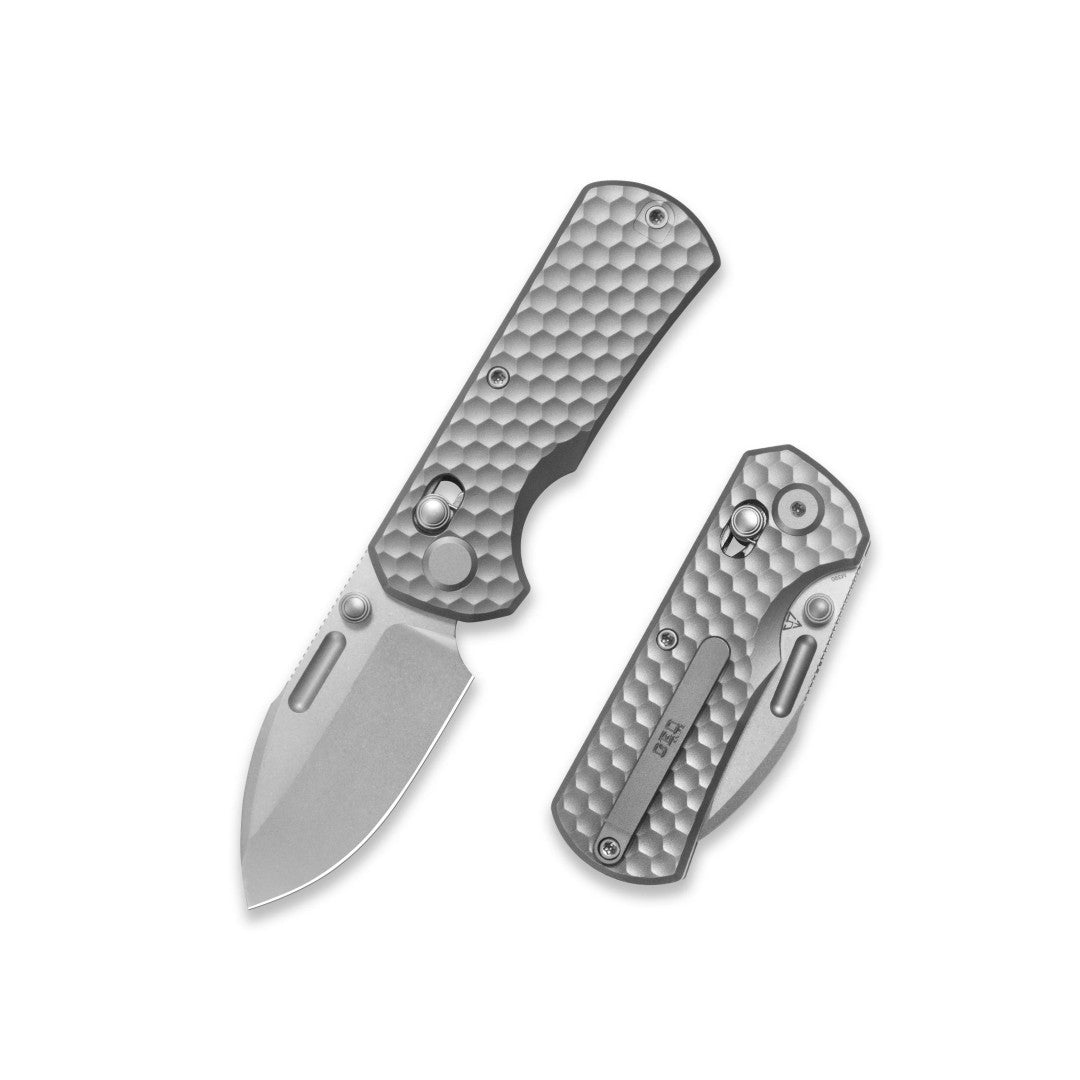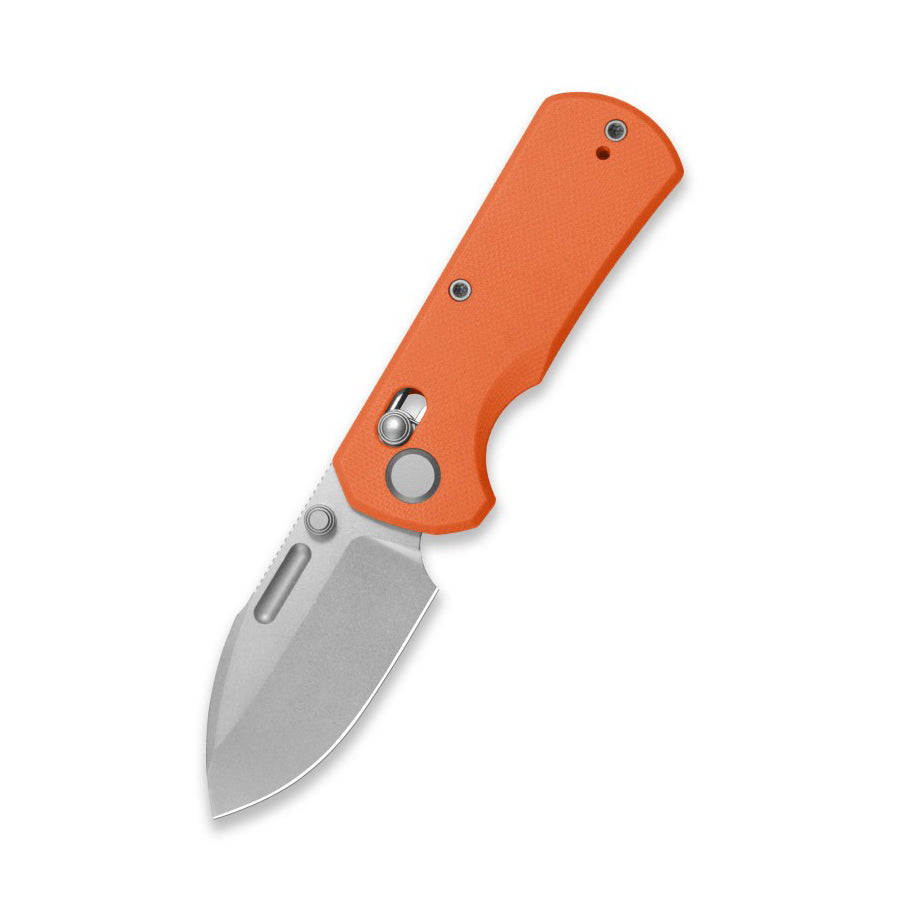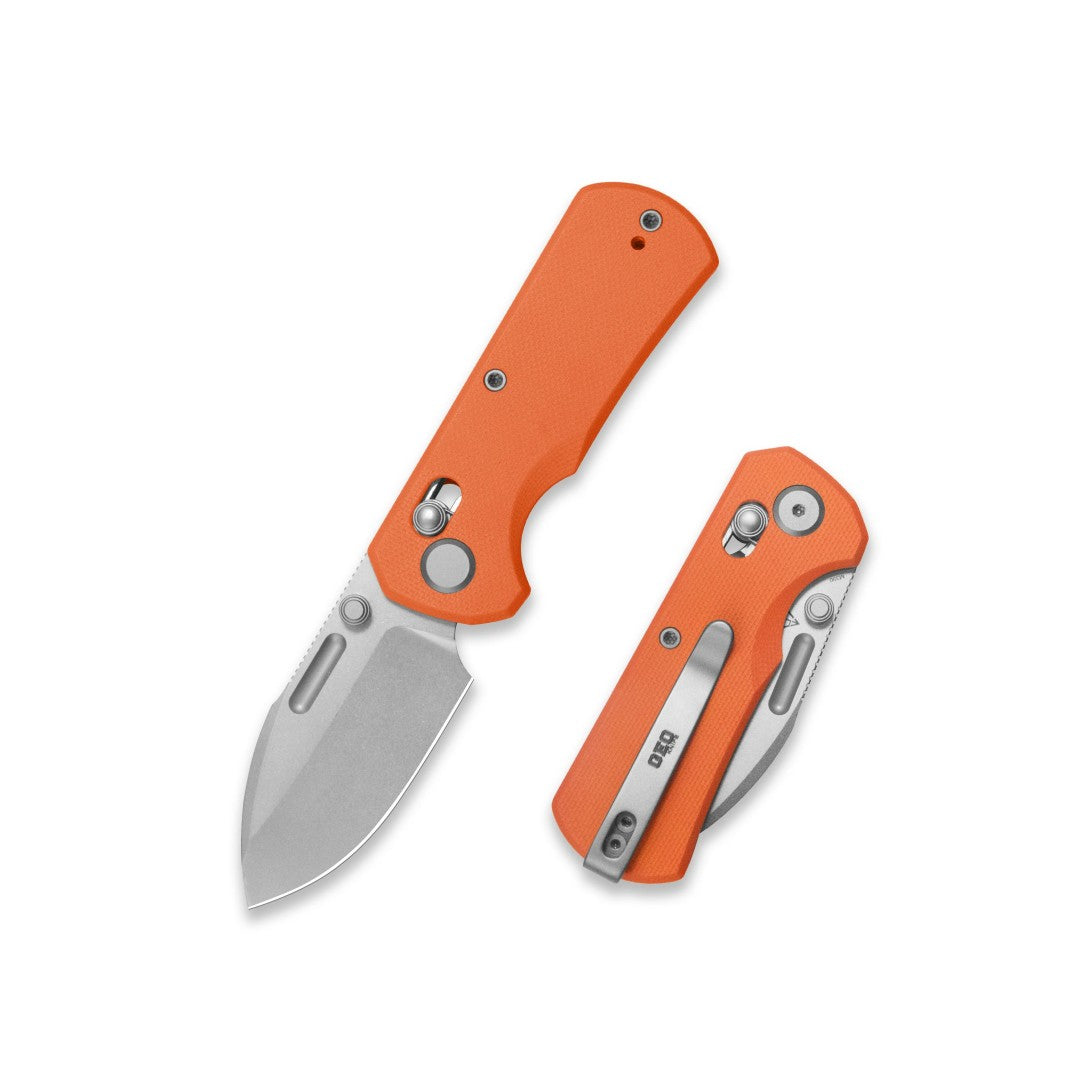
In the diverse world of knife steels, finding the right balance between performance and affordability is often the key to a satisfying everyday carry (EDC) experience. Carpenter Technology’s CTS-BD1 steel strikes that balance beautifully. Developed in collaboration with Spyderco as an American answer to a legendary Japanese steel, CTS-BD1 offers a user-friendly combination of good edge retention, excellent corrosion resistance, and easy sharpening—all at a price point that won’t break the bank. Whether you are new to premium knives or a seasoned enthusiast looking for a reliable workhorse, understanding what makes CTS-BD1 special will help you appreciate why this steel has become a favorite for practical, no-nonsense blades. This comprehensive guide covers everything you need to know about this exceptional American-made steel.
What Is CTS-BD1 Steel?
CTS-BD1 is a vacuum-melted, martensitic stainless steel manufactured by Carpenter Technology Corporation, a renowned American specialty alloy producer based in Wyomissing, Pennsylvania. It was specifically developed as part of Carpenter’s CTS (Carpenter Technology Steel) family of alloys designed for cutlery applications.
What makes CTS-BD1 unique is its origin story. The steel was created at the direct request of Spyderco founder Sal Glesser. After Spyderco spent several years helping Carpenter develop their blade steel lineup, Carpenter’s head metallurgist asked what they could do to thank them. Glesser’s request was simple: produce an American equivalent of Hitachi’s Gingami 1 (also known as GIN-1 or G2), a Japanese steel widely regarded as the gold standard for cutlery but for which there was no American counterpart. Carpenter reproduced the chemistry and “tweaked” it for greater performance. After extensive testing, CTS-BD1 was born—and its performance exceeded even Glesser’s expectations. The steel proved so good that Carpenter made it available to the wider knife industry rather than limiting it to Spyderco alone.
Chemical Composition
The balanced performance of CTS-BD1 comes from its carefully formulated chemical composition. According to manufacturer specifications, the steel contains the following elements:
| Element | Percentage |
|---|---|
| Carbon (C) | 0.85–0.95% |
| Chromium (Cr) | 15.0–17.0% |
| Manganese (Mn) | 0.60% |
| Molybdenum (Mo) | 0.30% |
| Silicon (Si) | 0.37% |
| Vanadium (V) | 0.10% |
| Iron (Fe) | Balance |
Each element contributes specific properties to the steel. Carbon provides hardness and wear resistance. The high 15.0–17.0% chromium content delivers stainless properties and excellent corrosion resistance, well above the 10.5% threshold required for stainless steel classification. Manganese improves strength and reduces brittleness, while molybdenum enhances hardenability and corrosion resistance. The small amount of vanadium boosts wear resistance and toughness.
Key Performance Characteristics
Hardness (HRC)
CTS-BD1 typically achieves a Rockwell hardness of 58–60 HRC when properly heat treated. While this places it below super steels that routinely reach 60–64 HRC, the moderate hardness level provides an excellent balance between edge retention and toughness. Knifemakers can heat treat this steel easily to reach its optimal hardness, and the steel’s consistent heat-treatability from lot to lot is one of its standout features.
Corrosion Resistance
With 15–17% chromium content, CTS-BD1 delivers impressive corrosion resistance. The alloy has corrosion resistance similar to Type 410 alloy and can resist corrosion in mild atmospheres, fresh water, steam, ammonia, many petroleum products, and several slightly acidic environments. For everyday carry knives used in typical conditions—exposure to humidity, sweat, light rain, or occasional moisture—CTS-BD1 provides more than adequate protection against rust and corrosion.
Edge Retention
CTS-BD1 offers decent edge retention that punches above its price class. Users consistently report that BD1 holds a good edge and outperforms budget standards like AUS-8 and 8Cr13MoV in edge holding. One user noted that BD1 “holds a fine edge noticeably longer than VG-10 at the same angle”. While it cannot match the extreme wear resistance of super steels like S90V or M390, CTS-BD1 provides sufficient edge retention for most EDC tasks, from opening packages to cutting rope and food preparation.
Toughness
CTS-BD1 has decent toughness, making it resistant to chipping under normal use. The manganese in its composition reduces brittleness and improves strength, helping the steel achieve resilience against chipping. Cutting ropes, small wood pieces, or performing everyday cutting tasks with a CTS-BD1 knife won’t cause chips. As long as the knife is used for its intended purpose, chipping and other damages should not be a concern.
Sharpening Ease
This is one of CTS-BD1’s most celebrated features. The steel is relatively easy to sharpen and takes a very nice edge. Unlike super steels that require diamond stones and considerable patience, CTS-BD1 responds well to ceramic stones, whetstones, and standard sharpening systems. Users report that BD1 gets super sharp and holds that really sharp edge nicely. The medium-sized chromium carbides allow for easy abrasion without stubborn burr formation, making edge maintenance straightforward and frustration-free.
How CTS-BD1 Compares to Other Steels
CTS-BD1 vs. 8Cr13MoV and AUS-8
CTS-BD1 is frequently compared to these budget-friendly steels, and in most respects, it comes out ahead. The higher chromium content in CTS-BD1 (15–17%) compared to 8Cr13MoV (13–14.5%) gives it superior corrosion resistance. BD1 also holds an edge longer than AUS-8 and 8Cr13MoV, though the increase in edge holding is modest rather than dramatic. Both BD1 and AUS-8 are relatively easy to sharpen, but BD1 offers slightly better overall performance for a modest increase in cost.
CTS-BD1 vs. VG-10
VG-10 is a well-respected Japanese stainless steel known for excellent edge retention. CTS-BD1 is generally considered to be in a similar class, with some users reporting that BD1 holds a fine edge longer than VG-10 at the same angle while offering comparable corrosion resistance. However, VG-10 can achieve higher peak hardness and may have slightly better wear resistance. The trade-off is that BD1 is easier to sharpen and comes at a lower price point.
CTS-BD1 vs. 440C
Both steels offer similar edge retention and corrosion resistance, with CTS-BD1 being slightly easier to sharpen due to its finer carbide structure. For users seeking an American-made alternative to 440C, CTS-BD1 is an excellent choice.
CTS-BD1 vs. CTS-BD1N
CTS-BD1N is the nitrogen-enhanced evolution of CTS-BD1. The addition of 0.10–0.15% nitrogen allows BD1N to achieve higher hardness (60–63 HRC) compared to BD1’s 58–60 HRC range. BD1N also offers superior wear resistance and edge retention while maintaining similar toughness and corrosion resistance. However, BD1N is more expensive and slightly more difficult to sharpen. For budget-conscious users who prioritize ease of sharpening and corrosion resistance over ultimate edge retention, original CTS-BD1 remains an attractive option.
Popular Knives Featuring CTS-BD1
CTS-BD1 is used by well-known brands including Spyderco, Kershaw, Cold Steel, and Kizer. Notable examples include:
-
Spyderco Polestar: Features a leaf-shaped, drop-point blade made from American CTS-BD1 stainless steel with a full-flat grind for effortless cutting
-
Spyderco Alcyone: A refined folder with CTS-BD1 blade and skeletonized stainless steel liners
-
Spyderco Chicago: Compact everyday carry knife with a leaf-shaped plain edge blade
-
Spyderco UK Penknife (UKPK): UK-legal carry knife with full-flat ground CTS-BD1 blade
-
Spyderco Mule Team 10: A limited 500-piece fixed blade run focusing on the steel’s performance characteristics
-
Cold Steel Voyager Series: Some variants feature CTS-BD1 blades
Knives made with CTS-BD1 typically sell in the $60 to $150 range, making them accessible to a wide range of users.
Best Applications for CTS-BD1
Given its balanced properties, CTS-BD1 is ideally suited for:
-
Everyday carry (EDC) knives: The steel’s balance of edge retention, corrosion resistance, and easy sharpening makes it perfect for daily use
-
Kitchen and food-preparation knives: Excellent corrosion resistance stands up to acidic foods and frequent washing
-
Camping and outdoor knives: Sufficient toughness and corrosion resistance for general outdoor tasks
-
Budget-conscious premium knives: Excellent performance at an accessible price point
-
Entry-level knives for new enthusiasts: Easy sharpening and maintenance make it ideal for those learning knife care
Pros and Cons Summary
Advantages
-
Excellent corrosion resistance—15–17% chromium content ensures reliable performance in humid environments
-
Easy to sharpen—responds well to ceramic stones and standard sharpeners
-
Decent edge retention that outperforms budget steels like AUS-8 and 8Cr13MoV
-
Good toughness—resists chipping under normal use
-
Consistent heat-treatability from lot to lot
-
American-made—proudly produced by Carpenter Technology in the USA
-
Affordable—excellent performance at a budget-friendly price point
Disadvantages
-
Not a super steel—edge retention falls below premium steels like S30V, M390, and VG-10
-
Moderate hardness—58–60 HRC range is adequate but not exceptional
-
Lower wear resistance than steels with higher vanadium carbide content
-
May require more frequent sharpening than super steels for heavy users
Final Thoughts
CTS-BD1 represents a remarkable achievement in practical knife steel design. Born from a collaboration between Spyderco and Carpenter Technology, this American-made steel delivers an exceptional balance of corrosion resistance, edge retention, toughness, and easy sharpening—all at an accessible price point.
While it may not have the exotic cachet of super steels like S90V or M390, what CTS-BD1 offers is arguably more valuable to the average knife user: reliable performance without the headaches of difficult sharpening or premium price tags. As Sal Glesser himself said, after testing CTS-BD1, its performance was “even better than I had expected.” Whether you are a first-time knife buyer or a seasoned collector seeking a dependable workhorse, CTS-BD1 is a steel that deserves serious consideration.
*Looking for knives made with CTS-BD1 steel? Browse our collection of premium blades featuring this exceptional American stainless steel and experience the perfect balance of performance and value for yourself.*
Key Terms and Definitions
| Term | Definition |
|---|---|
| Martensitic stainless steel | A heat-treatable stainless steel that becomes hard through a crystalline structure transformation |
| Vacuum-melted | A steel manufacturing process that removes impurities for cleaner, more consistent material |
| Corrosion resistance | The ability to resist rust and oxidation when exposed to moisture |
| Edge retention | How long a blade maintains its sharpness during use |
| Toughness | The ability to resist chipping, cracking, or breaking under impact |
| HRC (Rockwell Hardness C-scale) | A standard scale used to measure the hardness of steel |
| Chromium carbides | Hard particles within the steel that provide wear resistance |