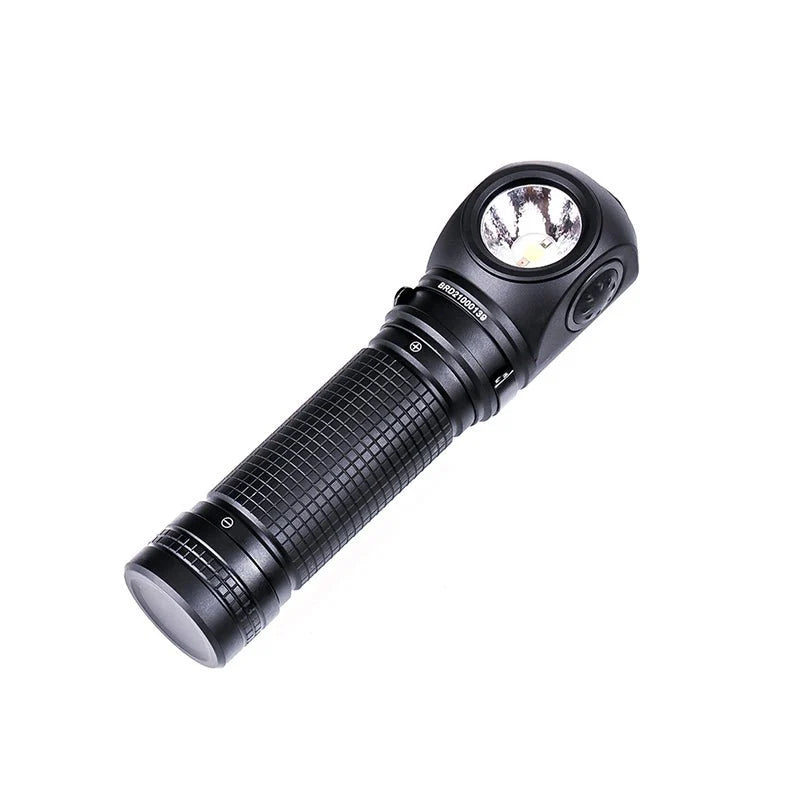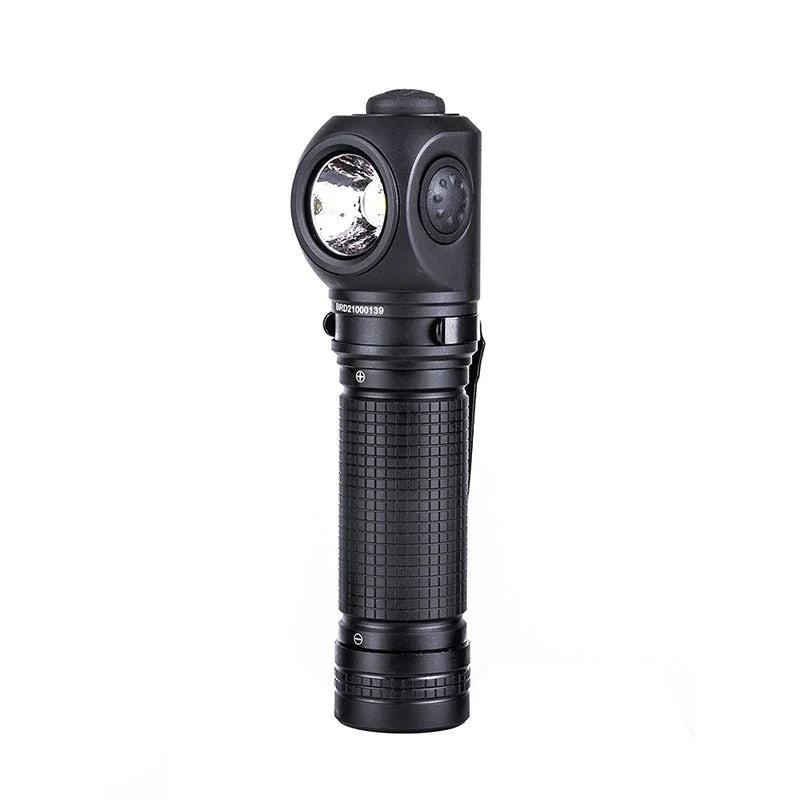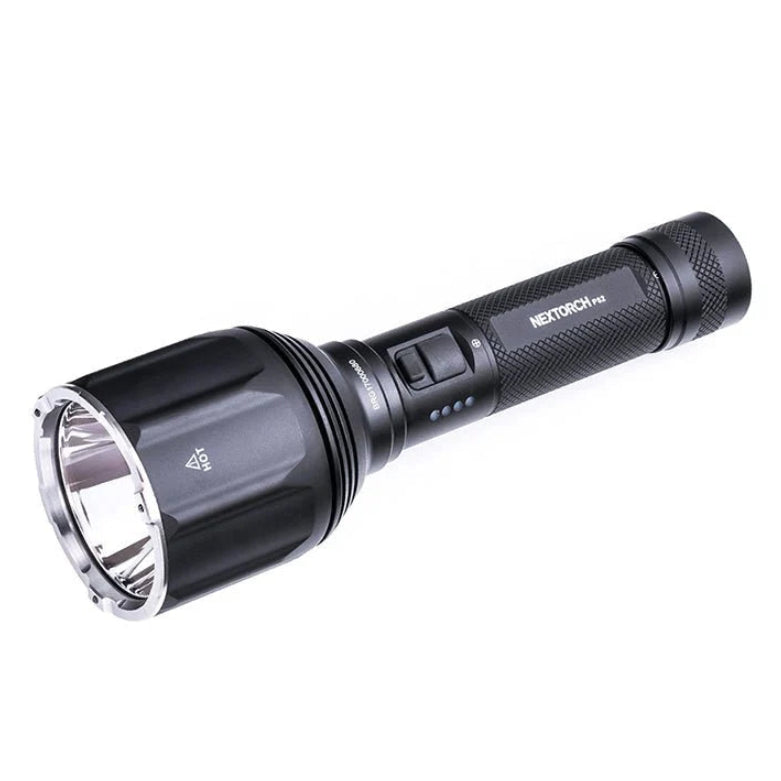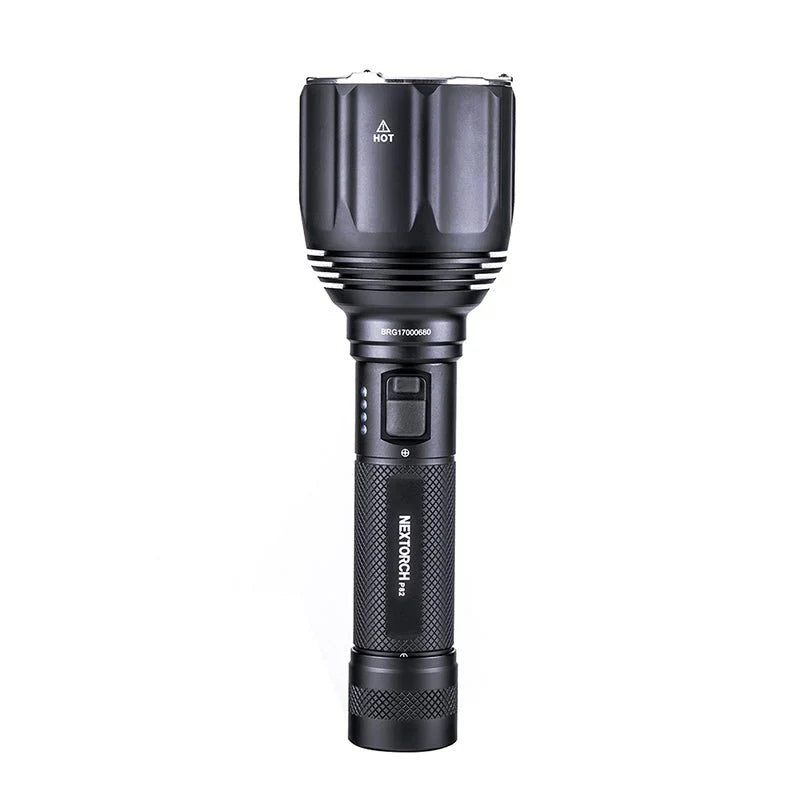

When comparing two products or tools, it's important to understand what each one offers and how they align with your specific needs. The CTS-BD1 and O1 are both popular choices in their category, but they serve different purposes and come with distinct advantages.
Understanding the CTS-BD1
The CTS-BD1 is known for its reliability and straightforward functionality. It's designed with a focus on core performance, making it an excellent choice for users who prioritize simplicity and dependability. Many users appreciate its build quality and the fact that it delivers consistent results without unnecessary complexity.
What Makes the O1 Stand Out
The O1 takes a different approach, offering advanced features and enhanced capabilities. It's built for users who want more control and flexibility in their workflow. The O1 typically includes additional options and customization features that appeal to those looking for greater versatility.
Key Differences to Consider
The main distinction between these two options comes down to your priorities. If you value ease of use and straightforward performance, the CTS-BD1 may be the better fit. However, if you need more advanced features and are comfortable with a steeper learning curve, the O1 could be worth the investment.
Making Your Decision
The "better" choice ultimately depends on your specific requirements, budget, and how you plan to use the product. Consider what features matter most to you, how often you'll use it, and whether you need room to grow into more advanced functionality. Both options have their merits, and the right choice is the one that best matches your individual needs.