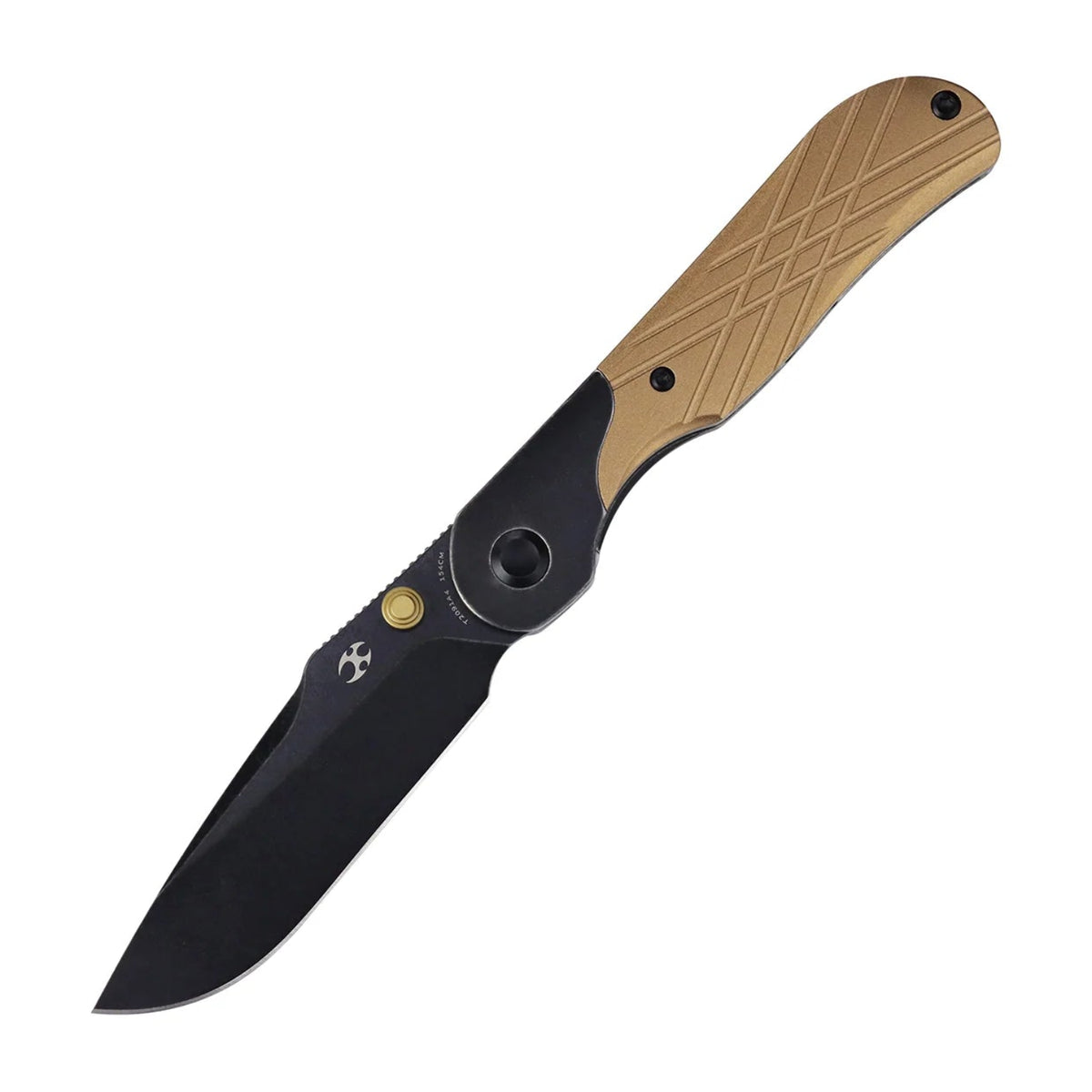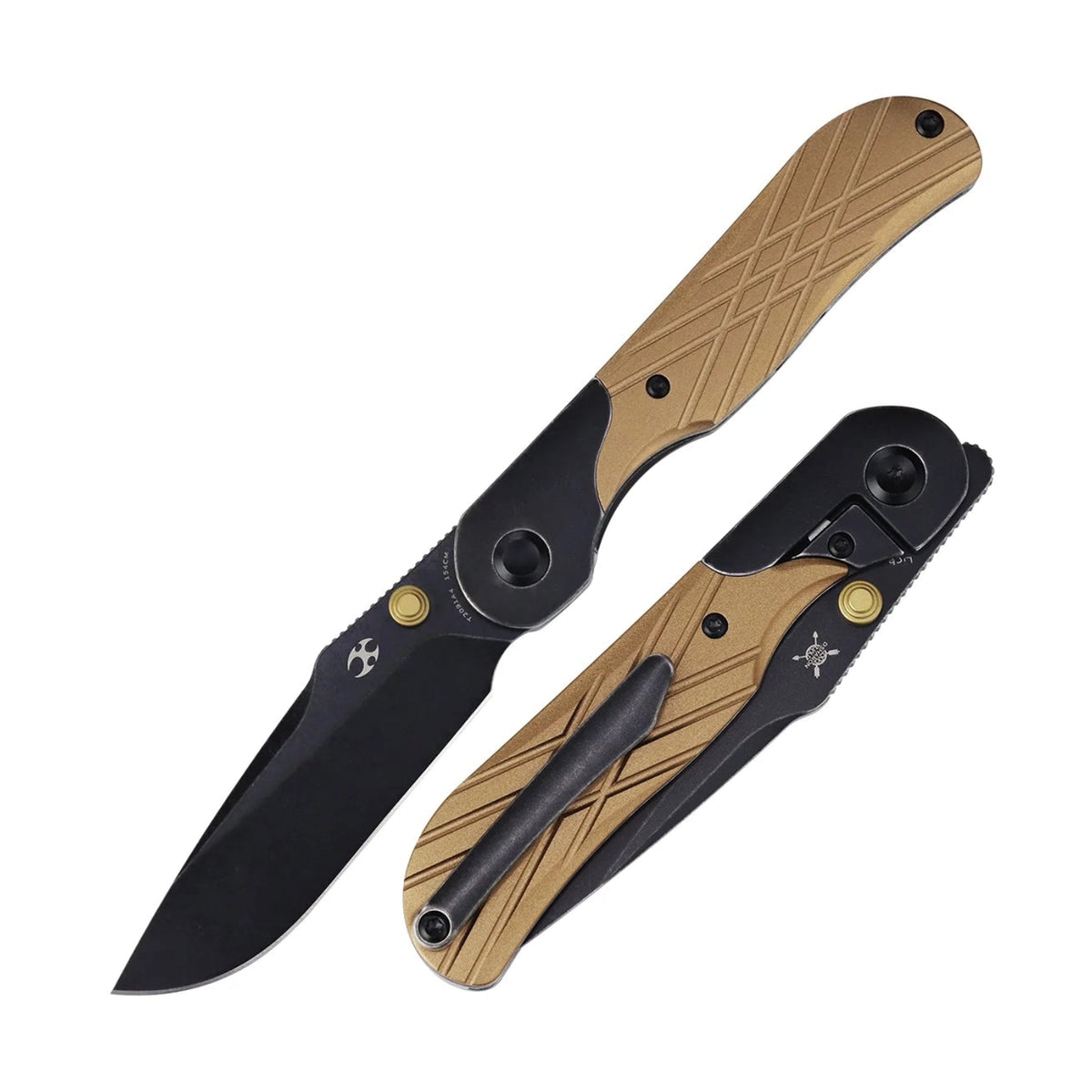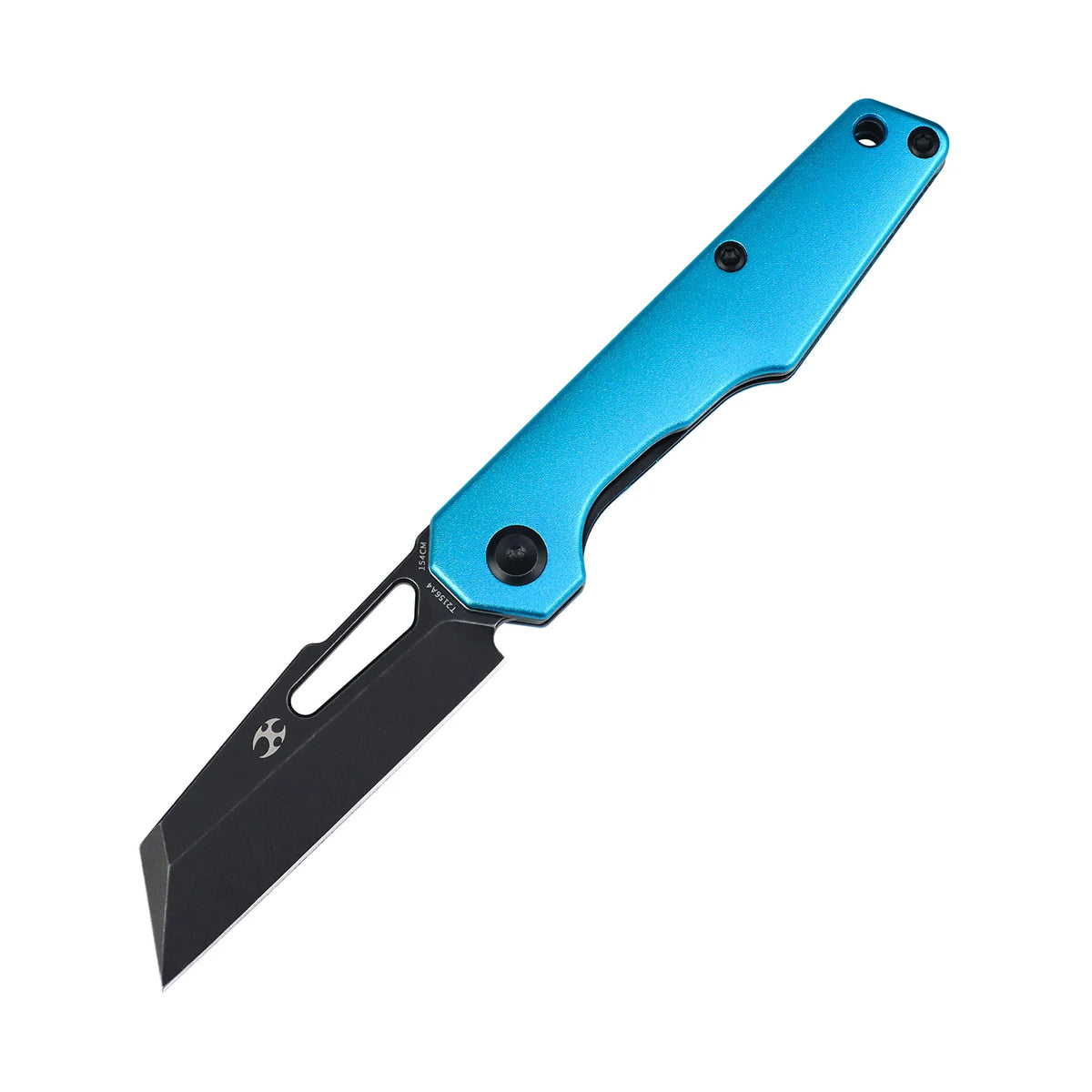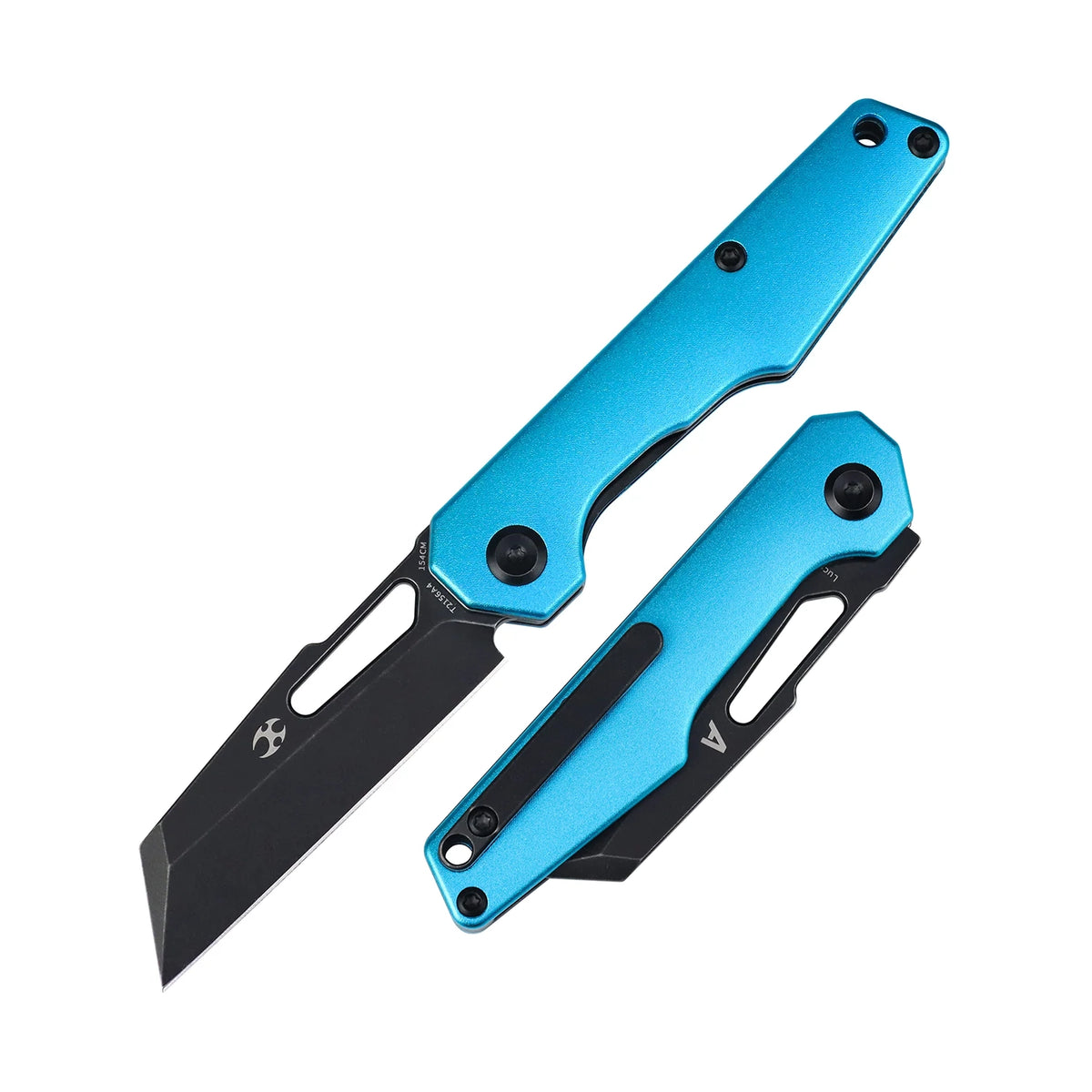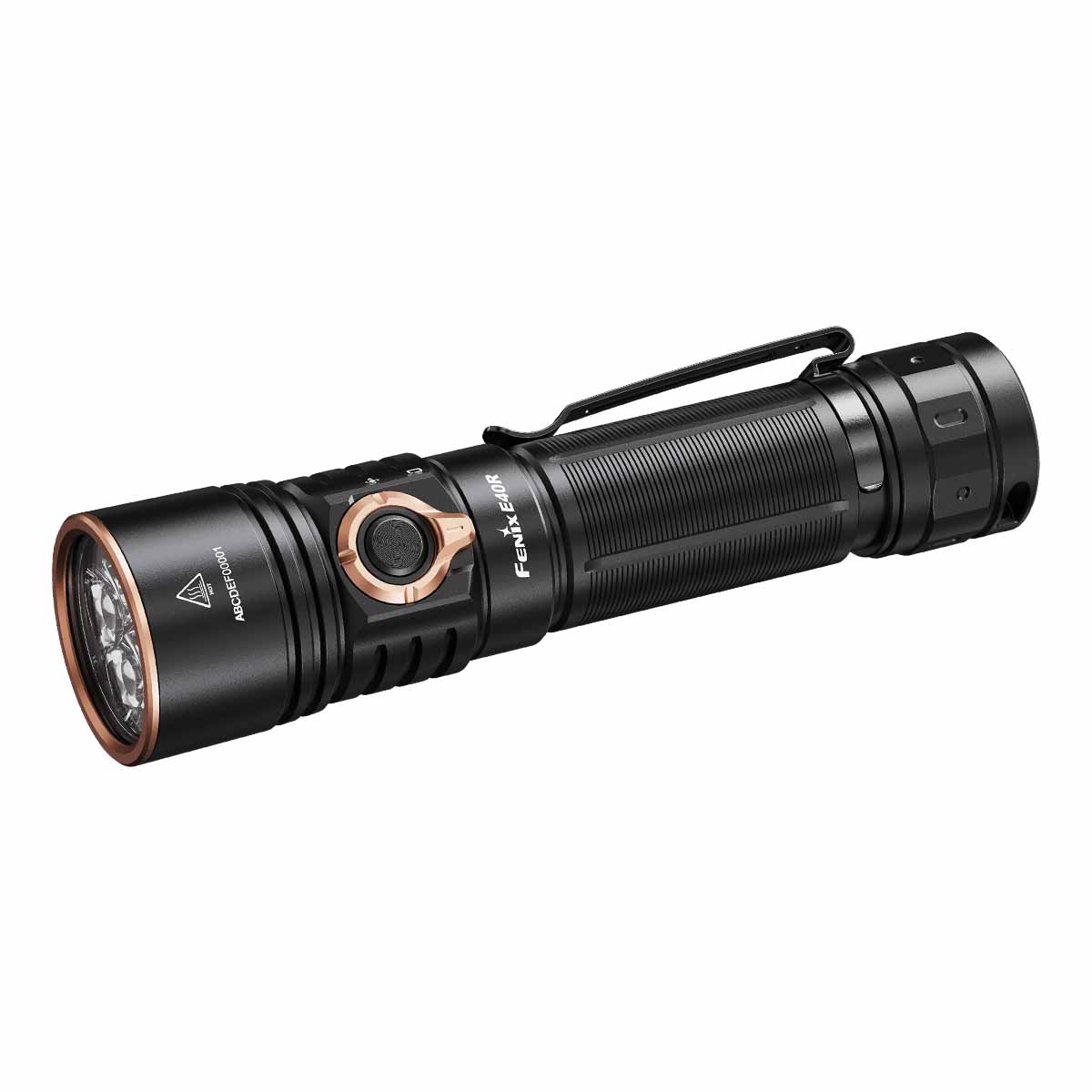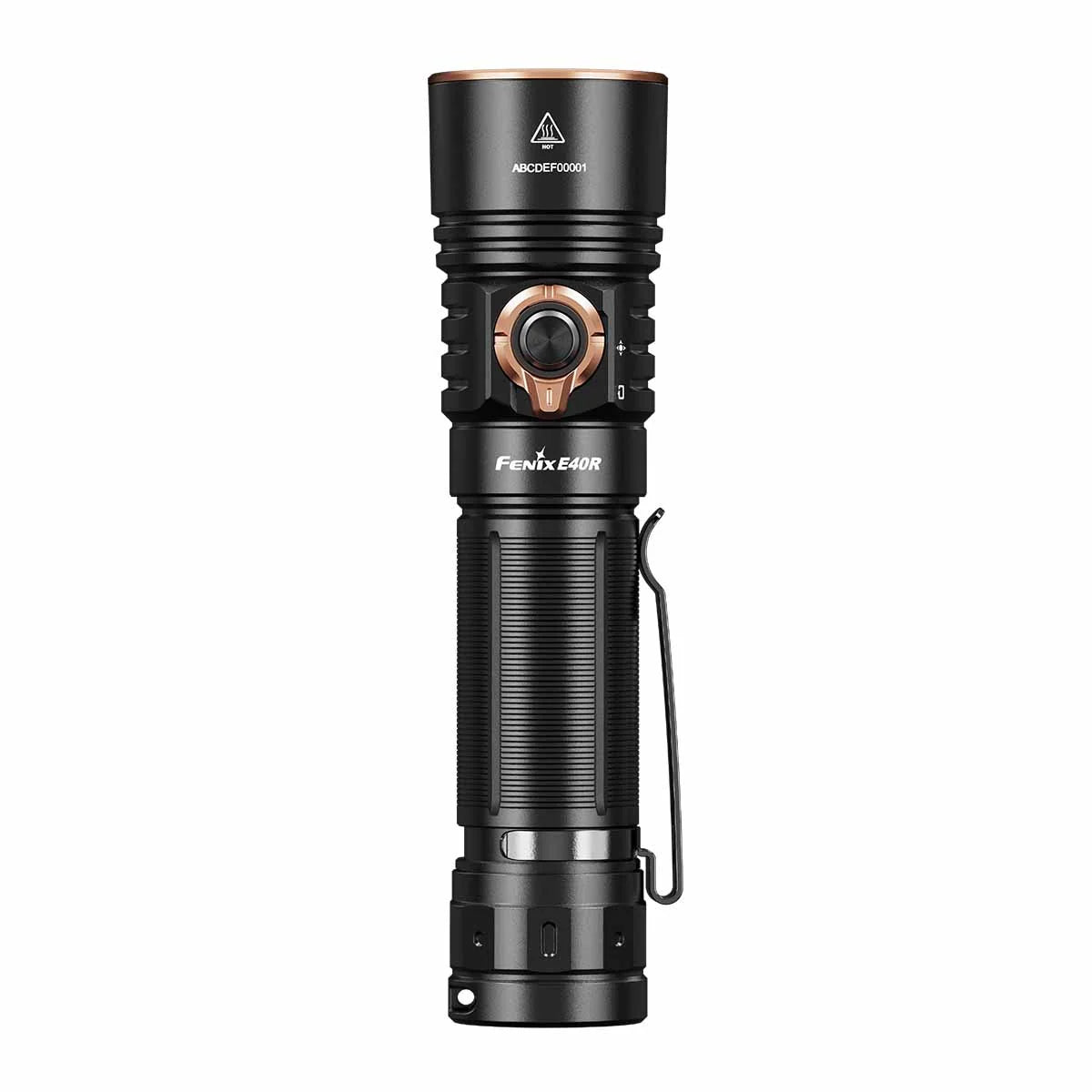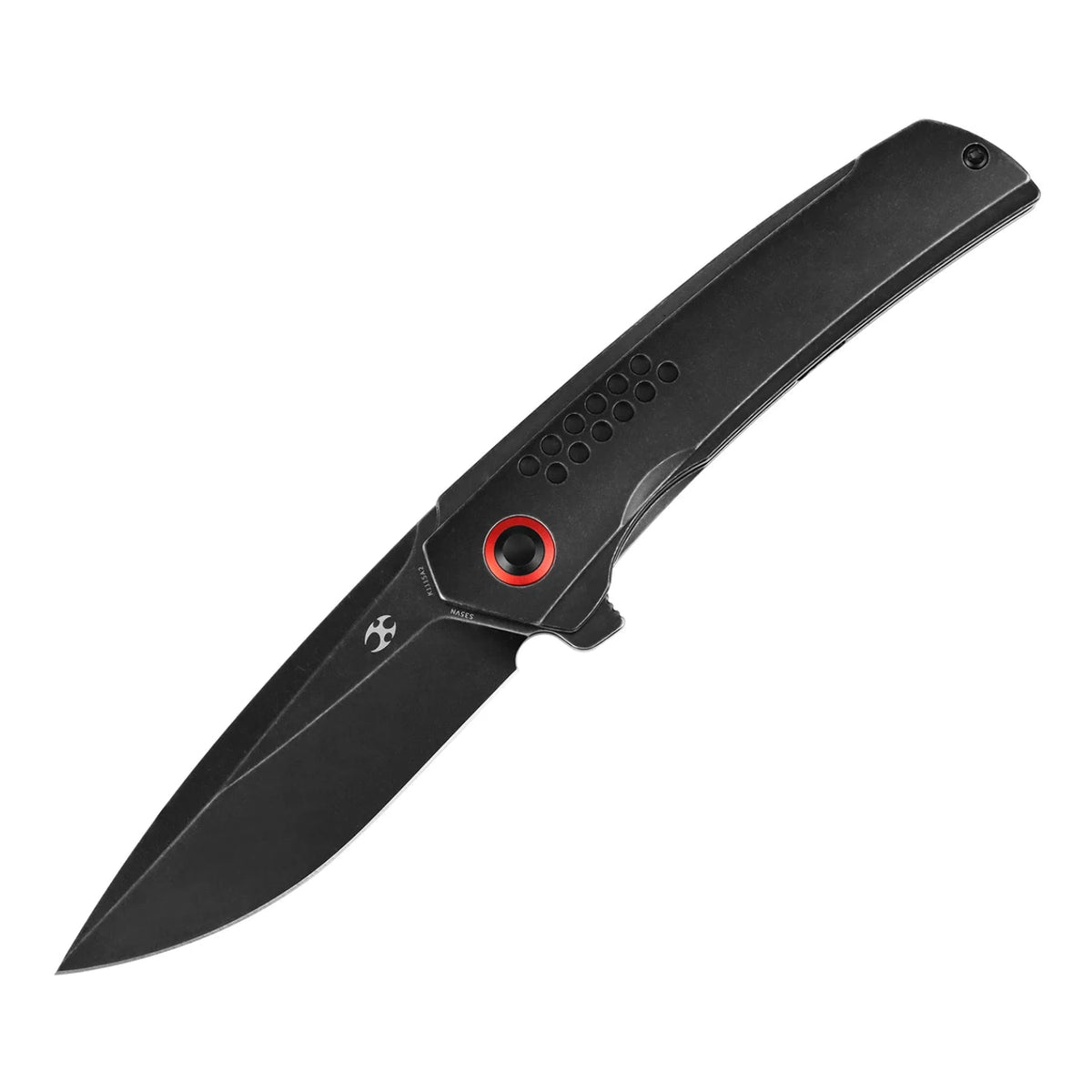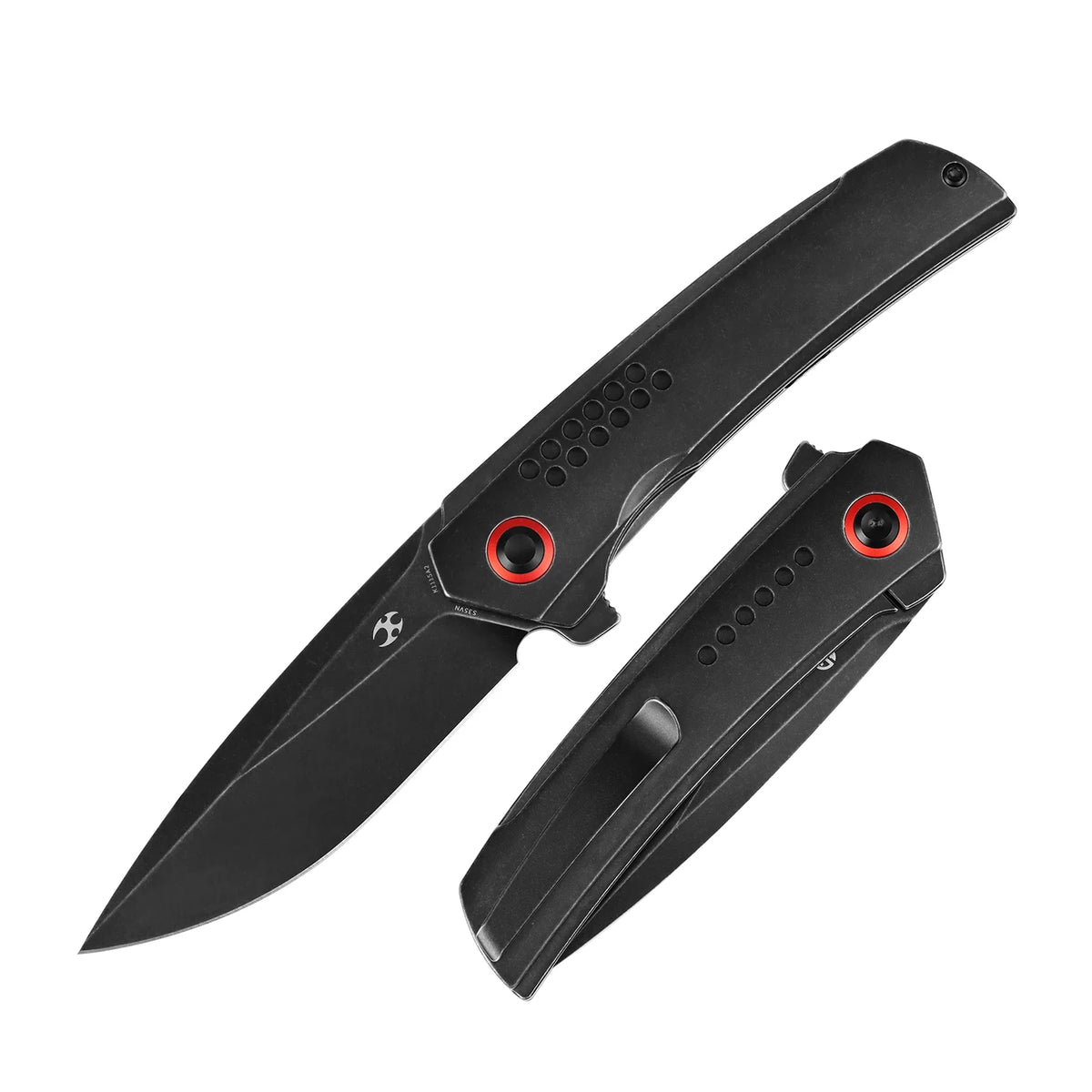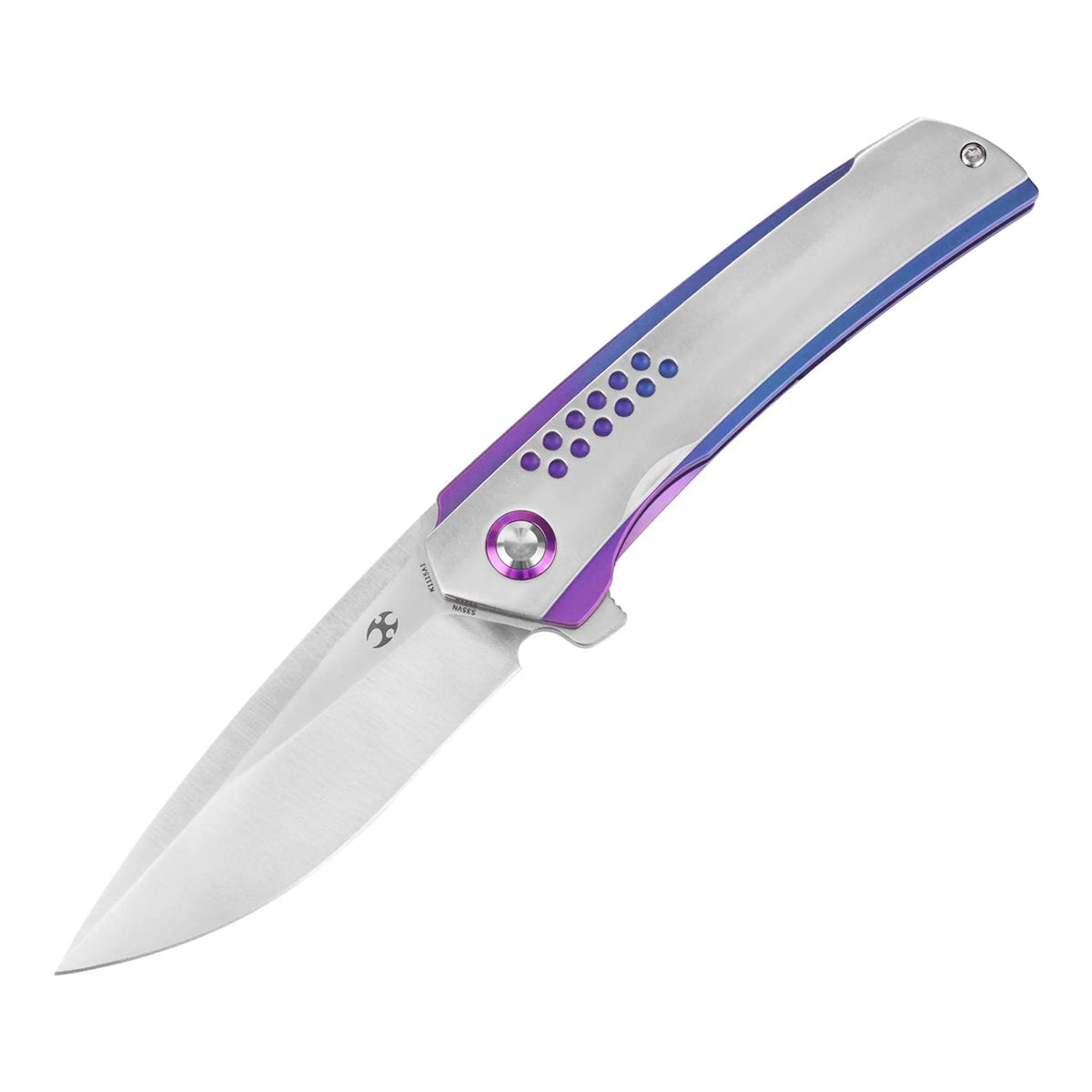

When comparing the CTS BD1N and CTS-204P, both are solid choices for different needs and preferences. Understanding their key differences will help you determine which one aligns better with your requirements.
Design and Build Quality
The CTS BD1N features a compact, ergonomic design that appeals to users who prioritize portability and ease of handling. Its construction emphasizes durability without adding unnecessary weight. The CTS-204P, on the other hand, offers a more robust build with enhanced structural reinforcement, making it ideal for heavy-duty applications and demanding environments.
Performance Specifications
Both models deliver reliable performance, but they excel in different areas. The BD1N is optimized for efficiency and consistent output across standard operating conditions. The CTS-204P provides higher capacity and sustained performance under extended use, making it better suited for professional or intensive applications.
Ease of Use
The CTS BD1N stands out for its intuitive interface and straightforward operation, making it accessible for users of all experience levels. The CTS-204P includes more advanced features and customization options, which means a slightly steeper learning curve but greater flexibility once mastered.
Cost Considerations
The BD1N typically comes at a more accessible price point, making it an excellent choice for budget-conscious buyers or those new to the product category. The CTS-204P represents a higher investment but offers enhanced capabilities and longevity that justify the additional cost for serious users.
Which Should You Choose?
Select the CTS BD1N if you value simplicity, portability, and affordability. Choose the CTS-204P if you need superior performance, advanced features, and durability for demanding use cases. Your decision ultimately depends on your specific needs, budget, and intended application.