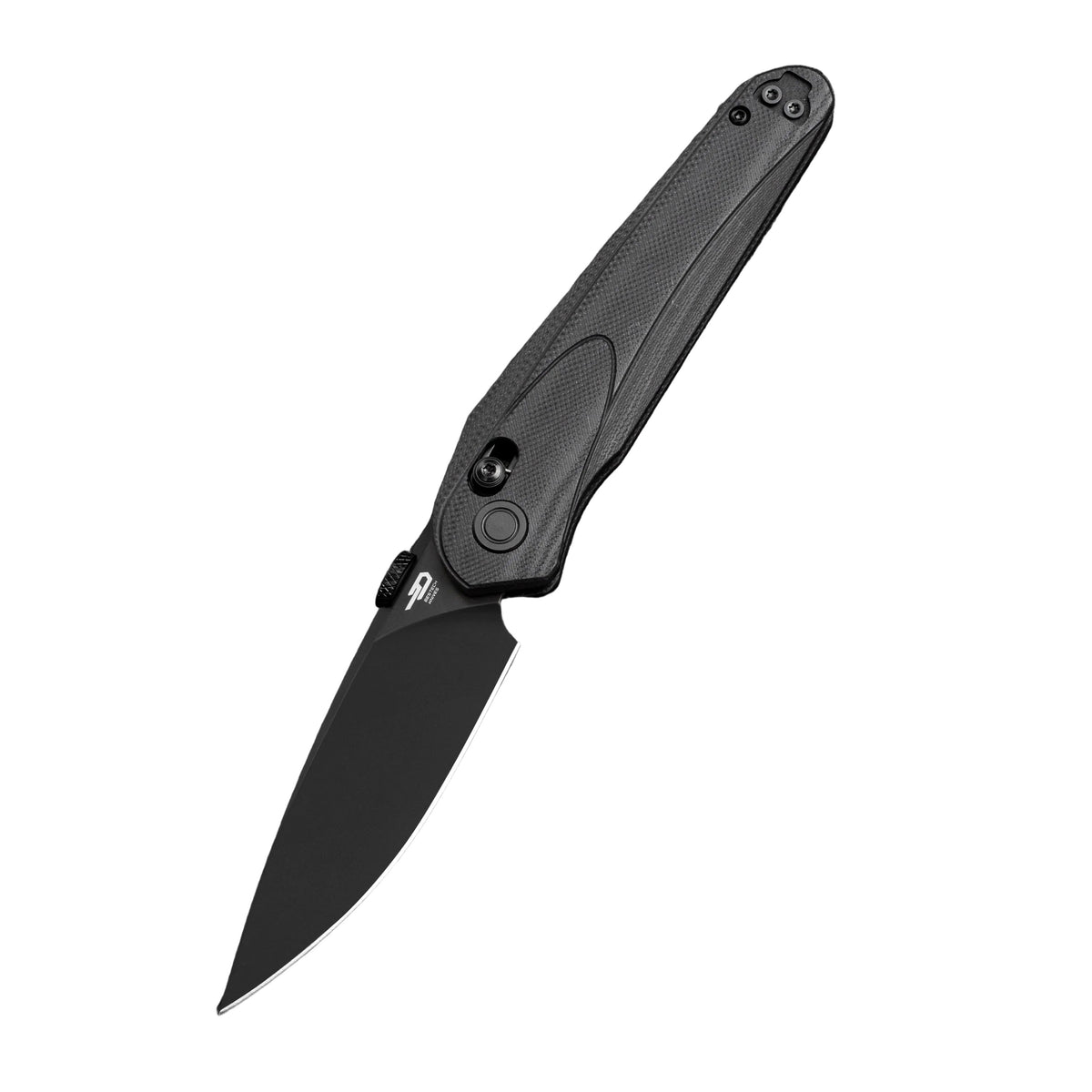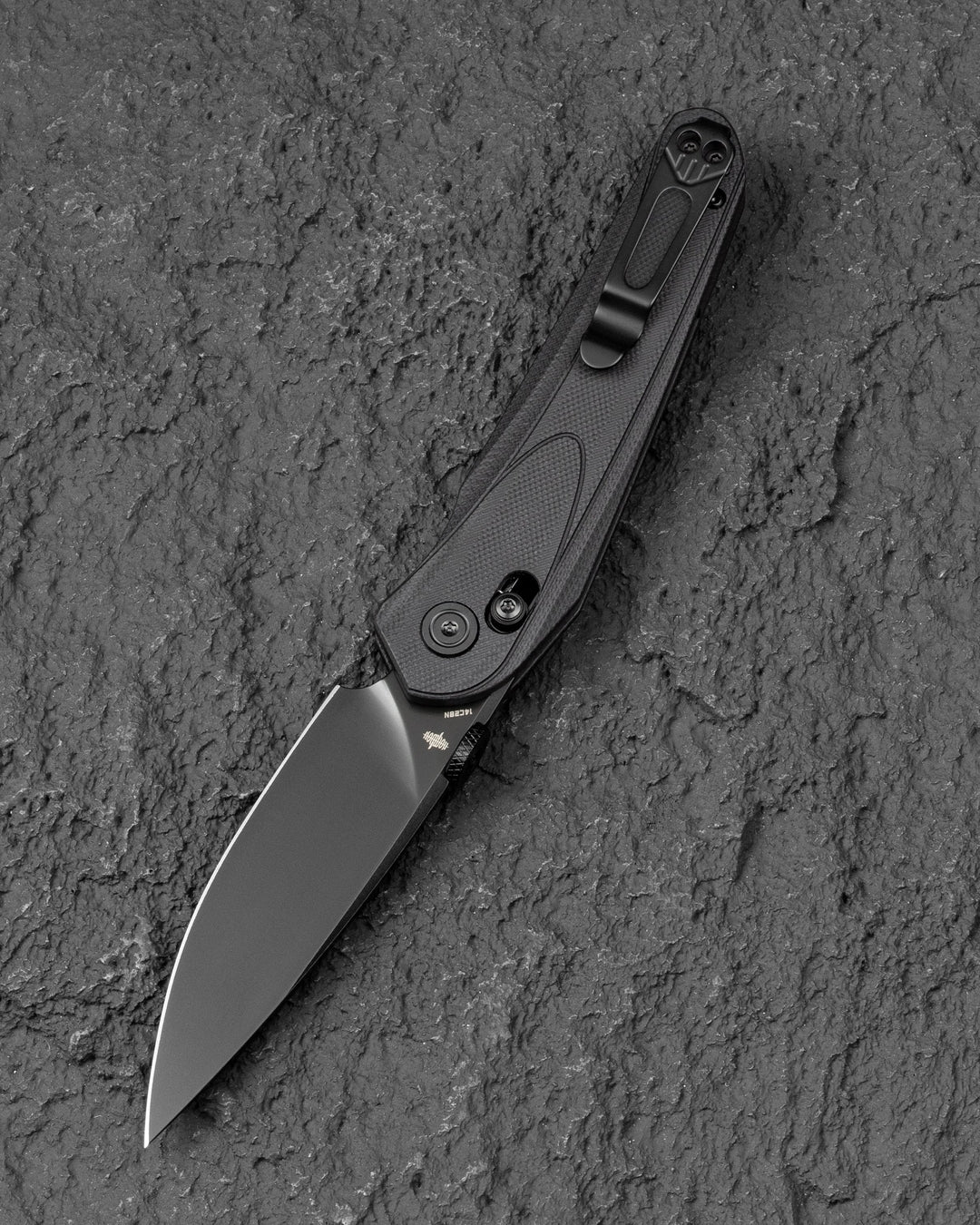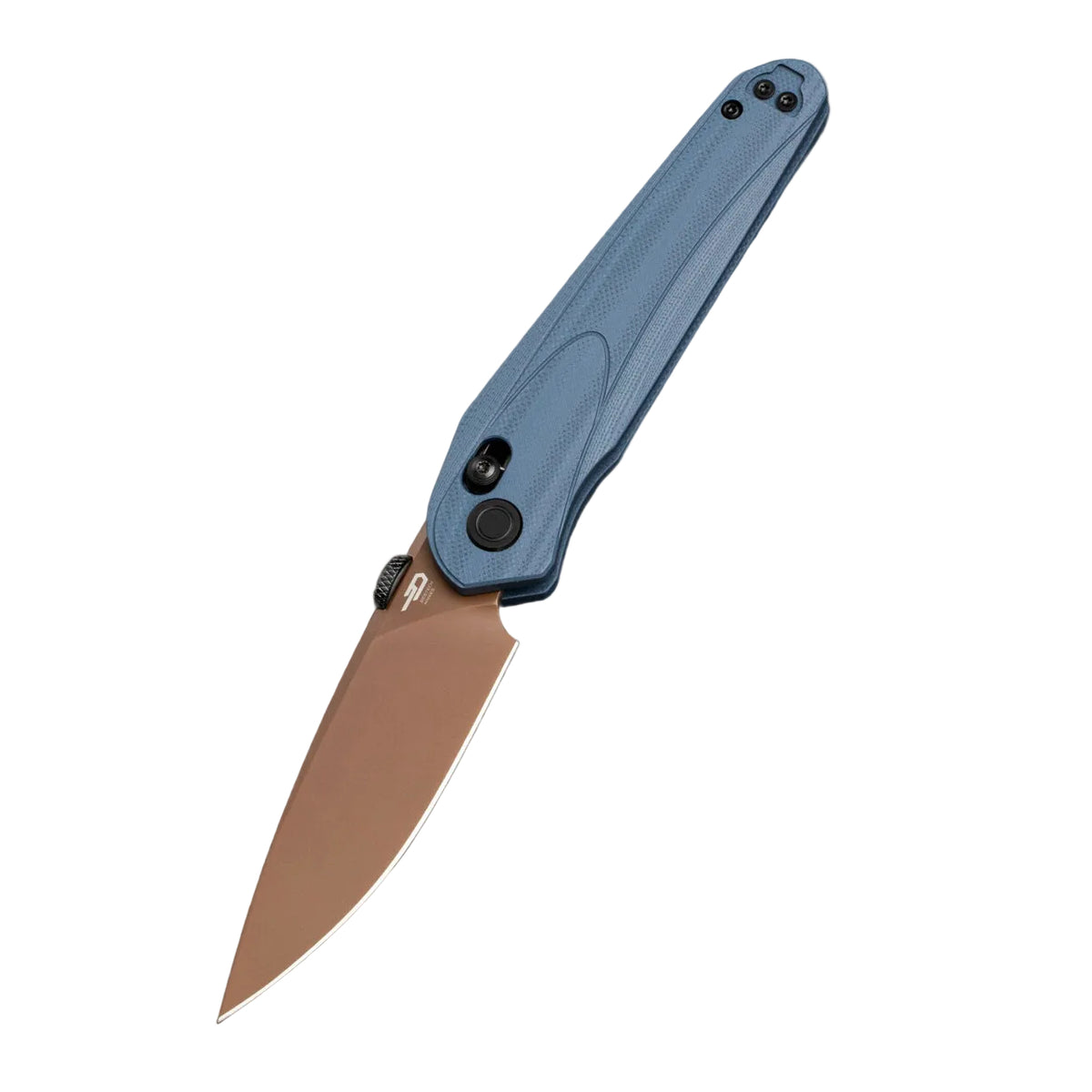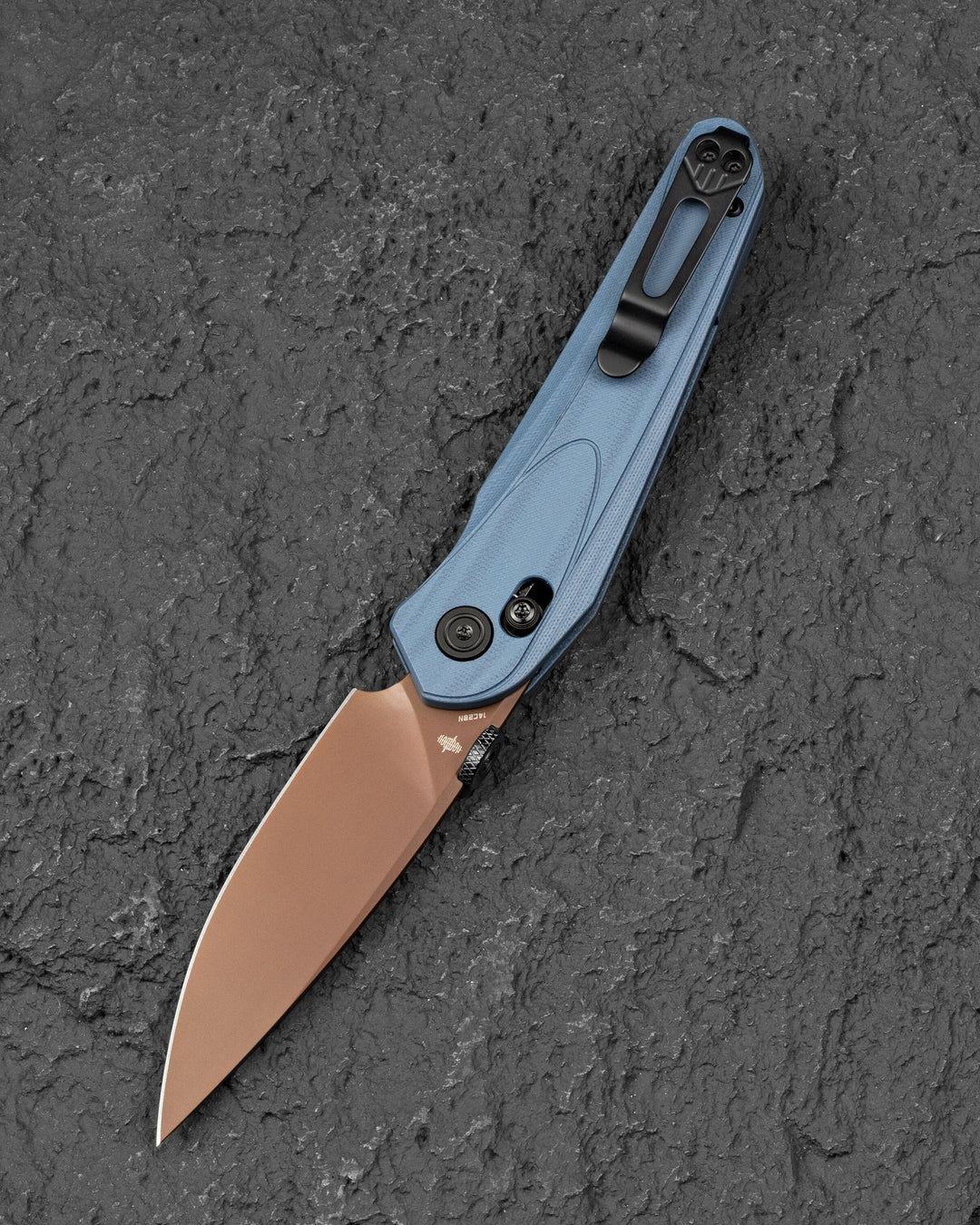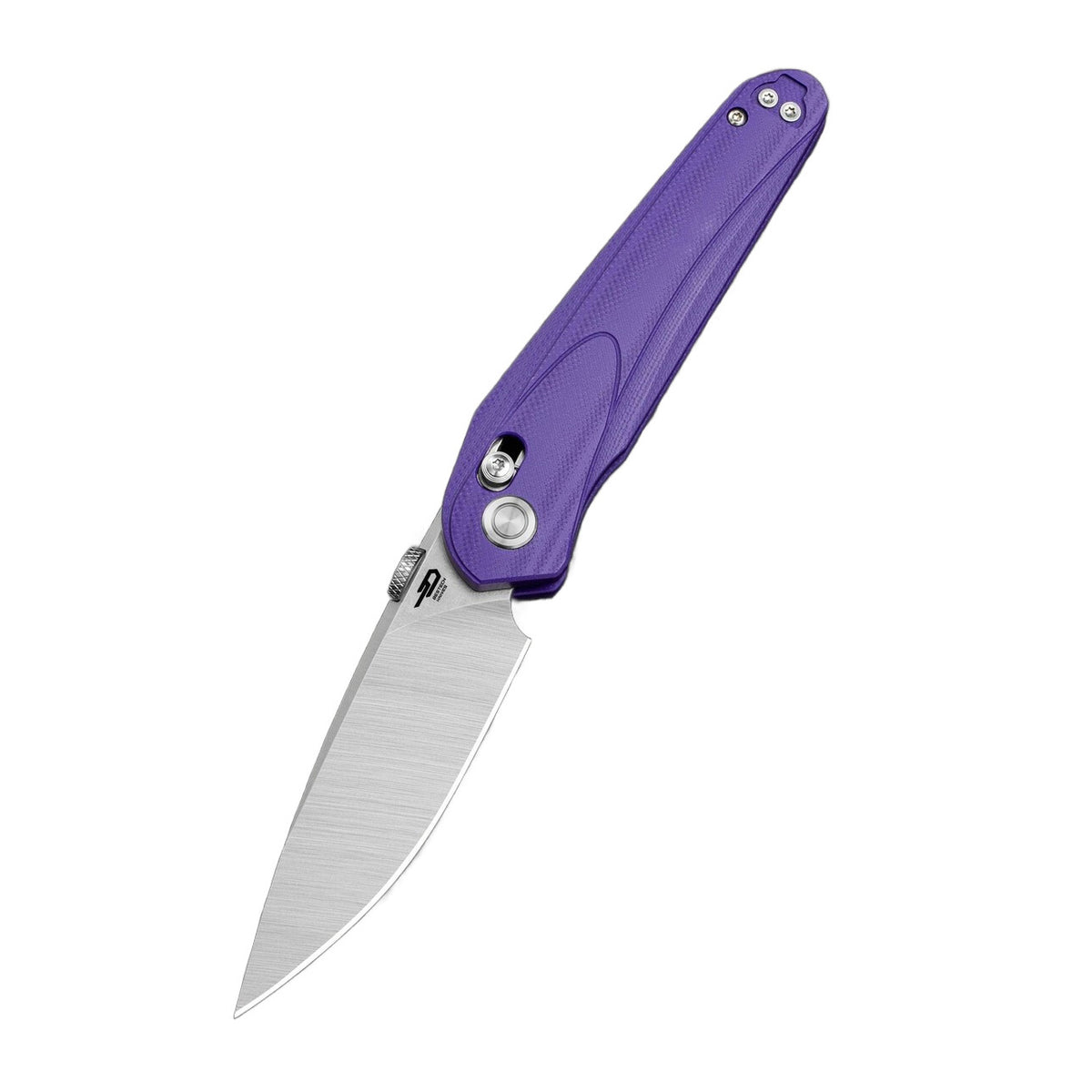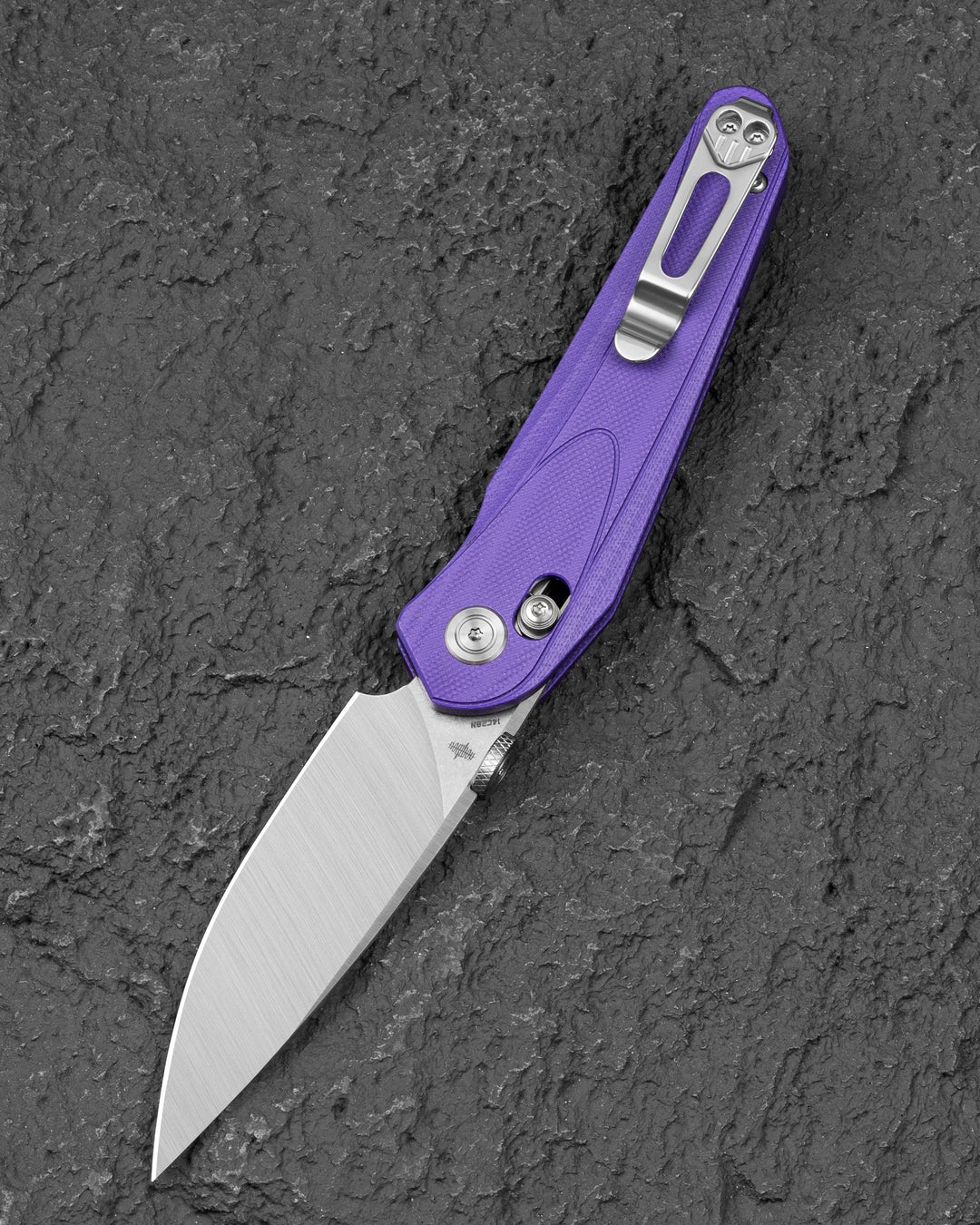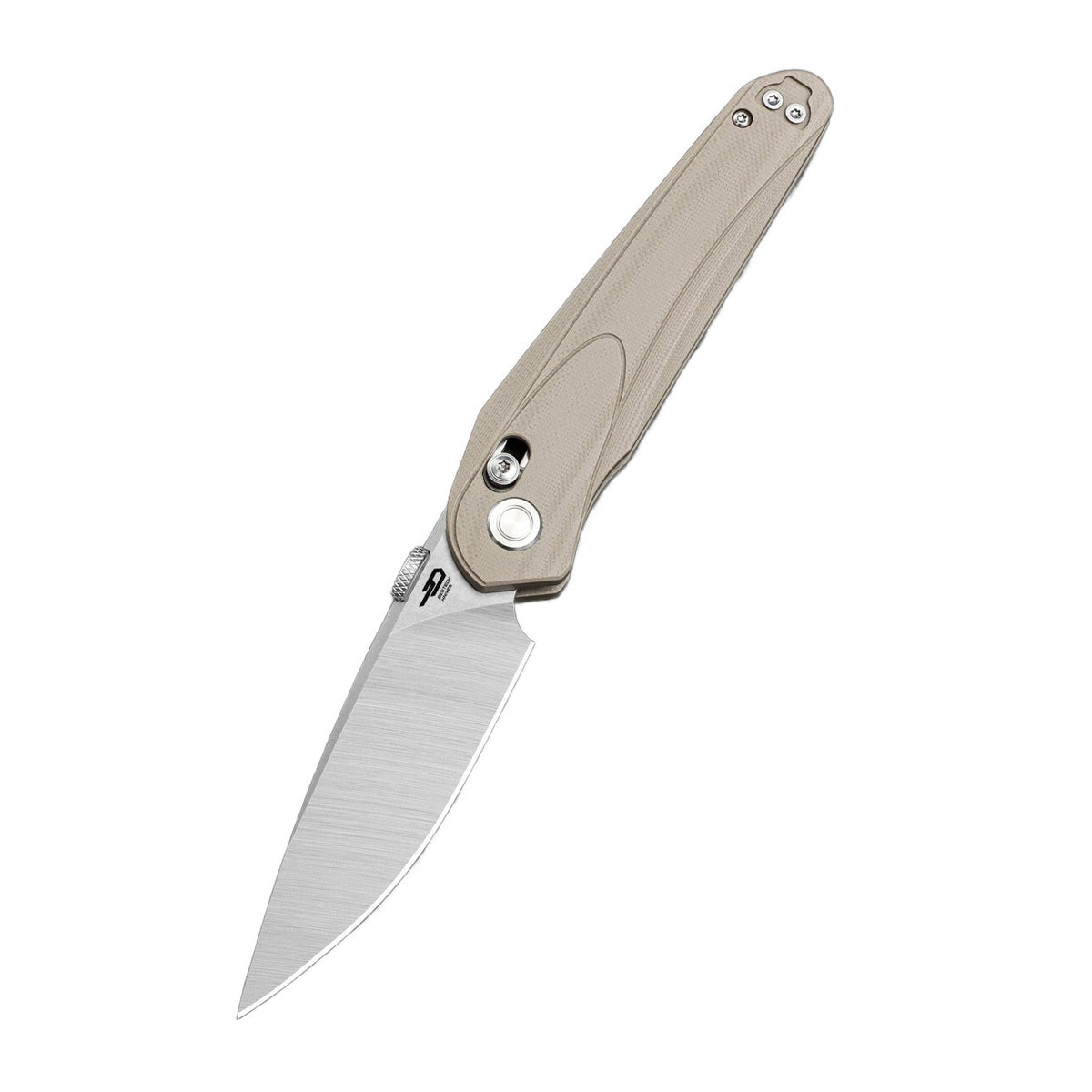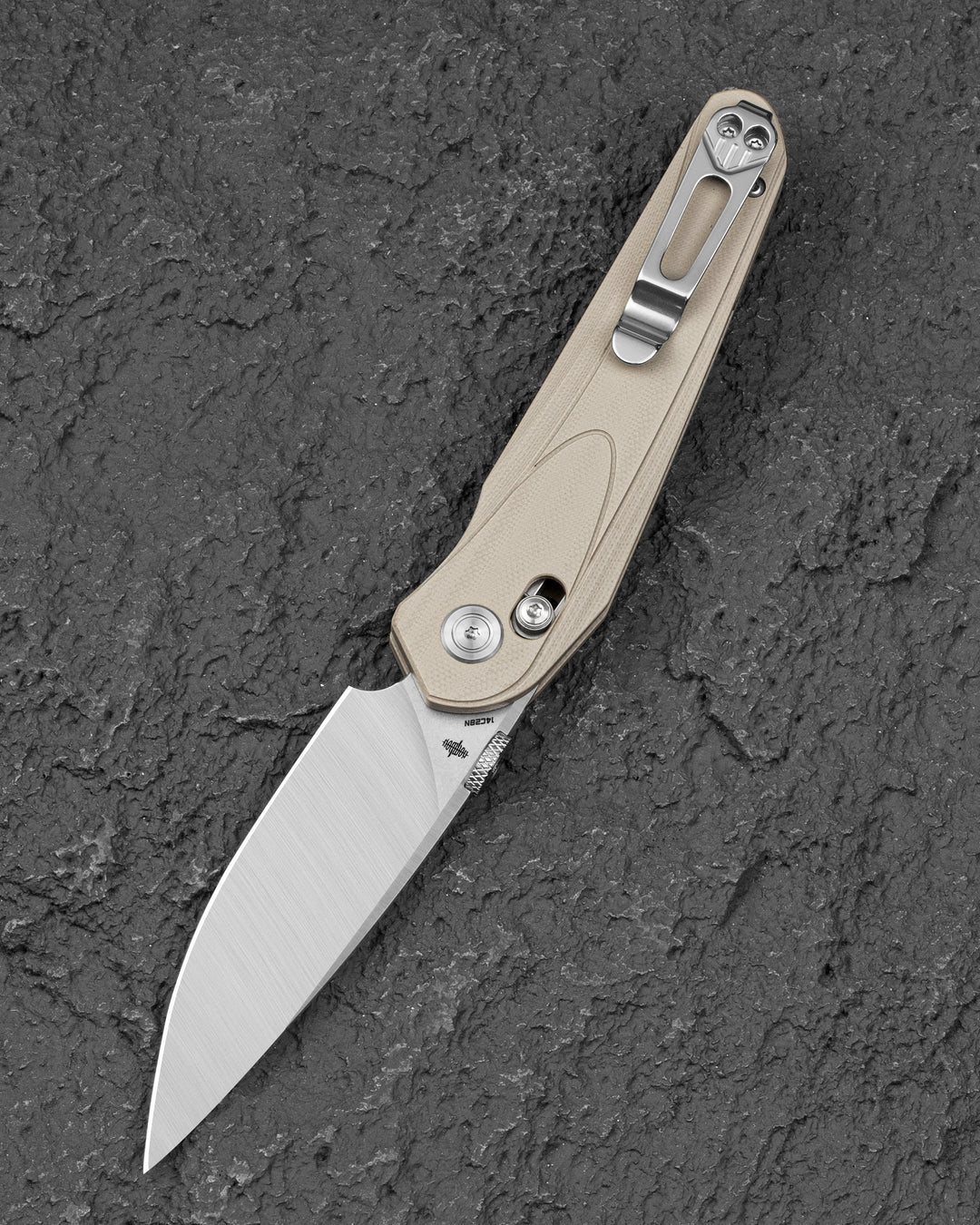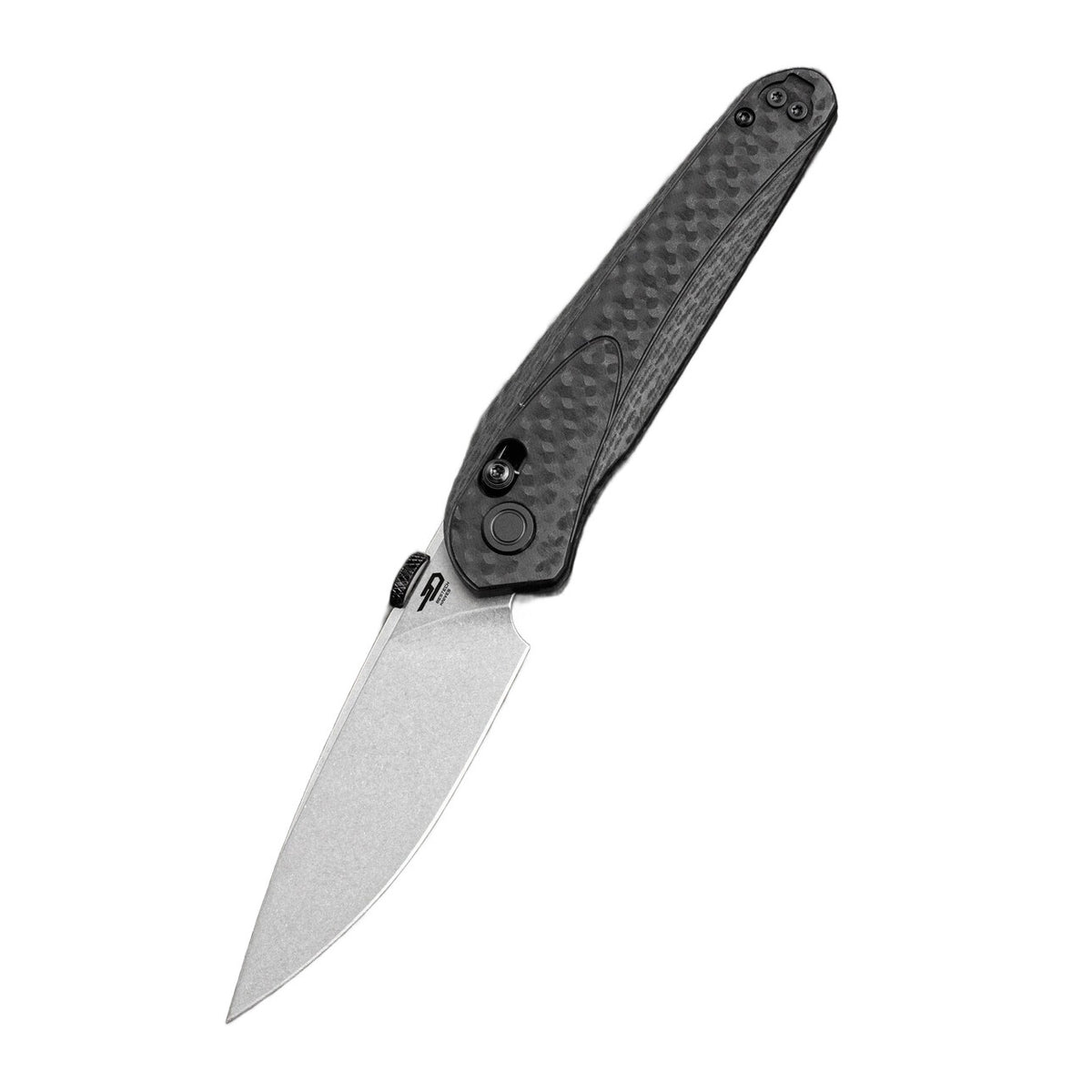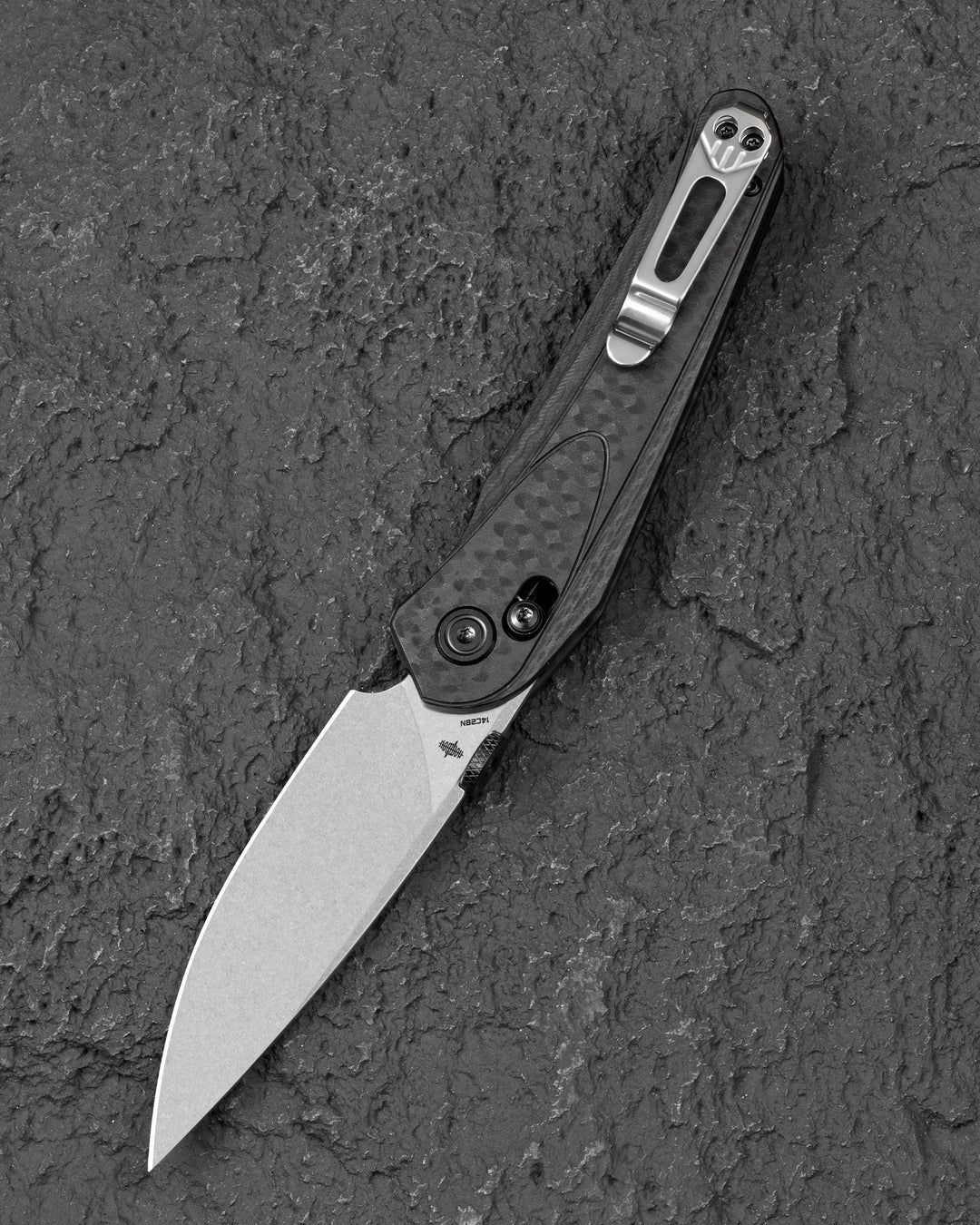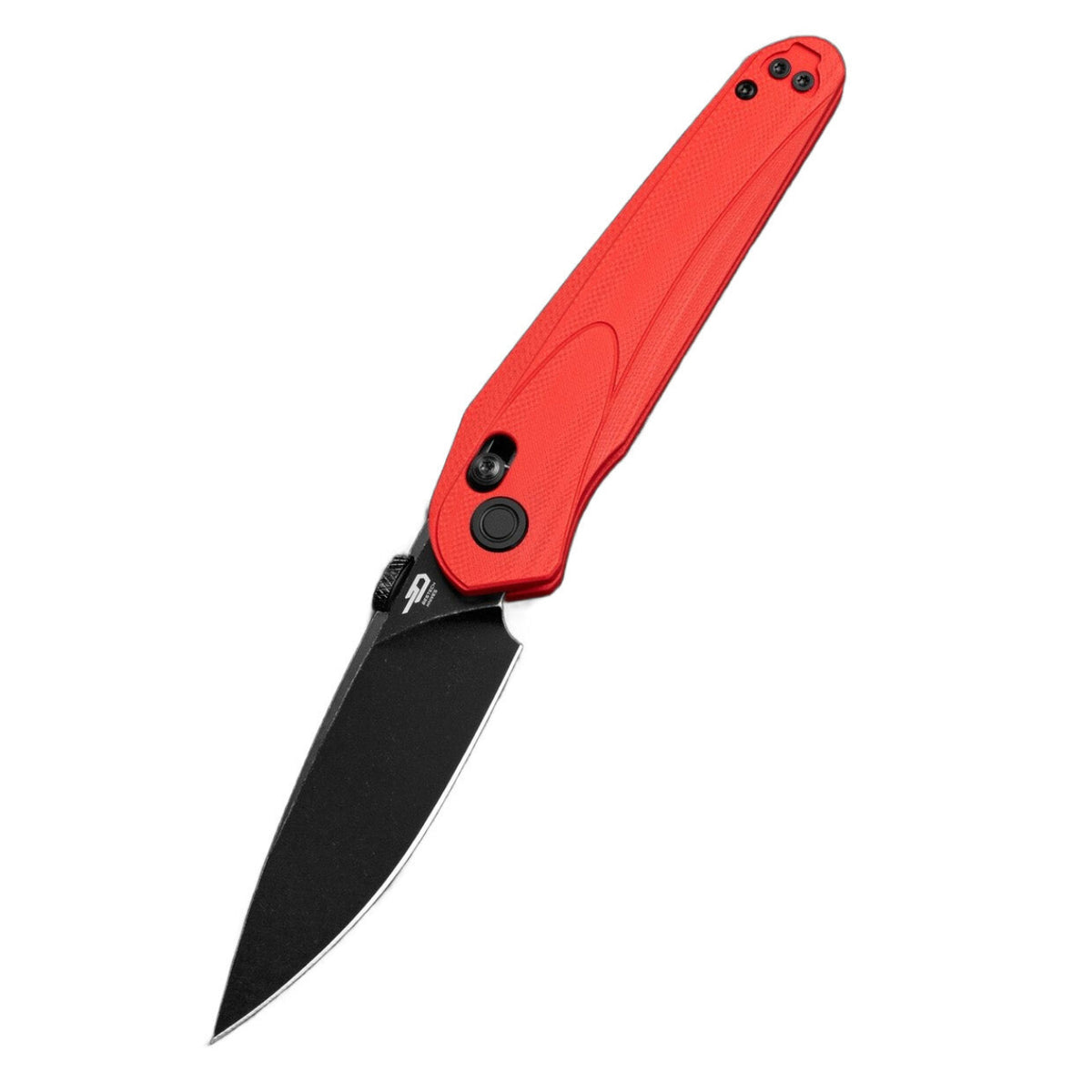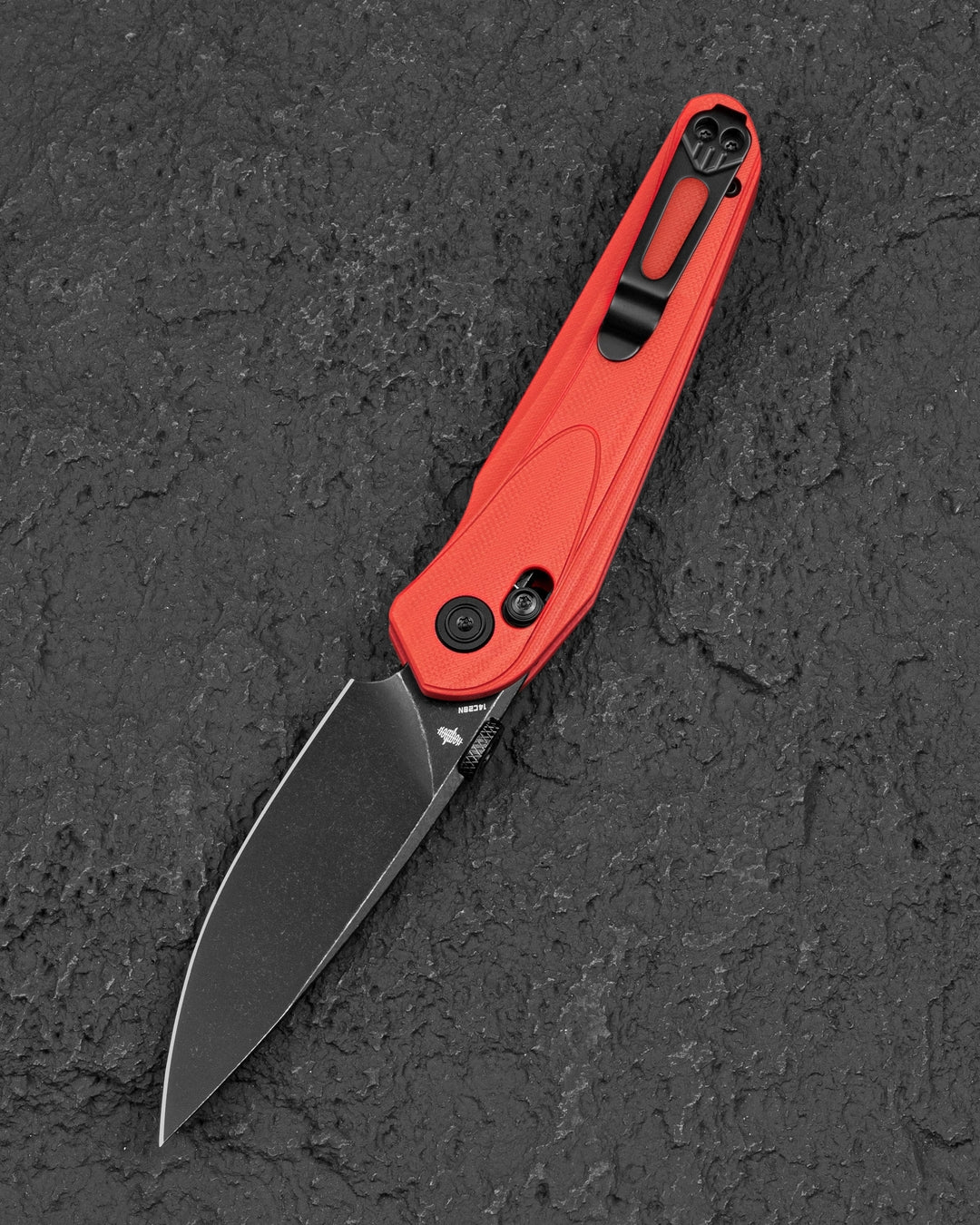
Overview / Key Features
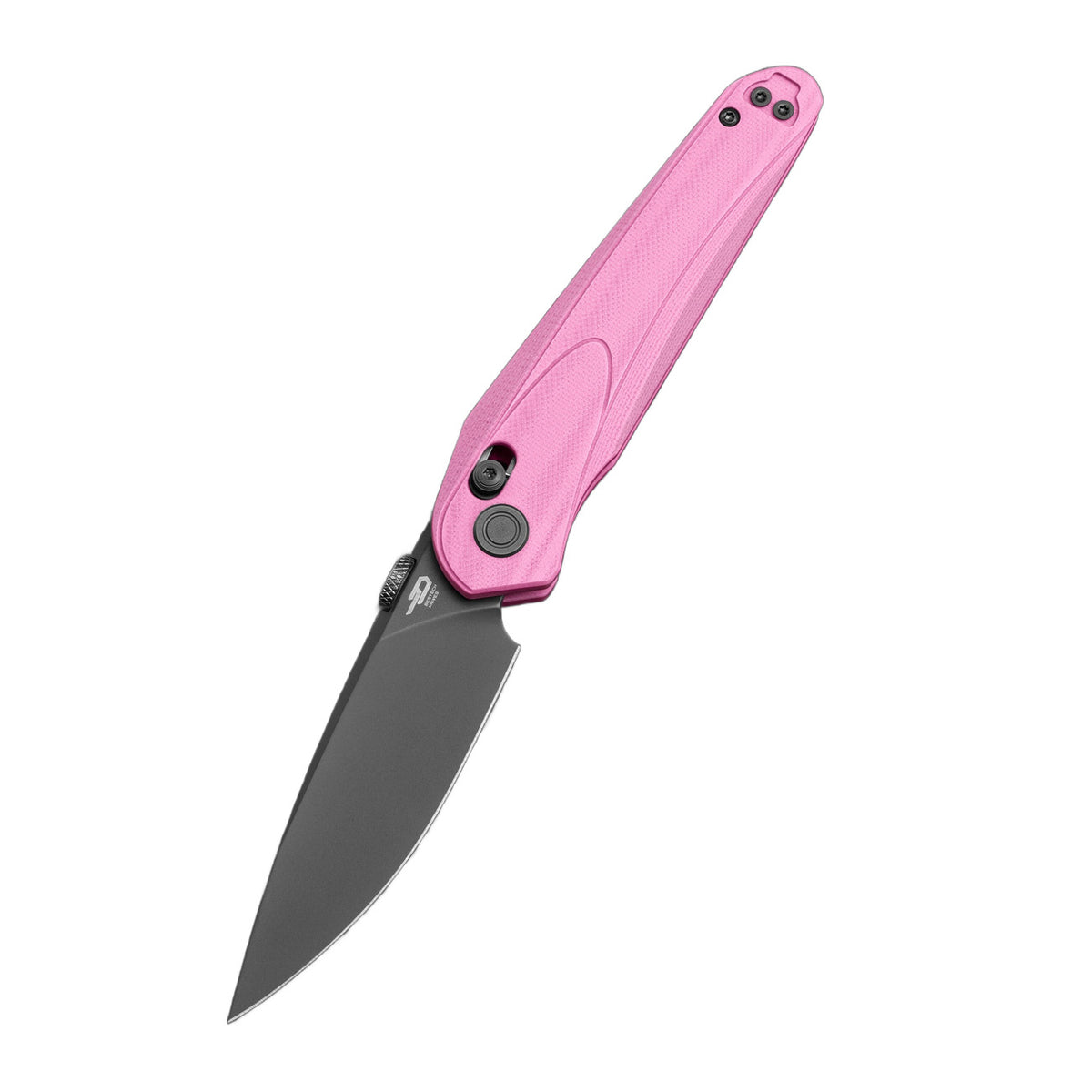
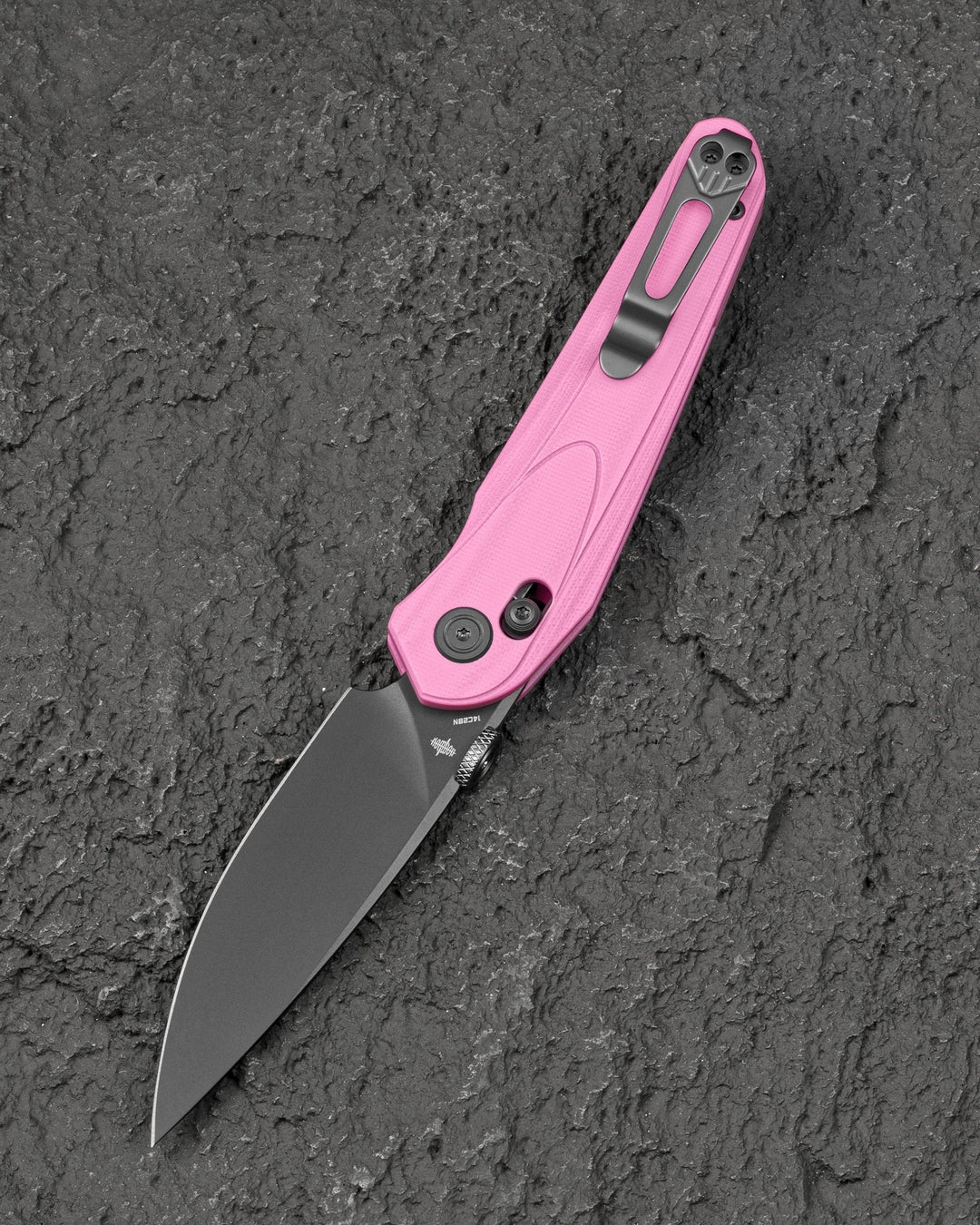
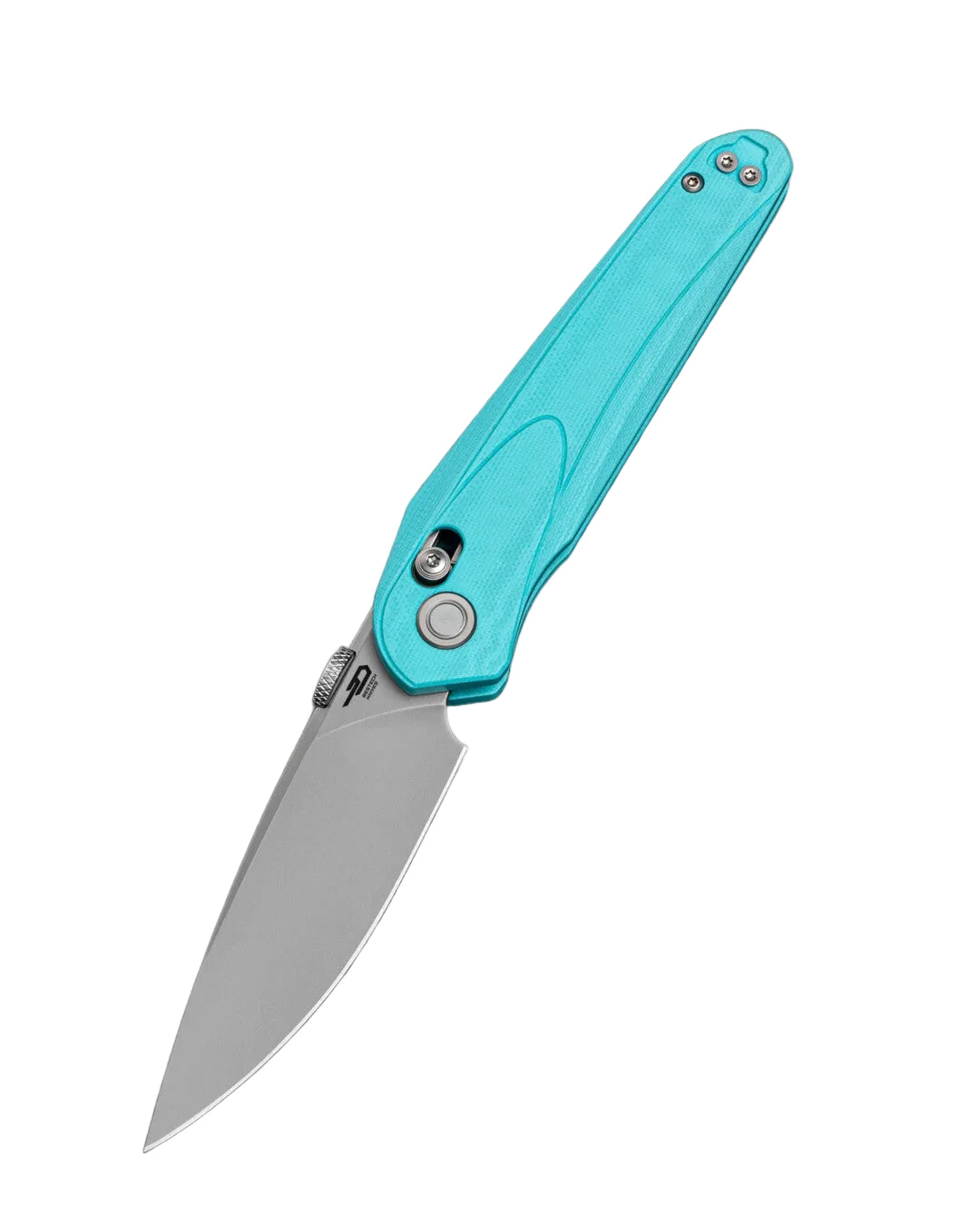
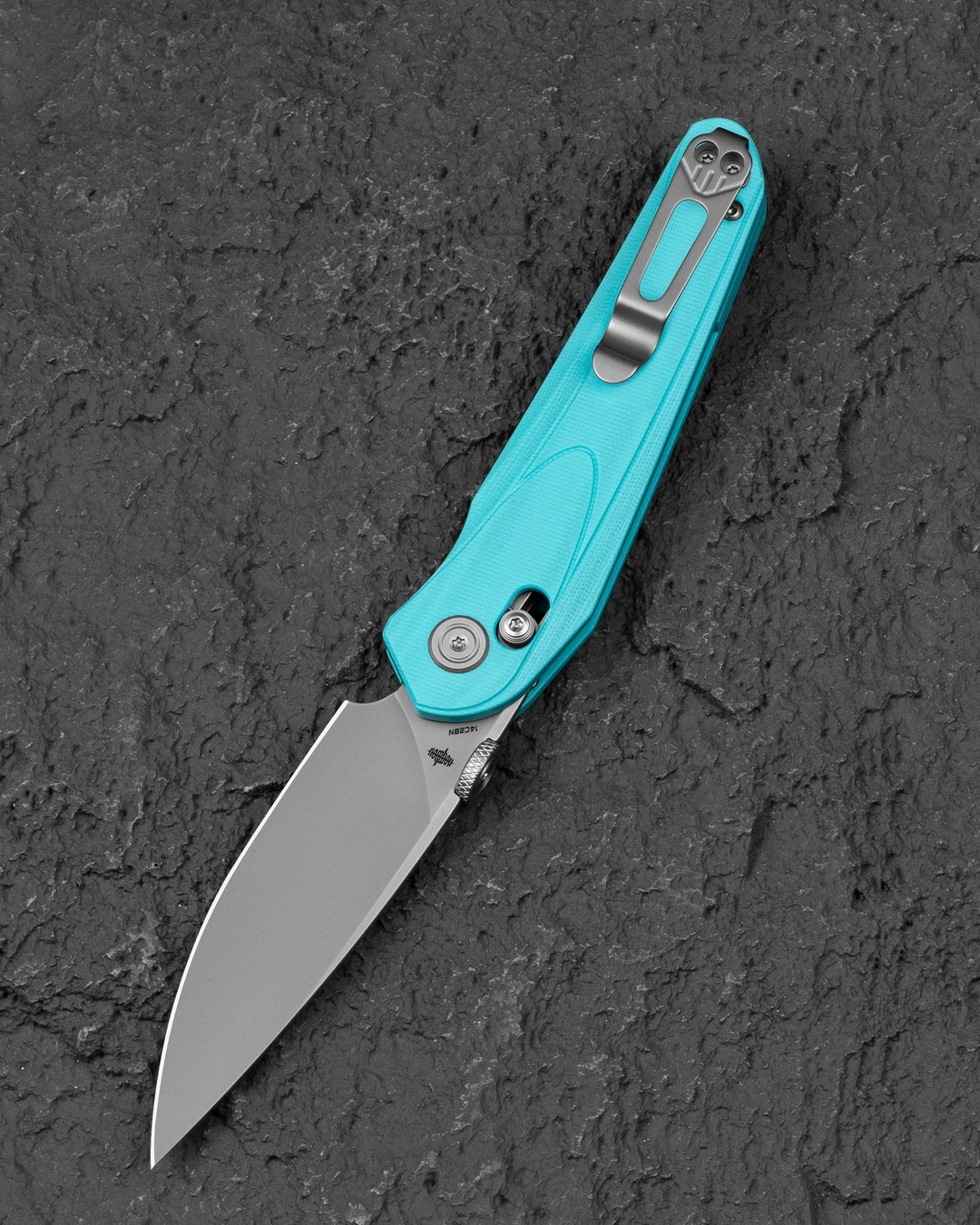
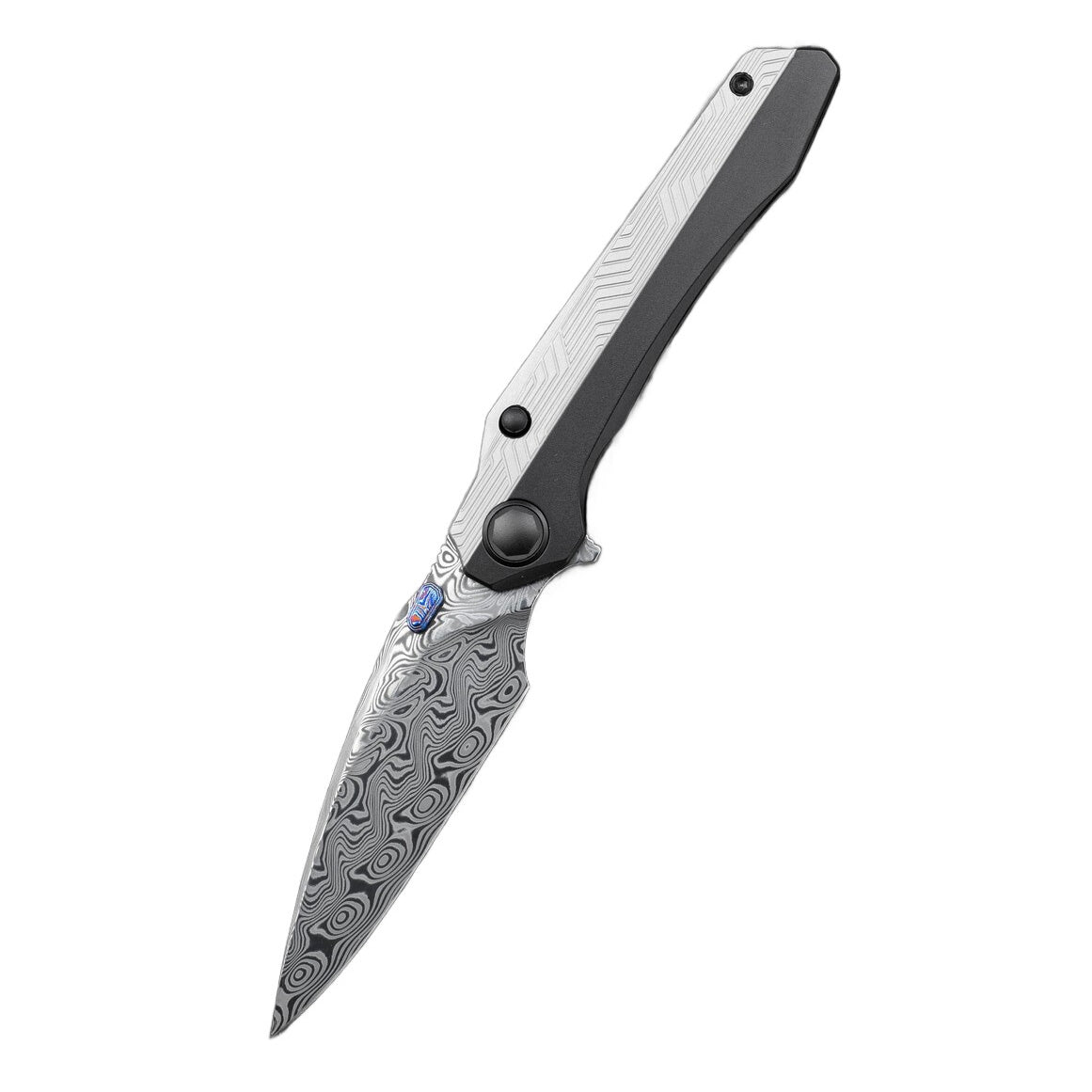
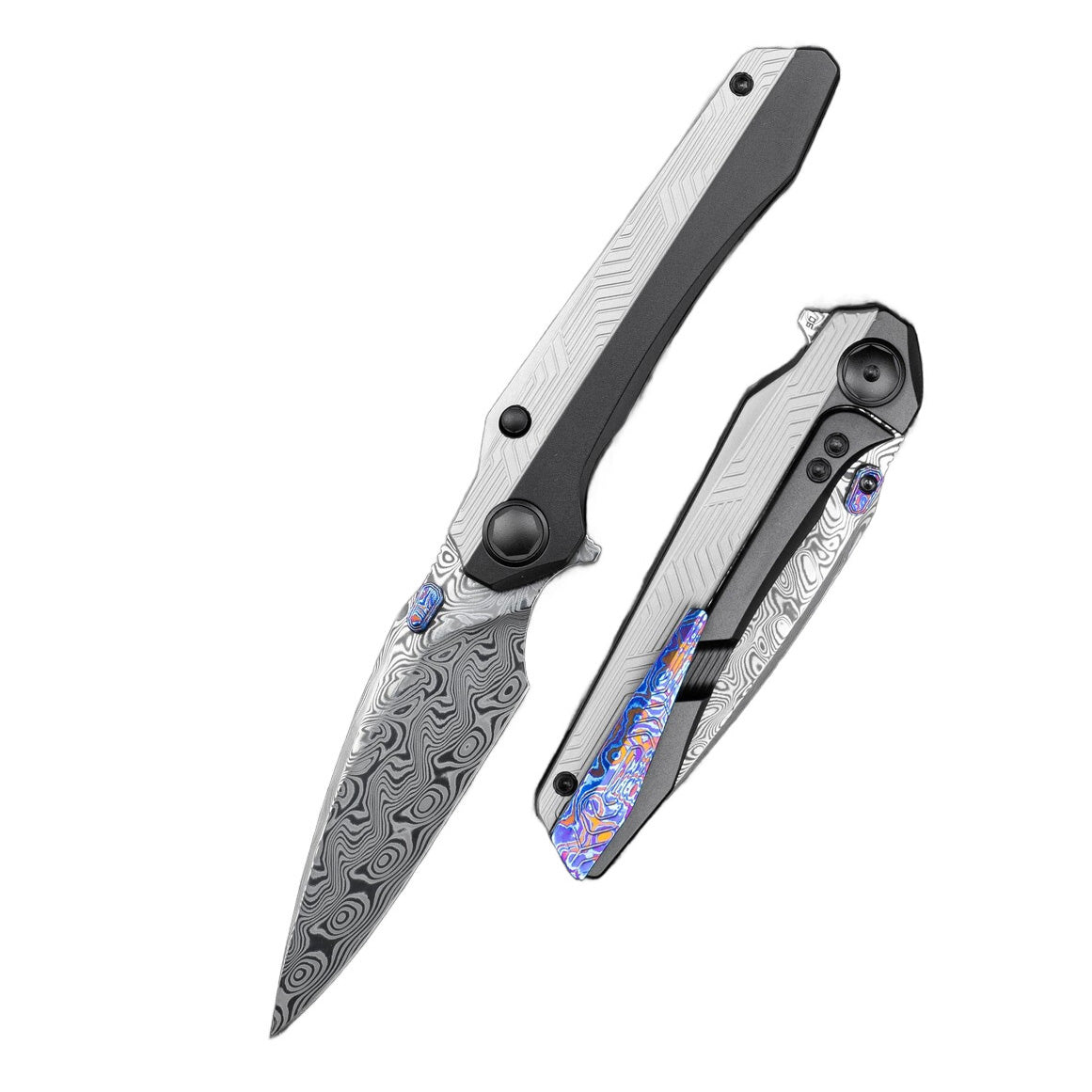
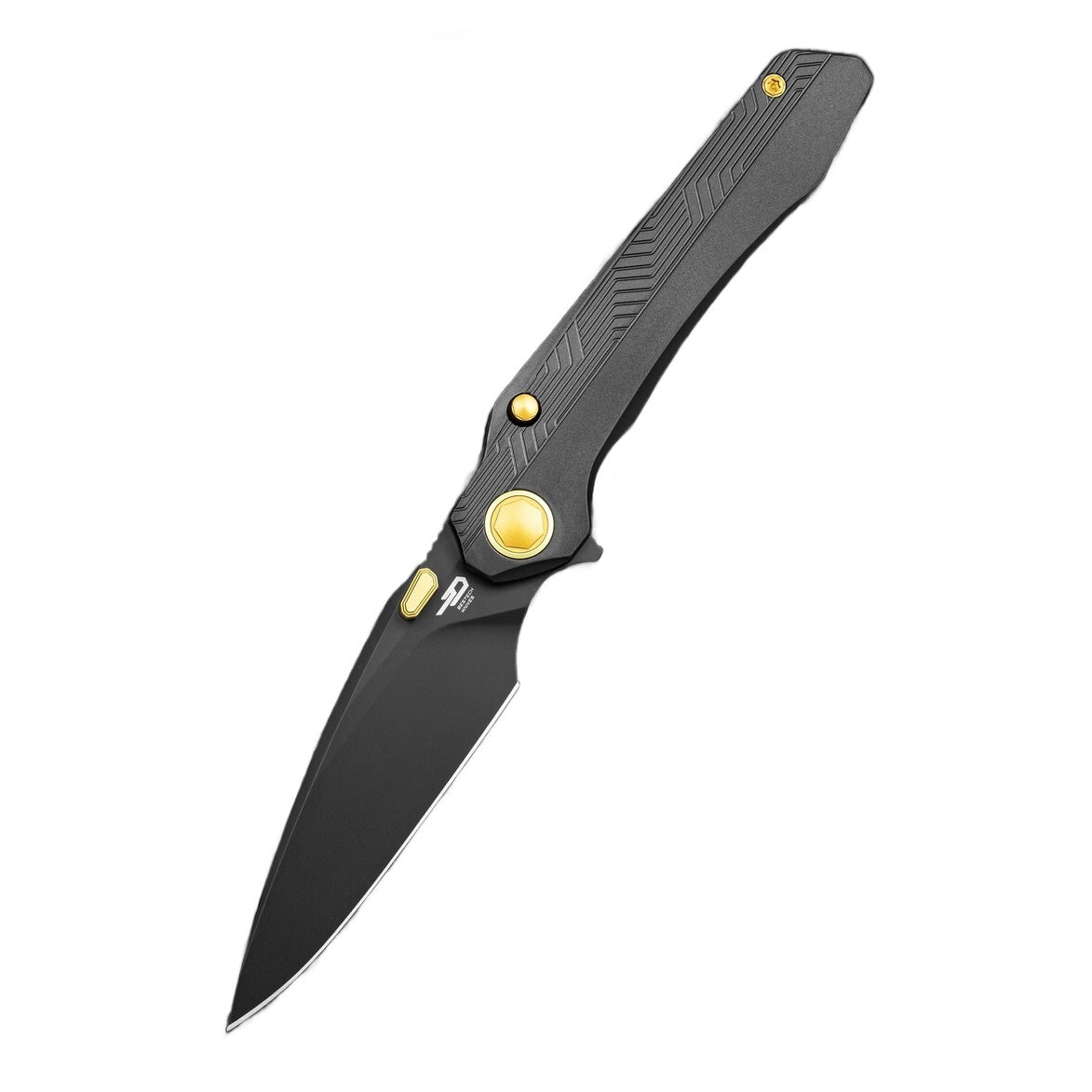
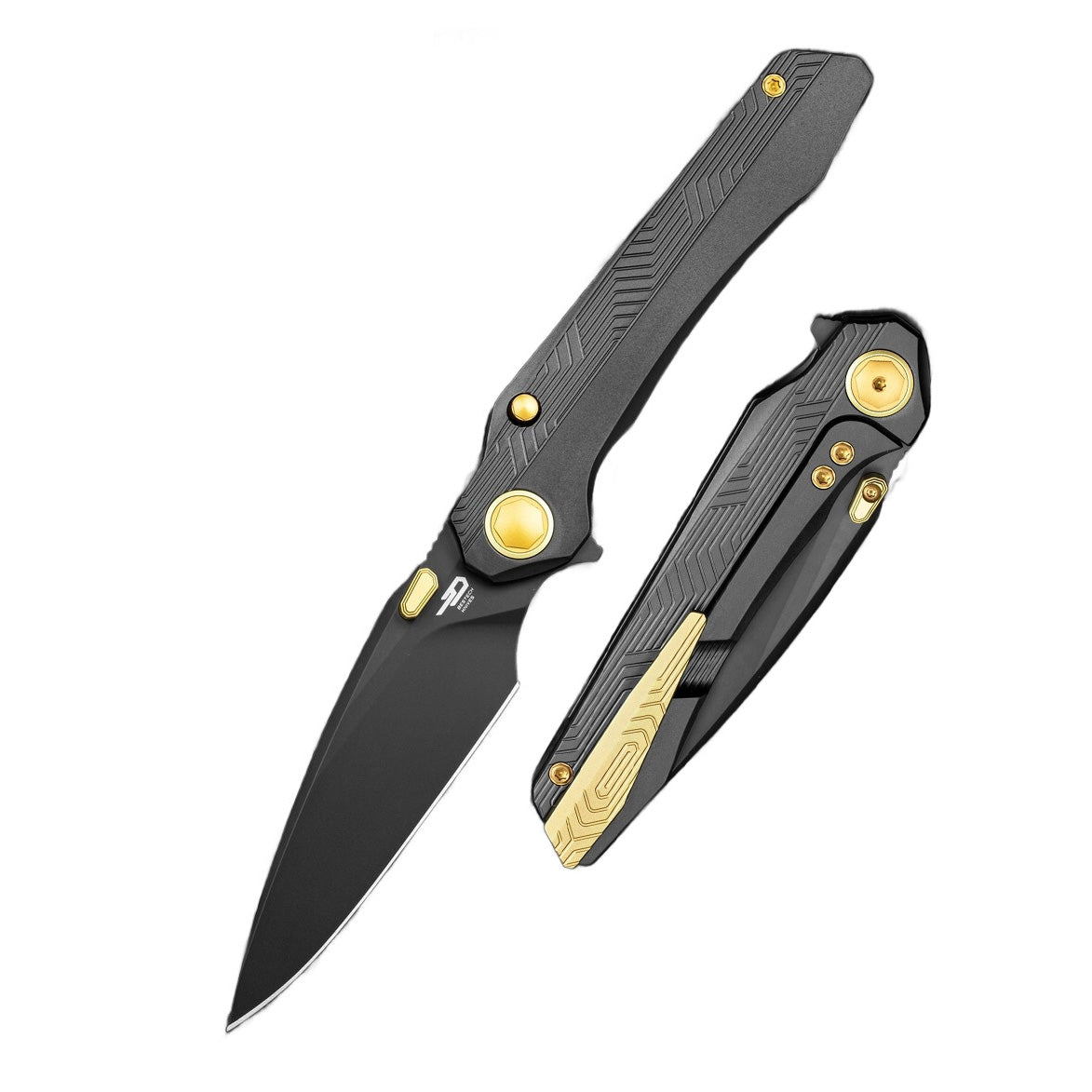
D2 occupies a strange place in knife care conversations: it cuts longer than almost any steel in its price bracket, but it asks for a small maintenance tax in return. The Bestech Slasher BG43E carries the modern version of the deal, a black PVD coating over D2 that reduces but does not eliminate the tax. Learn the routine once and D2 becomes one of the most rewarding steels to own; ignore it and you will meet orange spots within a humid week. Here is the complete routine, distilled to what actually matters.

Understanding the Semi-Stainless Trade
D2 contains about 12 percent chromium, just short of the roughly 13 percent threshold where steel becomes truly stainless. The remaining chemistry goes to carbon and vanadium, which is where D2's excellent wear resistance and toughness come from. Practically: the blade resists rust better than plain carbon steel but worse than 14C28N or any premium stainless, especially along the edge grind where coating is absent and the steel is exposed. Moisture, salt, and acid are the three enemies. Everything in the routine below is just managing those three.
The Daily and Weekly Routine
- After wet exposure: wipe the blade dry within the hour. A cotton cloth or paper towel is enough; the PVD coating on knives like the Slasher makes this nearly trivial.
- After acidic cutting: fruit, tomatoes, salty snacks, rinse with water if possible, then dry. Acid etching dulls the finish before it dulls the edge.
- Weekly in humid climates: one drop of mineral oil on a cloth, wiped across the blade. Do not soak the pivot; a drop in the pivot area monthly is plenty.
- Storage: never long-term in leather. Leather tannins hold moisture and attack coatings. Nylon pouches or the original box are safer.

Sharpening D2 Without Fighting It
D2's vanadium carbides make it slower to sharpen than simple stainless, which is the actual cost of its edge retention. Use diamonds or good ceramics rather than soft aluminum-oxide stones, keep the angle consistent, and finish on a strop: D2 takes a surprisingly keen polished edge that lasts visibly longer than a coarse one. Sharpen before the edge fully dulls; a five-minute touch-up every week beats a forty-minute regrind every month, on any steel but especially on tool steel.
When D2 Is and Is Not Worth It
D2 rewards dry climates, workshop users, and anyone cutting abrasive material daily, which is why the Bestech Slasher BG43E pairs it with Micarta and a fair price. If your environment is humid coastal air or your habits are zero-maintenance, choose a true stainless instead from the 14C28N lineup or other folding knives. For fixed-blade camp users, the same logic applies across the fixed blade selection: tool steel plus routine beats premium steel plus neglect.
The routine sounds like a chore written down, but in practice it costs about thirty seconds a day, less time than most people spend picking a knife out of the drawer. The current best example of D2 done properly is the Bestech Knives Slasher line, and the broader EDC gear catalog carries enough stainless alternatives that choosing tool steel is a lifestyle decision, not a compromise you get stuck with.