
Premium Damascus Steel, Explained
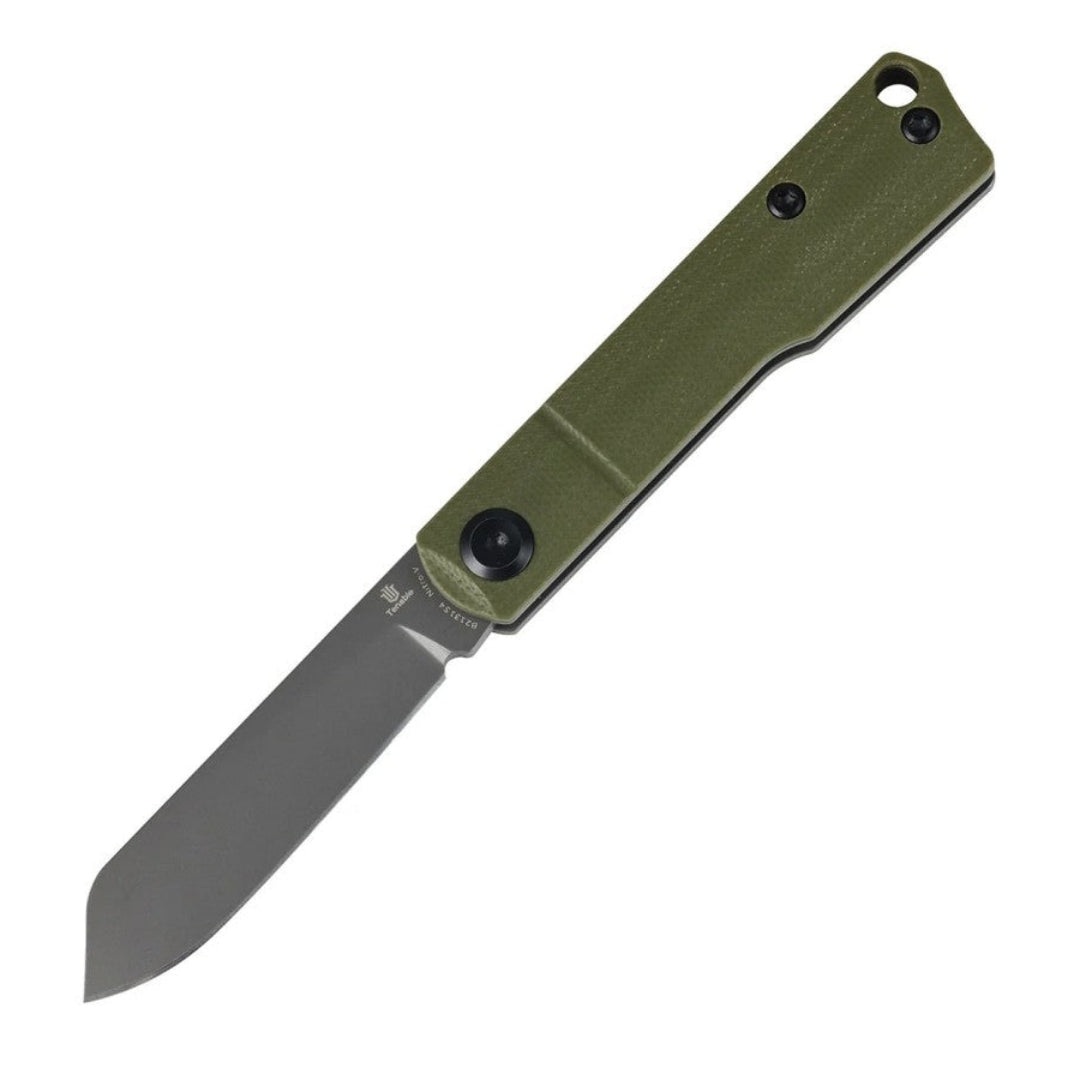
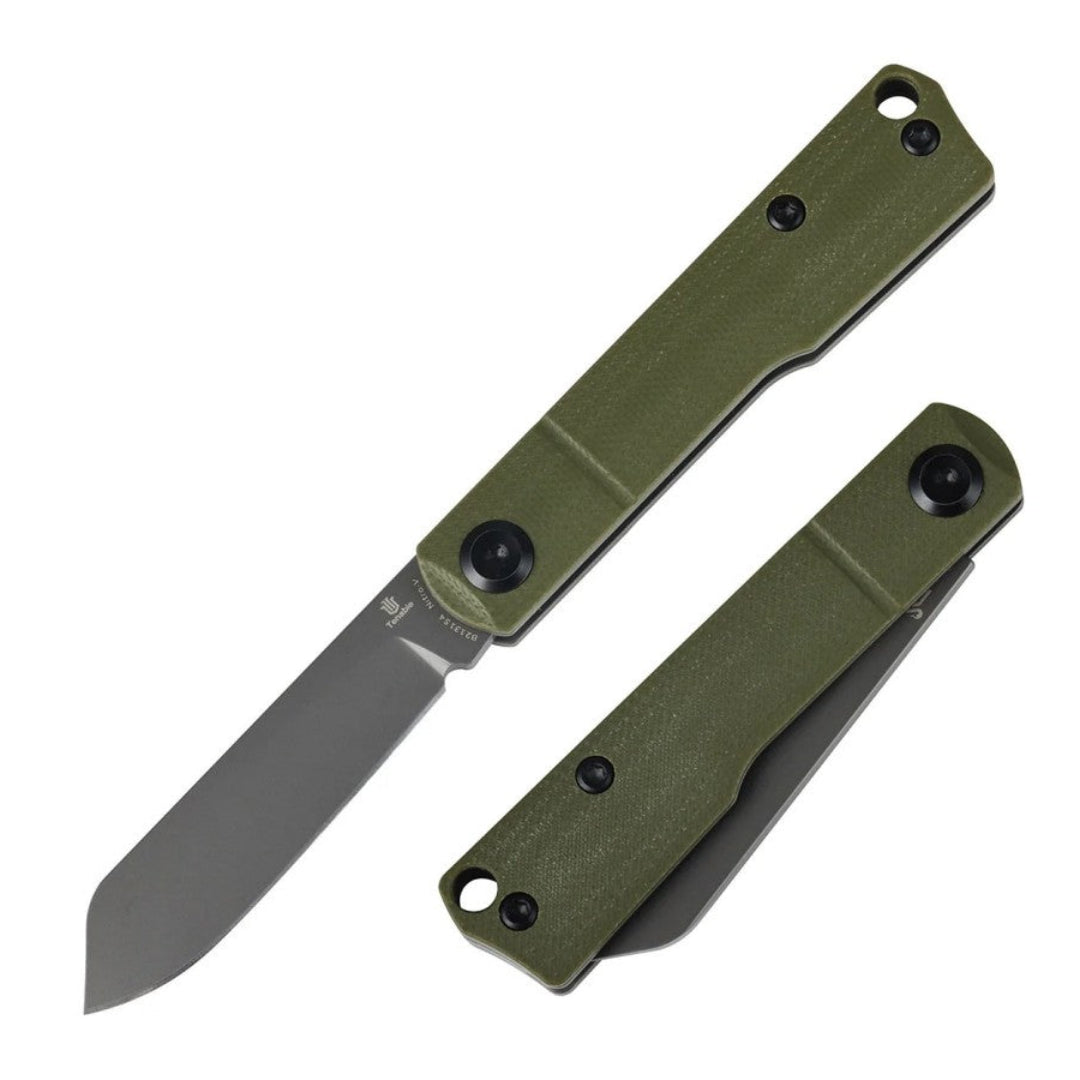
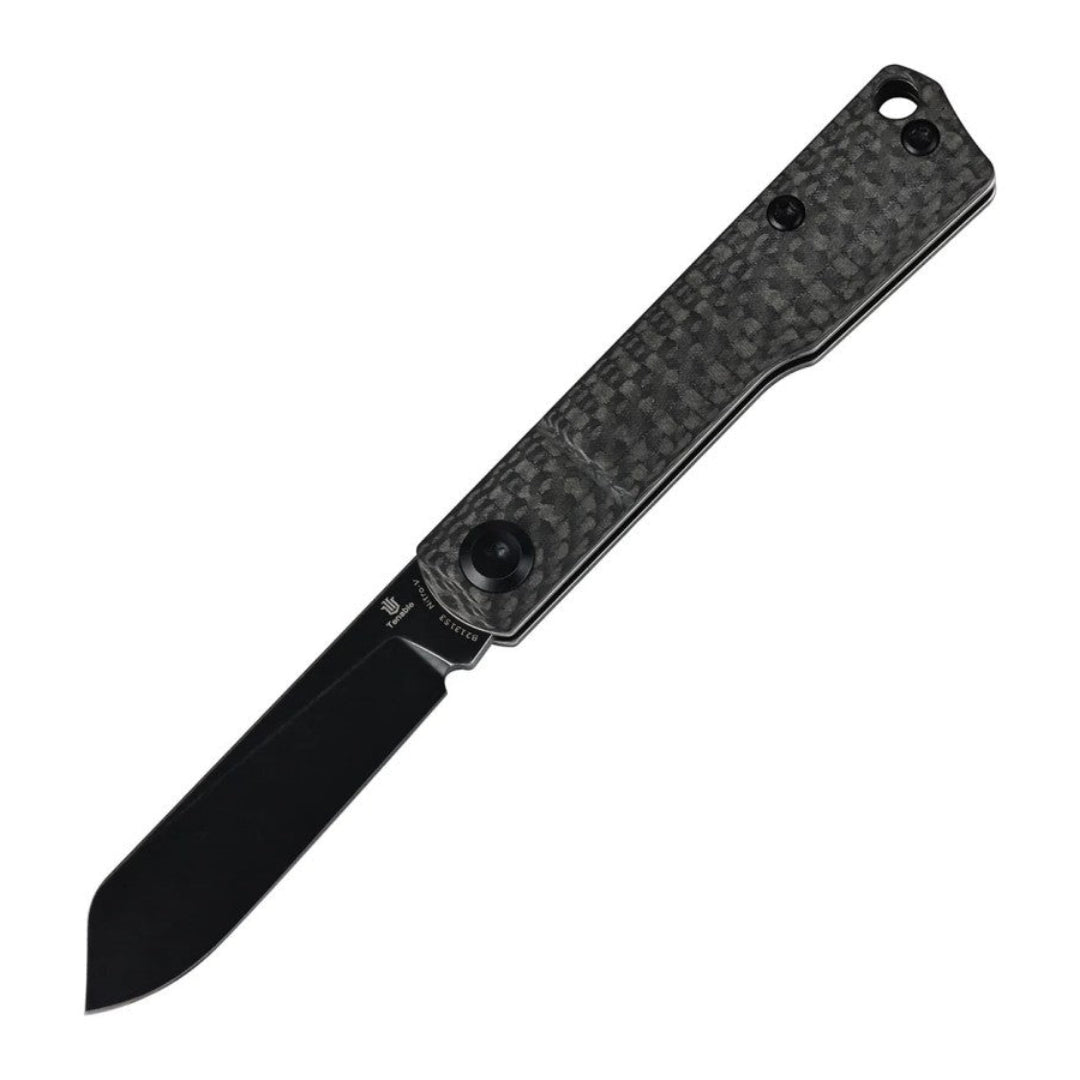
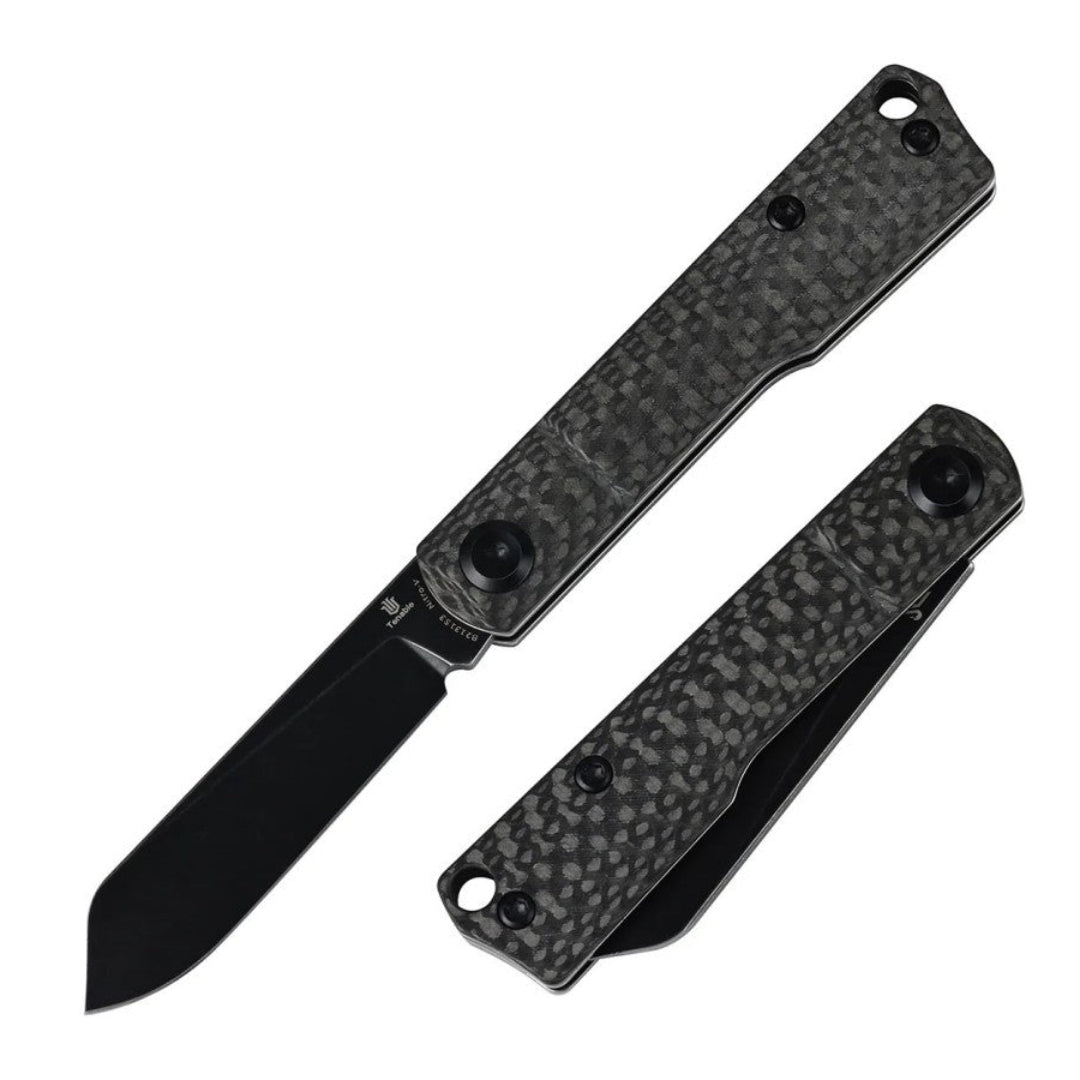
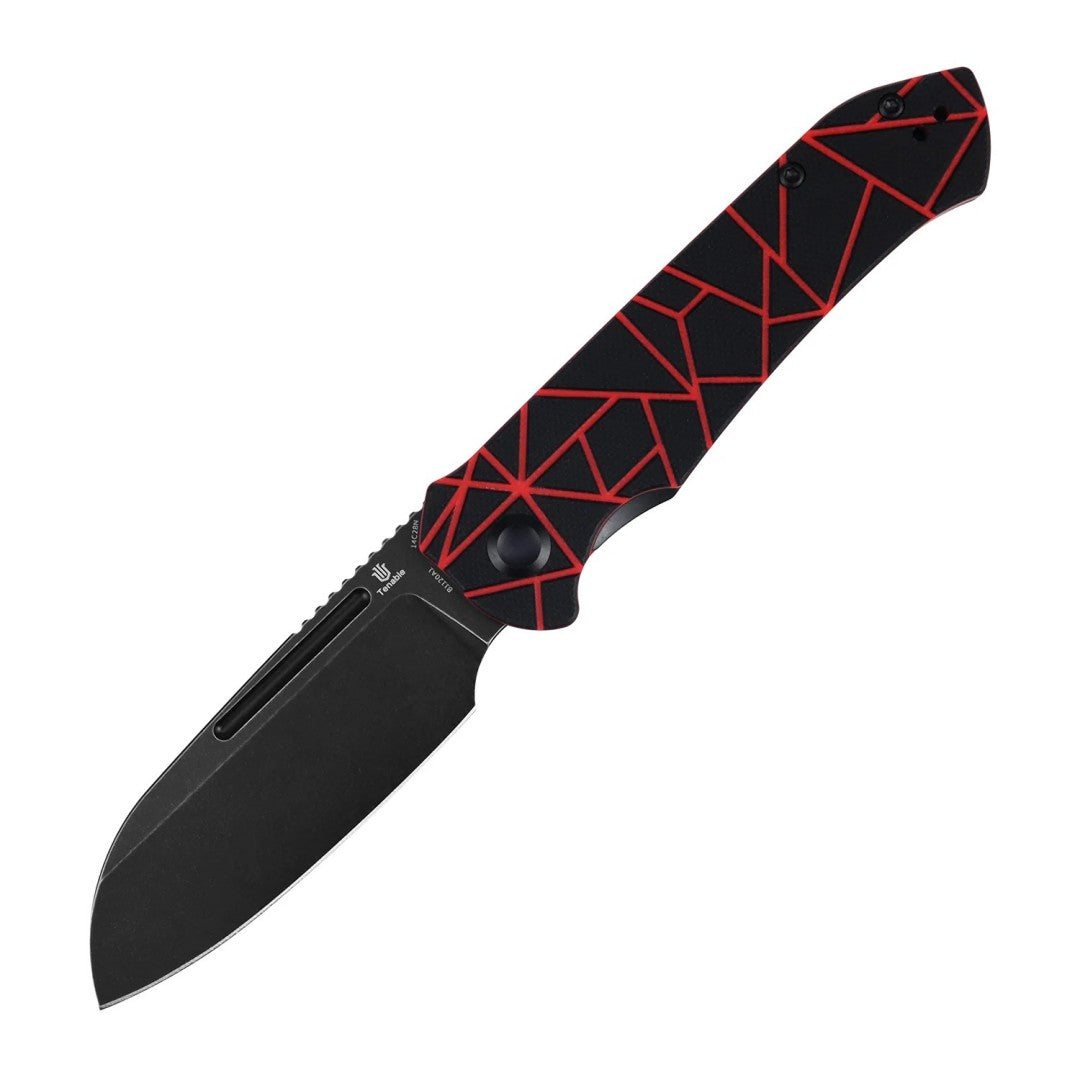
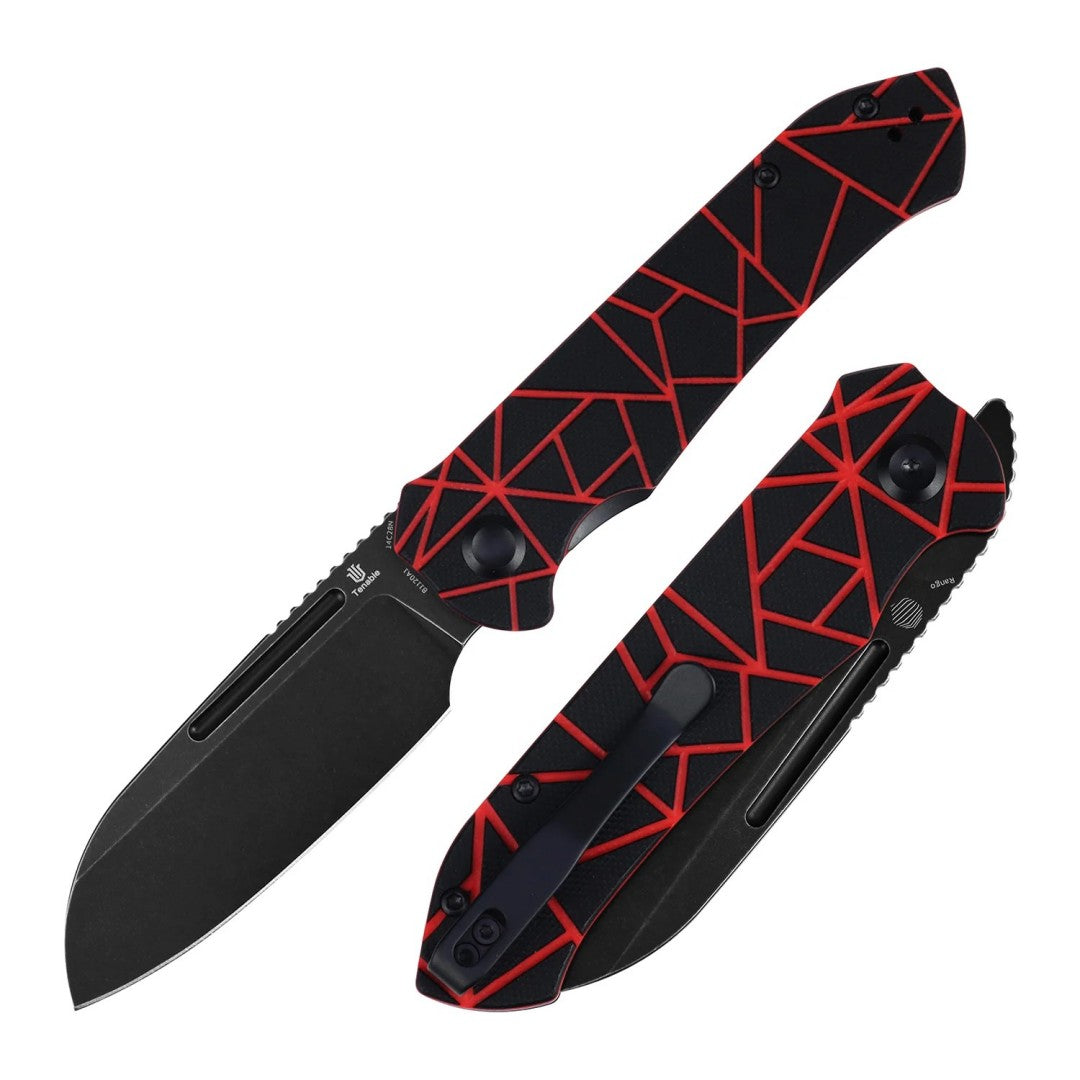
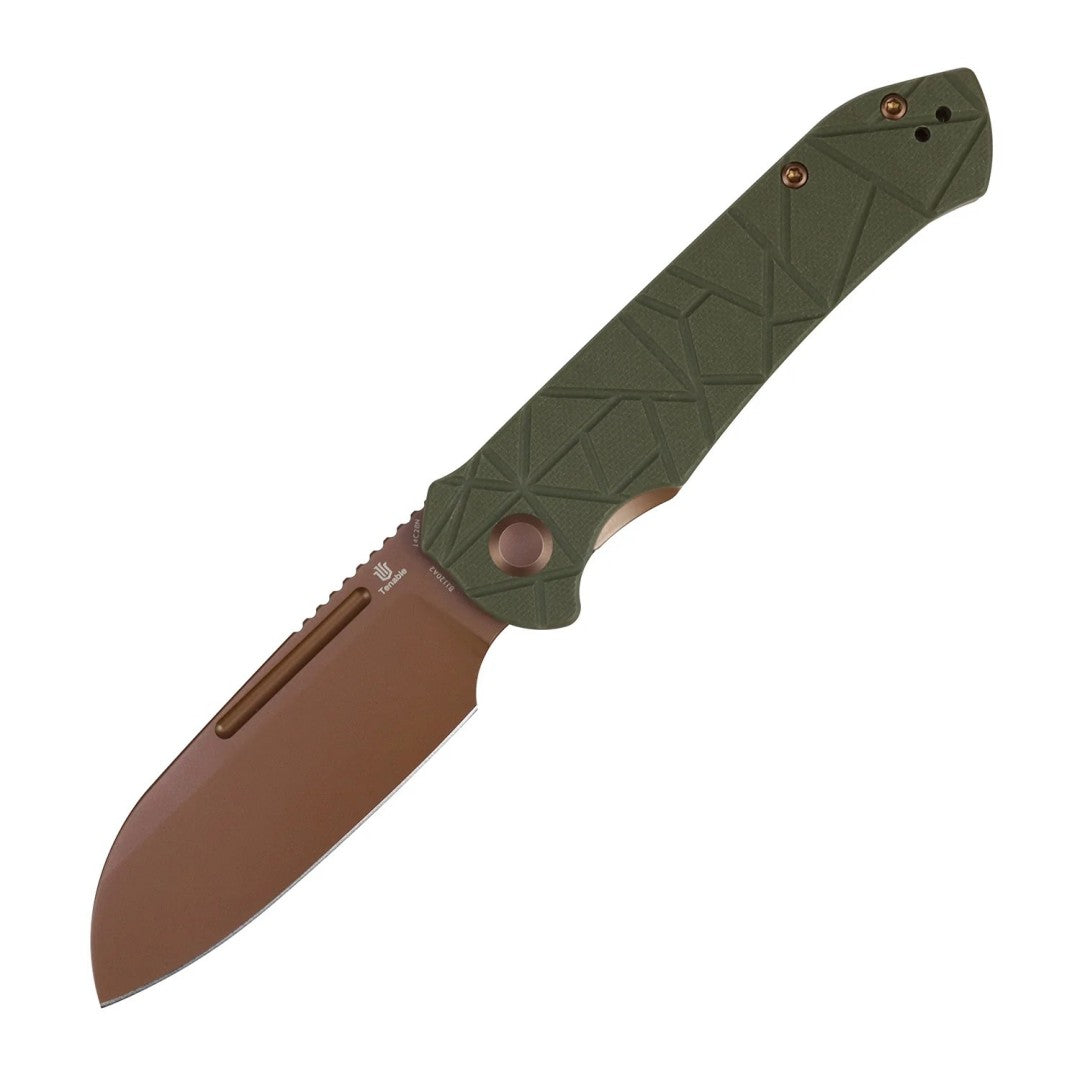
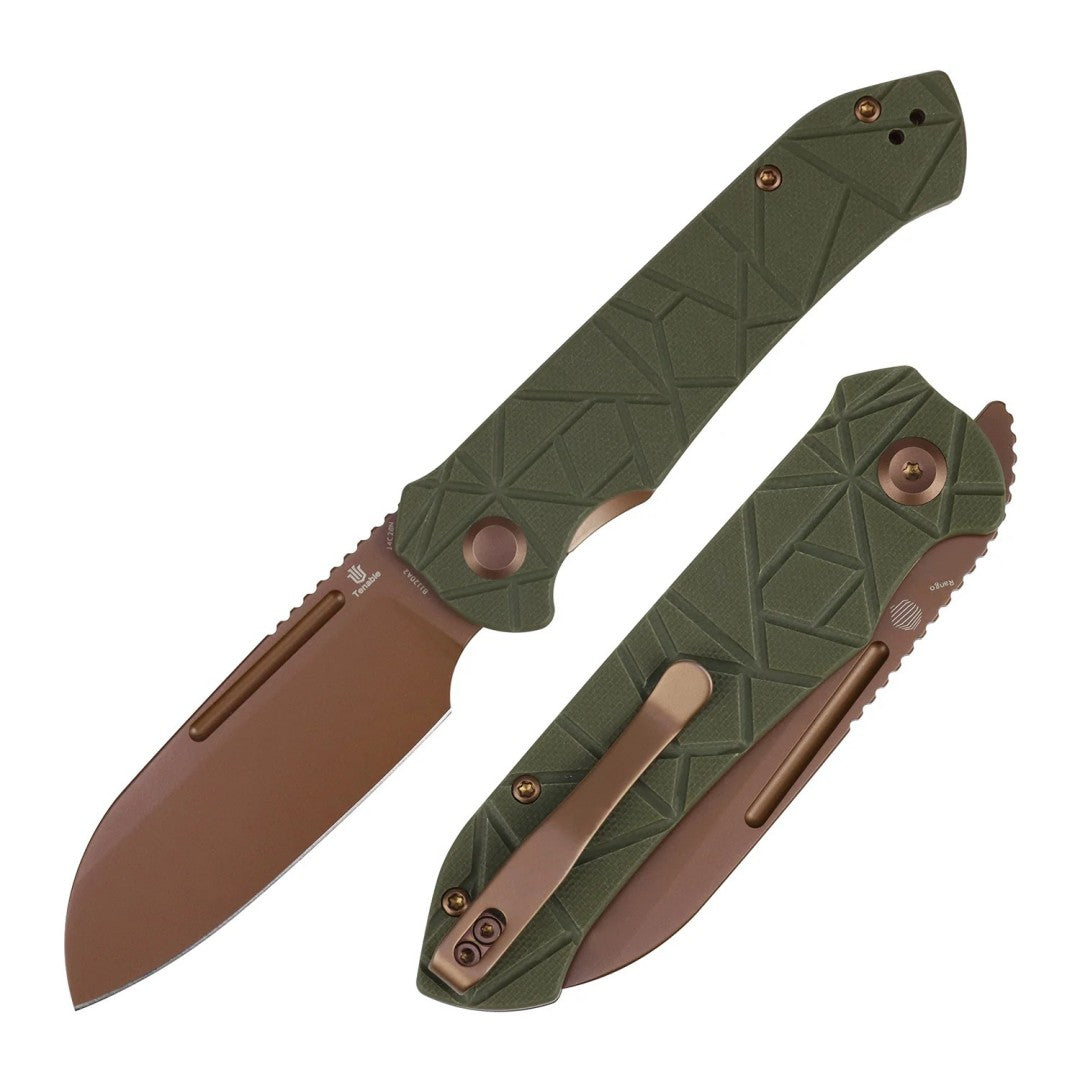
Few materials carry the mystique of Damascus steel in the knife world. The Tenable Kryo T1001V10 from Tenable Knives, with its Damascus blade, is a perfect starting point for understanding what makes this material so special. This guide breaks down the history, the manufacturing process, and the practical benefits of carrying a Damascus blade.
What Damascus Steel Actually Is
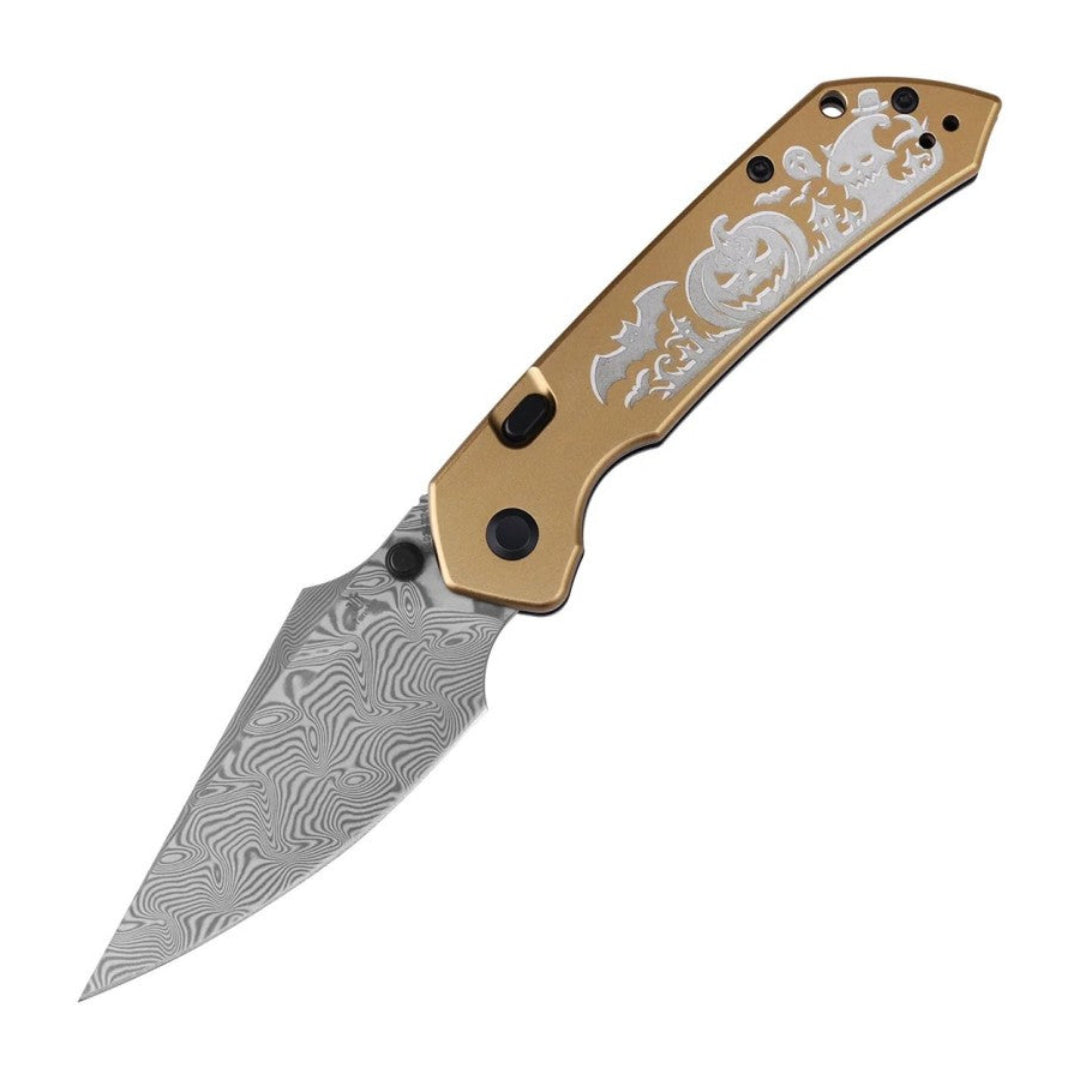
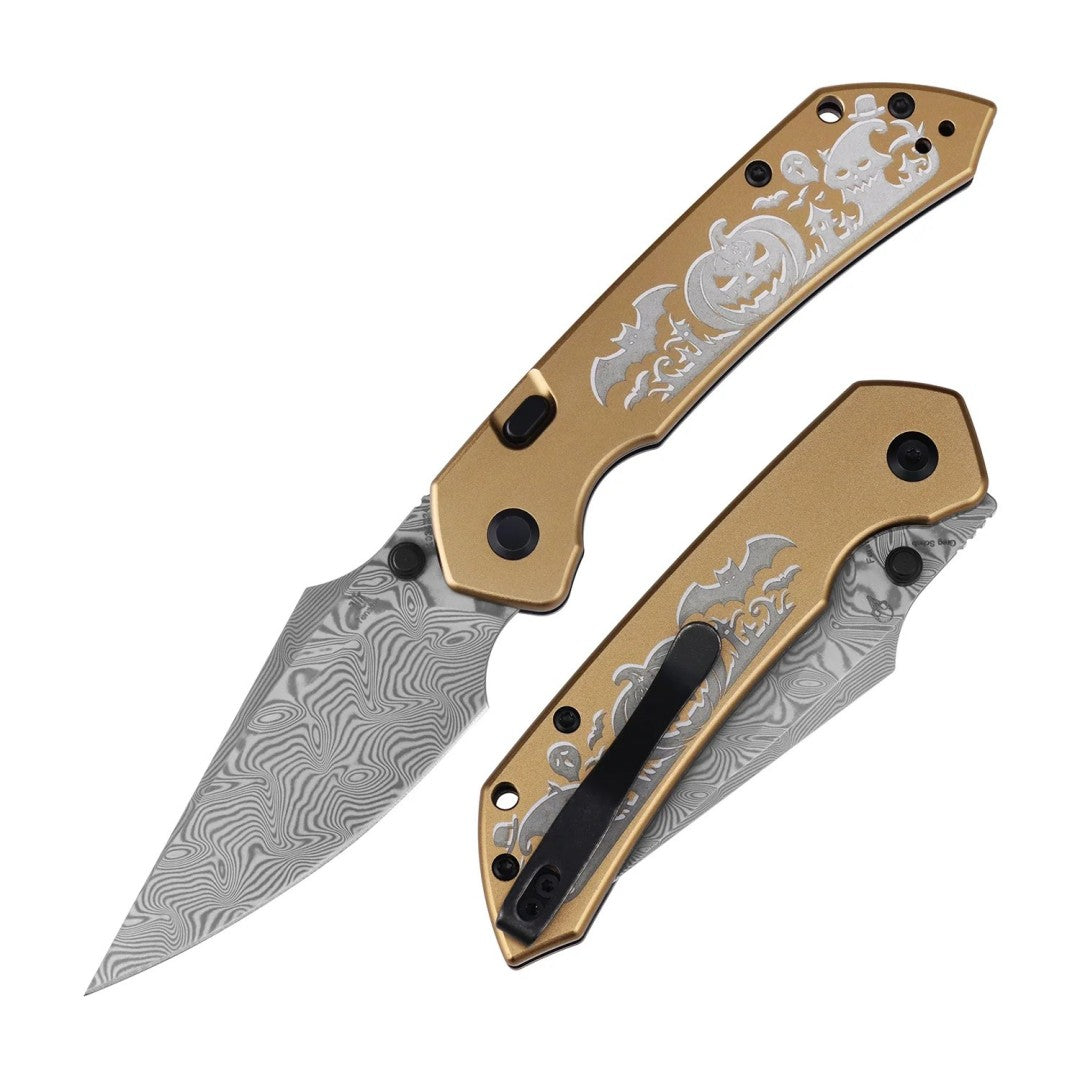
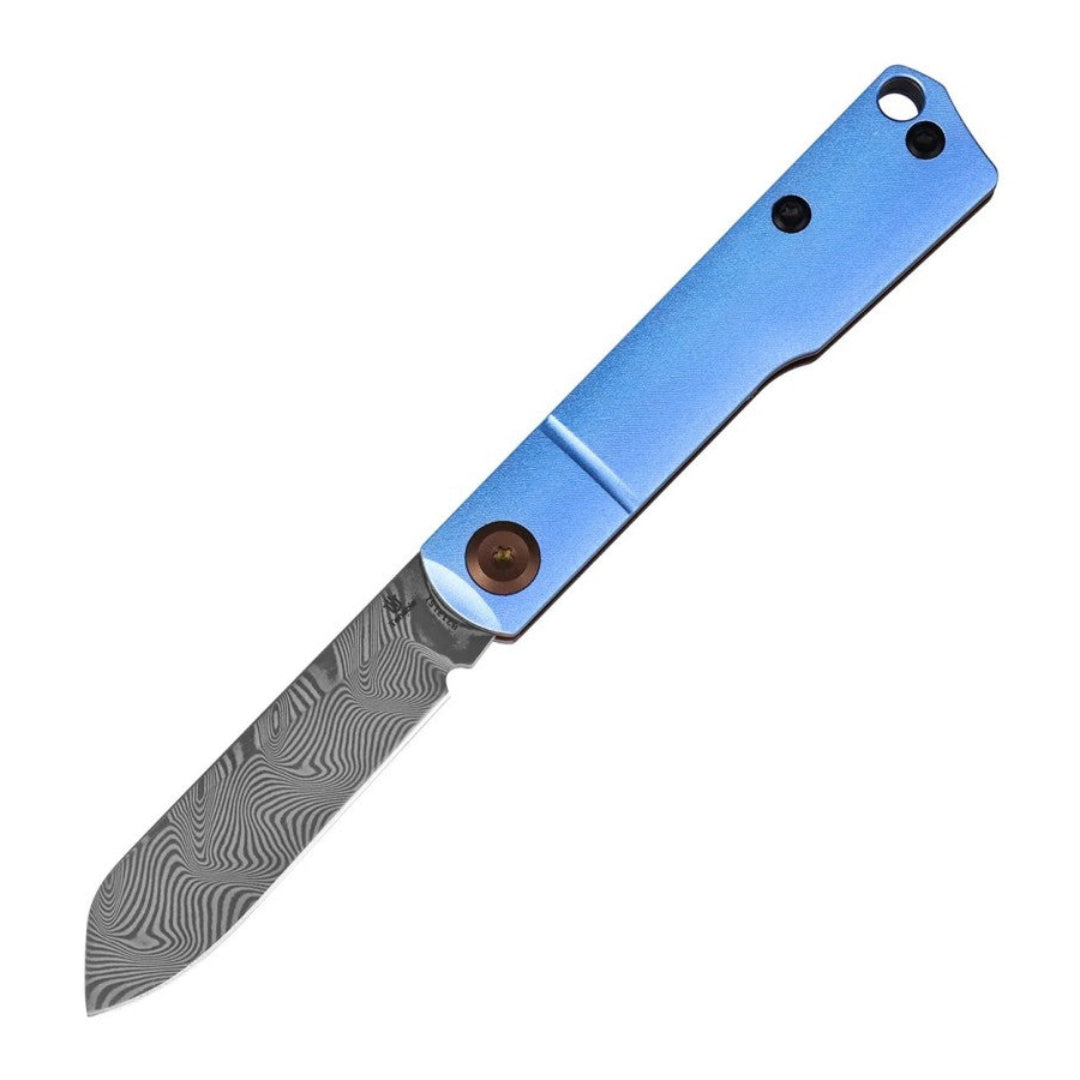
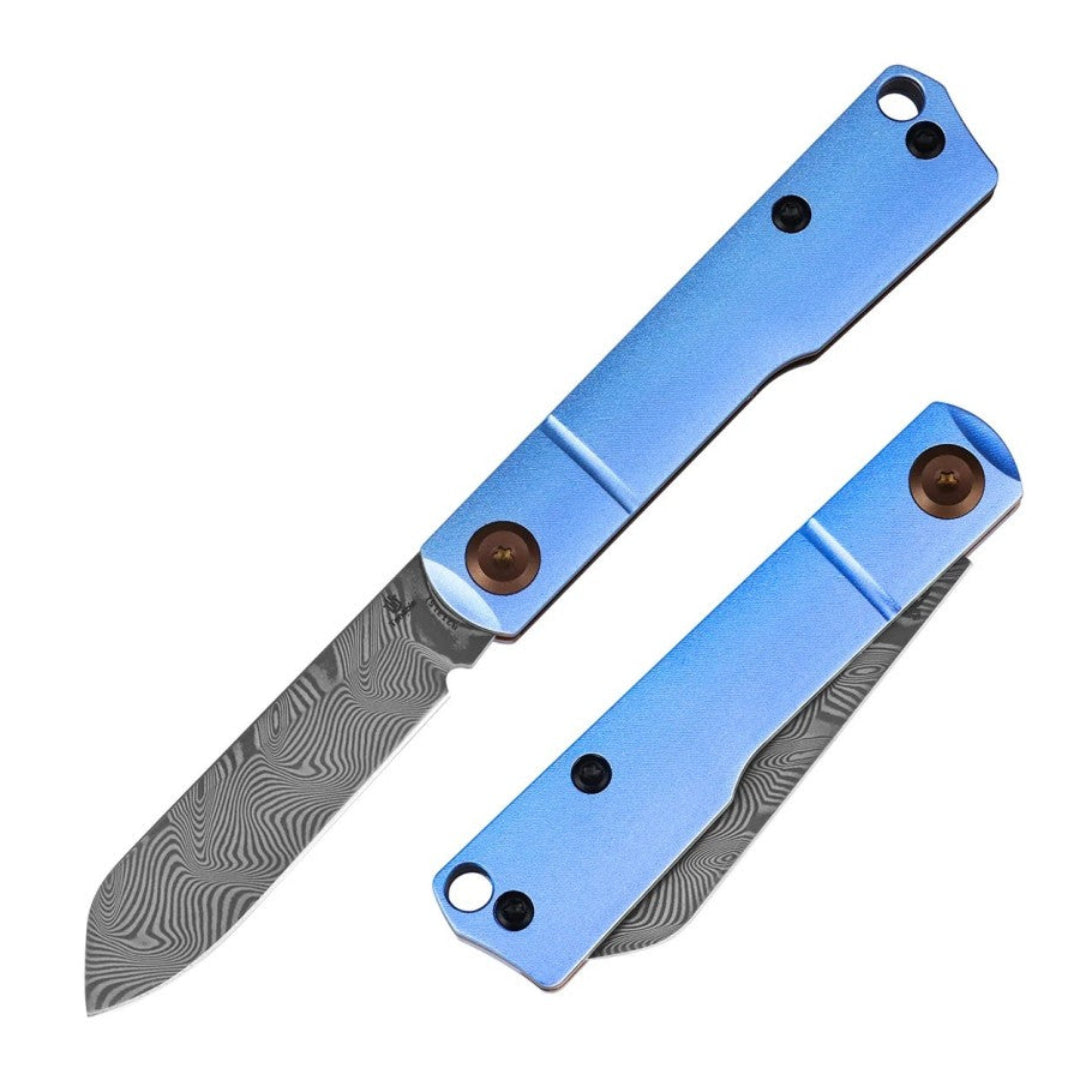
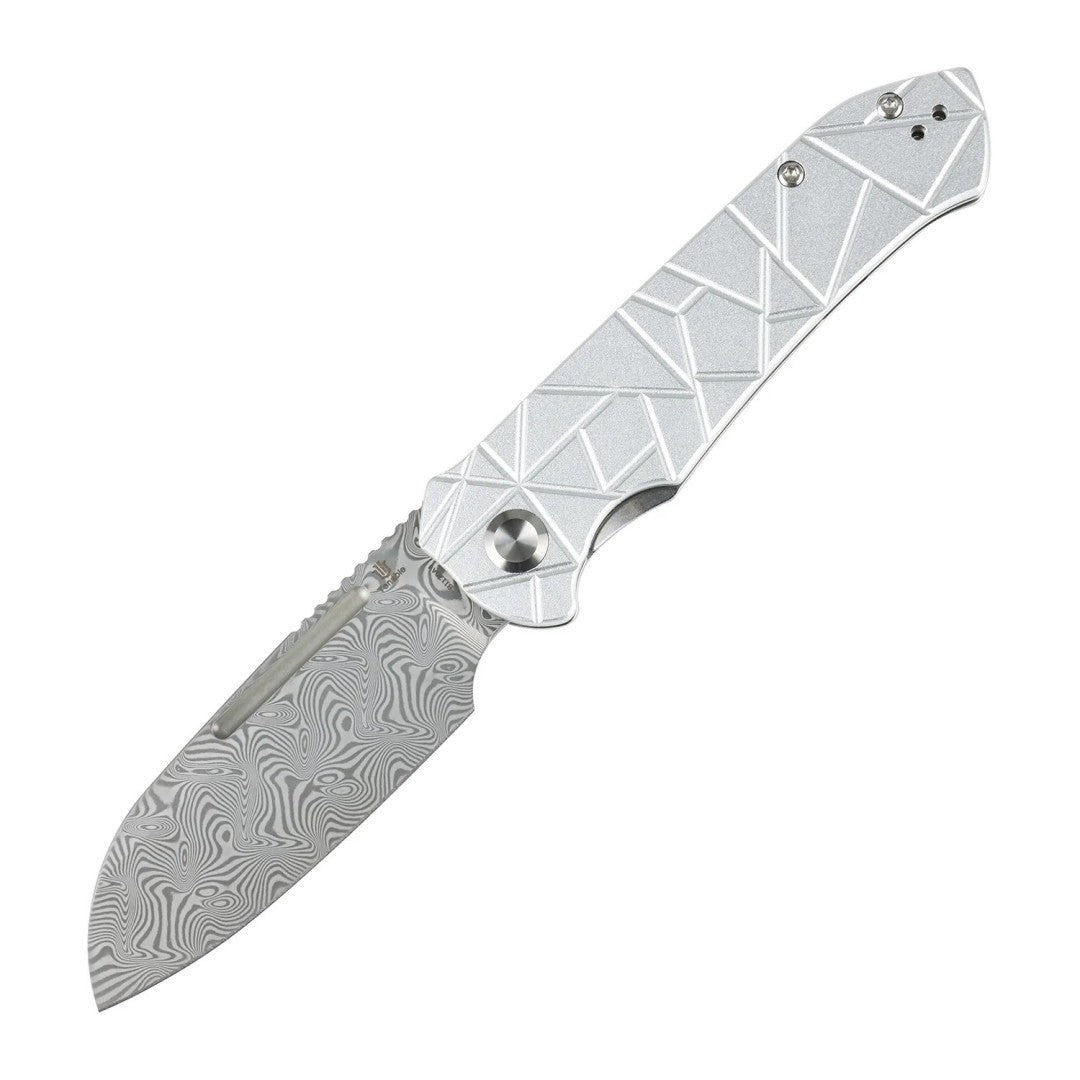
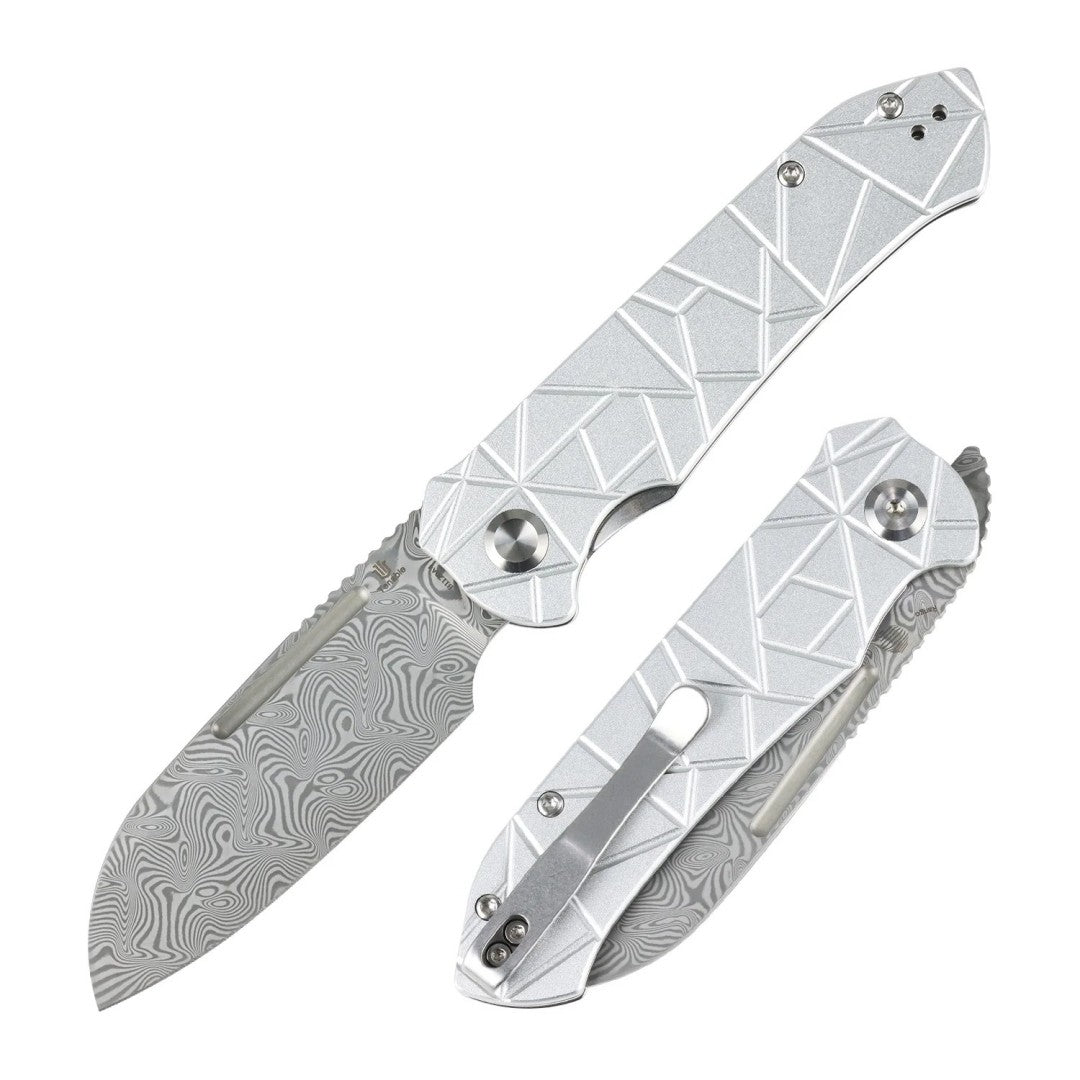
Modern Damascus is not the same as the original wootz steel of antiquity. Today's pattern-welded Damascus is made by forge-welding multiple layers of different steels together, then twisting, folding, and acid-etching the billet to bring out a flowing pattern. The result is a blade that combines the strengths of two or more steels, with a distinctive look that no single-alloy blade can match.
The Big Three Properties
Every blade steel is a balancing act between three properties:
- Edge retention — how long the blade stays sharp in use
- Corrosion resistance — how well it resists rust and staining
- Toughness / ease of sharpening — how it handles impact and how easy it is to restore the edge
The Damascus blade on the Tenable Kryo T1001V10 combines a tough core steel with a more corrosion-resistant outer layer, delivering both flexibility at the spine and a hard, long-lasting edge.
How Damascus Compares to Common Steels
The Damascus blade on the Tenable Kryo T1001V10 sits alongside more common steels you will encounter in everyday carry:
- D2 — excellent edge retention, moderate corrosion resistance, a classic workhorse.
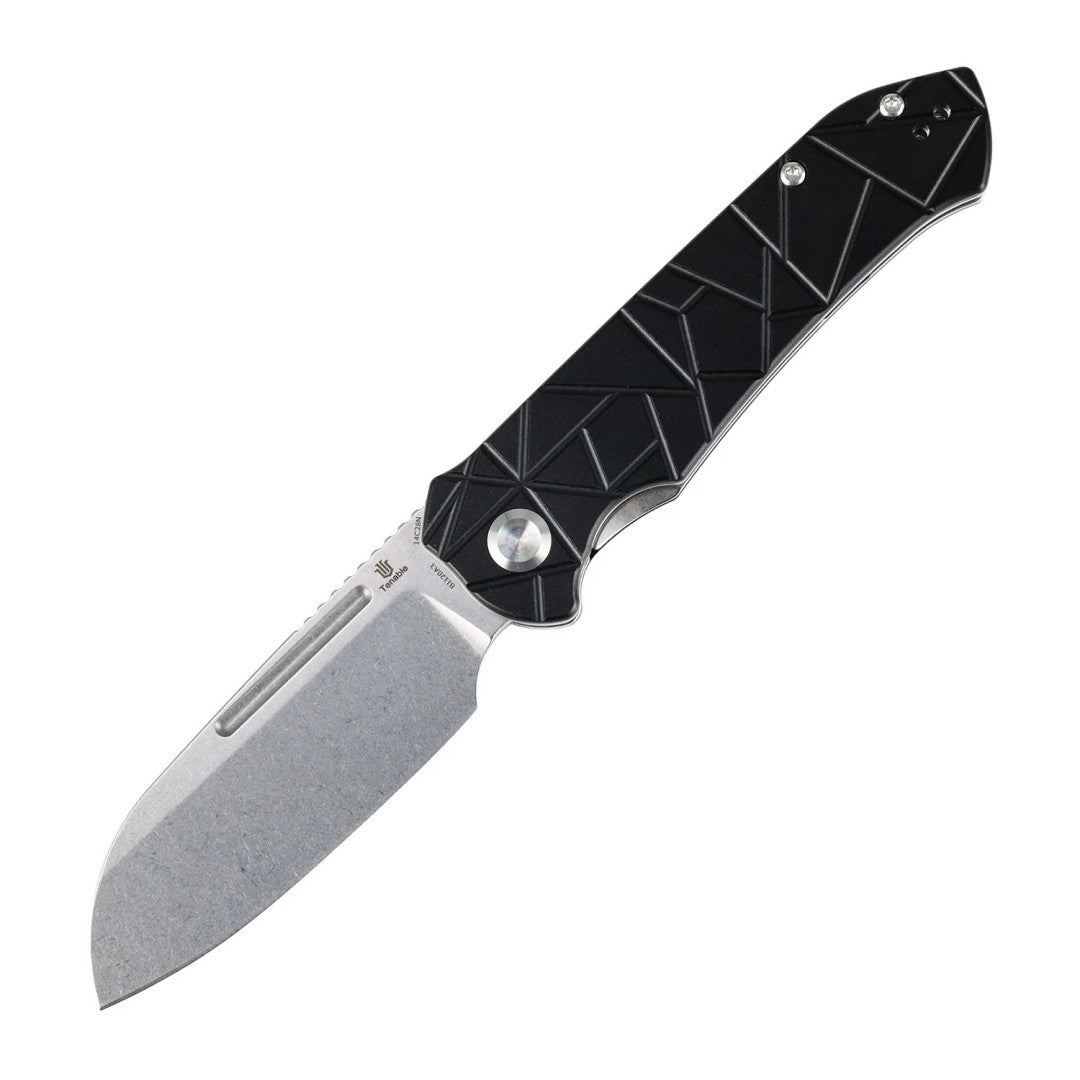
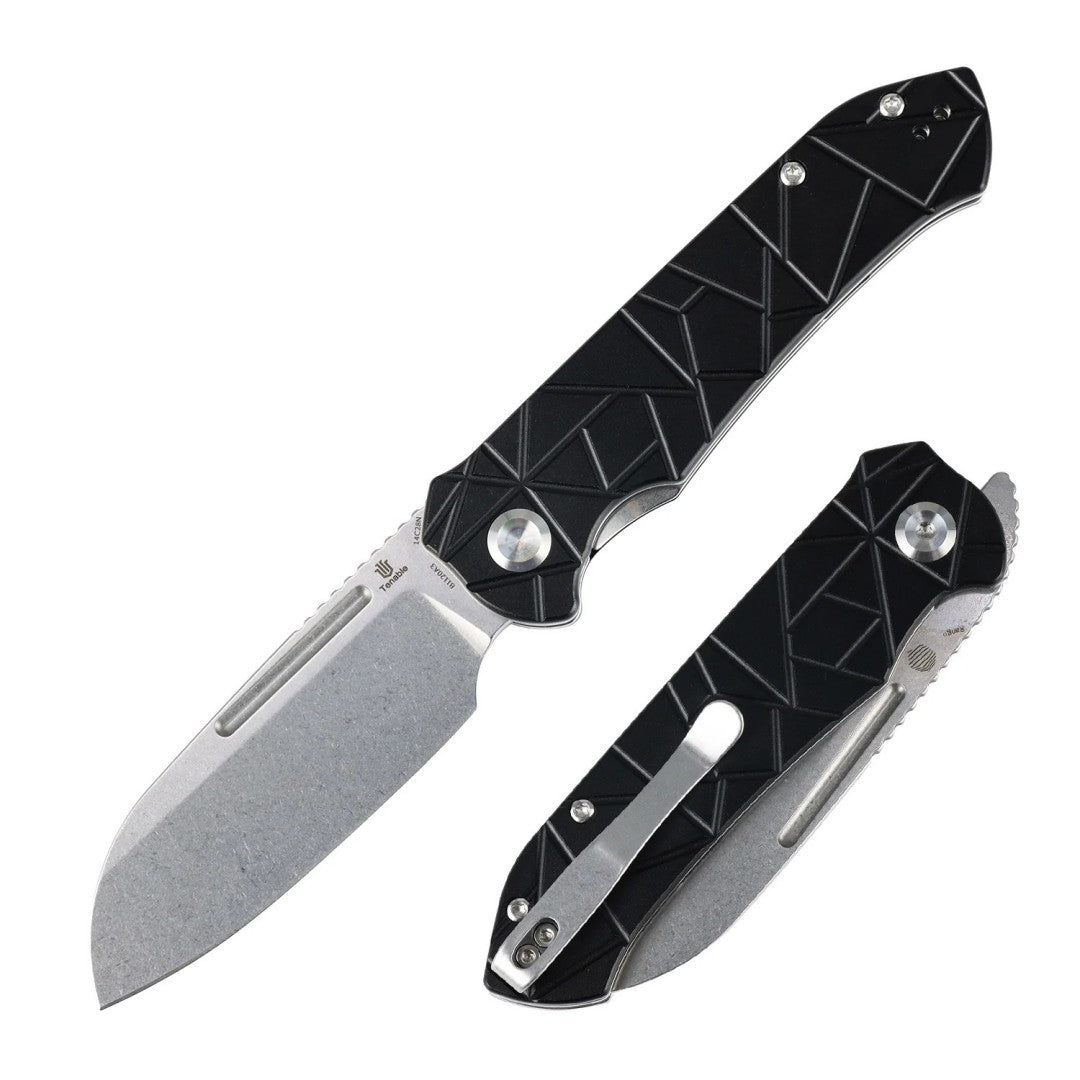
- 14C28N — tough, very corrosion resistant, and easy to sharpen; a favorite for daily users.
- Nitro-V — balanced with good toughness and edge retention, plus strong rust resistance.
- CPM-S35VN — a premium stainless with outstanding edge retention and easy sharpening.
- CPM-S90V — extreme wear resistance for users who want maximum edge life.
- M390 — a premium stainless powder metallurgy steel with elite edge retention.
How the Handle and Lock Complete the Package
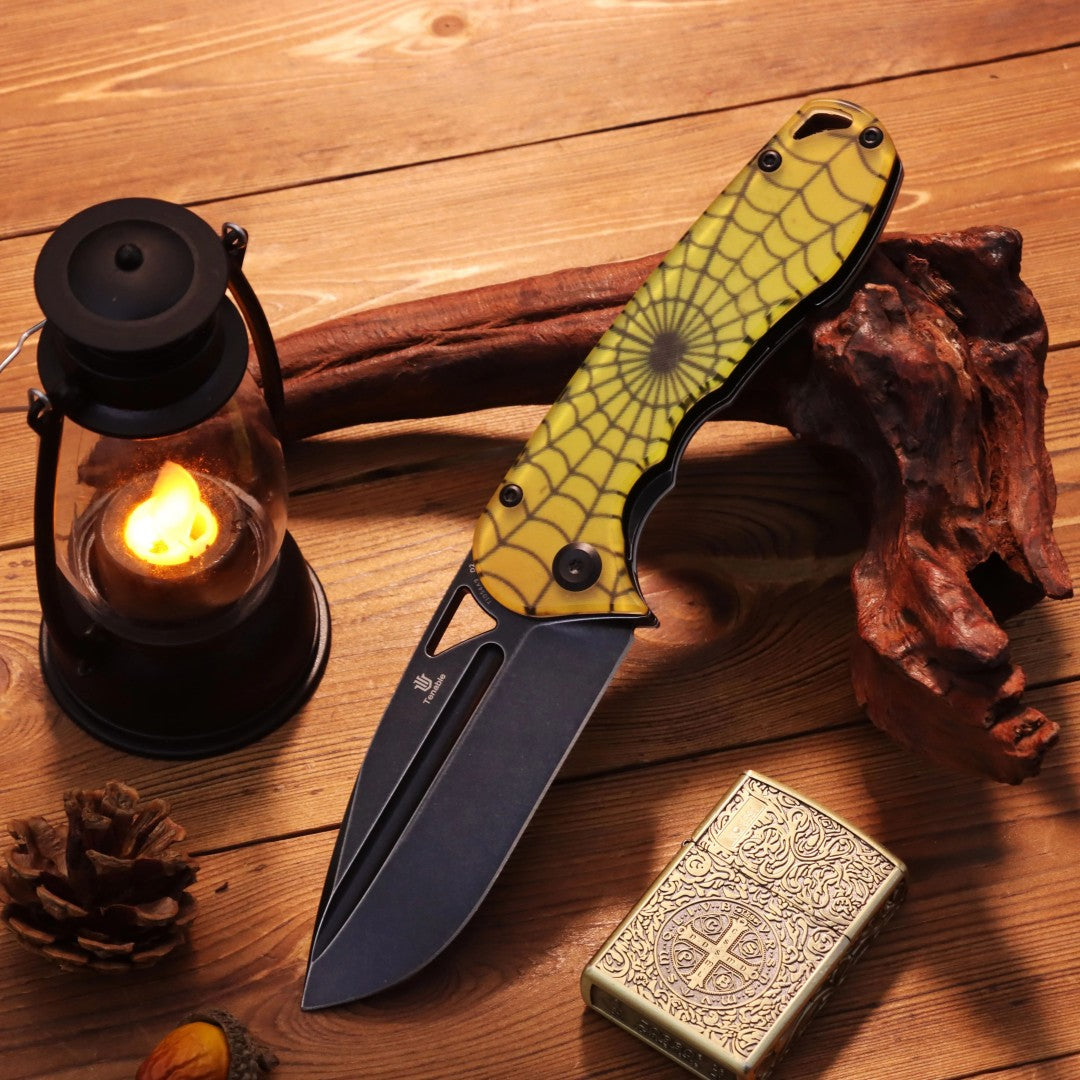
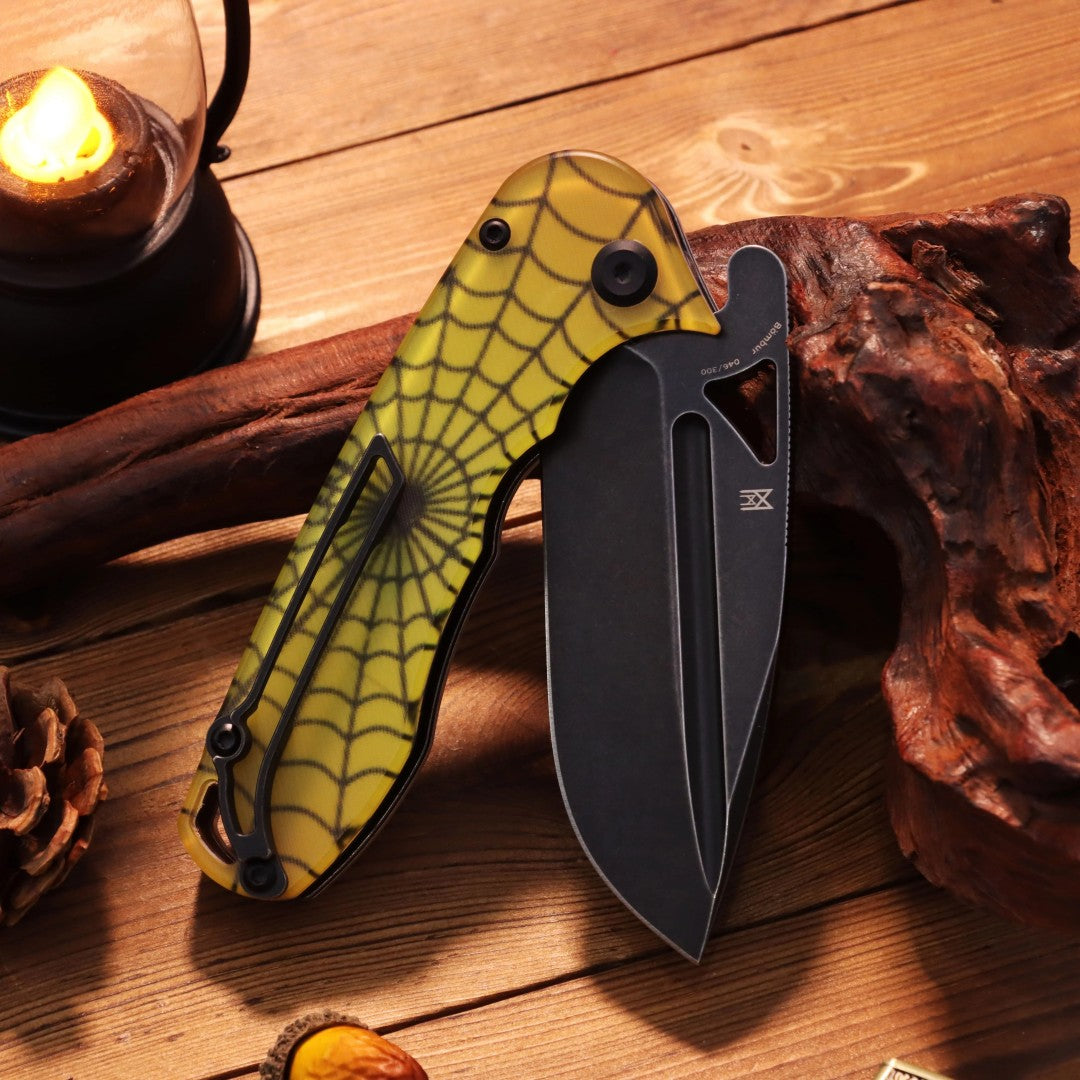
Steel is only part of the story. The PEI/Ultem handle and the crossbar lock on the Tenable Kryo T1001V10 contribute as much to daily satisfaction as the blade itself. A comfortable handle and a reliable lock make the difference between a knife you love to use and one that stays in a drawer.
Caring for a Damascus Blade
Damascus requires slightly more attention than a fully stainless blade. After cutting anything wet or acidic, wipe the blade dry and apply a thin coat of protective oil. The acid-etched pattern that gives Damascus its beauty is also slightly more porous than a uniform alloy, so a little care goes a long way toward preserving the look and the performance.
Who Should Buy a Damascus Knife?
Damascus is a great choice for collectors who appreciate the artistry, for users who want a blade that stands out, and for anyone who treats their knives as a long-term investment. If you want the lowest-maintenance option, a fully stainless premium steel is a simpler path. But if you value craftsmanship and visual character, the Damascus Damascus blade on the Tenable Kryo T1001V10 is a beautiful way to carry a piece of forging history.
Final Verdict
Understanding blade steel helps you buy with confidence. The Tenable Kryo T1001V10 pairs a Damascus blade with a PEI/Ultem handle and a solid crossbar lock, making it an ideal reference point for any knife buyer who wants to make a smart, informed choice.
Shop the Tenable Kryo T1001V10