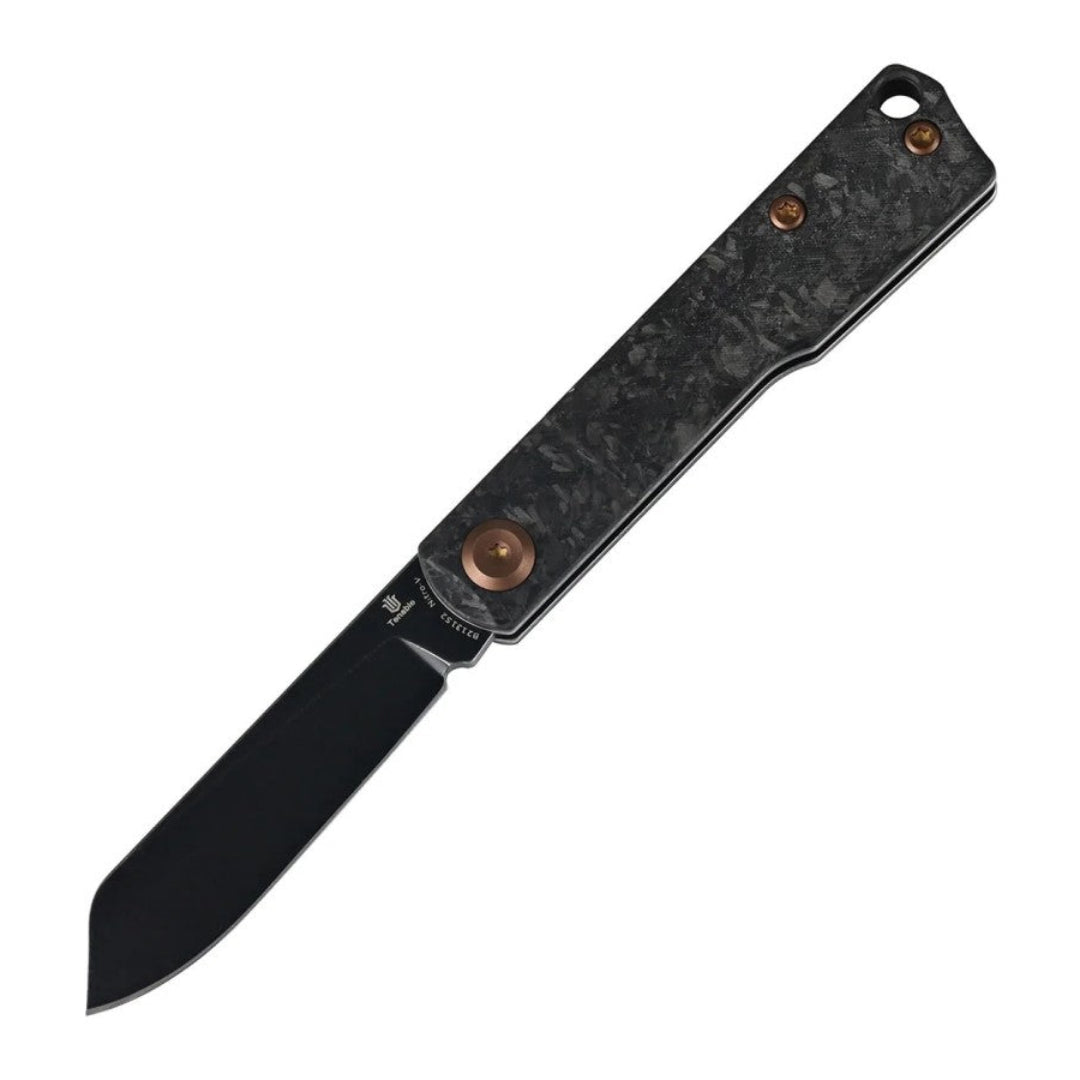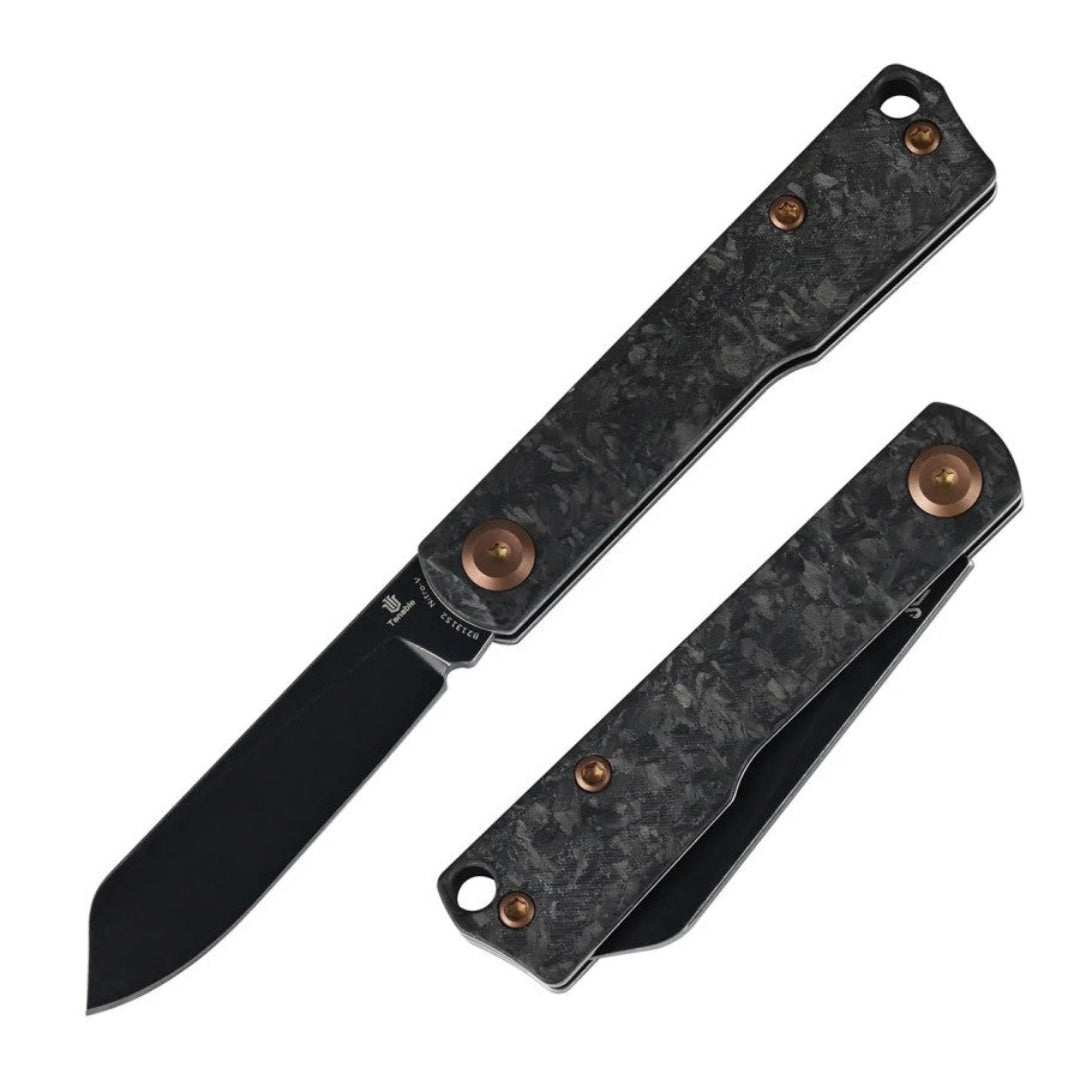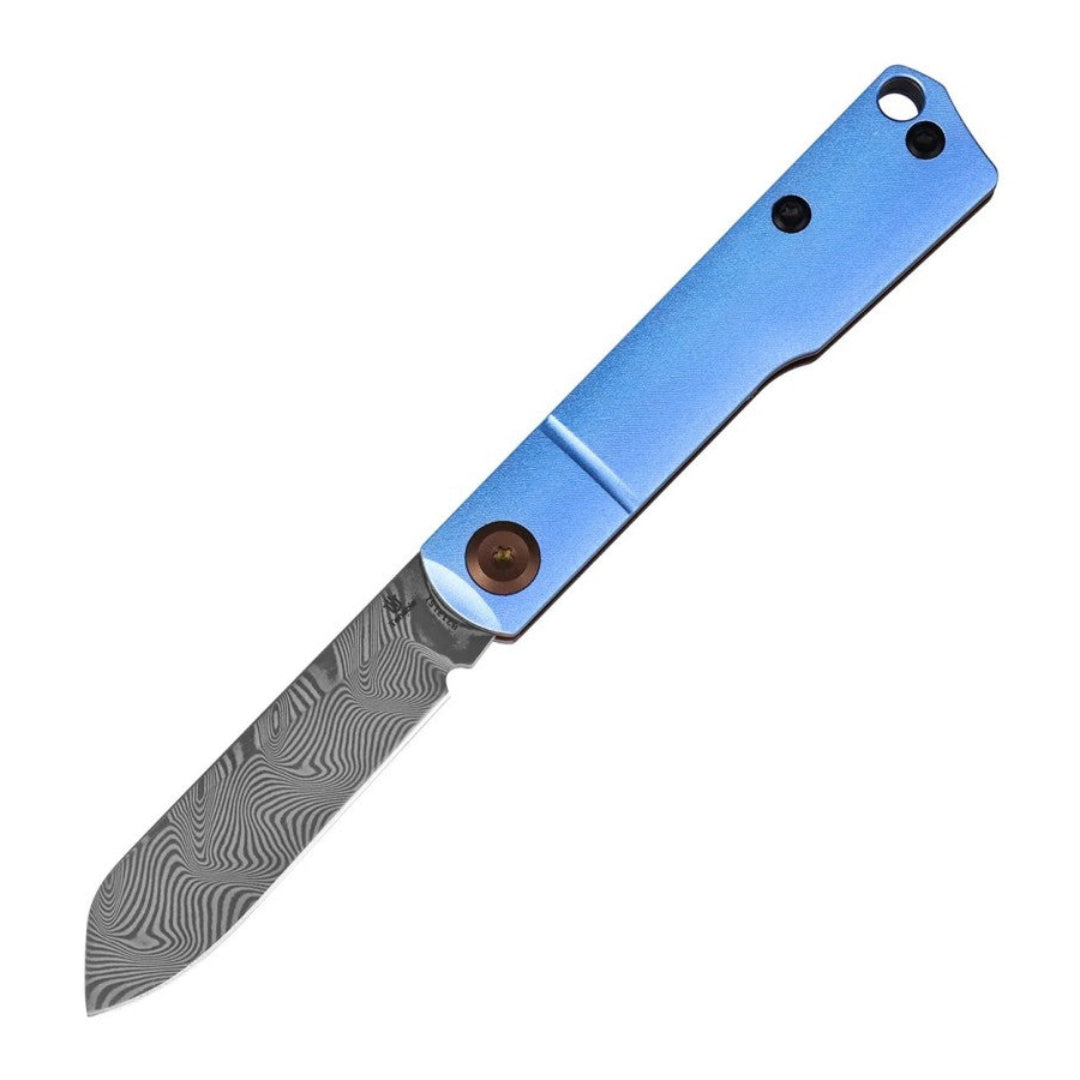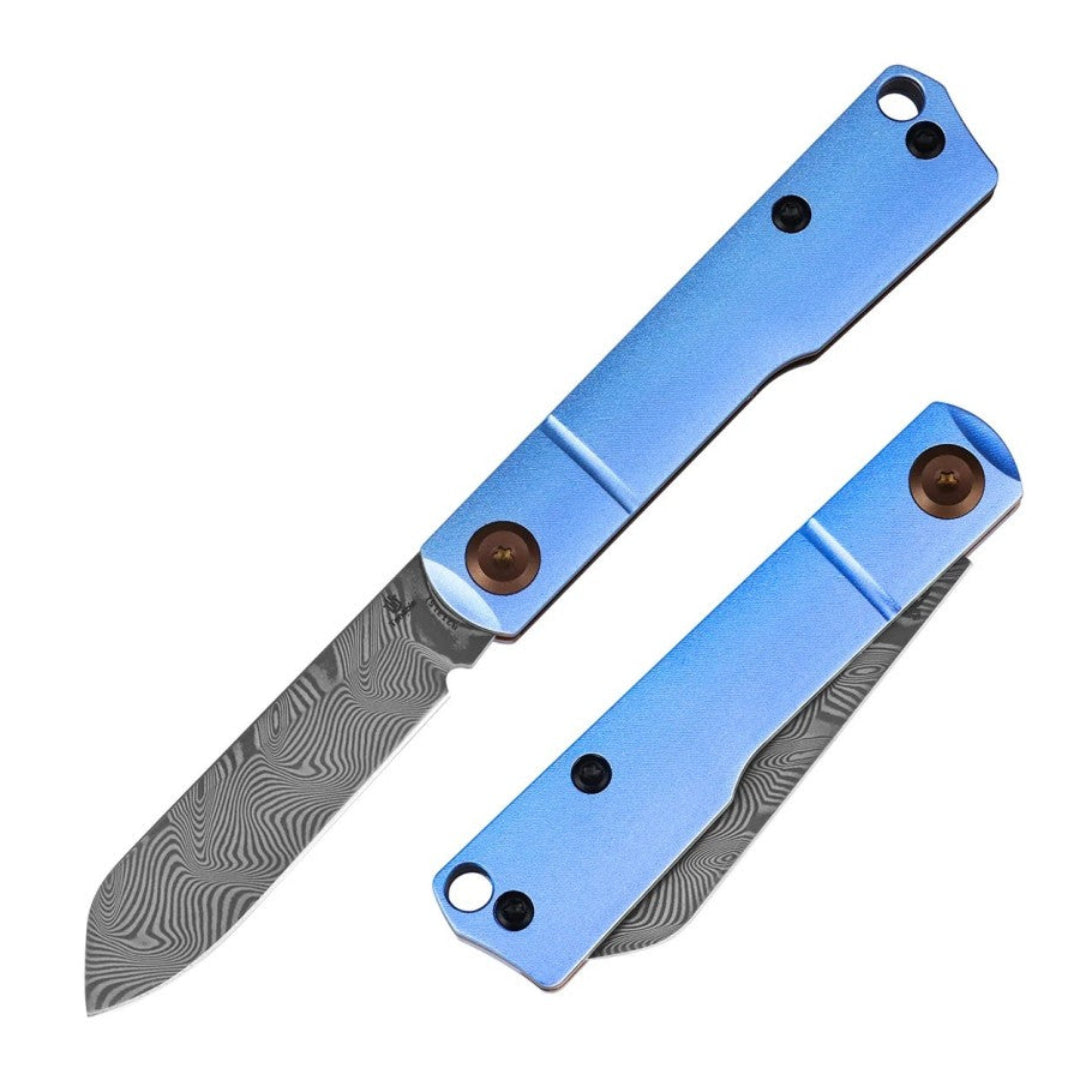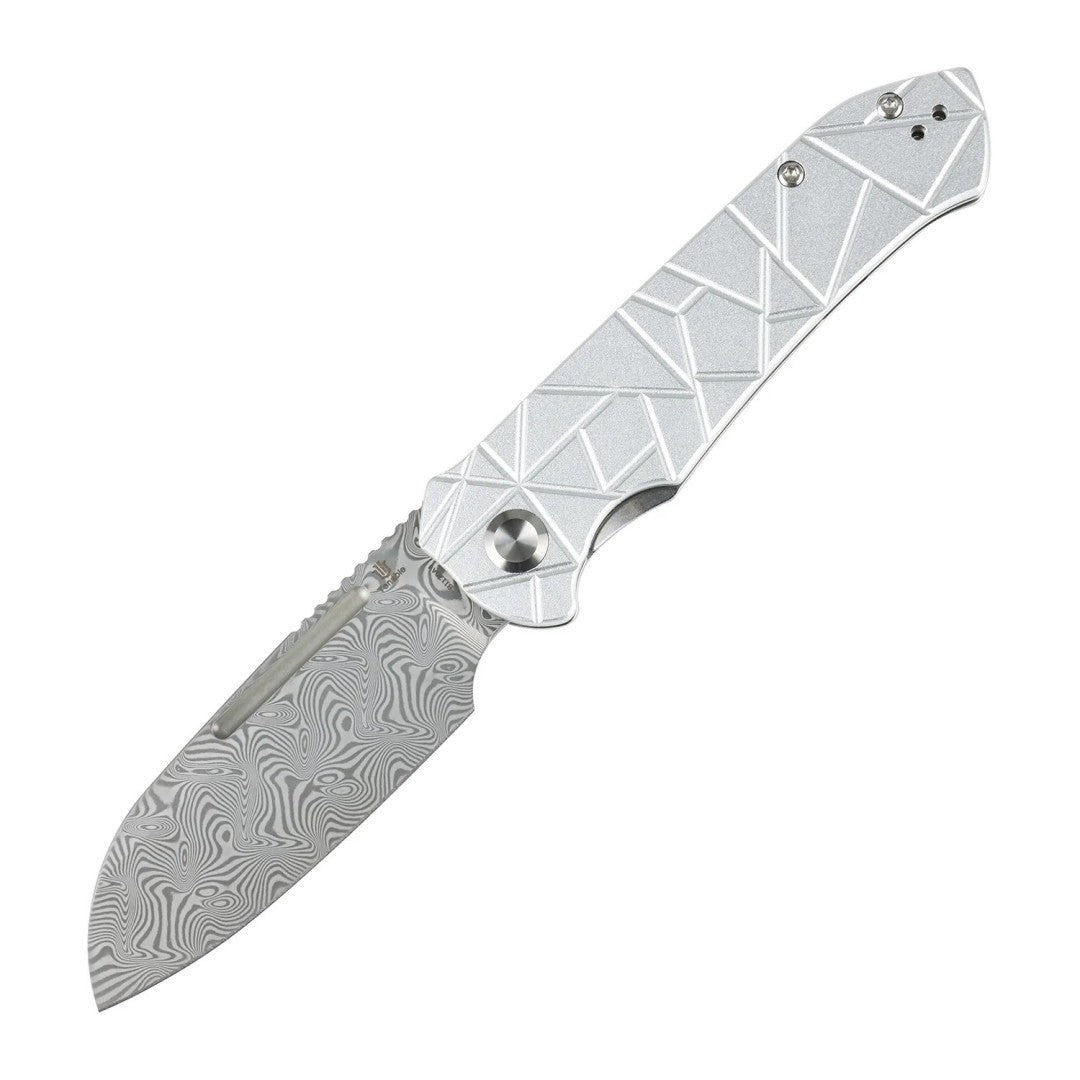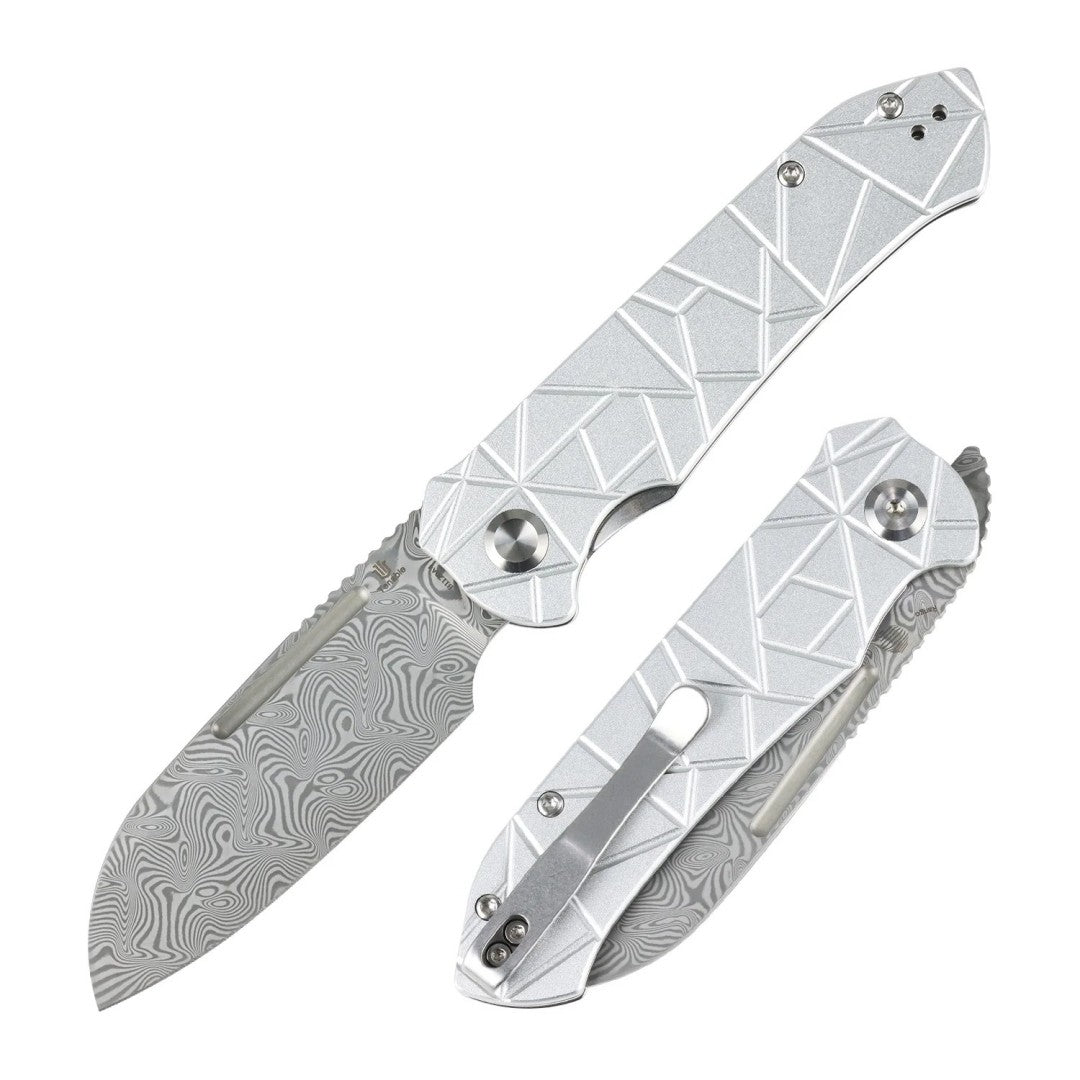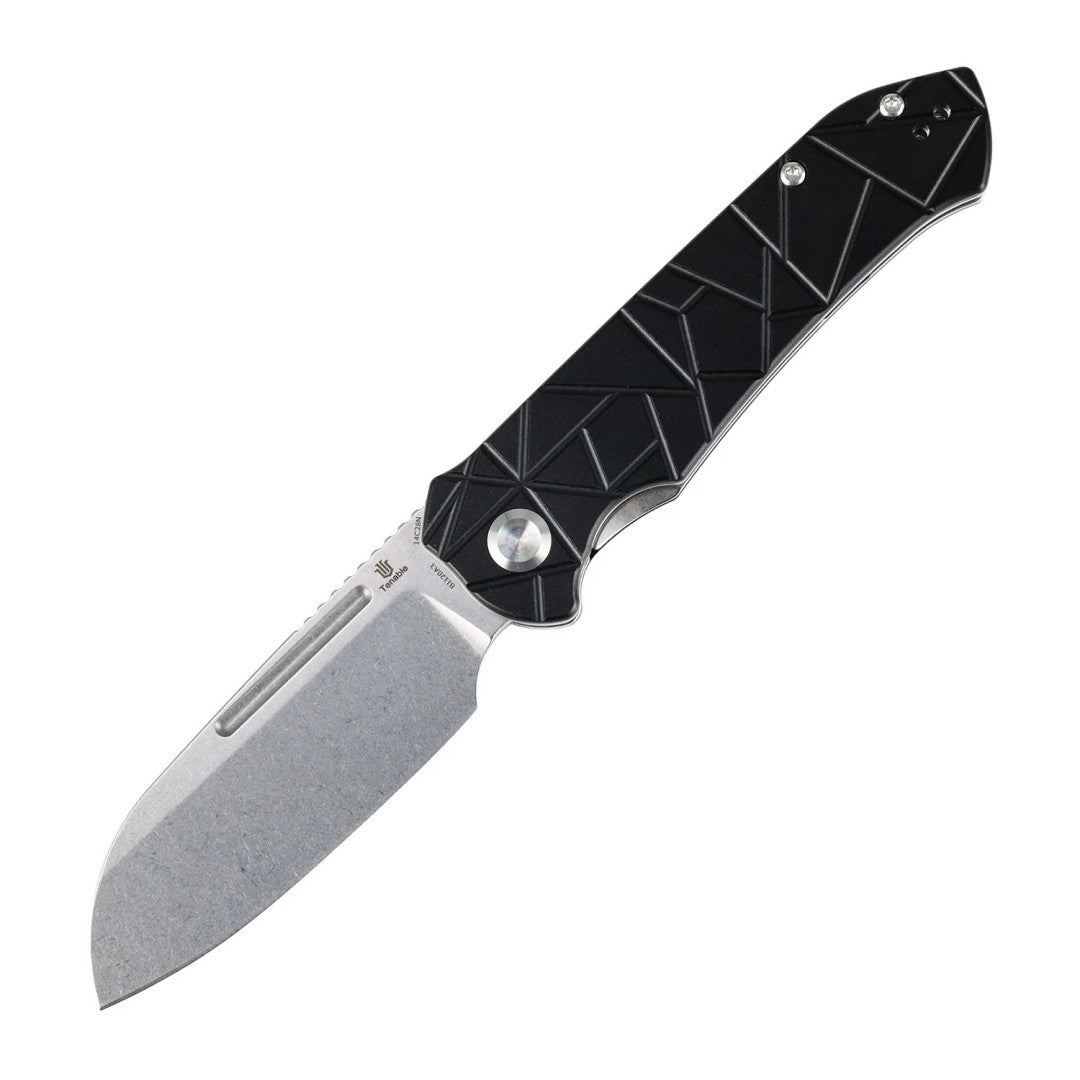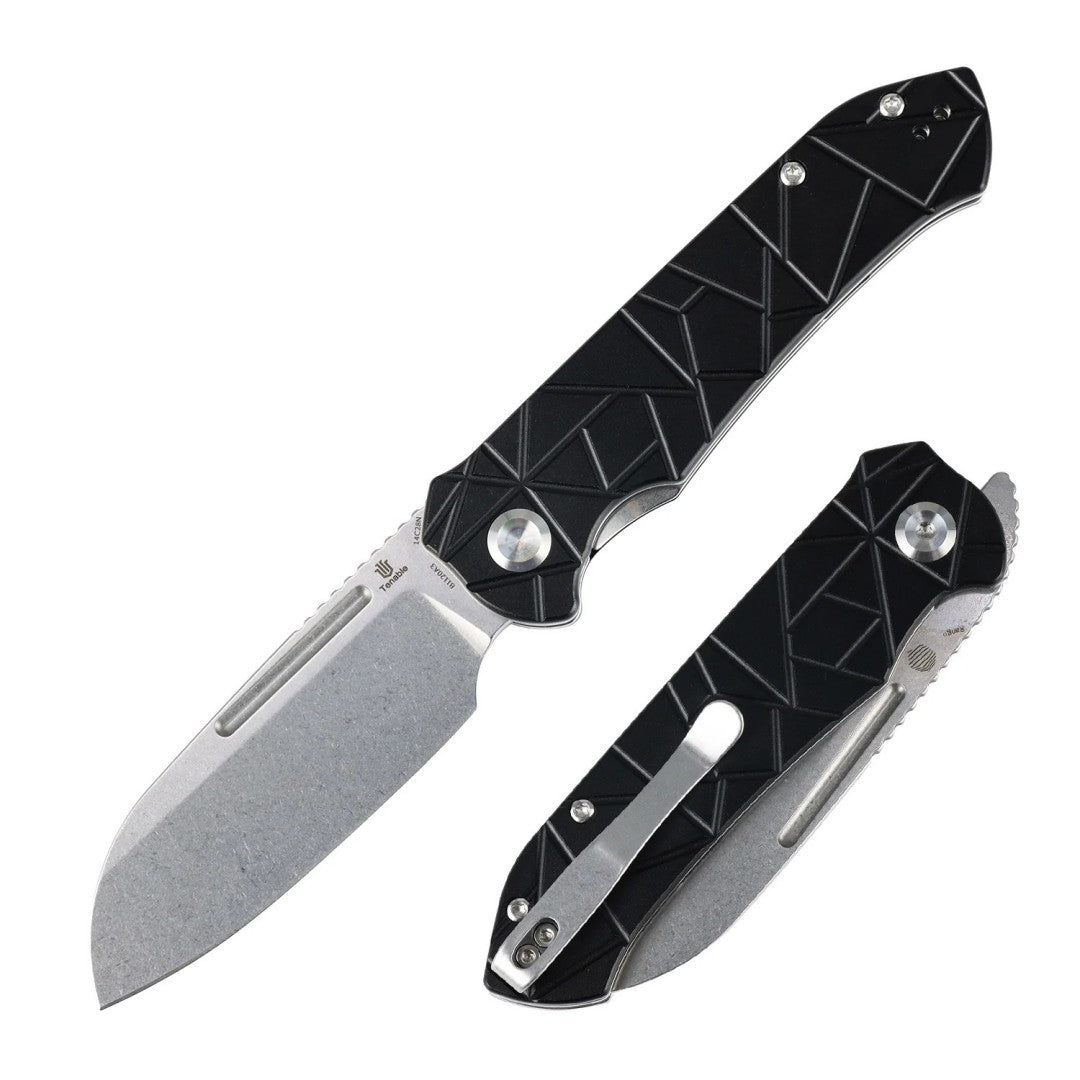


Overview & First Impressions
A dental or orthodontic laboratory is a precision environment that still needs a real cutting tool. Model trimming, plaster work, acrylic finishing, wire trimming, packaging, and the endless cardboard and foam of shipping. Benchtop tools handle the high-precision work, but a pocket knife handles everything around the edges of it, and a good one makes the workshop noticeably smoother without threatening the tolerances that matter.
Materials & Construction
In a lab the priorities are edge stability and cleanliness. M390 is a high-vanadium stainless with excellent wear resistance, which means the edge stays consistent through long sessions of trimming abrasive material, and it resists staining in a wet environment. That combination suits a bench tool that must be reliable rather than interesting. Bestech knives build M390 blades with the grind consistency this kind of work demands.

Design & Details
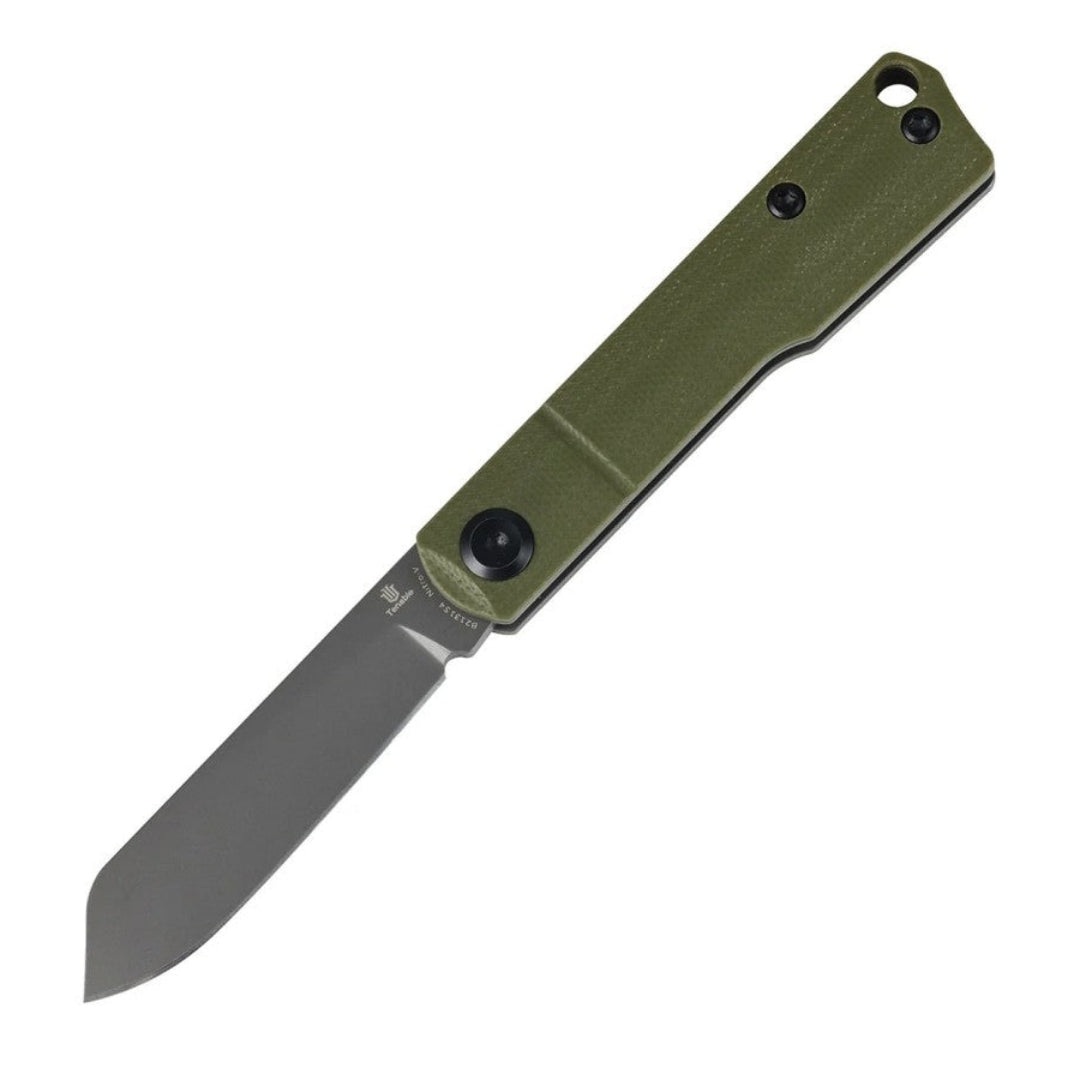
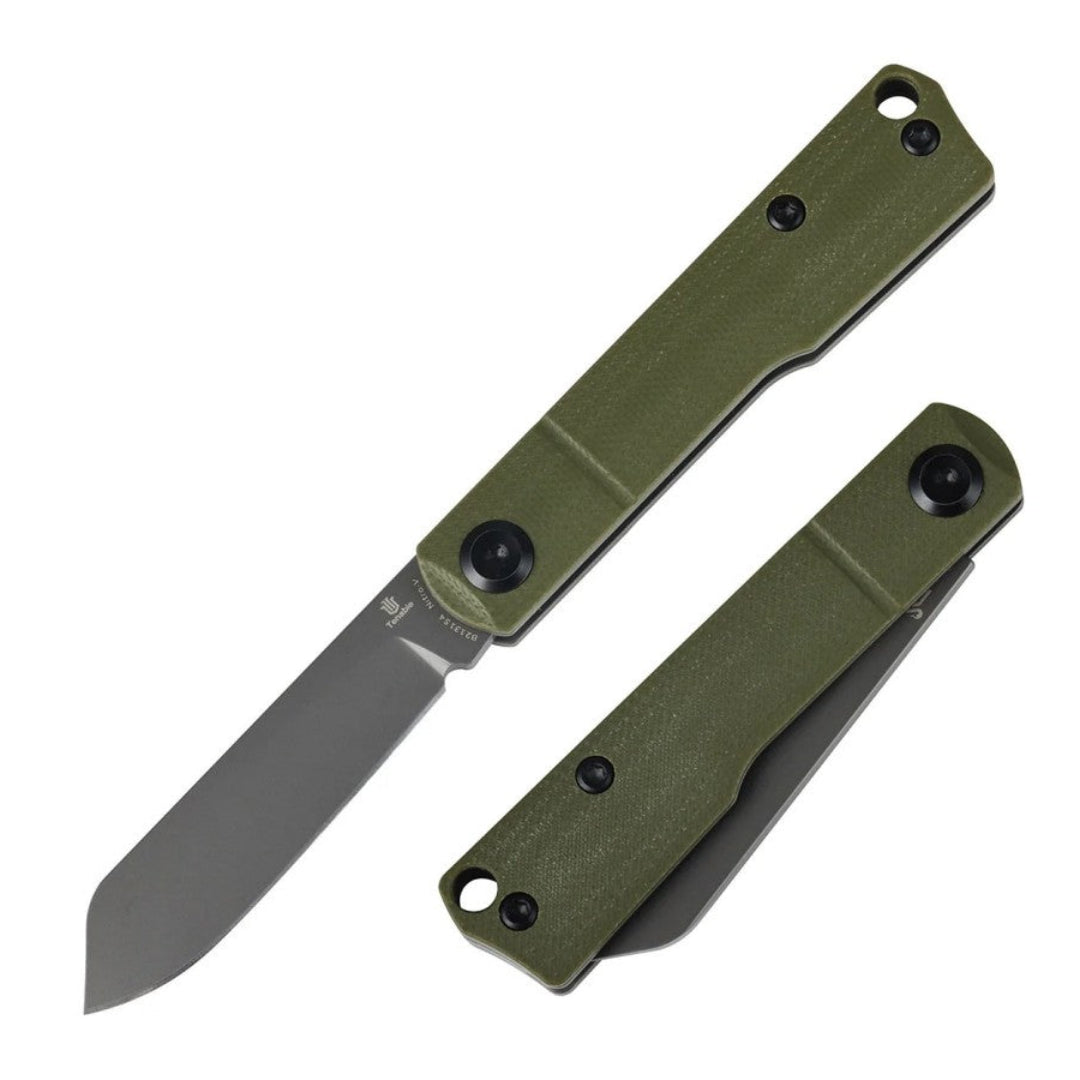
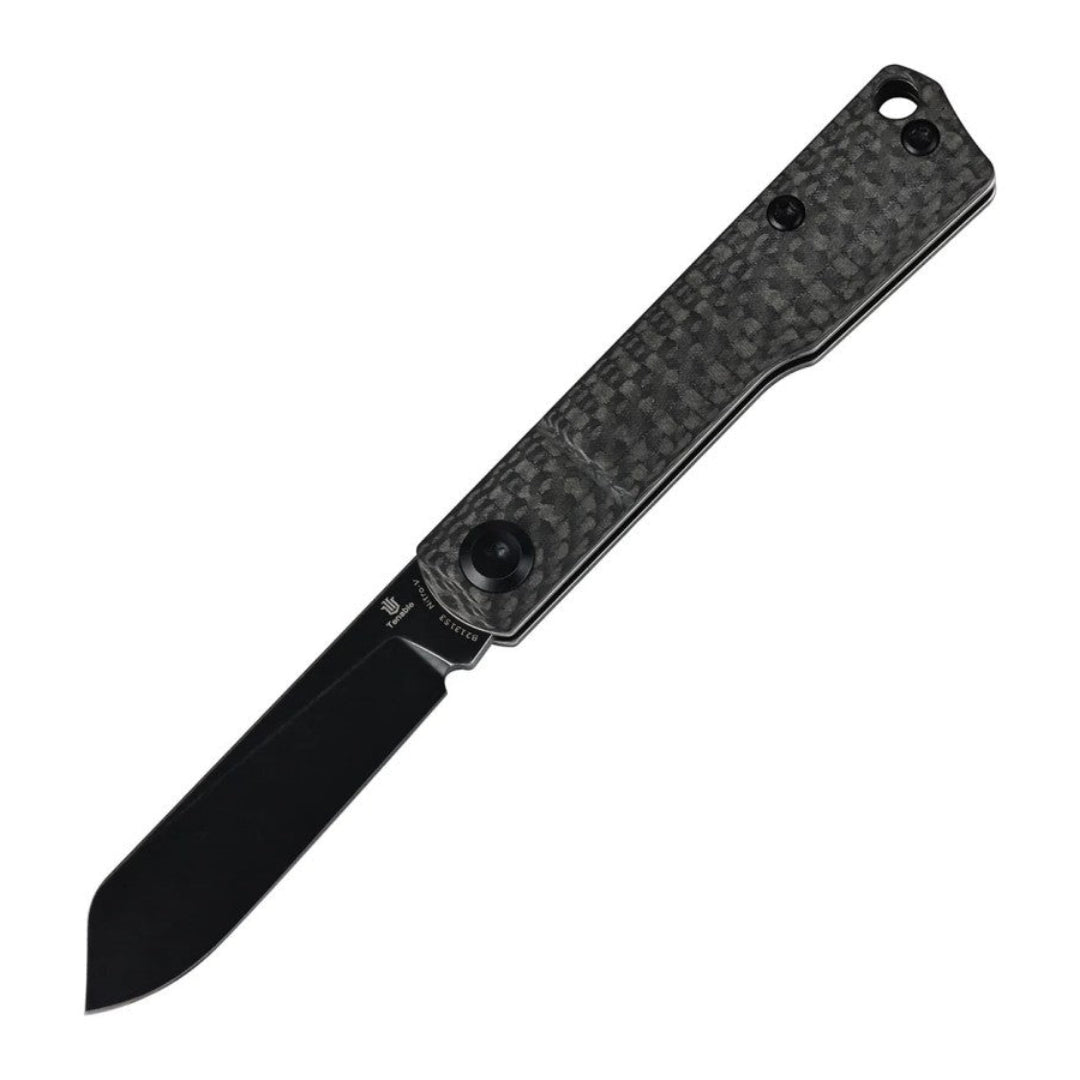
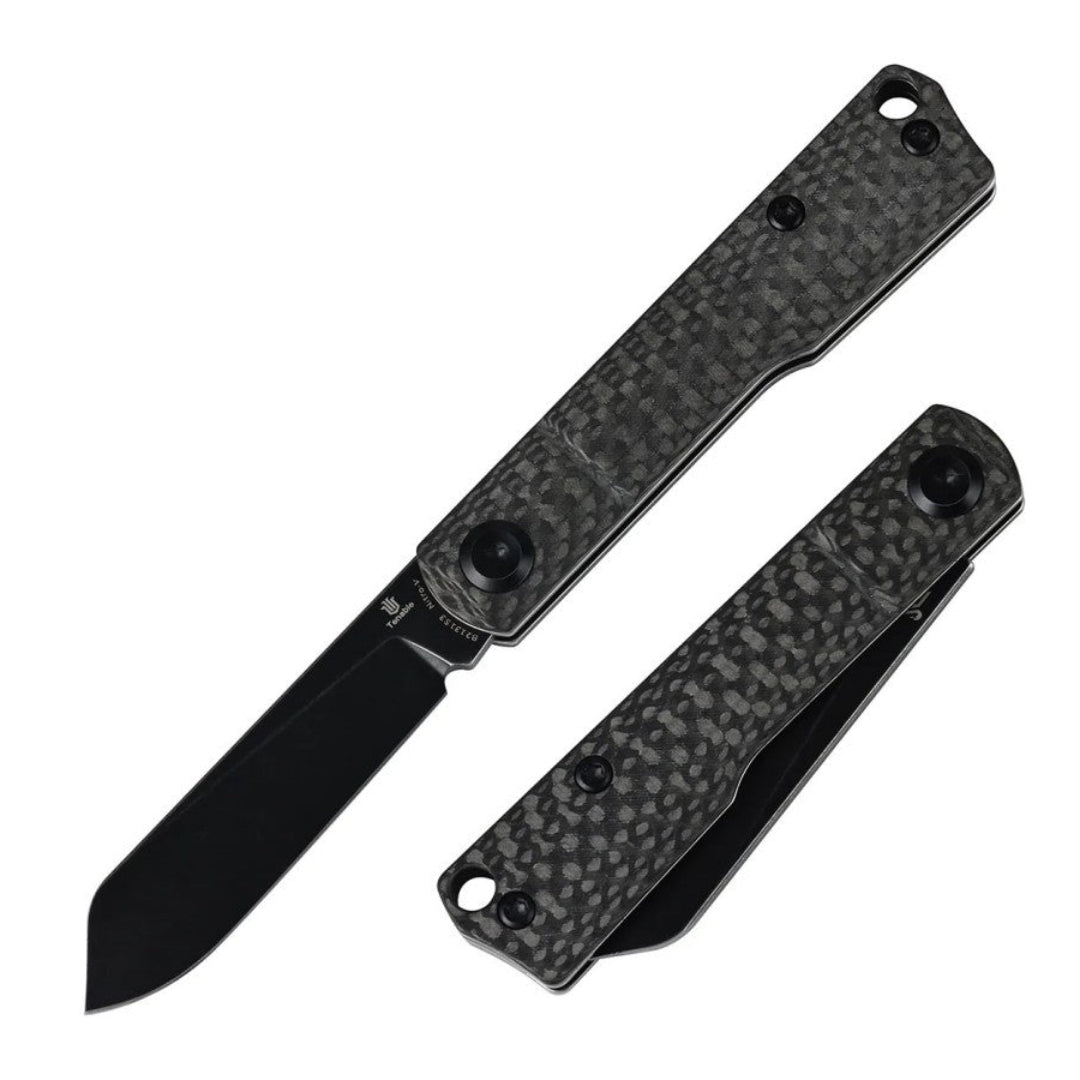
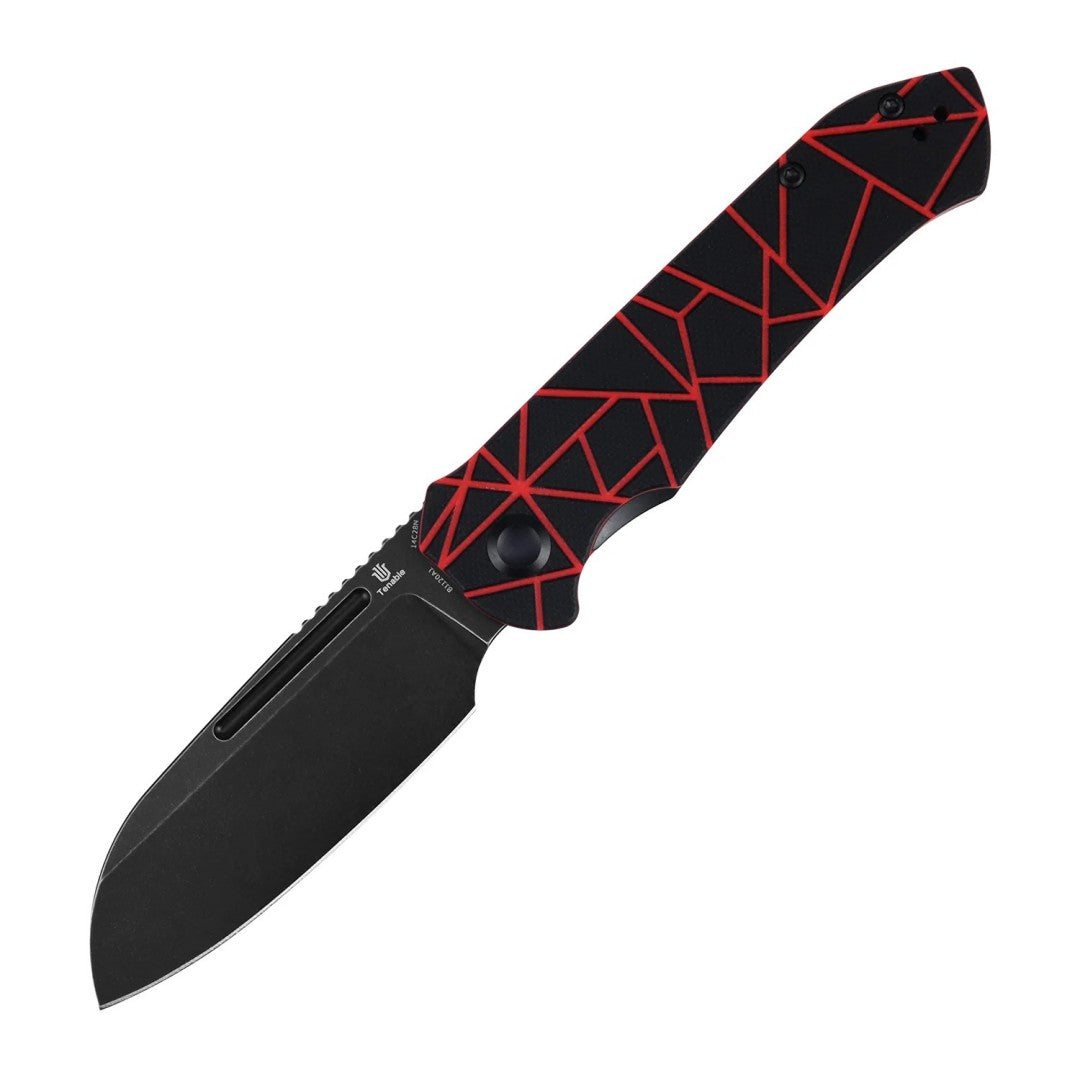
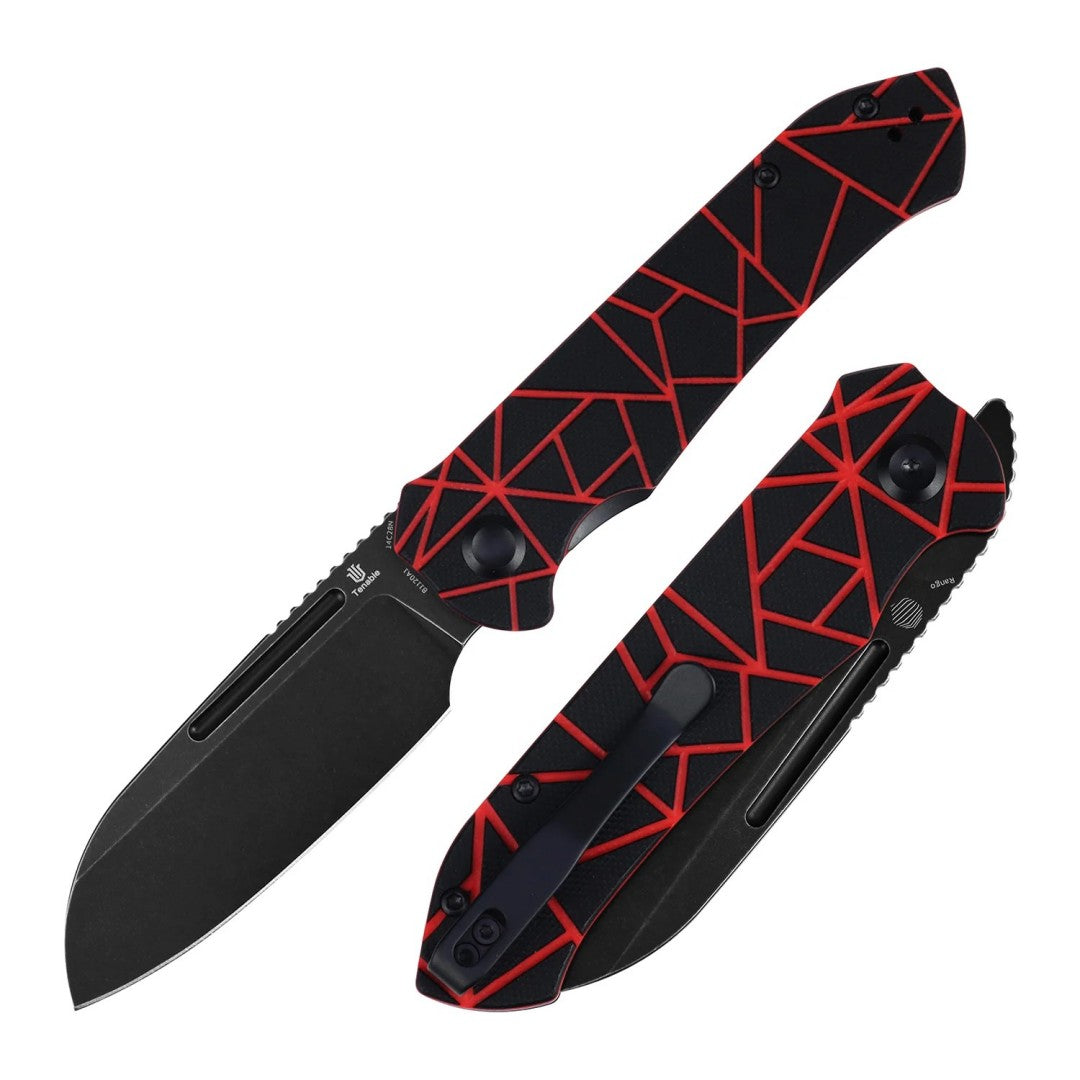
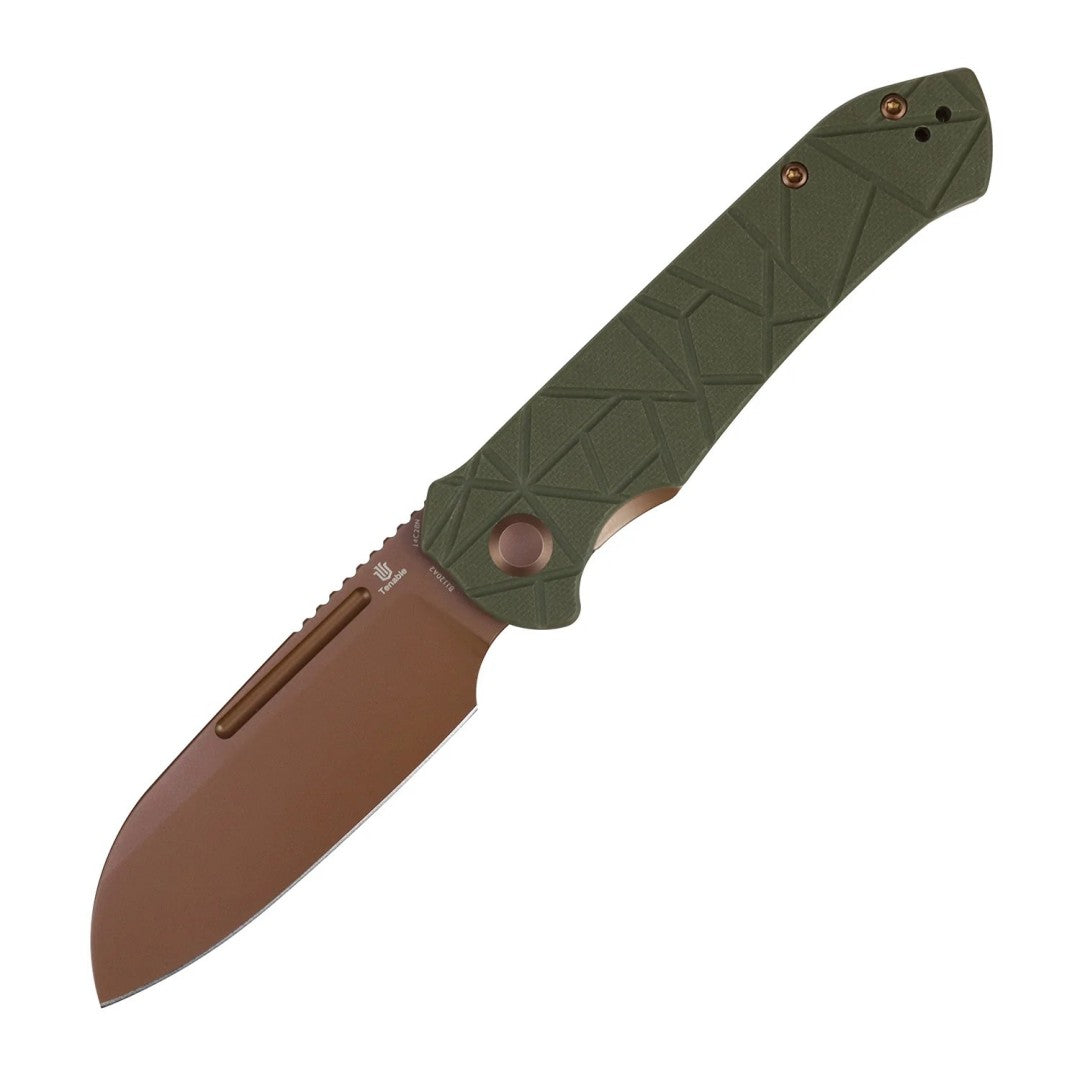
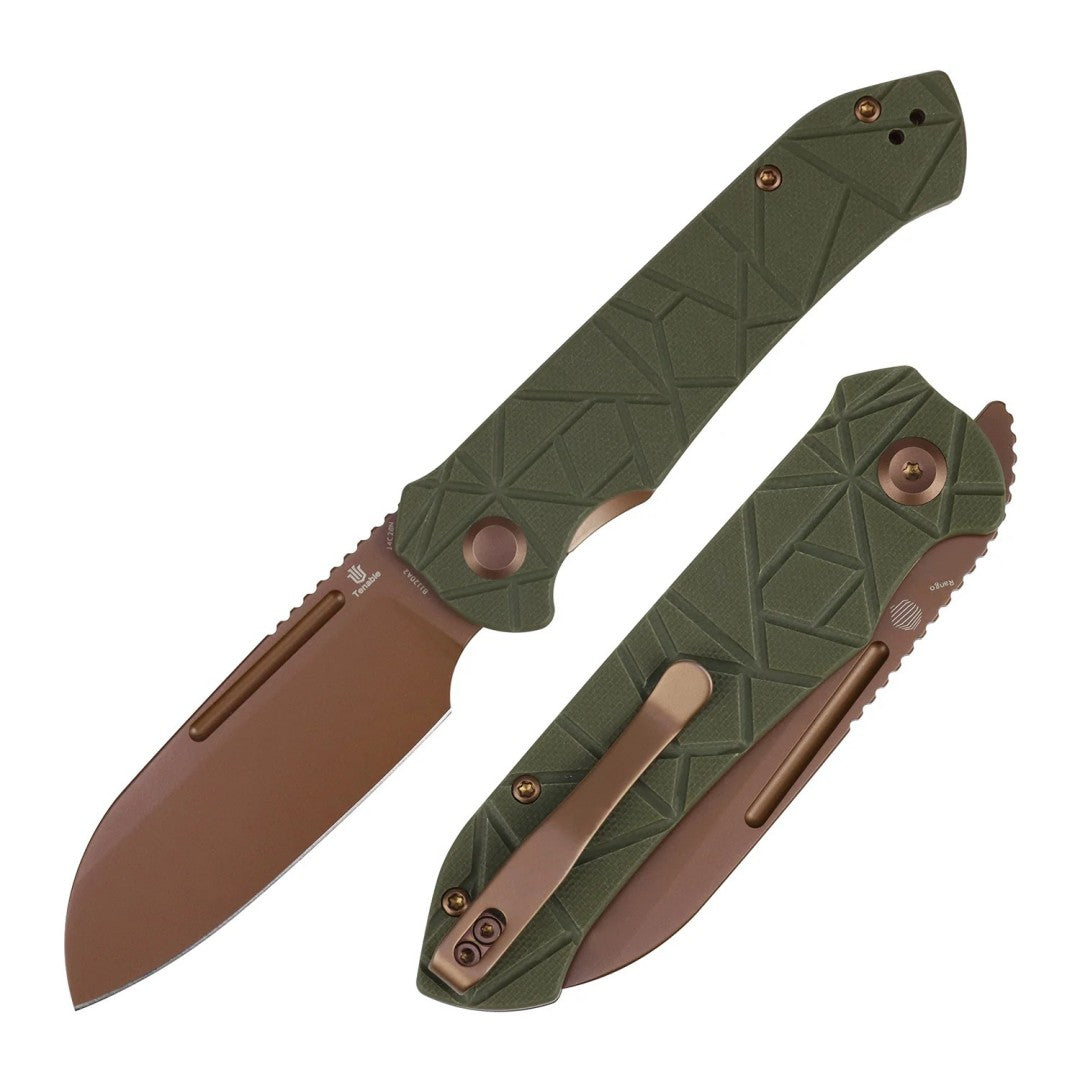
Choose a folder with a frame lock and a thin, well-finished blade. A frame lock is simple, adjusts predictably and does not collect debris the way a nested liner can. A knife with a fine tip handles opening small packaging, trimming a paper template and cutting sheet material to a line. Keep it out of the plaster area though, because gypsum dust will find any pivot eventually. A dedicated pouch on the bench keeps it clean and accessible.
Real-World Use
The daily tasks are small and frequent: opening supply boxes, cutting paper and card templates, trimming tape, cutting wire insulation on equipment cables, opening pouches of material. A knife with a replaceable component or an easy-to-clean pivot saves real time over a year. Keep a fine ceramic rod at the bench and touch up the blade weekly; a consistently sharp edge matters more in precision work than a remarkable one.

Ownership Notes
Treat the bench knife as a controllable instrument rather than a general tool, and keep a separate cheap knife for the rough jobs. The single most common failure in a lab is using the good knife to cut something it should not touch, which rolls the edge and introduces inconsistency into work that depends on repeatability. Mark the lab knife clearly, keep a written sharpening log, and replace the blade when the log says it is due, not when it finally feels dull. Technicians who keep EDC knives and folding knives reserved for bench work get noticeably better repeatability than those who reach for whatever is nearby, because edge condition stops being a variable.
Who Is This For?
Dental technicians, orthodontic technicians, model and mould makers, jewellery bench workers and anyone doing precision handwork in a small space will find this brief useful. Hobbyists working with resin and casting can apply the same approach at lower cost. If you work mostly with plaster, prioritise something easy to clean over premium steel.
Final Verdict
A lab knife should be precise, stainless and easy to keep clean, with an edge that stays consistent rather than merely sharp. M390 in a simple frame lock delivers exactly that, and a separate rough-work knife protects the investment from the jobs that would ruin it.