
Overview & First Impressions
Most carry advice focuses on the knife, and almost none of it addresses the belt that holds everything in place. A heavy knife, a torch, a phone and a pouch all hang from one strap, and a soft fashion belt will sag, roll and eventually fail. Building a belt and buckle setup that stays put is the least glamorous upgrade in everyday carry and one of the most noticeable. The principle is simple: match the belt to the total weight you hang on it, and match the buckle to how often you adjust it.
Materials & Construction
Belts for load-bearing carry generally fall into three groups. Full-grain leather is stiff, quiet and traditional, and it holds shape well, though it needs occasional conditioning. Reinforced webbing with a polymer stiffener is lighter, dries faster and is the usual choice for anyone working outdoors. Heavy nylon with a load-rated insert behaves like webbing but looks closer to leather for office wear. Buckles matter as much as the belt: a double-prong frame buckle spreads load and stays put, a cobra style side-release is quick but bulky, and a simple roller buckle is the gentlest on the strap.

Design & Details
Fit is the part people get wrong most often. A carry belt should be sized to the middle hole, not the loosest, because a belt worn too loose rolls under load and deforms the strap. Belt width should match the loops on your trousers, and a narrower belt will sag regardless of thickness. Placement matters too: heavy items belong close to the hip bone rather than at the small of the back, and a lanyard bead or clip at the belt line keeps small tools from swinging. Flat pockets and slim pouches beat bulky boxes.
Real-World Use
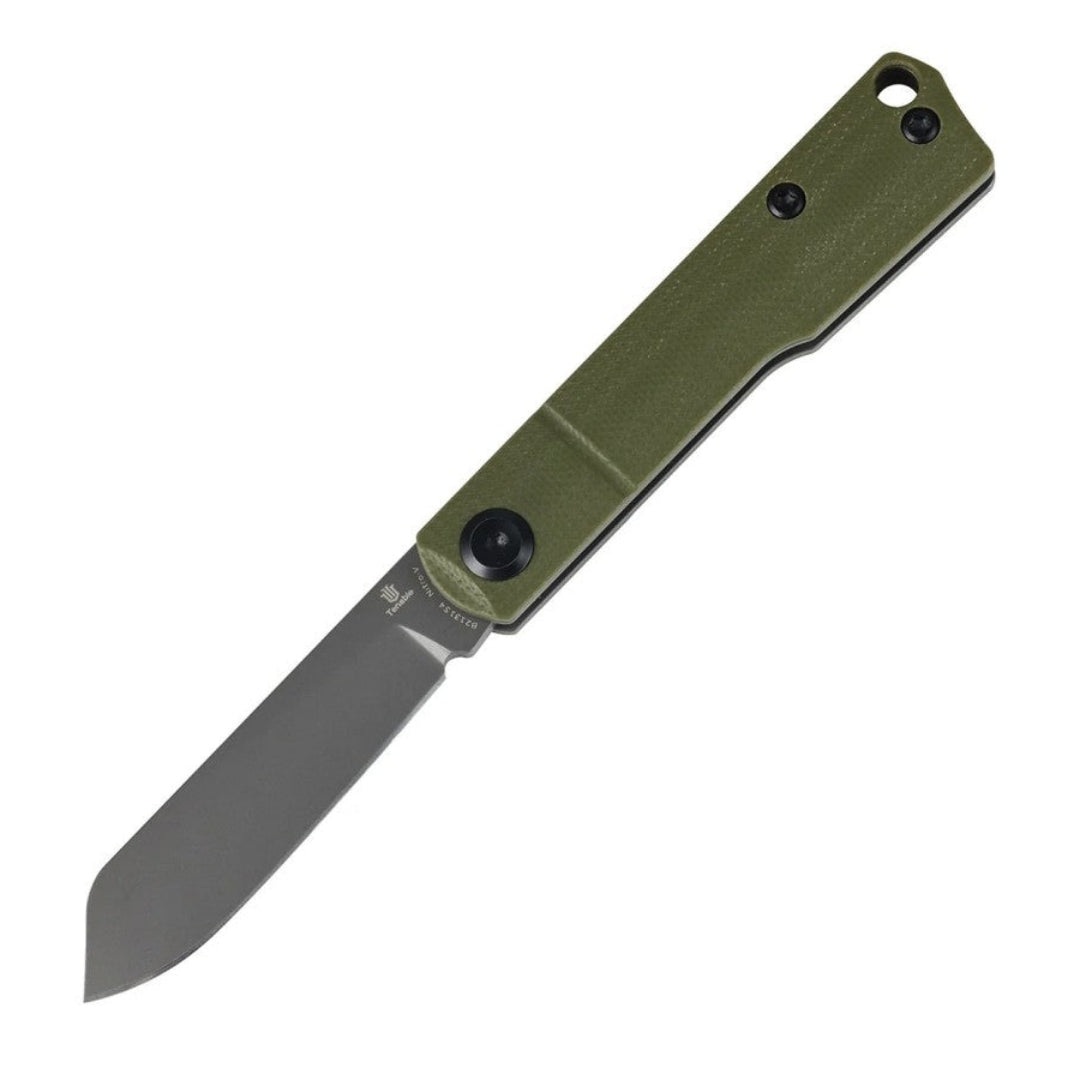
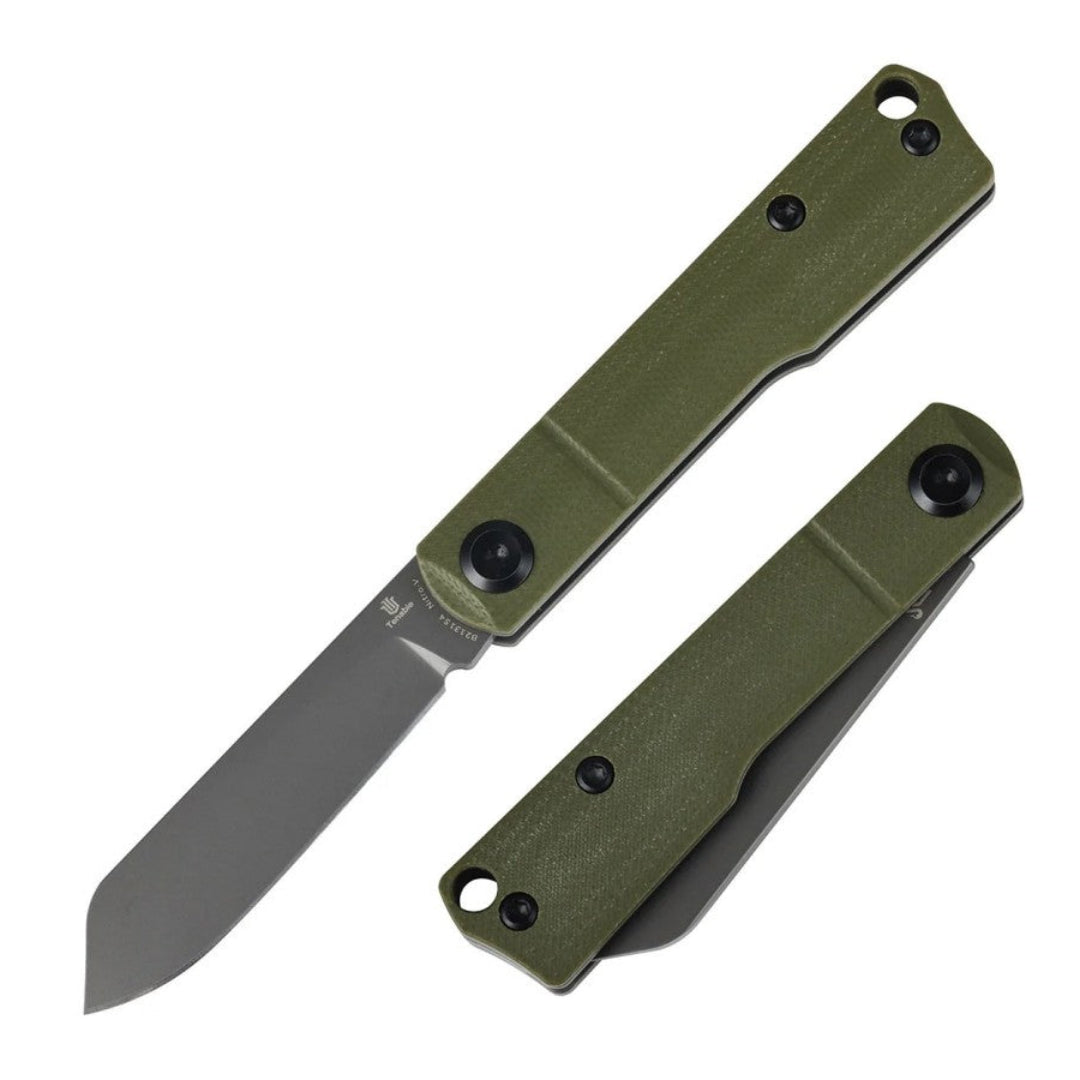
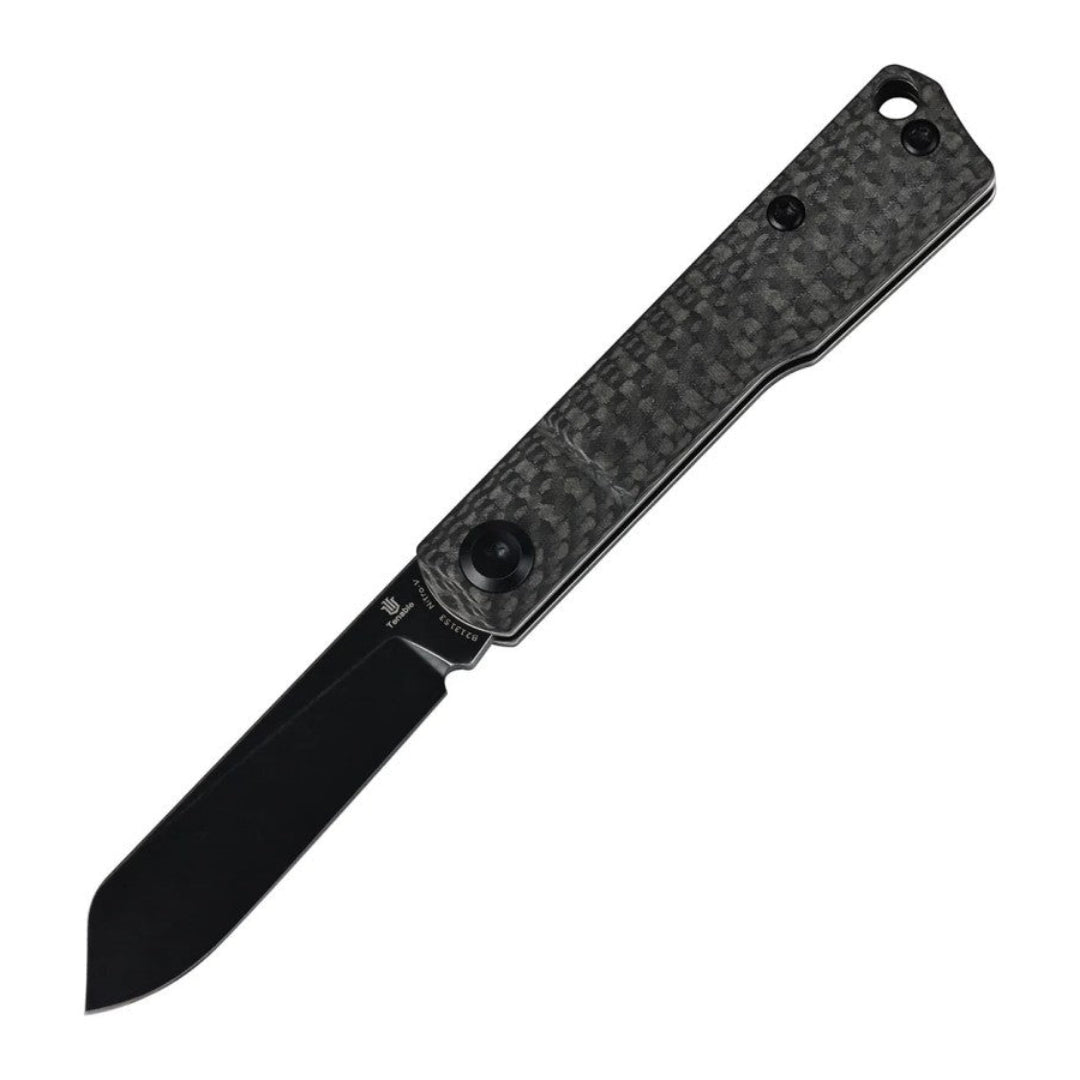
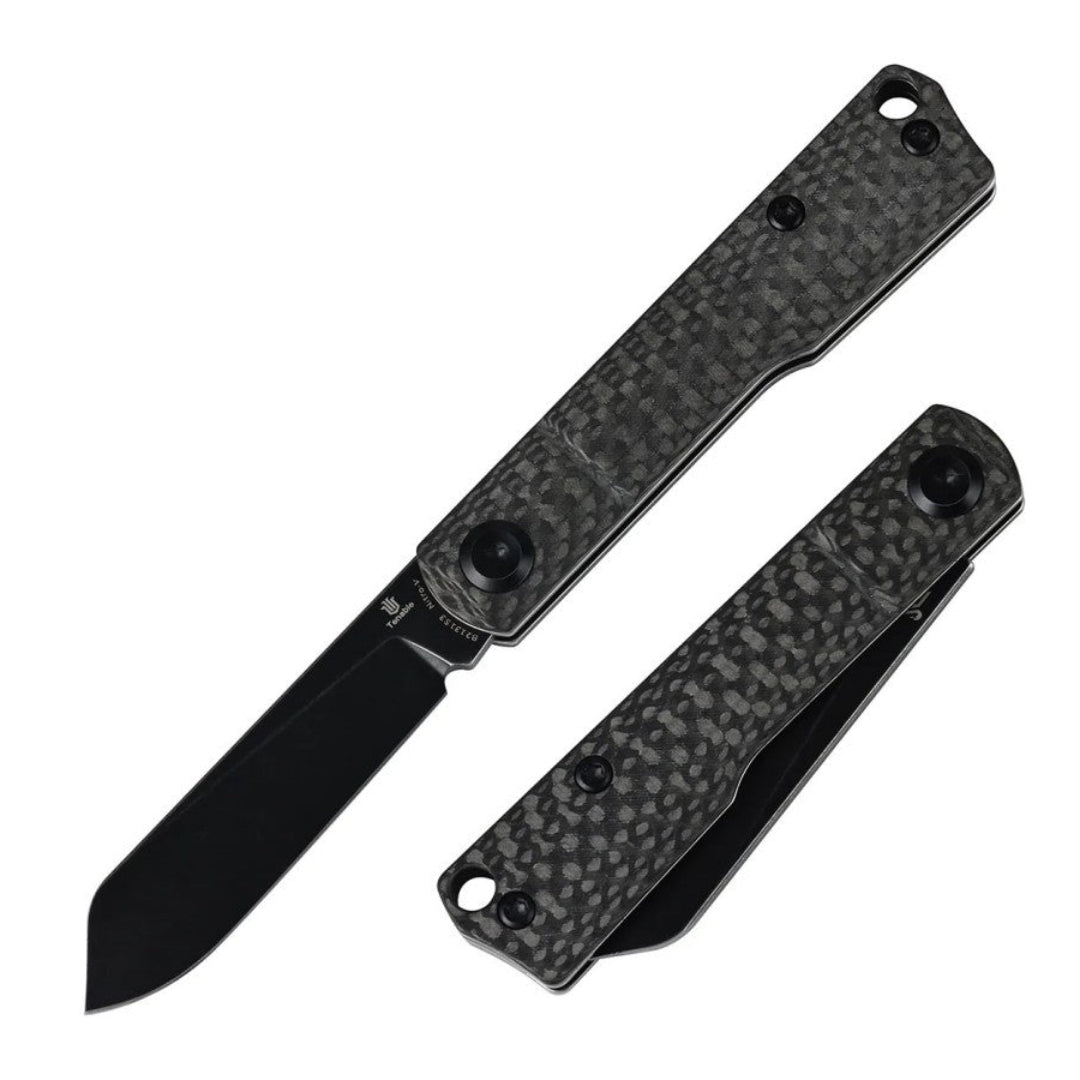
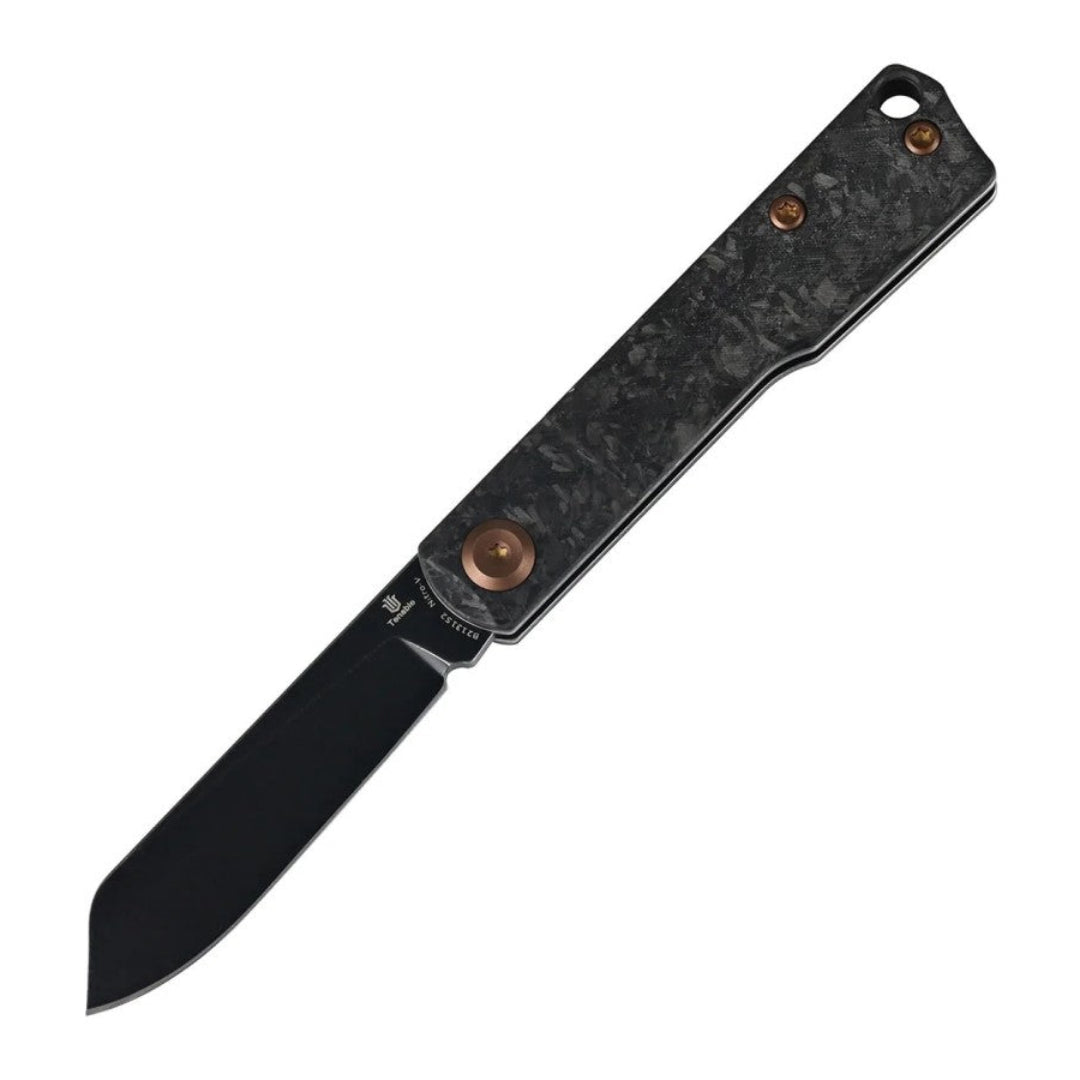
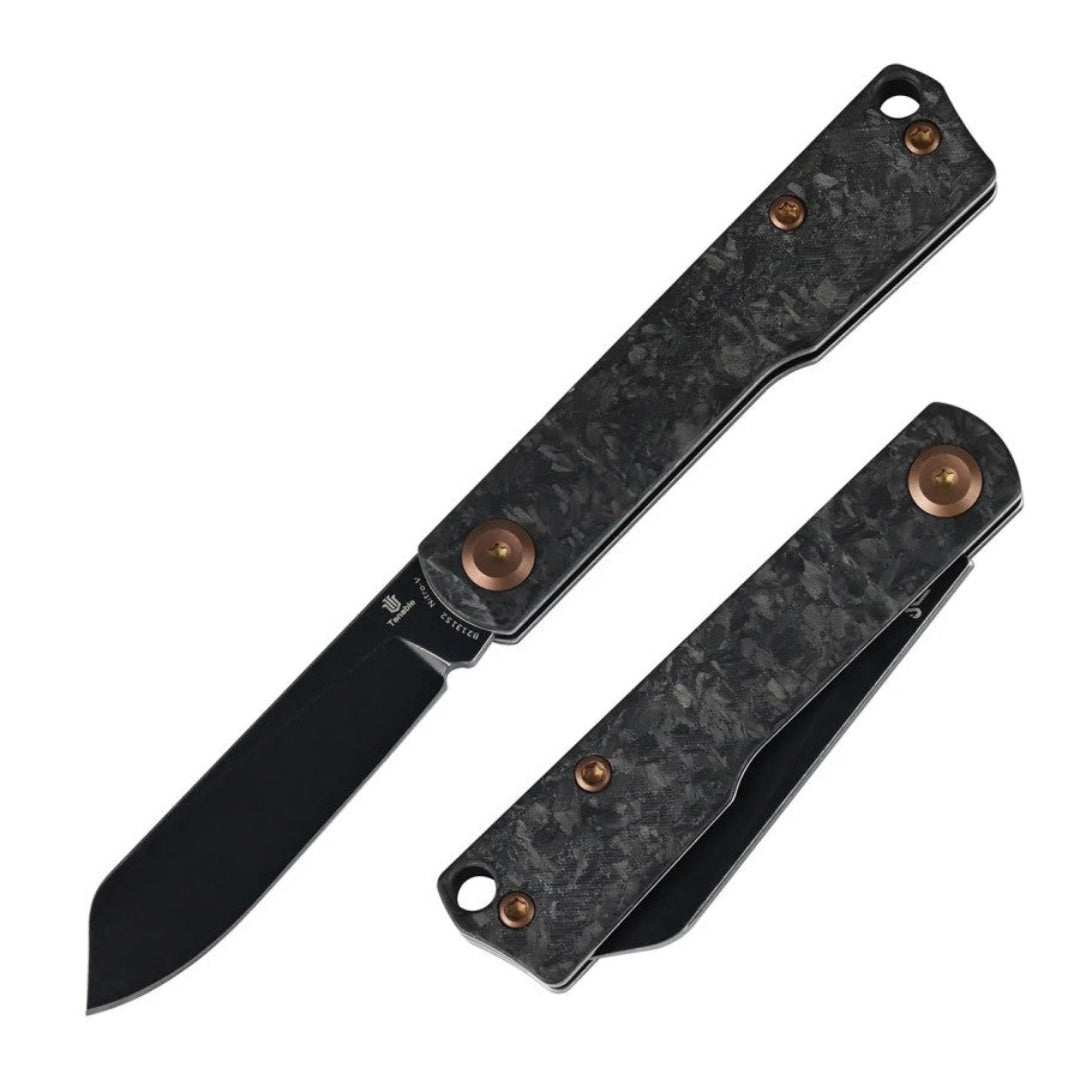
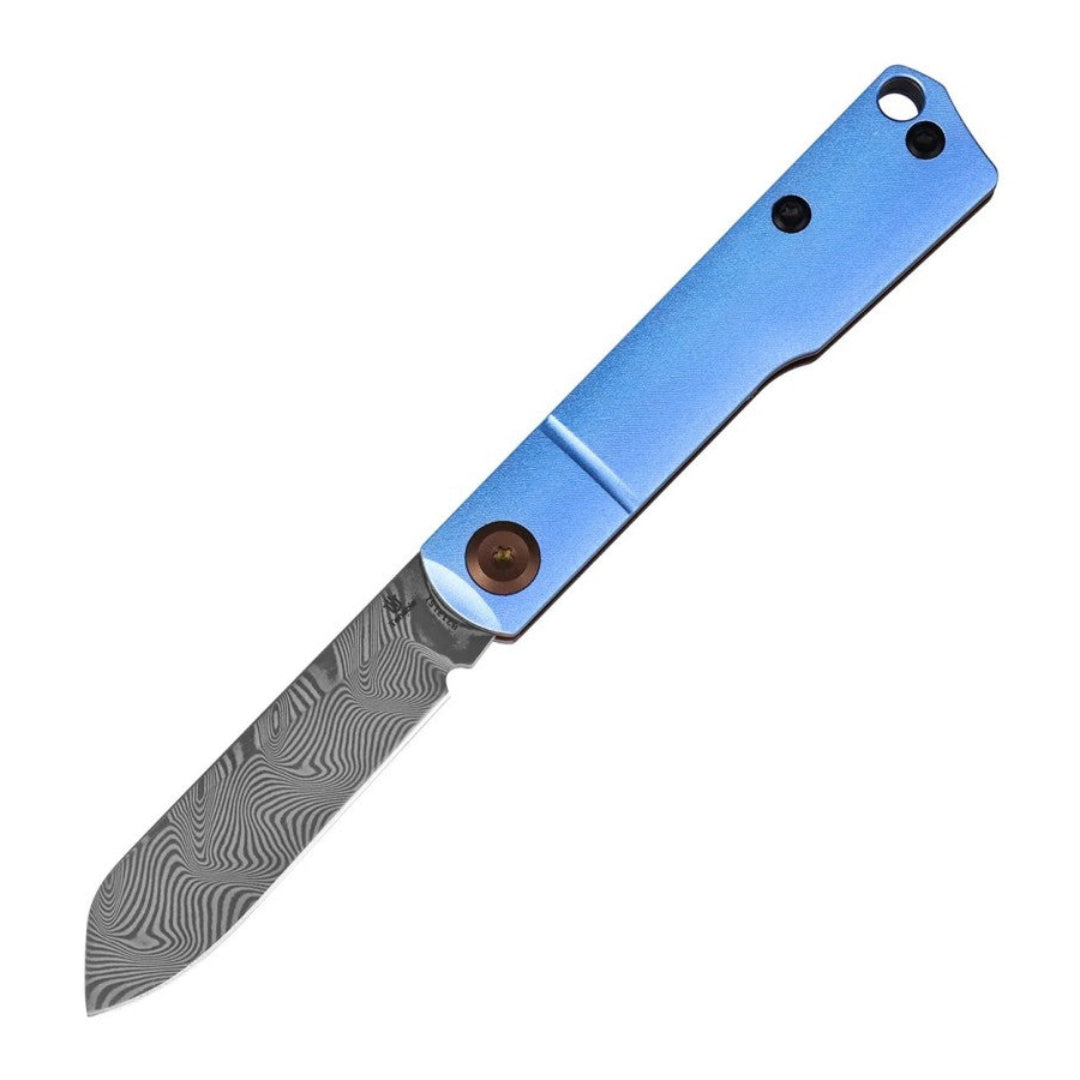
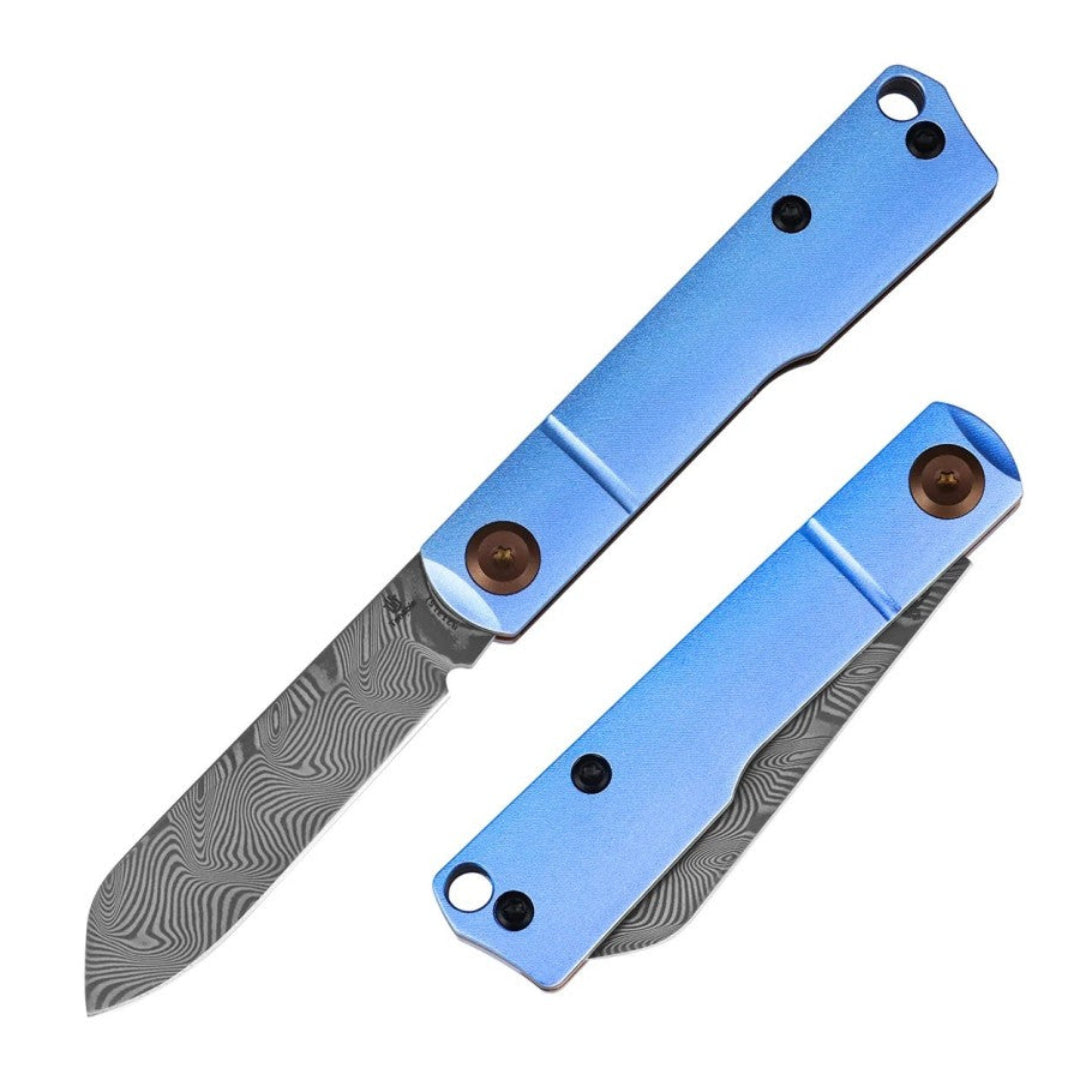
A working setup changes what you can comfortably carry. A stiff belt with a double-prong buckle will hold a mid-size folding knife, a compact torch and a phone without rolling, and the same belt will keep a small fixed blade vertical all day. A traditional slip joint such as a Sao knives pattern rides perfectly in a belt pouch and adds almost nothing to the load. For anyone who works outdoors, a webbing belt dries overnight and does not care about mud or rain.

Ownership Notes
Longevity comes down to care. Leather wants occasional conditioning and a rotation between two belts so it can dry completely. Webbing wants a rinse and an air dry, and the stiffener should never be creased. Buckle hardware should be checked for burrs that can chew the strap, and worn prongs are cheap to replace before they damage the leather. Small touches help too: a lanyard bead or a leather tab marks your belt loop position so the knife and torch sit in the same place every day, which is the difference between a loadout and a pile of gear you have to reorganise each morning. Once the belt is sorted the rest of the kit follows: choose folding knives that sit flat against the hip, add a small fixed blade only if the pouch suits you, and keep EDC knives light enough that the belt still does its job. EdcMall stocks the belts, pouches, beads and clips that make this kind of setup work.
Who Is This For?
This matters most to people carrying real weight: tradespeople, outdoor workers, security staff, hikers and anyone who carries a knife, torch and phone together. It is less important for someone carrying a single slim folder, although a decent belt still improves comfort. Buyers who are new to everyday carry should sort the belt first and the knife second, because the belt determines what is comfortable to carry at all. Start with one good belt rather than several cheap ones.
Final Verdict
A good belt and buckle setup is the cheapest meaningful upgrade in everyday carry, and it is the one most people skip. Match the belt material to your environment, size it to the middle hole, choose a buckle you can adjust one-handed, and keep the load close to your hip. Do that and the knife, torch and small tools you already own become noticeably more comfortable to carry all day, which is the whole point of the exercise.