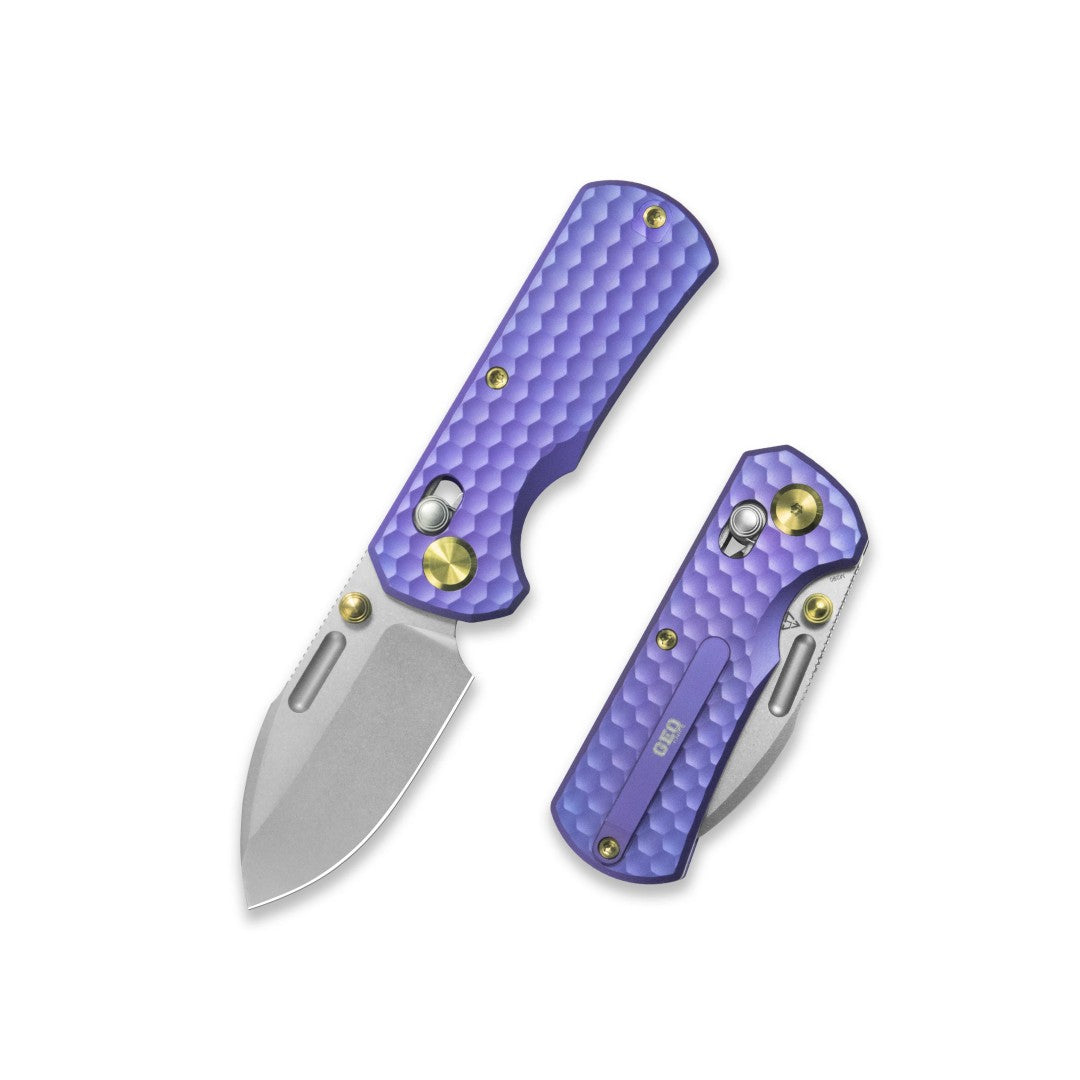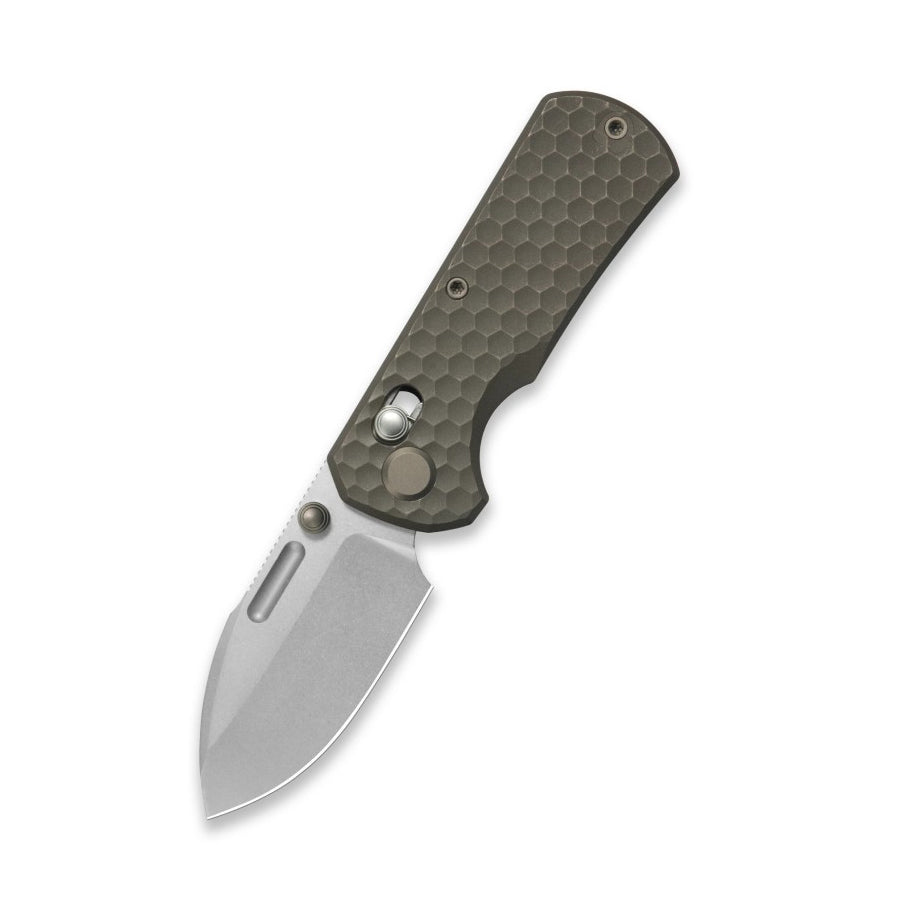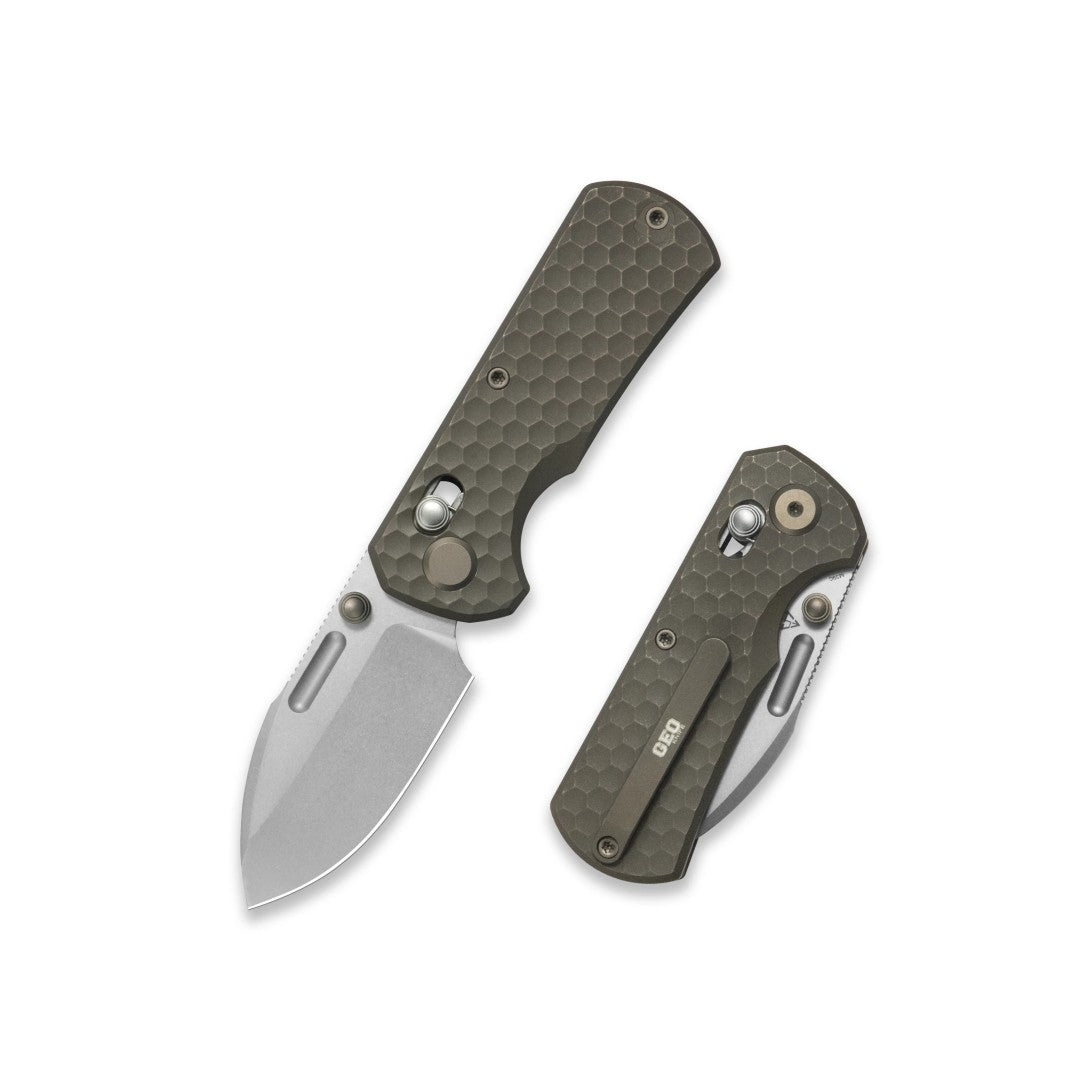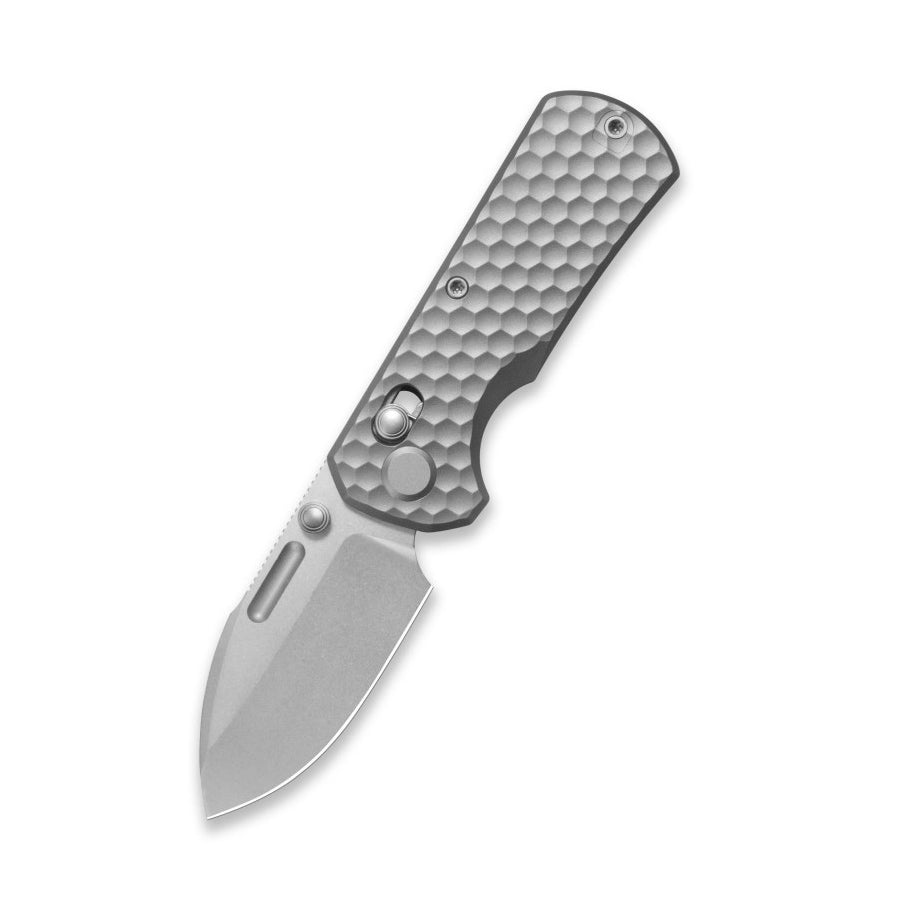


Overview & First Impressions
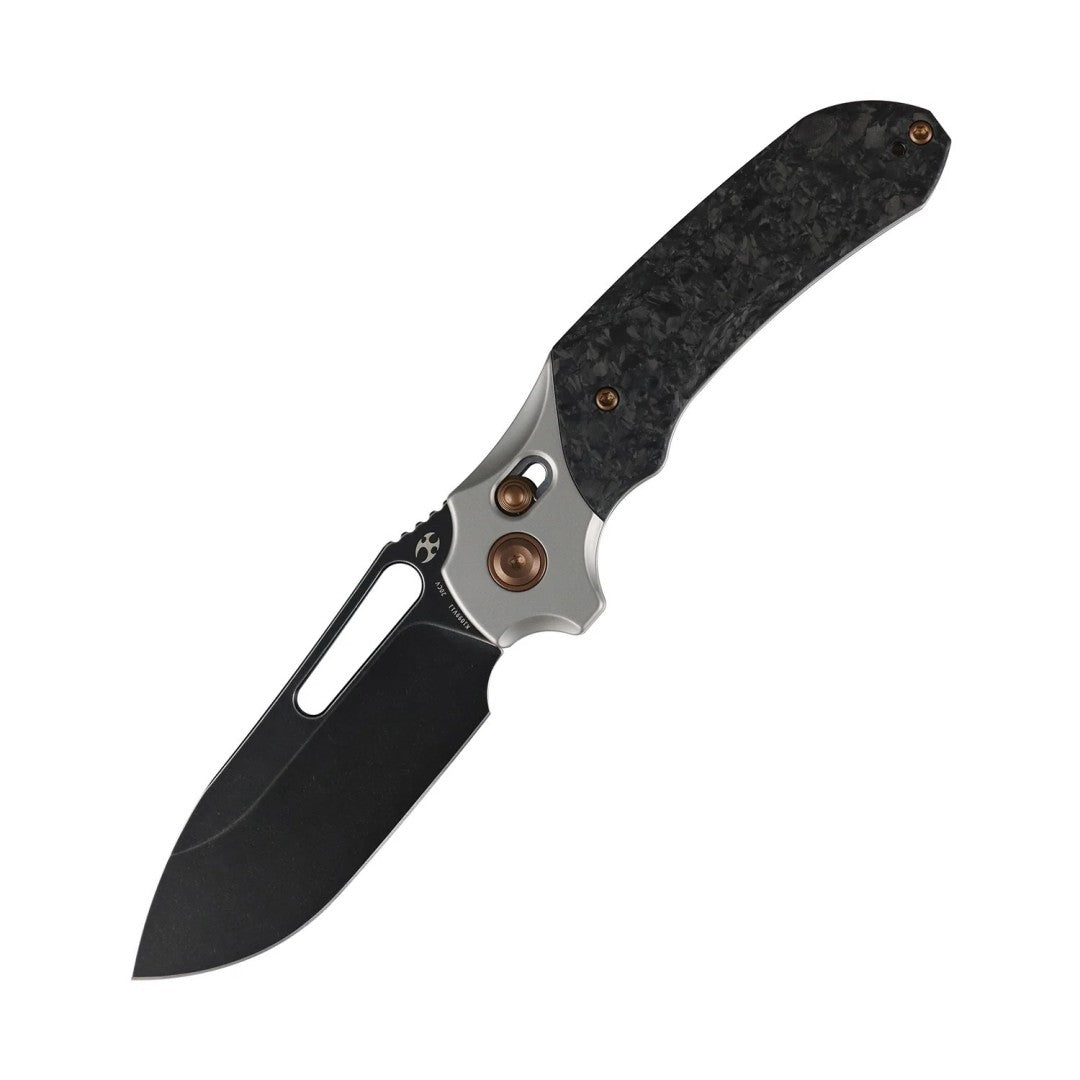
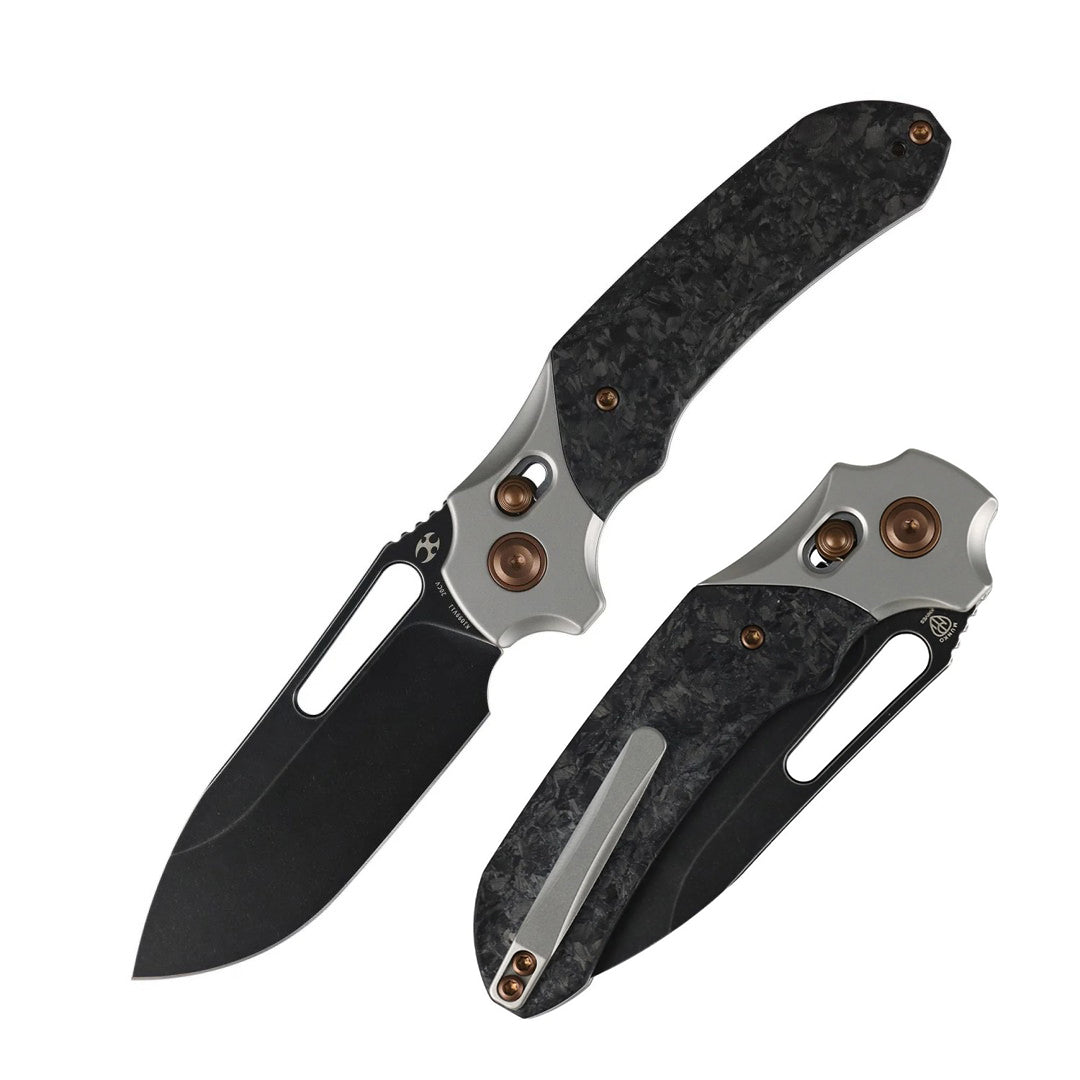
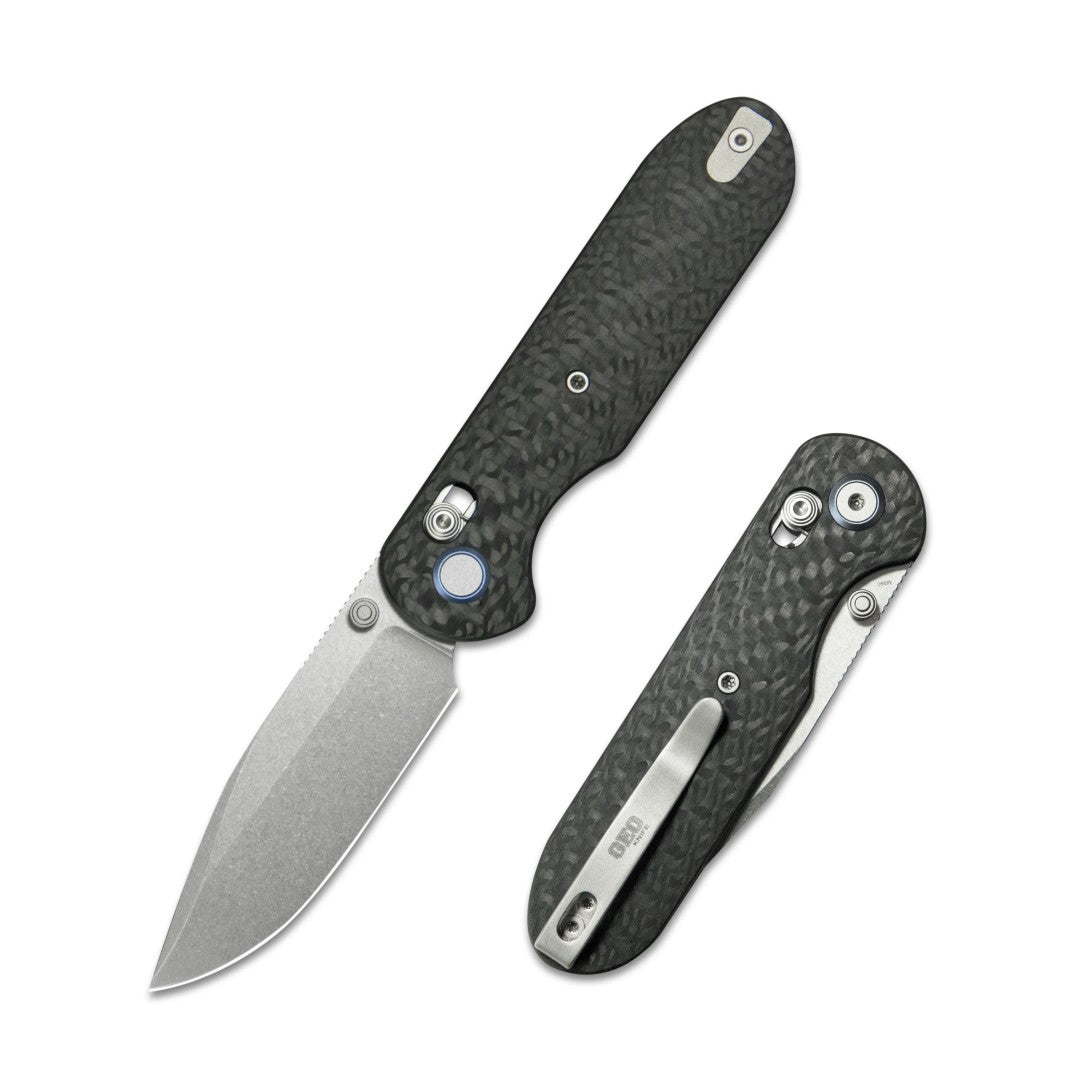
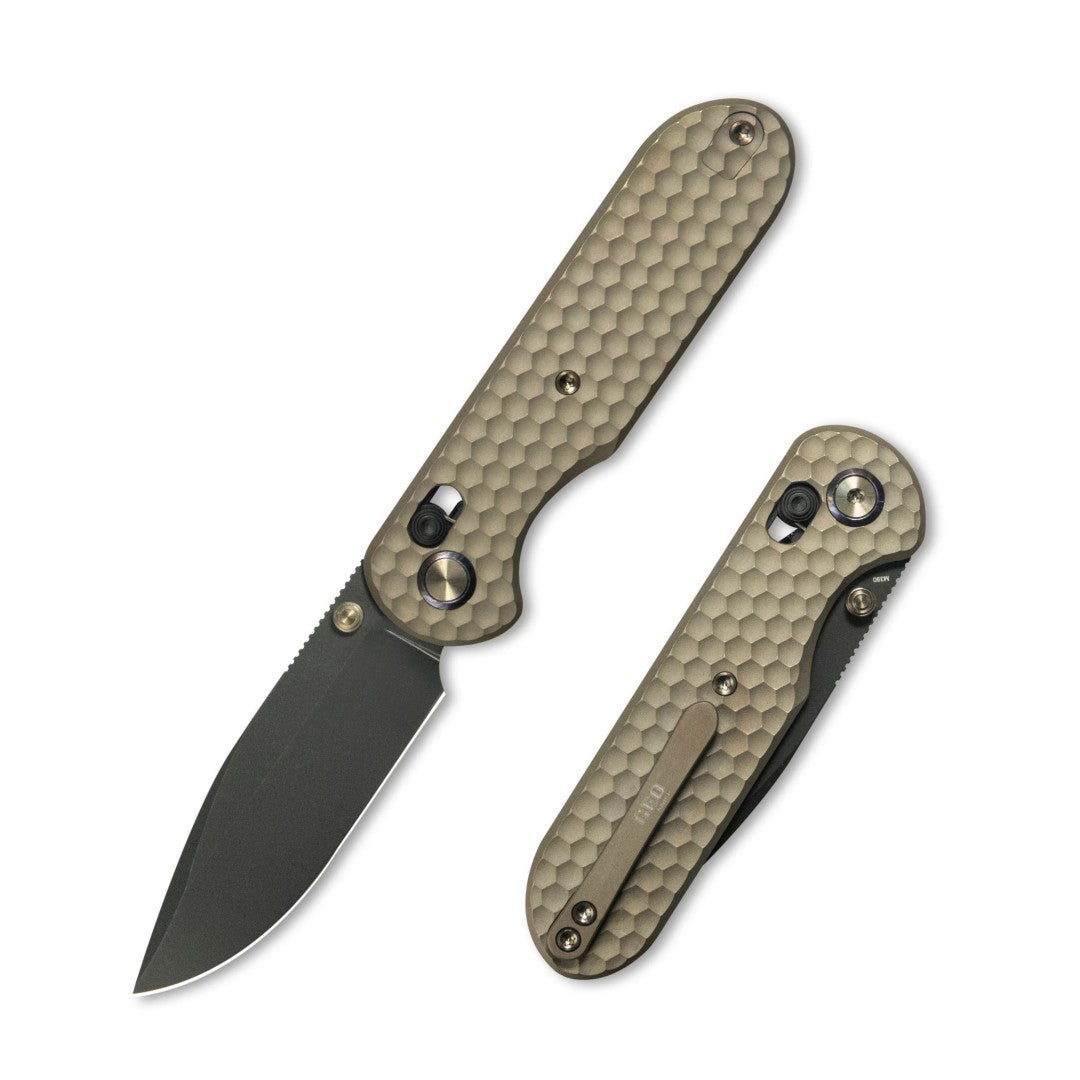
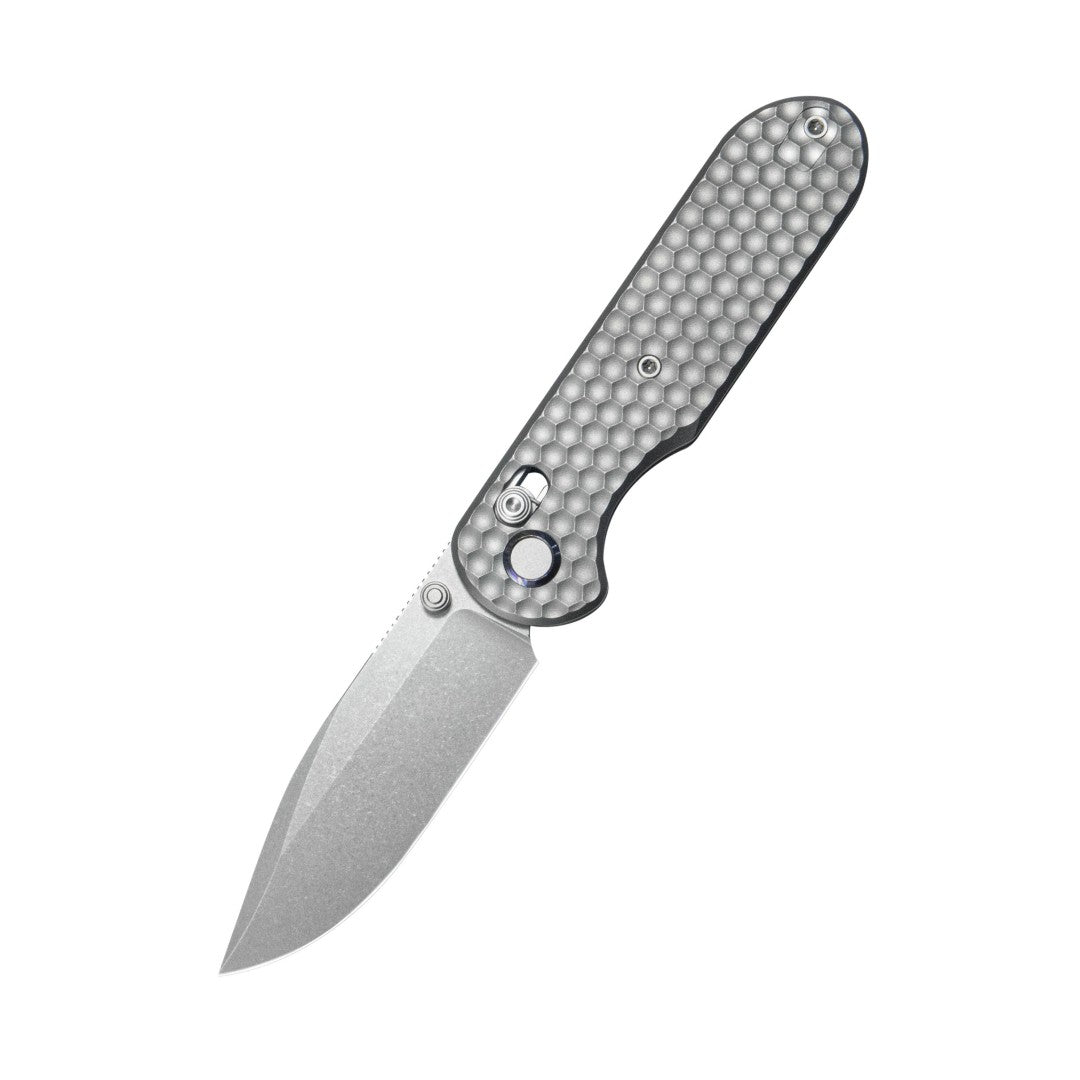
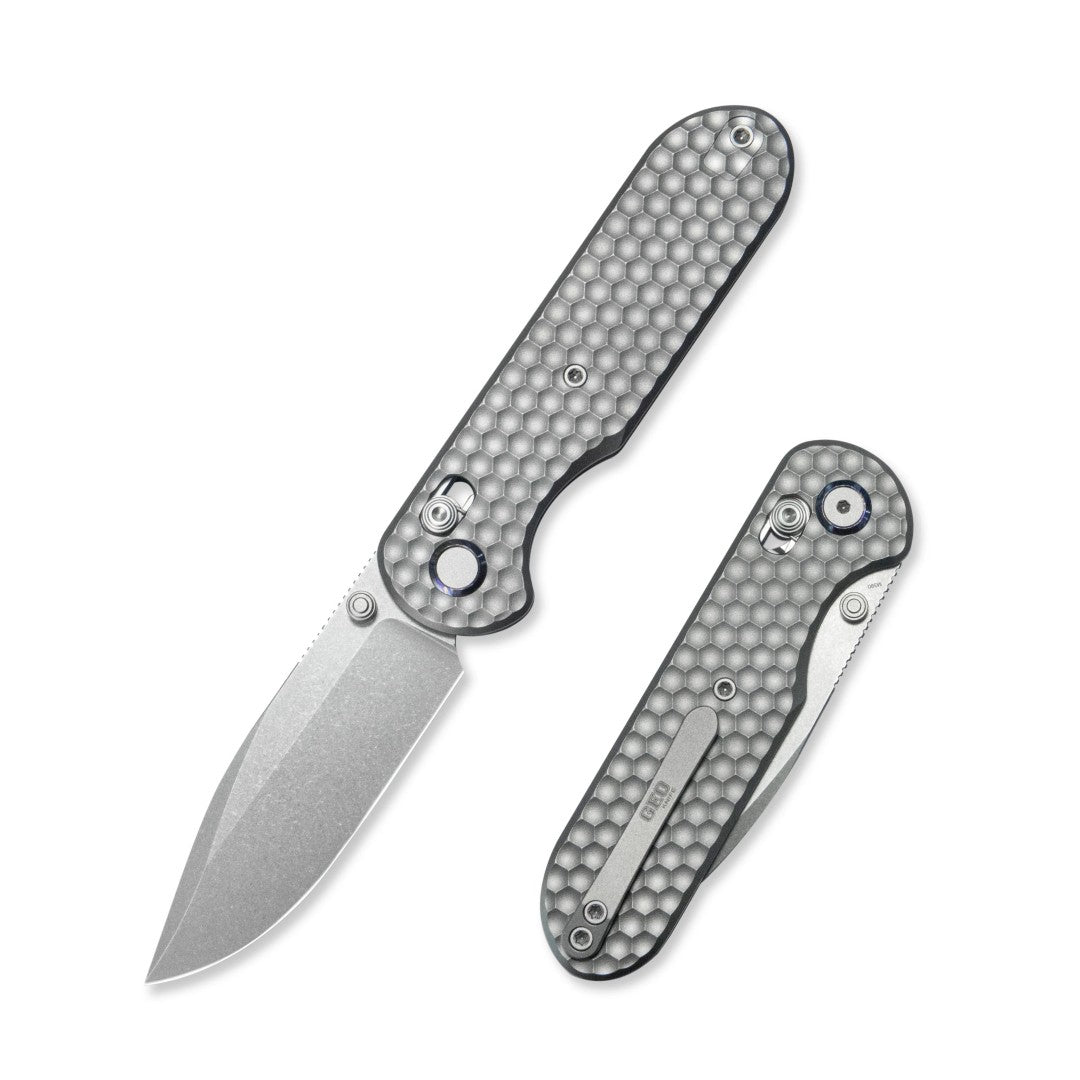
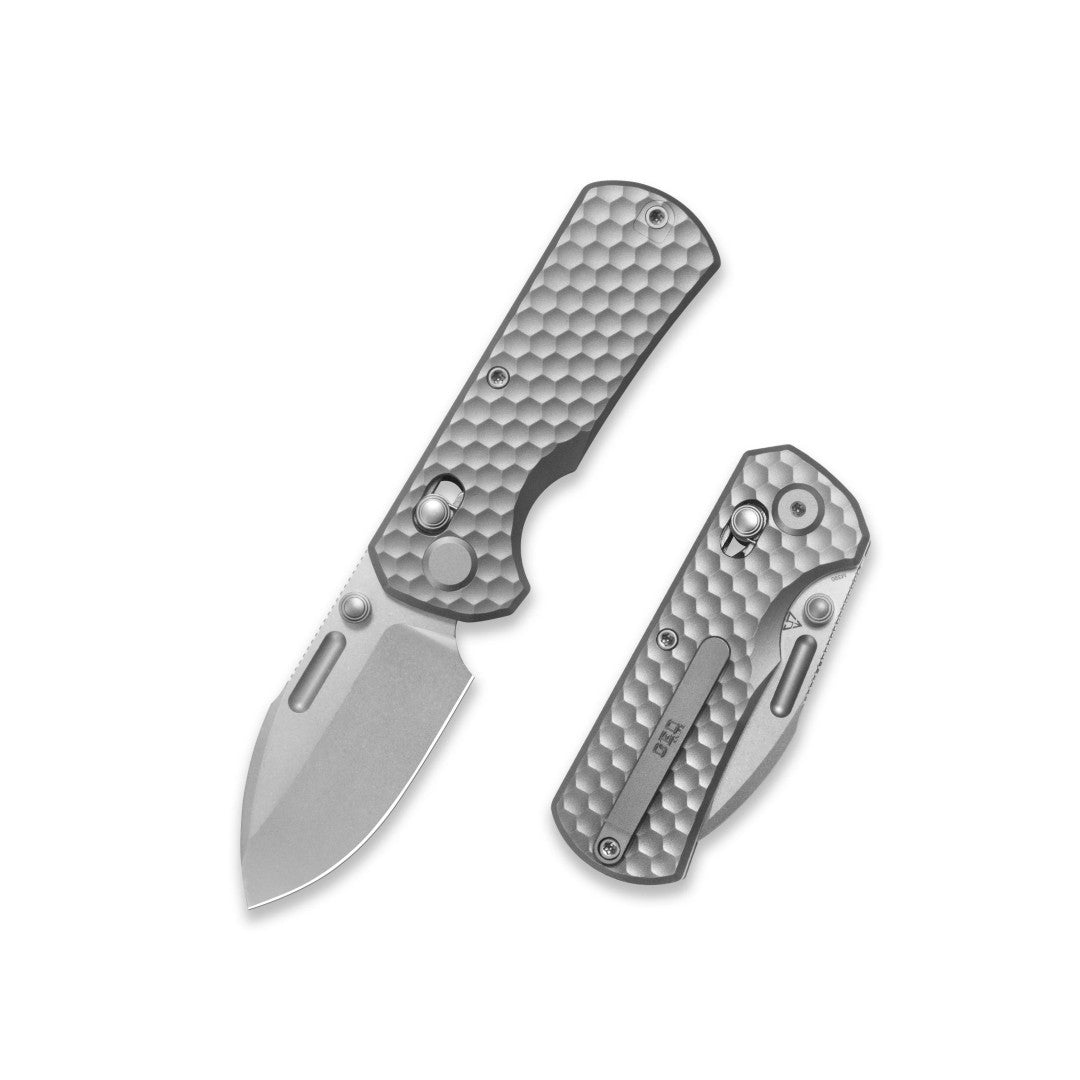
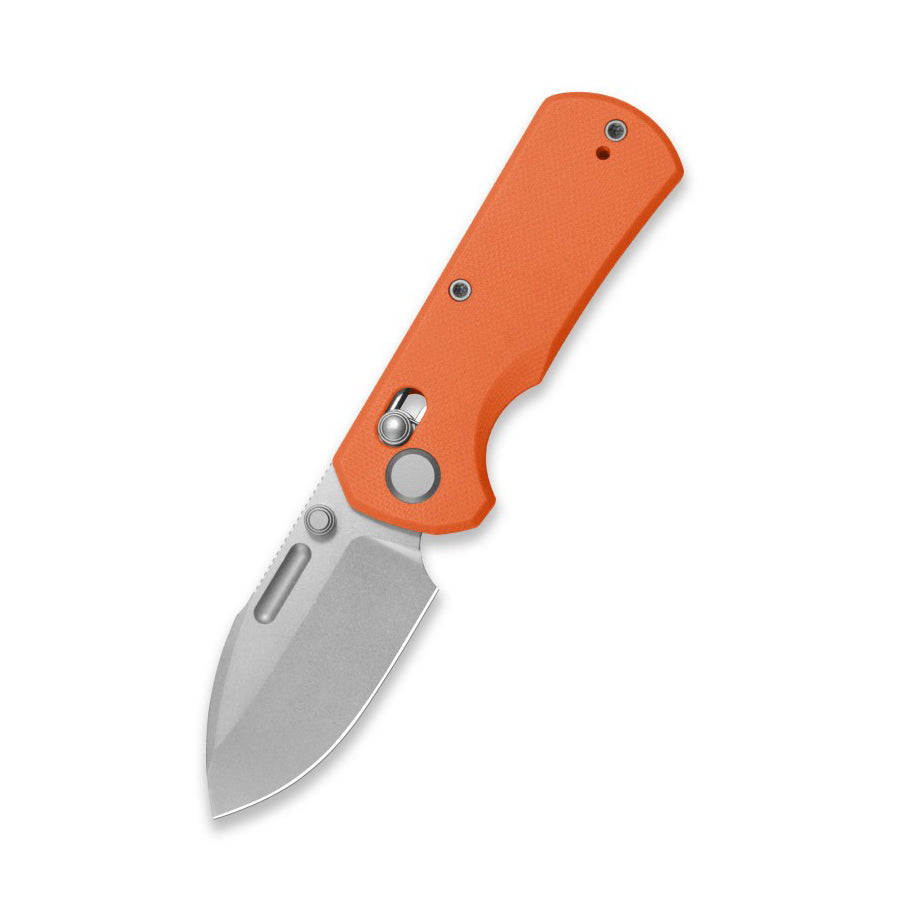
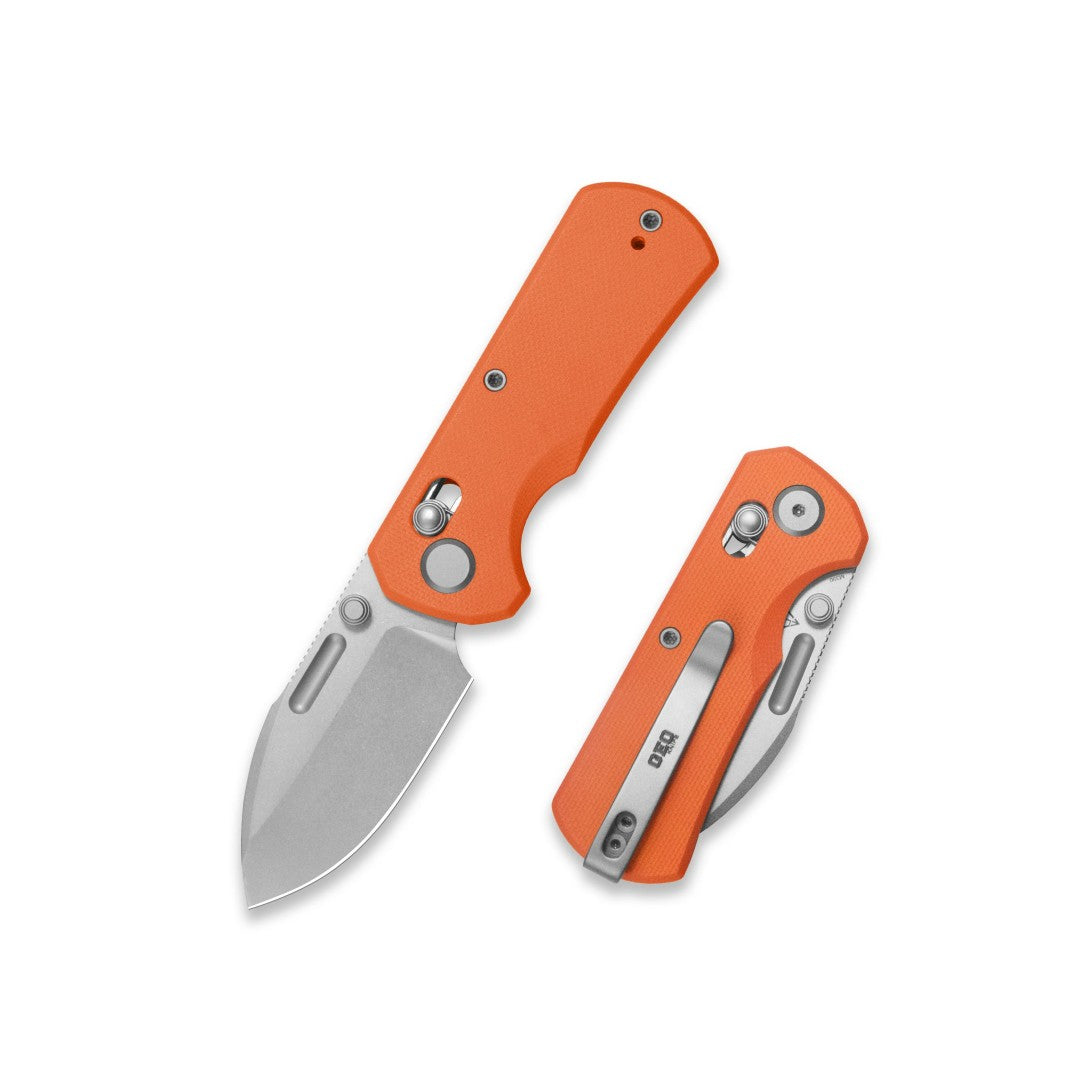
Knife forums argue about lubricants with the passion usually reserved for politics, and both sides are half right. The truth is that oil choice depends on the knife's job: a food knife wants mineral oil, a dusty job-site folder wants dry lube, and a collector's safe queen wants almost nothing. To make the case concrete, we ran the comparison on the Bestechman Smuga BMK22D, an AEB-L blade on phosphor-bronze washers, three weeks per lubricant, same daily cutting.
Materials & Construction
The Smuga is a fair test bed because Bestechman knives build it with real washers rather than caged bearings, so lubricant effects show honestly. AEB-L is a fine-grained Swedish steel that resists corrosion moderately; the pivot hardware is where rust actually starts. Mineral oil proved the safest all-rounder and food-safe by definition. Silicone oil shed water best on the wet-task weeks. Graphite and other dry lubricants won outright in the sawdust trial, where wet oils turned the pivot into a grinding paste.

Design & Details
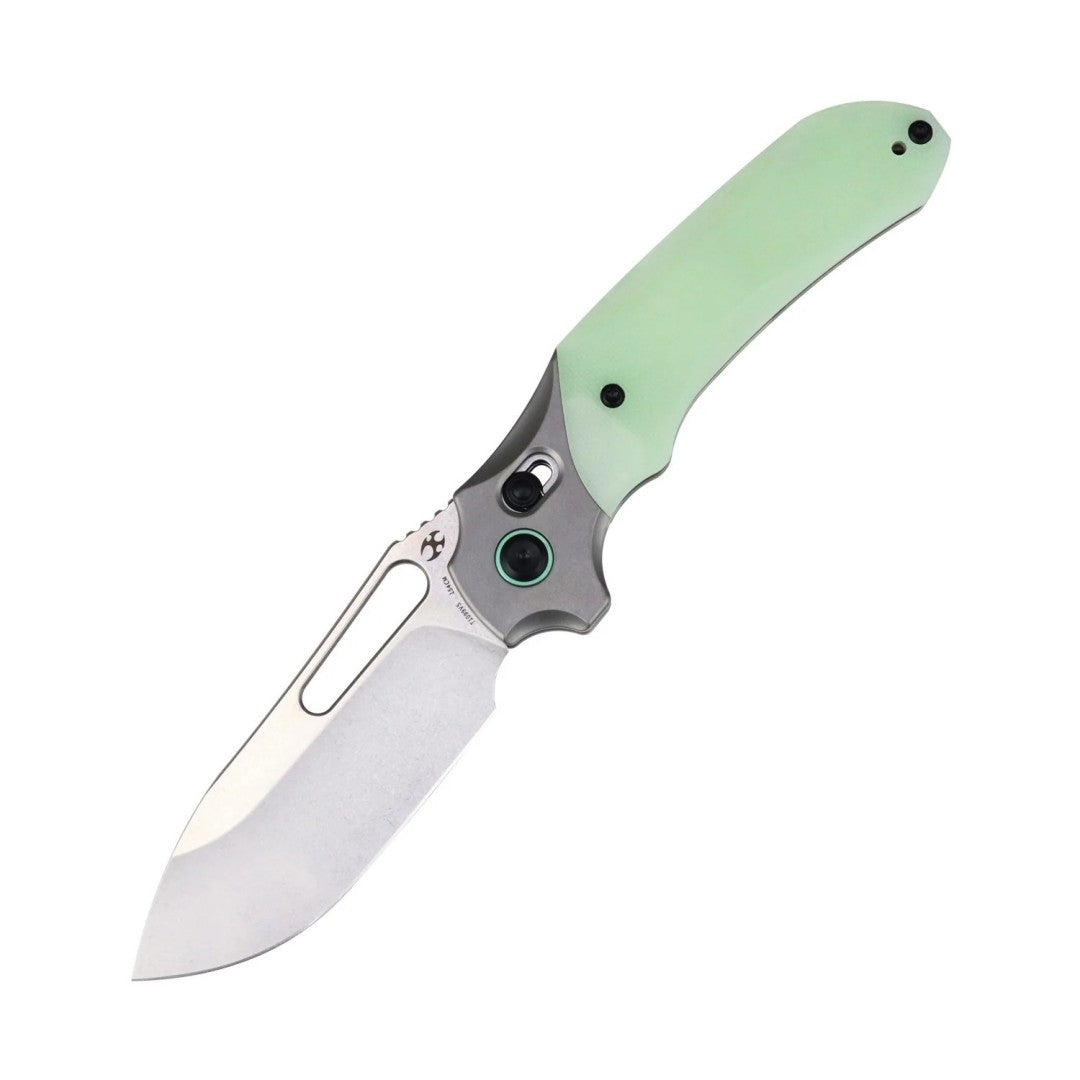
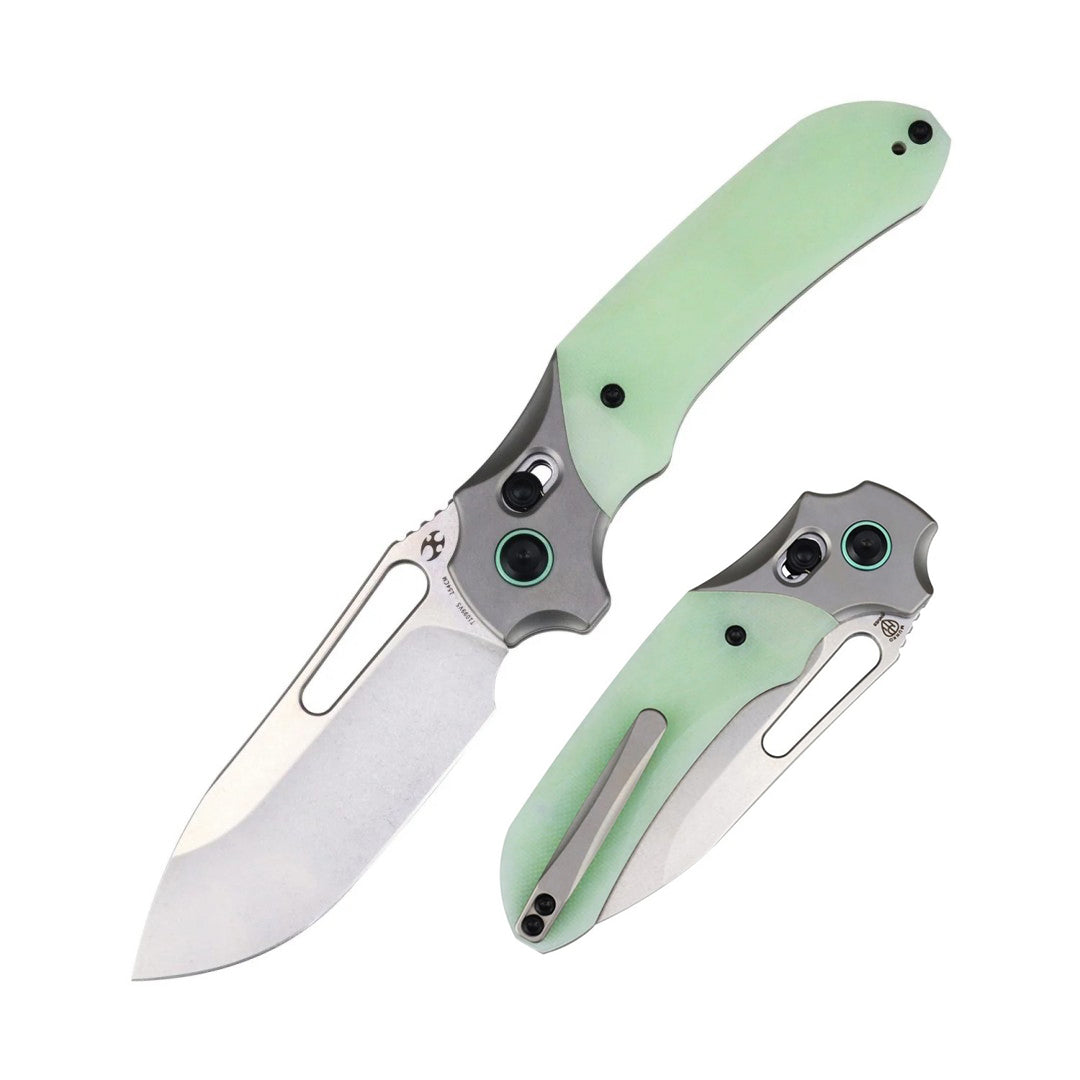
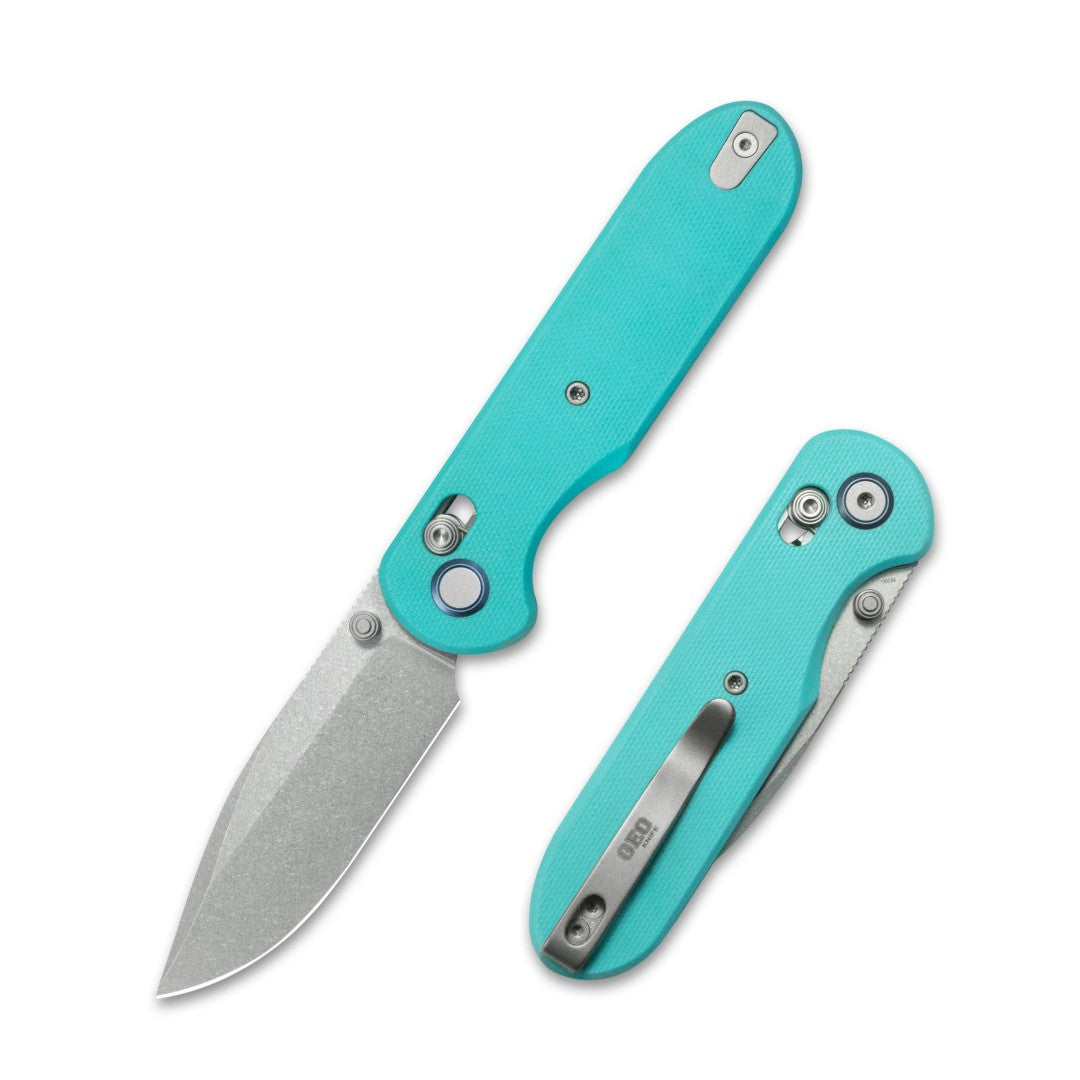
The design logic of lubrication is about migration, not magic. Wet oils creep along the blade tang and can wick into a liner lock's jeweling; on the Smuga's clean liner lock and detent track, one small drop at the pivot per side was enough, with excess wiped so it never reached the lock face. Dry graphite is applied as a puff, then worked in and blown out, which keeps the G10 scales dust-free. The mistake nearly everyone makes is volume: more oil does not mean smoother, it means grit.
Real-World Use
The three-week rotation produced a clear rhythm. Week one with mineral oil: smooth, faintly sticky in the cold. Week two with silicone: the water-shedding claim held during dish tasks. Week three with graphite: silent action, zero sawdust adhesion, and the washers still clean at teardown. The Smuga's action after all three was indistinguishable from new, which is the real point: lubricant choice matters less than interval discipline, one drop monthly, a full clean quarterly.

Ownership Notes
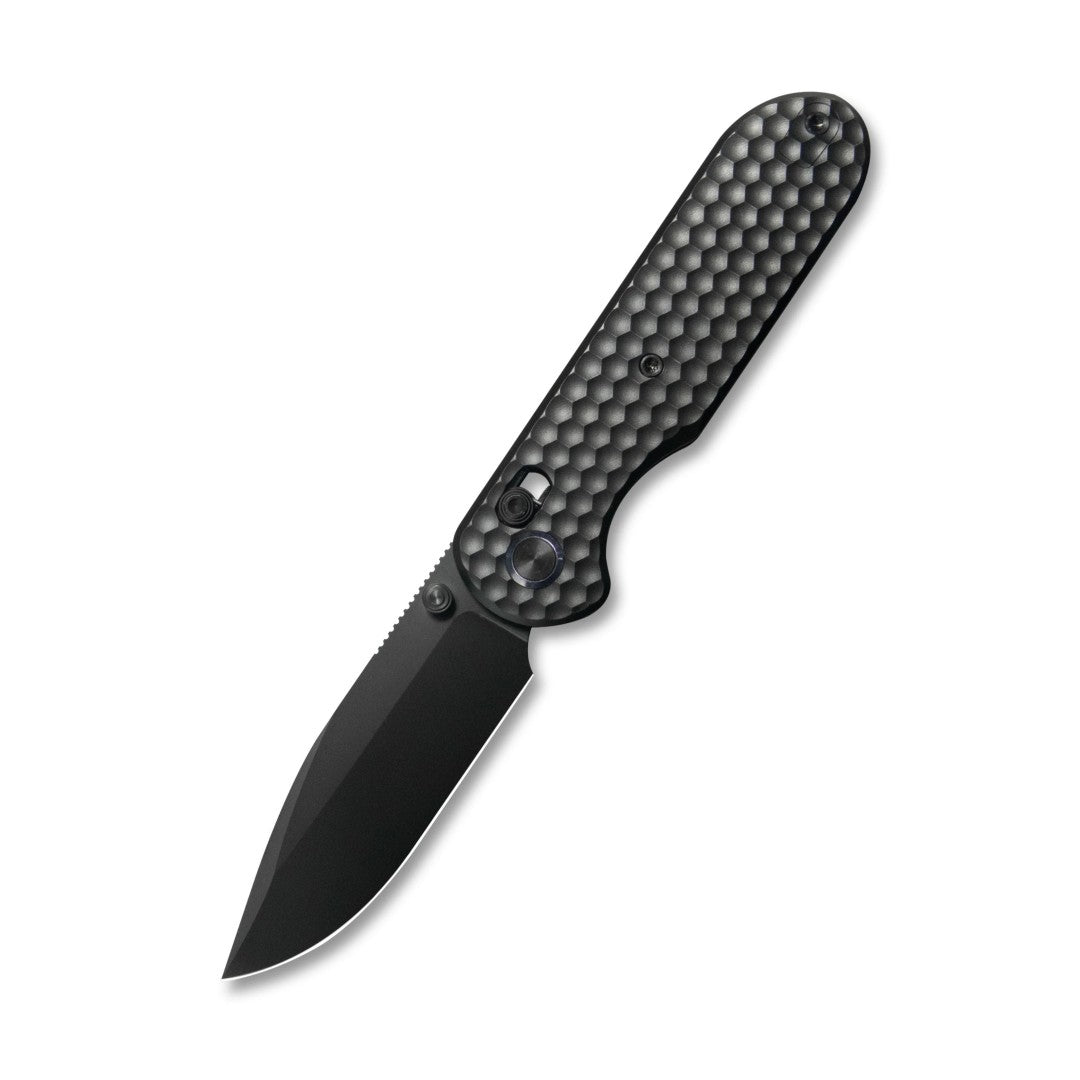
EdcMall lists the whole Smuga family if you want your own test mule; the BMK22D's bead-blast finish also hides the handling marks a lubricant trial inevitably adds. Keep three small needle bottles labeled by type in the maintenance tin, and date them. Old oil collects dust in the bottle before it ever harms a knife. The same logic applies across the shop: food knives stay mineral-only, while EDC knives in dusty trades get the graphite treatment, and any folding knives with caged bearings need slightly more oil than washer-based designs like the Smuga.
Who Is This For?
This guide suits daily carriers in dusty or wet trades, collectors who want safe-queen protocols, and anyone whose folder has developed grit they cannot locate. It also helps parents of teenagers whose knives live in backpack lint. Food handlers should stay mineral-only, full stop.
Final Verdict
Match the lubricant to the week you actually live: mineral for the kitchen-adjacent, silicone for the wet, graphite for the gritty. Applied sparingly to a well-made washer knife like the Smuga, any of the three will outlast the argument that prompted it.