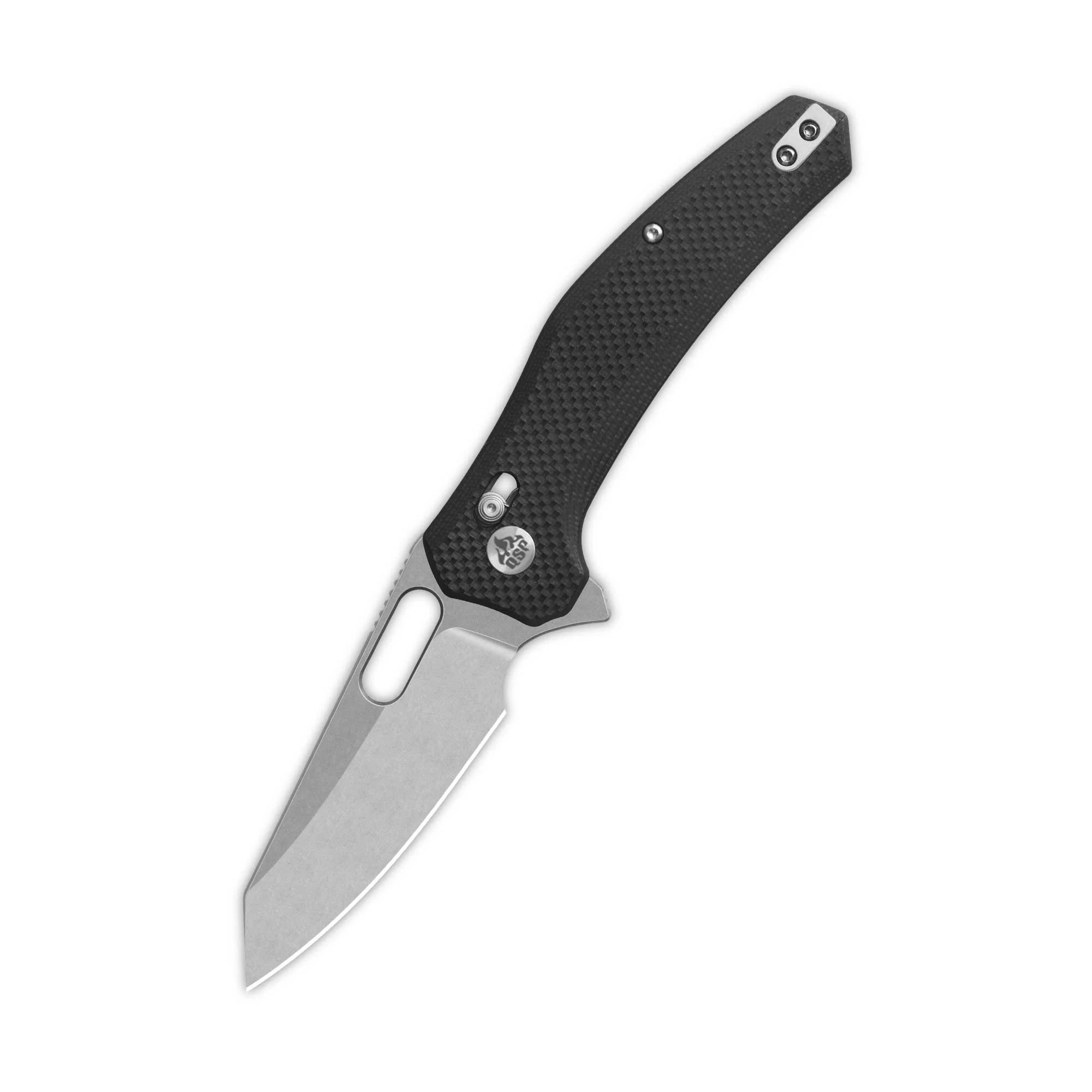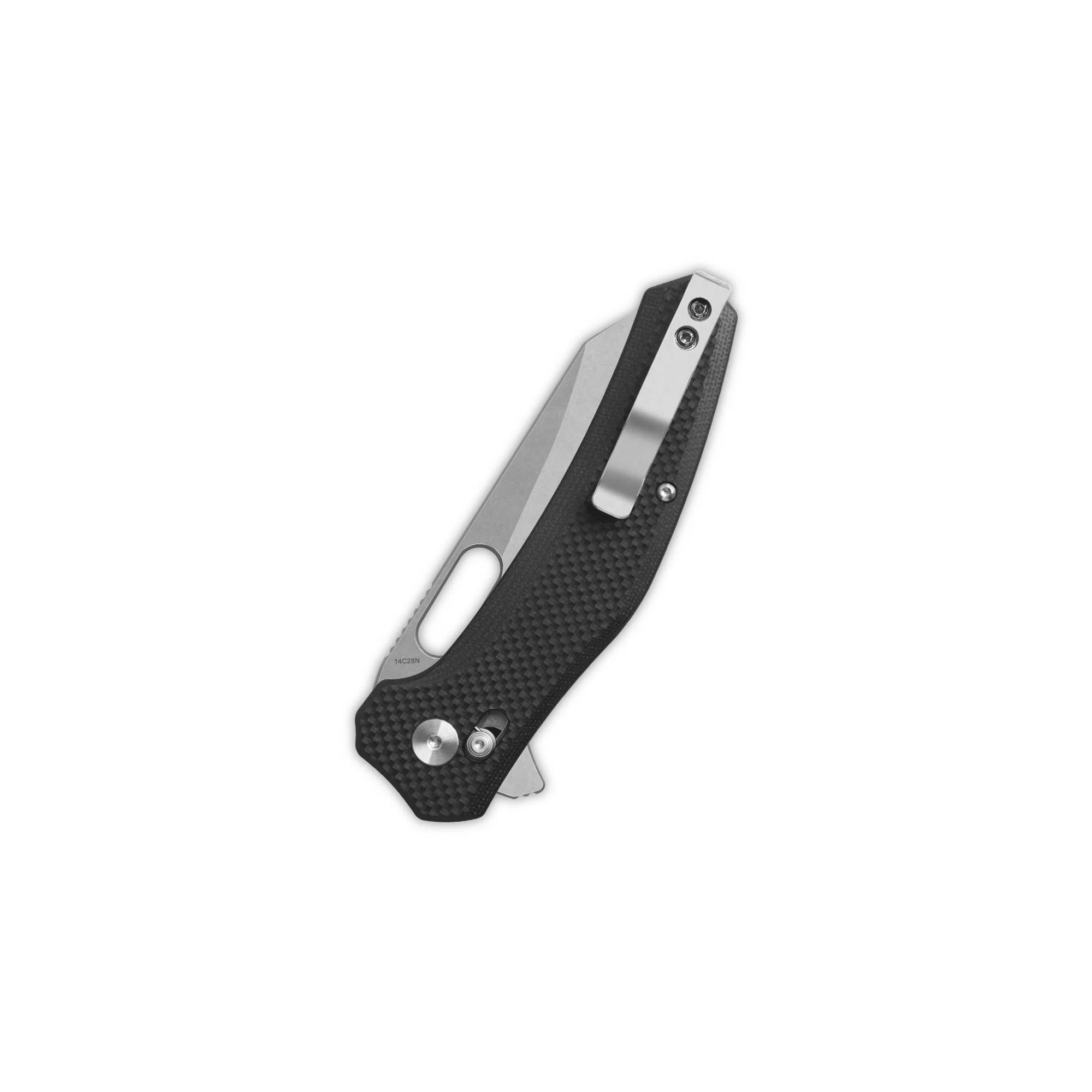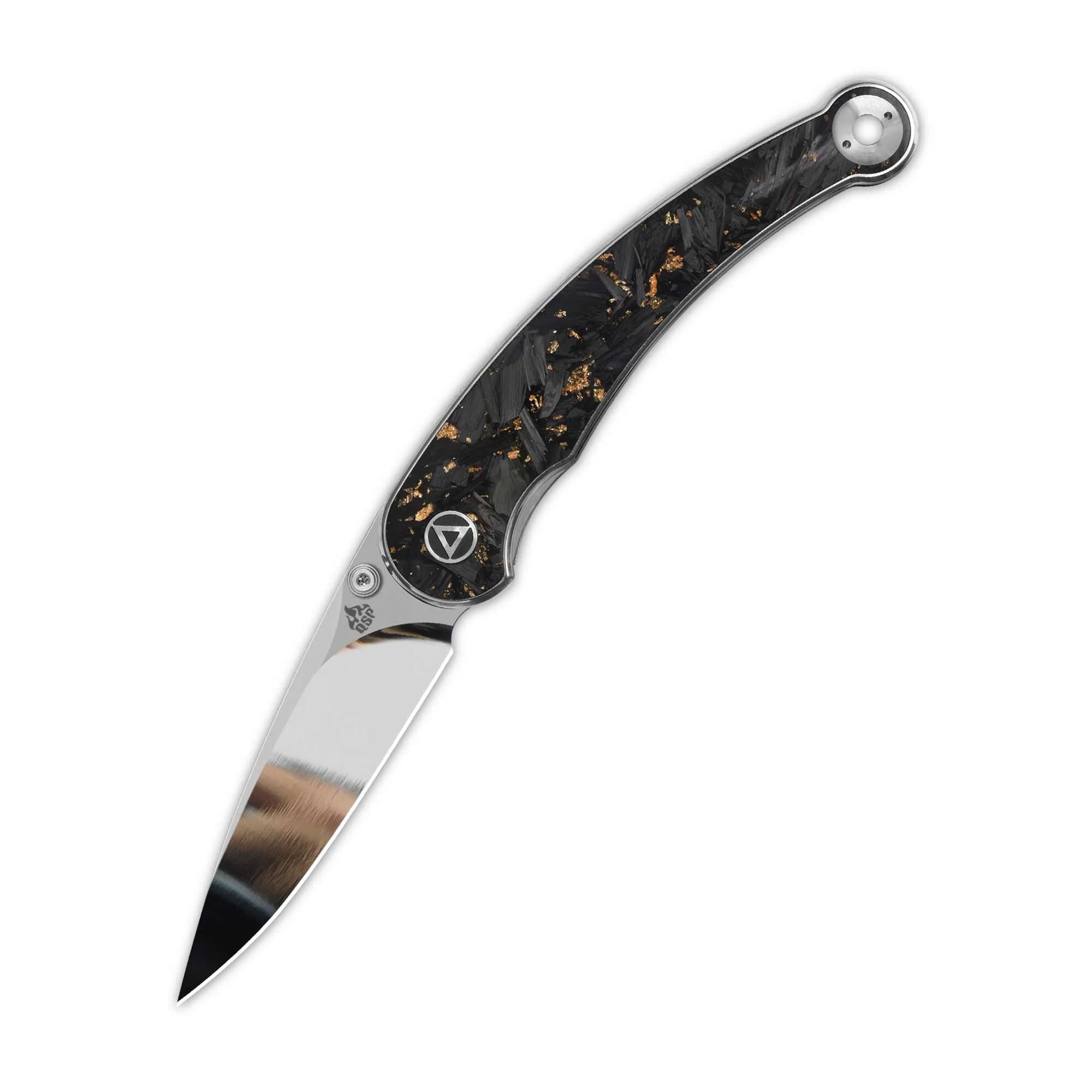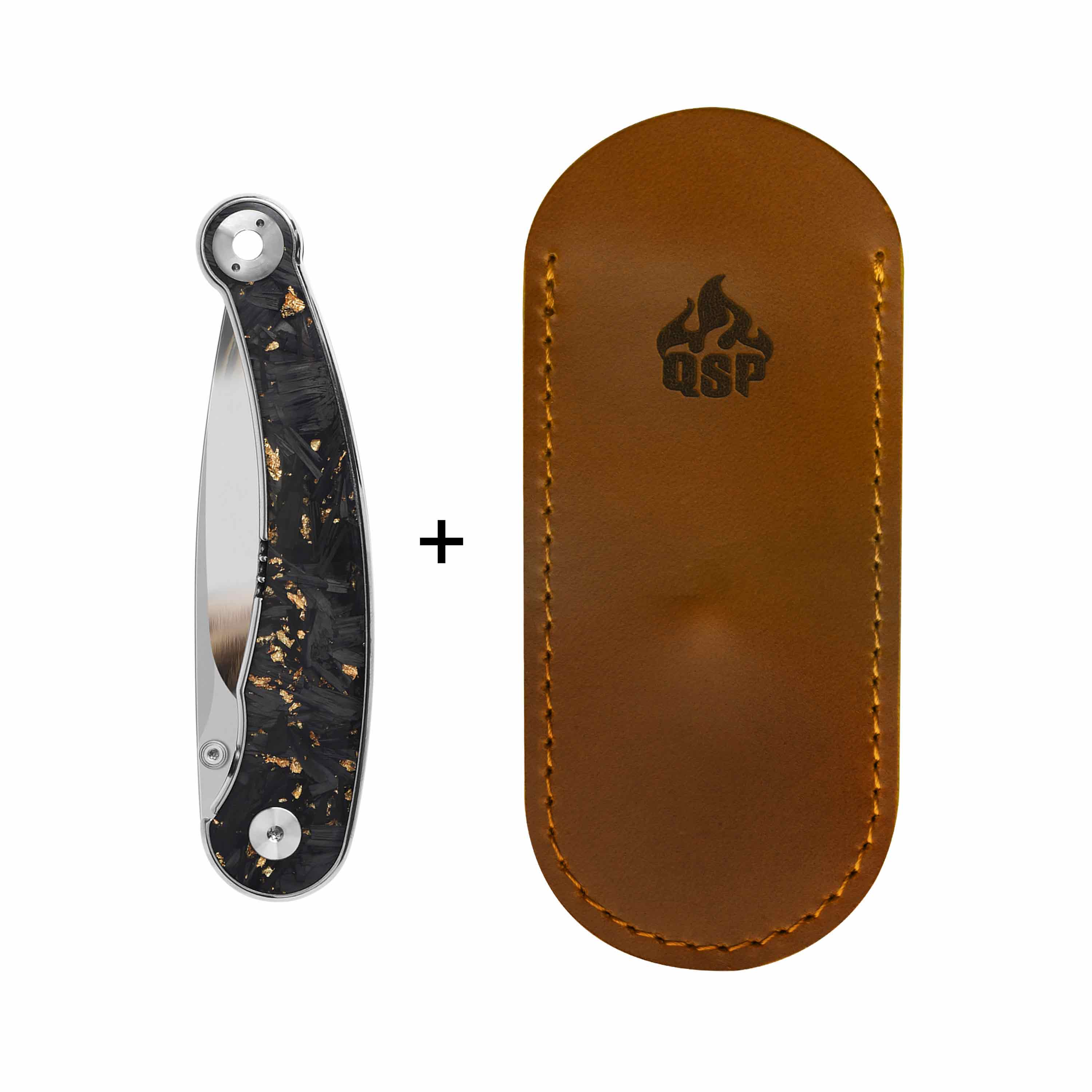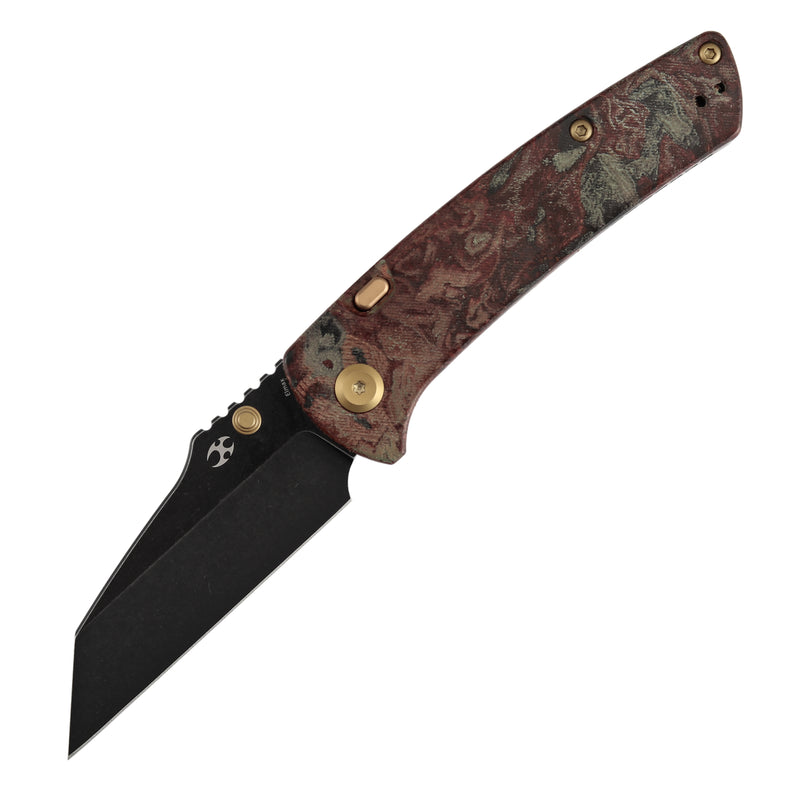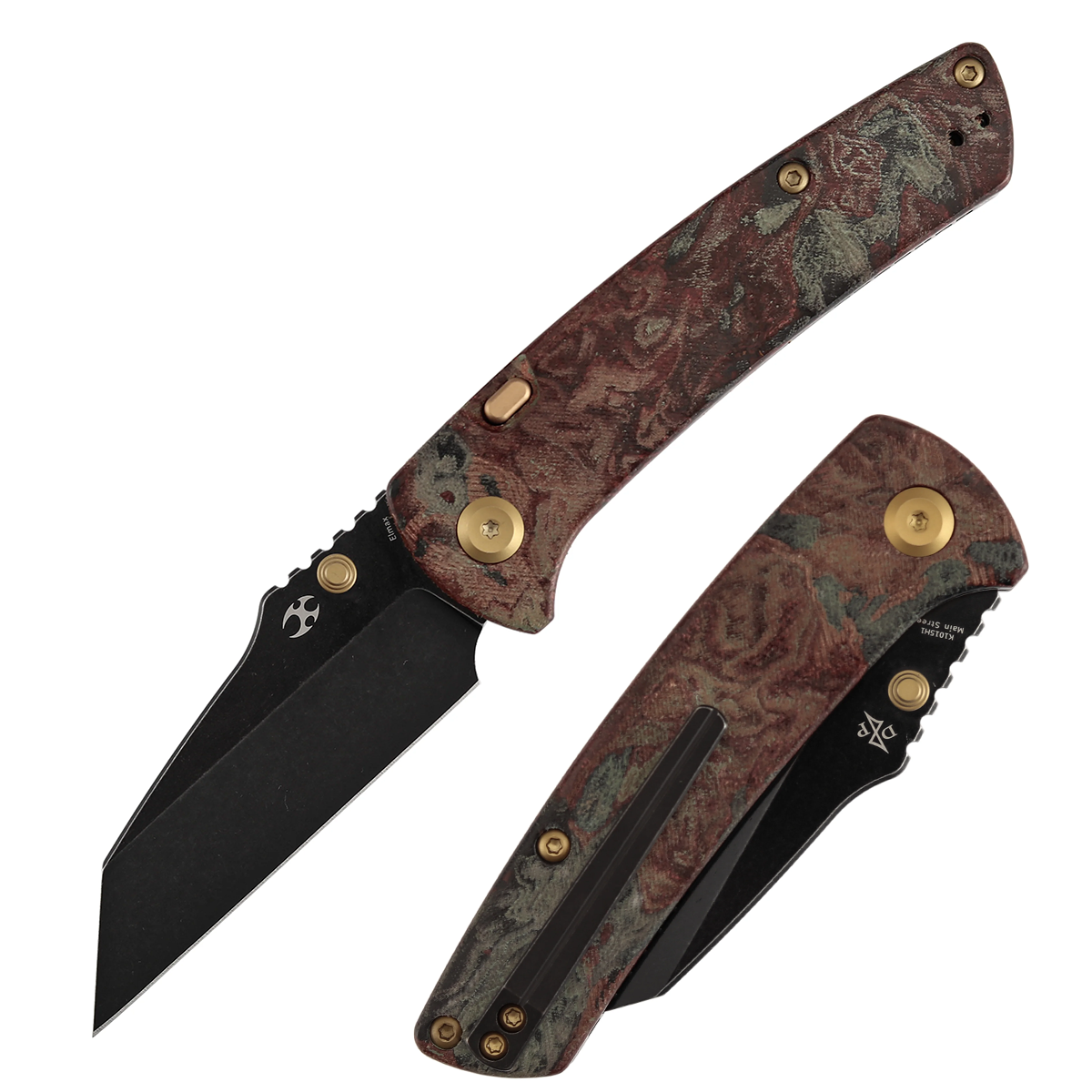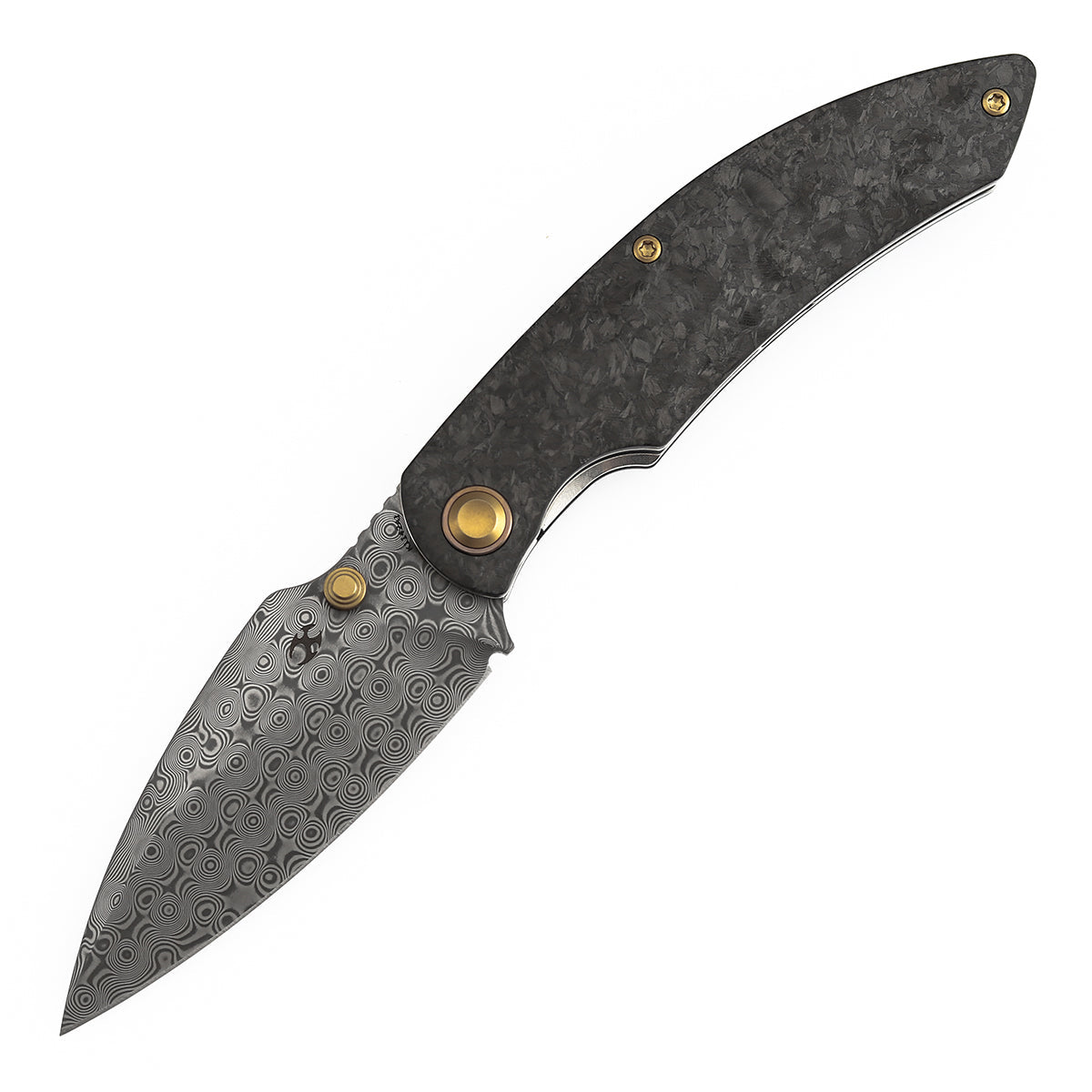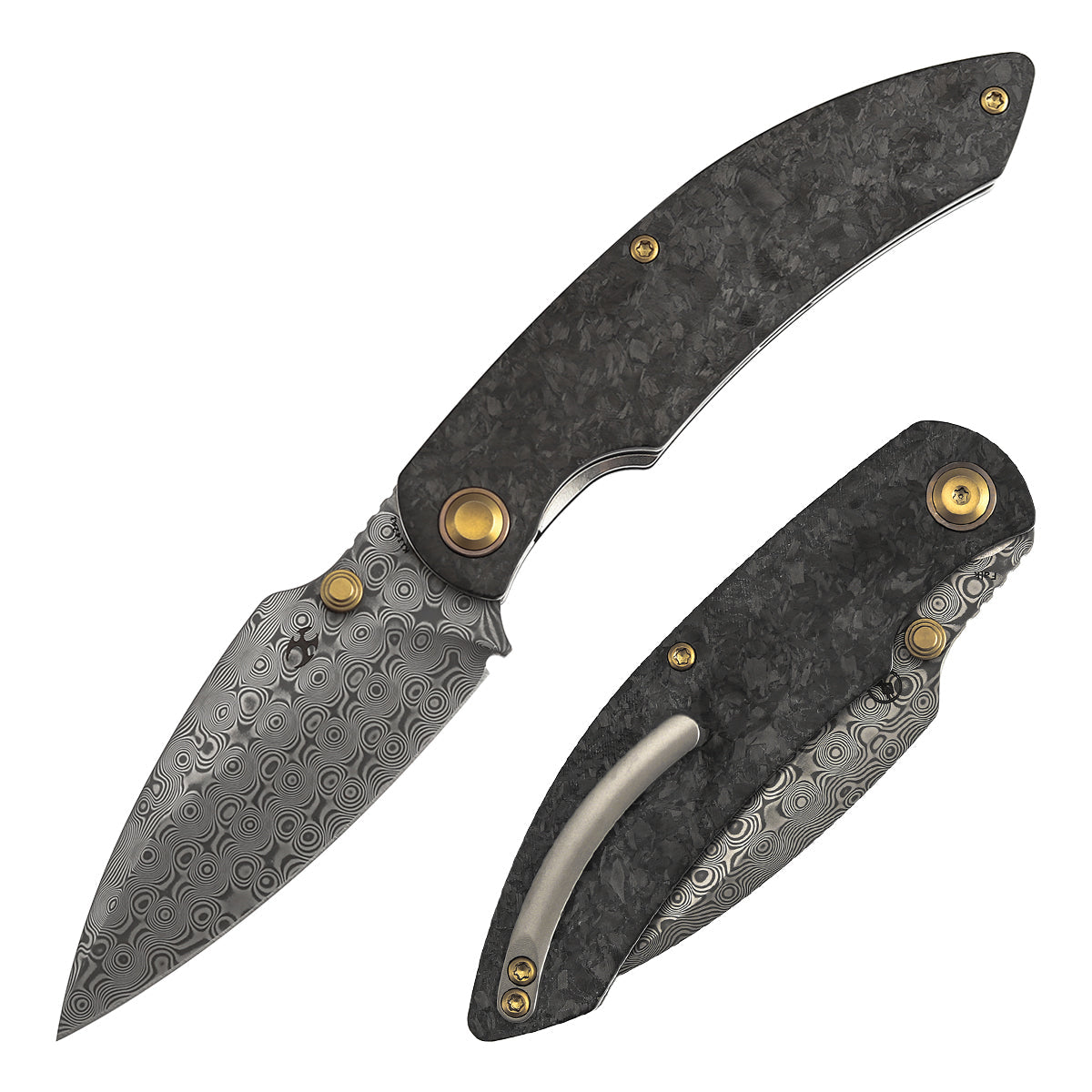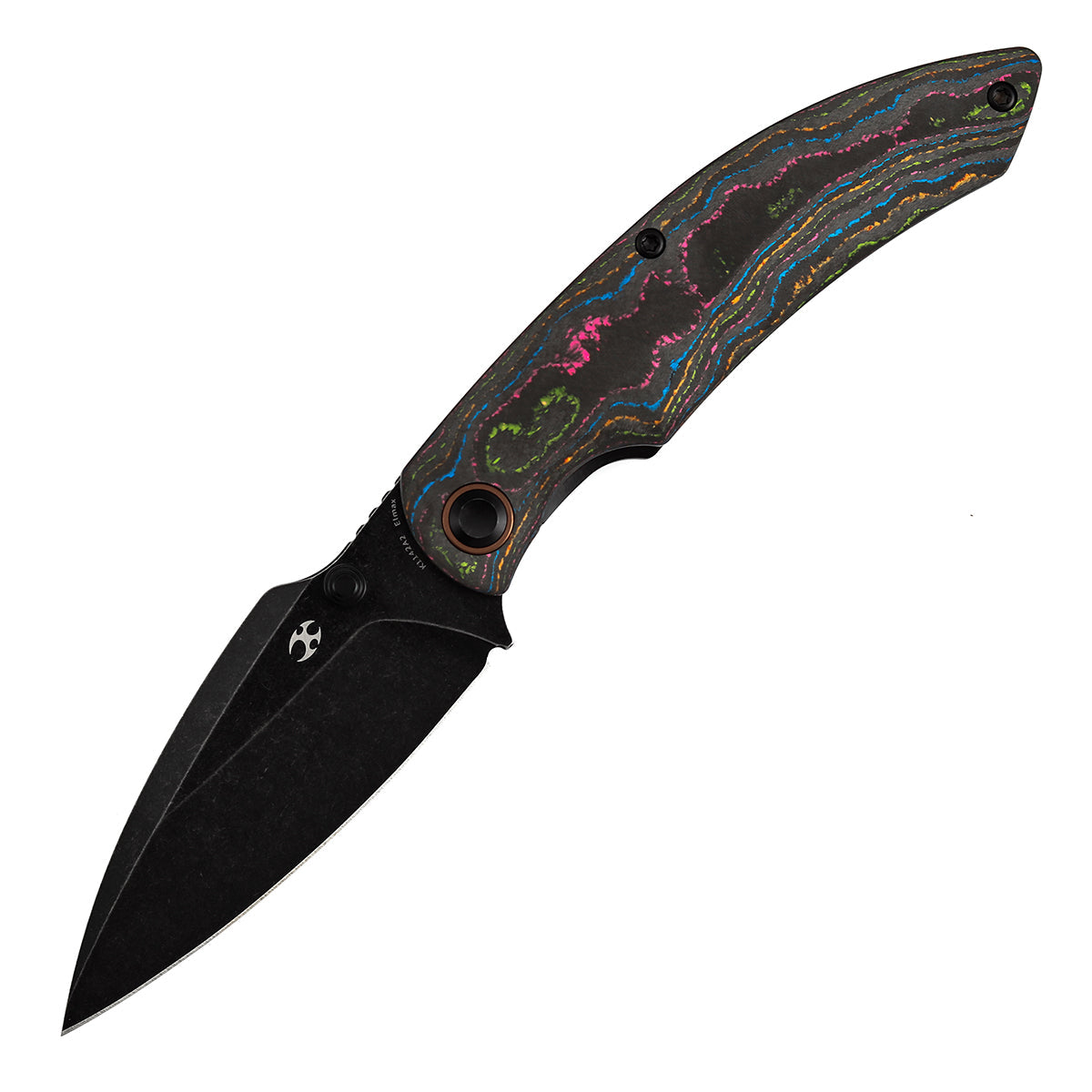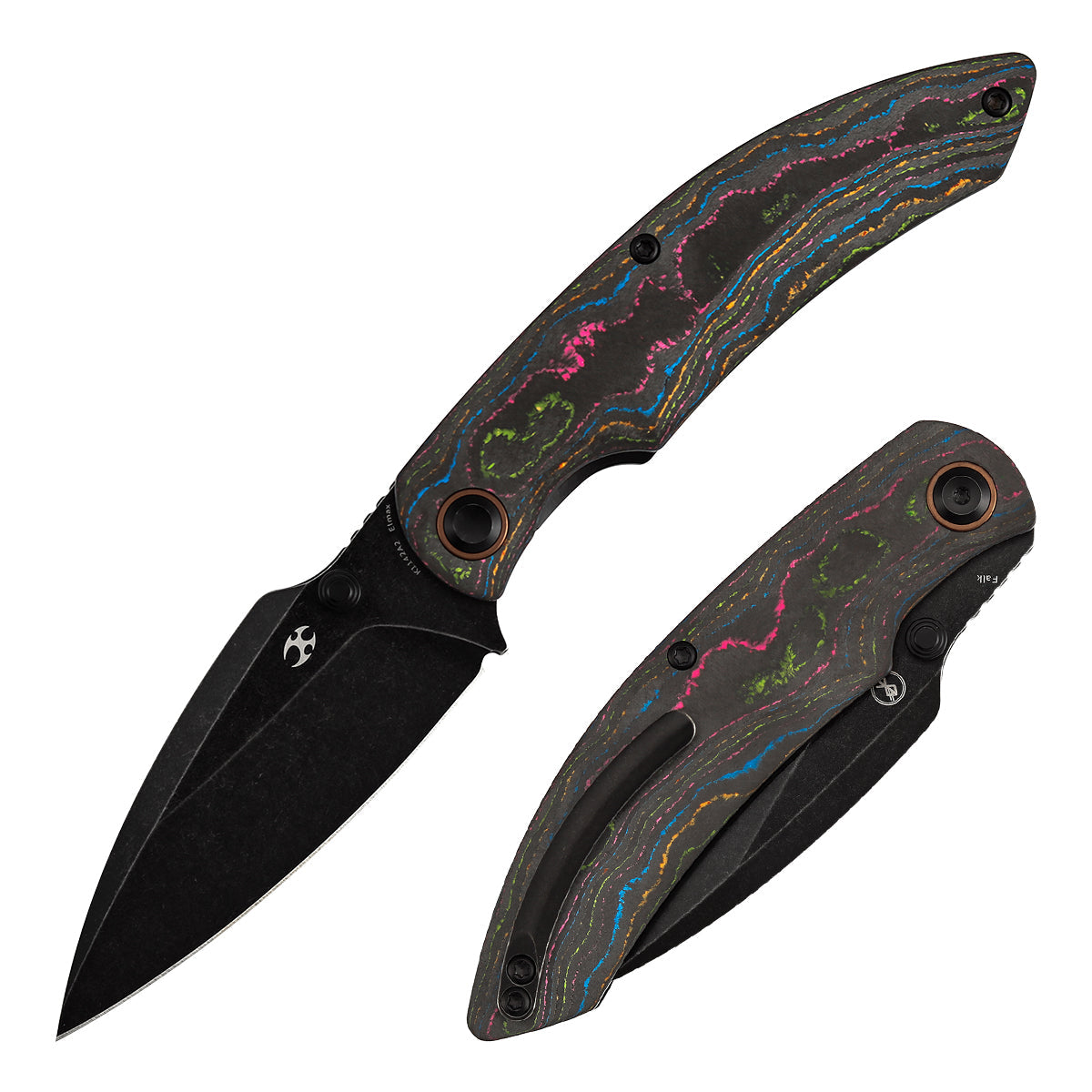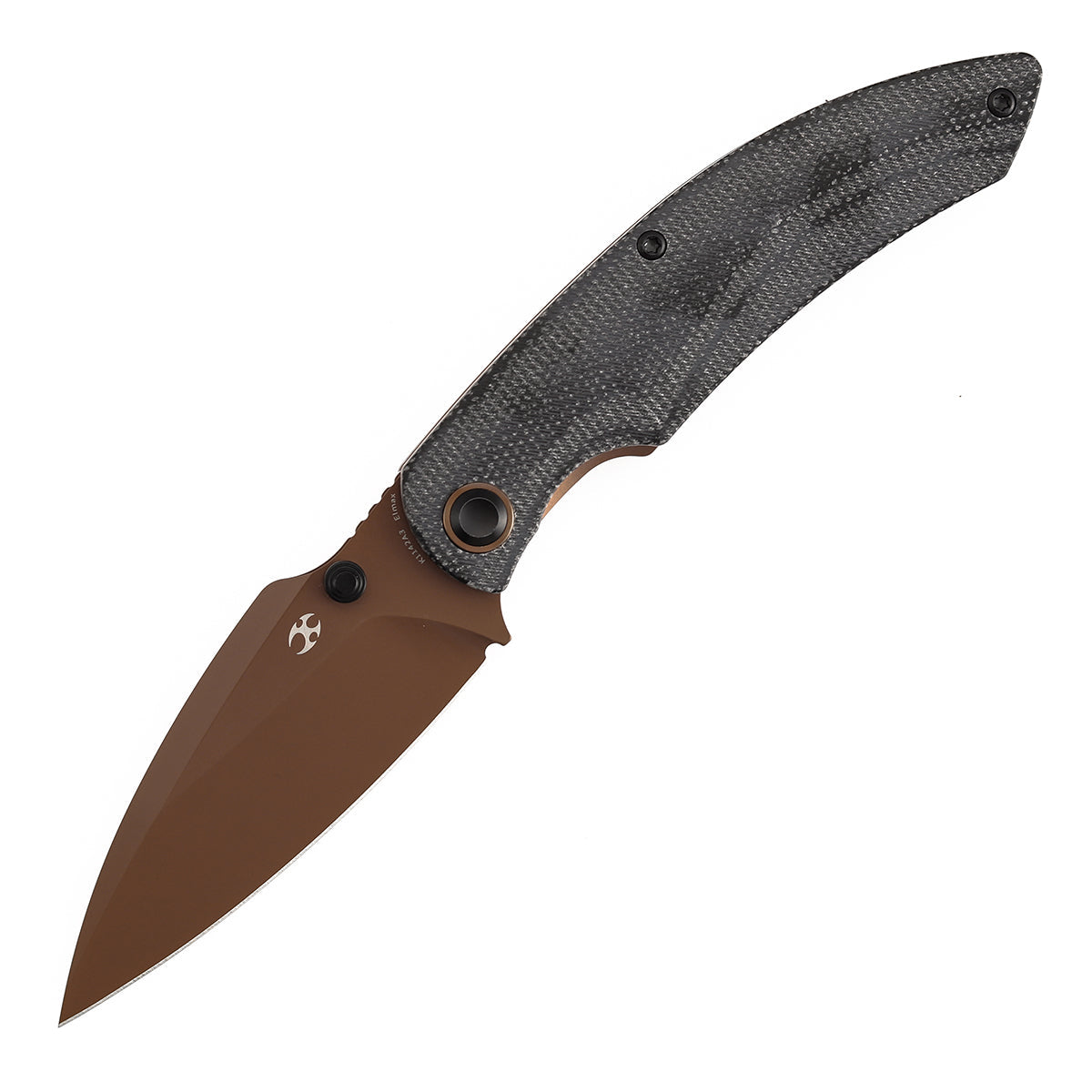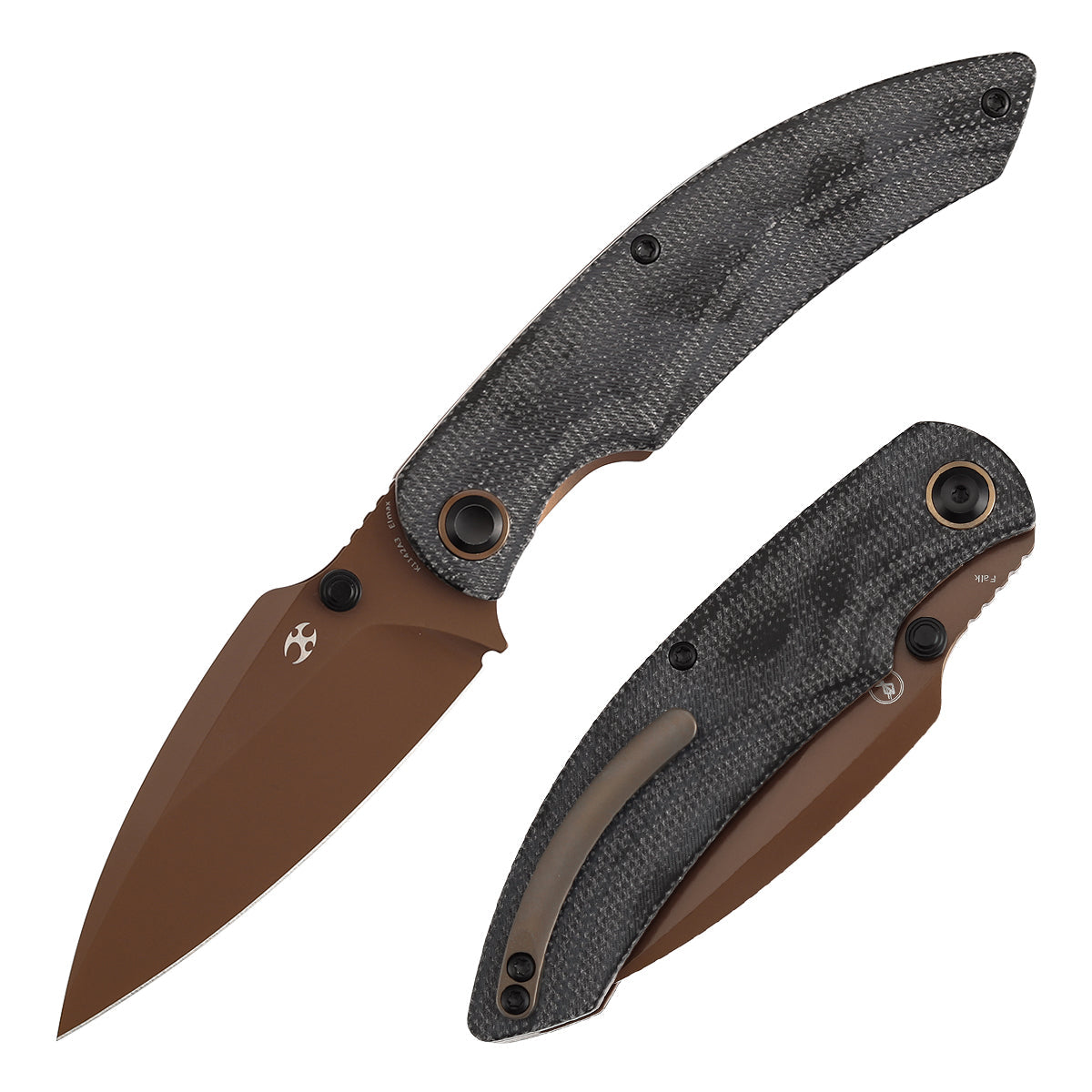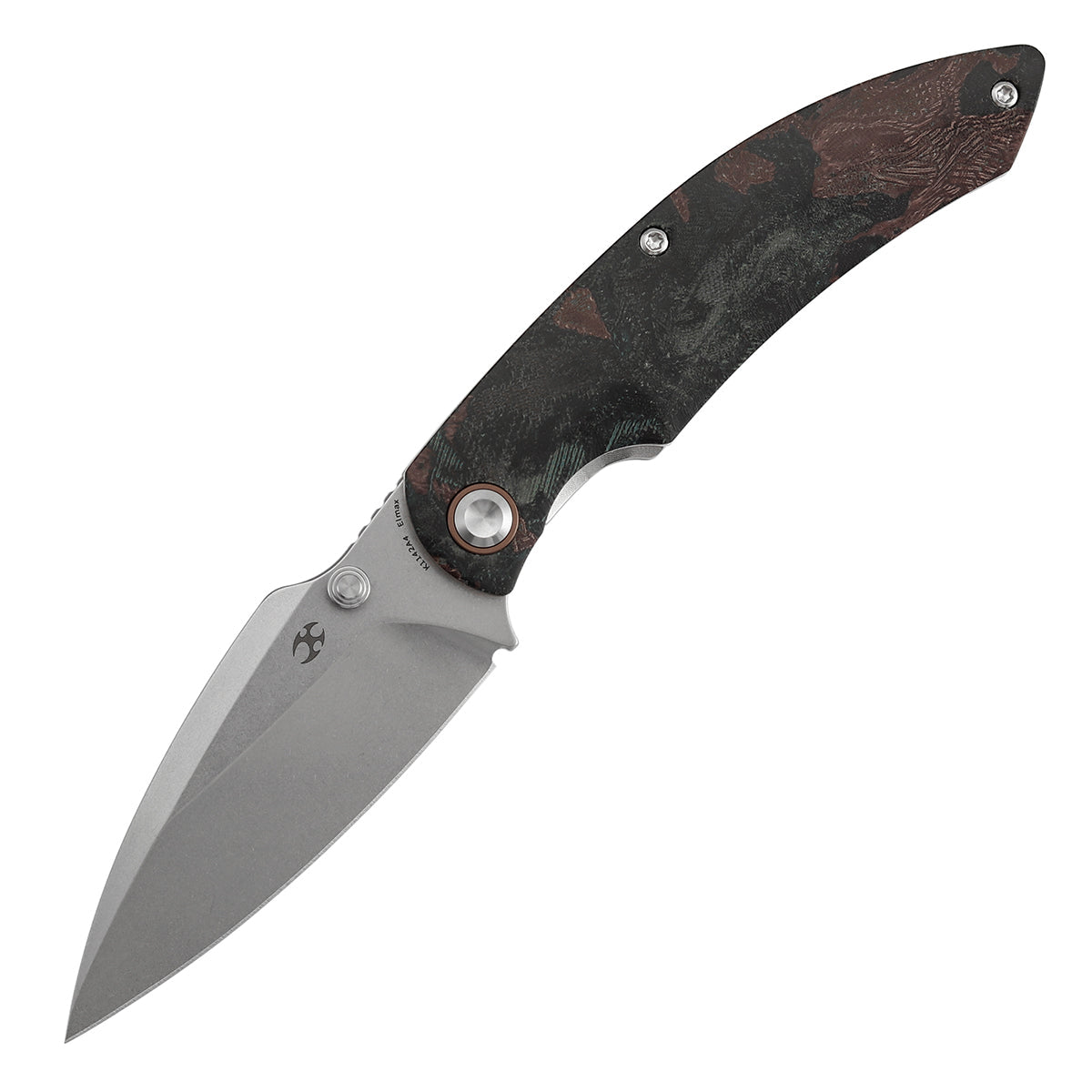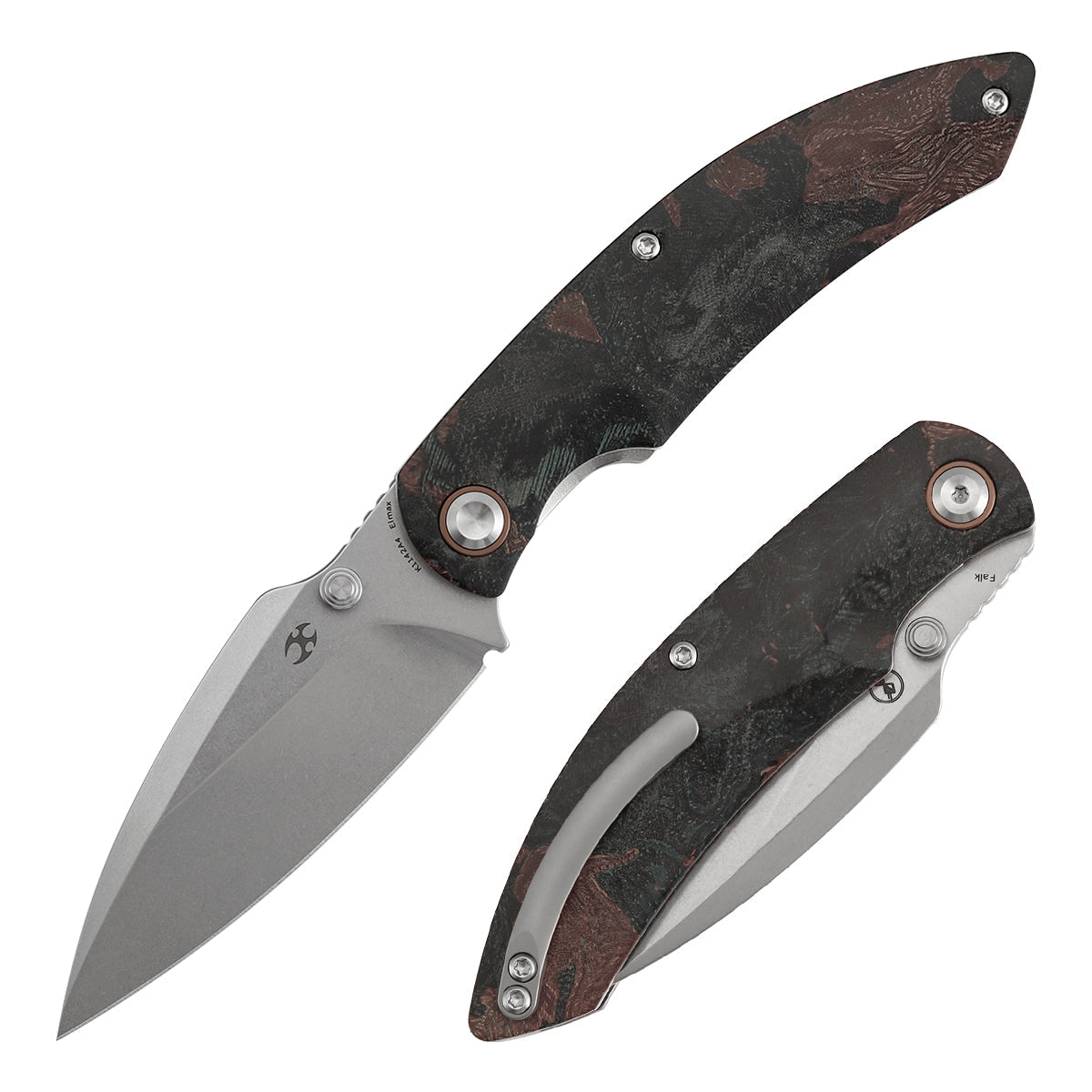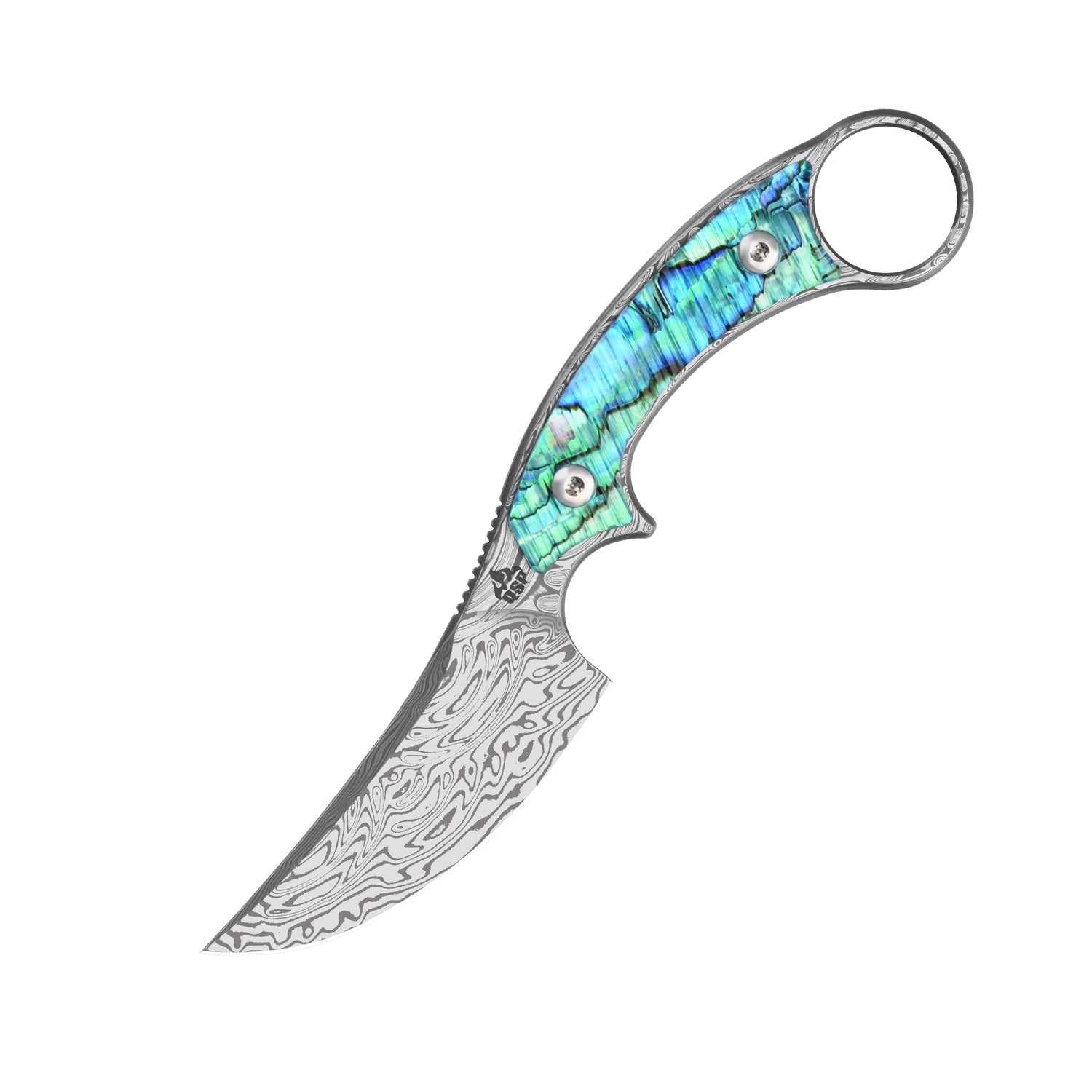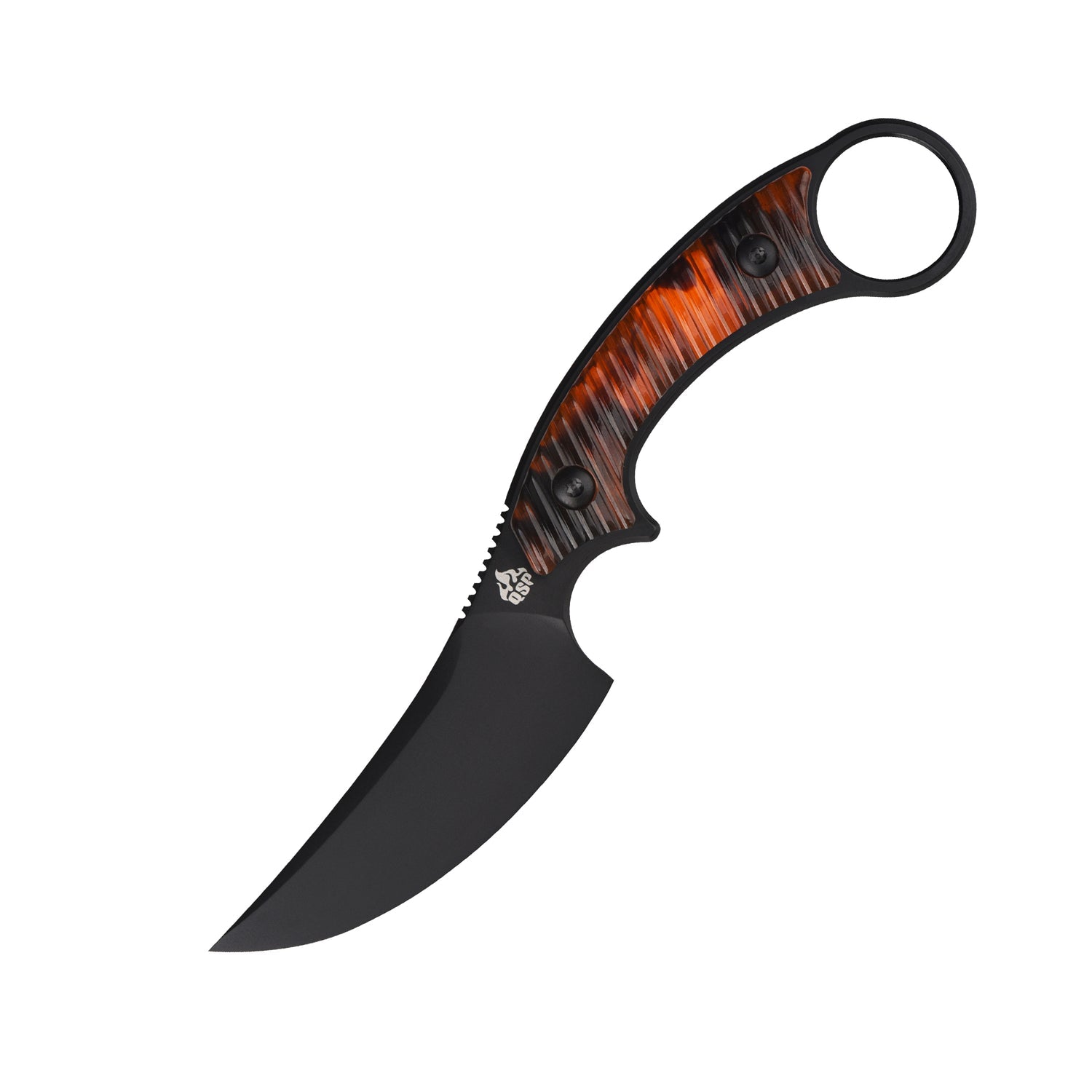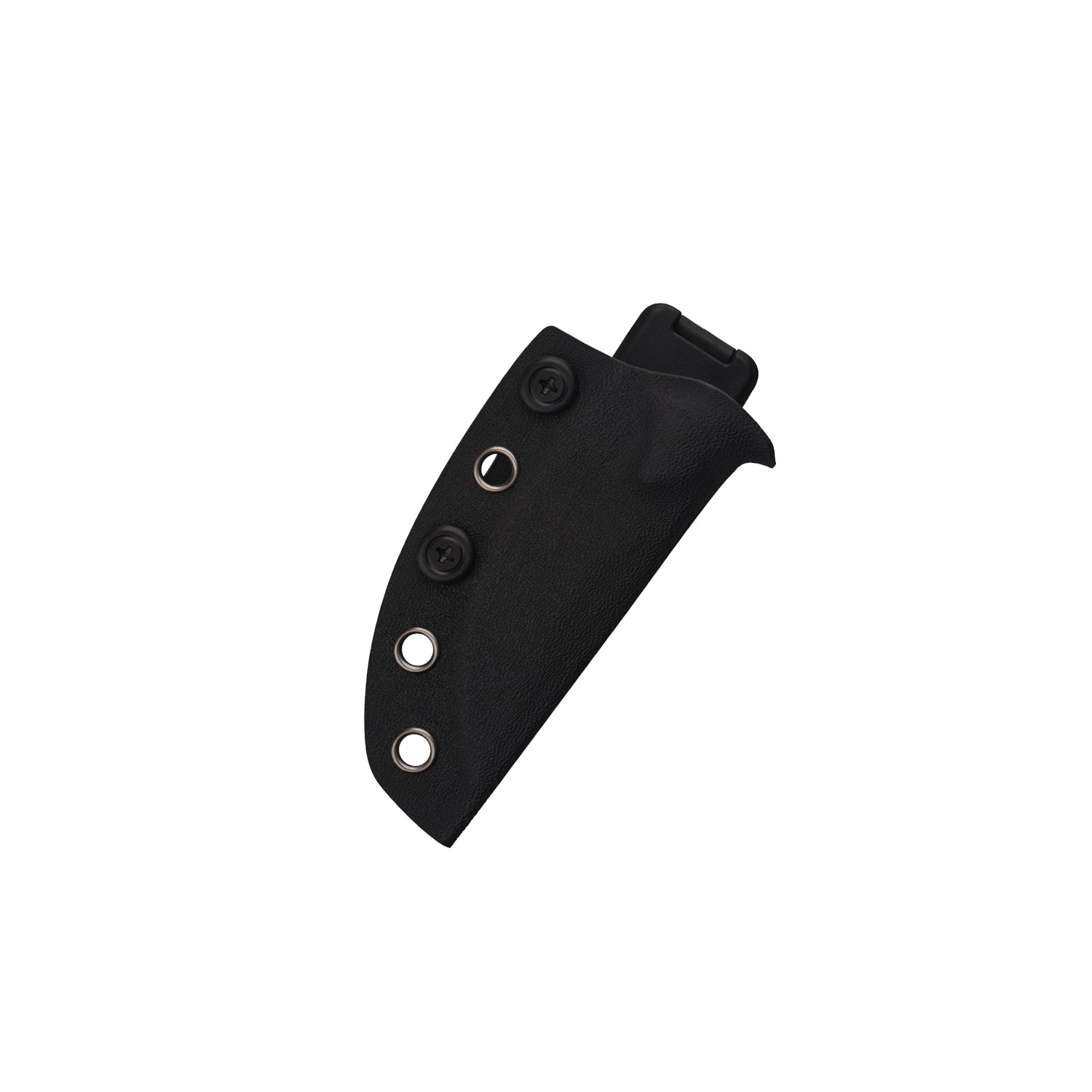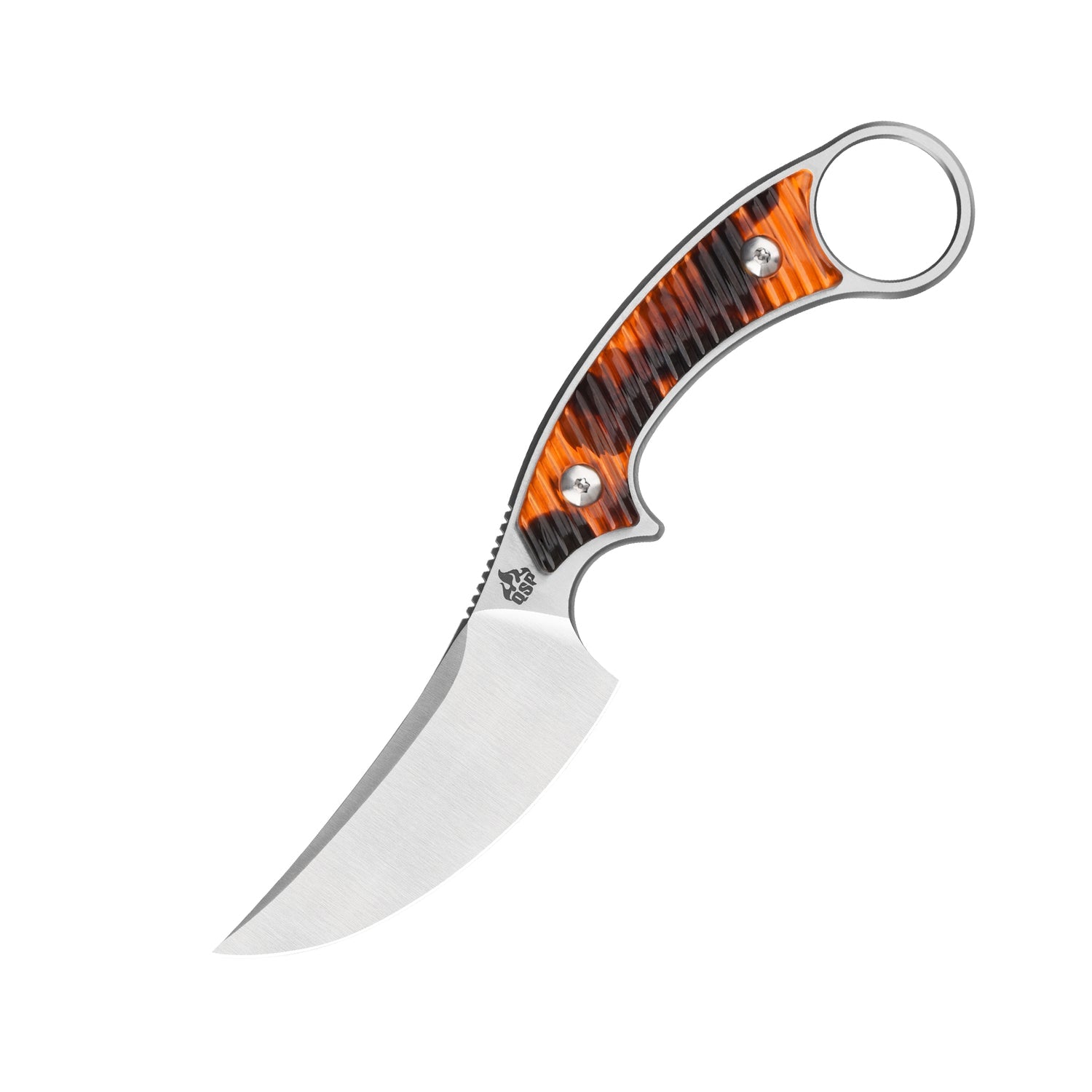

Owning a Tenable Deadite pocket knife—designed by the acclaimed custom maker Geoff Blauvelt of TuffKnives—means carrying a masterful blend of radical geometric styling and hard-working utility. Featuring a capable 3.52-inch blade profile and a snappy, drop-shut crossbar lock mechanism, the Deadite is built to be used.
However, because the Deadite lineup offers two distinctly different blade materials—visually stunning Water Ripple Damascus Steel (Variants V1 and V4) and rugged Sandvik 14C28N Stainless Steel (Variants V2 and V3)—their long-term upkeep requires different approaches. What keeps a stainless steel blade pristine could leave a layered Damascus blade vulnerable to environmental damage.

In this essential maintenance guide, we break down the cleaning, lubrication, and storage routines necessary to keep both the Damascus and 14C28N variants of your Tenable Deadite performing like a custom-tier tool for a lifetime.

1. The Core Maintenance Toolkit
Before performing any knife care, assemble a proper kit to protect your knife's hardware and finishes. The Deadite features high-precision Torx hardware that requires:
-
Torx Drivers: T6 and T8 drivers (ensure they are high-quality bits to prevent stripping screw heads).
-
Cleaning Agent: Isopropyl alcohol (91% or higher) which dissolves grime and evaporates cleanly.
-
Lubricant: Low-viscosity synthetic knife oil (such as KPL - Knife Pivot Lube) for the moving parts.
-
Surface Protectant: Food-safe light mineral oil or high-grade microcrystalline knife wax (e.g., Renaissance Wax).
-
Tools: Cotton swabs (Q-tips), a soft toothbrush, compressed air, and a clean microfiber cloth.
2. Specialized Care for Water Ripple Damascus Blades (V1 & V4)
The Damascus steel variants of the Deadite are stunning functional works of art. This steel is made by forge-welding multiple alloys together and acid-etching the surface to expose the "water ripple" pattern. However, the microscopic valleys created by this process make it highly reactive to environment and sweat.
The Cleaning Routine
Always clean the blade after cutting corrosive or organic materials, such as fruits or wet cardboard. Wipe the blade down thoroughly with a microfiber cloth dipped in isopropyl alcohol. Avoid abrasive scrubbing pads or industrial kitchen cleaners, as these can permanently bleach or strip away the high-contrast dark lines of the etched pattern.
Protecting the Surface
Because Damascus is more prone to environmental oxidation than standard stainless steel, it requires a dedicated physical barrier:
-
Mineral Oil: Apply 2 drops to the blade flats and buff uniformly. This is ideal if you use your knife for occasional food prep.
-
Knife Wax: For an elite everyday carry shield, apply a thin coat of microcrystalline wax. It dries completely hard, resists fingerprints, prevents ambient humidity from settling into the etched valleys, and will not attract pocket lint.
3. Targeted Upkeep for Coated Sandvik 14C28N Blades (V2 & V3)
Sandvik 14C28N is a premium Swedish stainless steel engineered with nitrogen to provide outstanding corrosion resistance, high toughness, and easy sharpening. The Deadite V2 features a stealthy gray TiCn (Titanium Carbo-Nitride) coating, while the V3 sports a luxury rose gold finish.
Low-Maintenance Utility
The chemical compositions and specialized physical vapor deposition (PVD) coatings on these blades make them incredibly resilient. They can tolerate sweat, humidity, and moisture without rusting out. Your main priority is keeping the un-coated, sharpened apex of the cutting edge clean and dry.
Removing Tape Residue
Heavy daily use involves slicing packing tape, which leaves sticky adhesive on the coated blade faces. Do not scrape it off with another metal object. Simply apply isopropyl alcohol to a cotton ball, let it sit on the adhesive for 30 seconds, and wipe it away effortlessly. The slick TiCn and rose gold coatings allow glue to release smoothly.
4. Keeping the Crossbar Lock and Pivot Operating Smoothly
Regardless of your blade material, both configurations share the exact same internal crossbar locking mechanism and pivot layout. To keep that addictive, fidget-friendly, drop-shut action feeling hydraulic and smooth, use this lubrication routine:
Avoid Over-Lubricating
The number one mistake knife owners make is drowning their pivot in oil. Excess oil seeps onto the handle scales and turns the internal chassis into a magnet for pocket lint, dust, and grit, creating a abrasive paste that slows down the action. Keep your applications down to single drops, and wipe away any excess that migrates out of the pivot.
5. Long-Term Storage Best Practices
If you rotate your Tenable Deadite out of your pocket for an extended period, follow these guidelines to keep the steel safe:
-
Avoid Leather Storage: Never store your Damascus or coated 14C28N knife inside a leather pouch long-term. Leather naturally absorbs ambient moisture from the air, and the chemicals used in the leather tanning process can severely corrode and pit metal over time.
-
Utilize Silica Packets: Store your knives in a dry drawer, specialized knife roll, or hard-shell case alongside a few moisture-absorbing silica gel packs.
-
Maintain Airflow: A well-ventilated, humidity-controlled environment is ideal for preserving the custom geometry and premium finishes of your TuffKnives collaboration.
Frequently Asked Questions (FAQ)
1. Can I use WD-40 to lubricate the pivot of my Tenable Deadite?
No. WD-40 is a water-displacing solvent, not a dedicated mechanical lubricant. It evaporates quickly and leaves behind a sticky, thin film that attracts massive amounts of pocket lint and dust, which will quickly make your crossbar lock feel gritty.
2. What should I do if my Damascus Deadite blade develops tiny orange rust spots?
Do not panic or use sandpaper. Apply a generous amount of knife oil or mineral oil directly to the rust spot, let it sit for a few minutes, and scrub it gently with a soft-bristled toothbrush or a wooden toothpick. The surface rust will lift off without harming the underlying pattern.
3. Does the rose gold or gray TiCn coating on the 14C28N models wear off easily?
No. Titanium Carbo-Nitride (TiCn) and the rose gold finishes are industrial-grade coatings bonded to the steel at a molecular level inside a PVD vacuum chamber. They will not peel, flake, or chip like paint, and can only be worn down through heavy, direct friction against highly abrasive materials like rock, metal, or concrete.